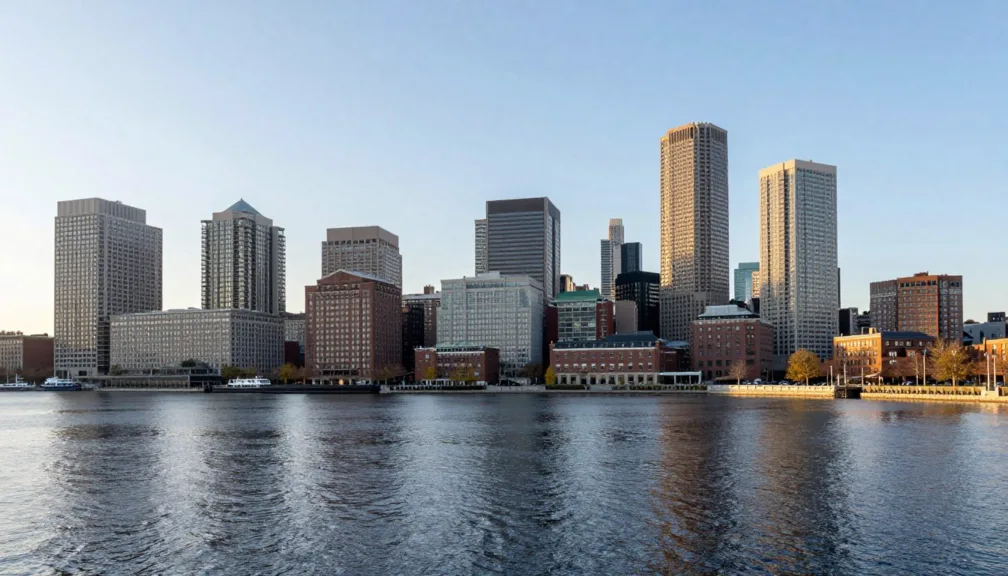

Urban centers across America continue to push the boundaries of affordability. The cost of living in major metropolitan areas has reached unprecedented levels, forcing residents and prospective movers to carefully evaluate their financial readiness before making relocation decisions.
Understanding what drives these elevated costs helps you make informed choices about where to live and how to budget. Housing markets, transportation infrastructure, local taxes, and everyday goods services all contribute to the overall expense profile of a city.
This comprehensive guide examines the top 10 most expensive cities to live in, breaking down the specific factors that make each location financially demanding. You’ll discover detailed cost comparisons, income requirements, and practical insights to help you assess whether these urban centers align with your financial situation and lifestyle goals.
Stay Informed About Cost of Living Changes
Get monthly updates on city cost rankings, housing market trends, and affordability insights delivered to your inbox. Make smarter relocation decisions with data-driven information.
Understanding Cost of Living: What Makes Cities Expensive
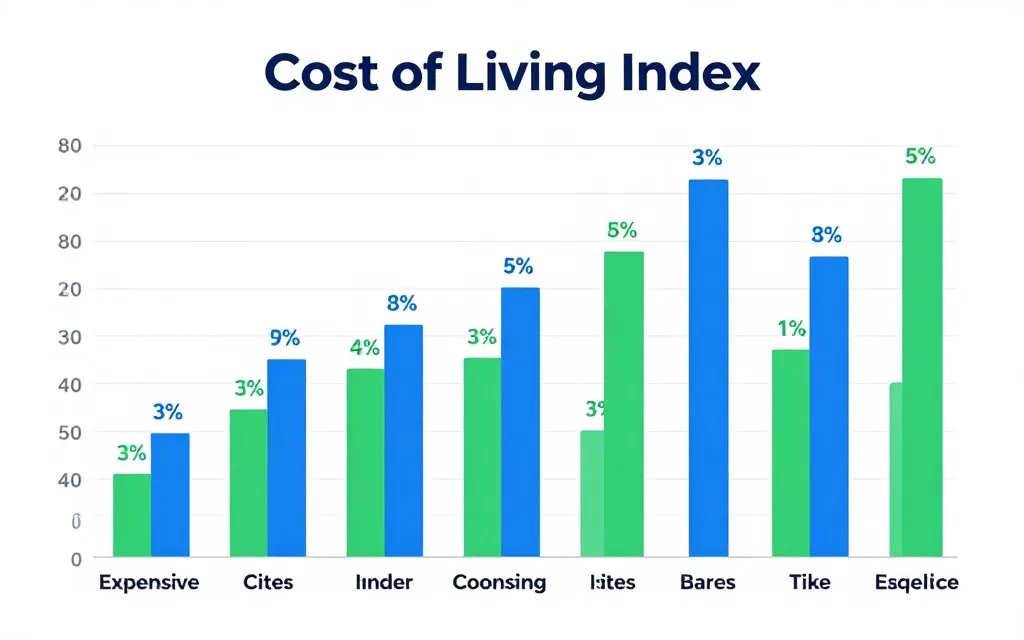
The cost living index serves as the primary measurement tool for comparing expenses across different urban areas. This standardized metric evaluates the relative price differences for essential goods and services, with a baseline score of 100 representing the national average.
Cities scoring above 100 indicate higher-than-average costs, while scores below 100 suggest more affordable living conditions. The living index encompasses multiple expense categories that directly impact household budgets.
Key Components of Cost Living Calculations
Housing costs represent the largest single factor in cost of living calculations, typically accounting for 30 to 40 percent of the total index. This category includes mortgage payments, rent prices, property taxes, insurance premiums, and maintenance expenses.
Transportation costs form another substantial expense category. Residents in expensive cities often face elevated prices for vehicle ownership, fuel, parking, public transit passes, and ride-sharing services.
The availability and efficiency of public transportation can significantly offset personal vehicle expenses, though many expensive places still require residents to maintain cars for comprehensive mobility.
Essential Cost Categories
- Housing and utilities expenses
- Transportation and commuting costs
- Groceries and food services
- Healthcare and insurance
- Taxes and fees
- Childcare and education
How Goods and Services Drive Urban Costs
Daily necessities contribute significantly to the overall expense profile of expensive cities. Groceries, dining, personal care, and household items all carry premium price tags in high-cost urban centers.
A cup coffee that costs three dollars in mid-sized cities might reach six or seven dollars in the most expensive places to live. This pricing pattern extends across virtually all consumer goods services, from haircuts to dry cleaning.
Income and Wages in Expensive Housing Markets
Higher salaries in expensive cities partially offset elevated costs, though not always proportionally. The median household income typically rises in expensive housing markets to attract and retain workers, yet this increase rarely matches the pace of cost escalation.
Tech professionals, finance workers, and specialized consultants often earn substantially more in cities like San Francisco and New York. However, even six-figure salaries can feel constrained when facing monthly housing costs exceeding four or five thousand dollars.
Understanding the income-to-cost ratio becomes essential when evaluating relocation opportunities. A higher salary means little if your purchasing power actually decreases after accounting for local expenses.
How We Ranked the Most Expensive Cities
Our ranking methodology incorporates multiple authoritative data sources to provide accurate cost assessments. We analyzed current housing market data, consumer price indexes, transportation expenses, and local tax structures for major metropolitan areas.
Data Sources and Evaluation Criteria
The ranking considers median home prices, average rental rates, property tax burdens, and home insurance costs. We weighted housing at 40 percent of the total score, reflecting its dominant impact on household budgets.
Primary Data Points
- Median home price and price trends
- Average rent for one and two-bedroom apartments
- Property tax rates and assessments
- Homeowners and renters insurance costs
- Utility expenses for typical households
Supporting Metrics
- Grocery price indexes and restaurant costs
- Transportation and commuting expenses
- Healthcare costs and insurance premiums
- State and local tax burdens
- Median household income levels
Cost Living Index Calculation
Each city receives a composite cost living index score that enables direct comparison. This standardized measurement accounts for regional price variations while maintaining consistency across different metropolitan areas.
We updated all data within the past six months to reflect current market conditions. Real estate markets and rental prices fluctuate significantly, making recent data essential for accurate assessments.
Important Note: Cost living measurements represent city-wide averages. Specific neighborhoods within these urban centers may have substantially higher or lower costs than the metropolitan average. Downtown areas and desirable neighborhoods typically command premium prices well above city medians.
1. Manhattan, New York City: America’s Most Expensive Urban Center

Manhattan stands as the undisputed champion of expensive cities in America. The borough’s living index exceeds 250, meaning costs run more than 150 percent higher than the national average.
New York City housing costs dominate household budgets with ruthless efficiency. The median home value approaches two million dollars in desirable neighborhoods, while average rent for a one-bedroom apartment hovers around four thousand dollars monthly.
Housing Market Breakdown
Manhattan’s expensive housing markets reflect extreme supply constraints and overwhelming demand. The island’s limited geography prevents horizontal expansion, forcing continuous vertical development and fierce competition for existing properties.
Daily Living Expenses in New York
Beyond housing, everyday goods services carry significant premiums. A cup coffee costs six to eight dollars at typical Manhattan cafes. Grocery prices run 30 to 50 percent above national averages.
Dining expenses accumulate rapidly, with casual restaurant meals averaging 25 to 40 dollars per person before drinks and tips. Fine dining establishments routinely charge 100 dollars or more per person.
| Expense Category | Monthly Average | National Comparison |
| One-Bedroom Rent | $4,200 | +285% |
| Utilities | $165 | +42% |
| Groceries | $550 | +48% |
| Transportation | $135 | +15% |
| Healthcare | $580 | +38% |
Income Requirements and Financial Reality
Financial advisors recommend annual household income exceeding 150,000 dollars to live comfortably in Manhattan. This income level allows for housing costs, retirement savings, and discretionary spending without constant financial stress.
The median household income in New York approaches 70,000 dollars, revealing the financial strain many residents experience. Multiple roommates and extended commutes from outer boroughs represent common cost-management strategies.
2. San Francisco: Technology Hub with Premium Price Tags

San Francisco claims the second position among the most expensive cities to live in. The technology industry boom transformed this once-affordable city into one of America’s priciest housing markets.
The cost living index for San Francisco exceeds 230, with housing costs driving the majority of this elevation. Average home prices surpass 1.5 million dollars, while rental rates for modest apartments exceed 3,500 dollars monthly.
The Technology Salary Premium
San Francisco offers some of the highest wages in America, particularly for technology professionals. Software engineers, product managers, and data scientists frequently earn 200,000 to 400,000 dollars annually, creating an economic ecosystem where such salaries become necessary rather than luxurious.
This income concentration drives prices across all categories. Landlords and businesses adjust pricing based on the area’s elevated earning potential, creating an affordability gap for service workers and middle-income professionals.
Transportation Costs and Challenges
Transportation costs in San Francisco present unique challenges. The city’s compact geography and limited parking make car ownership expensive and often impractical. Monthly parking spots cost 300 to 600 dollars in desirable neighborhoods.
Public transportation offers partial relief through the MUNI system and BART regional rail. However, monthly transit passes cost approximately 100 dollars, and many residents still require occasional ride-sharing services that charge premium rates.
San Francisco Advantages
- Exceptional career opportunities in technology
- Mild year-round climate with minimal heating costs
- Comprehensive public transportation network
- World-class cultural amenities and dining
- Strong job market with high wage potential
San Francisco Challenges
- Extremely limited affordable housing availability
- High state income tax rates compound expenses
- Intense competition for rental properties
- Significant homelessness affecting quality of life
- Frequent property crimes and car break-ins
Food and Daily Goods Prices
Grocery prices in San Francisco run 30 to 40 percent above national averages. A typical weekly shopping trip for a single person costs 150 to 200 dollars at mainstream supermarkets.
Restaurant dining carries steep premiums, with casual lunch meals averaging 18 to 25 dollars. A cup coffee at popular cafes costs five to seven dollars, while dinner for two at mid-range restaurants easily exceeds 100 dollars before drinks.
Compare Your City’s Costs to These Expensive Markets
Use our interactive cost of living calculator to see exactly how your current city compares to America’s most expensive places. Get personalized insights based on your household size and spending patterns.
3. Honolulu: Island Paradise with Mainland-Exceeding Prices

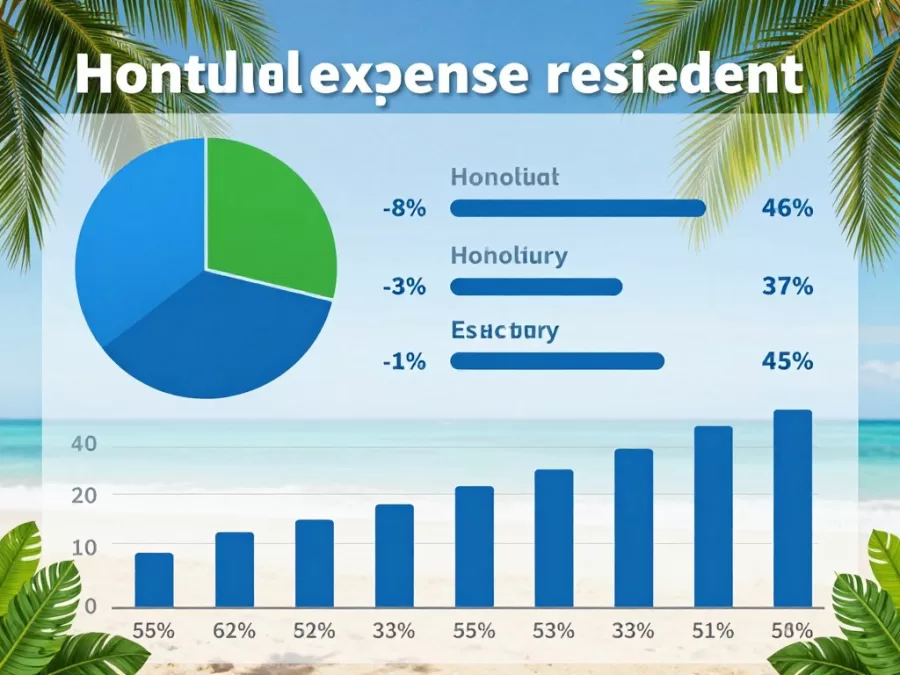
Honolulu earns its position among the most expensive places to live through a unique combination of geographic isolation and limited land availability. The city’s cost living index approaches 220, with housing and goods services driving elevated expenses.
Hawaii’s remote Pacific location creates cost premiums for virtually all imported products. Since the state produces minimal manufactured goods locally, transportation costs affect everything from groceries to building materials.
Island Economics and Cost Multipliers
Housing costs in Honolulu reflect the severe supply-demand imbalance on Oahu. The median home price exceeds 900,000 dollars, while average rent for a two-bedroom apartment costs approximately 2,800 dollars monthly.
Geographic constraints limit development options. Mountains occupy much of Oahu’s interior, concentrating development along coastal areas where land values reach extraordinary levels. This scarcity prevents market corrections even during broader economic downturns.
Groceries and Daily Necessities
Food expenses in Honolulu significantly exceed mainland averages. A gallon of milk costs approximately seven dollars, while fresh produce often costs double or triple mainland prices. Transportation costs and import logistics drive these premiums across all grocery categories.
A typical monthly grocery bill for a family of four reaches 1,200 to 1,500 dollars. Restaurant meals carry similar premiums, with casual dining averaging 20 to 30 dollars per person and fine dining exceeding 80 to 100 dollars per person.
Essential Monthly Costs in Honolulu
- One-bedroom apartment rent: $2,300
- Two-bedroom apartment rent: $2,800
- Monthly groceries (single person): $550
- Utilities (electricity, water, internet): $280
- Gasoline per gallon: $5.20
- Monthly health insurance: $520
- Dining out (mid-range, per person): $25
- Movie ticket: $14
Income and Employment Realities
The median household income in Honolulu reaches approximately 85,000 dollars, higher than many mainland cities but insufficient to comfortably afford local costs. Tourism, military, and government employment dominate the job market.
Many residents work multiple jobs or rely on dual incomes to maintain financial stability. The combination of high costs and relatively modest wages creates persistent affordability challenges for middle-income households.
4. Boston: Historic City with Modern Price Tags
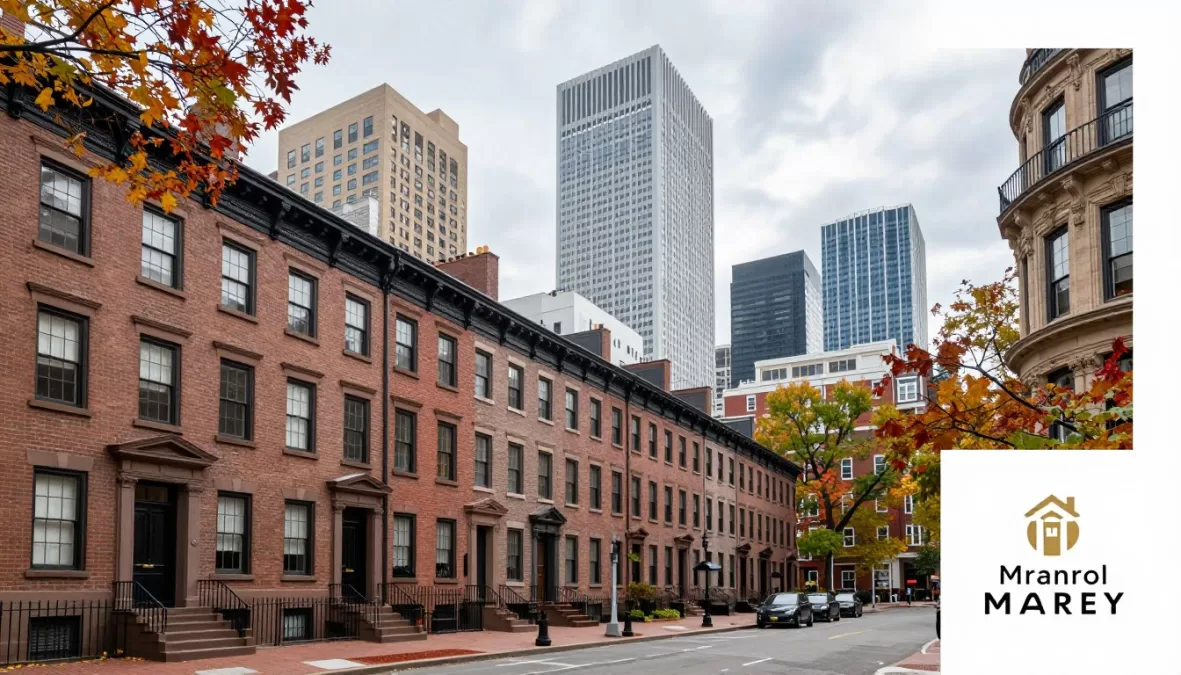
Boston ranks among expensive cities with a cost living index near 175. The city combines expensive housing markets with elevated costs across transportation, healthcare, and daily goods services.
New England’s educational and healthcare hub attracts highly educated professionals, supporting elevated price levels across the metropolitan area. The city’s historic character and limited expansion opportunities constrain housing supply.
Housing Markets and Neighborhood Variations
The median home price in Boston exceeds 750,000 dollars, with desirable neighborhoods like Back Bay and Beacon Hill reaching well above one million. Average rent for a one-bedroom apartment costs approximately 2,600 dollars monthly.
Student housing demand from numerous universities creates additional pressure on rental markets. Neighborhoods near Boston University, Northeastern, and other institutions experience particularly tight housing availability and elevated rents.
Transportation and Commuting Expenses
Transportation costs in Boston vary significantly based on car ownership decisions. The MBTA public transit system provides comprehensive coverage, with monthly passes costing around 90 dollars.
Car owners face substantial expenses from parking fees, insurance premiums, and occasional winter tire changes. Monthly parking costs range from 200 to 500 dollars in central neighborhoods, making vehicle ownership a significant budget consideration.
Boston Annual Cost Breakdown (Single Professional)
Housing: $31,200 (one-bedroom apartment)
Transportation: $2,400 (public transit + occasional rides)
Food: $6,800 (groceries + dining)
Utilities: $1,800
Healthcare: $4,200
Other Expenses: $5,600
Total Annual Cost: $52,000
Recommended Income: $80,000+ to live comfortably
Healthcare and Insurance Costs
Boston’s concentration of world-renowned medical facilities drives elevated healthcare expenses. While quality remains exceptional, costs for insurance premiums, copays, and out-of-pocket expenses exceed national averages by 20 to 30 percent.
Individual health insurance plans through Massachusetts exchanges cost 400 to 600 dollars monthly for comprehensive coverage. Employer-sponsored plans typically require employee contributions of 150 to 250 dollars monthly.
5. Washington DC: Capital City with Capital Costs
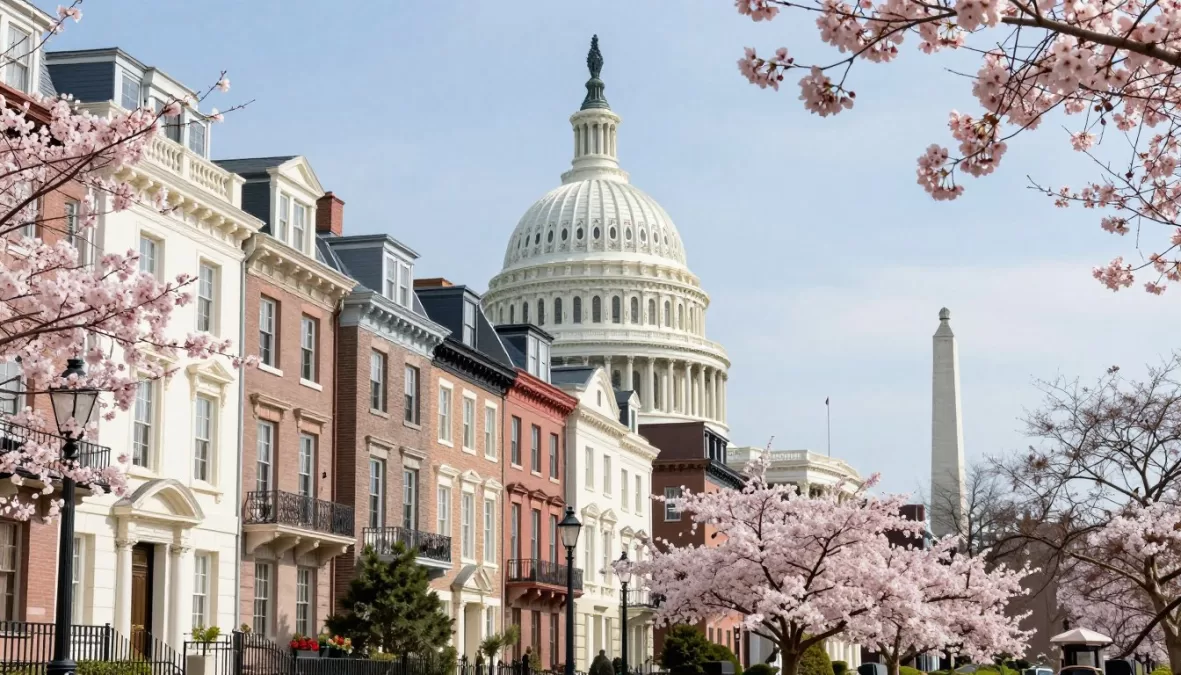
Washington DC maintains its position among the most expensive cities with a living index around 170. The concentration of federal government agencies, contractors, and lobbying firms creates a high-income economy that drives prices across all categories.
Housing costs dominate the expense profile, with median home prices approaching 700,000 dollars. Rental markets reflect similar pressures, with average one-bedroom apartments costing 2,400 dollars monthly in desirable neighborhoods.
Government and Contractor Salaries
The Washington DC area offers strong median household income levels exceeding 95,000 dollars. Federal employees, contractors, and associated professionals earn competitive wages that support the expensive housing markets.
This concentration of white-collar employment creates income stratification effects. Entry-level professionals and service workers struggle with affordability despite the region’s overall prosperity, often commuting from distant suburbs in Maryland and Virginia.
Neighborhood Cost Variations
Housing prices vary dramatically across DC neighborhoods. Georgetown, Dupont Circle, and Capitol Hill command premium rates with homes often exceeding 1.5 million dollars. Emerging neighborhoods in Northeast and Southeast DC offer relative affordability while undergoing rapid gentrification.
Northwest DC Neighborhoods
Georgetown, Dupont Circle, Cleveland Park feature the highest costs with exceptional amenities and access. Average home prices exceed $1.2 million.
- Median home price: $1,250,000
- One-bedroom rent: $2,800
- Walk score: 88-95
- Primary demographic: Professionals, families
Capitol Hill / Eastern Market
Historic neighborhood with strong community character and excellent transit access. Costs slightly below Northwest DC but rapidly appreciating.
- Median home price: $875,000
- One-bedroom rent: $2,300
- Walk score: 85-92
- Primary demographic: Young professionals, government
Emerging Northeast DC
Rapidly developing areas offering relative affordability with improving amenities and transit connections. Strong appreciation potential.
- Median home price: $550,000
- One-bedroom rent: $1,850
- Walk score: 70-82
- Primary demographic: Diverse, young families
Daily Living and Transportation
The DC Metro system provides extensive coverage, reducing car dependency for many residents. Monthly passes cost approximately 80 dollars, with additional costs for commuter rail to Maryland and Virginia suburbs.
Grocery prices and dining costs align with other expensive cities, running 25 to 35 percent above national averages. A cup coffee costs five to seven dollars at typical cafes, while restaurant meals average 20 to 35 dollars per person.
6. Los Angeles: Entertainment Capital with Sprawling Costs

Los Angeles holds its position among expensive cities with a cost living index around 165. The entertainment industry hub features expensive housing markets spread across a vast metropolitan area spanning multiple distinct cities and neighborhoods.
Housing costs in Los Angeles vary dramatically by location. Median home prices reach 950,000 dollars, while rental rates for one-bedroom apartments average 2,200 dollars monthly across the metro area.
Geographic Sprawl and Transportation
Los Angeles presents unique cost challenges through its automotive-dependent geography. The sprawling metropolitan area requires most residents to own vehicles, adding substantial expenses beyond housing.
Transportation costs include car payments, insurance averaging 200 to 300 dollars monthly, gasoline expenses around 250 dollars monthly, and maintenance. Parking fees in central areas add 100 to 400 dollars monthly.
Public transportation remains limited compared to denser cities. Monthly Metro passes cost approximately 100 dollars but serve only portions of the vast region effectively, necessitating car ownership for most residents.
Neighborhood Price Stratification
Los Angeles neighborhoods range from ultra-premium areas like Beverly Hills and Santa Monica to more affordable inland communities. This diversity creates cost living variations exceeding 100 percent within the same metropolitan area.
| Neighborhood Category | Median Home Price | Average Rent (1BR) | Cost Index |
| Premium Coastal (Santa Monica, Manhattan Beach) | $1,800,000 | $3,400 | 195 |
| Westside (West LA, Culver City) | $1,100,000 | $2,600 | 175 |
| Central (Hollywood, Silver Lake) | $850,000 | $2,200 | 160 |
| San Fernando Valley | $725,000 | $1,950 | 145 |
| Inland Areas (Pomona, Lancaster) | $485,000 | $1,600 | 125 |
Entertainment Industry Impact
The entertainment industry creates both opportunities and challenges for Los Angeles residents. While offering unique career paths, the industry’s feast-or-famine nature contributes to income instability for many workers.
Industry professionals often maintain high fixed costs including housing in specific neighborhoods, professional memberships, and personal presentation expenses. These requirements create financial pressure even during employment gaps common in entertainment careers.
7. Seattle: Pacific Northwest Tech Hub Pricing
Seattle ranks among expensive cities with a living index near 160. The technology industry boom transformed this once-moderate city into one of America’s most expensive places over the past two decades.
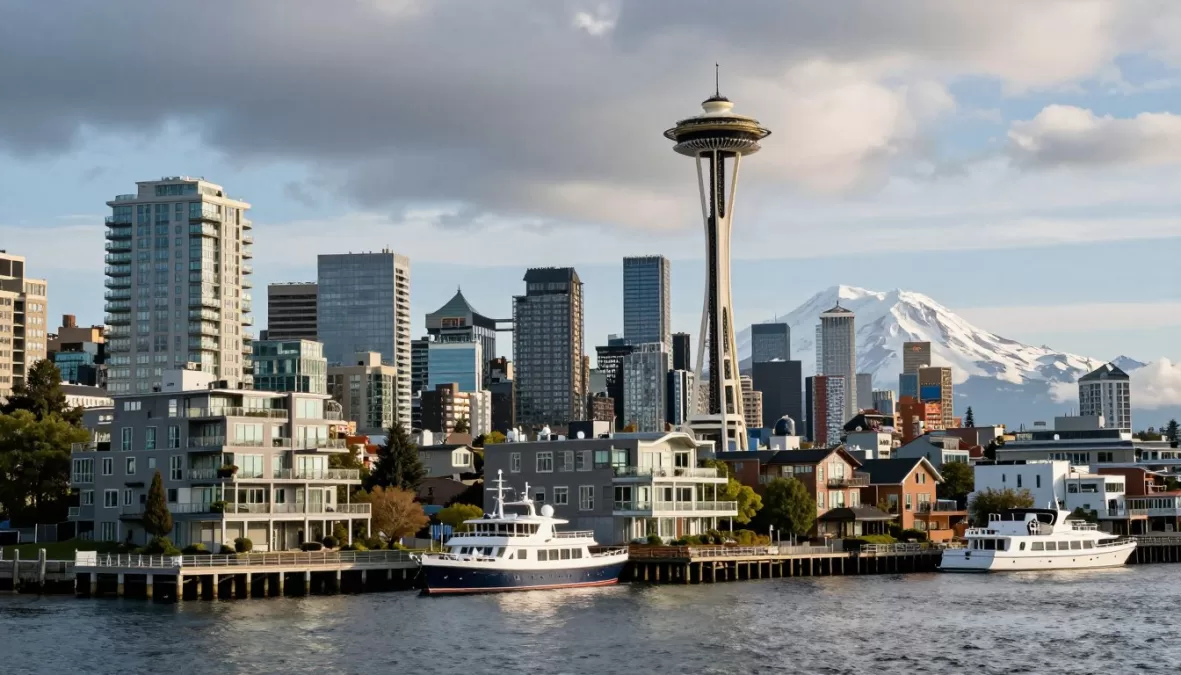
Amazon’s massive expansion drove rapid housing appreciation and rental rate increases. The median home price exceeds 850,000 dollars, while one-bedroom apartments average 2,100 dollars monthly in desirable neighborhoods.
Technology Wages and Cost Pressures
Seattle technology workers earn substantial salaries, with software engineers typically making 150,000 to 250,000 dollars annually. These elevated incomes drive housing demand and support premium pricing across all goods services.
The median household income approaches 100,000 dollars, reflecting the concentration of high-paying technology jobs. However, this prosperity creates affordability challenges for service workers, teachers, and other middle-income professionals.
Weather-Related Costs and Benefits
Seattle’s mild maritime climate reduces heating and cooling expenses compared to cities with temperature extremes. Average utility costs for a typical apartment run approximately 150 dollars monthly, including electricity, gas, water, and garbage service.
However, the region’s frequent rainfall necessitates weather-appropriate clothing and occasional professional waterproofing services. These costs remain modest compared to savings from minimal air conditioning needs.
Seattle Cost Advantages
- No state income tax reduces overall burden
- Mild climate minimizes utility expenses
- Strong public transportation in urban core
- Abundant outdoor recreation at low cost
- High wages in technology sector
- Quality public education system
Seattle Cost Challenges
- Rapidly appreciating housing markets
- High sales tax rates (10%+)
- Limited housing inventory drives prices
- Increasing property tax assessments
- Premium grocery and dining costs
- Expensive childcare averaging $2,000/month
Planning a Move to an Expensive City?

Making a relocation decision requires comprehensive financial planning and local market expertise. Our relocation specialists help you understand true costs, identify affordable neighborhoods, and create realistic budgets for your target city.
- Personalized cost analysis for your situation
- Neighborhood recommendations matching your budget
- Income requirement calculations and planning
- Connection to local real estate professionals
- Ongoing support throughout your transition
8. San Diego: California Coastal Premium
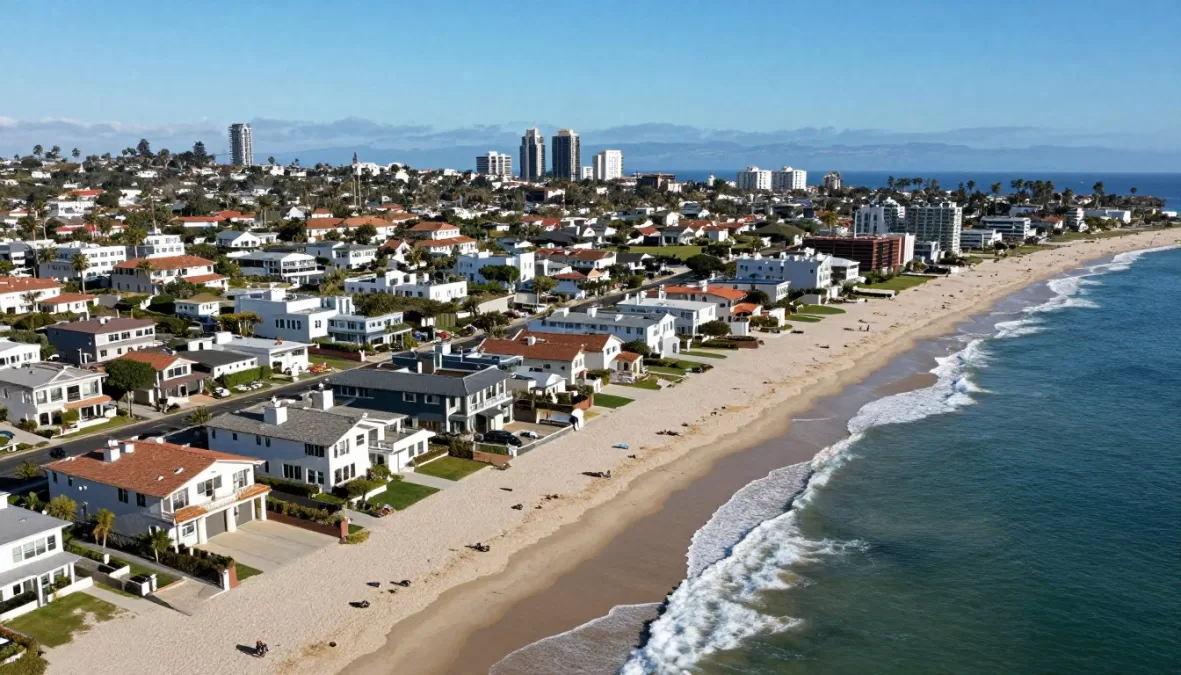
San Diego earns its position among expensive places with a cost living index around 155. The combination of desirable climate, coastal location, and limited housing supply creates sustained price pressures across the metropolitan area.
Housing costs drive San Diego’s expense profile, with median home prices exceeding 850,000 dollars. Average rent for one-bedroom apartments reaches approximately 2,300 dollars monthly, with coastal neighborhoods commanding significant premiums.
Climate Value and Year-Round Costs
San Diego’s exceptional weather provides tangible financial benefits. Minimal heating and cooling needs reduce utility expenses to approximately 120 dollars monthly for typical apartments. The climate eliminates costs associated with snow removal, winter tires, and seasonal wardrobe changes.
This weather advantage attracts consistent migration, sustaining housing demand and preventing significant price corrections even during broader economic downturns. The climate essentially functions as a permanent demand driver for San Diego real estate.
Military Presence and Economic Diversity
San Diego’s substantial military presence provides economic stability alongside tourism and biotechnology industries. This diversity creates steady housing demand across multiple income levels and employment sectors.
Military families receive housing allowances that influence rental market pricing. Base area neighborhoods often feature costs calibrated to allowance levels, creating distinct pricing dynamics compared to civilian-focused areas.
Transportation and Commuting Realities
San Diego requires car ownership for most residents. The sprawling geography and limited public transportation necessitate vehicle expenses including payments, insurance averaging 180 to 250 dollars monthly, and gasoline costs around 220 dollars monthly.
Commute times can extend 45 to 90 minutes each way for residents seeking affordable housing in outlying areas. This time cost represents an additional quality-of-life consideration beyond direct financial expenses.
Cost Comparison Insight: A household earning 85,000 dollars annually in San Diego experiences similar purchasing power to a household earning 65,000 dollars in mid-sized Midwest cities. The 20,000-dollar difference covers elevated housing, transportation, and daily goods services expenses.
9. Oakland: San Francisco’s Expensive Alternative
Oakland holds position nine among the most expensive cities with a living index near 150. The city serves as a more affordable alternative to San Francisco while maintaining substantial costs by national standards.
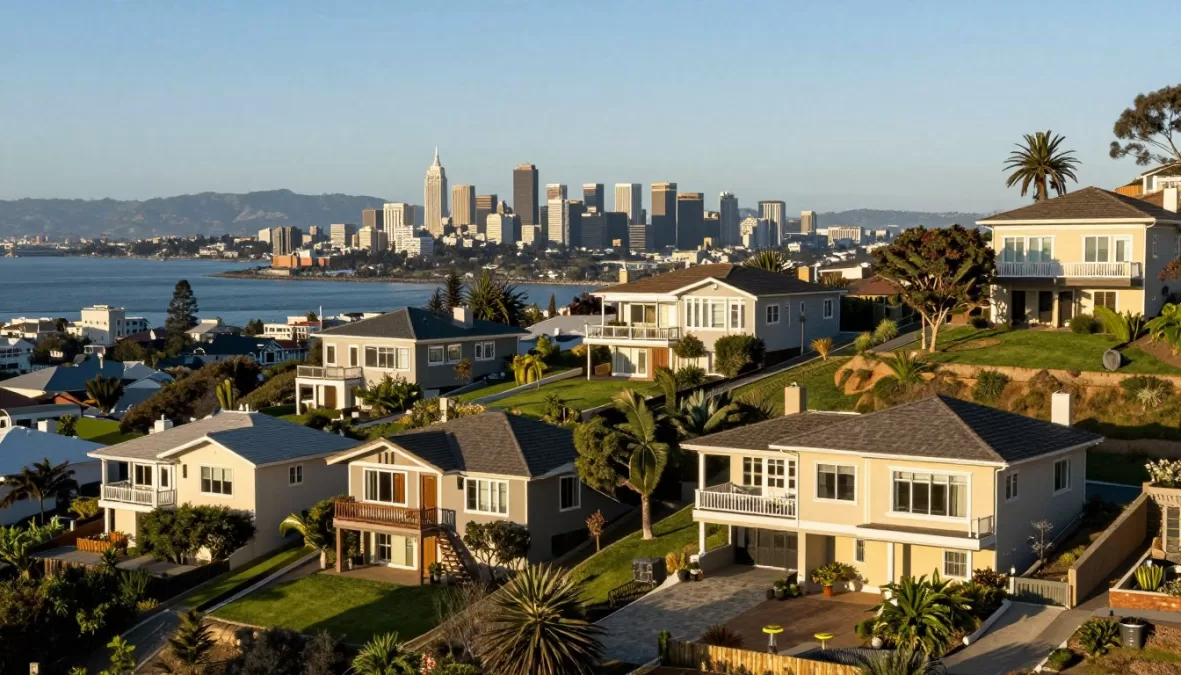
Housing costs reflect Oakland’s proximity to San Francisco and Silicon Valley. Median home prices approach 800,000 dollars, while average rent for one-bedroom apartments costs approximately 2,000 dollars monthly.
Bay Area Spillover Effects
Oakland experiences continuous price pressure from San Francisco Bay Area economic forces. Technology workers priced out of San Francisco increasingly choose Oakland, driving appreciation and rental rate increases exceeding 60 percent over the past decade.
This migration brings elevated incomes that support premium pricing across restaurants, retail, and services. Long-term Oakland residents face displacement pressures as neighborhoods undergo rapid gentrification.
Crime and Quality-of-Life Considerations
Oakland’s relatively high crime rates compared to other expensive cities create unique cost-benefit calculations. Residents pay premium prices while accepting higher property crime rates and safety concerns in certain neighborhoods.
This dynamic creates opportunities for buyers willing to accept trade-offs. Some Oakland neighborhoods offer relative affordability while maintaining reasonable safety profiles and excellent access to regional employment centers.
Regional Transportation Access
Oakland’s BART connections provide efficient access to San Francisco and other Bay Area employment centers. Monthly commuter expenses for cross-bay workers typically include 150 dollars for BART passes plus occasional bridge tolls for drivers.
This transportation infrastructure enables Oakland residents to access San Francisco wages while maintaining somewhat lower housing costs, creating economic rationale for accepting Oakland’s price levels despite available alternatives.
10. Miami: Tropical Paradise with Rising Costs
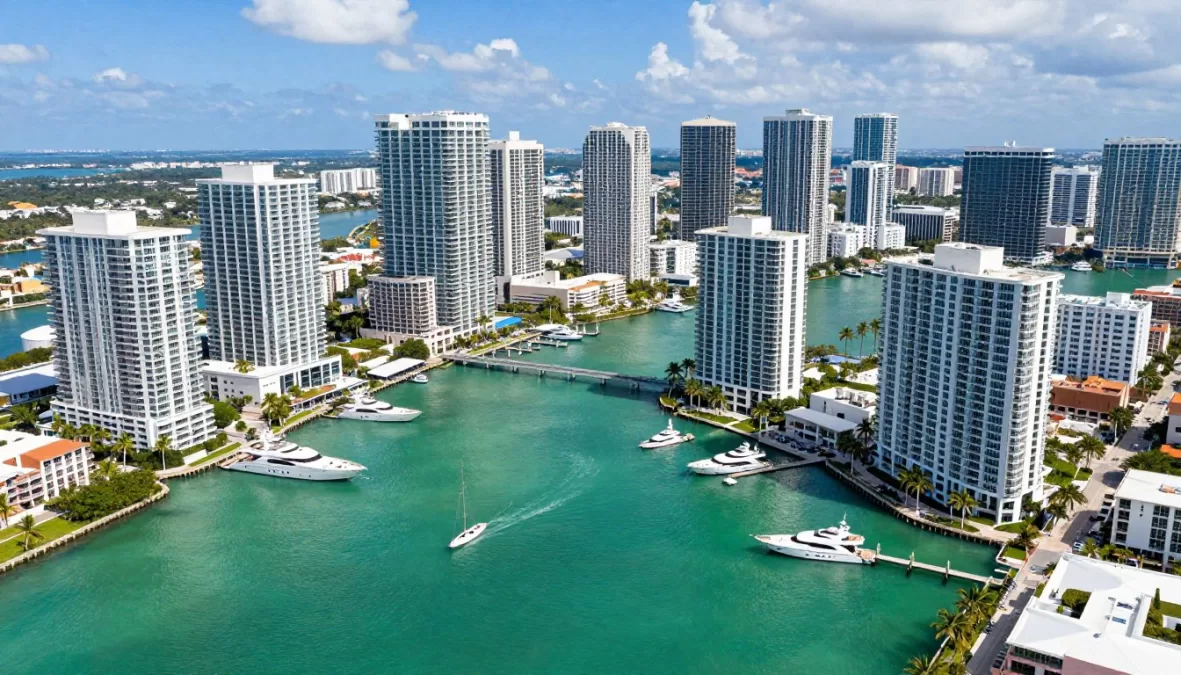
Miami completes the top 10 most expensive cities to live in with a cost living index around 145. The city experienced dramatic price appreciation following pandemic-era migration from higher-cost northern cities.
Housing costs surged as remote workers and retirees relocated to Florida. Median home prices exceed 550,000 dollars, while rental rates for one-bedroom apartments average 2,100 dollars monthly in desirable neighborhoods.
Tax Advantages and Hidden Costs
Florida’s absence of state income tax provides meaningful savings for high earners. A household earning 200,000 dollars annually saves approximately 14,000 dollars compared to California or New York through tax avoidance alone.
However, these savings partially offset by elevated property insurance costs, hurricane preparation expenses, and higher sales taxes. Homeowners insurance averages 3,000 to 6,000 dollars annually, substantially exceeding most other expensive cities.
Climate Costs and Considerations
Miami’s tropical climate creates year-round air conditioning requirements. Monthly electricity bills average 200 to 300 dollars for typical apartments, with larger homes often exceeding 400 dollars during summer months.
Hurricane season brings additional costs including impact windows, emergency supplies, and potential evacuation expenses. These periodic costs create financial unpredictability absent in cities with more stable weather patterns.
International Influence and Pricing
Miami’s international character influences pricing dynamics. Latin American buyers and international investors create sustained demand for luxury properties, driving appreciation in premium neighborhoods like Brickell and Coral Gables.
This international capital flow creates pricing disconnects from local incomes. Many Miami neighborhoods feature costs exceeding what local wage levels would support, sustained by external investment rather than resident incomes alone.
National Cost of Living Trends and Future Projections
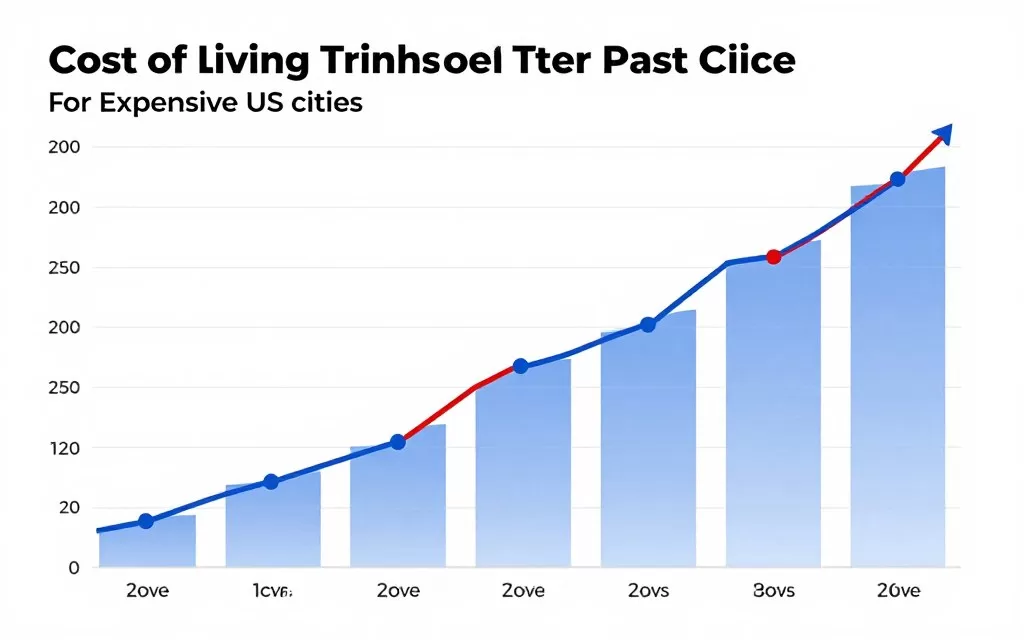
Understanding current trends helps anticipate future cost changes in expensive cities. Multiple forces continue driving prices upward in America’s most expensive places to live.
Remote Work Impact on Housing Markets
Remote work flexibility fundamentally altered housing market dynamics. Workers no longer geographically constrained to specific cities for employment increasingly prioritize lifestyle and climate over proximity to offices.
This trend benefited Sun Belt cities while creating new pressures in traditionally affordable areas. Markets like Miami, Austin, and Nashville experienced rapid appreciation as remote workers relocated from expensive cities seeking better value.
However, this migration simultaneously increased costs in destination cities, creating affordability challenges for existing residents. The pattern suggests cost pressures will continue spreading beyond traditional expensive city centers.
Construction Costs and Housing Supply
Building material costs and labor shortages constrain new housing construction across expensive cities. These supply limitations prevent market corrections even during periods of reduced demand.
Zoning restrictions and community opposition further limit development in many expensive places. Single-family zoning predominates in desirable neighborhoods, preventing density increases that could improve affordability.
Factors Driving Continued Price Increases
Multiple structural forces suggest sustained price pressure in expensive cities over the coming decade.
- Limited land availability in desirable coastal cities
- Construction costs increasing faster than general inflation
- Restrictive zoning preventing density increases
- Strong demand from high-income workers
- Foreign investment in gateway cities
- Climate migration toward coastal areas
Potential Price Moderating Factors
Several developments could slow or temporarily reverse cost increases in expensive housing markets.
- Increased remote work reducing location importance
- Zoning reform enabling more housing construction
- Economic recession reducing demand
- Interest rate increases affecting affordability
- Migration to lower-cost regions
- Technology reducing construction costs
Income Growth Projections
Wage increases in expensive cities typically lag cost appreciation, creating sustained affordability challenges.
- Technology sector wages growing 4-6% annually
- Professional services increasing 3-4% annually
- Service sector wages rising 2-3% annually
- Government positions limited to 2% annual increases
- Gig economy growth creating income volatility
- Inequality widening between sectors
Policy Interventions
Government responses to affordability crises may influence future cost trajectories in expensive cities.
- Rent control proposals in multiple cities
- Below-market affordable housing mandates
- Transit-oriented development incentives
- First-time buyer assistance programs
- Property tax relief for long-term residents
- Zoning reforms allowing accessory units
Strategies for Affording Life in Expensive Cities
Despite challenging costs, millions successfully build lives in expensive cities through strategic financial planning and lifestyle adjustments. These approaches help maximize purchasing power in high-cost environments.
Housing Cost Management
Housing represents the largest controllable expense category for most residents. Strategic decisions in this area create the most significant budget impact.
Roommate arrangements reduce individual housing costs by 40 to 60 percent. Many young professionals share two or three-bedroom apartments, each paying 1,200 to 1,800 dollars monthly instead of 2,500 to 3,500 dollars for private units.
Living in emerging neighborhoods offers savings while maintaining city access. Residents accepting 20 to 30-minute longer commutes often secure housing costs 30 to 40 percent below premium neighborhoods.

Transportation Optimization
Car ownership decisions dramatically affect budgets in expensive cities. Residents avoiding vehicles save 600 to 1,000 dollars monthly including payments, insurance, parking, and fuel.
Public transportation combined with occasional ride-sharing provides comprehensive mobility at fraction of ownership costs. Monthly transit passes plus 100 dollars in ride-sharing typically totals under 200 dollars.
Bicycle commuting eliminates transportation costs entirely while providing health benefits. Many expensive cities offer improving cycling infrastructure making this option increasingly practical year-round.
Food and Entertainment Budgeting
Strategic food shopping and dining choices preserve significant budget capacity. Cooking at home reduces food expenses by 60 to 70 percent compared to regular restaurant dining.
Meal planning and bulk shopping at discount grocers saves 30 to 40 percent versus convenience shopping at premium stores. A monthly grocery budget of 400 to 500 dollars supports healthy eating for singles through disciplined shopping.
Housing Savings Strategies
- Share housing with roommates
- Consider emerging neighborhoods
- Negotiate lease renewals actively
- Explore micro-apartments or studios
- Rent rooms in houses vs. apartments
- Look at buildings without luxury amenities
Potential Monthly Savings: $800-1,500
Transportation Cost Reduction
- Use public transportation exclusively
- Bike commute when weather permits
- Car-share for occasional needs
- Walk for errands under 2 miles
- Negotiate remote work days
- Move closer to work to reduce commute
Potential Monthly Savings: $400-800
Food and Entertainment Savings
- Cook meals at home regularly
- Pack lunches for work
- Use happy hour pricing for dining
- Attend free cultural events
- Explore parks and outdoor recreation
- Share streaming services with others
Potential Monthly Savings: $300-600
Income Maximization Approaches
Increasing income provides the most sustainable path to affording expensive cities. Career advancement, skill development, and side income all expand budget capacity.
Job changes typically yield 15 to 30 percent salary increases versus 2 to 5 percent annual raises. Strategic career moves every two to three years maximize earning potential in competitive markets.
Side income from consulting, freelancing, or gig economy participation adds 500 to 2,000 dollars monthly for many professionals. This supplemental income often covers discretionary spending or accelerates savings goals.
Calculate Your Real Costs in Any City
Access our comprehensive cost of living calculator that factors in housing, transportation, food, healthcare, and taxes. Get personalized results based on your household size, spending patterns, and lifestyle preferences.
No registration required. Instant detailed breakdown.
Making the Move: Is an Expensive City Right for You?
Deciding whether to move to one of the most expensive cities requires honest assessment of financial capacity, career goals, and lifestyle priorities. The choice involves trade-offs between opportunity and comfort.

Financial Readiness Assessment
Financial advisors recommend having three to six months of expenses saved before moving to expensive cities. This emergency fund provides security during job searches and unexpected costs.
Calculate your all-in monthly costs including housing, transportation, food, insurance, debt payments, and discretionary spending. Add 20 percent buffer for unexpected expenses and lifestyle inflation.
Your target income should equal at least three times your total monthly expenses. This ratio provides comfortable margin while enabling savings and retirement contributions.
What salary do I need to live comfortably in Manhattan?
Financial advisors recommend annual household income of at least 150,000 dollars to live comfortably in Manhattan. This income level supports average housing costs around 4,000 dollars monthly while maintaining savings, retirement contributions, and discretionary spending. Singles typically need 100,000 to 120,000 dollars minimum, while families benefit from 200,000 dollars or more.
How do expensive cities compare for families versus singles?
Families face disproportionately higher costs in expensive cities due to larger housing requirements, childcare expenses averaging 2,000 to 3,000 dollars monthly, and education costs. A single professional might live comfortably on 80,000 dollars, while a family of four typically needs 180,000 to 250,000 dollars for similar quality of life.
Can I build wealth while living in an expensive city?
Yes, but it requires disciplined financial management and strong income growth. Many residents successfully build wealth through high-paying careers, home equity appreciation, and consistent investing. The key involves maximizing income while controlling lifestyle inflation. Residents who maintain moderate spending despite high incomes build wealth faster than those who scale expenses to match earnings.
Should I rent or buy in an expensive city?
The rent-versus-buy decision depends on timeline, down payment capacity, and market conditions. Renting makes sense for those staying under five years or without 20 percent down payments. Buying becomes advantageous for long-term residents with stable incomes and substantial savings. Calculate your specific break-even point using online calculators that factor in local prices, taxes, and appreciation rates.
What are the hidden costs of expensive cities?
Beyond obvious housing and food costs, expensive cities involve hidden expenses including higher dry cleaning prices, pet care fees, fitness memberships, and social expectations around dining and entertainment. Professional wardrobe requirements, commuting costs, and parking fees add hundreds monthly. Budget an extra 15 to 20 percent beyond basic expenses for these frequently overlooked costs.
How do taxes affect cost of living in expensive cities?
State and local taxes create significant cost differences between expensive cities. New York City residents face combined city and state income taxes exceeding 10 percent, while Miami and Seattle residents pay no state income tax. Property taxes vary from 0.5 percent annually in some areas to over 2 percent in others. Calculate your total tax burden including income, property, and sales taxes when comparing cities.
Career Opportunity Evaluation
Expensive cities offer concentrated career opportunities in specific industries. Technology, finance, entertainment, and professional services dominate employment in these urban centers.
Assess whether your industry requires physical presence in these locations. Remote work eliminated geographic requirements for many careers, enabling workers to capture high wages while living in lower-cost areas.
Consider long-term career trajectory rather than just initial position. Expensive cities provide networking, skill development, and advancement opportunities that justify short-term financial stress for many professionals.
Quality of Life Considerations
Expensive cities deliver cultural amenities, dining diversity, and entertainment options unavailable in smaller markets. This lifestyle value justifies costs for many residents despite financial pressure.
Evaluate your actual utilization of urban amenities. Residents who rarely attend cultural events, dine out frequently, or leverage city advantages may find better value in lower-cost areas.
Climate, outdoor recreation access, and proximity to family also factor into quality-of-life assessments. No single city optimizes all variables, requiring personal prioritization.
“The true cost of living in expensive cities extends beyond financial calculations. Time spent commuting, stress from financial pressure, and lifestyle trade-offs all factor into the total equation. Success requires honest assessment of both monetary and non-monetary costs.”
More Affordable Alternatives to Consider
Residents seeking urban amenities without extreme costs increasingly explore alternative cities offering better value propositions. These emerging markets provide career opportunities, culture, and lifestyle benefits at substantially lower price points.

Emerging Tech Hubs
Cities like Austin, Denver, and Raleigh offer growing technology sectors without San Francisco or Seattle price levels. These markets feature median home prices 40 to 60 percent below top-tier expensive cities while maintaining strong job markets.
Austin’s technology scene expanded dramatically over the past decade, attracting major employers and startups. However, rapid growth drove substantial price appreciation, reducing but not eliminating its affordability advantage.
Secondary Financial Centers
Charlotte, Minneapolis, and Dallas maintain significant financial services employment at costs well below New York. These cities offer career advancement opportunities in banking, insurance, and investment management.
Median household incomes in these markets reach 70,000 to 85,000 dollars while housing costs run 50 to 60 percent below expensive city levels. This combination enables higher savings rates and earlier home ownership.
- Median home price: $550,000
- Cost living index: 120
- No state income tax
- Growing technology sector
- Strong music and culture scene
- Warm climate year-round
Austin, Texas
- Median home price: $425,000
- Cost living index: 105
- Research Triangle tech hub
- Excellent universities nearby
- Four-season climate
- Lower overall costs than coastal cities
Raleigh-Durham, NC
- Median home price: $465,000
- Cost living index: 110
- No state income tax
- Healthcare industry hub
- Vibrant entertainment scene
- Strong population growth
Nashville, Tennessee
Quality of Life Value Cities
Portland, Pittsburgh, and Salt Lake City combine urban amenities with outdoor recreation access at moderate costs. These markets appeal to residents prioritizing lifestyle over maximum career earnings.
Median home prices in these cities range from 380,000 to 520,000 dollars, offering entry points for middle-income buyers. Cost living indexes between 105 and 125 enable comfortable lifestyles on household incomes around 80,000 dollars.
Conclusion: Navigating Life in Expensive Cities
The most expensive cities to live in present both extraordinary opportunities and significant financial challenges. Success requires realistic budgeting, strategic career planning, and willingness to make lifestyle trade-offs.
Housing costs dominate expense profiles across all expensive cities, typically consuming 35 to 50 percent of household income. Transportation, food, and daily goods services add substantial additional burden, creating total cost living indexes 50 to 150 percent above national averages.
High incomes in these markets partially offset elevated costs, though rarely proportionally. Residents must actively manage expenses through strategic housing choices, transportation optimization, and disciplined spending on discretionary categories.

Career advancement opportunities, cultural amenities, and lifestyle benefits justify costs for many residents. The concentration of high-paying jobs, industry networking, and skill development creates long-term value beyond immediate financial considerations.
However, expensive cities aren’t optimal for everyone. Residents whose careers don’t require physical presence in these markets increasingly choose lower-cost alternatives, leveraging remote work to capture high wages without extreme living costs.
Understanding true costs through comprehensive research enables informed decisions aligned with personal financial situations and life goals. Whether choosing to embrace expensive city living or pursuing more affordable alternatives, knowledge empowers better outcomes.
Your financial future depends on matching location choices with income capacity, career trajectory, and lifestyle priorities. Take time to calculate real costs, explore alternatives, and plan strategically before making major relocation decisions.
Access Our Cost Calculator
Compare costs across any US cities with our comprehensive calculator. Input your household details and get personalized expense breakdowns instantly.
Download Full City Guide
Get our complete 50-page guide covering all expensive cities, detailed neighborhood breakdowns, and relocation checklists.

Expert Consultation
Schedule a personalized consultation with our relocation specialists. Get expert guidance for your specific situation and target city.

Priyanka Pandey
Senior Research Editor · Top10Sense
Priyanka specializes in tech, consumer products, and digital trends. She combines hands-on testing, vendor interviews, and database research to create trustworthy “Top 10” rankings. Her work has been referenced by industry blogs and brand report pages.