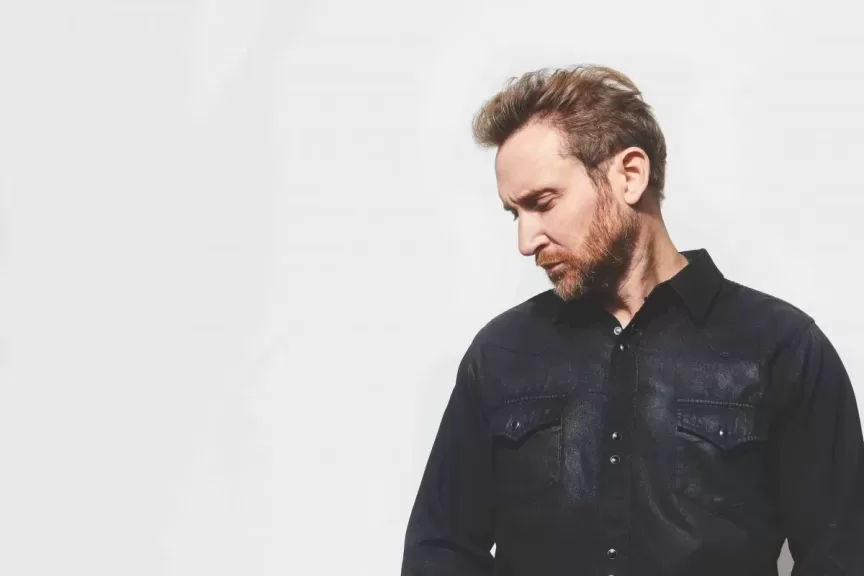

The music industry continues reshaping wealth accumulation patterns. Artists today build financial empires extending far beyond traditional album sales. This comprehensive ranking examines the wealthiest musical artists across the globe.
Our methodology considers multiple revenue streams. Net worth calculations include music royalties, touring income, streaming revenues, business investments, and entrepreneurial ventures. Data comes from verified financial reports and industry analysis.
The landscape of musician wealth transformed dramatically over recent years. Digital platforms revolutionized how artists monetize their craft. Business savvy became as important as musical talent for building substantial fortunes.
Understanding Our Ranking Methodology

Determining accurate net worth for musicians requires comprehensive analysis. We examine verified financial data from multiple authoritative sources. Our research includes public records, industry reports, and official disclosures.
Primary wealth indicators include music catalog value. Publishing rights generate ongoing royalties spanning decades. Streaming platforms created new revenue models transforming passive income potential for artists worldwide.
Core Revenue Streams Evaluated
Touring income represents massive wealth generation today. The Eras Tour exemplified how concert revenues surpass traditional album sales. Major artists earn hundreds of millions from single tour legs across Europe and the United States.
- Album sales and physical music distribution revenue
- Digital streaming royalties from platforms worldwide
- Concert tours and live performance income
- Music publishing rights and catalog ownership
- Brand endorsements and corporate partnerships
- Business ventures outside music industry
- Real estate investments and property holdings
- Equity stakes in technology companies
Verification Standards Applied
We prioritize accuracy over speculation. Net worth figures undergo rigorous fact-checking processes. Multiple independent sources confirm each valuation before inclusion in our ranking list.
Business ventures receive particular scrutiny. Some musicians became billionaires primarily through entrepreneurial activities. We distinguish between wealth from music versus external business investments.
1. Taylor Swift – The Billion-Dollar Pop Star
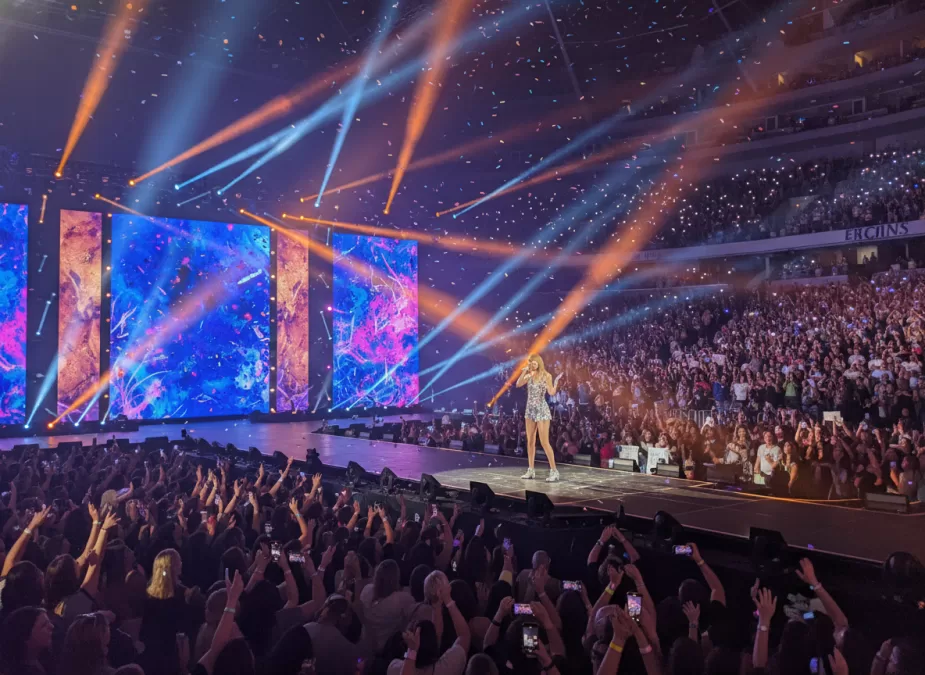
Net Worth: $1.6 Billion
Taylor Swift dominates the list as the richest musician globally by 2026. The American singer songwriter achieved billionaire status through unprecedented touring success. Her Eras Tour became the highest-grossing concert series in history.
The pop star’s wealth stems from strategic business decisions. She famously re-recorded her early albums after a dispute over master recordings. This move demonstrated how artists can reclaim control over their musical catalogs.
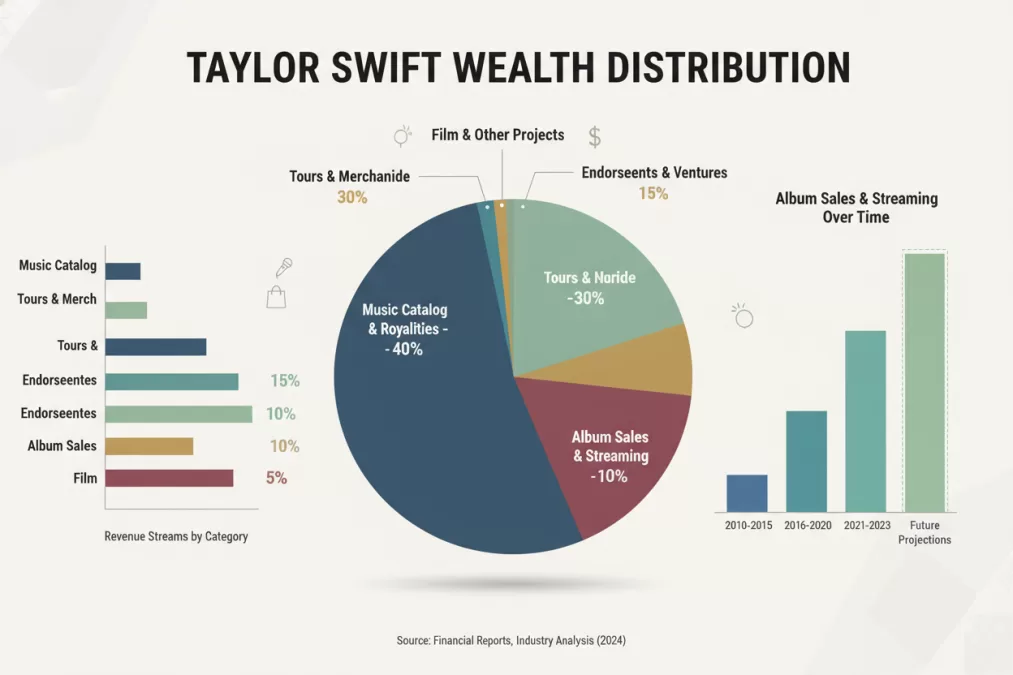
Swift’s net worth of 1.6 billion includes diverse income sources. Streaming revenues continue climbing as her music catalog expands. Real estate holdings across the United States add substantial value to her portfolio.
Primary Wealth Sources
The Eras Tour generated over 600 million in revenue from the North American leg alone. International dates across Europe and additional continents multiplied earnings exponentially. Merchandise sales at venues added tens of millions more.
- Eras Tour concert revenues exceeding 2 billion globally
- Music catalog ownership generating 200 million annually
- Streaming royalties from platforms worldwide
- Real estate portfolio valued at 150 million
- Brand partnerships and endorsement deals
- Documentary and film production revenues
Recent Financial Developments
In recent years, Swift’s business acumen matched her musical talent. She negotiated unprecedented recording contracts giving her ownership rights. This contrasts sharply with traditional industry deals favoring record labels.
The singer’s influence extends beyond music into cultural phenomena. Her tour impacted local economies in cities worldwide. Economists dubbed this the “Swift Effect” as concert dates boosted tourism and hospitality sectors.
2. Rihanna – Beauty Mogul and Music Icon
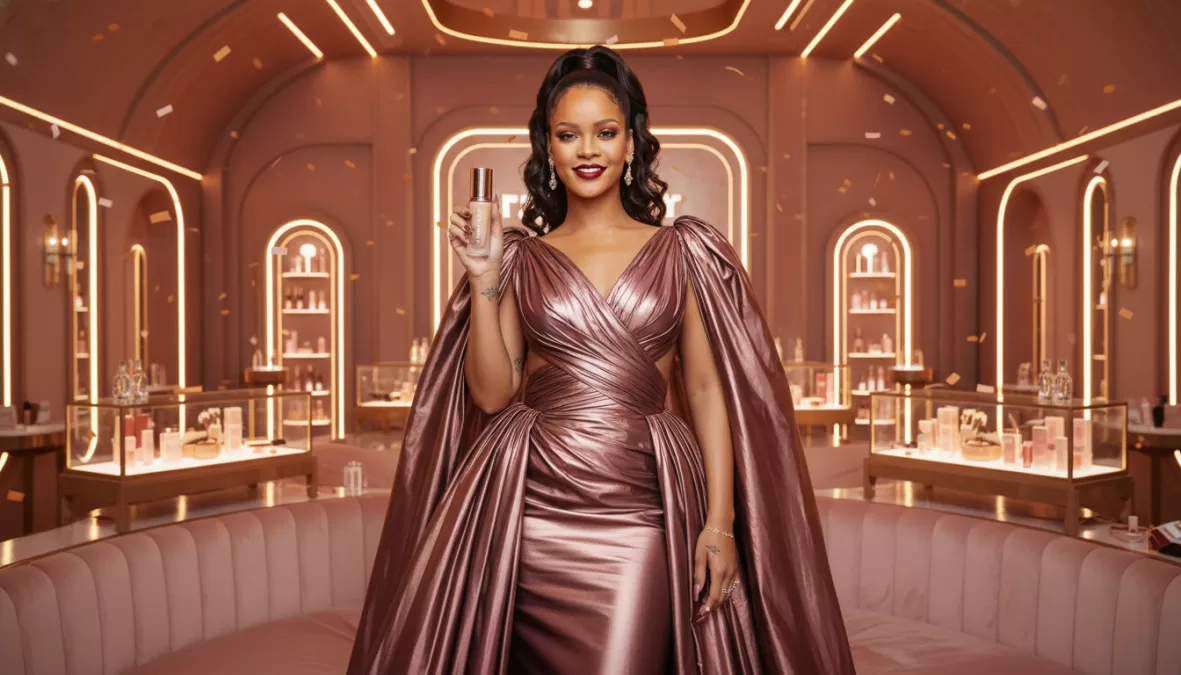
Net Worth: $1.4 Billion
Rihanna ranks second among richest musicians despite releasing music sparingly recently. The singer became a billionaire primarily through her Fenty Beauty empire. Her business ventures revolutionized the cosmetics industry with inclusive product lines.
The artist’s net worth of 1.4 billion comes mostly from entrepreneurship. Fenty Beauty launched in 2017 and immediately disrupted the beauty market. The brand’s foundation shade range set new industry standards for diversity.
Diversified Business Portfolio
Beyond beauty products, Rihanna expanded into fashion and lingerie. Savage X Fenty challenged traditional lingerie marketing with body-positive campaigns. The company went public through a special purpose acquisition, increasing her wealth substantially.

- Fenty Beauty generating 400 million annual revenue
- Savage X Fenty lingerie brand worth 350 million
- Music catalog and streaming royalties at 200 million
- Real estate investments in luxury properties
- Brand partnerships with luxury companies
- Philanthropic ventures and foundation work
Music Career Legacy
Although focused on business, Rihanna’s music catalog remains valuable. Her songs accumulate billions of streams annually. Hits from her career continue generating substantial royalty income across platforms worldwide.
The artist’s influence spans multiple industries today. She demonstrated how musicians can leverage fame into sustainable business empires. Her success inspired countless artists to pursue entrepreneurial ventures beyond traditional music careers.
3. Jay-Z – Hip-Hop’s First Billionaire
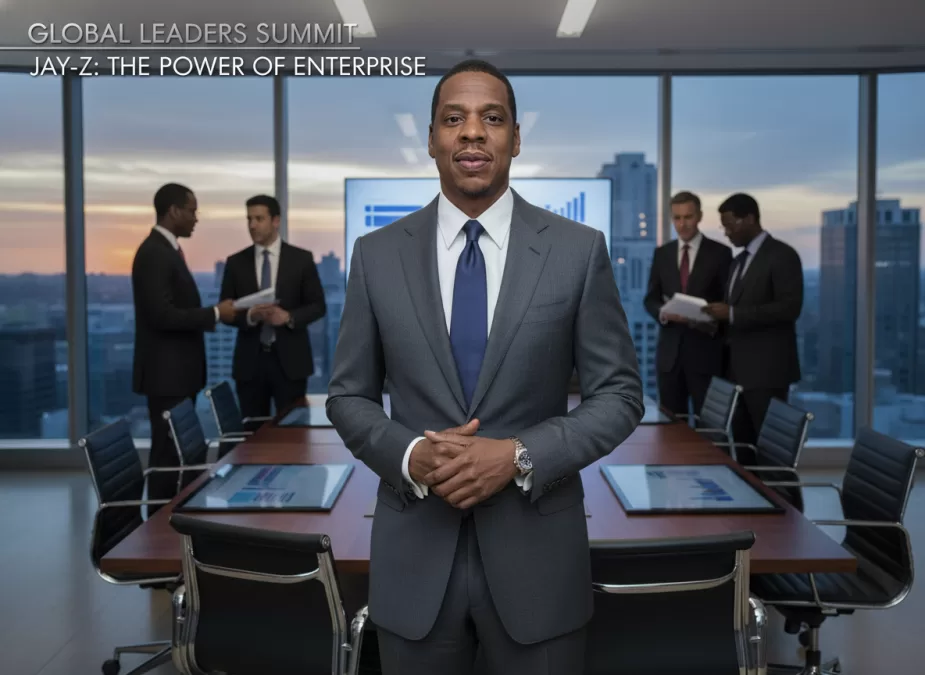
Net Worth: $2.5 Billion
Jay-Z holds the title of wealthiest musician overall by 2026. The American rapper transformed from Brooklyn artist to global business magnate. His net worth exceeds 2.5 billion through strategic investments across multiple industries.
The rapper’s wealth accumulation strategy focused on ownership. He famously declared “I’m not a businessman, I’m a business, man.” This philosophy guided decades of smart financial decisions and equity acquisitions.
Empire Building Across Industries
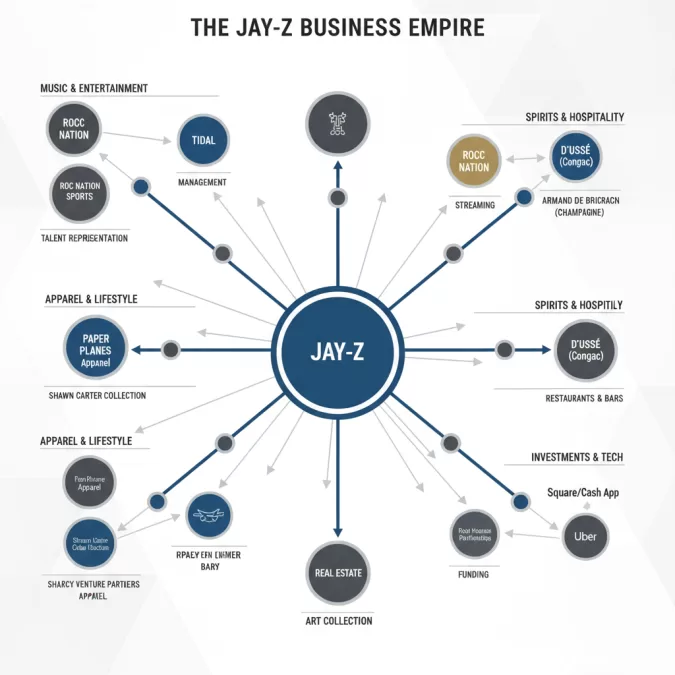
Jay-Z’s business ventures span entertainment, spirits, technology, and sports. He founded Roc Nation, a full-service entertainment company representing major artists. The company manages talent, produces content, and operates sports divisions.
Major Business Holdings
- Armand de Brignac champagne brand worth 600 million
- D’Usse cognac generating substantial annual returns
- Tidal streaming service sold for significant profit
- Roc Nation entertainment empire valued at 400 million
- Real estate portfolio across major cities
- Art collection worth over 100 million
- Technology company investments and venture capital
Music Catalog Value
Despite business focus, Jay-Z’s music remains culturally significant. His catalog includes some of hip-hop’s most influential records. Publishing rights generate ongoing income as his songs continue streaming millions of times daily.
The artist sold his streaming service Tidal in a deal worth over 300 million. This transaction demonstrated his ability to identify trends early and exit investments profitably. His business acumen set standards for artist entrepreneurship.
4. Andrew Lloyd Webber – Theater Royalty
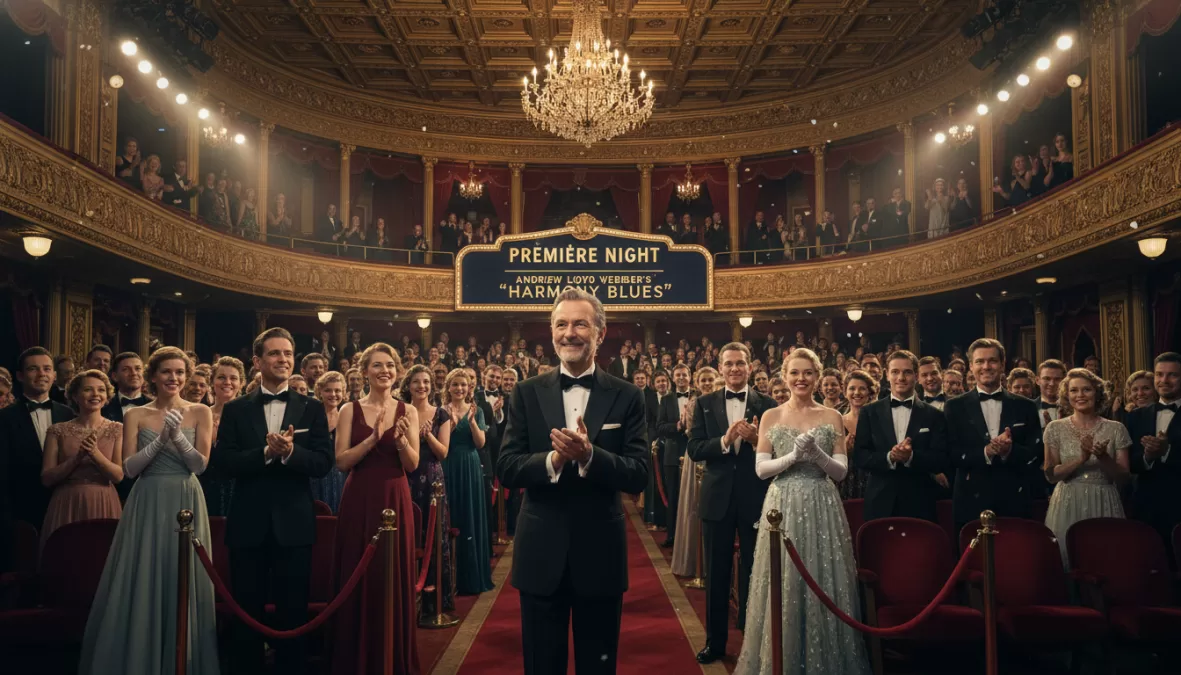
Net Worth: $1.2 Billion
Andrew Lloyd Webber built his fortune through timeless musical theater. The British composer created some of history’s most successful stage productions. His shows continue generating revenue decades after their original premieres.
The composer’s catalog includes iconic musicals known worldwide. Productions like “The Phantom of the Opera” ran for decades on Broadway. International productions across continents multiply his royalty income exponentially.
Theatrical Empire Revenue
Lloyd Webber’s net worth stems from production royalties and intellectual property. Every performance of his musicals generates income through licensing agreements. His Really Useful Group manages theatrical properties worth hundreds of millions.
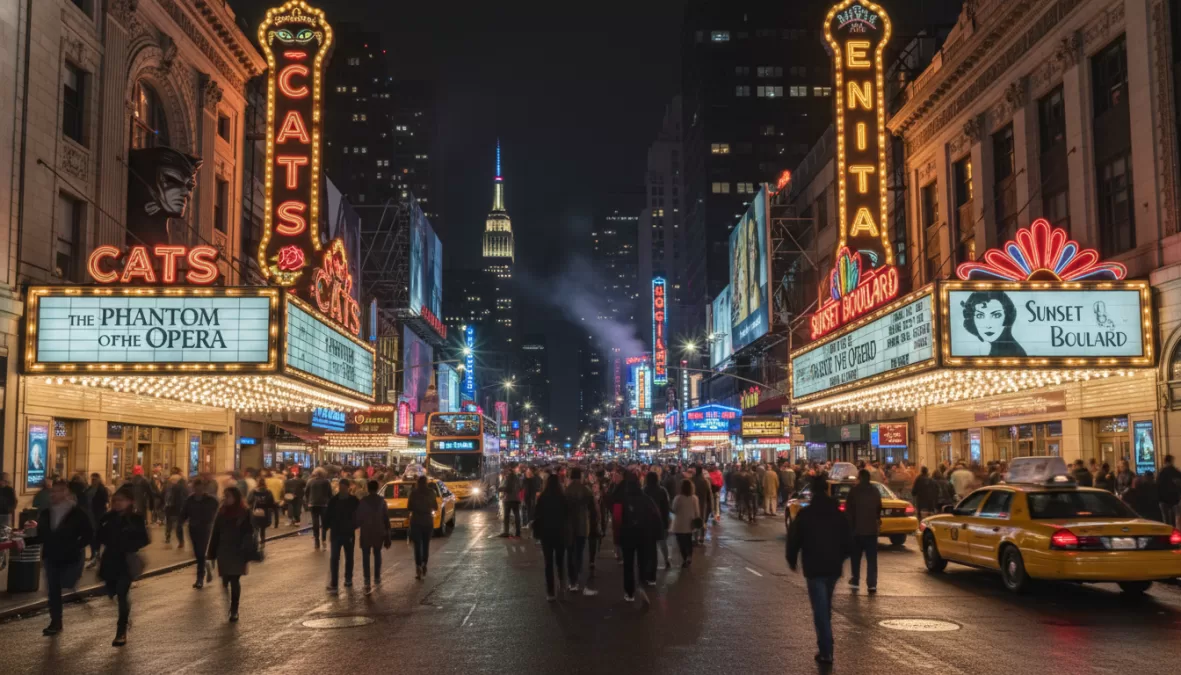
- Ongoing royalties from “Phantom of the Opera” performances globally
- “Cats” musical generating continuous licensing income
- “Evita” and “Jesus Christ Superstar” catalog value
- Theater property ownership through Really Useful Group
- Film adaptation rights and soundtrack sales
- Real estate holdings including historic London theaters
Lasting Cultural Impact
The composer’s work defined modern musical theater. His productions attracted millions of theatergoers worldwide over decades. The longevity of his shows demonstrates the enduring value of quality artistic content.
Lloyd Webber’s business model proved theatrical success translates to substantial wealth. His early investments in theater property provided ongoing returns. Owning venues where his productions play creates multiple revenue streams simultaneously.
5. Paul McCartney – Living Legend
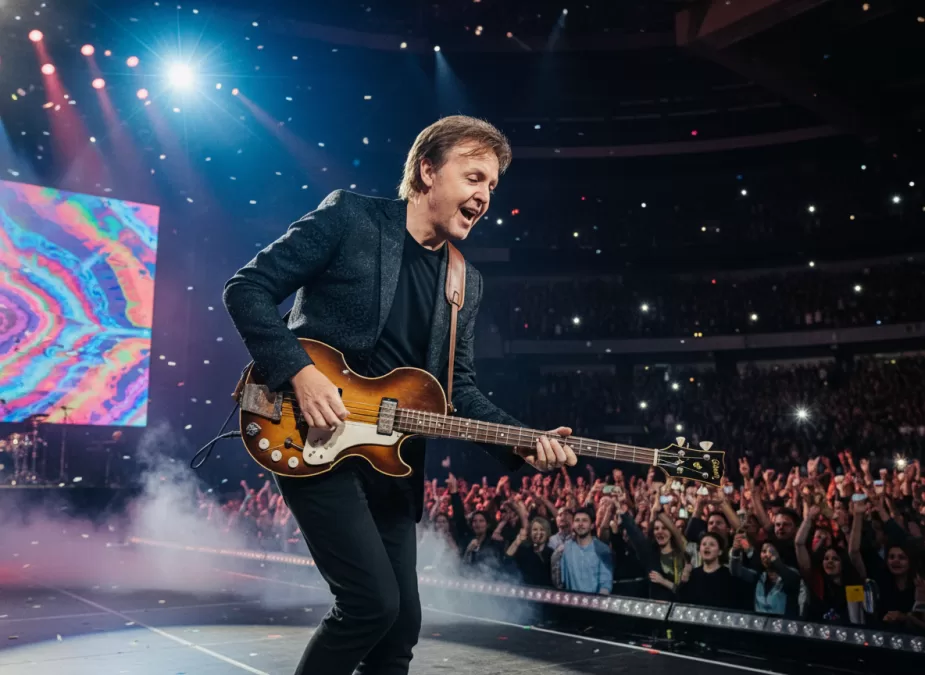
Net Worth: $1.2 Billion
Paul McCartney remains one of the richest musicians through Beatles legacy. The British artist’s songwriting catalog is among the most valuable in music history. Decades of touring and recording created an unmatched financial foundation.
The singer’s wealth includes extensive publishing rights. His company MPL Communications owns rights to numerous classic songs. The catalog generates millions annually from commercial use, streaming, and licensing agreements.
Beatles Catalog Value
McCartney’s Beatles songwriting credits provide perpetual income. The band’s music remains culturally relevant across generations today. Streaming platforms introduced their catalog to new audiences, increasing royalty streams substantially.
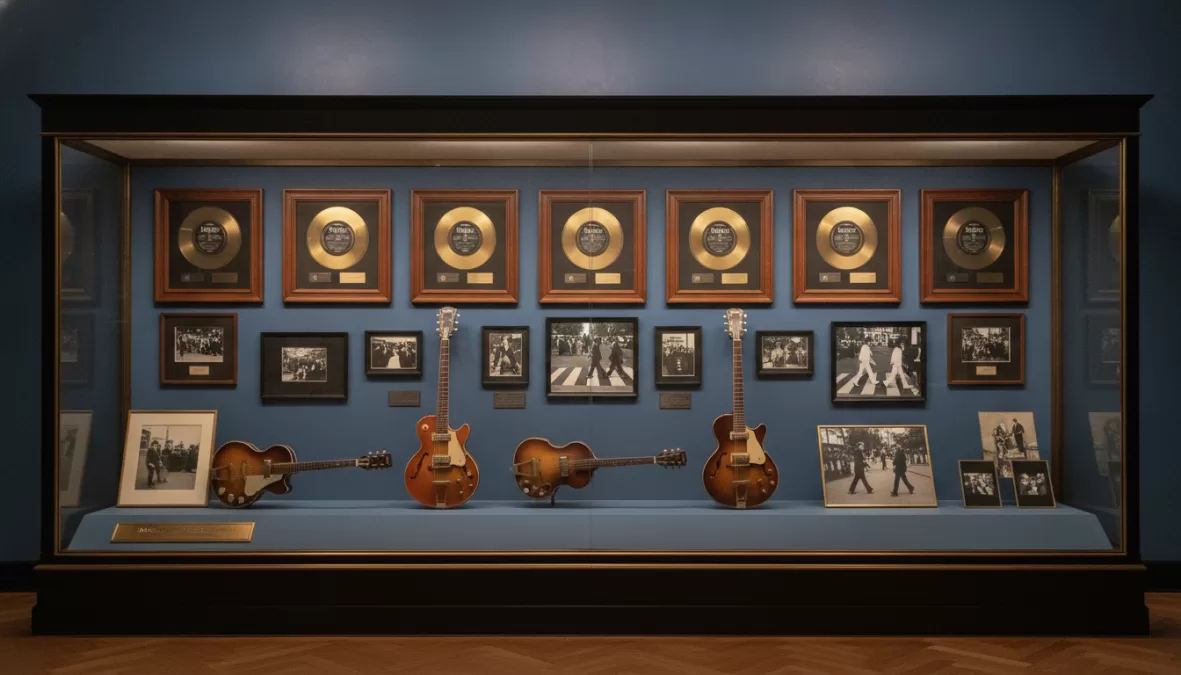
- Beatles songwriting royalties generating 200 million annually
- Solo career catalog spanning over five decades
- Ongoing touring revenue from worldwide performances
- MPL Communications music publishing empire
- Art collection and luxury real estate portfolio
- Merchandising rights and brand licensing
Continued Touring Success
At over 80 years old, McCartney continues performing globally. His concerts sell out stadiums across continents. Tour revenues add tens of millions annually to his already substantial net worth.
The artist’s longevity demonstrates the enduring value of classic music. His songwriting partnership with John Lennon created timeless works. These compositions generate income for estates and rights holders indefinitely.
Discover How These Artists Built Their Fortunes
The remaining five musicians on our list employed equally fascinating wealth-building strategies. Continue reading for detailed breakdowns of their business ventures, touring income, and investment portfolios.
6. Herb Alpert – Recording Industry Pioneer

Net Worth: $850 Million
Herb Alpert built wealth through performing and business ventures. The American trumpeter co-founded A&M Records in the 1960s. This label became one of the most successful independent record companies in history.
The musician’s net worth stems largely from his business acumen. A&M Records signed numerous successful artists over decades. The company’s sale to PolyGram in 1989 netted Alpert and partner Jerry Moss approximately 500 million.
Dual Success in Music and Business
Alpert achieved success both as performer and executive. His Tijuana Brass band sold millions of albums worldwide. Simultaneously, his record label generated substantial profits through artist development and distribution.

- A&M Records sale proceeds from 1989 transaction
- Ongoing royalties from Tijuana Brass catalog
- Music publishing rights and catalog ownership
- Real estate investments accumulated over decades
- Art collection featuring contemporary works
- Philanthropic foundation assets and management
Lasting Industry Influence
The artist’s label launched careers for major musicians. Artists like The Carpenters, Janet Jackson, and Sheryl Crow recorded for A&M. The label’s artist-friendly reputation attracted top talent throughout its existence.
Alpert’s business model proved musicians could succeed as entrepreneurs. His dual role as artist and executive created multiple income streams. This approach influenced generations of musicians to pursue ownership stakes in their careers.
7. Madonna – The Queen of Pop

Net Worth: $850 Million
Madonna revolutionized pop music over four decades. The American singer redefined celebrity and artist control. Her net worth reflects strategic career management and business ventures beyond music alone.
The pop star’s wealth accumulation included savvy touring strategies. She pioneered elaborate theatrical concert productions. Tours generated hundreds of millions in revenue while promoting albums and merchandise simultaneously.
Multi-Decade Career Success
Madonna’s longevity in the music industry is unprecedented. She continuously reinvented her image and sound across eras. This adaptability kept her relevant through changing musical landscapes and technology.
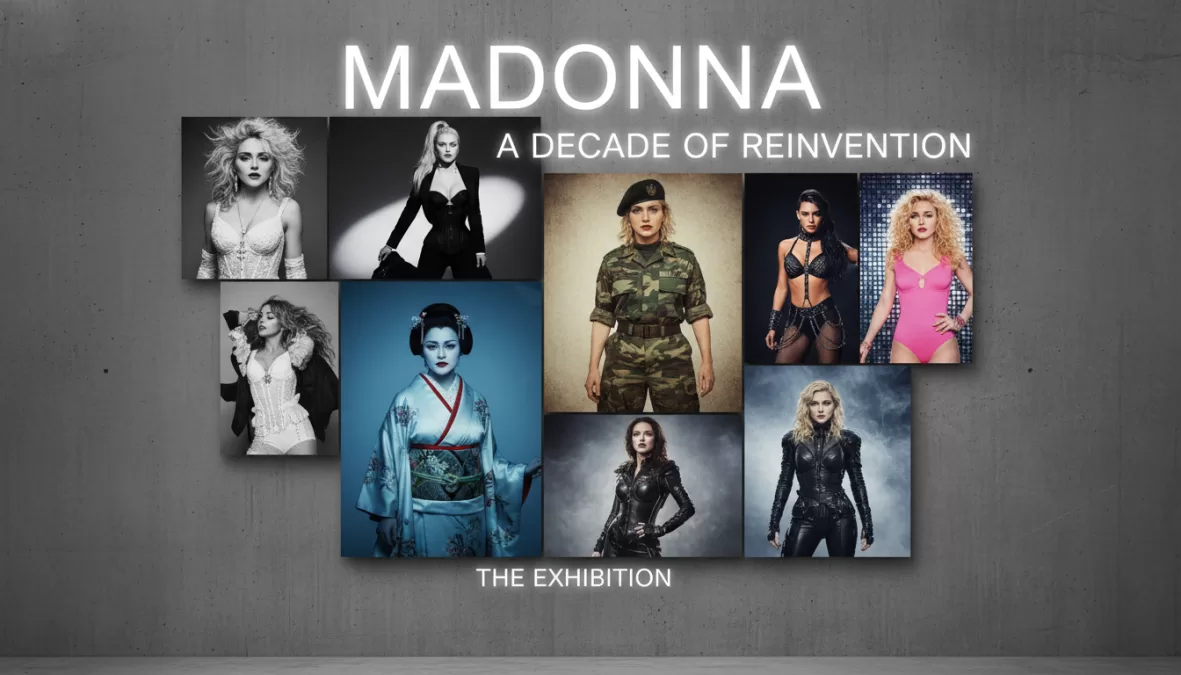
- Touring revenues exceeding 400 million from career tours
- Music catalog ownership generating 100 million annually
- Fashion and merchandise business ventures
- Real estate portfolio across New York and Europe
- Film production company and directing projects
- Art collection featuring contemporary masters
Business Ventures Beyond Music
The artist expanded into fashion with clothing lines. She launched fitness centers and lifestyle brands. These ventures diversified income sources beyond traditional music industry revenues.
Madonna’s influence on pop culture remains immeasurable. She paved the way for female artists to control their careers. Her business model demonstrated how artists could build empires around their personal brands.
8. Dr. Dre – Tech Entrepreneur

Net Worth: $800 Million
Dr. Dre transformed from rapper and producer to tech mogul. The American artist co-founded Beats Electronics in 2006. This company revolutionized premium headphone markets before Apple acquired it.
The musician’s net worth surged following the Beats sale. Apple purchased the company for 3 billion in 2014. Dre reportedly earned approximately 500 million from this transaction alone.
From Music Production to Technology
Dr. Dre leveraged his audio expertise into product development. Beats headphones targeted music enthusiasts seeking quality sound. The brand became status symbols beyond mere audio equipment.
- Beats Electronics sale proceeds to Apple
- Aftermath Entertainment record label ownership
- Music production royalties spanning three decades
- Artist royalties from classic hip-hop albums
- Real estate investments across California
- Ongoing Apple partnership and consulting roles

Hip-Hop Production Legacy
Beyond business, Dr. Dre remains an influential producer. He discovered and developed artists like Eminem and Kendrick Lamar. His production work shaped West Coast hip-hop sound for generations.
The artist demonstrated how musicians can create technology businesses. His brand recognition translated effectively to consumer products. This cross-industry success inspired other artists to explore tech entrepreneurship.
9. Celine Dion – Las Vegas Residency Pioneer
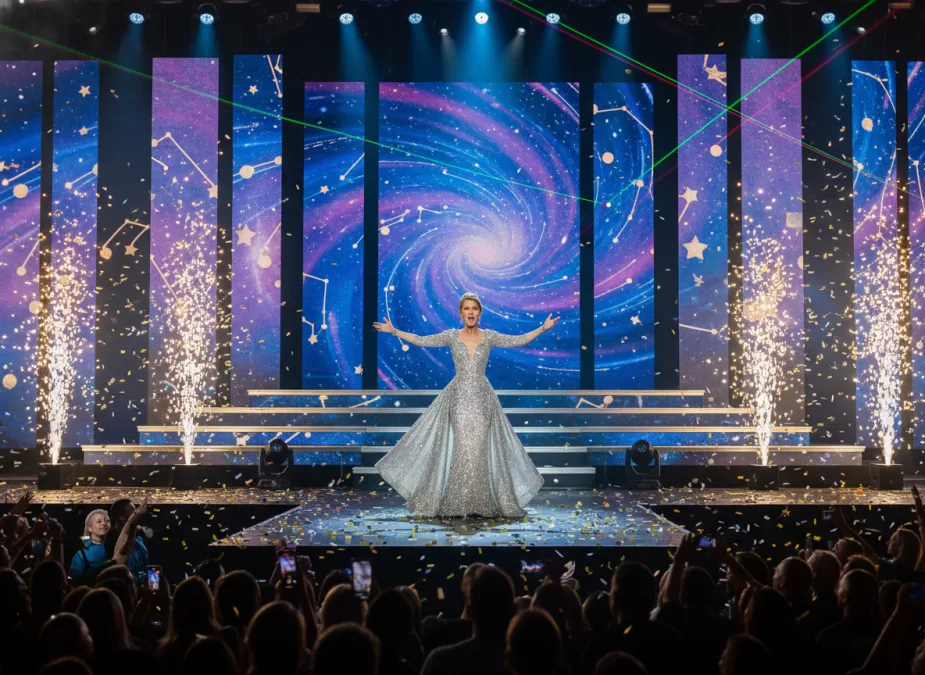
Net Worth: $800 Million
Celine Dion redefined Las Vegas entertainment residencies. The Canadian singer’s extended Vegas performances proved financially lucrative. Her shows generated hundreds of millions while allowing her to maintain a permanent home base.
The artist’s net worth includes substantial touring and residency income. Her voice remains one of the most recognizable in pop music history. Album sales, particularly “Falling Into You” and “Let’s Talk About Love,” generated massive royalties.
Las Vegas Residency Innovation
Dion’s Caesars Palace residency ran intermittently from 2003 to 2019. The shows grossed over 680 million during this time period. This model proved so successful that other major artists followed suit.

- Las Vegas residency earnings exceeding 600 million
- Album sales generating 200 million in career royalties
- International touring revenues from world tours
- “My Heart Will Go On” generating ongoing Titanic royalties
- Real estate holdings in Las Vegas and Canada
- Merchandise and brand licensing agreements
Global Appeal and Longevity
The singer’s career spans over four decades globally. Her music transcends language barriers across continents. French and English albums both achieved multi-platinum status worldwide.
Dion’s residency model changed Las Vegas entertainment economics. Shows could run for years with consistent profitability. This approach influenced how major artists structure their touring schedules today.
10. Bono – Rock Star and Investor
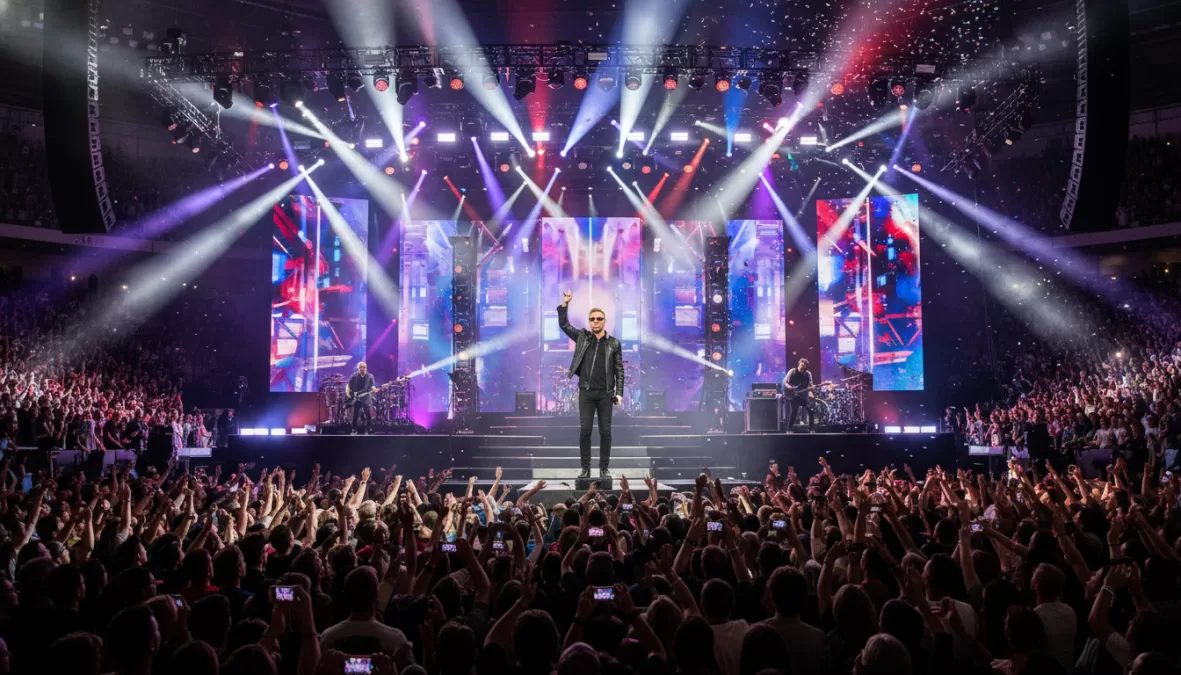
Net Worth: $700 Million
Bono achieved wealth through U2’s success and smart investments. The Irish singer led one of rock’s most successful bands. Beyond music, his investment in Facebook early on proved extraordinarily profitable.
The musician’s net worth includes substantial tech investment gains. His private equity firm Elevation Partners invested in Facebook before its IPO. This stake reportedly generated over 1.5 billion in returns for the firm.
U2’s Enduring Success
U2 remains one of the highest-grossing touring acts globally. The band’s 360° Tour became the highest-grossing concert tour at the time of its completion. Album sales and streaming continue generating substantial royalties decades after release.
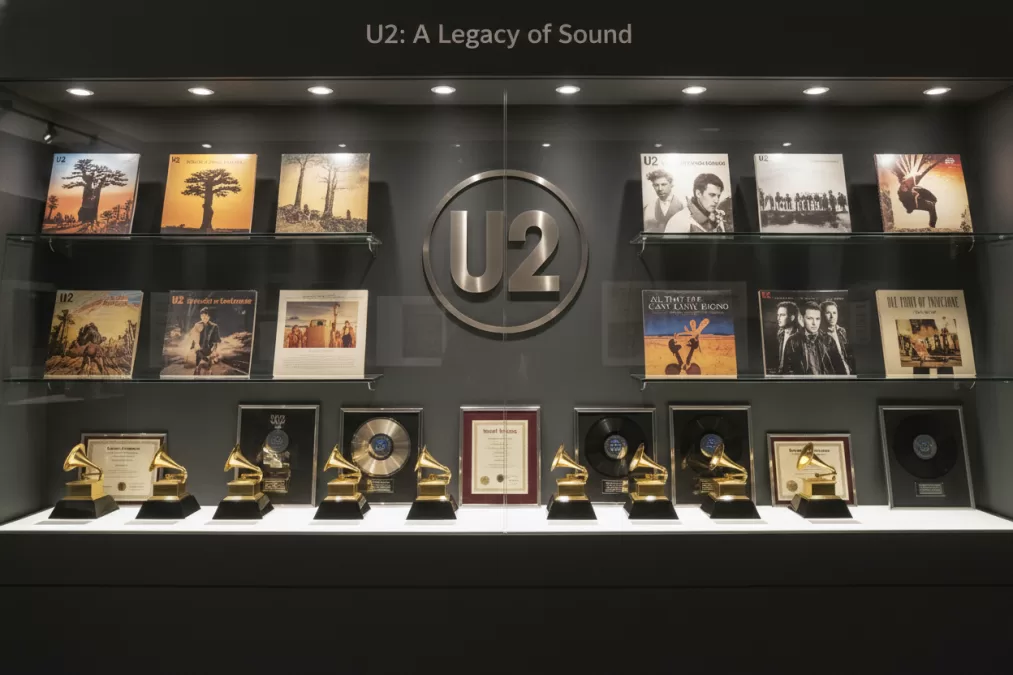
- U2 touring revenues from decades of world tours
- Technology investment returns from Facebook and others
- Music catalog ownership and publishing rights
- Elevation Partners private equity firm returns
- Real estate holdings in Ireland and France
- Hotel and hospitality business investments
Activism and Business Balance
The artist balances wealth accumulation with humanitarian work. His activism for African debt relief gained international recognition. This social consciousness enhanced his brand value while pursuing business interests.
Bono demonstrated how musicians can succeed in venture capital. His investment strategy focused on technology disruptors. This approach yielded returns far exceeding traditional music industry revenues.
Wealth Accumulation Trends in the Music Industry

The music industry’s economic landscape transformed dramatically recently. Traditional revenue models gave way to diverse income streams. Today’s wealthiest musicians leverage multiple business channels simultaneously.
Streaming platforms revolutionized how artists earn royalties. Services like Spotify and Apple Music provide ongoing passive income. Catalog ownership became increasingly valuable as streaming dominates consumption patterns.
Shift from Album Sales to Touring
Live performances now generate more revenue than recordings. The Eras Tour exemplified massive earning potential from touring. Artists like Taylor Swift earn hundreds of millions from single tour legs across continents.
Concert ticket prices increased substantially over two decades. Premium experiences and VIP packages command thousands per ticket. This pricing strategy maximized revenue from devoted fan bases willing to pay premium prices.
Streaming Era Impact
Digital platforms changed revenue distribution fundamentally. Artists now earn fractions of pennies per stream. However, billions of streams accumulate to substantial annual income.
- Catalog value increased with streaming accessibility
- Older music reaches new audiences globally
- Passive income continues decades after release
- Platform algorithms boost discovery rates
Business Ventures
Musicians increasingly pursue entrepreneurship beyond music. Beauty lines, fashion brands, and tech investments diversify portfolios. These ventures often surpass music earnings substantially.
- Brand partnerships offer guaranteed income
- Equity stakes provide long-term growth
- Celebrity status translates to product success
- Multiple revenue streams reduce risk
Intellectual Property
Catalog ownership provides perpetual income potential. Publishing rights generate royalties whenever songs are used commercially. Smart artists retained rights rather than selling to labels.
- Film and television licensing fees
- Commercial advertising usage rights
- Cover versions generate publisher royalties
- Sampling creates new income streams
Global Markets
International touring expanded revenue opportunities dramatically. Artists perform across continents reaching new audiences. Emerging markets provide substantial growth potential today.
- Asia and South America markets growing rapidly
- Currency advantages favor international tours
- Streaming reaches global audiences simultaneously
- Cultural exports from United States dominate
Artist Independence Movement
Musicians increasingly operate independently from major labels. Technology enables direct-to-fan distribution models. This independence allows artists to retain larger portions of revenue generated.
Social media provides direct marketing channels to audiences. Artists build personal brands without traditional industry gatekeepers. This shift empowers musicians financially while maintaining creative control.

Factors Contributing to Increased Musician Wealth by 2026
Several key factors accelerated musician wealth accumulation recently. Technological advances created new monetization opportunities. Business savvy became as crucial as musical talent for financial success.
Streaming Dominance Reshaping Revenue
Streaming services transformed music consumption globally. Subscribers pay monthly fees providing predictable revenue streams. Artists earn royalties based on play counts across platforms worldwide.
Catalog music gained new life through streaming accessibility. Songs released decades ago reach contemporary audiences. This longevity creates ongoing income for artists and estates.
- Global streaming subscribers exceed 500 million paying users
- Playlist placement drives billions of streams for popular artists
- Algorithmic recommendations expose catalog to new listeners
- International markets adopt streaming rapidly expanding audiences
- High-fidelity tiers command premium subscription prices
Brand Endorsements and Partnerships
Corporate partnerships provide guaranteed income streams. Major brands pay millions for celebrity endorsements. Musicians leverage their influence to command premium partnership deals.
Selena Gomez demonstrated this model successfully. The American singer partnered with major beauty and fashion brands. These deals supplement music income while expanding personal brand reach.
Business Empire Building
Musicians increasingly build diversified business portfolios. Investments span real estate, technology, hospitality, and consumer goods. These ventures provide wealth accumulation independent of music career longevity.
The model pioneered by artists like Jay-Z became standard practice. Young musicians now view entrepreneurship as integral to career planning. Business education for artists increased as success stories multiplied.

Key Investment Categories
- Technology startups offering high growth potential
- Real estate across major metropolitan markets
- Consumer brands leveraging celebrity status
- Hospitality ventures including restaurants and hotels
- Media production companies and content creation
- Venture capital funds focused on entertainment sector
Social Media Direct Marketing
Platforms like Instagram and TikTok enable direct fan engagement. Musicians promote music, tours, and products without intermediaries. This direct access reduces marketing costs while increasing effectiveness.
Viral content can launch careers overnight currently. Artists gain massive followings rapidly through platform algorithms. This democratization created new pathways to fame and wealth.
Premium Live Experiences
Concert experiences evolved beyond simple performances. Artists create immersive theatrical productions. Fans pay premium prices for these enhanced entertainment experiences.
VIP packages include meet-and-greets, exclusive merchandise, and premium seating. These tiers generate substantially more revenue per attendee. The strategy maximizes income from the most devoted fans.

Notable Mentions: Rising Wealth in Music
Several artists approach billionaire status rapidly. Their business acumen and musical success position them for future list inclusion. Understanding their strategies provides insights into wealth building trends.
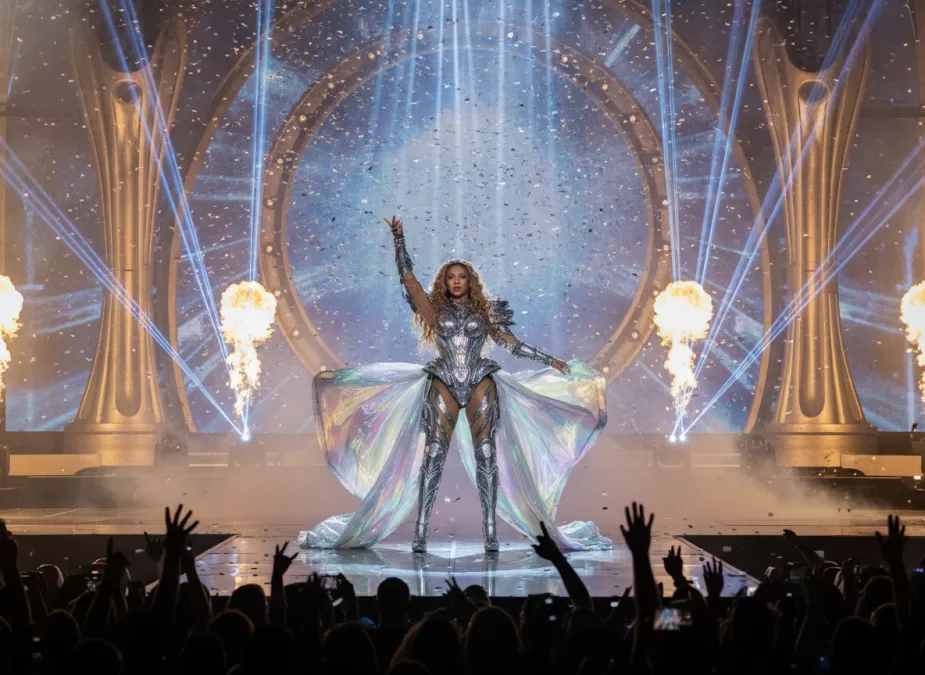
Beyoncé – Performance Excellence and Business
Beyoncé ranks among the wealthiest performers globally. Her net worth of approximately 800 million continues growing. Recent tours generated hundreds of millions while expanding her cultural influence.
The artist’s business ventures include Ivy Park fashion line. Her partnership with Adidas proved financially successful. Music catalog ownership and streaming royalties provide substantial ongoing income.
Kendrick Lamar – Critical and Commercial Success
Kendrick Lamar achieved unprecedented critical acclaim while building wealth. The rapper’s net worth exceeds 140 million currently. His Super Bowl performance boosted visibility and touring potential substantially.
The artist commands premium fees for performances and collaborations. His catalog streams billions of times annually. Business ventures and investment income supplement music earnings effectively.
Bad Bunny – Latin Music Global Expansion
Bad Bunny represents Latin music’s explosive growth globally. The Puerto Rican artist became the most-streamed musician worldwide. His tours sell out stadiums across continents rapidly.
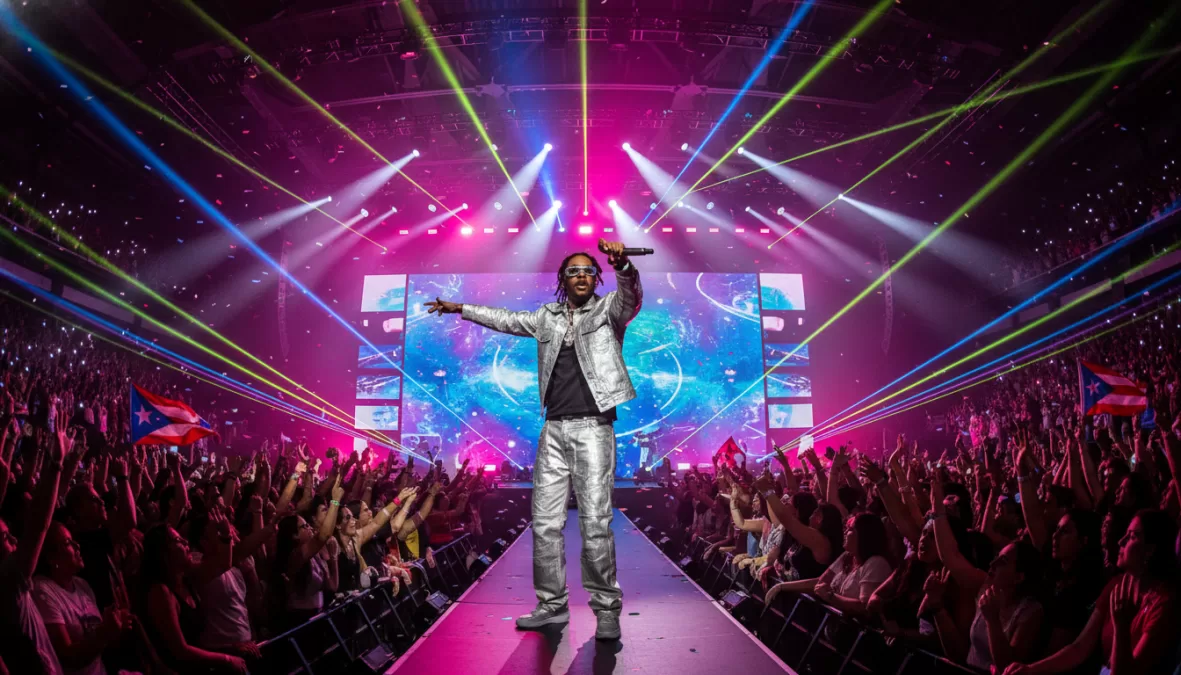
The singer’s crossover appeal transcends language barriers. Streaming numbers rival English-language pop stars. This success demonstrates music’s universal language and global market potential.
Bruce Springsteen – Catalog Sale Windfall
Bruce Springsteen sold his entire catalog for 500 million. This transaction demonstrated the value of classic rock catalogs. The American singer’s net worth surged following this strategic decision.
Catalog sales became common among veteran artists recently. Companies purchase rights to decades of royalty streams. This provides artists with immediate liquidity while buyers gain long-term income.
Geographic Distribution of Music Wealth
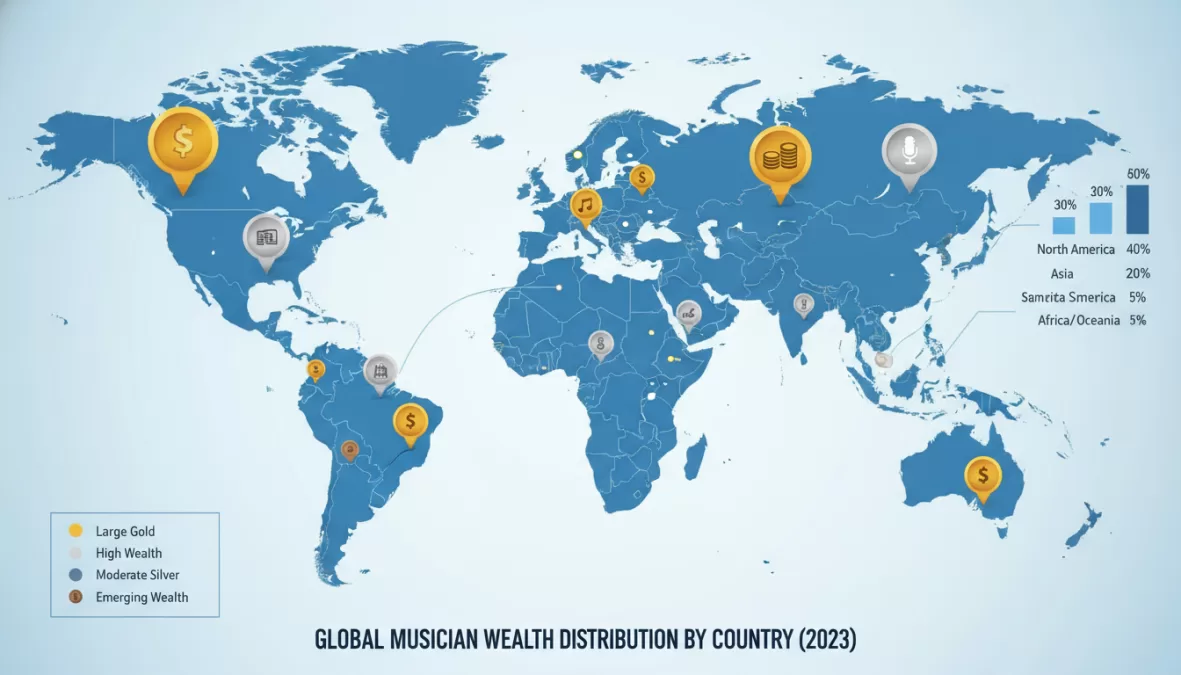
The United States dominates music industry wealth globally. American artists occupy most positions on richest musician lists. The country’s entertainment infrastructure supports massive wealth accumulation.
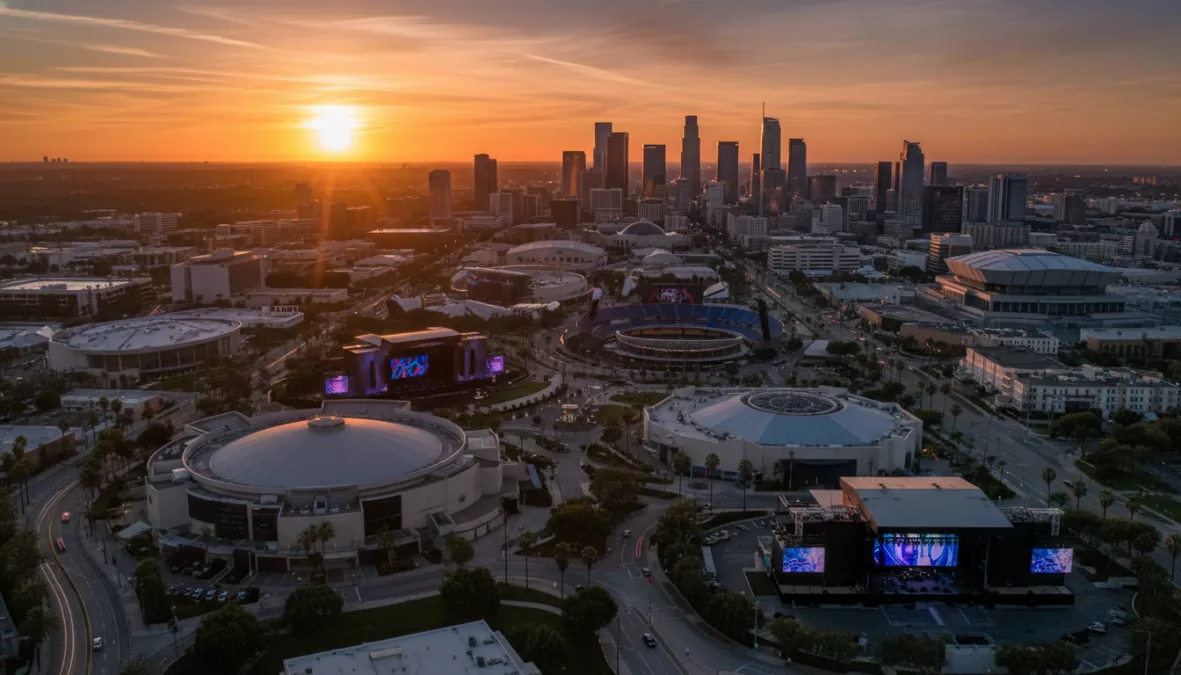
New York and Los Angeles remain entertainment industry centers. These cities attract talent and capital globally. Real estate in these markets contributes to musician wealth portfolios.
American Music Industry Dominance
The United States exports music culture worldwide. American artists benefit from the largest domestic market. English-language music enjoys advantages in international markets historically.
- Largest domestic music market by revenue globally
- Home to major record labels and streaming platforms
- Strong intellectual property protection laws
- Established touring infrastructure across continents
- Cultural influence drives global music consumption
- Investment capital readily available for ventures
United Kingdom’s Historic Contribution
British artists contributed significantly to music history. The Beatles, Rolling Stones, and countless others achieved global success. London remains a major music industry center currently.
Paul McCartney and Andrew Lloyd Webber represent UK wealth. Their success spans decades of cultural influence. British music education systems continue producing world-class talent.

Emerging Markets Growth Potential
Latin America demonstrates explosive music industry growth. Artists like Bad Bunny achieve unprecedented streaming numbers. Regional genres gain global audiences through platform accessibility.
Asia represents the next frontier for music wealth. K-pop demonstrated the region’s commercial potential. Streaming adoption continues accelerating across Asian markets rapidly.
The Future of Music Industry Economics

The music industry continues evolving technologically and economically. New monetization models emerge regularly. Artists adapting quickly to changes position themselves for sustained financial success.
Artificial Intelligence Impact
AI tools democratize music production capabilities. Bedroom producers create professional-quality recordings. This accessibility increases competition while lowering production costs substantially.
However, AI also creates new revenue opportunities. Artists license their voices for AI-generated content. Smart contracts automate royalty distribution across complex usage scenarios.
Virtual Performances and Metaverse
Virtual concert experiences gained popularity during recent years. Artists perform for global audiences simultaneously. These events eliminate geographic limitations on fan reach.

The metaverse presents untapped monetization potential. Virtual merchandise and exclusive digital experiences create new income streams. Forward-thinking artists experiment with these platforms currently.
Direct-to-Fan Platforms
Technology enables artists to bypass traditional gatekeepers. Platforms like Patreon provide subscription-based fan support. Musicians earn predictable monthly income directly from supporters.
NFTs and blockchain technology offer ownership opportunities. Fans purchase unique digital assets directly from artists. This model strengthens fan relationships while generating revenue.
Sustainability and Social Responsibility
Consumers increasingly value artist activism and responsibility. Musicians addressing social issues build stronger fan connections. This authenticity translates to commercial success and brand loyalty.
Touring sustainability became important recently. Artists reduce carbon footprints through strategic planning. Eco-conscious approaches enhance brand reputation while addressing environmental concerns.
Lessons for Aspiring Musicians

The wealthiest musicians share common characteristics beyond talent. Business acumen, persistence, and strategic thinking separate billionaires from average earners. Understanding these principles guides aspiring artists.
Ownership Matters Most
Retaining intellectual property rights provides long-term wealth. Artists selling catalogs early sacrifice decades of potential income. Negotiating ownership terms should be the highest priority always.
Taylor Swift’s re-recording strategy demonstrated ownership importance. She reclaimed control over her artistic legacy. This move inspired countless artists to prioritize catalog ownership.
Financial Success Principles
- Maintain ownership of master recordings whenever possible
- Build diverse income streams beyond music alone
- Invest touring profits into long-term assets
- Develop business skills alongside musical abilities
- Network with successful entrepreneurs and mentors
- Understand contract terms before signing agreements
- Build personal brand independent of record labels

Patience and Long-Term Thinking
Building substantial wealth requires decades typically. Overnight success stories are rare and often misleading. Consistent effort over time yields the greatest results.
Most list members achieved wealth over multi-decade careers. They weathered industry changes and personal challenges. Persistence through difficult periods proved essential for ultimate success.
Adaptability to Industry Changes
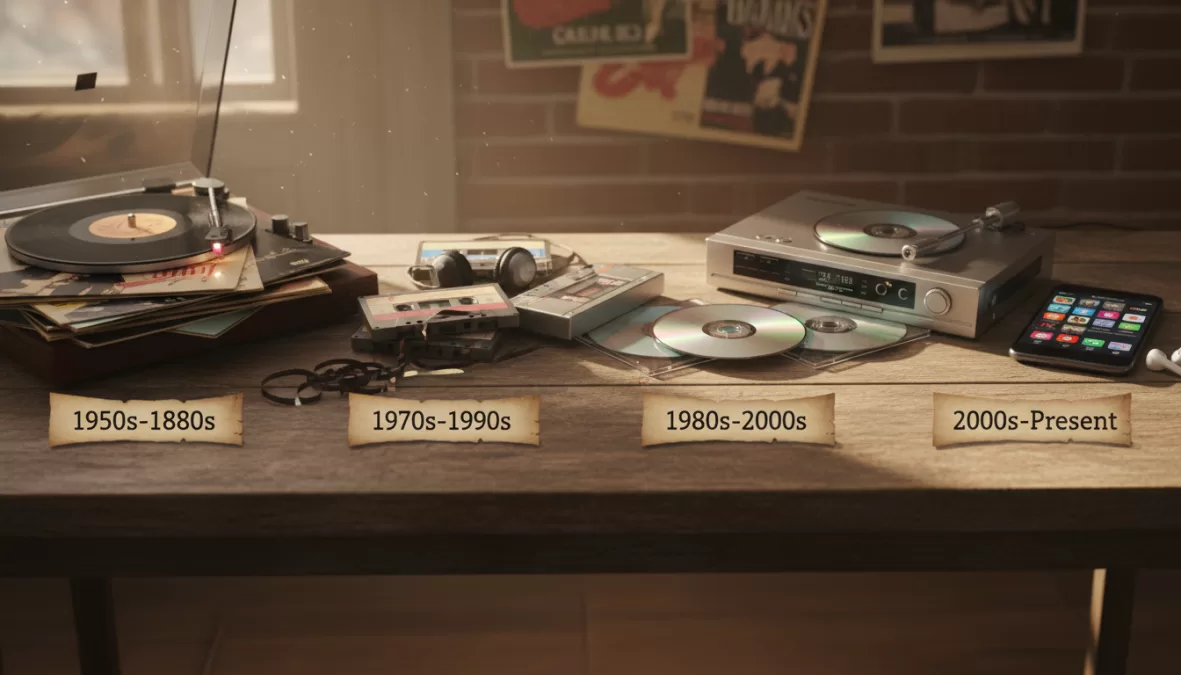
The music business transformed completely over recent decades. Artists who adapted thrived while others struggled. Embracing new technologies and platforms provides competitive advantages.
Madonna reinvented herself repeatedly across four decades. This flexibility kept her commercially relevant throughout. Artists must evolve while maintaining core artistic identity.
Impact and Legacy Beyond Monetary Wealth

The wealthiest musicians often leverage fortunes for social impact. Philanthropy and activism characterize many careers on this list. Financial success enables broader positive influence globally.
Philanthropic Endeavors
Bono’s activism for African development gained international recognition. His advocacy influenced policy changes at governmental levels. Music fame provided platforms for humanitarian causes.
Many wealthy musicians establish charitable foundations. These organizations address education, health, and social justice issues. Giving back becomes part of their legacy beyond entertainment.
Cultural Influence and Innovation
These artists shaped culture across generations. Their music soundtracked lives of billions globally. This cultural contribution transcends monetary valuations.
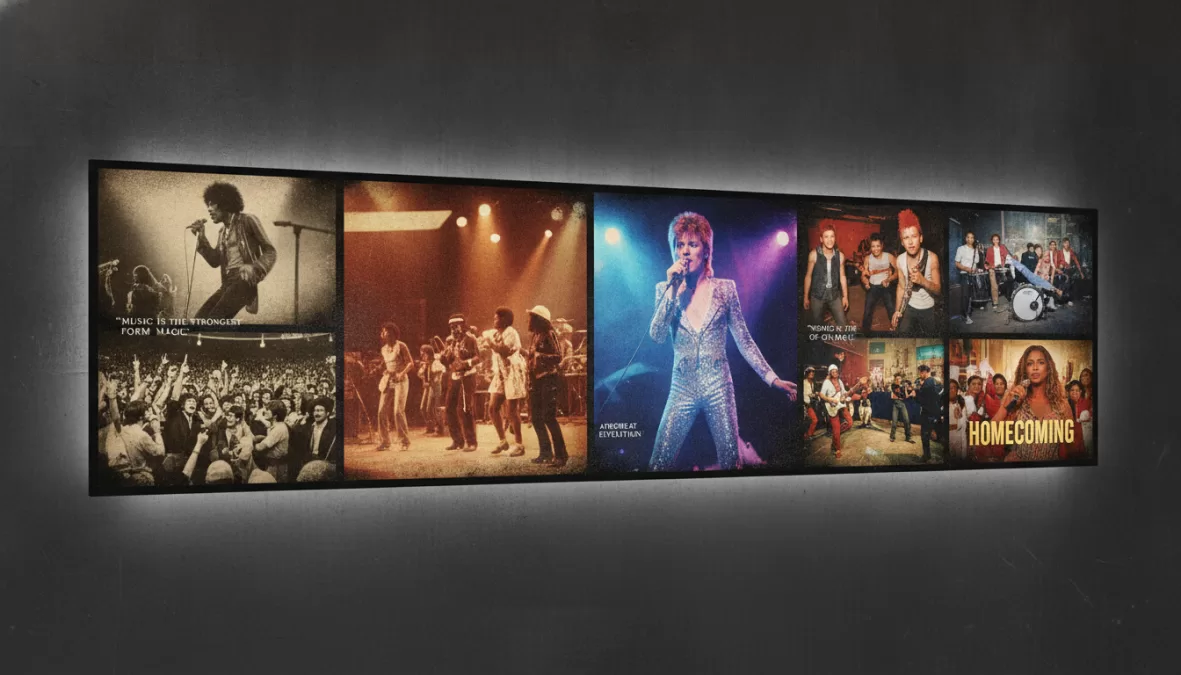
Taylor Swift’s influence on contemporary pop culture is undeniable. Rihanna changed beauty industry standards permanently. These impacts extend far beyond their personal wealth accumulation.
Industry Transformation
Wealthy musicians often drive industry changes benefiting others. Their business models and advocacy improve conditions for all artists. This leadership shapes music industry’s future positively.
Dr. Dre’s success with Beats inspired technology entrepreneurship among musicians. Jay-Z demonstrated artists could succeed in venture capital. These examples create blueprints for future generations.
Conclusion: The Evolving Landscape of Music Wealth

The top 10 richest musicians in the world by 2026 represent diverse paths to wealth. Musical talent alone no longer guarantees financial success. Business acumen, strategic planning, and entrepreneurship became equally important.
Jay-Z leads with 2.5 billion through smart investments spanning decades. Taylor Swift achieved billionaire status primarily through touring excellence. Rihanna built her fortune largely outside music through beauty and fashion.
These success stories share common elements. Catalog ownership provides ongoing passive income. Diversified revenue streams reduce dependence on music industry volatility. Direct fan relationships enable sustainable career longevity.
Key Insights from the Rankings
Touring replaced album sales as the primary revenue generator. The Eras Tour alone generated over 2 billion globally. Live experiences command premium pricing as fans value authentic connections.
Streaming platforms transformed catalog values upward. Older music reaches new audiences continuously. Songs released decades ago generate substantial income today through digital accessibility.
Business ventures outside music often surpass performance income. Beats Electronics, Fenty Beauty, and other brands generated billions. Musicians increasingly view themselves as entrepreneurs building diversified portfolios.
Industry Trends Moving Forward
The music business continues evolving rapidly. Technology creates new opportunities and challenges. Artists adapting quickly to changes position themselves for sustained success.
Independent distribution models empower musicians financially. Direct-to-fan platforms eliminate traditional gatekeepers. This democratization allows more artists to build sustainable careers.
Global markets expand opportunities exponentially. Artists touring internationally reach billions of potential fans. Language barriers diminish as music transcends cultural boundaries.
Final Thoughts
Understanding how these musicians built wealth provides valuable lessons. Talent initiates careers, but business strategy sustains them long-term. Ownership, diversification, and adaptability characterize the wealthiest artists.
The music industry’s economic landscape offers unprecedented opportunities today. Technology lowered barriers to entry while expanding potential audiences. Strategic artists leverage these advantages to build substantial fortunes.
Future list compositions will likely shift as new artists emerge. Current trends suggest continued growth in musician wealth overall. The industry’s evolution creates possibilities for aspiring artists willing to think entrepreneurially.
These ten musicians represent the pinnacle of financial success in music. Their journeys inspire while demonstrating wealth accumulation requires more than talent alone. Strategic thinking, persistence, and business acumen separate good careers from extraordinary fortunes.
The music industry rewards those who view themselves as complete businesses. Artists controlling their intellectual property and diversifying income streams build lasting wealth. This principle will remain constant regardless of technological changes ahead.
As the industry continues evolving, new opportunities emerge constantly. Musicians willing to adapt and innovate will join future rankings. The combination of artistic excellence and business sophistication defines tomorrow’s wealthiest artists.

Priyanka Pandey
Senior Research Editor · Top10Sense
Priyanka specializes in tech, consumer products, and digital trends. She combines hands-on testing, vendor interviews, and database research to create trustworthy “Top 10” rankings. Her work has been referenced by industry blogs and brand report pages.