The world of luxury fashion continues to evolve in 2026, yet certain brands maintain their prestigious position among wealthy consumers worldwide. These iconic fashion houses represent more than just clothing and accessories. They symbolize status, exceptional craftsmanship, and timeless style that transcends temporary trends.
Understanding which luxury brands wealthy people prefer reveals fascinating insights into quality, heritage, and cultural significance. The most successful luxury brands combine traditional craftsmanship with modern innovation. They create products that wealthy consumers view as worthwhile investments rather than simple purchases.
This comprehensive guide explores the top luxury brands that continue to dominate the preferences of affluent consumers in 2026. Each brand represents decades of excellence in design, manufacturing, and customer experience. From legendary fashion houses to innovative newcomers, these companies have mastered the art of creating desire among the world’s wealthiest individuals.
Stay Ahead of Luxury Trends
Join thousands of luxury enthusiasts who receive exclusive insights about the brands wealthy people love most. Get monthly updates on emerging trends, investment pieces, and insider knowledge delivered directly to your inbox.
Understanding Why Wealthy People Choose These Luxury Brands
The relationship between wealth and luxury brand preference extends beyond simple purchasing power. Wealthy individuals seek brands that align with their values, lifestyle, and personal identity. These consumers prioritize quality craftsmanship, exclusive experiences, and products that retain or appreciate in value over time.
Old money brands particularly resonate with established wealthy families. These heritage fashion houses offer discretion, timeless designs, and subtle logos that signal sophistication without ostentation. The best luxury brands understand this preference and maintain consistent quality across every aspect of their operations.
Rich people often view luxury purchases as investments. They research brand heritage, manufacturing processes, and resale values before making decisions. This discerning approach means luxury brands must continuously prove their worth through exceptional products and services. The brands featured in this article have successfully maintained their appeal among affluent consumers through decades of consistent excellence.
1. Hermès: The Pinnacle of Luxury Craftsmanship
Brand Heritage and Excellence
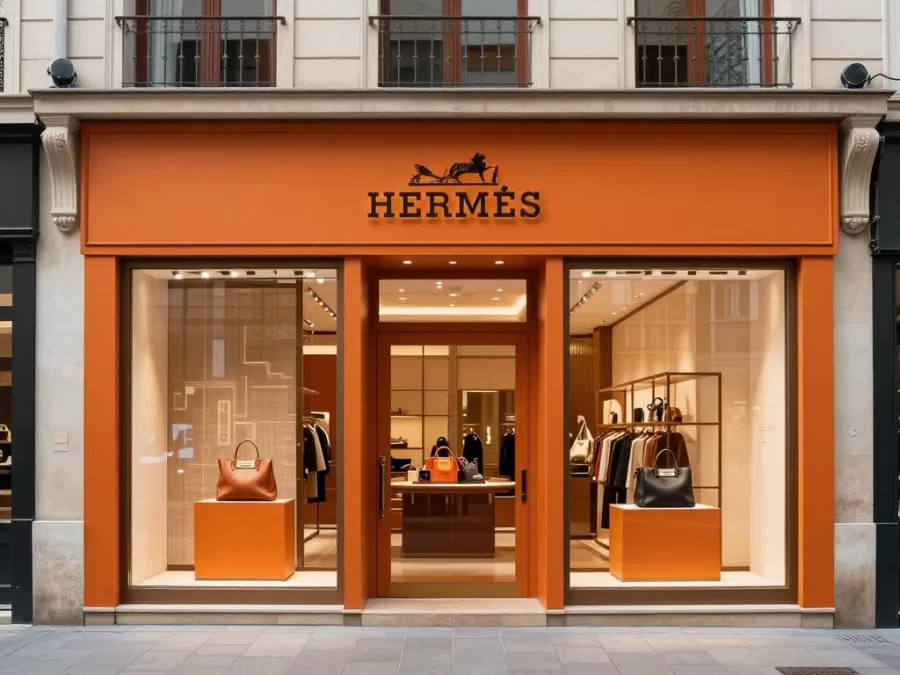
Hermès stands as the ultimate luxury brand among wealthy consumers worldwide. Founded in 1837, this French fashion house built its reputation on exceptional leather craftsmanship and unwavering commitment to quality. Every Hermès product reflects meticulous attention to detail and traditional manufacturing techniques that take years to master.
The company maintains complete control over its production processes. Skilled artisans create each piece by hand in workshops around France. This approach ensures consistent quality and allows Hermès to maintain its position as the most exclusive luxury brand in the world. Wealthy people appreciate the brand’s refusal to compromise quality for profit.
Why Rich People Love Hermès
Several factors make Hermès the preferred choice among affluent consumers. The brand’s scarcity strategy creates genuine exclusivity that money alone cannot overcome. Waiting lists for iconic products like the Birkin bag can span years, making ownership a genuine achievement rather than a simple transaction.
Hermès products retain exceptional resale value. Many items appreciate over time, making them sound financial investments. The brand’s commitment to repair and restoration services means products can last generations. This longevity appeals to wealthy families who value heirloom-quality items.
Signature Products Wealthy Consumers Prefer
Birkin and Kelly Bags
These iconic handbags represent the pinnacle of luxury accessories. Handcrafted from the finest leather, each bag requires 18-24 hours of expert craftsmanship. Prices start around $10,000 and can exceed $500,000 for rare exotic skin versions. The exclusivity and investment potential make these bags highly coveted among wealthy women worldwide.
Silk Scarves and Ties
Hermès silk accessories showcase the brand’s commitment to artistic design and quality materials. Each scarf features hand-drawn artwork that tells a story. The company produces these items using traditional screen-printing techniques that require multiple color applications. Wealthy consumers collect these pieces as wearable art that maintains value over time.
Ready-to-Wear Clothing
Hermès fashion collections emphasize timeless elegance over trendy designs. The brand uses exceptional fabrics and employs master tailors who ensure perfect construction. Wealthy clients appreciate clothing that remains stylish across decades rather than seasons. Each piece reflects the same craftsmanship standards as the brand’s leather goods.
2. Loro Piana: The Ultimate Old Money Brand
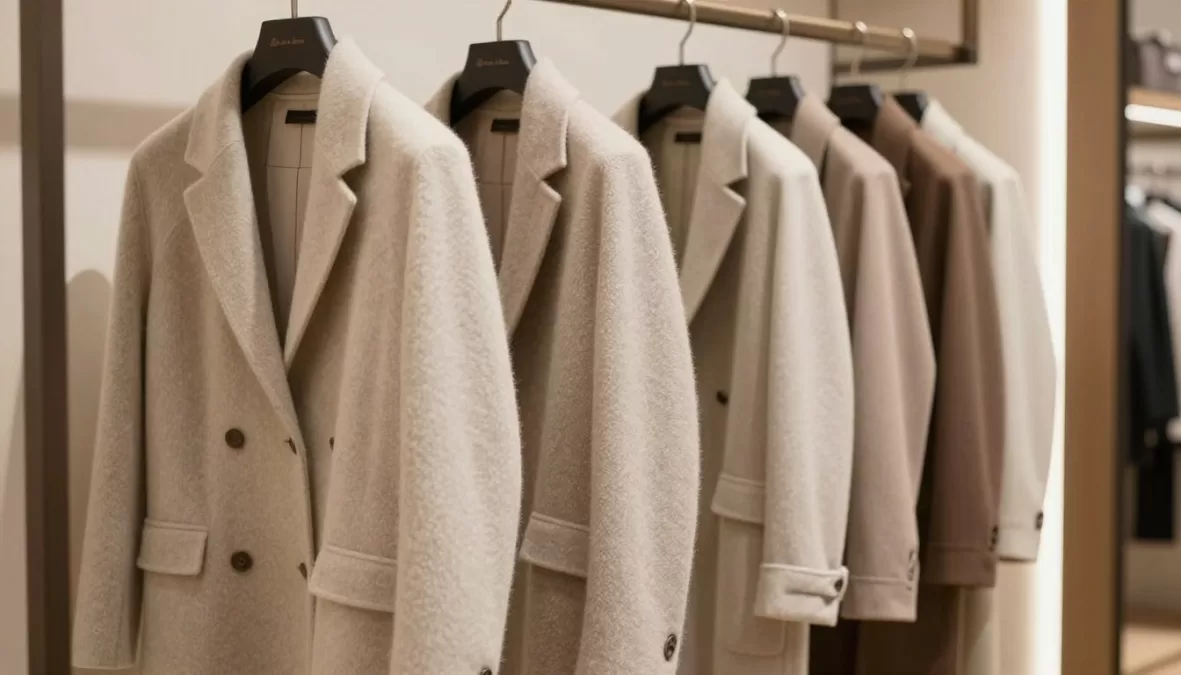
Loro Piana represents the epitome of quiet luxury that wealthy individuals cherish. This Italian fashion house specializes in the world’s finest natural fibers, creating clothing that prioritizes quality over visible branding. The company sources rare materials like vicuña wool and lotus flower fabric, which require extraordinary effort to obtain and process.
The brand’s philosophy centers on exceptional materials and impeccable construction. Loro Piana operates its own textile mills and maintains direct relationships with fiber producers worldwide. This vertical integration ensures uncompromising quality standards throughout the production process. Wealthy consumers recognize the superior comfort and durability that result from this approach.
What Makes Loro Piana Special
Loro Piana appeals specifically to old money families who prefer understated elegance. The brand rarely uses visible logos, allowing the quality of materials and construction to speak for themselves. This discretion resonates with wealthy individuals who want exceptional clothing without obvious status signaling.
The company’s commitment to sustainability and ethical sourcing strengthens its appeal among conscious luxury consumers. Loro Piana invests in preserving endangered animal species and supporting traditional fiber production communities. These efforts demonstrate corporate responsibility that aligns with modern wealthy consumers’ values.
Key Products for Affluent Clients
- Cashmere sweaters and coats crafted from the finest Mongolian cashmere fibers
- Vicuña fabric items made from the world’s rarest and most expensive natural fiber
- Summer Walk and Open Walk shoes beloved by European aristocracy
- Travel accessories and blankets featuring exceptional softness and warmth
- Tailored suits and jackets with perfect fit and timeless style
3. Brunello Cucinelli: Italian Luxury with Humanistic Values
Brunello Cucinelli has emerged as a favorite among wealthy consumers who value both quality and ethical production. This Italian luxury brand combines exceptional craftsmanship with a humanistic philosophy that prioritizes worker welfare and community development. The company’s approach resonates with affluent individuals seeking luxury brands that align with their personal values.
The Philosophy Behind the Brand
Founder Brunello Cucinelli built his company around the principle that business should enhance human dignity. Workers at the company’s facilities in Solomeo, Italy, enjoy above-market wages, limited working hours, and access to cultural enrichment programs. This ethical approach to luxury production appeals to wealthy consumers who want their purchases to support positive social impact.
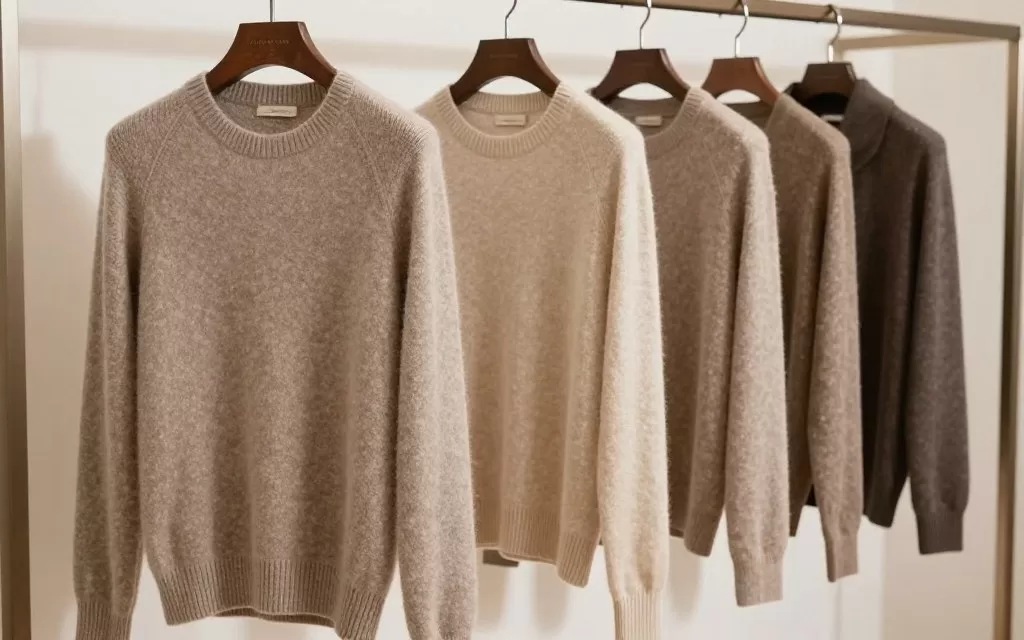
The brand specializes in elevated casual wear that bridges formal and relaxed styles. Each piece features impeccable tailoring and premium materials like cashmere, silk, and fine cotton. Brunello Cucinelli’s designs emphasize timeless elegance rather than seasonal trends, creating clothing that remains relevant across years.
Why Wealthy People Choose Brunello Cucinelli
The brand’s commitment to quality craftsmanship ensures products that last decades with proper care. Wealthy consumers appreciate clothing that maintains its appearance and structure through regular wear. The subtle luxury aesthetic allows affluent individuals to dress impeccably without obvious designer logos.
Brunello Cucinelli’s limited production runs create natural scarcity without artificial marketing tactics. The company focuses on creating pieces worthy of purchase rather than manipulating desire through restricted access. This honest approach to luxury resonates with discerning wealthy consumers.
Download Your Exclusive Luxury Shopping Guide 2026
Get insider knowledge on authenticating luxury items, understanding brand hierarchies, and making smart investments in designer pieces. Our comprehensive guide includes pricing strategies, seasonal buying tips, and exclusive access information for the world’s most coveted brands.
4. Chanel: Timeless French Elegance
Chanel maintains its position as one of the most recognizable luxury brands among wealthy consumers worldwide. Founded by Coco Chanel in 1910, the fashion house revolutionized women’s fashion by introducing comfortable elegance that replaced restrictive Victorian styles. Today, the brand continues to innovate while honoring its founder’s legacy of sophisticated simplicity.
The company remains privately owned, allowing it to prioritize long-term brand value over short-term profits. This independence enables Chanel to maintain strict quality controls and selective distribution that preserve exclusivity. Wealthy consumers value the brand’s consistency and refusal to dilute its prestige through mass-market licensing deals.
Iconic Chanel Products
Classic Flap Bag
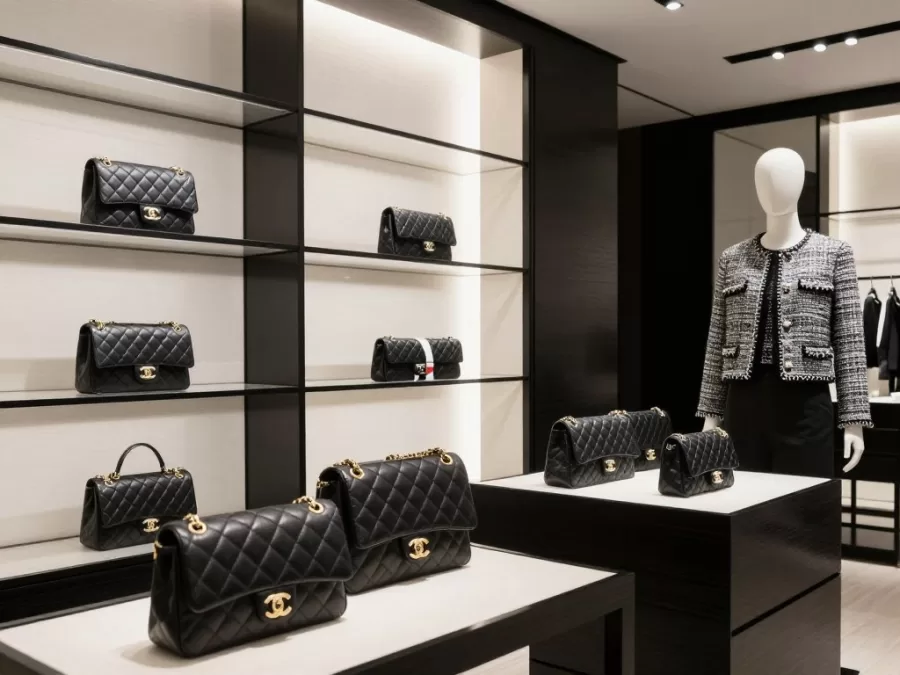
This iconic handbag has become one of the most sought-after accessories in luxury fashion. The quilted leather design with chain strap represents timeless elegance that transcends trends. Prices have increased significantly over recent years, making vintage pieces valuable investments. Wealthy women view this bag as an essential wardrobe component.
Chanel No. 5 Perfume
The world’s most famous fragrance continues to captivate affluent consumers nearly a century after its introduction. The complex scent profile uses rare ingredients and traditional perfume-making techniques. Wealthy individuals appreciate the heritage and sophistication this fragrance represents in personal luxury.
Tweed Jackets and Suits
Chanel’s signature tweed pieces exemplify the brand’s approach to practical luxury. Each jacket requires extensive handwork and uses specially developed fabrics. The classic design ensures these pieces remain stylish across decades, appealing to wealthy consumers seeking investment clothing rather than disposable fashion.
What Sets Chanel Apart
Chanel’s commitment to French manufacturing maintains the brand’s reputation for exceptional quality. The company operates its own ateliers where skilled artisans create haute couture and ready-to-wear collections. This dedication to traditional craftsmanship ensures products meet the exacting standards wealthy consumers expect from a top luxury brand.
The brand carefully manages its image and distribution channels. Chanel products are available only through company-owned boutiques and carefully selected department stores. This controlled distribution preserves the exclusive shopping experience that wealthy consumers associate with genuine luxury brands.
5. Dior: Modern Luxury with Historic Roots
Christian Dior transformed fashion in 1947 with the revolutionary New Look that redefined feminine elegance. Today, the brand continues to innovate under creative director Maria Grazia Chiuri while honoring its founder’s vision. Dior represents a perfect balance between heritage luxury and contemporary design that appeals to wealthy consumers across generations.
Why Wealthy Consumers Choose Dior
Dior’s ability to create instant classics appeals to affluent individuals seeking both style and investment value. The brand’s designs frequently become cultural phenomena that drive demand among wealthy consumers worldwide. This cultural relevance ensures Dior products maintain strong resale values in secondary markets.
The company invests heavily in craftsmanship training and innovation. Dior’s ateliers employ master artisans who create both haute couture and ready-to-wear collections using traditional techniques. Wealthy consumers appreciate the brand’s commitment to preserving French fashion heritage while embracing modern technology and design approaches.
Signature Dior Products
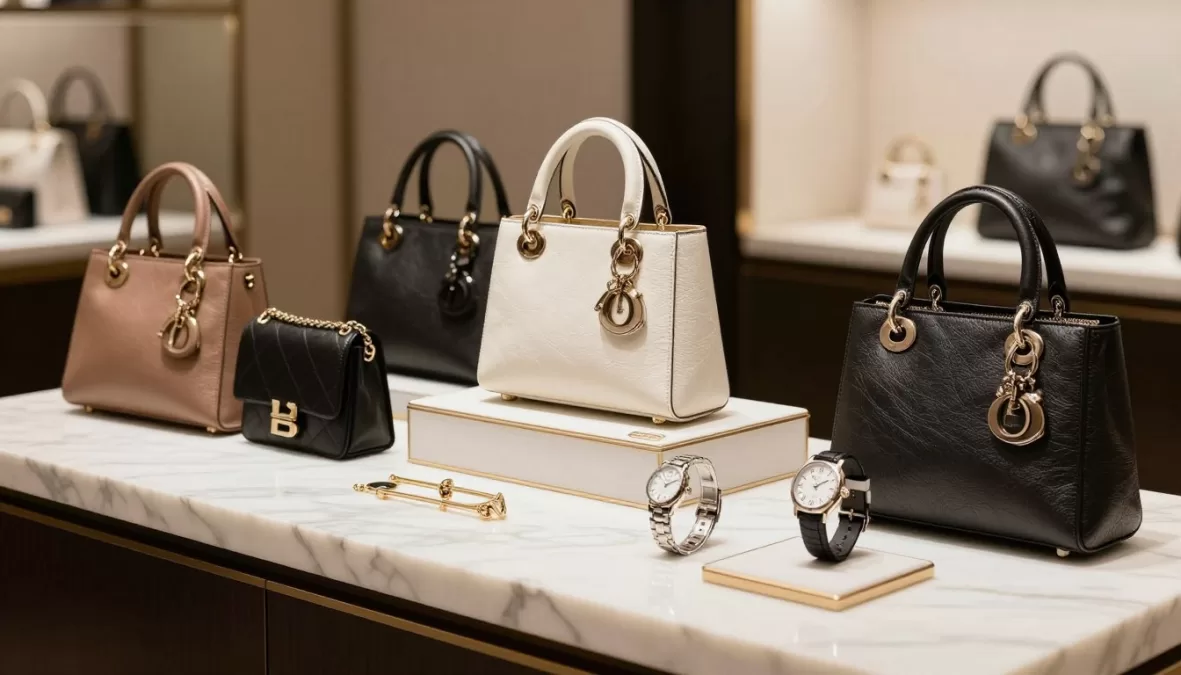
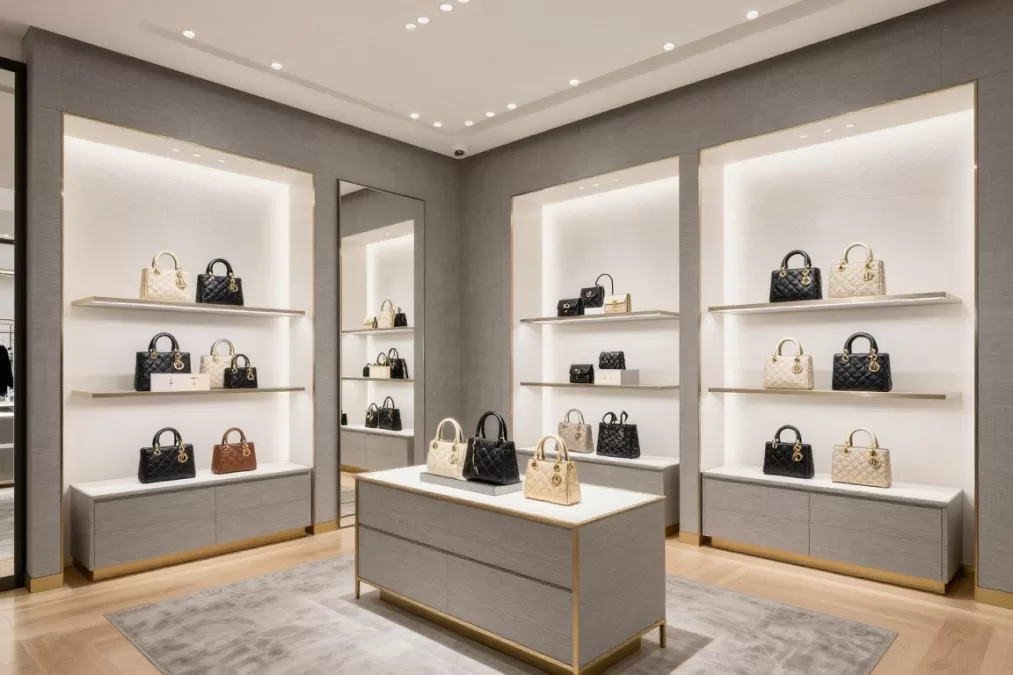
The Lady Dior handbag remains one of the brand’s most coveted accessories. Its quilted leather cannage pattern and elegant hardware create timeless sophistication that wealthy women treasure. The brand also excels in fragrance creation, with perfumes like J’adore and Sauvage becoming bestsellers among affluent consumers.
6. Louis Vuitton: The World’s Most Valuable Luxury Brand
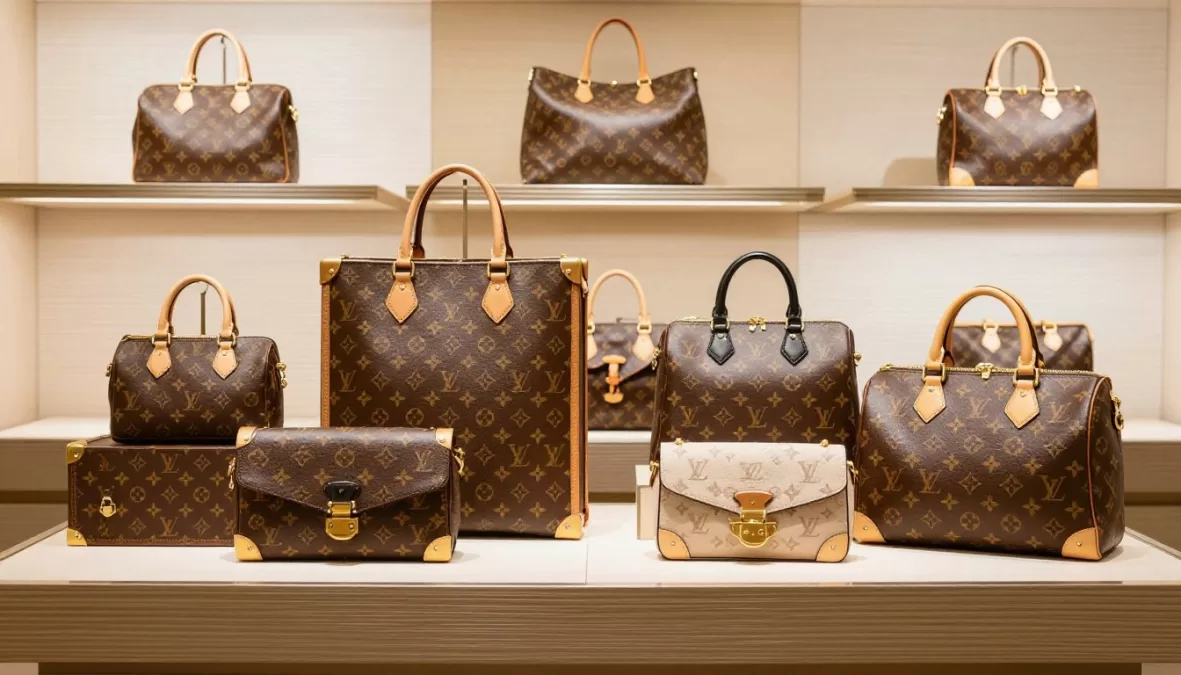
Louis Vuitton dominates the luxury market as the world’s most valuable fashion brand. Founded in 1854 as a trunk maker, the company has expanded into a comprehensive luxury house offering leather goods, ready-to-wear clothing, shoes, accessories, jewelry, and watches. The iconic LV monogram represents success and sophistication to wealthy consumers around the world.
The brand’s success stems from its ability to balance heritage with innovation. Louis Vuitton maintains traditional craftsmanship standards while collaborating with contemporary artists and designers. These partnerships create limited-edition collections that generate excitement among wealthy collectors and fashion enthusiasts.
Why Rich People Love Louis Vuitton
- Global recognition and prestige that signifies success across all cultures
- Exceptional craftsmanship with lifetime repair services maintaining product value
- Innovative collaborations with artists like Takashi Murakami and Yayoi Kusama
- Strong resale market ensuring products retain significant investment value
- Extensive product range allowing complete wardrobe solutions from one brand
- Flagship stores in prime locations offering exclusive shopping experiences
Most Coveted Louis Vuitton Products
The Speedy and Neverfull bags remain perennial favorites among wealthy women. These practical yet elegant designs serve as daily companions that withstand years of use. The brand’s monogram canvas has become one of fashion’s most recognizable patterns, making these bags instant status symbols.
Louis Vuitton’s travel goods continue the brand’s original mission of creating exceptional luggage. Wealthy consumers appreciate the durability and functionality of these pieces when traveling globally. The brand’s commitment to repair services means a Louis Vuitton trunk purchased today can serve multiple generations.
Expert Luxury Investment Consultation
Navigate the complex world of luxury brands with personalized guidance from our experienced consultants. We help wealthy clients make informed decisions about luxury purchases, authentication, and portfolio building. Our services include brand analysis, investment potential assessment, and access to exclusive pieces.
Consultation Services Include:
- Personal brand preference assessment
- Investment-grade piece identification
- Authentication verification services
- Exclusive access coordination
- Collection management strategies
Why Choose Our Service:
- 20+ years luxury market experience
- Direct brand relationships
- Confidential client service
- Global network access
- Investment tracking support
7. Rolex: The Crown of Luxury Watchmaking
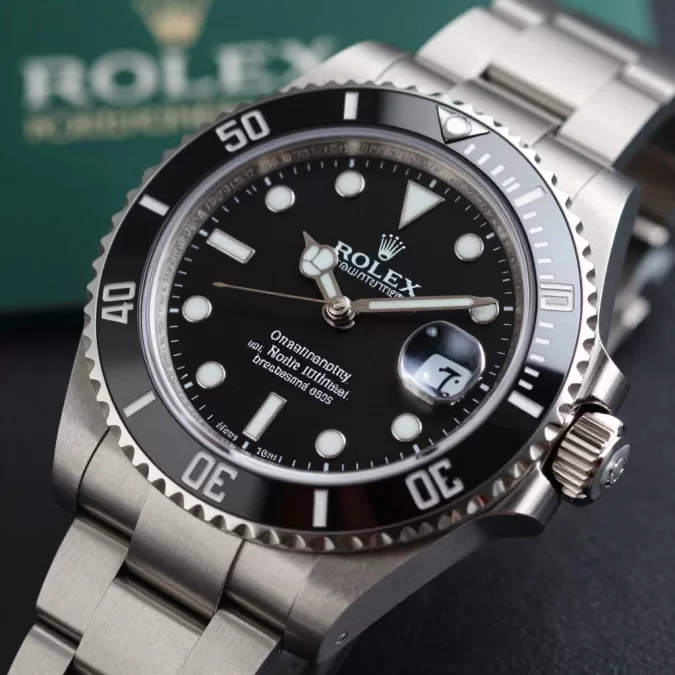
Rolex stands as the most recognizable luxury watch brand among wealthy consumers worldwide. Founded in 1905, the Swiss watchmaker has built its reputation on precision engineering, durability, and timeless design. Rolex watches serve as both functional timepieces and status symbols that communicate success and achievement.
Engineering Excellence
Rolex manufactures every component of its watches in-house, from the gold alloys to the smallest screws. This vertical integration ensures consistent quality and allows the company to maintain strict standards throughout production. Each watch undergoes rigorous testing before leaving the factory, guaranteeing reliability that wealthy consumers demand.
The brand’s innovations have shaped the entire watch industry. Rolex invented the waterproof wristwatch case, the automatic date change mechanism, and the dual time zone display. These technical achievements demonstrate the engineering prowess that makes Rolex watches worthy of their premium prices.
Investment Value
Rolex watches consistently appreciate in value, particularly discontinued models and limited editions. The secondary market for vintage Rolex timepieces has exploded in recent years, with some models selling for many times their original retail price. Wealthy collectors view certain Rolex watches as tangible investments that provide enjoyment while appreciating financially.
The brand’s careful production management creates genuine scarcity for popular models. Waiting lists at authorized dealers can extend years for sought-after pieces like the Daytona or GMT-Master II. This exclusivity ensures strong demand and stable pricing in both primary and secondary markets.
Most Popular Models Among the Wealthy
- Submariner – diving watch icon
- Daytona – racing chronograph
- GMT-Master II – traveler’s companion
- Explorer – mountaineering heritage
Sport Models
- Datejust – classic elegance
- Day-Date – presidential prestige
- Cellini – traditional styling
- Oyster Perpetual – timeless simplicity
Dress Models
- Sea-Dweller – deep diving
- Sky-Dweller – annual calendar
- Yacht-Master – sailing luxury
- Air-King – aviation heritage
Professional Models
8. Patek Philippe: The Pinnacle of Haute Horlogerie
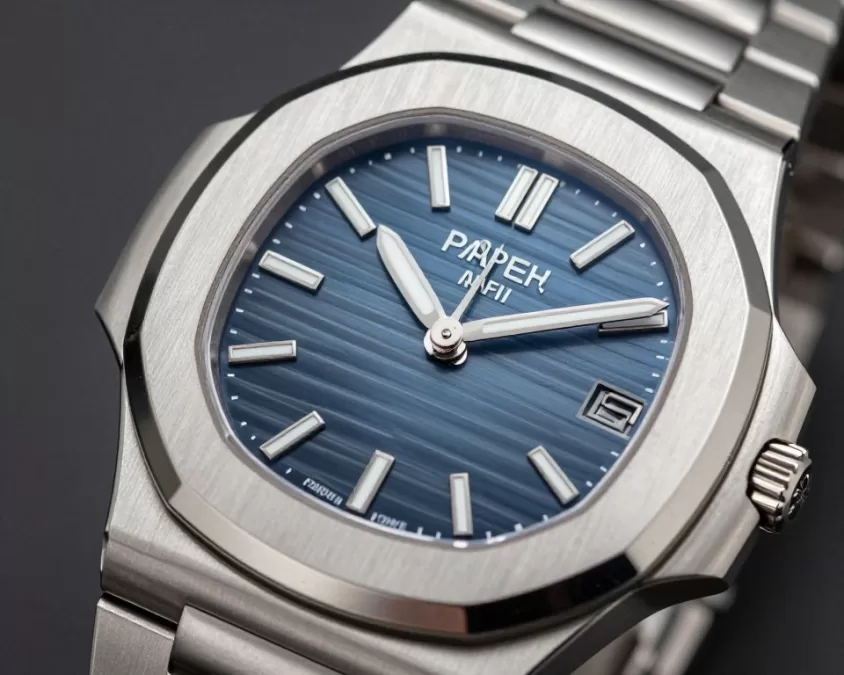
Patek Philippe represents the absolute pinnacle of luxury watchmaking among knowledgeable wealthy collectors. This Swiss manufacturer creates timepieces of extraordinary complexity and beauty that serve as family heirlooms passed across generations. The brand’s famous advertising tagline suggests customers never truly own a Patek Philippe but merely care for it for the next generation.
The company remains family-owned and independent, allowing it to pursue long-term excellence without external pressure. Patek Philippe produces relatively few watches annually compared to other luxury brands, ensuring each timepiece receives meticulous attention throughout manufacturing. This commitment to quality over quantity resonates with wealthy collectors who appreciate genuine rarity.
What Makes Patek Philippe Special
The brand excels at creating complicated mechanical watches featuring multiple functions beyond basic timekeeping. These complications include perpetual calendars, minute repeaters, and celestial displays that represent hundreds of hours of skilled craftsmanship. Wealthy collectors prize these technical masterpieces as ultimate expressions of watchmaking art.
Patek Philippe watches consistently achieve record prices at auction. Vintage pieces regularly sell for millions of dollars, with some watches fetching over twenty million at prestigious sales. This appreciation potential makes Patek Philippe watches among the safest luxury investments available to wealthy individuals.
Collecting Patek Philippe
Establishing a relationship with a Patek Philippe authorized dealer requires patience and demonstrated interest. The brand prioritizes selling to collectors who will appreciate and maintain their watches rather than immediate resale. This selective approach ensures pieces reach individuals who understand their cultural and horological significance.
9. Bottega Veneta: Understated Italian Luxury
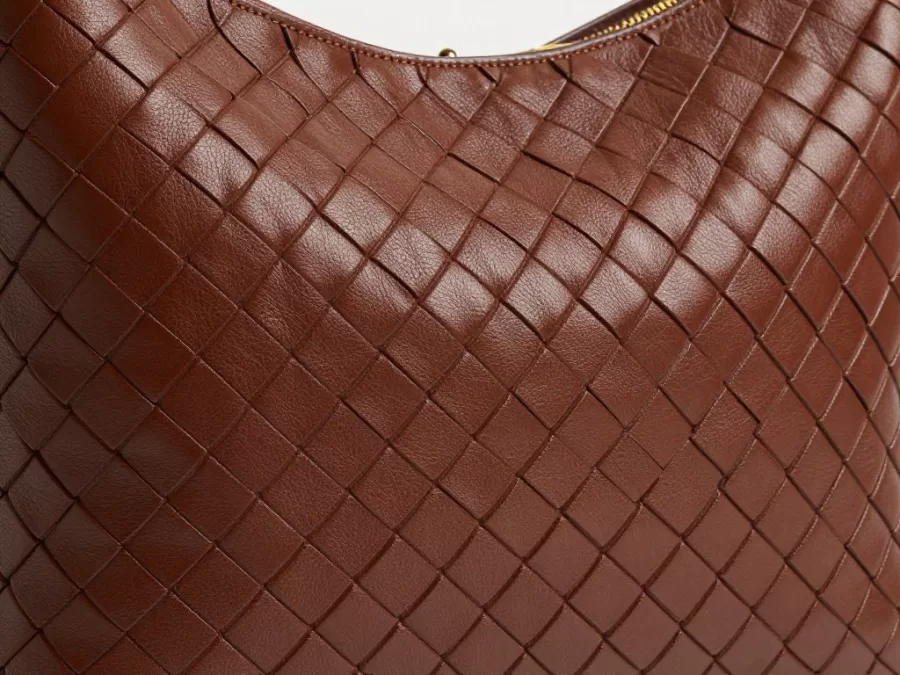
Bottega Veneta exemplifies the quiet luxury aesthetic that wealthy consumers increasingly prefer. The Italian brand became famous for its intrecciato woven leather technique and minimal branding approach. This discretion appeals to affluent individuals who want exceptional quality without obvious logo displays that attract attention.
The Bottega Veneta Philosophy
The brand’s motto “when your own initials are enough” encapsulates its approach to luxury. Bottega Veneta focuses on exceptional materials, innovative craftsmanship, and distinctive design rather than prominent branding. This philosophy resonates with old money families and newly wealthy individuals seeking sophistication over status signaling.
Under creative director Matthieu Blazy, Bottega Veneta has strengthened its position among wealthy consumers. The brand’s designs emphasize functionality and wearability while maintaining artistic vision. This balance between practicality and creativity appeals to affluent individuals who want clothing and accessories that enhance daily life.
Signature Products
The Cassette bag has become Bottega Veneta’s most recognizable product in recent years. Its puffy quilted design and oversized intrecciato pattern create distinctive appeal without logo dependency. The Jodie bag and Arco tote also rank among wealthy consumers’ favorites for their versatility and subtle luxury.
Bottega Veneta’s leather goods showcase the brand’s commitment to craftsmanship. Each woven piece requires hours of skilled handwork to create the signature intrecciato pattern. The buttery-soft leather used throughout the collection demonstrates material quality that wealthy consumers immediately recognize.
Access Exclusive Luxury Market Intelligence 2026
Stay ahead of shifting luxury preferences with our comprehensive market analysis. Our quarterly reports provide data-driven insights on brand performance, emerging trends, and investment opportunities in the luxury sector. Perfect for collectors, investors, and luxury enthusiasts.
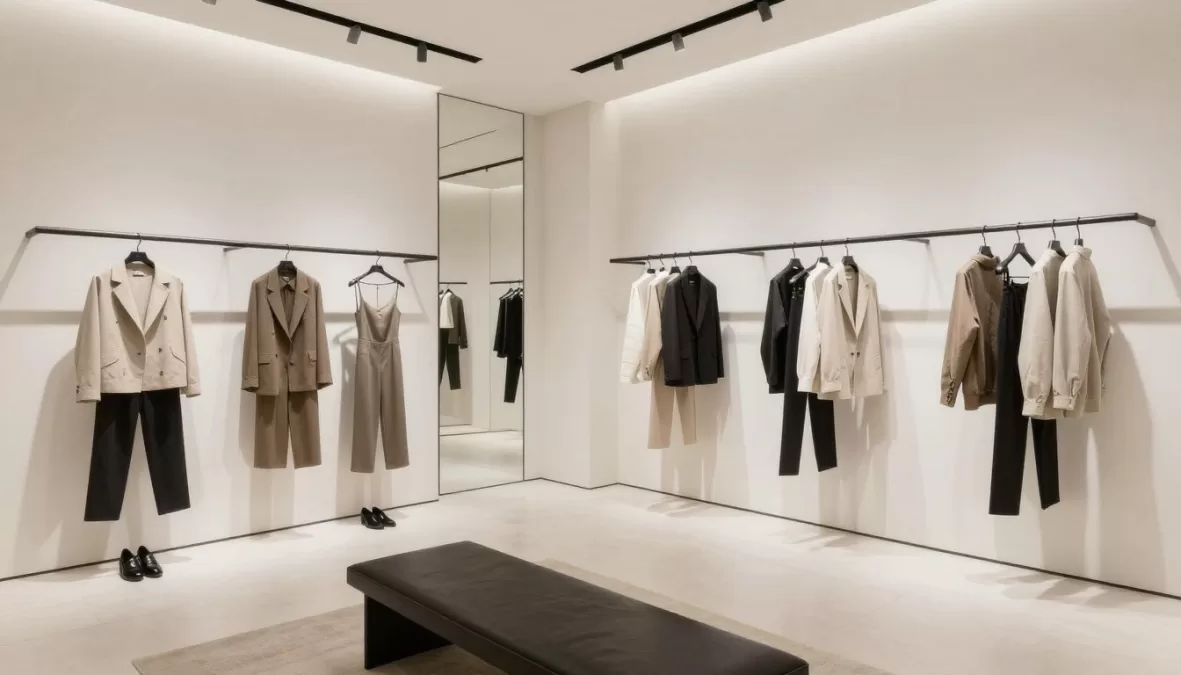
10. The Row: Modern Minimalist Luxury
The Row represents a newer entry to the luxury market that has quickly gained favor among wealthy consumers. Founded by Mary-Kate and Ashley Olsen in 2006, this American brand focuses on exceptional fabrics, perfect tailoring, and minimalist design philosophy. The Row appeals to affluent individuals seeking contemporary luxury without historical baggage.
The brand’s approach prioritizes quality and fit above all other considerations. Each garment undergoes extensive development to achieve perfect proportions and construction. The Row’s clothing feels substantial and luxurious while maintaining an effortless aesthetic that wealthy consumers appreciate for both professional and casual wear.
What Sets The Row Apart
Fabric Selection
The Row sources the world’s finest materials for its collections. The brand works directly with Italian and Japanese mills to develop exclusive fabrics that meet exacting specifications. This attention to material quality ensures garments that feel exceptional and drape beautifully on the body.
Timeless Design
The brand eschews trends in favor of classic silhouettes that remain relevant across years. This approach appeals to wealthy consumers building wardrobes around investment pieces rather than seasonal fashion. The Row’s designs work seamlessly together, creating a cohesive aesthetic.
Limited Distribution
The Row maintains exclusivity through selective retail partnerships and limited production runs. This scarcity strategy ensures customers enjoy genuine uniqueness when wearing the brand. Wealthy consumers appreciate clothing that stands out through quality rather than ubiquity.
Popular Products Among Wealthy Clients
The Row’s handbags have become particularly sought-after among affluent women. The Margaux tote exemplifies the brand’s approach with its structured silhouette, exceptional leather quality, and minimal branding. These bags serve as practical daily companions while signaling sophisticated taste to those who recognize the brand.
The brand’s outerwear consistently receives praise from wealthy consumers for its quality and versatility. Coats and jackets feature impeccable construction and luxurious materials like cashmere and fine wool. These pieces represent the investment approach to luxury clothing that appeals to discerning wealthy buyers.
Emerging Trends in Luxury Brand Preferences for 2026
The luxury market continues evolving as wealthy consumers’ values and priorities shift. Several significant trends are shaping which brands succeed among affluent individuals in 2026. Understanding these patterns provides insight into the future of luxury fashion and consumer behavior.
Sustainability and Ethical Production
Wealthy consumers increasingly demand transparency about production methods and environmental impact. Luxury brands that demonstrate genuine commitment to sustainability through concrete actions rather than marketing messages gain favor. This trend explains the rising popularity of brands like Brunello Cucinelli and Loro Piana that prioritize ethical manufacturing.
The best luxury brands now invest in circular economy initiatives, repair services, and sustainable material sourcing. These efforts resonate with affluent consumers who want their luxury purchases to align with personal values regarding environmental stewardship and social responsibility. This shift represents a fundamental change in how wealthy people evaluate luxury brands.
Quiet Luxury Over Logo Mania
The pendulum has swung decisively toward understated elegance among wealthy consumers. Obvious logos and conspicuous branding no longer appeal to the majority of affluent individuals. This preference shift benefits brands like Bottega Veneta, The Row, and Loro Piana that emphasize quality over visibility.
Old money brands that never relied heavily on logo displays continue performing well with wealthy consumers. The trend toward discretion reflects broader cultural changes where true wealth prefers to remain subtle rather than obvious. This aesthetic shift rewards brands that have maintained consistent quality and design philosophy.
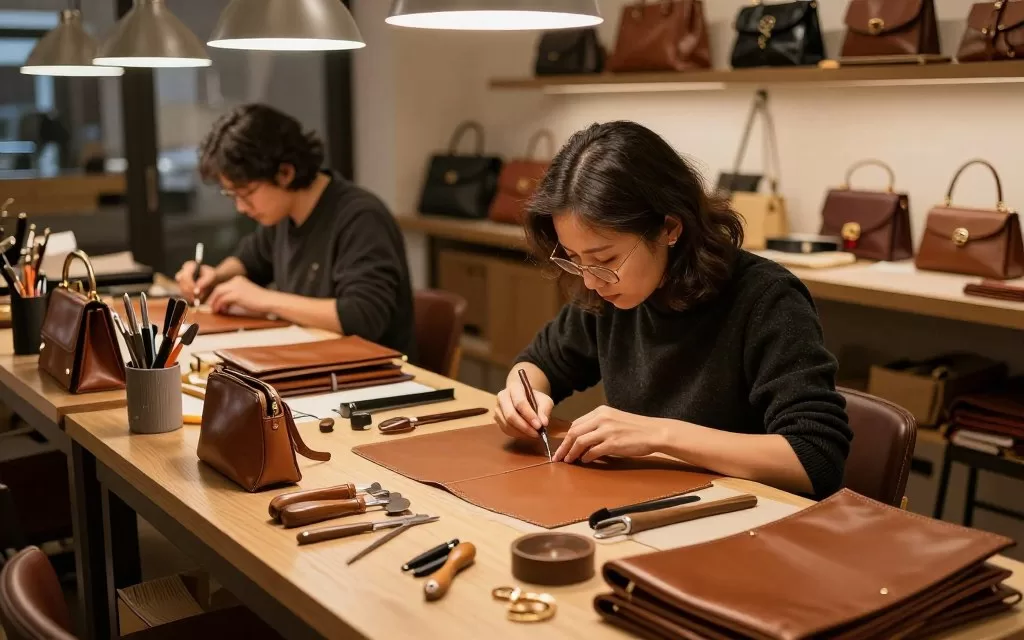
Craftsmanship Appreciation
Wealthy consumers demonstrate increasing interest in understanding how luxury products are made. Brands that showcase their artisans and manufacturing processes benefit from this curiosity.
- Behind-the-scenes content showing production
- Artisan profiles and skill documentation
- Workshop tours and craftsmanship education
- Heritage preservation initiatives
Investment Thinking
Affluent buyers increasingly view luxury purchases through an investment lens. Brands whose products maintain or appreciate in value receive preference over those with poor resale performance.
- Strong secondary market demand
- Historical price appreciation data
- Limited production maintaining scarcity
- Repair services extending product lifespan
Personalization Services
Wealthy consumers seek unique products that reflect individual taste. Luxury brands offering bespoke services and customization options strengthen relationships with affluent clients.
- Made-to-measure clothing programs
- Monogramming and personalization
- Custom color and material selection
- Exclusive design collaborations
Digital Integration
While wealthy consumers still value in-person shopping experiences, they expect seamless digital capabilities from luxury brands. This includes online purchasing, virtual consultations, and digital authentication.
- Virtual styling appointments
- Digital authentication certificates
- Online archive access
- Exclusive digital community platforms
How Top Luxury Brands Maintain Their Appeal Among the Wealthy
The most successful luxury brands employ consistent strategies to remain relevant among wealthy consumers across generations. These approaches balance heritage preservation with necessary innovation, ensuring brands stay fresh without abandoning core values that attracted affluent customers initially.
Controlled Distribution and Exclusivity
Leading luxury brands carefully manage where and how their products are sold. This controlled distribution maintains the exclusive shopping experience wealthy consumers expect. Brands avoid mass-market channels and discount retailers that would dilute prestige and accessibility.
The best luxury brands world-wide also limit production volumes to ensure genuine scarcity. This approach differs from artificial scarcity tactics and instead reflects commitment to maintaining quality standards. Wealthy consumers recognize and appreciate brands that resist pressure to expand beyond sustainable capacity.
Heritage Marketing and Storytelling
Luxury brands successfully communicate their history and values through compelling narratives. These stories connect products to broader cultural movements, famous clients, and significant historical moments. Wealthy consumers appreciate understanding the heritage behind their luxury purchases, viewing items as pieces of living history.
Effective heritage marketing goes beyond simple historical facts. The best brands create emotional connections by highlighting artisan skills, family traditions, and commitment to excellence across generations. This storytelling differentiates genuine luxury brands from newcomers lacking authentic heritage.
Advantages of Established Luxury Brands
- Decades of proven quality and reliability
- Strong resale value maintaining investment potential
- Global recognition providing universal status communication
- Established repair and authentication services
- Deep heritage creating emotional connections
- Consistent design language ensuring timelessness
Challenges Facing Luxury Brands
- Balancing heritage with innovation and relevance
- Managing brand perception across diverse global markets
- Maintaining exclusivity while achieving growth targets
- Competing with emerging brands offering fresh perspectives
- Meeting sustainability expectations without compromising quality
- Adapting to digital commerce while preserving luxury experience
Customer Experience Excellence
Luxury brands invest heavily in creating exceptional customer experiences at every touchpoint. From flagship stores designed by renowned architects to personal shopping services tailored to individual preferences, these brands understand that wealthy consumers expect treatment matching their status and the products’ price points.
The best luxury brands remember customer preferences and purchase history across interactions. This personalization makes wealthy clients feel valued beyond their spending power. Successful brands also provide after-purchase services like complimentary repairs, storage solutions, and exclusive event invitations that strengthen long-term relationships.
Guide to Shopping Top Luxury Brands
Navigating the luxury market requires knowledge and strategy, particularly for brands with selective distribution or waiting lists. Understanding how to approach luxury shopping helps wealthy consumers maximize their investment and enjoy optimal experiences.
Building Relationships with Sales Associates
Developing relationships with knowledgeable sales associates at luxury brands provides significant advantages. These professionals gain access to new collections before general release and can alert preferred clients to incoming pieces matching their tastes. Wealthy consumers who cultivate these relationships enjoy preferential access to limited items and exclusive opportunities.
The best approach involves consistent engagement with specific sales associates at flagship stores. Regular purchases demonstrate serious interest and commitment to the brand. Wealthy customers should communicate preferences clearly and respond promptly when contacted about new arrivals. This professional relationship benefits both parties and enhances the luxury shopping experience.
| Shopping Strategy | Benefits | Best For | Time Investment |
| Flagship Store Relationship | Priority access, personalized service, exclusive invitations | Frequent luxury shoppers, collectors | Ongoing relationship building |
| Personal Shopper Services | Curated selections, home appointments, convenience | Busy professionals, comprehensive wardrobe building | Initial consultation plus follow-ups |
| Trunk Shows | Early access to collections, meet designers, special pricing | Fashion enthusiasts, networking opportunities | Several hours per event |
| Private Appointments | Undivided attention, after-hours access, discretion | High-value purchases, privacy-focused clients | Scheduled sessions as needed |
| Online Exclusive Access | Convenience, broader selection, digital records | Established customers, repeat purchases | Minimal ongoing effort |
Authentication and Verification
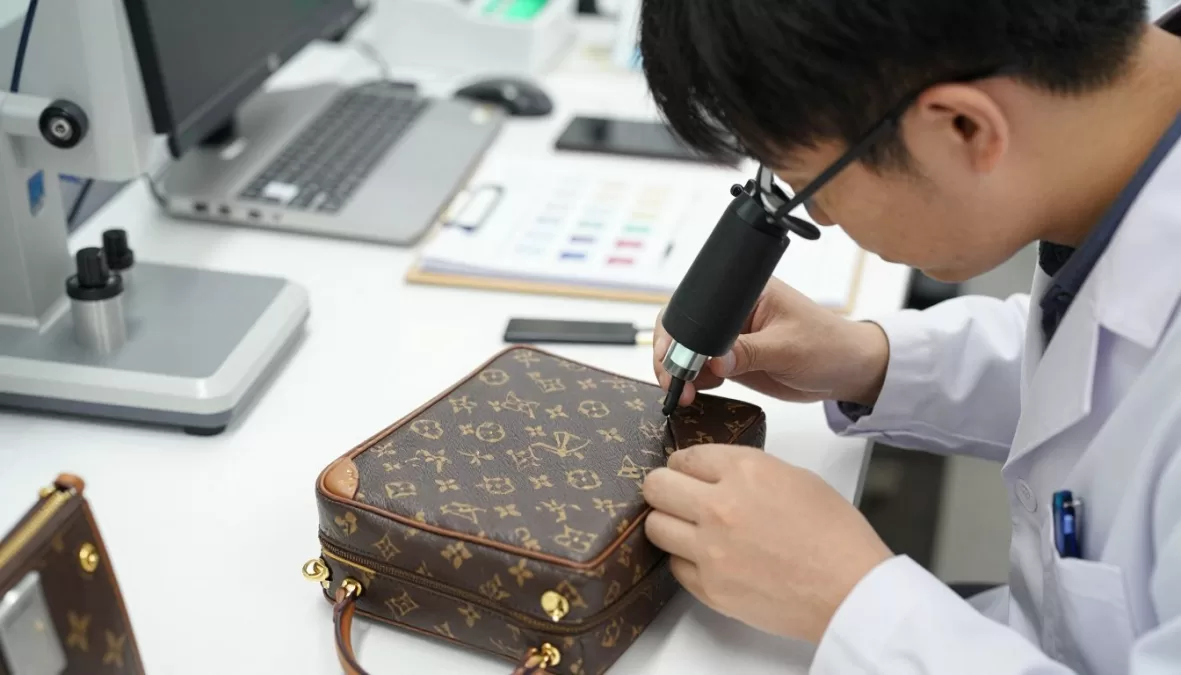
The luxury resale market has grown substantially, creating opportunities for wealthy consumers to acquire rare pieces. However, this growth has also increased counterfeit prevalence. Understanding authentication processes protects wealthy buyers from purchasing fake products marketed as genuine luxury items.
Reputable authentication services employ experts who examine every aspect of luxury products. These specialists analyze materials, construction techniques, hardware quality, and subtle details that counterfeiters struggle to replicate accurately. Wealthy consumers should always verify items purchased outside authorized channels through professional authentication before completing transactions.
Investment Value of Luxury Brands
Wealthy consumers increasingly view luxury purchases as financial investments rather than simple consumption. This perspective shift has transformed how affluent individuals approach luxury shopping, with greater emphasis on brands and products that maintain or appreciate in value over time.
Brands with Strongest Investment Potential
Certain luxury brands consistently demonstrate superior value retention in secondary markets. Hermès leads this category, with iconic bags often selling above retail price years after purchase. Rolex watches similarly appreciate, particularly discontinued models and limited editions that become collectible over time.
Chanel has systematically increased prices on classic bags, making earlier purchases valuable investments. The brand’s careful production management and regular price adjustments ensure strong demand in resale markets. Wealthy consumers recognize these patterns and factor appreciation potential into purchasing decisions.
Factors Affecting Investment Value
- Brand heritage and market position influencing long-term stability
- Production volumes and scarcity creating supply-demand dynamics
- Cultural relevance and celebrity associations driving desirability
- Condition and completeness with original packaging and documentation
- Rarity of specific colors, materials, or limited editions
- Historical significance of particular models or collections
Wealthy investors researching luxury items should examine historical pricing trends and auction results. This data reveals which brands and products consistently appreciate versus those that depreciate after purchase. Making informed decisions based on market intelligence maximizes investment returns while ensuring enjoyment of beautiful luxury items.
Investment Insight: The most successful luxury investments combine personal enjoyment with appreciation potential. Purchasing items you genuinely love ensures satisfaction regardless of market performance while maximizing utility during ownership.
Caring for Luxury Brand Products
Proper maintenance preserves both the beauty and investment value of luxury items. The best luxury brands offer professional cleaning and repair services, but wealthy consumers should also understand basic care techniques that protect their valuable purchases between professional servicing.
Storage and Protection
Luxury leather goods require specific storage conditions to maintain their appearance. Items should be stuffed with acid-free tissue paper to preserve shape and stored in breathable dust bags within climate-controlled environments. Avoiding direct sunlight and extreme temperatures prevents color fading and material deterioration that diminishes value.
Watches demand particular care given their mechanical complexity. Automatic watches benefit from regular wear or winding to keep mechanisms lubricated. Professional servicing every three to five years maintains accuracy and prevents component wear that could require expensive repairs.
Professional Services
Brand Authorized Service
Luxury brands offer official repair and restoration services using original materials and trained technicians. These services maintain warranty coverage and preserve authenticity documentation. Wealthy owners should always use authorized services for valuable pieces to protect investment value and ensure proper care.
Specialized Cleaning
Professional cleaning services remove dirt and oils that accumulate through regular use. Leather goods benefit from periodic conditioning treatments that restore suppleness. Jewelry and watches require ultrasonic cleaning to reach intricate details. These services extend product lifespan significantly.
Restoration Projects
Vintage luxury items may require comprehensive restoration to return them to excellent condition. Brand authorized restoration programs can rebuild handbags, refinish watch cases, and replace worn components. These investments make sense for rare pieces with significant appreciation potential or sentimental value.
The Future of Luxury Brands and Wealthy Consumers
The luxury market continues evolving as new generations of wealthy consumers bring different values and expectations. Understanding these shifts helps predict which brands will thrive and which must adapt to remain relevant among affluent individuals.
Technology Integration
Luxury brands increasingly embrace technology to enhance customer experiences and product offerings. Digital authentication certificates using blockchain technology provide permanent ownership records. Virtual reality showrooms allow wealthy consumers to browse collections remotely. These innovations complement rather than replace traditional luxury retail experiences.
Smart luxury products represent emerging opportunities for established brands. High-end watches now include connected features while maintaining mechanical heritage. Designer clothing incorporates performance fabrics developed through advanced research. These innovations attract younger wealthy consumers who value both tradition and innovation.
Sustainability Imperatives
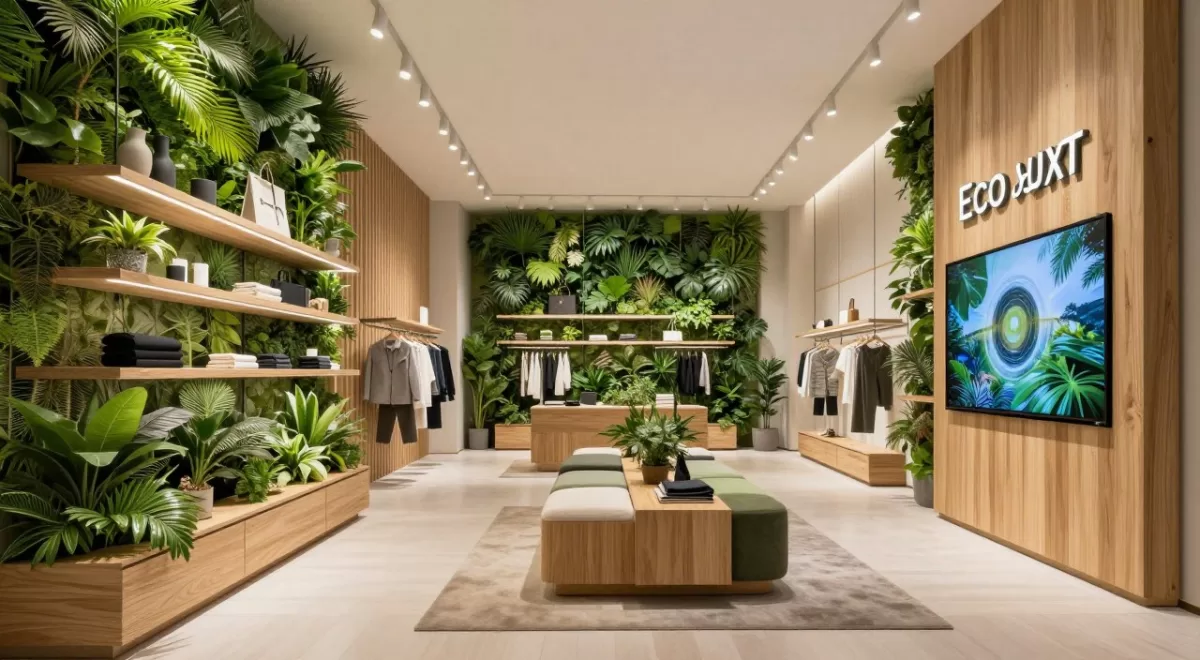
Environmental consciousness will increasingly influence luxury brand success. Wealthy consumers demand proof of sustainable practices throughout supply chains. Brands that transparently address environmental impact through concrete actions rather than marketing claims will gain competitive advantages.
The circular luxury economy continues expanding as brands develop resale platforms and buy-back programs. These initiatives extend product lifecycles while creating new revenue streams. Wealthy consumers appreciate brands that facilitate responsible ownership through official resale channels and authentication services.
Cultural Shifts and Values
Wealthy consumers increasingly prioritize experiences over possessions, challenging luxury brands to provide more than products. Successful brands create communities, offer exclusive events, and provide access to unique opportunities. This shift requires luxury companies to think beyond manufacturing and retail toward comprehensive lifestyle offerings.
Diversity and inclusion influence luxury brand perceptions among younger wealthy consumers. Brands demonstrating genuine commitment to representing diverse perspectives in design, marketing, and leadership positions strengthen connections with affluent global audiences. This cultural evolution rewards progressive luxury brands willing to evolve beyond traditional approaches.
Frequently Asked Questions About Luxury Brands Rich People Love
What makes a luxury brand worth the premium price?
Genuine luxury brands justify premium pricing through exceptional materials, superior craftsmanship, heritage, and exclusivity. The best luxury brands use rare materials sourced globally and employ skilled artisans who spend years mastering traditional techniques. These brands also provide lifetime repair services, strong resale value, and products that last decades with proper care. The combination of tangible quality and intangible prestige creates value that extends beyond initial purchase price.
How do wealthy people decide which luxury brands to buy?
Affluent consumers evaluate luxury brands based on quality craftsmanship, brand heritage, investment potential, and personal values alignment. Many wealthy individuals research production methods, material sourcing, and brand history before purchasing. They consider resale value and appreciation potential, viewing luxury items as investments. Personal style preferences, discretion levels desired, and social circles also influence brand selection among wealthy consumers.
Which luxury brands have the best resale value?
Hermès, Rolex, Chanel, and Patek Philippe consistently maintain the strongest resale values. Hermès Birkin and Kelly bags often sell above retail price in secondary markets. Rolex sports models like Submariner and Daytona appreciate steadily, particularly discontinued references. Chanel Classic Flap bags retain 80-90% of value due to regular price increases. Patek Philippe watches, especially complicated models, frequently appreciate significantly and achieve record auction prices.
Are old money brands different from new luxury brands?
Old money brands emphasize discretion, timeless design, and subtle quality over obvious branding. Companies like Loro Piana, Brunello Cucinelli, and Bottega Veneta exemplify this aesthetic with minimal logos and focus on materials and craftsmanship. These brands appeal to established wealthy families preferring understated elegance. Newer luxury brands sometimes emphasize bolder designs and visible branding, though the trend has shifted toward quiet luxury across the industry.
How can I authenticate luxury brand products?
Professional authentication services employ experts who examine materials, construction, hardware, and subtle details specific to each brand. Reputable authenticators include Entrupy for handbags and watches, Real Authentication for multiple luxury categories, and brand-specific services. Purchase from authorized dealers whenever possible to guarantee authenticity. For resale purchases, insist on professional authentication before completing transactions. Many luxury brands now offer digital authentication certificates using blockchain technology.
What luxury brand trends are emerging in 2026?
Key trends include quiet luxury with minimal branding, sustainability transparency, investment-focused purchasing, and personalization services. Wealthy consumers increasingly prefer understated quality over obvious logos. Environmental responsibility has become essential, with affluent buyers demanding proof of ethical production. Luxury purchases are evaluated as investments based on appreciation potential. Bespoke services and customization options strengthen brand relationships with wealthy clients seeking unique products.
Conclusion: The Enduring Appeal of Luxury Brands Among Wealthy Consumers
The luxury brands that wealthy people love share fundamental characteristics transcending temporary fashion trends. Exceptional quality craftsmanship, heritage authenticity, and genuine exclusivity form the foundation of lasting appeal among affluent consumers. These brands understand that true luxury means creating products worth treasuring across generations.
The shift toward quiet luxury and sustainable practices reflects evolving values among wealthy consumers worldwide. Modern affluent individuals seek brands aligning with personal ethics while maintaining uncompromising quality standards. The most successful luxury brands adapt to these changing expectations without abandoning core principles that built their reputations.
Investment thinking increasingly influences luxury purchasing decisions among wealthy consumers. The brands featured in this article demonstrate strong value retention and appreciation potential alongside aesthetic appeal. This combination of beauty and financial prudence makes luxury purchases satisfying on multiple levels for discerning wealthy buyers.
Understanding which luxury brands rich people love provides insights into quality, heritage, and cultural significance within fashion. These brands represent the pinnacle of their respective categories through decades of consistent excellence. Whether seeking investment pieces, heirloom items, or expressions of personal style, wealthy consumers return to these trusted names that deliver exceptional products and experiences.
The future of luxury brands depends on balancing tradition with innovation, exclusivity with responsibility, and heritage with contemporary relevance. The companies that master this balance will continue dominating the preferences of wealthy consumers for decades to come.
Elevate Your Luxury Knowledge and Collection
Join our exclusive community of luxury enthusiasts and collectors. Get access to insider market intelligence, authentication services, personal shopping consultation, and invitations to private luxury events. Whether you’re building your first luxury collection or expanding an established portfolio, our comprehensive services help you make informed decisions and maximize the value of your luxury investments.
Prefer to speak with a luxury specialist?
Available Monday-Friday, 9 AM – 6 PM EST

Priyanka Pandey
Senior Research Editor · Top10Sense
Priyanka specializes in tech, consumer products, and digital trends. She combines hands-on testing, vendor interviews, and database research to create trustworthy “Top 10” rankings. Her work has been referenced by industry blogs and brand report pages.