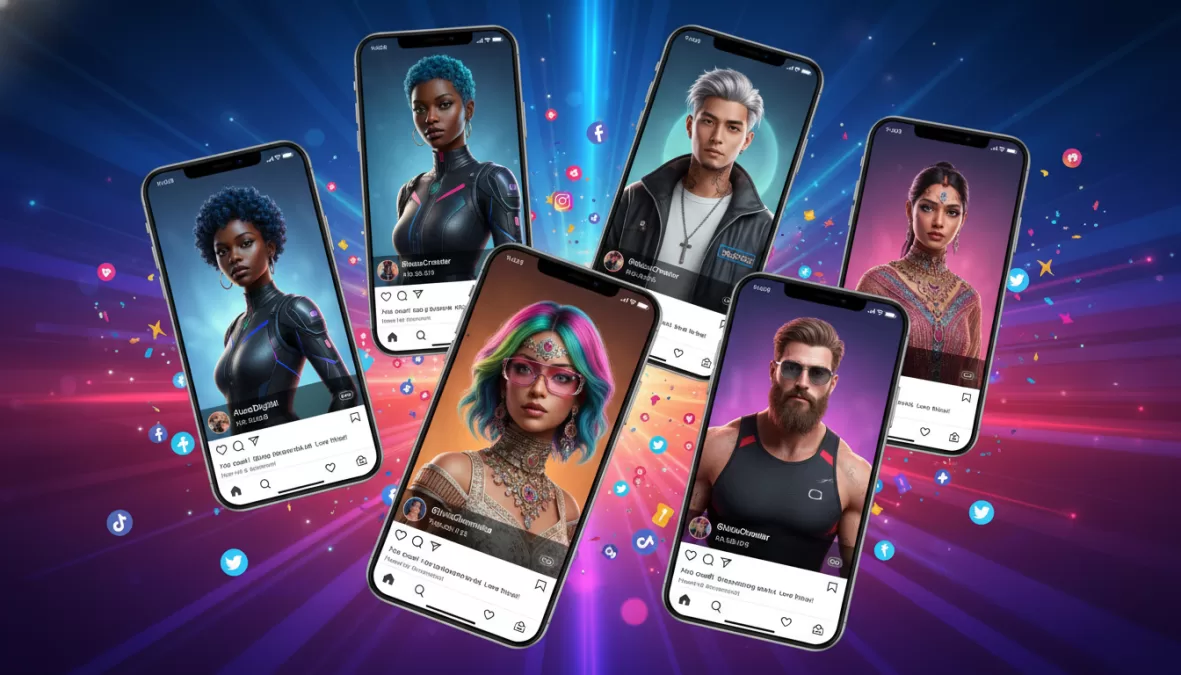
The world of social media has witnessed a remarkable transformation. Virtual influencers are now commanding millions of followers and securing brand deals worth hundreds of thousands of dollars. These computer-generated personalities represent a fascinating intersection of technology, marketing, and entertainment.
AI influencers on Instagram have evolved from experimental concepts to mainstream marketing powerhouses. They offer brands unprecedented control over messaging while captivating audiences with their unique blend of reality and fantasy. The phenomenon started gaining serious attention when virtual personalities began outperforming some human influencers in engagement rates.
This comprehensive guide explores the top influencers in the virtual space. You’ll discover who these digital creators are, what makes them successful, and how they’re reshaping influencer marketing. Whether you’re a marketer exploring new opportunities or simply curious about this digital revolution, understanding these virtual personalities provides valuable insights into the future of social media.
The rise of virtual influencers isn’t just a technological novelty. It represents a fundamental shift in how brands connect with audiences and how content is created and consumed across platforms. Creating your own AI influencer has become more accessible than ever, opening new possibilities for businesses and creators alike.
What Are AI Influencers and Why They Matter
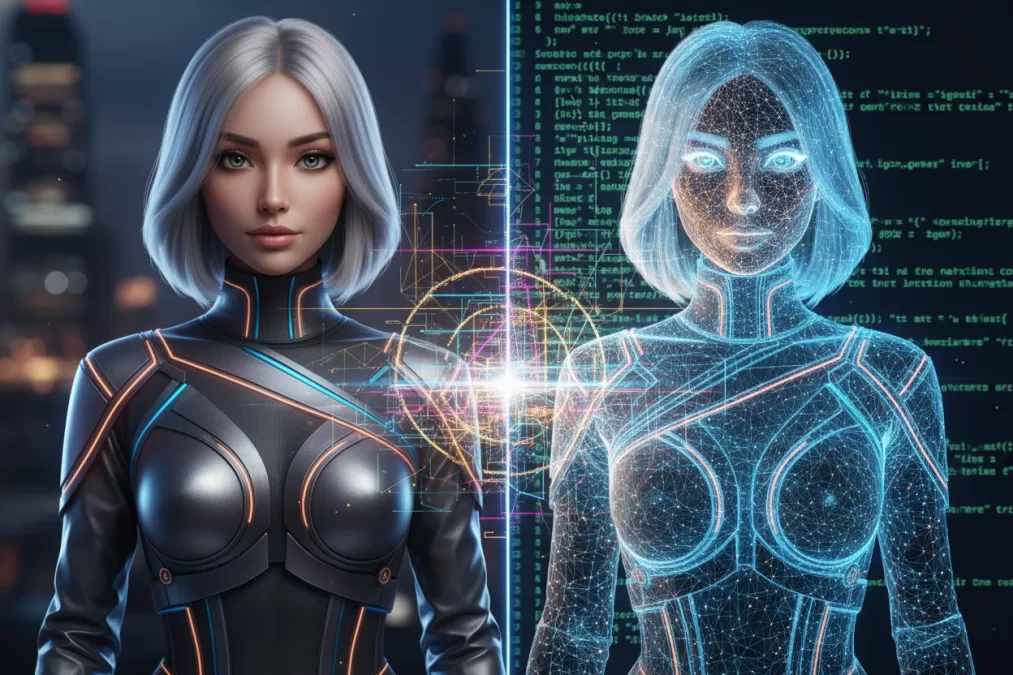
A virtual influencer is a computer-generated character designed to exist on social media platforms. These digital personalities possess carefully crafted backstories, distinctive personalities, and consistent visual appearances. They post content, engage with followers, and collaborate with brands just like their human counterparts.
The technology behind these creations combines advanced computer graphics, artificial intelligence, and sophisticated animation techniques. Teams of artists, writers, and technologists work together to bring these virtual personas to life. The result is remarkably realistic content that blurs the lines between digital and physical reality.
Social media platforms have become the perfect home for these virtual personalities. Instagram, in particular, provides an ideal environment where visual content reigns supreme. The platform’s focus on imagery and lifestyle content allows virtual influencers to showcase their carefully designed aesthetics without the limitations of physical existence.
The Technology Behind Virtual Personalities
Creating a convincing virtual influencer requires cutting-edge technology. Computer-generated imagery forms the foundation, producing photorealistic images that can fool even discerning viewers. Advanced rendering software creates lifelike skin textures, realistic lighting, and natural-looking environments.
Artificial intelligence powers the personality and interaction aspects. Natural language processing enables these virtual beings to respond to comments and messages in character. Machine learning algorithms help optimize content based on engagement patterns and audience preferences.
The production process involves multiple specialized roles. 3D modelers create the base character, texture artists add realistic details, and animators bring movement to life. Content strategists develop storylines while community managers handle daily interactions with followers.
Why Brands Are Embracing Virtual Influencers
Brand Control and Consistency
Virtual influencers offer complete control over messaging and behavior. Brands never worry about scandals or off-brand actions. Every post, comment, and collaboration aligns perfectly with marketing objectives and brand values.
- Zero risk of controversial behavior
- Perfect alignment with brand guidelines
- Consistent content quality
- Predictable scheduling and delivery
Innovation and Differentiation
Working with virtual influencers positions brands as innovative and forward-thinking. The novelty factor generates additional media attention and social conversation. This differentiation helps brands stand out in crowded markets.
- Enhanced brand perception as innovative
- Increased media coverage opportunities
- Unique storytelling possibilities
- Memorable marketing campaigns
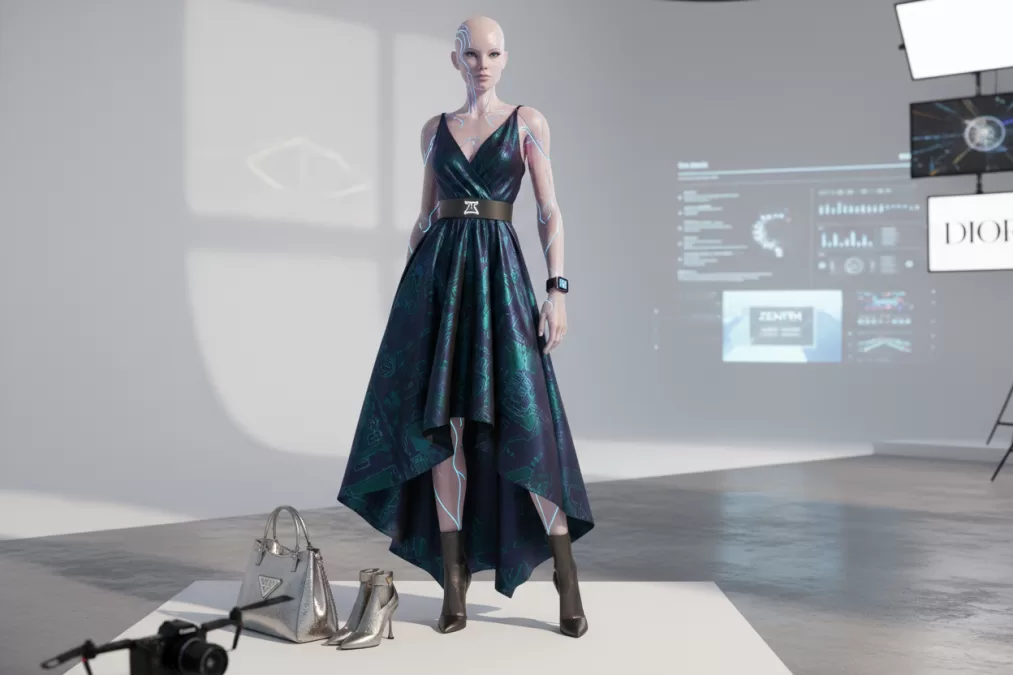
The marketing advantages extend beyond control and innovation. Virtual influencers never age, never get tired, and can appear in multiple locations simultaneously. They transcend physical limitations while maintaining perfect consistency across all brand touchpoints and collaborations.
1. Lil Miquela: The Pioneer Who Started It All
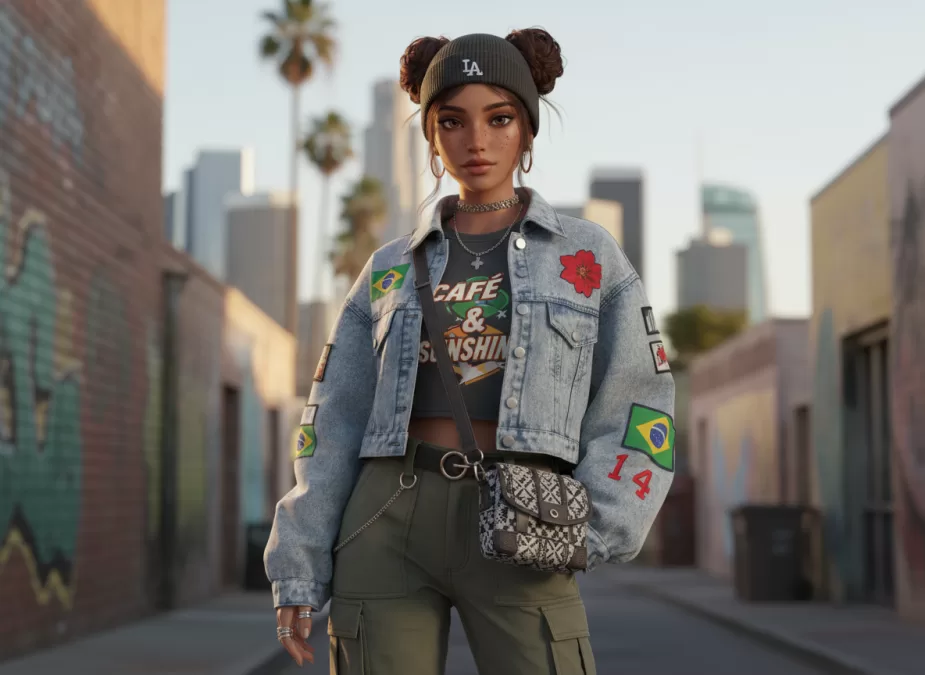
Lil Miquela represents the most recognizable name in virtual influencer space. Created by Trevor McFedries and Sara DeCou through their company Brud, this 19-year-old virtual personality has amassed over 2.6 million followers on Instagram. Her influence extends far beyond social media into music, fashion, and cultural conversations.
Miquela Sousa, as she’s fully known, presents herself as a Brazilian-American model and musician based in Los Angeles. Her content showcases a carefully curated lifestyle mixing high fashion, social activism, and relatable moments. The character’s authenticity resonates with audiences despite her virtual nature.
Content Style and Brand Collaborations
The content strategy behind Lil Miquela combines aspirational lifestyle imagery with moments of vulnerability and authenticity. Posts feature high-end fashion shoots alongside casual selfies and social commentary. This balance creates a personality that feels both extraordinary and accessible to followers.
Brand collaborations include partnerships with major names across industries. Prada, Calvin Klein, and Samsung have featured Miquela in campaigns. These collaborations generate millions in value while positioning brands at the forefront of digital innovation and cultural relevance.
Fashion Partnerships
Luxury brands leverage Miquela’s fashion-forward image for campaigns and product launches.
- Prada runway features
- Calvin Klein advertisements
- Balmain collaborations
Music Career
Released original music on streaming platforms, blending her virtual persona with real artistic output.
- Multiple single releases
- Music video productions
- Spotify verified artist
Cultural Impact
Featured in mainstream media outlets and cultural conversations about technology and identity.
- Magazine covers and features
- TEDx appearances
- Documentary features
What makes Lil Miquela particularly notable is her role in normalizing virtual influencers. When she first appeared, the concept seemed bizarre to many. Today, her presence feels natural within the Instagram ecosystem. This acceptance paved the way for countless other virtual personalities to emerge.
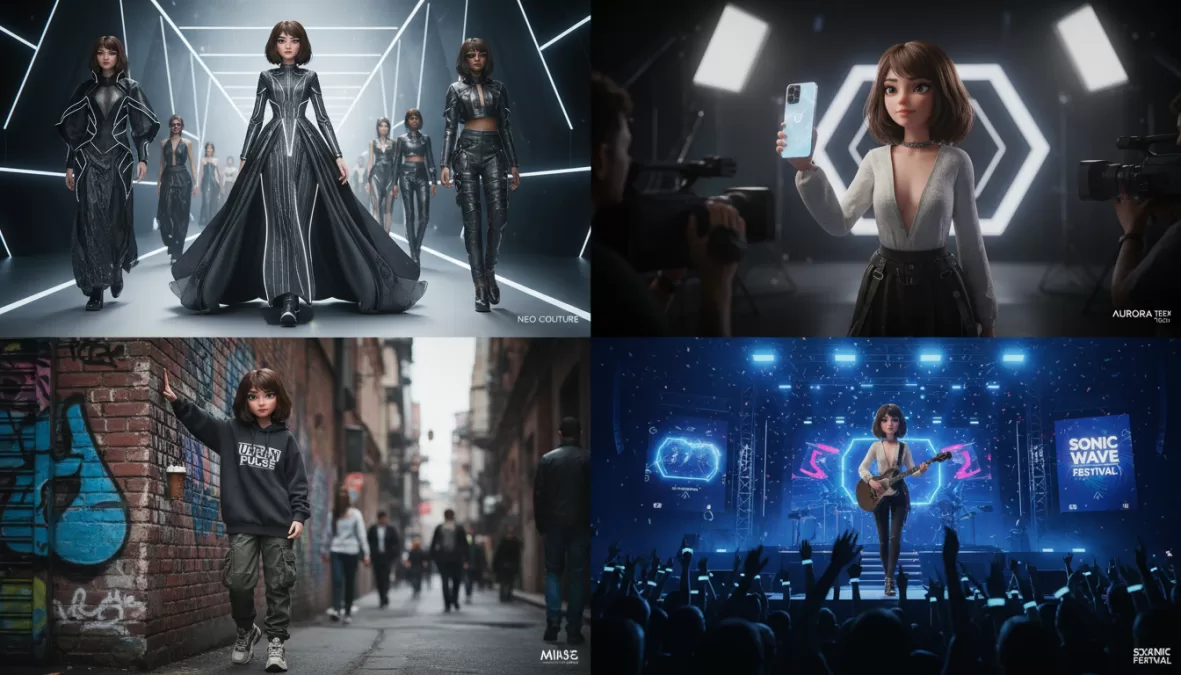
Impact on the Influencer Industry
The success of Lil Miquela fundamentally changed how brands and agencies view influencer marketing. She demonstrated that virtual personalities could generate genuine engagement and drive real business results. Follower growth patterns and engagement rates often match or exceed those of human influencers in similar categories.
Magazine Luiza, a Brazilian retail company, took inspiration from Miquela’s success to create their own virtual influencer. This ripple effect demonstrates how one successful virtual personality can inspire entire industries to explore digital alternatives to traditional human influencers.
Ready to Create Your Own AI Influencer?
Discover how leading platforms enable you to design, launch, and manage virtual influencers that captivate audiences and drive brand engagement. Explore tools that make AI influencer creation accessible for businesses of all sizes.
2. Noonoouri: Fashion’s Digital Darling
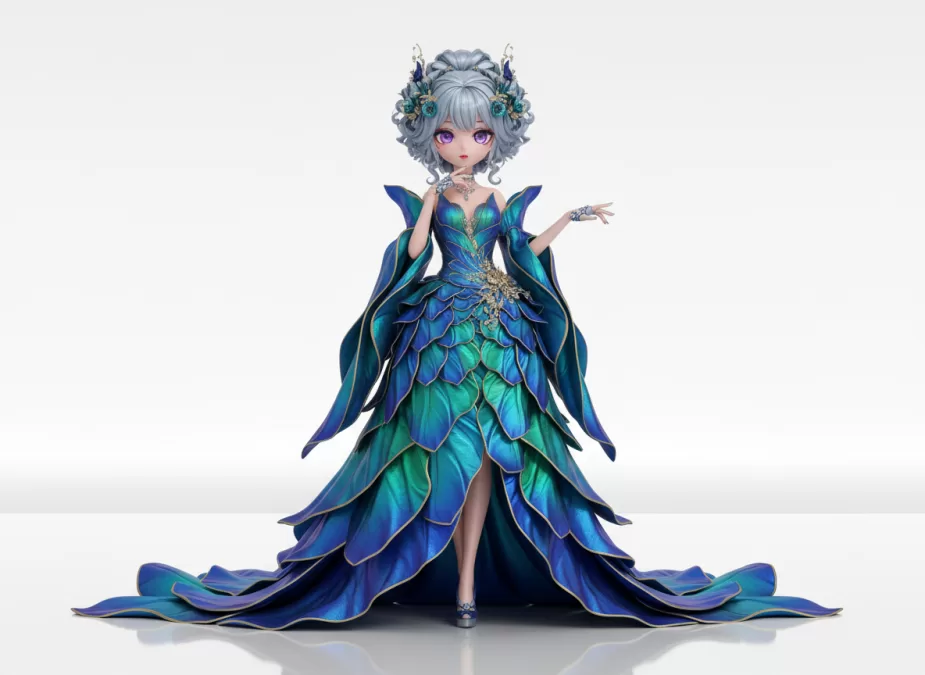
Noonoouri brings a distinctly different aesthetic to the virtual influencer world. This digital personality features an exaggerated, doll-like appearance with oversized eyes and petite proportions. Created by graphic designer Joerg Zuber, Noonoouri has built a following of over 400,000 on Instagram through exclusive focus on high fashion and luxury brands.
The character presents herself as a vegan activist and fashion enthusiast who advocates for sustainability and ethical practices. This positioning aligns perfectly with growing consumer interest in responsible fashion while maintaining aspirational luxury appeal that drives engagement and brand partnerships.
Unique Visual Style and Brand Appeal
Noonoouri’s distinctive visual style sets her apart in a crowded field. The deliberately unrealistic proportions create a fantasy element while allowing for extraordinary fashion presentation. Designers can showcase pieces in ways that highlight details and silhouettes impossible with traditional photography constraints.
Luxury brands particularly appreciate the control and flexibility Noonoouri offers. Campaigns can be created entirely digitally, eliminating logistical challenges of traditional shoots. The result is content that maintains exceptional quality while reducing production timelines and costs.
- Partnerships with Dior, Versace, and Balenciaga
- Featured in Vogue and Harper’s Bazaar editorials
- Campaigns promoting sustainability in fashion
- Collaborations with beauty brands like MAC Cosmetics
- Attendance at major fashion week events

The fashion industry’s embrace of Noonoouri demonstrates the versatility of virtual influencers. While Lil Miquela pursues realism, Noonoouri’s stylized approach proves that audiences accept various aesthetic choices. This diversity expands possibilities for how brands can deploy virtual personalities across different market segments and creative directions.
3. Shudu: The World’s First Digital Supermodel
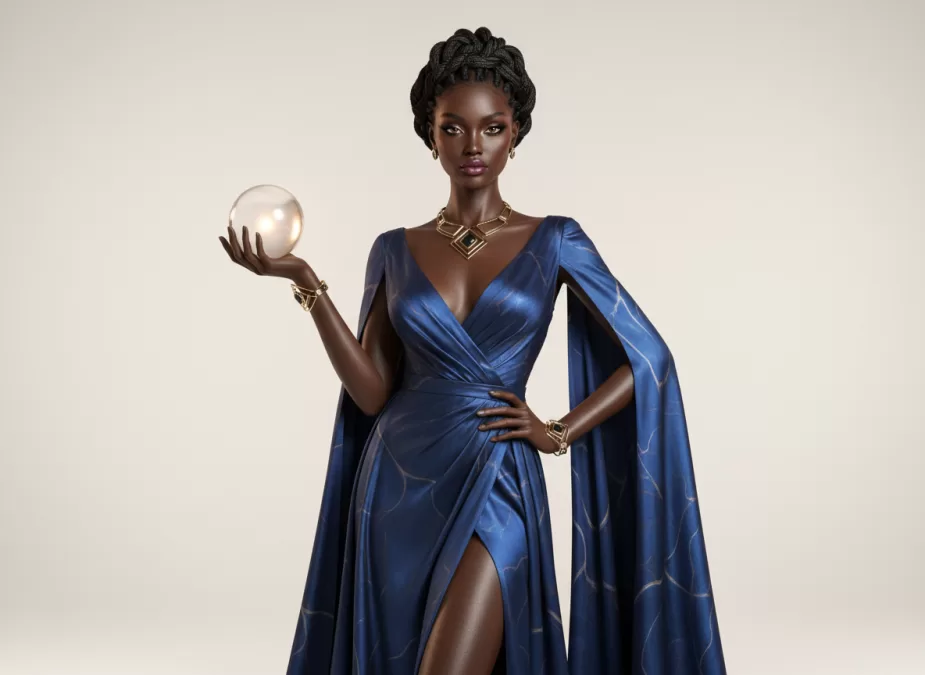
Shudu Gram holds the distinction of being recognized as the world first digital supermodel. Created by photographer Cameron-James Wilson, this virtual personality showcases photorealistic rendering that initially fooled many viewers into believing she was human. Her 239,000 Instagram followers engage with content that pushes boundaries of digital artistry and fashion photography.
The character represents more than technical achievement. Shudu’s creation sparked important conversations about representation, beauty standards, and the ethics of digital creation. Her dark skin and distinctive features brought diversity discussions into the virtual influencer space, raising questions about who creates and controls digital representations.
Photorealism and Technical Excellence
The technical execution behind Shudu sets industry standards for virtual influencer creation. Every element receives meticulous attention, from skin texture and hair physics to clothing draping and environmental lighting. The result is imagery that rivals and sometimes exceeds the quality of traditional fashion photography.
Wilson’s background in photography informs every creative decision. Lighting, composition, and color grading all reflect professional photography principles. This expertise allows Shudu to seamlessly integrate into existing fashion industry workflows and aesthetic expectations.
Advantages of Photorealistic Virtual Models
- Unlimited creative possibilities in posing and positioning
- Perfect consistency across campaigns and seasons
- Complete control over lighting and environment
- Ability to showcase products in impossible scenarios
- Cost-effective for multiple campaign variations
Challenges and Considerations
- Ethical questions about representation and authenticity
- High initial creation and rendering costs
- Limited spontaneity compared to traditional shoots
- Potential audience skepticism or uncanny valley effects
- Complexity in creating diverse realistic expressions

Brand collaborations demonstrate the commercial viability of photorealistic virtual models. Balmain featured Shudu alongside human models, while Fenty Beauty used her to promote products. These partnerships validate the concept while demonstrating that virtual and human influencers can coexist and complement each other in marketing strategies.
4. Imma: Japan’s Virtual Fashion Icon
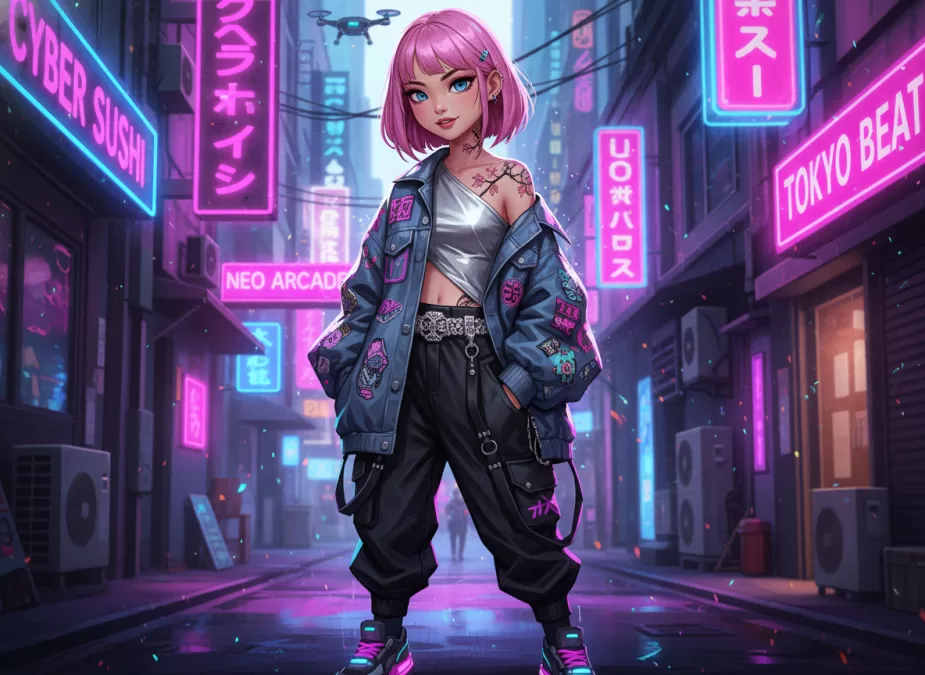
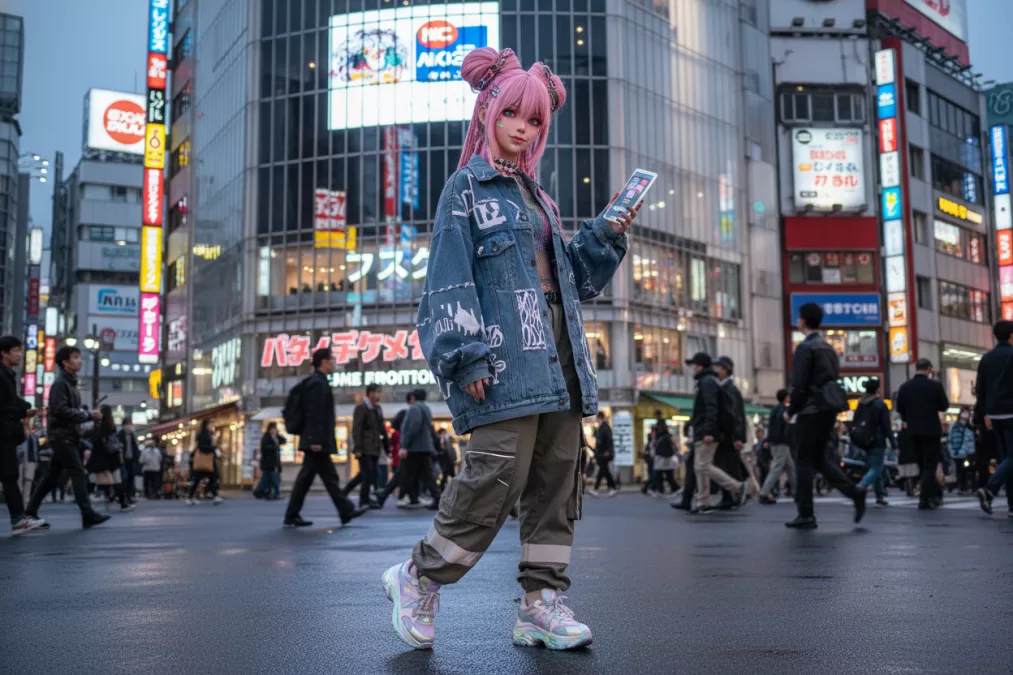
Imma brings Japanese aesthetics and culture to the global virtual influencer stage. Created by Tokyo-based company Aww Inc., this virtual personality has attracted over 390,000 followers through content that blends traditional Japanese culture with cutting-edge fashion and technology. Her distinctive pink hair and minimalist style create instant visual recognition.
The character positions herself as a model living in Tokyo, sharing experiences that resonate with both local and international audiences. Content showcases Japanese locations, fashion trends, and cultural moments while maintaining global appeal. This cultural authenticity differentiates Imma from Western-created virtual personalities.
Cultural Influence and Global Reach
Imma’s success demonstrates that virtual influencers can authentically represent specific cultures and markets. Her Japanese identity feels genuine rather than appropriative because creators root her in actual cultural context. This authenticity allows brands to reach Japanese markets while maintaining credibility and cultural sensitivity.
International brand collaborations show Imma’s cross-cultural appeal. IKEA featured her in campaigns, while Puma and Amazon Fashion partnered for product launches. These collaborations demonstrate how virtual influencers can bridge cultural gaps and appeal to diverse global audiences simultaneously.
- Partnerships with IKEA, Puma, and Magnum Ice Cream
- Featured in Japanese Vogue and international publications
- Collaborations highlighting Tokyo fashion and culture
- Integration of traditional Japanese aesthetics with modern trends
- Cross-cultural campaigns connecting East and West markets
The strategic approach behind Imma balances cultural specificity with universal appeal. While rooted in Japanese identity, her content explores themes relevant to global audiences. Fashion, technology, and lifestyle content transcend language barriers while maintaining distinctive cultural flavor that makes her compelling to international followers.
5. Bermuda: The Provocative Virtual Personality
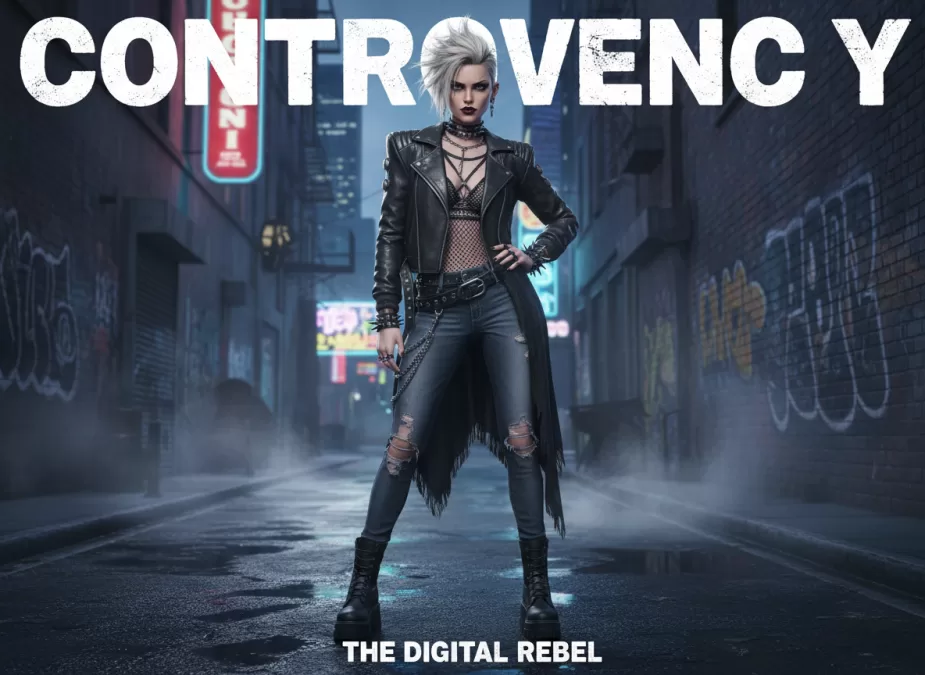
Bermuda takes a different approach to virtual influence by embracing controversy and confrontation. Also created by Brud, the same company behind Lil Miquela, Bermuda positions herself as Miquela’s rival and antagonist. This narrative device creates drama and engagement while exploring darker themes in the virtual influencer space.
The character’s blonde hair, bold fashion choices, and provocative statements contrast sharply with Miquela’s more diplomatic persona. This opposition creates compelling storylines that keep followers engaged across both accounts. The rivalry demonstrates how interconnected narratives can amplify reach and engagement for multiple virtual personalities simultaneously.
Narrative Strategy and Audience Engagement
Bermuda’s controversial positioning serves strategic purposes beyond simple attention-grabbing. The character allows exploration of themes and perspectives that might not fit Miquela’s brand-friendly image. This division of personas enables more complex storytelling while maintaining appropriate tone for different brand partnerships.
Engagement patterns reveal audience appetite for drama and narrative complexity. Posts involving conflict or controversial statements generate higher interaction rates than standard lifestyle content. This demonstrates that virtual influencers can employ traditional entertainment strategies like character conflict to build invested audiences.
Important Note: While controversy generates attention, brands must carefully consider alignment with provocative virtual personalities. Bermuda’s approach works for edgier brands but might not suit conservative or family-friendly companies seeking virtual influencer partnerships.
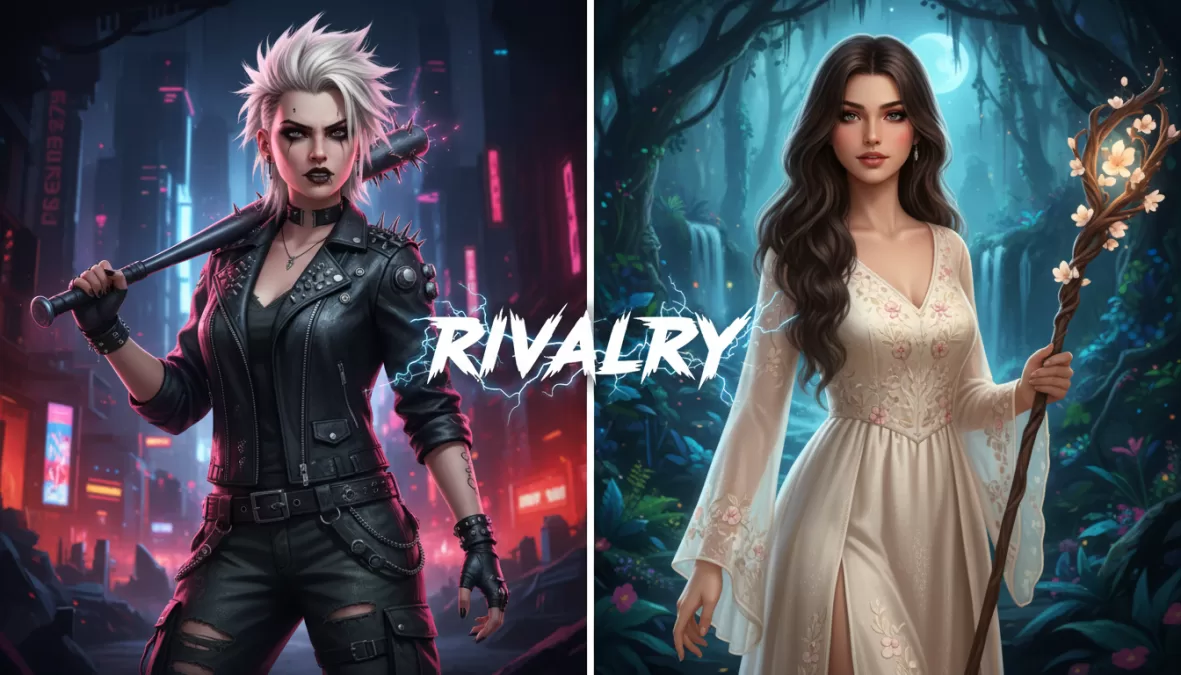
The strategic use of interconnected characters represents an evolution in virtual influencer marketing. Rather than creating isolated personalities, companies can develop entire universes with relationships, conflicts, and evolving storylines. This approach borrows from entertainment industry practices while applying them to influencer marketing contexts.
Launch Your Brand’s AI Influencer Strategy
Partner with experts who understand the virtual influencer landscape. Get consultation on creating custom AI personalities, developing content strategies, and managing brand collaborations that drive real results for your business.
6. Knox Frost: The Virtual Male Model
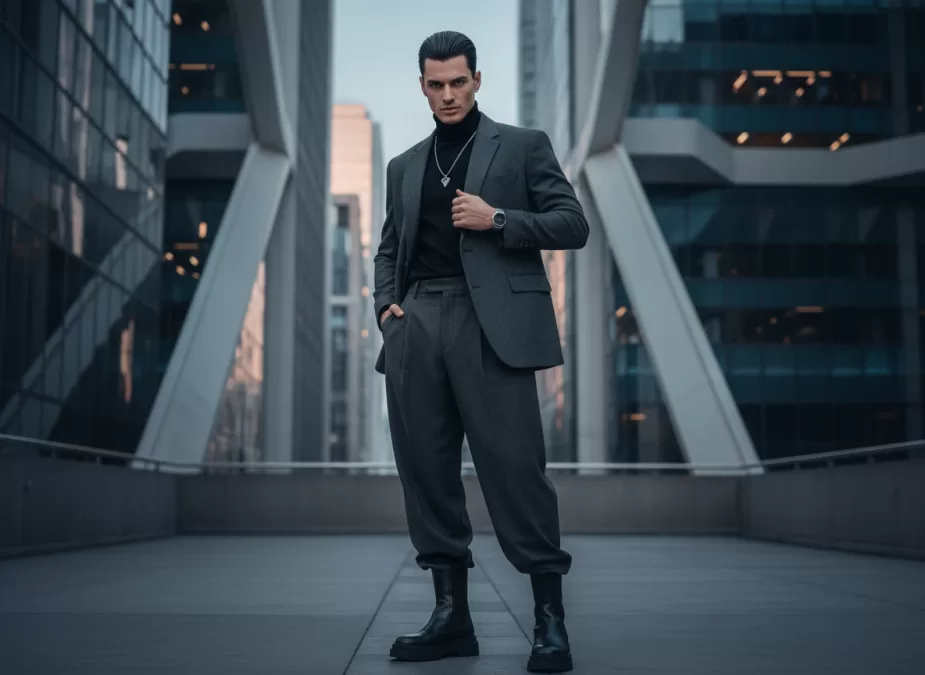
Knox Frost represents male presence in a field often dominated by female virtual personalities. This virtual character has built an audience of over 700,000 followers through lifestyle and fashion content that appeals to young male demographics. His creator remains somewhat mysterious, adding intrigue to the persona.
The content style mixes aspirational luxury with relatable moments. Posts feature exotic travel destinations, high-end fashion, and glimpses into a seemingly perfect life. This combination creates appeal across demographic segments while maintaining focus on male-oriented lifestyle content and brand partnerships.
Expanding Virtual Influencer Demographics
Knox’s success proves that virtual influencers aren’t limited to female personalities. Male virtual influencers offer brands access to different demographic segments and product categories. Menswear, grooming products, tech gadgets, and lifestyle brands find authentic partnership opportunities through male virtual personalities.
The character’s presentation balances aspirational elements with accessibility. While showcasing luxury experiences and products, Knox maintains a personality that feels approachable rather than distant. This balance helps build genuine connections with followers who see aspects of themselves or their aspirations reflected in the content.

- Lifestyle content focusing on travel and experiences
- Fashion collaborations with menswear brands
- Tech and gadget product placements
- Fitness and wellness content integration
- Automotive brand partnerships
Brand opportunities with male virtual influencers differ from female counterparts. Product categories like watches, cars, and technology find natural integration. The fitness and wellness space also presents opportunities, with Knox occasionally sharing workout routines and healthy lifestyle content that resonates with health-conscious male followers.
7. Blawko: The Streetwear Enthusiast
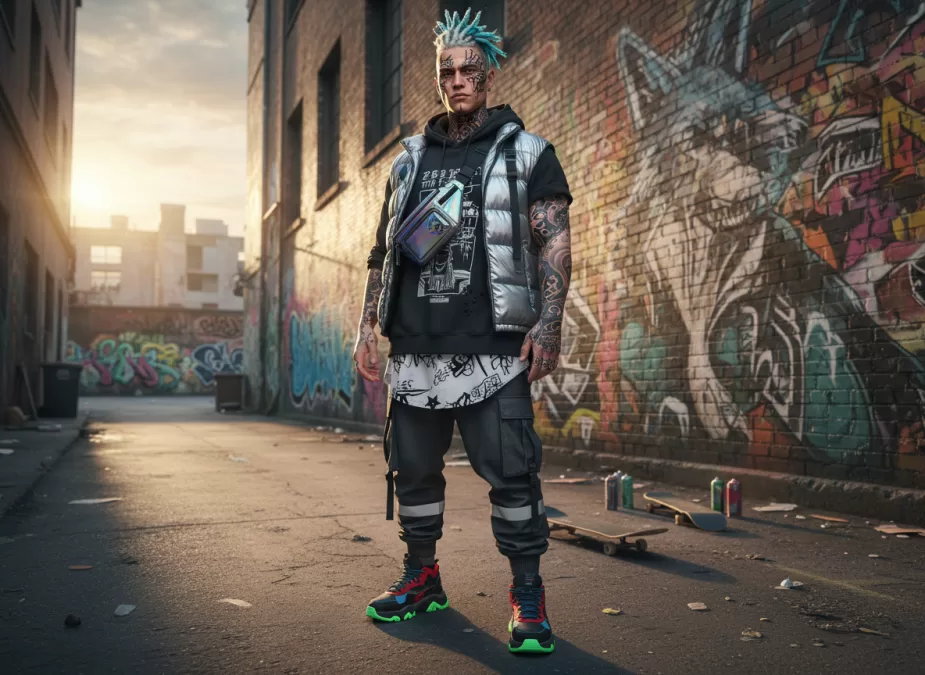
Blawko brings streetwear culture and urban aesthetics to the virtual influencer space. This tattooed virtual personality focuses exclusively on street fashion, sneaker culture, and urban lifestyle content. With a growing following, Blawko represents niche market potential within virtual influencer marketing.
The character’s visual design incorporates elements authentic to streetwear culture including tattoos, bold accessories, and limited-edition fashion pieces. This attention to cultural details creates credibility within a community often skeptical of mainstream marketing approaches and inauthentic brand attempts to connect with street culture.
Niche Market Focus and Authenticity
Blawko’s strategy demonstrates that virtual influencers can successfully target specific subcultures and communities. Rather than pursuing mass appeal, the character focuses deeply on streetwear enthusiasts, sneakerheads, and urban fashion followers. This targeted approach creates higher engagement rates within a specific demographic segment.
Authenticity in niche markets requires deep cultural understanding. Blawko’s content references streetwear history, limited releases, and cultural moments important to the community. This knowledge creates credibility that generic lifestyle content cannot achieve, proving virtual influencers can authentically represent specific cultural movements when properly researched and executed.
Streetwear Content Strategy
- Limited edition sneaker showcases and releases
- Collaboration with streetwear brands
- Urban exploration and photography
- Street art and graffiti appreciation
- Music and hip-hop culture integration
Audience Demographics
- Primary age range: 18-30 years old
- High interest in fashion and sneakers
- Urban and suburban markets
- Active in resale and collector communities
- Strong engagement with brand drops
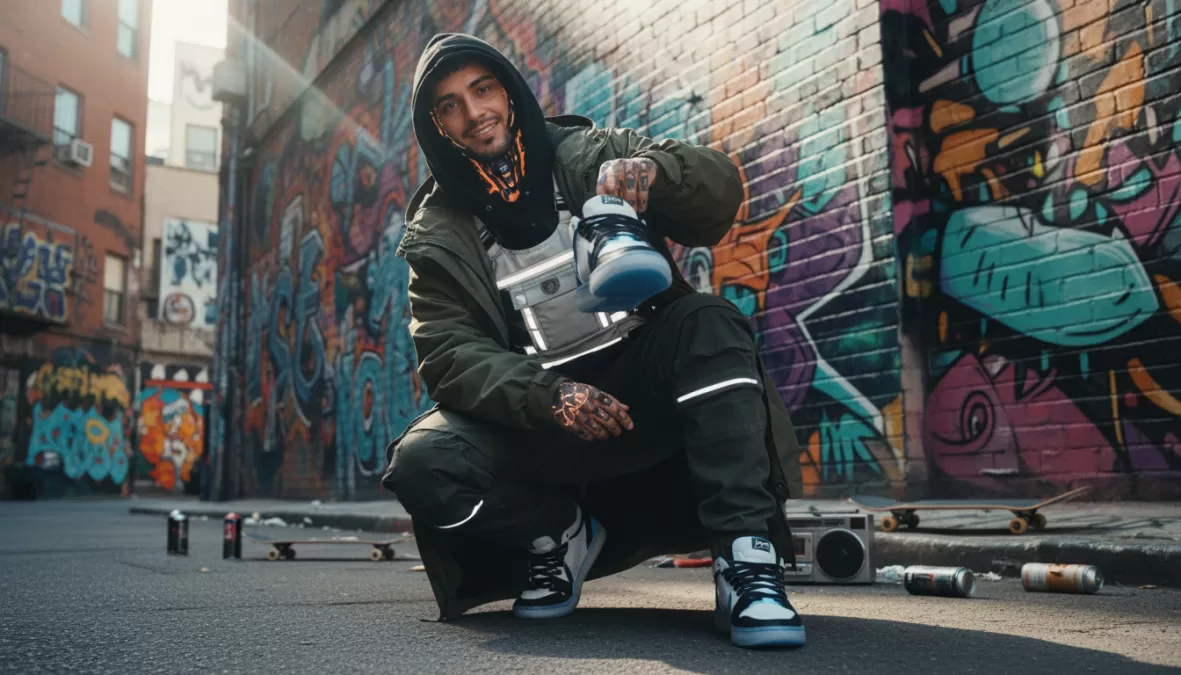
Brand partnerships in streetwear require different approaches than mainstream fashion. Limited releases, exclusive collaborations, and cultural relevance matter more than broad reach. Blawko’s focused positioning allows streetwear brands to connect authentically with target audiences while maintaining cultural credibility within the space.
8. Virtual Colonel Sanders: Brand Mascot Reimagined
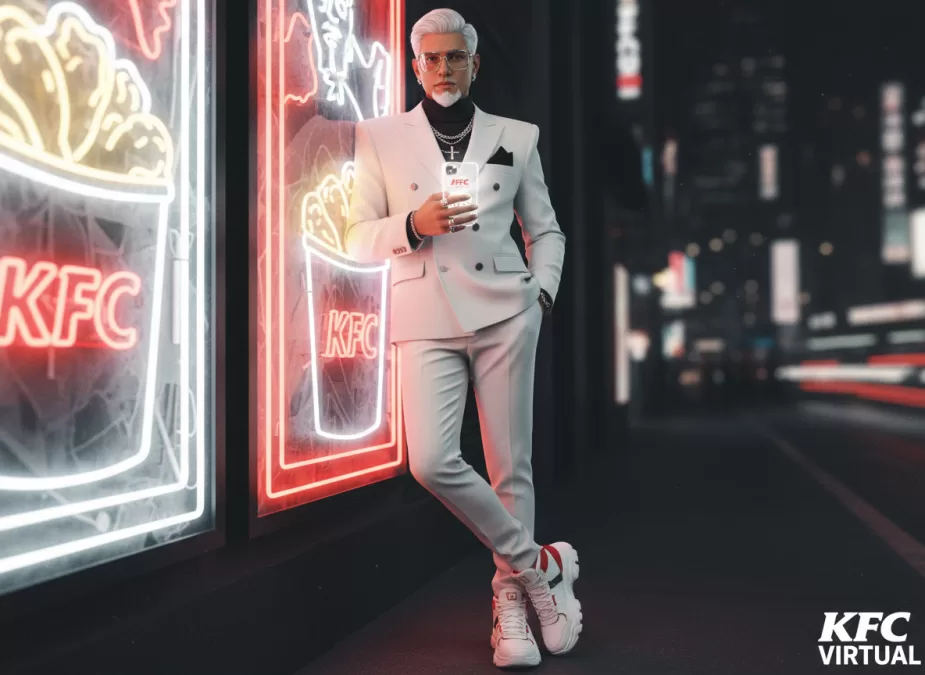
KFC’s Virtual Colonel Sanders represents corporate brand mascots entering the virtual influencer space. This reimagined version of the iconic founder presents a younger, Instagram-friendly version while maintaining recognizable elements. The campaign demonstrates how established brands can leverage virtual influencers to refresh heritage imagery and connect with younger audiences.
The character appeared in a dating simulation game and social media campaign designed to generate buzz and engagement among younger demographics. This unconventional approach garnered significant media attention while introducing the KFC brand to audiences who might not typically engage with traditional fast food marketing.
Corporate Brand Integration Strategy
Using virtual influencers to revitalize brand mascots offers unique advantages. Companies can modernize beloved characters without completely abandoning established brand equity. The virtual format allows experimentation and contemporary relevance while maintaining connection to brand heritage and recognition.
KFC’s approach generated substantial earned media value through its novelty and creativity. Gaming partnerships, social media engagement, and press coverage amplified the campaign far beyond typical advertising reach. This demonstrates how virtual influencers can serve as conversation starters that generate organic attention and social sharing.

- Dating simulation game featuring virtual Colonel
- Social media campaign across multiple platforms
- Collaboration with gaming influencers
- Limited-time promotional tie-ins
- Significant earned media coverage
The campaign’s success inspired other brands to explore virtual influencer strategies. Magazine Luiza created Lu, a virtual assistant who became one of Brazil’s most followed virtual personalities. These examples show how companies across industries can deploy virtual influencers for brand building, customer engagement, and marketing innovation.
9. Rozy: Korea’s Virtual Influencer Sensation
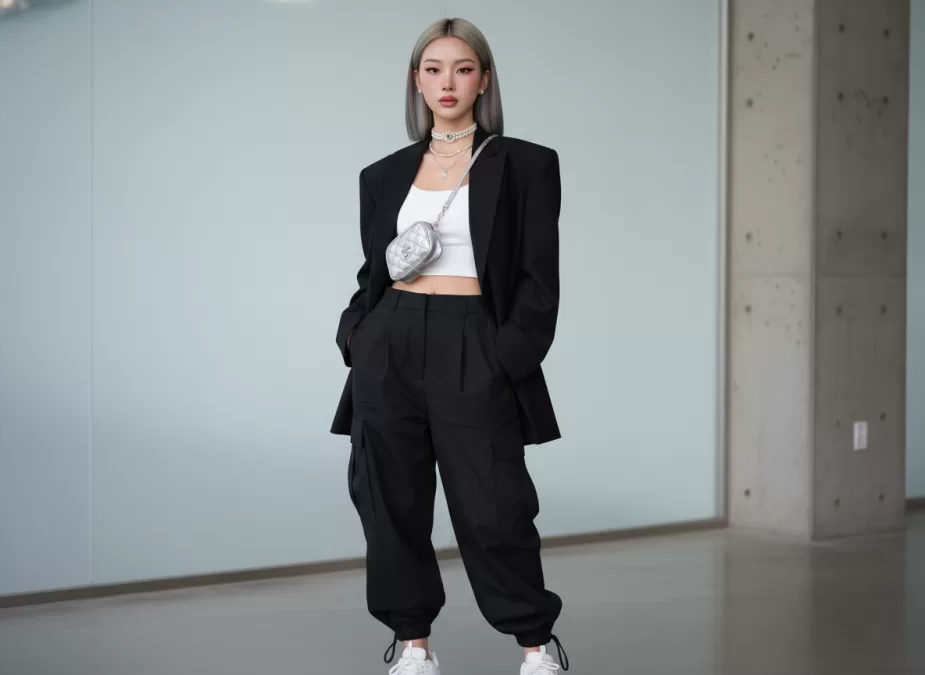
Rozy represents South Korea’s entry into the virtual influencer market. Created by Sidus Studio X, this 22-year-old virtual personality has quickly gained traction with content that reflects Korean beauty standards, fashion trends, and cultural elements. Her success demonstrates the global nature of virtual influencer phenomena and regional variations in approach and aesthetics.
The character’s content focuses heavily on beauty, fashion, and lifestyle topics popular in Korean culture. This regional authenticity allows Rozy to connect with local audiences while also attracting international followers interested in K-beauty and Korean pop culture. The dual appeal creates opportunities for both domestic and international brand partnerships.
K-Culture and Global Appeal
Rozy’s rise coincides with global interest in Korean culture, music, and beauty products. The character leverages this cultural moment to build international followings while maintaining authentic Korean identity. This positioning allows brands to tap into K-culture trends through a controlled, reliable virtual personality.
Korean companies particularly value the complete control Rozy offers. In markets where celebrity scandals can devastate brand value overnight, virtual influencers provide stability and predictability. Brand collaborations include major Korean companies seeking to maintain impeccable brand image while reaching younger demographics.
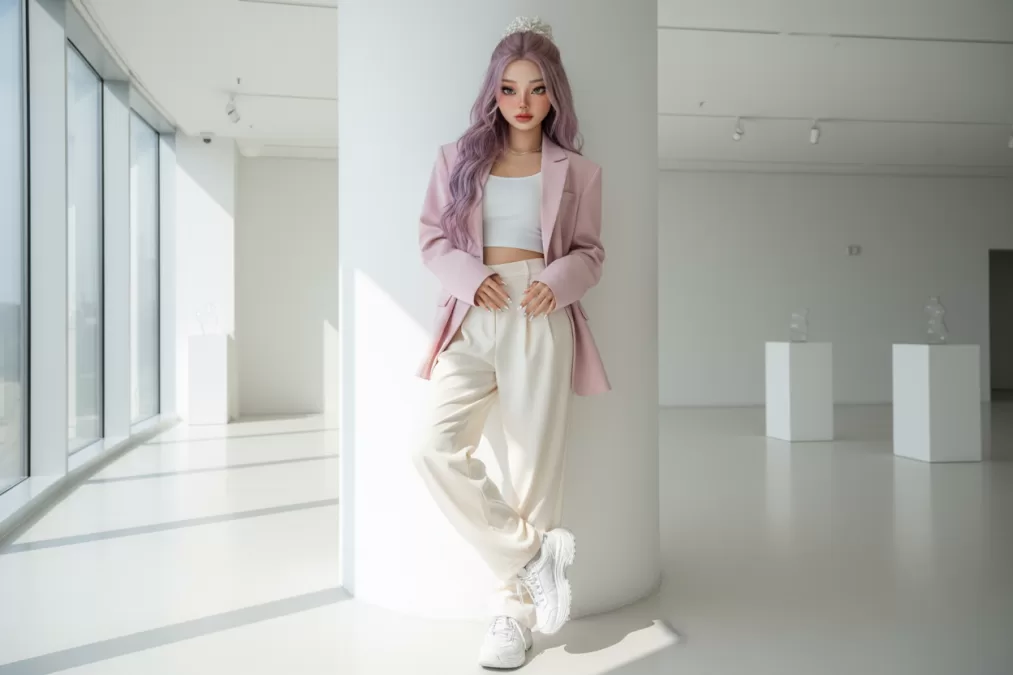
- Strong emphasis on beauty and skincare content
- Fashion mixing street style with elegant pieces
- Cultural elements reflecting Korean lifestyle
- High production quality and aesthetic consistency
- Integration with K-pop and entertainment culture
Korean Virtual Influencer Characteristics
- Access to Korean beauty and fashion trends
- Cultural authenticity for K-culture interested audiences
- Partnership opportunities with Korean brands
- Gateway to Asian market demographics
- Unique positioning different from Western influencers
Global Market Advantages
The success of Korean virtual influencers like Rozy demonstrates that this phenomenon extends far beyond Western markets. Each region develops virtual personalities reflecting local culture, beauty standards, and content preferences. This diversity enriches the overall virtual influencer landscape while providing brands with culturally appropriate options for different markets.
10. Lu from Magazine Luiza: Retail’s Virtual Ambassador
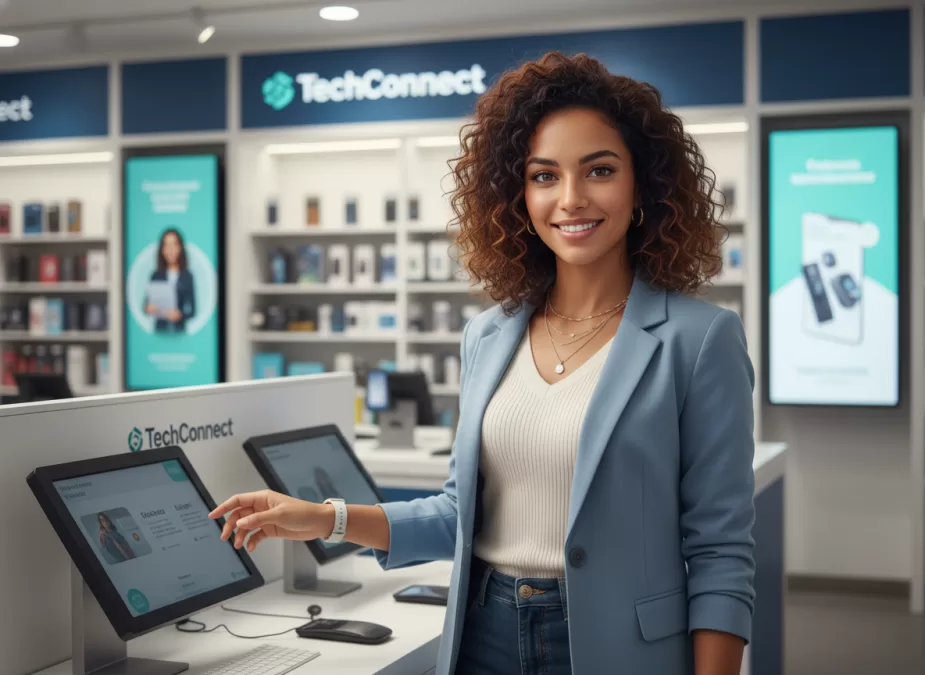
Lu from Magazine Luiza represents one of the most successful corporate virtual influencer deployments globally. Created by Brazilian retail giant Magazine Luiza, Lu serves as brand ambassador, customer service representative, and influencer personality. With millions of followers across social platforms, she demonstrates how virtual personalities can drive business objectives beyond pure marketing.
The character started in 2003 as a simple customer service avatar and evolved into a full-fledged virtual influencer. This long-term development allowed Magazine Luiza to refine the persona, build authentic audience relationships, and integrate Lu deeply into company operations and customer touchpoints.
Corporate Integration and Business Results
Lu’s integration spans multiple business functions. She appears in advertising campaigns, answers customer questions, provides product recommendations, and creates lifestyle content. This multi-functional approach maximizes return on the virtual influencer investment while creating consistent brand experience across all customer interactions.
The business results speak to effectiveness. Lu drives measurable traffic to Magazine Luiza’s website and stores. Customer surveys show high awareness and positive associations with the character. These concrete outcomes prove virtual influencers can deliver tangible business value beyond social media metrics and brand awareness.
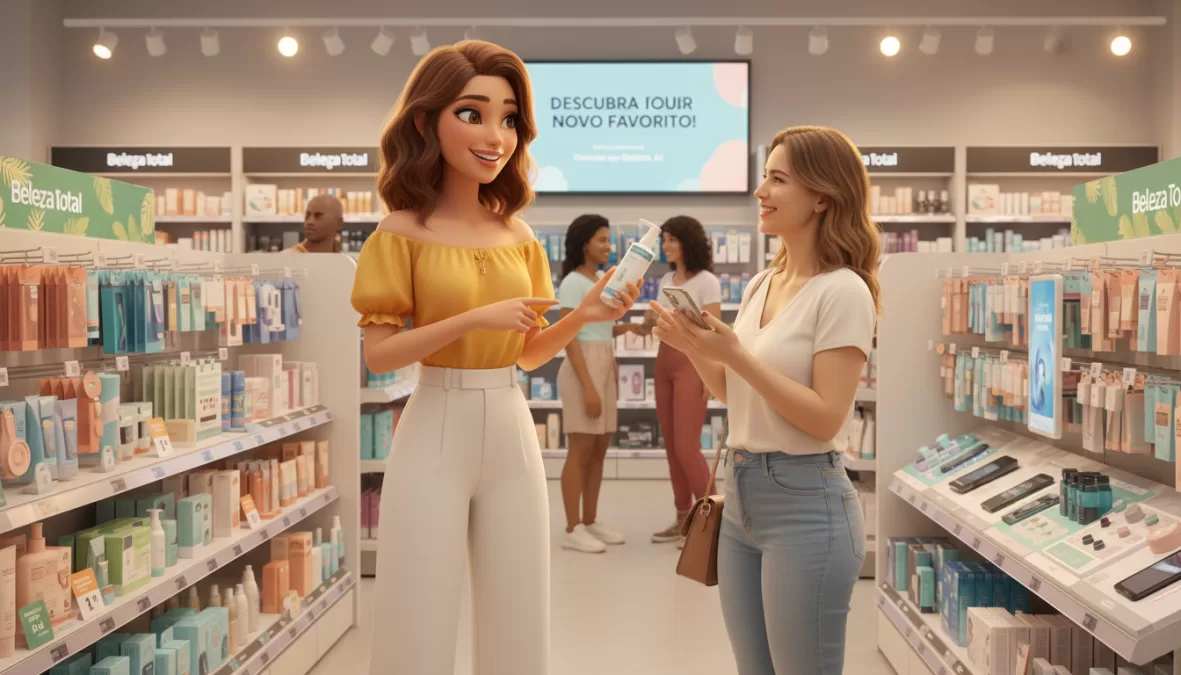
- Over 14 million followers across social platforms
- Integration with customer service operations
- Featured in national advertising campaigns
- Product recommendation and shopping assistance
- Measurable impact on website traffic and sales
- Long-term brand building since 2003
Lessons for Corporate Virtual Influencer Programs
Magazine Luiza’s success with Lu offers valuable lessons for other companies considering virtual influencers. Long-term commitment matters more than quick campaigns. Lu evolved gradually over years, building authentic relationships with audiences rather than seeking overnight viral success.
Integration across business functions maximizes value. Rather than treating Lu as purely marketing expense, Magazine Luiza deployed her character across customer service, sales support, and brand building. This comprehensive approach justifies investment through multiple revenue and efficiency contributions.
Key Takeaway: Corporate virtual influencers succeed when they provide genuine value beyond novelty. Lu helps customers find products, answers questions, and creates entertaining content. This multi-dimensional utility builds lasting audience relationships and business impact.
The character’s Brazilian cultural identity strengthens local market connection. While international virtual influencers can feel distant, Lu reflects local culture, language, and values. This regional authenticity creates stronger emotional bonds with target customers than generic global personalities might achieve.
Get the Complete AI Influencer Marketing Playbook
Download our comprehensive guide covering AI influencer creation, content strategy, brand partnerships, and measurement frameworks. Learn from successful case studies and get actionable templates to launch your virtual influencer program.
The Impact of AI Influencers on Brands and Marketing
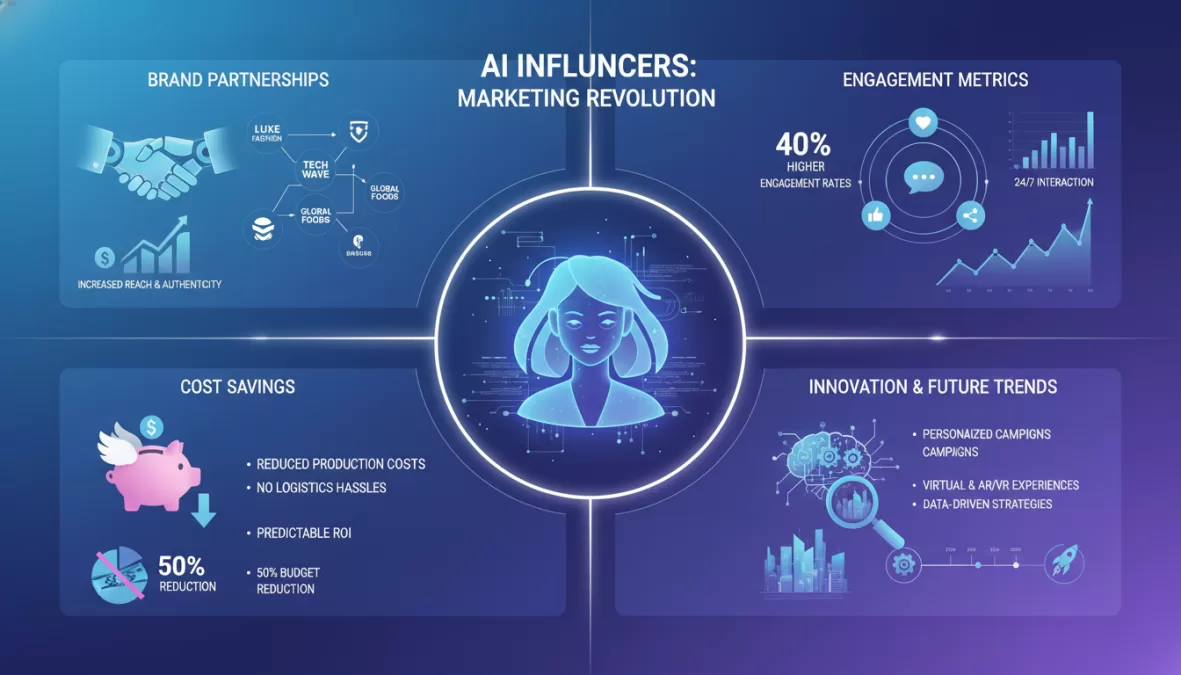
Virtual influencers have fundamentally altered the influencer marketing landscape. Brands now have alternatives to traditional human influencer partnerships, with different advantages and challenges. Understanding this impact helps marketers make informed decisions about incorporating virtual personalities into marketing strategies.
The shift affects human influencers as well. Some view virtual personalities as competition, while others see opportunities for collaboration. The reality likely involves coexistence, with virtual and human influencers serving different purposes and appealing to different audience segments within overall marketing ecosystems.
Measurable Marketing Advantages
Virtual influencers deliver several quantifiable benefits that attract brand interest. Complete control over content and messaging eliminates risks associated with human influencer behavior. Brands never worry about scandals, controversial statements, or off-brand actions that could damage reputation and waste marketing investment.
Production efficiency represents another significant advantage. Virtual influencers can appear in multiple locations simultaneously and create content on demand without scheduling limitations. This flexibility accelerates campaign timelines while reducing production costs compared to traditional influencer collaborations requiring coordination, travel, and physical logistics.
Engagement Patterns and Audience Response
Engagement data reveals interesting patterns about audience interactions with virtual influencers. Initial curiosity drives high engagement as people discover and explore virtual personalities. Some accounts maintain this engagement through compelling content and storytelling, while others see declines as novelty fades without substance.
Audience demographics skew younger for most virtual influencers. Gen Z and younger millennials show more acceptance and enthusiasm for virtual personalities than older demographics. This generational difference influences brand decisions about whether virtual influencers align with target customer profiles and marketing objectives.
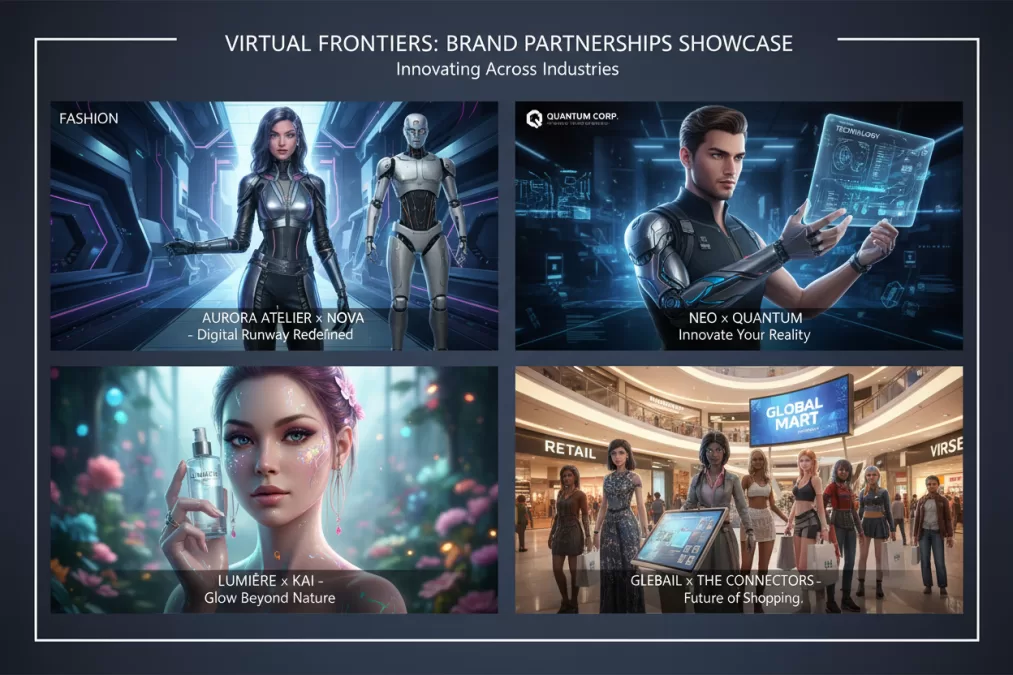
- Average engagement rates comparable to mid-tier human influencers
- Higher initial engagement driven by curiosity and novelty
- Younger demographics show stronger acceptance and interaction
- Sustained engagement requires quality content beyond virtual novelty
- Brand partnerships can boost or diminish perceived authenticity
Cost Considerations and ROI
Financial analysis of virtual influencers presents complex considerations. Initial creation costs can be substantial, particularly for photorealistic characters requiring advanced rendering and animation. However, ongoing content creation becomes more efficient once character assets exist and workflows are established.
Compared to celebrity human influencers, virtual personalities often cost less for brand partnerships. While top-tier virtual influencers command significant fees, mid-tier options provide more affordable entry points. Companies can also create proprietary virtual influencers for exclusive use, eliminating ongoing partnership costs while building owned brand assets.
| Cost Factor | Virtual Influencer | Human Influencer | Advantage |
| Initial Setup | $50,000 – $200,000+ | $0 – Partnership fees | Human |
| Per Campaign | $5,000 – $50,000 | $10,000 – $500,000+ | Virtual |
| Content Production | Lower ongoing costs | Higher per-shoot costs | Virtual |
| Crisis Management | Minimal risk | Potential major costs | Virtual |
| Long-term Value | Owned asset | Partnership dependent | Virtual |
Return on investment calculations must consider both direct and indirect benefits. Direct returns include sales conversions and measurable campaign performance. Indirect benefits encompass brand awareness, media coverage, and innovation perception that contribute to long-term brand value but prove harder to quantify precisely.
How Brands Can Create Their Own AI Influencers
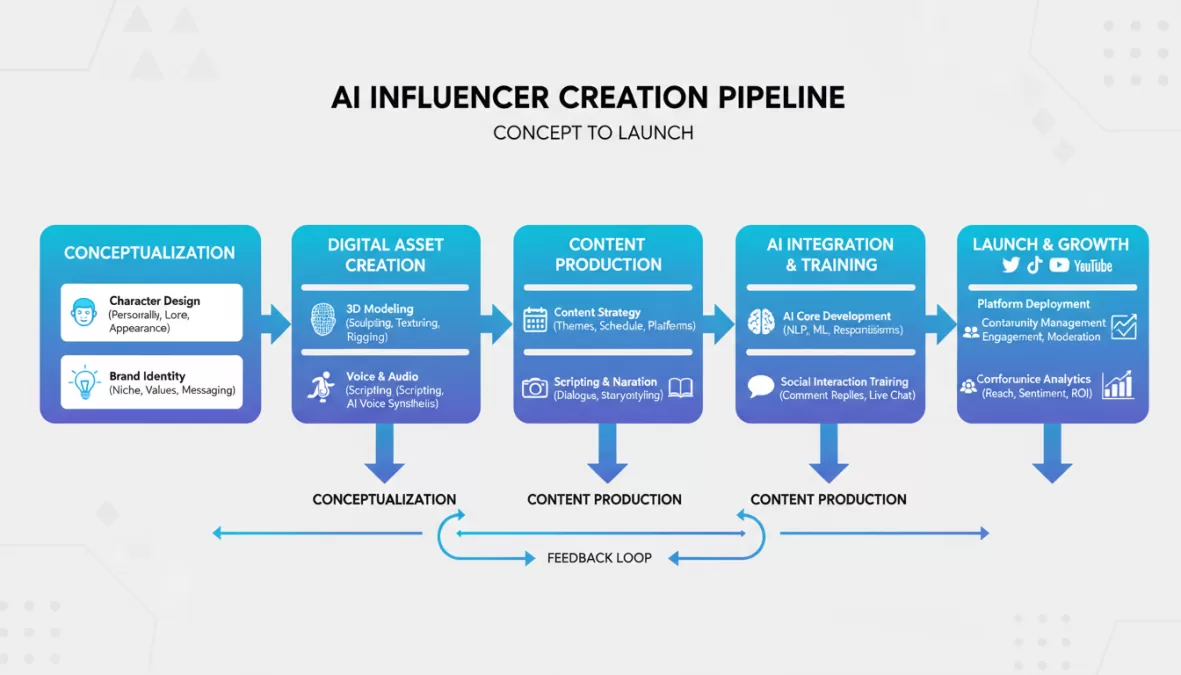
Creating a successful virtual influencer requires strategic planning and execution across multiple disciplines. Companies must make fundamental decisions about character design, personality, content strategy, and business objectives before investing in technical development. Clear vision and goals prevent costly pivots and ensure the virtual personality serves specific business purposes.
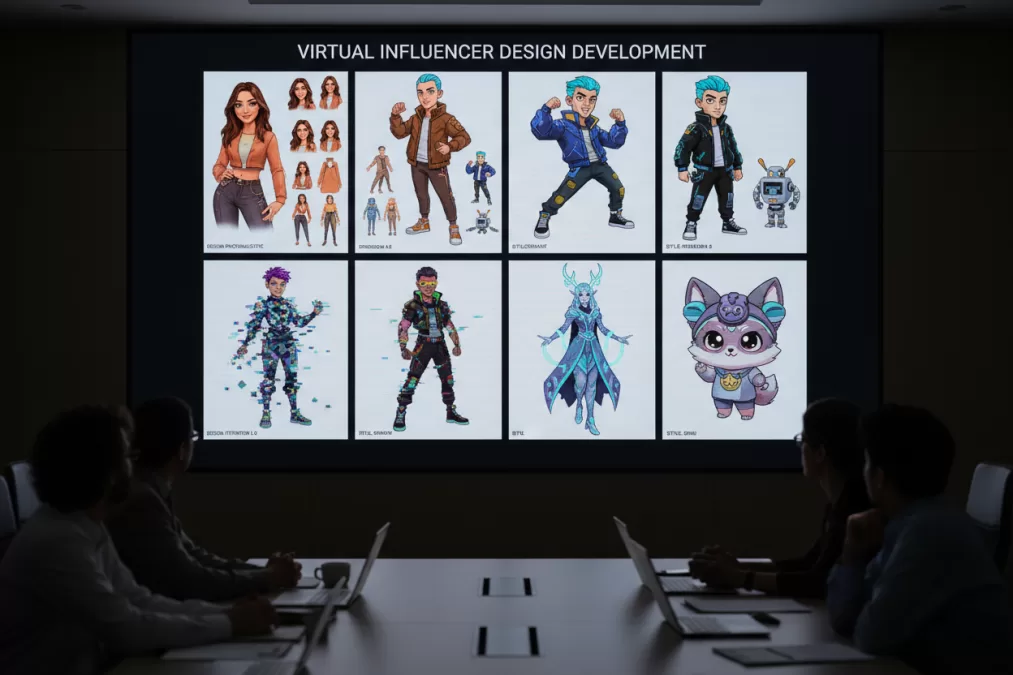
The creation process involves collaboration between creative teams, technical specialists, and marketing strategists. Character designers develop visual appearance, writers craft personality and voice, 3D artists build digital assets, and marketers plan content strategy and audience development. Coordination across these disciplines determines ultimate success or failure.
Essential Steps in Virtual Influencer Development
The development process follows logical stages from concept through launch and ongoing management. Each stage requires specific expertise and careful execution to build a compelling virtual personality that resonates with target audiences and achieves business objectives.
- Strategy and Positioning: Define target audience, brand alignment, content themes, and business objectives. Determine whether the virtual influencer promotes products, builds brand awareness, or serves multiple functions across the organization.
- Character Design: Develop visual appearance, personality traits, backstory, and distinctive characteristics. Decide between photorealistic or stylized aesthetics based on brand identity and target audience preferences.
- Technical Development: Create 3D models, develop animation capabilities, and establish production workflows. Build asset libraries that enable efficient content creation while maintaining visual consistency across all outputs.
- Content Strategy: Plan content themes, posting schedules, and engagement tactics. Develop authentic voice and perspective that differentiates the virtual influencer from competitors while aligning with brand values.
- Platform Launch: Establish social media presence across relevant platforms. Create initial content that introduces the character and begins building follower base through authentic storytelling and value delivery.
- Community Building: Engage with followers, respond to comments, and participate in relevant conversations. Build authentic relationships despite virtual nature through consistent personality and genuine value delivery.
- Partnership Development: Identify and pursue brand collaboration opportunities that align with character positioning. Negotiate partnerships that enhance rather than compromise perceived authenticity and audience trust.
- Performance Optimization: Track engagement metrics, analyze audience response, and refine content strategy. Continuously improve based on data while maintaining character consistency and brand alignment.
Technology and Tools Required
Creating professional-quality virtual influencers requires sophisticated software and technical expertise. 3D modeling programs like Blender, Maya, or Cinema 4D form the foundation for character creation. Rendering engines produce photorealistic imagery while animation tools bring movement and expression to life.
Artificial intelligence enhances various aspects of virtual influencer management. Natural language processing enables more sophisticated comment responses and interaction. Machine learning optimizes content performance by identifying patterns in successful posts and audience engagement behaviors.
Essential Software Tools
- 3D modeling and sculpting applications
- Rendering and lighting software
- Animation and rigging tools
- Photo editing and compositing programs
- Video editing and effects software
- Social media management platforms
Required Expertise
- 3D artists and character designers
- Animators and motion specialists
- Content writers and strategists
- Social media managers
- Brand strategists
- Community engagement specialists
- Technical directors and supervisors
Many companies partner with specialized agencies rather than building in-house capabilities. Agencies like Brud, which created Lil Miquela and Bermuda, offer full-service virtual influencer development and management. This approach reduces technical barriers while providing access to proven expertise and established workflows.
Budget and Timeline Expectations
Financial and time investments vary dramatically based on complexity and quality expectations. Simple virtual influencers with limited animation can be created relatively quickly and affordably. Photorealistic characters with sophisticated animation capabilities require substantially more time and budget allocation.
Timeline expectations should account for iterative development and audience building. Character creation might take several months, but building meaningful follower base and engagement requires sustained effort over six months to a year. Quick viral success is possible but shouldn’t be expected or relied upon for business planning.
Important Consideration: Creating a virtual influencer is just the beginning. Ongoing content production, community management, and strategic evolution require continuous investment. Budget for long-term commitment rather than one-time project costs.
Future Trends in AI Influencer Marketing
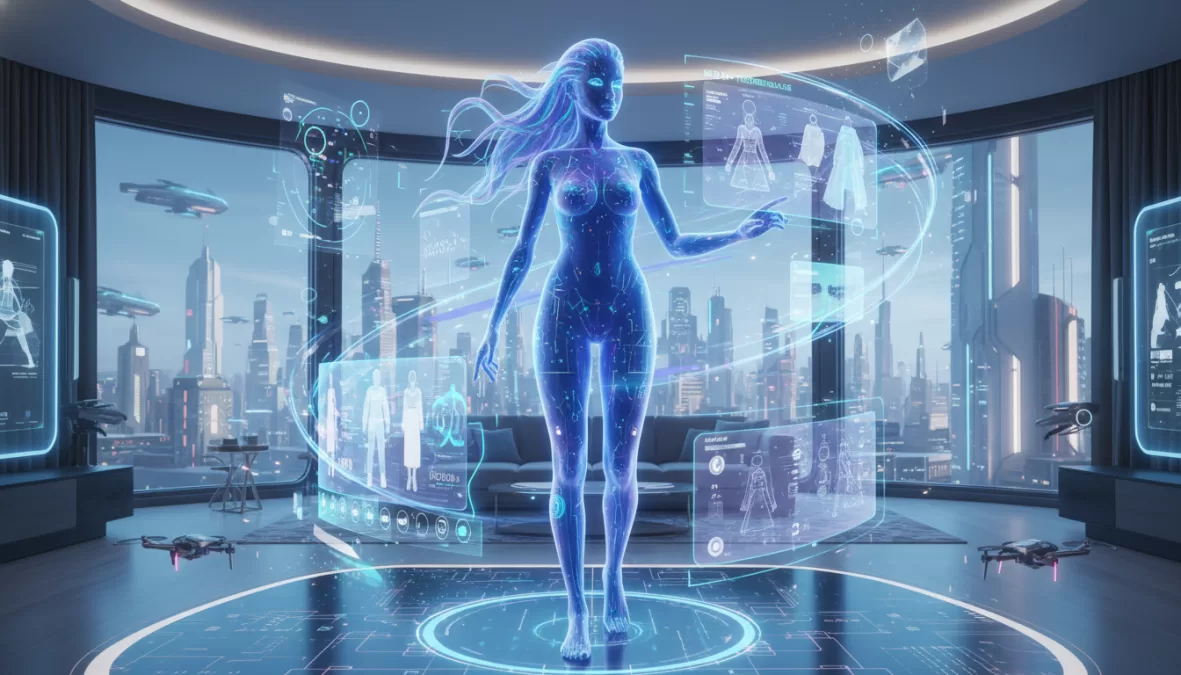
The virtual influencer landscape continues evolving rapidly as technology advances and market understanding deepens. Several trends are emerging that will shape the next generation of virtual personalities and their role in marketing ecosystems. Understanding these developments helps brands prepare for upcoming opportunities and challenges.
Increased realism represents one clear trajectory. As rendering technology improves and costs decrease, photorealistic virtual influencers become more accessible. This democratization allows smaller brands and companies to create convincing virtual personalities without massive budgets previously required for cutting-edge computer graphics.
Technological Advancements on the Horizon
Artificial intelligence integration will deepen significantly. Current virtual influencers largely rely on human teams for content creation and interaction. Future iterations will leverage AI for more autonomous operation, from generating content ideas to responding to follower comments with minimal human oversight.
Real-time interaction capabilities will expand. Imagine virtual influencers conducting live streams with AI-powered conversation abilities, responding naturally to viewer questions and comments. This interactivity breaks down barriers between virtual and human influencers while creating new engagement possibilities.
- Enhanced photorealism making virtual influencers indistinguishable from humans
- AI-powered autonomous content creation and interaction
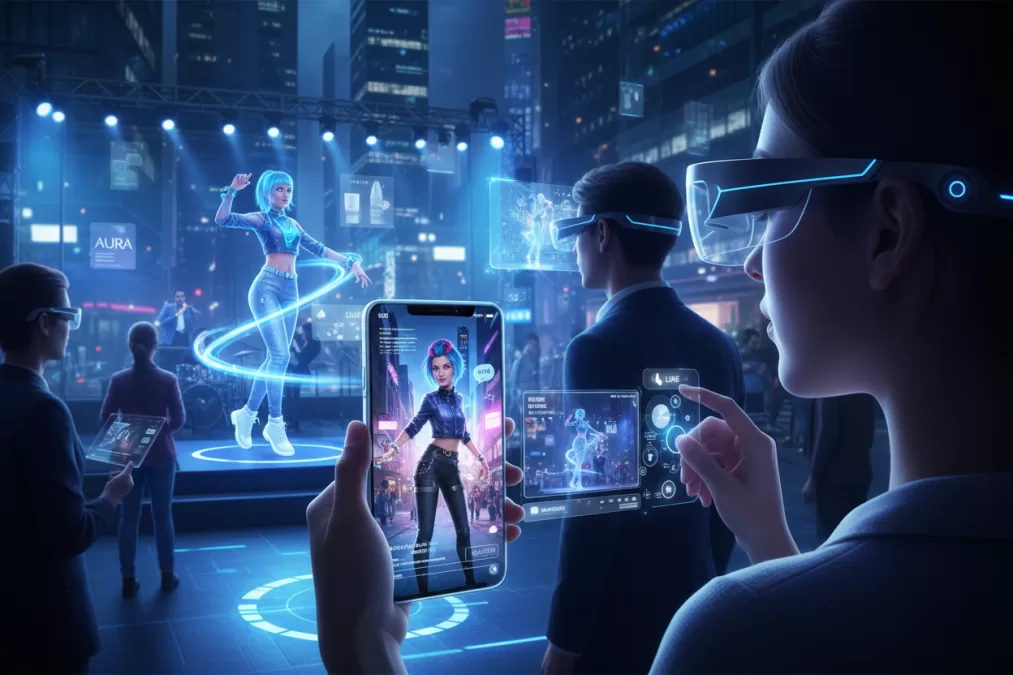
- Augmented reality integration bringing virtual influencers into physical spaces
- Voice AI enabling natural conversation and audio content
- Blockchain and NFT integration for digital collectibles and ownership
- Cross-platform presence extending beyond social media
Market Evolution and Industry Adoption
Mainstream acceptance will continue growing as virtual influencers become commonplace. Initial skepticism is fading as audiences, particularly younger demographics, accept virtual personalities as legitimate content creators. This normalization removes barriers for brands hesitant to be early adopters.
Industry expansion beyond fashion and lifestyle is inevitable. While early virtual influencers concentrated on visual-focused categories, expansion into technology, finance, education, and other sectors is underway. Virtual influencers will represent diverse industries as companies recognize applications beyond traditional influencer marketing contexts.
Emerging Platforms
Virtual influencers expanding beyond Instagram to metaverse platforms, gaming environments, and new social networks.
Audience Sophistication
Followers demanding higher quality content and authenticity from virtual influencers as novelty factor diminishes.
Regulatory Attention
Increased scrutiny around disclosure, authenticity, and ethical considerations as virtual influencers become mainstream.
Ethical Considerations and Challenges
The industry faces growing ethical questions requiring thoughtful responses. Issues around representation, authenticity, and disclosure demand attention from creators, brands, and platforms. How virtual influencers are created, positioned, and deployed carries implications for diversity, beauty standards, and marketing transparency.
Regulatory frameworks will likely emerge as virtual influencers become more prevalent. Disclosure requirements already exist for sponsored content, but questions remain about whether audiences adequately understand virtual nature when influencers appear highly realistic. Clear standards and best practices will develop as the industry matures.
Job market implications deserve consideration as virtual influencers proliferate. While they create new roles in character design, animation, and virtual personality management, they also potentially displace opportunities for human influencers and content creators. Balancing innovation with livelihood concerns will remain an ongoing conversation.
Virtual vs. Human Influencers: A Comprehensive Comparison
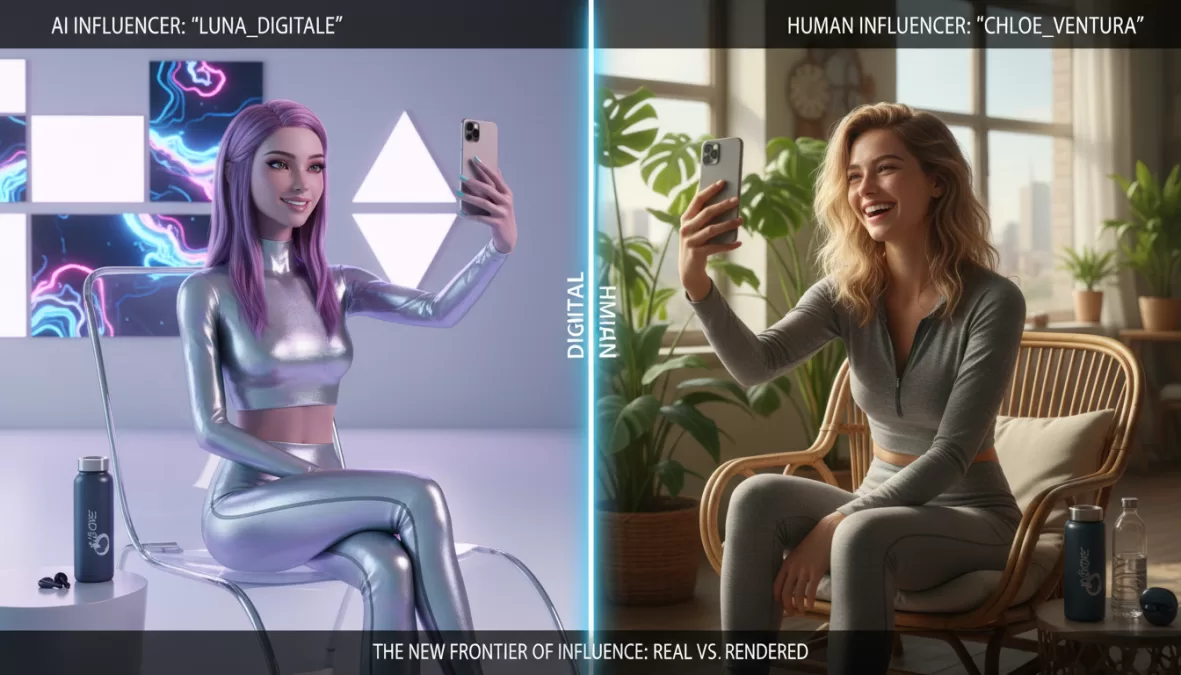
The choice between virtual and human influencers involves weighing distinct advantages and limitations. Neither option is universally superior; effectiveness depends on brand objectives, target audiences, budget constraints, and specific campaign goals. Understanding these differences enables informed strategic decisions.
Human influencers bring authentic life experiences and genuine emotional connections that audiences recognize and value. Their spontaneity, imperfections, and real-world presence create different engagement dynamics than carefully controlled virtual personalities. This authenticity resonates particularly with audiences seeking genuine human connection in increasingly digital worlds.
Authenticity and Audience Connection
Authenticity means different things in virtual versus human contexts. Human influencers demonstrate authenticity through lived experiences, unscripted moments, and genuine reactions. Followers connect with their vulnerabilities, growth, and real-life challenges that create emotional investment and loyal communities.
Virtual influencers achieve authenticity differently—through consistent character development, compelling storytelling, and transparent acknowledgment of their virtual nature. When done well, audiences accept and embrace the fantasy while still forming genuine emotional connections to the character and narrative.
Virtual Influencer Advantages
- Complete brand control over messaging and behavior
- No risk of personal scandals or controversies
- Unlimited availability and production flexibility
- Consistent quality and brand alignment
- Unique storytelling possibilities and creative freedom
- Long-term asset ownership and control
- Cost efficiency for ongoing content production
Virtual Influencer Limitations
- Limited authentic emotional connection
- High initial creation and setup costs
- Requires specialized technical expertise
- Potential audience skepticism about authenticity
- Cannot truly experience products or services
- Less spontaneity and real-world relatability
- Ethical concerns about representation and disclosure
Performance Metrics and Effectiveness
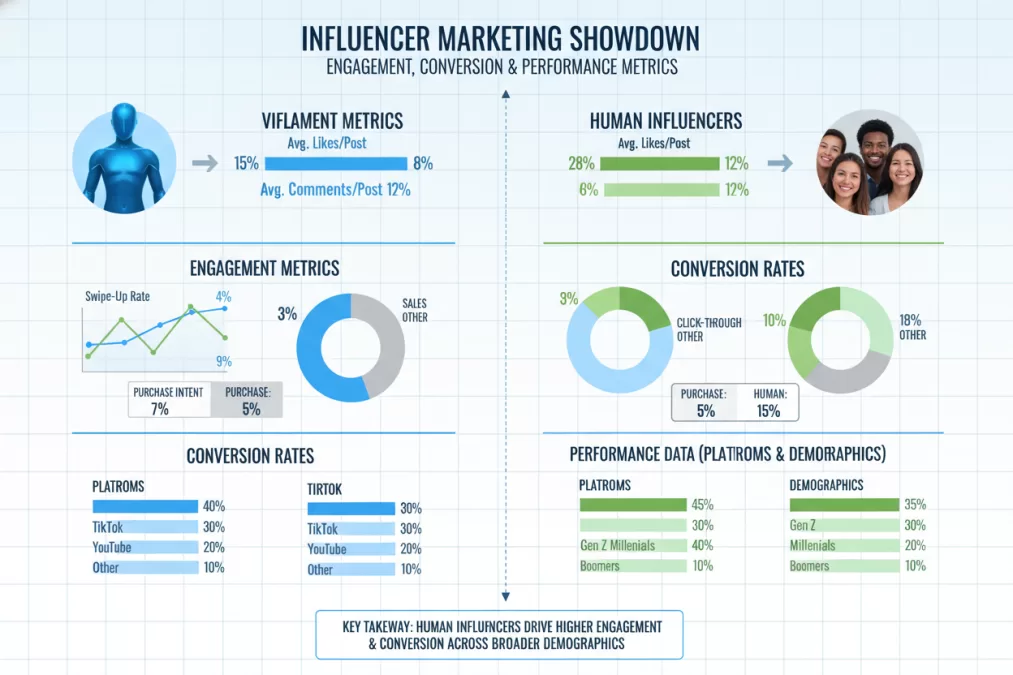
Engagement patterns differ between virtual and human influencers in measurable ways. Virtual influencers often generate high initial curiosity-driven engagement but must work harder to maintain it long-term. Human influencers may build engagement more gradually but achieve deeper loyalty and sustained interaction over time.
Conversion effectiveness varies by product category and audience demographic. Virtual influencers perform well for digital products, fashion, and lifestyle categories where visual appeal drives decisions. Human influencers excel in categories requiring trust, expertise demonstration, or authentic product experience sharing.
Strategic Use Cases for Each Type
Optimal deployment depends on specific marketing objectives and brand characteristics. Virtual influencers suit brands prioritizing control, consistency, and innovation positioning. They work well for campaigns requiring impossible scenarios, perfect aesthetics, or complete messaging control without human variability concerns.
Human influencers remain ideal for building deep emotional connections, demonstrating authentic product use, and reaching audiences valuing genuine human experiences. They excel in categories like health, wellness, parenting, and personal finance where trust and relatable experience matter more than perfect aesthetics.
- Fashion and beauty brands seeking perfect aesthetics
- Technology companies positioning as innovative
- Campaigns requiring impossible or fantasy scenarios
- Brands needing complete messaging control
- Long-term character-based marketing strategies
- Global campaigns requiring cultural adaptability
Best for Virtual Influencers
- Health and wellness products requiring authentic testimony
- Food and cooking content needing real preparation
- Parenting and family-focused campaigns
- Financial services requiring trust and expertise
- Travel and experience-based marketing
- Local and community-focused campaigns
Best for Human Influencers
Hybrid approaches combining both virtual and human influencers may offer optimal solutions for many brands. Using virtual influencers for brand awareness and aspirational content while deploying human influencers for authentic product demonstrations and community building creates comprehensive strategies leveraging unique strengths of each approach.
Measuring Success: Metrics That Matter for AI Influencers

Evaluating virtual influencer performance requires comprehensive metrics beyond vanity numbers. While follower counts and likes provide surface-level indicators, deeper analytics reveal true impact on business objectives. Brands must establish clear measurement frameworks aligned with specific campaign goals and overall marketing strategies.
The unique nature of virtual influencers demands some metric adaptations. Traditional influencer marketing measurements apply, but additional considerations around character development, authenticity perception, and innovation impact require custom tracking approaches and specialized analysis methodologies.
Essential Performance Indicators
Engagement rate remains fundamental but requires nuanced interpretation for virtual influencers. High engagement driven purely by novelty provides different value than sustained engagement based on compelling content and character connection. Tracking engagement trends over time reveals whether initial curiosity translates into lasting audience relationships.
Follower growth patterns indicate market acceptance and content resonance. Rapid spikes may signal viral moments while steady growth suggests sustainable appeal. Analyzing follower demographics and psychographics ensures the virtual influencer attracts intended target audiences rather than curiosity seekers unlikely to convert into customers.
| Metric Category | Key Indicators | Measurement Frequency | Success Benchmarks |
| Audience Growth | Follower count, growth rate, demographic alignment | Weekly | 5-10% monthly growth |
| Engagement | Likes, comments, shares, saves, engagement rate | Daily | 3-6% engagement rate |
| Content Performance | Reach, impressions, video views, completion rates | Per post | 15-25% follower reach |
| Sentiment | Comment sentiment, brand mention tone, perception scores | Weekly | 70%+ positive sentiment |
| Conversion | Click-through rate, conversion rate, attributed sales | Per campaign | Industry-specific |
| Brand Impact | Brand awareness, recall, consideration, preference | Quarterly | Positive trend lines |
Attribution and ROI Calculation
Attributing business results to virtual influencer activity presents challenges similar to traditional influencer marketing. Multi-touch attribution models help identify the virtual influencer’s role within broader customer journeys. Unique tracking codes, dedicated landing pages, and UTM parameters enable more precise measurement of direct influence on conversions.
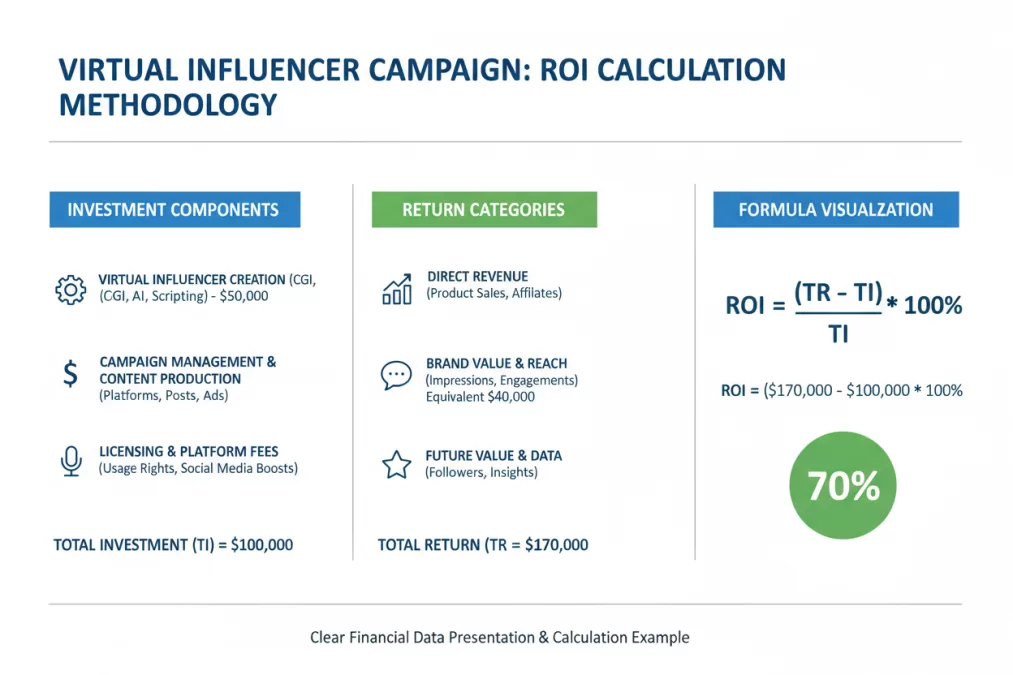
Return on investment calculations must account for both initial creation costs and ongoing operational expenses. Total investment includes character development, content production, platform management, and community engagement. Returns encompass direct sales, brand value enhancement, media coverage value, and cost savings compared to alternative marketing approaches.
Qualitative Assessment Factors
Numbers tell only part of the story. Qualitative factors provide context and deeper understanding of virtual influencer impact. Brand perception shifts, media coverage quality, competitive positioning changes, and innovation reputation enhancement all contribute value that standard metrics may not fully capture.
Audience sentiment analysis reveals how followers perceive and relate to the virtual personality. Comment analysis, surveys, and social listening tools identify themes in audience responses. Understanding whether followers view the virtual influencer as entertaining, inspiring, trustworthy, or innovative informs strategic adjustments and content optimization.
- Brand awareness and recall improvements in target demographics
- Media coverage quality and earned media value
- Competitive differentiation and innovation positioning
- Partnership and collaboration opportunities generated
- Community quality and audience loyalty indicators
- Content virality and organic sharing patterns
- Long-term brand asset value creation
Benchmarking against both virtual and human influencer performance provides useful context. How does your virtual influencer’s engagement rate compare to similar accounts? Do conversion rates match or exceed those achieved through human influencer partnerships? Comparative analysis identifies strengths to leverage and weaknesses requiring attention.
Best Practices for Working with AI Influencers
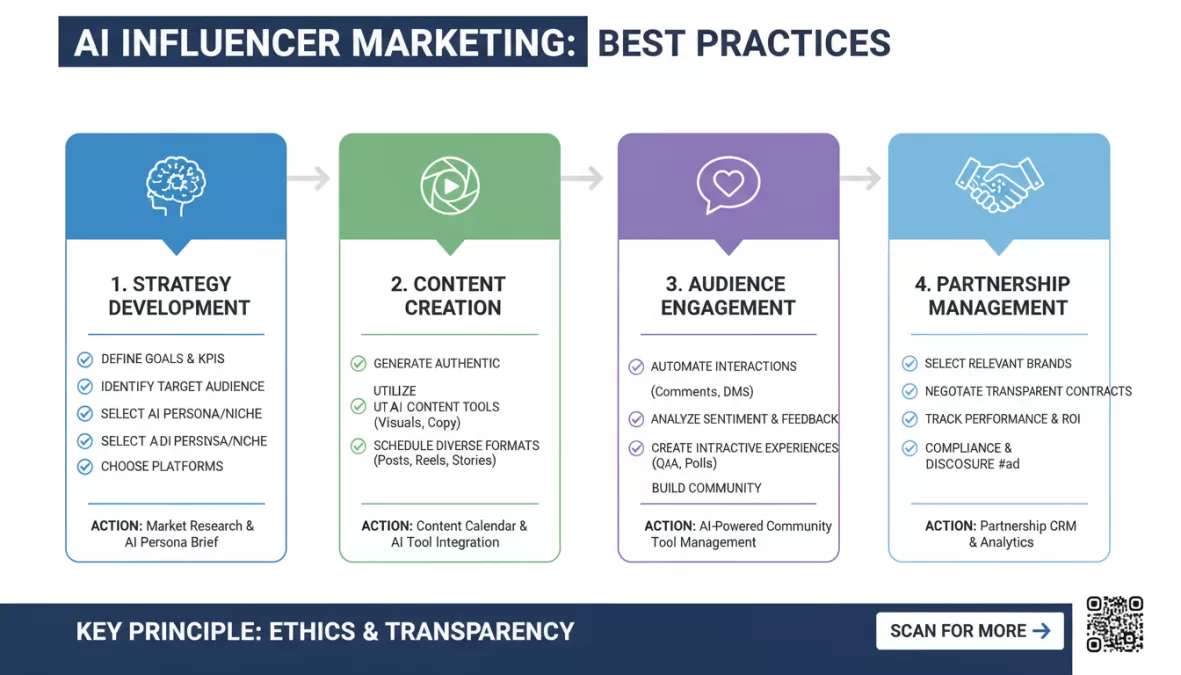
Success with virtual influencers requires strategic approaches that differ from traditional influencer partnerships. While some marketing principles remain constant, the unique characteristics of virtual personalities demand adapted tactics and specialized expertise. Following established best practices increases likelihood of achieving objectives while avoiding common pitfalls.
The foundation begins with clear strategic alignment between virtual influencer characteristics and brand identity. Mismatches between virtual personality and brand values create confusion and undermine authenticity. Ensuring tight alignment from initial character development through ongoing content creation maintains consistency and strengthens brand associations.
Character Development and Positioning
Compelling virtual influencers possess well-developed personalities extending beyond visual appearance. Detailed backstories, clear values, distinctive perspectives, and consistent voice create depth that audiences connect with emotionally. Investing in thorough character development before launch prevents later inconsistencies and establishes strong foundation for long-term success.
Positioning should be specific and differentiated. Generic virtual influencers struggle to stand out in increasingly crowded space. Clear niche focus, whether based on content category, aesthetic style, or personality type, helps attract and retain devoted follower communities rather than casual observers.
Character Development Checklist
- Comprehensive backstory and origin narrative
- Clear personality traits and behavioral patterns
- Defined values and perspectives on relevant topics
- Distinctive visual design and aesthetic consistency
- Authentic voice and communication style
- Relatable goals, challenges, and growth arcs
- Cultural sensitivity and appropriate representation
Positioning Strategy Elements
- Target audience definition and psychographics
- Content category focus and expertise areas
- Competitive differentiation and unique value
- Brand alignment and partnership criteria
- Platform selection and content adaptation
- Growth objectives and timeline expectations
- Long-term evolution and character arc planning
Content Strategy and Consistency
Content excellence matters more for virtual influencers than human counterparts. Without authentic life experiences to share, virtual personalities must deliver superior quality, creativity, and value to maintain audience attention. Every post should serve clear purpose—entertaining, informing, inspiring, or engaging followers in meaningful ways.
Consistency across all touchpoints reinforces character authenticity and builds trust. Visual style, tone of voice, topic selection, and interaction patterns should align with established personality. Inconsistencies create confusion and undermine the suspension of disbelief necessary for audiences to emotionally invest in virtual personalities.

- Establish Content Pillars: Define 3-5 core themes that align with character personality and audience interests. Content pillars provide structure while allowing creative flexibility within established boundaries.
- Maintain Posting Consistency: Regular posting schedules keep audiences engaged and signal active presence. Determine sustainable frequency based on production capabilities and platform best practices.
- Balance Promotional and Value Content: Avoid over-commercialization that undermines authenticity. Follow 80/20 rule with 80% valuable, entertaining, or informative content and 20% promotional or partnership content.
- Engage Authentically: Respond to comments, participate in conversations, and show genuine interest in follower interactions. Authentic engagement builds community and strengthens emotional connections despite virtual nature.
- Monitor Performance and Adapt: Track what content resonates and adjust strategy accordingly. Data-driven optimization improves results while maintaining character consistency and brand alignment.
- Plan Character Evolution: Allow the virtual influencer to grow and evolve over time like real personalities. Planned character development maintains freshness and provides ongoing storylines that keep audiences invested.
Partnership and Collaboration Guidelines
Brand partnerships require careful selection to maintain authenticity and audience trust. Virtual influencers can theoretically promote anything, but selective partnering creates more credible endorsements. Collaborations should align with established character personality, values, and content themes to feel natural rather than forced.
Transparency about virtual nature and sponsored content builds trust with audiences and regulatory compliance. Clear disclosure that the influencer is virtual and content is sponsored maintains ethical standards while allowing audiences to make informed decisions about how they receive and interpret messaging.
Partnership Success Formula: Select collaborations that enhance rather than exploit the virtual influencer’s credibility. Each partnership should provide genuine value to followers while advancing the character’s story and maintaining consistency with established personality and values.
The Future of Influence Is Already Here

AI influencers on Instagram represent more than a passing trend. They signal fundamental shifts in content creation, marketing strategies, and digital culture. As technology continues advancing and audiences grow more comfortable with virtual personalities, these digital creators will become increasingly integrated into social media landscapes and marketing ecosystems.
The top influencers profiled demonstrate diverse approaches to virtual personality development. From Lil Miquela’s pioneering realism to Noonoouri’s stylized fashion focus, from Shudu’s photorealistic beauty to Imma’s cultural authenticity—each shows different possibilities for what virtual influencers can achieve and represent in digital spaces.
Brands considering virtual influencer strategies face exciting opportunities tempered by real challenges. Success requires clear objectives, strategic planning, creative excellence, and sustained commitment. Virtual influencers aren’t shortcuts to marketing success but powerful tools when deployed thoughtfully as part of comprehensive marketing strategies.
The evolution continues rapidly. What seems cutting-edge today will be standard practice tomorrow. Companies that understand virtual influencer potential and develop expertise now position themselves advantageously for future developments. Those waiting for perfect clarity may find themselves playing catch-up in increasingly sophisticated digital marketing landscapes.
For marketers, creators, and business leaders, the message is clear. Virtual influencers deserve serious consideration as viable components of modern marketing mixes. They offer unique advantages while presenting specific challenges. Understanding both sides enables informed decisions about whether, when, and how to incorporate these digital personalities into broader business and marketing strategies.
The world of social media and influencer marketing will never return to purely human influencers. Virtual personalities have proven their value and staying power. The future involves coexistence, with virtual and human influencers serving different purposes and appealing to different audience segments within complex, multi-faceted marketing ecosystems.
As you consider your next marketing moves, remember that innovation often comes from early adoption of emerging trends. The brands seeing greatest success with virtual influencers started experimenting before the practice became mainstream. The question isn’t whether virtual influencers are legitimate marketing tools—they’ve proven that already. The question is how you’ll leverage them to achieve your specific business objectives and connect with your target audiences in increasingly digital world.
Start Your AI Influencer Journey Today
Whether you’re ready to create a custom virtual influencer, explore partnership opportunities, or simply learn more about this revolutionary marketing approach, we’re here to help. Take the first step toward leveraging AI influencers for your brand’s success.

Priyanka Pandey
Senior Research Editor · Top10Sense
Priyanka specializes in tech, consumer products, and digital trends. She combines hands-on testing, vendor interviews, and database research to create trustworthy “Top 10” rankings. Her work has been referenced by industry blogs and brand report pages.