
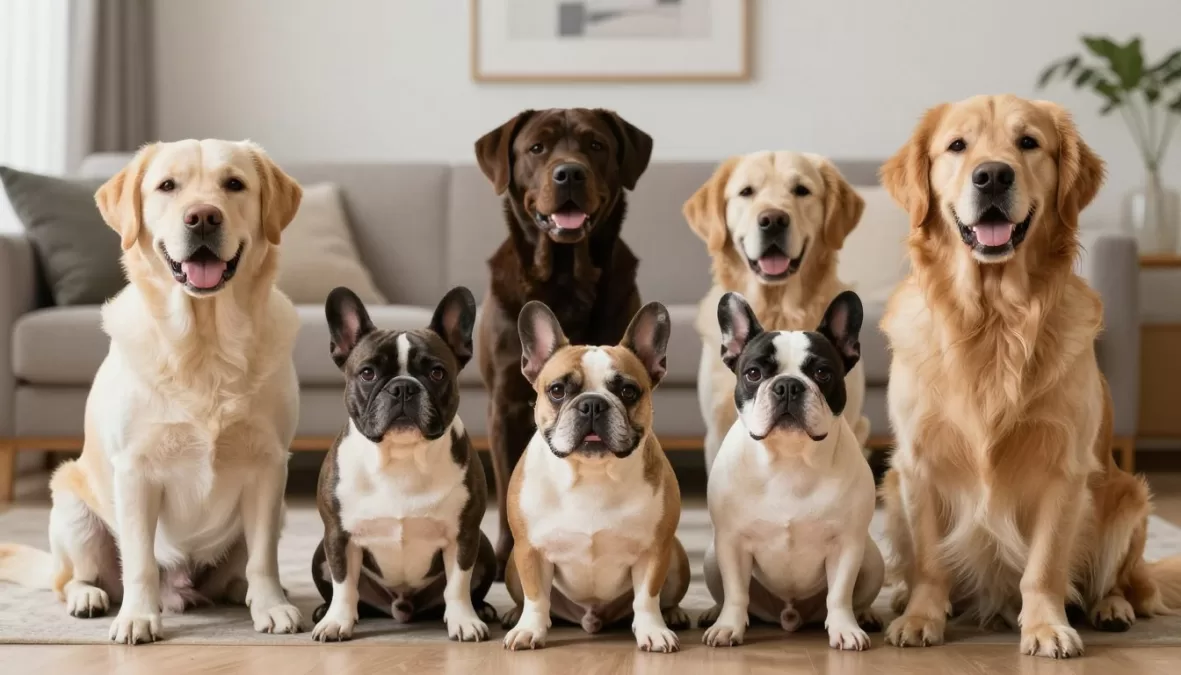
Choosing the right dog breed transforms your life in remarkable ways. The top 10 dog breeds 2026 reflect changing lifestyles and evolving preferences among pet parents across the world. These breeds stand out for their adaptability, temperament, and compatibility with modern living spaces.
This comprehensive guide explores each breed’s unique characteristics. You’ll discover what makes these dogs special this year. Whether you live in apartments or spacious homes, there’s a perfect companion waiting for you.
The demand for specific breeds continues to shift. Pet parents now prioritize intelligence, low-maintenance care, and family-friendly nature. Let’s explore why these ten breeds captured hearts in 2026.
Get Your Free 2026 Dog Breed Selection Guide
Download our comprehensive guide with detailed breed comparisons, care requirements, and expert recommendations to help you choose the perfect dog for your lifestyle.
1. Labrador Retriever: America’s Timeless Favorite
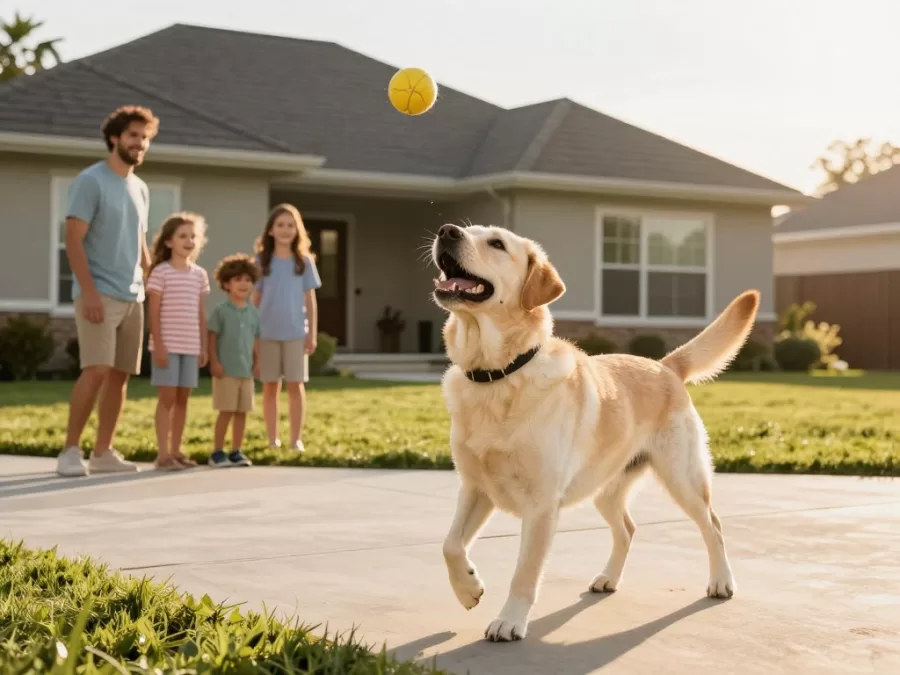
The Labrador Retriever maintains its position as one of the most popular dog breeds worldwide. This breed originated in Newfoundland, Canada, where fishermen valued them as working companions. Their friendly disposition makes them ideal family pets.
Labs possess a strong, athletic build. They typically weigh between 55 and 80 pounds. Their double coat comes in three colors: yellow, black, and chocolate. This coat provides excellent protection in various weather conditions.
These highly intelligent dogs excel in training programs. They serve as guide dogs, therapy animals, and search-and-rescue companions. Pet parents appreciate their gentle nature with children and other pets.
Temperament and Personality
Labradors display remarkable patience and loyalty. They form strong bonds with family members. Their playful energy continues well into adulthood. This breed thrives on human interaction and companionship.
They adapt well to different living situations. Whether in apartments or houses with yards, Labs make themselves at home. Their social nature means they don’t enjoy long periods alone.
Care Requirements and Exercise Needs
Labs need substantial daily exercise. A minimum of 60 minutes of activity keeps them healthy and happy. Swimming provides excellent low-impact exercise. They love water activities and retrieve games.
Regular grooming maintains their coat health. Brush them weekly to manage shedding. They shed moderately year-round with heavier periods twice annually. Professional grooming isn’t typically necessary.
2026 Popularity Factor: Labrador Retrievers remain in high demand due to their versatility as family companions, working dogs, and therapy animals. Their adaptability to both urban and suburban lifestyles keeps them at the top.
Health Considerations
Labs generally enjoy good health with proper care. Hip dysplasia and elbow dysplasia require monitoring. Regular veterinary check-ups catch potential issues early. Maintain a healthy weight to prevent joint problems.
These dogs have hearty appetites. Portion control prevents obesity, a common issue in the breed. Quality nutrition supports their active lifestyle and overall health.
2. French Bulldog: The Urban Apartment Champion
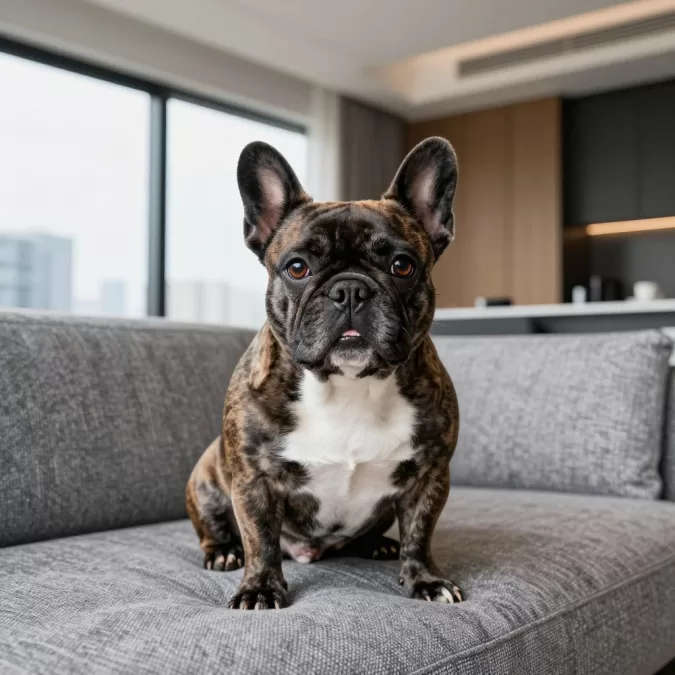
The French Bulldog captured hearts across cities in 2026. This compact breed originated in England before French lace workers brought them to France. Their distinctive bat ears and muscular build create an unmistakable appearance.
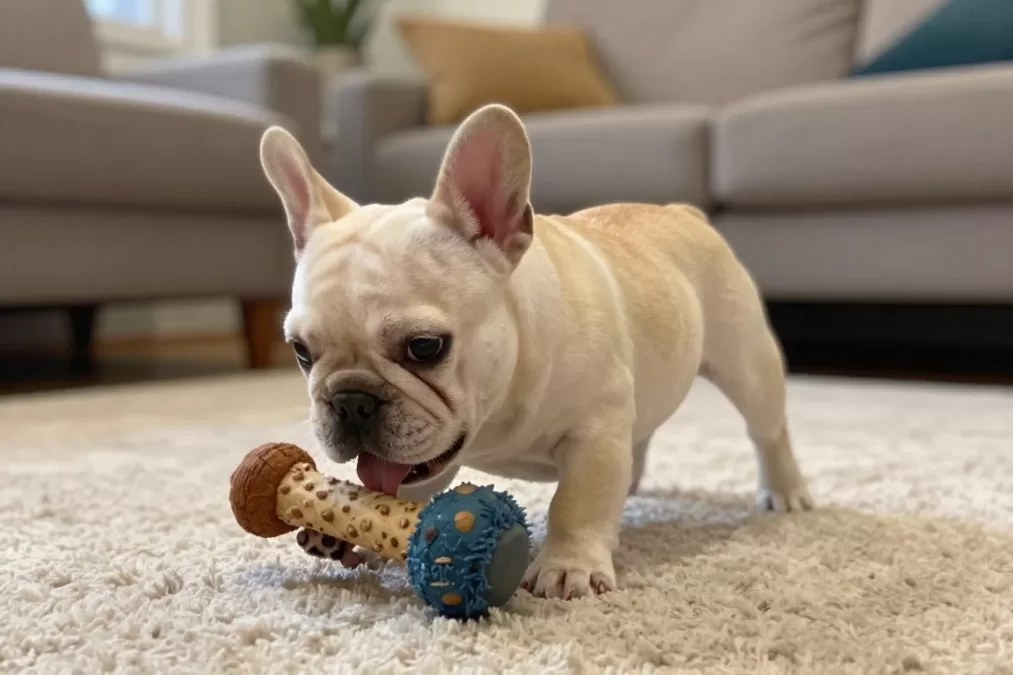
Frenchies typically weigh under 28 pounds. Their small size makes them perfect for apartment living. The breed comes in various colors including brindle, fawn, white, and combinations thereof. Their short coat requires minimal grooming.
These dogs possess charming personalities. They’re known for being affectionate and entertaining. Pet parents love their low exercise requirements compared to larger breeds. A short walk and indoor play usually suffice.
Living with a French Bulldog
French Bulldogs adapt brilliantly to urban environments. They don’t bark excessively, making them ideal neighbors. Their calm nature suits seniors and busy professionals alike. They’re content with moderate activity levels.
Heat sensitivity requires attention. Their flat faces make breathing difficult in hot weather. Air-conditioned spaces keep them comfortable during summer months. Never leave them in hot cars or outdoor heat.
Training and Socialization
Frenchies respond well to positive reinforcement training. They can be stubborn at times. Patience and consistency yield the best results. Early socialization helps them become well-rounded companions.
These dogs crave human attention. They follow owners from room to room. Separation anxiety can develop without proper training. Gradual alone-time training helps prevent this issue.
Why Frenchies Excel in 2026
- Perfect size for apartments and small homes
- Minimal exercise needs fit busy lifestyles
- Quiet nature suits close-quarter living
- Adaptable to various family structures
- Low grooming maintenance
Health and Wellness
Brachycephalic syndrome affects many French Bulldogs. This condition relates to their flat facial structure. Choose reputable breeders who health-test their dogs. Regular vet visits monitor respiratory health.
Skin fold dermatitis requires preventive care. Clean facial wrinkles regularly to prevent infections. Their compact build also means watching for weight gain. Obesity strains their already-stressed breathing systems.
3. Golden Retriever: The Family’s Best Friend
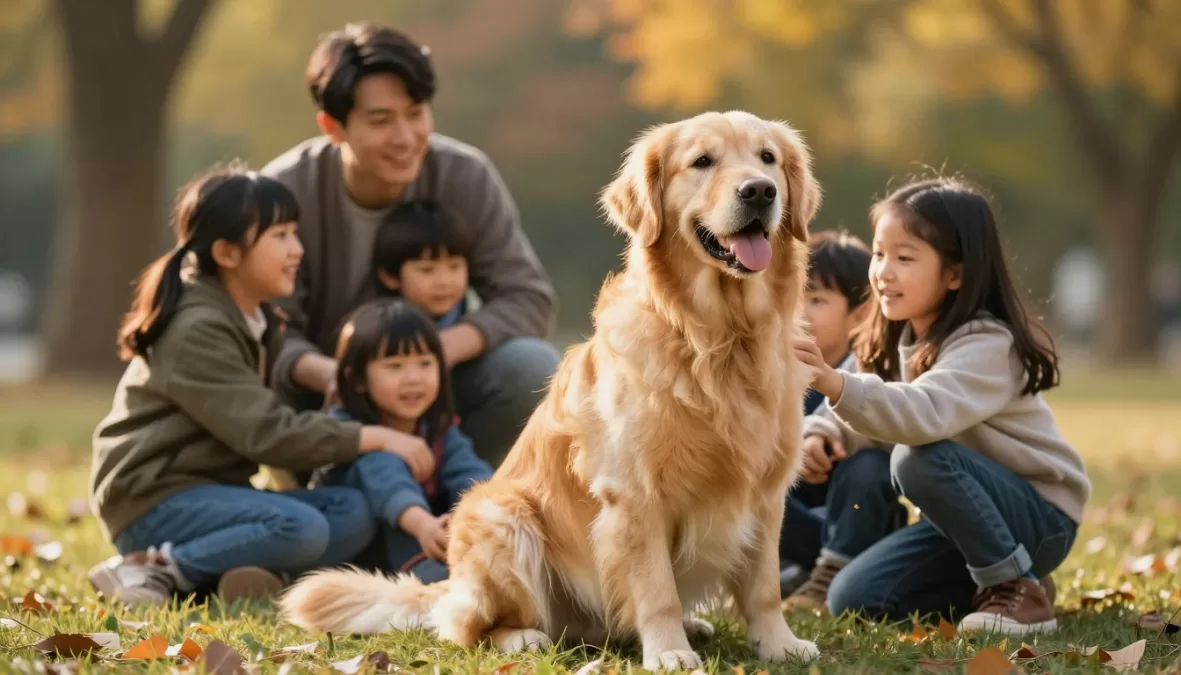
Golden Retrievers rank among the most beloved family dogs. This breed originated in Scotland during the 1800s. Lord Tweedmouth developed them as hunting companions. Their gentle mouth could retrieve game birds without damage.
These dogs feature lustrous golden coats that range from light cream to deep gold. Males typically weigh 65 to 75 pounds. Females are slightly smaller at 55 to 65 pounds. Their friendly expression mirrors their loving temperament.
Goldens are highly intelligent and eager to please. This combination makes training enjoyable and successful. They excel in obedience competitions and serve as exceptional therapy dogs. Their patience with children is legendary.
Character and Disposition
Golden Retrievers embody gentleness and devotion. They greet everyone as a potential friend. This trait makes them poor guard dogs but excellent family companions. Their playful spirit remains strong throughout their lives.
They thrive in active households. Swimming, hiking, and fetch games align with their energetic nature. These dogs need mental stimulation alongside physical exercise. Puzzle toys and training sessions engage their sharp minds.
Grooming and Maintenance
The Golden’s beautiful coat demands regular attention. Daily brushing prevents matting and manages shedding. They shed heavily twice a year during seasonal changes. Professional grooming every few months keeps them looking their best.
Their love of water means frequent baths may be necessary. They’re not afraid to jump into muddy puddles. Check and clean their ears regularly, especially after swimming. This prevents infections in their floppy ears.
Not Sure Which Breed Fits Your Lifestyle?
Speak with our certified dog breed experts. Get personalized recommendations based on your living situation, experience level, and family needs. Book your free 15-minute consultation today.
4. German Shepherd: The Versatile Working Dog
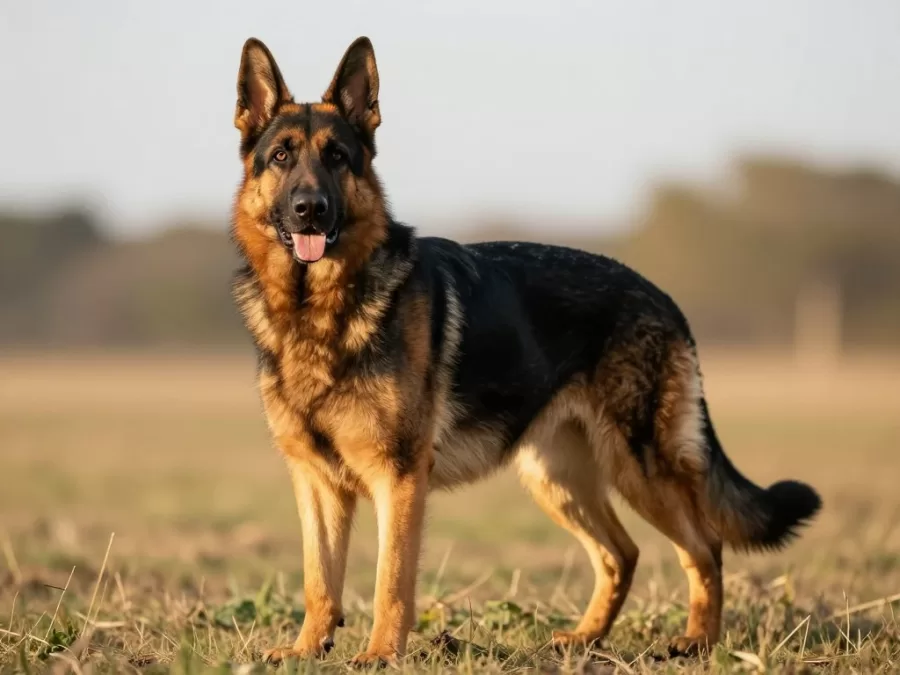
German Shepherds represent intelligence and versatility in the dog world. Captain Max von Stephanitz developed this breed in Germany during the late 1800s. He aimed to create the ultimate herding dog. The result exceeded all expectations.
These large dogs stand 22 to 26 inches tall at the shoulder. They weigh between 50 and 90 pounds. Their double coat is typically tan and black or red and black. Some are solid black or sable colored.
German Shepherds serve in police forces, military units, and search-and-rescue teams globally. Their trainability and work ethic are unmatched. They also make devoted family protectors when properly socialized and trained.
Intelligence and Trainability
This breed ranks among the most intelligent dogs. They learn new commands quickly. Complex tasks don’t intimidate them. Their eagerness to work makes training sessions productive and rewarding.
Early socialization is crucial for German Shepherds. They can be aloof with strangers without proper exposure. This natural wariness makes them excellent watchdogs. Positive training methods bring out their best qualities.
Exercise and Mental Stimulation
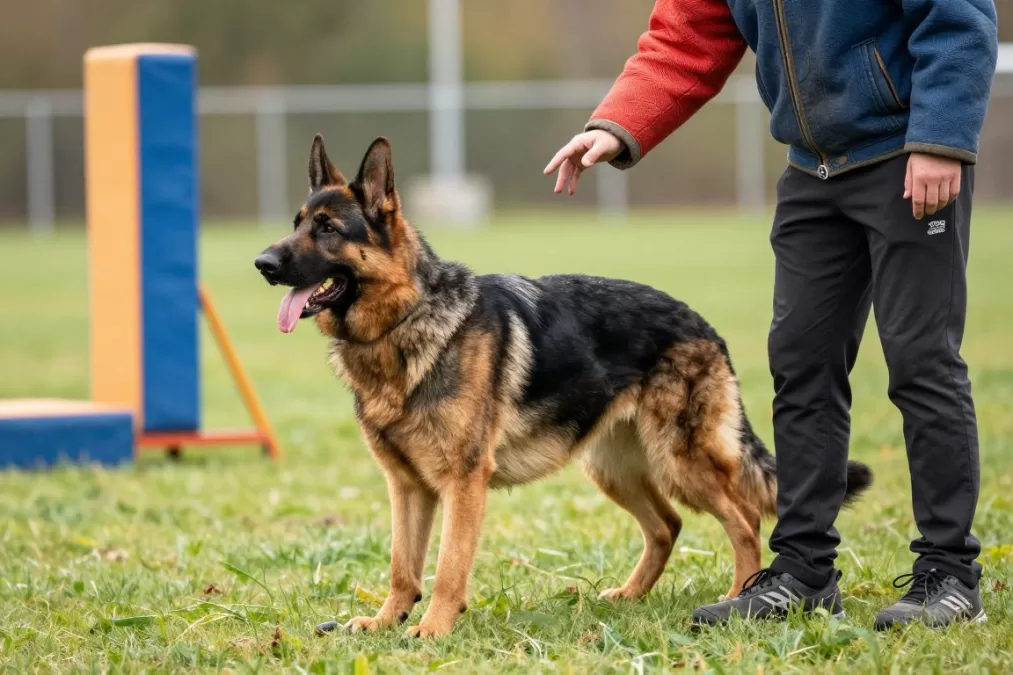
German Shepherds require significant daily exercise. At least 90 minutes of activity keeps them balanced. They excel in dog sports like agility and obedience trials. Mental challenges are equally important as physical exercise.
Without adequate stimulation, they may develop behavioral issues. Boredom leads to destructive chewing or excessive barking. Interactive toys and job-like tasks satisfy their working dog instincts. They thrive when given purpose and responsibility.
Living Requirements
These dogs adapt to various living situations. However, they do best with access to outdoor space. Apartments can work if owners commit to substantial exercise. Their size and energy make suburban or rural settings ideal.
German Shepherds shed year-round. Expect heavier shedding twice annually. Regular brushing reduces loose hair around your home. Professional grooming helps manage their thick coat during heavy shedding periods.
5. Bulldog: The Gentle Powerhouse

The English Bulldog symbolizes determination and gentle companionship. Despite their tough appearance, these dogs are remarkably sweet-natured. Originally bred for bull-baiting in England, modern Bulldogs are peaceful companions. That violent past is long behind them.
Bulldogs have distinctive physical features. Their wrinkled faces, pushed-in noses, and undershot jaws create unique expressions. They typically weigh 40 to 50 pounds. Their low-slung, muscular bodies move with a characteristic waddle.
These dogs suit calm households perfectly. They prefer lounging to long walks. Their laid-back temperament makes them excellent pets for seniors. Families with young children also appreciate their patient nature.
Personality Traits
Bulldogs are known for their stubborn streak. This trait requires patient, consistent training. They respond better to gentle encouragement than harsh corrections. Despite their stubbornness, they’re incredibly affectionate with family members.
Their loyalty knows no bounds. Bulldogs form deep attachments to their people. They’re happiest when near family members. Social by nature, they generally get along well with other pets and strangers.
Special Care Considerations
The Bulldog’s flat face creates health challenges. They overheat easily and struggle in hot weather. Air conditioning is essential during summer months. Limit outdoor time when temperatures rise above 75 degrees.
Clean facial wrinkles daily to prevent skin infections. Their compressed airways make them prone to breathing difficulties. Many Bulldogs snore loudly due to their facial structure. Weight management is critical for their health and mobility.
Bulldog Advantages
- Minimal exercise requirements
- Excellent for apartment living
- Gentle with children and elderly
- Quiet and calm indoors
- Adaptable to various lifestyles
Bulldog Challenges
- Higher veterinary costs
- Heat sensitivity issues
- Daily wrinkle cleaning needed
- Potential breathing problems
- Can be stubborn in training
Essential Supplies for Your New Companion
Setting up for your new dog requires the right supplies. Quality products make care easier and keep your pet comfortable. Here are essential categories every new pet parent should consider.

Premium Nutrition
Quality food supports your dog’s health and energy. Choose breed-appropriate formulas with real meat as the first ingredient. Proper nutrition prevents many health issues down the road.

Grooming Essentials
Maintain your dog’s coat and health with proper grooming tools. Brushes, nail clippers, and gentle shampoos keep them looking and feeling great. Regular grooming strengthens your bond.

Training & Toys
Mental stimulation keeps dogs happy and well-behaved. Interactive toys, puzzle feeders, and training aids make learning fun. Invest in quality items that withstand enthusiastic play.
6. Poodle: The Intelligent Aristocrat
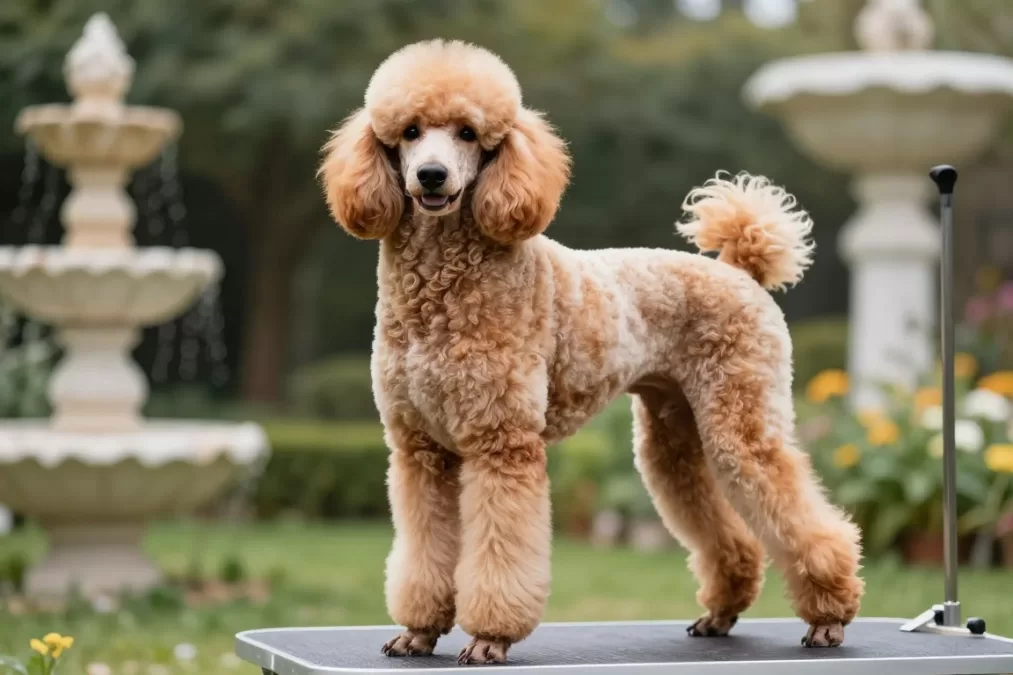
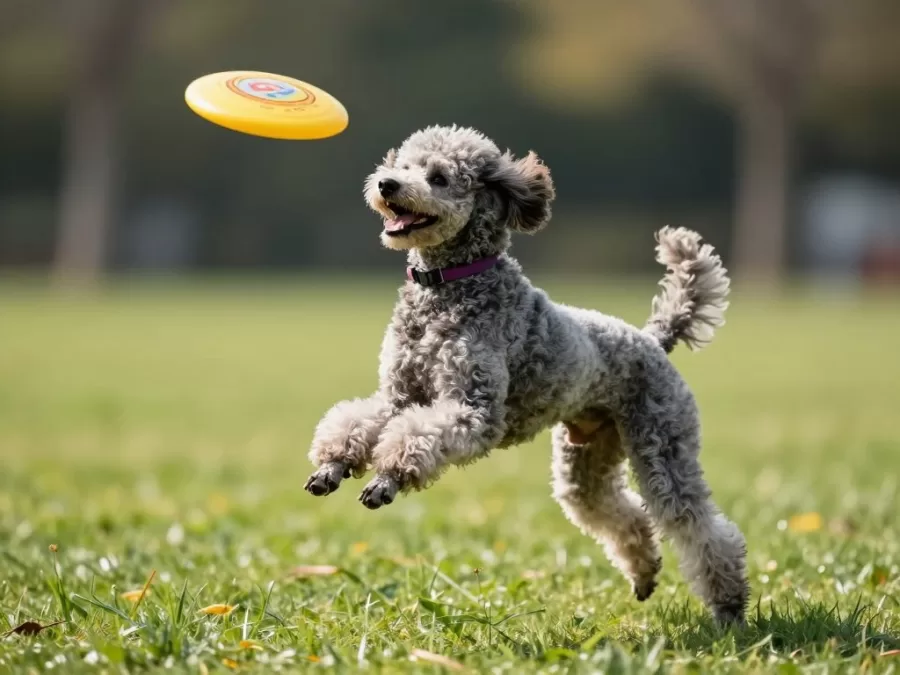
Poodles combine elegance with exceptional intelligence. Despite their fancy appearance, they originated as water retrievers in Germany. The breed comes in three sizes: Standard, Miniature, and Toy. All share the same remarkable qualities.
Standard Poodles stand over 15 inches tall. Miniatures measure 10 to 15 inches. Toys are under 10 inches. Their curly, hypoallergenic coat comes in various solid colors. This low-shedding quality appeals to allergy sufferers.
These highly intelligent dogs excel in virtually every dog sport. They rank second in canine intelligence studies. Their trainability and athleticism surprise people who view them only as show dogs. Poodles are serious athletes beneath their stylish cuts.
Adaptability and Temperament
Poodles adapt remarkably well to different environments. Standard Poodles need more space and exercise. Miniature and Toy varieties thrive in apartments. All sizes bond closely with their families and prefer being included in activities.
They’re sensitive dogs who read emotions well. This trait makes them excellent therapy and emotional support animals. They don’t respond well to harsh training methods. Positive reinforcement brings out their best performance.
Grooming Requirements
The Poodle’s coat requires significant maintenance. Professional grooming every 4 to 6 weeks keeps them comfortable. Daily brushing prevents matting. Many pet parents choose simple puppy clips over elaborate show cuts.
Their continuously growing coat means no seasonal shedding. However, this also means regular haircuts are necessary. Learning basic grooming skills saves money over time. Some owners enjoy this bonding activity with their pets.
7. Beagle: The Merry Little Hunter
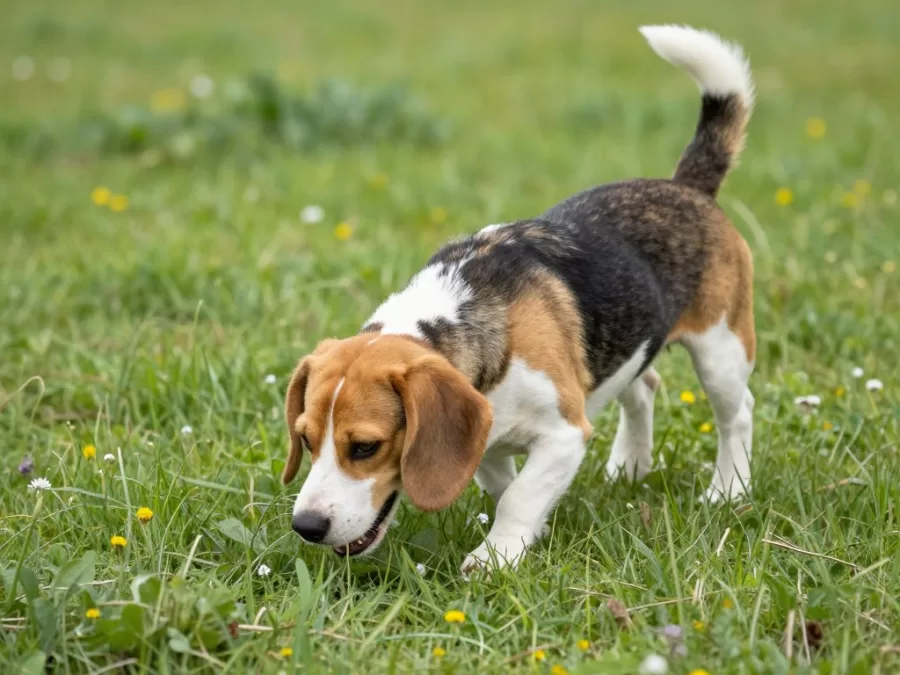
Beagles charm everyone with their merry dispositions and soulful eyes. These scent hounds originated in England for rabbit hunting. Their compact size and friendly nature made them popular family companions. Their distinctive bay and howl are unmistakable.
Most Beagles stand 13 to 15 inches tall. They typically weigh between 20 and 30 pounds. Their short, dense coat comes in various color combinations. Tricolor patterns of black, tan, and white are most common.
These dogs live to follow their noses. Their incredible scenting ability makes them valuable in detection work. Airports and customs agencies employ Beagles for their superior sniffing skills. At home, they’re playful and affectionate companions.
Living with a Beagle
Beagles are pack animals who love company. They get along well with other dogs and pets. Their friendly nature extends to strangers, making them poor guard dogs. However, they alert owners to visitors with enthusiastic vocalizations.
These dogs need secure fencing. Their nose can lead them astray when they catch an interesting scent. Once on a trail, they may ignore commands. This independent streak requires patient training and secure containment.
Exercise and Training
Beagles need daily exercise to prevent weight gain. They have hearty appetites and will overeat if allowed. One hour of activity daily keeps them fit and content. Walking, hiking, and scent games satisfy their natural instincts.
Training a Beagle requires persistence and humor. They can be stubborn when distracted by scents. Food motivation works well with this breed. Keep training sessions short and rewarding. Their intelligence shows when properly motivated.
Beagle Fun Fact: Beagles have approximately 220 million scent receptors compared to humans’ 5 million. This extraordinary nose makes them one of the best detection dogs in the world. Their friendly demeanor also makes them less intimidating in public spaces.
Take Our Interactive Breed Match Quiz
Answer 10 simple questions about your lifestyle, living space, and preferences. Our advanced algorithm will match you with the perfect dog breeds from our top 10 list and beyond. Get personalized recommendations in minutes.
8. Rottweiler: The Loyal Guardian

Rottweilers possess strength, intelligence, and unwavering loyalty. Ancient Romans used their ancestors to herd cattle and guard supplies. German butchers later refined the breed. Today’s Rottweilers serve as police dogs, therapy animals, and devoted family protectors.
These large, muscular dogs stand 22 to 27 inches tall. Males weigh 95 to 135 pounds. Females are slightly smaller at 80 to 100 pounds. Their distinctive black coat with rust-colored markings is instantly recognizable.
Rottweilers are confident and calm when properly trained. They bond intensely with their families. Their protective instinct is strong but manageable with socialization. These dogs need experienced owners who understand their nature.
Temperament and Training
A well-socialized Rottweiler is gentle and affectionate at home. They’re playful with family members, especially children they know. Early socialization prevents overprotectiveness. Expose puppies to various people, places, and situations.
Training must start early with this breed. Their size and strength demand obedience. Positive reinforcement methods work best. Harsh corrections can create fear or aggression. Consistency and patience build a trustworthy companion.
Exercise and Activity
Rottweilers need substantial daily exercise. At least 60 minutes of activity maintains their physical and mental health. They enjoy purposeful activities like carting, tracking, and obedience work. Their working dog heritage means they thrive with jobs to do.
Without adequate exercise, Rottweilers become bored and destructive. Channel their energy into positive activities. Dog sports provide excellent outlets. A tired Rottweiler is a well-behaved Rottweiler.
Health and Care
Responsible breeders screen for hip dysplasia and other genetic conditions. Choose puppies from health-tested parents. Regular vet care catches problems early. Their short coat requires minimal grooming. Weekly brushing removes loose hair.
Watch their weight carefully. Extra pounds stress joints and organs. Quality nutrition and portion control maintain optimal health. Rottweilers typically live 8 to 10 years with proper care.
9. Dachshund: The Bold Little Hunter
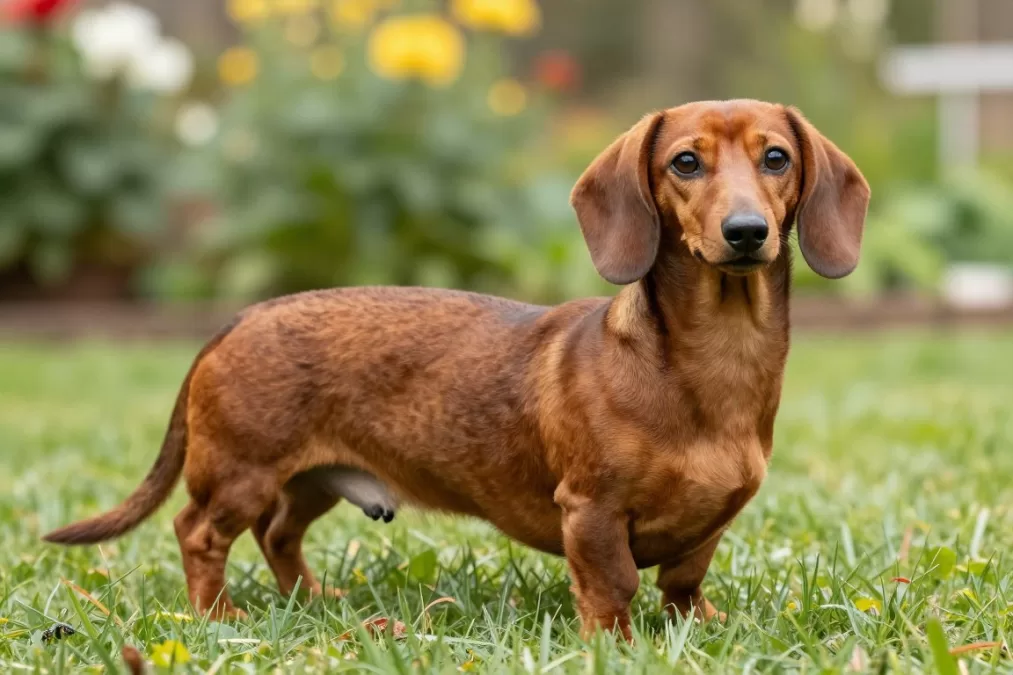
Dachshunds pack big personalities into small packages. German hunters developed them to pursue badgers underground. Their elongated bodies and short legs served a specific purpose. Today, they’re beloved companions known for their spunky attitudes.
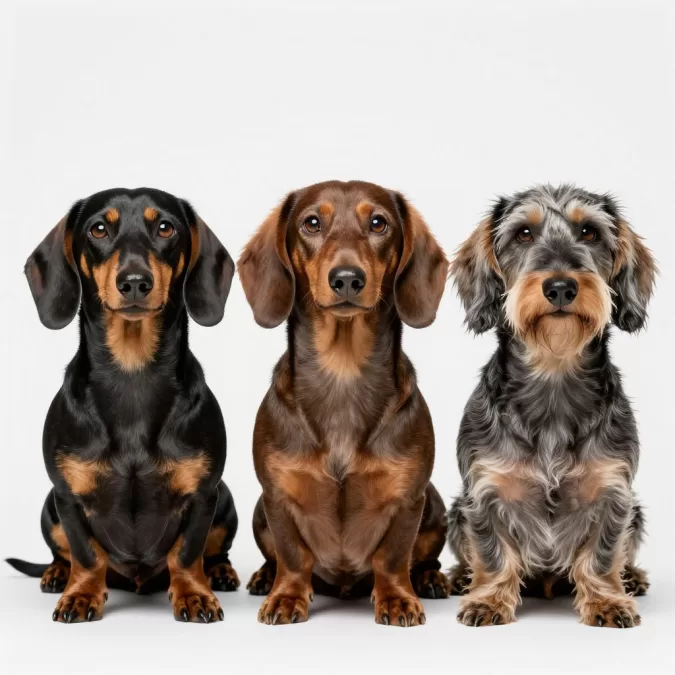
The breed comes in two sizes: Standard and Miniature. Standards weigh 16 to 32 pounds. Miniatures weigh 11 pounds or less. Three coat varieties exist: smooth, longhaired, and wirehaired. Each has distinct grooming needs.
These fearless little dogs don’t recognize their small size. They’re brave, sometimes to a fault. Their bark is surprisingly loud and deep. This trait makes them excellent watchdogs despite their diminutive stature.
Personality Characteristics
Dachshunds are clever and independent thinkers. They were bred to work alone underground. This independence translates to stubbornness in training. Patience and positive methods overcome their willful nature.
They bond closely with one or two people. While loving with family, they can be standoffish with strangers. Early socialization helps them become more accepting. Their loyalty to chosen people is absolute.
Special Physical Considerations
The Dachshund’s unique body shape creates specific health concerns. Their long backs are prone to intervertebral disc disease. Prevent jumping from furniture. Use ramps or steps to protect their spines. Maintain healthy weight to reduce back strain.
Exercise should be moderate and controlled. Short walks and gentle play suit them perfectly. Avoid activities that stress their backs. Swimming provides excellent low-impact exercise when properly supervised.
Care Requirements
Grooming needs vary by coat type. Smooth-coated Dachshunds need minimal maintenance. Longhaired varieties require regular brushing. Wirehaired Dachshunds benefit from occasional hand-stripping.
Dental care is important for all Dachshunds. Their small mouths are prone to dental problems. Daily tooth brushing prevents issues. Regular professional cleanings maintain oral health.
10. Indian Pariah Dog: The Ancient Survivor
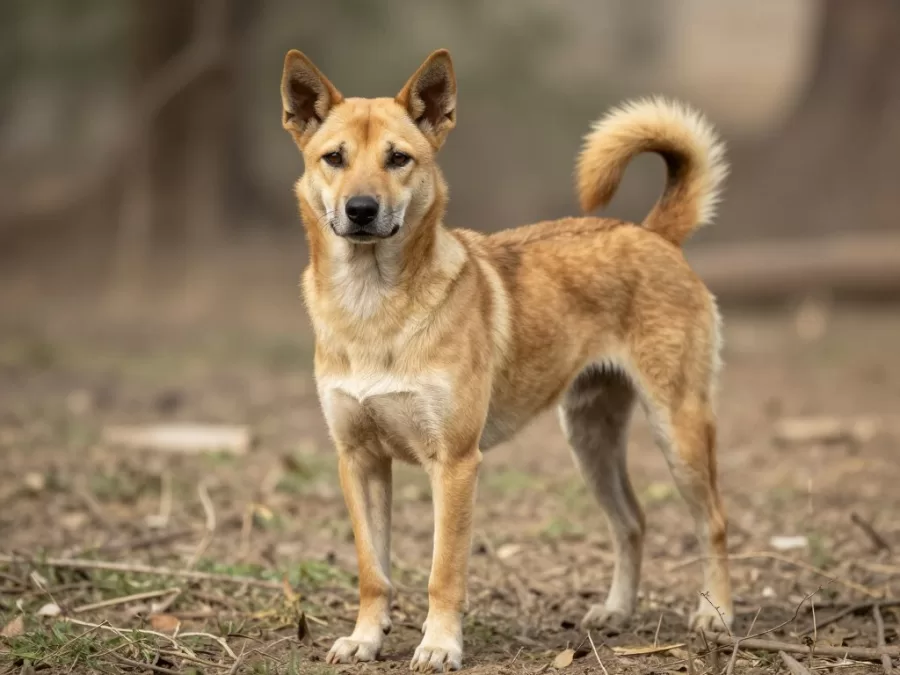
The Indian Pariah Dog represents one of the world’s oldest and most genetically pure breeds. These dogs evolved naturally over thousands of years across the Indian subcontinent. Their intelligence and adaptability allowed them to thrive without human intervention for generations.
These medium-sized dogs typically weigh 30 to 50 pounds. They stand 18 to 25 inches tall. Their short coat comes in various shades of brown, black, and cream. Erect ears and curled tails characterize their appearance. Their build is athletic and well-proportioned.
Growing international recognition brought these remarkable dogs into the spotlight in 2026. Pet parents appreciate their low-maintenance nature and robust health. Their natural evolution created hardy, disease-resistant companions with minimal genetic problems.
Temperament and Intelligence
Indian Pariah Dogs are highly intelligent and intuitive. They read human emotions remarkably well. Their social intelligence developed through centuries of living alongside people. These dogs form strong bonds with families while remaining naturally alert.
They’re independent thinkers who can be aloof with strangers. This wariness makes them excellent watchdogs. Once they accept someone, their loyalty is complete. Early socialization helps them distinguish between friends and threats.
Care and Maintenance
These dogs require minimal grooming. Their short coat needs only weekly brushing. They shed moderately throughout the year. Bathing is needed only when they get dirty. Their natural cleanliness makes maintenance easy.
Indian Pariah Dogs have moderate exercise needs. Daily walks and playtime keep them content. They adapt well to both apartments and houses with yards. Their versatility makes them suitable for various living situations.
Health Advantages
Natural selection created exceptionally healthy dogs. They have strong immune systems and few genetic health issues. Their diverse gene pool prevents many hereditary problems common in purebreds. Veterinary costs are typically lower than with other breeds.
These dogs typically live 13 to 16 years. Their longevity reflects their robust constitution. Basic preventive care maintains their health. They’re remarkably adaptable to different climates and conditions.
Why Indian Pariah Dogs Are Trending in 2026: Growing awareness of indigenous breeds, lower healthcare costs, exceptional adaptability, and the push for adopting native dogs over imported breeds have elevated the Indian Pariah Dog’s popularity worldwide.
Choosing the Right Breed for Your Lifestyle
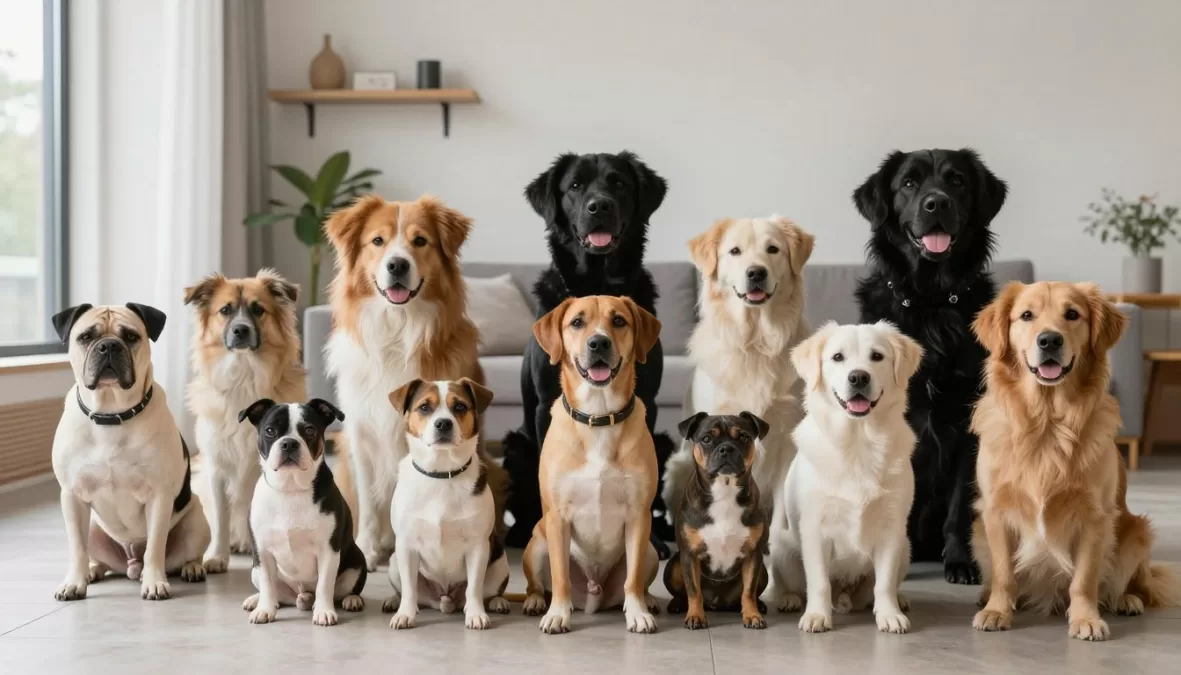
Selecting from the top dog breeds 2026 requires honest self-assessment. Consider your living space, activity level, and time availability. Each breed brings unique requirements and rewards. The perfect match exists for every lifestyle.
Living Space Considerations
Apartment dwellers thrive with French Bulldogs, Bulldogs, or smaller Poodles. These breeds adapt well to limited space. They don’t require yards for happiness. Larger homes with yards suit German Shepherds, Golden Retrievers, and Rottweilers better. Space allows these active breeds to move freely.
Consider your neighbors when choosing breeds. Some dogs are naturally quieter. Beagles and Dachshunds vocalize frequently. This trait may cause issues in close quarters. Research breed tendencies before committing.
Activity and Exercise Levels
Match your energy level to your dog’s needs. Active individuals enjoy Labrador Retrievers, German Shepherds, and Poodles. These breeds excel in outdoor activities and dog sports. Sedentary lifestyles pair better with Bulldogs and French Bulldogs.
Time commitment varies significantly between breeds. Some need 90 minutes of daily exercise. Others are content with short walks. Be realistic about your schedule. Unfulfilled exercise needs create behavioral problems.
High-Energy Breeds
These dogs need active owners committed to daily exercise and mental stimulation.
- German Shepherd
- Labrador Retriever
- Golden Retriever
- Standard Poodle
Moderate-Energy Breeds
These breeds balance activity with relaxation and adapt to various lifestyles.
- Beagle
- Dachshund
- Indian Pariah Dog
- Rottweiler
Lower-Energy Breeds
These dogs suit calmer households and need less intensive exercise routines.
- Bulldog
- French Bulldog
- Miniature Poodle
- Older dogs of any breed
Best for Families
These breeds show exceptional patience and gentleness with children of all ages.
- Golden Retriever
- Labrador Retriever
- Beagle
- Bulldog
Grooming Time Investment
Grooming requirements impact both time and budget. Poodles need professional grooming every month. Long-haired dogs require daily brushing. Short-coated breeds like Beagles and Indian Pariah Dogs need minimal maintenance.
Consider grooming costs in your budget. Professional grooming ranges from affordable to expensive. Learning basic grooming skills saves money. However, some breeds truly need professional expertise.
Experience Level
First-time dog owners succeed with certain breeds. Labrador Retrievers, Golden Retrievers, and Beagles forgive training mistakes. They’re eager to please and naturally friendly. Experienced owners handle German Shepherds and Rottweilers better. These powerful breeds need confident leadership.
Training classes benefit all new pet parents. Professional guidance prevents common mistakes. The investment pays off in a well-behaved companion. Don’t skip this crucial step regardless of breed choice.
Health and Wellness Across Breeds

Understanding breed-specific health concerns helps pet parents prepare. Each breed faces particular challenges. Preventive care makes a significant difference in longevity and quality of life.
Common Health Considerations
Large breeds like German Shepherds and Rottweilers are prone to hip dysplasia. Regular screening and weight management reduce risks. Brachycephalic breeds like Bulldogs and French Bulldogs face respiratory challenges. Heat management and weight control are critical.
Small breeds including Dachshunds need back protection. Prevent jumping and maintain healthy weight. Regular vet visits catch problems early. Establish care with a good veterinarian immediately after bringing your dog home.
Nutrition for Optimal Health
Quality nutrition forms the foundation of good health. Choose food appropriate for your dog’s life stage and size. Puppies need different nutrition than adults or seniors. Large breed puppies require special formulas for proper bone development.
Avoid overfeeding to prevent obesity. Excess weight creates numerous health problems. It stresses joints, organs, and overall wellbeing. Follow feeding guidelines and adjust based on your dog’s body condition. Your vet can guide proper portions.
| Breed | Common Health Issues | Average Lifespan | Healthcare Cost Level |
| Labrador Retriever | Hip dysplasia, obesity, ear infections | 10-12 years | Moderate |
| French Bulldog | Breathing problems, skin allergies, spinal issues | 10-12 years | High |
| Golden Retriever | Cancer, hip dysplasia, heart disease | 10-12 years | Moderate to High |
| German Shepherd | Hip dysplasia, bloat, degenerative myelopathy | 9-13 years | Moderate to High |
| Bulldog | Respiratory issues, skin problems, joint disease | 8-10 years | High |
| Poodle | Hip dysplasia, eye disease, Addison’s disease | 12-15 years | Moderate |
| Beagle | Epilepsy, hip dysplasia, ear infections | 12-15 years | Low to Moderate |
| Rottweiler | Hip dysplasia, heart disease, cancer | 8-10 years | Moderate to High |
| Dachshund | Back problems, dental disease, obesity | 12-16 years | Moderate |
| Indian Pariah Dog | Minimal genetic issues, general canine diseases | 13-16 years | Low |
Preventive Care Essentials
Regular veterinary checkups prevent serious problems. Annual wellness exams for young dogs increase to biannual for seniors. Vaccinations protect against dangerous diseases. Keep your dog current on all recommended vaccines.
Dental care often gets overlooked. Poor dental health affects overall wellbeing. Brush your dog’s teeth regularly. Provide dental chews and toys. Professional cleanings prevent serious dental disease.
Parasite prevention is crucial year-round. Fleas, ticks, and heartworms pose serious risks. Monthly preventive medications protect your dog. Discuss the best options with your veterinarian based on your location and lifestyle.
Training and Socialization Best Practices
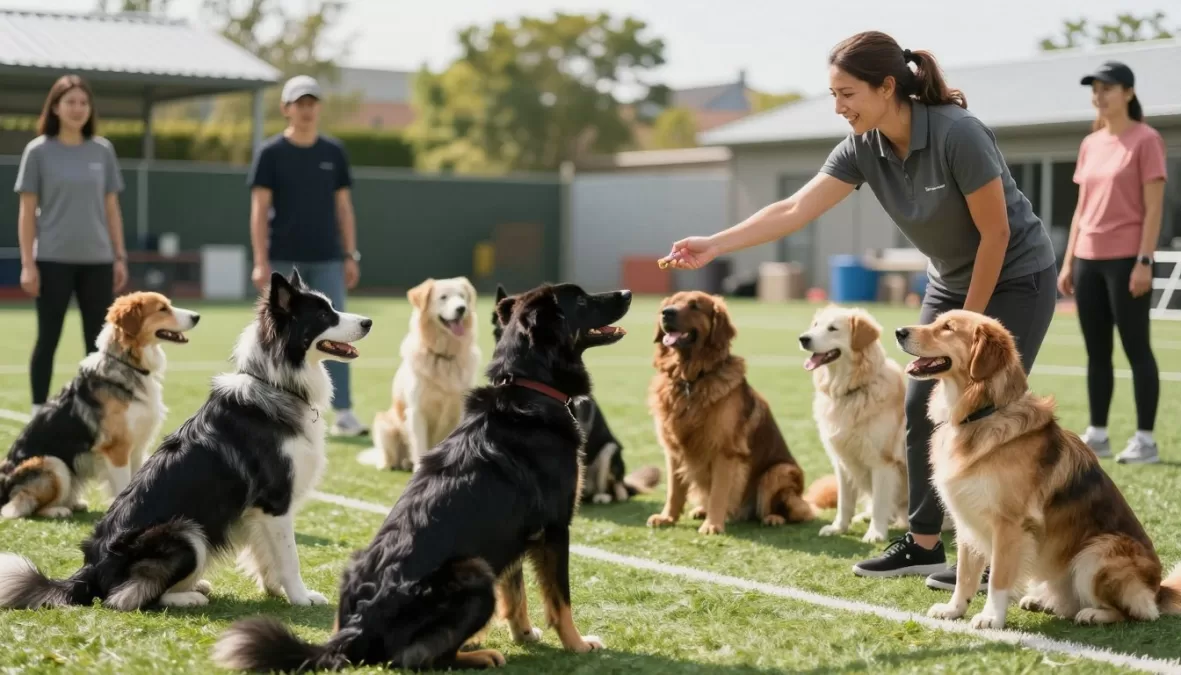
Proper training establishes the foundation for a harmonious relationship. Every dog breed benefits from structured learning. Start training the day you bring your puppy or dog home. Consistency produces the best results.
Starting Right with Puppies
Puppy socialization windows close quickly. Expose puppies to various experiences between 3 and 14 weeks of age. Introduce them to different people, animals, sounds, and environments. These early experiences shape adult behavior.
Enroll in puppy kindergarten classes. Professional instruction prevents common mistakes. Puppies learn basic manners while socializing with other dogs. The investment pays dividends throughout your dog’s life.
House training requires patience and consistency. Establish regular feeding and bathroom schedules. Reward successful outdoor elimination immediately. Never punish accidents. Positive reinforcement accelerates learning.
Basic Obedience Commands
Teach essential commands early. Sit, stay, come, down, and leave it provide safety and control. Practice these commands daily in short sessions. Five to ten minutes several times daily works better than long sessions.
Use high-value treats during training. Find what motivates your specific dog. Some prefer food rewards. Others respond better to toys or praise. Discover your dog’s currency and use it strategically.
- Positive reinforcement rewards
- Consistent command words
- Short, frequent training sessions
- Patience and calm demeanor
- High-value treat motivation
- Gradual difficulty increases
- Immediate reward timing
Effective Training Methods
- Physical punishment or corrections
- Yelling or harsh tones
- Inconsistent rules or commands
- Long, boring training sessions
- Negative reinforcement focus
- Expecting too much too soon
- Training when frustrated
Methods to Avoid
Addressing Behavioral Issues
Behavioral problems often stem from unmet needs. Excessive barking, destructive chewing, or aggression signal underlying issues. Identify the root cause before addressing symptoms. Insufficient exercise, boredom, or anxiety commonly trigger problems.
Seek professional help for serious behavioral issues. Certified dog trainers and veterinary behaviorists provide expert guidance. Don’t wait for problems to escalate. Early intervention produces better outcomes.
Continuing Education
Training doesn’t end after basic obedience. Advanced classes keep dogs mentally stimulated. Trick training, agility, nose work, and other activities strengthen bonds. They provide purpose and enrichment beyond basic commands.
Practice commands throughout your dog’s life. Skills deteriorate without reinforcement. Regular training sessions maintain responsiveness. They also provide quality bonding time with your companion.
Why These Breeds Dominate 2026
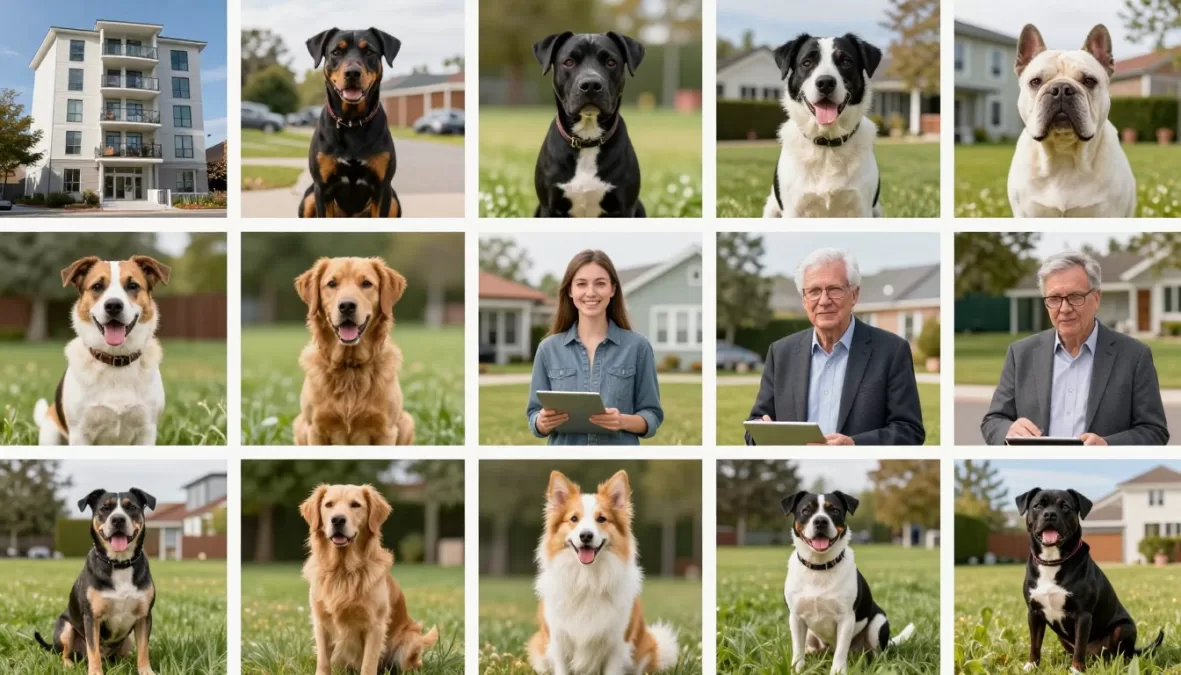
The top dog breeds 2026 reflect significant shifts in how people live and work. Remote work arrangements changed pet ownership dynamics. People spent more time at home, influencing breed preferences. Smaller living spaces in urban areas also impacted choices.
Lifestyle Compatibility
Modern pet parents prioritize lifestyle compatibility. They choose breeds matching their activity levels and living situations. The popularity of French Bulldogs and Bulldogs stems from their apartment suitability. These breeds thrive in smaller spaces without extensive exercise needs.
Active individuals still prefer Labrador Retrievers and Golden Retrievers. These breeds adapt to outdoor lifestyles and active families. Their versatility keeps them consistently popular across different demographics.
Health and Longevity Focus
Growing awareness of genetic health issues influences breed choices. Pet parents research hereditary conditions before selecting breeds. The rise of the Indian Pariah Dog demonstrates this trend. Their natural genetic diversity appeals to health-conscious owners.
Lower veterinary costs also factor into decisions. Breeds with fewer health issues save money long-term. This practical consideration grows increasingly important as veterinary care costs rise.
Social Media Influence
Social media significantly impacts breed popularity. Photogenic breeds gain followers and fame. French Bulldogs and Poodles dominate Instagram and TikTok. Their appealing appearance drives demand among younger pet parents.
However, responsible ownership matters more than trends. Choose breeds based on genuine compatibility. Social media popularity shouldn’t override practical considerations. Your lifestyle and capabilities should guide your decision.
“The best dog breed isn’t determined by popularity rankings. It’s the one that fits seamlessly into your life, matches your energy level, and brings you joy every single day. Research thoroughly, be honest about your capabilities, and choose with your head and heart.”
Preparing Your Home for a New Dog
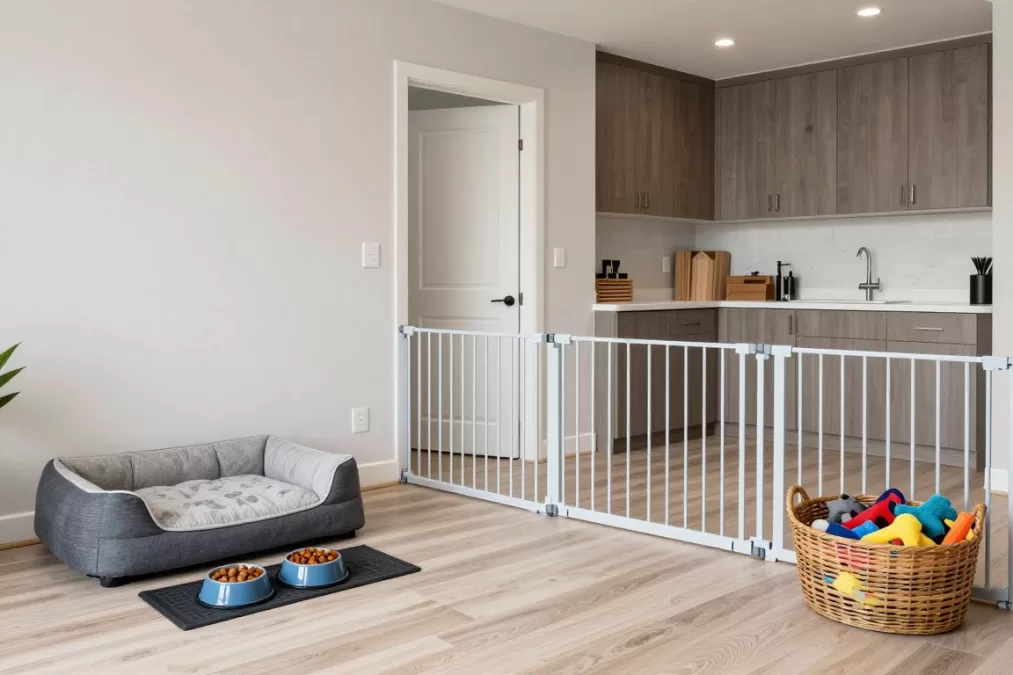
Bringing home a new dog requires preparation. Create a safe, welcoming environment before arrival day. Proper setup prevents accidents and helps your new companion adjust smoothly.
Essential Supplies Checklist
Stock up on necessary items before bringing your dog home. Quality supplies make care easier and keep pets comfortable. Don’t wait until after arrival to shop for essentials.
- Food and water bowls (stainless steel recommended)
- High-quality dog food appropriate for age and size
- Collar with ID tags and leash
- Comfortable bed or crate with bedding
- Age-appropriate toys for mental stimulation
- Grooming supplies (brush, nail clippers, shampoo)
- Cleaning supplies for accidents
- First aid kit for pets
Safety Measures
Puppy-proof your home like you would for a toddler. Remove toxic plants, secure electrical cords, and store chemicals safely. Small objects that could be swallowed need securing. Trash cans should have secure lids.
Install baby gates to restrict access to certain areas. This helps with house training and keeps dogs safe. Designate a specific area as your dog’s space. Dogs appreciate having their own territory.
Establishing Routines
Dogs thrive on predictable routines. Establish feeding times, walk schedules, and play periods immediately. Consistency helps dogs adjust and reduces anxiety. Stick to routines even on weekends.
Create a bathroom schedule for house training. Take puppies out first thing in the morning, after meals, after play, and before bed. Adult dogs need at least three to four bathroom breaks daily. More frequent trips accelerate house training success.
Ready to Welcome Your Perfect Companion?
Our breed specialists are here to help you make the best decision. Whether you have questions about specific breeds, need help preparing your home, or want guidance on finding reputable breeders or rescues, we’re here for you.
Available Monday-Saturday, 9 AM – 6 PM EST
Finding Your Perfect Match Among Top Dog Breeds 2026

The top 10 dog breeds 2026 offer something for everyone. From the loyal Labrador Retriever to the resilient Indian Pariah Dog, each breed brings unique qualities. Your perfect companion exists within these rankings or beyond them.
Success in dog ownership starts with honest self-assessment. Consider your lifestyle, living space, and time availability carefully. The most popular dog breed isn’t necessarily the right one for you. Personal compatibility matters more than rankings.
Research thoroughly before making this important decision. Visit breeders or rescue organizations. Spend time with different breeds. Ask questions and observe temperaments. This preparation ensures a successful, lasting relationship.
Remember that any dog requires commitment. They need love, time, training, and proper care. The rewards of dog ownership far exceed the responsibilities. These loyal companions enrich lives in countless ways.
Whether you choose a playful Beagle, elegant Poodle, or protective German Shepherd, prepare for years of companionship. The bond between humans and dogs remains one of life’s greatest joys. Choose wisely, prepare thoroughly, and embrace the journey ahead.
Your perfect dog is waiting. Use the insights from this guide to make an informed decision. The top dog breeds 2026 represent proven companions across different lifestyles. Find the one that speaks to your heart and fits your life. The adventure of pet parenthood begins with this important choice.

Priyanka Pandey
Senior Research Editor · Top10Sense
Priyanka specializes in tech, consumer products, and digital trends. She combines hands-on testing, vendor interviews, and database research to create trustworthy “Top 10” rankings. Her work has been referenced by industry blogs and brand report pages.