
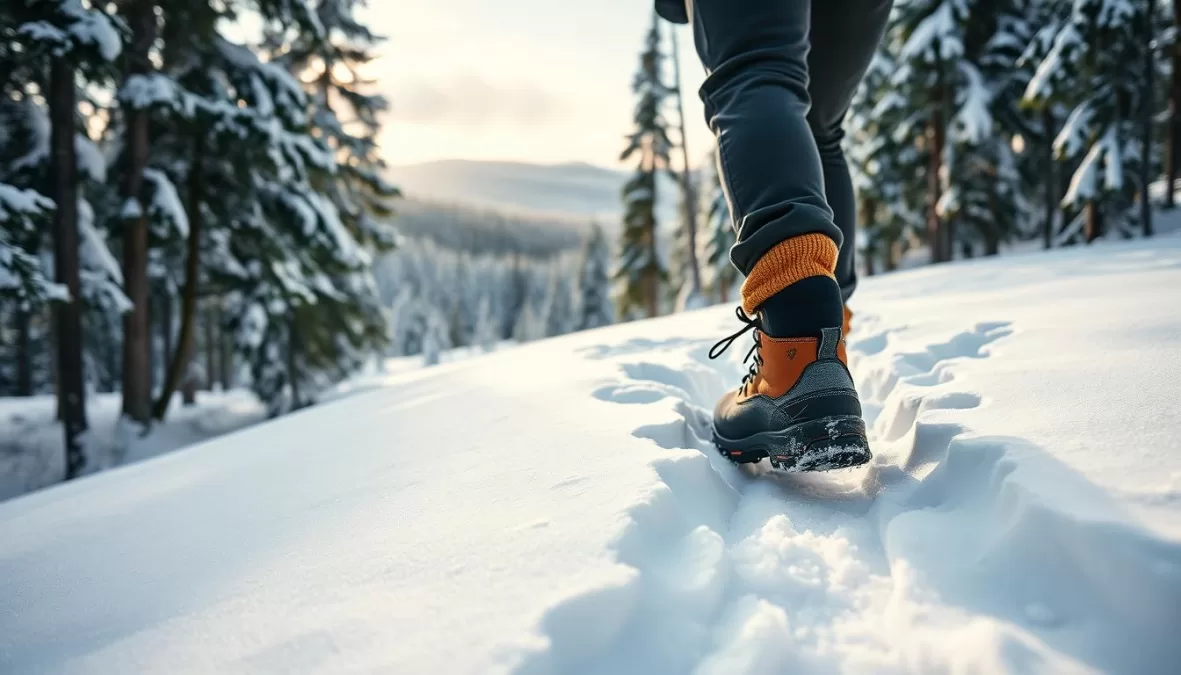
When winter strikes with its full force, the right pair of boots becomes your most essential gear. The best winter boots for men don’t just keep your feet warm—they provide crucial protection against moisture, ice, and snow while delivering the comfort and support needed for everything from urban commutes to backcountry adventures. With 2025’s latest innovations in insulation technology, waterproofing, and traction systems, this season’s offerings deliver impressive performance across all winter conditions.
Whether you’re battling sub-zero temperatures, navigating icy sidewalks, or trekking through deep powder, our comprehensive guide cuts through the marketing hype to identify truly exceptional winter boots that deliver on their promises. We’ve tested dozens of models across varied winter conditions to bring you this definitive list of the top 10 winter boots for men in 2025, with options for every budget, activity, and style preference.
Winter Boot Buying Guide: What to Look For in 2025
Before diving into our top picks, understanding the key features that make a great winter boot will help you make an informed decision. The perfect winter boot balances several crucial elements that work together to keep your feet protected, comfortable, and warm in challenging conditions.
Key Features to Consider
Waterproofing
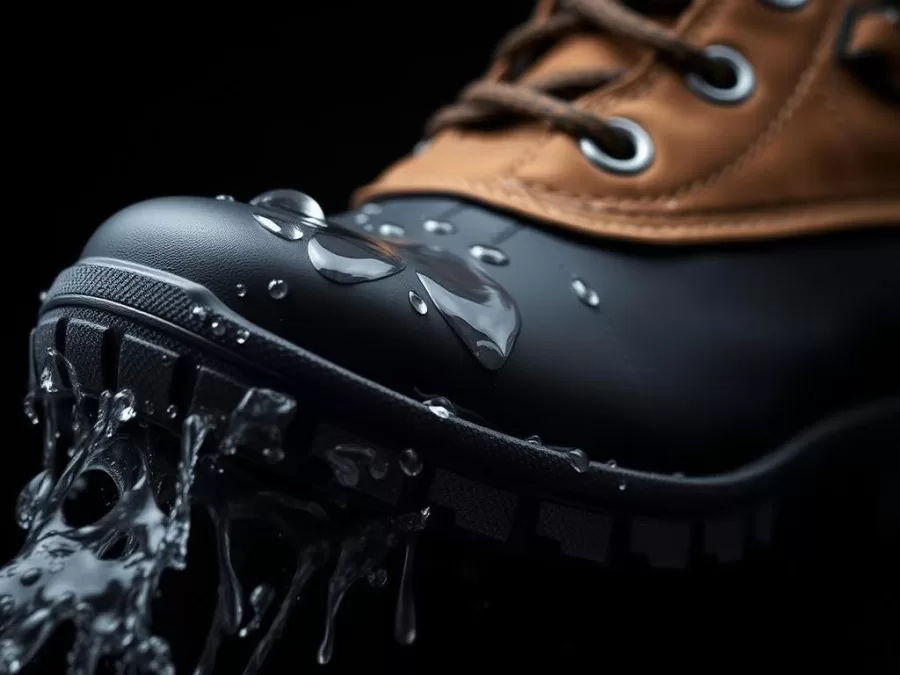
Effective waterproofing is non-negotiable for winter boots. Look for boots with waterproof membranes like GORE-TEX, proprietary systems (such as Oboz B-DRY or The North Face DryVent), or naturally water-resistant materials like treated leather and rubber. The best boots combine waterproof materials with sealed seams and gusseted tongues to create a complete barrier against moisture.
Insulation
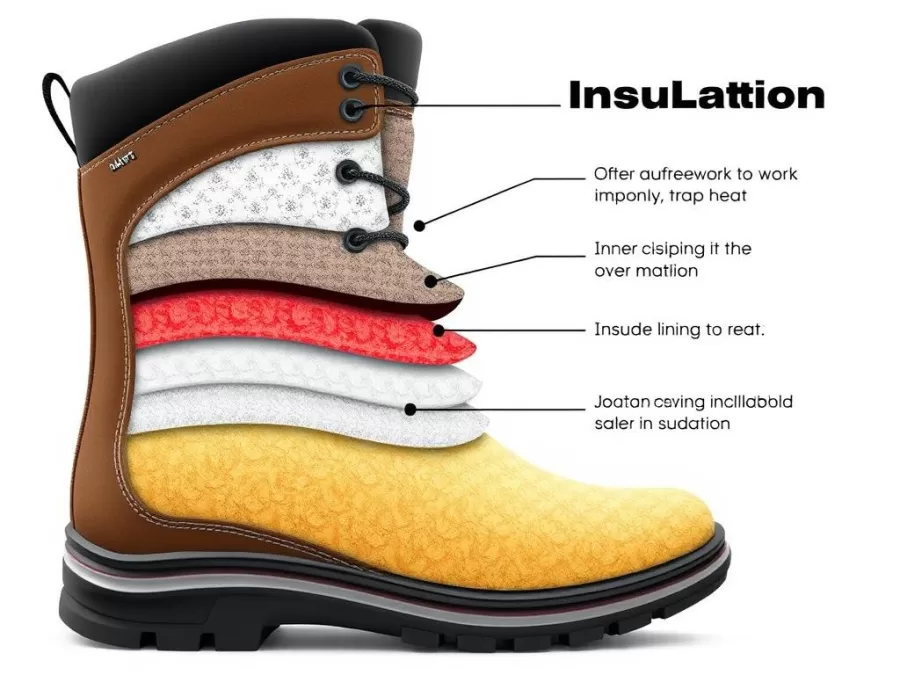
Modern winter boots use various insulation types to trap body heat. Synthetic insulation (like Thinsulate, PrimaLoft, or brand-specific technologies) is measured in grams, with higher numbers indicating greater warmth. For extreme cold, look for 400g insulation or higher. Some boots use natural materials like wool or shearling, which provide excellent warmth even when slightly damp. For 2025, many manufacturers have introduced recycled and sustainable insulation options without compromising performance.
Traction
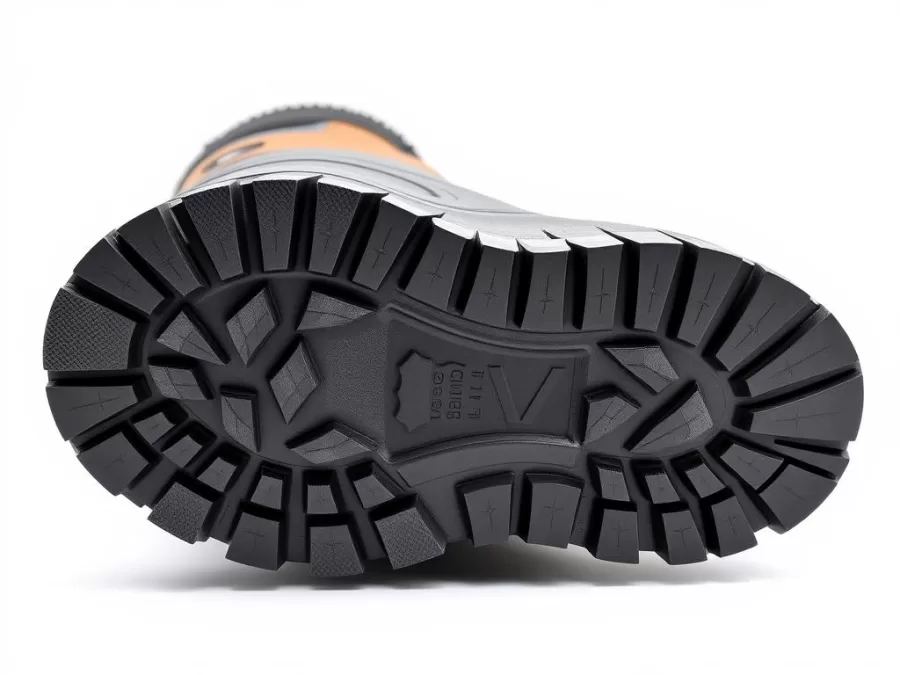
Winter conditions demand superior grip. The best winter boots feature specialized rubber compounds that remain flexible in cold temperatures and aggressive lug patterns designed specifically for snow and ice. Some premium models incorporate technologies like Vibram Arctic Grip or IceTrek, which provide exceptional traction on wet ice—a game-changer for winter safety. When evaluating traction, consider both the depth and pattern of the lugs as well as the rubber compound used.
Materials and Construction
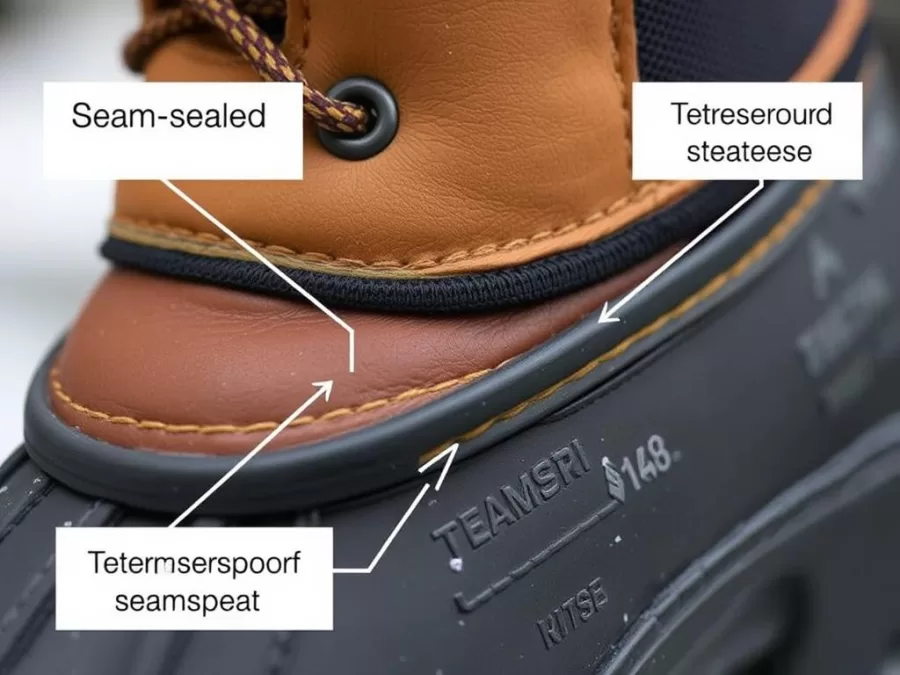
Durable materials are essential for withstanding harsh winter conditions. Full-grain leather offers excellent durability and some natural water resistance, while synthetic materials can reduce weight. Rubber components, particularly around the foot, provide superior waterproofing. Seam-sealed construction prevents water from penetrating stitching points. For 2025, many manufacturers have improved the integration of different materials to optimize the balance between protection, weight, and flexibility.
Different Types of Winter Boots
Hiking Winter Boots
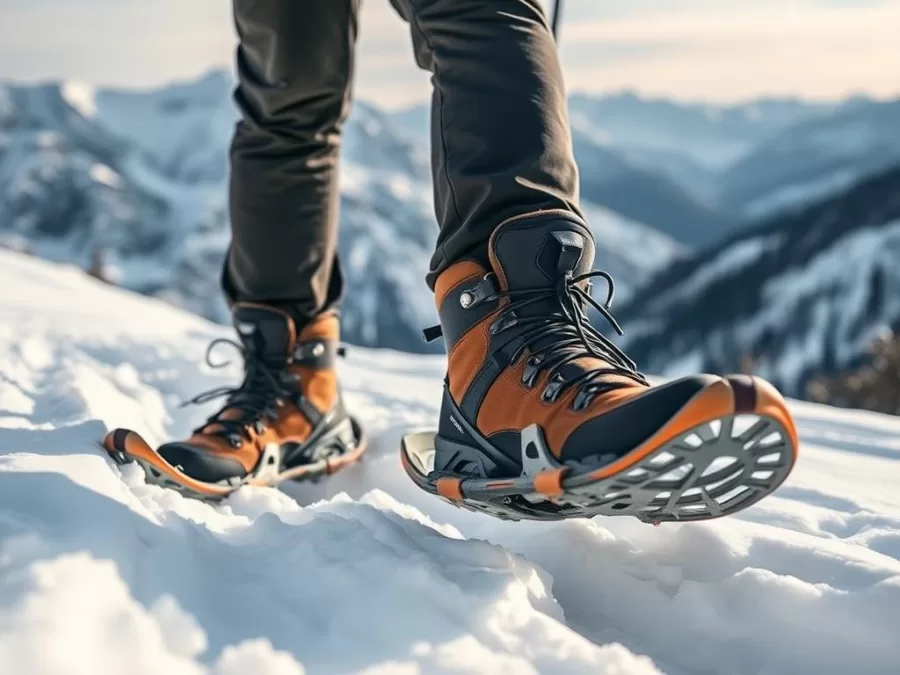
Designed for active winter use on trails, these boots prioritize support, traction, and comfort during movement. They typically feature a more athletic fit, supportive midsoles, and aggressive outsoles. While still insulated, they may offer moderate rather than extreme warmth to prevent overheating during activity. These boots excel for winter hiking, snowshoeing, and active outdoor pursuits.
Work/Utility Winter Boots
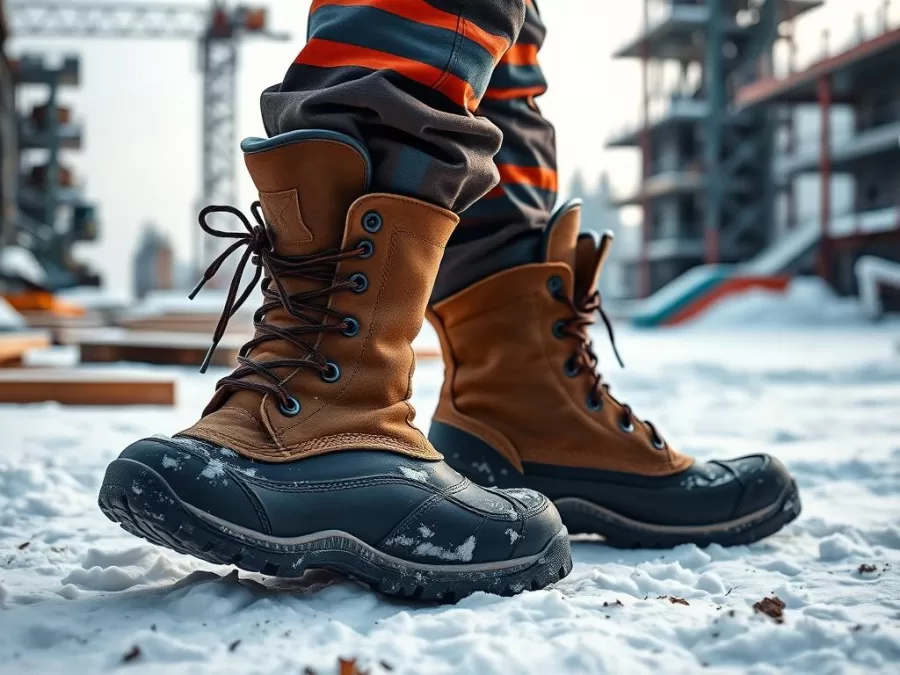
Built for those who work outdoors or need maximum protection, these boots emphasize durability, insulation, and weatherproofing. They typically feature taller heights, reinforced toes, and heavy-duty construction. These boots prioritize function over weight considerations and often incorporate safety features like slip resistance and electrical hazard protection. Ideal for construction, outdoor maintenance, and extended time in harsh conditions.
Casual/Fashion Winter Boots
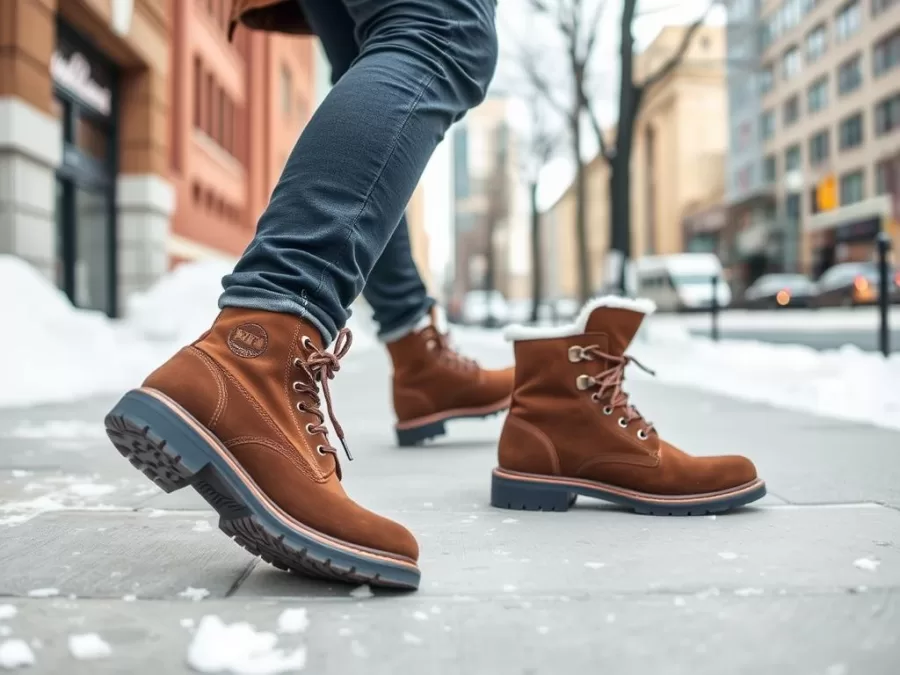
These boots balance winter protection with everyday style for urban environments. While still offering insulation and water resistance, they feature more refined aesthetics suitable for office commutes and social occasions. Modern casual winter boots have significantly improved their technical performance while maintaining stylish designs. Perfect for city dwellers who need winter protection without the bulk and technical appearance of other categories.
Sizing and Fit Considerations
Finding the right fit is crucial for winter boot performance. Consider these factors when selecting your size:
- Most winter boots run true to size but are designed to accommodate thicker socks. If you plan to wear heavyweight winter socks, your regular shoe size should work well.
- Look for boots with a roomy toe box that allows for toe movement, which helps maintain circulation and warmth.
- The heel should feel secure with minimal slippage to prevent blisters and maintain stability.
- Try boots on later in the day when your feet are naturally more swollen, similar to how they might respond in cold weather.
- If you have wide feet, seek out brands that offer wide sizing options like Keen or specific wide-fit models.
For the most accurate fit:
- Wear the socks you plan to use with your winter boots when trying them on.
- Walk around to ensure there’s no uncomfortable rubbing or pressure points.
- Check that you have about a thumb’s width of space between your longest toe and the boot’s end.
- Make sure the boot flexes where your foot naturally bends to avoid discomfort during walking.
- Consider the closure system—laces offer the most adjustability for different foot shapes and sock thicknesses.
Price Ranges and Value
Budget ($80-$150)
Boots in this range offer basic winter protection with adequate insulation and water resistance. They may use simpler materials and construction but can still perform well for occasional use in moderate winter conditions. While they might lack the durability and advanced features of pricier options, several models deliver impressive value, particularly for those in milder winter climates or who need winter boots for limited use.
Mid-Range ($150-$220)
This sweet spot balances performance and value, offering significant improvements in durability, insulation quality, and traction. Most boots in this range feature reliable waterproofing systems, quality insulation, and specialized winter outsoles. For most users facing typical winter conditions, mid-range boots provide the best combination of performance and longevity without unnecessary premium features.
Premium ($220+)
Top-tier winter boots incorporate advanced technologies, premium materials, and specialized features for extreme conditions or specific activities. Expect superior craftsmanship, enhanced durability, and optimal performance in harsh environments. While the higher price point reflects genuine quality differences, these boots are primarily justified for those facing extreme conditions, requiring specialized performance, or prioritizing long-term durability.
Ready to Find Your Perfect Winter Boots?
Now that you understand what makes a great winter boot, explore our top 10 picks for 2025 below. Each selection has been thoroughly tested in real winter conditions to ensure they deliver the protection and performance you need.
Top 10 Winter Boots for Men 2025
After extensive testing in various winter conditions—from icy urban sidewalks to deep backcountry snow—we’ve identified the ten standout winter boots for men in 2025. Each selection excels in specific areas while providing reliable overall winter performance.
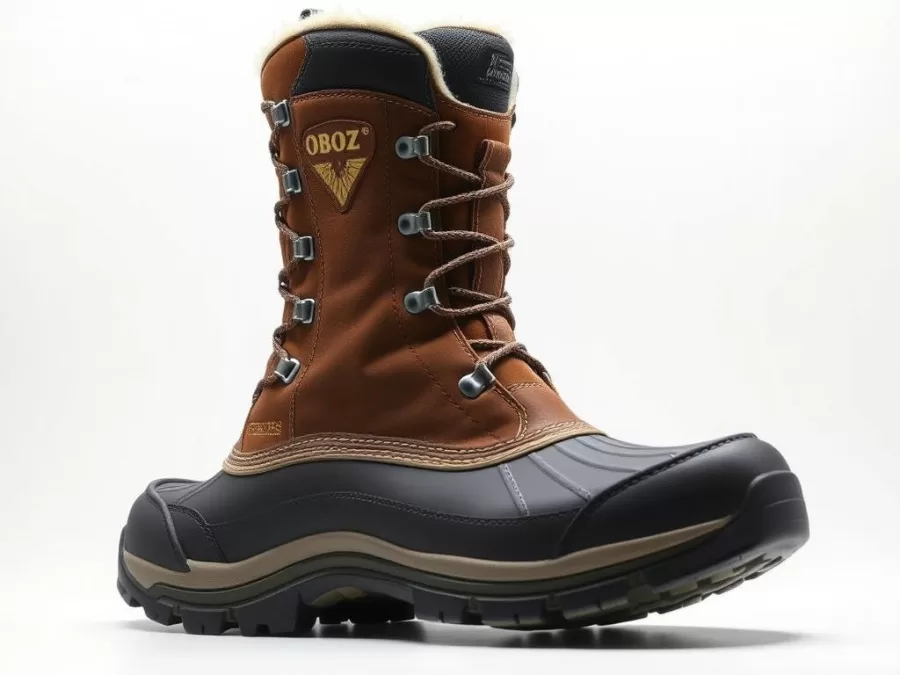
1. Oboz Bridger 10-Inch Insulated
Key Specifications
- Insulation: 400g Freeze Guard synthetic insulation
- Waterproofing: B-Dry waterproof membrane
- Height: 10 inches
- Weight: 2 lbs 6 oz (per boot)
- Temperature Rating: Suitable to -25°F
- Outsole: Proprietary Granite Peak winter rubber compound
Pros
- Exceptional balance of warmth, comfort, and support
- TPU chassis provides stability on uneven terrain
- Reliable waterproofing with sealed seams
- Surprisingly lightweight for its protection level
- Excellent traction on varied winter surfaces
Cons
- Premium price point
- Requires short break-in period
- Technical appearance may not appeal to everyone
- High cuff may feel restrictive for some users
The Oboz Bridger 10-Inch Insulated earns our top spot for 2025 by delivering exceptional all-around winter performance. This boot strikes the perfect balance between serious weather protection and all-day comfort, making it versatile enough for everything from winter hikes to everyday wear in harsh conditions.
What sets the Bridger apart is its thoughtful design that addresses the full spectrum of winter challenges. The 400g Freeze Guard insulation provides reliable warmth down to -25°F without excessive bulk, while the B-Dry waterproof membrane and sealed seams keep moisture out even during extended exposure to wet snow and slush. The TPU chassis delivers impressive stability on uneven terrain, and the winter-specific outsole pattern provides confident traction across varied surfaces.
During our testing, the Bridger excelled in both urban and trail environments. The supportive fit and cushioned insole made long walks comfortable, while the 10-inch height provided ample protection in deeper snow. Despite its rugged protection, the boot remains surprisingly lightweight and flexible enough for natural movement.
For 2025, Oboz has refined the insulation placement for improved temperature regulation and enhanced the outsole compound for better grip on ice. These updates further solidify the Bridger’s position as the most well-rounded winter boot available today.
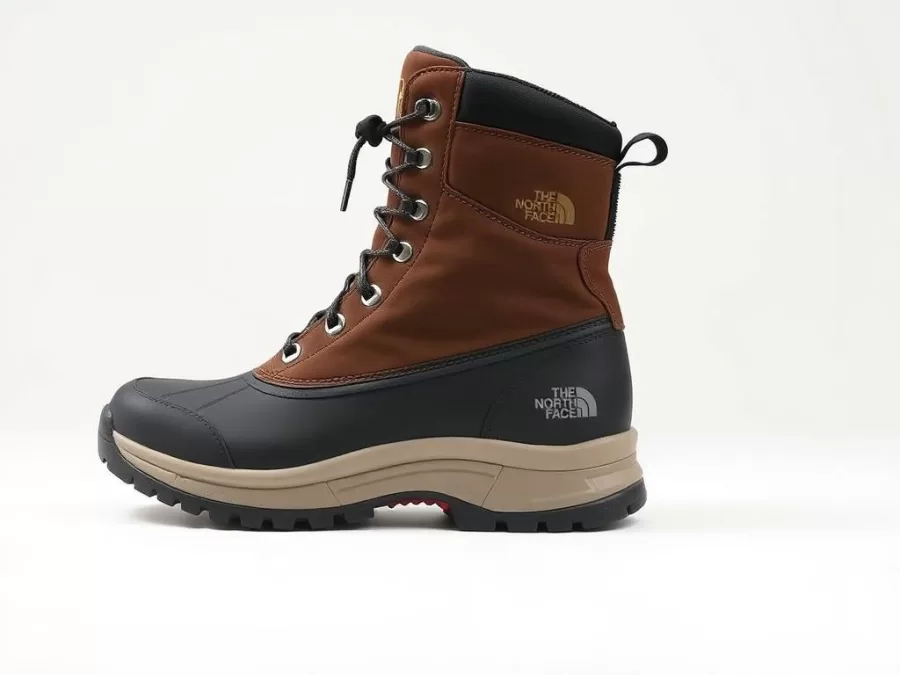
2. The North Face Chilkat V 400
Key Specifications
- Insulation: 400g Heatseeker Eco recycled synthetic insulation
- Waterproofing: DryVent waterproof membrane
- Height: 10.2 inches
- Weight: 3 lbs 2.3 oz (per boot)
- Temperature Rating: Suitable to -25°F
- Outsole: Winter Grip rubber compound with IcePick temperature-sensitive lugs
Pros
- Excellent value for the performance
- Warm 400g recycled insulation
- Durable TPU and leather upper construction
- Gaiter-compatible D-rings
- Heel clips for snowshoe compatibility
Cons
- Somewhat bulky forefoot affects agility
- Laces can loosen during extended wear
- Mesh tongue may allow moisture in extreme conditions
- Less refined fit than premium competitors
The North Face Chilkat V 400 earns our runner-up position by delivering reliable winter performance at a more accessible price point than our top pick. This boot checks all the essential boxes for winter protection while incorporating eco-friendly materials and thoughtful design features.
The Chilkat V 400 shines in its straightforward approach to winter protection. The 400g Heatseeker Eco insulation (made from recycled materials) provides substantial warmth for temperatures well below freezing, while the DryVent membrane offers dependable waterproofing for typical winter conditions. The durable upper combines TPU, suede, and full-grain leather for excellent durability and protection.
During testing, we found the Chilkat performed admirably across various winter scenarios. The temperature-sensitive lugs on the outsole provided good traction on snow and ice, though not quite matching our top pick’s grip on very slick surfaces. The boot’s comfort is adequate for moderate activities, with a flexible upper portion that allows for natural ankle movement despite the boot’s substantial build.
For 2025, The North Face has improved the Chilkat’s insulation distribution and enhanced the heel counter stability. These refinements, combined with its accessible price point and reliable performance, make it an excellent value option for those seeking serious winter protection without the premium price tag.
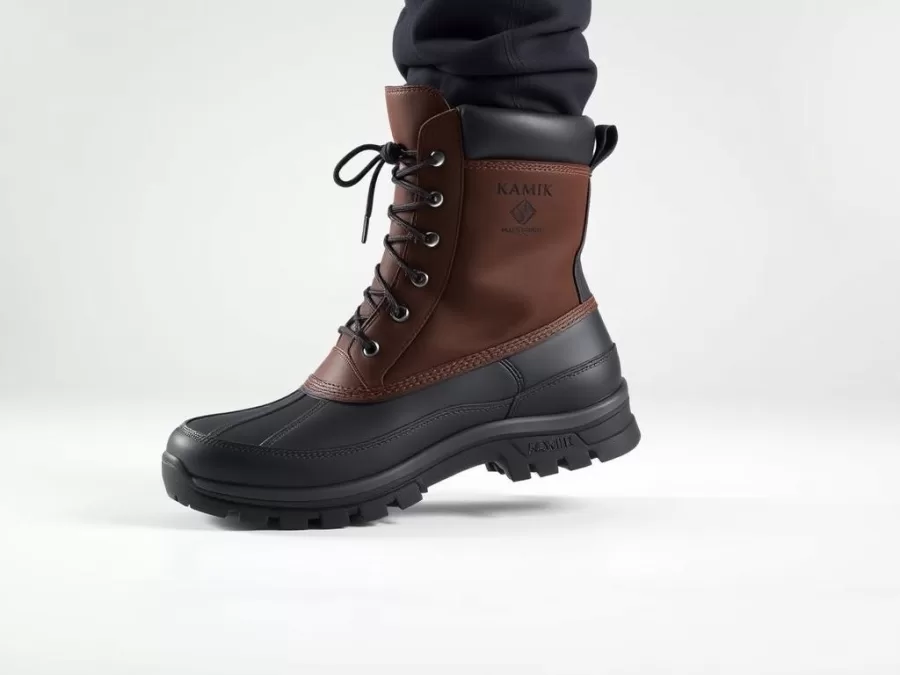
3. Kamik Nation Plus
Key Specifications
- Insulation: Removable 145g Heat-MX synthetic liner
- Waterproofing: Seam-sealed waterproof construction
- Height: 11.3 inches
- Weight: 3 lbs 9.6 oz (per boot)
- Temperature Rating: Suitable to -40°F
- Outsole: SNOWTREAD rubber compound
Pros
- Exceptional value at under $100
- Removable liner for drying and replacement
- Excellent waterproofing with rubber lower section
- Tall height provides good protection in deep snow
- Roomy fit accommodates thick socks
Cons
- Heavier than many competitors
- Bulky feel affects walking comfort
- Lacing system can be cumbersome
- Below-average traction on ice
- Looser fit may feel sloppy for some users
The Kamik Nation Plus stands out as our best budget pick for 2025, offering impressive cold-weather protection at a fraction of the price of premium competitors. This Canadian-made boot proves that effective winter footwear doesn’t have to break the bank.
What makes the Nation Plus remarkable is its straightforward approach to winter protection. The rubber lower section and leather upper provide excellent waterproofing, while the removable 145g synthetic liner delivers warmth rated to an impressive -40°F. The tall 11.3-inch height offers superior protection in deep snow conditions.
During our testing, the Nation Plus performed admirably in cold, snowy environments. The waterproofing proved exceptional, keeping feet completely dry even in slushy conditions. The warmth was impressive for the price point, with the removable liner adding versatility for different conditions and easy drying after use.
The main compromises come in walking comfort and precision. The boot has a somewhat loose, sloppy feel compared to more technical options, and the traction, while adequate in snow, struggles on ice. The lacing system, with its combination of eyelets and D-rings, is also less convenient than some competitors.
For 2025, Kamik has slightly improved the fit around the ankle and enhanced the durability of the liner. These refinements make an already strong value proposition even better for those seeking reliable winter protection on a budget.
4. Baffin Snow Monster
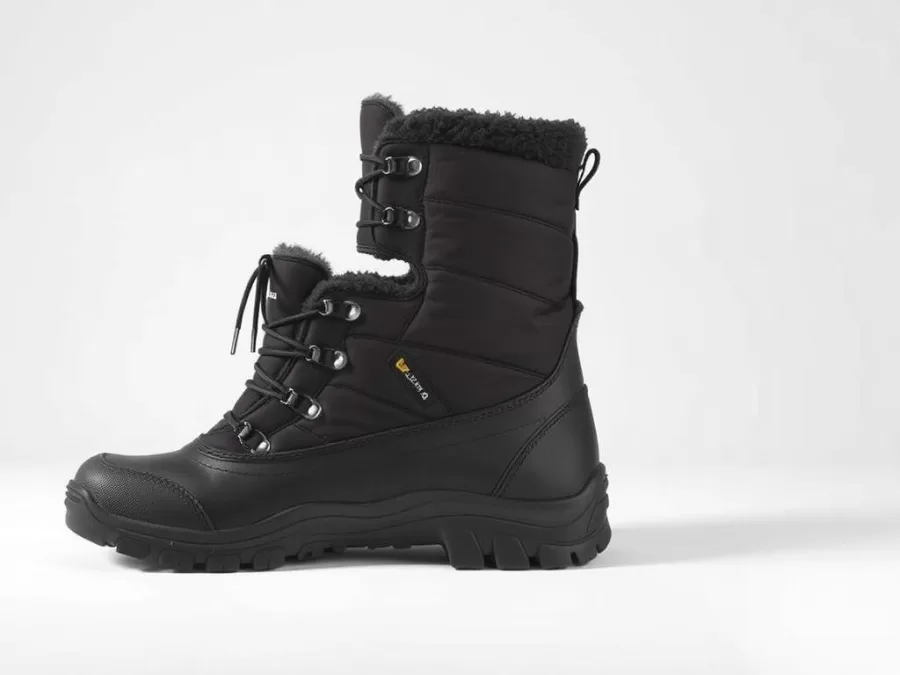
Key Specifications
- Insulation: Multi-layer B-Tek Heat insulation system
- Waterproofing: B-Tek Dry waterproof base
- Height: 11.75 inches
- Weight: 6 lbs 6.4 oz (pair)
- Temperature Rating: Suitable to -49°F
- Outsole: Arctic Rubber with IcePaw technology
Pros
- Exceptional warmth for extreme cold conditions
- Multi-layer insulation system with thermal footbed
- Surprisingly comfortable given its substantial build
- Excellent traction on snow and ice
- Durable construction built for harsh environments
Cons
- Heaviest boot in our lineup
- Premium price point
- Too warm for moderate winter conditions
- Not fully waterproof above the rubber section
- Bulky design limits mobility for active use
The Baffin Snow Monster earns our top recommendation for extreme cold conditions, delivering exceptional warmth for the harshest winter environments. This purpose-built boot excels where temperatures plummet well below zero and protection becomes paramount.
What sets the Snow Monster apart is its sophisticated multi-layer insulation system. Rather than relying on a single type of insulation, Baffin combines different thermal technologies—including a heat-reflective aluminum membrane, multiple insulation layers, and a honeycomb footbed that traps warm air—to create a thermal barrier rated to an impressive -49°F.
During our extreme cold testing, the Snow Monster lived up to its claims, keeping feet remarkably comfortable in temperatures that would overwhelm most winter boots. The traction proved excellent on snow and ice, with the IcePaw technology providing confident grip even on slick surfaces.
The tradeoff for this exceptional warmth is weight and bulk. At over 6 pounds per pair, these are the heaviest boots in our lineup, and the substantial build limits mobility for active pursuits. The Snow Monster is designed for stationary activities or short distances in extreme cold rather than extended hiking.
For 2025, Baffin has slightly refined the fit around the ankle and improved the durability of the insulation layers. While the Snow Monster is overkill for most winter conditions, it remains the definitive choice for those facing truly frigid environments.
5. Danner Vital Insulated
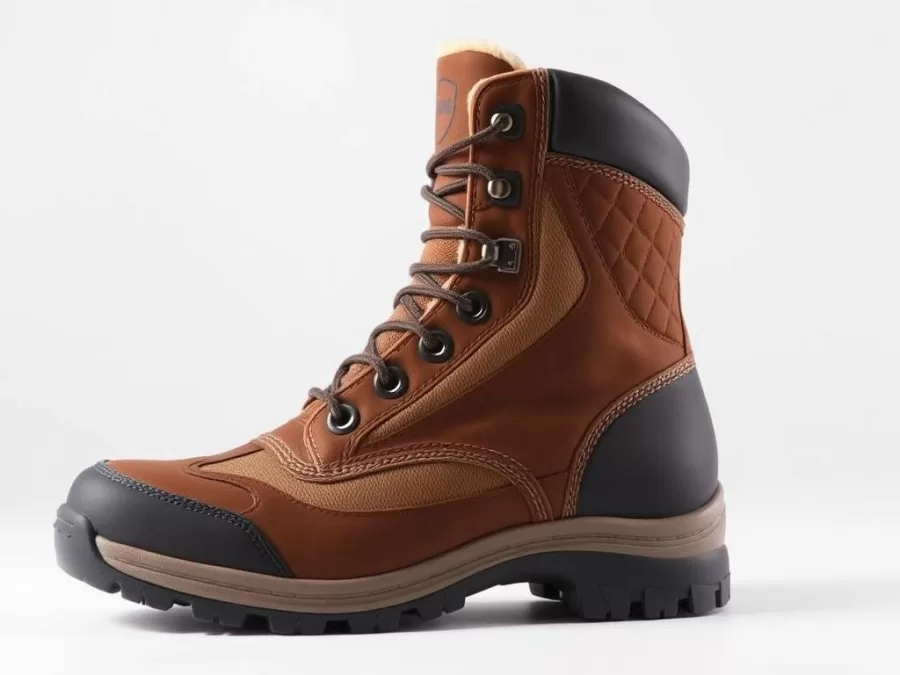
Key Specifications
- Insulation: 400g Thinsulate Ultra insulation
- Waterproofing: Danner Dry waterproof membrane
- Height: 8 inches
- Weight: 3 lbs 2 oz (pair)
- Temperature Rating: Suitable to -20°F during activity
- Outsole: Danner Vital outsole with multi-directional lugs
Pros
- Superior walking comfort and trail performance
- Excellent stability with nylon shank
- True-to-size fit with room for winter socks
- Lightweight for the warmth and protection offered
- No break-in period required
Cons
- Lower height offers less protection in deep snow
- Time-consuming lacing system
- Not warm enough for stationary activities in extreme cold
- Medium-deep lugs can slip on packed, icy surfaces
The Danner Vital Insulated earns our recommendation as the best boot for winter hiking, combining the support and agility of a hiking boot with the insulation and protection needed for cold-weather trails. This thoughtfully designed hybrid excels for active winter pursuits.
What distinguishes the Vital from other winter boots is its exceptional walking comfort and trail performance. The boot features a supportive midsole with a nylon shank that provides stability without sacrificing flexibility, while the athletic fit delivers precise control on uneven terrain. The 400g Thinsulate Ultra insulation provides sufficient warmth for active use in cold conditions without causing overheating during exertion.
During our trail testing, the Vital impressed with its natural stride and hiking boot-like performance. The Danner Dry waterproof membrane kept feet dry through snow, slush, and shallow stream crossings, while the multi-directional lug pattern provided reliable traction on most winter surfaces. The 8-inch height strikes a good balance between protection and mobility.
The main limitations appear in extreme conditions. The moderate height offers less protection in very deep snow, and the insulation, while adequate for active use, isn’t sufficient for stationary activities in severe cold. The lacing system, with its five sets of eyelets, also takes longer to secure than some competitors.
For 2025, Danner has improved the outsole compound for better grip on icy surfaces and enhanced the collar comfort. These refinements make the Vital an even more compelling option for those who prioritize on-trail performance in their winter footwear.
6. Muck Boot Arctic Ice Tall
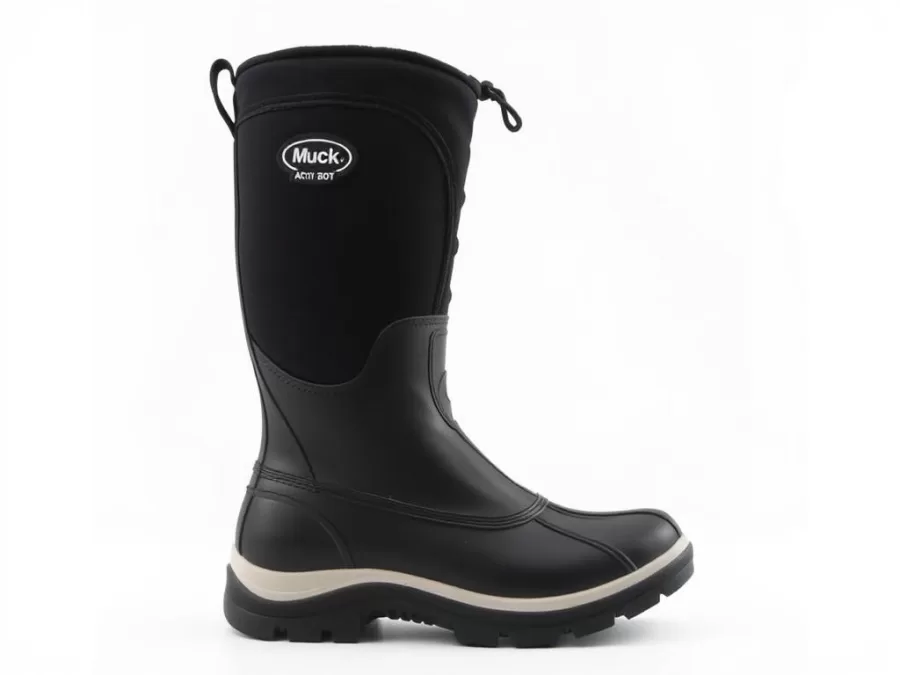
Key Specifications
- Insulation: 5mm neoprene with fleece lining
- Waterproofing: 100% waterproof rubber construction
- Height: 15 inches
- Weight: 6 lbs (pair)
- Temperature Rating: Suitable to -40°F
- Outsole: Vibram Arctic Grip with multi-directional lugs
Pros
- Unmatched waterproofing performance
- Exceptional traction on ice with Vibram Arctic Grip
- Easy slip-on design with no laces
- Extremely durable construction
- Tall height provides maximum protection
Cons
- Heavy and somewhat cumbersome
- Limited walking comfort for long distances
- Less breathable than fabric boots
- Not ideal for driving or precise movements
- Utilitarian appearance
The Muck Boot Arctic Ice Tall earns our recommendation for best waterproofing, offering uncompromising protection in wet, slushy winter conditions. This purpose-built boot excels where moisture management is the primary concern.
What distinguishes the Arctic Ice is its bombproof approach to waterproofing. The seamless rubber construction provides 100% waterproof protection up to the 15-inch height, while the 5mm neoprene upper with fleece lining adds insulation and flexibility. The Vibram Arctic Grip outsole delivers best-in-class traction on wet ice—a significant safety advantage in freezing rain or partial thaw conditions.
During our testing in sloppy winter conditions, the Arctic Ice proved impenetrable to moisture. The tall height allowed for wading through deep slush and snow without any concern for leakage, while the specialized outsole provided confident footing on the slickest surfaces we encountered. The insulation proved adequate for moderate cold, though not as warm as dedicated extreme cold boots.
The tradeoffs come in weight and agility. At 6 pounds per pair, these boots are among the heaviest in our lineup, and the rubber construction limits flexibility for walking long distances. The design prioritizes function over fashion, with a distinctly utilitarian appearance.
For 2025, Muck Boot has improved the fit around the calf and enhanced the comfort of the fleece lining. For those who prioritize absolute waterproof protection and superior traction on ice, the Arctic Ice Tall remains the definitive choice.
7. Blundstone All-Terrain Thermal
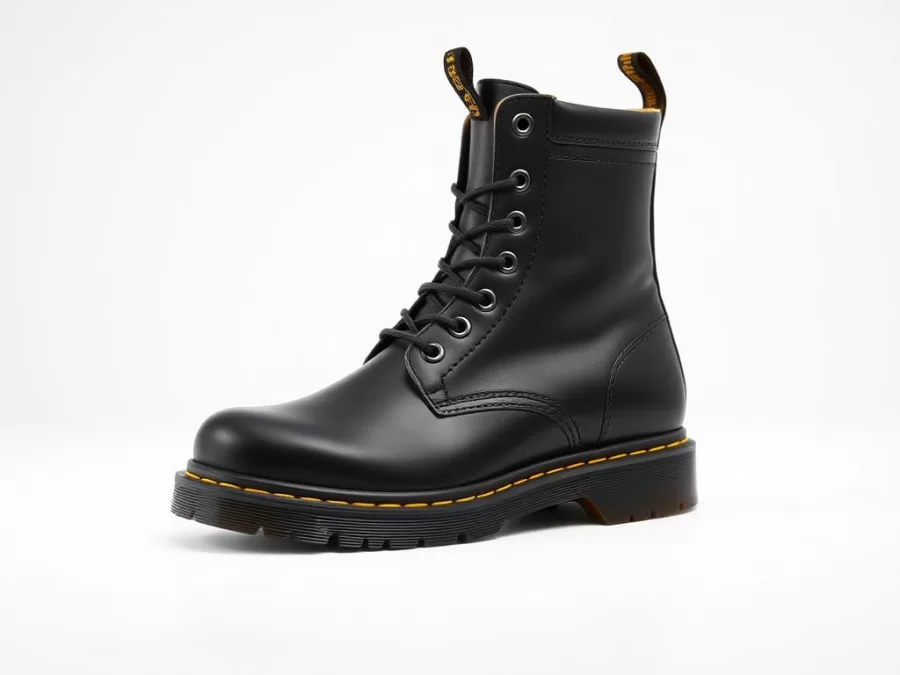
Key Specifications
- Insulation: 200g Thinsulate insulation with sheepskin footbed
- Waterproofing: Water-resistant leather treatment
- Height: 6 inches
- Weight: 2 lbs 7 oz (pair)
- Temperature Rating: Suitable to 20°F
- Outsole: Vibram rubber with low-profile lugs
Pros
- Stylish design works well for casual and office settings
- Easy slip-on design with no laces
- Premium leather construction with excellent durability
- Comfortable sheepskin footbed
- Lightweight compared to most winter boots
Cons
- Limited insulation for severe cold
- Shallow lugs provide minimal traction on ice
- Not fully waterproof without additional treatment
- Low height offers minimal protection in deep snow
- Premium price point
The Blundstone All-Terrain Thermal earns our recommendation as the best slip-on winter boot, offering a stylish alternative to traditional winter footwear. This Australian-designed Chelsea boot balances winter functionality with versatile aesthetics.
What sets the All-Terrain Thermal apart is its refined approach to winter protection. Rather than the bulky construction typical of winter boots, Blundstone offers a sleek silhouette with targeted winterization. The premium leather upper receives a water-resistant treatment, while 200g Thinsulate insulation and a sheepskin footbed provide moderate warmth. The slip-on design with elastic side panels makes it exceptionally convenient for daily use.
During our urban testing, the All-Terrain Thermal performed admirably in moderate winter conditions. The boots proved comfortable for all-day wear, with the sheepskin footbed providing excellent underfoot comfort. The water resistance handled light snow and brief exposure to slush without issue, though it’s not designed for extended exposure to wet conditions.
The limitations become apparent in more severe winter environments. The moderate insulation isn’t sufficient for extended exposure to temperatures well below freezing, and the low-profile lugs provide minimal traction on ice. The 6-inch height also offers limited protection in deeper snow.
For 2025, Blundstone has improved the water resistance of the leather and enhanced the durability of the elastic side panels. For those seeking a stylish, convenient winter boot for urban environments and moderate conditions, the All-Terrain Thermal offers a compelling blend of function and fashion.
8. UGG Butte
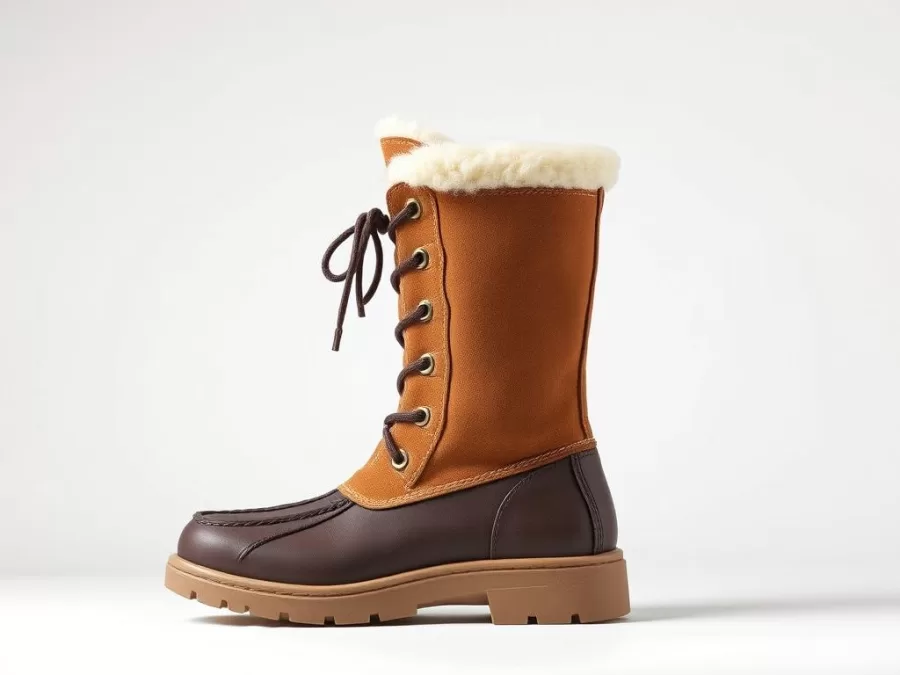
Key Specifications
- Insulation: 17mm UGGpure wool blend lining
- Waterproofing: Waterproof leather with sealed seams
- Height: 8.5 inches
- Weight: 2 lbs 10 oz (pair)
- Temperature Rating: Suitable to -20°F
- Outsole: Vibram outsole with moderate lugs
Pros
- Exceptionally comfortable wool lining
- Stylish design with foldable cuff option
- Good warmth-to-weight ratio
- Premium materials and construction
- Versatile for various winter settings
Cons
- Wool cuff absorbs moisture when exposed
- Limited ankle support
- Moderate traction on ice
- Premium price point
- Laces may loosen during extended wear
The UGG Butte earns our recommendation as the most stylish winter boot, combining UGG’s signature comfort with practical winter functionality. This fashion-forward option delivers surprisingly capable performance alongside its refined aesthetics.
What distinguishes the Butte is its luxurious approach to winter comfort. The 17mm UGGpure wool blend lining provides excellent warmth and exceptional next-to-skin comfort, while the waterproof leather upper with sealed seams offers reliable protection from moisture. The foldable cuff design allows for versatile styling options, transitioning easily between different looks and environments.
During our urban testing, the Butte impressed with its comfort and versatility. The wool lining provided immediate warmth without the stiff break-in period common to many winter boots. The waterproofing proved effective for typical winter conditions, handling light snow and brief slush exposure without issue. The moderate weight and flexible construction allowed for comfortable all-day wear.
The limitations emerge in more technical winter environments. The ankle support is minimal compared to hiking-oriented winter boots, and the traction, while adequate for urban surfaces, isn’t optimized for ice. The exposed wool cuff can also absorb moisture when in direct contact with snow.
For 2025, UGG has improved the durability of the wool lining and enhanced the water resistance of the leather upper. For those seeking a stylish winter boot that doesn’t compromise on essential functionality, the Butte offers a compelling blend of fashion and performance.
9. Merrell Thermo Chill 2 Mid
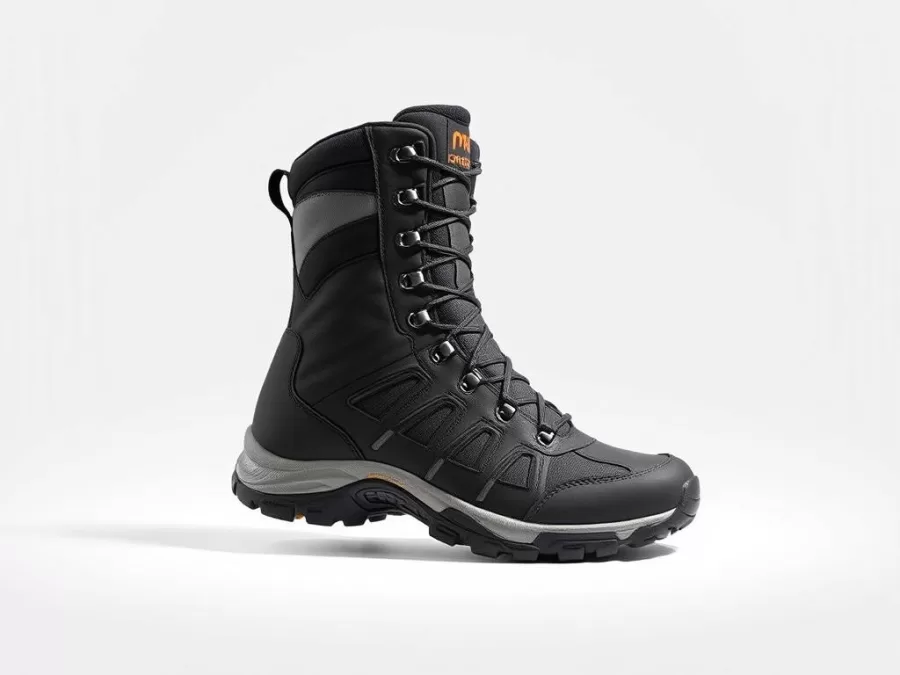
Key Specifications
- Insulation: 200g M Select WARM insulation
- Waterproofing: M Select DRY waterproof membrane
- Height: 6 inches
- Weight: 2 lbs 2 oz (pair)
- Temperature Rating: Suitable to -10°F during activity
- Outsole: M Select GRIP with Arctic Grip technology
Pros
- Exceptionally lightweight and nimble
- Superior walking comfort and flexibility
- Good traction on varied surfaces
- No break-in period required
- Excellent value for the performance
Cons
- Moderate insulation not ideal for extreme cold
- Lower height offers less protection in deep snow
- Less durable than heavier options
- Not as supportive for carrying heavy loads
The Merrell Thermo Chill 2 Mid earns our recommendation as the best lightweight winter boot, offering exceptional agility without sacrificing essential winter protection. This nimble option excels for active winter use where mobility is a priority.
What distinguishes the Thermo Chill 2 is its remarkable weight-to-performance ratio. At just over 2 pounds per pair, it’s significantly lighter than most winter boots while still providing 200g insulation, reliable waterproofing, and winter-specific traction. The athletic fit and flexible construction deliver a natural stride more reminiscent of a hiking shoe than a traditional winter boot.
During our active testing, the Thermo Chill 2 impressed with its versatility and comfort. The boot required no break-in period, providing immediate comfort for winter walks and light hikes. The M Select DRY membrane effectively kept moisture out during snow exposure and slush crossings, while the Arctic Grip technology in the outsole provided confident traction on most winter surfaces.
The tradeoffs come in extreme conditions and long-term durability. The moderate insulation is sufficient for active use in cold conditions but not ideal for stationary activities in severe cold. The 6-inch height also offers less protection in deep snow than taller options. The lightweight materials, while comfortable, may not match the durability of heavier, more robust boots.
For 2025, Merrell has improved the lacing system durability and enhanced the collar comfort. For those who prioritize agility and comfort for active winter use, the Thermo Chill 2 Mid offers an excellent balance of essential protection and athletic performance.
10. Columbia Bugaboot III
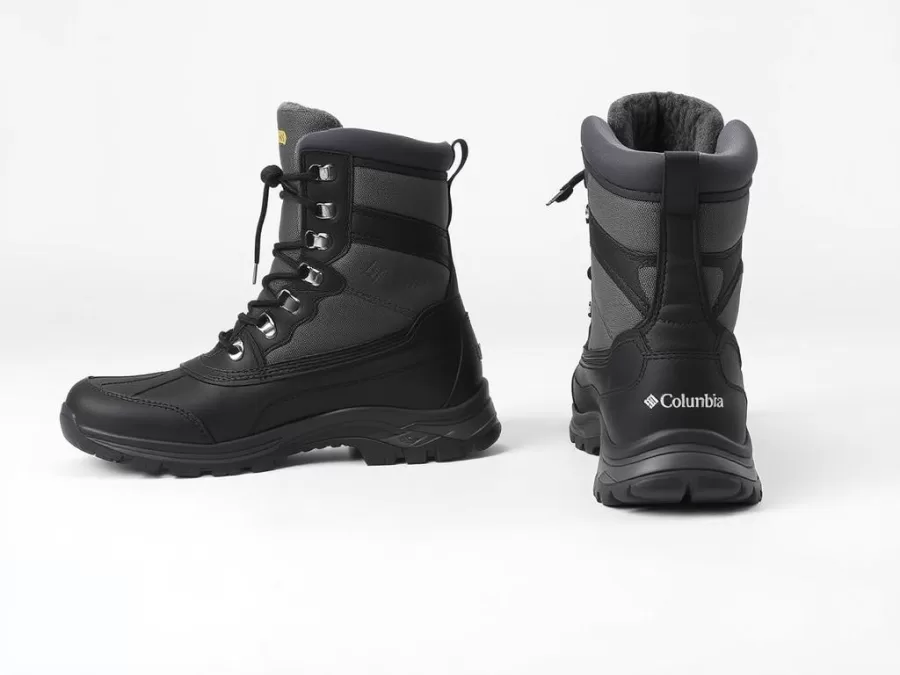
Key Specifications
- Insulation: 200g synthetic insulation with Omni-Heat reflective lining
- Waterproofing: Omni-Tech waterproof membrane
- Height: 7 inches
- Weight: 2 lbs 8 oz (pair)
- Temperature Rating: Suitable to -25°F
- Outsole: Omni-Grip non-marking rubber
Pros
- Excellent value at a competitive price point
- Comfortable fit right out of the box
- Effective Omni-Heat reflective lining
- Good balance of warmth and weight
- Versatile for various winter activities
Cons
- Moderate height offers less protection in deep snow
- Less aggressive traction than specialized options
- Not as durable as premium competitors
- Somewhat generic styling
The Columbia Bugaboot III earns our recommendation as an excellent value option, delivering reliable winter performance at a competitive price point. This versatile boot offers a well-rounded package for those seeking quality winter protection without breaking the bank.
What distinguishes the Bugaboot III is its effective use of Columbia’s proprietary technologies to maximize performance at a moderate price. The combination of 200g synthetic insulation and Omni-Heat reflective lining provides impressive warmth for the weight, while the Omni-Tech waterproof membrane offers reliable protection from moisture. The Techlite midsole delivers good cushioning and support for all-day comfort.
During our testing, the Bugaboot III performed admirably across various winter conditions. The boot was comfortable right out of the box, requiring no break-in period. The waterproofing handled snow and slush effectively, while the insulation provided adequate warmth for most winter activities. The Omni-Grip outsole delivered reliable traction on snow, though it wasn’t as aggressive on ice as some specialized competitors.
The limitations are reasonable given the price point. The 7-inch height offers less protection in deep snow than taller options, and the materials, while functional, may not match the long-term durability of more premium boots. The styling is somewhat generic, lacking the distinctive design elements of pricier alternatives.
For 2025, Columbia has improved the lacing system durability and enhanced the collar comfort. For those seeking reliable winter performance without a premium price tag, the Bugaboot III offers an excellent balance of essential features and value.
Comparative Analysis: How the Top Winter Boots Stack Up
To help you quickly compare the key features and performance metrics of our top picks, we’ve created this comprehensive comparison table. This side-by-side analysis makes it easier to identify which boots best match your specific winter needs.
| Boot Model | Price | Warmth Rating | Waterproof Rating | Traction Rating | Weight (Pair) | Best For |
| Oboz Bridger 10-Inch Insulated | $220 | 4/5 | 4.5/5 | 4/5 | 4 lbs 12 oz | All-around winter use |
| The North Face Chilkat V 400 | $159 | 4/5 | 4/5 | 3.5/5 | 6 lbs 4.6 oz | Value-conscious buyers |
| Kamik Nation Plus | $100 | 4/5 | 4.5/5 | 3.5/5 | 7 lbs 3.2 oz | Budget winter protection |
| Baffin Snow Monster | $330 | 5/5 | 3.5/5 | 4/5 | 6 lbs 6.4 oz | Extreme cold conditions |
| Danner Vital Insulated | $210 | 3.5/5 | 4/5 | 4/5 | 3 lbs 2 oz | Winter hiking |
| Muck Boot Arctic Ice Tall | $210 | 3/5 | 5/5 | 5/5 | 6 lbs | Wet, slushy conditions |
| Blundstone All-Terrain Thermal | $275 | 2/5 | 3.5/5 | 2/5 | 2 lbs 7 oz | Casual urban use |
| UGG Butte | $240 | 3.5/5 | 3.5/5 | 3/5 | 2 lbs 10 oz | Stylish winter protection |
| Merrell Thermo Chill 2 Mid | $150 | 3/5 | 4/5 | 4/5 | 2 lbs 2 oz | Lightweight winter activities |
| Columbia Bugaboot III | $120 | 3.5/5 | 4/5 | 3.5/5 | 2 lbs 8 oz | Value and versatility |
Care and Maintenance Tips for Winter Boots
Proper care and maintenance can significantly extend the life of your winter boots and ensure they continue to perform at their best season after season. Follow these essential tips to protect your investment and keep your feet warm and dry for years to come.
Regular Cleaning
Remove dirt, salt, and debris after each use to prevent material degradation:
- Brush off dry dirt and snow with a soft brush
- For leather boots, wipe with a damp cloth and mild soap solution
- For rubber sections, use water and a gentle detergent
- Never machine wash winter boots, as this can damage insulation and waterproofing
- Remove insoles when possible and clean separately
Proper Drying
Correct drying techniques prevent damage to materials and insulation:
- Remove liners and insoles when possible to dry separately
- Never place boots near direct heat sources like radiators or fires
- Stuff boots with newspaper to absorb moisture and maintain shape
- Allow boots to dry naturally at room temperature
- For faster drying, use a fan to circulate air around the boots
Waterproofing Maintenance
Maintain water resistance with regular treatment:
- Reapply waterproofing treatments at the beginning of each season
- Use appropriate products for specific materials (leather, fabric, etc.)
- Pay special attention to seams and stitching areas
- Apply treatments to clean, dry boots for best results
- Follow manufacturer recommendations for specific products
Storage Tips
Proper off-season storage prevents material degradation:
- Clean and thoroughly dry boots before storage
- Apply leather conditioner to leather boots to prevent cracking
- Store in a cool, dry place away from direct sunlight
- Use boot trees or stuff with acid-free paper to maintain shape
- Avoid storing in plastic bags, which can trap moisture
Addressing Common Issues
Proactive maintenance for specific problems:
- Salt stains: Clean promptly with a solution of water and vinegar (1:1 ratio)
- Odor control: Use boot deodorizers or baking soda between uses
- Worn laces: Replace immediately to prevent boot damage
- Compressed insulation: Fluff removable liners and allow to fully dry between uses
- Worn outsoles: Consider professional resoling for high-quality boots
Pro Tip: Create a winter boot care kit with a soft brush, microfiber cloth, appropriate waterproofing products, leather conditioner (if applicable), and replacement insoles. Having these items ready makes regular maintenance quick and convenient.
Final Recommendations: Finding Your Perfect Winter Boot
After extensive testing and evaluation, we’ve categorized our recommendations to help you find the perfect winter boot for your specific needs. Consider these tailored suggestions based on your primary winter activities and conditions.
Best for Extreme Cold
If you regularly face temperatures well below freezing or need maximum warmth for stationary activities:
- Top Pick: Baffin Snow Monster
- Runner-Up: The North Face Chilkat V 400
These boots prioritize insulation and cold-weather protection, with temperature ratings down to -40°F or below. They’re ideal for ice fishing, outdoor work in frigid conditions, or anyone who experiences severe winter temperatures.
Best for Winter Hiking
For those who stay active on winter trails and need a balance of warmth, support, and agility:
- Top Pick: Danner Vital Insulated
- Runner-Up: Merrell Thermo Chill 2 Mid
These boots offer the support and traction of hiking boots with added insulation and waterproofing for winter conditions. They excel for snowshoeing, winter trail hiking, and active outdoor pursuits in cold weather.
Best Budget Options
Quality winter protection doesn’t have to break the bank:
- Top Pick: Kamik Nation Plus
- Runner-Up: Columbia Bugaboot III
These boots deliver reliable winter performance at accessible price points, offering excellent value without major compromises in essential protection. They’re perfect for occasional winter use or those on a tight budget.
Best for Wet Conditions
When slush, deep puddles, and wet snow are your primary concerns:
- Top Pick: Muck Boot Arctic Ice Tall
- Runner-Up: Kamik Nation Plus
These boots excel in keeping feet dry in the messiest winter conditions, with rubber construction and tall heights that provide superior moisture protection. They’re ideal for slushy urban environments or working outdoors in wet winter weather.
Best for Everyday Urban Use
For those who need winter protection with style for city environments:
- Top Pick: UGG Butte
- Runner-Up: Blundstone All-Terrain Thermal
These boots balance winter functionality with refined aesthetics suitable for urban environments. They provide adequate protection for city winter conditions while maintaining a stylish appearance appropriate for various settings.
Best All-Around Winter Boot
If you need one versatile boot that performs well across various winter conditions:
- Top Pick: Oboz Bridger 10-Inch Insulated
- Runner-Up: The North Face Chilkat V 400
These boots offer the best balance of warmth, waterproofing, traction, and comfort, making them versatile options for diverse winter activities. They excel for those who need a single boot to handle everything from shoveling snow to winter hikes.
Ready to Upgrade Your Winter Footwear?
Don’t let cold feet limit your winter adventures. Our top picks for 2025 offer exceptional protection and performance for every winter scenario.
Frequently Asked Questions About Winter Boots
How should winter boots fit compared to regular shoes?
Winter boots should fit slightly looser than your regular shoes to accommodate thicker socks and allow for air circulation, which helps keep your feet warm. Aim for about a thumb’s width of space between your longest toe and the boot’s end. The heel should feel secure with minimal slippage, and the midfoot should feel snug but not tight. Many winter boot manufacturers design their sizing with winter socks in mind, so your regular shoe size often works well, but check brand-specific sizing recommendations.
What’s the difference between waterproof and water-resistant winter boots?
Waterproof boots feature sealed seams and waterproof membranes or materials that prevent water penetration even during prolonged exposure to moisture. They can typically handle submersion in puddles and extended time in wet snow. Water-resistant boots have treatments applied to repel moisture but will eventually allow water to penetrate during extended exposure. For serious winter conditions with wet snow and slush, fully waterproof boots are recommended. Water-resistant options may suffice for drier snow conditions or brief outdoor exposure.
How important is boot height for winter protection?
Boot height directly impacts protection from deep snow and affects warmth by covering more of your leg. Taller boots (10+ inches) provide superior protection in deep snow conditions and generally offer better warmth by trapping heat around more of your lower leg. However, they may restrict movement more than shorter options. Mid-height boots (6-9 inches) balance protection with mobility and are suitable for most moderate winter conditions. Consider your typical snow depth and activities when choosing boot height—deeper snow and more stationary activities benefit from taller boots.
What insulation thickness do I need for different temperature ranges?
Insulation needs vary based on activity level and personal cold sensitivity, but here are general guidelines for synthetic insulation:
- 200g insulation: Suitable for mild winter conditions (20°F to 40°F) or high-activity use in colder weather
- 400g insulation: Appropriate for moderate winter conditions (0°F to 20°F) or low-activity use in milder conditions
- 600g+ insulation: Designed for extreme cold (below 0°F) or very low-activity situations
Remember that activity level significantly impacts warmth needs—active movement generates body heat, requiring less insulation, while stationary activities demand more insulation for the same temperature.
Can I use hiking boots instead of dedicated winter boots?
While waterproof hiking boots can work for mild winter conditions or brief outings, dedicated winter boots offer several advantages for genuine winter weather:
- Specialized insulation designed for cold temperatures
- Winter-specific outsole compounds that remain flexible in cold
- Lug patterns optimized for snow and ice traction
- Higher cuffs to prevent snow entry
- Materials selected for cold-weather performance
For occasional light snow or brief winter outings, quality waterproof hiking boots may suffice. For regular winter use or significant snow and cold, dedicated winter boots provide superior protection and performance.
How do I prevent my feet from sweating in winter boots?
Excessive sweating in winter boots can lead to cold feet as moisture reduces insulation effectiveness. To minimize sweating:
- Choose boots with appropriate insulation for your activity level—don’t overinsulate for active use
- Wear moisture-wicking socks (merino wool is excellent) rather than cotton
- Consider sock liners under your main socks to transport moisture away from skin
- Look for boots with breathable membranes that allow vapor to escape
- Remove boots and change socks during extended wear if possible
- Allow boots to thoroughly dry between uses
Finding the right balance of insulation for your specific activity level is key to preventing both cold feet and excessive sweating.
How long should quality winter boots last?
The lifespan of winter boots depends on usage frequency, conditions, and maintenance:
- Premium boots (0+): With proper care, should last 5-7+ seasons of regular use
- Mid-range boots (0-0): Typically provide 3-5 seasons of reliable performance
- Budget boots (under 0): Generally offer 1-3 seasons of effective use
Regular maintenance significantly extends boot life. Clean boots after use, properly dry them, reapply waterproofing treatments as needed, and store them appropriately during the off-season. Address minor damage promptly before it worsens. Quality boots with replaceable components (like liners or insoles) often last longer as worn parts can be refreshed without replacing the entire boot.
Conclusion: Stepping Confidently Into Winter 2025
Finding the perfect winter boot is about balancing protection, comfort, and functionality for your specific needs. The winter boots of 2025 offer impressive innovations in materials, insulation, and traction technology that make braving the cold more comfortable than ever before.
Whether you’re facing extreme cold, navigating icy urban sidewalks, hitting winter trails, or simply need reliable protection for occasional snow exposure, our top 10 selections represent the best options available this season. By considering your typical winter conditions, activities, and personal preferences, you can select a boot that will keep your feet warm, dry, and comfortable throughout the winter months.
Remember that proper sizing, appropriate socks, and regular maintenance all play crucial roles in maximizing your winter boot performance. With the right boots on your feet, winter weather transforms from an obstacle to an opportunity for new adventures.
Find Your Perfect Winter Boots Today
Don’t wait until the first snowfall to upgrade your winter footwear. Explore our top picks now to ensure you’re prepared for whatever winter 2025 brings.

Priyanka Pandey
Senior Research Editor · Top10Sense
Priyanka specializes in tech, consumer products, and digital trends. She combines hands-on testing, vendor interviews, and database research to create trustworthy “Top 10” rankings. Her work has been referenced by industry blogs and brand report pages.