

The NBA landscape continues to evolve at a breathtaking pace, with a new generation of stars reshaping how the game is played. As we look at the 2024-25 season, we’re witnessing an unprecedented blend of veteran excellence and youthful brilliance across the league. International talent has firmly established its dominance, with players from across the globe occupying many of the top spots in today’s NBA hierarchy.
What makes a player truly elite in today’s NBA? Is it raw statistical production, leadership qualities, defensive impact, or the ability to elevate in crucial moments? The answer lies in a complex mixture of all these factors, which we’ve carefully weighed in our comprehensive analysis of the NBA’s current top 10 players.
Ranking Criteria: How We Determined the NBA’s Elite
Creating a definitive ranking of the NBA’s best players requires a multifaceted approach that balances traditional statistics with advanced metrics and contextual factors. Our comprehensive methodology incorporates:
- Statistical Excellence: Points, rebounds, and assists per game form the foundation, but we’ve also heavily weighted efficiency metrics like True Shooting Percentage (TS%), Player Efficiency Rating (PER), and Value Over Replacement Player (VORP).
- Individual Accolades: All-NBA selections, All-Star appearances, and individual awards like MVP and Defensive Player of the Year provide crucial context for a player’s standing among peers.
- Team Success: Championship contributions and playoff performance carry significant weight, as the game’s truly elite players elevate their teams to contention.
- Two-Way Impact: Defensive metrics including Defensive Rating, Defensive Win Shares, and Defensive Box Plus/Minus help identify players who excel on both ends.
- Clutch Performance: Statistical production and efficiency in high-leverage situations reveal which players can be counted on when games matter most.
With these criteria established, let’s dive into our definitive ranking of the NBA’s top 10 players dominating the league in 2025.
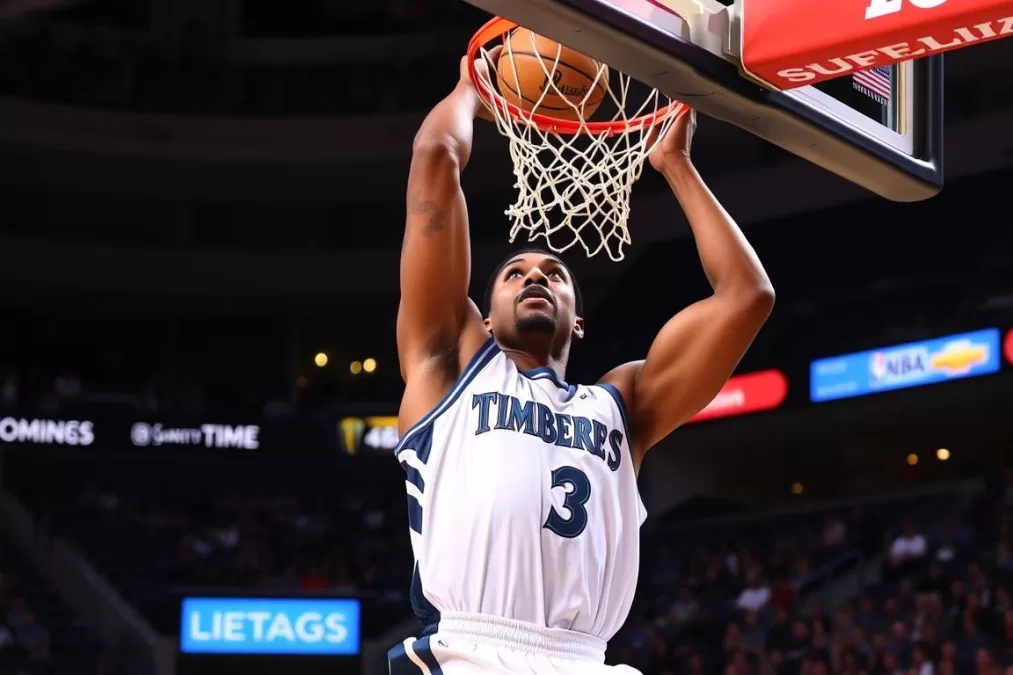
10. Anthony Edwards (Minnesota Timberwolves)
Key Stats
- 27.6 points per game
- 5.7 rebounds per game
- 4.5 assists per game
- 1.2 steals per game
- 40.3% three-point shooting
Why He Dominates
Anthony Edwards has fully realized his superstar potential, combining explosive athleticism with refined skill to become one of the league’s most feared scorers. His improved three-point shooting has transformed him from a highlight-reel dunker to a complete offensive weapon who can score from anywhere on the court.
Edwards’ defensive intensity has also reached new heights, regularly taking on the challenge of guarding the opposition’s best perimeter player. His leadership has been the driving force behind Minnesota’s emergence as a Western Conference powerhouse, proving he can be the centerpiece of a championship contender.
Career achievements include 3x All-Star, 2x All-NBA Second Team, and a Western Conference Finals appearance that showcased his ability to elevate his game when the stakes are highest.
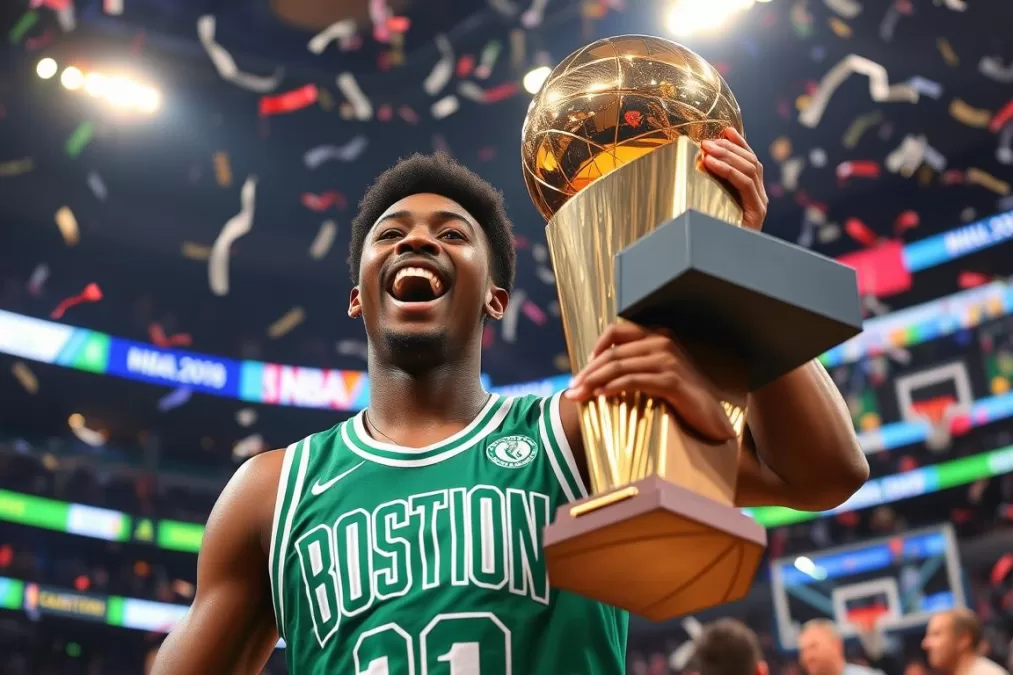
9. Jaylen Brown (Boston Celtics)
Key Stats
- 25.8 points per game
- 6.2 rebounds per game
- 4.1 assists per game
- 1.3 steals per game
- 51.2% field goal percentage
Why He Dominates
Jaylen Brown has cemented his legacy as one of the NBA’s premier two-way wings, building on his Finals MVP performance with consistent excellence on both ends of the floor. His mid-range game has become nearly unstoppable, complementing his already impressive finishing ability and improved three-point shooting.
Brown’s defensive versatility allows him to guard multiple positions at an elite level, making him a cornerstone of Boston’s championship-caliber defense. His leadership qualities have blossomed, providing a steady presence alongside Jayson Tatum in the Celtics’ continued dynasty.
His trophy case now includes 4x All-Star, 2x All-NBA, 1x NBA Champion, and 1x Finals MVP, validating his rise to superstardom.
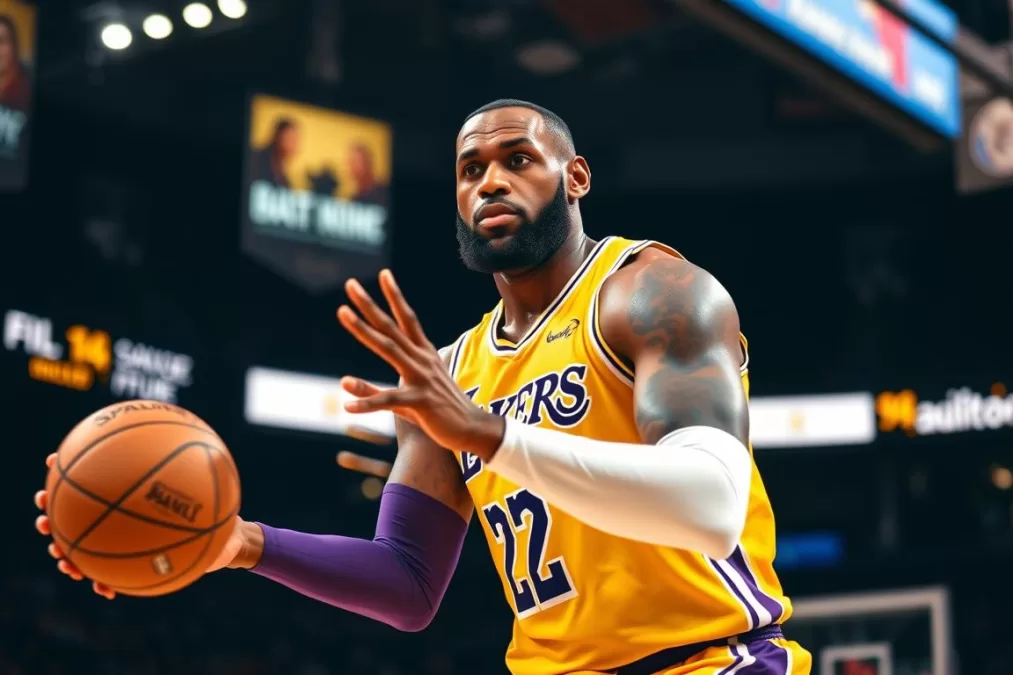
8. LeBron James (Los Angeles Lakers)
Key Stats
- 24.4 points per game
- 7.8 rebounds per game
- 8.2 assists per game
- 1.0 steals per game
- 54.0% field goal percentage
Why He Dominates
Even at 40 years old, LeBron James continues to defy Father Time, adapting his game to remain among the NBA’s elite. His basketball IQ and playmaking vision remain unmatched, allowing him to control games as a point forward while conserving energy for crucial moments.
James’ efficiency has actually improved with age, as he’s become more selective with his scoring opportunities while maintaining elite production. His partnership with Luka Doncic has revitalized the Lakers, with James embracing a complementary role that maximizes both superstars’ strengths.
His unparalleled resume includes 4x NBA Champion, 4x Finals MVP, 4x MVP, 21x All-Star, and 19x All-NBA First Team selections, cementing his place in basketball history.
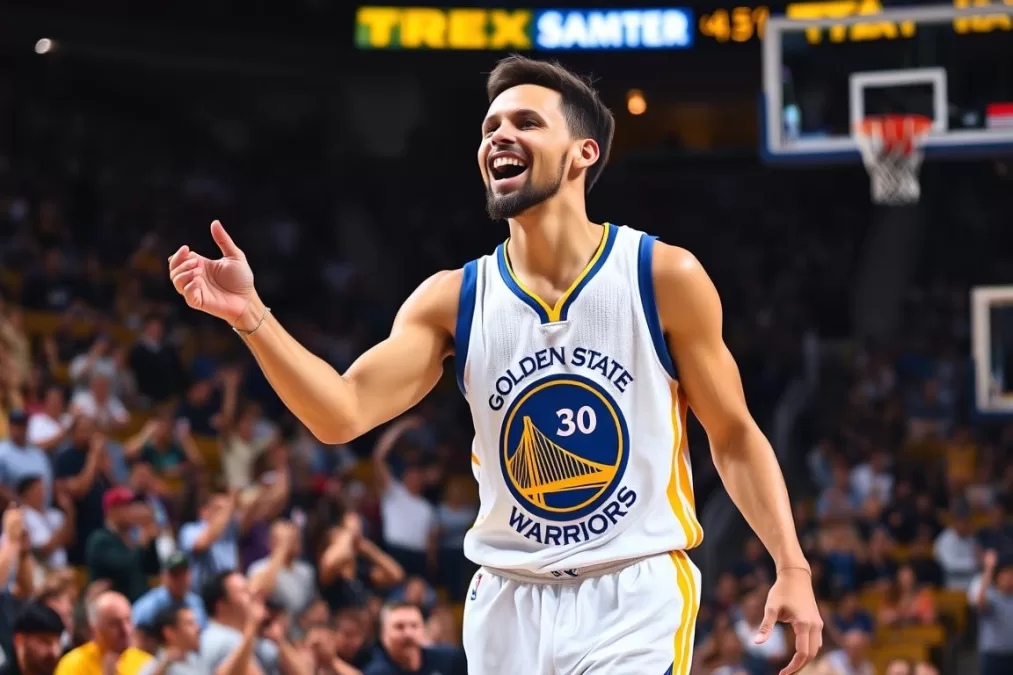
7. Stephen Curry (Golden State Warriors)
Key Stats
- 24.5 points per game
- 4.4 rebounds per game
- 6.0 assists per game
- 1.1 steals per game
- 40.8% three-point shooting
Why He Dominates
Stephen Curry remains the greatest shooter in basketball history, continuing to warp defenses with his gravitational pull beyond the arc. His off-ball movement is still unmatched, creating opportunities for himself and teammates through constant motion and precision cutting.
Curry’s partnership with Jimmy Butler has breathed new life into the Warriors, with his leadership guiding a retooled roster back into championship contention. His clutch performance earned him the Clutch Player of the Year award, confirming his status as one of the game’s most reliable performers in high-pressure situations.
His decorated career includes 4x NBA Champion, 1x Finals MVP, 2x MVP, 11x All-Star, and 9x All-NBA selections, along with revolutionizing how basketball is played at all levels.
6. Jayson Tatum (Boston Celtics)
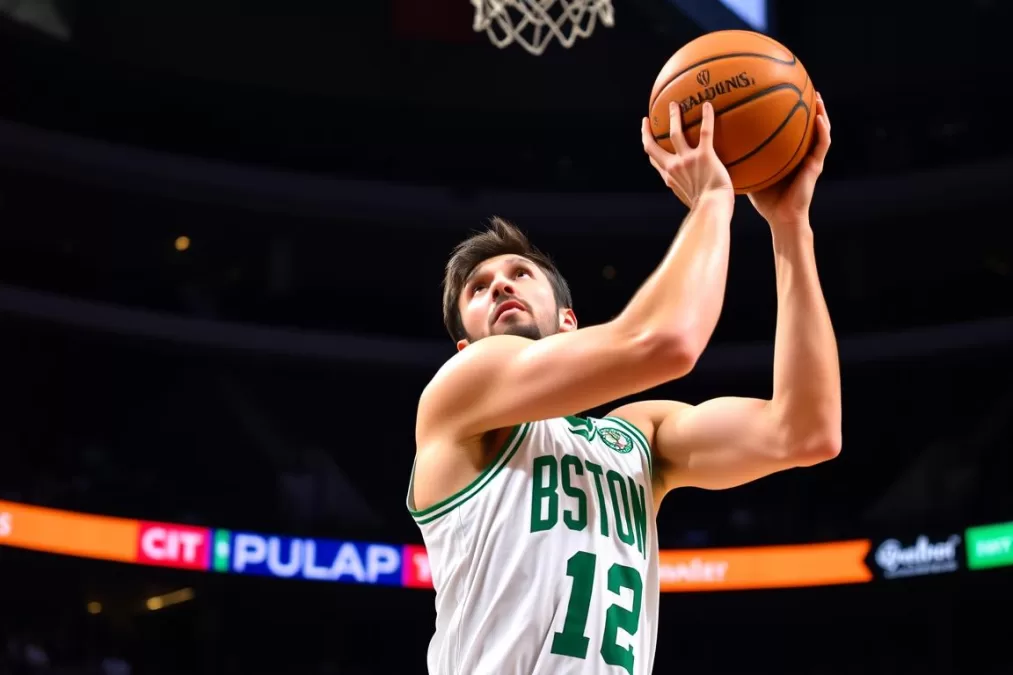
Key Stats
- 26.9 points per game
- 8.1 rebounds per game
- 4.9 assists per game
- 1.0 steals per game
- 47.1% field goal percentage
Why He Dominates
Jayson Tatum has evolved into the complete package, combining elite scoring with vastly improved playmaking and defensive versatility. His championship experience has refined his game, with more efficient shot selection and improved decision-making in crucial moments.
Tatum’s two-way impact makes him the cornerstone of Boston’s continued success, with his defensive switching ability and rim protection from the wing position providing tremendous value. His leadership alongside Jaylen Brown has established the Celtics as the NBA’s model franchise.
His growing list of accolades includes 1x NBA Champion, 6x All-Star, 4x All-NBA (including three First Team selections), establishing him as one of the league’s premier talents.
5. Joel Embiid (Philadelphia 76ers)
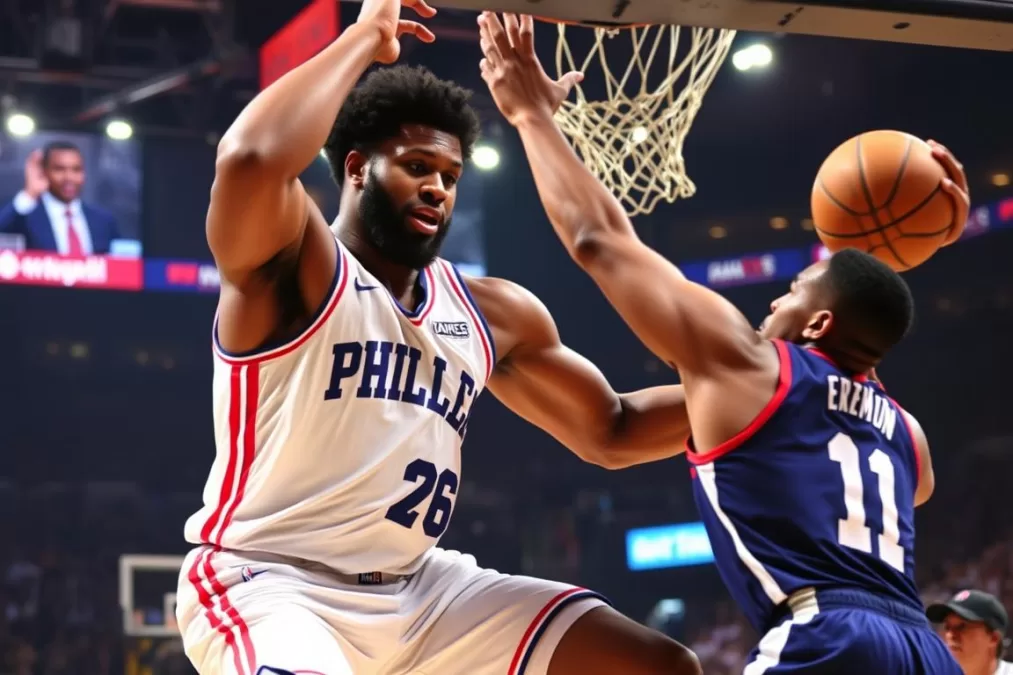
Key Stats
- 32.1 points per game
- 10.5 rebounds per game
- 5.2 assists per game
- 1.2 steals per game
- 1.8 blocks per game
Why He Dominates
When healthy, Joel Embiid remains the most dominant interior force in basketball, combining old-school post moves with modern perimeter skills. His scoring arsenal is unmatched among big men, with the ability to punish defenders in the post, face up from mid-range, or step out beyond the arc.
Embiid’s defensive presence alters game plans, with his rim protection and surprising mobility making him a perennial Defensive Player of the Year candidate. His improved conditioning and health management have allowed him to maintain peak performance throughout the season.
His impressive resume includes 1x MVP, 7x All-Star, 5x All-NBA, and 4x All-Defensive Team selections, with championship contention being the final frontier for his legacy.
4. Shai Gilgeous-Alexander (Oklahoma City Thunder)
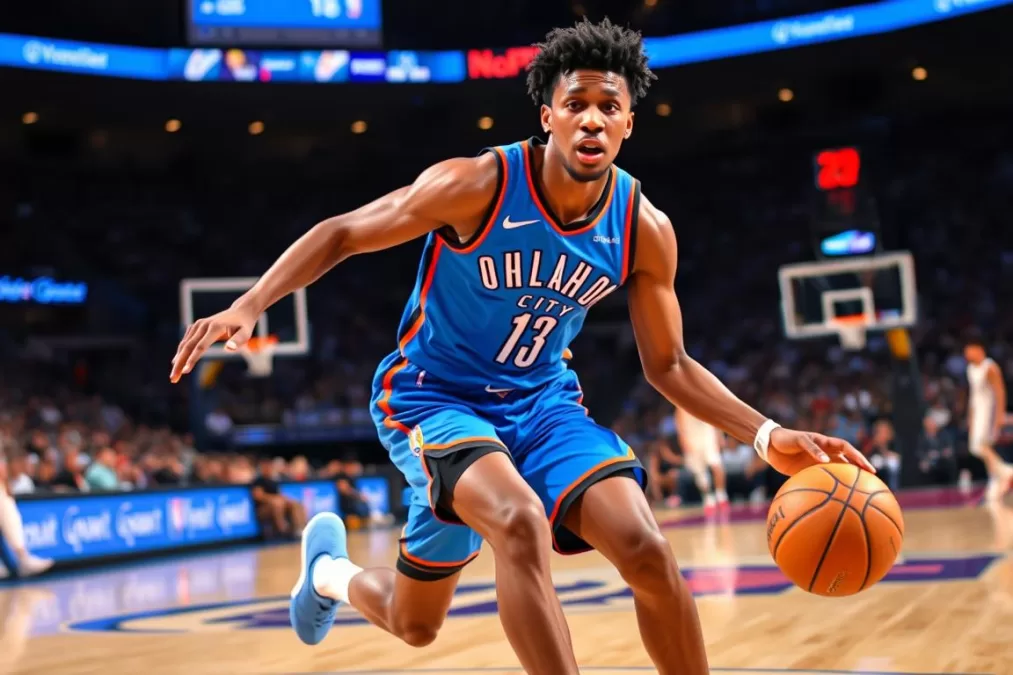
Key Stats
- 32.7 points per game
- 5.0 rebounds per game
- 6.4 assists per game
- 2.0 steals per game
- 53.5% field goal percentage
Why He Dominates
Shai Gilgeous-Alexander has ascended to superstardom, combining elite scoring efficiency with lockdown perimeter defense. His unique offensive style features an unguardable mid-range game, crafty finishing at the rim, and improved three-point shooting that makes him a complete scoring threat.
SGA’s leadership has transformed the Thunder into a Western Conference powerhouse, with his calm demeanor and clutch performance setting the tone for one of the league’s youngest rosters. His defensive impact often goes underrated, with his length and anticipation making him one of the league’s premier two-way guards.
His growing collection of accolades includes 1x MVP, 3x All-Star, 3x All-NBA (including two First Team selections), and 1x All-Defensive Team, validating his elite status.
3. Luka Dončić (Los Angeles Lakers)

Key Stats
- 33.9 points per game
- 9.2 rebounds per game
- 9.8 assists per game
- 1.4 steals per game
- 48.7% field goal percentage
Why He Dominates
Luka Dončić’s basketball genius continues to amaze, with his combination of scoring, playmaking, and rebounding making him a triple-double threat every night. His move to the Lakers alongside LeBron James has created one of the most formidable duos in NBA history, with both players’ basketball IQ creating unprecedented offensive synergy.
Dončić’s step-back three has become one of the league’s most unstoppable signature moves, while his post game allows him to punish smaller defenders. His improved conditioning has addressed previous defensive concerns, making him a more complete two-way player.
His impressive resume includes 6x All-Star, 5x All-NBA First Team, and an NBA Finals appearance that showcased his ability to elevate in the postseason.
2. Giannis Antetokounmpo (Milwaukee Bucks)
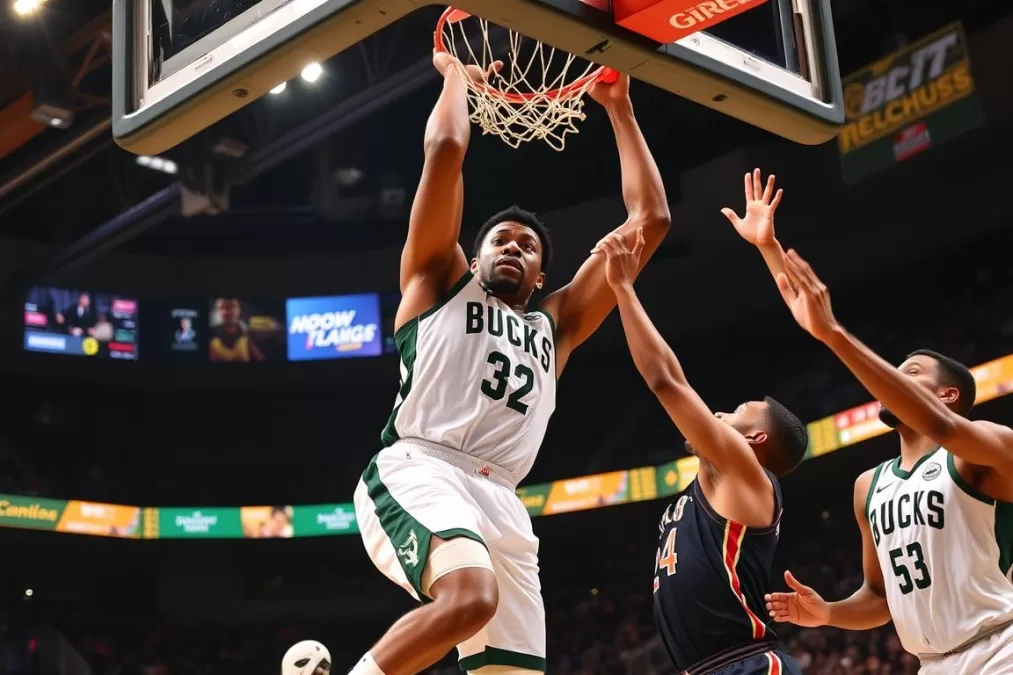
Key Stats
- 30.4 points per game
- 11.5 rebounds per game
- 6.5 assists per game
- 1.2 steals per game
- 1.1 blocks per game
Why He Dominates
Giannis Antetokounmpo remains a physical marvel, combining unprecedented athleticism with refined skill to dominate both ends of the floor. His improved mid-range game has addressed previous spacing concerns, making him even more unstoppable in half-court settings.
The Greek Freak’s defensive versatility allows him to guard all five positions effectively, while his help defense and rim protection make him a perennial Defensive Player of the Year candidate. His playmaking has reached new heights, with his assist-to-turnover ratio showcasing improved decision-making.
His extraordinary career includes 2x MVP, 1x NBA Champion, 1x Finals MVP, 8x All-Star, 8x All-NBA, 5x All-Defensive Team, and 1x Defensive Player of the Year, establishing him as one of his generation’s greatest players.
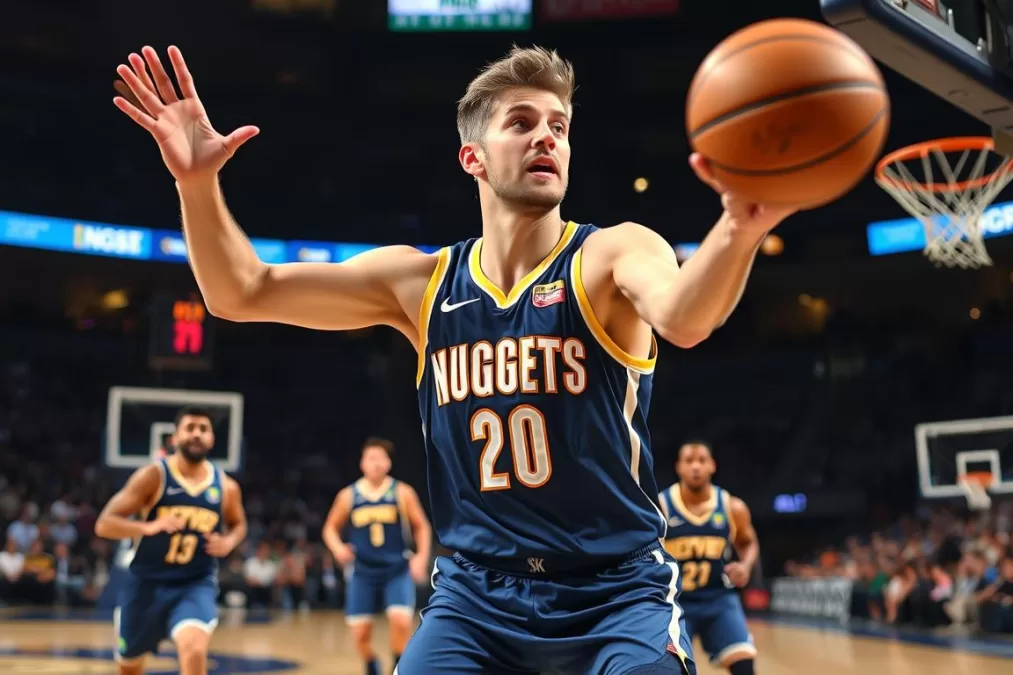
1. Nikola Jokić (Denver Nuggets)
Key Stats
- 29.6 points per game
- 12.7 rebounds per game
- 10.2 assists per game
- 1.4 steals per game
- 58.3% field goal percentage
Why He Dominates
Nikola Jokić has redefined the center position, combining unprecedented playmaking with efficient scoring and elite rebounding. His basketball IQ is unmatched, with his ability to read defenses and make split-second decisions making him the focal point of Denver’s offense.
The Joker’s improved three-point shooting (41.7%) has made him virtually unguardable, as defenders must now respect his range while also worrying about his post moves and passing vision. His defensive positioning has improved significantly, compensating for limited athleticism with anticipation and basketball intelligence.
His growing legacy includes 3x MVP, 1x NBA Champion, 1x Finals MVP, 6x All-Star, and 6x All-NBA selections, with more accolades surely to come as he continues his prime years.
Honorable Mentions: Rising Stars Just Outside the Top 10
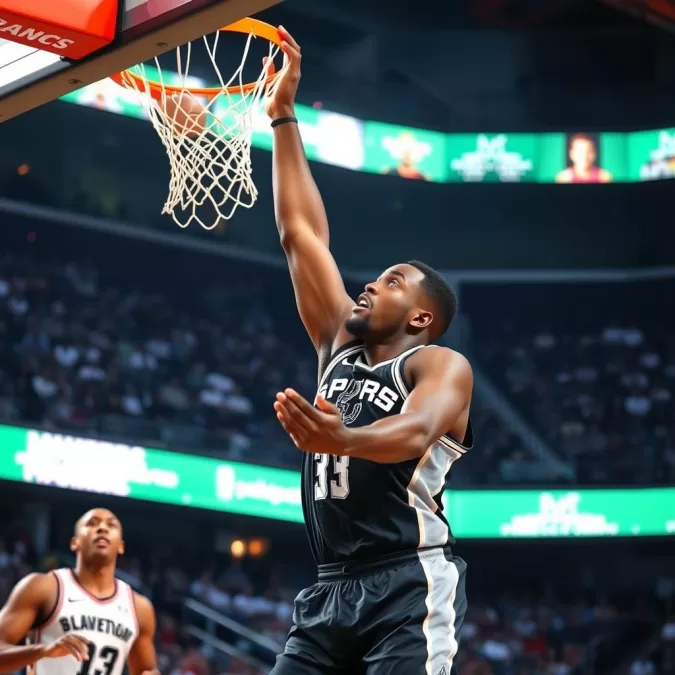
Victor Wembanyama
The 7’4″ phenom has lived up to the generational hype, averaging 24.3 points, 11.0 rebounds, and a league-leading 3.8 blocks per game. His unique combination of length, mobility, and skill makes him a future MVP candidate who’s rapidly ascending the NBA hierarchy.
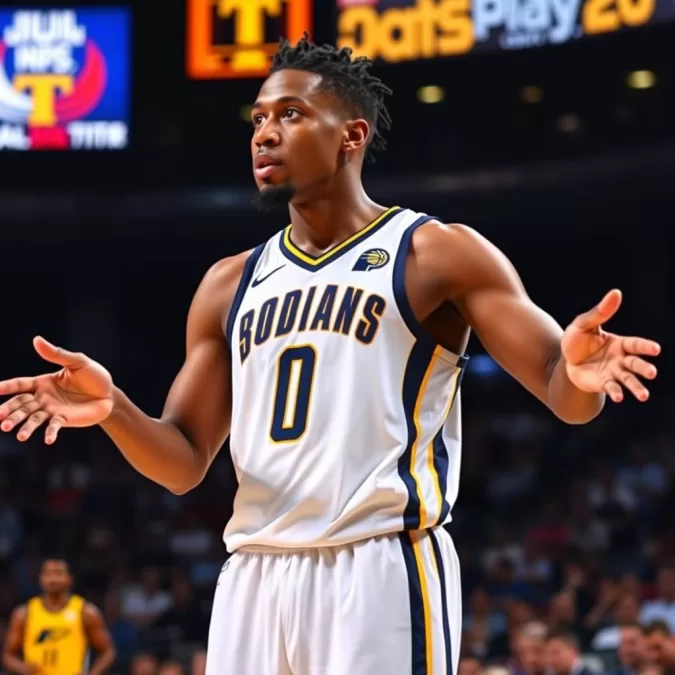
Tyrese Haliburton
The Pacers’ floor general has established himself as one of the league’s premier playmakers, averaging 18.6 points and 9.2 assists with an elite 5.7-to-1 assist-to-turnover ratio. His leadership guided Indiana to the NBA Finals, proving he can be the centerpiece of a championship contender.
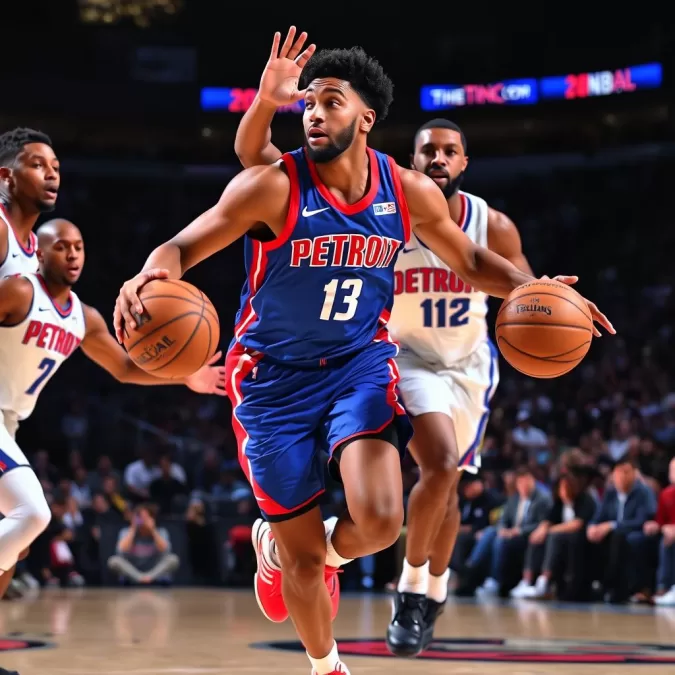
Cade Cunningham
Detroit’s franchise cornerstone has made the leap to stardom, averaging 26.1 points, 9.1 assists, and 6.1 rebounds while leading the Pistons back to playoff contention. His complete skill set and leadership qualities have him knocking on the door of the top 10.
The Future of NBA Stardom: What’s Next?

As we look ahead to the future of NBA stardom, several trends are becoming increasingly clear. International talent continues to reshape the league’s hierarchy, with players from Europe, Africa, and Australia bringing diverse skill sets and playing styles that challenge traditional American basketball paradigms.
Positional versatility has become essential for elite players, with the most valuable stars able to play and defend multiple positions. The modern NBA superstar must combine scoring prowess with playmaking ability and defensive impact – one-dimensional players, regardless of how elite that dimension might be, are finding it harder to crack the top 10.
Perhaps most notably, the era of player empowerment continues to reshape competitive balance, with superstars increasingly willing to change teams to create optimal situations for championship contention. This mobility means team success is more fluid than ever, with franchises rising and falling based on their ability to attract and retain elite talent.
As the 2024-25 season progresses, these rankings will undoubtedly shift as players rise, fall, and adapt to the ever-changing NBA landscape. What remains constant, however, is the breathtaking level of talent currently on display across the league – truly a golden era for basketball fans worldwide.
Never Miss Another NBA Analysis
Sign up for our free newsletter to receive weekly breakdowns of the NBA’s biggest stars, emerging talents, and championship contenders. Join thousands of basketball fans who trust our expert analysis.

Priyanka Pandey
Senior Research Editor · Top10Sense
Priyanka specializes in tech, consumer products, and digital trends. She combines hands-on testing, vendor interviews, and database research to create trustworthy “Top 10” rankings. Her work has been referenced by industry blogs and brand report pages.




Pingback: Top 10 NBA Players Of 2025: MVPs And Breakout Stars Ranked