
The military disparity between Venezuela and the United States represents one of the most pronounced power imbalances in the Western Hemisphere. As tensions occasionally flare between these nations, understanding the actual military capabilities of both countries provides crucial context for assessing geopolitical realities. This analysis examines what a direct comparison reveals about each nation’s strengths, limitations, and strategic postures in the complex landscape of hemispheric security.
Overall Military Strength Comparison
The United States maintains the world’s most powerful military force, while Venezuela’s capabilities have deteriorated amid economic challenges. This fundamental disparity shapes every aspect of the comparison between these two forces.

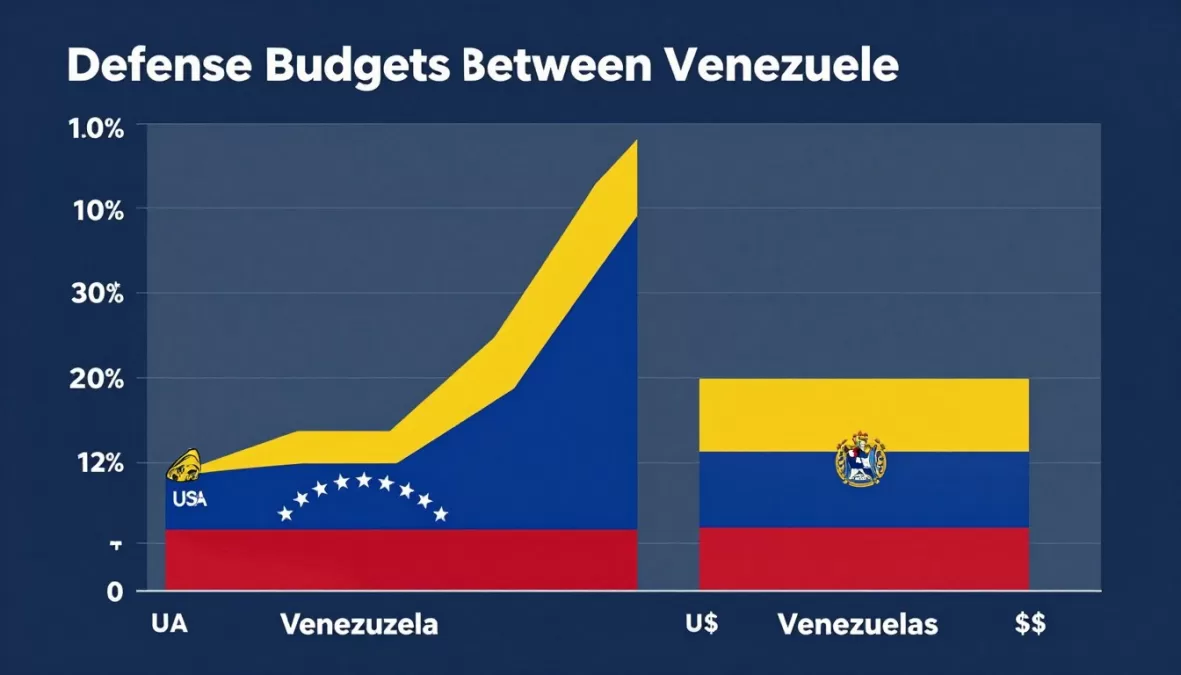
Defense Budget & Resources
The financial resources dedicated to defense represent perhaps the starkest contrast between these two military forces, with implications for everything from equipment maintenance to personnel training.
| Resource Category | Venezuela | United States | Difference |
| Annual Defense Budget | $4.09 billion | $895 billion | 218x larger (USA) |
| Defense Budget % of GDP | 1.4% | 3.7% | 2.6x higher (USA) |
| Purchasing Power | $295.97 billion | $24.66 trillion | 83x larger (USA) |
| Foreign Reserves | $10.09 billion | $773.42 billion | 76x larger (USA) |
Military Personnel Comparison
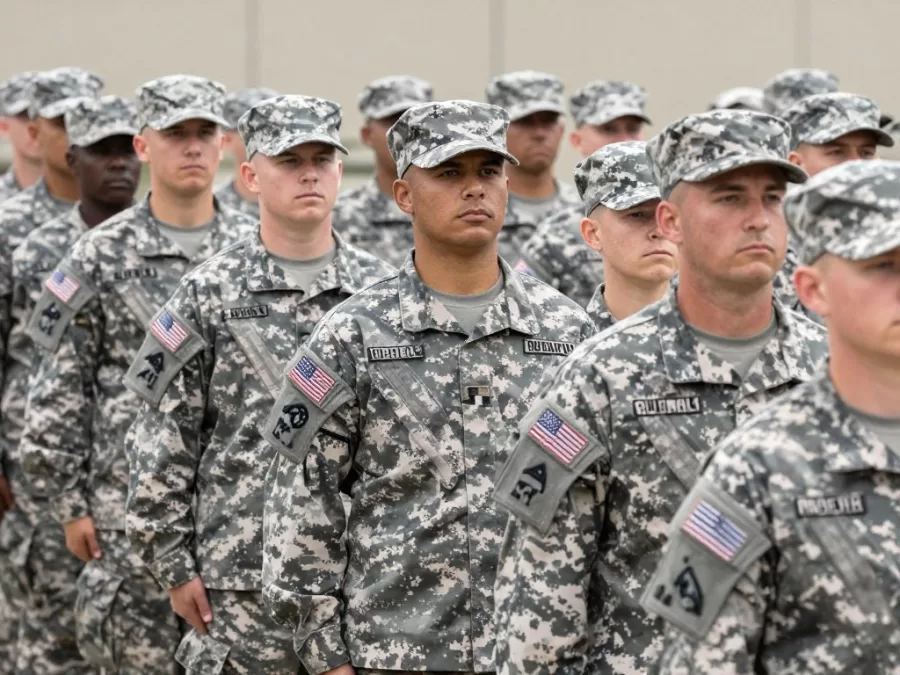
Beyond raw numbers, the training, equipment, and morale of military personnel create significant qualitative differences between these forces. Venezuela has struggled with retention and training amid economic challenges.
Venezuela Personnel
- Active Personnel: 109,000
- Reserve Personnel: 8,000
- Paramilitary Forces: 220,000
- Total Military Age Population: 15.6 million
- Fit-for-Service: 12.8 million

United States Personnel
- Active Personnel: 1,328,000
- Reserve Personnel: 799,500
- Paramilitary Forces: 0
- Total Military Age Population: 150.4 million
- Fit-for-Service: 124.8 million
“Ecuador is a convent, Colombia is a university, and Venezuela is a barracks.”
Air Force Capabilities
Air superiority represents one of the most decisive advantages in modern warfare, and the gap between Venezuelan and American air capabilities is particularly pronounced.
| Aircraft Type | Venezuela | United States | Difference |
| Total Aircraft | 229 | 13,043 | 56x larger (USA) |
| Fighter Aircraft | 30 | 1,790 | 59x larger (USA) |
| Attack Aircraft | 0 | 889 | 889 more (USA) |
| Transport Aircraft | 49 | 918 | 18x larger (USA) |
| Helicopters | 88 | 5,843 | 66x larger (USA) |
| Attack Helicopters | 10 | 1,002 | 100x larger (USA) |
Venezuela’s Key Aircraft
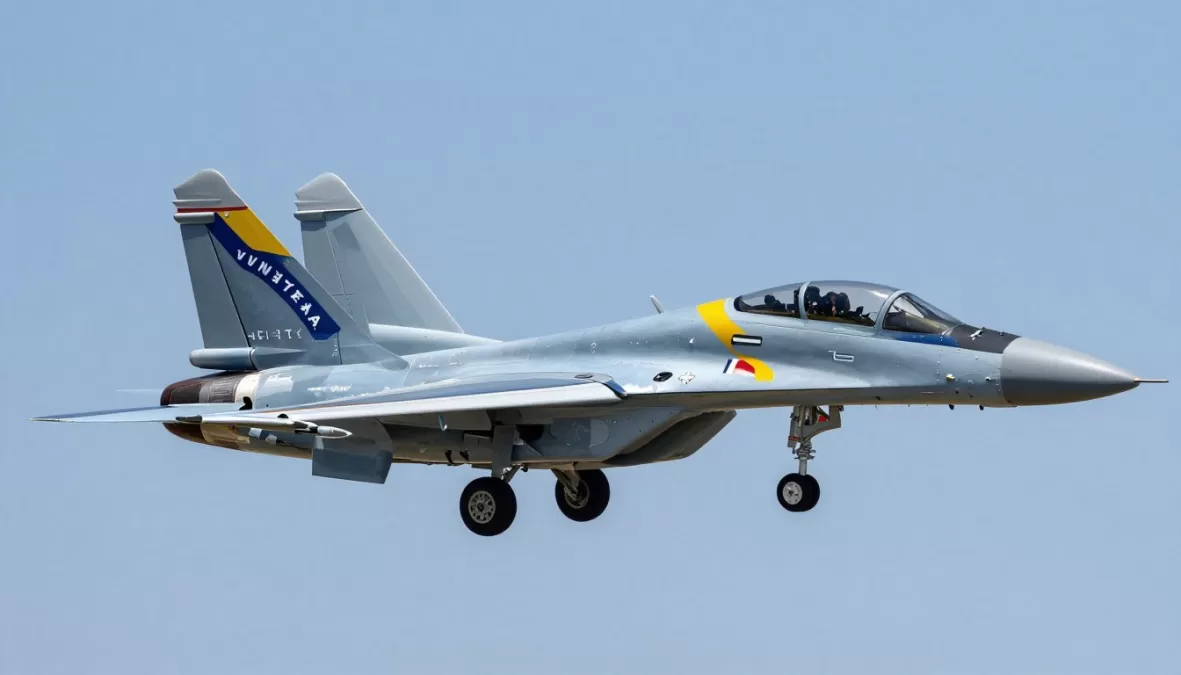
- Sukhoi Su-30MK2 fighter jets (estimated 21 operational)
- Aging F-16 fighters from pre-Chávez era
- Russian-built air defense systems (S-300, Buk, Pechora)
- Portable Igla-S missile launchers
USA’s Key Aircraft
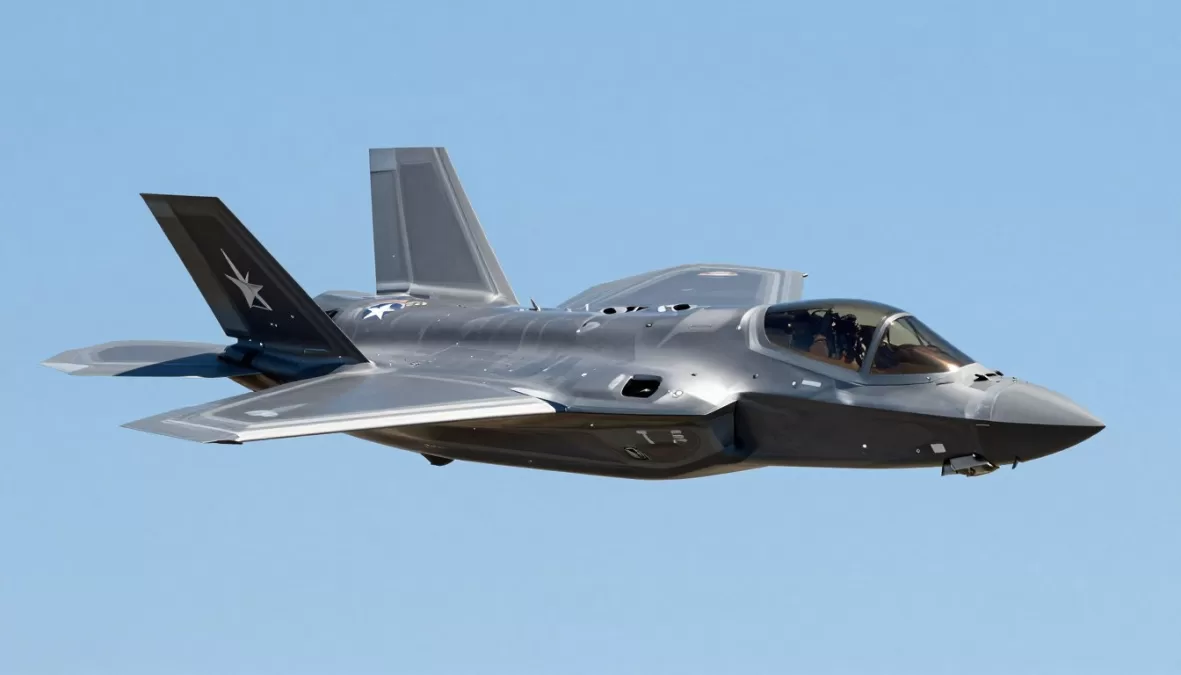
- F-35 Lightning II stealth fighters
- F-22 Raptor air superiority fighters
- B-2 Spirit and B-1B Lancer strategic bombers
- Extensive drone fleet including MQ-9 Reapers
Naval Forces Comparison
The disparity in naval power is particularly relevant given the Caribbean’s strategic importance and the potential for maritime confrontation in the region.
| Naval Asset | Venezuela | United States | Difference |
| Total Fleet Strength | 34 | 440 | 12x larger (USA) |
| Aircraft Carriers | 0 | 11 | 11 more (USA) |
| Helicopter Carriers | 0 | 9 | 9 more (USA) |
| Submarines | 1 | 70 | 70x larger (USA) |
| Destroyers | 0 | 81 | 81 more (USA) |
| Frigates | 1 | 0 | 1 more (Venezuela) |
| Patrol Vessels | 25 | 0 | 25 more (Venezuela) |
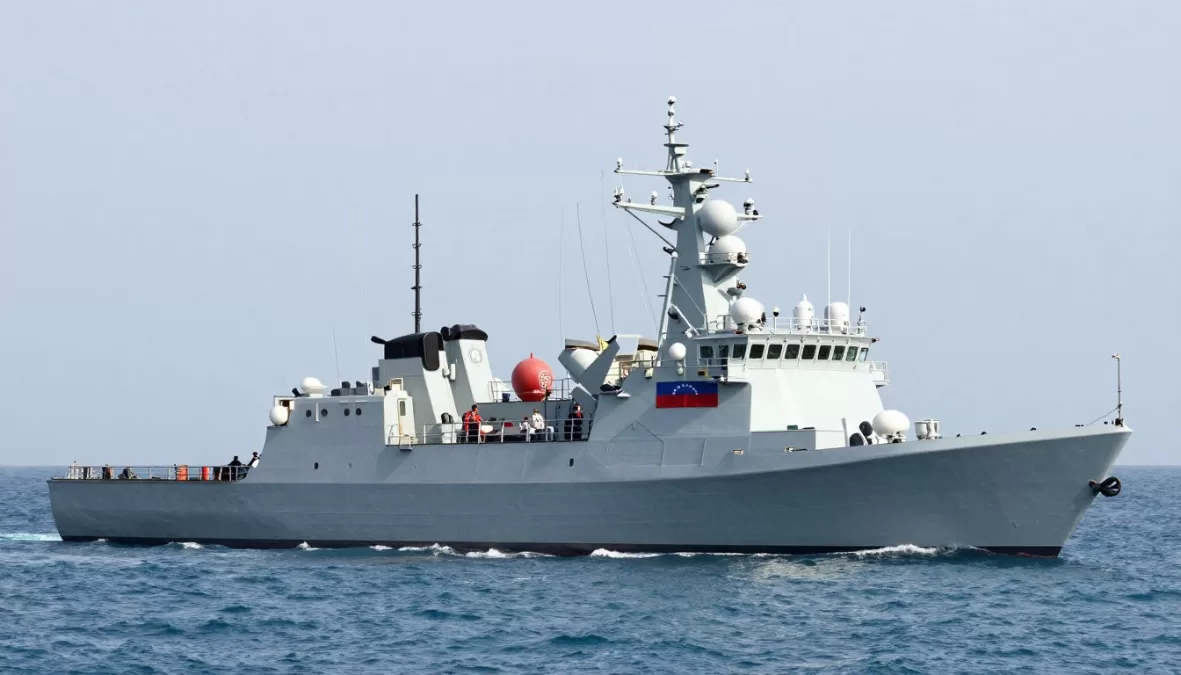
Venezuela’s navy is primarily focused on coastal defense with limited blue-water capabilities. Its single frigate and submarine face maintenance challenges, while patrol vessels form the backbone of its naval presence.
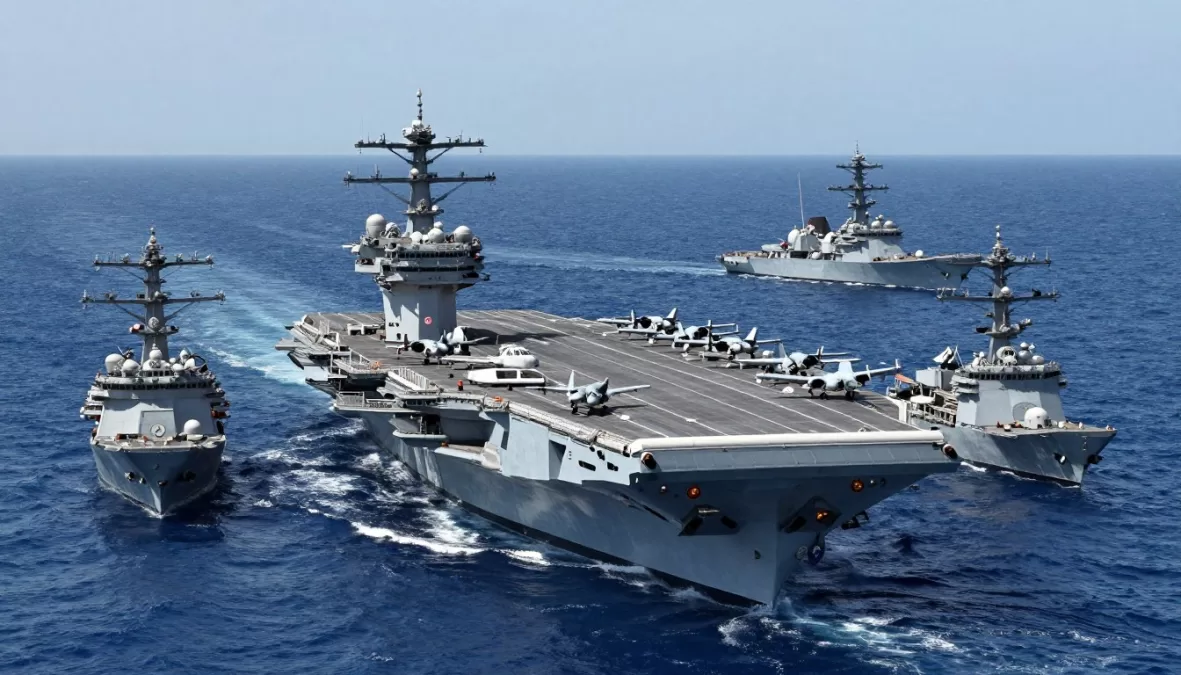
The US Navy maintains global reach with carrier strike groups, nuclear submarines, and advanced destroyers. Its presence in the Caribbean can be rapidly reinforced from nearby bases in Florida and Puerto Rico.
Land Forces Comparison
While ground forces would play a limited role in potential Caribbean confrontations, they represent a key measure of overall military capability and domestic security provision.
| Land Asset | Venezuela | United States | Difference |
| Main Battle Tanks | 172 | 4,640 | 26x larger (USA) |
| Armored Vehicles | 8,802 | 391,963 | 44x larger (USA) |
| Self-Propelled Artillery | 48 | 671 | 13x larger (USA) |
| Towed Artillery | 100 | 1,212 | 12x larger (USA) |
| Rocket Projectors | 36 | 641 | 17x larger (USA) |

Venezuela’s ground forces rely heavily on Russian-supplied equipment, including T-72B1 tanks and BMP-3 infantry fighting vehicles. Maintenance issues have reportedly affected operational readiness.
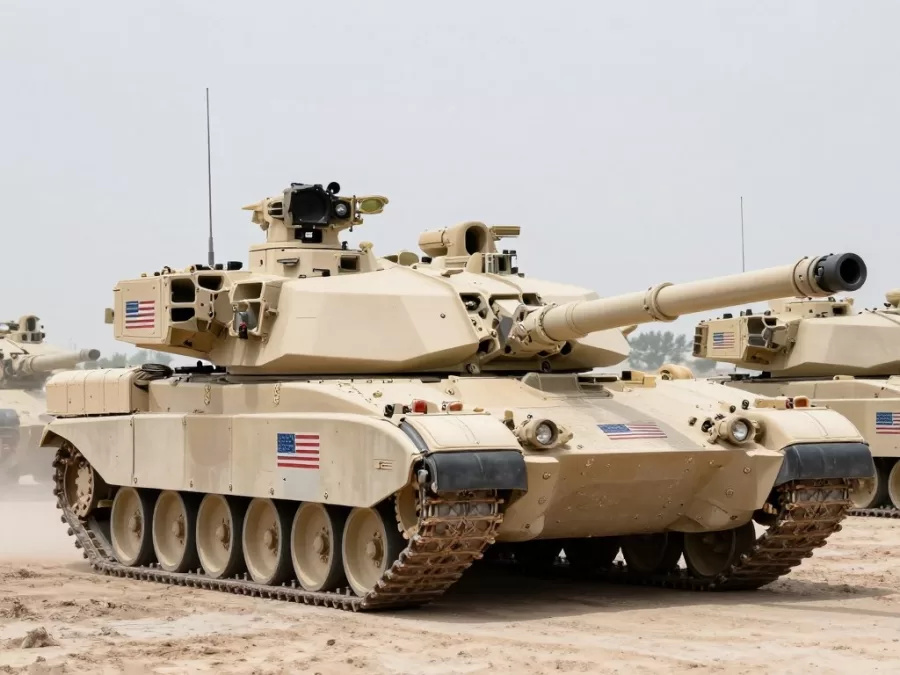
US ground forces feature technologically advanced platforms like the M1 Abrams tank and extensive mechanized infantry capabilities, supported by precision artillery and robust logistics networks.
Technology & Modernization Gap
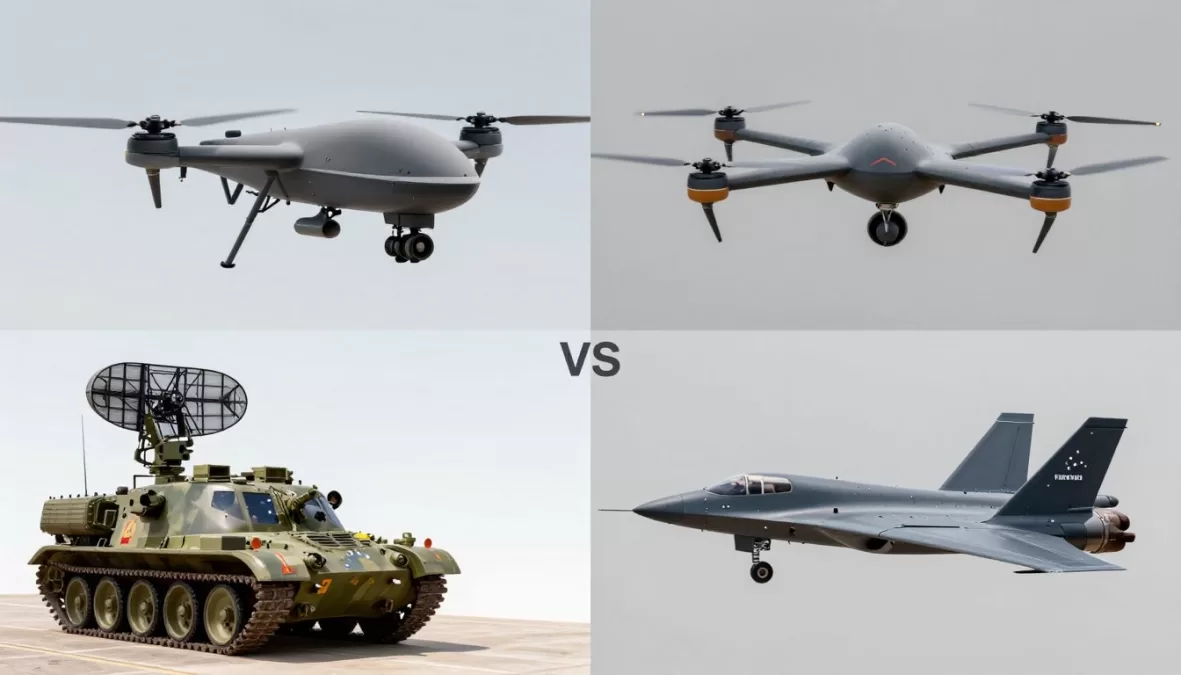
Beyond raw numbers, the technological sophistication of military equipment creates perhaps the most significant qualitative difference between these forces.
US Technological Advantages
- Advanced stealth technology in aircraft and naval vessels
- Comprehensive satellite reconnaissance capabilities
- Sophisticated cyber warfare capabilities
- Advanced precision-guided munitions
- Integrated battlefield management systems
- Extensive drone and autonomous systems
- Superior electronic warfare capabilities
Venezuelan Technological Challenges
- Aging Soviet-era equipment with maintenance issues
- Limited domestic defense industry
- Restricted access to spare parts due to sanctions
- Limited satellite and reconnaissance capabilities
- Minimal cyber warfare infrastructure
- Outdated communications systems
- Limited precision-guided munitions
Military Doctrine & Experience
The strategic approaches, combat experience, and organizational effectiveness of these forces reflect fundamentally different military traditions and capabilities.
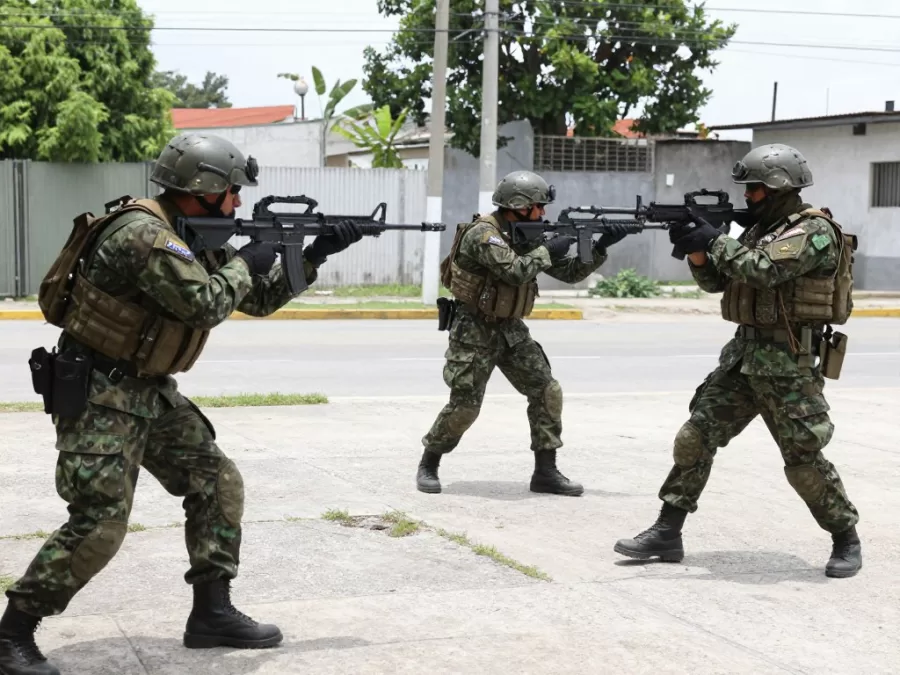
Venezuelan Military Doctrine
- Defensive posture focused on territorial integrity
- Asymmetric warfare against superior forces
- Integration of civilian militia with regular forces
- Focus on internal security and regime protection
- Limited recent combat experience
US Military Doctrine
- Global power projection capabilities
- Combined arms operations across domains
- Network-centric warfare integration
- Rapid deployment and expeditionary operations
- Extensive combat experience in multiple theaters
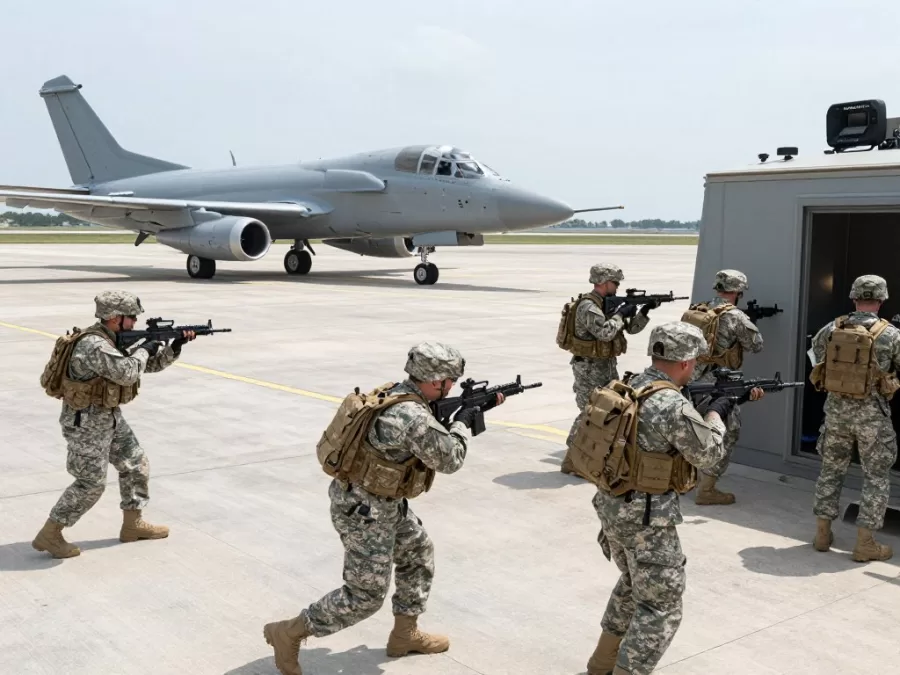
Strategic Asymmetries & Venezuelan Counter-Strategies
Despite overwhelming US advantages, Venezuela has developed approaches that could complicate any potential military confrontation.
Geographic Advantages
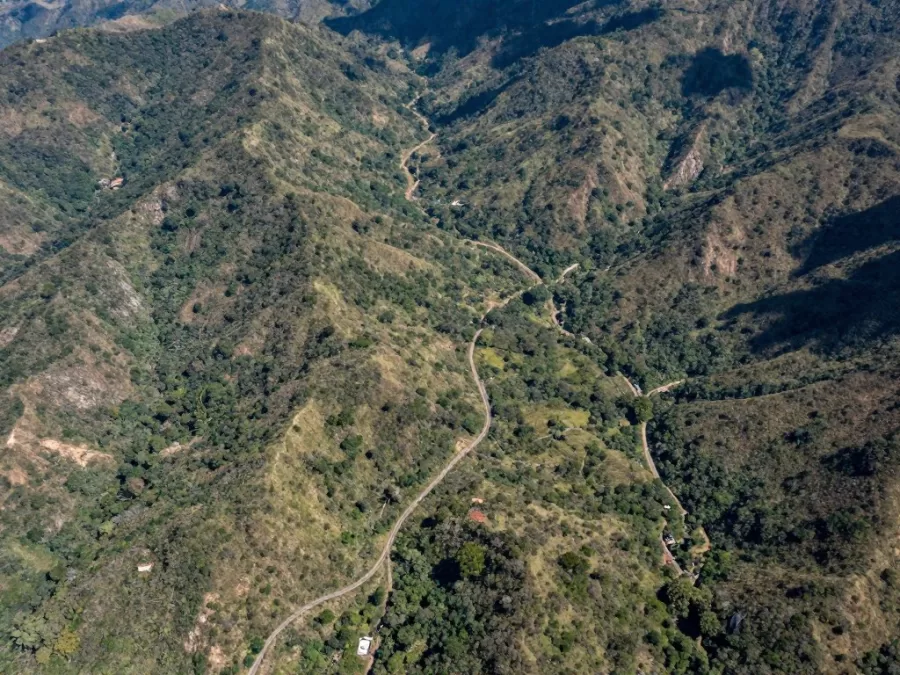
Venezuela’s mountainous terrain and dense urban areas would complicate conventional military operations. The country’s proximity to its own bases versus US power projection distances provides some defensive advantages.
Asymmetric Warfare
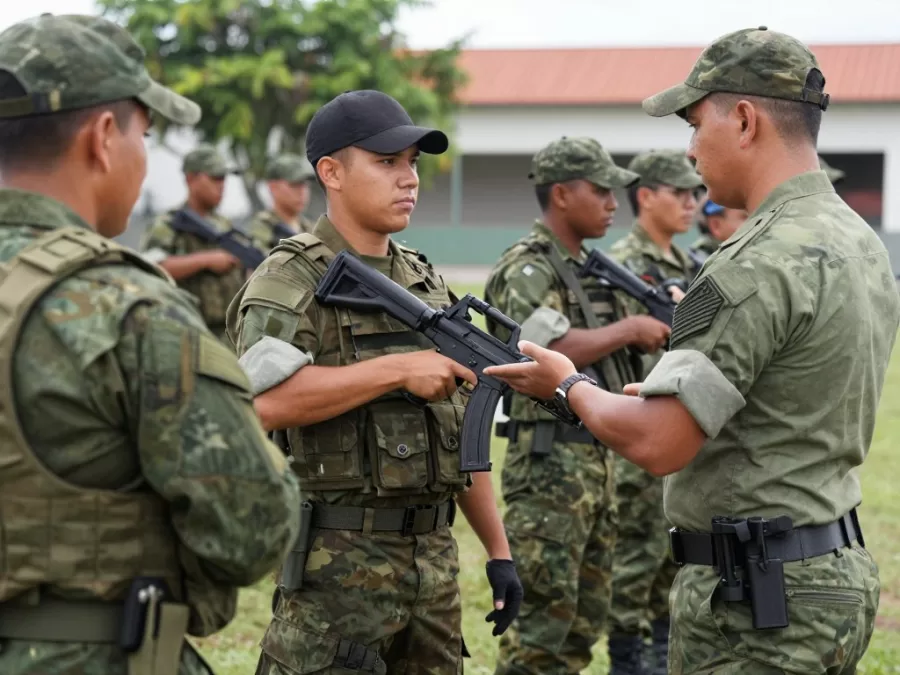
Venezuela has developed irregular warfare capabilities, including civilian militia integration and distributed defensive networks designed to impose costs on superior conventional forces.
External Alliances
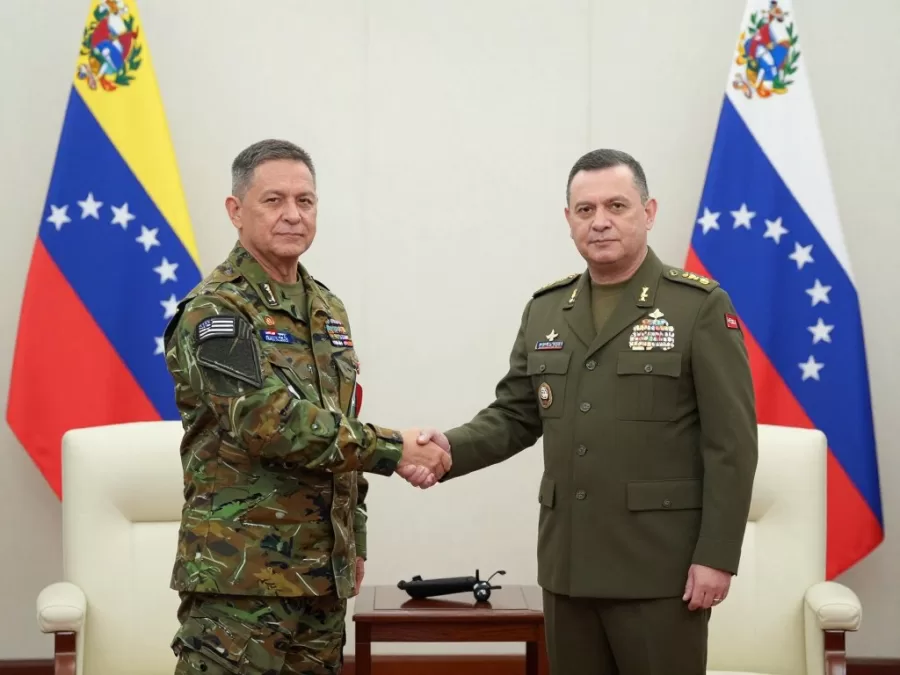
Venezuela maintains strategic relationships with Russia, China, Cuba, and Iran, potentially complicating the geopolitical calculus of any military confrontation.
“Those people do not have sufficient training. There is no real armed structure to mobilize those elements, and those elements would not be effective in combat.”
Geopolitical Context & Implications
The military imbalance between Venezuela and the United States exists within a complex regional and global context that shapes how these capabilities might be employed.
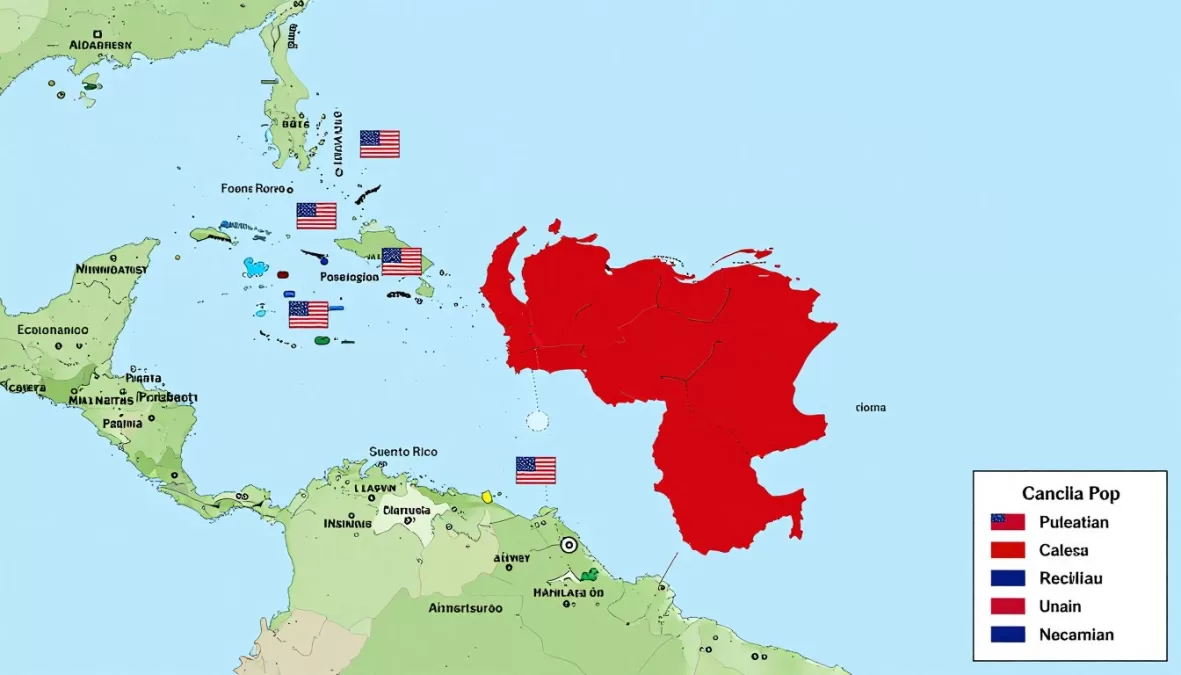
Recent US naval deployments in the Caribbean have included the USS Gerald R. Ford aircraft carrier strike group, approximately 15,000 personnel, more than a dozen warships, and F-35 fighter jets stationed in Puerto Rico – representing the largest US military presence in the region since the 1989 invasion of Panama.
The overwhelming military advantage enjoyed by the United States means that conventional conflict would be extraordinarily costly for Venezuela. This reality shapes both nations’ approaches to regional tensions, with diplomatic, economic, and information operations typically taking precedence over direct military confrontation.
For Venezuela, the military serves multiple purposes beyond external defense, including regime security, internal control, and symbolic projection of sovereignty. The armed forces’ close alignment with the government creates a military-political complex that shapes both domestic and international policy.
For the United States, military capabilities in the region support broader objectives including counter-narcotics operations, humanitarian assistance, disaster response, and maintaining regional stability. The significant power advantage provides multiple options for addressing challenges without necessarily resorting to direct conflict.
Conclusion: The Reality of Military Disparity
The military comparison between Venezuela and the United States reveals one of the most pronounced power imbalances in the Western Hemisphere. While Venezuela maintains forces sufficient for basic territorial defense and internal security, they are dwarfed by US capabilities across every significant metric – from personnel numbers and equipment quantities to technological sophistication and operational experience.
This disparity creates a strategic reality where direct military confrontation would be catastrophic for Venezuela, encouraging both nations to pursue their objectives through other means despite occasional rhetorical escalation. The Venezuelan military’s focus on asymmetric capabilities and regime security reflects a pragmatic adaptation to this fundamental imbalance.
Understanding this military comparison provides essential context for interpreting regional tensions and evaluating the likely trajectories of US-Venezuela relations. While military capabilities represent just one dimension of national power, they establish the parameters within which other forms of statecraft operate.
Stay Informed on Global Military Developments
Receive expert analysis on military capabilities, geopolitical tensions, and strategic developments worldwide. Our newsletter provides context beyond the headlines.

Priyanka Pandey
Senior Research Editor · Top10Sense
Priyanka specializes in tech, consumer products, and digital trends. She combines hands-on testing, vendor interviews, and database research to create trustworthy “Top 10” rankings. Her work has been referenced by industry blogs and brand report pages.