
Currency strength serves as a critical indicator of a nation’s economic health and stability. When examining the global financial landscape, certain currencies consistently struggle against major players like the US Dollar and Euro. These weakest currencies in the world often reflect deeper economic challenges, political instability, or structural issues within their respective countries.
In this comprehensive analysis, we’ll explore the top 10 weakest currencies in the world for 2025, examining the factors behind their depreciation and the real-world impact on citizens and economies. Understanding these currency dynamics provides valuable insights into global economic trends and potential investment considerations in an increasingly interconnected world.
What Makes a Currency Weak?
Key factors contributing to currency weakness in global markets
A currency is considered weak when it has low value relative to major global currencies like the US Dollar or Euro. Several interconnected factors contribute to currency weakness:
Economic Factors
- High Inflation: When prices rise rapidly, purchasing power erodes, devaluing the currency
- Trade Deficits: When imports consistently exceed exports, creating downward pressure
- High Debt Levels: Excessive government borrowing undermines currency stability
- Low Foreign Reserves: Insufficient holdings of other currencies limit intervention capabilities
Political & Structural Factors
- Political Instability: Coups, civil unrest, or governance issues erode investor confidence
- Sanctions: International restrictions limiting trade and financial transactions
- Corruption: Systemic issues that undermine economic efficiency and growth
- Overdependence: Reliance on single industries (often commodities) creates vulnerability
Central bank policies also play a crucial role in currency strength. Some nations deliberately maintain weaker currencies to boost export competitiveness, while others face devaluation due to poor monetary management or external economic shocks.
Top 10 Weakest Currencies in the World in 2025
The following ranking presents the top 10 weakest currencies in the world as of 2025, measured by their exchange rates against the US Dollar. These currencies face significant challenges ranging from hyperinflation to political instability and structural economic issues.
| Rank | Currency | Country | Code | Exchange Rate (1 USD =) | Key Factors |
| 1 | Lebanese Pound | Lebanon | LBP | 89,600 LBP | Banking crisis, political instability, economic collapse |
| 2 | Iranian Rial | Iran | IRR | 42,125 IRR | International sanctions, inflation, oil dependency |
| 3 | Vietnamese Dong | Vietnam | VND | 26,045 VND | Managed devaluation, export strategy, historical inflation |
| 4 | Laotian Kip | Laos | LAK | 21,600 LAK | Foreign debt, limited economic diversification, inflation |
| 5 | Sierra Leonean Leone | Sierra Leone | SLL | 22,563 SLL | Post-conflict recovery challenges, inflation, debt |
| 6 | Indonesian Rupiah | Indonesia | IDR | 16,294 IDR | Commodity dependence, inflation, historical devaluation |
| 7 | Uzbekistan Som | Uzbekistan | UZS | 12,800 UZS | Economic transition, inflation, limited diversification |
| 8 | Guinean Franc | Guinea | GNF | 8,655 GNF | Political instability, resource dependence, inflation |
| 9 | Paraguayan Guarani | Paraguay | PYG | 7,980 PYG | Agricultural dependence, inflation, regional influences |
| 10 | Malagasy Ariary | Madagascar | MGA | 4,500 MGA | Geographic isolation, political instability, limited industry |
Now, let’s examine each of these currencies in detail to understand the specific economic and political factors contributing to their weakness.
1. Lebanese Pound (LBP) – Lebanon
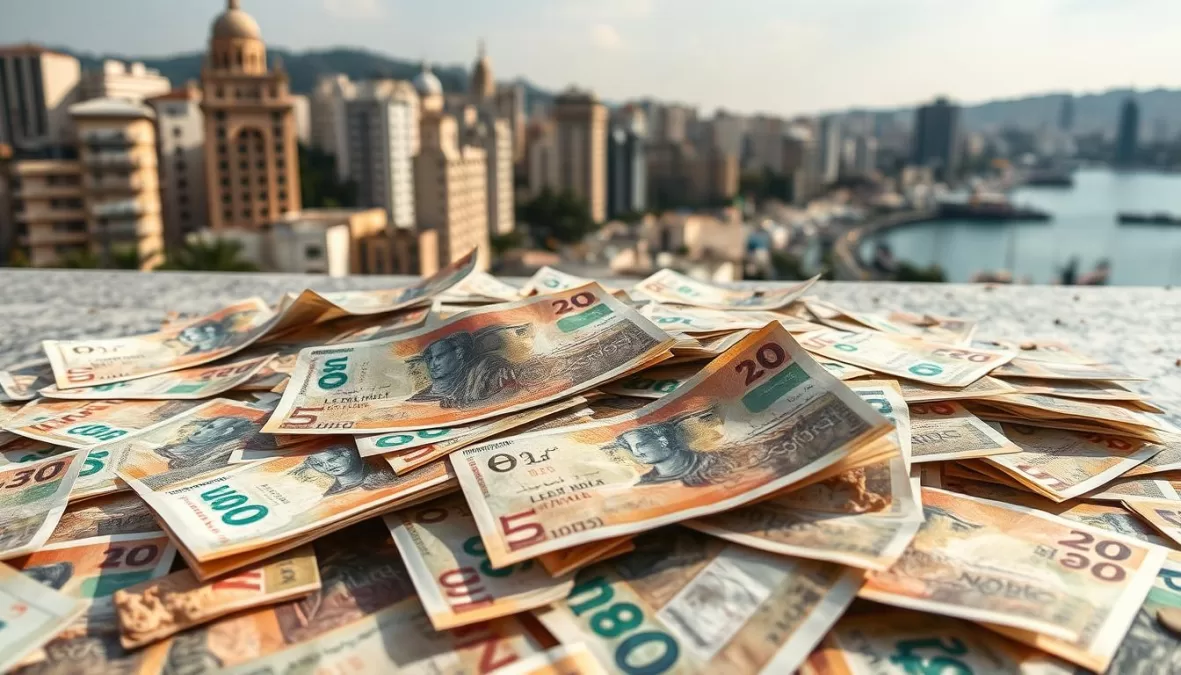
The Lebanese Pound (LBP) currently holds the unfortunate distinction of being the world’s weakest currency, with an exchange rate of approximately 89,600 LBP to 1 USD. This represents a catastrophic collapse from its once-stable peg of 1,500 LBP to the dollar maintained for decades.
Key Factors Behind the Collapse
- Banking Crisis: Lebanon’s banking system effectively operated as a state-sponsored Ponzi scheme, offering unsustainably high interest rates to attract deposits
- Political Deadlock: Sectarian governance has prevented meaningful reforms and recovery plans
- Beirut Port Explosion: The 2020 disaster compounded existing economic problems
- Hyperinflation: Rates have exceeded 200% in recent years
Impact on Citizens
The currency collapse has transformed Lebanon from a middle-income country to one where over 80% of the population lives below the poverty line. Basic necessities have become luxury items, with many Lebanese unable to access their bank deposits due to capital controls. The healthcare and education systems have deteriorated significantly, and many professionals have emigrated, creating a brain drain that further hampers recovery prospects.
“The Lebanese Pound’s collapse represents one of the most severe currency crises in modern history, transforming a once-prosperous nation into an economic disaster zone virtually overnight.”
2. Iranian Rial (IRR) – Iran
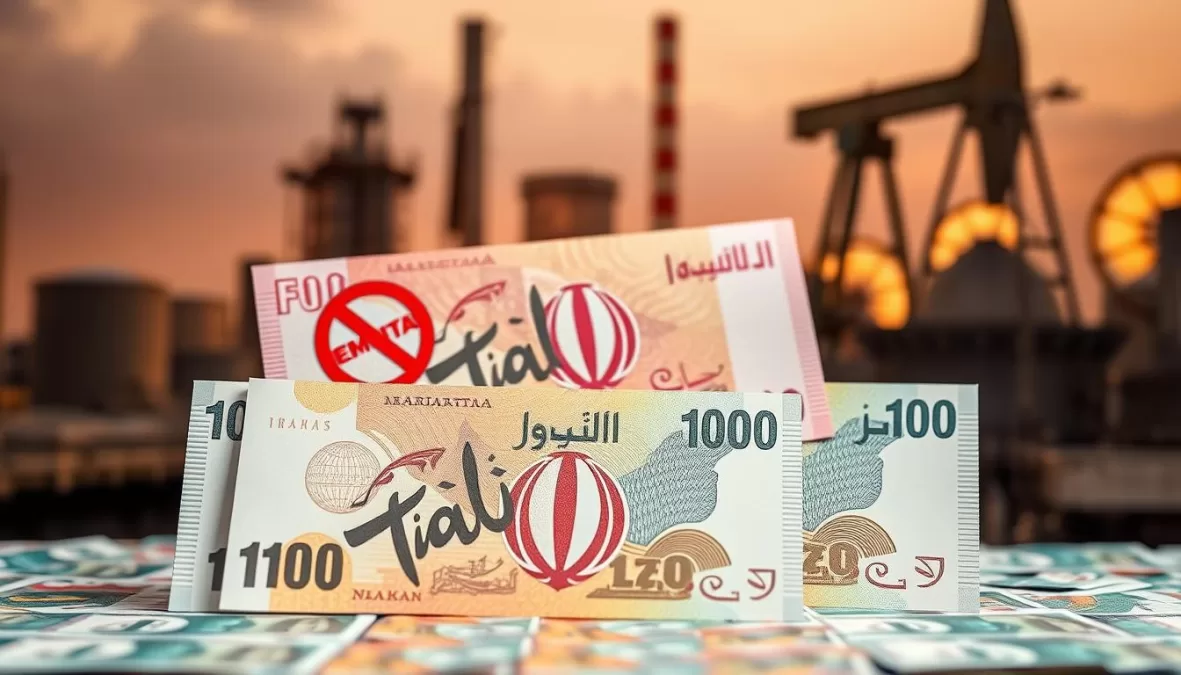
The Iranian Rial (IRR) ranks as the second weakest currency globally, trading at approximately 42,125 IRR to 1 USD. The currency has experienced a dramatic decline over the past decade, severely impacting Iran’s economy and its citizens’ purchasing power.
Driving Factors
- International Sanctions: Restrictions on Iran’s banking sector and oil exports have isolated the economy
- Oil Dependency: Overreliance on petroleum exports makes the currency vulnerable to price fluctuations
- Dual Exchange Rate System: Creates market distortions and opportunities for corruption
- Monetary Mismanagement: Inconsistent central bank policies have eroded confidence
Economic Impact
The Rial’s weakness has led to skyrocketing inflation, making everyday goods increasingly unaffordable for ordinary Iranians. Many citizens have turned to alternative stores of value, including foreign currencies, gold, and real estate, to protect their savings. The currency’s instability has also hampered business planning and investment, further constraining economic growth prospects.
3. Vietnamese Dong (VND) – Vietnam
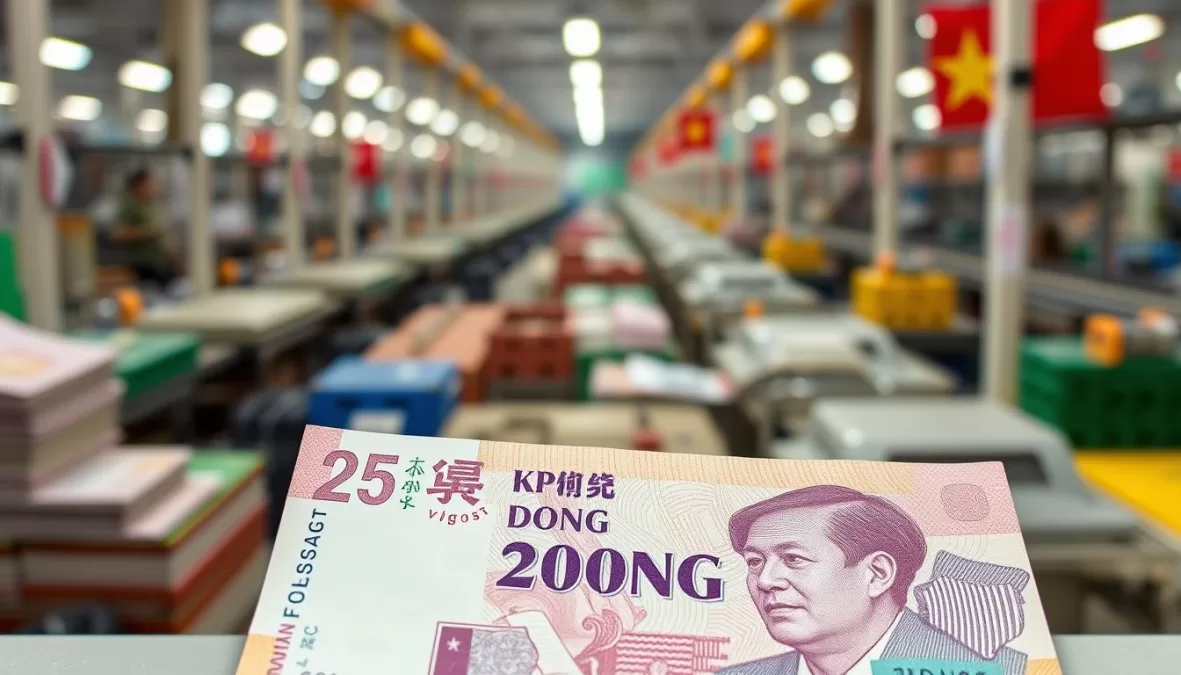
The Vietnamese Dong (VND) is the third weakest currency globally, with an exchange rate of approximately 26,045 VND to 1 USD. Unlike many other currencies on this list, Vietnam’s economy has been growing robustly, creating an interesting paradox of a strong economy with a numerically weak currency.
Understanding Vietnam’s Currency Strategy
- Export Competitiveness: The government deliberately manages the Dong at low values to boost export competitiveness
- Historical Inflation: Past periods of high inflation led to currency redenomination
- Controlled Devaluation: The central bank implements a policy of gradual, managed depreciation
- Dollarization: Despite regulations, USD remains widely used for major transactions
Economic Context
Vietnam represents a case where currency weakness is partially by design, supporting the country’s export-driven economic model. This strategy has helped Vietnam become a manufacturing powerhouse, attracting significant foreign investment. However, the weak currency also increases the cost of imports and creates challenges for Vietnamese traveling or studying abroad.
4. Laotian Kip (LAK) – Laos
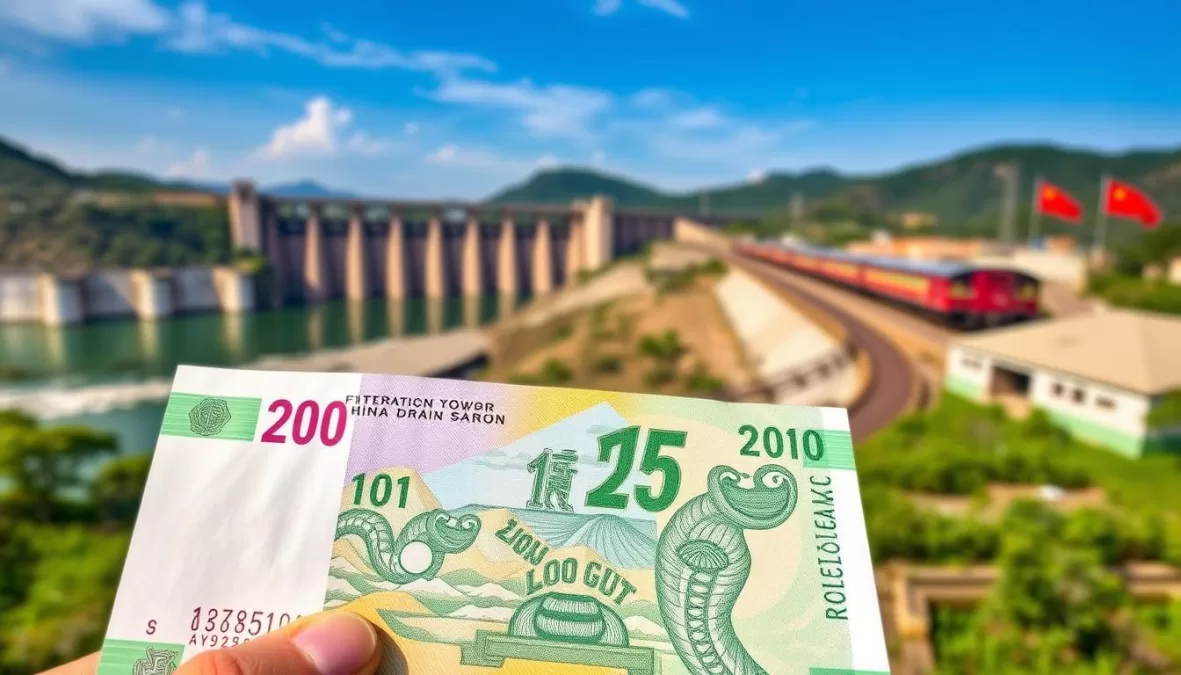
The Laotian Kip (LAK) ranks fourth among the world’s weakest currencies, with approximately 21,600 LAK equaling 1 USD. As one of Southeast Asia’s least developed economies, Laos faces significant challenges in maintaining currency stability.
Key Challenges
- Geographic Constraints: Being landlocked limits trade options and increases costs
- Infrastructure Debt: Massive Chinese-financed projects have created unsustainable debt levels
- Limited Economic Diversification: Heavy reliance on hydropower exports and natural resources
- Underdeveloped Financial System: Weak banking sector and limited monetary policy tools
Economic Implications
The Kip’s weakness reflects Laos’ structural economic vulnerabilities and development challenges. The country’s ambitious infrastructure projects, particularly the China-Laos railway, have significantly increased foreign debt without generating proportional economic benefits. For ordinary Laotians, the weak currency means high prices for imported goods and challenges in accumulating savings.
5. Sierra Leonean Leone (SLL) – Sierra Leone
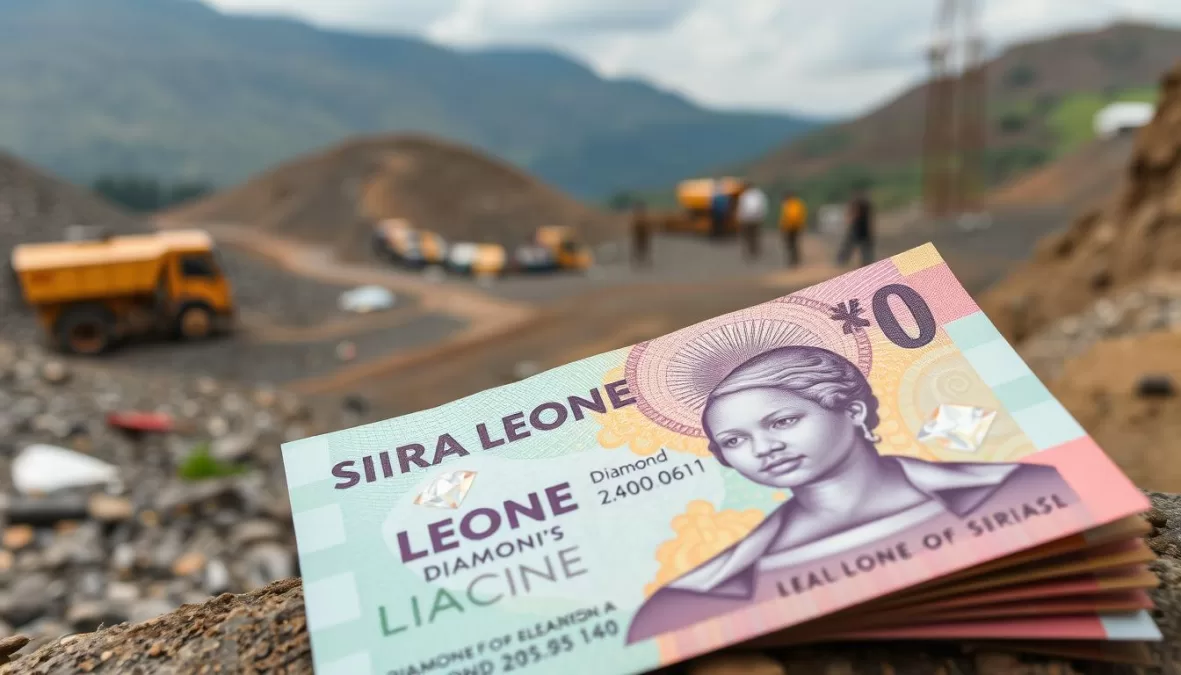
The Sierra Leonean Leone (SLL) is the fifth weakest global currency, trading at approximately 22,563 SLL to 1 USD. This West African nation’s currency bears the economic scars of a brutal civil war (1991-2002) that devastated infrastructure and deterred investment for decades.
Contributing Factors
- Post-Conflict Recovery: Ongoing challenges rebuilding after the devastating civil war
- Resource Curse: Despite diamond wealth, benefits haven’t translated to broader economic development
- Health Crises: The Ebola outbreak (2014-2016) severely impacted economic activity
- Currency Redenomination: In 2022, three zeros were removed from the currency in an attempt to restore confidence
Impact on Development
Sierra Leone’s currency weakness reflects the nation’s struggle to transition from post-conflict recovery to sustainable development. Despite rich natural resources, particularly diamonds, the benefits have not translated into broad-based economic growth or currency stability. The Leone’s persistent vulnerability creates a challenging environment for citizens who face constant inflation while international investors remain wary of committing capital.
6. Indonesian Rupiah (IDR) – Indonesia
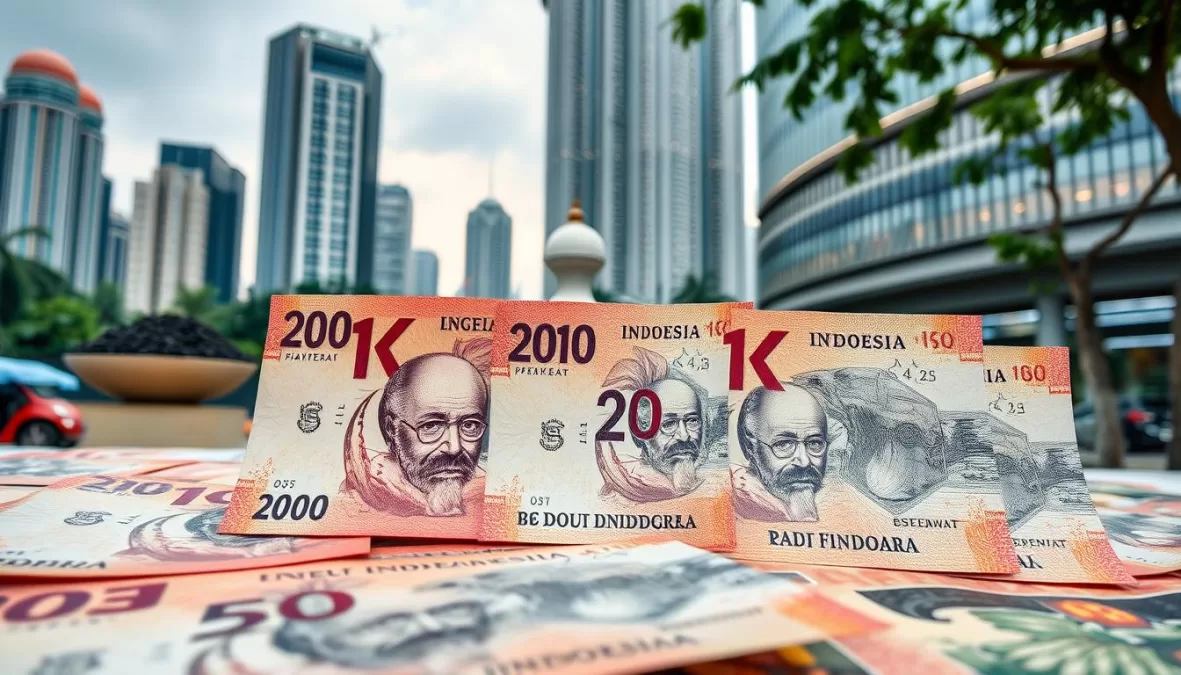
The Indonesian Rupiah (IDR) ranks sixth among the world’s weakest currencies, with an exchange rate of approximately 16,294 IDR to 1 USD. This presents an interesting case, as Indonesia boasts Southeast Asia’s largest economy yet maintains a relatively weak currency.
Factors Behind the Rupiah’s Weakness
- Asian Financial Crisis Legacy: The 1997-98 crisis, which saw the Rupiah lose 80% of its value, left lasting economic trauma
- Commodity Dependence: Reliance on raw material exports makes the currency vulnerable to price fluctuations
- Capital Flow Volatility: Indonesia’s open investment policies allow money to move in and out quickly
- Inflation Challenges: Historically higher inflation rates compared to developed economies
Economic Context
Unlike truly failing currencies, the Rupiah’s relatively low value partly reflects Indonesia’s export-oriented economic strategy. The central bank actively manages the currency to maintain competitiveness while preventing excessive volatility. For Indonesians, this means everyday purchases require banknotes denominated in tens or hundreds of thousands – creating a disconnect between the country’s economic strength and its seemingly low-value currency.
7. Uzbekistan Som (UZS) – Uzbekistan
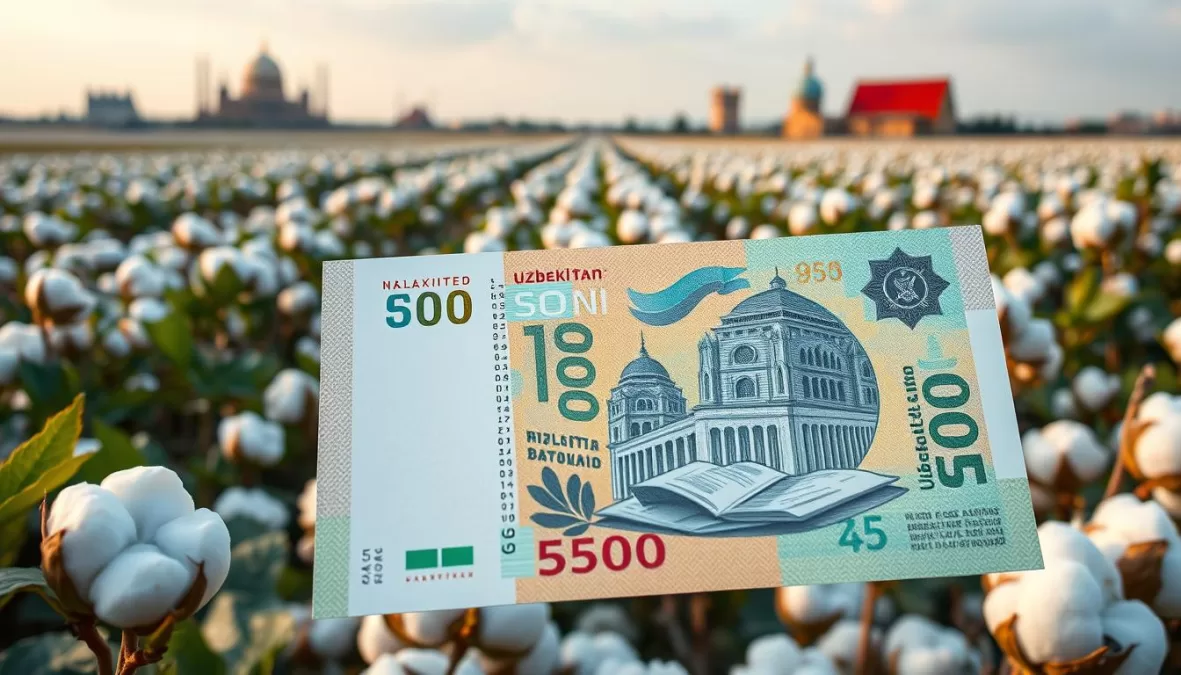
The Uzbekistani Som (UZS) is the seventh weakest currency globally, trading at approximately 12,800 UZS to 1 USD. This Central Asian currency exemplifies the challenges of post-Soviet economic transition.
Key Factors
- Economic Isolation: Decades of closed economic policies under former president Islam Karimov
- Currency Controls: Historical restrictions created parallel black markets with vastly different rates
- Commodity Dependence: Heavy reliance on cotton, gold, and natural gas exports
- Recent Reforms: Liberalization efforts since 2016 have unified exchange rates but created adjustment challenges
Economic Transition
Uzbekistan’s currency weakness reflects its difficult journey from command economy to market-oriented system. Recent reforms have liberalized currency controls and unified exchange rates, but the Som continues to struggle against structural economic limitations. For ordinary Uzbeks, this weakness translates to everyday life where modest purchases require bundles of colorful Som notes, and foreign currency remains a coveted store of value.
8. Guinean Franc (GNF) – Guinea
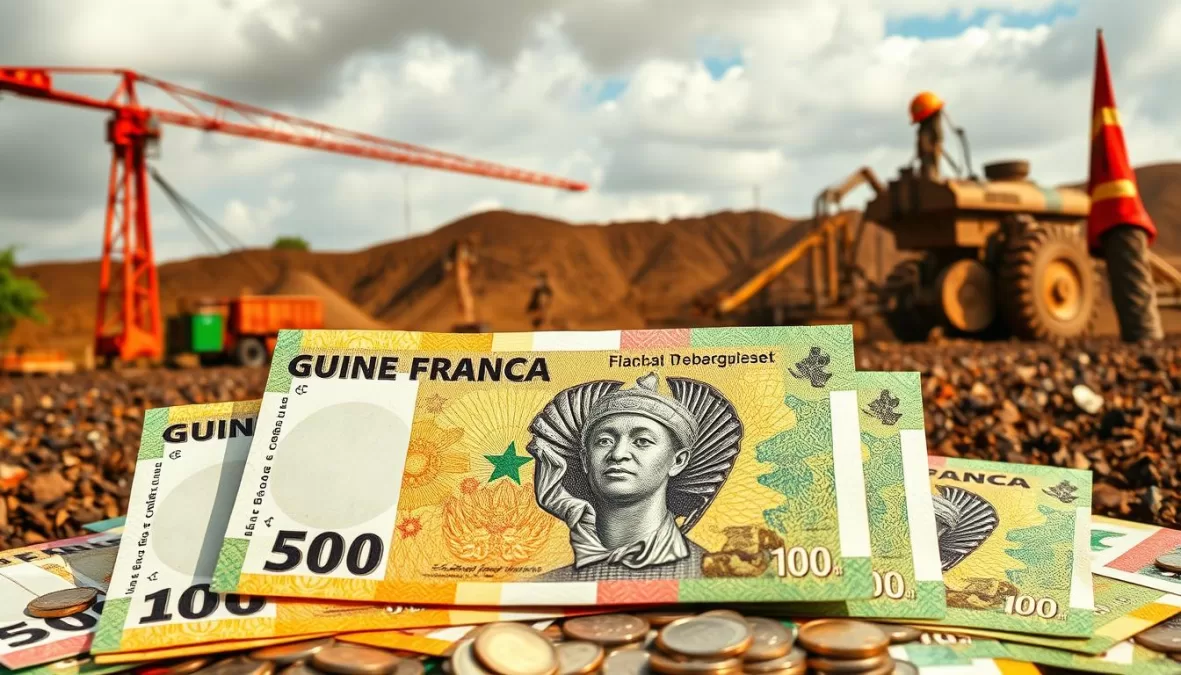
The Guinean Franc (GNF) stands as the eighth weakest currency globally, with approximately 8,655 GNF equaling 1 USD. This West African currency’s weakness reveals how political instability creates economic vulnerability even in resource-rich nations.
Contributing Factors
- Political Instability: Multiple coups d’état have undermined economic continuity and investor confidence
- Resource Paradox: Despite possessing approximately one-third of the world’s bauxite reserves, wealth hasn’t translated to economic stability
- Corruption: Widespread corruption has diverted resource wealth from infrastructure and economic diversification
- Underdeveloped Financial Sector: Cash-based economy with limited banking penetration hampers monetary policy effectiveness
Economic Reality
For average Guineans, the franc’s weakness manifests in daily economic reality where basic transactions require thick stacks of notes, while the elite often conduct business in euros or dollars to preserve wealth. The currency’s persistent weakness, despite Guinea’s mineral wealth, highlights how governance and institutional factors can override natural resource advantages in determining economic outcomes.
9. Paraguayan Guarani (PYG) – Paraguay
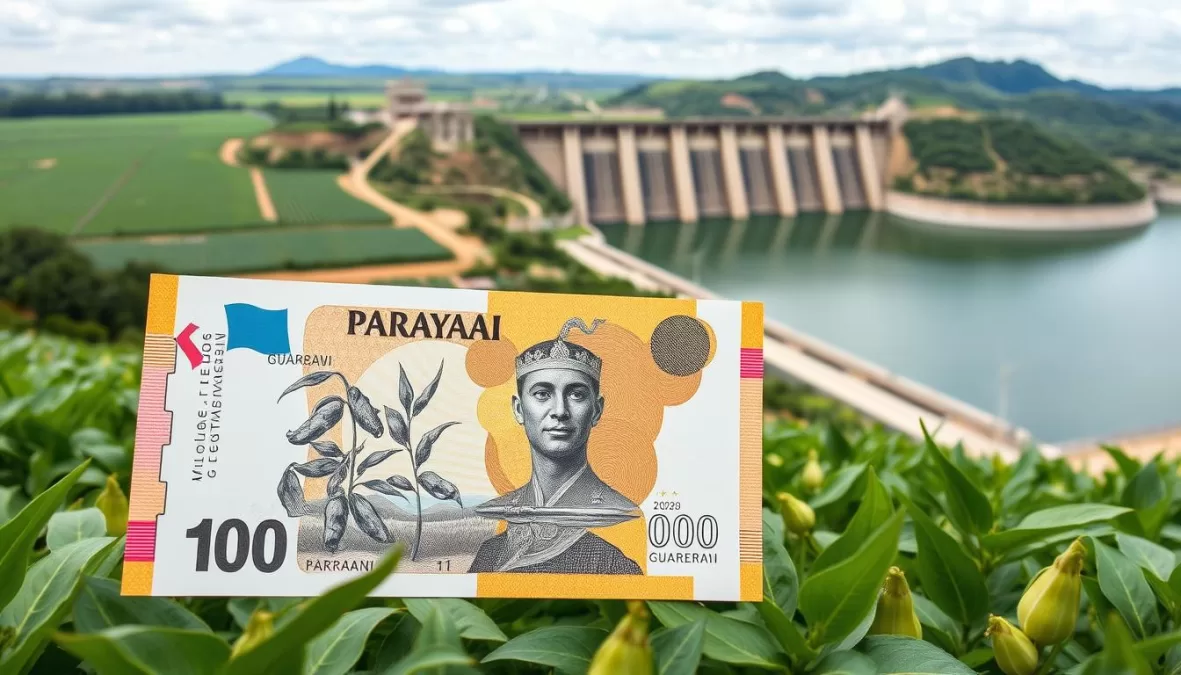
The Paraguayan Guarani (PYG) ranks as the ninth weakest global currency, trading at approximately 7,980 PYG to 1 USD. Unlike currencies destroyed by hyperinflation or political chaos, the Guarani presents a case of a relatively stable yet persistently weak currency.
Key Factors
- Agricultural Dependence: Heavy reliance on soybean and beef exports makes the economy vulnerable to price and weather fluctuations
- Regional Influences: Economic volatility in neighboring Brazil and Argentina frequently affects Paraguay
- Large Informal Sector: Nearly 40% of economic activity occurs outside formal channels
- Energy Export Paradox: Massive hydroelectric production creates a two-tier economy
Economic Context
Paraguay’s currency weakness reflects fundamental economic structural issues rather than acute crisis. The country’s position between Brazil and Argentina—two economic giants with their own currency problems—creates spillover effects. Interestingly, Paraguay’s massive hydroelectric power production contributes to the Guarani’s weakness, as energy exports get paid in dollars, creating a dual economy where average citizens use the local currency while businesses and wealthy individuals store value in foreign currencies.
10. Malagasy Ariary (MGA) – Madagascar
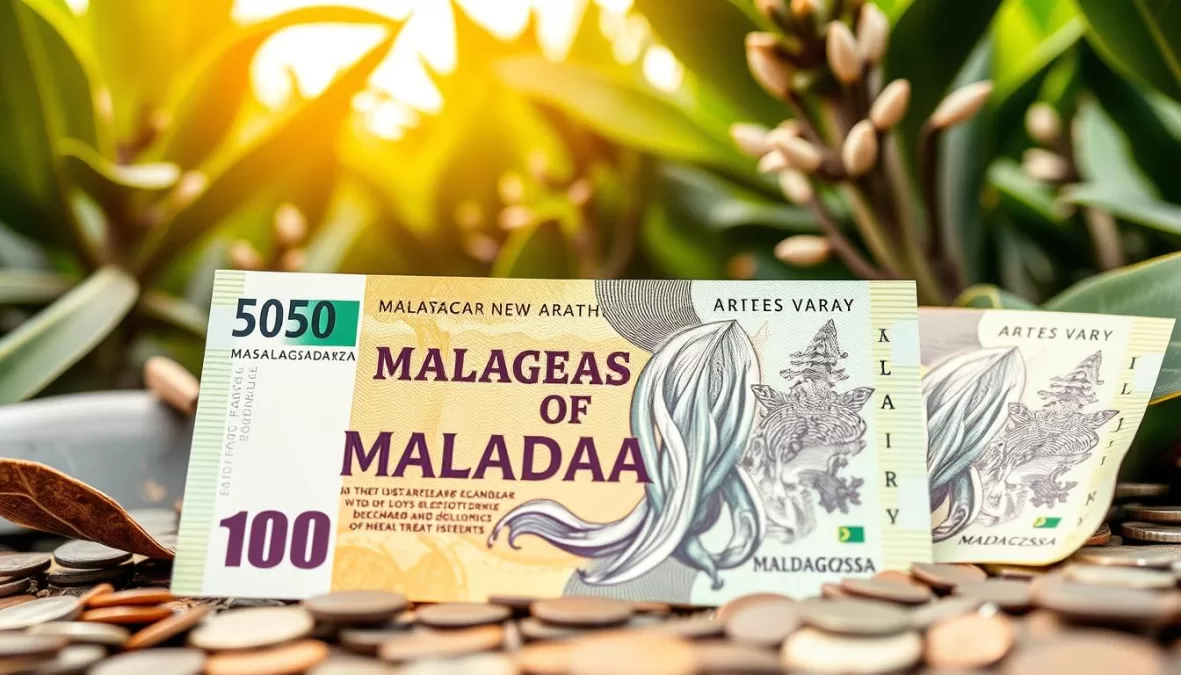
The Malagasy Ariary (MGA) completes our list of the world’s weakest currencies, trading at approximately 4,500 MGA to 1 USD. Madagascar’s currency reflects the economic struggles of one of the world’s most isolated island nations.
Contributing Factors
- Geographic Isolation: Separation from mainland Africa creates enormous logistical costs
- Vanilla Dependency: Madagascar controls 80% of global vanilla production, making the economy vulnerable to price swings
- Political Instability: Multiple coups since independence have created chronic investor uncertainty
- Climate Vulnerability: Regular cyclones and drought cycles devastate agriculture and infrastructure
Economic Impact
For Malagasy citizens, currency weakness translates to a daily reality where even modest purchases require handling thousands of Ariary notes, while foreign goods remain prohibitively expensive luxuries. The island’s unique biodiversity attracts tourism, but inadequate infrastructure development keeps the economy trapped in subsistence agriculture and limited processing industries, perpetuating currency weakness.
Common Trends Among the Weakest Currencies

Common patterns among the top 10 weakest currencies in the world 2025
Analyzing the top 10 weakest currencies reveals several common patterns that contribute to currency vulnerability:
Political Factors
- Governance instability and frequent regime changes
- International sanctions and isolation
- Post-conflict recovery challenges
- Corruption and institutional weakness
Economic Structures
- Overdependence on single commodities or sectors
- Limited industrial diversification
- High informal economic activity
- Underdeveloped financial systems
External Factors
- Geographic challenges (isolation, landlocked)
- Regional economic spillovers
- Climate vulnerability
- Historical legacies (colonialism, war)
These patterns highlight how currency weakness typically stems from a complex interplay of governance, economic structure, and external factors rather than any single cause. Addressing currency weakness therefore requires comprehensive approaches that tackle multiple underlying issues simultaneously.
Recovery Prospects and Future Outlook
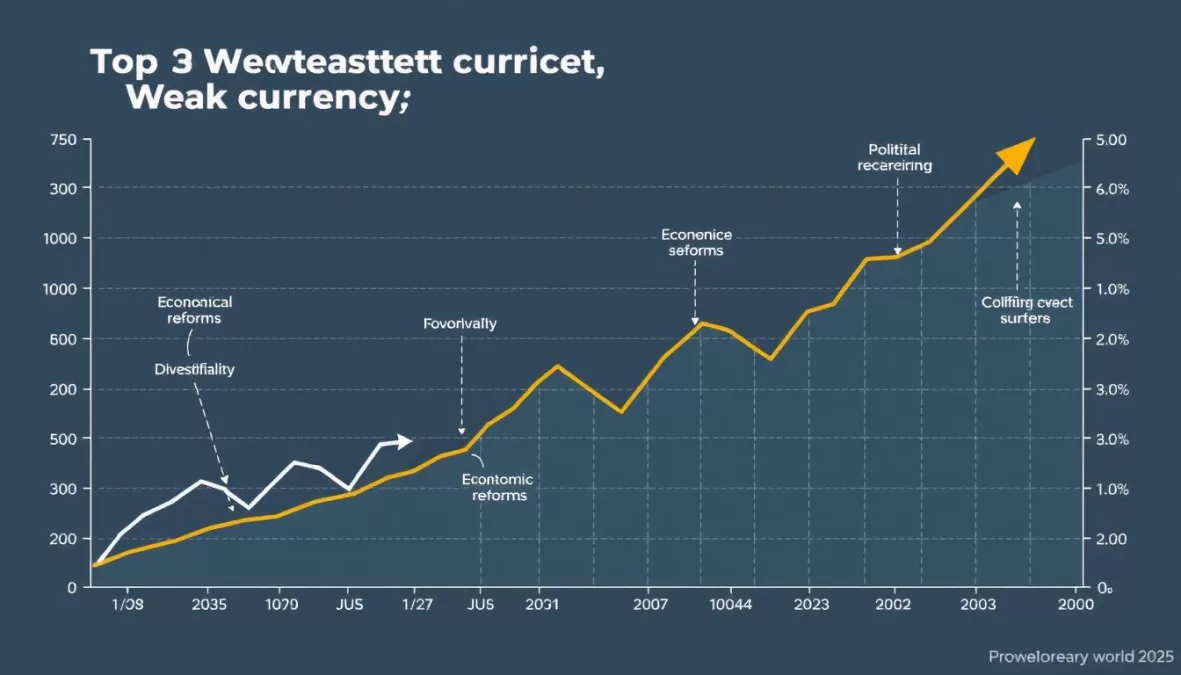
While the currencies on this list face significant challenges, recovery paths exist for many. The prospects for improvement vary widely based on each country’s specific circumstances:
Potential Recovery Factors
Positive Indicators
- Economic Diversification: Reducing dependency on single sectors or commodities
- Institutional Reforms: Strengthening governance and reducing corruption
- Fiscal Discipline: Controlling inflation and managing debt sustainably
- Regional Integration: Expanding trade relationships and market access
- Technology Adoption: Leveraging digital solutions to overcome infrastructure gaps
Persistent Challenges
- Entrenched Corruption: Resistant to reform efforts
- Geopolitical Tensions: Ongoing conflicts or sanctions
- Climate Change: Increasing vulnerability for agriculture-dependent economies
- Debt Traps: Unsustainable borrowing limiting policy options
- Brain Drain: Loss of skilled professionals hampering development
Country-Specific Outlooks
Some nations on this list show promising signs of potential currency stabilization. Vietnam’s economic growth trajectory suggests the Dong’s weakness is largely by design rather than dysfunction. Uzbekistan’s recent reforms indicate a path toward greater currency stability through market liberalization. Indonesia has demonstrated resilience through effective monetary policy despite the Rupiah’s numerical weakness.
Others face more challenging prospects. Lebanon’s complex sectarian politics complicate the reforms needed for currency recovery. Iran’s currency outlook remains tied to geopolitical factors and sanctions relief. Countries heavily dependent on single commodities will need to achieve meaningful economic diversification to escape the cycle of currency vulnerability.
Conclusion
The top 10 weakest currencies in the world for 2025 reveal the complex interplay of economic, political, and structural factors that determine currency strength. From Lebanon’s catastrophic financial collapse to Vietnam’s deliberately managed currency strategy, these cases demonstrate that currency weakness stems from diverse causes requiring tailored solutions.
Understanding these currencies provides valuable insights into global economic disparities and the real-world impacts of monetary instability. For citizens in affected countries, weak currencies translate to daily challenges in preserving wealth and accessing imported goods. For policymakers, these examples highlight the importance of sound monetary management, economic diversification, and institutional strength in maintaining currency stability.
As the global economy continues to evolve, some of these currencies may find paths to recovery through reforms and changing circumstances, while others may face persistent challenges. Monitoring these developments offers important lessons about economic resilience and the foundations of monetary stability in an interconnected world.
Explore Currency Markets with Confidence
Want to understand how global currency trends affect your investments or international business? Get access to our comprehensive currency market guide and stay informed about the latest developments in global finance.
Frequently Asked Questions
How is currency weakness measured?
Currency weakness isn’t simply about raw exchange rates—the Japanese yen trading at 150 per dollar doesn’t make it inherently “weaker” than the British pound at 1.3 per dollar. More meaningful measures include purchasing power parity, performance against a basket of major currencies over time, and trajectory of change rather than absolute values. The most revealing indicators combine inflation rates with interest rate differentials, current account balances, and political stability metrics. Perhaps most tellingly, observe whether locals themselves prefer to hold savings in their national currency or routinely convert to dollars or euros—this real-world behavior reveals more about true currency weakness than any single economic metric.
What makes a currency strong?
Currency strength emerges from interconnected economic factors: low inflation that preserves purchasing power, robust economic growth that attracts global capital, and a stable political environment that fosters investor confidence. Strong currencies typically reflect central banks with fiercely guarded independence and credibility, maintaining disciplined monetary policies even when faced with short-term political pressures. Perhaps most fundamentally, currency strength stems from structural economic balance—manageable government debt, positive trade dynamics, diversified revenue sources, and deep, liquid financial markets that can absorb global capital flows without excessive volatility.
Is a weak currency always bad for a country’s economy?
Not necessarily. While extreme currency weakness typically indicates economic problems, moderate currency weakness can benefit export-oriented economies by making their goods more competitive internationally. Countries like Vietnam and China have strategically managed their currencies to support export growth. However, weak currencies also increase the cost of imports, can fuel inflation, make foreign debt more expensive to service, and reduce citizens’ purchasing power for imported goods. The ideal currency position depends on a country’s economic structure, development stage, and policy objectives.
Can a weak currency recover?
Yes, currencies can recover from periods of weakness through effective economic reforms, political stabilization, and improved monetary policy. South Korea’s won and Turkey’s lira have historically recovered from severe crises. Recovery typically requires addressing the underlying causes of weakness—controlling inflation, building foreign reserves, establishing fiscal discipline, and restoring investor confidence. However, recovery can be a lengthy process, particularly when currency weakness stems from deep structural issues rather than temporary shocks.
How do weak currencies affect ordinary citizens?
Weak currencies directly impact citizens’ daily lives in multiple ways. They reduce purchasing power for imported goods, making everything from electronics to medicines more expensive. Savings held in the local currency lose value over time, encouraging dollarization (using foreign currencies for savings). Travel abroad becomes prohibitively expensive. However, those working in export industries may benefit from increased competitiveness. Overall, currency weakness typically increases economic inequality, as wealthier citizens can better protect their assets through access to foreign currencies and investments.

Priyanka Pandey
Senior Research Editor · Top10Sense
Priyanka specializes in tech, consumer products, and digital trends. She combines hands-on testing, vendor interviews, and database research to create trustworthy “Top 10” rankings. Her work has been referenced by industry blogs and brand report pages.