
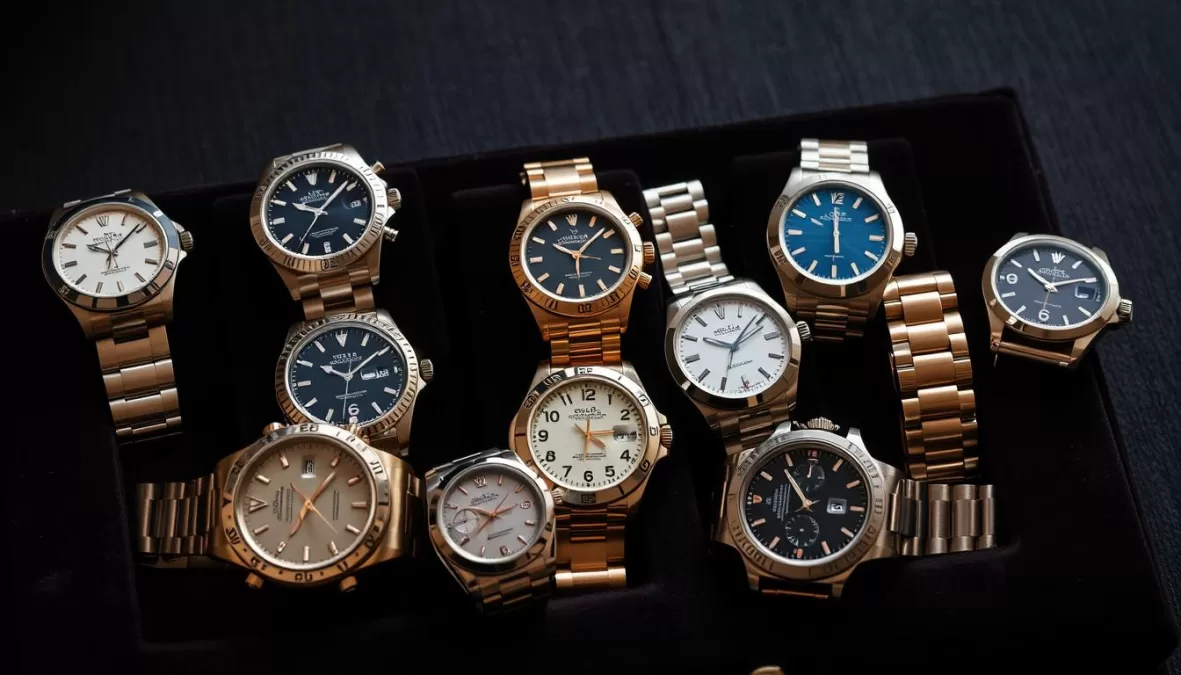
Luxury watches represent the pinnacle of human engineering precision and artistic expression. Far more than mere timekeeping devices, these masterpieces serve as status symbols, heirlooms, and investments that can appreciate over generations. The top 10 watch brands in the world have earned their prestigious reputations through centuries of innovation, uncompromising quality standards, and distinctive design languages that make their timepieces instantly recognizable to connoisseurs.
The Significance of Luxury Timepieces
The world’s finest watches represent an extraordinary intersection of art, engineering, and heritage. Each timepiece contains hundreds of meticulously crafted components, often finished by hand to tolerances measured in microns. These mechanical marvels don’t simply tell time—they tell stories of innovation, tradition, and the relentless pursuit of perfection.
What distinguishes a truly exceptional watch goes beyond materials and mechanics. The heritage of craftsmanship, passed down through generations of master watchmakers, creates an intangible value that transcends the physical object. When you wear a timepiece from one of the top 10 watch brands in the world, you carry with you centuries of horological history.
“A watch is the only jewelry a man can wear without seeming pretentious, yet it still makes a statement about who he is and what he values.”
How We Ranked the Top Watch Brands
Our comprehensive evaluation of the world’s finest watchmakers considers multiple factors that truly define horological excellence:
- Heritage and History: Brands with centuries of continuous watchmaking tradition score highly for their accumulated expertise and proven longevity.
- Technical Innovation: Pioneering advancements in mechanical watchmaking, from new complications to improved accuracy.
- In-house Manufacturing: The extent to which brands produce their own movements and components rather than relying on external suppliers.
- Craftsmanship and Finishing: The quality of hand-finishing, decoration, and attention to even invisible details.
- Design Distinctiveness: Recognizable aesthetic identity and influential designs that have shaped the industry.
- Market Prestige: Reputation among collectors, performance at auctions, and overall brand positioning.
- Value Retention: How well the timepieces maintain or appreciate in value over time.
Comparison of Top 10 Watch Brands
| Brand | Founded | Country | Price Range | Iconic Model |
| Rolex | 1905 | Switzerland | $5,000 – $500,000 | Submariner |
| Patek Philippe | 1839 | Switzerland | $15,000 – $2,000,000+ | Nautilus |
| Audemars Piguet | 1875 | Switzerland | $13,000 – $1,000,000+ | Royal Oak |
| Vacheron Constantin | 1755 | Switzerland | $18,000 – $1,000,000+ | Patrimony |
| A. Lange & Söhne | 1845 | Germany | $17,500 – $500,000+ | Lange 1 |
| Omega | 1848 | Switzerland | $3,000 – $100,000+ | Speedmaster |
| Jaeger-LeCoultre | 1833 | Switzerland | $7,000 – $300,000+ | Reverso |
| Cartier | 1847 | France | $3,000 – $250,000+ | Tank |
| IWC Schaffhausen | 1868 | Switzerland | $4,500 – $250,000+ | Portugieser |
| Breguet | 1775 | Switzerland | $10,000 – $500,000+ | Classique |
1. Rolex: The Crown of Watchmaking
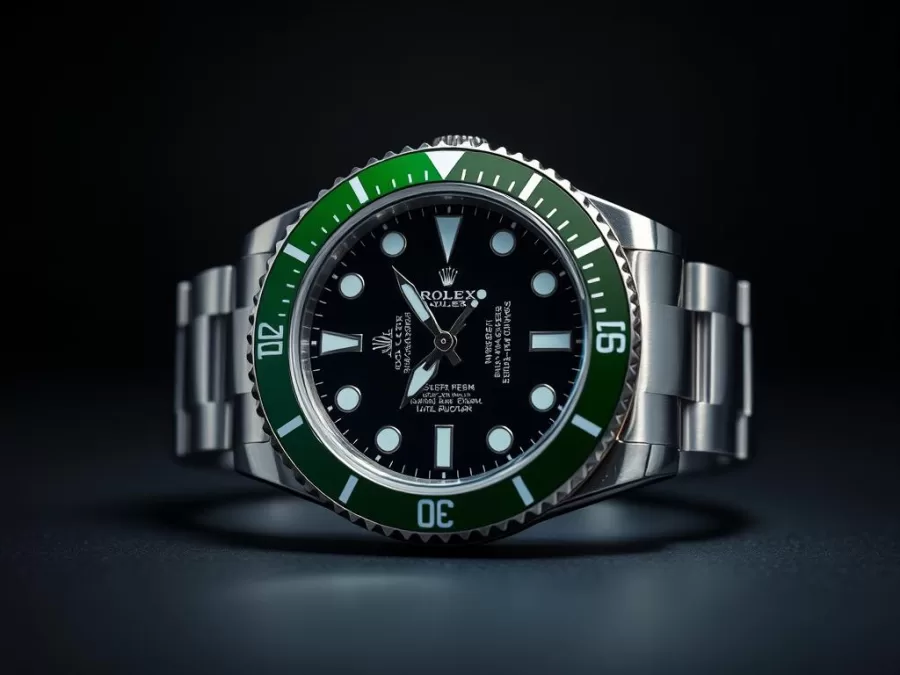
Rolex stands unchallenged at the summit of the watchmaking world, producing approximately 800,000 timepieces annually that represent the perfect balance of precision, durability, and timeless design. Founded in 1905 by Hans Wilsdorf, the brand has consistently pioneered innovations that have redefined the modern wristwatch.
Heritage and Innovation
Rolex’s journey to becoming the most recognized luxury watch brand began with a vision of transforming wristwatches from delicate accessories into robust, reliable instruments. The company revolutionized watchmaking with numerous firsts, including the first waterproof wristwatch case (Oyster, 1926) and the first self-winding mechanism with a Perpetual rotor (1931).
Signature Collections
- Submariner: The archetypal dive watch, water-resistant to 300 meters, with a unidirectional rotating bezel.
- Datejust: The quintessential Rolex dress watch with the signature date window and cyclops lens.
- GMT-Master II: Designed for pilots with its dual-time zone functionality and distinctive two-tone bezel.
- Daytona: The legendary chronograph with unparalleled demand and appreciation in value.
- Explorer: Robust adventure watches tested in extreme conditions, including Mount Everest expeditions.
Manufacturing Excellence
Rolex’s vertical integration is unmatched in the industry. The company operates its own gold foundry, manufactures all movement components in-house, and even develops proprietary lubricants and alloys. Each watch undergoes rigorous testing that exceeds industry standards, ensuring exceptional reliability in all conditions.
2. Patek Philippe: Generations of Excellence
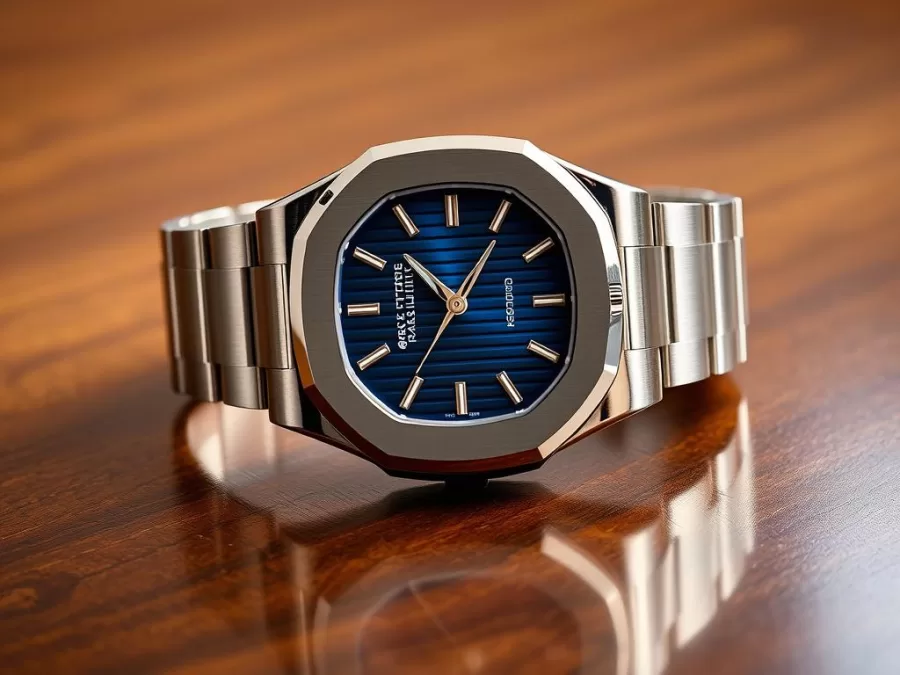
As the last family-owned independent Geneva watch manufacturer, Patek Philippe maintains an unparalleled reputation for excellence since 1839. Their philosophy of creating timepieces that can be passed down through generations has resulted in some of the most sophisticated and valuable watches ever made.
Horological Mastery
Patek Philippe produces fewer than 50,000 watches annually, with each timepiece being assembled, finished, and tested by hand. Every component meets the stringent ‘Patek Philippe Seal’ requirements, their own quality standard that exceeds common industry certifications. Their master watchmakers spend between 4 months to several years creating a single timepiece, depending on its complexity.
Iconic Collections
- Nautilus: Designed by legendary Gerald Genta, this luxury sports watch has become one of the most sought-after timepieces in the world.
- Calatrava: The epitome of elegant simplicity in dress watches, defined by clean lines and perfect proportions.
- Grand Complications: Masterpieces featuring perpetual calendars, minute repeaters, and chronographs that showcase the brand’s technical prowess.
- Aquanaut: A contemporary sports watch with distinctive rounded octagonal case and “Tropical” composite strap.
- Twenty~4: Elegant timepieces designed specifically for women, available in both quartz and automatic versions.
Investment Value
Patek Philippe watches consistently break auction records, with pieces like the Grandmaster Chime Ref. 6300A selling for over $31 million, making it the most expensive watch ever sold at auction. The company’s famous advertising campaign states, “You never actually own a Patek Philippe. You merely look after it for the next generation”—a sentiment that perfectly captures their timepieces’ enduring value.
3. Audemars Piguet: Masters of Complexity
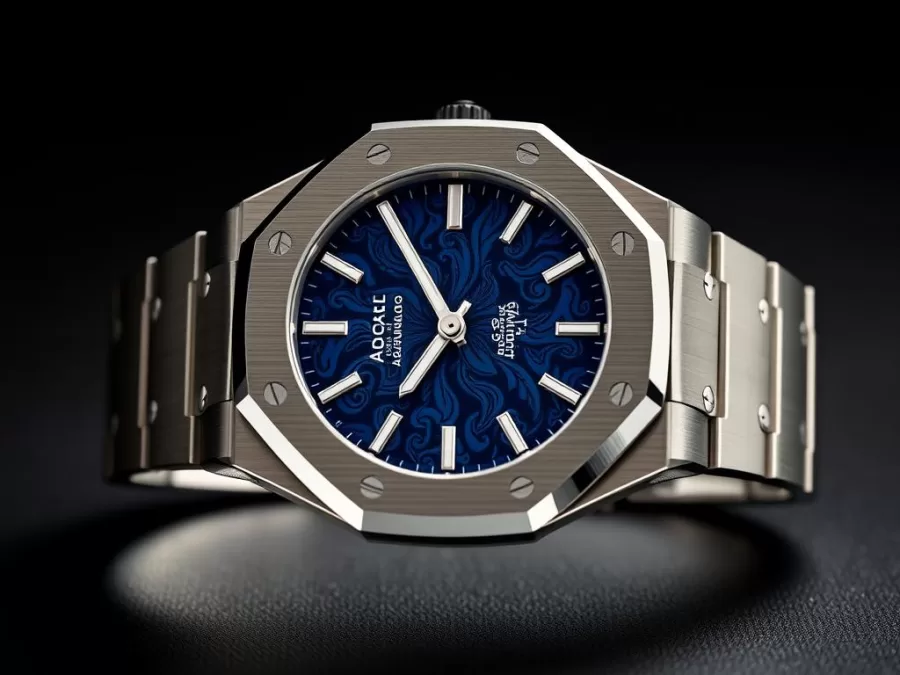
Audemars Piguet has been a pillar of fine watchmaking since 1875, maintaining its status as one of the few remaining family-owned luxury watch manufacturers. The company revolutionized the industry in 1972 with the introduction of the Royal Oak, creating an entirely new category: the luxury sports watch.
Revolutionary Design
The Royal Oak’s iconic octagonal bezel with exposed screws, designed by legendary watch designer Gérald Genta, changed the luxury watch industry forever. Its integrated bracelet design and industrial-inspired aesthetics created a new design language for luxury timepieces that continues to influence watchmaking today.
Signature Collections
- Royal Oak: The original luxury sports watch with its distinctive octagonal bezel and integrated bracelet.
- Royal Oak Offshore: A more robust, sporty evolution of the Royal Oak with larger dimensions and bolder styling.
- Millenary: Featuring oval cases and off-center dials that showcase the brand’s artistic approach to watchmaking.
- Code 11.59: A contemporary collection that combines round dials with complex case architecture.
- Concept Watches: Experimental timepieces that push the boundaries of materials and mechanical innovation.
Technical Innovation
Audemars Piguet develops and manufactures their own movements in-house, including highly complicated mechanisms like perpetual calendars, minute repeaters, and chronographs. The company has pioneered the use of innovative materials in luxury watches, including forged carbon, ceramic, and alacrite 602, a highly scratch-resistant alloy.
4. Vacheron Constantin: Uninterrupted Excellence Since 1755
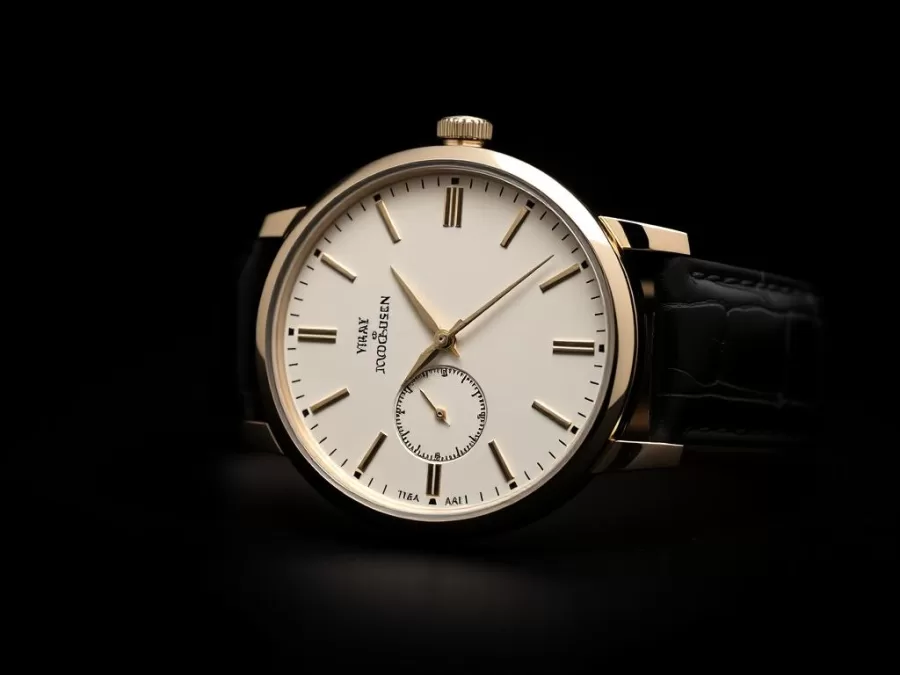
Founded in 1755, Vacheron Constantin holds the distinction of being the world’s oldest watch manufacturer in continuous operation. This Geneva-based company has maintained an unbroken tradition of excellence for over 265 years, creating some of the most complicated timepieces in horological history.
Timeless Elegance
Each Vacheron Constantin watch bears the Geneva Seal (Hallmark of Geneva), one of the highest quality certifications in watchmaking. This requires meeting strict standards for both movement finishing and accuracy under various conditions. The company produces fewer than 20,000 watches annually, with each timepiece requiring months or even years to complete.
Signature Collections
- Patrimony: Ultra-thin dress watches that epitomize elegant minimalism with perfectly balanced proportions.
- Overseas: The brand’s luxury sports watch collection, featuring integrated bracelets and exceptional versatility.
- Traditionnelle: Classical timepieces that showcase traditional watchmaking techniques and complications.
- Métiers d’Art: Artistic watches featuring rare crafts like enameling, gem-setting, and hand-engraving.
- Les Cabinotiers: Bespoke, one-of-a-kind creations for the most discerning collectors.
Record-Breaking Complexity
Vacheron Constantin’s Reference 57260 holds the title of the most complicated mechanical watch ever made, featuring 57 complications and 2,826 individual components. It took eight years to design and manufacture, demonstrating the brand’s unparalleled expertise in creating horological masterpieces.
5. A. Lange & Söhne: German Precision Engineering
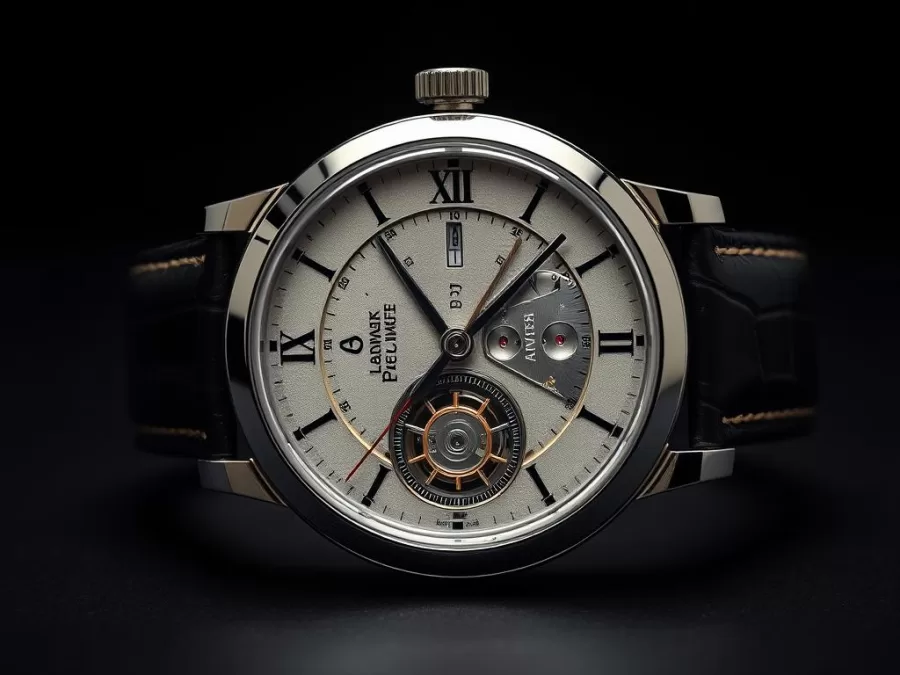
A. Lange & Söhne represents German watchmaking at its finest, with a remarkable history of precision engineering that dates back to 1845. After being expropriated following World War II, the brand was successfully revived in 1990, quickly reestablishing itself among the world’s premier watch manufacturers.
German Watchmaking Philosophy
Lange’s timepieces are distinguished by their distinctive German design philosophy, emphasizing clarity, precision, and mechanical excellence. The company produces only a few thousand watches annually, each exclusively in precious metals (platinum or gold). Every movement is assembled twice – first to ensure perfect functionality, then disassembled, cleaned, and reassembled for final finishing.
Signature Collections
- Lange 1: The flagship model featuring the iconic asymmetrical dial layout and outsize date display.
- Zeitwerk: Revolutionary digital display with jumping hours and minutes powered by a mechanical movement.
- Saxonia: Elegant dress watches that showcase the brand’s commitment to understated perfection.
- Richard Lange: Precision timekeepers inspired by historical observation watches used for scientific purposes.
- Datograph: Chronographs with perfectly balanced proportions and exceptional movement architecture.
Distinctive Movement Architecture
Lange’s movements feature unique characteristics like the signature three-quarter plate in German silver, hand-engraved balance cocks, and gold chatons secured by blued screws. These elements are both functional and aesthetically distinctive, making Lange movements instantly recognizable to connoisseurs.
6. Omega: Pioneering Precision and Space Exploration
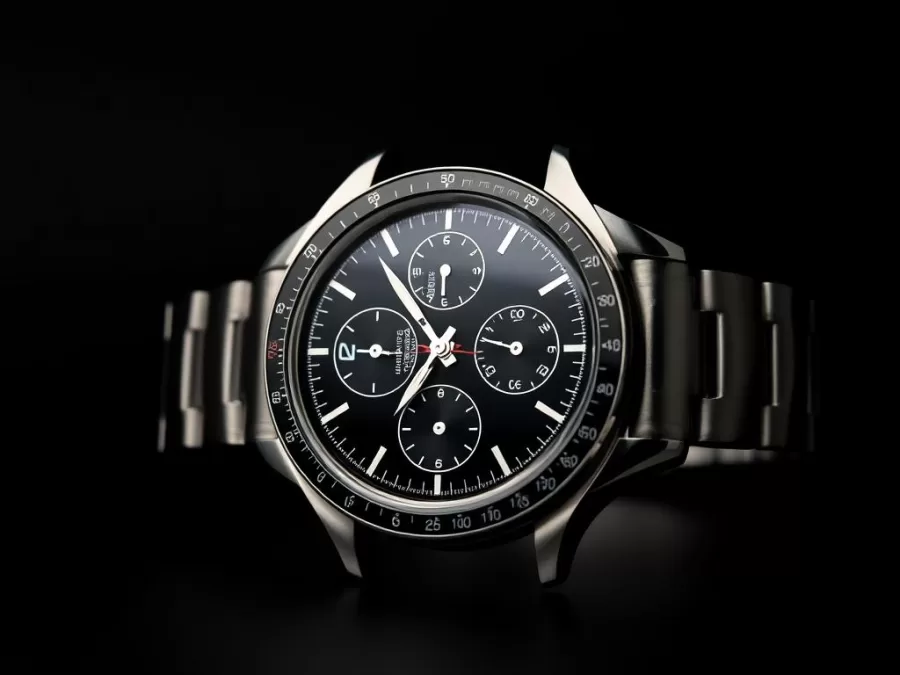
Founded in 1848, Omega has established itself as a pioneer in watchmaking technology and precision timekeeping. The brand has earned its prestigious position through numerous technical innovations, space exploration achievements, and its role as the official timekeeper of the Olympics.
Space Heritage
Omega was the first watch on the moon, worn by Buzz Aldrin during the Apollo 11 mission. The Speedmaster Professional, known as the “Moonwatch,” passed NASA’s rigorous testing and remains flight-qualified for all manned space missions. This historic achievement cemented Omega’s reputation for creating timepieces capable of performing in the most extreme conditions.
Signature Collections
- Speedmaster: The legendary chronograph with space flight heritage and distinctive tachymeter bezel.
- Seamaster: Professional dive watches with exceptional water resistance, including the James Bond favorite.
- Constellation: Elegant timepieces characterized by their “claws” and integrated designs.
- De Ville: Sophisticated dress watches that combine classic styling with modern technology.
- Aqua Terra: Versatile watches designed to transition seamlessly from boardroom to yacht deck.
Technical Innovation
Omega’s Master Chronometer certification, developed with METAS, sets new standards for mechanical watch accuracy and magnetic resistance. These watches can withstand magnetic fields up to 15,000 gauss, far exceeding industry norms. The brand’s Co-Axial escapement, invented by George Daniels, represents one of the most significant improvements in mechanical watchmaking in the last 250 years.
7. Jaeger-LeCoultre: The Watchmaker’s Watchmaker
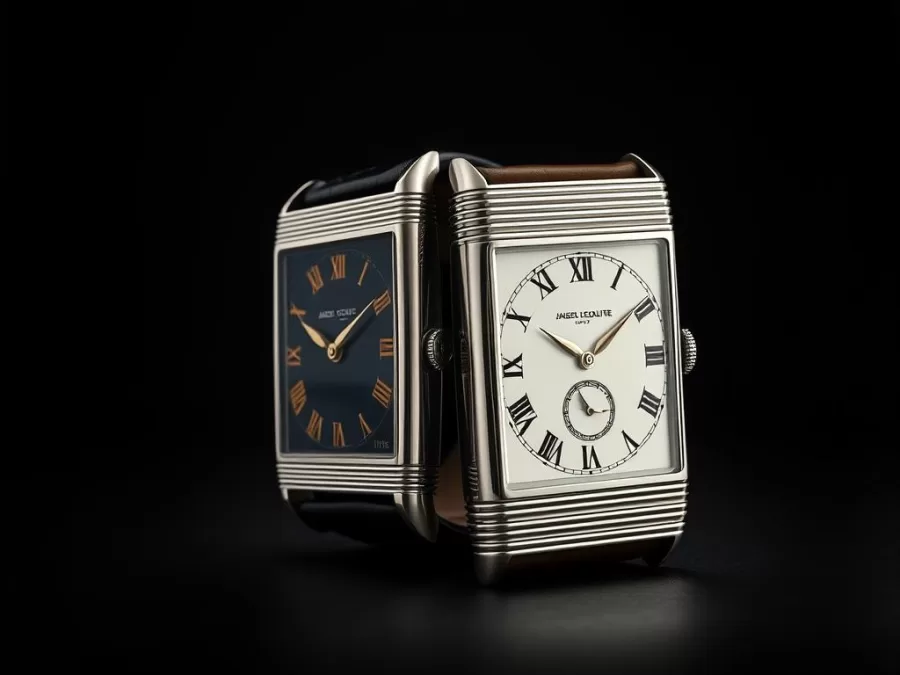
Often referred to as the “watchmaker’s watchmaker,” Jaeger-LeCoultre has been at the forefront of horological innovation since 1833. Based in Switzerland’s Vallée de Joux, the company is renowned for its exceptional in-house movement manufacturing capabilities.
Movement Innovation
Over its history, Jaeger-LeCoultre has developed more than 1,200 different calibers and holds hundreds of patents, demonstrating their commitment to pushing the boundaries of what’s possible in mechanical watchmaking. They remain one of few watchmakers capable of producing every component of a watch movement in-house.
Signature Collections
- Reverso: The iconic reversible watch created for polo players in 1931, now a design classic.
- Master Control: Precision timepieces that undergo 1,000 hours of testing before leaving the manufacture.
- Polaris: Sports watches inspired by the legendary 1968 Memovox Polaris diving alarm watch.
- Atmos: The perpetual clock that runs on atmospheric pressure changes without human intervention.
- Rendez-Vous: Elegant women’s watches featuring sophisticated complications and artistic crafts.
Horological Achievements
Jaeger-LeCoultre pioneered several watchmaking innovations, including the world’s smallest mechanical movement (Caliber 101) and numerous ultra-thin movements that remain records today. The brand has supplied movements to many other prestigious watch brands, including Patek Philippe, Vacheron Constantin, and Audemars Piguet, earning their reputation as a “watchmaker’s watchmaker.”
8. Cartier: The Jeweler of Kings
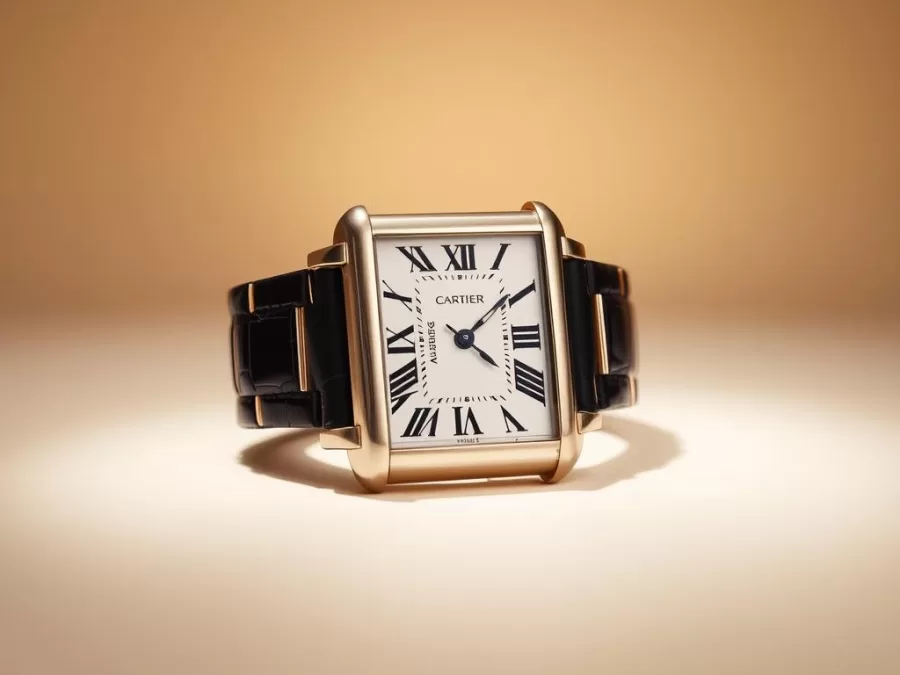
Founded as a jeweler in 1847, Cartier transformed itself into a legendary watchmaker by pioneering some of the most iconic watch designs in history. The company revolutionized wristwatch design in the early 20th century, creating timepieces that perfectly balance artistic beauty with technical excellence.
Design Innovation
The Santos, created in 1904 for aviator Alberto Santos-Dumont, was one of the first purpose-designed wristwatches, helping transform watches from pocket to wrist wear. Its distinctive square case and exposed screws influenced watch design for generations. The Tank watch, introduced in 1917, was inspired by the aerial view of World War I tanks, and its clean lines and perfect proportions have made it one of the most copied watch designs in history.
Signature Collections
- Tank: The rectangular icon available in numerous variations, from the classic Tank Louis to the modern Tank Solo.
- Santos: The pioneering pilot’s watch with square case and exposed screws.
- Ballon Bleu: Distinguished by its round case with integrated crown guard and blue sapphire cabochon.
- Panthère: Elegant bracelet watches that blur the line between jewelry and timepiece.
- Pasha: Bold round watches with distinctive crown guards and grid pattern over the crystal.
Artistic Excellence
Cartier maintains traditional crafts workshops for techniques like enameling, gem-setting, and miniature painting. Their métiers d’art pieces combine these traditional skills with modern watchmaking. The brand’s “Mystery” clocks and watches, first created in 1912, demonstrate exceptional technical innovation with hands that appear to float in space.
9. IWC Schaffhausen: Engineering Excellence
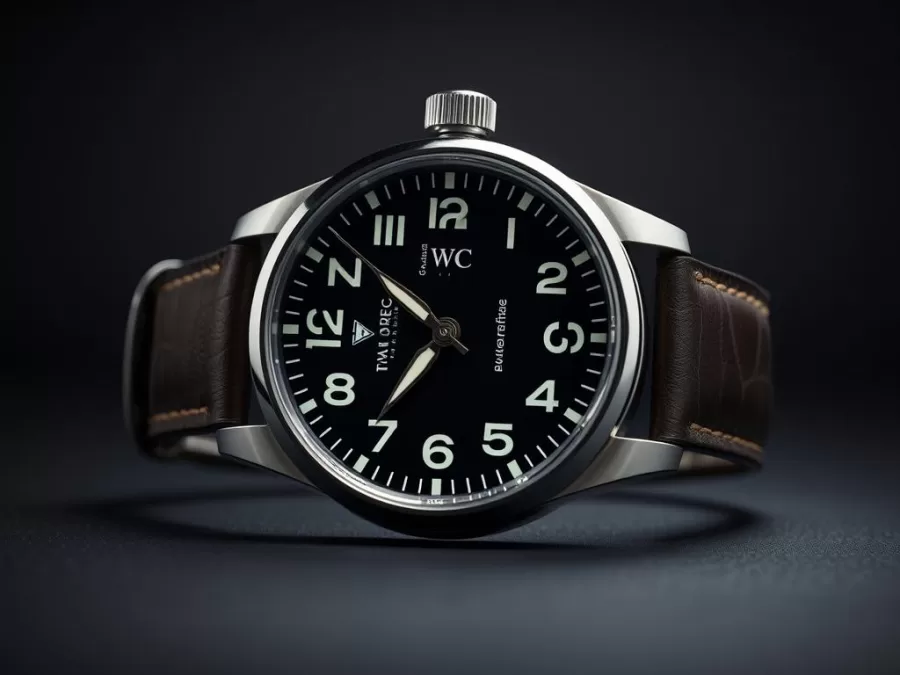
Founded in 1868 by American watchmaker Florentine Ariosto Jones, International Watch Company (IWC) uniquely combines Swiss watchmaking tradition with American engineering innovation. Located in Schaffhausen, away from the traditional Swiss watchmaking centers, IWC has carved its own path in luxury watchmaking through technical excellence and robust engineering.
Engineering Focus
IWC’s movements are designed to withstand significant shock and magnetic fields, reflecting the brand’s focus on creating robust, reliable timepieces suitable for everyday wear. Their Pellaton winding system, developed in the 1950s, remains one of the most efficient automatic winding mechanisms in watchmaking and is still used in modern IWC movements.
Signature Collections
- Pilot’s Watches: Aviation-inspired timepieces including the iconic Big Pilot and Mark series.
- Portugieser: Elegant large-diameter watches inspired by marine chronometers.
- Aquatimer: Professional dive watches with innovative internal/external rotating bezels.
- Ingenieur: Antimagnetic watches designed for engineers and scientists.
- Portofino: Classic dress watches inspired by the relaxed elegance of the Italian Riviera.
Material Innovation
IWC pioneered the use of titanium in luxury watches during the 1980s, working with Porsche Design to develop new case manufacturing techniques. They also pioneered the use of ceramic cases in watchmaking and continue to experiment with advanced materials like Ceratanium, which combines the lightness of titanium with the hardness of ceramic.
10. Breguet: The Cornerstone of Modern Watchmaking
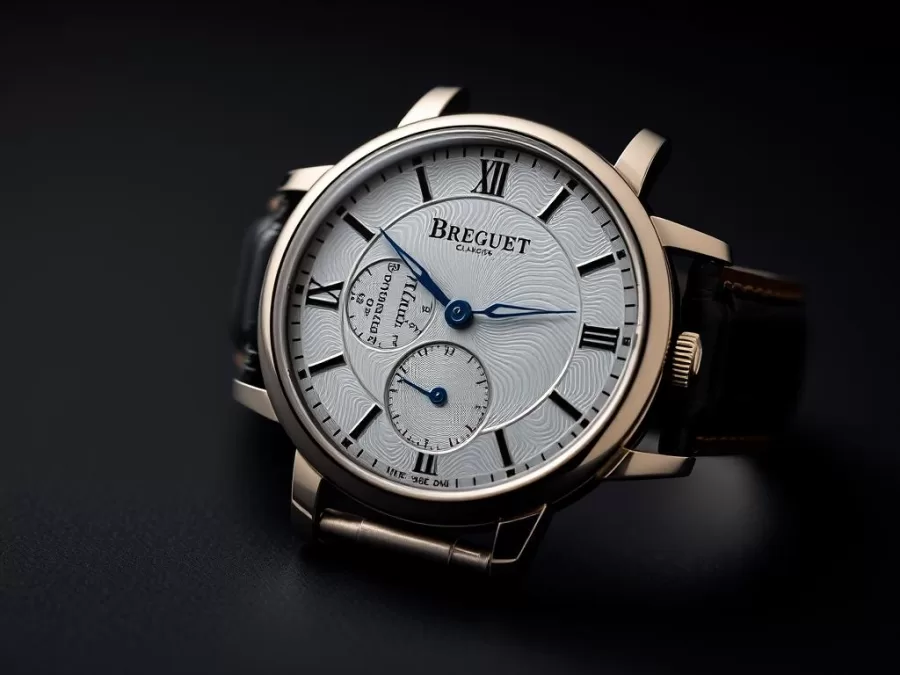
Founded in 1775 by Abraham-Louis Breguet, the brand is considered by many as the cornerstone of modern watchmaking. Breguet invented numerous fundamental watchmaking innovations that are still used today, including the tourbillon mechanism, which he patented in 1801 to counter the effects of gravity on pocket watch movements.
Horological Legacy
The distinctive Breguet hands (coined pomme hands) and Breguet numerals were created by the founder and have become industry standards, used by many other manufacturers as marks of classical watchmaking. The company pioneered the first self-winding watch mechanism (perpétuelle) in 1780, and also invented the pare-chute shock protection system, which is the basis for modern shock protection in watches.
Signature Collections
- Classique: Traditional dress watches featuring guilloche dials and other signature Breguet elements.
- Marine: Sporty yet elegant timepieces inspired by Breguet’s role as chronometer maker to the French Royal Navy.
- Tradition: Modern watches with movement components visible on the dial side, inspired by historic Breguet subscription watches.
- Reine de Naples: Oval-shaped women’s watches inspired by a timepiece Breguet created for Napoleon’s sister.
- Type XX/XXI/XXII: Aviation chronographs based on models supplied to the French Air Force in the 1950s.
Artisanal Craftsmanship
Breguet’s guilloche dials are still created using original rose-engine turning machines from the 19th century, maintaining traditional craftsmanship while ensuring each dial is unique. The brand continues to innovate with modern materials, including the use of silicon components in their movements to improve accuracy and reliability while reducing maintenance needs.
How to Choose Your Luxury Timepiece
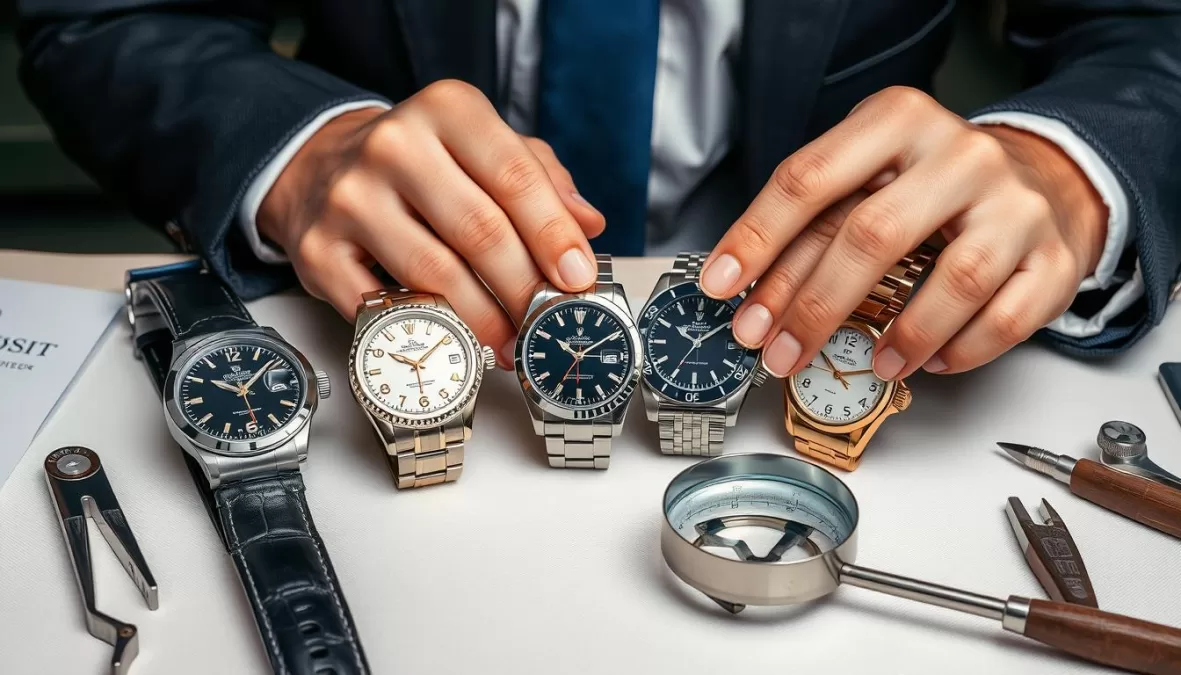
Selecting the perfect luxury watch involves balancing personal style, practical considerations, and investment potential. Whether you’re purchasing your first fine timepiece or adding to a collection, these guidelines will help you make an informed decision.
Factors to Consider
- Personal Style: Choose a watch that resonates with your aesthetic preferences and lifestyle needs.
- Movement Type: Decide between mechanical (manual or automatic) and quartz based on your appreciation for craftsmanship versus convenience.
- Case Size: Select a diameter that complements your wrist size—typically 36-42mm for most wrists.
- Materials: Consider stainless steel for durability, gold for prestige, or titanium for lightweight comfort.
- Complications: Determine which functions (date, chronograph, GMT, etc.) will be useful for your lifestyle.
- Water Resistance: Ensure adequate protection based on your activities (30m for daily wear, 100m+ for swimming).
- Brand Heritage: Research the history and values of the manufacturer to find alignment with your own priorities.
Common Mistakes to Avoid
- Buying for Investment Only: Purchase watches you genuinely appreciate, not solely as financial assets.
- Ignoring Maintenance Costs: Factor in service intervals (typically every 3-7 years) and associated expenses.
- Choosing Oversized Watches: Avoid watches that overwhelm your wrist, regardless of current trends.
- Neglecting Authentication: Always purchase from authorized dealers or reputable secondary market sources.
- Skipping Research: Understand the model’s history, variations, and current market positioning.
- Overlooking Comfort: A watch you’ll rarely wear due to discomfort is never a good investment.
- Rushing the Decision: Take time to try different models and allow your preferences to develop.
Budget Considerations
Luxury watches span an enormous price range, from entry-level luxury starting around $3,000 to complicated masterpieces exceeding $1 million. Consider these general price categories:
- $3,000-$10,000: Entry-level luxury from brands like Tudor, Omega, IWC, and Cartier. Excellent craftsmanship with more standardized movements.
- $10,000-$30,000: Mid-range luxury including many models from Rolex, Jaeger-LeCoultre, and entry-level pieces from Patek Philippe and Audemars Piguet.
- $30,000-$100,000: High-end luxury featuring complicated movements, precious metals, and exceptional finishing from prestigious manufacturers.
- $100,000+: Ultra-luxury pieces with grand complications, rare craftsmanship, or significant historical importance.
Ready to Explore the World of Fine Timepieces?
Whether you’re drawn to the timeless elegance of Patek Philippe, the robust reliability of Rolex, or the innovative designs of Audemars Piguet, the perfect luxury watch awaits. Begin your horological journey with confidence, armed with knowledge about the world’s finest watchmakers.
Conclusion: The Enduring Appeal of Fine Watchmaking
The top 10 watch brands in the world represent the pinnacle of human craftsmanship, engineering precision, and artistic expression. From Rolex’s robust reliability to Patek Philippe’s generational elegance, each manufacturer brings unique contributions to the art of timekeeping while maintaining exceptional quality standards.
In an age of disposable technology and planned obsolescence, these mechanical masterpieces stand as testaments to enduring quality and timeless design. A fine watch does more than tell time—it connects its wearer to centuries of tradition, countless hours of human craftsmanship, and the remarkable ingenuity that allows hundreds of tiny components to work in perfect harmony.
Whether you choose a watch for its technical excellence, design heritage, or investment potential, the journey into fine watchmaking offers endless fascination. The perfect timepiece awaits those who appreciate the extraordinary fusion of art and engineering that defines the world’s greatest watch brands.

Priyanka Pandey
Senior Research Editor · Top10Sense
Priyanka specializes in tech, consumer products, and digital trends. She combines hands-on testing, vendor interviews, and database research to create trustworthy “Top 10” rankings. Her work has been referenced by industry blogs and brand report pages.