The relationship between Greenland and Denmark represents one of the world’s most unique political arrangements. While Greenland is geographically part of North America, it maintains strong political and cultural ties to Europe through its connection with Denmark. This complex relationship has evolved over centuries, shaped by colonization, world wars, and modern self-governance movements. Whether you’re interested in geopolitics, indigenous rights, or simply curious about this fascinating Arctic territory, understanding the Greenland-Denmark dynamic offers valuable insights into how nations navigate complex historical relationships in the modern world.
1. Greenland is the World’s Largest Island but Not an Independent Country
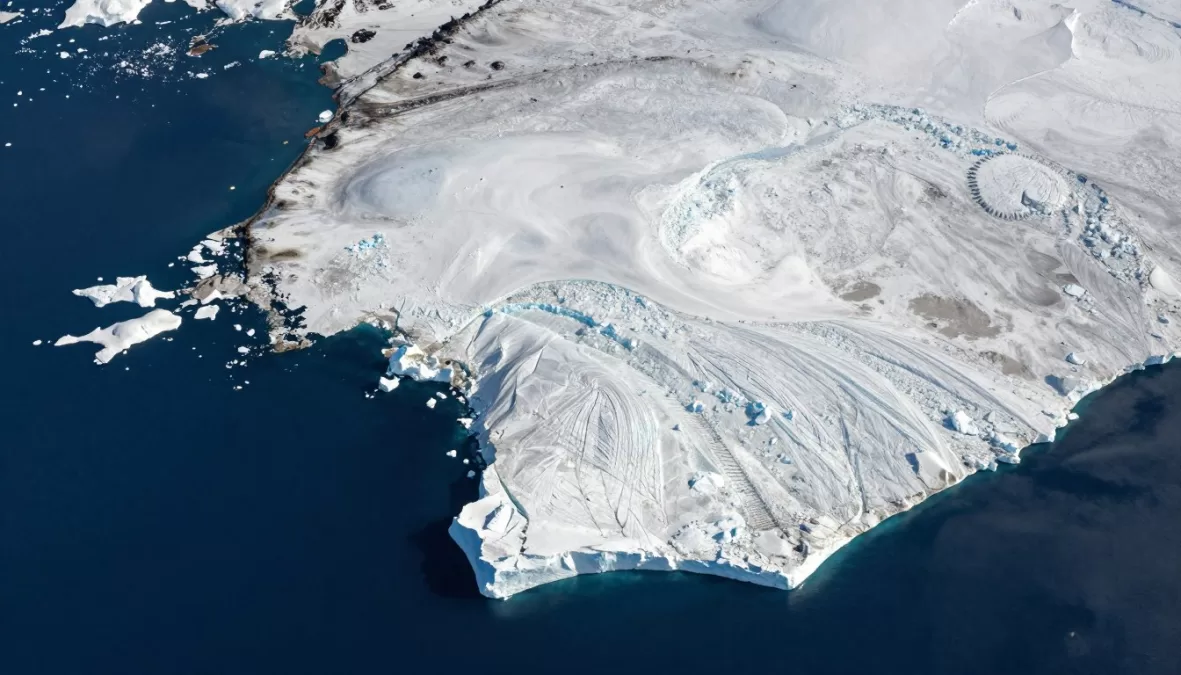
Greenland’s massive ice sheet covers approximately 80% of the island’s surface
Greenland holds the distinction of being the world’s largest island, covering an impressive 2,166,086 square kilometers (836,330 square miles) – more than three times the size of Texas. Despite its enormous size, Greenland is home to only about 56,500 people, making it one of the least densely populated territories on Earth. While Greenland occupies a massive geographical footprint, it is not an independent country but rather an autonomous territory within the Kingdom of Denmark.
The island’s geography is dominated by its massive ice sheet, which covers approximately 80% of its surface. This ice sheet is second only to Antarctica’s in size and reaches depths of up to 3,000 meters (10,000 feet) in places. The remaining ice-free areas are primarily along the coastline, where most of Greenland’s population lives in small towns and settlements connected primarily by air and sea, as there are virtually no roads between communities.
Greenland’s location in the North Atlantic and Arctic Oceans gives it strategic importance, particularly as climate change opens new shipping routes and access to natural resources. This geographical significance has attracted interest from global powers, including a controversial 2019 proposal by former U.S. President Donald Trump to purchase the island – an offer firmly rejected by both Greenland and Denmark.
2. Greenland’s Unique Political Status Within the Kingdom of Denmark
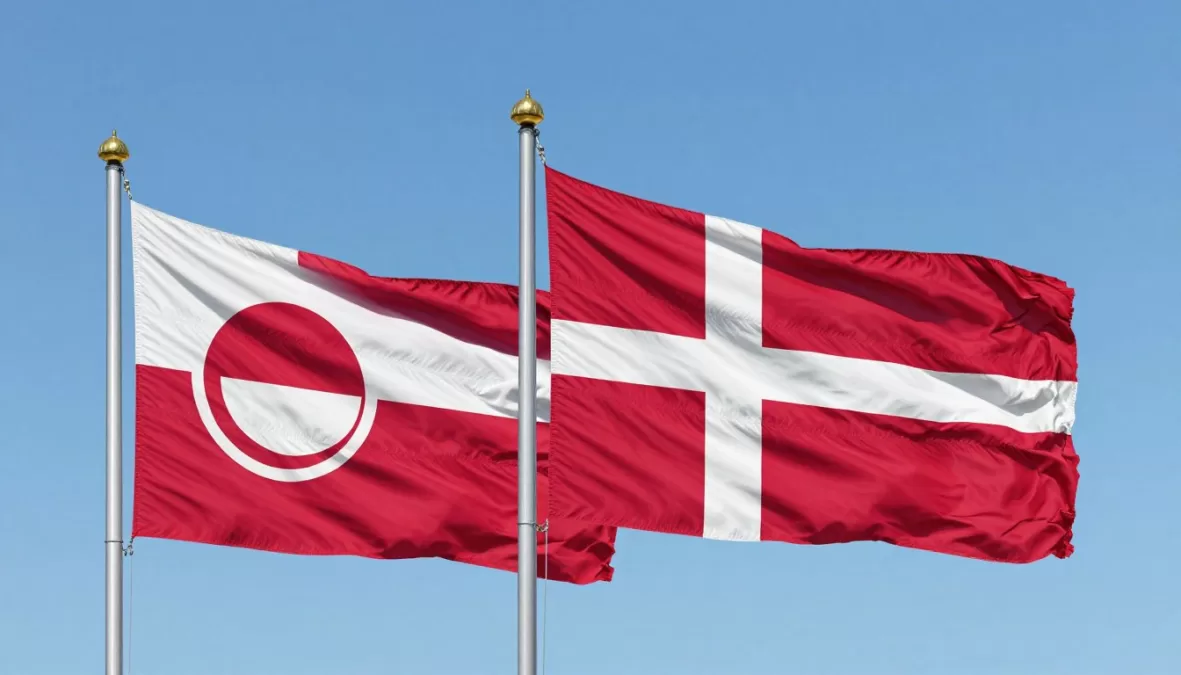
The flags of Greenland and Denmark represent their complex political relationship
Greenland exists in a distinctive political arrangement as an autonomous territory within the Kingdom of Denmark. This relationship is defined by the Self-Government Act of 2009, which expanded upon the Home Rule Act of 1979. Under this framework, Greenland has its own parliament (Inatsisartut) and government (Naalakkersuisut), which control most domestic affairs including education, health, and natural resources.
Denmark, however, retains authority over foreign affairs, defense, and constitutional matters. The Danish monarch (currently King Frederik X) serves as Greenland’s head of state, and Denmark appoints a High Commissioner to represent the Kingdom in Greenland. Additionally, Greenland elects two representatives to the Danish Parliament (Folketinget), giving it a voice in Kingdom-wide decisions.
This political arrangement provides Greenland with substantial autonomy while maintaining important connections to Denmark. It represents a middle ground between full independence and complete integration, allowing Greenland to develop its own identity and governance structures while benefiting from its association with Denmark.
“The 2009 Self-Government Act firmly established that the decision to seek independence from Denmark would now rest with the Greenlandic people.”
3. A Thousand-Year History Connecting Greenland and Denmark
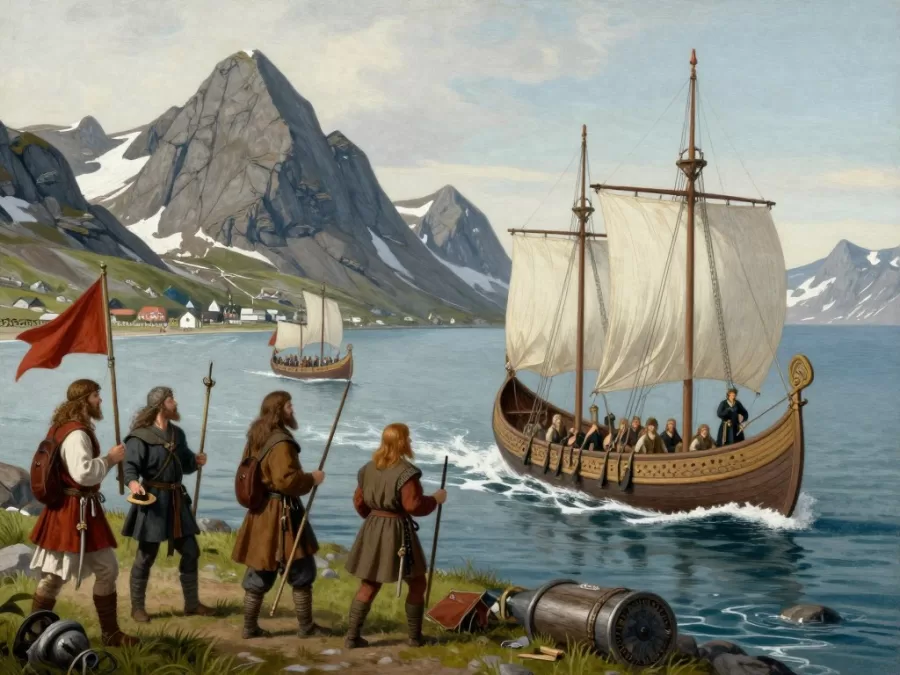
Norse settlers first arrived in Greenland around the 10th century under Erik the Red
The relationship between Greenland and Denmark has deep historical roots stretching back over a millennium. The first Nordic presence in Greenland dates to the late 10th century when Erik the Red, a Norse Viking exiled from Iceland, established settlements in southern Greenland. These Norse colonies became part of a North Atlantic empire ruled from Norway, which later entered into a union with Denmark.
The Norse settlements mysteriously disappeared in the 15th century, likely due to climate change and conflicts with the Inuit people who had migrated to Greenland from North America. In 1721, the Danish-Norwegian missionary Hans Egede reestablished European contact with Greenland, marking the beginning of the colonial period. When Denmark and Norway separated in 1814, Greenland remained under Danish control.
Throughout the 19th and early 20th centuries, Denmark maintained a colonial relationship with Greenland, implementing policies aimed at both protecting and controlling the territory. During World War II, when Nazi Germany occupied Denmark, the United States established bases in Greenland to prevent German control, bringing the island into modern geopolitical significance.
After the war, as decolonization movements spread globally, Greenland’s status evolved. In 1953, it was formally incorporated into Denmark as a county. The Home Rule Act of 1979 and the Self-Government Act of 2009 have progressively increased Greenland’s autonomy, reflecting the ongoing evolution of this centuries-old relationship.
4. Economic Ties and Denmark’s Financial Support
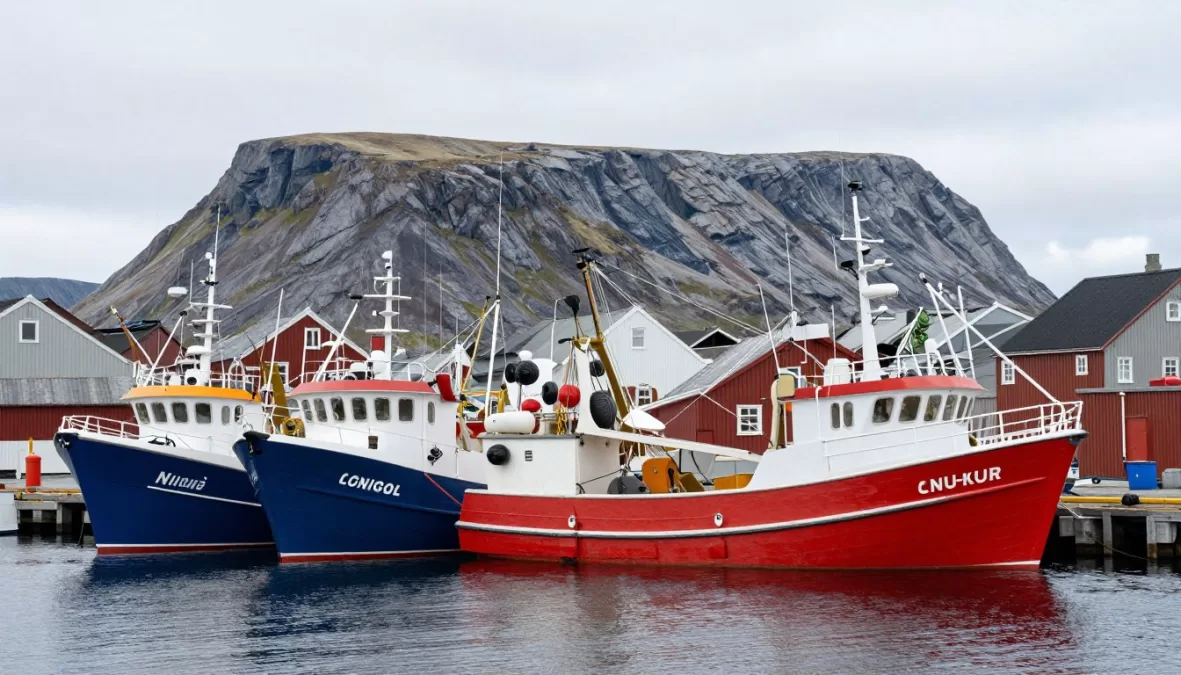
Fishing remains Greenland’s primary industry, accounting for over 90% of exports
Despite its growing autonomy, Greenland remains economically dependent on Denmark. The Danish government provides an annual block grant (bloktilskud) that constitutes approximately one-third of Greenland’s public revenue. Between 2019 and 2023, Danish financial aid to Greenland averaged 5.4 billion Danish kroner (approximately €724 million) annually, amounting to more than 20% of the territory’s gross domestic product.
Greenland’s economy is heavily reliant on fishing, which accounts for more than 90% of its exports. Shrimp and fish industries are the largest income earners, with fishing quotas regulated based on sustainability assessments. Tourism has grown as another revenue source, though it was significantly impacted by the COVID-19 pandemic.
| Economic Factor | Details |
| Annual Danish Block Grant | 4.3 billion kr (2024), approximately one-third of public revenue |
| Primary Industry | Fishing (90%+ of exports) |
| GDP (2023) | 22.9 billion DKK |
| GDP Per Capita (2023) | 405,000 DKK (equivalent to average European economies) |
| Energy Production | 67% from renewable sources, primarily hydropower |
The territory has significant mineral resources, including rare earth elements, which have attracted international interest. However, extraction has been limited due to environmental concerns, high operational costs, and infrastructure challenges. In 2021, Greenland banned all new oil and gas exploration, citing environmental considerations.
This economic dependency on Denmark represents one of the primary challenges to Greenland’s potential independence. While polls consistently show that most Greenlanders desire eventual independence, they do not want it at the cost of their economic stability and social welfare systems.
5. Greenland’s Indigenous Inuit Population and Cultural Identity
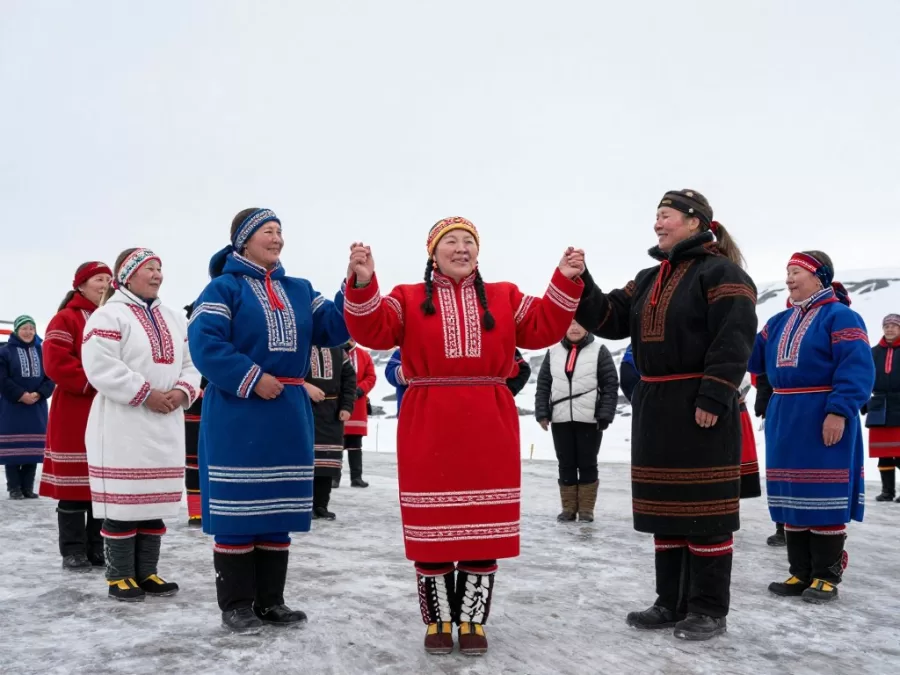
Traditional Greenlandic cultural celebrations help preserve Inuit heritage
Approximately 89% of Greenland’s population is Inuit, making it one of the few places in the world where indigenous people form the majority. The Greenlandic Inuit, who call themselves Kalaallit, have inhabited the island for thousands of years, developing sophisticated survival techniques adapted to the harsh Arctic environment.
During the colonial period and after Greenland’s incorporation into Denmark, Danish cultural influence grew significantly. Danish language and customs were promoted, sometimes at the expense of indigenous traditions. Many Greenlandic children were sent to Denmark for education, resulting in some loss of cultural connection to their homeland.
Since the introduction of Home Rule in 1979, there has been a strong revival of Greenlandic cultural identity. In 2009, Greenlandic (Kalaallisut) became the sole official language, replacing Danish in this role. Educational institutions, including the University of Greenland founded in 1987, now provide opportunities for Greenlanders to study in their own language and country.
This cultural renaissance extends to traditional practices such as hunting, fishing, and crafts, as well as modern expressions through art, music, and literature. The balance between preserving indigenous heritage and engaging with global culture represents an ongoing dialogue in Greenlandic society.
“The Greenlandic people are primarily Inuit who, depending upon the region they are from, call themselves Kalaallit (West Greenlanders), Inugguit (from Thule district), or Iit (East Greenlanders). They call their homeland Kalaallit Nunaat (‘Country of the Greenlanders’).”
6. Climate Change and Its Profound Impact on Greenland
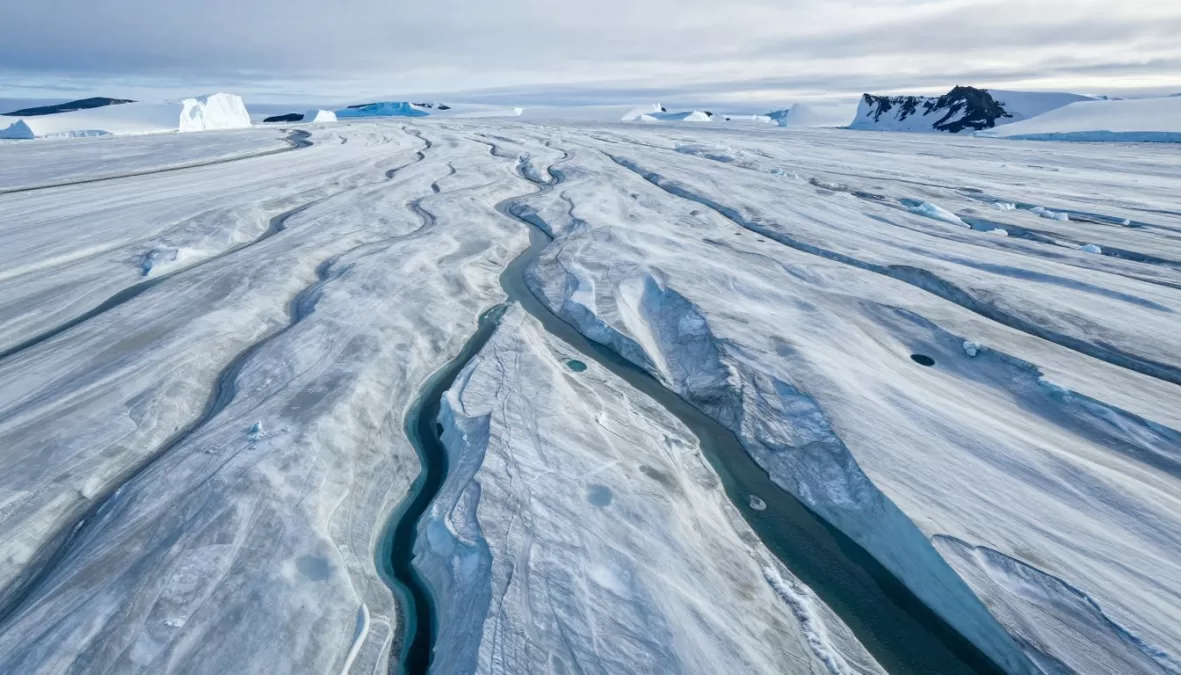
Greenland’s ice sheet is melting at an accelerating rate due to climate change
Climate change is transforming Greenland more rapidly and dramatically than almost anywhere else on Earth. The Greenland ice sheet is melting at an accelerating rate, with the island losing ice mass every year since 1996. In 2012, 2019, and 2021, “massive melting events” occurred when virtually the entire surface of the ice sheet was melting simultaneously.
This melting contributes significantly to global sea level rise. Between 2012 and 2017, Greenland’s ice loss added an average of 0.68 millimeters per year to sea levels, accounting for 37% of sea level rise from land ice sources. By the end of the 21st century, Greenland’s melting could add between 6 and 33 centimeters to global sea levels, depending on emission scenarios.
Beyond the global implications, climate change is transforming life for Greenlanders. Traditional hunting and fishing practices are affected by changing ice conditions and wildlife patterns. New economic opportunities are emerging, including increased tourism, agriculture in the south, and potentially easier access to mineral resources as ice retreats.
The changing climate also has geopolitical implications. As Arctic sea ice diminishes, new shipping routes are opening, and previously inaccessible resources are becoming available. This has increased international interest in Greenland, including from major powers like the United States, China, and Russia.
7. Greenland’s Growing International Significance
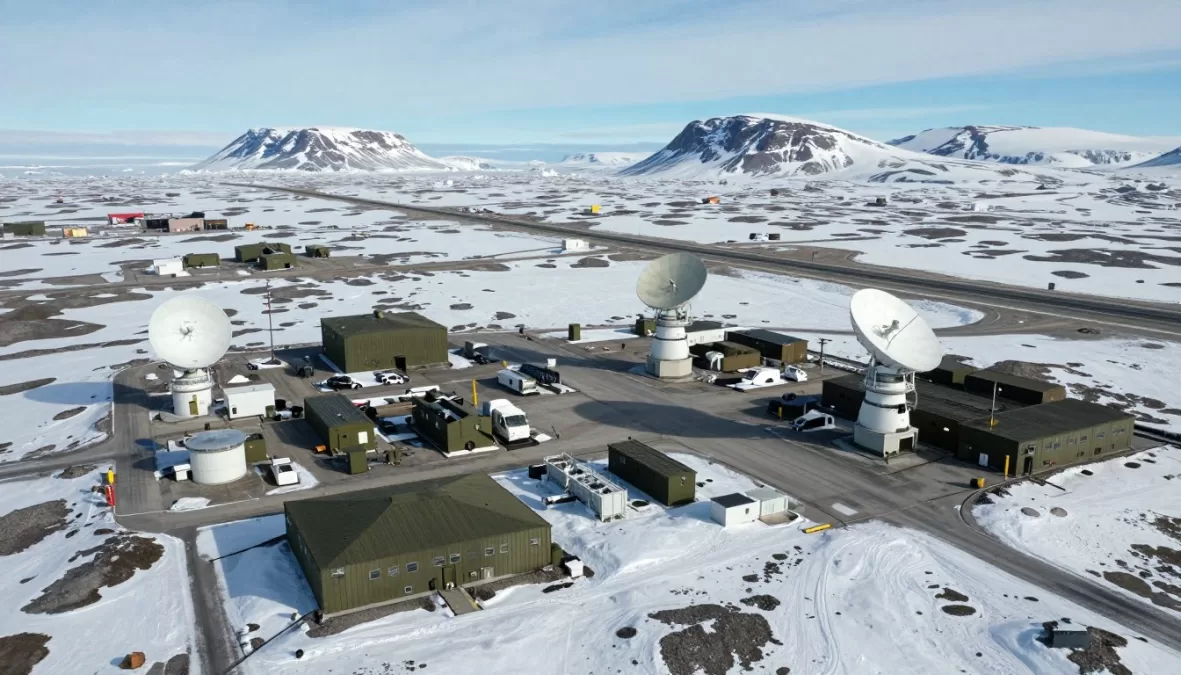
Thule Air Base in northwestern Greenland is operated by the United States Space Force
Despite its small population, Greenland holds significant strategic importance in international relations. Its location between North America and Europe, combined with its vast resources and changing Arctic environment, has made it increasingly relevant in global geopolitics.
The United States has maintained a military presence in Greenland since World War II, most notably at Thule Air Base in the northwest. This base, now operated by the U.S. Space Force, is part of the early warning system for missile defense and space surveillance. The 1951 Greenland Defense Agreement allows the United States to maintain military facilities on the island with the consent of Denmark and Greenland.
In recent years, other global powers have shown increased interest in Greenland. China has explored investment opportunities in mining and infrastructure, while Russia’s expanding Arctic presence has heightened the region’s strategic significance. This international attention culminated in 2019 when then-U.S. President Donald Trump expressed interest in purchasing Greenland from Denmark, an idea firmly rejected by both Danish and Greenlandic authorities.
While Denmark handles Greenland’s foreign affairs, the Self-Government Act allows Greenland to negotiate and conclude international agreements that exclusively concern Greenland and are within areas taken over by the Self-Government. This has enabled Greenland to develop its own international relationships, particularly regarding fishing rights, environmental protection, and indigenous cooperation.
8. Greenland’s Unique Relationship with the European Union
Greenland left the European Economic Community in 1985 while Denmark remained a member
Greenland has a distinctive relationship with the European Union that differs from that of Denmark. When Denmark joined the European Economic Community (EEC, predecessor to the EU) in 1973, Greenland was included as part of the Danish Realm. However, many Greenlanders were concerned about European fishing regulations and their impact on local communities.
Following the establishment of Home Rule in 1979, Greenland held a referendum in 1982 on its EEC membership. By a narrow margin of 53% to 47%, Greenlanders voted to leave. After negotiations, Greenland officially withdrew from the EEC in 1985 – becoming the first and only territory to leave what would later become the European Union (until Brexit in 2020).
Despite this withdrawal, Greenland maintains connections to the EU through its status as an Overseas Countries and Territory (OCT). This arrangement allows Greenland to receive development funding and participate in certain EU programs while remaining outside the EU’s regulatory framework. A particular focus of EU-Greenland cooperation has been education and sustainable development.
Greenland’s citizens, as citizens of Denmark, hold EU citizenship despite their territory not being part of the Union. This creates a unique situation where Greenlanders have rights as EU citizens but are not subject to most EU laws and regulations in their home territory.
9. Greenland’s Path Toward Potential Independence
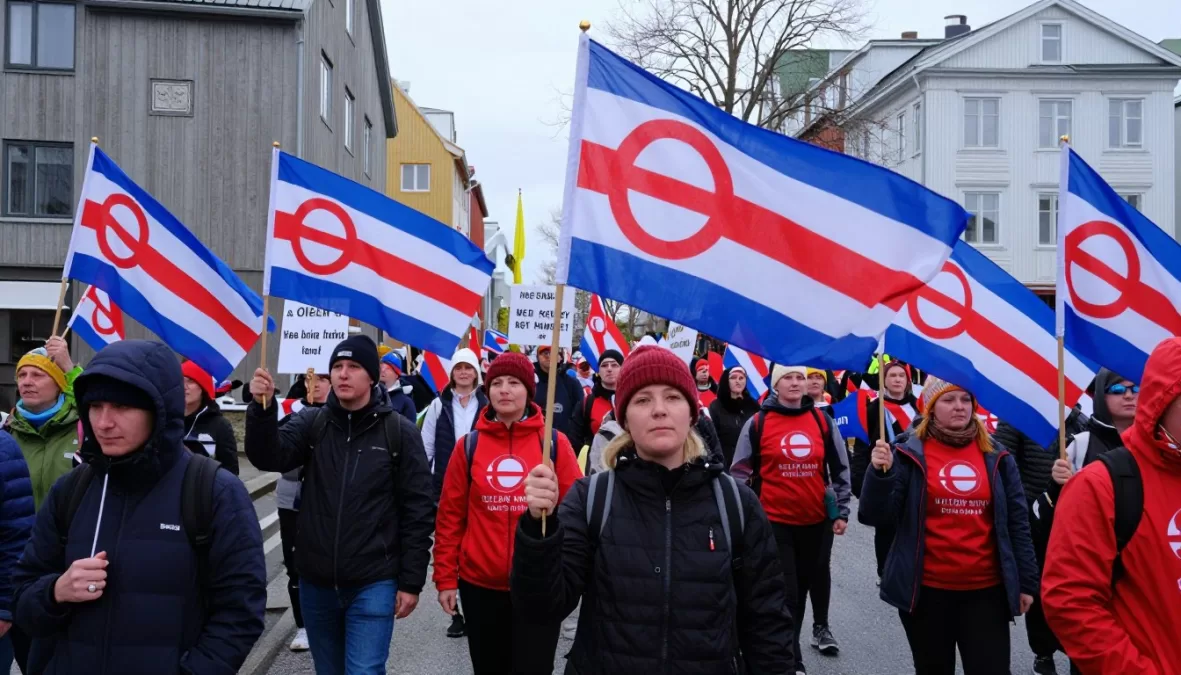
Support for independence has grown in Greenland, though economic concerns remain
The question of independence from Denmark has been a significant political issue in Greenland for decades. The movement gained momentum in the 1970s, leading to the Home Rule Act of 1979 and later the Self-Government Act of 2009, which explicitly recognized the right of Greenlanders to self-determination under international law.
Polls consistently show that a majority of Greenlanders aspire to eventual independence. However, these same polls indicate that most do not want independence if it would mean a significant reduction in living standards or the dismantling of the welfare state. This economic reality creates a complex political landscape where independence remains a long-term goal rather than an immediate objective for many.
The Self-Government Act provides a framework for Greenland to gradually assume more responsibilities from Denmark. As Greenland takes control of additional governmental functions, the annual block grant from Denmark is meant to be reduced proportionally. The act also includes provisions for how Greenland might transition to full independence should its people choose that path.
Political parties in Greenland generally support moving toward greater autonomy, though they differ on the timeline and approach. The current government, led by the Inuit Ataqatigiit party, supports independence but prioritizes economic development and social welfare in the near term.
“The 2009 law firmly established that the decision to go for independence from Denmark would now rest with the Greenlandic people.”
10. Cultural Exchanges and Modern Connections
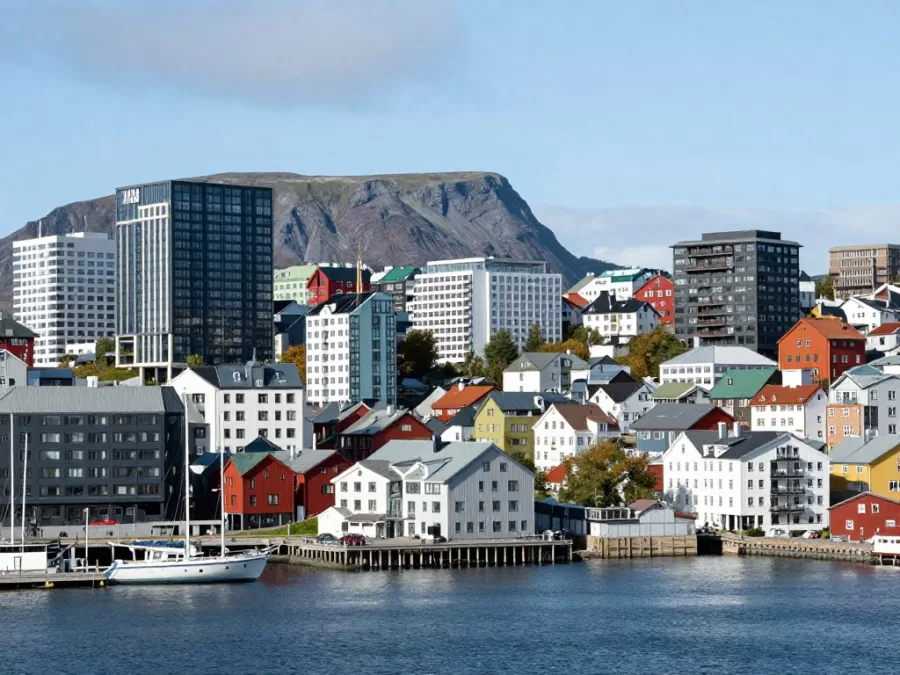
Nuuk, Greenland’s capital, showcases the blend of traditional and modern influences
Despite the historical complexities and ongoing discussions about political status, Greenland and Denmark maintain strong cultural connections. Many Greenlanders study or work in Denmark, while Danes visit Greenland for tourism and professional opportunities. These personal connections create ongoing cultural exchange between the two societies.
Education has been a significant area of connection. Historically, Greenlandic students often traveled to Denmark for higher education. While the establishment of the University of Greenland has increased local opportunities, many Greenlanders still attend Danish universities, particularly for specialized fields not available at home.
The arts represent another area of vibrant exchange. Greenlandic musicians, writers, and visual artists often find audiences in Denmark, while Danish cultural influences are visible in Greenland. This cultural dialogue reflects both the shared history and the distinct identities of the two societies.
Modern technology has facilitated greater connection despite the physical distance. Digital platforms allow for communication, business partnerships, and cultural sharing between Greenland and Denmark. Air travel, though expensive, provides regular connections between major cities.
These ongoing connections suggest that regardless of Greenland’s future political status, the human and cultural ties between Greenland and Denmark will likely continue to evolve rather than disappear.
Understanding the Complex Greenland-Denmark Relationship
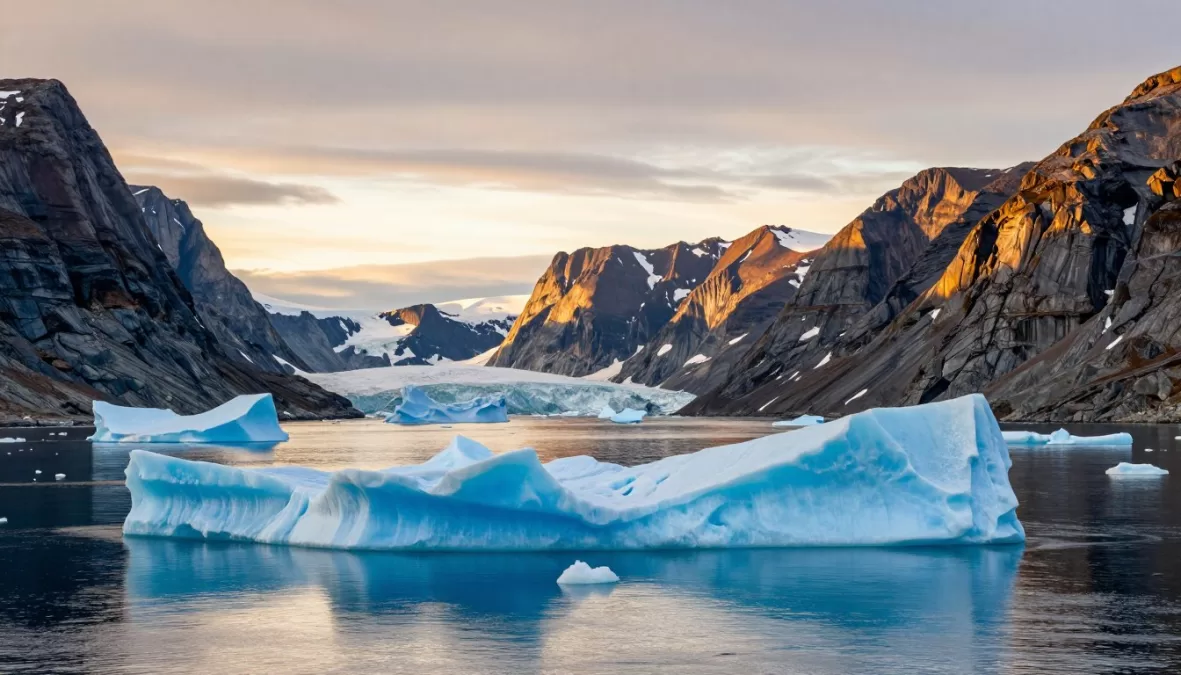
Greenland’s unique landscape and culture continue to evolve alongside its political relationship with Denmark
The relationship between Greenland and Denmark represents a fascinating case study in how historical connections, colonial legacies, indigenous rights, and modern geopolitics intersect. From the Norse settlements of the 10th century to the Self-Government Act of 2009 and beyond, this relationship continues to evolve in response to changing circumstances and aspirations.
While Greenland moves gradually toward greater autonomy, significant economic, political, and cultural ties to Denmark remain. The balance between independence aspirations and practical realities creates a dynamic that will likely continue to shape both societies in the coming decades.
As climate change transforms the Arctic and global powers express increasing interest in the region, Greenland’s strategic importance will only grow. How Greenland and Denmark navigate these challenges together – or potentially apart – will have implications not just for their own citizens but for international relations and Arctic governance more broadly.
Stay Informed About Nordic Affairs
Want to learn more about Greenland, Denmark, and other Nordic countries? Subscribe to our monthly newsletter for in-depth articles, analysis, and updates on political developments, cultural events, and environmental changes in the North Atlantic and Arctic regions.

Priyanka Pandey
Senior Research Editor · Top10Sense
Priyanka specializes in tech, consumer products, and digital trends. She combines hands-on testing, vendor interviews, and database research to create trustworthy “Top 10” rankings. Her work has been referenced by industry blogs and brand report pages.