The fashion industry is one of the world’s largest polluters, responsible for 10% of global carbon emissions and nearly 20% of global wastewater. As consumers become increasingly aware of these environmental impacts, sustainable fashion brands are rising to meet the demand for eco-friendly clothing without sacrificing style. These pioneering companies are revolutionizing the industry through innovative materials, ethical manufacturing processes, and transparent supply chains. In this guide, we’ll explore the top 10 sustainable fashion brands that are leading the charge in eco-friendly style in 2024, helping you make more conscious choices for your wardrobe and the planet.
Why Sustainable Fashion Matters
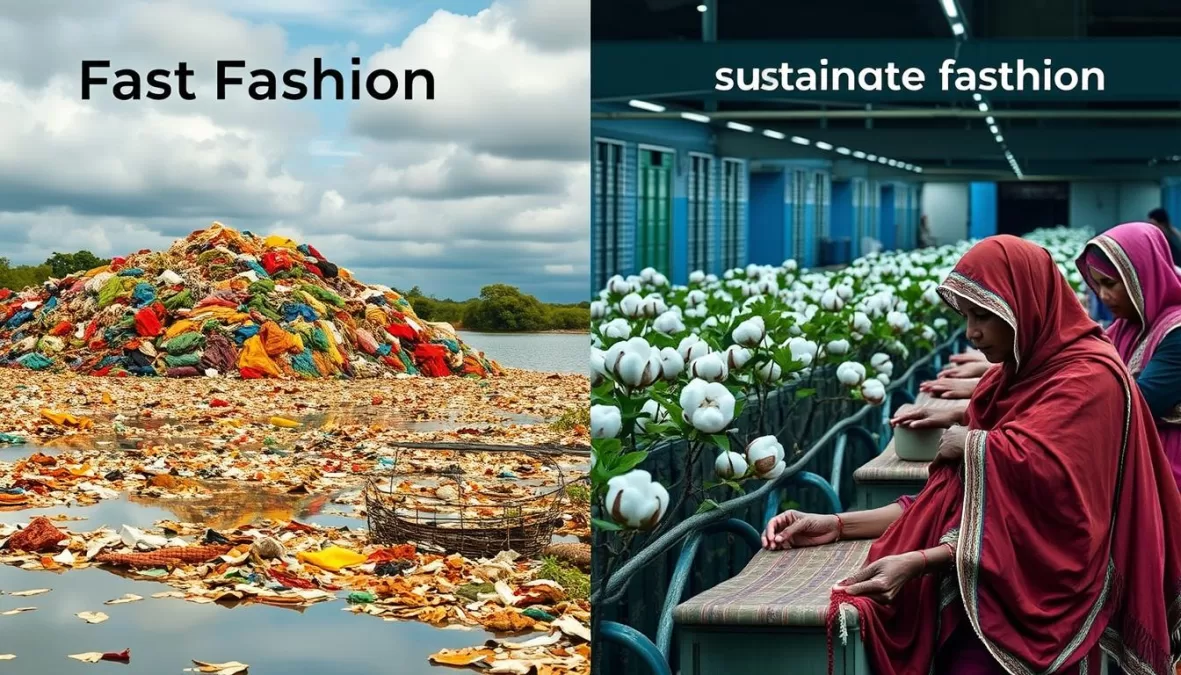
The contrast between fast fashion’s environmental impact and sustainable alternatives
The conventional fashion industry operates on a model that prioritizes rapid production, low costs, and high turnover—often at the expense of the environment and workers’ rights. Fast fashion produces over 92 million tons of textile waste annually, with the equivalent of one garbage truck of textiles being landfilled or burned every second.
Sustainable fashion brands are challenging this destructive model by implementing practices that reduce environmental impact, ensure fair labor conditions, and create durable products designed to last. By choosing sustainable fashion brands, consumers can help:
- Reduce carbon emissions and water pollution from textile production
- Minimize textile waste through recycled materials and circular design
- Support fair wages and safe working conditions for garment workers
- Preserve traditional craftsmanship and cultural heritage
- Decrease exposure to harmful chemicals found in conventional clothing
The brands featured in this list exemplify these values through their commitment to sustainable materials, ethical production methods, and transparent business practices. Each has earned recognition for their innovative approaches to creating fashion that’s both stylish and environmentally responsible.
What Makes a Fashion Brand Truly Sustainable?

Key sustainability certifications and eco-friendly materials in fashion
With the rise of “greenwashing” in the fashion industry, it’s important to distinguish between brands that are genuinely committed to sustainability and those that merely use it as a marketing tactic. Here are the key factors that define truly sustainable fashion brands:
Materials and Sourcing
Sustainable brands prioritize eco-friendly materials that have a lower environmental impact than conventional alternatives. These include:
- Organic Cotton: Grown without synthetic pesticides or fertilizers, reducing water pollution and soil degradation
- Recycled Fabrics: Made from post-consumer waste like plastic bottles or textile scraps
- TENCEL™ and Lyocell: Derived from sustainably harvested wood pulp using closed-loop production systems
- Hemp and Linen: Require minimal water and pesticides to grow
- Deadstock Fabrics: Leftover materials from other manufacturers that would otherwise go to waste
Ethical Production
Beyond environmental considerations, sustainable brands ensure fair treatment of workers throughout their supply chain:
- Payment of living wages that allow workers to meet their basic needs
- Safe and healthy working conditions
- Prohibition of child labor and forced labor
- Reasonable working hours and respect for workers’ rights
- Transparency about factory locations and working conditions
Certifications to Look For
Third-party certifications provide verification of a brand’s sustainability claims:
- Global Organic Textile Standard (GOTS): Ensures organic status of textiles from harvesting to labeling
- Fair Trade Certified: Verifies fair wages and working conditions
- B Corporation: Certifies companies that meet high standards of social and environmental performance
- OEKO-TEX Standard 100: Tests for harmful substances in textiles
- Bluesign®: Ensures environmentally friendly and safe production
- Cradle to Cradle: Recognizes products designed for circular economy
The brands featured in our list demonstrate commitment to these principles, though each may emphasize different aspects of sustainability based on their unique mission and values.
1. Patagonia
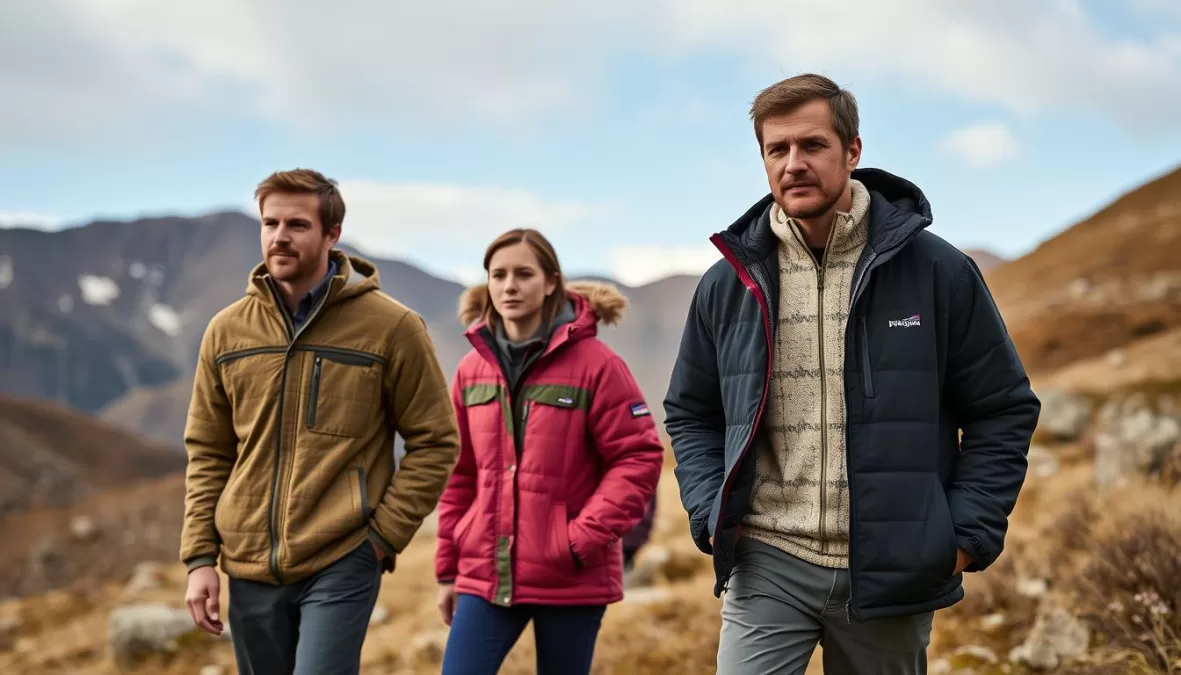
Patagonia’s sustainable outdoor collection made from recycled and organic materials
Brand Overview
Headquartered in Ventura, California, Patagonia has been at the forefront of sustainable fashion since its founding in 1973. The outdoor clothing company has built its reputation not only on high-quality performance gear but also on its unwavering commitment to environmental activism and sustainable business practices.
Key Sustainability Practices
- Pledges 1% of sales to environmental causes through 1% for the Planet
- Pioneered the use of recycled materials in outdoor clothing
- Offers free repairs to extend product lifespan
- Transparent supply chain with factory disclosure
- Carbon-neutral operations with a goal to be carbon positive by 2025
Signature Materials
Patagonia uses a range of eco-friendly materials, including recycled polyester made from plastic bottles, organic cotton, and reclaimed down. Their innovative NetPlus® material is made from recycled fishing nets, addressing ocean plastic pollution while creating durable fabric for jackets and bags.
Price Range
$$$
Best-Selling Product
The Recycled Down Jacket ($229) is one of Patagonia’s most popular items, made from 100% recycled down reclaimed from used down products and a shell fabric of recycled nylon. This jacket exemplifies the brand’s commitment to circular design while providing exceptional warmth and durability.
“We’re in business to save our home planet. We aim to use the resources we have—our business, our investments, our voice, and our imaginations—to do something about it.”
Ready to Invest in Sustainable Outdoor Gear?
Explore Patagonia’s collection of durable, eco-friendly clothing designed to last for years of adventure.
2. Stella McCartney

Stella McCartney’s luxury sustainable collection featuring innovative vegan materials
Brand Overview
Based in London, Stella McCartney has been a pioneer in sustainable luxury fashion since launching her eponymous brand in 2001. As one of the first high-end designers to reject leather and fur, McCartney has proven that luxury fashion can be both ethical and stylish, challenging industry norms while creating covetable collections.
Key Sustainability Practices
- 100% vegetarian and cruelty-free brand (no leather, feathers, or fur)
- Innovative material development, including mushroom leather (Mylo™)
- Circular fashion initiatives and regenerative agriculture support
- Comprehensive Environmental Profit & Loss accounting
- Transparent supply chain with annual sustainability report
Signature Materials
Stella McCartney is known for pioneering alternative materials like Alter-Nappa (plant-based leather alternative), regenerated cashmere, organic cotton, and forest-friendly viscose. The brand recently introduced Mylo™, a leather alternative made from mushroom roots, demonstrating its commitment to material innovation.
Price Range
$$$$
Best-Selling Product
The Falabella Tote ($895) is Stella McCartney’s iconic handbag made from Alter-Nappa, a vegan leather alternative. Its distinctive chain trim and versatile design have made it a favorite among eco-conscious luxury shoppers looking for cruelty-free accessories.
“Fashion is one of the most harmful industries to the environment. My goal is to create pieces that are desirable and luxurious but don’t compromise on sustainability and ethics.”
Elevate Your Wardrobe with Cruelty-Free Luxury
Discover Stella McCartney’s innovative, sustainable luxury collections that never compromise on style or ethics.
3. Reformation
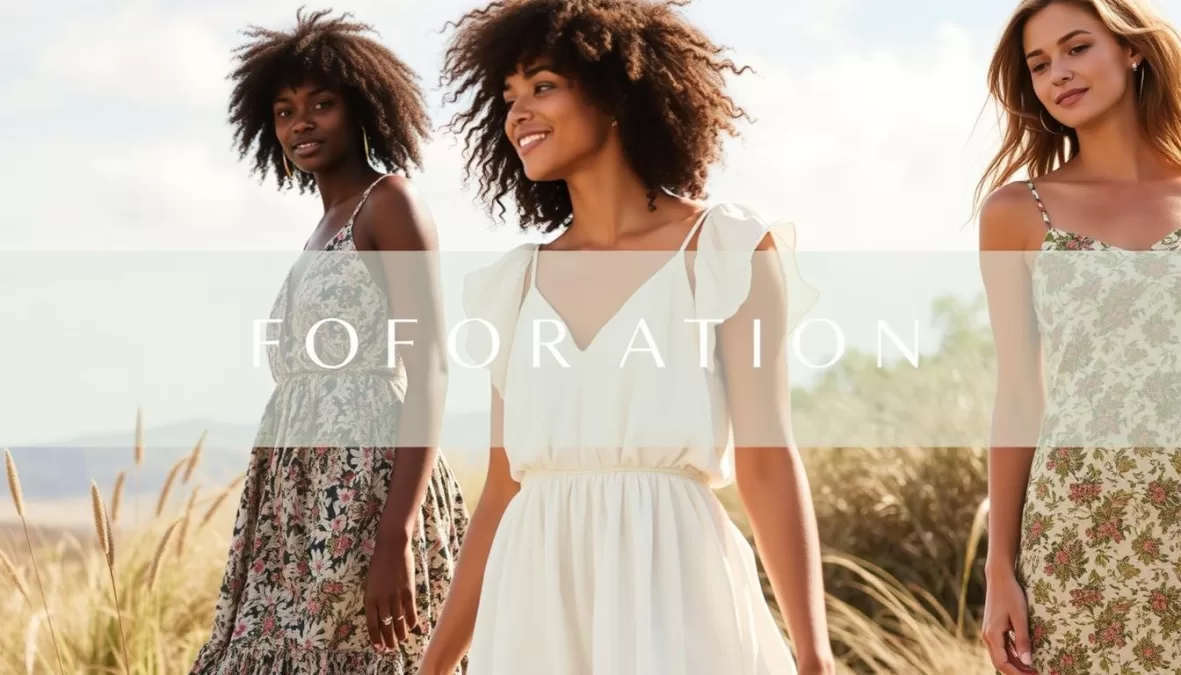
Reformation’s feminine, sustainable collection made from eco-friendly fabrics
Brand Overview
Founded in 2009 in Los Angeles, Reformation has transformed from a small vintage clothing store to a global sustainable fashion brand. Known for its feminine silhouettes and eco-friendly practices, Reformation creates clothing that celebrates the feminine figure while minimizing environmental impact.
Key Sustainability Practices
- Climate Neutral certified since 2015
- Publishes quarterly sustainability reports with clear metrics
- Water-saving manufacturing processes
- Living wages and safe working conditions for all employees
- Circular fashion initiatives including clothing recycling program
Signature Materials
Reformation uses a variety of sustainable fabrics, including TENCEL™ Lyocell, recycled cotton, organic cotton, and deadstock fabrics (unused materials from other fashion houses). The brand also incorporates innovative materials like Ref Viscose, which is made from sustainably managed forests and processed with eco-friendly methods.
Price Range
$$$
Best-Selling Product
The Nikita Dress ($248) is one of Reformation’s most popular items, made from TENCEL™ Lyocell fabric derived from sustainably harvested wood. This versatile dress exemplifies the brand’s commitment to creating feminine, flattering pieces that don’t compromise on sustainability.
“We make sustainable clothes that celebrate the feminine figure, and we do it in the most responsible way possible. Being naked is the #1 most sustainable option. We’re #2.”
Sustainable Style for Every Occasion
From casual everyday wear to special occasion dresses, Reformation offers sustainable options that don’t compromise on style.
4. Eileen Fisher
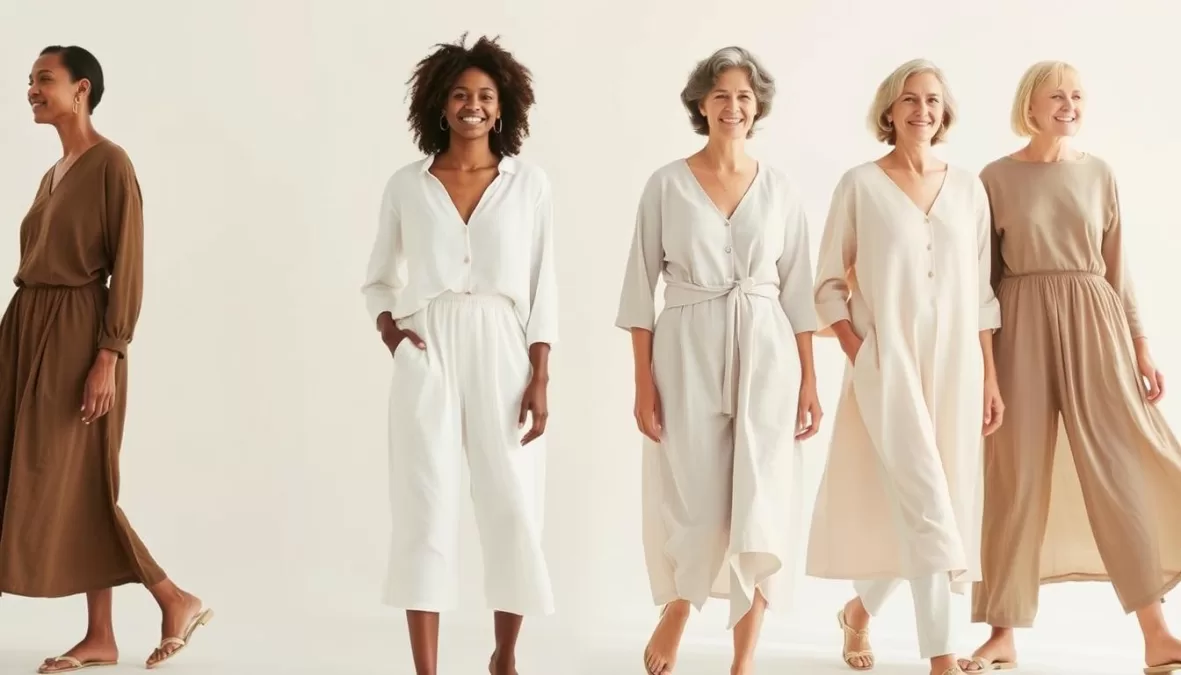
Eileen Fisher’s timeless, minimalist collection made from organic and natural fabrics
Brand Overview
Founded in 1984 and based in New York, Eileen Fisher has long been committed to creating timeless, high-quality clothing while minimizing environmental impact. The brand focuses on simplicity, functionality, and versatility, creating pieces that transcend trends and can be worn for years.
Key Sustainability Practices
- Pioneering take-back program (Renew) that collects, repairs, and resells used garments
- Certified B Corporation with transparent supply chain
- Commitment to using organic and regenerative fibers
- Waste No More initiative that transforms damaged garments into art and home goods
- Worker empowerment programs throughout the supply chain
Signature Materials
Eileen Fisher prioritizes natural, organic, and regenerative fibers including organic cotton, organic linen, responsible wool, and recycled cashmere. The brand has also been a leader in developing more sustainable dyeing processes that use less water and fewer chemicals.
Price Range
$$$
Best-Selling Product
The Organic Cotton Stretch Ponte Pant ($168) is a versatile staple made from GOTS-certified organic cotton. These pants exemplify the brand’s commitment to creating timeless, comfortable pieces that can be styled multiple ways and worn for years.
“I believe in simplicity. I believe in having less, but better things. I believe in the power of clothing to transform how we feel, and that how we feel can transform the world.”
Invest in Timeless, Sustainable Style
Discover Eileen Fisher’s collection of versatile, high-quality pieces designed to be worn for years.
5. Outerknown
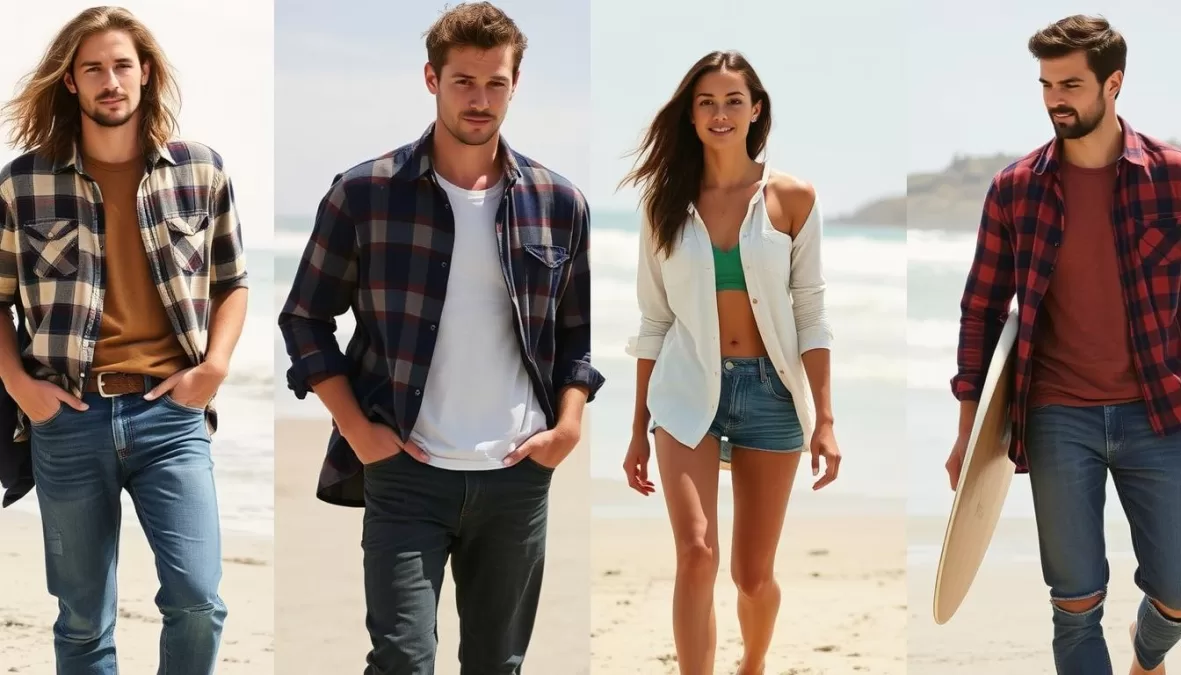
Outerknown’s surf-inspired sustainable collection made from organic and recycled materials
Brand Overview
Founded in 2015 by professional surfer Kelly Slater and designer John Moore, Outerknown is based in California and creates surf-inspired clothing with a deep commitment to environmental and social responsibility. The brand was built on the belief that clothing can be produced in a way that respects both people and planet.
Key Sustainability Practices
- Fair Labor Association and Fair Trade Certified manufacturing
- Innovative S.E.A. (Social and Environmental Accountability) Jeans program
- Commitment to full supply chain transparency
- Ocean conservation initiatives and partnerships
- Repair program to extend garment lifespan
Signature Materials
Outerknown uses a range of sustainable materials including organic cotton, hemp, recycled polyester (often from ocean plastic), and ECONYL® regenerated nylon made from fishing nets and other nylon waste. Their innovative S.E.A. Jeans are made with 100% organic cotton and come with a lifetime guarantee.
Price Range
$$$
Best-Selling Product
The S.E.A. Jeans ($168) are Outerknown’s signature product, made from 100% organic cotton and backed by a lifetime guarantee. These durable jeans are manufactured in a Fair Trade Certified facility and represent the brand’s commitment to both quality and sustainability.
“We started Outerknown to prove that we could make great clothes with a clean conscience. It’s not just about making clothes that look good and last—it’s about making clothes in a way that’s better for the planet and the people who make them.”
Sustainable Style for Ocean Lovers
Explore Outerknown’s collection of surf-inspired clothing made with respect for people and planet.
6. Girlfriend Collective
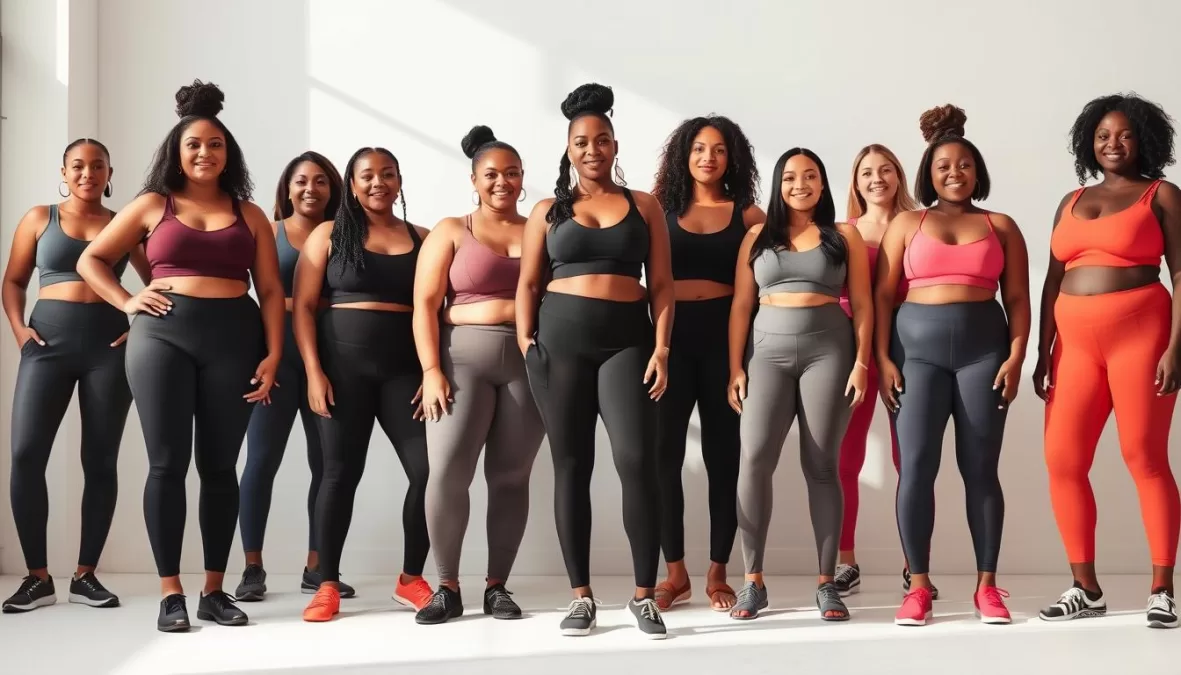
Girlfriend Collective’s inclusive activewear collection made from recycled plastic bottles
Brand Overview
Founded in 2016 and based in Seattle, Girlfriend Collective has quickly become a leader in sustainable activewear. The brand is known for its inclusive sizing, transparent manufacturing, and use of recycled materials to create high-performance athletic wear.
Key Sustainability Practices
- Uses recycled materials including post-consumer plastic bottles
- SA8000 certified ethical manufacturing facilities
- Size inclusive range from XXS to 6XL
- ReGirlfriend program that recycles old garments into new ones
- Water-saving production processes and eco-friendly dyes
Signature Materials
Girlfriend Collective’s primary material is RPET (recycled polyethylene terephthalate) made from post-consumer plastic bottles. Their compression leggings use 25 recycled bottles per pair. The brand also uses recycled fishing nets, cupro made from cotton waste, and organic cotton for their pieces.
Price Range
$$
Best-Selling Product
The High-Rise Compressive Legging ($78) is Girlfriend Collective’s signature product, made from 25 recycled post-consumer plastic bottles. These leggings are known for their durability, comfort, and inclusive sizing (XXS-6XL), making sustainable activewear accessible to more body types.
“We believe in ethical manufacturing, meticulous design, and exceptional quality. But most of all, we believe in transparency. That’s why we share everything—from our factories to our materials to our pricing.”
Sustainable Activewear for Every Body
Discover Girlfriend Collective’s inclusive range of activewear made from recycled materials.
7. Everlane
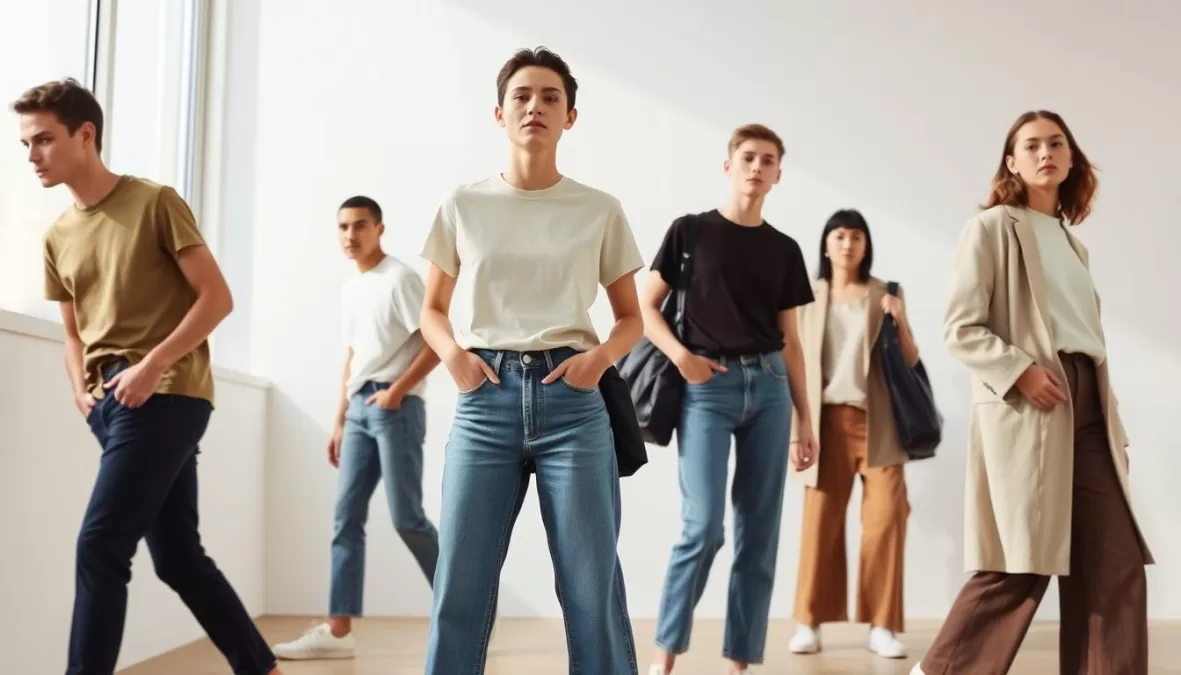
Everlane’s minimalist, sustainable basics collection with transparent pricing
Brand Overview
Founded in 2010 and based in San Francisco, Everlane pioneered the concept of “radical transparency” in fashion, breaking down the true costs of its products and sharing details about its factories. The brand focuses on creating timeless, well-made basics with an emphasis on ethical manufacturing and sustainable materials.
Key Sustainability Practices
- Transparent pricing model that breaks down true costs
- Detailed factory information and regular audits
- Clean denim initiative using 98% recycled water
- ReNew collection made from recycled plastic bottles
- Commitment to eliminate virgin plastic from supply chain
Signature Materials
Everlane uses a range of sustainable materials including organic cotton, recycled polyester and nylon, and responsibly sourced wool. Their innovative Clean Silk is produced in a LEED-certified facility with recycled water and renewable energy, while their denim is made in a factory that recycles 98% of its water.
Price Range
$$
Best-Selling Product
The Authentic Stretch High-Rise Skinny Jean ($78) is one of Everlane’s most popular items, made in a factory that recycles 98% of its water and eliminates harmful chemicals from the production process. These jeans combine comfort, durability, and sustainability in a timeless design.
“We believe we can all make a difference. Our way: Exceptional quality. Ethical factories. Radical Transparency.”
Timeless Basics with Transparent Ethics
Explore Everlane’s collection of sustainable, ethically-made wardrobe essentials with transparent pricing.
8. Kotn

Kotn’s minimalist essentials made from direct-trade Egyptian cotton
Brand Overview
Founded in 2015 and based in Toronto, Kotn creates timeless essentials using direct-trade Egyptian cotton. The brand works directly with cotton farming communities in Egypt’s Nile Delta, ensuring fair compensation for farmers while creating high-quality, affordable basics.
Key Sustainability Practices
- Direct trade relationships with Egyptian cotton farmers
- Certified B Corporation with transparent supply chain
- Built 15 schools in rural Egypt through the Kotn Education Foundation
- OEKO-TEX certified non-toxic dyes
- Plastic-free packaging and shipping materials
Signature Materials
Kotn specializes in Egyptian cotton, known for its exceptional softness and durability due to its long-staple fibers. The brand sources its cotton directly from small-scale farmers in Egypt, ensuring traceability and quality while supporting local communities. They also use BCI-certified cotton and are transitioning to organic cotton.
Price Range
$$
Best-Selling Product
The Essential Crew T-Shirt ($35) is Kotn’s signature product, made from their direct-trade Egyptian cotton. This versatile basic exemplifies the brand’s commitment to quality, affordability, and ethical production, with a portion of proceeds supporting education initiatives in Egypt.
“We believe in creating products with purpose and impact. By working directly with cotton farming communities in Egypt, we’re able to create high-quality essentials while supporting the people behind our products.”
Ethical Essentials That Make a Difference
Discover Kotn’s collection of timeless basics made from direct-trade Egyptian cotton that supports farming communities.
9. Veja
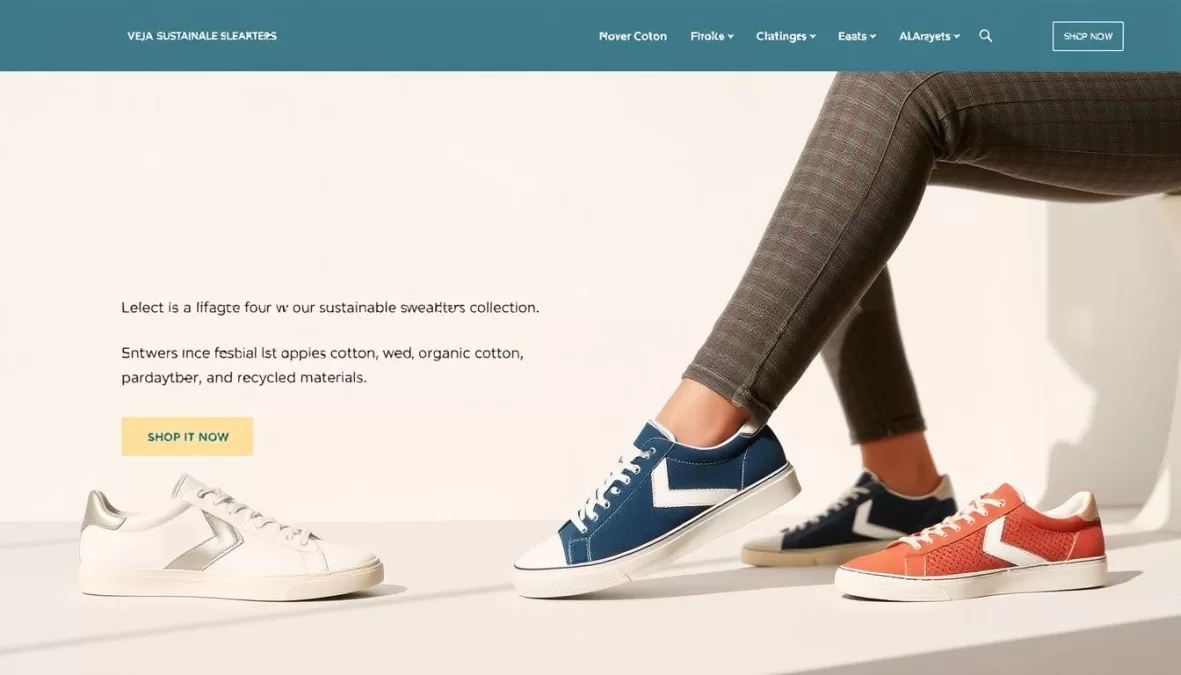
Veja’s iconic sustainable sneakers made from organic cotton and wild Amazonian rubber
Brand Overview
Founded in 2005 in France, Veja has revolutionized the sneaker industry with its transparent, sustainable approach. The brand sources materials directly from farmer associations in Brazil and Peru, creating stylish sneakers with a positive environmental and social impact.
Key Sustainability Practices
- Uses wild rubber from the Amazon rainforest, supporting forest conservation
- Direct trade relationships with organic cotton farmers in Brazil and Peru
- Transparent pricing model that details true costs
- Zero advertising policy, investing instead in fair materials and labor
- Logistics optimized to reduce carbon footprint
Signature Materials
Veja uses a range of innovative sustainable materials including wild Amazonian rubber, organic cotton, recycled plastic bottles, and B-mesh (made from recycled plastic bottles). Their V-Knit material is made from recycled polyester, and they’ve recently introduced a corn-based leather alternative called C.W.L.
Price Range
$$$
Best-Selling Product
The V-10 Sneaker ($150) is Veja’s iconic model, made with organic cotton, wild Amazonian rubber, and recycled plastic bottles. These versatile, minimalist sneakers have become a favorite among eco-conscious consumers looking for stylish, sustainable footwear.
“We wanted to create a product that would be both stylish and sustainable. The idea was to create a brand of sneakers with a different approach to design, economics, and advertising.”
Step Into Sustainable Style
Discover Veja’s collection of eco-friendly sneakers made with organic cotton, wild rubber, and innovative materials.
10. Pact
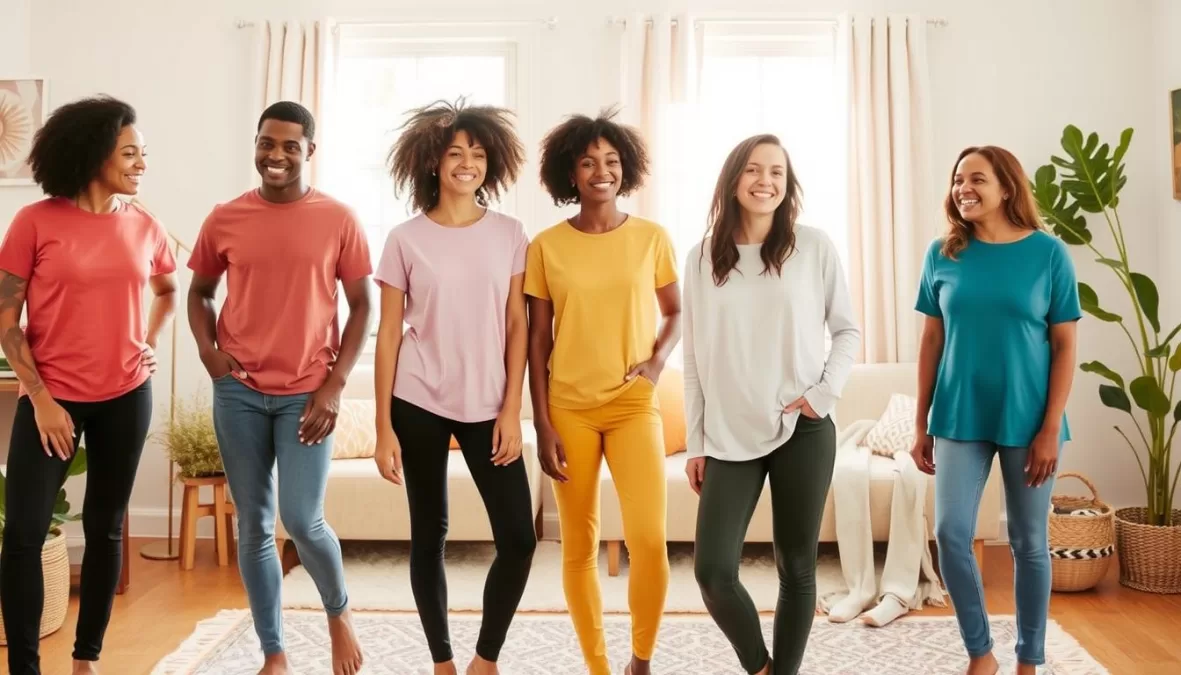
Pact’s affordable organic cotton basics collection for everyday wear
Brand Overview
Founded in 2009 and based in Colorado, Pact has made sustainable fashion more accessible through its affordable organic cotton basics. The brand focuses on creating comfortable, everyday essentials while maintaining high environmental and ethical standards.
Key Sustainability Practices
- Fair Trade Certified factories ensuring safe working conditions and fair wages
- Uses GOTS certified organic cotton
- Carbon-offset shipping options
- Recycled and biodegradable packaging
- “Give Back Box” program for clothing donations
Signature Materials
Pact specializes in organic cotton, which uses up to 91% less water than conventional cotton and is grown without harmful pesticides or synthetic fertilizers. Their GOTS certified organic cotton is used across their entire product line, from underwear and socks to t-shirts and leggings.
Price Range
$
Best-Selling Product
The Organic Cotton Legging ($35) is one of Pact’s most popular items, made from GOTS certified organic cotton. These affordable, comfortable leggings exemplify the brand’s mission to make sustainable fashion accessible to more consumers.
“We believe that the clothes we wear every day should be made in a way that makes us feel good about our choices. That’s why we only use organic and Fair Trade Certified cotton to make super soft essentials that are better for the people who make them and the planet we all share.”
Affordable Organic Basics for Everyone
Discover Pact’s collection of Fair Trade, organic cotton essentials that are gentle on the planet and your wallet.
How to Shop Sustainably: Beyond the Brands
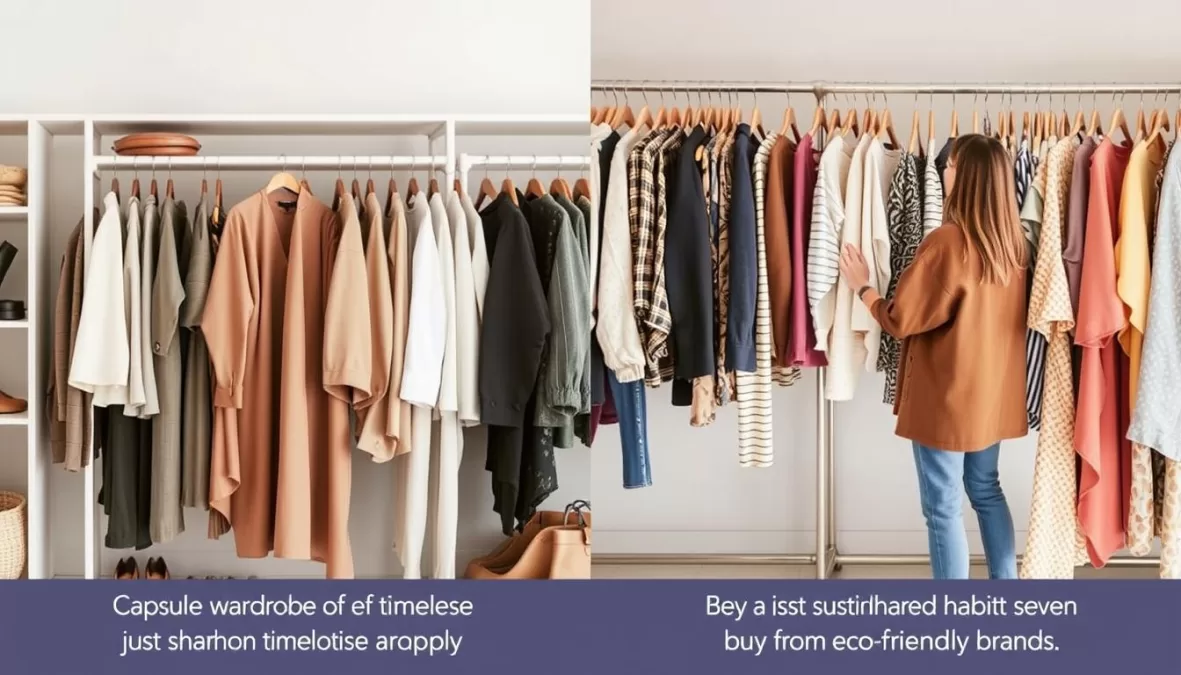
Sustainable fashion practices: capsule wardrobes and secondhand shopping
While supporting sustainable fashion brands is important, truly eco-friendly fashion goes beyond just what you buy. Here are some additional practices to make your wardrobe more sustainable:
Build a Capsule Wardrobe
A capsule wardrobe consists of a limited number of versatile, high-quality pieces that can be mixed and matched. This approach reduces consumption while maximizing style options. Focus on timeless designs in neutral colors that can be worn across seasons and styled multiple ways.
Embrace Secondhand Shopping
Thrift stores, vintage shops, and online platforms like ThredUp, Poshmark, and Depop offer pre-loved clothing that extends the lifecycle of garments. Shopping secondhand is one of the most sustainable ways to refresh your wardrobe, as it requires no new resources and keeps items out of landfills.
Rent for Special Occasions
Services like Rent the Runway and Nuuly allow you to borrow clothing for special events or to try new styles without the commitment of ownership. This sharing economy model reduces the number of rarely-worn items in your closet.
Care for Your Clothes Properly
Extending the life of your garments is crucial for sustainability. Wash clothes less frequently, use cold water, line dry when possible, and repair items instead of replacing them. Many sustainable brands offer repair services to help maintain your purchases.
Research Before You Buy
Use resources like Good On You, Fashion Revolution’s Transparency Index, and B Corporation directories to verify brands’ sustainability claims. Look for specific certifications rather than vague marketing terms like “eco-friendly” or “green.”
Pro Tip: Before making a purchase, ask yourself: “Will I wear this at least 30 times?” This “30 wears test” helps ensure you’re investing in pieces you’ll truly use, reducing overall consumption and waste.
Conclusion: The Future of Sustainable Fashion
The sustainable fashion brands featured in this guide represent the vanguard of a growing movement to transform the fashion industry. By prioritizing environmental stewardship, ethical labor practices, and innovative materials, these companies are proving that style and sustainability can go hand in hand.
As consumers, our purchasing decisions have tremendous power to shape the future of fashion. By supporting sustainable brands, extending the life of our garments, and being mindful about our consumption, we can help reduce the environmental impact of the fashion industry while still expressing our personal style.
The journey toward a fully sustainable fashion industry is ongoing, with new innovations and improvements emerging constantly. By staying informed and making conscious choices, we can all contribute to a more ethical and environmentally responsible fashion future.
Ready to Build Your Sustainable Wardrobe?
Start with one piece from these eco-friendly brands and make a positive impact with your fashion choices.
Frequently Asked Questions About Sustainable Fashion
What makes a fashion brand truly sustainable?
A truly sustainable fashion brand considers its environmental and social impact throughout its entire supply chain. This includes using eco-friendly materials (like organic cotton, recycled fabrics, or innovative alternatives), ensuring ethical labor practices with fair wages and safe working conditions, minimizing waste and pollution in production, creating durable products designed to last, and maintaining transparency about their practices. Third-party certifications like GOTS, Fair Trade, and B Corp provide verification of these claims.
Why is sustainable fashion more expensive?
Sustainable fashion often costs more because ethical production involves paying fair wages to workers, investing in eco-friendly materials and processes, using higher-quality materials that last longer, producing in smaller batches to reduce waste, and obtaining certifications that verify sustainability claims. Fast fashion, by contrast, keeps prices artificially low by cutting corners on environmental standards and labor practices. However, when considering cost-per-wear, sustainable pieces often provide better value over time due to their durability.
How can I avoid greenwashing when shopping for sustainable fashion?
To avoid greenwashing (when brands make misleading environmental claims), look for specific details rather than vague terms like “eco-friendly” or “green.” Check for third-party certifications such as GOTS, Fair Trade, or B Corp. Research the brand’s transparency about their supply chain, materials, and manufacturing processes. Use resources like Good On You or Fashion Revolution’s Transparency Index to verify claims. Be wary of fast fashion brands with small “sustainable” collections while their main business model remains unchanged.
What are the most sustainable fabric choices?
The most sustainable fabrics include organic cotton (uses less water and no pesticides), hemp (requires minimal water and pesticides), linen (biodegradable and requires little water), TENCEL™ Lyocell (made from sustainably harvested wood in a closed-loop process), recycled polyester (diverts plastic from landfills), and deadstock fabrics (uses existing materials that would otherwise be wasted). Natural fibers are generally biodegradable, while synthetic recycled materials help address plastic waste. The best choice depends on the specific use case and how the material is produced.
How can I make my existing wardrobe more sustainable?
To make your existing wardrobe more sustainable, focus on proper garment care to extend longevity (washing less frequently, using cold water, air drying), repairing items instead of replacing them, repurposing or upcycling clothes you no longer wear, hosting clothing swaps with friends, and donating unwanted items responsibly. When you do need to add new pieces, prioritize quality over quantity and choose items that complement your existing wardrobe to maximize versatility.

Priyanka Pandey
Senior Research Editor · Top10Sense
Priyanka specializes in tech, consumer products, and digital trends. She combines hands-on testing, vendor interviews, and database research to create trustworthy “Top 10” rankings. Her work has been referenced by industry blogs and brand report pages.