

In today’s fast-paced world, stress has become an unwelcome companion for many of us. While we can’t always eliminate stressors from our lives, we can develop effective ways to manage our response to them. Not all stress management approaches are created equal, however. This article focuses specifically on techniques that have substantial scientific evidence supporting their effectiveness, giving you confidence that your efforts to reduce stress are well-founded.
The following research-backed stress management techniques can help you regain control, improve your mental health, and enhance your overall quality of life. Each method has been studied extensively, with measurable benefits for stress reduction and improved wellbeing.
Get Your Free Stress Management Toolkit
Download our comprehensive guide with worksheets, exercises, and tracking tools to implement these research-backed techniques in your daily life.
1. Mindfulness Meditation
What Is Mindfulness Meditation?
Mindfulness meditation involves focusing your attention on the present moment and accepting it without judgment. This practice helps you observe your thoughts and feelings from a distance, without labeling them as good or bad.
The Science Behind It
A 2021 meta-analysis published in the Journal of Psychiatric Research found that mindfulness-based interventions significantly reduced stress hormones, including cortisol levels. Another study from 2022 in the journal Frontiers in Psychology demonstrated that just eight weeks of regular mindfulness practice led to measurable changes in brain regions associated with attention, emotional regulation, and stress response.
How to Practice
- Start with just 5 minutes daily and gradually increase your time
- Find a quiet space where you won’t be disturbed
- Focus on your breath, noticing the sensation of air moving in and out
- When your mind wanders (which is normal), gently bring your attention back to your breath
- Practice regularly for maximum benefits
2. Regular Physical Activity

Why Exercise Reduces Stress
Physical activity isn’t just good for your body—it’s a powerful stress reliever. Exercise reduces levels of stress hormones like cortisol and adrenaline while stimulating the production of endorphins, your body’s natural mood elevators.
The Science Behind It
Research published in the British Journal of Sports Medicine (2023) found that even moderate physical activity of 150 minutes per week reduced stress levels by up to 30%. A 2022 study in the Journal of Affective Disorders showed that regular exercise was as effective as medication for reducing symptoms of anxiety and depression in some individuals.
How to Incorporate More Movement
- Aim for at least 30 minutes of moderate activity most days
- Choose activities you enjoy—walking, swimming, dancing, or cycling
- Break exercise into smaller 10-minute sessions if time is limited
- Include both aerobic exercise and strength training for optimal benefits
- Consider mind-body exercises like yoga or tai chi that combine physical activity with mindfulness
3. Deep Breathing Techniques

How Deep Breathing Affects Your Body
Deep breathing activates your parasympathetic nervous system—the “rest and digest” response—which counteracts the stress response. This simple technique can lower blood pressure, slow heart rate, and promote a sense of calm almost immediately.
The Science Behind It
A 2020 study in the International Journal of Psychophysiology demonstrated that just five minutes of deep breathing exercises reduced cortisol levels and blood pressure in participants under acute stress. Research from Yale University (2021) found that regular practice of controlled breathing techniques improved heart rate variability, a key indicator of stress resilience.
Try This: 4-7-8 Breathing Technique
- Sit comfortably with your back straight
- Inhale quietly through your nose for 4 seconds
- Hold your breath for 7 seconds
- Exhale completely through your mouth for 8 seconds
- Repeat this cycle 3-4 times
Track Your Stress Levels
Use our science-based stress tracking app to monitor your progress as you implement these techniques. Get personalized insights and recommendations.
4. Prioritize Quality Sleep

The Sleep-Stress Connection
Sleep and stress have a bidirectional relationship—stress can disrupt sleep, and poor sleep increases stress sensitivity. Breaking this cycle by improving sleep quality is a powerful stress management strategy.
The Science Behind It
Research published in Nature Reviews Neuroscience (2019) found that sleep deprivation amplifies the brain’s reactivity to stressors by up to 60%. A 2022 study in the journal Sleep showed that improving sleep quality led to significant reductions in perceived stress and improved emotional regulation the following day.
Sleep Hygiene Practices
- Maintain a consistent sleep schedule, even on weekends
- Create a relaxing bedtime routine to signal your body it’s time to wind down
- Keep your bedroom cool, dark, and quiet
- Limit screen time at least one hour before bed
- Avoid caffeine and alcohol close to bedtime
- Aim for 7-9 hours of quality sleep each night
5. Cognitive Reframing
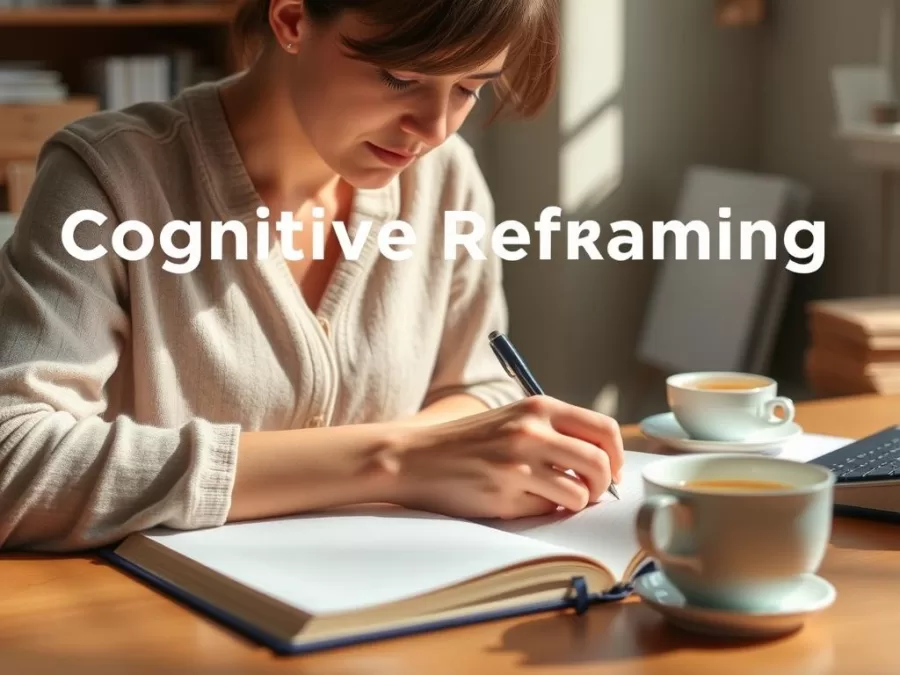
Changing Your Thought Patterns
Cognitive reframing involves identifying negative or unhelpful thought patterns and actively replacing them with more balanced, realistic perspectives. This technique helps you change how you perceive stressful situations, reducing their emotional impact.
The Science Behind It
A 2023 study in Cognitive Therapy and Research found that cognitive reframing techniques reduced stress reactivity by 40% in participants facing work-related stressors. Research from Stanford University (2021) demonstrated that reframing stress as a challenge rather than a threat improved cardiovascular responses and performance under pressure.
How to Practice Cognitive Reframing
- Identify the stressful situation and your thoughts about it
- Notice any cognitive distortions (catastrophizing, black-and-white thinking, etc.)
- Challenge these thoughts with evidence
- Generate alternative, more balanced perspectives
- Practice replacing automatic negative thoughts with these alternatives
Weekly Stress Management Tips
Subscribe to our newsletter for the latest research on stress management and practical weekly tips delivered straight to your inbox.
7. Effective Time Management

Regaining Control of Your Time
Poor time management often leads to feeling overwhelmed and stressed. By organizing your time effectively, you can reduce the chaos, increase productivity, and create more space for activities that replenish your energy.
The Science Behind It
A 2022 study in the Journal of Occupational Health Psychology found that implementing structured time management techniques reduced perceived stress by 28% and improved work-life balance. Research from Harvard Business School (2023) demonstrated that time-blocking methods increased productivity while simultaneously reducing stress-related symptoms.
Effective Time Management Strategies
- Prioritize tasks using the Eisenhower Matrix (urgent/important)
- Break large projects into smaller, manageable steps
- Use time-blocking to dedicate focused time to specific tasks
- Build buffer time between activities
- Learn to set boundaries and say no when necessary
- Identify your most productive hours and schedule important work then
8. Nature Exposure

The Healing Power of Nature
Spending time in natural environments has a remarkable effect on our stress levels. Nature exposure reduces stress hormones, lowers blood pressure, and improves mood—even brief interactions with natural settings can provide significant benefits.
The Science Behind It
A 2021 study in Frontiers in Psychology found that just 20 minutes of nature exposure significantly lowered cortisol levels. Research published in the International Journal of Environmental Research and Public Health (2022) demonstrated that viewing natural scenes activated parasympathetic nervous system responses, reducing physiological markers of stress.
Ways to Incorporate Nature Into Your Routine
- Take daily walks in parks or natural areas
- Bring plants into your home and workspace
- Practice “forest bathing” (mindful time in forests)
- Eat lunch outdoors when weather permits
- Plan weekend activities that involve nature
- If you can’t get outside, even looking at nature photographs can provide some benefits
9. Stress-Reducing Nutrition

Eating to Support Stress Resilience
What you eat directly affects your body’s stress response. Certain foods can exacerbate stress symptoms, while others help regulate stress hormones and support brain function related to mood and emotional regulation.
The Science Behind It
Research in Nutritional Neuroscience (2023) found that diets rich in omega-3 fatty acids, antioxidants, and complex carbohydrates were associated with lower stress levels and improved mood regulation. A 2021 study in the British Journal of Nutrition demonstrated that reducing caffeine and refined sugar intake led to significant improvements in stress symptoms and sleep quality.
Stress-Reducing Nutrition Strategies
Foods to Include:
- Fatty fish rich in omega-3s (salmon, mackerel)
- Dark leafy greens (spinach, kale)
- Complex carbohydrates (whole grains, oats)
- Antioxidant-rich berries
- Nuts and seeds
- Fermented foods for gut health
Foods to Limit:
- Caffeine (especially in the afternoon)
- Refined sugars and processed foods
- Alcohol
- High-sodium foods
- Artificial additives and preservatives
10. Progressive Muscle Relaxation

Releasing Physical Tension
Progressive muscle relaxation (PMR) involves systematically tensing and then releasing different muscle groups throughout your body. This technique helps you recognize the difference between tension and relaxation, allowing you to identify and release physical stress more effectively.
The Science Behind It
A 2022 meta-analysis in the Journal of Behavioral Medicine found that regular practice of PMR reduced perceived stress by 31% and improved sleep quality. Research from the University of Michigan (2021) demonstrated that PMR practice lowered blood pressure and heart rate variability, indicating reduced physiological stress responses.
Basic PMR Technique
- Find a quiet, comfortable place to sit or lie down
- Take a few deep breaths to begin
- Starting with your feet, tense the muscles as tightly as you can for 5-10 seconds
- Release the tension suddenly and notice the feeling of relaxation
- Move progressively through major muscle groups: legs, abdomen, chest, arms, shoulders, neck, and face
- Practice for 10-20 minutes daily for best results
Get Professional Support
While these techniques are effective for managing everyday stress, sometimes additional support is beneficial. Connect with qualified mental health professionals who specialize in stress management.
Putting It All Together: Creating Your Stress Management Plan

The most effective approach to stress management combines multiple techniques tailored to your specific needs and lifestyle. Research shows that integrating several strategies provides more comprehensive benefits than relying on a single method.
Creating Your Personalized Plan
- Assess your stressors: Identify your primary sources of stress
- Start small: Begin with 1-2 techniques that appeal to you most
- Schedule practice time: Block time in your calendar for stress management
- Track your progress: Note changes in your stress levels and overall wellbeing
- Adjust as needed: Modify your approach based on what works best for you
Remember: Consistency is more important than perfection. Even small, regular efforts to manage stress can lead to significant improvements in your wellbeing over time.
Conclusion: The Science of Stress Management
The research is clear: implementing evidence-based stress management techniques can significantly improve your mental and physical health. While stress is an inevitable part of life, how we respond to it makes all the difference in its impact on our wellbeing.
By incorporating these ten research-backed techniques into your daily routine, you can build resilience to stress, improve your emotional regulation, and enhance your overall quality of life. Remember that stress management is a skill that improves with practice—each step you take builds your capacity to handle life’s challenges with greater ease.
Start with techniques that resonate with you personally, and gradually expand your stress management toolkit. Your future self will thank you for the investment you make today in learning to manage stress effectively.
Complete Stress Management Resource Kit
Get our comprehensive guide with detailed instructions, worksheets, and tracking tools for all ten techniques. Start building your personalized stress management practice today.
Frequently Asked Questions About Stress Management
How quickly will I see results from these techniques?
Some techniques, like deep breathing and progressive muscle relaxation, can provide immediate relief during stressful moments. Others, such as mindfulness meditation and cognitive reframing, typically show cumulative benefits over weeks of regular practice. Research suggests that most people notice meaningful improvements within 2-4 weeks of consistent practice.
Can these techniques help with severe stress or anxiety disorders?
While these research-backed techniques are effective for managing everyday stress, they should be considered complementary approaches for clinical anxiety or severe stress disorders. If you’re experiencing debilitating stress or anxiety, these methods work best when combined with professional treatment from qualified mental health providers.
How much time should I dedicate to stress management daily?
Research indicates that even 10-15 minutes of dedicated stress management practice daily can produce significant benefits. The key is consistency rather than duration. Many techniques, like deep breathing or cognitive reframing, can be integrated into your existing routine without requiring additional time.

Priyanka Pandey
Senior Research Editor · Top10Sense
Priyanka specializes in tech, consumer products, and digital trends. She combines hands-on testing, vendor interviews, and database research to create trustworthy “Top 10” rankings. Her work has been referenced by industry blogs and brand report pages.




6. Social Connection
The Power of Human Connection
Meaningful social connections serve as a buffer against stress and are crucial for emotional wellbeing. Quality relationships provide emotional support, perspective, and a sense of belonging that helps us navigate life’s challenges.
The Science Behind It
Research published in the American Journal of Lifestyle Medicine (2021) found that strong social connections were associated with a 50% reduced risk of early mortality and significantly lower stress levels. A 2022 study in the Journal of Personality and Social Psychology showed that even brief positive social interactions triggered the release of oxytocin, a hormone that reduces stress responses.
Ways to Strengthen Social Connections