
As we look toward 2026, the investment landscape continues to evolve at an unprecedented pace. Artificial intelligence integration, energy transition, supply chain reconfiguration, and demographic shifts are reshaping industries and creating new opportunities for forward-thinking investors. By identifying companies well-positioned to capitalize on these transformative trends, investors can build a portfolio designed not just for today’s market, but for tomorrow’s realities.
This carefully curated list of top 10 stocks to buy in 2026 represents companies with strong competitive advantages, innovative capabilities, and sustainable business models that should help them thrive in the years ahead. While past performance never guarantees future results, these selections are based on thorough analysis of long-term growth drivers, market positioning, and financial health.
Stay Ahead of Market Trends
Get our exclusive weekly investment insights delivered straight to your inbox. Our research team analyzes emerging opportunities before they become mainstream.
Our Selection Methodology
Identifying stocks with strong potential for 2026 requires a disciplined approach focused on both quantitative metrics and qualitative factors. Our methodology emphasizes companies that demonstrate:
Quantitative Criteria
- Strong revenue growth trajectory (15%+ annual growth potential)
- Healthy balance sheets with manageable debt levels
- Expanding profit margins or clear path to profitability
- Reasonable valuation relative to growth prospects
- Consistent R&D investment as percentage of revenue
Qualitative Factors
- Durable competitive advantages (economic moats)
- Leadership in emerging sectors or technologies
- Innovative product pipelines or service offerings
- Strong management teams with proven execution
- Alignment with major technological and social trends
This balanced approach helps identify companies not just performing well today, but positioned to maintain their competitive edge through 2026 and beyond. We’ve intentionally selected stocks across diverse sectors to provide exposure to multiple growth themes while maintaining portfolio resilience.
1. Nvidia (NVDA)

Company Overview
Nvidia has established itself as the undisputed leader in graphics processing units (GPUs) and AI accelerators. The company’s hardware powers everything from gaming systems to the world’s most advanced AI models, data centers, and autonomous vehicles. With its comprehensive software ecosystem and hardware dominance, Nvidia has created a formidable competitive moat.
Investment Thesis
By 2026, AI implementation will have progressed from experimental to essential across virtually every industry. As the primary provider of the computational infrastructure that enables AI, Nvidia stands to benefit tremendously from this secular trend. The company’s early lead in AI chips has created a virtuous cycle where software optimization for Nvidia hardware drives further adoption.
Beyond AI, Nvidia’s continued innovation in gaming, visualization, automotive, and edge computing positions it at the intersection of multiple growth vectors. With data center demands increasing exponentially and AI workloads becoming more complex, Nvidia’s high-performance computing solutions should see sustained demand growth through 2026.
Key Risks
- Increasing competition from AMD, Intel, and custom AI chips from cloud providers
- Potential cyclicality in semiconductor demand
- Regulatory challenges, particularly related to export restrictions
- High valuation that prices in significant future growth
2. Microsoft (MSFT)

Company Overview
Microsoft has successfully transformed from a software company to a diversified technology leader with strong positions in cloud computing (Azure), productivity software (Microsoft 365), gaming (Xbox), professional networking (LinkedIn), and AI (including its partnership with OpenAI). This diversification provides multiple growth avenues and revenue stability.
Investment Thesis
Microsoft’s Azure cloud platform continues to gain market share, positioning the company to benefit from the ongoing shift to cloud computing. By 2026, we expect cloud adoption to reach new heights as enterprises complete their digital transformation journeys. Microsoft’s integration of AI capabilities across its product suite creates a compelling value proposition for businesses looking to enhance productivity.
The company’s strong balance sheet, consistent cash flow generation, and disciplined capital allocation provide both stability and flexibility. Microsoft’s enterprise relationships and comprehensive product ecosystem create high switching costs, protecting its market position even as technology evolves.
Key Risks
- Intense competition in cloud services from Amazon and Google
- Potential regulatory scrutiny over market dominance
- Cybersecurity threats to cloud infrastructure
- Challenges in maintaining growth rates due to large revenue base
3. Eli Lilly (LLY)

Company Overview
Eli Lilly is a global pharmaceutical company with a strong focus on diabetes, oncology, immunology, and neuroscience. The company has established itself as a leader in GLP-1 receptor agonists with its blockbuster drugs Mounjaro and Zepbound, which are revolutionizing treatment for diabetes and obesity.
Investment Thesis
By 2026, the global obesity crisis is expected to worsen, with over 1 billion people affected worldwide. Eli Lilly’s leadership in weight management and diabetes medications positions it to address this massive market opportunity. The company’s robust pipeline includes promising candidates for Alzheimer’s disease, cancer, and autoimmune conditions.
Lilly’s consistent investment in R&D (approximately 25% of revenue) fuels innovation and new drug development. The company’s strong patent protection for key drugs provides revenue visibility through 2026 and beyond. As healthcare systems increasingly focus on preventative care and managing chronic conditions, Lilly’s therapeutic areas align perfectly with long-term healthcare trends.
Key Risks
- Potential pricing pressure from governments and insurers
- Competition from other pharmaceutical companies and biosimilars
- Regulatory hurdles for new drug approvals
- Manufacturing capacity constraints for high-demand products
Don’t Miss Our Next Market Analysis
Join thousands of investors who receive our research team’s insights on emerging market opportunities and potential stock winners.
4. MercadoLibre (MELI)

Company Overview
MercadoLibre operates the largest e-commerce and fintech ecosystem in Latin America. The company’s integrated platform includes online marketplaces, logistics solutions (Mercado Envios), payment processing (Mercado Pago), and credit services (Mercado Credito), creating a comprehensive solution for digital commerce in the region.
Investment Thesis
Latin America represents one of the fastest-growing e-commerce markets globally, with penetration rates still well below those of developed markets. By 2026, we expect digital commerce adoption to accelerate significantly across the region. MercadoLibre’s established platform and brand recognition position it as the primary beneficiary of this secular trend.
The company’s fintech services address the needs of the region’s large unbanked and underbanked population, creating a massive growth opportunity beyond e-commerce. MercadoLibre’s network effects strengthen as its ecosystem expands, making it increasingly difficult for competitors to gain meaningful market share.
Key Risks
- Economic and political instability in key Latin American markets
- Currency fluctuations affecting reported results
- Competition from global e-commerce giants like Amazon
- Regulatory changes affecting fintech operations
5. Palo Alto Networks (PANW)

Company Overview
Palo Alto Networks is a global cybersecurity leader providing advanced firewalls, cloud security, endpoint protection, and security analytics. The company has successfully transitioned from a hardware-focused business to a comprehensive security platform with significant recurring revenue from software subscriptions and cloud-based services.
Investment Thesis
As digital transformation accelerates, cybersecurity becomes increasingly critical for organizations of all sizes. By 2026, the proliferation of connected devices, cloud services, and AI applications will create an even more complex threat landscape. Palo Alto’s integrated security platform addresses these challenges with a comprehensive approach to protection.
The company’s strategic acquisitions have expanded its capabilities across the security spectrum, creating a robust ecosystem that increases customer stickiness. With cybersecurity spending expected to grow at double-digit rates through 2026, Palo Alto’s market leadership and platform strategy position it to capture a significant share of this expanding market.
Key Risks
- Intense competition in the cybersecurity space
- Rapid technological changes requiring continuous innovation
- Potential for customer spending constraints during economic downturns
- Integration challenges from multiple acquisitions
6. Shopify (SHOP)

Company Overview
Shopify provides a comprehensive e-commerce platform that enables merchants of all sizes to establish, operate, and scale online stores. The company’s ecosystem includes website building, payment processing, shipping solutions, marketing tools, and financial services, creating an end-to-end solution for digital commerce.
Investment Thesis
The shift to e-commerce continues to accelerate globally, with small and medium-sized businesses increasingly establishing online presences. By 2026, we expect digital commerce to represent an even larger share of total retail sales. Shopify’s merchant-friendly platform positions it to benefit from this ongoing transition.
The company’s expansion into fulfillment, cross-border commerce, and financial services creates additional revenue streams and increases merchant dependency on the platform. Shopify’s focus on empowering entrepreneurs rather than competing with them (unlike Amazon) resonates with merchants seeking greater control over their businesses.
Key Risks
- Increasing competition from other e-commerce platforms
- Potential slowdown in new merchant acquisition
- Execution risks associated with fulfillment network expansion
- Sensitivity to consumer spending trends
7. Micron Technology (MU)

Company Overview
Micron Technology is a global leader in memory and storage solutions, specializing in DRAM, NAND flash, and NOR flash memory products. The company’s technologies are essential components in data centers, PCs, mobile devices, automotive systems, and increasingly, AI applications that require high-bandwidth memory.
Investment Thesis
The explosive growth of AI and machine learning applications is driving unprecedented demand for high-performance memory. By 2026, we expect AI workloads to become even more memory-intensive, creating sustained demand for Micron’s specialized products. The company’s development of High Bandwidth Memory (HBM) positions it to capture significant value from AI infrastructure buildout.
Beyond AI, the proliferation of connected devices, autonomous vehicles, and edge computing creates multiple growth vectors for memory solutions. Micron’s technological leadership and manufacturing scale provide competitive advantages in an industry where technical expertise and production efficiency are critical success factors.
Key Risks
- Cyclicality in memory pricing affecting margins
- Competition from Samsung, SK Hynix, and other memory manufacturers
- Geopolitical tensions affecting global supply chains
- Capital intensity requiring significant ongoing investment
8. Devon Energy (DVN)
Company Overview
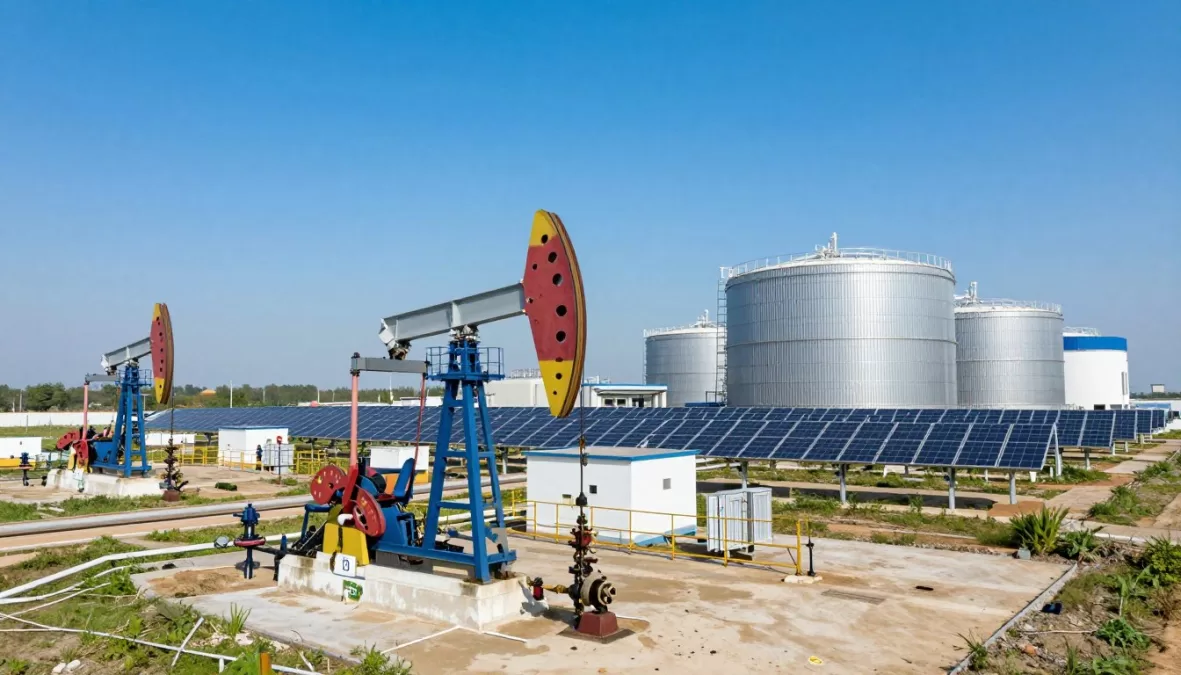
Devon Energy is a leading U.S.-based oil and natural gas producer with operations primarily in the Delaware Basin, Anadarko Basin, Williston Basin, and Eagle Ford Shale. The company has implemented a disciplined capital allocation strategy focused on generating free cash flow, maintaining a strong balance sheet, and returning capital to shareholders.
Investment Thesis
Despite the global energy transition, oil and natural gas will remain essential components of the energy mix through 2026 and beyond. Devon’s low-cost production assets and focus on operational efficiency position it to generate substantial cash flow even in moderate price environments. The company’s variable dividend policy provides investors with direct exposure to commodity price upside.
Devon’s commitment to reducing emissions intensity and implementing sustainable practices addresses growing ESG concerns while maintaining its core business strength. The company’s strong balance sheet provides flexibility to navigate commodity price volatility and potentially acquire additional high-quality assets at attractive valuations.
Key Risks
- Volatility in oil and natural gas prices
- Potential regulatory changes affecting fossil fuel production
- Long-term demand concerns due to energy transition
- Operational risks associated with extraction activities
9. Constellation Brands (STZ)

Company Overview
Constellation Brands is a leading producer and marketer of premium beer, wine, and spirits. The company’s portfolio includes iconic beer brands like Corona, Modelo, and Pacifico, as well as a range of premium wines and spirits. Constellation has strategically focused on higher-end products that command premium pricing and stronger brand loyalty.
Investment Thesis
Consumer preferences continue to shift toward premium alcoholic beverages, with particular strength in the high-end beer segment where Constellation dominates. By 2026, we expect the premiumization trend to further accelerate as consumers prioritize quality over quantity. The company’s focus on Mexican import beers positions it well for continued growth in the U.S. market.
Constellation’s disciplined approach to innovation, strategic acquisitions, and brand building has created a portfolio of products with strong consumer appeal. The company’s financial strength provides flexibility for continued investment in growth initiatives and returning capital to shareholders through dividends and share repurchases.
Key Risks
- Changing consumer preferences in alcoholic beverages
- Potential regulatory changes affecting alcohol distribution
- Competition from craft brewers and other premium brands
- Supply chain disruptions affecting production and distribution
10. Atalaya Mining (ATYM)

Company Overview
Atalaya Mining is a European copper producer with its flagship operation at the Proyecto Riotinto mine in Spain. The company has established itself as a low-cost producer with strong operational efficiency and a focus on sustainable mining practices. Atalaya has been consistently expanding production while maintaining competitive cost structures.
Investment Thesis
Copper is essential for the global energy transition, with electric vehicles requiring 3-4 times more copper than conventional vehicles and renewable energy systems needing significant copper inputs. By 2026, we expect copper demand to substantially outpace supply, creating a favorable pricing environment for efficient producers like Atalaya.
The company’s European operations provide a strategic advantage as manufacturers seek to secure supply chains closer to production facilities. Atalaya’s focus on operational efficiency and expansion projects positions it to increase production as copper prices rise. The company’s strong balance sheet and cash flow generation provide flexibility for growth initiatives and potential shareholder returns.
Key Risks
- Volatility in copper prices affecting profitability
- Operational challenges in mining and processing
- Regulatory changes affecting mining operations in Europe
- Potential delays or cost overruns in expansion projects
Portfolio Summary: Building a Future-Focused Investment Strategy
| Company | Ticker | Sector | Primary Growth Driver | Growth Rating |
| Nvidia | NVDA | Technology | AI Infrastructure | 4.7 |
| Microsoft | MSFT | Technology | Cloud Computing & AI | 4.6 |
| Eli Lilly | LLY | Healthcare | Obesity & Diabetes Treatment | 4.5 |
| MercadoLibre | MELI | Consumer Discretionary | Latin American E-commerce | 4.4 |
| Palo Alto Networks | PANW | Technology | Cybersecurity | 4.3 |
| Shopify | SHOP | Technology | E-commerce Enablement | 4.2 |
| Micron Technology | MU | Technology | Memory for AI & Data Centers | 4.1 |
| Devon Energy | DVN | Energy | Oil & Gas Production | 4.0 |
| Constellation Brands | STZ | Consumer Staples | Premium Beverages | 3.9 |
| Atalaya Mining | ATYM | Materials | Copper Production | 3.8 |
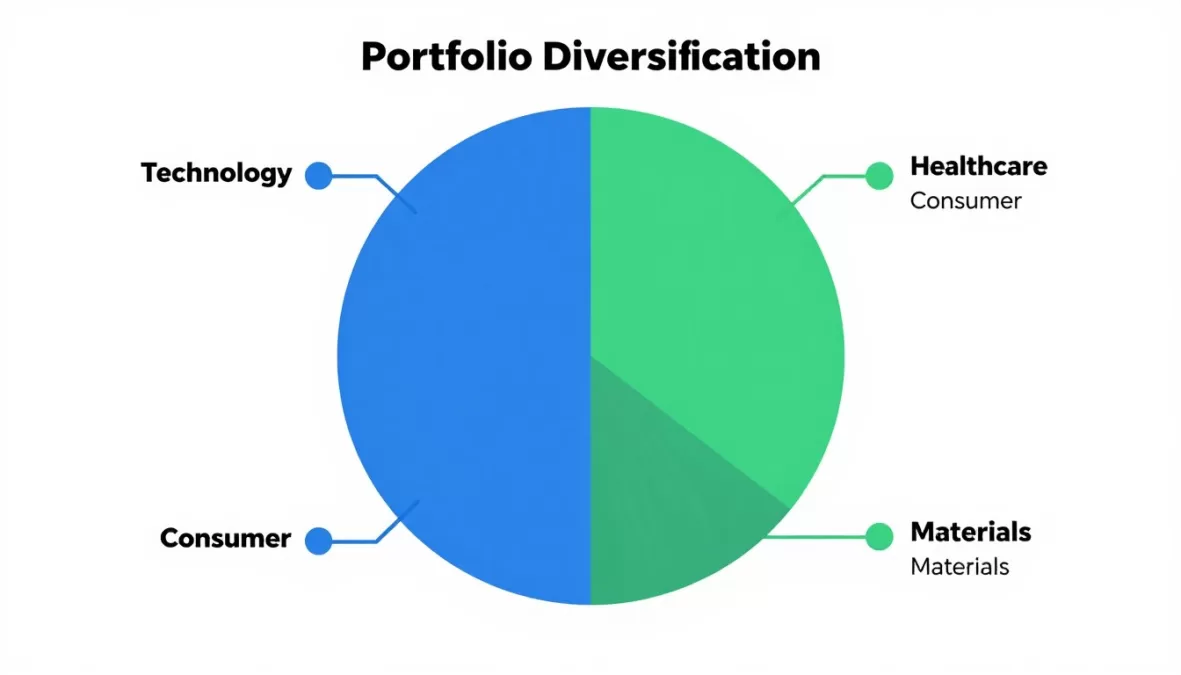
This carefully selected portfolio provides exposure to multiple growth themes that we believe will shape the investment landscape through 2026. From AI and cloud computing to healthcare innovation and the global energy transition, these companies are positioned at the forefront of transformative trends with substantial runway for growth.
While technology stocks represent a significant portion of our selections, we’ve intentionally included companies from other sectors to provide diversification and exposure to different growth vectors. This balanced approach helps mitigate sector-specific risks while maintaining strong growth potential across various economic scenarios.
Build Your Future-Focused Portfolio
Get exclusive access to our complete investment research, including detailed analysis of emerging market trends and potential stock winners beyond this list.
Conclusion: A Disciplined Approach to Long-Term Growth
The top 10 stocks to buy in 2026 presented in this article represent companies with strong competitive advantages, innovative capabilities, and alignment with powerful long-term trends. From AI and cloud computing to healthcare innovation and the global energy transition, these selections provide exposure to multiple growth vectors that should drive substantial value creation in the years ahead.
While we believe these companies are well-positioned for future success, it’s important to remember that all investments carry risk. Market volatility, changing competitive dynamics, and unforeseen challenges can impact even the strongest companies. A disciplined, long-term approach to investing remains essential.
Consider these recommendations as starting points for your own research rather than definitive buy orders. Building a well-diversified portfolio aligned with your personal financial goals, risk tolerance, and investment timeline is crucial for long-term success. Regular portfolio reviews and adjustments may be necessary as market conditions and company fundamentals evolve.
By focusing on companies with durable competitive advantages, strong management teams, and exposure to secular growth trends, investors can position themselves to benefit from the transformative changes reshaping our economy and society. The future belongs to those who prepare for it today.
The best time to plant a tree was 20 years ago. The second best time is now. The same principle applies to investing in companies positioned for future growth.
Disclaimer: This article is for informational purposes only and does not constitute personalized investment advice. The opinions expressed herein are those of the author and do not represent recommendations to buy or sell any security. All investments involve risk, including the loss of principal. Readers should conduct their own research or consult with a financial advisor before making investment decisions.

Priyanka Pandey
Senior Research Editor · Top10Sense
Priyanka specializes in tech, consumer products, and digital trends. She combines hands-on testing, vendor interviews, and database research to create trustworthy “Top 10” rankings. Her work has been referenced by industry blogs and brand report pages.