

The investment landscape for 2026 presents unprecedented opportunities. Market dynamics are shifting rapidly as artificial intelligence, cybersecurity, and cloud computing reshape entire industries.
Investors who position themselves strategically now could see substantial returns. The stocks on this list represent companies at the forefront of technological innovation.
Each company featured here demonstrates strong fundamentals. Their business models align with major technology trends that will define the next decade of economic growth.
This comprehensive analysis examines ten stocks with explosive growth potential. We evaluate their market positions, competitive advantages, and catalysts that could drive share price appreciation throughout the year.
Get Weekly Stock Picks Delivered to Your Inbox
Join thousands of investors receiving our expert analysis. Discover high-growth stocks before they explode. Free newsletter with exclusive market insights and actionable investment ideas.
The Investment Landscape for 2026
The stock market enters 2026 with unique characteristics. Interest rates have stabilized after years of volatility, creating a more predictable environment for growth stocks.
Artificial intelligence continues its rapid expansion into commercial applications. Companies providing AI infrastructure and services are experiencing unprecedented demand for their products and platforms.
Corporate earnings have shown resilience despite economic uncertainties. The S&P 500 components have demonstrated consistent earnings growth, suggesting underlying market strength that supports higher valuations.
Key Market Drivers
- AI infrastructure buildout accelerating across industries
- Cloud computing adoption reaching critical mass in enterprise
- Cybersecurity spending mandatory amid rising threats
- Digital transformation initiatives gaining momentum
- Consumer spending patterns shifting toward technology
Risk Factors to Monitor
- Regulatory scrutiny on technology companies increasing
- Geopolitical tensions affecting global supply chains
- Valuation concerns in high-growth technology stocks
- Competition intensifying across all sectors
- Economic slowdown potential affecting consumer demand
Investors should focus on companies with strong competitive moats. Businesses that have established market leadership and demonstrate pricing power will outperform during uncertain times.
How We Selected These Top Stocks

Our selection process combines quantitative analysis with qualitative assessment. We examined hundreds of publicly traded companies to identify those with the strongest growth trajectories.
Financial Metrics Evaluated
Revenue growth remains the primary indicator of business momentum. Companies on this list have demonstrated consistent revenue expansion exceeding market averages over multiple years.
Earnings per share growth provides insight into profitability trends. We prioritized companies showing improving margins alongside revenue growth, indicating operational efficiency.
Return on invested capital measures management effectiveness. Companies that generate high returns on capital can reinvest profits into growth initiatives more successfully than competitors.
Selection Criteria: Each stock met minimum thresholds for revenue growth (20%+ annually), market position (top 3 in their category), and addressable market size ($50B+ total addressable market). These filters ensure we focus on companies with room for substantial expansion.
Qualitative Assessment Factors
Management quality significantly impacts long-term performance. We evaluated executive track records, capital allocation decisions, and strategic vision for each company.
Competitive positioning determines sustainability of growth. Companies with strong network effects, switching costs, or technological advantages received higher rankings in our analysis.
Industry trends influence growth potential. We favored companies aligned with secular tailwinds like artificial intelligence, cloud computing, and digital transformation that will persist beyond 2026.
Number 10 – Palantir Technologies (PLTR)

Company Overview and Business Model
Palantir Technologies operates at the intersection of data analytics and artificial intelligence. The company provides software platforms that enable organizations to integrate, analyze, and act on massive datasets.
Government contracts form the foundation of Palantir’s business. Defense and intelligence agencies rely on their platforms for national security applications, providing stable recurring revenue streams.
Commercial expansion accelerated significantly in recent years. Enterprises across healthcare, energy, and manufacturing are adopting Palantir’s software to optimize operations and improve decision-making processes.
Growth Catalysts for 2026
The artificial intelligence boom directly benefits Palantir’s position. Their Artificial Intelligence Platform (AIP) has seen rapid adoption as companies seek to implement AI capabilities without building infrastructure from scratch.
Customer acquisition metrics show impressive momentum. The company has been adding dozens of new commercial customers quarterly, with many starting small and expanding usage over time.
Key Metric: Palantir’s revenue growth has consistently exceeded 20% year-over-year. Their commercial segment growth rate surpasses 30%, indicating successful diversification beyond government contracts.
Investment Considerations
Valuation remains a concern for conservative investors. The stock trades at premium multiples compared to traditional software companies, reflecting high growth expectations priced into shares.
Profitability has improved substantially. After years of operating losses, Palantir achieved consistent profitability with expanding margins as the business scales.
Investment Strengths
- Strong government contract portfolio providing stability
- Accelerating commercial customer adoption
- AI platform positioned for market expansion
- Improving profitability and cash flow generation
- High customer retention and expansion rates
Investment Risks
- Premium valuation vulnerable to market corrections
- Competition from established enterprise software vendors
- Customer concentration in government sector
- Stock-based compensation impacting shareholder dilution
- Complex technology requiring long sales cycles
Long-term investors should view Palantir as a high-risk, high-reward opportunity. The company’s technology advantage and market position support growth, but valuation requires careful consideration of entry points.
Number 9 – Advanced Micro Devices (AMD)
Semiconductor Industry Position
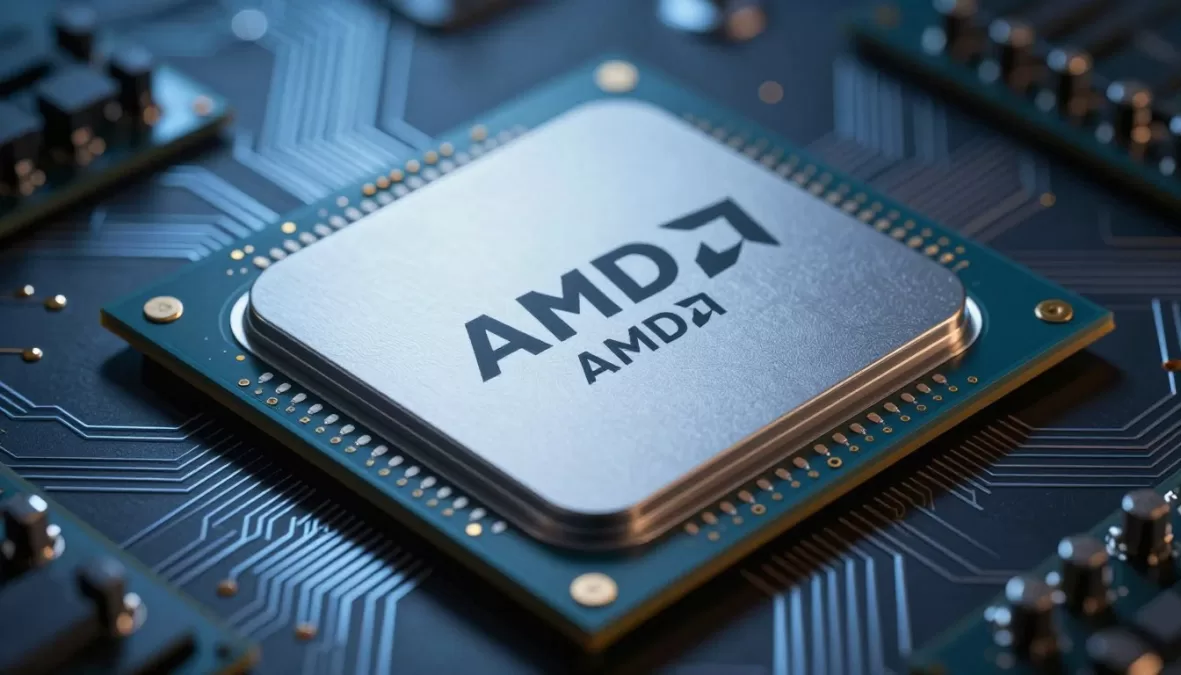
Advanced Micro Devices has emerged as a formidable competitor in the semiconductor industry. The company designs and manufactures processors for computers, servers, and graphics applications.
Data center processors represent AMD’s fastest-growing segment. Their EPYC server chips have gained significant market share from Intel, demonstrating technical superiority in performance and efficiency metrics.
Graphics processing units remain core to the business. AMD’s Radeon graphics cards compete in gaming markets while their data center GPUs target artificial intelligence workloads.
Artificial Intelligence Opportunity
The AI chip market presents enormous growth potential. AMD’s MI300 series accelerators directly compete with Nvidia’s offerings for training and deploying large language models and AI applications.
Customer diversification reduces concentration risk. Major cloud providers including Microsoft, Amazon, and Google have adopted AMD’s AI accelerators, validating the technology’s capabilities.
Competitive pricing gives AMD advantages in cost-sensitive segments. While Nvidia dominates premium AI applications, AMD can capture market share in price-performance-oriented deployments.
Market Share Gains
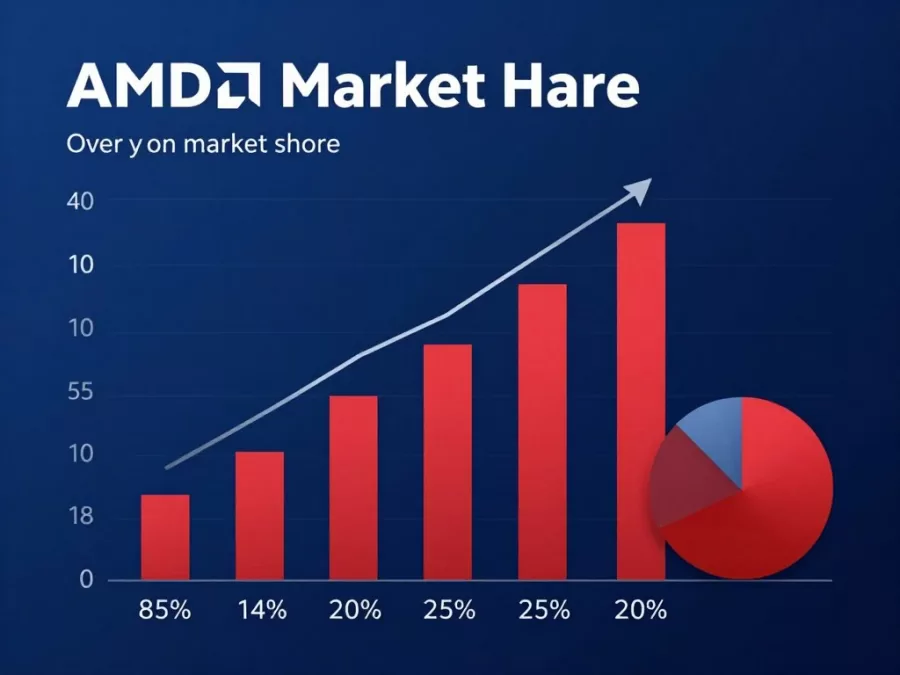
AMD has steadily increased its position across key markets. Data center processor share has grown from low single digits to over 20% in recent years.
The company expects continued share gains as customers seek alternatives to dominant incumbents. Each percentage point of market share represents billions in revenue opportunity.
Financial Performance Outlook
Revenue growth accelerated as new products ramped production. Analysts project double-digit revenue expansion continuing through 2026 driven by data center and AI chip demand.
Gross margins have expanded with product mix improvements. Higher-margin data center products represent a growing portion of sales, supporting profitability enhancement.
Research and development investment remains substantial. AMD allocates significant resources to next-generation chip development, ensuring competitive products in future years.
Risk Alert: Semiconductor stocks exhibit high volatility tied to economic cycles. AMD’s stock price can fluctuate significantly based on demand forecasts and competitive dynamics in the rapidly evolving chip industry.
Number 8 – Tesla (TSLA)

Beyond Electric Vehicles
Tesla has evolved beyond its identity as an electric vehicle manufacturer. The company operates multiple business segments including energy storage, solar power, and autonomous driving technology.
Automotive production continues scaling globally. Tesla operates manufacturing facilities across multiple continents, enabling production growth to meet increasing demand for electric vehicles worldwide.
Energy storage deployments have accelerated dramatically. Utility-scale battery projects and residential Powerwall installations represent high-margin businesses with substantial growth potential.
Autonomous Driving Technology
Full Self-Driving technology could transform Tesla’s business model. The company has invested billions developing autonomous driving capabilities that may eventually generate recurring software revenue.
Real-world data collection provides competitive advantages. Tesla’s fleet of millions of vehicles continuously gathers driving data, training neural networks more effectively than competitors with smaller datasets.
Regulatory approval remains the critical uncertainty. Widespread autonomous driving deployment depends on government authorization, which could accelerate or delay based on safety performance.
Robotics and AI Initiatives
The Optimus humanoid robot project represents long-term optionality. Tesla applies its AI and manufacturing expertise to robotics, potentially creating a massive new market opportunity.
Manufacturing automation reduces production costs. Tesla continuously improves its production processes, driving down per-unit manufacturing expenses and improving margins.
| Business Segment | 2026 Growth Outlook | Key Driver |
| Electric Vehicles | Moderate (15-20%) | New model launches, price reductions |
| Energy Storage | High (40%+) | Grid-scale project deployments |
| Full Self-Driving | Very High (100%+) | Subscription adoption, feature improvements |
| Solar Energy | Moderate (20-25%) | Residential installation growth |
Investment Perspective
Valuation multiples reflect high growth expectations. Tesla trades at premium valuations compared to traditional automakers, pricing in future businesses beyond vehicle sales.
Execution risk remains significant with multiple initiatives. The company pursues ambitious projects simultaneously, creating operational complexity and resource allocation challenges.
Market leadership in electric vehicles provides a strong foundation. Tesla’s brand recognition, charging infrastructure, and technology lead support continued dominance in the EV market transition.
Number 7 – Shopify (SHOP)

E-Commerce Infrastructure Leader
Shopify provides the technology infrastructure powering online retail businesses worldwide. Merchants of all sizes use their platform to build, manage, and scale e-commerce operations.
The platform serves millions of active stores globally. From small independent retailers to major brands, Shopify’s flexible architecture accommodates diverse business needs and growth stages.
Payment processing generates significant recurring revenue. Shopify Payments captures a growing percentage of transaction volume flowing through merchant stores, creating high-margin income streams.
Market Expansion Opportunities
International markets represent substantial growth potential. Shopify continues expanding into new geographic regions where e-commerce adoption is accelerating rapidly.
Enterprise merchant acquisition has accelerated meaningfully. Major retailers increasingly choose Shopify to power their online operations, attracted by the platform’s scalability and feature richness.
Omnichannel retail solutions bridge online and physical commerce. Shopify’s point-of-sale systems and inventory management tools help merchants unify operations across channels.
Growth Insight: Shopify’s gross merchandise volume exceeded $200 billion annually. Every incremental dollar of GMV generates revenue through subscriptions, payment processing, and additional services, creating multiple monetization streams from growing merchant activity.
Technology and Product Innovation
Artificial intelligence integration enhances merchant capabilities. Shopify incorporates AI tools for product descriptions, customer service, and marketing, helping merchants operate more efficiently.
Logistics and fulfillment services reduce merchant friction. The Shopify Fulfillment Network helps sellers compete with Amazon by providing fast, reliable order fulfillment infrastructure.
B2B commerce functionality expands addressable markets. Shopify enables wholesale operations and business-to-business transactions, capturing a larger share of total commerce activity.
Financial Health and Profitability
The company achieved profitability after strategic restructuring. Management focused on core e-commerce operations, divesting non-strategic assets and improving operational efficiency.
Free cash flow generation demonstrates business model strength. Shopify converts revenue into cash efficiently, funding growth investments while returning capital to shareholders.
Investment Strengths
- Massive addressable market in global e-commerce
- Strong merchant retention and expansion
- Multiple revenue streams with payments growth
- Platform effects creating competitive moat
- Improving profitability and margin expansion
Investment Risks
- Competition from Amazon and traditional platforms
- Merchant churn during economic downturns
- Dependence on consumer spending trends
- Execution risk with international expansion
- Technology infrastructure investment requirements
Investors should consider Shopify’s exposure to e-commerce trends. If online retail experiences renewed growth momentum in 2026, Shopify stands to benefit substantially from increased merchant activity and platform adoption.
Download Your Free 2026 Investment Strategy Guide
Get our comprehensive 40-page guide featuring detailed analysis of high-growth stocks, risk management strategies, and portfolio allocation recommendations. Includes exclusive research not available anywhere else.
Number 6 – CrowdStrike Holdings (CRWD)

Cybersecurity Market Leadership
CrowdStrike operates at the forefront of cloud-native cybersecurity. The company’s Falcon platform protects endpoints, workloads, identities, and data using artificial intelligence and behavioral analytics.
Cloud-based architecture provides significant advantages over legacy security software. Organizations can deploy CrowdStrike’s protection rapidly without complex infrastructure requirements or ongoing maintenance burdens.
The platform approach creates powerful network effects. As more organizations adopt Falcon, the system learns from broader threat intelligence, improving protection for all customers continuously.
Growing Threat Landscape
Cyber threats continue escalating in sophistication and frequency. Ransomware attacks, nation-state intrusions, and data breaches force organizations to increase security spending significantly.
Regulatory requirements mandate stronger protections. Governments worldwide implement stricter cybersecurity regulations, compelling companies to adopt enterprise-grade security solutions like CrowdStrike.
Remote work permanence expanded the attack surface. Distributed workforces require comprehensive endpoint security, playing directly into CrowdStrike’s core strengths and market positioning.
Market Insight: The global cybersecurity market is projected to exceed $300 billion by 2026. CrowdStrike’s leadership position and technology advantages enable the company to capture disproportionate market share as spending accelerates.
Business Model and Customer Economics
Subscription revenue provides predictable, recurring income streams. Customers pay annual fees based on protected endpoints and purchased modules, creating high-visibility revenue.
Module adoption drives expansion within accounts. Organizations typically start with core endpoint protection, then add capabilities like threat intelligence, identity protection, and log management over time.
Customer retention rates exceed 95 percent consistently. Once deployed, organizations rarely switch security vendors due to switching costs, integration complexity, and performance satisfaction.
Revenue Growth Drivers
- New customer acquisition accelerating
- Existing customer module expansion
- International market penetration
- Enterprise and government adoption
- Platform subscription increases
Competitive Advantages
- Cloud-native architecture superiority
- AI-powered threat detection
- Comprehensive platform approach
- Lightweight agent performance
- Extensive threat intelligence
Financial Performance Trajectory
Annual recurring revenue growth consistently exceeds 30 percent. This metric demonstrates the health of subscription-based businesses and indicates strong customer demand.
Profitability improved substantially as the business scaled. Operating margins expanded significantly as infrastructure costs grew slower than revenue, demonstrating operational leverage.
Free cash flow generation accelerated impressively. CrowdStrike converts subscription revenue to cash efficiently due to upfront annual payments and relatively low ongoing delivery costs.
Valuation Consideration: CrowdStrike trades at premium multiples reflecting its growth profile and market position. Investors should monitor valuation relative to growth rates and consider potential multiple compression during market volatility.
Long-term investors view cybersecurity as a secular growth market. CrowdStrike’s technology leadership and expanding platform position the company to benefit from sustained increases in enterprise security spending.
Number 5 – Amazon (AMZN)

Diversified Technology Giant
Amazon operates multiple high-growth businesses under one corporate umbrella. E-commerce, cloud computing, advertising, and logistics each represent substantial standalone value.
Amazon Web Services dominates cloud infrastructure markets. AWS provides computing, storage, and software services to millions of customers, generating the majority of company operating income.
Retail operations continue expanding across categories and geographies. Amazon’s e-commerce platform reaches hundreds of millions of consumers globally, with growing market share in numerous product categories.
Cloud Computing Leadership
AWS maintains leadership in the cloud infrastructure market. Despite intensifying competition, Amazon’s cloud business continues growing revenue at impressive rates while maintaining strong profit margins.
Artificial intelligence services drive incremental growth. AWS offers comprehensive AI and machine learning tools, positioning the company to capitalize on enterprise AI adoption trends.
Customer relationships create sustainable competitive advantages. Organizations build extensive infrastructure on AWS, making switching to alternative cloud providers costly and disruptive.
| Business Segment | Revenue Contribution | Operating Margin | Growth Rate |
| AWS Cloud Services | 15% | 30%+ | 15-20% |
| North America Retail | 60% | 5-6% | 8-12% |
| International Retail | 20% | 1-2% | 10-15% |
| Advertising Services | 5% | 40%+ | 20-25% |
Advertising Business Emergence
Amazon’s advertising business has become the third-largest digital ad platform. Retailers and brands pay to promote products where consumers actively shop, creating highly effective advertising inventory.
High-margin advertising revenue improves overall profitability. Ad placements require minimal incremental costs, generating substantial operating income that offsets lower-margin retail operations.
First-party data provides targeting advantages. Amazon knows consumer purchase behavior intimately, enabling more effective ad targeting than competitors relying on third-party information.
Logistics and Automation
Investment in logistics infrastructure creates competitive moats. Amazon’s massive fulfillment network enables faster delivery than competitors, improving customer satisfaction and loyalty.
Automation technology reduces operational costs. Robotics and AI optimize warehouse operations, lowering per-unit fulfillment expenses and improving profit margins over time.
Third-party seller services generate high-margin revenue. Amazon charges fees for warehousing, fulfillment, and other services provided to marketplace sellers, creating profitable ancillary businesses.
Investment Thesis: Amazon’s diversified business model reduces risk while providing multiple growth engines. AWS profitability funds retail expansion and new initiatives, creating a virtuous cycle supporting long-term value creation for investors.
Valuation appears reasonable relative to growth prospects. Amazon trades at more modest multiples than during previous years, potentially offering attractive entry points for long-term investors.
Number 4 – NVIDIA Corporation (NVDA)
AI Hardware Dominance
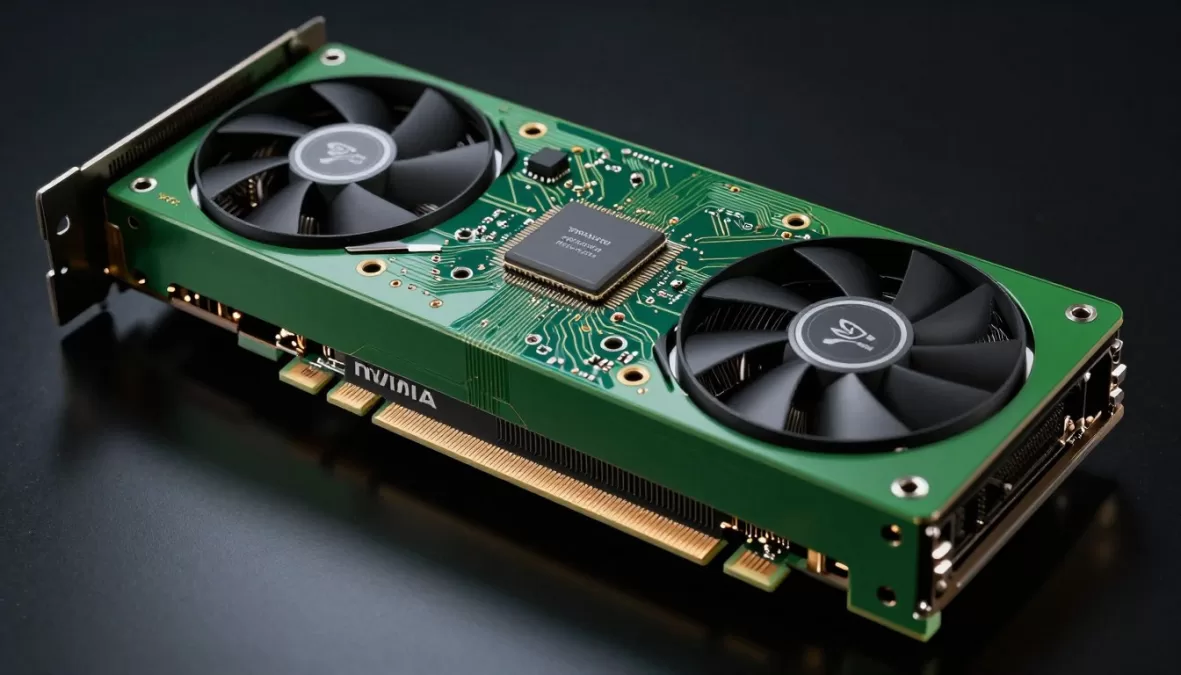
NVIDIA has established overwhelming dominance in artificial intelligence hardware markets. The company’s graphics processing units power the training and deployment of AI models across industries.
Data center revenue eclipsed gaming as the largest business segment. Hyperscale cloud providers and enterprises purchase billions of dollars of NVIDIA hardware annually to support AI workloads.
Software ecosystem reinforces hardware advantages. NVIDIA’s CUDA programming platform has become the standard for AI development, creating powerful lock-in effects that sustain market leadership.
Generative AI Revolution
The generative AI explosion directly benefits NVIDIA’s positioning. Large language models, image generation, and video synthesis require massive computational resources that NVIDIA’s products deliver most efficiently.
Every major technology company invests heavily in AI infrastructure. Microsoft, Google, Meta, Amazon, and others are spending tens of billions annually on data center buildouts centered around NVIDIA’s accelerators.
Model complexity continues increasing exponentially. As AI models grow larger and more capable, they demand progressively more computing power, driving sustained demand for advanced hardware.
Market Position Strength
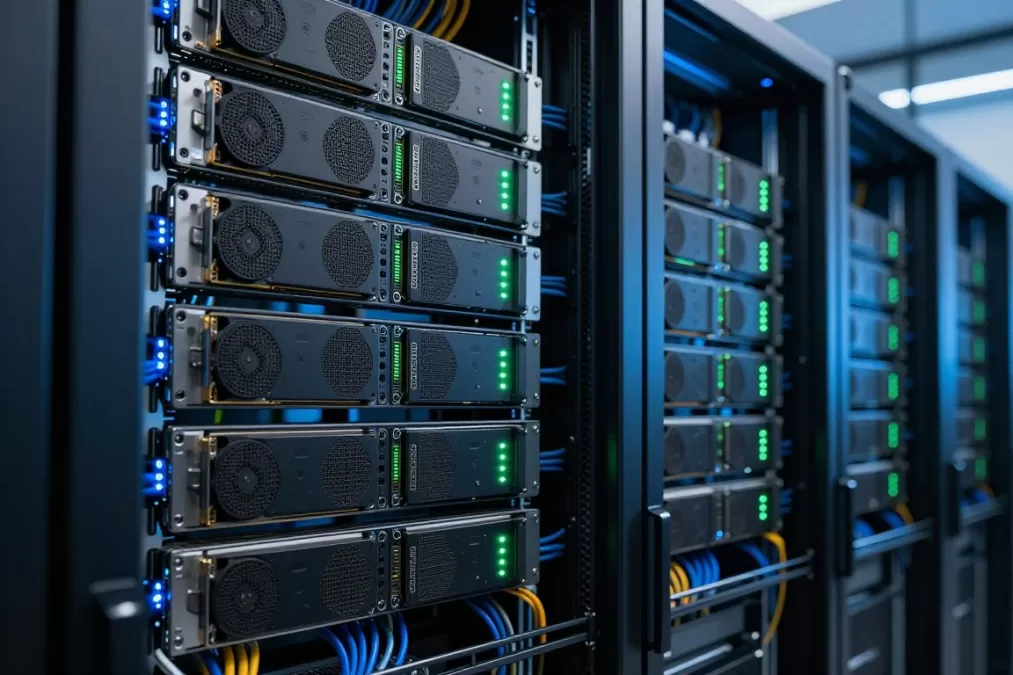
NVIDIA controls an estimated 80-90% market share in AI training chips. This dominance stems from years of technology development and ecosystem building that competitors struggle to replicate.
Pricing power enables sustained profitability. Customers willingly pay premium prices for NVIDIA’s products due to performance advantages and software compatibility requirements.
Product Portfolio Expansion
New chip architectures maintain competitive leads. NVIDIA continuously releases next-generation products with substantial performance improvements, staying ahead of competitive alternatives.
Inference workloads represent growing opportunities. As AI models move from training to production deployment, specialized inference chips address different technical requirements and expand addressable markets.
Edge AI computing extends market reach. NVIDIA’s products power AI applications in autonomous vehicles, robotics, and IoT devices, creating diverse revenue streams beyond cloud data centers.
Financial Performance Excellence
Revenue growth has exceeded expectations consistently. Quarterly results repeatedly surpass analyst projections as AI demand proves more robust and sustained than initially anticipated.
Gross margins remain extraordinarily high. NVIDIA generates industry-leading profitability due to limited competition and strong pricing power in AI accelerator markets.
Earnings per share growth outpaces revenue expansion. Operating leverage and efficient capital allocation drive bottom-line growth faster than top-line increases, enhancing shareholder returns.
Risk Assessment: NVIDIA’s valuation reflects extremely optimistic growth assumptions. Any slowdown in AI infrastructure spending or competitive pressure could trigger significant stock price corrections despite strong underlying business fundamentals.
Investment Strengths
- Dominant market position in AI chips
- Software ecosystem creating switching costs
- Secular AI adoption tailwind
- Exceptional gross margins and profitability
- Continuous innovation maintaining technology lead
Investment Risks
- Extreme valuation vulnerable to corrections
- Increasing competition from AMD and custom chips
- Customer concentration in major tech companies
- Cyclical demand patterns in semiconductor industry
- Geopolitical tensions affecting chip exports
Investors must weigh NVIDIA’s growth potential against current valuation levels. The company clearly benefits from AI trends, but stock price appreciation depends on sustaining extraordinary growth rates over extended periods.
Never Miss Critical Market Alerts
Get real-time notifications when stocks reach key technical levels or major news breaks. Our alert system helps you time entries and exits more effectively. Join thousands of active traders using our platform.
Number 3 – Microsoft Corporation (MSFT)

Enterprise Technology Leadership
Microsoft maintains dominant positions across enterprise software markets. Windows, Office, and Azure form the foundation of business technology infrastructure globally.
Cloud computing drives substantial growth acceleration. Azure has emerged as the second-largest cloud provider, growing revenue at impressive rates while expanding into new service categories.
Software-as-a-service transitions boost margins and predictability. Microsoft 365 subscriptions provide recurring revenue streams with higher profitability than traditional license sales.
Artificial Intelligence Integration
Microsoft embedded AI capabilities throughout its product portfolio. Copilot assistants integrated into Office applications, Windows, and development tools drive productivity improvements for users.
The OpenAI partnership provides strategic advantages. Microsoft’s investment in and collaboration with OpenAI gives the company access to leading-edge AI technology before competitors.
Azure AI services capitalize on enterprise AI adoption. Businesses building AI applications on Azure generate incremental cloud revenue while expanding Microsoft’s AI ecosystem.
Competitive Moat: Microsoft’s enterprise customer relationships span decades. Switching costs and integration complexity make Microsoft products sticky, providing predictable revenue and insulation from competitive threats in core businesses.
Diversified Revenue Streams
Productivity software generates massive recurring revenue. Microsoft 365 serves hundreds of millions of users globally, with seat expansion and price increases driving consistent growth.
Gaming operations contribute significant profit. Xbox hardware, Game Pass subscriptions, and Activision Blizzard acquisition expand Microsoft’s gaming portfolio substantially.
LinkedIn provides professional networking and recruiting revenue. The platform’s data and reach create valuable advertising and subscription opportunities in talent acquisition markets.
Azure Cloud Growth
Azure revenue consistently grows 25-30% annually. This expansion rate significantly exceeds overall cloud market growth, indicating continued market share gains from competitors.
Hybrid cloud solutions differentiate Microsoft’s offering. Azure Arc enables customers to manage on-premises and multi-cloud environments, appealing to enterprises with complex infrastructure requirements.
AI Monetization Strategy
Microsoft monetizes AI through multiple channels simultaneously. Direct AI product sales, Azure consumption increases, and productivity improvements all contribute to revenue growth.
Enterprise customers adopt Copilot rapidly. Early indicators suggest strong demand for AI assistants, with many organizations deploying the technology across large employee populations.
Financial Strength and Shareholder Returns
The balance sheet demonstrates exceptional financial health. Microsoft maintains massive cash reserves and generates substantial free cash flow quarterly, funding growth investments and shareholder returns.
Dividend payments provide steady income. Microsoft has increased dividends consistently for years, appealing to income-focused investors seeking stable, growing distributions.
Share repurchases return excess capital efficiently. The company regularly buys back shares, reducing outstanding count and increasing earnings per share over time.
| Financial Metric | Current Status | Three-Year Trend |
| Annual Revenue | $220B+ | Growing 12-15% annually |
| Operating Margin | 42% | Expanding steadily |
| Free Cash Flow | $70B+ | Increasing consistently |
| Dividend Yield | 0.8% | Growing 10% annually |
Microsoft represents a relatively lower-risk growth stock investment. The company combines stable cash flows from mature businesses with high-growth opportunities in cloud and AI, offering balanced risk-return characteristics.
Number 2 – Meta Platforms (META)

Social Media Dominance
Meta Platforms operates the world’s largest social networking ecosystem. Facebook, Instagram, WhatsApp, and Messenger collectively reach over three billion users globally.
Network effects create formidable competitive advantages. As more users join Meta’s platforms, they become more valuable to existing users, creating self-reinforcing growth dynamics.
User engagement metrics remain exceptionally strong. Despite competition from newer platforms, Meta’s family of apps maintains high daily active user counts and time spent per user.
Advertising Business Model
Digital advertising generates virtually all of Meta’s revenue. Businesses pay to reach Meta’s massive audience with targeted ads based on user interests, demographics, and behaviors.
Artificial intelligence dramatically improved ad targeting effectiveness. Machine learning algorithms optimize ad delivery, increasing return on ad spend for advertisers and supporting pricing power.
Reels monetization accelerates revenue growth. Short-form video advertising now generates significant revenue, successfully competing with TikTok while leveraging Meta’s existing advertiser relationships.
Margin Expansion Story: Meta’s operating margins improved dramatically after cost restructuring in recent years. The company reduced headcount and curtailed unprofitable projects while maintaining revenue growth, creating substantial operating leverage.
Reality Labs and Metaverse Investment
Reality Labs develops virtual and augmented reality products. While currently unprofitable, this division represents Meta’s long-term bet on computing platform evolution.
Quest headsets lead the consumer VR market. Meta’s devices offer the most accessible and capable virtual reality experience, building an installed base for future software and services.
AI glasses partnerships explore augmented reality opportunities. Collaborations with Ray-Ban demonstrate Meta’s approach to bringing AR technology to mainstream consumers through familiar form factors.
Investment Risks
Regulatory scrutiny creates uncertainty around Meta’s operations. Privacy regulations, antitrust investigations, and content moderation requirements pose ongoing challenges.
Competition for user attention intensifies continuously. TikTok and other platforms compete for the limited time consumers spend on social media applications.
Artificial Intelligence Capabilities
AI powers content recommendation algorithms. Meta’s systems determine which posts, videos, and ads users see, directly impacting engagement and advertising effectiveness.
Llama large language models compete with proprietary AI. Meta’s open-source approach to AI development aims to prevent competitors from establishing exclusive technology advantages.
AI infrastructure investments support future capabilities. Massive spending on data centers and computing resources positions Meta to deploy advanced AI features across products.
Valuation and Financial Performance
Meta trades at reasonable multiples relative to earnings growth. After significant stock price appreciation, valuation metrics remain attractive compared to historical averages and technology peers.
Free cash flow generation reached record levels. Efficient operations and strong revenue growth enable Meta to fund Reality Labs losses while returning capital to shareholders.
Share buybacks significantly reduced outstanding shares. Aggressive repurchase programs increase per-share earnings and return excess cash to investors effectively.
Investment Strengths
- Massive engaged user base across platforms
- Dominant position in digital advertising
- AI-driven margin expansion continuing
- Strong free cash flow generation
- Improving operational efficiency
Investment Risks
- Regulatory and political scrutiny
- Competition from TikTok and others
- Reality Labs losses weighing on profits
- Platform reputation concerns
- Dependence on advertising spending
Meta represents a compelling value opportunity within technology stocks. The company’s core business performs exceptionally well while the stock trades at multiples below premium peers, potentially offering substantial upside.
Number 1 – Super Micro Computer (SMCI)

AI Infrastructure Provider
Super Micro Computer designs and manufactures server systems optimized for demanding workloads. The company specializes in high-performance computing solutions for data centers and enterprise environments.
AI server deployments drive explosive revenue growth. As organizations build AI infrastructure, they purchase customized server systems that integrate GPUs, networking, and cooling in optimized configurations.
Direct relationships with chip manufacturers provide advantages. Super Micro works closely with NVIDIA and other component suppliers, ensuring early access to latest technology and optimal system integration.
Market Opportunity Explosion
The AI data center buildout represents a multi-year growth opportunity. Hyperscalers, cloud providers, and enterprises are investing hundreds of billions in AI infrastructure globally.
Liquid cooling technology differentiates Super Micro’s offerings. Advanced cooling solutions enable higher-density server deployments, reducing data center space requirements and operational costs.
Customization capabilities attract large customers. Super Micro’s ability to quickly design and manufacture servers meeting specific requirements appeals to organizations with unique technical needs.
Volatility Warning: Super Micro’s stock exhibits extreme price volatility. The company’s rapid growth, accounting concerns, and concentrated customer base create significant short-term price swings that may not suit all investors.
Financial Performance and Concerns
Revenue growth has been extraordinary in recent quarters. The company reported triple-digit year-over-year increases as AI server demand surged beyond expectations.
Accounting and governance issues have created uncertainty. Delayed financial reporting and auditor resignation raised concerns about internal controls and financial statement reliability.
Management addressed concerns and appointed new auditors. The company worked to remediate identified weaknesses and restore investor confidence in financial reporting processes.
| Growth Driver | Impact Level | Timeline |
| AI Data Center Buildout | Very High | 2024-2027 |
| Liquid Cooling Adoption | High | 2025-2028 |
| Enterprise AI Deployment | High | 2025-2029 |
| Edge Computing Infrastructure | Medium | 2026-2030 |
Competitive Landscape
Super Micro competes with larger technology companies. Dell, HPE, and others offer server systems, though Super Micro’s specialization in AI workloads provides differentiation.
Speed to market creates competitive advantages. Super Micro’s flexible manufacturing enables rapid product launches incorporating newest components, appealing to customers seeking cutting-edge technology.
Customer concentration presents both opportunities and risks. Large customers provide substantial revenue but create dependence on continued relationships and order volumes.
Why SMCI Ranks First
Super Micro offers the highest potential returns among stocks on this list. The combination of explosive growth, market position, and AI tailwinds creates extraordinary upside opportunity.
The risk-reward profile favors aggressive investors. While volatility and uncertainties exist, the multi-year AI infrastructure cycle could drive sustained revenue and earnings growth.
Risk Mitigation Strategies
Position sizing should reflect volatility. Investors should allocate appropriate portfolio percentages based on risk tolerance and time horizon for this high-volatility stock.
Monitoring financial reporting remains critical. Investors must stay informed about accounting practices and any developments regarding financial statement reliability or internal controls.
Investment Strengths
- Extraordinary revenue growth from AI demand
- Technical differentiation in liquid cooling
- Direct partnerships with chip manufacturers
- Flexible manufacturing enabling customization
- Multi-year AI infrastructure tailwind
Investment Risks
- Extreme stock price volatility
- Accounting and governance concerns
- Customer concentration risks
- Competition from larger technology companies
- Cyclical nature of server markets
Super Micro Computer represents the highest-risk, highest-reward opportunity on this list. Investors comfortable with volatility and willing to monitor developments closely may find exceptional returns if AI infrastructure spending continues at current trajectories.
Choose the Right Brokerage for Your Investment Strategy
Selecting an appropriate brokerage platform significantly impacts investment success. Commission structures, research tools, and platform capabilities vary substantially across providers.
Consider these factors when evaluating brokerages for growth stock investing. The right choice depends on your trading frequency, capital allocation, and specific feature requirements.
Interactive Brokers

Professional-grade platform with extensive global market access. Competitive pricing structure and advanced trading tools appeal to active investors.
- Low commission rates on stock trades
- Access to international markets
- Advanced order types and algorithms
- Comprehensive research resources
- Portfolio margin capabilities
Best For: Active traders and investors seeking global diversification with sophisticated tools.
Fidelity Investments

Full-service brokerage combining zero-commission trading with extensive research. Excellent customer service and educational resources.
- Zero-commission stock and ETF trades
- Proprietary research and analysis
- Retirement account options
- User-friendly mobile application
- Fractional share investing
Best For: Long-term investors prioritizing research quality and comprehensive account services.
Charles Schwab

Comprehensive investment platform with robust tools and excellent customer support. Ideal for both beginners and experienced investors.
- No-commission stock trading
- Extensive branch network for support
- Quality research from multiple providers
- Banking services integration
- Strong mobile platform
Best For: Investors valuing comprehensive financial services and in-person support options.
Risk Management Strategies for Growth Stock Investing

Growth stocks offer substantial upside potential but carry elevated risks. Implementing appropriate risk management protects capital during inevitable market volatility.
Position Sizing Guidelines
Individual stock positions should reflect volatility and conviction levels. More volatile stocks merit smaller position sizes to limit potential portfolio impact from adverse price movements.
Portfolio concentration requires careful consideration. Holding too many positions dilutes returns from winners, while excessive concentration magnifies single-stock risk exposure.
A balanced approach typically limits individual positions to 3-8% of portfolio value. This sizing provides meaningful exposure to conviction ideas while maintaining diversification benefits.
Diversification Principles
Diversification across sectors reduces correlated risk. Technology stocks often move together, so including positions in different industries improves risk-adjusted returns.
- Spread investments across multiple sectors
- Include companies at different growth stages
- Mix large-cap stability with small-cap growth
- Consider international exposure
Stop-Loss Strategies
Stop-loss orders limit downside on individual positions. Setting stops 15-25% below purchase prices helps contain losses during unexpected negative developments.
- Use mental stops for tax efficiency
- Adjust stops upward as stocks appreciate
- Allow room for normal volatility
- Re-evaluate fundamentals before selling
Time Horizon Considerations
Growth investing requires patience for thesis development. Short-term price fluctuations often diverge from long-term fundamental trajectories.
- Plan for minimum three-year holding periods
- Focus on business progress, not price
- Use volatility to add positions
- Avoid panic selling during corrections
Rebalancing Discipline
Periodic rebalancing maintains target allocations. Winners naturally grow to outsized positions, increasing portfolio concentration risk over time.
- Review allocations quarterly
- Trim positions exceeding targets
- Add to underweight positions
- Consider tax implications of sales
Monitoring and Adjustment
Regular portfolio review identifies necessary changes. Business fundamentals evolve, requiring periodic reassessment of investment theses and position appropriateness.
Distinguish between price volatility and fundamental deterioration. Temporary price declines without business impairment may present buying opportunities rather than selling signals.
Key Principle: Risk management aims to preserve capital during downturns while maintaining exposure to upside potential. Perfect timing is impossible; systematic approaches generate better long-term results than emotional decision-making.
Investment Timeline and Expectations for 2026
Understanding realistic timelines prevents premature position exits. Growth stocks often require extended periods for investment theses to fully materialize.
Short-Term Outlook (1-3 Months)
Near-term stock performance depends heavily on earnings reports and guidance. Companies exceeding expectations typically see immediate price appreciation while disappointments trigger corrections.
Macro factors influence short-term sentiment significantly. Interest rate decisions, economic data releases, and geopolitical events create volatility disconnected from individual company fundamentals.
Technical trading patterns affect momentum. Stocks breaking through resistance levels often attract additional buying, while support breaches trigger selling pressure.
Medium-Term Outlook (3-12 Months)
Product cycles and competitive dynamics materialize over quarters. New product launches, market share shifts, and strategic initiatives require time to impact financial results.
Multiple expansion or contraction significantly affects prices. Valuation multiples adjust based on growth expectations, interest rates, and overall market sentiment throughout the year.
Sector rotation influences relative performance. Capital flows between growth and value stocks create performance dispersion unrelated to individual company execution.
| Time Horizon | Primary Return Driver | Expected Volatility | Key Monitoring Metrics |
| Short-Term (1-3 months) | Sentiment, earnings beats | High | Technical indicators, news flow |
| Medium-Term (3-12 months) | Business momentum, multiple changes | Moderate-High | Revenue growth, margin trends |
| Long-Term (1-3 years) | Earnings growth, market expansion | Moderate | Market position, competitive moats |
| Very Long-Term (3+ years) | Compounding, secular trends | Lower | TAM expansion, innovation pipeline |
Long-Term Perspective (1-3 Years)
Fundamental business quality determines ultimate returns. Companies that execute strategies, expand markets, and grow earnings consistently generate superior long-term performance.
Competitive positioning evolves gradually. Market leaders strengthen advantages through scale, technology, and customer relationships, widening gaps versus competitors.
Valuation mean reversion occurs over extended periods. Stocks trading at extreme valuations tend to revert toward historical averages, impacting returns independent of business performance.
Tax-Efficient Investing Strategies
Tax implications significantly impact net investment returns. Strategic planning minimizes tax liability while maintaining portfolio objectives.
Holding Period Optimization
Long-term capital gains rates provide substantial tax advantages. Holding investments longer than one year before selling reduces federal tax rates significantly compared to short-term gains.
Tax-loss harvesting offsets realized gains. Selling positions with losses reduces tax liability on winners, improving after-tax portfolio returns.
Account Type Selection
Retirement accounts provide tax advantages for long-term investors. Traditional IRAs and 401(k)s defer taxes on contributions and growth, while Roth accounts offer tax-free withdrawals.
Taxable accounts offer flexibility for near-term needs. These accounts provide liquidity without withdrawal penalties but incur capital gains taxes on appreciation.
Dividend Tax Treatment
Qualified dividends receive preferential tax rates. Dividends from stocks held longer than 60 days benefit from lower long-term capital gains rates rather than ordinary income rates.
Growth stocks minimize current tax liability. Companies reinvesting earnings rather than paying dividends defer investor tax obligations until shares are sold.
Wash Sale Rule Awareness
The wash sale rule prevents tax-loss harvesting abuse. Investors cannot claim losses on sales if they repurchase substantially identical securities within 30 days before or after the sale.
Strategic planning avoids wash sale disallowances. Waiting 31 days before repurchasing sold positions ensures loss recognition for tax purposes.
Frequently Asked Questions About Investing in 2026 Stocks
What makes these stocks likely to explode in 2026?
Each stock on this list benefits from powerful secular trends including artificial intelligence adoption, cloud computing expansion, and digital transformation. These companies have established competitive advantages, strong financial performance, and catalysts that position them for accelerated growth throughout 2026 and beyond.
How much should I invest in high-growth stocks?
Allocation to high-growth stocks depends on individual risk tolerance, time horizon, and financial objectives. Conservative investors might limit growth stock exposure to 20-30% of portfolios, while aggressive investors comfortable with volatility could allocate 50-70%. Consider your ability to withstand potential 30-50% drawdowns when determining appropriate allocation levels.
Should I invest in all ten stocks or just a few?
Diversification across multiple stocks reduces single-company risk while maintaining growth exposure. Investing in 5-8 stocks from this list provides balance between diversification and meaningful position sizes. Focus on companies where you have highest conviction based on research and risk tolerance.
What are the biggest risks to these investments?
Key risks include valuation corrections if growth expectations moderate, increased competition reducing profit margins, regulatory challenges affecting business models, macroeconomic slowdowns impacting demand, and execution failures by management teams. Technology stocks also face rapid disruption risks from emerging innovations and changing consumer preferences.
How do interest rates affect these growth stocks?
Interest rates significantly impact growth stock valuations through discount rate effects on future cash flows. Rising rates typically pressure growth stock multiples as investors demand higher returns. However, companies with strong earnings growth can overcome rate headwinds through fundamental performance that justifies premium valuations.
When is the best time to buy these stocks?
Market timing is extremely difficult even for professional investors. Dollar-cost averaging by investing equal amounts at regular intervals reduces timing risk and averages purchase prices over time. Alternatively, buying during market corrections when sentiment weakens can provide attractive entry points for long-term positions.
How long should I hold these investments?
Growth investing requires patience for theses to develop. Plan for minimum holding periods of 3-5 years to allow businesses time to execute strategies and compound earnings. Short-term volatility is normal and expected; focus on long-term business fundamentals rather than daily price fluctuations.
What metrics should I monitor after investing?
Track key performance indicators including revenue growth rates, earnings per share progression, profit margin trends, customer acquisition metrics, market share changes, and competitive positioning. Quarterly earnings reports and annual guidance updates provide important information about business trajectory and management expectations.
Making Informed Investment Decisions

The stocks featured in this analysis represent compelling opportunities for growth-oriented investors in 2026. Each company demonstrates strong fundamentals, competitive advantages, and alignment with powerful secular trends.
Investment success requires balancing potential returns against realistic risk assessment. These stocks offer substantial upside but also carry volatility and company-specific risks that demand careful consideration.
Conduct thorough due diligence before committing capital to any position. Review financial statements, understand business models, assess competitive dynamics, and determine appropriate position sizing based on individual circumstances.
Market conditions evolve continuously throughout the year. Stay informed about company developments, industry trends, and macroeconomic factors affecting investment performance.
Discipline and patience separate successful long-term investors from speculators. Maintain focus on fundamental business quality rather than short-term price movements.
These ten stocks provide a strong foundation for building a growth-oriented portfolio positioned to capitalize on technology trends defining the next decade. The combination of artificial intelligence, cloud computing, cybersecurity, and digital transformation creates a favorable environment for companies at the forefront of innovation.
Remember that past performance does not guarantee future results. Investment outcomes depend on numerous factors beyond any analysis or prediction.
Start Your Investment Journey Today
Don’t miss out on potential opportunities in 2026. Join our community of informed investors receiving weekly market analysis, stock recommendations, and portfolio strategies. Get immediate access to our complete investment toolkit.
What You’ll Receive:
- Weekly stock picks and investment ideas
- Real-time market alerts on critical developments
- Exclusive research reports and analysis
- Portfolio strategy recommendations
- Risk management guidance and best practices
- Access to our investor community forum

Priyanka Pandey
Senior Research Editor · Top10Sense
Priyanka specializes in tech, consumer products, and digital trends. She combines hands-on testing, vendor interviews, and database research to create trustworthy “Top 10” rankings. Her work has been referenced by industry blogs and brand report pages.