
In the animal kingdom, being small doesn’t mean being defenseless. In fact, some of the tiniest creatures on our planet have developed the most extraordinary survival skills. These miniature marvels have evolved remarkable adaptations that allow them to thrive in environments where larger animals might struggle. From microscopic organisms that can survive the vacuum of space to tiny mammals with lightning-fast metabolisms, these smallest animals with survival skills prove that sometimes the most impressive abilities come in the smallest packages.
1. Tardigrade (Tardigrada)
The microscopic tardigrade can survive extreme conditions including the vacuum of space
Often called “water bears” or “moss piglets,” tardigrades are microscopic creatures measuring just 0.5 mm (0.02 inches) in length. These tiny animals can be found virtually everywhere on Earth, from the deepest oceans to the highest mountains.
What makes tardigrades truly remarkable is their ability to survive conditions that would kill almost any other living thing. When faced with extreme environments, they enter a state called cryptobiosis, essentially shutting down their metabolism and becoming nearly indestructible.
- Survival Skills: Can withstand temperatures from near absolute zero (-458°F) to 300°F, survive radiation levels thousands of times higher than what would kill a human, go without water for decades, and even survive in the vacuum of space.
- Habitat: Worldwide distribution in marine, freshwater, and terrestrial environments, particularly in damp moss and lichens.
2. Etruscan Shrew (Suncus etruscus)
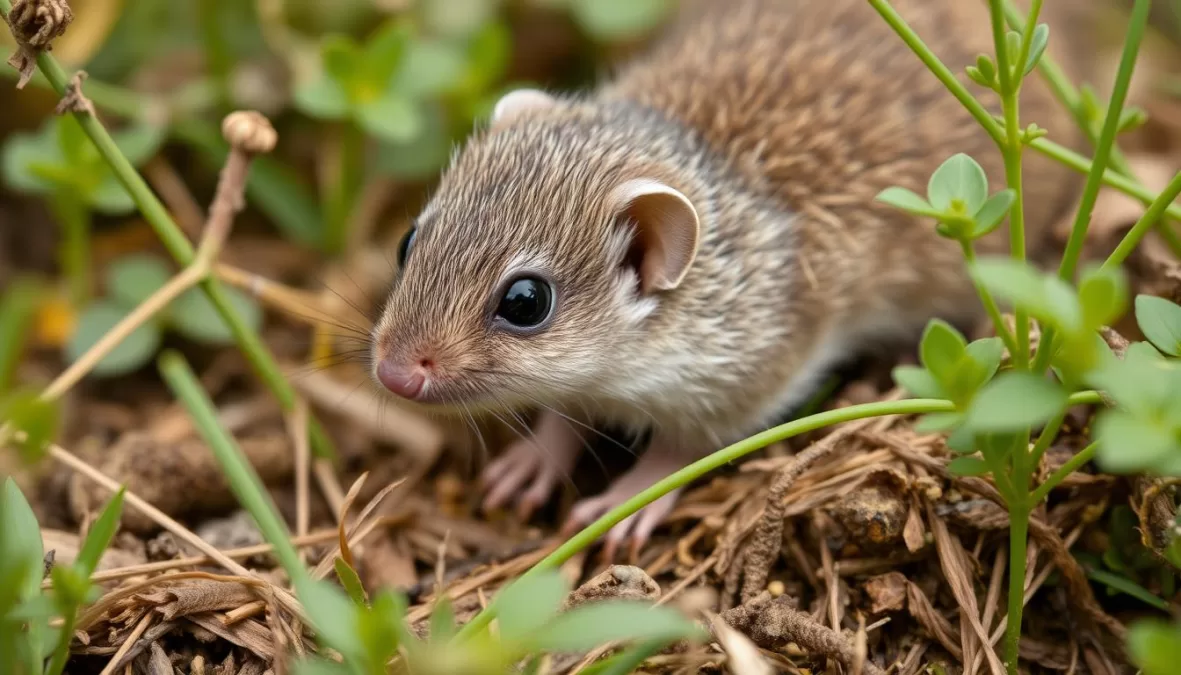
The Etruscan shrew has an incredibly fast metabolism to support its tiny body
The Etruscan shrew holds the title of the smallest mammal by mass, weighing just 1.8 grams (0.063 oz) and measuring 3.6 cm (1.4 inches) in length. Despite its diminutive size, this tiny predator has a heart that beats at an astonishing 1,200 times per minute—the fastest of any mammal.
- Survival Skills: Possesses an extraordinarily fast metabolism requiring it to eat 125% of its body weight daily. Has a specialized hunting technique using its sensitive whiskers to detect prey movements with precision in complete darkness.
- Habitat: Found across parts of Southern Europe, Northern Africa, and Asia, typically in warm, damp areas with plenty of ground cover.
3. Bumblebee Bat (Craseonycteris thonglongyai)
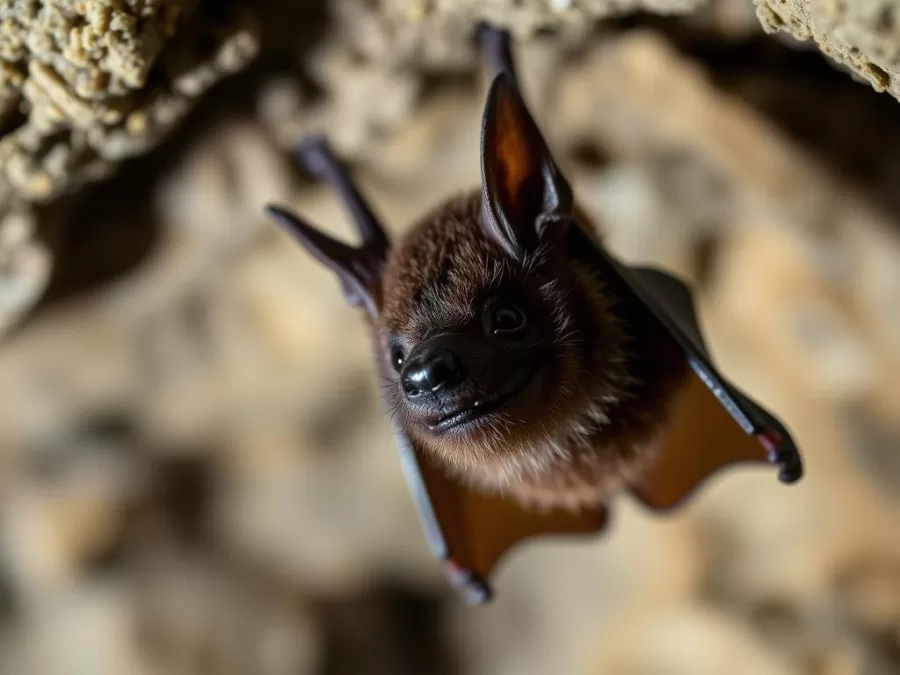
The bumblebee bat weighs less than a penny and is the world’s smallest bat species
Also known as Kitti’s hog-nosed bat, this tiny flying mammal weighs just 2 grams (0.07 oz) and has a body length of about 3 cm (1.1 inches). Its name comes from its size, comparable to that of a large bumblebee, making it one of the smallest mammals in the world.
- Survival Skills: Uses sophisticated echolocation to navigate and hunt in complete darkness. Can fly with remarkable precision through dense forest environments and detect insects as small as 2mm in size.
- Habitat: Limited to limestone caves along rivers in western Thailand and southeast Myanmar.
4. Pygmy Seahorse (Hippocampus bargibanti)
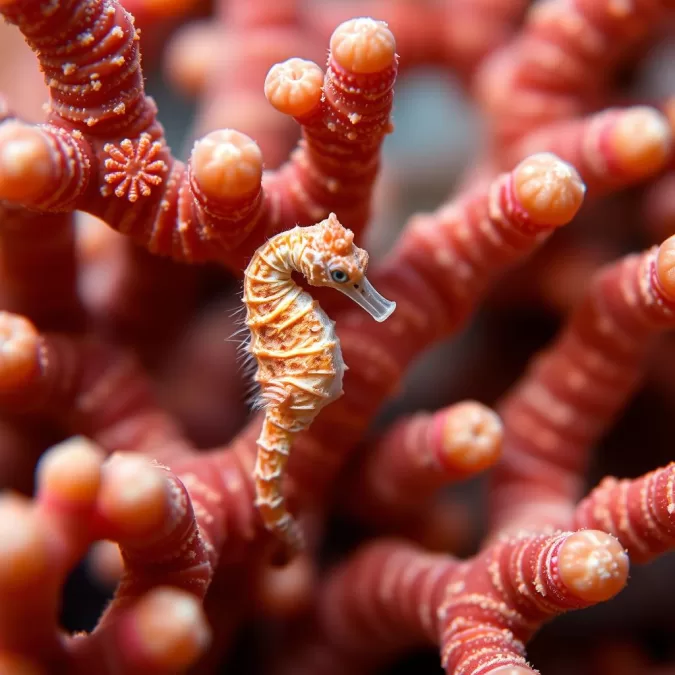
The pygmy seahorse is a master of camouflage, perfectly matching its host coral
Measuring just 1.4-2.7 cm (0.55-1.1 inches) in length, the pygmy seahorse is one of the smallest fish species in the world. These tiny creatures weren’t discovered until 1969, largely because of their extraordinary camouflage abilities.
- Survival Skills: Masters of disguise that can match both the color and texture of their host coral so perfectly that they’re nearly impossible to spot. Their bodies develop tubercles that mimic the coral polyps in both shape and color.
- Habitat: Found exclusively on specific species of gorgonian coral in the Coral Triangle region of the western Pacific Ocean.
5. Speckled Padloper Tortoise (Chersobius signatus)

The speckled padloper tortoise can fit in the palm of your hand
The speckled padloper tortoise holds the distinction of being the world’s smallest tortoise species. Adults typically measure just 6-8 cm (2.4-3.1 inches) in shell length and weigh around 95-165 grams (3.4-5.8 oz).
- Survival Skills: Shell provides protection from predators, while its speckled pattern offers excellent camouflage against the rocky terrain of its native habitat. Can store water in its bladder to survive long dry periods.
- Habitat: Endemic to the rocky hills and arid regions of South Africa’s Northern Cape Province.
6. Bee Hummingbird (Mellisuga helenae)
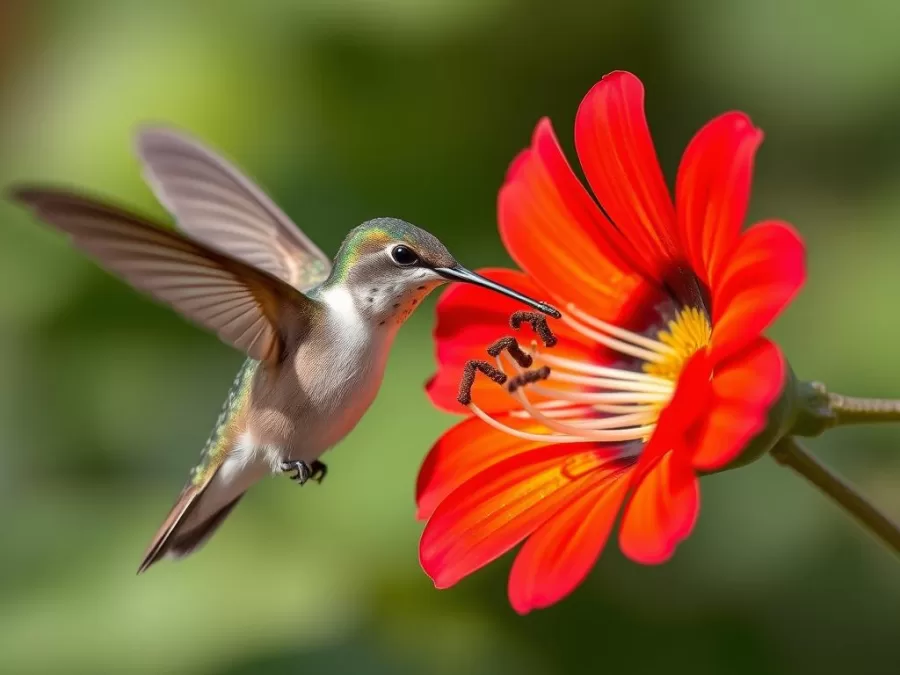
The bee hummingbird is the smallest bird in the world, barely larger than an insect
Native to Cuba, the bee hummingbird holds the title of the world’s smallest bird. It measures just 5-6 cm (2-2.4 inches) in length and weighs less than 2 grams (0.07 oz)—about the same as a penny. Despite its tiny size, this bird has some of the most impressive flight capabilities in the animal kingdom.
- Survival Skills: Can beat its wings up to 80 times per second, allowing it to hover with precision and fly in any direction, including backward. Has an extremely fast metabolism requiring it to visit up to 1,500 flowers daily for nectar.
- Habitat: Found exclusively in Cuba, primarily in coastal forests and the edges of woodland areas.
7. Pygmy Marmoset (Cebuella pygmaea)
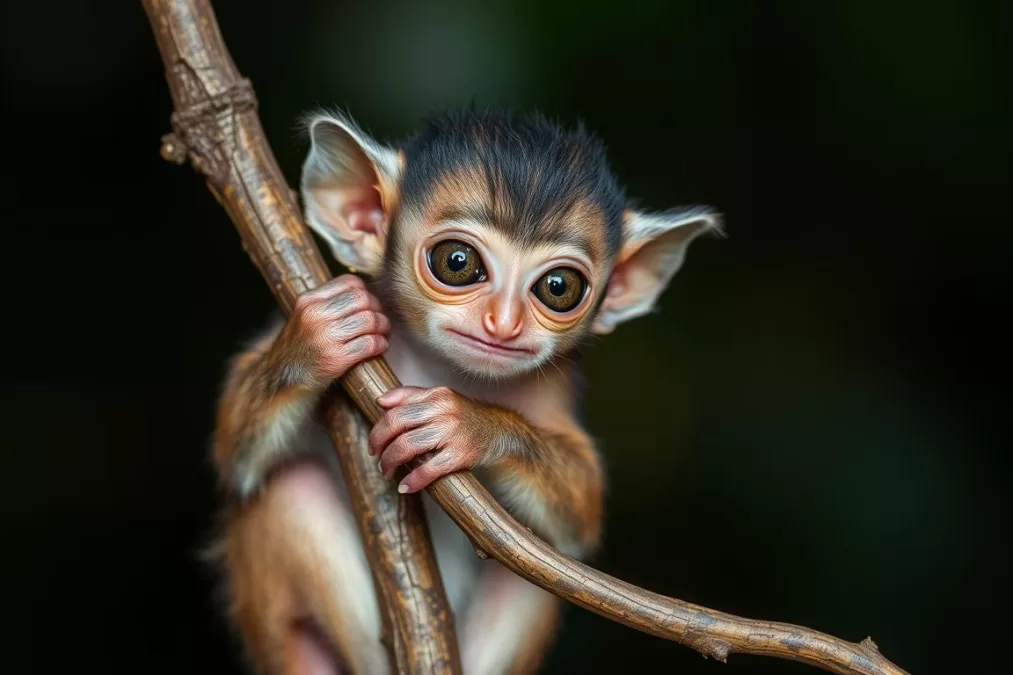
The pygmy marmoset is the smallest monkey in the world, with remarkable agility
Often called “finger monkeys” due to their diminutive size, pygmy marmosets are the world’s smallest monkeys. They measure just 14-16 cm (5.5-6.3 inches) in body length (excluding the tail) and weigh between 85-140 grams (3-5 oz).
- Survival Skills: Can rotate their heads 180 degrees to scan for predators while feeding. Has specialized teeth for gouging tree bark to harvest sap and gum, a food source few other animals can access. Can leap over 15 feet between trees despite their tiny size.
- Habitat: Native to the Amazon Basin rainforests of South America, particularly in Brazil, Colombia, Ecuador, and Peru.
8. Fairyfly (Mymaridae)

Fairyflies are among the smallest insects in the world, barely visible to the naked eye
Fairyflies are tiny parasitic wasps that include some of the smallest insects in the world. The smallest species, Dicopomorpha echmepterygis, measures just 0.139 mm (0.0055 inches) in length—smaller than some single-celled organisms.
- Survival Skills: Females lay eggs inside the eggs of other insects, providing both protection and a food source for their developing young. Their minute size allows them to access host eggs that larger parasitoids cannot reach.
- Habitat: Found worldwide in various environments, particularly where their host insects lay eggs.
9. Monte Iberia Dwarf Frog (Eleutherodactylus iberia)
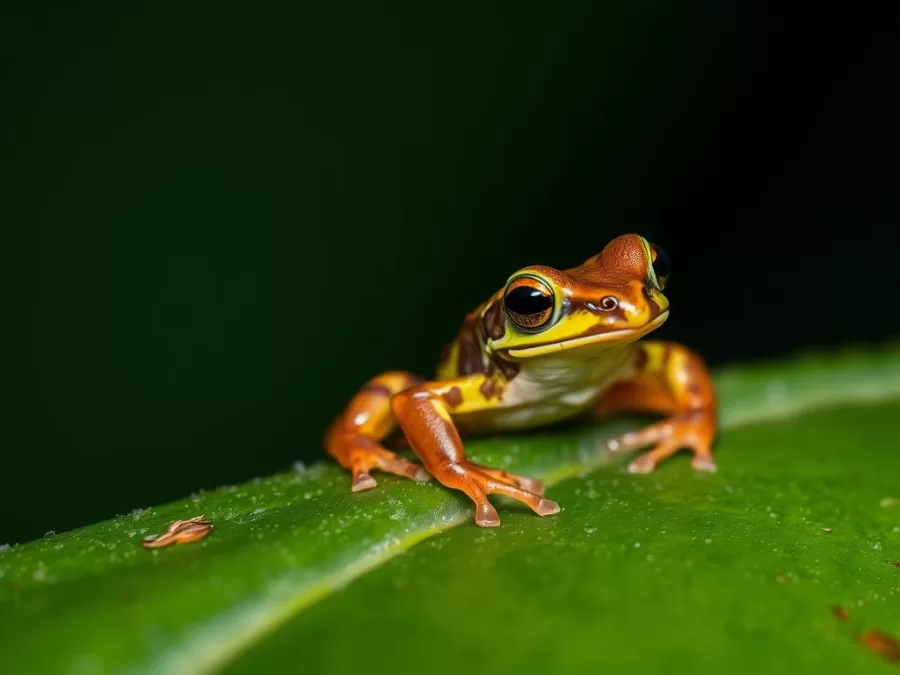
The Monte Iberia dwarf frog is one of the smallest vertebrates, fitting on a fingertip
The Monte Iberia dwarf frog is one of the smallest frogs—and vertebrates—in the world. It measures just 8.5-9.8 mm (0.33-0.39 inches) in length, making it about the size of a housefly.
- Survival Skills: Secretes powerful alkaloid toxins from its skin that deter predators. These toxins are derived from its diet of toxic mites, which the frog can consume without harm.
- Habitat: Endemic to eastern Cuba, found only in a few isolated forest locations with high humidity.
10. Paedocypris (Paedocypris progenetica)
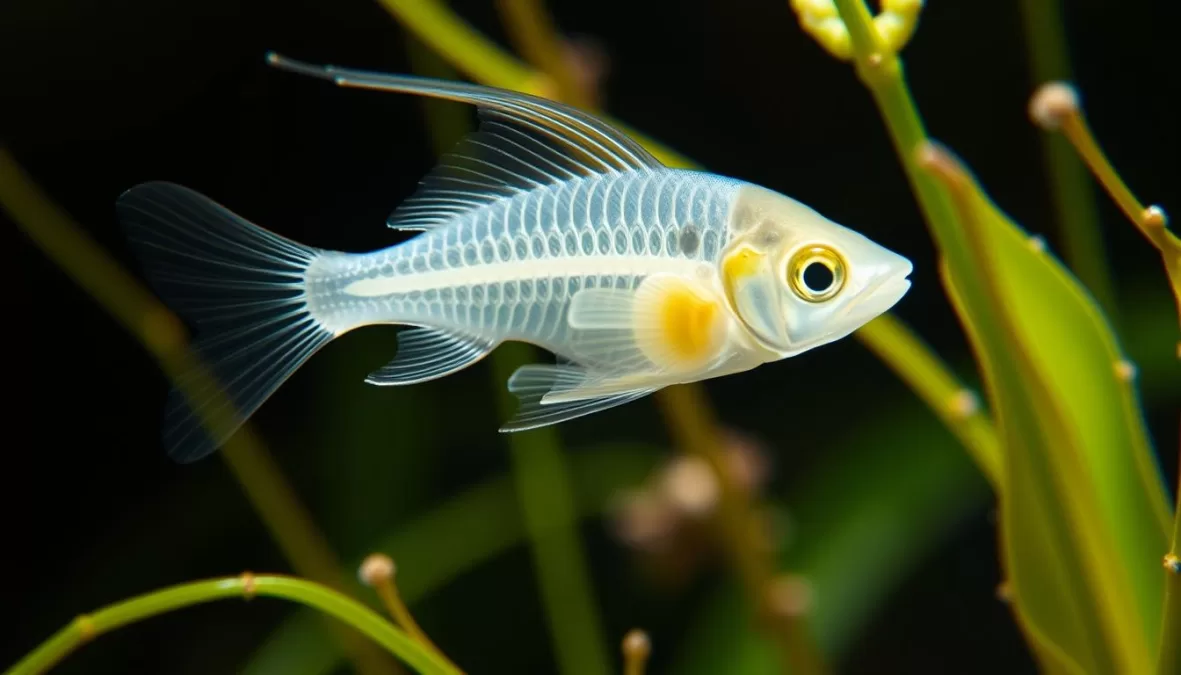
The Paedocypris is the world’s smallest fish, with a translucent body adapted to acidic waters
Discovered in 2006, Paedocypris progenetica is the world’s smallest fish and one of the smallest vertebrates, measuring just 7.9 mm (0.31 inches) in length when fully mature.
- Survival Skills: Has a modified skeleton with many parts remaining cartilaginous rather than bony, allowing it to maintain an extremely small size. Can survive in highly acidic waters (pH 3.0) that would be lethal to most other fish species.
- Habitat: Found exclusively in peat swamp forests in Indonesia (Sumatra) and Malaysia (Borneo), specifically in tea-colored, highly acidic water.
Why Small Size Can Be a Big Advantage
These smallest animals with survival skills demonstrate that being tiny in a world of giants comes with unique advantages. Their small size allows them to occupy ecological niches unavailable to larger creatures, access food sources others cannot reach, and hide from predators in places larger animals cannot enter.
Many of these miniature marvels have developed specialized adaptations that make them extraordinarily resilient. From the tardigrade’s ability to survive in space to the pygmy seahorse’s perfect camouflage, these tiny creatures showcase nature’s ingenuity in solving survival challenges.
Beyond their fascinating adaptations, these smallest animals play crucial roles in their ecosystems. They serve as pollinators, decomposers, prey for larger animals, and controllers of insect populations. Their continued existence is vital for maintaining biodiversity and ecosystem health across the planet.

Priyanka Pandey
Senior Research Editor · Top10Sense
Priyanka specializes in tech, consumer products, and digital trends. She combines hands-on testing, vendor interviews, and database research to create trustworthy “Top 10” rankings. Her work has been referenced by industry blogs and brand report pages.