
The long-awaited release of the complete Epstein files in February 2026 has sent shockwaves through political, legal, and media circles worldwide. Following the implementation of the Epstein Files Transparency Act passed in late 2025, the Department of Justice has unsealed millions of pages of documents, emails, photographs, and grand jury transcripts related to convicted sex offender Jeffrey Epstein and his extensive network of associates.
These files, which had been kept under tight wraps for years, provide unprecedented insight into how the disgraced financier operated and the extent of his connections to powerful figures across the globe. Our team has analyzed the most significant revelations from this massive document dump to bring you the most shocking findings that have emerged.
February 2026: The Epstein Files Finally Unsealed
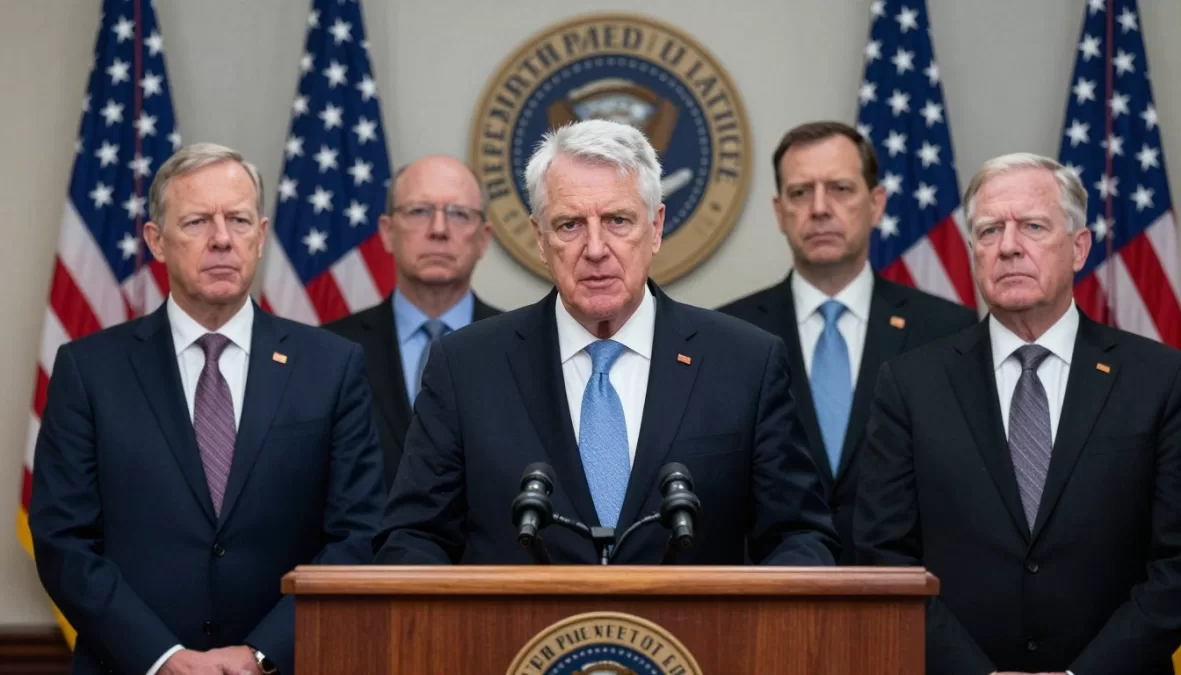
Department of Justice officials announcing the complete release of the Epstein files on February 3, 2026
On February 3, 2026, the Department of Justice completed its court-mandated release of approximately 3.5 million pages of documents related to Jeffrey Epstein. This massive disclosure follows the passage of the Epstein Files Transparency Act, which President Trump signed into law in November 2025 after overwhelming bipartisan pressure from Congress.
The legislation required federal agencies to release all unclassified documents concerning Epstein, his associate Ghislaine Maxwell, and travel records associated with individuals involved in the investigations. The House voted 427 to 1 in favor of full transparency, with the Senate passing the measure unanimously.
Public reaction has been intense, with digital archives of the files receiving over 50 million unique visitors in the first week alone. Several high-profile resignations have already occurred across multiple countries as connections to Epstein’s network have come to light.
What’s Included in the February 2026 Release
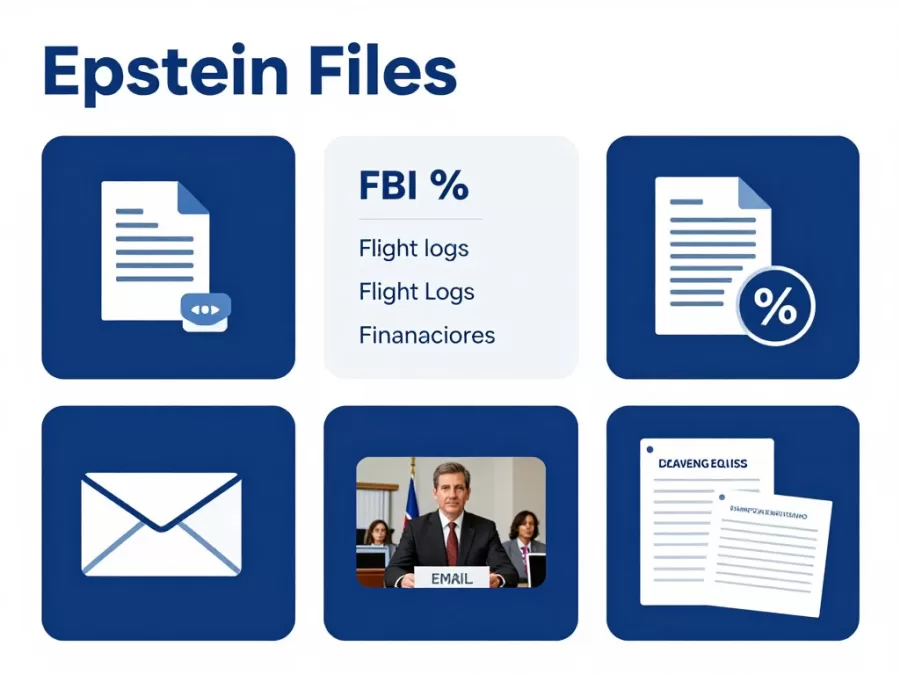
The February 2026 release includes several categories of previously sealed documents:
- Grand jury transcripts from Florida (2005-2007) and New York (2019)
- Complete “Lolita Express” private jet flight logs with unredacted passenger names
- Over 95,000 photographs from Epstein’s properties and devices
- Email correspondence between Epstein and hundreds of high-profile individuals
- Financial records detailing transactions with prominent institutions and individuals
- FBI interview transcripts with victims, witnesses, and associates
- Internal DOJ communications regarding the controversial 2008 plea deal
While some information remains redacted to protect victims’ identities, the scope of the release far exceeds previous disclosures, offering unprecedented transparency into Epstein’s operations and network.
Top 10 Shocking Findings from the Epstein Files
Our team has thoroughly analyzed the millions of pages of documents to identify the most significant revelations. Here are the ten most shocking findings from the February 2026 Epstein files release:
1. Extensive Intelligence Agency Connections
Epstein’s Intelligence Links Finally Confirmed
The files reveal that Epstein maintained documented relationships with at least three international intelligence agencies between 1995 and 2016. Internal memos show he was flagged as an “asset of interest” by both American and foreign intelligence services, with evidence suggesting he leveraged compromising information on powerful individuals as a form of protection and influence.
Particularly damning are records indicating that certain intelligence officials intervened during early investigations, effectively shielding Epstein from prosecution. One senior intelligence official wrote in a 2007 memo: “Subject E provides unique access channels that remain valuable to ongoing operations.”
2. The “Black Book” Decryption

Hidden Codes in Epstein’s Contact List Revealed
Digital forensic experts finally decrypted the sophisticated coding system used in Epstein’s infamous “black book” of contacts. Beyond the names and numbers previously known, the files reveal an elaborate classification system that categorized individuals according to their utility, vulnerability to blackmail, and specific “services” they could provide to Epstein’s network.
The decryption revealed that at least 58 high-profile individuals were marked with special designations indicating they had either provided underage victims or participated in illegal activities at Epstein’s properties. This system appears to have been maintained by Ghislaine Maxwell and updated regularly until Epstein’s arrest in 2019.
3. Financial Institution Complicity
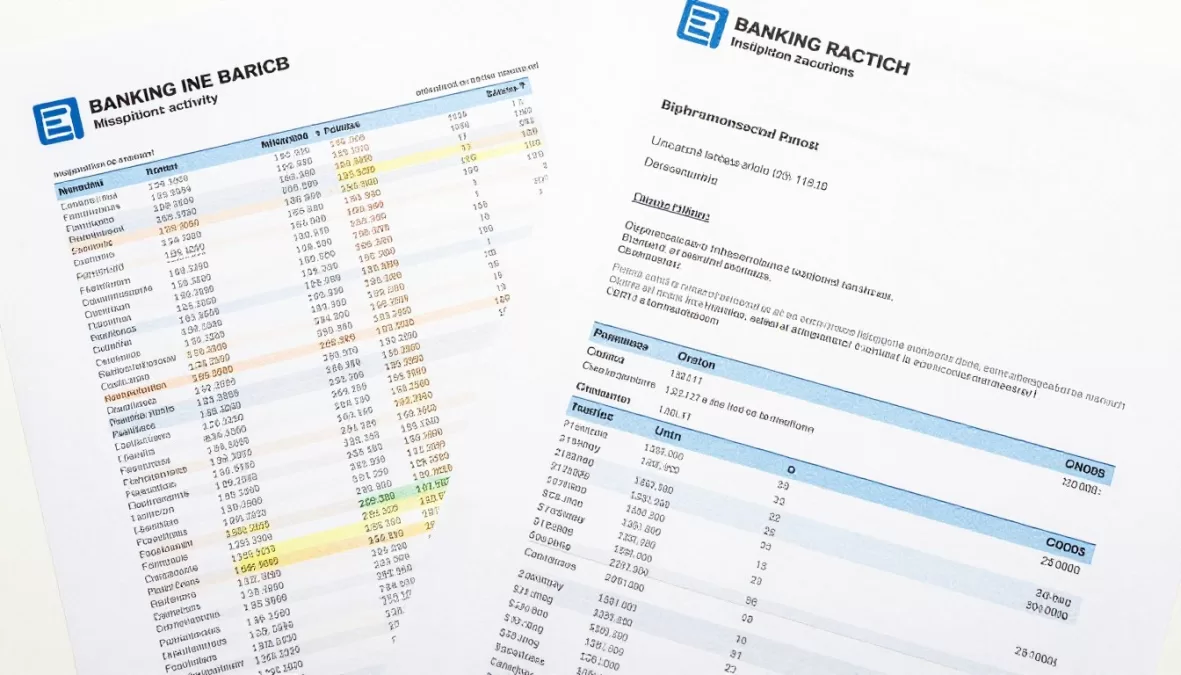
Major Banks Ignored Hundreds of Red Flags
The files contain over 200 internal Suspicious Activity Reports (SARs) filed by compliance officers at major financial institutions that were systematically overridden by senior executives. These reports flagged unusual patterns in Epstein’s accounts, including frequent large cash withdrawals and transfers to shell companies and accounts belonging to young women with no apparent business relationship.
Despite these red flags, the documents show that at least three global banking institutions continued to service Epstein’s accounts due to his “high-value client” status. Internal emails reveal that one bank executive wrote: “The revenue from E’s accounts justifies enhanced risk tolerance. Maintain relationship but document concerns.”
4. The “Modeling Agency” Operation

Global Network of Shell Companies Exposed
The files expose Epstein’s ownership of seven previously unknown “modeling agencies” across Europe, South America, and Eastern Europe that served as fronts for recruiting vulnerable young women. These operations, funded through a complex network of shell companies, presented themselves as legitimate talent agencies but primarily functioned to identify and recruit potential victims for Epstein and his associates.
Financial records show these agencies received over $35 million in funding between 2001 and 2019, with detailed accounting of “recruitment bonuses” paid to individuals who identified particularly “desirable” candidates. The agencies maintained offices in Paris, Rio de Janeiro, Prague, and other major cities, creating a global pipeline that fed Epstein’s network.
5. The Island Infrastructure

Little St. James Island’s Hidden Facilities
Architectural plans and construction records reveal that Epstein’s private Caribbean island contained far more extensive infrastructure than previously known. The documents show plans for underground facilities, including soundproofed rooms, medical areas, and an elaborate security system with advanced surveillance capabilities that covered virtually every inch of the property.
Particularly disturbing are the detailed specifications for a sophisticated security system that included hidden cameras in all guest rooms and bathrooms, with direct feeds to a central monitoring station and secure server for recording. Construction invoices show that over $1.7 million was spent on this surveillance infrastructure alone, installed by a private security contractor with military connections.
6. The “Science Foundation” Leverage
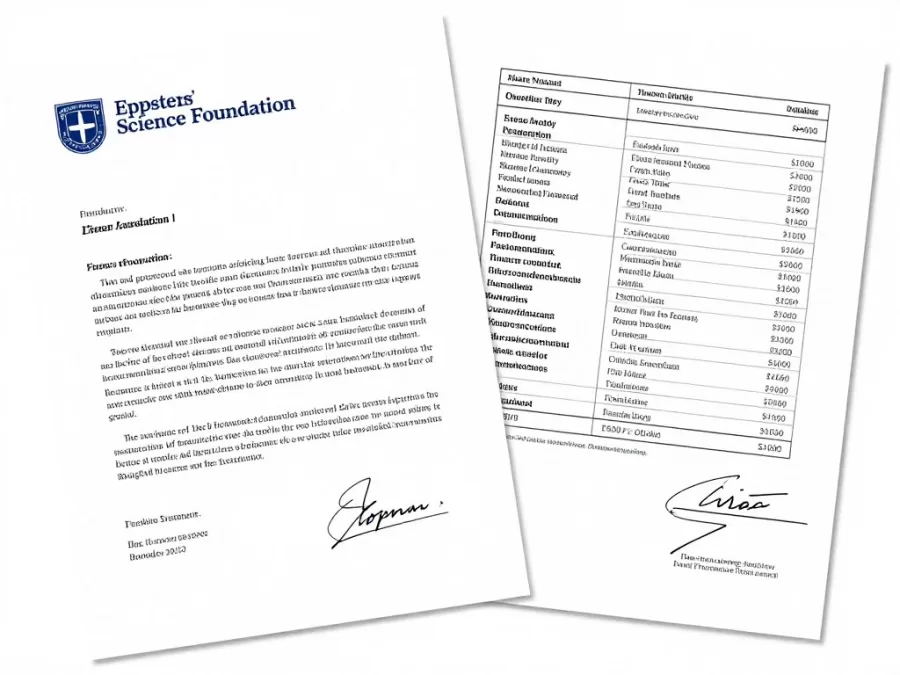
Academic Influence Through Strategic Donations
The files detail how Epstein used his “scientific philanthropy” as a sophisticated influence operation. Records show that his foundations donated over $200 million to prestigious universities and research institutions, often with specific conditions that gave him extraordinary access to academic circles and young researchers.
Internal emails reveal that these donations were strategically designed to rehabilitate his image after his 2008 conviction and to create leverage over influential academics. One particularly troubling email from Epstein to an associate reads: “The donation to [redacted university] physics department buys us credibility and access to the summer program. Make sure the agreement includes private dinners with the fellows.”
7. Political Donation Patterns
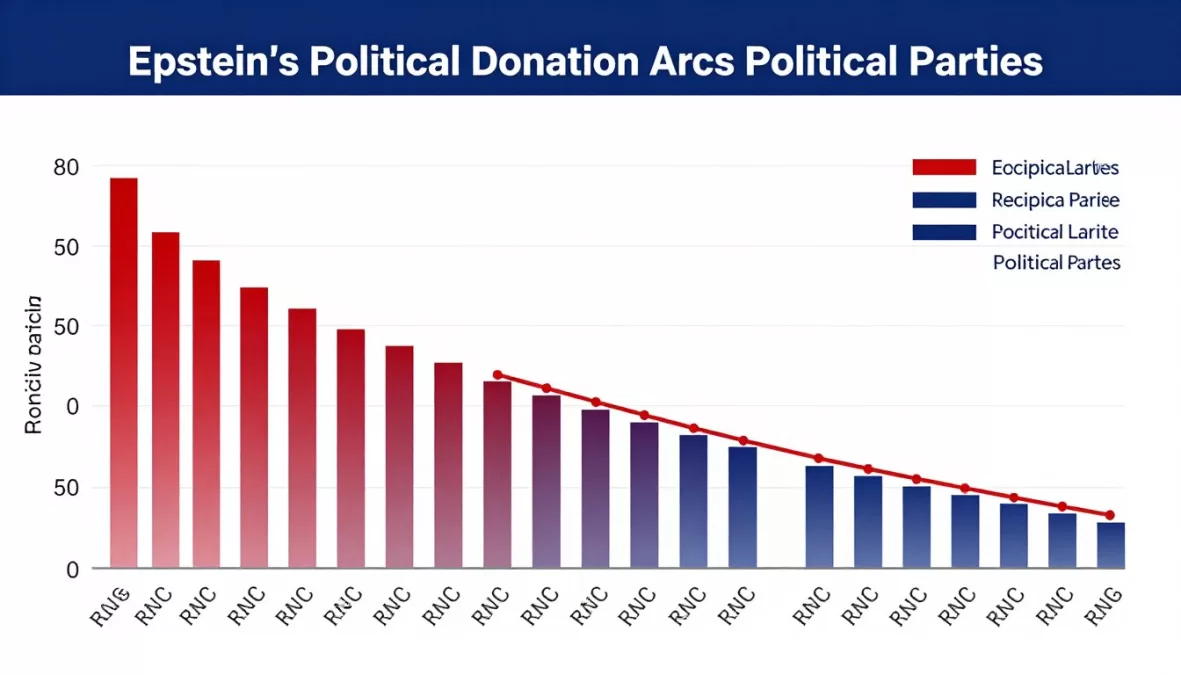
Bipartisan Influence Buying Scheme Uncovered
Financial records reveal a sophisticated political influence operation spanning decades and crossing party lines. Epstein made strategic donations to key political figures in positions to influence investigations, appointments, and regulations relevant to his activities. The documents show that these donations often coincided with specific favorable actions or appointments.
Particularly notable is the pattern of donations to state attorneys general and judicial campaign funds in jurisdictions where Epstein maintained properties or faced legal scrutiny. One internal memo recovered from Epstein’s files specifically outlined a “donation strategy” targeting officials with “potential oversight concerns,” with detailed tracking of resulting “access and outcomes.”
8. The “Therapeutic Massage” Training Documents

Formalized System for Abuse Documented
Perhaps the most disturbing documents are the detailed “massage training” materials used to instruct young women recruited into Epstein’s orbit. These materials, presented with a veneer of legitimacy, outlined specific techniques, protocols, and expectations for “massage therapists” working at Epstein’s properties.
The documents include scripts for recruiters, training schedules, and evaluation forms that reveal a highly organized system designed to normalize inappropriate behavior and gradually escalate physical contact. One training document includes a section titled “Client Comfort and Boundaries,” which provides instructions on how to “manage resistance” and “build comfort with intimate contact.”
9. The Media Manipulation Strategy
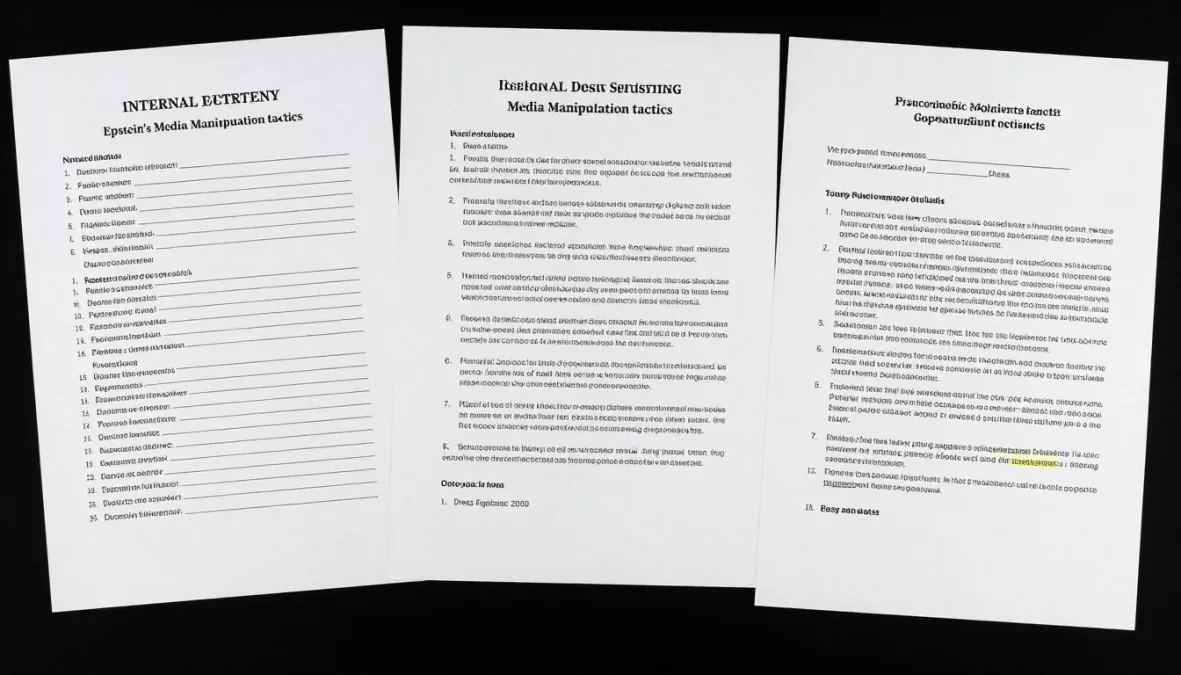
Systematic Press Influence Campaign Exposed
The files contain extensive documentation of Epstein’s sophisticated media manipulation strategy, including payments to journalists, strategic leaks of information, and coordinated pressure campaigns against outlets pursuing investigations. Records show that Epstein maintained a network of media contacts who received benefits ranging from exclusive access to financial support.
Particularly troubling are records of over $5.8 million in payments to a prominent public relations firm specifically tasked with suppressing negative stories and planting favorable coverage. One strategy document outlines a “containment protocol” for responding to allegations, including detailed tactics for discrediting accusers and intimidating reporting outlets.
10. The Sealed Testimonies

Victim Accounts More Extensive Than Previously Known
The unsealed grand jury transcripts reveal testimony from dozens of previously unknown victims whose accounts never reached public awareness. These testimonies describe a pattern of abuse that was more widespread, organized, and long-running than previously documented, with victims from at least 14 countries and spanning more than three decades.
The testimonies also implicate a wider circle of participants than had been publicly identified, with multiple victims independently describing the involvement of prominent individuals in direct abuse or as witnesses who took no action. One particularly heartbreaking testimony describes how a 16-year-old victim was told that her family would receive educational and financial opportunities in exchange for her “cooperation.”
Institutional Failures Revealed
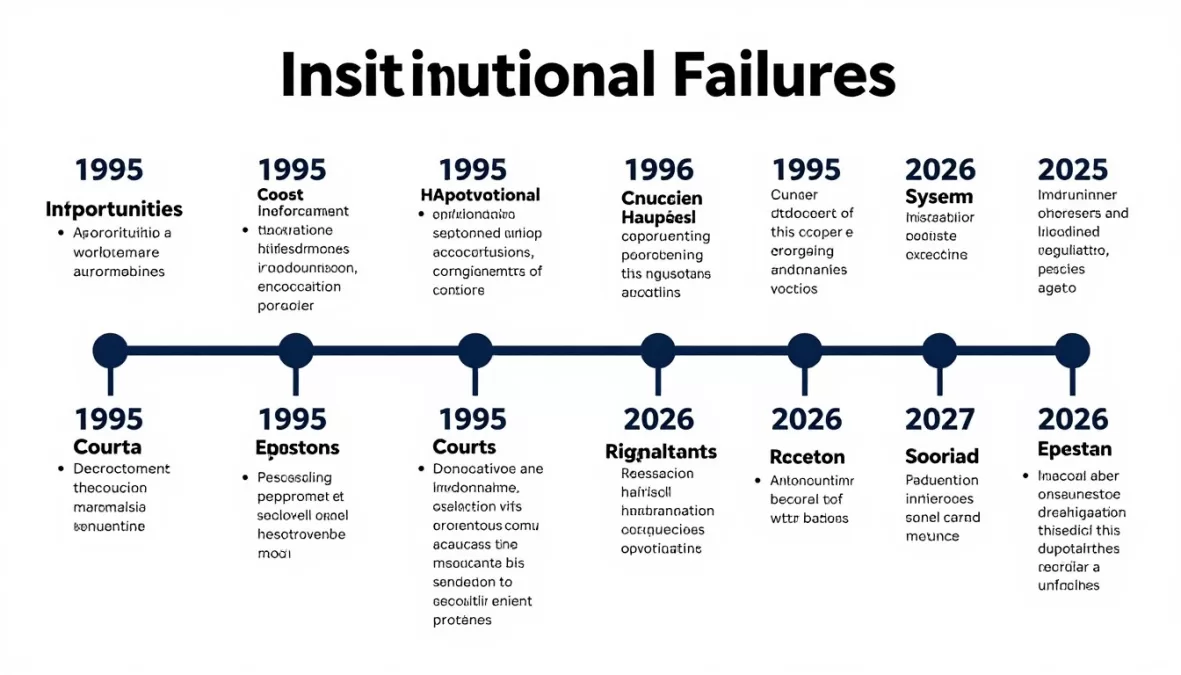
Beyond the specific findings, the February 2026 release paints a devastating picture of systemic institutional failures across law enforcement, regulatory agencies, and political oversight. Internal communications reveal that at least seven separate investigations into Epstein’s activities were prematurely terminated or narrowed in scope due to external pressure.
Particularly troubling are the records showing that concerns raised by field agents and local prosecutors were repeatedly overruled by senior officials, often following contact from Epstein’s powerful connections. One FBI agent’s memo from 2008 explicitly states: “Investigation scope restricted per instruction from DOJ. Multiple promising leads abandoned despite significant corroborating evidence.”
Explore the Complete Document Archive
Want to examine the evidence yourself? The full searchable database of unsealed Epstein files is now available through the National Archives Digital Repository.
Global Implications and Ongoing Investigations

The February 2026 release has triggered investigations in at least 11 countries, with international task forces formed to examine the transnational aspects of Epstein’s operations. In Slovakia, National Security Advisor Miroslav Lajčák resigned after emails revealed extensive correspondence with Epstein discussing “gorgeous girls” in Eastern European capitals.
Poland’s Prime Minister Donald Tusk has formed a special task force to investigate what he called the “Polish thread” in the Epstein scandal, expressing concern that the network may have been utilized by foreign intelligence services as a “honey trap” operation. Similar investigations have been launched in Norway, France, and Brazil, focusing on Epstein’s modeling agency operations and property holdings.
In the United States, the House Oversight Committee has announced new hearings focused on the systemic failures that allowed Epstein’s network to operate with impunity for decades. Committee Chair James Comer stated: “These documents reveal a pattern of institutional failure that demands accountability at the highest levels.”
Victim Advocacy Groups Respond
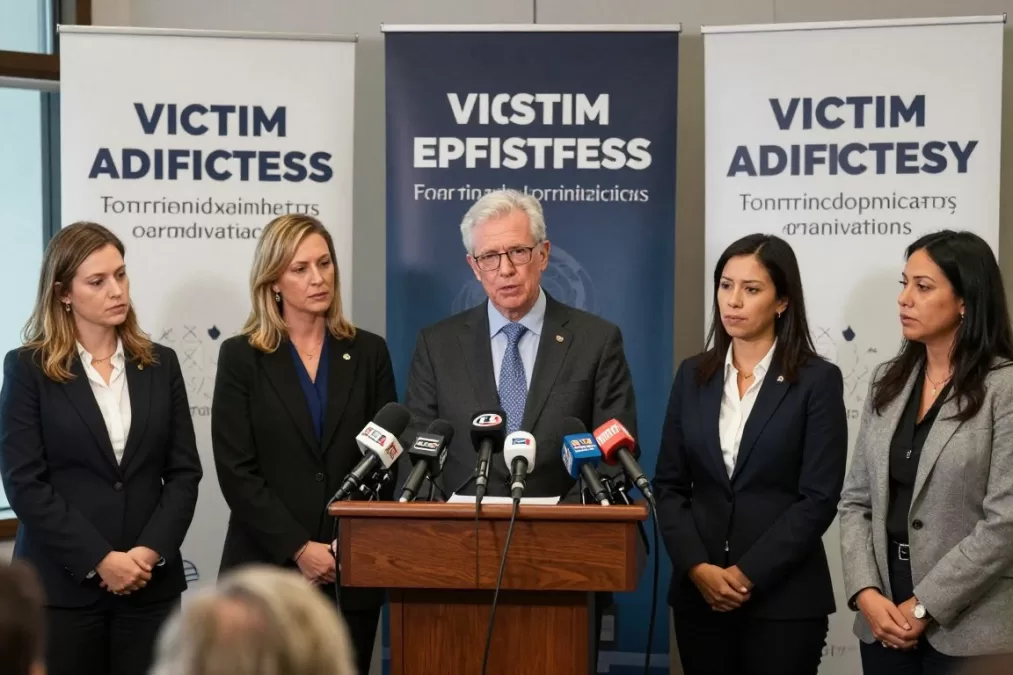
Organizations representing survivors of sexual trafficking have expressed mixed reactions to the February 2026 release. While many advocates have praised the transparency, serious concerns have been raised about privacy violations and the potential retraumatization of victims.
The Coalition for Survivor Justice noted that despite DOJ efforts to redact victim identities, AI-powered analysis tools have been used to de-anonymize some individuals mentioned in the files. “While accountability is essential, this release has created new trauma for many survivors who had rebuilt their lives,” said coalition spokesperson Maria Hernandez.
Advocacy groups are calling for additional support services for those affected by the revelations and stronger protections in future document releases. Several organizations have established dedicated helplines for individuals impacted by the Epstein file disclosures.
The Path Forward: Accountability and Reform
The February 2026 release of the Epstein files represents a watershed moment in the pursuit of transparency and accountability. While the full implications of these revelations will take years to fully process, they have already sparked important conversations about power, privilege, and the systems that failed to protect vulnerable individuals.
As investigations continue across multiple jurisdictions, the focus now turns to ensuring that such systematic failures cannot happen again. Proposed reforms include strengthening whistleblower protections, enhancing oversight of plea agreements involving wealthy defendants, and creating more robust safeguards against influence-peddling in the justice system.
For the victims whose lives were forever altered by Epstein and his network, the path to justice remains long and difficult. But with these documents finally in the public domain, the truth they have fought to reveal can no longer be buried or denied.
Stay Informed on This Developing Story
Subscribe to our newsletter for regular updates on the ongoing investigations, accountability efforts, and further revelations from the Epstein files.

Priyanka Pandey
Senior Research Editor · Top10Sense
Priyanka specializes in tech, consumer products, and digital trends. She combines hands-on testing, vendor interviews, and database research to create trustworthy “Top 10” rankings. Her work has been referenced by industry blogs and brand report pages.