
In an era where global security concerns continue to influence travel decisions, knowing which destinations offer the highest levels of safety has become essential for travelers. The safest countries to travel in 2025 combine low crime rates, political stability, excellent healthcare systems, and effective emergency services to provide visitors with peace of mind while exploring new cultures and landscapes.
Using the latest data from the Global Peace Index, World Health Organization reports, and international security assessments, we’ve compiled a comprehensive ranking of the ten safest countries to visit in 2025. Whether you’re planning a solo adventure, family vacation, or retirement journey, these destinations offer the perfect balance of security and unforgettable experiences.
Global Peace Index map highlighting the safest countries to travel in 2025
How We Ranked the Safest Countries to Travel in 2025
Our comprehensive safety assessment considers multiple factors that contribute to a country’s overall security profile. Each destination in our ranking has been evaluated based on:
- Global Peace Index Score: A measure of national peacefulness based on 23 qualitative and quantitative indicators
- Crime Rates: Statistics on violent crime, theft, and tourist-targeted offenses
- Political Stability: Assessment of government stability and absence of violence/terrorism
- Healthcare Quality: Accessibility and quality of medical facilities for travelers
- Natural Disaster Risk: Vulnerability to earthquakes, floods, hurricanes, and other natural hazards
- COVID-19 Management: Post-pandemic health protocols and emergency response systems
- Infrastructure Safety: Quality of transportation, utilities, and emergency services
- Digital Security: Cybersecurity measures and low risk of digital fraud
These criteria provide a holistic view of safety beyond just crime statistics, helping you make informed decisions about your 2025 travel plans.
1. Iceland: The World’s Most Peaceful Destination
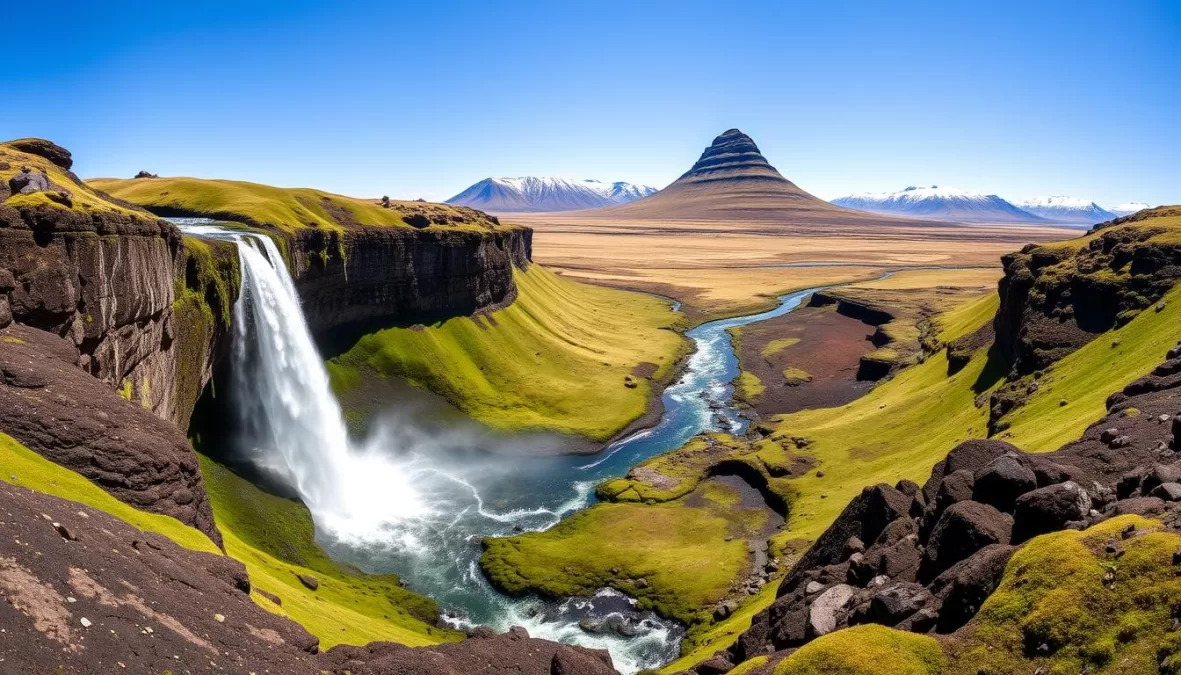
Iceland has maintained its position as the world’s safest country since 2008, according to the Global Peace Index. This Nordic island nation boasts remarkably low crime rates, with virtually no violent crime and minimal petty theft. The country has no standing army, and its police officers don’t carry firearms – a testament to the exceptional level of public safety.
Beyond safety, Iceland offers travelers breathtaking landscapes of volcanoes, geysers, hot springs, and lava fields. The country’s strong sense of community contributes to its safety profile, with 98% of Icelanders reporting they have reliable support systems.
Key Safety Highlights:
- Lowest crime rate in the world with minimal violent crime
- Excellent healthcare system with high-quality facilities accessible to tourists
- Strong emergency response systems for natural events like volcanic activity
- High gender equality (ranked third on the Women, Peace, and Security Index)
- Exceptional environmental safety with clean air and water
Travel Tips for Iceland:
- While crime is rare, secure your belongings in tourist areas like Reykjavík
- Weather can change rapidly – download the 112 Iceland app for emergency assistance
- Respect nature by staying on marked paths, especially near geothermal areas
- Consider travel insurance that covers extreme weather conditions
- Visit during shoulder seasons (May/September) for fewer crowds without compromising safety
“While harsh weather conditions, especially in winter, may not always create a sense of safety, community does. You can walk alone at night mostly without worry; you will see babies sleeping peacefully in prams outside cafes and shops while their parents enjoy a meal or are running errands; and the local police don’t carry guns.”
2. Ireland: The Emerald Isle of Safety
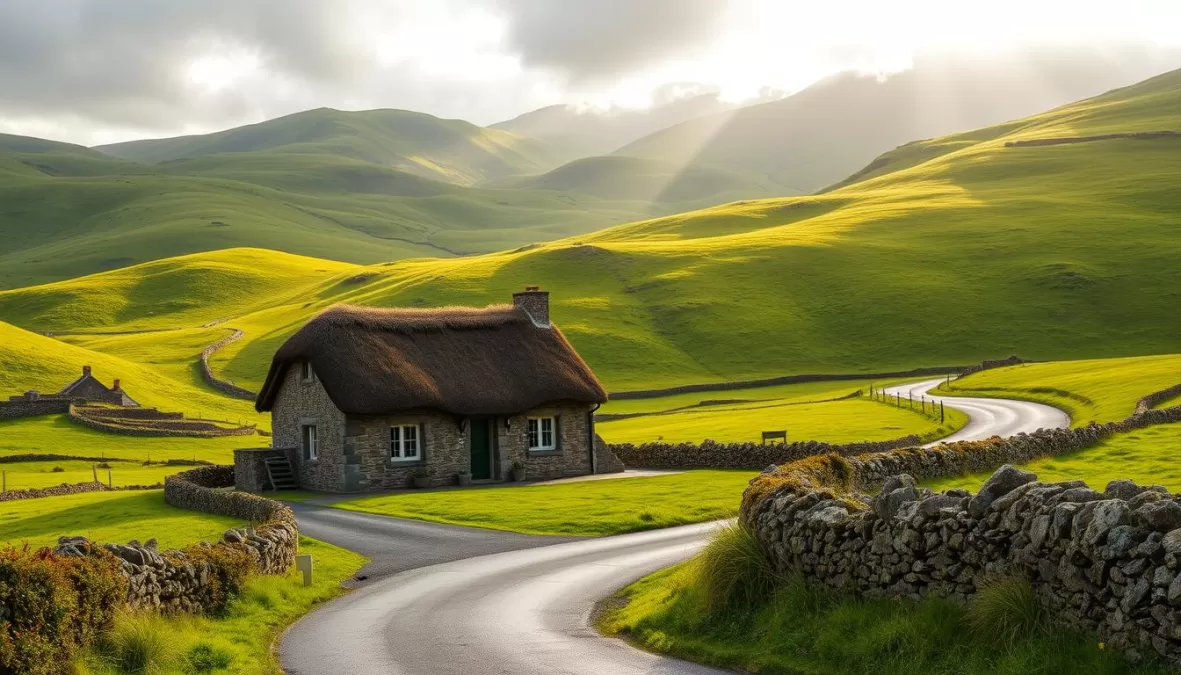
Ireland ranks second on our list of safest countries to travel in 2025, having improved from its third-place position in previous years. The country excels in maintaining low levels of internal conflict and international disputes, while scoring exceptionally well for societal safety and security.
Ireland’s commitment to neutrality in global conflicts contributes significantly to its safety profile. The country maintains a policy of military neutrality, which prevents it from joining military alliances like NATO. This stance has helped Ireland avoid involvement in international disputes, enhancing its reputation as a peaceful destination.
Key Safety Highlights:
- Strong reduction in militarization year-over-year
- Low perceptions of crime and violence among residents and visitors
- Substantial investment in healthcare, with a €25.8 billion budget for 2025
- Friendly and welcoming culture that extends to tourists
- Ranked among the top twenty on the Women’s Peace and Security Index
Travel Tips for Ireland:
- While generally very safe, be aware of pickpocketing in tourist areas of Dublin
- Rural roads can be narrow – drive cautiously if renting a car
- Register with your embassy if planning extended stays
- Carry a European Health Insurance Card (EHIC) or comprehensive travel insurance
- Weather can change quickly – pack layers and rain gear regardless of season
“A deep sense of community and friendliness makes you feel welcome and at ease, whether you’re in a small town or a big city. People look out for one another here. It’s the kind of place where you can ask a stranger for help and they’ll go out of their way for you.”
3. New Zealand: Safety in Paradise
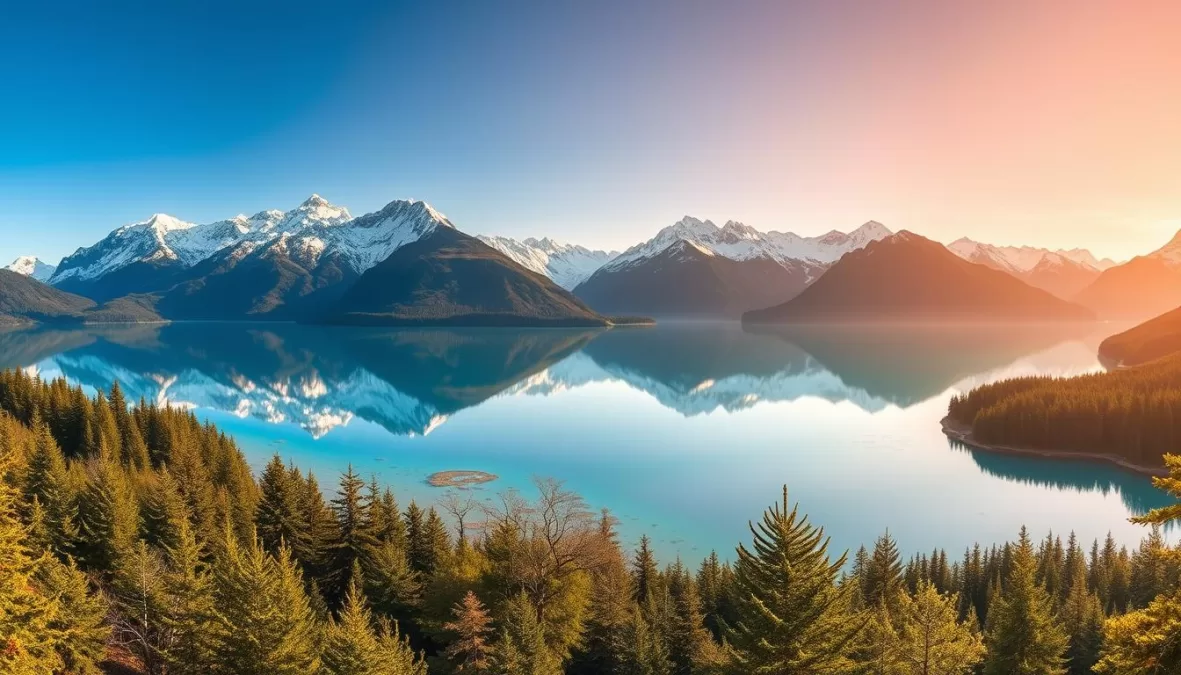
New Zealand ranks third on our list of safest countries to travel in 2025, moving up from its previous fourth-place position. As the most peaceful country in the Asia-Pacific region, New Zealand combines geographical isolation with strong governance to create an exceptionally safe environment for travelers.
The country’s small population of just 5.1 million contributes to its strong sense of community and remarkably low crime rates. New Zealand’s natural beauty, from its stunning fjords to volcanic landscapes, attracts nature lovers seeking both adventure and security.
Key Safety Highlights:
- Violent crime rate of just 0.7 incidents per 100,000 people
- Universal healthcare system that extends to visitors with appropriate coverage
- World-leading earthquake response systems and building codes
- Strong gun control laws with police rarely carrying firearms
- High levels of public trust in institutions and government
Travel Tips for New Zealand:
- While crime is rare, don’t leave valuables visible in parked vehicles
- Be prepared for rapidly changing weather conditions, especially in alpine regions
- Register your hiking plans with the Department of Conservation for remote treks
- Purchase travel insurance that covers adventure activities if participating
- Download the New Zealand GeoNet app for earthquake and volcanic activity alerts
“Beyond the postcard landscapes, New Zealand has real depth. The people are genuine, the Māori culture is rich and ever-present, and the slower rhythm of life can really shift your perspective. One client told me that although New Zealand is beautiful, it’s our people that are our superpower.”
4. Austria: Alpine Safety and Cultural Richness
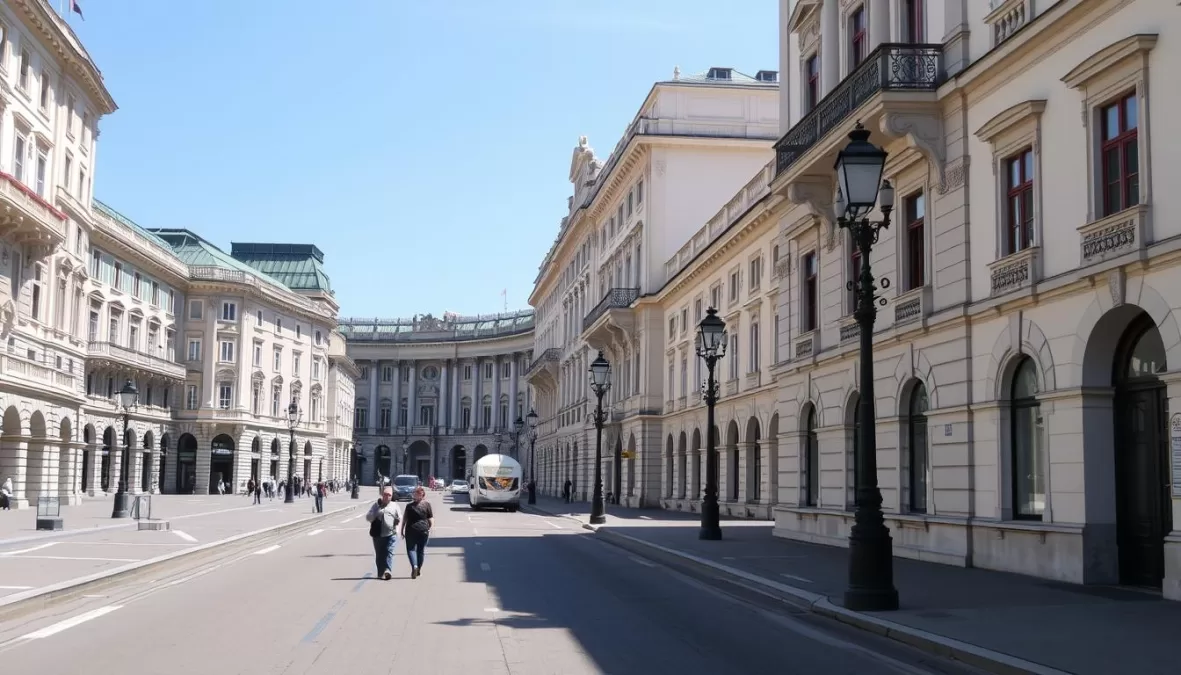
Austria climbs to fourth place on our list of safest countries to travel in 2025, improving from its previous fifth-place ranking. This Central European nation’s commitment to neutrality has been fundamental to its safety profile since the 1955 Austrian State Treaty, which established Austria as a permanently neutral country.
With its stunning Alpine landscapes, imperial history, and world-class cultural offerings, Austria combines safety with extraordinary travel experiences. The country has one of the lowest economic costs of violence globally, with security-related expenses accounting for just 4.23% of its GDP.
Key Safety Highlights:
- Strong judicial system that effectively maintains low crime rates
- Universal healthcare coverage with excellent accessibility
- Extensive and well-maintained transportation infrastructure
- Permanent neutrality that prevents involvement in military conflicts
- Effective emergency response systems throughout urban and rural areas
Travel Tips for Austria:
- Be vigilant against pickpocketing in tourist areas of Vienna and on public transport
- Carry your European Health Insurance Card (EHIC) if eligible
- Register with your embassy if staying for an extended period
- Learn basic German phrases, though English is widely spoken in tourist areas
- Follow alpine safety guidelines if hiking or skiing in mountainous regions
“Austria’s decades-long policy of neutrality means the nation invests in its people instead of conflicts. A strong social safety net, world-class healthcare and excellent education foster stability and trust. Safe isn’t just a statistic, it’s the way life feels.”
5. Singapore: Urban Safety Excellence
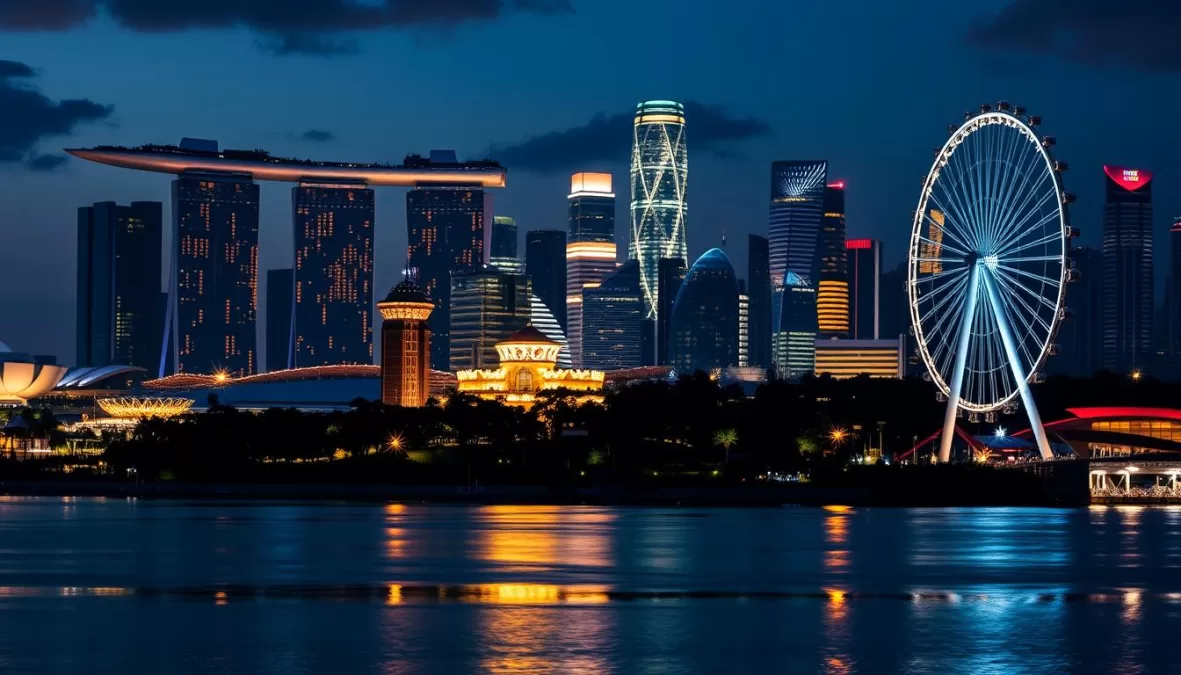
Singapore secures fifth place on our list of safest countries to travel in 2025, making it the only Asian nation in the top five. This city-state has built its reputation on exceptional law and order, with one of the world’s lowest crime rates and a near-total absence of violent crime.
Singapore’s intentional homicide rate of just 0.2 per 100,000 people is among the lowest globally. The country combines strict laws with effective enforcement to create an environment where travelers can explore with complete peace of mind, even late at night.
Key Safety Highlights:
- Ultra-low crime rates with virtually no violent crime
- World-class healthcare system consistently ranked among the best globally
- State-of-the-art surveillance systems and efficient police force
- Excellent public transportation with high safety standards
- Strong cybersecurity measures to protect against digital threats
Travel Tips for Singapore:
- Familiarize yourself with local laws, which are strictly enforced (including against littering and jaywalking)
- Carry identification at all times as required by law
- Purchase travel insurance as healthcare, while excellent, can be expensive
- Be aware of Singapore’s strict drug laws, which include severe penalties
- Take precautions against mosquito-borne illnesses like dengue fever
“I walk late at night and do not feel afraid. Walking home is not overwhelming or anxiety-provoking like it is in most large urban cities. There is 100% comfort and mutual trust in the system, which makes an environment that is calm, caring and peaceful.”
6. Switzerland: Alpine Security and Neutrality
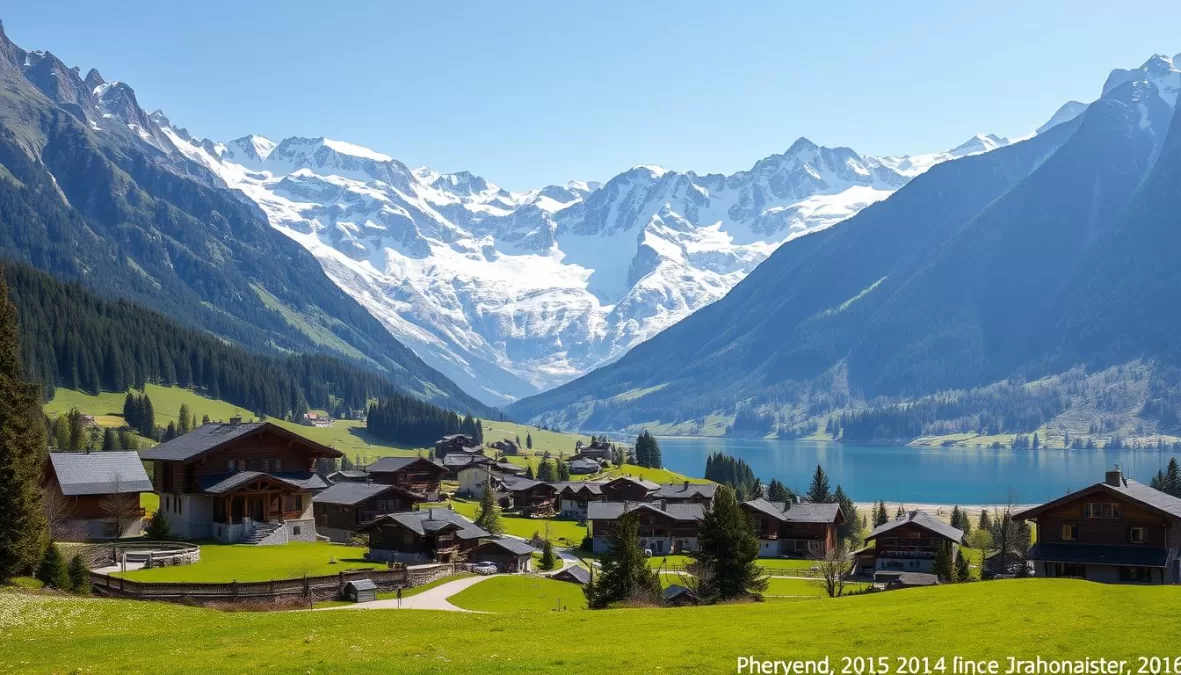
Switzerland ranks sixth on our list of safest countries to travel in 2025, moving up one position from the previous year. This Alpine nation’s long-standing policy of neutrality has been instrumental in creating a stable, peaceful environment that attracts millions of visitors annually.
Switzerland’s reputation for safety extends beyond its low crime rates to include political stability, economic prosperity, and exceptional infrastructure. The country is also known for having some of the safest banking systems in the world, with several institutions ranking in Europe’s top 10 safest banks.
Key Safety Highlights:
- Historic neutrality that has kept the country out of armed conflicts
- Excellent healthcare system with world-class medical facilities
- Highly efficient public transportation with exceptional safety records
- Strong emergency response capabilities, especially in alpine regions
- Effective gun regulations despite high gun ownership
Travel Tips for Switzerland:
- While crime is rare, remain vigilant in tourist areas of major cities
- Purchase comprehensive travel insurance as healthcare costs are among Europe’s highest
- Follow alpine safety guidelines if hiking or skiing
- Carry some cash as not all establishments accept cards
- Learn basic phrases in the local language of the region you’re visiting (German, French, or Italian)
Did You Know? Switzerland’s neutrality has been respected by European neighbors for centuries, leading Geneva to become a popular headquarters for international organizations like the Red Cross and United Nations.
7. Portugal: Mediterranean Safety Haven

Portugal claims seventh place on our list of safest countries to travel in 2025, maintaining its strong safety reputation. This southern European nation has made remarkable progress in safety rankings over the past decade, climbing from 18th place globally in 2014 to its current position among the world’s safest destinations.
Portugal combines Mediterranean charm with exceptional safety, offering travelers beautiful beaches, historic cities, and world-renowned wine regions. The country’s welcoming attitude toward visitors contributes to its appeal as a safe destination for solo travelers, families, and retirees alike.
Key Safety Highlights:
- Very low violent crime rates, even in major cities
- Efficient healthcare system with good accessibility for tourists
- Strong political stability with minimal social unrest
- Low risk of natural disasters compared to many European countries
- Friendly attitude toward foreign visitors and expatriates
Travel Tips for Portugal:
- Be aware of pickpocketing in tourist areas of Lisbon and Porto
- Carry a European Health Insurance Card (EHIC) if eligible
- Learn basic Portuguese phrases, though English is widely spoken in tourist areas
- Take standard precautions at beaches, especially regarding currents on the Atlantic coast
- Consider visiting during shoulder seasons for fewer crowds without compromising safety
Digital Nomad Friendly: Portugal has become increasingly popular among remote workers and digital nomads, partly due to its safety record and quality of life. The country offers specific visa programs for digital nomads seeking longer stays.
8. Denmark: Nordic Safety and Happiness
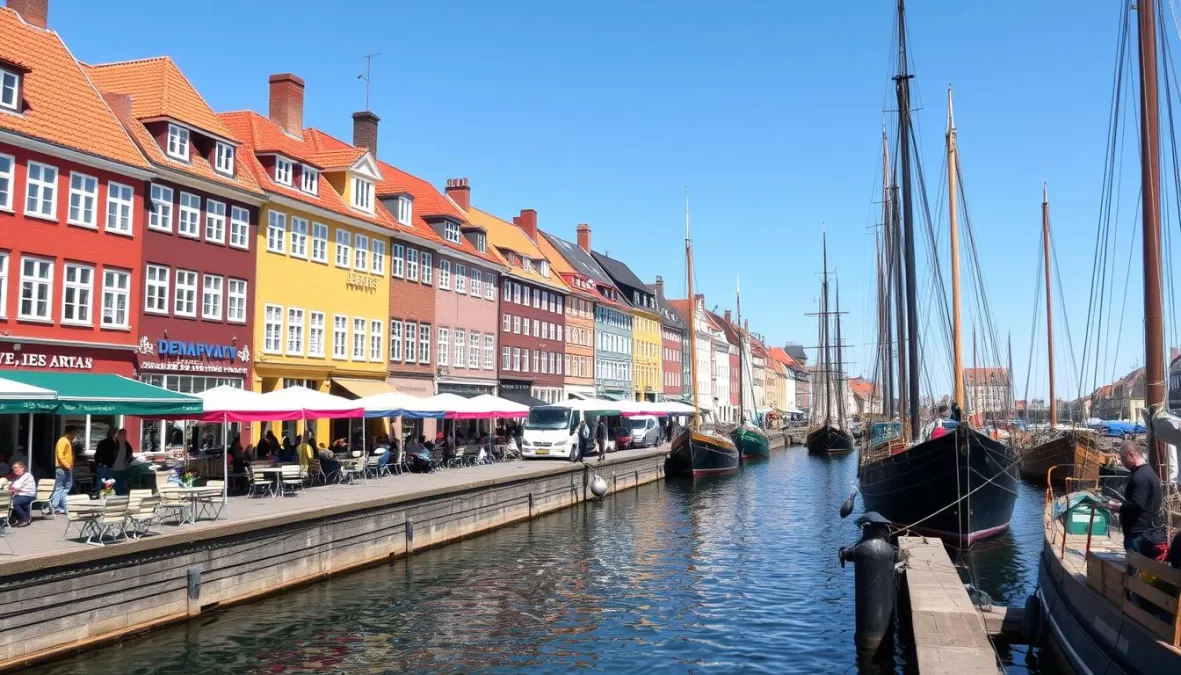
Denmark ranks eighth on our list of safest countries to travel in 2025, continuing the strong Nordic presence in global safety rankings. This Scandinavian nation consistently scores highly across various safety metrics, including crime rates, political stability, and social welfare.
Denmark’s capital, Copenhagen, is recognized as one of the safest cities in Europe, ranking eighth globally on the Economist Intelligence Unit’s Safe Cities Index. The country’s strong sense of community and social equality contributes significantly to its safety profile and high quality of life.
Key Safety Highlights:
- Low crime rates with minimal violent crime
- Universal healthcare system with excellent facilities
- Strong gender equality (ranked fourth on the Women, Peace, and Security Index)
- Highly satisfied population with strong social support systems
- Excellent infrastructure and emergency services
Travel Tips for Denmark:
- While crime is rare, be aware of pickpocketing in tourist areas of Copenhagen
- Carry a European Health Insurance Card (EHIC) if eligible
- Follow cycling rules if using bikes, which are a popular mode of transportation
- Learn basic Danish phrases, though English is widely spoken
- Be prepared for high costs, as Denmark is one of Europe’s more expensive destinations
Hygge Culture: Denmark’s concept of “hygge” (pronounced hoo-ga) – a quality of coziness and comfortable conviviality – contributes to the country’s peaceful atmosphere and high levels of happiness.
9. Slovenia: Europe’s Hidden Safety Gem
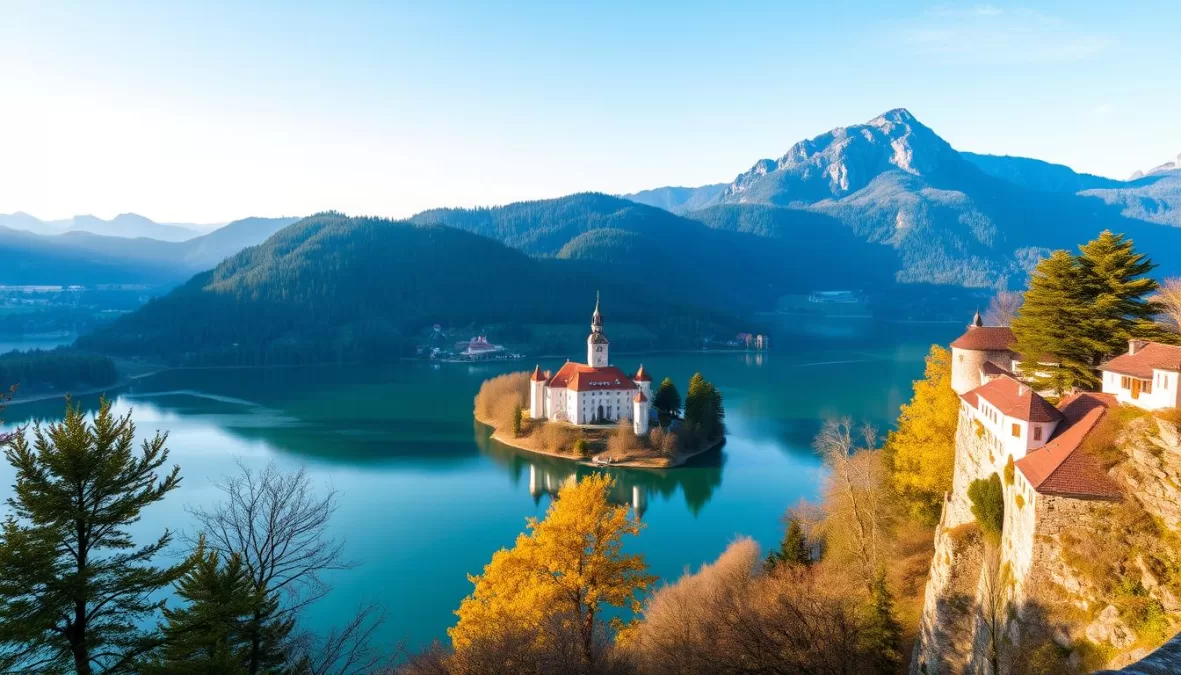
Slovenia secures ninth place on our list of safest countries to travel in 2025, representing one of Europe’s most underrated safe destinations. This small Alpine nation excels in all three critical safety aspects – personal security, medical safety, and road security.
Often overlooked in favor of its more famous neighbors, Slovenia offers travelers a perfect combination of stunning natural landscapes, charming cities, and exceptional safety. The capital, Ljubljana, was named the Green Capital of Europe in 2016 for its car-free city center and commitment to sustainability.
Key Safety Highlights:
- Very low crime rates, with 85% of Slovenian women reporting feeling safe walking alone at night
- Good healthcare system with facilities accessible to tourists
- Well-maintained road infrastructure with good safety standards
- Strong environmental protections creating clean air and water
- Effective emergency services throughout the country
Travel Tips for Slovenia:
- While crime is rare, take standard precautions in tourist areas
- Carry a European Health Insurance Card (EHIC) if eligible
- Learn basic Slovenian phrases, though English is widely spoken in tourist areas
- Follow alpine safety guidelines if hiking in mountainous regions
- Consider visiting Lake Bled and the Soča Valley for some of Slovenia’s safest and most beautiful destinations
Female Solo Travel: Slovenia is frequently cited as one of the best destinations for women traveling alone, with the BBC naming it the top choice for safe solo female travel.
10. Finland: Northern Safety and Wilderness
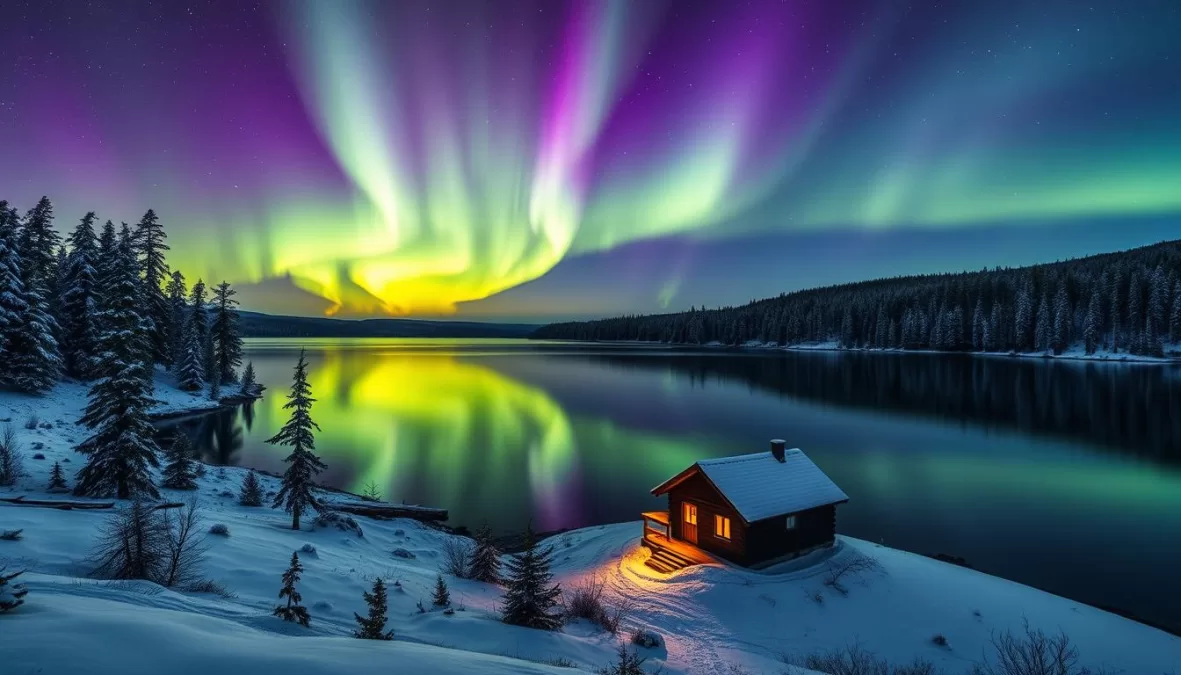
Finland completes our list of the top 10 safest countries to travel in 2025, representing the third Nordic nation in our rankings. This northern European country consistently ranks among the world’s happiest nations, with its exceptional social welfare system, close-knit communities, and high living standards contributing to both happiness and safety.
Finland offers travelers pristine wilderness, thousands of lakes, and the magical Northern Lights, all within one of the world’s safest environments. The country’s commitment to education, equality, and social welfare creates a secure foundation for both residents and visitors.
Key Safety Highlights:
- Low crime rates with minimal violent crime
- Excellent healthcare system with facilities accessible to tourists
- Strong gender equality (ranked fourth on the Women, Peace, and Security Index)
- World-class education system contributing to social stability
- Effective emergency services even in remote areas
Travel Tips for Finland:
- While crime is rare, take standard precautions in tourist areas of Helsinki
- Carry a European Health Insurance Card (EHIC) if eligible
- Be prepared for extreme cold if visiting during winter months
- Learn basic Finnish phrases, though English is widely spoken
- Follow wilderness safety guidelines if exploring remote areas
Northern Lights: Finland is one of the best places in the world to see the Aurora Borealis, particularly in Lapland between September and March. The country’s safety record makes it an ideal destination for women who have always wanted to experience this natural phenomenon.
Essential Safety Tips for International Travel in 2025

Visa and Documentation Requirements
- Research in advance: Visa requirements can change – check official embassy websites 3-6 months before travel
- Digital backups: Store copies of all important documents in a secure cloud service
- Emergency contacts: Save your embassy’s contact information and register your trip with your government’s travel advisory service
- Passport validity: Ensure your passport is valid for at least six months beyond your planned return date
Recommended Travel Insurance
- Comprehensive coverage: Look for policies that include medical emergencies, evacuation, trip cancellation, and personal belongings
- Activity coverage: Ensure adventure activities are covered if applicable
- COVID-19 protection: Verify what pandemic-related disruptions are covered
- Top providers for 2025: World Nomads, Allianz Travel Insurance, and SafetyWing offer strong international coverage
Essential Safety Apps for 2025
GeoSure
Provides safety scores for neighborhoods worldwide based on health, theft, physical harm, women’s safety, political freedoms, and LGBTQ+ safety.
TravelSafe Pro
Offers one-touch emergency calling to local authorities worldwide, even without knowing the local emergency numbers.
Smart Traveler
Official U.S. State Department app with travel advisories, embassy locations, and alert notifications for your destination.
Stay Informed About Travel Safety
Download our free 2025 Safe Travel Checklist for a comprehensive guide to preparing for your next international journey.
Why Safety Matters for Travel in 2025
As global travel continues to evolve in 2025, safety remains a paramount concern for travelers of all types. The countries featured in our ranking demonstrate that safety isn’t just about low crime rates – it encompasses healthcare quality, political stability, natural disaster preparedness, and infrastructure reliability.
The safest countries to travel in 2025 share several common characteristics: strong social welfare systems, effective governance, high levels of trust between citizens and authorities, and investment in public services. These factors create environments where travelers can focus on experiencing new cultures and creating memories rather than worrying about their security.
Whether you’re drawn to Iceland’s otherworldly landscapes, Singapore’s urban efficiency, or Portugal’s Mediterranean charm, prioritizing safety in your travel planning can enhance your overall experience. By choosing destinations with strong safety records and following our practical advice, you can enjoy the world’s most remarkable places with confidence and peace of mind.
“The world is a book, and those who do not travel read only one page. But those who travel safely read the entire story with joy and wonder.”
Ready to Plan Your Safe Journey?
Sign up for our monthly travel safety newsletter to receive updates on global safety conditions, travel advisories, and exclusive tips for your next adventure.
Frequently Asked Questions About Safe Travel in 2025
What makes a country safe for travelers?
A safe country for travelers typically features low crime rates, political stability, quality healthcare systems, reliable infrastructure, effective emergency services, and minimal risk from natural disasters. Other factors include cybersecurity measures, transportation safety, and how well the country manages public health concerns.
Which country is safest for solo female travelers?
According to recent safety indexes and traveler reports, Iceland, New Zealand, and Slovenia rank among the safest countries for solo female travelers in 2025. These destinations combine low crime rates with high gender equality and strong social support systems. Finland and Denmark also offer exceptional safety for women traveling alone.
Are the safest countries also the most expensive to visit?
Not necessarily. While some of the safest countries like Iceland, Switzerland, and Singapore tend to be more expensive, others like Portugal and Slovenia offer excellent safety records with more moderate costs. Additionally, many safe countries have budget-friendly options outside major tourist areas.
How has the Global Peace Index changed since 2023?
Since 2023, there have been some shifts in the Global Peace Index rankings. Austria has climbed from fifth to third place, while more than 90 countries have seen a decline in their scores—the most since the Peace Index began in 2008. European nations continue to dominate the top 20 safest countries, with 60% of the top 10 being EU or EEA member countries.
What safety precautions should I take even in the safest countries?
Even in the world’s safest countries, it’s wise to: register your trip with your country’s embassy, purchase comprehensive travel insurance, keep digital copies of important documents, stay aware of your surroundings in tourist areas, research local emergency numbers, and follow local laws and customs. Additionally, always have a backup plan for accommodation and transportation.

Priyanka Pandey
Senior Research Editor · Top10Sense
Priyanka specializes in tech, consumer products, and digital trends. She combines hands-on testing, vendor interviews, and database research to create trustworthy “Top 10” rankings. Her work has been referenced by industry blogs and brand report pages.