

Despite air travel being statistically one of the safest forms of transportation, plane crashes continue to capture public attention due to their devastating nature. Understanding the common causes behind these accidents is crucial for improving aviation safety and addressing public concerns. This comprehensive guide examines the top 10 reasons for plane crashes worldwide, supported by historical examples and industry statistics.
Aviation investigators examining wreckage to determine crash causes
1. Pilot Error
Human error remains the leading cause of aviation accidents worldwide, accounting for approximately 50% of all plane crashes. Pilot error encompasses a range of mistakes from misreading instruments to poor decision-making during critical situations.

Commercial pilots must manage complex systems and make split-second decisions
Common pilot errors include:
- Misinterpreting instrument readings
- Improper response to weather conditions
- Failure to follow established procedures
- Poor communication with air traffic control
- Fatigue-related judgment lapses
Notable example: The 2009 Air France Flight 447 crash into the Atlantic Ocean resulted from a combination of technical failures and the pilots’ inappropriate response to those failures. The aircraft’s pitot tubes froze, causing inconsistent airspeed readings, and the crew’s subsequent actions led to an aerodynamic stall from which they failed to recover.
Want to Learn More About Pilot Training?
Discover how modern pilot training programs are addressing human factors to prevent accidents.
2. Mechanical Failure
Mechanical failures account for approximately 20% of aviation accidents. These can range from engine failures to structural defects and system malfunctions that compromise aircraft safety.
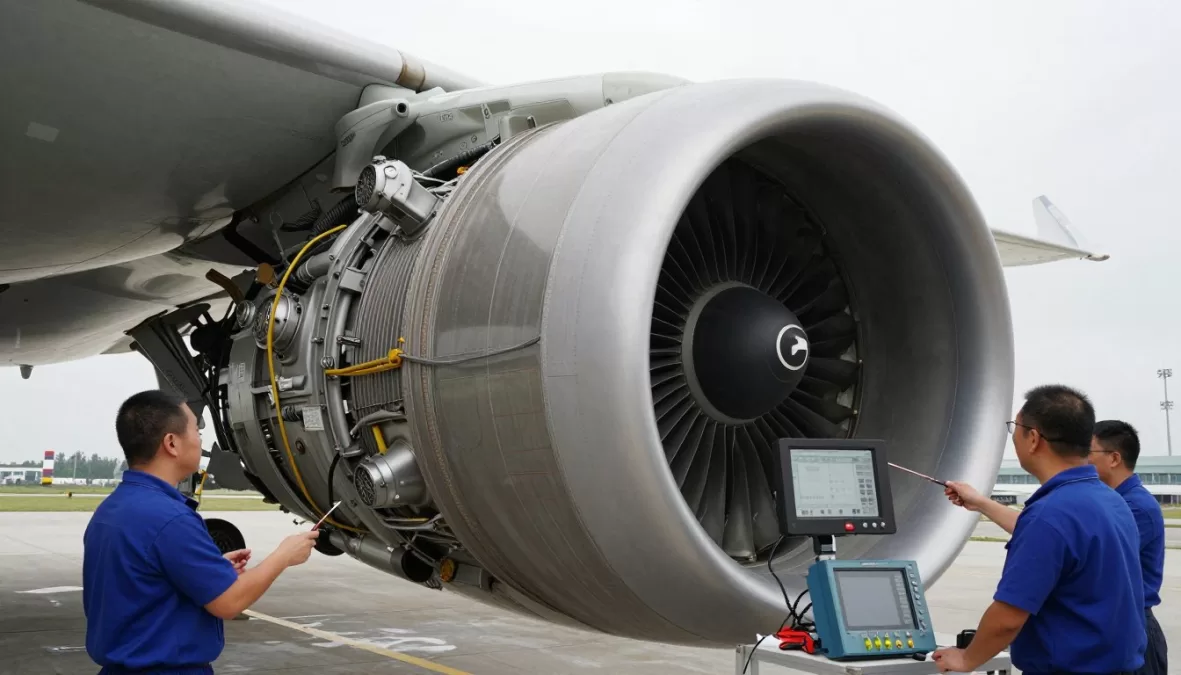
Regular maintenance is critical for preventing mechanical failures
Common mechanical issues include:
- Engine failures or malfunctions
- Control system failures
- Structural fatigue and material failure
- Electrical system problems
- Hydraulic system failures
Notable example: The 1989 United Airlines Flight 232 crash in Sioux City occurred when the DC-10 aircraft suffered a catastrophic failure of its tail-mounted engine, which destroyed all three hydraulic systems. Despite the complete loss of flight controls, the crew managed to guide the aircraft to an airport using only differential engine thrust, though the crash landing resulted in 111 fatalities among the 296 people on board.
3. Adverse Weather Conditions
Weather-related factors contribute to approximately 12% of aviation accidents. Severe weather can create hazardous flying conditions that challenge even the most experienced pilots and sophisticated aircraft.

Severe weather presents significant challenges for flight safety
Weather phenomena that commonly affect flight safety include:
- Thunderstorms and lightning
- Wind shear and microbursts
- Icing conditions
- Heavy fog and reduced visibility
- Turbulence and clear air turbulence (CAT)
Notable example: The 1985 Delta Air Lines Flight 191 crash at Dallas/Fort Worth International Airport occurred when the aircraft encountered a microburst during its landing approach. The sudden, powerful downdraft caused the aircraft to lose altitude rapidly, resulting in the crash that killed 137 people. This accident led to significant improvements in weather detection systems at airports worldwide.
Understanding Aviation Weather Safety
Learn how modern aircraft and pilots navigate challenging weather conditions safely.
4. Air Traffic Control Errors
Air traffic control (ATC) errors contribute to approximately 6% of aviation accidents. These incidents typically involve miscommunication, coordination failures, or procedural mistakes that lead to dangerous situations such as near-misses or, in worst cases, collisions.

Air traffic controllers manage complex airspace with thousands of flights daily
Common ATC-related issues include:
- Miscommunication between controllers and pilots
- Improper separation between aircraft
- Runway incursions and ground movement errors
- Handoff errors between control sectors
- Excessive workload and staffing issues
Notable example: The 2002 Überlingen mid-air collision occurred when a Bashkirian Airlines passenger jet and a DHL cargo aircraft collided over southern Germany. The accident was primarily caused by ATC shortcomings, including a controller handling two workstations simultaneously and conflicting instructions between the controller and the aircraft’s collision avoidance systems. The crash resulted in 71 fatalities.
5. Sabotage and Terrorism
While relatively rare, acts of sabotage and terrorism have been responsible for some of history’s deadliest aviation disasters. These deliberate acts account for approximately 4% of plane crashes worldwide.

Enhanced security measures help prevent acts of sabotage and terrorism
Security threats to aviation include:
- Explosive devices placed on aircraft
- Hijacking attempts
- Insider threats from airport or airline personnel
- Cyber attacks on aviation systems
- Missile attacks in conflict zones
Notable example: The 1988 bombing of Pan Am Flight 103 over Lockerbie, Scotland, was caused by a terrorist bomb placed in checked luggage. The explosion killed all 259 people aboard and 11 on the ground. This tragedy led to significant improvements in baggage screening and matching procedures worldwide.
Aviation Security Developments
Explore how aviation security has evolved to counter modern threats.
6. Design and Manufacturing Flaws
Fundamental flaws in aircraft design or manufacturing processes account for approximately 5% of aviation accidents. These issues may remain undetected until a serious incident occurs, highlighting the importance of rigorous testing and certification processes.
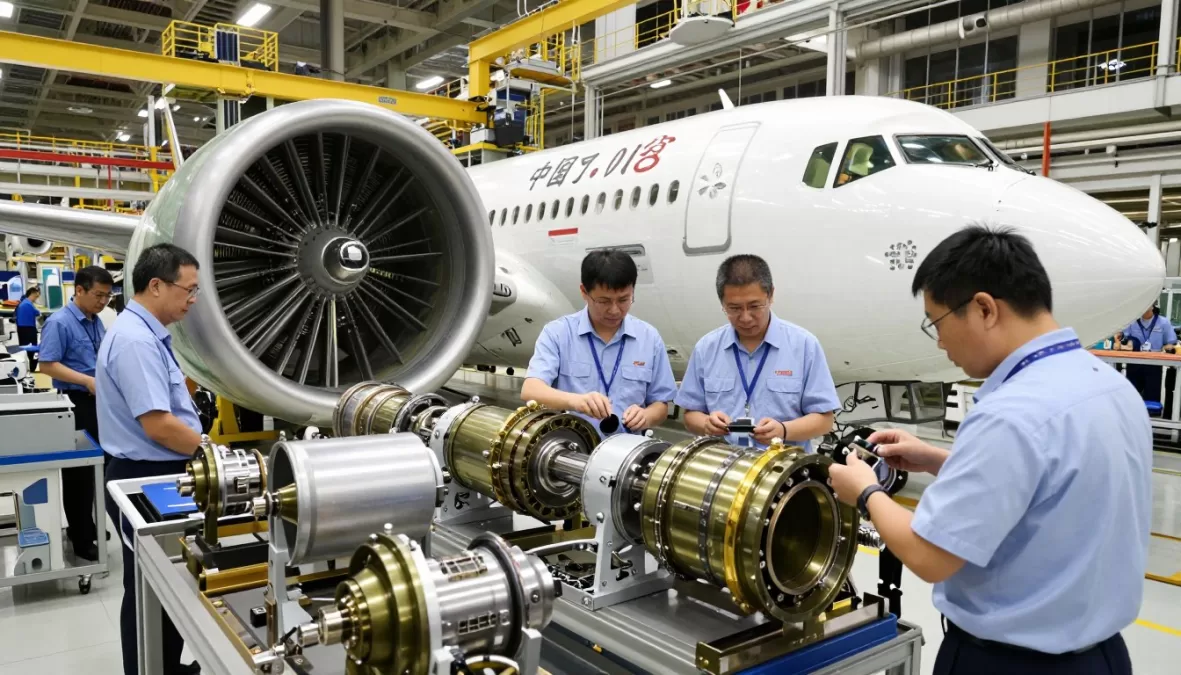
Aircraft manufacturing requires exceptional precision and quality control
Common design and manufacturing issues include:
- Structural weaknesses in critical components
- Software programming errors in flight systems
- Inadequate redundancy in critical systems
- Flawed aerodynamic designs
- Material defects in key components
Notable example: The Boeing 737 MAX crashes in 2018 and 2019 (Lion Air Flight 610 and Ethiopian Airlines Flight 302) were linked to design flaws in the Maneuvering Characteristics Augmentation System (MCAS). These accidents, which killed 346 people combined, led to a worldwide grounding of the aircraft type and a comprehensive review of certification processes.
7. Fuel-Related Problems
Fuel management issues contribute to approximately 5% of aviation accidents. These problems range from fuel exhaustion to contamination and can affect aircraft of all sizes, from small private planes to large commercial airliners.

Proper fuel management is critical for flight safety
Common fuel-related issues include:
- Fuel exhaustion or starvation
- Incorrect fuel calculations
- Fuel contamination
- Fuel system component failures
- Improper fuel type usage
Notable example: The 1983 Air Canada Flight 143, known as the “Gimli Glider,” ran out of fuel at 41,000 feet due to a metric conversion error when calculating the fuel load. The Boeing 767 was forced to glide to an emergency landing at a former Royal Canadian Air Force base in Gimli, Manitoba. Remarkably, there were no fatalities, but the incident highlighted the critical importance of proper fuel management.
Aircraft Fuel Safety Procedures
Learn about the complex systems and procedures that ensure aircraft have sufficient fuel for safe operations.
8. Maintenance Errors
Improper maintenance procedures account for approximately 3% of aviation accidents. These errors can compromise aircraft systems and structural integrity, potentially leading to catastrophic failures during flight.
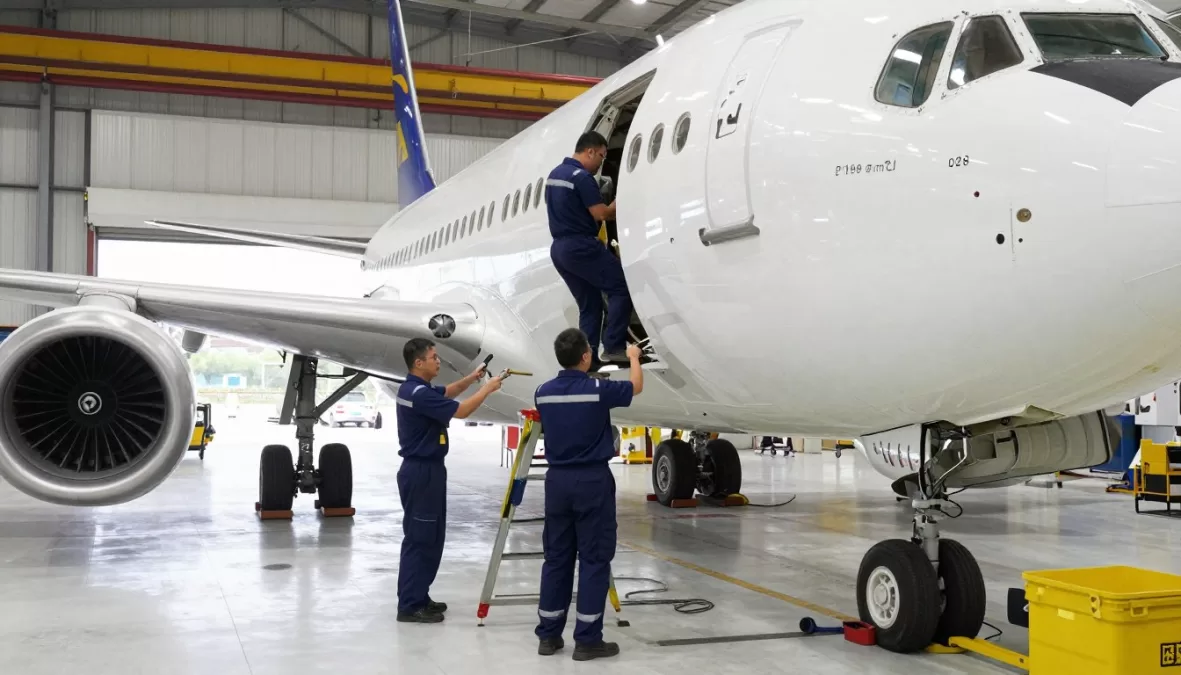
Thorough maintenance is essential for preventing mechanical failures
Common maintenance-related issues include:
- Improper repairs or component installations
- Failure to detect structural fatigue or damage
- Inadequate inspection procedures
- Documentation errors and miscommunication
- Use of incorrect parts or materials
Notable example: The 2000 Alaska Airlines Flight 261 crash was caused by the failure of a horizontal stabilizer trim system due to insufficient lubrication and excessive wear. The maintenance error led to the complete loss of pitch control, causing the aircraft to crash into the Pacific Ocean, killing all 88 people on board. This accident prompted significant changes to maintenance procedures and oversight.
9. Bird Strikes and Foreign Object Damage
Collisions with birds and other foreign objects account for approximately 3% of aviation accidents. While most bird strikes cause minimal damage, they can occasionally lead to catastrophic engine failures or windshield breaches.
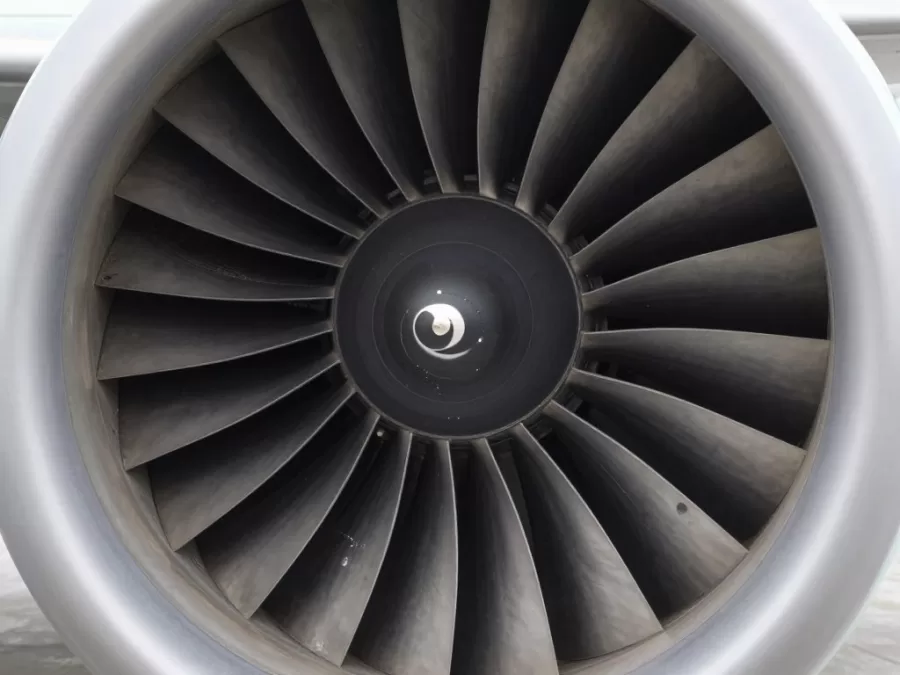
Bird strikes can cause significant damage to aircraft engines
Common issues related to foreign object damage include:
- Engine failure due to bird ingestion
- Windshield cracks or breaches
- Damage to control surfaces
- Sensor obstructions
- Structural damage to wings or fuselage
Notable example: The 2009 “Miracle on the Hudson” incident involved US Airways Flight 1549, which lost power in both engines after striking a flock of Canada geese shortly after takeoff from LaGuardia Airport. Captain Chesley “Sully” Sullenberger successfully ditched the aircraft in the Hudson River, with all 155 people on board surviving. This incident highlighted both the dangers of bird strikes and the importance of pilot training for emergency situations.
Wildlife Management in Aviation
Discover how airports manage wildlife hazards to prevent dangerous collisions.
10. Communication Failures
Communication breakdowns between flight crew members or between the aircraft and ground control contribute to approximately 2% of aviation accidents. Clear, effective communication is essential for safe flight operations, particularly during emergency situations.
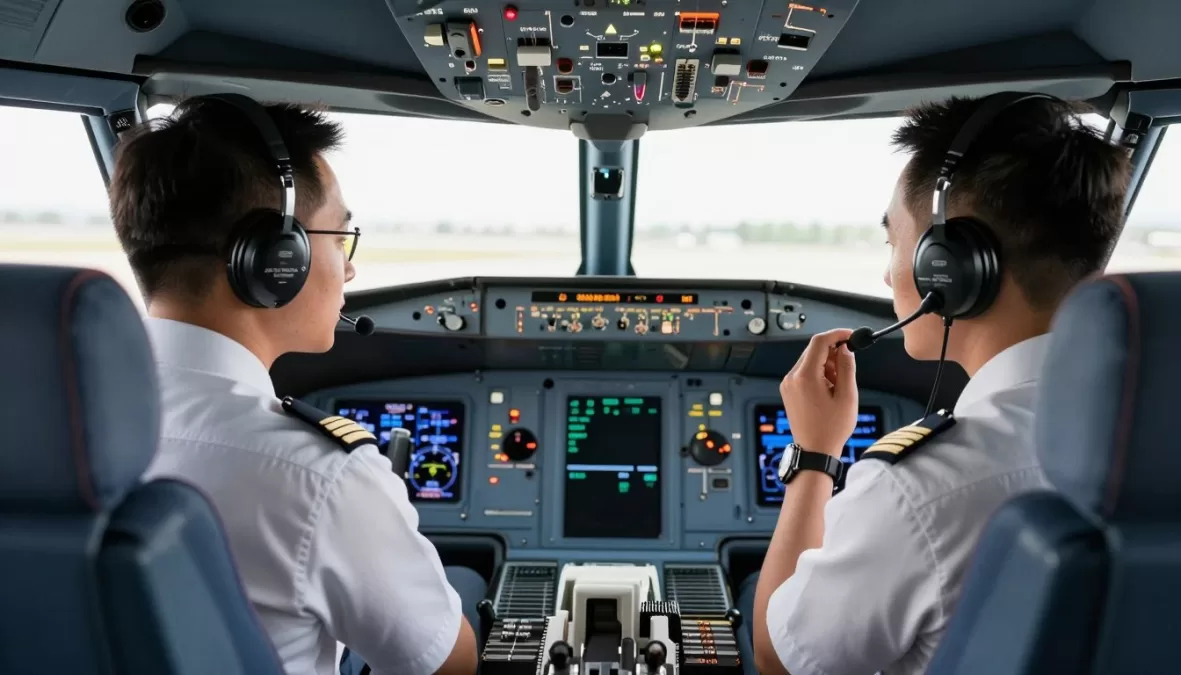
Clear communication between pilots and air traffic control is vital for safety
Common communication-related issues include:
- Language barriers and misunderstandings
- Radio equipment failures
- Crew resource management failures
- Miscommunication of critical information
- Failure to report developing problems
Notable example: The 1977 Tenerife airport disaster, the deadliest accident in aviation history, occurred when two Boeing 747s collided on a foggy runway, killing 583 people. The accident was primarily caused by communication failures, including radio transmission interference, ambiguous language, and misunderstandings between the KLM flight crew and air traffic controllers.
How the Aviation Industry Improves Safety
Despite the sobering nature of these accident causes, it’s important to note that air travel has become increasingly safe over the decades. The aviation industry has developed a robust approach to learning from accidents and implementing safety improvements.
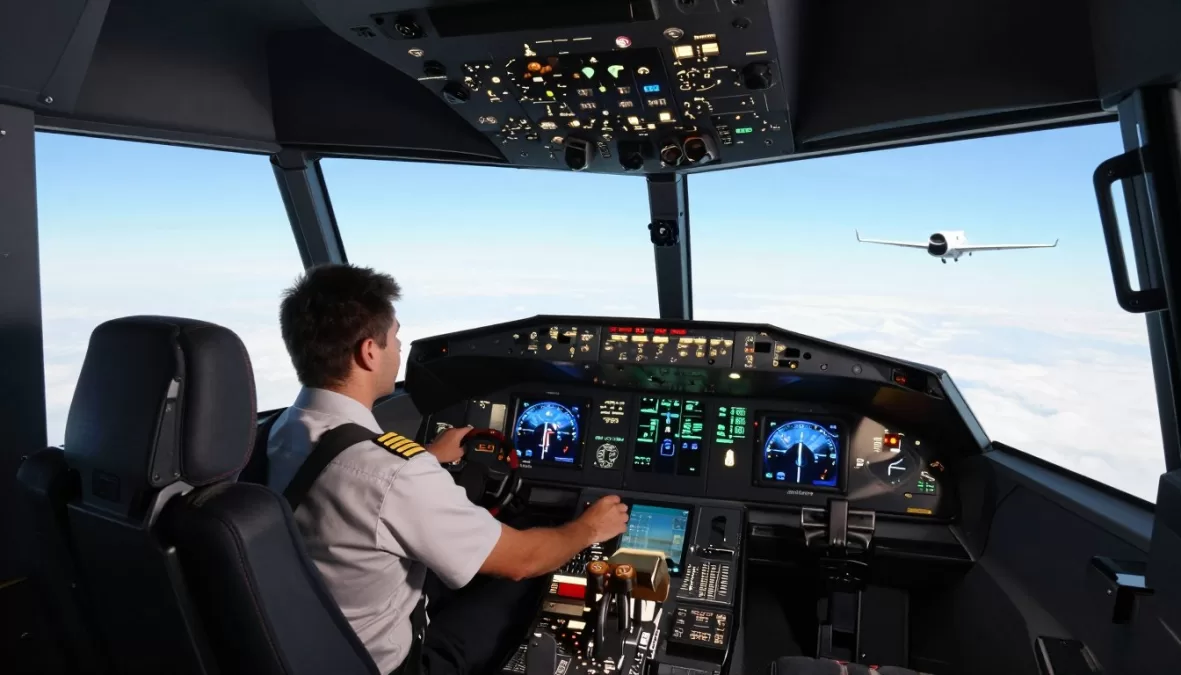
Advanced flight simulators allow pilots to practice emergency procedures safely
Key safety improvements include:
- Advanced pilot training programs focusing on decision-making and crew resource management
- Enhanced weather detection and prediction systems
- Redundant aircraft systems and fail-safe designs
- Improved maintenance protocols and oversight
- Comprehensive accident investigation procedures
- Implementation of Safety Management Systems (SMS)
- Data-driven approach to identifying and mitigating risks
These ongoing improvements have resulted in a remarkable safety record. According to the International Air Transport Association (IATA), the global airline accident rate in 2022 was just 1.21 accidents per million flights, making commercial aviation one of the safest forms of transportation available.
Conclusion
Understanding the causes of plane crashes is essential for continuing to improve aviation safety. While these accidents are tragic, each one provides valuable lessons that help make flying safer for everyone. The aviation industry’s commitment to learning from past incidents has created a culture of continuous improvement that has dramatically reduced accident rates over time.
For passengers, it’s worth remembering that despite the high-profile nature of aviation accidents, flying remains statistically one of the safest ways to travel. The rigorous safety standards, thorough training, and multiple redundant systems in modern aviation have created an impressive safety record that continues to improve year after year.
Complete Aviation Safety Guide
Want to learn more about aviation safety? Download our comprehensive guide with detailed statistics, historical trends, and expert insights.

Modern aviation continues to improve its already impressive safety record

Priyanka Pandey
Senior Research Editor · Top10Sense
Priyanka specializes in tech, consumer products, and digital trends. She combines hands-on testing, vendor interviews, and database research to create trustworthy “Top 10” rankings. Her work has been referenced by industry blogs and brand report pages.