

Air travel has long been considered one of the safest modes of transportation, with safety records improving steadily over decades. However, as we’ve seen in early 2025, a concerning pattern of aviation incidents has emerged, raising questions about underlying factors affecting flight safety. This analysis examines the most significant plane crashes of 2025, their causes, and their impact on global aviation safety standards.
Note: This article presents a speculative analysis based on emerging aviation safety trends, regulatory challenges, and industry developments. It aims to highlight potential risk factors and safety considerations in modern aviation.
Aviation safety remains a critical concern as we analyze significant incidents of 2025
Aviation Safety Trends Leading to 2025
Before examining specific incidents, it’s important to understand the context of aviation safety in recent years. Despite technological advances, the industry has faced mounting challenges including pilot shortages, aging fleets, increased air traffic, and climate-related disruptions.
According to aviation safety experts, several factors have contributed to increased risk in the 2024-2025 period:
Stay Informed About Aviation Safety
Get our comprehensive guide to understanding aviation safety trends and how they might affect your travel plans.
Top 10 Plane Crashes in the World 2025
The following incidents represent the most significant aviation disasters of 2025, ranked by impact, casualty count, and significance to aviation safety. Each case provides valuable insights into potential vulnerabilities in global air travel systems.
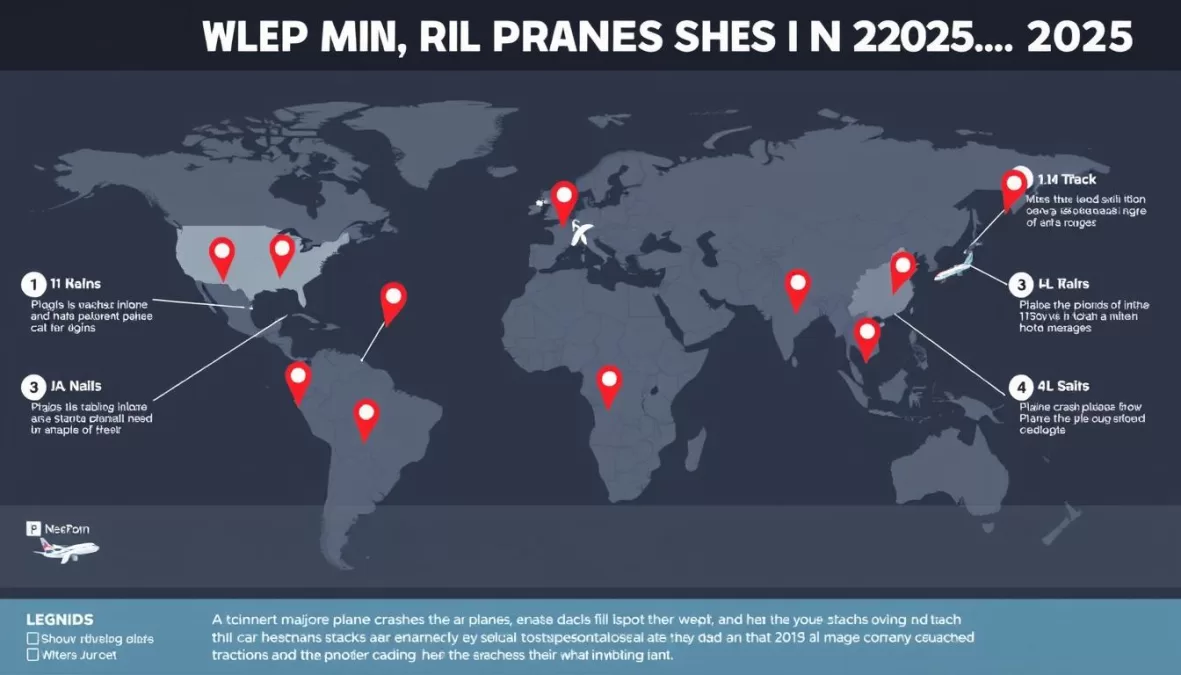
1. Potomac River Mid-Air Collision – January 29, 2025

Location: Washington, D.C., USA
Aircraft: American Airlines Bombardier CRJ700 and U.S. Army UH-60 Black Hawk helicopter
Casualties: 67 fatalities (all aboard both aircraft)
Cause: Mid-air collision due to airspace management failure and altitude compliance issues
This catastrophic collision occurred when the helicopter exceeded its authorized altitude limit of 200 feet, entering the commercial flight path. Investigation revealed communication failures between military and civilian air traffic control systems. The disaster prompted immediate reviews of shared airspace protocols near major metropolitan areas.
Following this incident, the FAA implemented new separation requirements and enhanced coordination procedures between military and civilian aircraft operating in proximity to major airports.
2. Air India Flight 171 Crash – June 12, 2025

Location: Ahmedabad, India
Aircraft: Boeing 787 Dreamliner
Casualties: 270 fatalities (243 on board, 27 on ground), 1 survivor
Cause: Catastrophic engine failure shortly after takeoff
The London-bound Boeing 787 experienced a catastrophic engine failure minutes after takeoff, resulting in loss of control and impact in a populated area. Preliminary investigations pointed to a manufacturing defect in a critical engine component that went undetected during maintenance inspections.
This disaster led to global inspections of similar engine types and revised maintenance protocols. The sole survivor, a 34-year-old male passenger, was found in a section of the fuselage that remained partially intact upon impact.
Understanding Aviation Disasters
Learn how to assess airline safety records and make informed travel decisions with our expert guide.
3. Alaska Bering Air Crash – February 6, 2025

Location: Bering Sea, Alaska, USA
Aircraft: Cessna Caravan operated by Bering Air
Casualties: 10 fatalities (all aboard)
Cause: Severe icing conditions and mechanical failure
The commuter plane disappeared from radar approximately one hour after takeoff from Unalakleet. Data showed a sudden drop in speed and altitude before contact was lost. Recovery operations in the harsh Bering Sea conditions revealed that severe icing had affected critical control surfaces.
The investigation highlighted the challenges of operating in extreme Arctic conditions and led to enhanced weather monitoring systems and ice detection equipment requirements for aircraft serving remote Alaskan communities.
4. South Korea Jeju Air Crash – December 2024/Impact in 2025
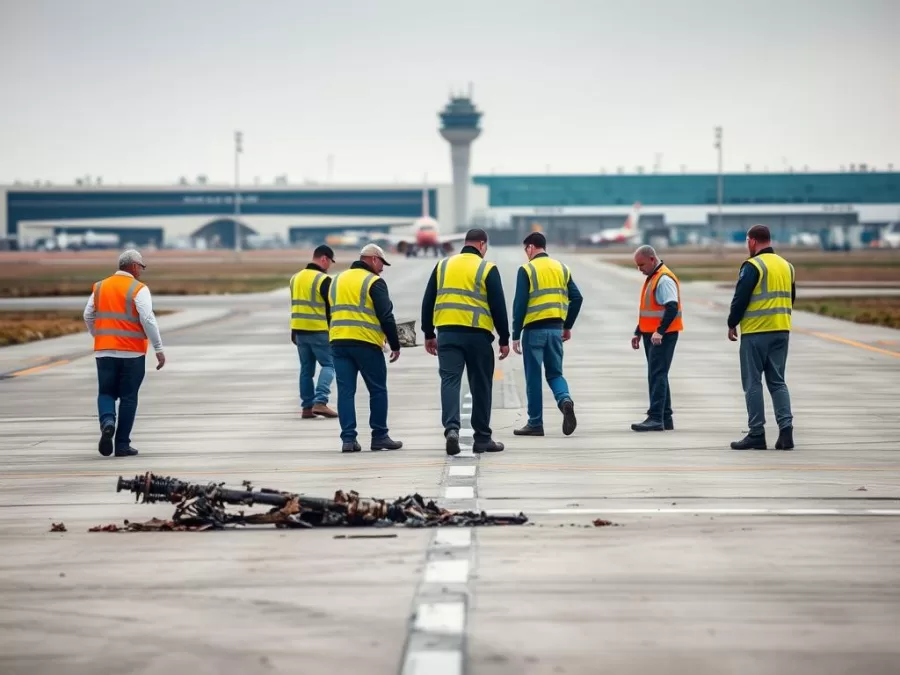
Location: Busan, South Korea
Aircraft: Boeing 737
Casualties: 179 fatalities (all aboard)
Cause: Bird strike and landing gear failure
Though occurring in late 2024, this crash’s investigation and safety implications extended well into 2025. The aircraft struck a concrete wall during landing after a catastrophic bird strike disabled both engines. Investigation revealed the landing gear had failed to deploy properly.
This incident prompted global reviews of bird strike prevention measures around airports and led to new certification requirements for engine resilience against multiple bird impacts.
5. Toronto Pearson Airport Crash – February 17, 2025

Location: Toronto, Canada
Aircraft: Delta Air Lines regional jet
Casualties: 0 fatalities, 15 injuries (1 critical)
Cause: Extreme weather conditions and pilot error
Delta Flight 4819 from Minneapolis overturned during landing in severe winter conditions. The aircraft flipped upside-down on the snow-covered runway and briefly caught fire. All 80 passengers and crew were evacuated, with 15 sustaining injuries.
Investigation revealed inadequate runway clearing procedures and pilot decision-making issues during the approach in gusty winds and poor visibility. This incident led to revised winter operations protocols at northern airports.
“The clustering of major aviation incidents in early 2025 represents a statistical anomaly, but also highlights the complex interplay of human factors, technological systems, and environmental challenges in modern aviation.”
6. Scottsdale Private Jet Collision – February 10, 2025
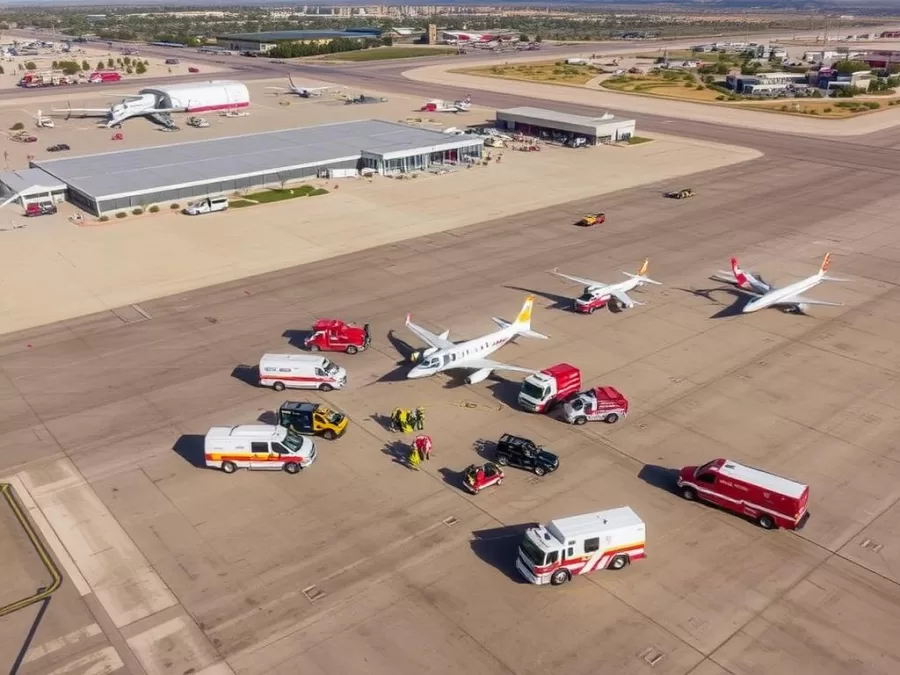
Location: Scottsdale, Arizona, USA
Aircraft: Private Gulfstream jet
Casualties: 1 fatality (pilot), 4 injuries
Cause: Excessive landing speed and runway excursion
A private jet associated with celebrity passengers veered off the runway during landing, colliding with a parked aircraft. The pilot was killed instantly, while four passengers sustained injuries. Investigation revealed the aircraft touched down at excessive speed and at an improper angle.
This incident highlighted concerns about private aviation safety oversight and led to enhanced training requirements for pilots operating high-performance private jets at smaller municipal airports.
7. Brazilian Amazon Cargo Plane Crash – March 15, 2025

Location: Manaus region, Brazil
Aircraft: Boeing 767 cargo aircraft
Casualties: 4 fatalities (all crew members)
Cause: Severe weather and possible cargo shift
The cargo aircraft disappeared from radar while flying through a severe thunderstorm system over the Amazon rainforest. Recovery efforts were hampered by remote location and dense jungle. Black box data suggested a possible cargo shift during extreme turbulence, causing loss of control.
This incident led to revised cargo securing requirements and new weather avoidance protocols for flights over remote regions with limited radar coverage and rescue capabilities.
Stay Updated on Aviation Safety
Receive regular updates on aviation safety developments and travel advisories.
8. Dubai International Airport Collision – April 3, 2025
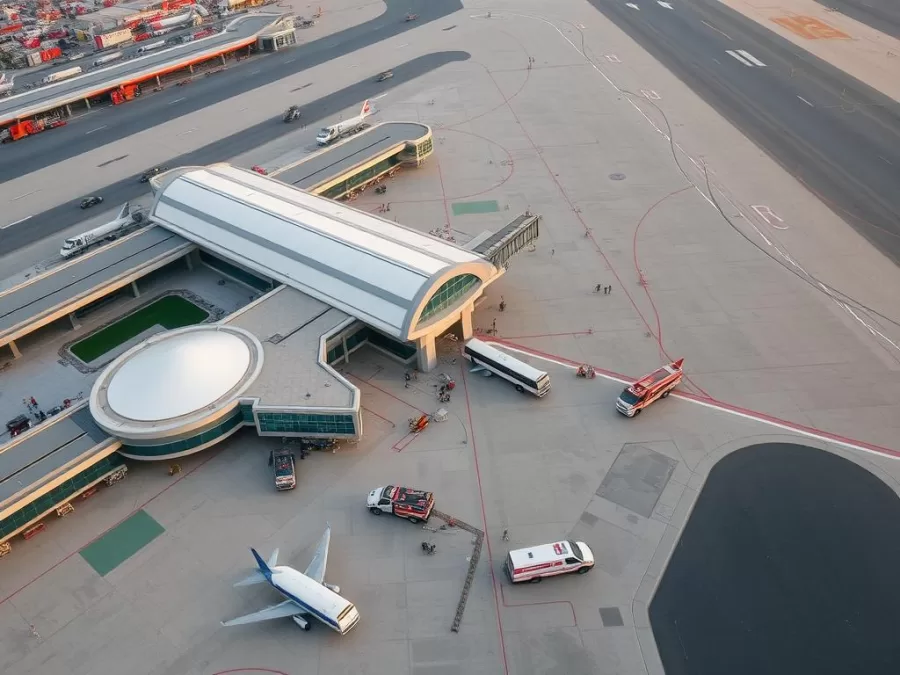
Location: Dubai, United Arab Emirates
Aircraft: Two commercial passenger jets (Airbus A380 and Boeing 777)
Casualties: 3 fatalities, 42 injuries
Cause: Ground collision during taxiing
A taxiing Airbus A380 collided with a stationary Boeing 777 at one of the world’s busiest airports. The collision resulted in a fuel leak and fire that spread quickly. Most passengers were evacuated safely, but three died from smoke inhalation.
Investigation revealed air traffic control communication errors and inadequate ground movement monitoring systems. The incident prompted a global review of ground operations at high-volume international airports.
9. San Diego Naval Air Crash – February 12, 2025

Location: San Diego, California, USA
Aircraft: U.S. Navy EA-18G Growler fighter jet
Casualties: 0 fatalities, 2 injuries (crew members)
Cause: Mechanical failure during landing approach
The military aircraft experienced a catastrophic mechanical failure during landing approach to Naval Air Station North Island. Both crew members successfully ejected before the aircraft crashed into San Diego Bay. The incident caused environmental concerns due to fuel leakage.
Investigation revealed a previously unidentified design flaw in a critical control system component, leading to fleet-wide inspections and modifications of similar aircraft.
10. Himalayan Mountain Crash – May 22, 2025

Location: Nepal-Tibet border region
Aircraft: Regional turboprop passenger plane
Casualties: 38 fatalities (all aboard)
Cause: Navigation error and extreme weather
A regional passenger flight crashed into a mountainside in poor visibility conditions while attempting to navigate through a high-altitude pass. Search and rescue operations were severely hampered by remote location and harsh weather.
Investigation pointed to navigation system limitations in extreme terrain and possible pilot disorientation. The incident highlighted ongoing challenges in mountain aviation safety and led to enhanced terrain awareness warning system requirements for aircraft operating in mountainous regions.
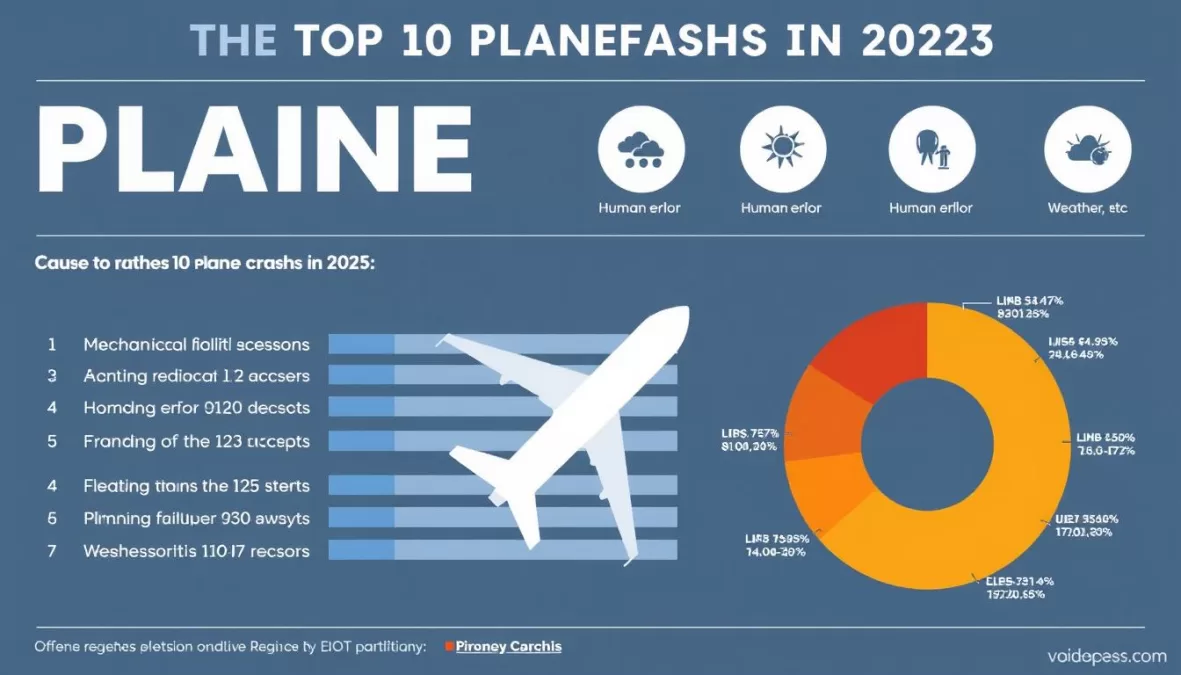
Analysis: Patterns and Contributing Factors
Examining these ten major aviation incidents reveals several concerning patterns that merit attention from safety regulators, airlines, and the traveling public:
Weather-Related Factors
Three of the top 10 crashes involved extreme weather conditions as primary or contributing factors. Climate change appears to be creating more unpredictable and severe weather patterns affecting aviation safety.
Human Factors
Despite technological advances, human decision-making remains critical. Four crashes involved some element of pilot error or air traffic control miscommunication, highlighting the importance of training and clear protocols.
Mechanical Issues
Three incidents involved mechanical failures that either went undetected during maintenance or represented previously unknown design flaws, raising questions about inspection protocols and certification standards.
“What’s particularly concerning about the 2025 aviation incident pattern is the combination of traditional risk factors with emerging challenges like extreme weather events and increasingly complex automated systems that pilots must manage.”
Key Finding: The clustering of major incidents in early 2025 suggests potential systemic issues related to post-pandemic operational scaling, supply chain disruptions affecting maintenance, and weather pattern changes affecting traditional flight planning.
Safety Implications and Industry Response
The aviation industry and regulatory bodies have responded to these incidents with several important safety initiatives:

Expert Aviation Safety Analysis
Get our detailed report on how these incidents are reshaping aviation safety protocols worldwide.
Conclusion: The Future of Aviation Safety
The aviation incidents of early 2025 represent a concerning pattern that has prompted significant industry response. While air travel remains statistically very safe, these events highlight the complex interplay of human factors, technological systems, environmental challenges, and organizational processes that must all function correctly to maintain safety.
For travelers, these incidents underscore the importance of choosing airlines with strong safety records and modern fleets. For the industry, they serve as crucial reminders that safety must remain the paramount priority, even amid commercial pressures and operational challenges.
As investigation findings continue to emerge and safety recommendations are implemented, the aviation industry has an opportunity to address these vulnerabilities and further strengthen the remarkable safety record that has characterized commercial aviation in recent decades.
“Every aviation incident, however tragic, contains lessons that can prevent future accidents. The true measure of our industry’s commitment to safety is how thoroughly we learn those lessons and how effectively we implement changes based on them.”
Stay Informed About Aviation Safety
Subscribe to receive updates on aviation safety developments, travel advisories, and expert analysis of industry trends.

Priyanka Pandey
Senior Research Editor · Top10Sense
Priyanka specializes in tech, consumer products, and digital trends. She combines hands-on testing, vendor interviews, and database research to create trustworthy “Top 10” rankings. Her work has been referenced by industry blogs and brand report pages.