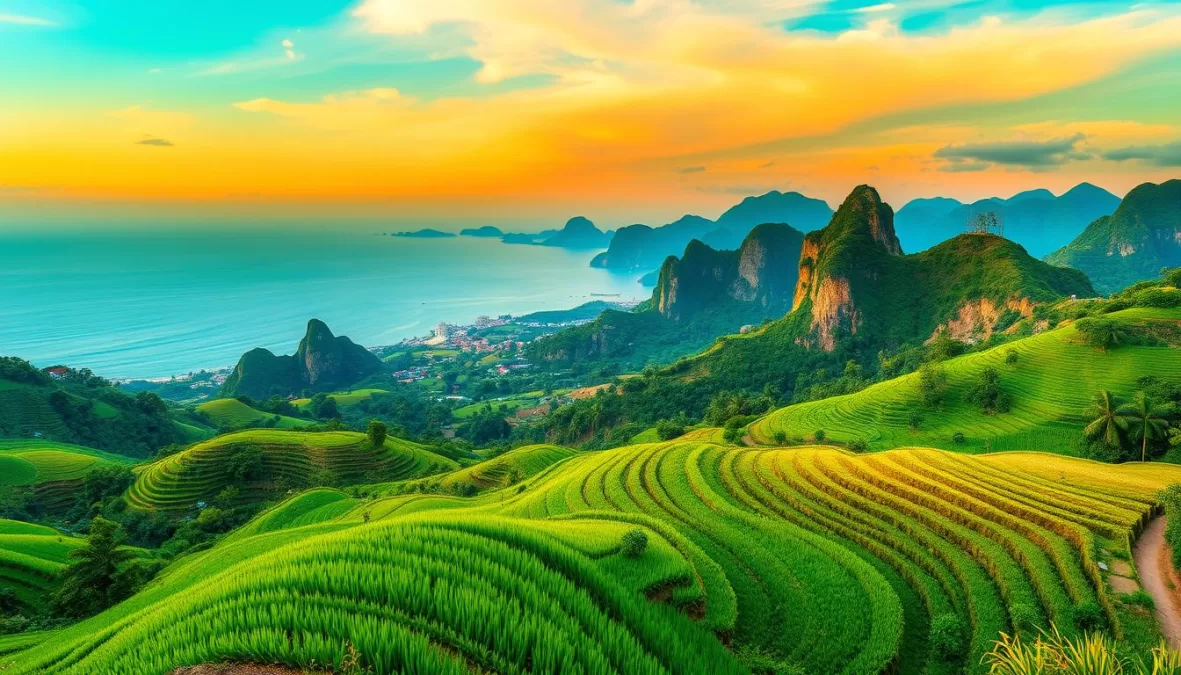
Vietnam captivates travelers with its stunning landscapes, rich cultural heritage, and vibrant city life. From the emerald waters of Halong Bay to the ancient streets of Hoi An, this Southeast Asian gem offers diverse experiences for every type of traveler. Whether you’re seeking adventure in mountainous regions, relaxation on pristine beaches, or immersion in centuries-old traditions, Vietnam delivers unforgettable moments at every turn. Join us as we explore the top 10 places to visit in Vietnam that should be on every traveler’s bucket list.
1. Halong Bay – Nature’s Masterpiece
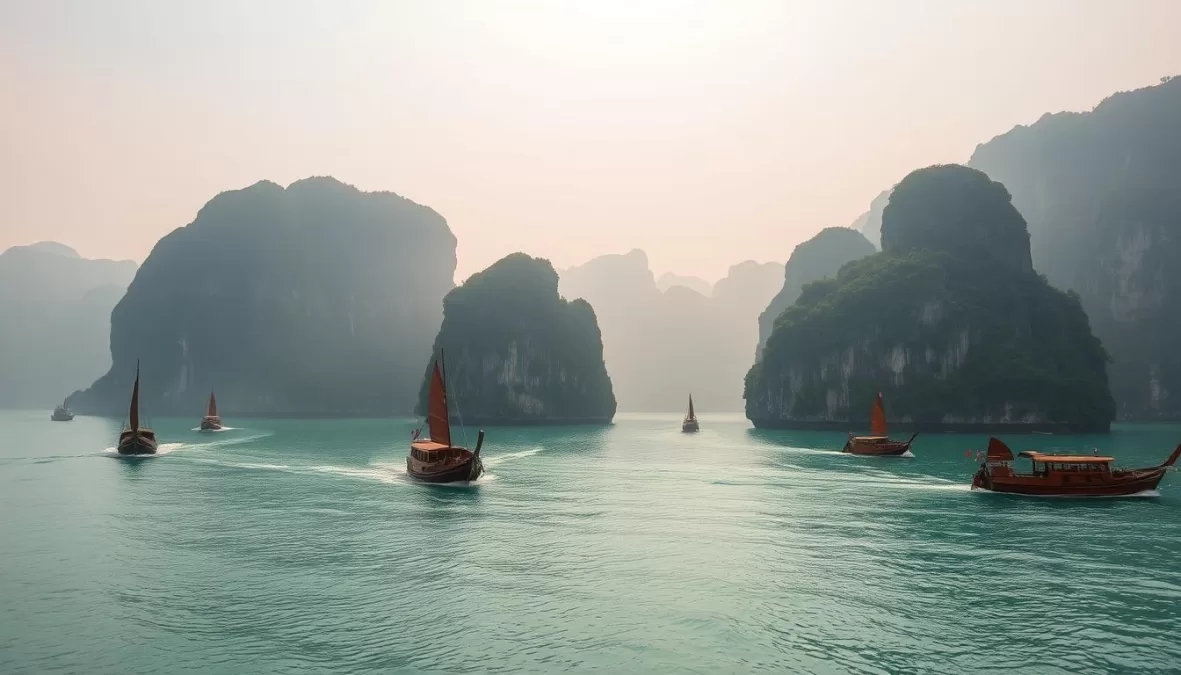
Located in northeastern Vietnam, Halong Bay stands as one of the country’s most iconic natural wonders. This UNESCO World Heritage Site features thousands of limestone karsts and isles rising dramatically from emerald waters. The bay’s breathtaking scenery has earned it recognition as one of the New Seven Natural Wonders of the World.
Must-Experience Activities
- Take an overnight cruise to fully experience the bay’s changing moods from dawn to dusk
- Explore magnificent caves like Sung Sot (Surprise Cave) with their impressive stalactites
- Try kayaking around hidden lagoons and secluded beaches
- Visit floating fishing villages to witness traditional life on the water
Travel Tip: The best time to visit Halong Bay is between October and April when the weather is cooler and visibility is better. Avoid summer months (June-August) when storms are common.
2. Hoi An – Ancient Trading Port
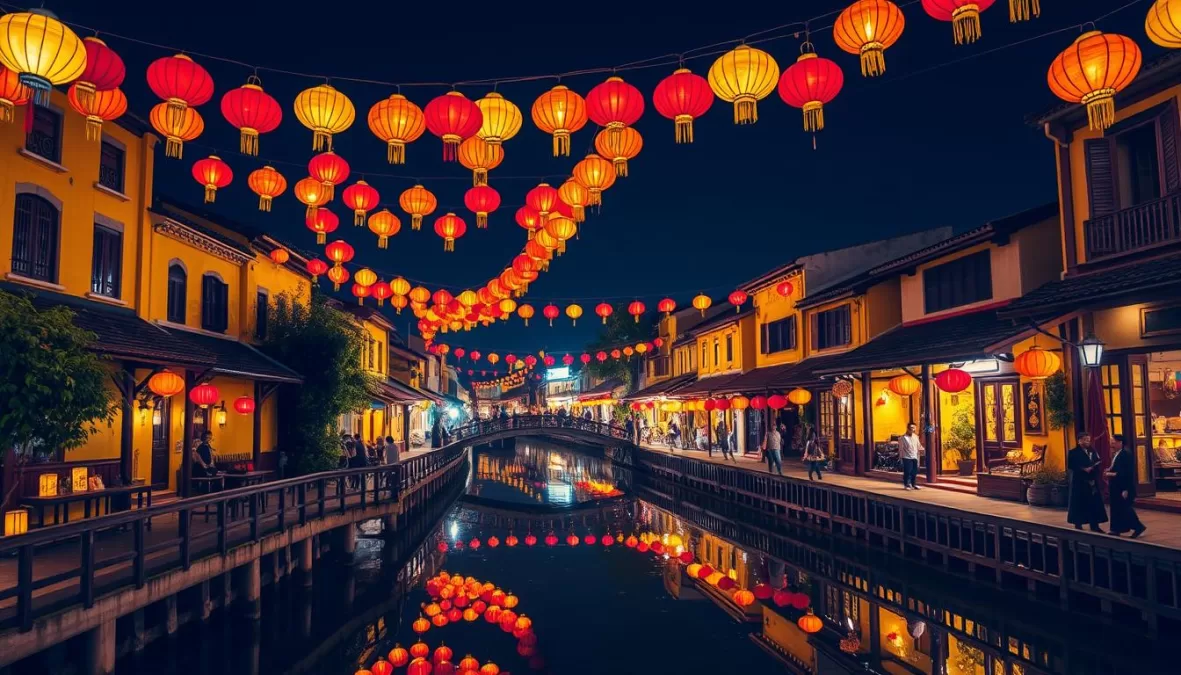
Hoi An’s Ancient Town, a UNESCO World Heritage Site, charms visitors with its well-preserved architecture blending Vietnamese, Chinese, Japanese, and European influences. Once a bustling trading port from the 15th to 19th centuries, this central Vietnam gem now captivates travelers with its lantern-lit streets, tailor shops, and serene atmosphere.
Unique Experiences
- Witness the magical monthly lantern festival when the town turns off electric lights and glows with colorful lanterns
- Get custom clothing made by skilled local tailors at affordable prices
- Take a cooking class to learn authentic Vietnamese cuisine
- Cycle through surrounding rice fields and visit nearby An Bang Beach
Experience Hoi An’s Magic
Discover the ancient charm of Hoi An with a guided walking tour through its historic streets.
3. Hanoi – Vietnam’s Cultural Heart
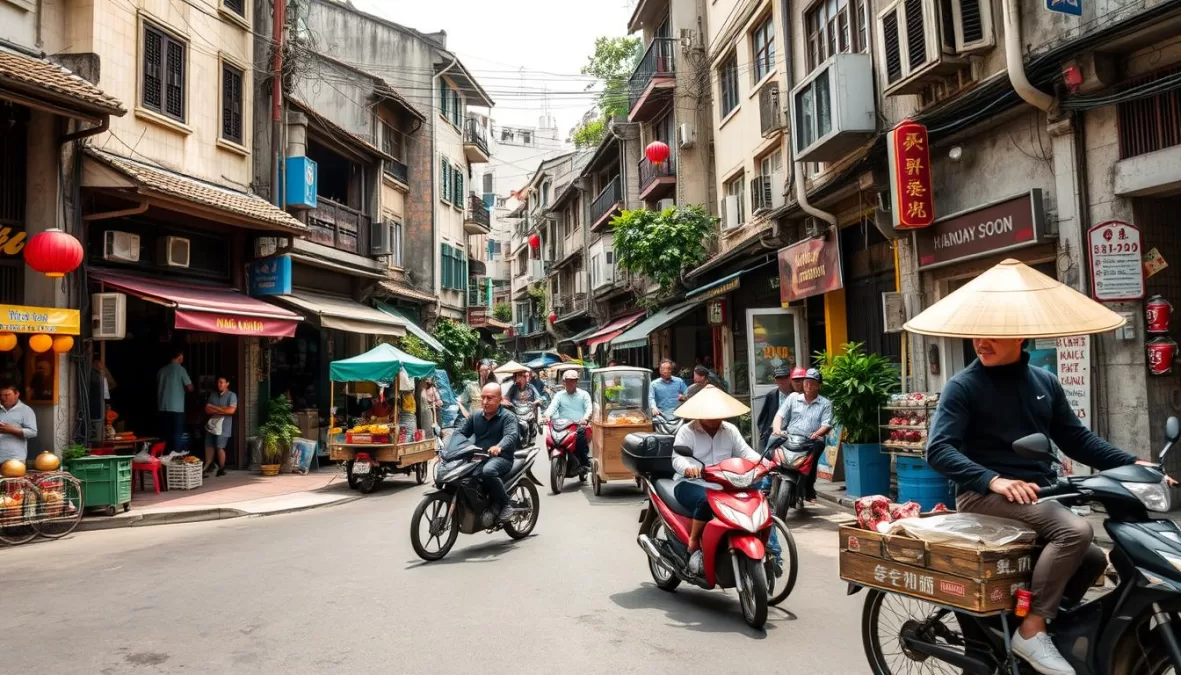
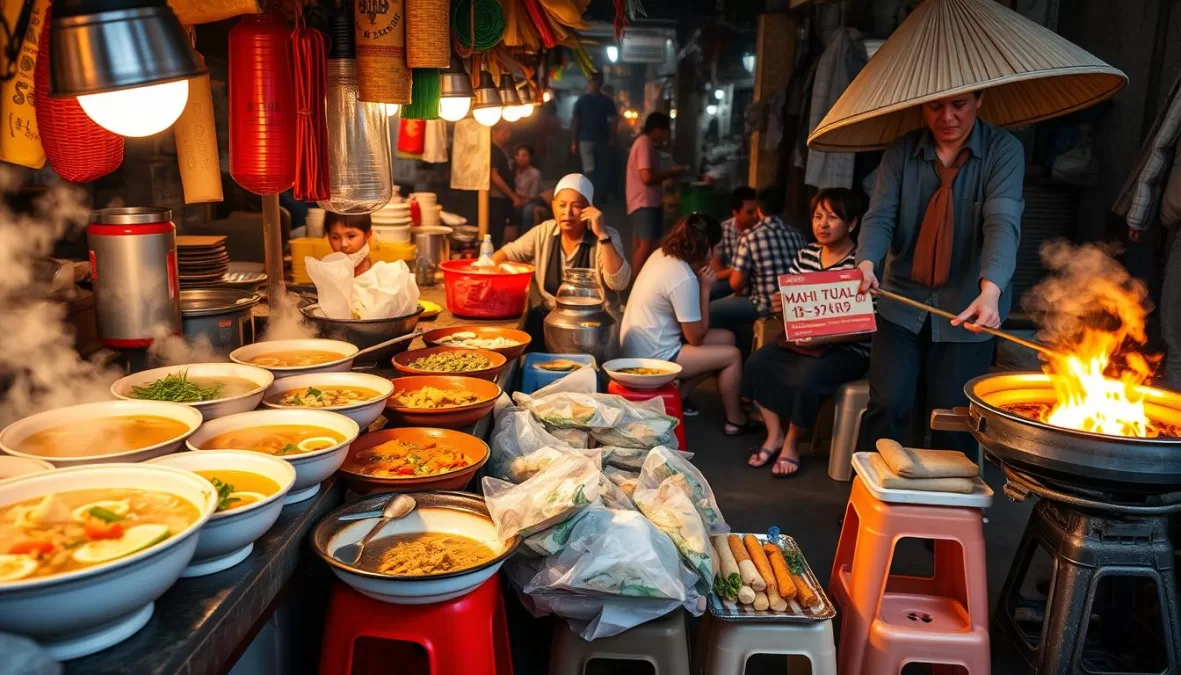
Vietnam’s capital city blends ancient traditions with modern development. Hanoi’s Old Quarter buzzes with energy as motorbikes weave through narrow streets lined with colonial buildings and street food vendors. With over 1,000 years of history, the city offers a fascinating glimpse into Vietnam’s past and present.
Key Attractions
Historical Sites
- Ho Chi Minh Mausoleum and Museum
- Temple of Literature (Vietnam’s first university)
- Hoa Lo Prison (Hanoi Hilton)
- Imperial Citadel of Thang Long
Cultural Experiences
- Water puppet theater performances
- Street food tours in the Old Quarter
- Hoan Kiem Lake and Ngoc Son Temple
- Weekend Night Market
Local Tip: Try Hanoi’s famous egg coffee (cà phê trứng) at Café Giang in the Old Quarter, where this unique beverage was invented.
4. Ho Chi Minh City – Urban Energy
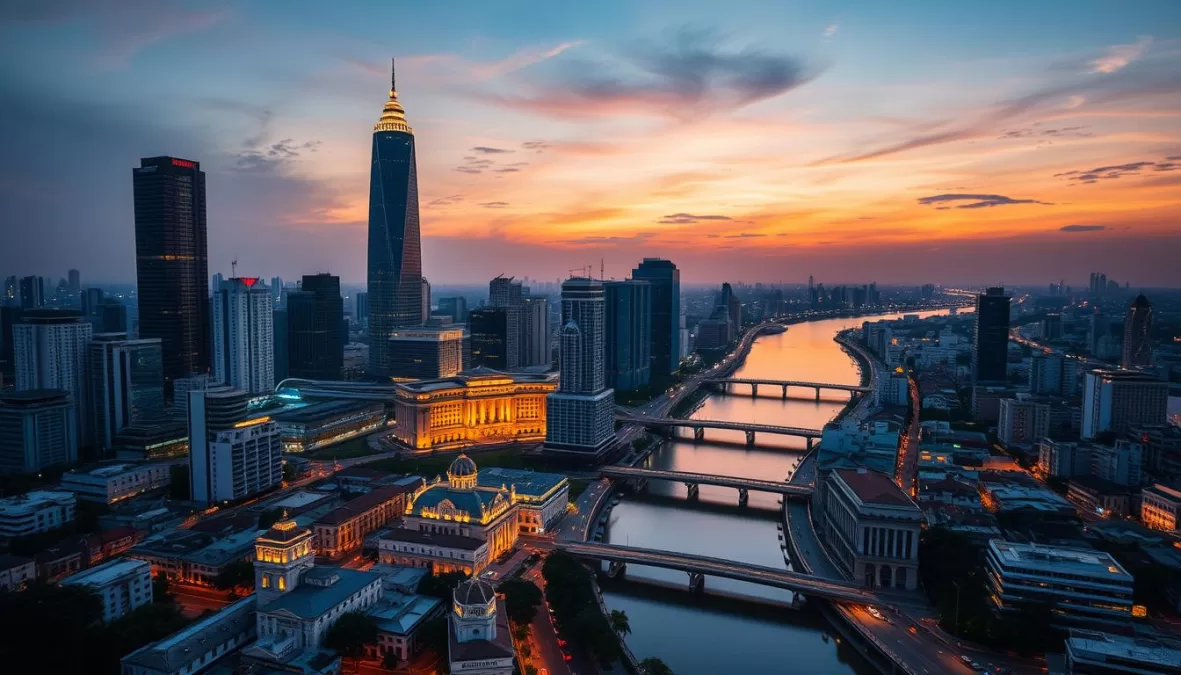
Formerly known as Saigon, Ho Chi Minh City (HCMC) pulses with unstoppable energy as Vietnam’s largest metropolis and economic powerhouse. The city offers a fascinating blend of French colonial architecture, war history, modern skyscrapers, and vibrant street life that creates an intoxicating urban experience.
Don’t Miss
- War Remnants Museum for powerful exhibits on the Vietnam War
- Reunification Palace, frozen in time since April 30, 1975
- Notre Dame Cathedral and Central Post Office, stunning examples of French architecture
- Ben Thanh Market for shopping and local cuisine
- Cu Chi Tunnels, an extensive underground network used during wartime
“Ho Chi Minh City never sleeps. From dawn markets to midnight street food, the city’s energy is contagious and captivating.”
5. Phong Nha-Ke Bang National Park – Cave Wonderland
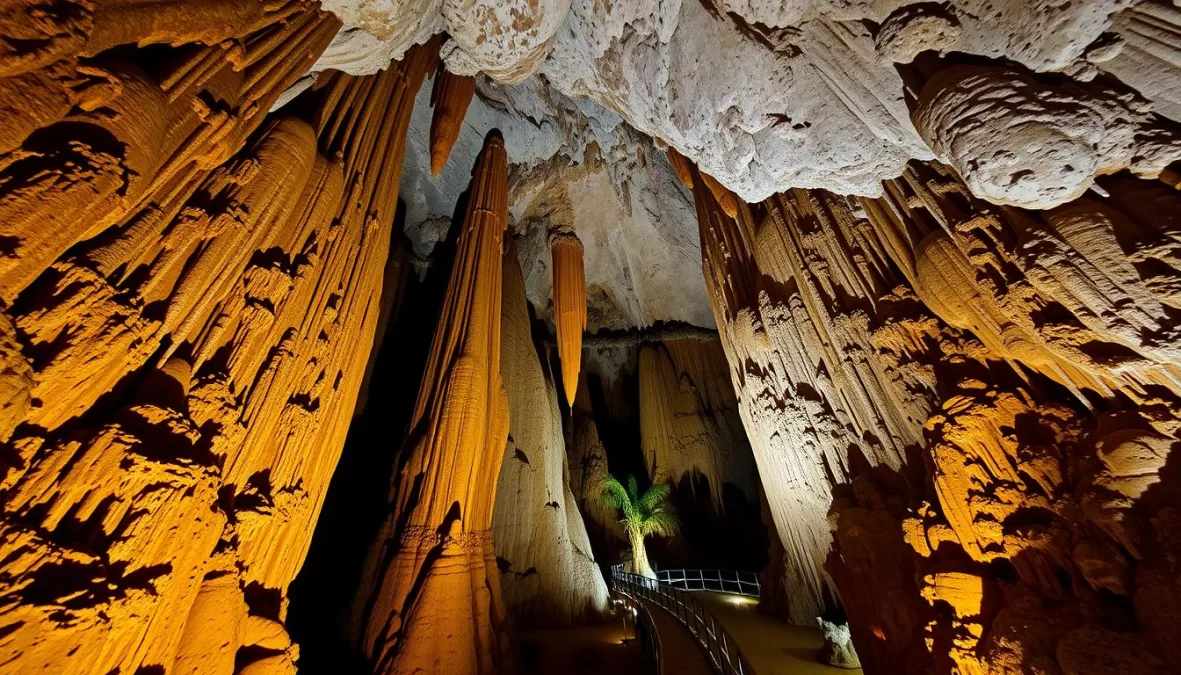
Located in central Vietnam’s Quang Binh province, Phong Nha-Ke Bang National Park protects one of the world’s most spectacular cave systems. This UNESCO World Heritage site features over 300 caves formed by limestone karst processes over millions of years, including Hang Son Doong, the world’s largest cave.
Cave Exploration Options
Paradise Cave
Accessible to all visitors with stunning formations along a wooden walkway. Extends 31km underground.
Phong Nha Cave
Explore by boat through an underground river with impressive stalactites and stalagmites.
Tu Lan Cave System
Adventure tours from 1-4 days with swimming through cave rivers and camping in the jungle.
Adventure Alert: For the ultimate experience, book the limited Hang Son Doong expedition well in advance (usually 6-12 months). Only 1,000 visitors are permitted annually, and tours cost approximately $3,000.
6. Sapa – Mountain Trekking Paradise
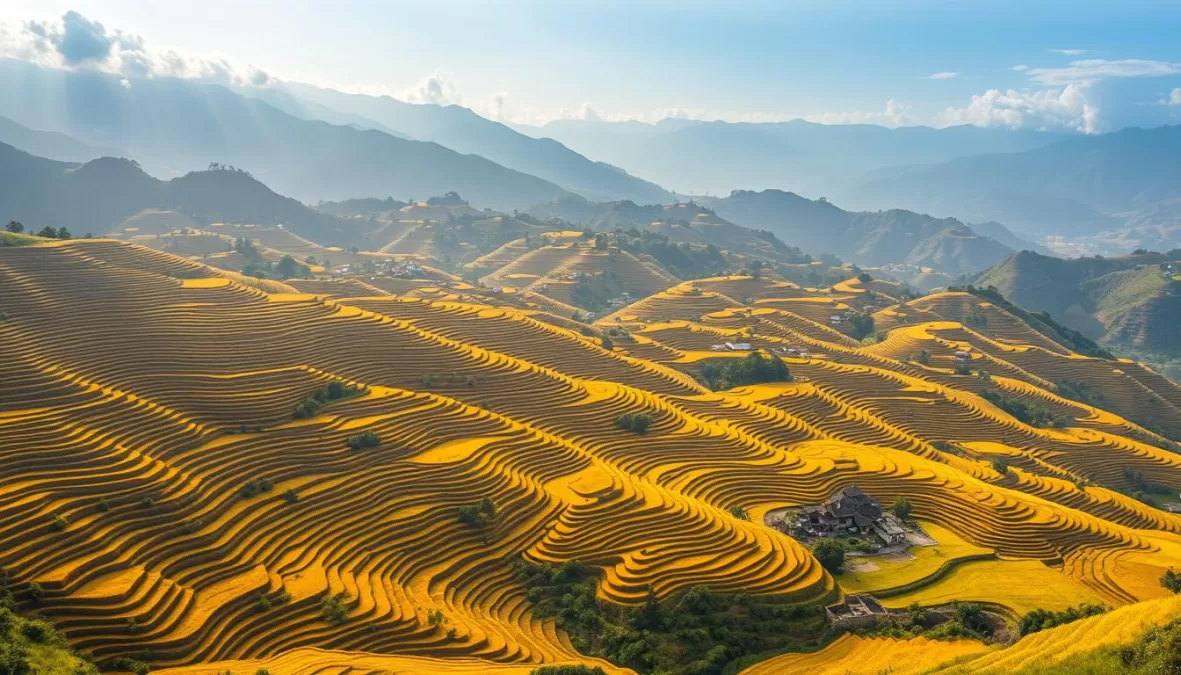
Nestled in Vietnam’s northern highlands near the Chinese border, Sapa enchants visitors with its breathtaking mountain landscapes, cascading rice terraces, and diverse ethnic minority cultures. This former French hill station sits at 1,600 meters above sea level, offering cool relief from Vietnam’s tropical heat.
Trekking Experiences
- Multi-day treks through terraced rice fields with homestays in ethnic minority villages
- Day hikes to Cat Cat, Ta Phin, or Lao Chai villages to meet Hmong and Red Dao people
- Climbing Fansipan, Indochina’s highest peak (3,143m), by cable car or challenging hike
- Exploring local markets where ethnic minorities sell handcrafted textiles and silver jewelry
Seasonal Tip: Visit between September and November to see golden rice terraces during harvest, or between May and June when fields are lush green and freshly planted.
7. Mekong Delta – Vietnam’s Rice Bowl
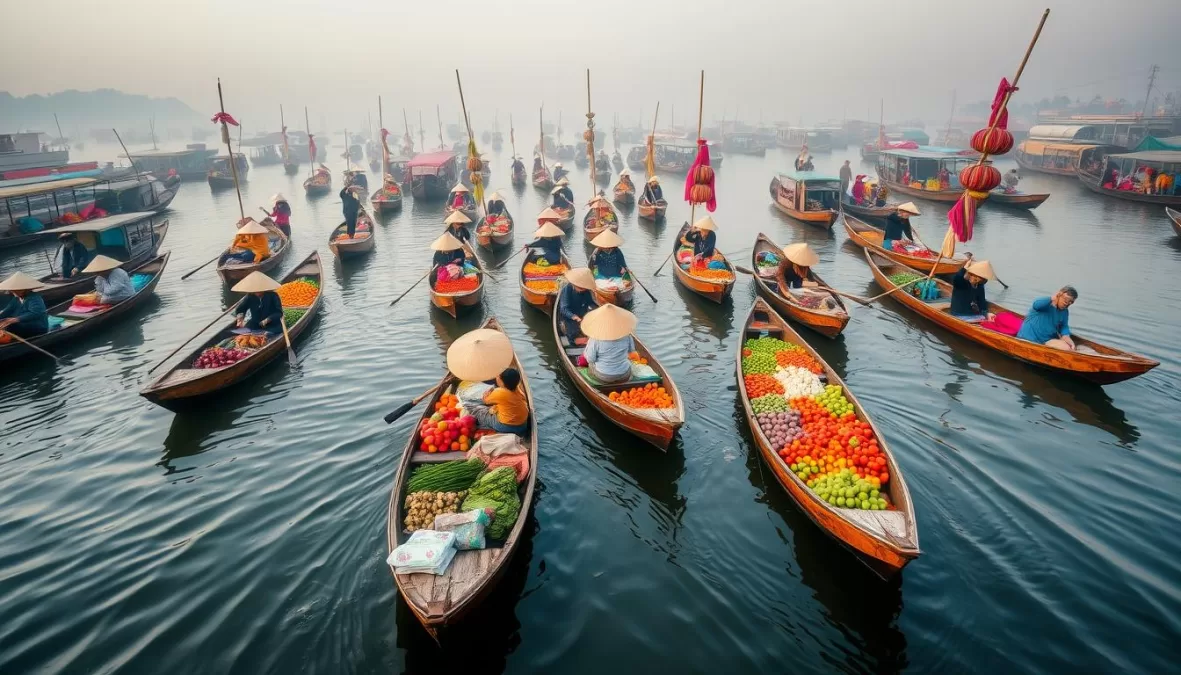
The Mekong Delta in southern Vietnam is a vast maze of rivers, swamps, and islands where life revolves around water. Known as Vietnam’s “rice bowl,” this fertile region produces abundant rice, fruits, and vegetables that feed the nation. The delta’s unique ecosystem and rural lifestyle offer a glimpse into traditional Vietnamese countryside living.
Authentic Experiences
- Explore vibrant floating markets like Cai Rang and Phong Dien in the early morning
- Cruise narrow canals on a sampan boat through lush tropical orchards
- Visit cottage industries producing coconut candy, rice paper, and honey
- Stay in a homestay to experience authentic Mekong hospitality
- Sample exotic fruits directly from delta orchards
8. Phu Quoc – Island Paradise
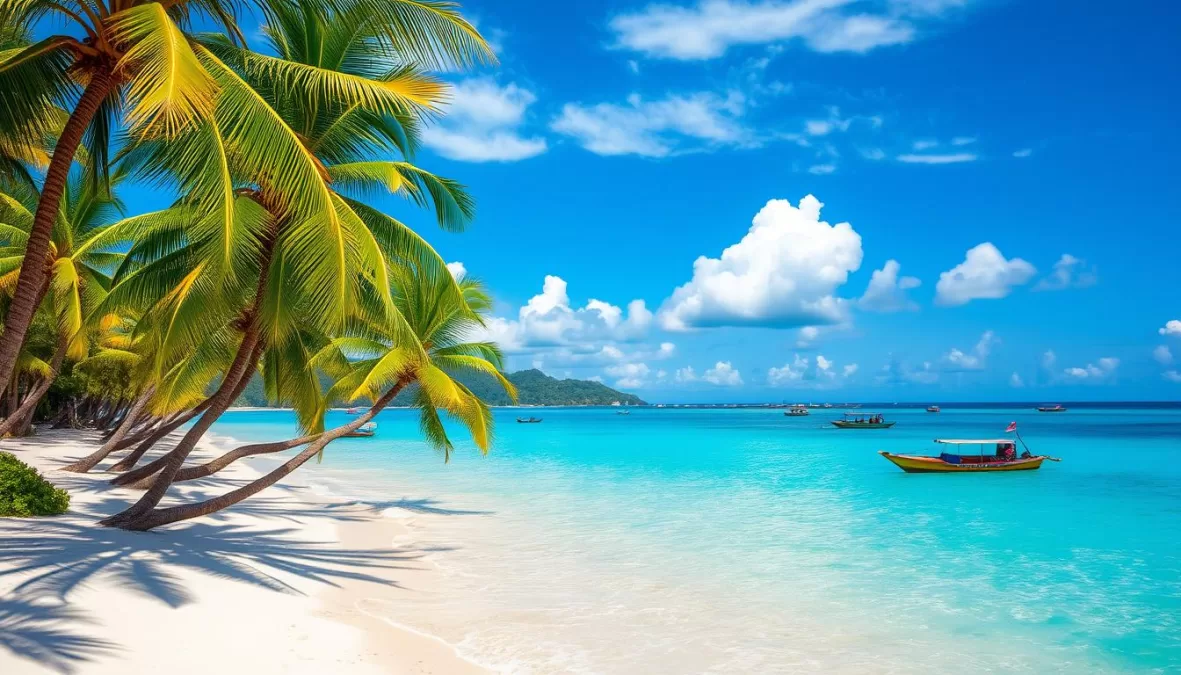
Vietnam’s largest island, Phu Quoc sits in the Gulf of Thailand just off Cambodia’s coast. Once a sleepy fishing island, it has transformed into a premier beach destination while still retaining much of its natural beauty. With over half the island protected as a national park, Phu Quoc offers both pristine beaches and lush jungle interiors.
Island Highlights
Beaches & Activities
- Sao Beach – powder-white sand and crystal clear waters
- Long Beach – perfect for swimming and sunset views
- Snorkeling and diving around An Thoi islands
- Kayaking through mangrove forests
Cultural Experiences
- Visit traditional fish sauce factories
- Explore Dinh Cau Night Market for seafood
- Tour pepper plantations
- Ride the world’s longest over-sea cable car
Escape to Phu Quoc
Ready for white sand beaches and turquoise waters? Discover Phu Quoc’s island paradise.
9. Hue – Imperial Grandeur
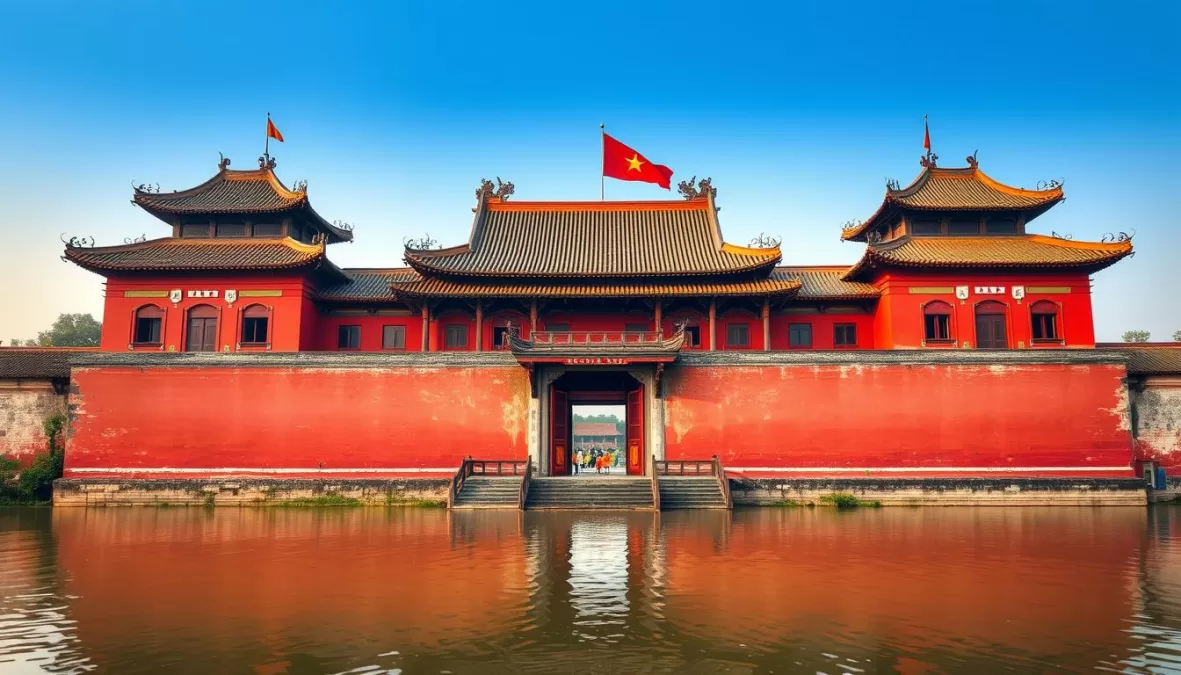
The former imperial capital of Vietnam, Hue (pronounced “hway”) exudes historical significance and cultural richness. Located in central Vietnam along the Perfume River, this city served as the seat of Nguyen Dynasty emperors from 1802 to 1945. Despite heavy damage during the Vietnam War, Hue’s magnificent monuments continue to impress visitors.
Imperial Treasures
- The Imperial Citadel – a vast complex of palaces, temples, and gates surrounded by a moat
- Royal Tombs – elaborate final resting places of Nguyen emperors scattered around the countryside
- Thien Mu Pagoda – seven-story pagoda overlooking the Perfume River
- Dong Ba Market – vibrant marketplace for local crafts and Hue specialties
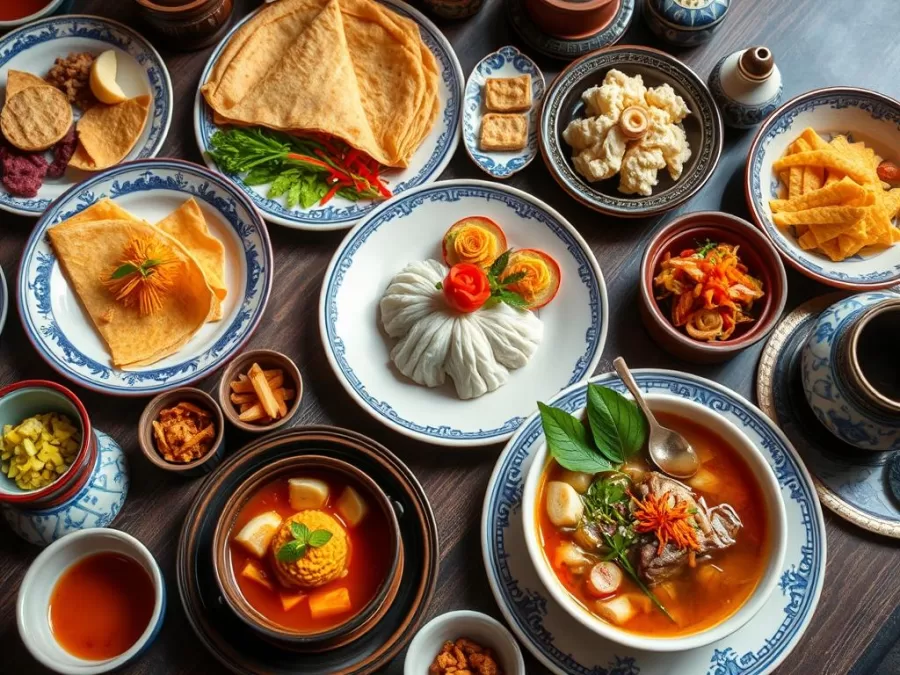
“Hue’s cuisine is considered the finest in Vietnam, developed to please the sophisticated palates of emperors who demanded new dishes daily.”
10. Da Lat – Mountain Retreat
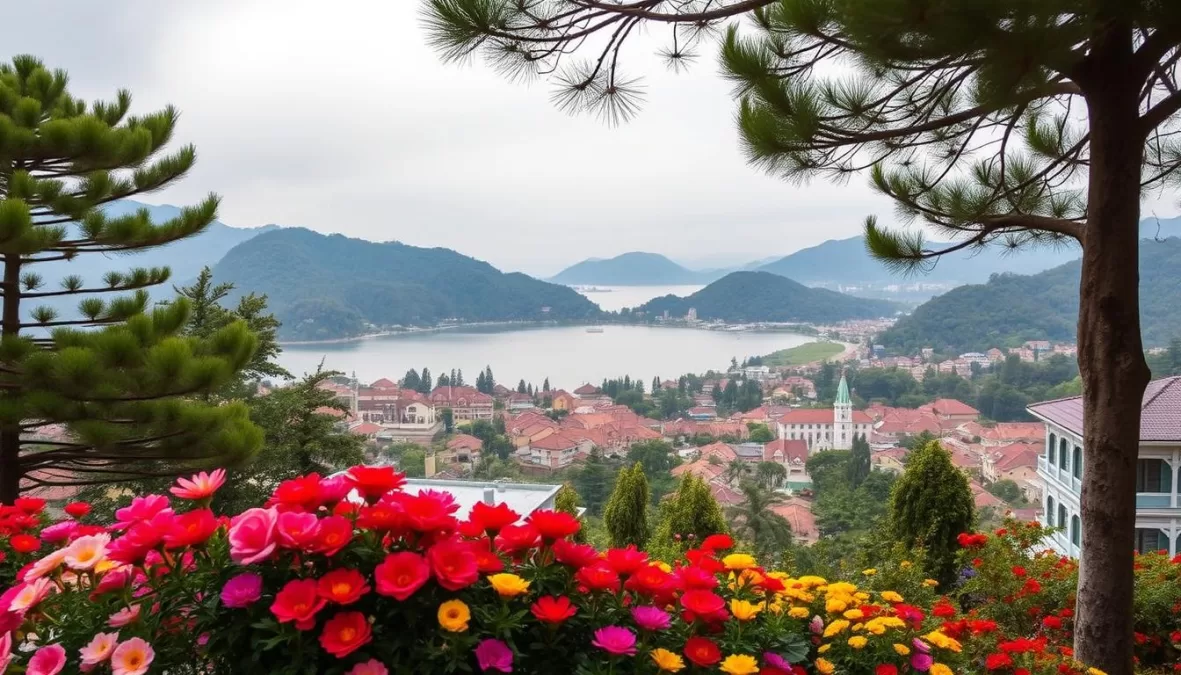
Nestled in the Central Highlands at 1,500 meters elevation, Da Lat offers a refreshing contrast to Vietnam’s tropical destinations. Founded as a French hill station in 1912, this charming city boasts a cool climate, pine forests, flower gardens, and European-influenced architecture that earned it the nickname “Little Paris.”
Unique Attractions
- Crazy House (Hang Nga Guesthouse) – a fantastical architectural wonder
- Da Lat Flower Gardens – showcasing the region’s abundant blooms
- Valley of Love and Lang Biang Mountain for scenic views
- Datanla Waterfall – accessible by alpine coaster
- Da Lat Railway Station – preserved French colonial architecture
Adventure Tip: Da Lat has become Vietnam’s adventure sports capital. Try canyoning down waterfalls, mountain biking through pine forests, or paragliding over the highlands.
Practical Travel Tips for Vietnam
Best Time to Visit
Vietnam’s climate varies significantly by region:
- North (Hanoi, Sapa, Halong Bay): October to April for dry, cooler weather
- Central (Hue, Hoi An): February to July to avoid the rainy season
- South (HCMC, Mekong Delta): December to April during the dry season
Getting Around
- Domestic flights connect major cities quickly
- Overnight trains offer comfortable journeys between north and south
- Tourist buses provide affordable transportation between destinations
- Motorbike rentals offer flexibility for experienced riders
- Grab (ride-hailing app) works well in major cities
Plan Your Vietnam Adventure
Vietnam offers an incredible diversity of experiences that can satisfy any traveler’s desires. From the natural wonders of Halong Bay and Phong Nha caves to the cultural richness of Hoi An and Hue, each destination provides unique insights into this fascinating country. The warmth of Vietnamese hospitality, the complexity of its cuisine, and the beauty of its landscapes create memories that last a lifetime.
Whether you’re planning to explore all these top 10 places to visit in Vietnam or focusing on just a few regions, take time to immerse yourself in local culture, sample street food, and venture beyond the main attractions. Vietnam rewards curious travelers who step off the beaten path with authentic experiences and unexpected discoveries.
Ready to Experience Vietnam?
Start planning your journey to these incredible destinations with expert guidance and personalized itineraries.
How many days do I need to visit Vietnam?
For a comprehensive tour covering all top 10 places to visit in Vietnam, allow 2-3 weeks. With 10-14 days, focus on either the north (Hanoi, Halong Bay, Sapa) or south (HCMC, Mekong Delta, Phu Quoc) plus central highlights (Hoi An, Hue). Even a 7-day trip can provide a meaningful experience if you limit your destinations to one region.
Do I need a visa to visit Vietnam?
Most nationalities require a visa to enter Vietnam. Options include e-visas (available for many countries), visa on arrival (requires pre-approval letter), or traditional visas from Vietnamese embassies. Check the latest requirements before traveling. Note that Phu Quoc offers a 30-day visa exemption for most nationalities if you fly directly to the island and stay only there.

Priyanka Pandey
Senior Research Editor · Top10Sense
Priyanka specializes in tech, consumer products, and digital trends. She combines hands-on testing, vendor interviews, and database research to create trustworthy “Top 10” rankings. Her work has been referenced by industry blogs and brand report pages.