
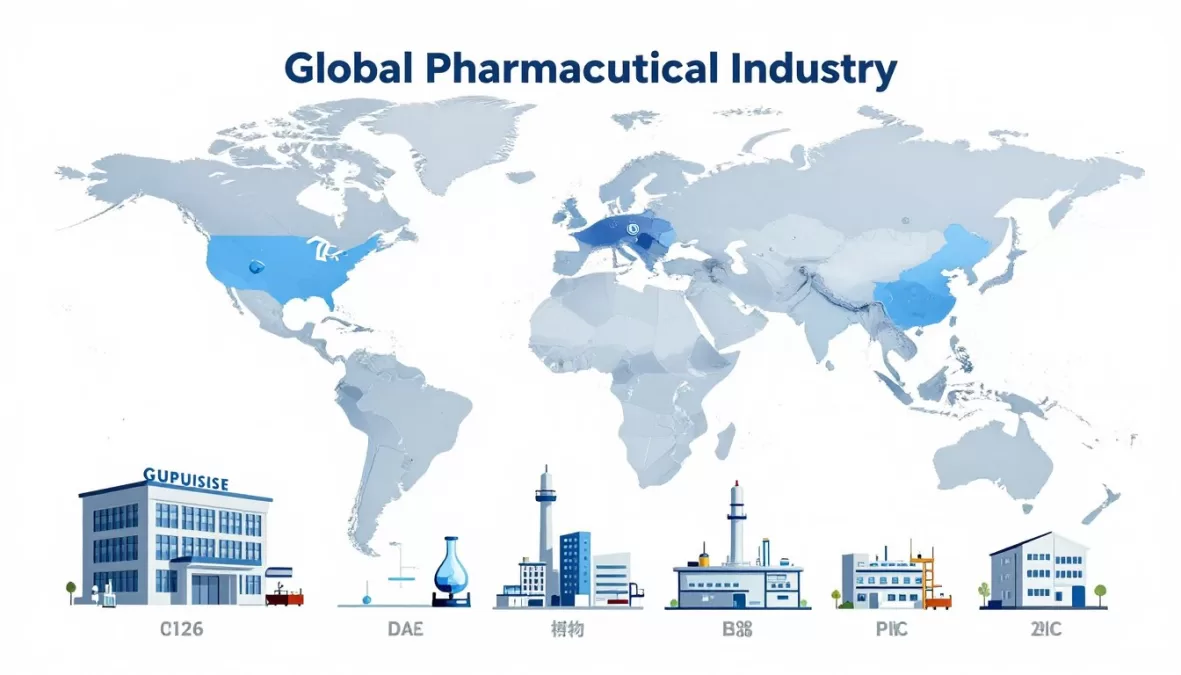
The global pharmaceutical landscape continues to evolve at an unprecedented pace. As we look toward 2026, several key factors are reshaping the competitive hierarchy: breakthrough innovations in biologics, strategic mergers and acquisitions, shifting geographic influences, and the race to address emerging health challenges. This forward-looking analysis examines which pharmaceutical giants are positioned to dominate by 2026, based on their current trajectories, pipeline strength, and strategic initiatives.
Methodology: Forecasting the Future Leaders
Our 2026 pharmaceutical company rankings represent a forward-looking projection based on comprehensive analysis of multiple factors that indicate future market position. This forecast is not simply an extrapolation of current revenue figures, but a multidimensional assessment incorporating:
- Current market positioning and financial trajectory
- R&D pipeline strength and innovation potential
- Strategic acquisitions and partnerships
- Patent expiration timelines and exclusivity periods
- Geographic expansion strategies
- Therapeutic area focus and market demand projections
- Regulatory landscape adaptation capabilities
It’s important to note that these rankings are speculative projections based on current data and industry trends. The pharmaceutical industry is dynamic, with unexpected breakthroughs, regulatory changes, and market shifts capable of significantly altering competitive positions. Companies are ranked according to their projected overall market influence, which considers revenue, market capitalization, and strategic positioning.
Get the Complete Industry Analysis
Want deeper insights into the future of pharmaceuticals? Download our comprehensive report with detailed pipeline assessments, market projections, and strategic analysis of all major players through 2030.
The Projected Top 10 Pharmaceutical Companies in 2026
Based on our analysis of current market dynamics, pipeline strength, and strategic positioning, here are the pharmaceutical companies we project will lead the industry by 2026:
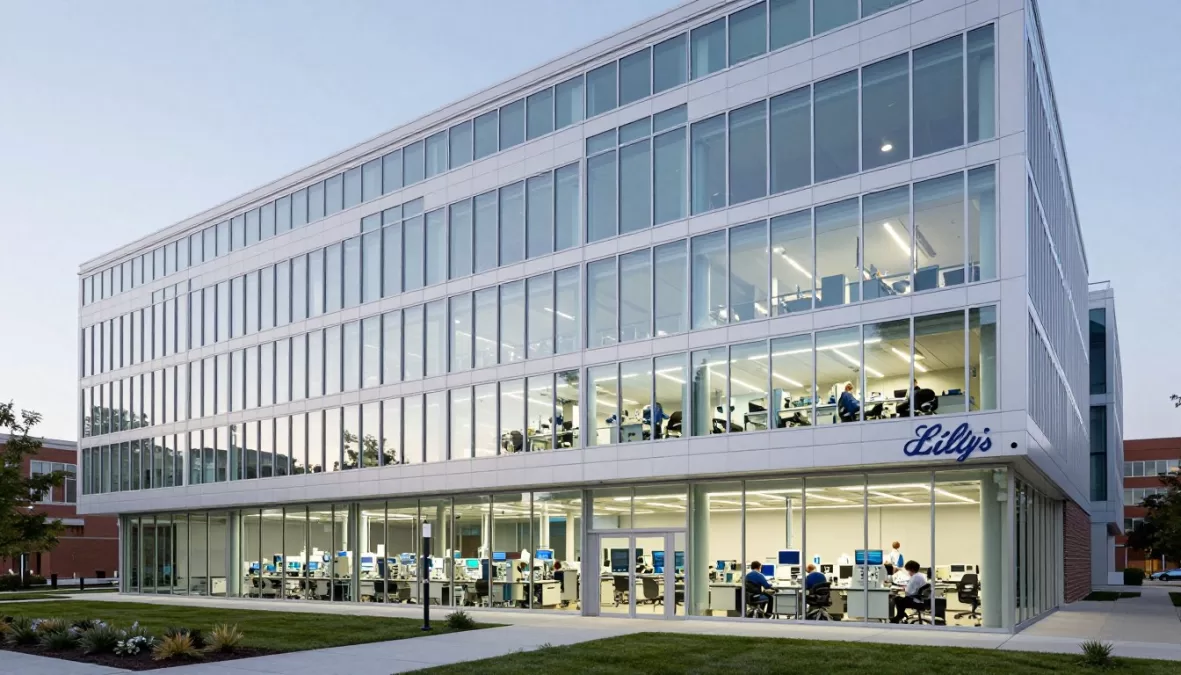
1. Eli Lilly
Headquarters: Indianapolis, United States
Projected 2026 Revenue Range: $90-100 billion
Eli Lilly is projected to maintain its position as the world’s most valuable pharmaceutical company through 2026, building on its remarkable growth trajectory. The company’s dominance will likely be fueled by its blockbuster GLP-1 receptor agonists for diabetes and obesity, including Zepbound and Mounjaro, which are expected to reach combined annual sales exceeding $50 billion by 2026.
Lilly’s strategic focus on high-growth therapeutic areas positions it for continued success:
- Metabolic Disorders: Expanding indications for its weight loss and diabetes medications
- Oncology: Growing portfolio of targeted therapies and antibody-drug conjugates
- Neuroscience: Breakthrough Alzheimer’s treatments and expanded psychiatric medication offerings
- Immunology: Novel biologics for autoimmune conditions
The company’s digital health initiatives, including partnerships with technology companies for medication delivery and monitoring, are expected to create additional revenue streams and enhance patient outcomes. Lilly’s continued investment in manufacturing capacity expansion across the United States and Europe will support its growing product portfolio.
2. Johnson & Johnson
Headquarters: New Brunswick, United States
Projected 2026 Revenue Range: $85-95 billion
Johnson & Johnson is expected to maintain its position near the top of the pharmaceutical industry through 2026, following its strategic transformation into a pure-play pharmaceutical and medical device company after the Kenvue spinoff. The company’s focused approach on its Innovative Medicine and MedTech divisions is projected to drive sustained growth.
Key factors supporting J&J’s continued leadership include:
- Oncology Dominance: Expanded indications for Darzalex and emerging cell therapy platforms
- Immunology Portfolio: Next-generation biologics for inflammatory conditions
- Neuroscience Expansion: Novel treatments for neurological disorders and mental health
- Medical Device Innovation: Robotics-assisted surgical platforms and digital health integration
The company’s robust cash position is expected to fuel strategic acquisitions in emerging therapeutic areas and technologies. J&J’s global presence and reputation for reliability position it well to navigate evolving healthcare systems and regulatory environments worldwide.

3. Novo Nordisk
Headquarters: Bagsværd, Denmark
Projected 2026 Revenue Range: $75-85 billion
Novo Nordisk is projected to rise to third position by 2026, continuing its remarkable ascent powered by its dominance in the metabolic disorders space. The company’s GLP-1 receptor agonists for diabetes and obesity, including Ozempic, Wegovy, and next-generation oral formulations, are expected to maintain strong growth trajectories.
Strategic factors supporting Novo Nordisk’s elevated position include:
- Manufacturing Expansion: Massive investments in production capacity to meet global demand
- Pipeline Diversification: Expansion beyond diabetes into cardiovascular disease, NASH, and kidney disease
- Digital Therapeutics: Companion technologies for medication management and lifestyle modification
- Rare Disease Focus: Continued leadership in hemophilia and growth disorders
The company’s focused therapeutic approach and leadership in sustainable pharmaceutical practices are expected to strengthen its market position. Novo Nordisk’s expansion of research facilities across Europe and North America will support its ambitious pipeline development goals.
4. Roche
Headquarters: Basel, Switzerland
Projected 2026 Revenue Range: $70-80 billion
Roche is expected to maintain its position as a top-tier pharmaceutical company through 2026, leveraging its dual strength in pharmaceuticals and diagnostics. The company’s integrated approach to personalized healthcare continues to differentiate it in the market, particularly in oncology and neuroscience.
Key drivers for Roche’s continued success include:
- Oncology Leadership: Next-generation cancer immunotherapies and targeted treatments
- Neuroscience Breakthroughs: Expanded indications for Ocrevus and emerging Alzheimer’s therapies
- Diagnostic Innovation: Advanced molecular diagnostics and companion tests
- Ophthalmology Growth: Expanded indications for Vabysmo and pipeline candidates
Roche’s continued investment in data science and artificial intelligence applications in drug discovery and development is expected to enhance R&D productivity. The company’s strong presence in emerging markets and focus on access programs will support global growth ambitions.

5. AbbVie
Headquarters: North Chicago, United States
Projected 2026 Revenue Range: $65-75 billion
AbbVie is projected to maintain a strong position in the top five pharmaceutical companies through 2026, successfully navigating the post-Humira era through strategic diversification. The company’s immunology franchise, led by Skyrizi and Rinvoq, is expected to largely offset Humira’s patent cliff impact.
Key factors supporting AbbVie’s continued strength include:
- Immunology Portfolio: Expanded indications for next-generation treatments
- Oncology Growth: Strengthened by strategic acquisitions and pipeline development
- Neuroscience Expansion: Treatments for psychiatric conditions and neurological disorders
- Aesthetics Business: Continued growth of Botox and related products
AbbVie’s disciplined M&A strategy is expected to continue adding complementary assets to its portfolio. The company’s strong cash flow generation supports both shareholder returns and continued investment in innovation.

6. Pfizer
Headquarters: New York City, United States
Projected 2026 Revenue Range: $60-70 billion
Pfizer is expected to maintain a strong position in the pharmaceutical industry through 2026, despite the normalization of COVID-19 vaccine and treatment revenues. The company’s strategic acquisitions, including Seagen, are projected to strengthen its oncology portfolio and offset patent expirations.
Key factors influencing Pfizer’s 2026 position include:
- Oncology Expansion: Integration of Seagen’s antibody-drug conjugate platform
- Rare Disease Focus: Growth in gene therapy and targeted treatments
- Vaccines Innovation: Next-generation mRNA platform applications
- Inflammation & Immunology: Novel mechanisms for autoimmune conditions
Pfizer’s continued investment in manufacturing capabilities and digital transformation initiatives is expected to enhance operational efficiency. The company’s strong balance sheet provides flexibility for additional strategic acquisitions and licensing deals.

7. Merck & Co
Headquarters: Kenilworth, United States
Projected 2026 Revenue Range: $60-70 billion
Merck & Co is projected to maintain its position as a leading pharmaceutical company through 2026, though facing challenges from Keytruda patent expirations later in the decade. The company’s strategic focus on expanding Keytruda’s indications and developing next-generation oncology assets is expected to sustain growth.
Key factors supporting Merck’s continued strength include:
- Oncology Dominance: Expanded Keytruda indications and combination approaches
- Vaccines Portfolio: Growth of Gardasil and pipeline candidates
- Cardiometabolic Focus: Emerging treatments for cardiovascular disease
- Strategic Acquisitions: Targeted deals to enhance pipeline strength
Merck’s continued investment in research capabilities and strategic partnerships is expected to support long-term innovation. The company’s strong presence in emerging markets provides additional growth opportunities beyond developed markets.

8. AstraZeneca
Headquarters: Cambridge, United Kingdom
Projected 2026 Revenue Range: $55-65 billion
AstraZeneca is expected to maintain its position among the top pharmaceutical companies through 2026, continuing the remarkable transformation led by CEO Pascal Soriot. The company’s focused approach on oncology, respiratory & immunology, cardiovascular, and rare diseases is projected to drive sustained growth.
Key factors supporting AstraZeneca’s continued success include:
- Oncology Portfolio: Expanded indications for Tagrisso, Imfinzi, and Enhertu
- Respiratory Innovation: Next-generation biologics for asthma and COPD
- Rare Disease Growth: Expansion of Alexion’s complement portfolio
- Emerging Markets: Strong presence in China and other high-growth regions
AstraZeneca’s continued investment in R&D productivity and strategic collaborations is expected to enhance pipeline development. The company’s commitment to sustainable practices and access initiatives supports its global growth ambitions.

9. Novartis
Headquarters: Basel, Switzerland
Projected 2026 Revenue Range: $50-60 billion
Novartis is projected to maintain a strong position in the pharmaceutical industry through 2026, following its transformation into a focused innovative medicines company after the Sandoz spinoff. The company’s strategic emphasis on high-value medicines in cardiovascular, immunology, neuroscience, and oncology is expected to drive growth.
Key factors supporting Novartis’s continued strength include:
- Cardiovascular Leadership: Expanded indications for Entresto and pipeline assets
- Neuroscience Growth: Multiple sclerosis treatments and neurodegenerative disease pipeline
- Immunology Portfolio: Next-generation treatments for psoriasis and other conditions
- Operational Excellence: Enhanced productivity through digital transformation
Novartis’s continued investment in advanced therapy platforms, including cell and gene therapies, is expected to strengthen its long-term position. The company’s focus on priority markets and streamlined organizational structure supports improved execution.

10. GSK
Headquarters: Brentford, United Kingdom
Projected 2026 Revenue Range: $45-55 billion
GSK is expected to round out the top 10 pharmaceutical companies in 2026, continuing its transformation following the consumer healthcare demerger. The company’s focused approach on vaccines, specialty medicines, and general medicines is projected to drive sustainable growth.
Key factors supporting GSK’s position include:
- Vaccines Leadership: Expanded portfolio including RSV and meningitis vaccines
- HIV Franchise: Long-acting treatments and preventive options
- Oncology Expansion: Growing presence through targeted acquisitions and development
- Infectious Disease Focus: Novel antibiotics and treatments for global health priorities
GSK’s continued investment in R&D productivity and strategic business development is expected to strengthen its pipeline. The company’s commitment to access initiatives in lower-income countries supports its global health leadership position.
Key Trends Shaping the Pharmaceutical Industry Through 2026
Our analysis of the projected top 10 pharmaceutical companies reveals several significant trends that will likely define the industry landscape through 2026:
Specialty Medicine Dominance
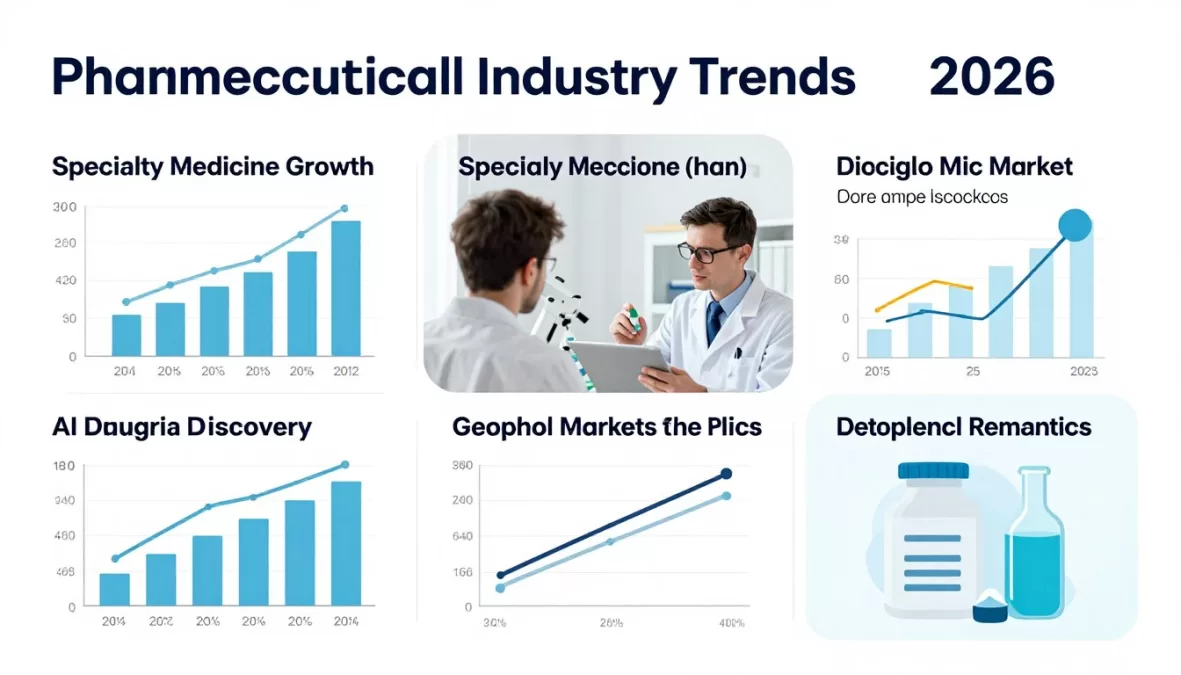
By 2026, specialty medicines are projected to account for nearly 60% of global pharmaceutical sales. Companies with strong biologics capabilities and targeted therapies for complex conditions will outperform those relying on traditional small molecules.
The continued shift toward personalized medicine approaches, enabled by advances in genomics and biomarkers, will accelerate this trend. Leading companies are investing heavily in companion diagnostics and precision targeting technologies.
Technology Integration
Artificial intelligence and machine learning applications are transforming pharmaceutical R&D, with top companies leveraging these technologies to accelerate drug discovery, optimize clinical trials, and enhance manufacturing processes.
Digital therapeutics and companion technologies are creating new revenue streams and enhancing treatment outcomes. Companies that successfully integrate technology into their core business models will gain competitive advantages.
Geographic Power Shifts
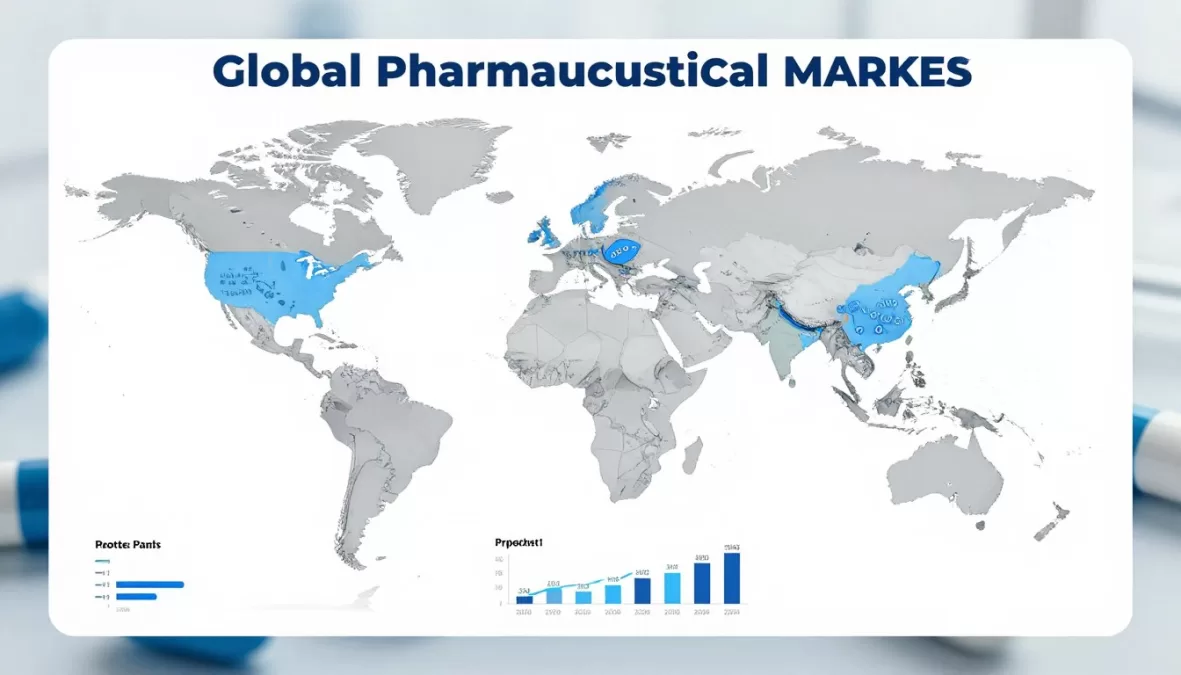
While North American and European companies continue to dominate the top 10, their growth strategies increasingly focus on emerging markets. China, in particular, is becoming both a major market and innovation hub.
By 2026, we expect to see Chinese pharmaceutical companies approaching the global top 20, with companies like Jiangsu Hengrui Medicine and BeiGene expanding their international presence through innovative oncology portfolios.
Sustainable Practices
Environmental, social, and governance (ESG) considerations are becoming central to pharmaceutical strategy. Companies with strong sustainability practices are gaining advantages in talent acquisition, investor relations, and regulatory approval processes.
Leading companies are implementing carbon reduction initiatives, sustainable sourcing, and circular economy principles throughout their operations. These efforts are increasingly linked to corporate valuation and market perception.
Value-Based Models
The shift toward value-based healthcare is accelerating, with pharmaceutical companies increasingly entering outcomes-based contracts with payers. This trend favors companies with robust real-world evidence capabilities and digital infrastructure.
By 2026, we expect most top 10 companies to have significant portions of their revenue tied to demonstrable patient outcomes rather than simple product sales, fundamentally changing pricing and market access strategies.
Strategic Consolidation
While mega-mergers have become less common, targeted acquisitions to access specific technologies, therapeutic areas, or geographic markets continue to shape the industry. Companies are increasingly using strategic partnerships to complement internal capabilities.
The boundaries between pharmaceutical companies and technology firms are blurring, with cross-industry collaborations becoming essential for innovation in areas like digital health and advanced diagnostics.
Stay Ahead of Pharmaceutical Industry Developments
Access our quarterly pharmaceutical industry intelligence briefings with the latest on pipeline developments, regulatory changes, and market dynamics affecting the top global players.
Conclusion: The Future of Pharmaceutical Leadership
As we look toward 2026, the global pharmaceutical landscape will continue to be shaped by companies that successfully balance innovation, operational excellence, and strategic adaptation. The projected top 10 pharmaceutical companies share several defining characteristics that will likely determine long-term success in this dynamic industry:
- Therapeutic Focus: Concentration on high-growth, high-need areas like oncology, immunology, and rare diseases
- Pipeline Productivity: Efficient R&D models that consistently deliver breakthrough innovations
- Digital Transformation: Integration of advanced technologies throughout the value chain
- Patient Centricity: Development of holistic treatment approaches beyond traditional pharmaceuticals
- Sustainable Practices: Commitment to environmental stewardship and social responsibility
- Adaptive Business Models: Flexibility to respond to changing healthcare delivery and payment systems
While our projections represent the most likely scenario based on current trajectories, the pharmaceutical industry remains highly dynamic. Breakthrough innovations, unexpected setbacks, regulatory changes, and macroeconomic factors could significantly alter these rankings. Companies that maintain agility while pursuing clear strategic visions will be best positioned to thrive in the evolving healthcare ecosystem of 2026 and beyond.
Pharmaceutical Industry Strategic Consulting
Our team of industry experts provides customized analysis and strategic recommendations for pharmaceutical companies, investors, and healthcare organizations navigating the changing industry landscape.
Final Thoughts: Monitoring the Evolving Landscape
The pharmaceutical industry’s rapid pace of innovation means that today’s projections must be continuously reassessed as new data emerges. We will be updating our analysis quarterly to incorporate the latest pipeline developments, regulatory decisions, and strategic moves by major players. This forward-looking perspective aims to provide valuable insights for industry professionals, investors, healthcare providers, and policy makers navigating the complex pharmaceutical landscape through 2026 and beyond.

Priyanka Pandey
Senior Research Editor · Top10Sense
Priyanka specializes in tech, consumer products, and digital trends. She combines hands-on testing, vendor interviews, and database research to create trustworthy “Top 10” rankings. Her work has been referenced by industry blogs and brand report pages.