
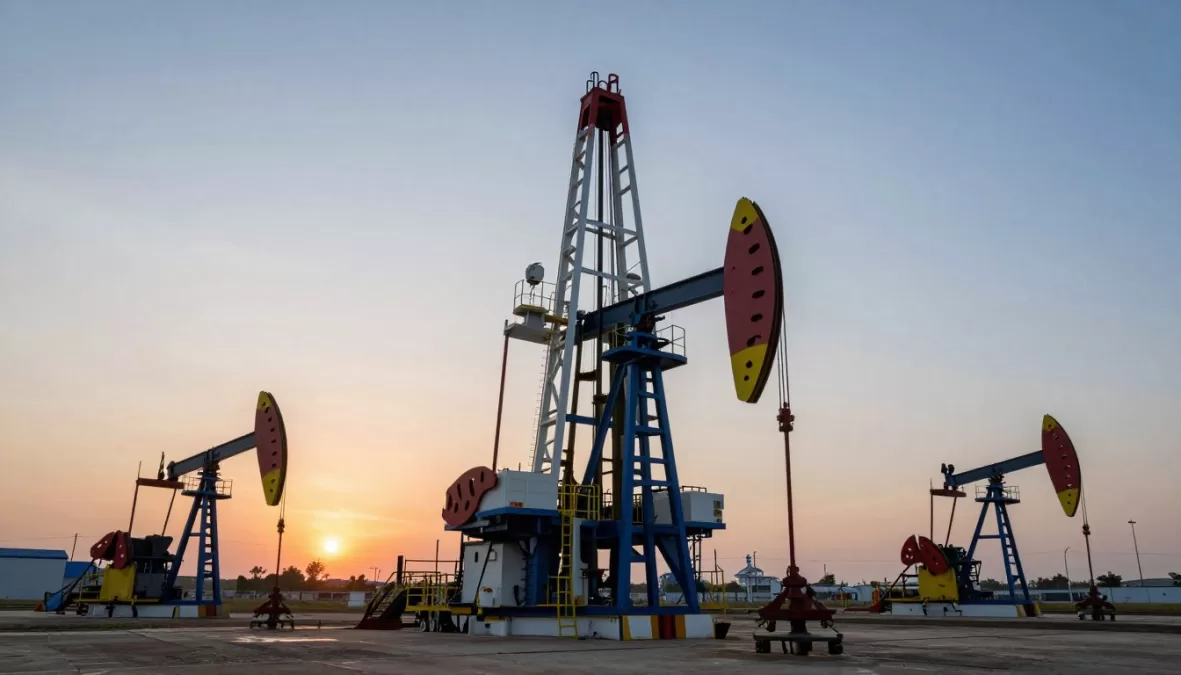
The global oil landscape continues to evolve amid shifting energy policies, technological advancements, and geopolitical tensions. As we look toward 2026, several key factors will reshape the hierarchy of oil producing nations, including OPEC+ decisions, energy transition pressures, and strategic investments in production capacity. This forward-looking analysis examines which countries are positioned to lead global oil production by 2026, based on current trends and projections from authoritative sources.
The global oil production landscape is expected to undergo significant changes by 2026
Global Oil Market Outlook: Setting the Stage for 2026
Before examining the top producers, it’s essential to understand the broader context shaping the oil market heading into 2026. According to the International Energy Agency (IEA), global oil demand is projected to reach approximately 105 million barrels per day by 2026, representing modest but steady growth from current levels despite accelerating energy transition efforts.
Several key trends will influence production rankings by 2026:
- Continued investment in production capacity by key OPEC+ members seeking to maintain market share
- Technological advancements enabling more efficient extraction from unconventional reserves
- Growing pressure from climate policies and renewable energy adoption affecting investment decisions
- Geopolitical tensions impacting production capabilities in several regions
- Strategic national priorities around energy security and economic development
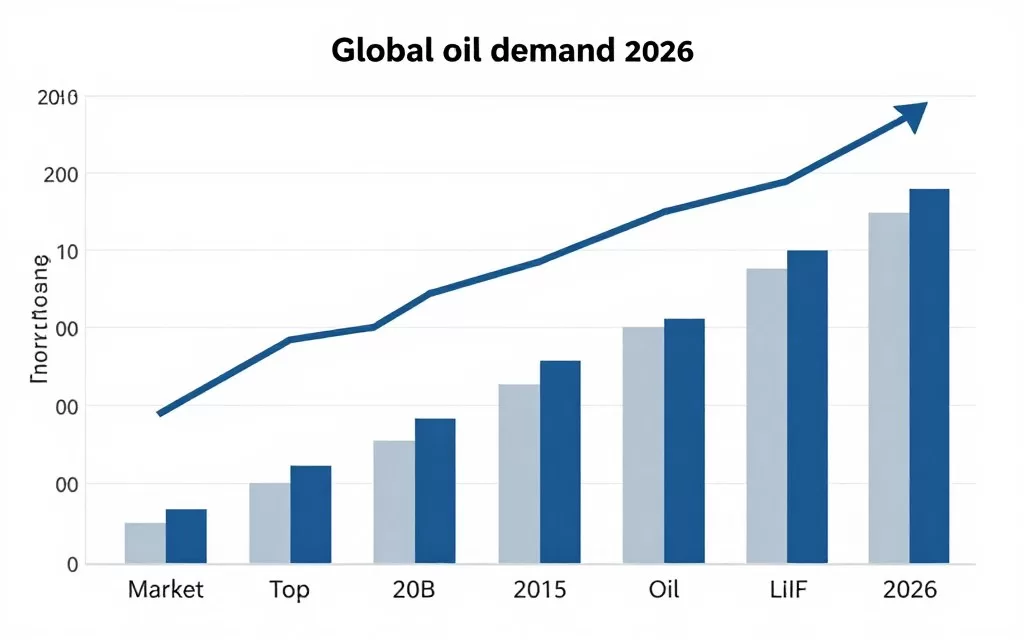
Projected global oil demand through 2026 (Source: Based on IEA data)
Methodology: How We Forecast the Top Oil Producers
Our projections for the top 10 oil producing countries in 2026 are based on a comprehensive analysis of multiple factors, including:
Quantitative Factors
- Current production capacity and utilization rates
- Announced expansion projects and their timelines
- Historical production growth patterns
- Proven oil reserves and resource accessibility
- Investment commitments in exploration and production
Qualitative Factors
- Policy directions and regulatory environments
- Geopolitical stability and international relations
- OPEC+ membership and compliance history
- Energy transition strategies and climate commitments
- Technological adoption and innovation capacity
Data sources include projections from the U.S. Energy Information Administration (EIA), International Energy Agency (IEA), OPEC, and leading energy research firms, supplemented by country-specific announcements and industry analyses.
The Projected Top 10 Oil Producing Countries in 2026
| Rank | Country | Projected Production (million barrels per day) | Change from 2023 | Key Drivers |
| 1 | United States | 22.8 | +4.1% | Permian Basin expansion, technological efficiency |
| 2 | Saudi Arabia | 12.5 | +12.3% | Capacity expansion program, OPEC+ strategy |
| 3 | Russia | 11.2 | +0.9% | Arctic development, sanctions adaptation |
| 4 | Canada | 6.3 | +10.5% | Oil sands optimization, new pipeline capacity |
| 5 | Brazil | 5.2 | +48.6% | Pre-salt field maturation, foreign investment |
| 6 | Iraq | 5.1 | +15.9% | Southern field expansion, infrastructure improvements |
| 7 | United Arab Emirates | 5.0 | +28.2% | ADNOC capacity target, offshore development |
| 8 | China | 4.3 | +2.4% | Enhanced recovery techniques, energy security focus |
| 9 | Iran | 4.2 | -8.7% | Sanctions environment, aging field management |
| 10 | Kuwait | 3.2 | +10.3% | Northern field development, enhanced oil recovery |
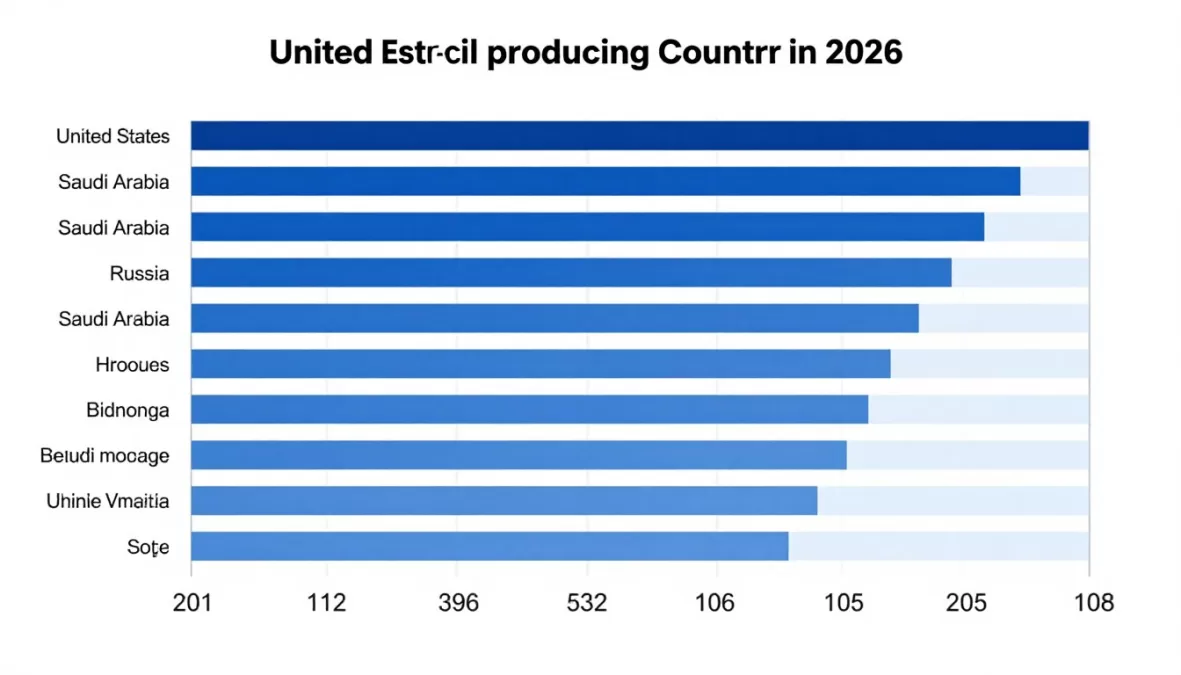
Projected daily oil production by country in 2026 (million barrels per day)
Want More Detailed Country Analysis?
Download our comprehensive country-specific reports with detailed production forecasts, investment analysis, and risk assessments for each major oil producer.
1. United States: Maintaining Leadership Through Technology
The United States is projected to strengthen its position as the world’s leading oil producer by 2026, with production expected to reach 22.8 million barrels per day. This represents a 4.1% increase from 2023 levels, driven primarily by continued development in the Permian Basin and technological advancements in shale oil extraction.
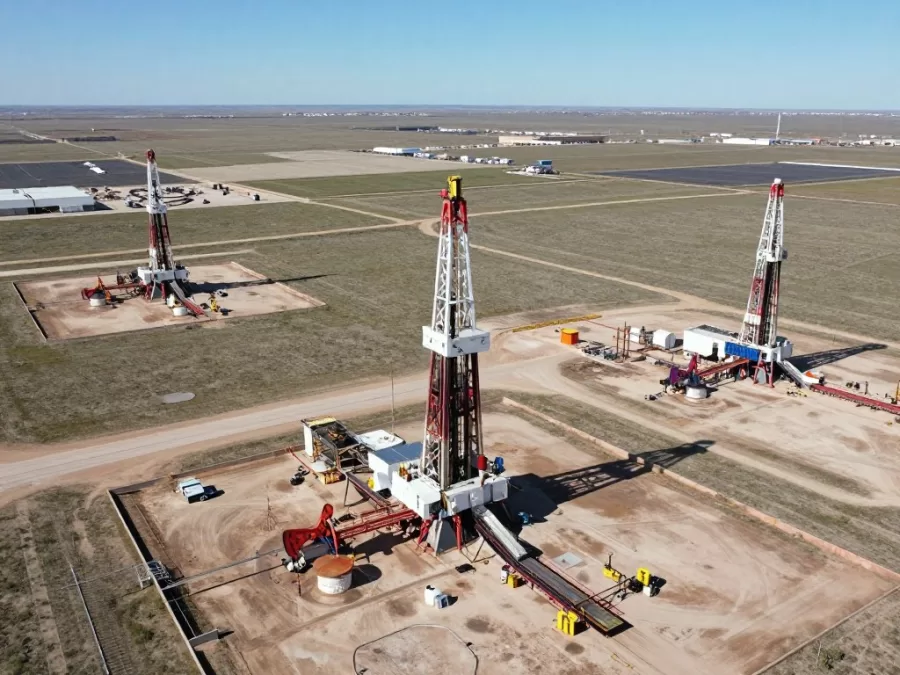
Permian Basin operations will continue driving US production growth
Key Growth Factors:
- Efficiency gains in hydraulic fracturing and horizontal drilling technologies
- Expansion of production in the Permian, Bakken, and Eagle Ford formations
- Improved pipeline infrastructure reducing transportation bottlenecks
- Strategic investments in enhanced oil recovery techniques
- Supportive regulatory environment for domestic energy production
“U.S. oil production growth is expected to continue through 2026, albeit at a more moderate pace than the boom years of 2018-2019. Technological efficiency gains will be the primary driver rather than dramatic expansion of drilling activity.”
The U.S. faces challenges including declining well productivity in mature shale plays and increasing investor pressure for capital discipline. However, these are expected to be offset by technological improvements and the industry’s proven adaptability to market conditions.
2. Saudi Arabia: Strategic Capacity Expansion
Saudi Arabia is forecast to produce 12.5 million barrels per day by 2026, a significant 12.3% increase from 2023 levels. This growth aligns with Saudi Aramco’s stated goal of increasing production capacity to 13 million barrels per day by 2027.
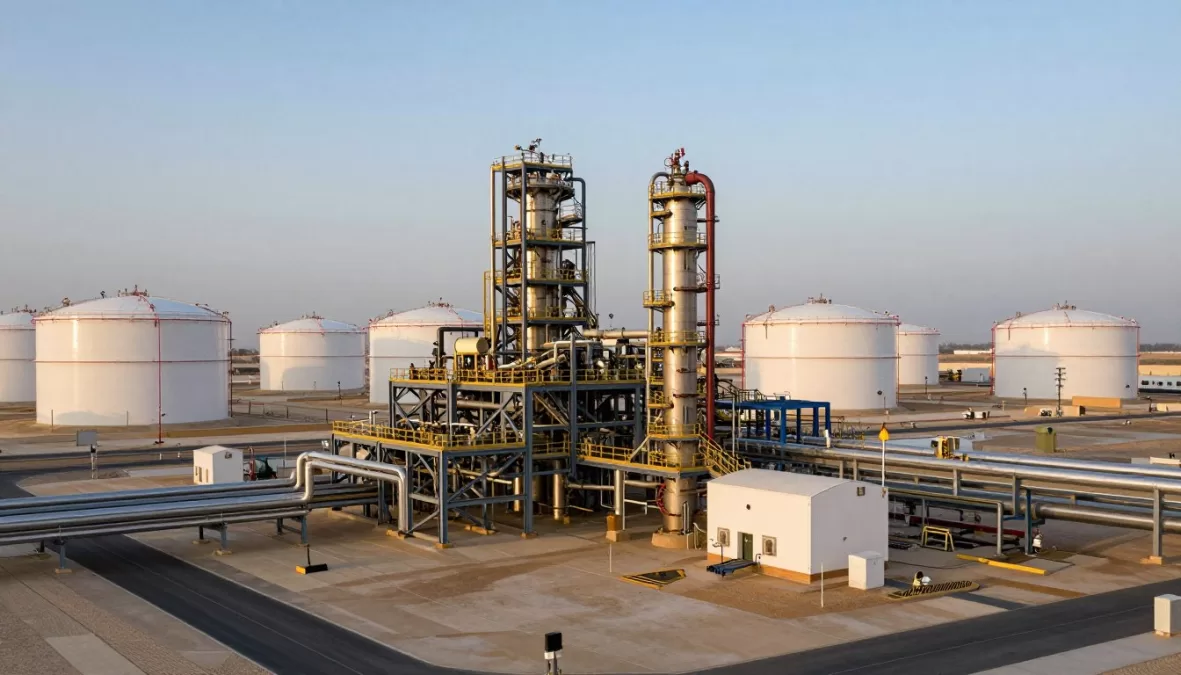
Saudi Aramco’s facilities are undergoing strategic expansion to increase capacity
Strategic Initiatives:
- $40 billion investment in upstream capacity expansion
- Development of the Jafurah unconventional gas field
- Enhanced oil recovery implementation in mature fields
- Strategic positioning within OPEC+ to balance market share and price stability
- Integration of production with expanding refining and petrochemical operations
Challenges:
- Balancing production growth with price stability objectives
- Managing the kingdom’s energy transition initiatives alongside oil expansion
- Regional geopolitical tensions affecting security of facilities
- Coordination with other OPEC+ members on production quotas
- Growing competition from non-OPEC producers
Saudi Arabia’s production strategy will continue to be influenced by its dual objectives of maintaining market share and supporting price levels that fund its economic diversification program, Vision 2030.
3. Russia: Resilience Amid Challenges
Russia is projected to maintain its position as the world’s third-largest oil producer with 11.2 million barrels per day by 2026, representing a modest 0.9% increase from 2023 levels. This stability is remarkable considering the significant challenges posed by international sanctions and export restrictions.
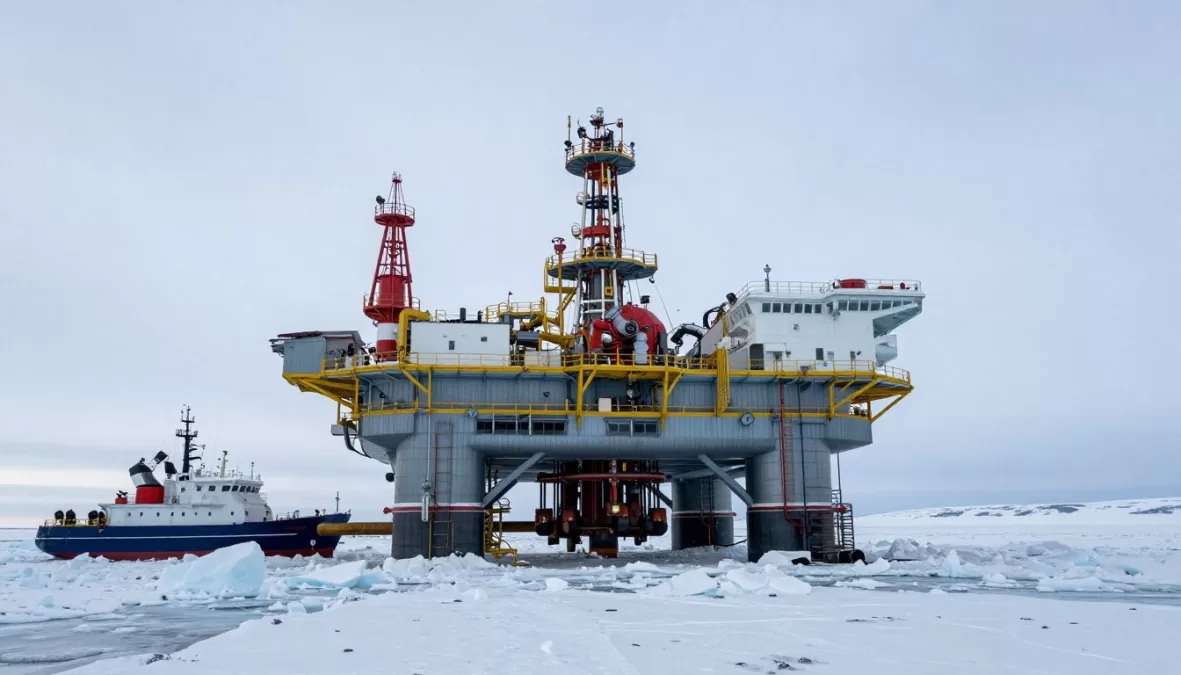
Arctic development will be crucial for maintaining Russia’s production levels
Key Production Regions:
- Western Siberia (traditional core production region)
- Eastern Siberia (emerging growth area with Asian export focus)
- Arctic offshore (long-term strategic development)
- Volga-Urals (mature region with enhanced recovery potential)
- Sakhalin Island (offshore development with international partnerships)
Market Reorientation: Russia has successfully redirected much of its oil exports from European to Asian markets, particularly China and India, mitigating the impact of Western sanctions. This trend is expected to continue through 2026.
Russia’s ability to maintain production levels will depend on its success in developing indigenous technologies to replace Western equipment and services, particularly for complex projects like Arctic and deepwater development.
Rising Stars: Emerging Producers in the Top 10
5. Brazil: The Pre-Salt Powerhouse
Brazil is projected to see the most dramatic production growth among major producers, with output reaching 5.2 million barrels per day by 2026—a remarkable 48.6% increase from 2023 levels. This surge is driven by the continued development of its prolific pre-salt fields in the Santos Basin.
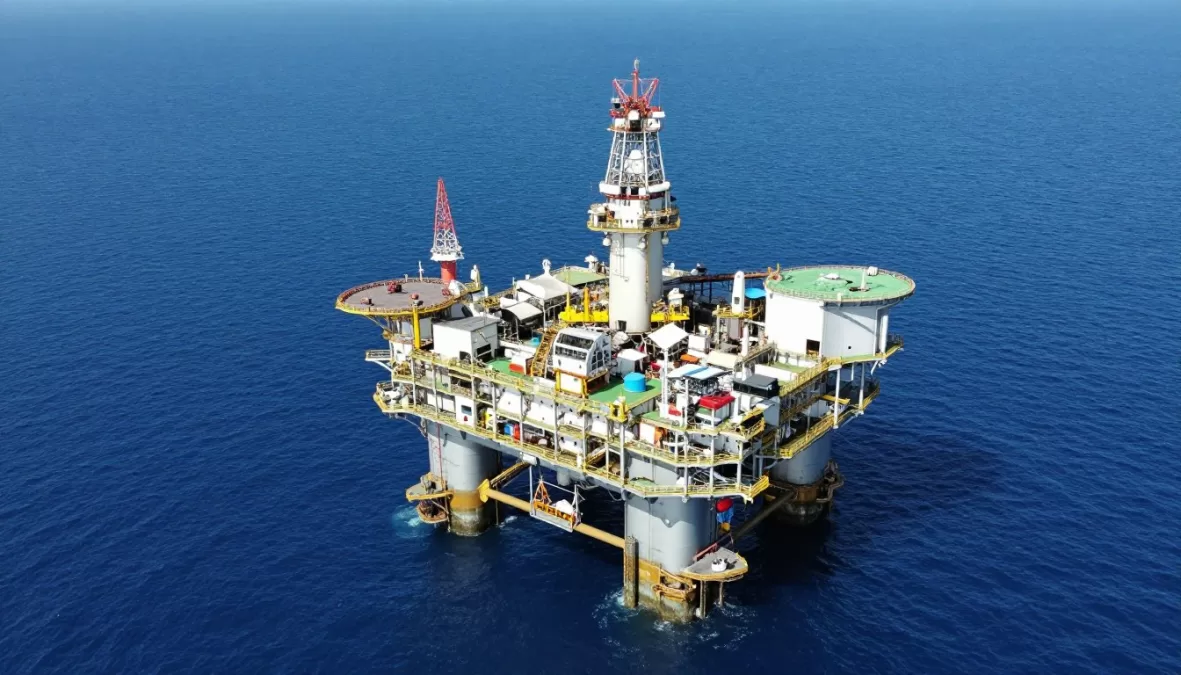
Brazil’s pre-salt developments in the Santos Basin will drive significant production growth
Petrobras and international partners have announced investments exceeding $70 billion in pre-salt development through 2026, with new FPSOs (Floating Production Storage and Offloading vessels) scheduled to come online annually. The Búzios field alone is expected to add over 600,000 barrels per day of new capacity.
7. United Arab Emirates: Ambitious Expansion
The UAE is set to increase production to 5.0 million barrels per day by 2026, a 28.2% jump from 2023 levels. This aligns with ADNOC’s stated goal of reaching 5 million barrels per day capacity by 2027, supported by a $150 billion five-year investment program.
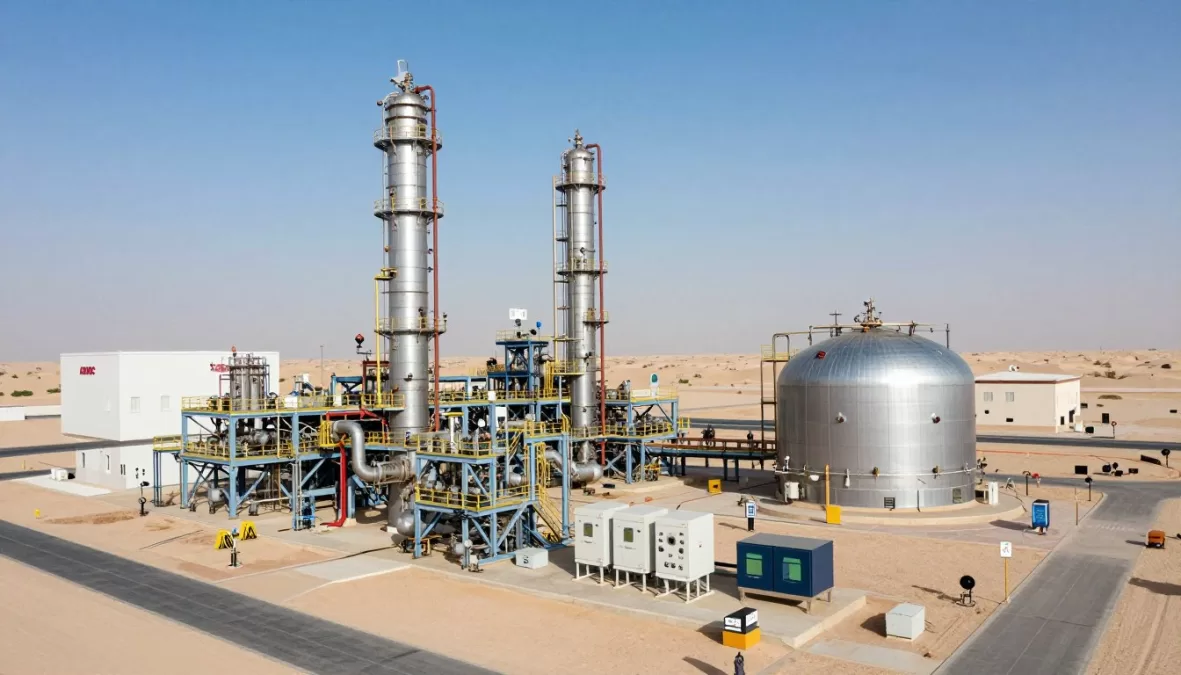
ADNOC’s facilities are undergoing significant expansion to meet 2027 capacity targets
Key projects include the development of the Upper Zakum field to reach 1 million barrels per day capacity and the Ghasha ultra-sour gas and condensate project. The UAE is also balancing its production growth with climate commitments, including a goal to achieve net-zero emissions by 2050.
Stay Updated on Emerging Producers
Subscribe to our monthly energy insights newsletter for the latest developments, project updates, and production forecasts for these rapidly evolving markets.
Key Trends Shaping Global Oil Production Through 2026
OPEC+ Influence Evolution
The OPEC+ alliance is projected to maintain significant market influence through 2026, though its share of global production will likely decline slightly as non-members like the U.S., Brazil, and Canada expand output. Strategic production management will remain central to the group’s approach.
Technology-Driven Efficiency
Advanced technologies including AI-optimized drilling, digital twin modeling, and enhanced recovery techniques will enable producers to extract more oil from existing assets at lower costs, partially offsetting natural field decline rates.
Energy Transition Impacts
Climate policies and investor pressure will increasingly influence production decisions, with major producers diversifying into lower-carbon energy while optimizing their oil portfolios to focus on lower-cost, lower-carbon-intensity assets.
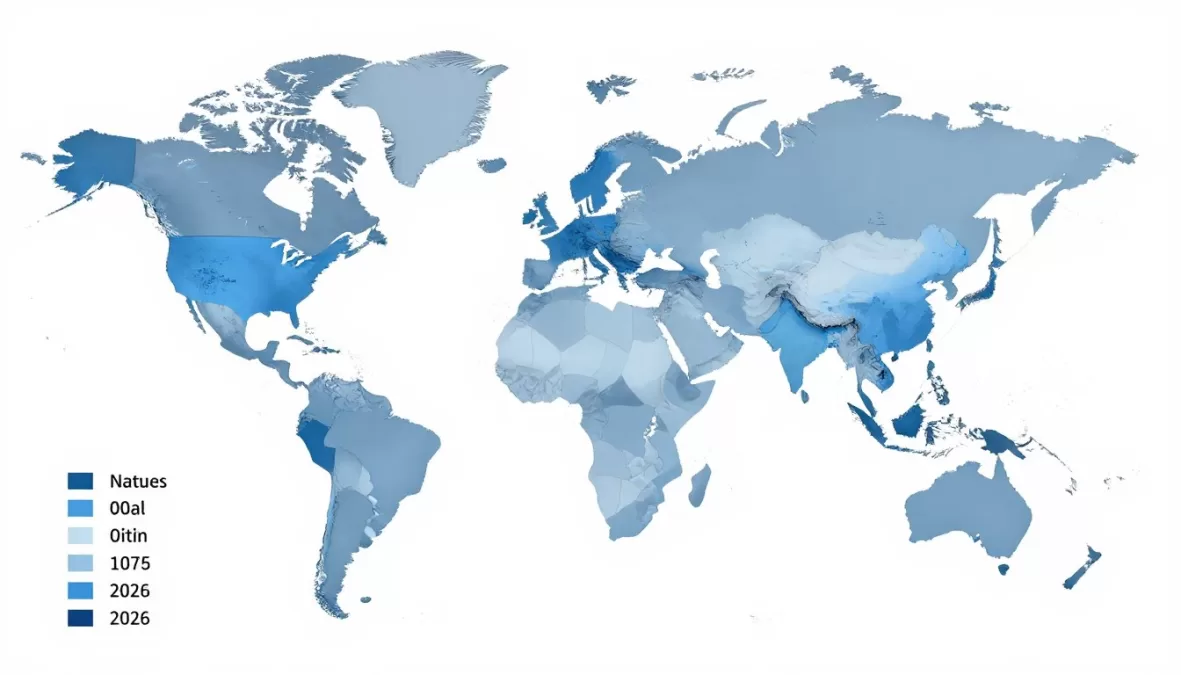
Geographical distribution of the top 10 oil producing countries in 2026
“The oil market of 2026 will be characterized by a delicate balance between continued demand growth in emerging economies and accelerating energy transition in developed markets. Producers who can deliver cost-effective, lower-carbon-intensity barrels will be best positioned for long-term success.”
Investment Outlook and Production Sustainability
Global upstream oil and gas investment is projected to reach approximately $580 billion annually by 2026, with the majority directed toward maintaining production from existing fields rather than developing new resources. This represents a strategic shift from previous investment cycles.
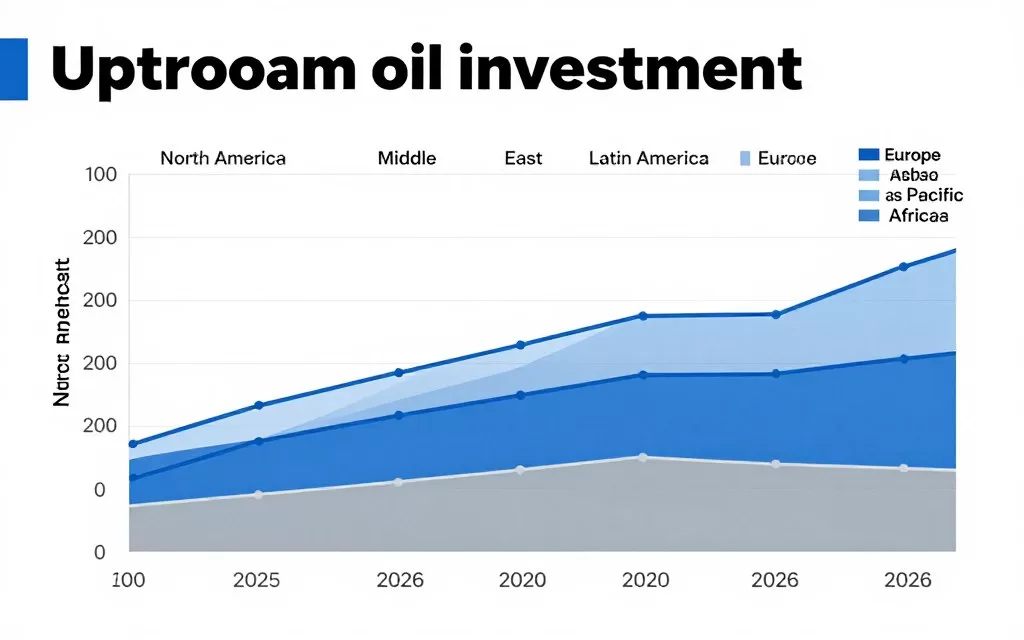
Projected upstream oil investment by region through 2026 (Source: Based on industry data)
Investment Priorities:
- Field maintenance and decline rate management
- Short-cycle projects with faster payback periods
- Emissions reduction and operational efficiency
- Digital transformation and automation
- Strategic capacity expansion in low-cost regions
Regional Focus:
- Middle East: Capacity expansion and gas development
- North America: Efficiency and infrastructure optimization
- Latin America: Deepwater and pre-salt development
- Africa: LNG integration and reducing production costs
- Asia-Pacific: Enhanced recovery and unconventional resources
The sustainability of production levels through 2026 and beyond will depend on continued investment in both conventional and unconventional resources. Countries with national oil companies backed by government funding may have advantages in maintaining long-term investment programs compared to international oil companies facing shareholder pressure for capital discipline and energy transition investments.
Conclusion: The Evolving Landscape of Global Oil Production
As we look toward 2026, the global oil production landscape will be characterized by both continuity and change. The United States, Saudi Arabia, and Russia are projected to maintain their positions as the top three producers, collectively accounting for nearly 45% of global supply. However, the most dramatic growth will come from emerging producers like Brazil and the UAE, who are aggressively developing their resources.
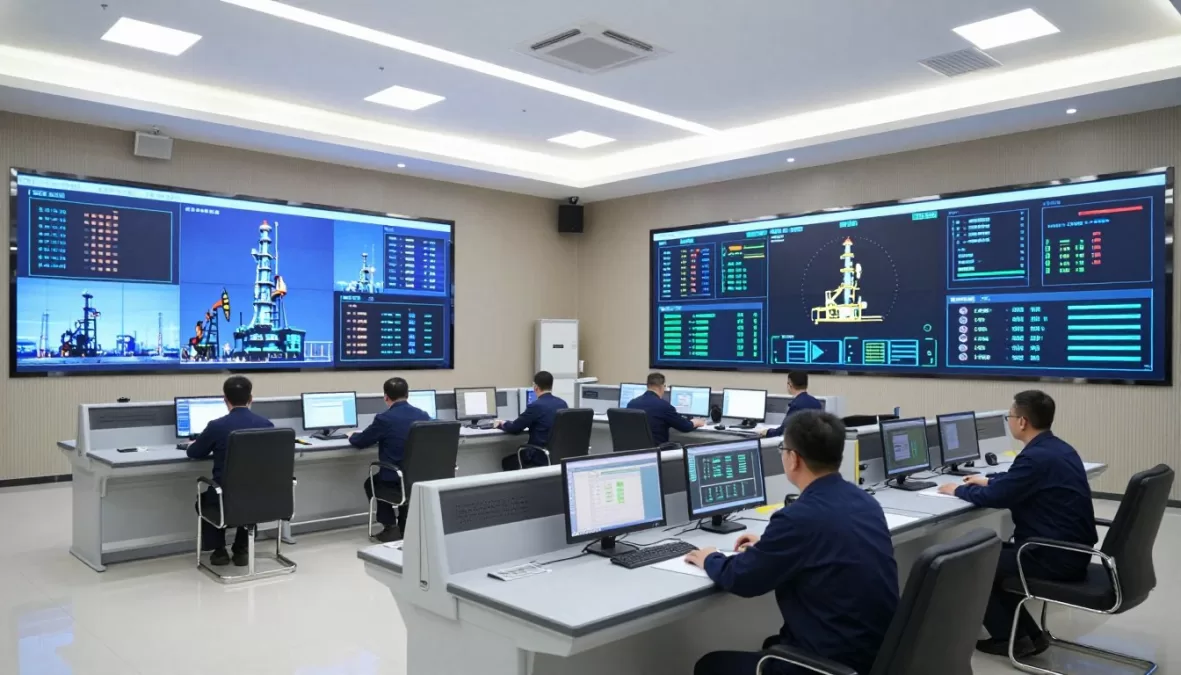
Digital transformation is reshaping oil production operations across major producers
Several key factors will determine whether these projections materialize as expected:
- The pace of global energy transition and its impact on oil demand growth
- OPEC+ cohesion and production management strategies
- Geopolitical developments affecting major producers like Iran, Venezuela, and Libya
- The evolution of climate policies and carbon pricing mechanisms
- Technological breakthroughs in both oil production and alternative energy
While the energy transition is accelerating, oil will remain a critical component of the global energy mix through 2026 and beyond. The countries that can produce this resource efficiently, cost-effectively, and with decreasing environmental impact will be best positioned to maintain their market share in an increasingly competitive landscape.
Stay Informed About Global Energy Markets
Subscribe to our newsletter for regular updates on oil production forecasts, energy transition developments, and in-depth analysis of the factors shaping the future of global energy markets.
Frequently Asked Questions
How might the energy transition affect oil production forecasts for 2026?
What role will OPEC+ play in determining production levels through 2026?
How reliable are production forecasts for 2026 given recent market volatility?
Which countries might enter the top 10 list by 2026 that aren’t currently major producers?

Priyanka Pandey
Senior Research Editor · Top10Sense
Priyanka specializes in tech, consumer products, and digital trends. She combines hands-on testing, vendor interviews, and database research to create trustworthy “Top 10” rankings. Her work has been referenced by industry blogs and brand report pages.