
The global oil and gas industry continues to shape the world economy in 2026. These energy giants drive innovation, production, and market dynamics across continents.
This comprehensive analysis ranks the top oil and gas companies based on market capitalization, revenue, production volumes, and strategic positioning. Understanding these industry leaders provides crucial insights for investors, professionals, and anyone following energy sector trends.
The rankings reflect significant shifts in global oil production, natural gas output, and corporate strategies. Each company featured here represents billions in market value and millions of barrels in daily crude oil production.
How We Ranked the Largest Oil and Gas Companies
Our ranking methodology evaluates multiple factors to determine the top oil companies in the world. Market capitalization serves as the primary ranking metric, reflecting investor confidence and company value.
We analyzed data from financial reports, industry databases, and market research firms. Production volumes, revenue figures, and reserve holdings provided additional context for each company’s position.
Primary Ranking Criteria
- Market capitalization in USD
- Annual revenue and profitability
- Daily oil and natural gas production
- Proven reserves volume
- Global operational footprint
- Strategic investments and technology adoption
Data Sources and Timeline
All financial data reflects Q4 2025 and Q1 2026 reporting periods. Market cap figures use March 2026 valuations. Production data represents 2025 annual output with Q1 2026 projections.
Sources include company filings, Bloomberg Terminal data, and International Energy Agency reports.
The global oil and gas sector shows remarkable resilience despite energy transition pressures. Leading oil gas companies continue investing in both traditional hydrocarbon production and emerging energy solutions.
1. Saudi Aramco – World’s Largest Oil Producer
Company Overview and Market Position
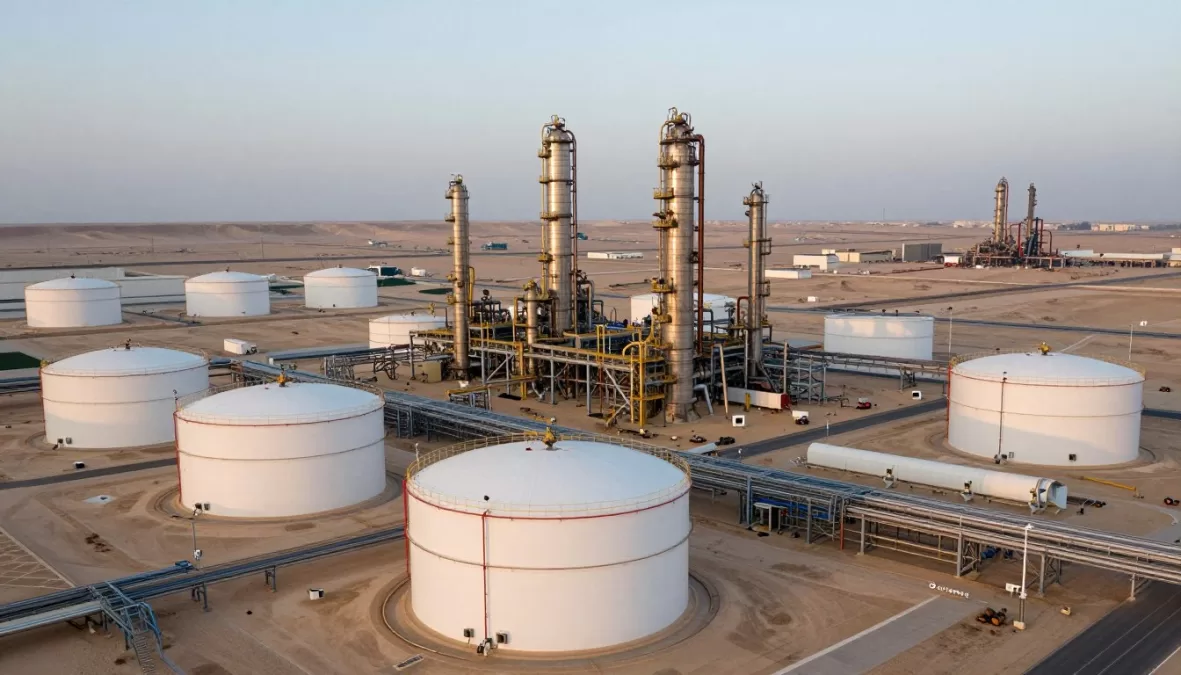
Saudi Aramco maintains its position as the world’s most valuable oil and gas company with a market capitalization exceeding 2.1 trillion USD. The state-owned enterprise dominates global oil production with unmatched reserves and output capacity.
The company operates the largest crude oil reserves globally, estimated at 259 billion barrels. Daily production averages 12.5 million barrels of crude oil, representing approximately 12% of global oil production.
Financial Performance 2025
- Revenue: 523 billion USD
- Net income: 159 billion USD
- Market cap: 2.1 trillion USD
- Dividend yield: 4.2%
Production Metrics
- Crude oil: 12.5 million bbl/day
- Natural gas: 14.2 billion cf/day
- Refining capacity: 5.6 million bbl/day
- Chemicals production: expanding portfolio
Strategic Developments and Future Outlook
Saudi Aramco continues expanding downstream operations with major refinery projects in Asia. The company invested 35 billion USD in 2025 for capacity expansion and technology upgrades.
Sustainability initiatives include carbon capture projects and renewable energy investments. The gas division shows significant growth as demand for natural gas increases across global markets.
Key Competitive Advantage: Saudi Aramco’s production costs remain the lowest globally at under 3 USD per barrel, providing substantial profit margins even during price volatility.
2. ExxonMobil – Leading U.S. Oil and Gas Giant
Market Leadership and Operations
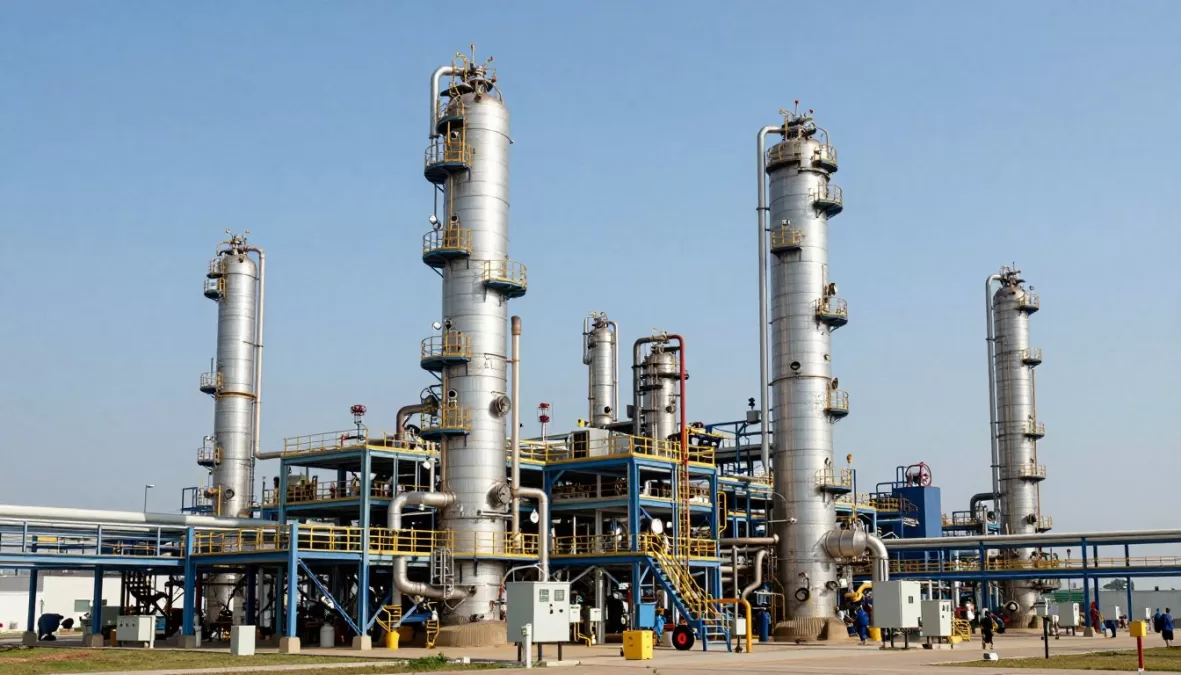
ExxonMobil ranks as the largest oil company by market capitalization among international oil companies, with a valuation of 485 billion USD. The integrated energy giant operates across all oil and gas industry segments.
The company produces 3.8 million barrels of oil equivalent daily across six continents. Operations span exploration, production, refining, chemicals, and marketing divisions.
Permian Basin Dominance
ExxonMobil leads production in the Permian Basin, America’s most prolific oil field. The company operates over 8,000 drilling locations with production exceeding 620,000 barrels daily.
Investments in Permian operations exceeded 12 billion USD in 2025. Advanced drilling technology and efficiency improvements reduced per-barrel production costs by 18% since 2023.
Low-Carbon Business Initiatives
The company allocated 17 billion USD through 2027 for low-emissions solutions. Carbon capture and storage projects target 7 million tons of CO2 annually by 2028.
ExxonMobil’s hydrogen production initiatives and biofuels development position the company for energy transition opportunities. The Low Carbon Solutions business unit operates independently with dedicated resources.
3. Shell – Integrated Energy Transition Leader
Diversified Energy Portfolio
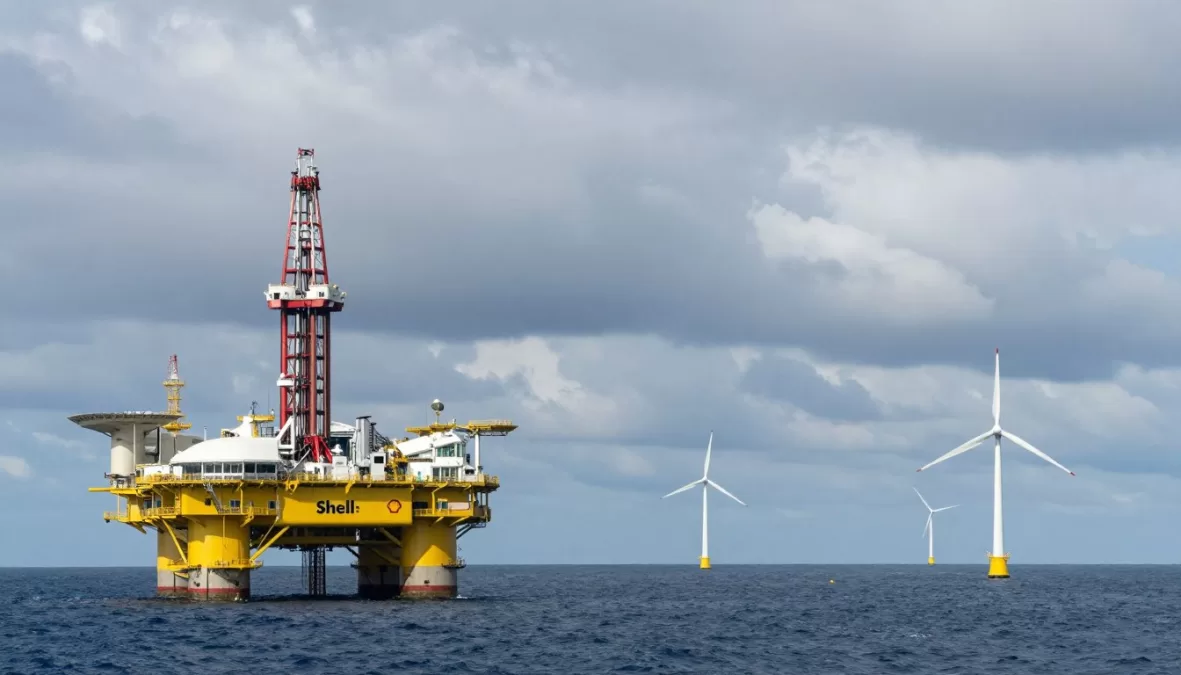
Shell maintains a market cap of 228 billion USD while executing an ambitious energy transition strategy. The company balances traditional oil gas operations with renewable energy investments.
Daily production reaches 3.1 million barrels of oil equivalent, with significant natural gas positions worldwide. Shell operates the world’s largest liquefied natural gas (LNG) portfolio.
| Business Segment | 2025 Revenue (Billion USD) | Growth Rate | Strategic Focus |
| Upstream Oil & Gas | 142 | +5.2% | High-value assets |
| Integrated Gas (LNG) | 89 | +12.8% | Expansion |
| Downstream & Refining | 156 | +3.1% | Optimization |
| Renewables & Energy Solutions | 18 | +34.6% | Rapid growth |
Natural Gas and LNG Leadership
Shell’s LNG production capacity exceeds 32 million tons annually. The company supplies natural gas to markets across Asia, Europe, and the Americas.
Recent acquisitions strengthened Shell’s position in gas markets. The company invested 8.5 billion USD in gas infrastructure and LNG facilities during 2025.
Renewable Energy Expansion
Shell operates renewable energy capacity exceeding 15 gigawatts globally. Wind farms, solar installations, and hydrogen production facilities comprise the growing portfolio.
The company targets 50% reduction in emissions intensity by 2030. Investments in electric vehicle charging infrastructure expanded to 50,000 charging points worldwide.
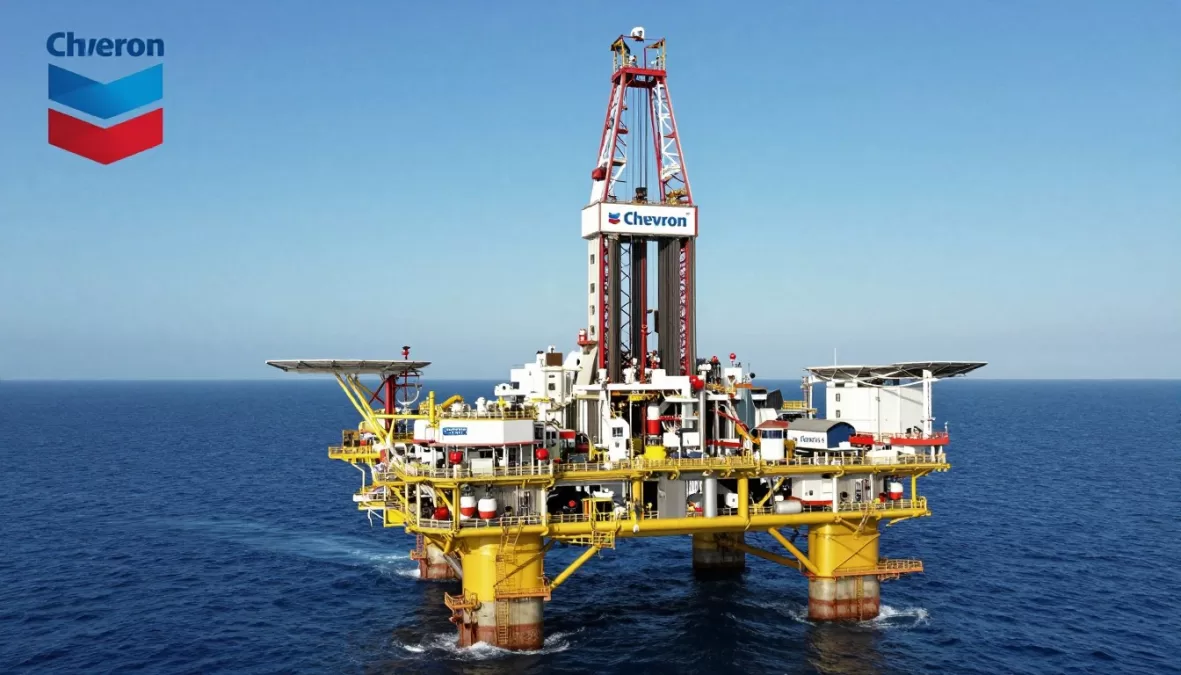
4. Chevron – American Energy Powerhouse
Global Operations and Market Position
Chevron ranks among the top oil companies with a market capitalization of 298 billion USD. The integrated energy company operates in over 180 countries with diverse upstream and downstream assets.
Production averages 3.2 million barrels of oil equivalent daily. The company maintains significant positions in U.S. shale, deepwater Gulf of Mexico, and international conventional projects.
Permian and Gulf of Mexico Focus
Chevron’s Permian production exceeded 850,000 barrels daily in 2025. The company operates as the largest producer in the Delaware Basin portion of the Permian.
Gulf of Mexico operations contribute 300,000 barrels daily through world-class deepwater projects. Anchor and Ballymore developments will add production capacity through 2026-2027.
Upstream Highlights
- Permian Basin leadership position
- Deepwater expertise and technology
- International conventional assets
- Reserve replacement ratio: 112%
Downstream Operations
- Refining capacity: 1.8 million bbl/day
- Global fuels and lubricants marketing
- Chemicals and additives production
- Retail network: 7,800+ locations
Lower Carbon Initiatives
Chevron invested 10 billion USD through 2028 in lower carbon technologies. Carbon capture, hydrogen production, and renewable fuels development represent key focus areas.
The company targets 35% emissions intensity reduction by 2028. Renewable natural gas projects and offsets programs complement operational efficiency improvements.
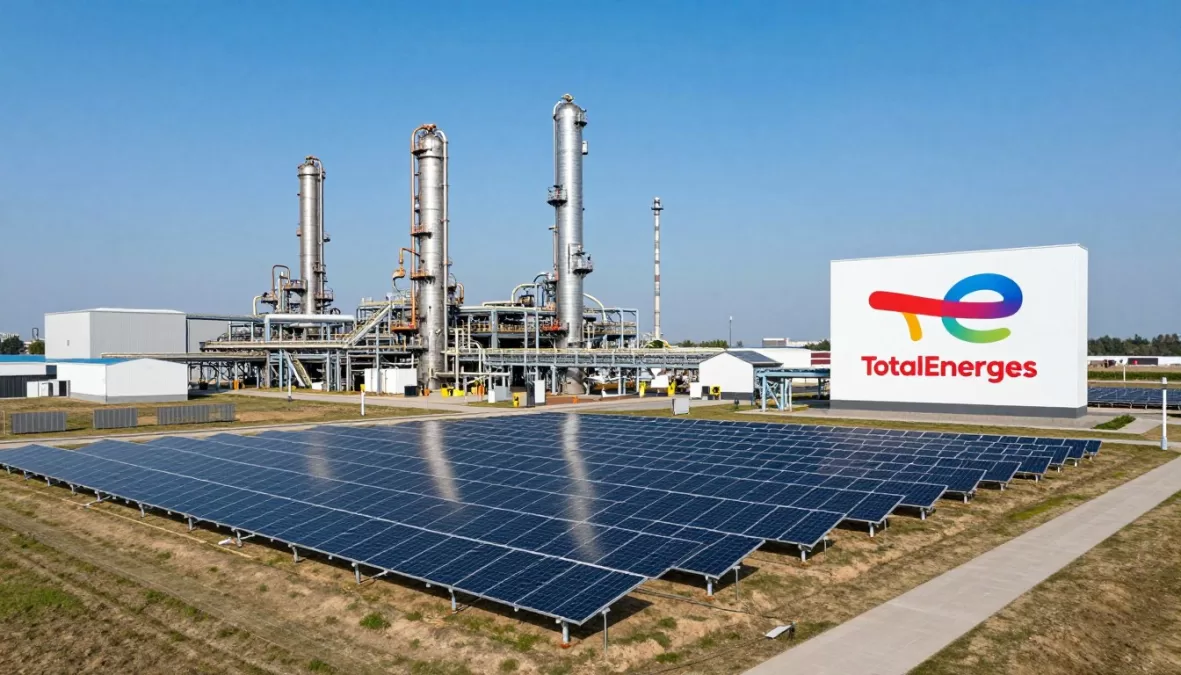
5. TotalEnergies – European Multi-Energy Company
Integrated Multi-Energy Strategy
TotalEnergies operates with a market cap of 156 billion USD while transforming into a broad energy company. The French major balances oil gas production with renewable power generation.
Daily production reaches 2.4 million barrels of oil equivalent. The company operates significant LNG assets and maintains leadership in African oil production.
Oil and Natural Gas Operations
TotalEnergies produces crude oil across 30+ countries with major assets in Africa, Middle East, and North Sea. Natural gas represents 55% of hydrocarbon production, positioning the company for cleaner energy demand.
The company invested 14 billion USD in upstream oil and gas projects during 2025. Major developments in Brazil, Suriname, and Uganda will boost production through 2027.
Strategic Advantages
- Fastest-growing renewable energy portfolio among oil majors
- Strong cash flow generation from diversified assets
- Leading LNG market position
- Geographic diversification reduces risk
- Early mover in electricity and renewables
Challenges
- Lower market cap compared to US supermajors
- Exposure to European regulatory pressures
- Portfolio complexity management
- Higher operating costs in mature fields
Renewable Power and Electricity
TotalEnergies operates 22 gigawatts of renewable electricity capacity. Solar and wind projects span Europe, Americas, Asia, and Africa.
The company targets 35% of capital expenditures to low-carbon electricity and renewables by 2025. Retail electricity customers exceed 7 million across Europe.

Download Complete 2026 Energy Sector Analysis
Get our comprehensive 45-page report featuring extended company profiles, financial projections, strategic analysis, and investment recommendations for all top oil gas companies.
- Detailed financial modeling and projections
- Production forecasts through 2030
- ESG ratings and emissions analysis
- Investment recommendations by analyst team
- Quarterly updates included
6. BP – Transformation-Focused Energy Major

Strategic Repositioning
BP maintains a market capitalization of 118 billion USD while executing a transformation toward integrated energy. The British oil and gas company balances traditional operations with low-carbon investments.
Production averages 2.3 million barrels of oil equivalent daily. The company operates across all continents with strengths in deepwater exploration and gas marketing.
Core Oil and Gas Business
BP’s upstream portfolio includes major positions in U.S. shale, North Sea, Gulf of Mexico, and Middle East. The company operates significant gas assets including major LNG projects.
Refining and petrochemicals operations process 1.6 million barrels daily. The downstream network includes 18,700 retail sites across multiple brands.
- Oil production: 1.1 million bbl/day
- Gas production: 1.2 million boe/day
- Refining capacity: 1.6 million bbl/day
- Retail sites: 18,700+ locations
- Petrochemicals production facilities
Traditional Energy Assets
- Renewable power: 4.5 GW operational
- Biofuels production capacity
- Hydrogen project development
- EV charging: 22,000+ points
- Carbon capture initiatives
Low-Carbon Energy
Net Zero Ambition
BP targets net zero emissions across operations by 2050. The company reduced oil and gas production by 25% from 2019 levels while increasing renewable investments.
Investments in low-carbon solutions reached 5 billion USD in 2025. The company allocated 40% of capital expenditures to transition growth businesses.
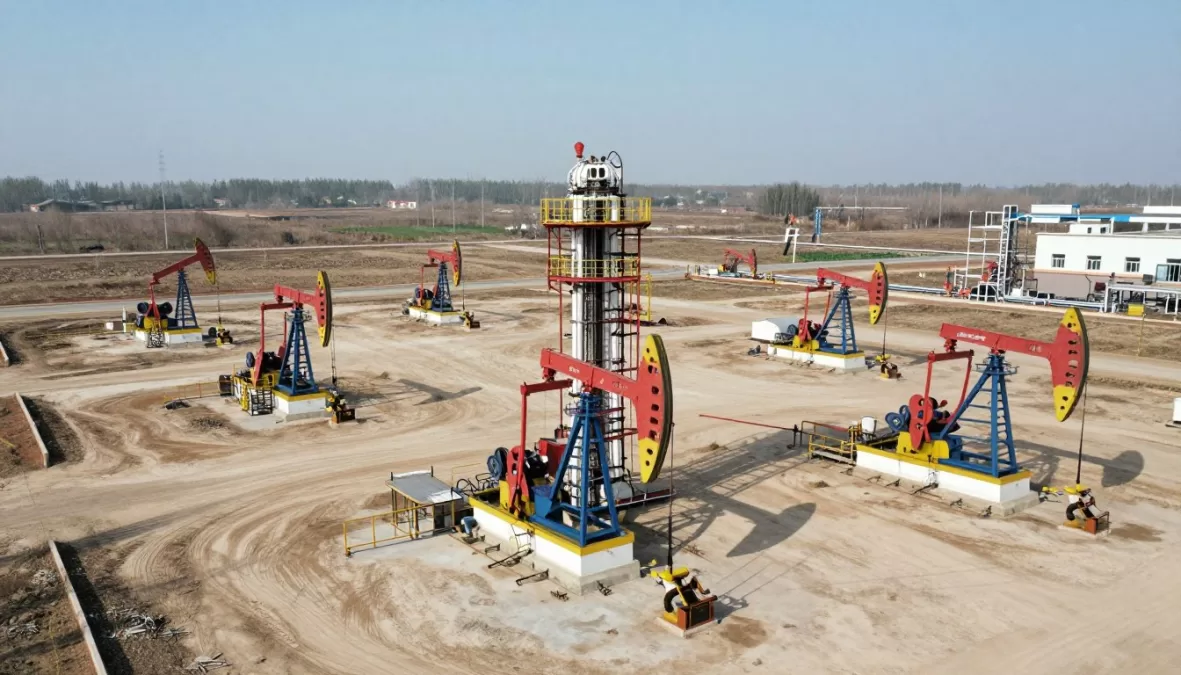
7. PetroChina – Asia’s Largest Oil Producer
China’s Energy Champion
PetroChina ranks as Asia’s largest oil and gas producer with a market cap of 186 billion USD. The state-controlled company dominates China’s domestic energy production and distribution.
Daily production reaches 4.5 million barrels of oil equivalent. The company operates extensive upstream assets, refining capacity, and marketing networks across China.
Domestic Production Leadership
PetroChina produces 850,000 barrels of crude oil daily from Chinese fields. Major producing areas include Daqing, Changqing, and Tarim Basin operations.
Natural gas production exceeds 120 billion cubic meters annually. The company operates China’s largest gas pipeline network spanning over 85,000 kilometers.
| Operational Segment | Key Metrics | Market Position |
| Exploration & Production | 4.5 million boe/day | #1 in China |
| Refining & Chemicals | 5.8 million bbl/day capacity | #1 in Asia |
| Natural Gas & Pipeline | 120 bcm annual throughput | Dominant network |
| Marketing & Distribution | 22,000+ retail locations | Leading coverage |
International Expansion
PetroChina operates oil and gas projects in 35 countries. International assets contribute 15% of total production with growth targets in Middle East, Central Asia, and Africa.
The company invested 8 billion USD in overseas projects during 2025. Strategic partnerships with international oil companies facilitate technology transfer and market access.
Energy Security Mission
PetroChina plays a crucial role in China’s energy security strategy. The company maintains strategic petroleum reserves and ensures stable domestic supply amid geopolitical uncertainties.
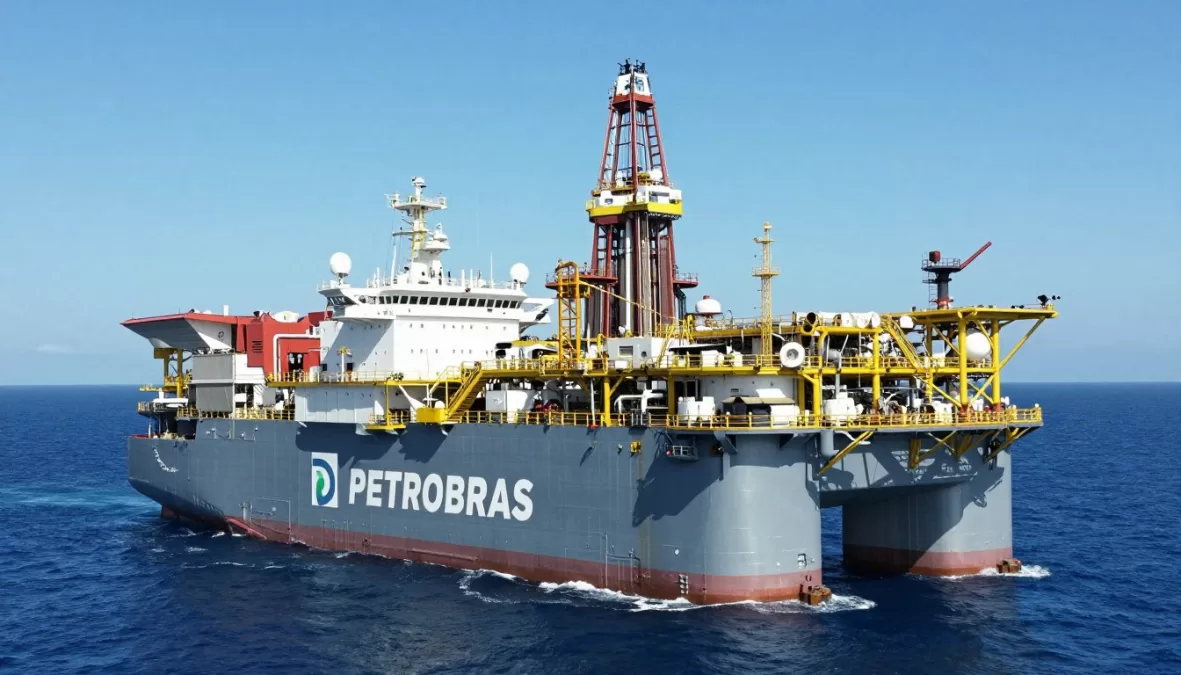
8. Petrobras – Deepwater Oil Technology Leader
Brazilian Oil Giant
Petrobras operates with a market cap of 92 billion USD as Brazil’s leading energy company. The state-controlled enterprise pioneered deepwater oil production technology globally.
Production averages 2.6 million barrels of oil equivalent daily. The company dominates Brazil’s prolific pre-salt oil reserves in the Santos Basin.
Pre-Salt Reserves Dominance
Petrobras produces over 2 million barrels daily from pre-salt fields. These ultra-deepwater reserves contain some of the world’s highest quality crude oil with low production costs.
The company operates 75% of Brazil’s oil production. Pre-salt production costs average 7 USD per barrel, providing strong profitability even during price downturns.
Technology Innovation
Petrobras developed proprietary deepwater drilling technology operating in waters exceeding 2,000 meters depth. The company holds over 3,000 patents related to offshore production.
Advanced seismic imaging and subsalt exploration capabilities provide competitive advantages. Floating production systems process oil and gas efficiently in challenging offshore environments.
Pre-Salt Production Facts
- Average depth: 5,000-7,000 meters below seafloor
- Production per well: 25,000+ bbl/day
- Recovery rate: 45-65% of reserves
- Oil quality: 28-30° API gravity
- Operating life: 25+ years per field
Financial Recovery and Outlook
Petrobras reduced debt by 42 billion USD since 2020. The company maintains investment-grade credit ratings and delivers consistent dividends to shareholders.
Capital allocation focuses on high-return pre-salt projects. The company targets 2.7 million barrels daily production by 2028 through strategic field developments.
9. ConocoPhillips – Pure-Play Exploration Leader
Focused Upstream Strategy
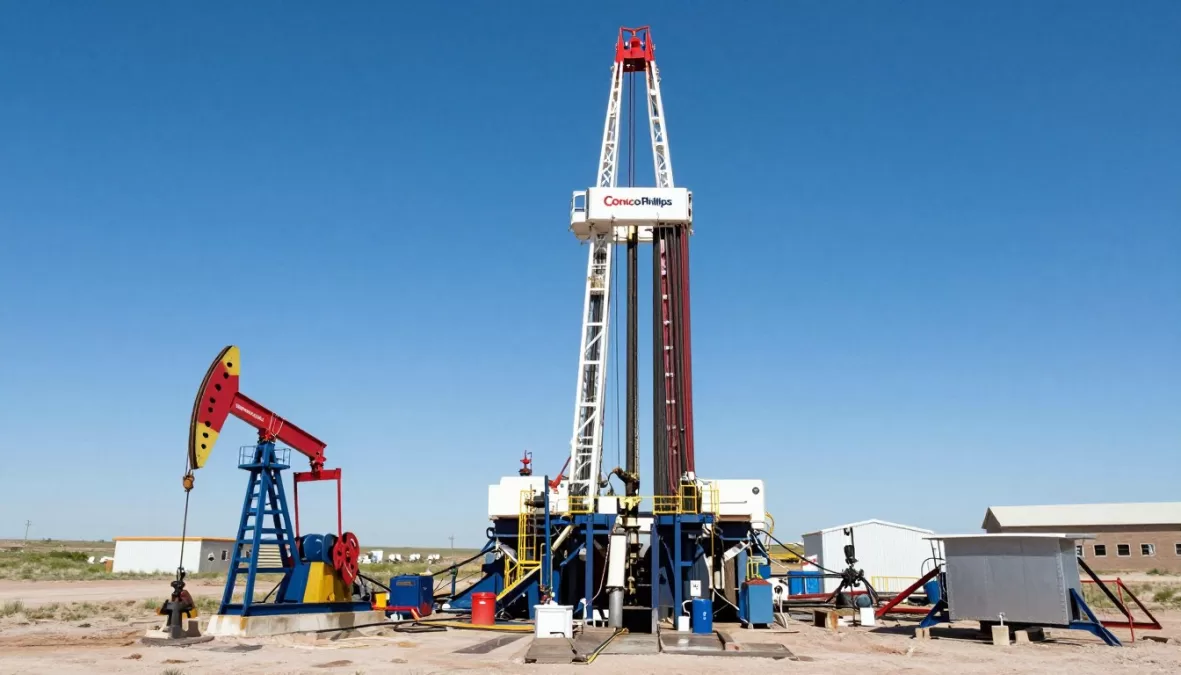
ConocoPhillips operates as the world’s largest independent exploration and production company with a market cap of 141 billion USD. The pure-play upstream focus differentiates the company from integrated majors.
Production averages 1.8 million barrels of oil equivalent daily. The portfolio concentrates on U.S. unconventional resources, Alaska, Canada, and select international assets.
U.S. Unconventional Resource Leadership
ConocoPhillips produces 1.1 million boe/day from U.S. Lower 48 operations. The company maintains top-tier positions in Permian Basin, Eagle Ford, and Bakken shale plays.
Permian production exceeded 520,000 boe/day in 2025. The company operates over 6,500 producing wells with industry-leading well productivity and returns.
Alaska and International Assets
Alaska operations contribute 240,000 boe/day from legacy North Slope fields. The company operates Willow project, expected to produce 180,000 barrels daily at peak.
International assets include operations in Norway, Southeast Asia, and Australia. LNG projects in Qatar and Australia provide exposure to growing natural gas demand.
Capital Discipline and Returns
ConocoPhillips returned 14 billion USD to shareholders in 2025 through dividends and buybacks. The company maintains industry-leading capital efficiency with low breakeven prices.
Operating costs average 6.20 USD per barrel of oil equivalent. Strong balance sheet and cash generation support consistent shareholder distributions regardless of commodity prices.
10. Equinor – Offshore Wind and Oil Integration

Norwegian Energy Leader
Equinor operates with a market cap of 88 billion USD as Norway’s state-controlled energy company. The company balances world-class oil and gas operations with ambitious renewable energy development.
Production reaches 2.1 million barrels of oil equivalent daily. The portfolio emphasizes North Sea operations, international gas assets, and offshore wind projects.
North Sea Operations Excellence
Equinor produces 1.6 million boe/day from Norwegian Continental Shelf. The company operates 30+ producing fields with advanced subsea technology and recovery optimization.
Johan Sverdrup field ranks as one of the world’s most profitable oil projects. Production costs average 2 USD per barrel with carbon emissions intensity below 1 kg CO2 per barrel.
Oil and Gas Strengths
- Low-cost North Sea production
- Advanced subsea technology
- Growing U.S. Gulf operations
- International gas portfolio
- LNG marketing expertise
Renewable Energy Portfolio
- Offshore wind: 2.3 GW operational
- Empire Wind (U.S.) development
- Dogger Bank (UK) partnership
- Solar and onshore wind projects
- Hydrogen production initiatives
Energy Transition Pioneer
Equinor invested 23% of capital expenditures in renewables during 2025. The company targets 12-16 GW renewable capacity by 2035.
Offshore wind expertise leverages decades of North Sea experience. Equinor operates some of the world’s largest floating wind projects demonstrating technological leadership.
Carbon Reduction Leadership
The company reduced carbon intensity by 40% since 2015. Electrification of platforms using shore power significantly decreased emissions from Norwegian operations.
Carbon capture and storage projects include Northern Lights initiative. Equinor targets net zero emissions from operations by 2050 with interim 2030 reduction goals.
Key Trends Shaping the Global Oil and Gas Industry

Energy Transition Acceleration
The oil and gas sector faces unprecedented pressure to reduce emissions while maintaining energy security. Leading oil gas companies invested over 80 billion USD in low-carbon technologies during 2025.
Natural gas demand continues growing as a transition fuel. Gas companies benefit from coal-to-gas switching in power generation and industrial applications.
Digital Transformation and Technology
Artificial intelligence and machine learning optimize production and reduce costs. Digital oilfield technologies improve recovery rates and operational efficiency across the industry.
Automation reduces workforce requirements while enhancing safety. Remote operations centers monitor and control production from thousands of wells simultaneously.
Production Technology
Advanced drilling techniques and enhanced oil recovery methods unlock previously uneconomical reserves.
- Extended reach drilling
- Subsea processing systems
- Smart completions
- Predictive maintenance
Emissions Reduction
Carbon capture, methane management, and electrification reduce the industry’s environmental footprint.
- Carbon capture and storage
- Methane leak detection
- Platform electrification
- Renewable power integration
Market Dynamics
Geopolitical factors, supply chain challenges, and demand patterns influence oil and gas markets significantly.
- Energy security concerns
- Supply chain resilience
- Price volatility management
- Regional demand shifts
Investment Landscape Evolution
Capital discipline remains paramount as companies balance shareholder returns with growth investments. The industry returned over 200 billion USD to shareholders in 2025 through dividends and buybacks.
ESG considerations increasingly influence investment decisions. Oil companies face pressure from investors, regulators, and stakeholders to demonstrate sustainability commitments.
Supply and Demand Outlook
Global oil demand reached 102 million barrels daily in 2025. Emerging market growth offsets efficiency improvements and electric vehicle adoption in developed economies.
Natural gas demand shows stronger growth trajectory. LNG trade expanded 8% annually as countries prioritize gas over coal for power generation.
Price Volatility Remains Key Risk
Oil price fluctuations between 65-95 USD per barrel create planning challenges. Companies with low-cost production and strong balance sheets navigate volatility most effectively. The top oil companies maintain profitability across price cycles through operational excellence and financial discipline.
Comparative Analysis of Top Oil and Gas Companies
Financial Performance Comparison
Market capitalization varies significantly across the top 10 oil and gas companies in the world 2026. Saudi Aramco dwarfs competitors with its 2.1 trillion USD valuation, while Equinor ranks tenth at 88 billion USD.
Revenue generation reflects both production volumes and geographic diversification. Integrated companies with downstream operations typically generate higher revenues but potentially lower margins than pure-play producers.
| Company | Market Cap (Billion USD) | Production (Million boe/day) | Revenue 2025 (Billion USD) | Primary Region |
| Saudi Aramco | 2,100 | 13.6 | 523 | Middle East |
| ExxonMobil | 485 | 3.8 | 398 | Americas |
| Shell | 228 | 3.1 | 386 | Global |
| Chevron | 298 | 3.2 | 246 | Americas |
| TotalEnergies | 156 | 2.4 | 219 | Europe/Africa |
| BP | 118 | 2.3 | 206 | Global |
| PetroChina | 186 | 4.5 | 468 | Asia |
| Petrobras | 92 | 2.6 | 124 | South America |
| ConocoPhillips | 141 | 1.8 | 68 | Americas |
| Equinor | 88 | 2.1 | 96 | Europe |
Production Cost Efficiency
Production costs vary dramatically across the largest oil companies. National oil companies with large conventional reserves typically enjoy lowest costs, while shale producers face higher operating expenses.
Saudi Aramco and Petrobras demonstrate industry-leading cost efficiency. Their low-cost production provides significant competitive advantages during industry downturns.
Strategic Positioning Differences
Companies adopt varied strategies reflecting their asset bases and market positions. Pure-play producers like ConocoPhillips focus exclusively on upstream operations, while integrated majors operate across the entire value chain.
Energy transition approaches differ significantly. European oil companies invest more aggressively in renewables compared to American counterparts emphasizing core oil and gas operations.
- Maximize oil and gas production
- Optimize existing asset base
- Return cash to shareholders
- Selective M&A in core areas
- Incremental emissions reduction
Traditional Focus Companies
- Diversify into renewables
- Reduce hydrocarbon exposure
- Develop low-carbon solutions
- Transform business model
- Aggressive net zero targets
Transition-Focused Companies
Investment Considerations and Market Outlook
Valuation Metrics and Returns
Oil and gas companies trade at varying valuation multiples reflecting growth prospects and risk profiles. Integrated majors typically command premium valuations compared to pure-play producers.
Dividend yields range from 3% to 7% across top oil companies. Consistent dividend payments and share buybacks attract income-focused investors despite energy transition concerns.
Factors Supporting Investment
- Strong cash flow generation
- Attractive dividend yields
- Disciplined capital allocation
- Essential energy supply role
- Technological advancement
- Emerging market demand growth
Investment Risks
- Energy transition uncertainty
- Regulatory and policy changes
- Price volatility exposure
- Geopolitical disruptions
- ESG and reputational pressures
- Long-term demand concerns
Growth Drivers Through 2030
Emerging market industrialization drives continued oil and gas demand growth. Asia, Africa, and Middle East regions show strongest consumption increases through 2030.
Natural gas benefits from coal displacement in power generation. LNG infrastructure expansion enables gas market globalization and price convergence.
Regulatory Environment
Government policies significantly impact the oil gas sector. Carbon pricing, emissions regulations, and renewable energy mandates shape company strategies and profitability.
Energy security concerns following geopolitical disruptions balance climate policies. Governments recognize continued need for reliable oil and gas supply during transition period.
“The oil and gas industry will remain essential for decades, but companies must adapt to changing market conditions and stakeholder expectations. Those investing in technology, efficiency, and selective energy transition opportunities will outperform peers.”
Frequently Asked Questions About Top Oil and Gas Companies
Which is the largest oil and gas company in the world by market capitalization?
Saudi Aramco holds the title as the world’s largest oil and gas company by market capitalization, valued at approximately 2.1 trillion USD as of 2026. The state-owned Saudi Arabian company also produces more crude oil than any other company globally, averaging 12.5 million barrels daily.
How do top oil companies compare in terms of production volumes?
Production volumes vary significantly among leading oil gas companies. Saudi Aramco produces 13.6 million barrels of oil equivalent daily, followed by PetroChina at 4.5 million boe/day. Among international oil companies, ExxonMobil leads with 3.8 million boe/day, while ConocoPhillips produces 1.8 million boe/day as the largest independent producer.
Which oil and gas companies invest most in renewable energy?
European oil companies lead renewable energy investments. TotalEnergies allocates approximately 35% of capital expenditures to renewables and low-carbon electricity. Shell operates over 15 gigawatts of renewable capacity. BP targets 40% of spending on transition businesses. Equinor invested 23% of capital in renewables during 2025, emphasizing offshore wind development.
What are the main differences between integrated and independent oil companies?
Integrated oil companies like ExxonMobil, Shell, and Chevron operate across the entire value chain from exploration to retail sales. They own refineries, chemical plants, and gas stations alongside production assets. Independent companies like ConocoPhillips focus exclusively on exploration and production without downstream operations. Independents typically show higher production growth but greater commodity price sensitivity.
How are oil and gas companies addressing climate change and emissions?
Top oil companies employ multiple strategies to reduce emissions. These include operational efficiency improvements, methane leak reduction, carbon capture and storage projects, renewable energy investments, and developing low-carbon products like hydrogen and biofuels. Most major companies have set net zero emissions targets between 2040-2050, though approaches and investment levels vary significantly.
Which regions produce the most oil and gas globally?
The Middle East leads global oil production, with Saudi Arabia, Iraq, and UAE as top producers. North America, particularly the United States, ranks second due to shale oil development. For natural gas, the United States produces most globally, followed by Russia. Asia Pacific shows fastest demand growth, while Europe reduces production while increasing imports.
What is the outlook for oil and gas demand through 2030?
Global oil demand is projected to reach 104-106 million barrels daily by 2030, with growth concentrated in developing economies. Natural gas demand shows stronger growth, increasing 15-20% through 2030 driven by coal-to-gas switching and LNG expansion. Transportation fuel demand may plateau in developed markets but continues growing in emerging economies despite electric vehicle adoption.
How do production costs vary across different oil and gas companies?
Production costs range from under 3 USD per barrel for Saudi Aramco’s conventional reserves to 35-45 USD per barrel for some deepwater and oil sands projects. U.S. shale production averages 30-40 USD breakeven prices. Companies with low-cost assets like Saudi Aramco, Petrobras pre-salt fields, and Equinor’s North Sea operations maintain profitability across price cycles.
The Future of Global Oil and Gas Leadership
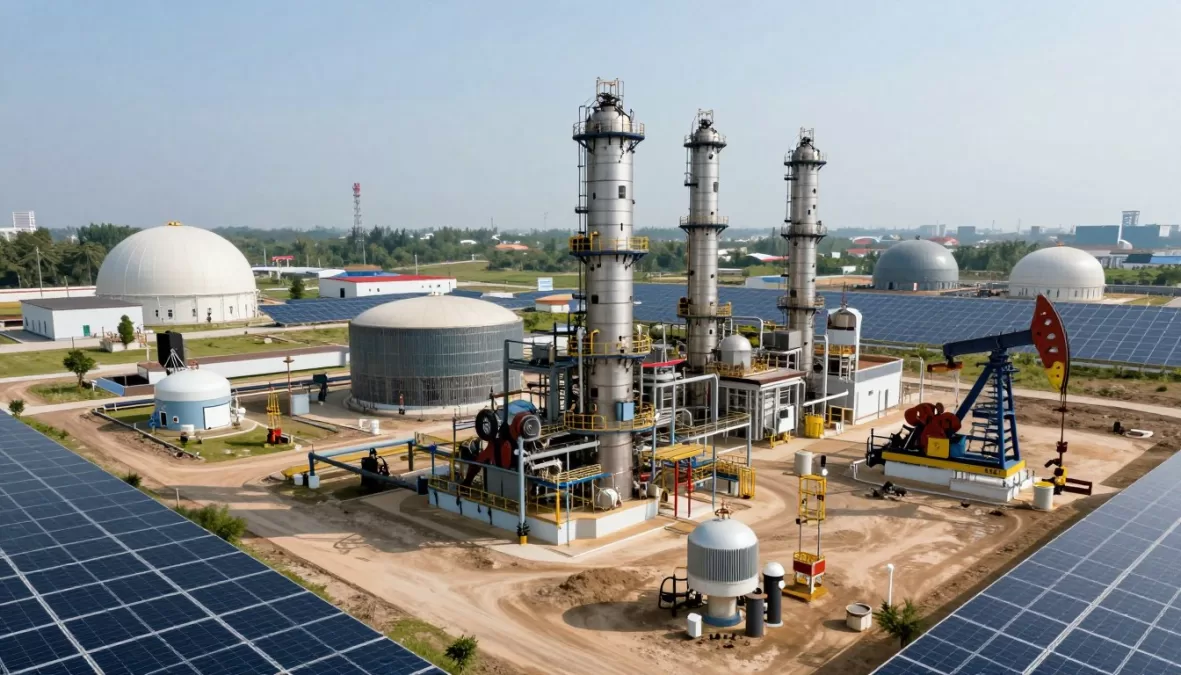
The top 10 oil and gas companies in the world 2026 represent diverse strategies, geographic strengths, and approaches to energy transition. These industry leaders collectively produce over 40 million barrels of oil equivalent daily while managing the complex balance between energy supply and environmental responsibility.
Market leadership continues shifting as companies adapt to changing conditions. National oil companies leverage resource advantages and government support. International majors emphasize technology, efficiency, and strategic portfolio management.
Investment in both traditional oil gas operations and low-carbon solutions characterizes successful companies. The industry recognizes that crude oil and natural gas will remain essential for decades while gradually incorporating cleaner energy sources.
Financial strength, operational excellence, and strategic flexibility separate leaders from followers. Companies maintaining low production costs, strong balance sheets, and disciplined capital allocation demonstrate resilience across commodity price cycles.
The global oil and gas industry faces unprecedented transformation over coming decades. The companies featured here possess the scale, resources, and expertise to navigate this transition while continuing to meet world energy demand. Their strategies and performance will significantly influence both energy markets and climate outcomes through 2030 and beyond.
Key Takeaway: The largest oil and gas companies combine massive production capacity with evolving business models. Understanding their strategies, financial performance, and market positions provides essential insights for anyone following global energy dynamics in 2026 and beyond.

Priyanka Pandey
Senior Research Editor · Top10Sense
Priyanka specializes in tech, consumer products, and digital trends. She combines hands-on testing, vendor interviews, and database research to create trustworthy “Top 10” rankings. Her work has been referenced by industry blogs and brand report pages.