
Building wealth through long-term investments requires careful selection of financial instruments that can withstand market fluctuations while delivering consistent returns. Mutual funds remain one of the most accessible and effective vehicles for long-term wealth creation, offering professional management, diversification, and flexibility to investors of all experience levels.
In this comprehensive guide, we’ll explore the top 10 mutual funds poised for strong performance in 2026 and beyond. These selections are based on rigorous analysis of historical performance, expense ratios, fund manager expertise, and alignment with emerging market trends that will shape the investment landscape in the coming years.
Selection Criteria: How We Chose These Funds
Our selection process for identifying the top mutual funds for 2026 and beyond follows a comprehensive methodology that balances historical performance with forward-looking indicators. We’ve carefully evaluated hundreds of funds against the following criteria:
Performance Metrics
- Consistent 5-10 year track record of returns
- Performance during various market cycles
- Risk-adjusted returns (Sharpe ratio above 1.0)
- Alpha generation compared to benchmark indices
Fund Fundamentals
- Expense ratio below industry average (under 0.80%)
- Assets under management (AUM) exceeding $10 billion
- Fund manager tenure and track record
- Portfolio turnover rate below 50%
Additionally, we’ve considered each fund’s alignment with future market trends, including technological innovation, sustainable investing, demographic shifts, and global economic developments that will likely influence market performance in 2026 and beyond.
Get Personalized Fund Recommendations
Our investment experts can help you choose the right mutual funds based on your specific financial goals and risk tolerance.
Comparative Analysis: At a Glance
Before diving into detailed fund profiles, let’s compare our top 10 selections across key metrics to help you quickly identify which funds might best align with your investment goals.
| Fund Name | Category | Expense Ratio | 5-Year Return | Risk Level | Min. Investment |
| Fidelity 500 Index Fund (FXAIX) | Large-Cap Blend | 0.015% | 14.62% | Moderate | $0 |
| Vanguard Wellington Fund (VWELX) | Balanced Allocation | 0.25% | 8.41% | Low-Moderate | $3,000 |
| Parag Parikh Flexi Cap Fund | Flexi Cap | 0.63% | 21.76% | High | $1,000 |
| Schwab 1000 Index Fund (SNXFX) | Large-Cap Blend | 0.05% | 14.22% | Moderate | $0 |
| Nippon India Small Cap Fund | Small Cap | 0.63% | 30.35% | Very High | $100 |
| Vanguard Total International Stock (VTIAX) | International Equity | 0.09% | 7.83% | High | $3,000 |
| HDFC Mid Cap Fund | Mid Cap | 0.71% | 27.81% | High | $100 |
| Vanguard Real Estate ETF (VNQ) | Real Estate | 0.12% | 8.9% | Moderate-High | Price of 1 share |
| Fidelity Total Market Index (FSKAX) | Total Market | 0.015% | 14.04% | Moderate | $0 |
| Vanguard Total World Stock (VTWAX) | Global Equity | 0.09% | 14.47% | Moderate-High | $3,000 |
Now, let’s examine each of these funds in detail to understand why they’re positioned for strong performance in 2026 and beyond.
1. Fidelity 500 Index Fund (FXAIX)

Key Statistics
- Category: Large-Cap Blend
- Expense Ratio: 0.015%
- 5-Year Average Return: 14.62%
- 10-Year Average Return: 13.85%
- Minimum Investment: $0
- Turnover Rate: 2%
Investment Strategy
The Fidelity 500 Index Fund tracks the performance of the S&P 500 index, providing exposure to 500 of the largest U.S. companies. This passive investment approach eliminates manager risk while delivering market returns at an extremely low cost.
Why It’s a Top Pick for 2026
Despite concerns about market concentration, large-cap U.S. stocks remain the backbone of global markets. With an unmatched expense ratio of just 0.015%, FXAIX offers the most cost-effective way to capture U.S. market growth. The fund’s tax efficiency (due to its low 2% turnover rate) makes it particularly attractive for taxable accounts.
While some analysts worry about the dominance of technology stocks in the S&P 500, the index has historically evolved to reflect the changing economy. As we look toward 2026, the fund’s broad exposure to industry leaders positions it well to benefit from continued innovation and economic growth.
Research Fidelity 500 Index Fund
Get detailed performance data, holdings information, and expert analysis to determine if this fund fits your investment strategy.
2. Vanguard Wellington Fund (VWELX)

Key Statistics
- Category: Balanced Allocation
- Expense Ratio: 0.25%
- 5-Year Average Return: 8.41%
- Since Inception (1929): 8.41% annualized
- Minimum Investment: $3,000
- Asset Allocation: ~65% Stocks, ~35% Bonds
Investment Strategy
The Vanguard Wellington Fund is one of the oldest balanced funds in the U.S., employing an actively managed approach that maintains approximately two-thirds of assets in high-quality, dividend-paying stocks and one-third in investment-grade bonds. This balanced approach provides growth potential with reduced volatility.
Why It’s a Top Pick for 2026
With nearly a century of performance history, Wellington has demonstrated remarkable resilience through multiple market cycles, including the Great Depression, the 2008 financial crisis, and the COVID-19 pandemic. As we navigate potentially volatile markets in the coming years, Wellington’s balanced approach offers a compelling combination of growth and stability.
The fund’s active management allows it to adjust to changing market conditions, while its focus on quality dividend-paying stocks positions it well for an environment where income generation may become increasingly important. For investors seeking a one-fund solution with moderate risk, Wellington remains an excellent choice for 2026 and beyond.
Research Vanguard Wellington Fund
Explore the fund’s holdings, performance history, and manager insights to see if this balanced approach aligns with your investment goals.
3. Parag Parikh Flexi Cap Fund
Key Statistics
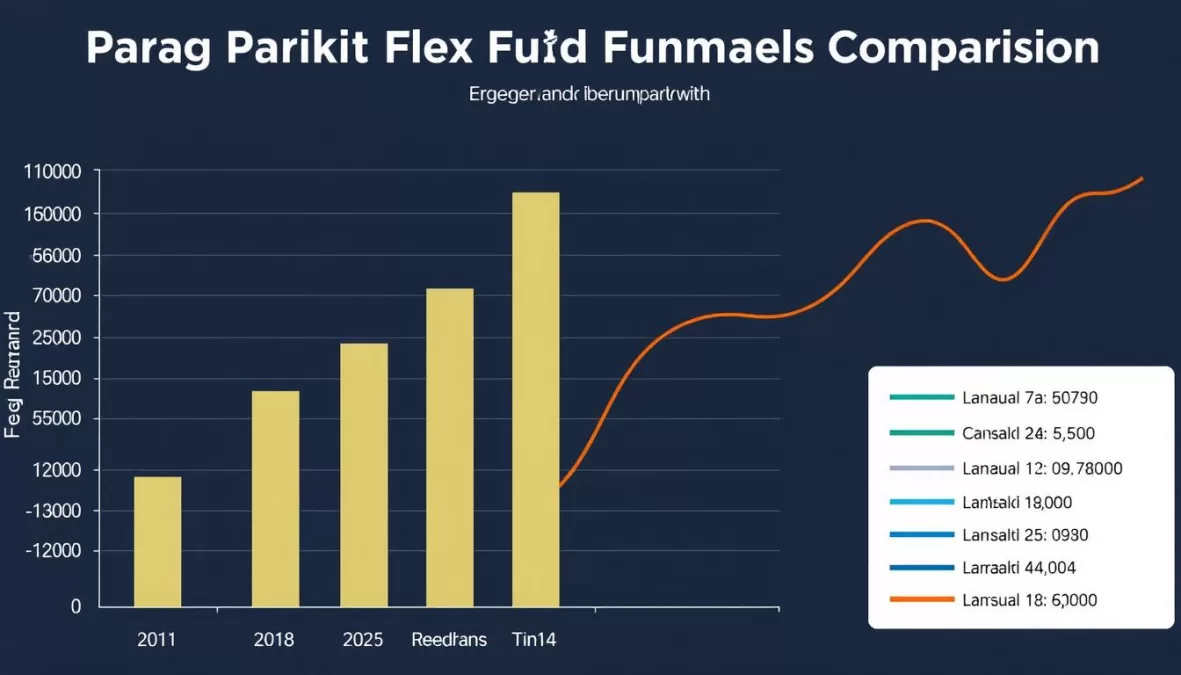
- Category: Flexi Cap
- Expense Ratio: 0.63%
- 5-Year Average Return: 21.76%
- 3-Year Average Return: 21.78%
- Minimum Investment: ₹1,000 (approximately $12)
- AUM: ₹1,25,800 crore (approximately $15 billion)
Investment Strategy
The Parag Parikh Flexi Cap Fund employs a value-oriented approach with the flexibility to invest across market capitalizations and geographies. The fund maintains a concentrated portfolio of high-conviction ideas, with approximately 25-30% allocated to international equities, primarily in the U.S. market.
Why It’s a Top Pick for 2026
This fund stands out for its disciplined value approach and global diversification strategy. The management team has demonstrated exceptional skill in identifying undervalued companies both domestically and internationally, resulting in consistent outperformance over multiple time periods.
Looking toward 2026, the fund’s flexible mandate allows it to adapt to changing market conditions and capitalize on opportunities across different market segments. Its global exposure provides a hedge against local market volatility, while its value orientation positions it well for potential market rotations away from growth stocks that have dominated in recent years.
Research Parag Parikh Flexi Cap Fund
Discover how this globally diversified value fund could complement your investment portfolio.
4. Nippon India Small Cap Fund
Key Statistics
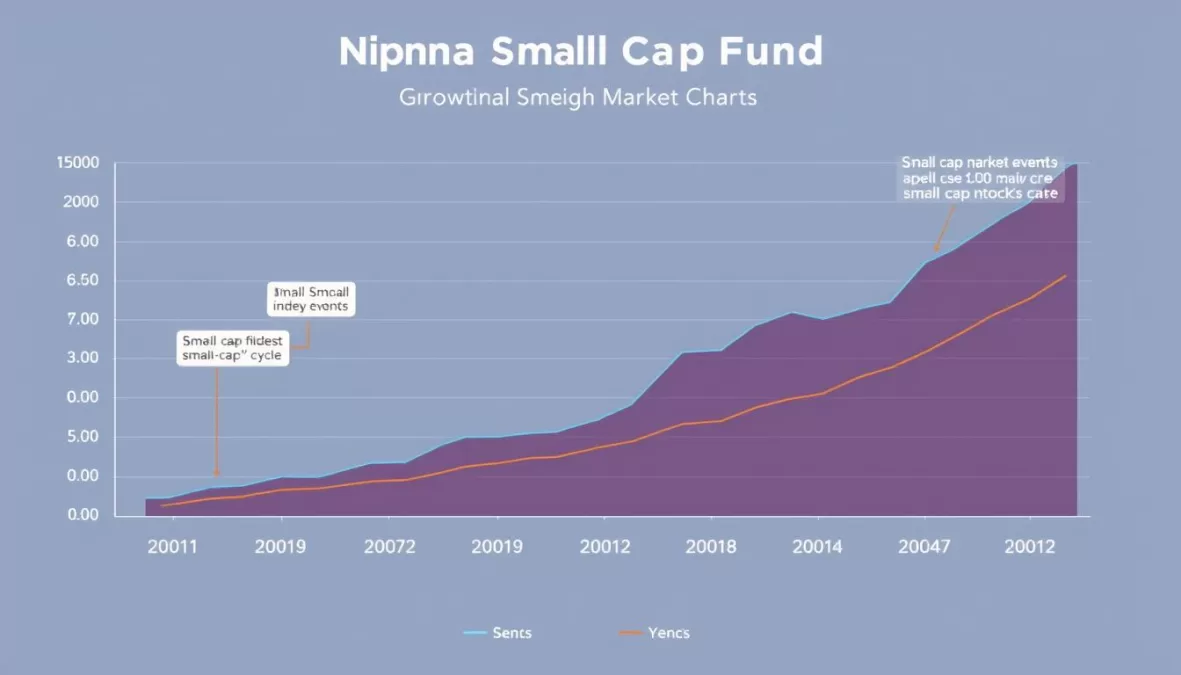
- Category: Small Cap
- Expense Ratio: 0.63%
- 5-Year Average Return: 30.35%
- 3-Year Average Return: 22.17%
- Minimum Investment: ₹100 (approximately $1.20)
- AUM: ₹68,969 crore (approximately $8.3 billion)
Investment Strategy
Nippon India Small Cap Fund focuses on identifying high-growth potential companies in the small-cap segment of the market. The fund employs a bottom-up stock selection process, emphasizing businesses with scalable models, strong management teams, and the potential to become mid or large-cap companies over time.
Why It’s a Top Pick for 2026
Small-cap stocks have historically outperformed their larger counterparts over long time horizons, particularly during economic recovery phases. As we look toward 2026, this fund is well-positioned to capitalize on the growth potential of smaller companies that often fly under the radar of larger institutional investors.
The fund’s impressive track record of delivering over 30% annualized returns over the past five years demonstrates the management team’s skill in identifying tomorrow’s winners. While small-cap investments come with higher volatility, the potential for superior long-term returns makes this fund an excellent choice for investors with a higher risk tolerance and longer time horizon.
Research Nippon India Small Cap Fund
Explore how this high-performing small-cap fund could enhance your portfolio’s growth potential.
5. Vanguard Total International Stock Index Fund (VTIAX)
Key Statistics
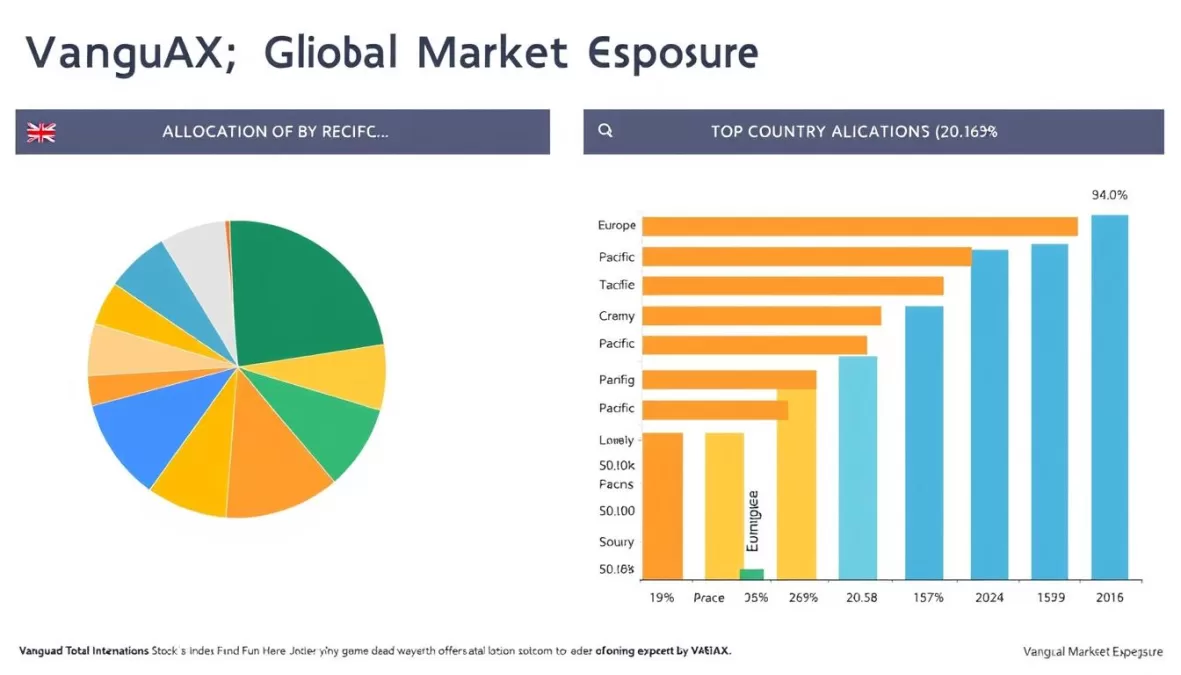
- Category: International Equity
- Expense Ratio: 0.09%
- 5-Year Average Return: 7.83%
- 10-Year Average Return: 6.95%
- Minimum Investment: $3,000
- Holdings: Over 8,500 stocks across developed and emerging markets
Investment Strategy
Vanguard Total International Stock Index Fund provides comprehensive exposure to international markets by tracking the FTSE Global All Cap ex US Index. The fund invests in thousands of stocks across developed and emerging markets, offering true global diversification outside the United States.
Why It’s a Top Pick for 2026
After a prolonged period of U.S. market outperformance, international markets are poised for potential mean reversion. Valuations in many international markets remain significantly lower than their U.S. counterparts, creating an attractive entry point for long-term investors.
As we look toward 2026, demographic trends, policy shifts, and economic development in key international markets could drive stronger relative performance. This fund’s broad diversification across both developed and emerging markets provides exposure to these opportunities at an extremely low cost, making it an essential component of a well-rounded portfolio.
Research Vanguard Total International Stock Index Fund
Discover how global diversification can enhance your portfolio’s long-term growth potential and reduce overall risk.
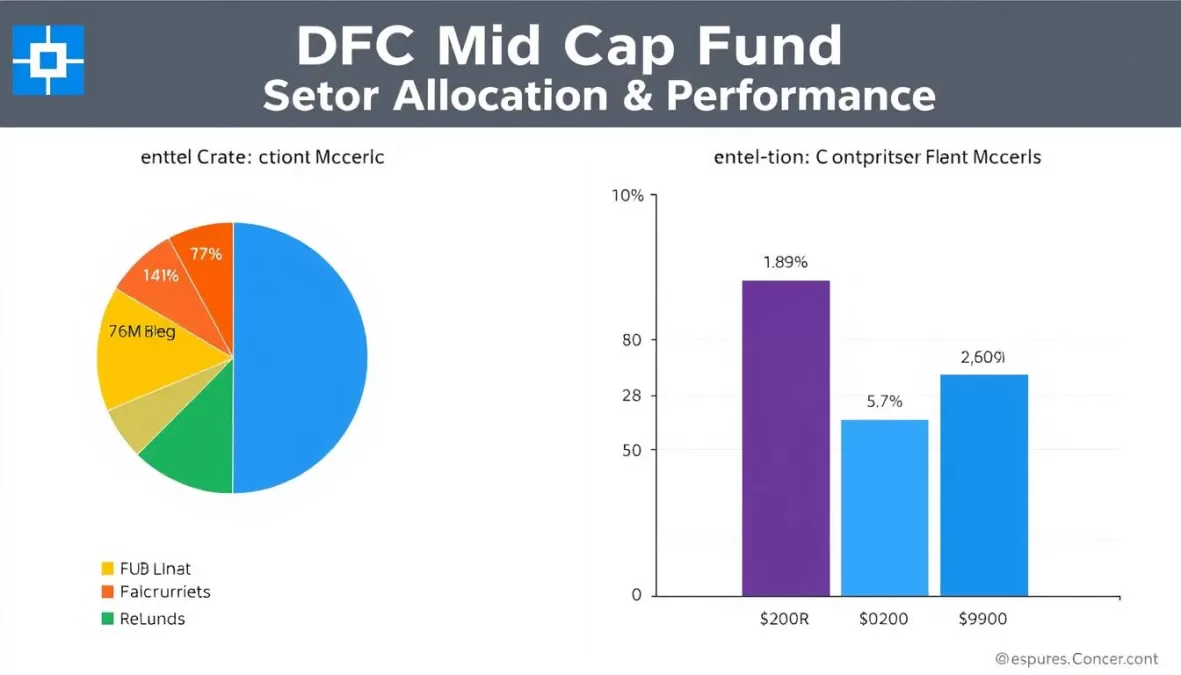
6. HDFC Mid Cap Fund
Key Statistics
- Category: Mid Cap
- Expense Ratio: 0.71%
- 5-Year Average Return: 27.81%
- 3-Year Average Return: 26.35%
- Minimum Investment: ₹100 (approximately $1.20)
- AUM: ₹89,383 crore (approximately $10.7 billion)
Investment Strategy
HDFC Mid Cap Fund focuses on identifying quality mid-sized companies with strong growth potential. The fund employs a blend of growth and value approaches, seeking businesses with sustainable competitive advantages, strong management teams, and reasonable valuations relative to their growth prospects.
Why It’s a Top Pick for 2026
Mid-cap stocks occupy a sweet spot in the market, offering more growth potential than large caps while typically being more established and less volatile than small caps. This fund’s impressive track record of delivering nearly 28% annualized returns over the past five years demonstrates the management team’s skill in navigating this segment of the market.
Looking toward 2026, mid-cap companies are well-positioned to benefit from economic expansion, technological adoption, and consolidation within their industries. The fund’s disciplined approach to identifying quality businesses at reasonable valuations should continue to serve investors well in the years ahead, making it an excellent choice for long-term growth.
Research HDFC Mid Cap Fund
Explore how this high-performing mid-cap fund could enhance your portfolio’s growth potential while managing volatility.
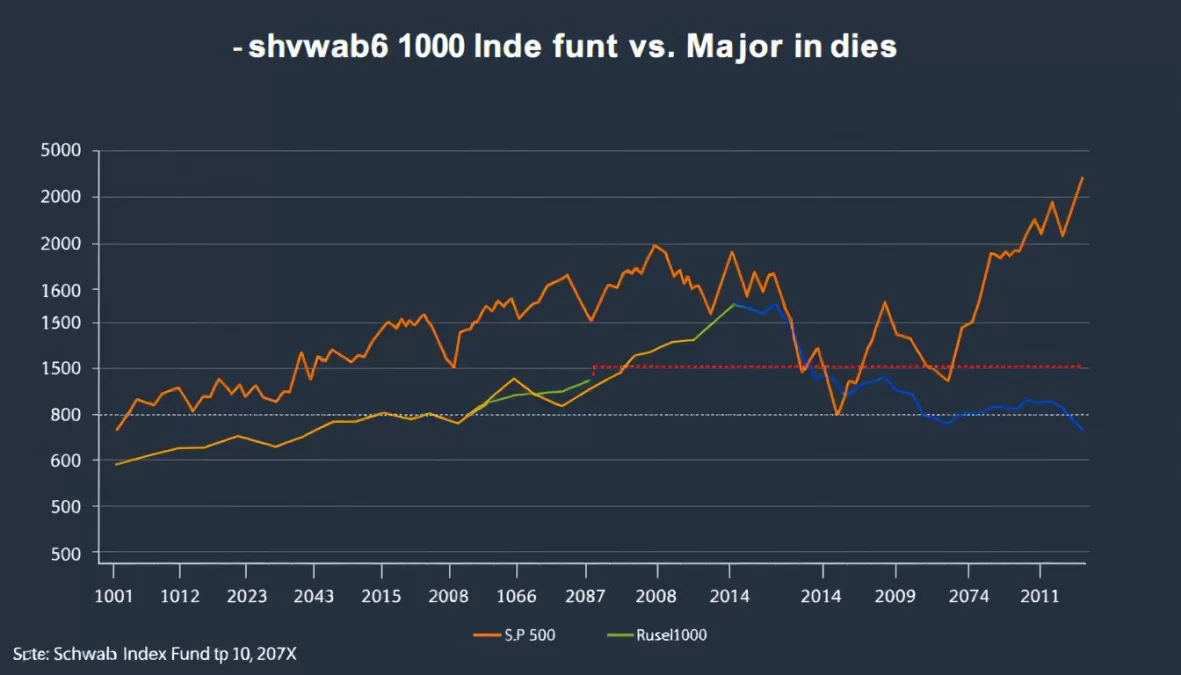
7. Schwab 1000 Index Fund (SNXFX)
Key Statistics
- Category: Large-Cap Blend
- Expense Ratio: 0.05%
- 5-Year Average Return: 14.22%
- 10-Year Average Return: 13.65%
- Minimum Investment: $0
- Turnover Rate: 3.14%
Investment Strategy
The Schwab 1000 Index Fund tracks the performance of the 1,000 largest U.S. companies by market capitalization. This provides broader exposure than S&P 500-only funds while maintaining focus on established, well-capitalized businesses that form the core of the U.S. economy.
Why It’s a Top Pick for 2026
This fund offers an excellent balance of breadth and focus, capturing approximately 90% of the U.S. stock market’s total value. With an extremely low expense ratio of just 0.05% and no minimum investment requirement, it provides one of the most cost-effective ways to build core U.S. market exposure.
The fund’s slightly broader focus compared to S&P 500 funds gives it exposure to more mid-sized companies that may be entering phases of accelerated growth. This positions it well for 2026 and beyond, as it captures both established market leaders and companies on their way to becoming tomorrow’s giants, all while maintaining tax efficiency through its low turnover approach.
Research Schwab 1000 Index Fund
Discover how this low-cost, broad-market index fund could serve as the foundation of your long-term investment strategy.
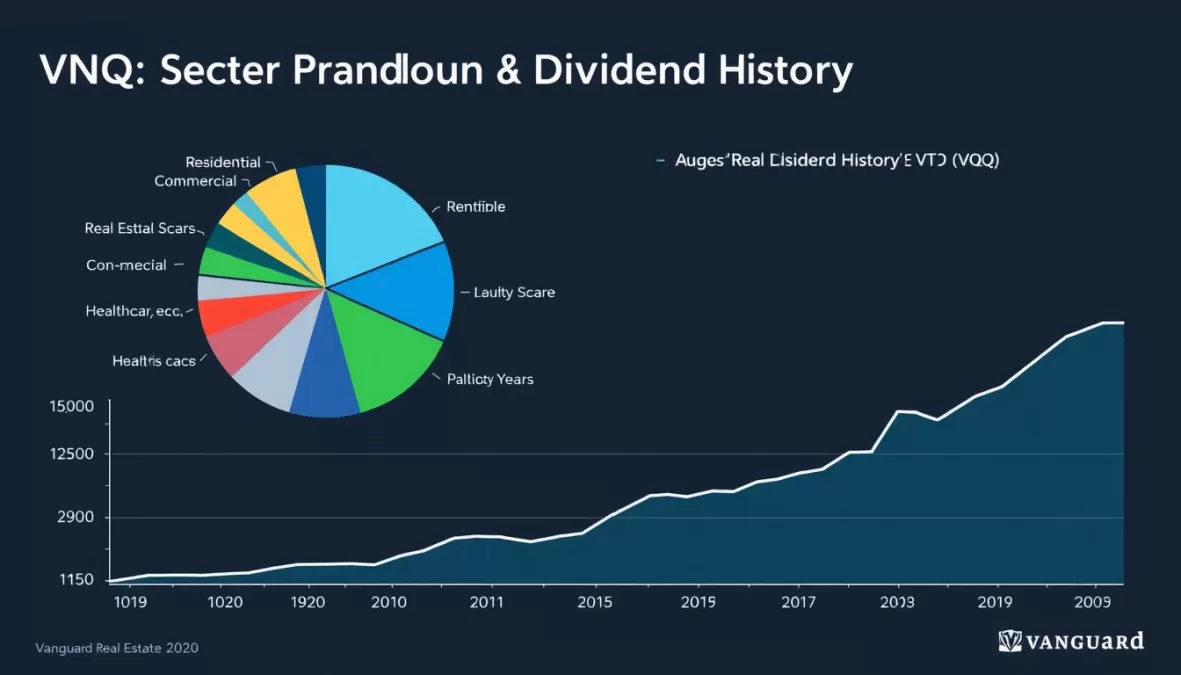
8. Vanguard Real Estate ETF (VNQ)
Key Statistics
- Category: Real Estate
- Expense Ratio: 0.12%
- 5-Year Average Return: 8.9%
- 10-Year Average Return: 8.2%
- Dividend Yield: Approximately 3.8%
- Holdings: Over 150 REITs and real estate companies
Investment Strategy
The Vanguard Real Estate ETF provides broad exposure to the U.S. real estate market by investing in real estate investment trusts (REITs) and other real estate-related companies. The fund covers various property sectors, including residential, commercial, healthcare, and specialized REITs.
Why It’s a Top Pick for 2026
After experiencing challenges in recent years, the real estate sector appears poised for a recovery as interest rate cycles shift and demographic trends drive demand for various property types. This fund offers an efficient way to gain exposure to this potential recovery while providing portfolio diversification benefits.
Real estate has historically served as an effective inflation hedge and income generator. As we look toward 2026, the fund’s broad exposure across different property types positions it to benefit from evolving trends in how we live, work, and shop. With a low expense ratio of just 0.12% and a healthy dividend yield, VNQ offers an attractive combination of income, growth potential, and inflation protection.
Research Vanguard Real Estate ETF
Explore how real estate investments can enhance your portfolio’s diversification, income potential, and inflation protection.
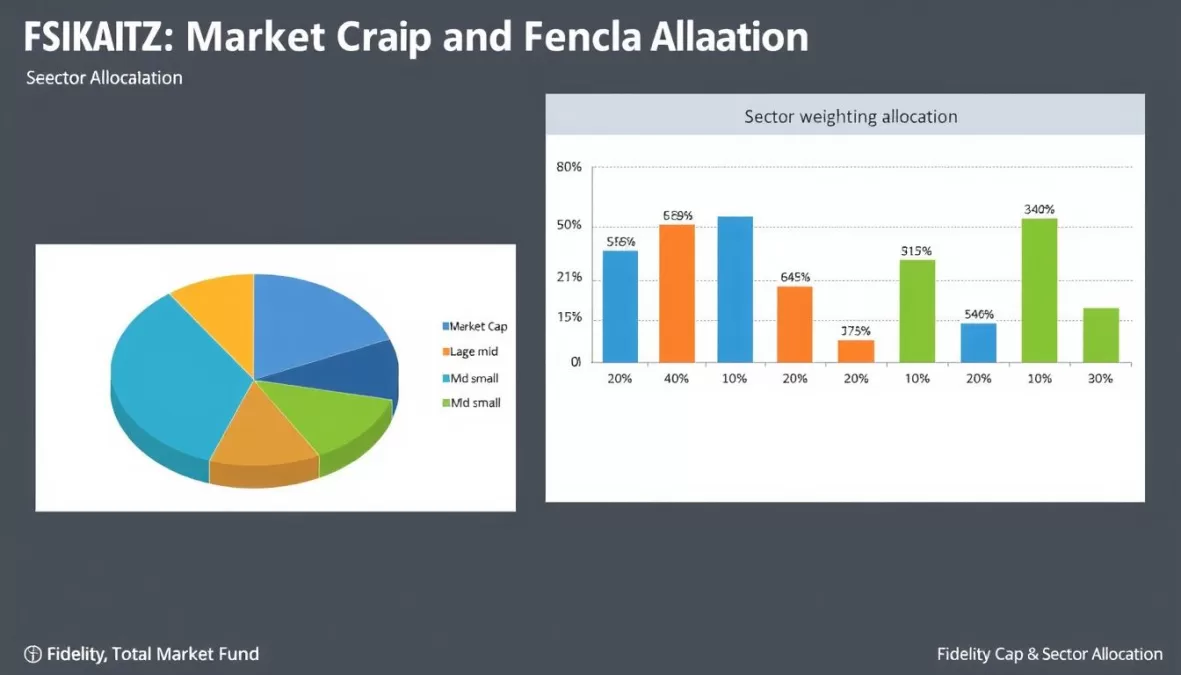
9. Fidelity Total Market Index Fund (FSKAX)
Key Statistics
- Category: Total Market
- Expense Ratio: 0.015%
- 5-Year Average Return: 14.04%
- 10-Year Average Return: 13.25%
- Minimum Investment: $0
- Holdings: Over 3,500 U.S. stocks across all market capitalizations
Investment Strategy
The Fidelity Total Market Index Fund tracks the Dow Jones U.S. Total Stock Market Index, providing comprehensive exposure to the entire U.S. equity market. The fund includes large, mid, and small-cap stocks, offering true market-wide diversification in a single investment vehicle.
Why It’s a Top Pick for 2026
This fund represents the ultimate “own everything” approach to U.S. equity investing. With an industry-leading expense ratio of just 0.015% and no minimum investment requirement, it offers the most cost-effective way to capture the entire U.S. market’s performance.
Looking toward 2026, the fund’s broad exposure positions it to benefit from growth across all market segments. While large-cap stocks have dominated in recent years, historical patterns suggest that leadership rotates over time. By owning the entire market, investors can participate in whichever segment leads the next phase of growth without having to predict which one it will be.
Research Fidelity Total Market Index Fund
Discover how this ultra-low-cost total market fund can provide comprehensive U.S. equity exposure for your long-term investment strategy.
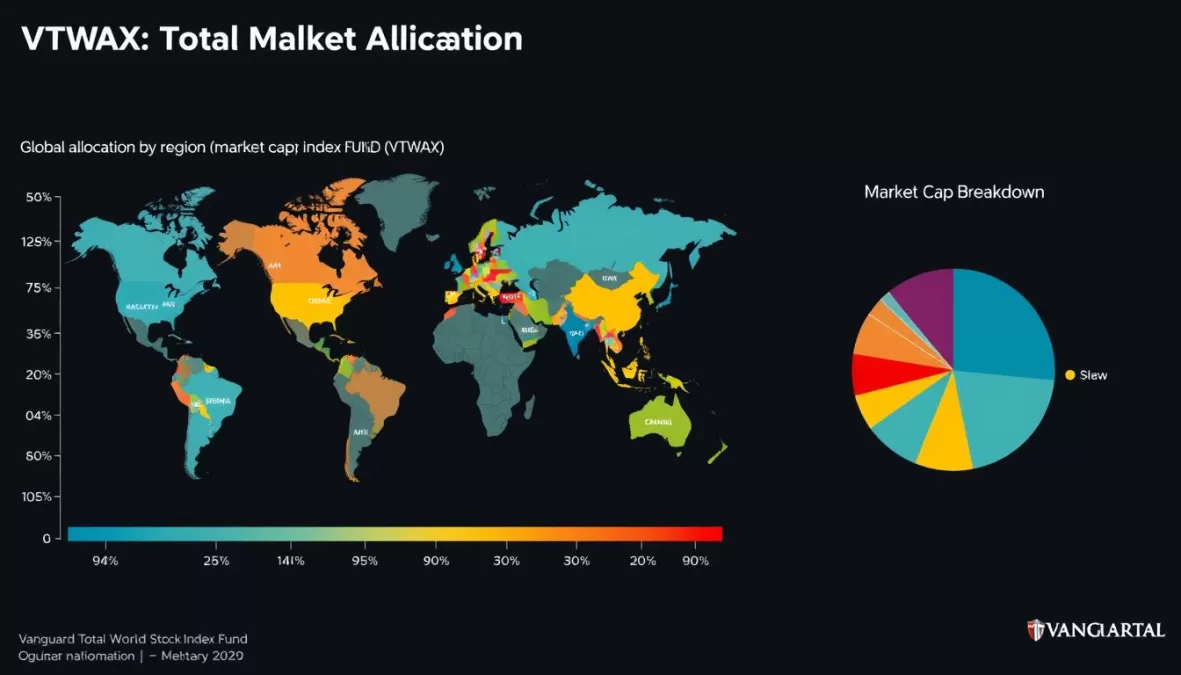
10. Vanguard Total World Stock Index Fund (VTWAX)
Key Statistics
- Category: Global Equity
- Expense Ratio: 0.09%
- 5-Year Average Return: 14.47%
- Since Inception: 11.85% annualized
- Minimum Investment: $3,000
- Holdings: Over 9,800 stocks across global markets
Investment Strategy
The Vanguard Total World Stock Index Fund tracks the FTSE Global All Cap Index, providing comprehensive exposure to the entire global equity market in a single fund. It includes stocks from developed and emerging markets, including the United States, offering true global diversification.
Why It’s a Top Pick for 2026
For investors seeking the ultimate “set it and forget it” approach to equity investing, this fund offers unparalleled simplicity and diversification. With a single purchase, investors gain exposure to virtually every publicly traded company of significance across the globe.
As we look toward 2026, global economic integration continues despite geopolitical tensions, making worldwide diversification increasingly important. This fund’s comprehensive approach ensures participation in growth opportunities wherever they emerge, while its low expense ratio of just 0.09% keeps costs minimal. For investors who want to own “the world” without having to make allocation decisions between U.S. and international markets, VTWAX represents an elegant solution.
Research Vanguard Total World Stock Index Fund
Explore how this comprehensive global equity fund can provide complete market coverage for your long-term investment strategy.
Conclusion: Building Your Long-Term Investment Strategy
The mutual funds highlighted in this guide represent some of the most promising options for long-term investors looking ahead to 2026 and beyond. From low-cost index funds that provide broad market exposure to actively managed options with strong track records, these selections offer various approaches to building wealth over time.
When constructing your portfolio, consider how these funds might work together to achieve your specific financial goals. A well-designed portfolio typically includes diversification across asset classes, geographies, and investment styles to manage risk while maximizing growth potential.
“The ideal portfolio is not about chasing the highest returns but about finding the right balance between risk and reward that allows you to stay invested through market cycles.”
Remember that even the best mutual funds require patience and discipline. Market volatility is inevitable, but historically, long-term investors who maintain their strategy through market cycles have been rewarded. Regular portfolio reviews and occasional rebalancing can help ensure your investments remain aligned with your goals as market conditions evolve.
Finally, while this guide provides a solid foundation for mutual fund selection, your personal financial situation, risk tolerance, and time horizon should ultimately guide your investment decisions. Consider consulting with a qualified financial advisor to tailor these recommendations to your specific needs.
Start Building Your Long-Term Portfolio
Our investment specialists can help you create a personalized mutual fund portfolio based on your financial goals, time horizon, and risk tolerance.
Frequently Asked Questions
How much money do I need to start investing in mutual funds?
Minimum investment requirements vary by fund and provider. Some funds on our list, like Fidelity 500 Index Fund (FXAIX) and Schwab 1000 Index Fund (SNXFX), have no minimum investment requirement, allowing you to start with any amount. Others, like Vanguard’s Admiral Shares funds, typically require ,000 to start. Many funds also offer automatic investment plans that allow you to invest as little as -100 per month.
How do expense ratios affect my investment returns?
Expense ratios directly impact your investment returns because these fees are deducted from the fund’s assets annually. For example, if a fund has a 1% expense ratio, you’re effectively paying annually for every
Frequently Asked Questions
How much money do I need to start investing in mutual funds?
Minimum investment requirements vary by fund and provider. Some funds on our list, like Fidelity 500 Index Fund (FXAIX) and Schwab 1000 Index Fund (SNXFX), have no minimum investment requirement, allowing you to start with any amount. Others, like Vanguard’s Admiral Shares funds, typically require $3,000 to start. Many funds also offer automatic investment plans that allow you to invest as little as $50-100 per month.
How do expense ratios affect my investment returns?
Expense ratios directly impact your investment returns because these fees are deducted from the fund’s assets annually. For example, if a fund has a 1% expense ratio, you’re effectively paying $10 annually for every $1,000 invested. Over decades, even small differences in expense ratios can significantly impact your returns due to compounding. This is why we’ve prioritized funds with low expense ratios in our selections.
Should I choose index funds or actively managed funds for long-term investing?
Both approaches have merits for long-term investors. Index funds offer broad market exposure, extremely low costs, and tax efficiency. They’re ideal for core portfolio holdings and have historically outperformed many active funds. However, select actively managed funds with disciplined processes and reasonable fees (like some on our list) have demonstrated the ability to outperform over time, particularly in less efficient market segments like small-caps or emerging markets. Many successful investors use a combination of both approaches.
How often should I review my mutual fund investments?
For long-term investors, quarterly or semi-annual reviews are typically sufficient. Frequent monitoring can lead to emotional decision-making based on short-term market movements. During reviews, focus on whether the fund is still following its stated strategy, if there have been significant manager changes, and if your overall portfolio remains aligned with your goals. Annual rebalancing is usually adequate for most long-term investors.
Are these mutual funds suitable for retirement accounts?
Yes, all the funds on our list are appropriate for retirement accounts like IRAs and 401(k)s. In fact, tax-advantaged retirement accounts are ideal for holding mutual funds, as they shelter you from the tax consequences of distributions. Index funds like Fidelity Total Market Index and Vanguard Total World Stock are excellent core holdings for retirement portfolios, while actively managed funds can potentially enhance returns in specific segments.
,000 invested. Over decades, even small differences in expense ratios can significantly impact your returns due to compounding. This is why we’ve prioritized funds with low expense ratios in our selections.
Should I choose index funds or actively managed funds for long-term investing?
Both approaches have merits for long-term investors. Index funds offer broad market exposure, extremely low costs, and tax efficiency. They’re ideal for core portfolio holdings and have historically outperformed many active funds. However, select actively managed funds with disciplined processes and reasonable fees (like some on our list) have demonstrated the ability to outperform over time, particularly in less efficient market segments like small-caps or emerging markets. Many successful investors use a combination of both approaches.
How often should I review my mutual fund investments?
For long-term investors, quarterly or semi-annual reviews are typically sufficient. Frequent monitoring can lead to emotional decision-making based on short-term market movements. During reviews, focus on whether the fund is still following its stated strategy, if there have been significant manager changes, and if your overall portfolio remains aligned with your goals. Annual rebalancing is usually adequate for most long-term investors.
Are these mutual funds suitable for retirement accounts?
Yes, all the funds on our list are appropriate for retirement accounts like IRAs and 401(k)s. In fact, tax-advantaged retirement accounts are ideal for holding mutual funds, as they shelter you from the tax consequences of distributions. Index funds like Fidelity Total Market Index and Vanguard Total World Stock are excellent core holdings for retirement portfolios, while actively managed funds can potentially enhance returns in specific segments.

Priyanka Pandey
Senior Research Editor · Top10Sense
Priyanka specializes in tech, consumer products, and digital trends. She combines hands-on testing, vendor interviews, and database research to create trustworthy “Top 10” rankings. Her work has been referenced by industry blogs and brand report pages.