The global economic landscape is constantly evolving, shaped by technological innovation, shifting consumer behaviors, and macroeconomic forces. As we look toward 2026, predicting which companies will command the highest market capitalizations offers valuable insights for investors, business leaders, and market analysts. This forecast examines the potential trajectory of global corporate giants based on current growth patterns, strategic initiatives, and emerging market opportunities.
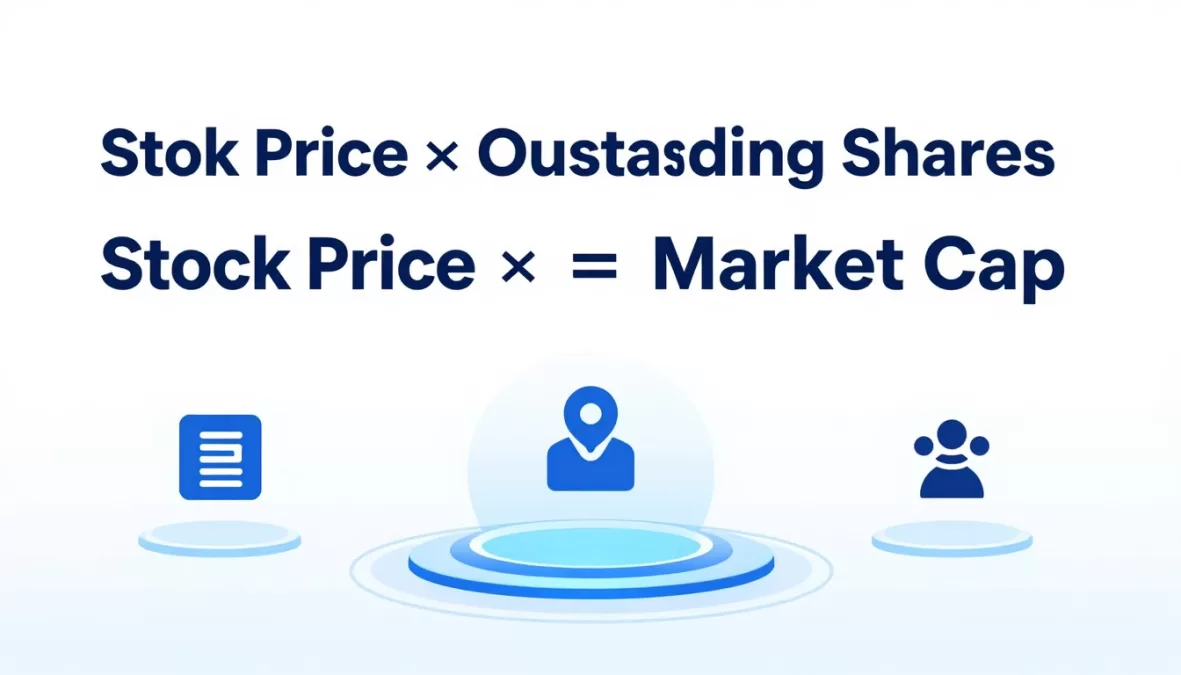
Market capitalization—calculated by multiplying a company’s outstanding shares by its current stock price—remains the primary metric for comparing company valuations across industries and regions. While forecasting future market caps involves inherent speculation, analyzing fundamental business strengths, technological advantages, and growth vectors can reveal which enterprises are positioned to dominate the global economy in the coming years.
Understanding Market Capitalization and Future Forecasting
Market capitalization calculation: the foundation of company valuation forecasts
When projecting the most valuable companies in 2026, we must consider several key factors that will influence market capitalizations:
- Artificial intelligence integration and leadership
- Cloud computing infrastructure and market share
- Renewable energy transition capabilities
- Semiconductor manufacturing advantages
- Global regulatory environments and antitrust concerns
- Consumer data monetization strategies
- Supply chain resilience and manufacturing capabilities
- Emerging market penetration and growth
Our methodology combines quantitative analysis of current growth trajectories with qualitative assessment of competitive advantages, technological moats, and strategic positioning. While no forecast can be definitive, this analysis provides a reasoned projection of which companies may lead global markets by 2026.
The Projected Top 10 Most Valuable Companies in 2026
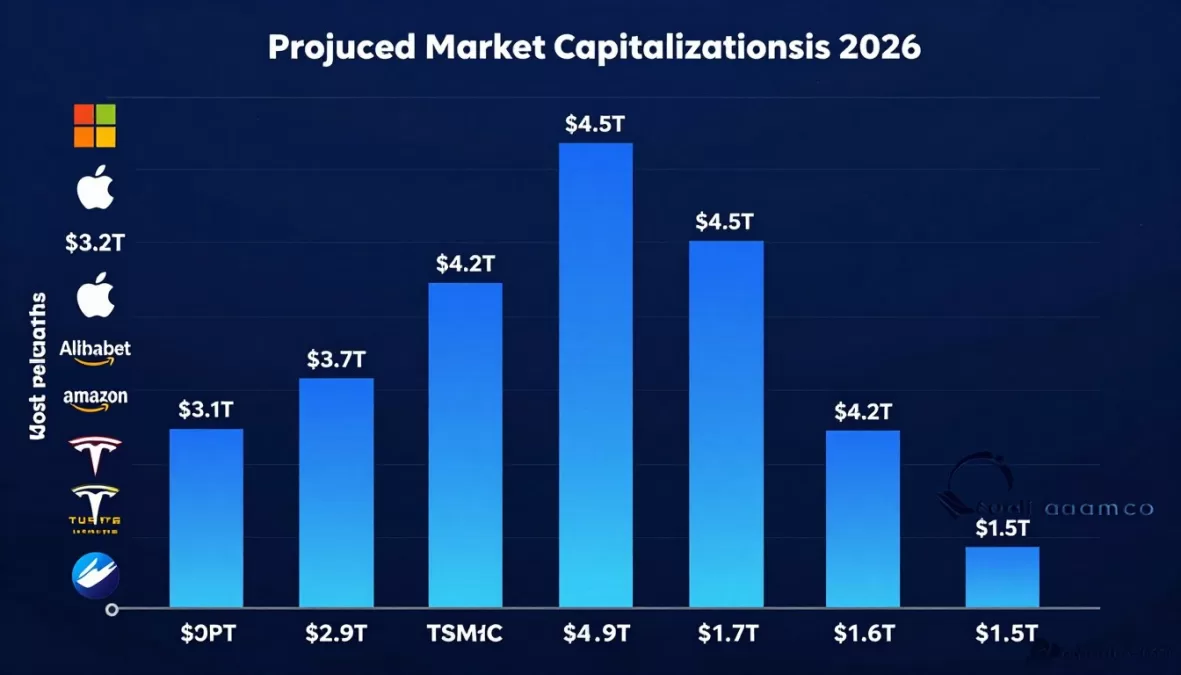
| Rank | Company | Projected Market Cap (2026) | Current Market Cap (2024) | Projected Growth | Primary Growth Driver |
| 1 | Nvidia | $4.5 trillion | $2.7 trillion | +67% | AI infrastructure dominance |
| 2 | Microsoft | $4.2 trillion | $3.1 trillion | +35% | Cloud & AI integration |
| 3 | Apple | $3.9 trillion | $3.0 trillion | +30% | Services ecosystem expansion |
| 4 | Alphabet | $3.7 trillion | $2.1 trillion | +76% | AI search & cloud services |
| 5 | Amazon | $3.1 trillion | $1.9 trillion | +63% | AWS expansion & logistics |
| 6 | Meta Platforms | $2.2 trillion | $1.2 trillion | +83% | Metaverse & AI integration |
| 7 | TSMC | $1.9 trillion | $0.9 trillion | +111% | Advanced chip manufacturing |
| 8 | Tesla | $1.7 trillion | $0.8 trillion | +113% | Energy solutions & AI |
| 9 | Saudi Aramco | $1.6 trillion | $1.8 trillion | -11% | Energy transition investments |
| 10 | Broadcom | $1.5 trillion | $0.7 trillion | +114% | AI chip design & enterprise software |
Let’s examine each of these projected market leaders in detail, analyzing their current positions, growth catalysts, and potential challenges that could affect their 2026 valuations.
1. Nvidia: The AI Infrastructure Kingmaker
Current Standing (2024)
Nvidia has transformed from a gaming graphics card manufacturer into the essential infrastructure provider for the AI revolution. With a current market capitalization of approximately $2.7 trillion, Nvidia’s GPUs have become the de facto standard for training and running large AI models. The company’s data center revenue has eclipsed its gaming business, reflecting its pivotal role in powering everything from generative AI to autonomous systems.
Growth Drivers for 2026
- Continued dominance in AI accelerator chips with next-generation GPU architectures
- Expansion of CUDA software ecosystem creating powerful network effects
- Strategic partnerships with cloud providers and enterprise customers
- Vertical integration into specialized AI systems for healthcare, autonomous vehicles, and industrial applications
- Development of custom AI solutions for sovereign computing initiatives
Potential Risks
Challenges Ahead
- Increasing competition from AMD, Intel, and custom silicon from hyperscalers
- Potential market saturation as AI infrastructure buildout matures
- Regulatory scrutiny over market dominance and chip export restrictions
- Cyclical nature of semiconductor demand could impact growth trajectory
By 2026, Nvidia is projected to reach a market capitalization of $4.5 trillion, cementing its position as the world’s most valuable company. This forecast assumes continued AI investment growth and Nvidia’s ability to maintain its technological edge despite intensifying competition.
2. Microsoft: Cloud and AI Integration Powerhouse
Current Standing (2024)
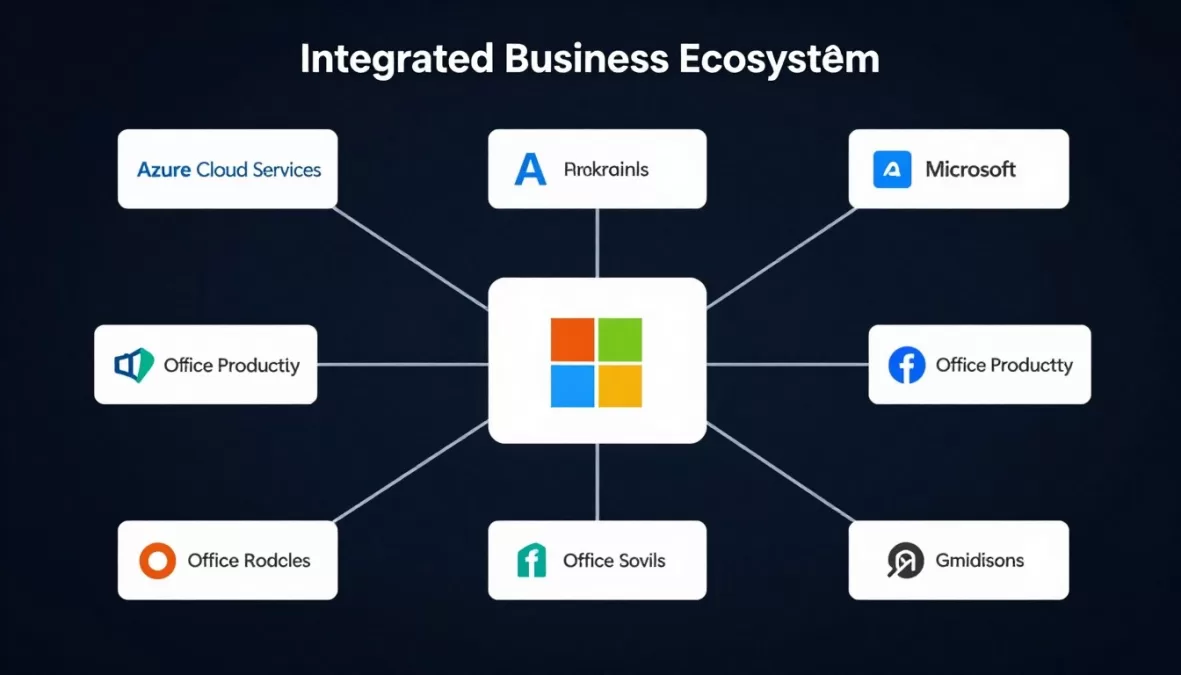
Microsoft has successfully transitioned from a software licensing business to a cloud-first company under CEO Satya Nadella. With a current market cap around $3.1 trillion, Microsoft’s Azure cloud platform has become a close second to AWS, while its strategic investment in OpenAI has positioned it at the forefront of generative AI integration across its product suite.
Growth Drivers for 2026
- Azure cloud infrastructure growth, particularly in enterprise and government sectors
- Deep integration of AI capabilities across Microsoft 365, Dynamics, and developer tools
- Expansion of GitHub and developer ecosystem to capture AI application development
- Gaming division growth through Xbox Game Pass and strategic acquisitions
- Enterprise security solutions addressing growing cybersecurity concerns
Potential Risks
Challenges Ahead
- Intensifying cloud competition from Amazon, Google, and specialized providers
- Regulatory scrutiny over AI deployment and potential antitrust concerns
- Challenges in maintaining growth rates as the company’s size increases
- Potential disruption from open-source AI models challenging proprietary offerings
Microsoft’s projected $4.2 trillion market cap by 2026 reflects its strong position across multiple high-growth markets and its ability to integrate AI capabilities throughout its product ecosystem, creating powerful network effects that enhance customer retention and expand revenue opportunities.
3. Apple: Services and Ecosystem Expansion

Current Standing (2024)
Apple continues to command premium positioning in consumer hardware with its iPhone, Mac, and wearables lines. With a current market cap of approximately $3.0 trillion, the company has successfully expanded its services business, including Apple TV+, Apple Music, iCloud, and the App Store, which now contributes significantly to its revenue and profit margins.
Growth Drivers for 2026
- Expansion of services ecosystem with new subscription offerings and bundling strategies
- Entry into new product categories, potentially including augmented reality devices
- Integration of on-device AI capabilities enhancing privacy-focused differentiation
- Continued growth in wearables and health monitoring technologies
- Expansion in emerging markets with tailored product strategies
Potential Risks
Challenges Ahead
- Slowing iPhone replacement cycles and market saturation
- Regulatory pressure on App Store business model and fees
- Increasing competition in services from specialized providers
- Challenges in maintaining hardware innovation pace
- Supply chain dependencies and geopolitical manufacturing risks
Apple’s projected $3.9 trillion valuation by 2026 assumes successful expansion of its services business, continued premium positioning in hardware, and potential entry into new product categories that leverage its ecosystem advantages and brand strength.
4. Alphabet: AI-Powered Search and Cloud Evolution

Current Standing (2024)
Alphabet, Google’s parent company, maintains its dominance in digital advertising through its search engine and YouTube platform. With a current market cap of around $2.1 trillion, the company has been investing heavily in AI research through DeepMind and Google Research, while growing its Google Cloud Platform as a significant revenue contributor.
Growth Drivers for 2026
- AI-enhanced search capabilities maintaining Google’s core business advantage
- Google Cloud Platform growth in enterprise and AI-specialized infrastructure
- YouTube expansion into new content formats and monetization models
- Commercialization of DeepMind AI research across multiple industries
- Waymo autonomous vehicle technology deployment and licensing
Potential Risks
Challenges Ahead
- Regulatory pressure on digital advertising business and potential antitrust action
- Competition from specialized AI search alternatives and vertical search engines
- Cloud market share challenges against AWS and Azure
- Privacy regulation impacts on data collection and advertising effectiveness
- Monetization challenges for “Other Bets” investments
Alphabet’s projected $3.7 trillion valuation by 2026 reflects the company’s ability to enhance its core search and advertising business with AI capabilities while successfully expanding its cloud services and potentially commercializing breakthrough technologies from its research divisions.
5. Amazon: E-commerce and Cloud Infrastructure Giant
Current Standing (2024)
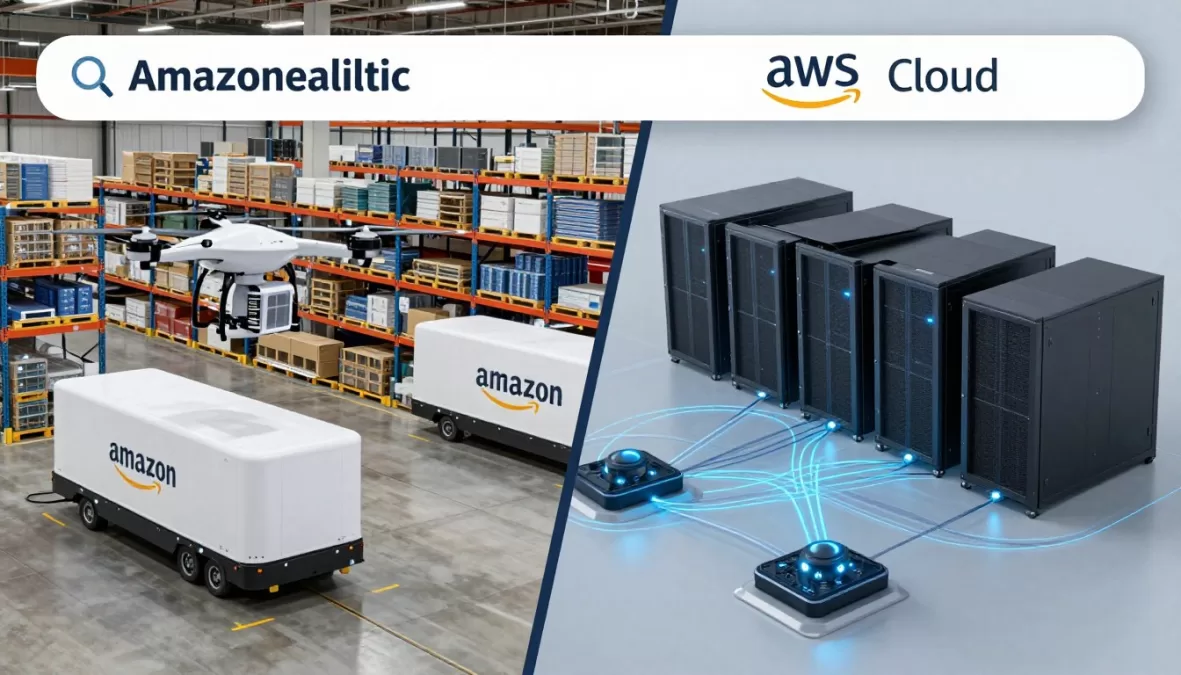
Amazon continues to dominate e-commerce in Western markets while maintaining leadership in cloud computing through AWS. With a current market capitalization of approximately $1.9 trillion, the company has been expanding its advertising business, healthcare initiatives, and logistics capabilities while investing in AI applications across its operations.
Growth Drivers for 2026
- AWS expansion with specialized AI infrastructure and industry-specific solutions
- Advanced logistics automation reducing delivery costs and improving margins
- Growth of high-margin advertising business leveraging shopping intent data
- Healthcare services expansion through Amazon Pharmacy and telehealth initiatives
- International e-commerce growth in emerging markets
Potential Risks
Challenges Ahead
- Increasing competition in e-commerce from regional specialists and social commerce
- Cloud computing margin pressure from intensifying competition
- Regulatory scrutiny over marketplace practices and treatment of sellers
- Labor relations challenges and rising fulfillment costs
- Potential antitrust action in multiple jurisdictions
Amazon’s projected $3.1 trillion valuation by 2026 assumes continued AWS leadership in cloud infrastructure, successful margin improvements in its e-commerce business through automation, and growth in high-margin services like advertising and subscription offerings.
6. Meta Platforms: Social Media and Metaverse Pioneer
Current Standing (2024)
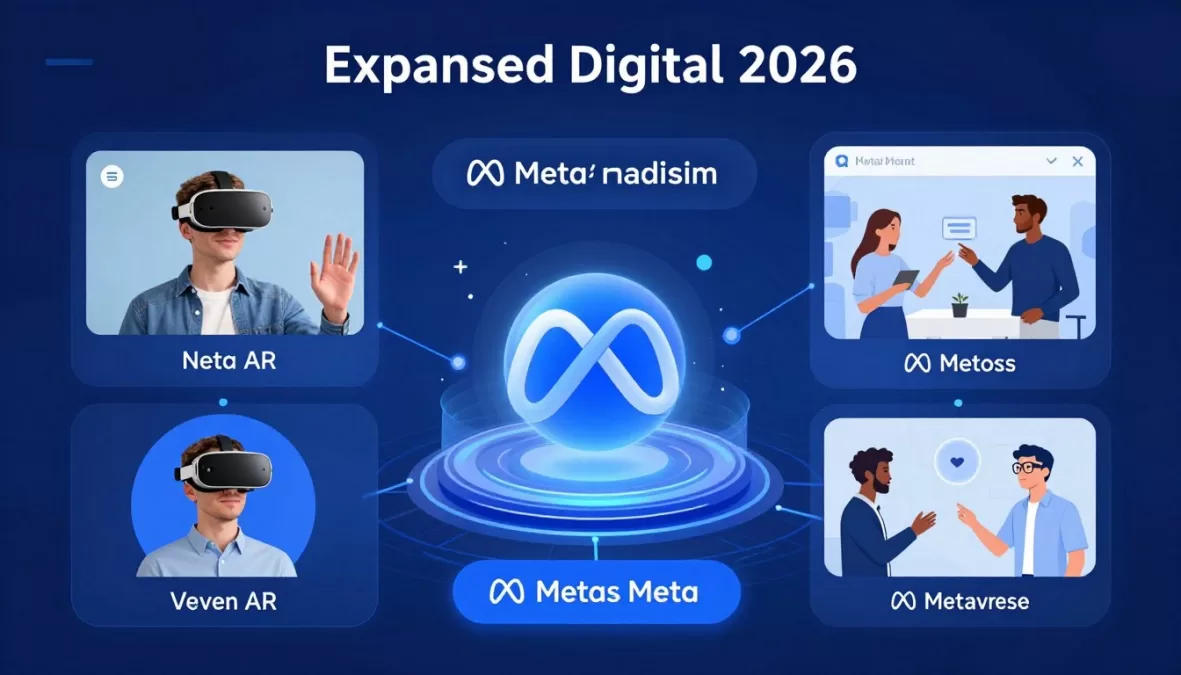
Meta Platforms (formerly Facebook) maintains its position as the dominant social media company through Facebook, Instagram, and WhatsApp. With a current market cap of around $1.2 trillion, the company has been investing heavily in metaverse technologies through Reality Labs while enhancing its advertising platforms with AI capabilities.
Growth Drivers for 2026
- AI-powered advertising effectiveness across its family of apps
- Monetization of WhatsApp business services and payment capabilities
- Commercial applications of metaverse technologies in enterprise and education
- Advanced AR/VR hardware achieving mainstream adoption
- Strategic acquisitions in emerging social and communication platforms
Potential Risks
Challenges Ahead
- User engagement challenges from emerging social platforms
- Privacy regulation impacts on targeted advertising capabilities
- Continued metaverse investment without clear monetization path
- Regulatory scrutiny and potential forced divestiture of acquired platforms
- Brand safety concerns for advertisers on social platforms
Meta’s projected $2.2 trillion valuation by 2026 reflects successful AI integration enhancing its advertising business, meaningful progress in metaverse adoption, and effective monetization of its massive user base across multiple platforms and services.
7. TSMC: Advanced Semiconductor Manufacturing Leader
Current Standing (2024)
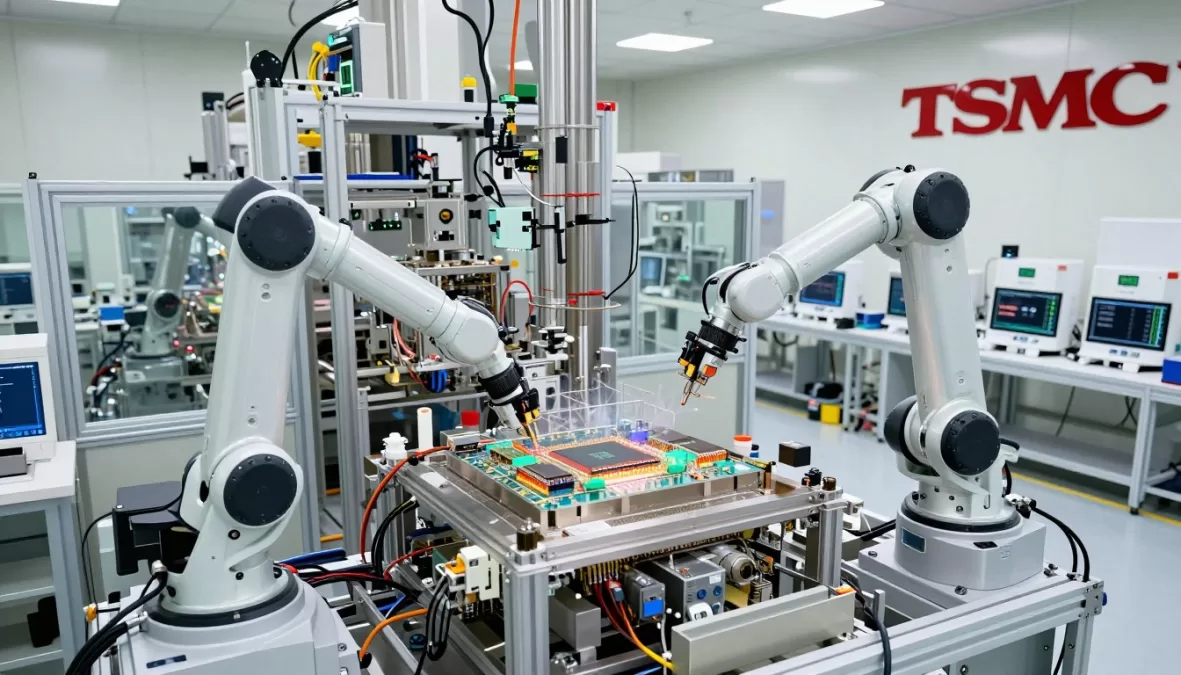
Taiwan Semiconductor Manufacturing Company (TSMC) has established itself as the world’s premier contract chip manufacturer, producing advanced processors for companies like Apple, Nvidia, and AMD. With a current market cap of approximately $900 billion, TSMC’s technological lead in semiconductor manufacturing processes has made it an essential component of the global technology supply chain.
Growth Drivers for 2026
- Leadership in advanced manufacturing nodes (2nm and beyond)
- Expansion of manufacturing capacity in the US, Japan, and Europe
- Specialized chip manufacturing for AI accelerators and high-performance computing
- Advanced packaging technologies enabling heterogeneous integration
- Growing demand for chips across automotive, IoT, and edge computing applications
Potential Risks
Challenges Ahead
- Geopolitical tensions affecting Taiwan’s semiconductor industry
- Competition from Intel, Samsung, and government-backed semiconductor initiatives
- Rising costs of advanced manufacturing technology development
- Potential fragmentation of semiconductor supply chains due to national security concerns
- Cyclical nature of semiconductor demand
TSMC’s projected $1.9 trillion valuation by 2026 assumes continued technological leadership in semiconductor manufacturing, successful geographic diversification of production capacity, and growing demand for advanced chips across multiple industries, particularly AI and high-performance computing.
8. Tesla: Electric Vehicles and Sustainable Energy
Current Standing (2024)
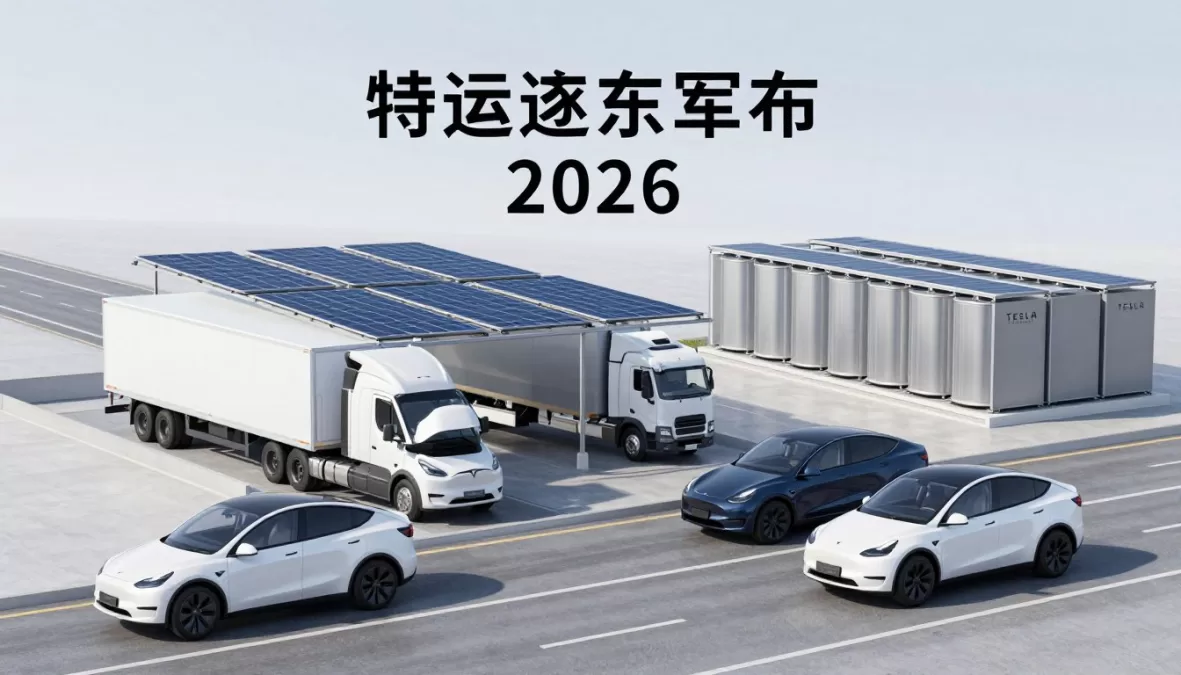
Tesla has established itself as the leading electric vehicle manufacturer while expanding into energy generation and storage. With a current market cap of around $800 billion, the company has been investing in manufacturing scale, autonomous driving technology, and robotics while maintaining its brand as the pioneer in sustainable transportation.
Growth Drivers for 2026
- Mass-market vehicle expansion with more affordable models
- Advanced autonomous driving capabilities and potential robotaxi network
- Energy business growth through solar and grid-scale battery storage
- Expansion of manufacturing capacity across multiple continents
- Potential commercialization of humanoid robots for industrial applications
Potential Risks
Challenges Ahead
- Increasing competition in electric vehicles from traditional automakers and new entrants
- Regulatory challenges for autonomous driving deployment
- Production scaling challenges and quality control issues
- Battery supply chain constraints and raw material costs
- Governance concerns related to leadership concentration
Tesla’s projected $1.7 trillion valuation by 2026 reflects successful scaling of its vehicle production, meaningful progress in autonomous driving technology, and growth in its energy business as the global transition to sustainable energy accelerates.
9. Saudi Aramco: Energy Transition and Petrochemical Expansion

Current Standing (2024)
Saudi Aramco remains the world’s largest oil producer with unmatched reserves and production capacity. With a current market cap of approximately $1.8 trillion, the company has been expanding its downstream operations into petrochemicals while beginning to invest in alternative energy technologies as part of Saudi Arabia’s economic diversification plans.
Growth Drivers for 2026
- Continued low-cost oil production advantage during energy transition
- Expansion of petrochemical operations and value-added products
- Strategic investments in hydrogen production and carbon capture
- International downstream expansion through joint ventures
- Dividend yield attracting income-focused investors
Potential Risks
Challenges Ahead
- Accelerating global transition away from fossil fuels
- ESG investment trends reducing capital flows to oil producers
- Oil price volatility affecting revenue predictability
- Geopolitical risks in the Middle East region
- Potential carbon taxation and climate regulation
Saudi Aramco’s projected $1.6 trillion valuation by 2026 represents a slight decline from its current position, reflecting the challenges of the global energy transition while acknowledging the company’s efforts to diversify its business model and maintain its role as a critical energy supplier during the transition period.
10. Broadcom: Semiconductor and Enterprise Software Integration
Current Standing (2024)
Broadcom has transformed from a pure semiconductor company into a diversified technology provider through strategic acquisitions in enterprise software. With a current market cap of approximately $700 billion, the company supplies critical components for networking, broadband, and wireless applications while expanding its enterprise software portfolio through acquisitions like VMware.
Growth Drivers for 2026
- Custom semiconductor solutions for AI and cloud infrastructure
- Integration of enterprise software and hardware offerings
- Expansion in networking infrastructure for 5G/6G and data centers
- Strategic acquisitions in complementary technology areas
- Growing recurring revenue from software subscriptions
Potential Risks
Challenges Ahead
- Integration challenges from multiple large acquisitions
- Regulatory scrutiny over consolidation in semiconductor industry
- Competition from specialized chip designers and software providers
- Customer concentration risk with major technology clients
- Debt levels from acquisition financing
Broadcom’s projected $1.5 trillion valuation by 2026 reflects successful integration of its software and semiconductor businesses, creating unique value through combined offerings while benefiting from growing demand for specialized chips in AI and networking applications.
Key Trends Shaping the Most Valuable Companies in 2026
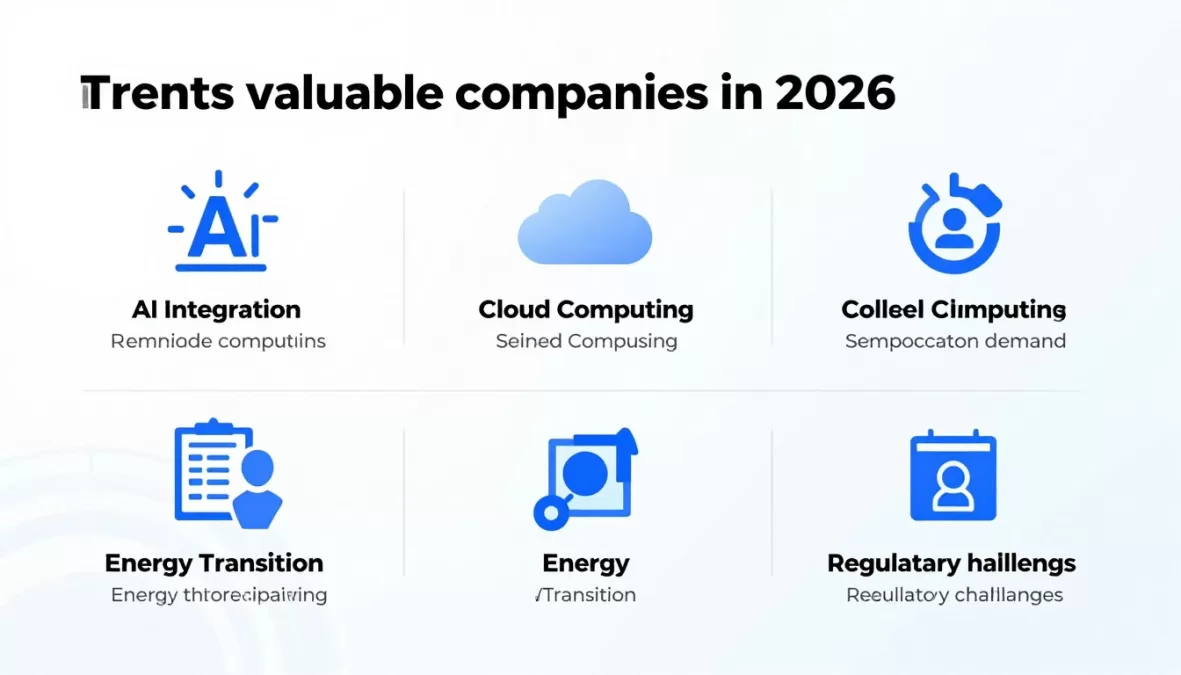
Several overarching trends emerge from our analysis of the projected most valuable companies in 2026:
AI Infrastructure Dominance
Companies controlling the essential infrastructure for artificial intelligence—from chips to cloud platforms—are positioned to capture extraordinary value. Nvidia, TSMC, and cloud providers like Microsoft, Amazon, and Google stand to benefit most directly from the continued AI investment boom.
Software-Hardware Integration
The boundaries between software and hardware are blurring, with the most successful companies creating tightly integrated ecosystems. Apple’s device-service integration, Microsoft’s cloud-software synergies, and Broadcom’s semiconductor-software strategy exemplify this approach.
Energy Transition Challenges
Traditional energy giants like Saudi Aramco face valuation pressures from the global shift toward sustainable energy, while companies enabling this transition—like Tesla—stand to benefit. The pace and nature of this transition will significantly impact corporate valuations across multiple sectors.
Regulatory Reshaping
Regulatory interventions in technology markets, from antitrust actions to data privacy laws, will increasingly influence competitive dynamics and corporate strategies. Companies that can navigate these challenges while maintaining growth will command premium valuations.
Supply Chain Resilience
The strategic importance of semiconductor manufacturing and supply chain control has been elevated by recent disruptions and geopolitical tensions. Companies with manufacturing advantages and supply chain resilience, like TSMC, will be increasingly valued by investors.
Ecosystem Network Effects
Companies that create powerful ecosystem lock-in through network effects continue to demonstrate superior value creation. Meta’s social graph, Apple’s device ecosystem, and Microsoft’s enterprise platform exemplify how network effects create sustainable competitive advantages.
Investment Implications and Strategic Considerations
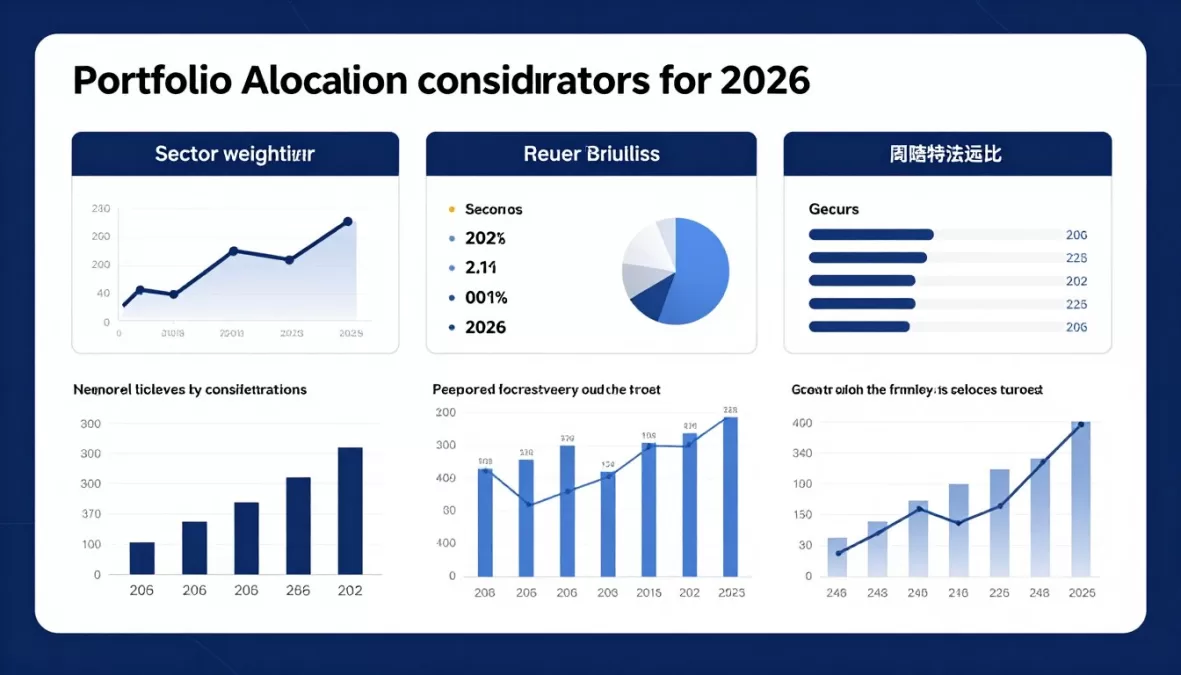
The projected landscape of the world’s most valuable companies in 2026 offers several insights for investors, business leaders, and policymakers:
What sectors show the greatest growth potential?
Technology companies focused on AI infrastructure, cloud computing, and semiconductor manufacturing demonstrate the strongest projected growth. Seven of the top ten companies in our 2026 forecast derive significant value from these sectors, suggesting continued concentration of market value in technology-enabled businesses.
How might geopolitical factors influence valuations?
Geopolitical tensions, particularly around technology supply chains and semiconductor manufacturing, could significantly impact company valuations. TSMC’s position is particularly sensitive to US-China relations, while companies with diversified manufacturing footprints may command valuation premiums as geopolitical hedges.
What role will regulation play in shaping market leadership?
Regulatory interventions in technology markets could substantially alter competitive dynamics. Antitrust actions against dominant platforms, data privacy regulations, and AI governance frameworks all have the potential to redistribute market value among competitors or create opportunities for new entrants.
Key Investment Consideration: While technology companies dominate our forecast, the specific technologies driving value creation continue to evolve. Investors should focus on companies with sustainable competitive advantages in AI infrastructure, cloud computing, and advanced manufacturing, while remaining alert to regulatory risks and potential technological disruption.
Conclusion: The Global Economic Landscape in 2026
Our forecast of the most valuable companies in 2026 suggests a continued concentration of market value in technology-enabled businesses, with AI infrastructure providers, cloud platforms, and semiconductor manufacturers capturing particularly significant portions of global market capitalization. The projected rankings reflect both the acceleration of digital transformation across industries and the growing strategic importance of controlling key technology infrastructure.
While our analysis represents a reasoned projection based on current trends and competitive positions, the actual landscape in 2026 will inevitably be shaped by unforeseen technological breakthroughs, regulatory interventions, macroeconomic shifts, and geopolitical developments. Investors and business leaders should view these forecasts as one possible scenario while remaining adaptable to emerging trends and disruptive forces.
What seems certain is that the companies that will dominate global markets in 2026 will be those that successfully harness artificial intelligence, create powerful ecosystem effects, maintain technological leadership, and navigate an increasingly complex regulatory environment. The race to become the world’s most valuable company reflects not just financial success but the power to shape the technological foundation of the global economy.
Stay Ahead of Market Trends
Get our exclusive research report on emerging investment opportunities in AI, semiconductor, and cloud computing sectors that could shape the next generation of market leaders.

Priyanka Pandey
Senior Research Editor · Top10Sense
Priyanka specializes in tech, consumer products, and digital trends. She combines hands-on testing, vendor interviews, and database research to create trustworthy “Top 10” rankings. Her work has been referenced by industry blogs and brand report pages.