
As we approach 2026, the world continues to witness unprecedented urban growth, with megacities expanding at remarkable rates. Today, over 56% of the global population lives in urban areas, a figure projected to reach 60% by 2030. These urban centers serve as economic powerhouses, cultural melting pots, and innovation hubs that shape our collective future. Understanding which cities will dominate the global urban landscape in 2026 provides valuable insights into demographic shifts, economic development patterns, and emerging challenges in urban sustainability.
This comprehensive analysis examines the projected top 10 most populated cities in the world for 2026, based on data from the United Nations World Urbanization Prospects, national census bureaus, and demographic trend analysis. We’ll explore not just the raw population figures, but also the factors driving growth in these urban giants, their historical significance, and the unique challenges they face as they continue to expand.
Methodology: Understanding Population Projections
Population projection methodology combining multiple data sources to create accurate 2026 estimates
The population figures presented in this article are based on metropolitan area populations rather than city proper boundaries, providing a more accurate representation of urban agglomerations. These projections incorporate several key factors:
It’s important to note that defining city boundaries can be challenging, as different countries use varying methodologies. For consistency, we’ve used the UN’s approach that defines urban agglomerations as continuous urban areas with at least 50,000 people and a population density of 1,500 or more people per square kilometer. This allows for meaningful comparisons between cities across different regions and governance structures.
Global Urban Population Trends in 2026
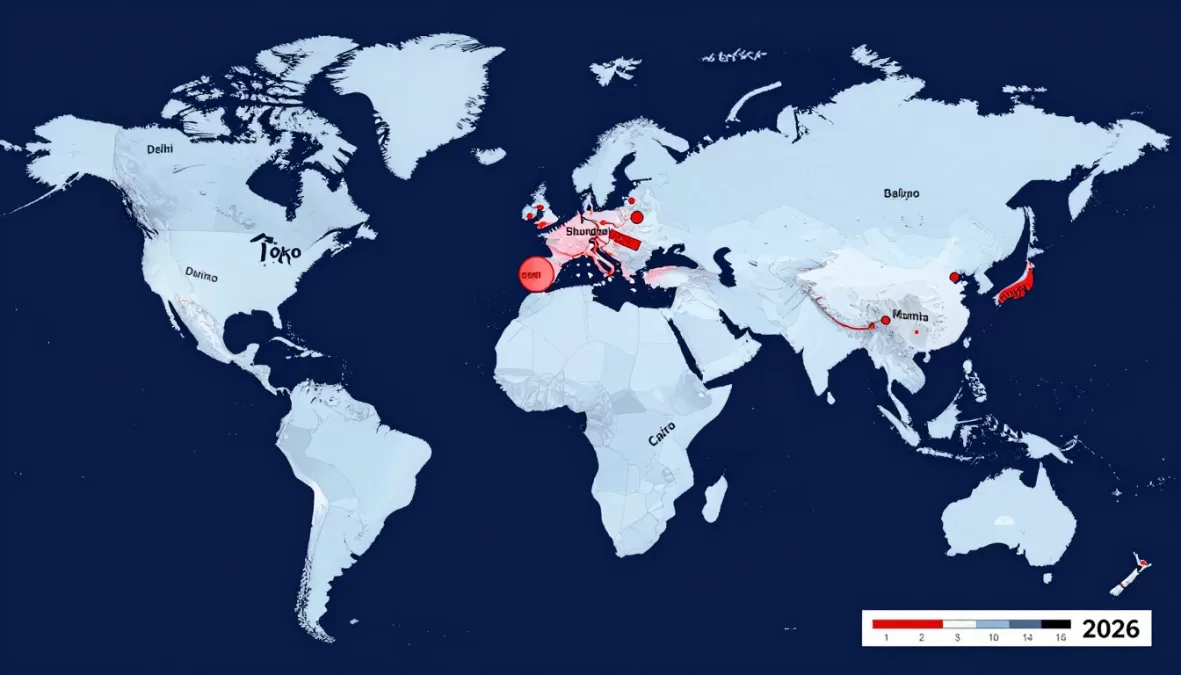
Before diving into the specific rankings, it’s worth examining the broader trends shaping urban populations globally in 2026:
Asian Dominance
Asian cities continue to dominate the global rankings, with 7 of the top 10 most populated urban centers located in Asia. This reflects the continent’s economic rise and its position as home to nearly 60% of the world’s population.
Growth Deceleration
Several mature megacities, particularly in East Asia, are experiencing slowing or even negative growth rates as they face aging populations, declining birth rates, and housing constraints.
African Acceleration
While no African city appears in the top 10 for 2026, cities like Lagos, Kinshasa, and Cairo are among the fastest-growing urban areas globally, signaling Africa’s increasing urbanization.
With these trends in mind, let’s examine the projected top 10 most populated cities in the world for 2026, exploring the unique factors driving their growth and the challenges they face.
1. Tokyo, Japan – 36,953,600
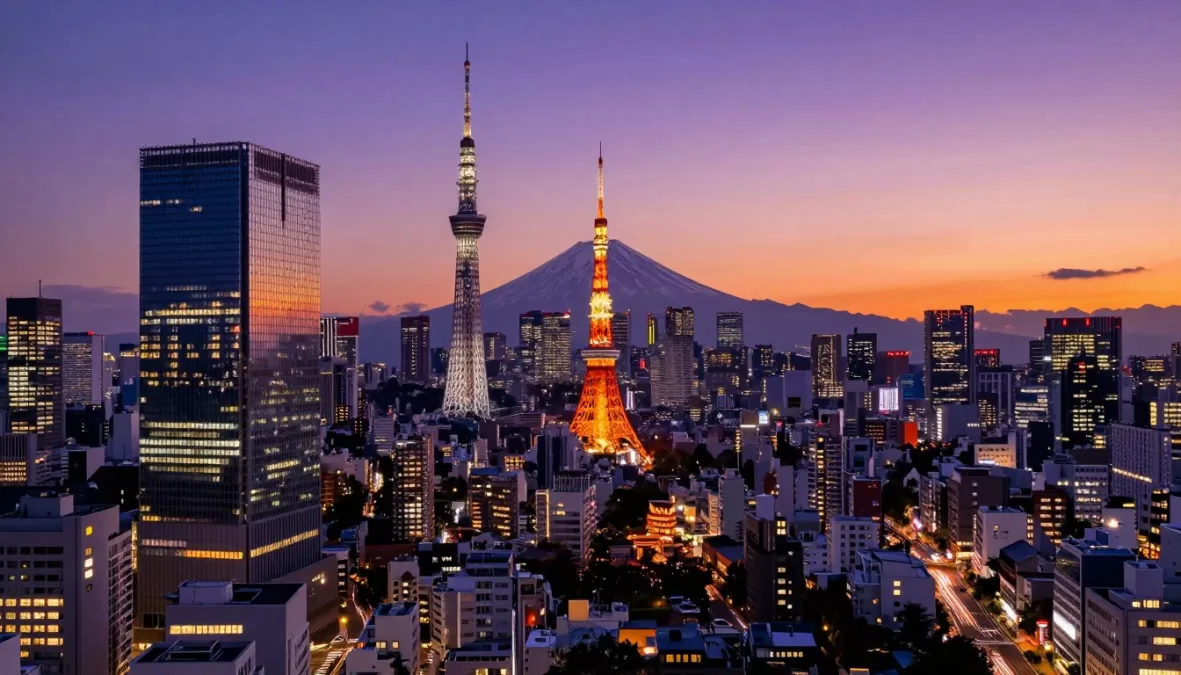
Tokyo maintains its position as the world’s most populated city in 2026, though its growth has reversed into a slight decline of -0.22% annually. The Tokyo metropolitan area, which includes neighboring cities like Yokohama and Kawasaki, forms an urban agglomeration unmatched in scale and economic output globally.
Growth Factors
Challenges
Tokyo’s position at the top represents an interesting paradox: it’s simultaneously the world’s largest city and one that’s beginning to shrink. This pattern may foreshadow the future of other mature megacities as they reach their peak population and begin to contract due to demographic shifts rather than economic decline.
2. Delhi, India – 35,518,400
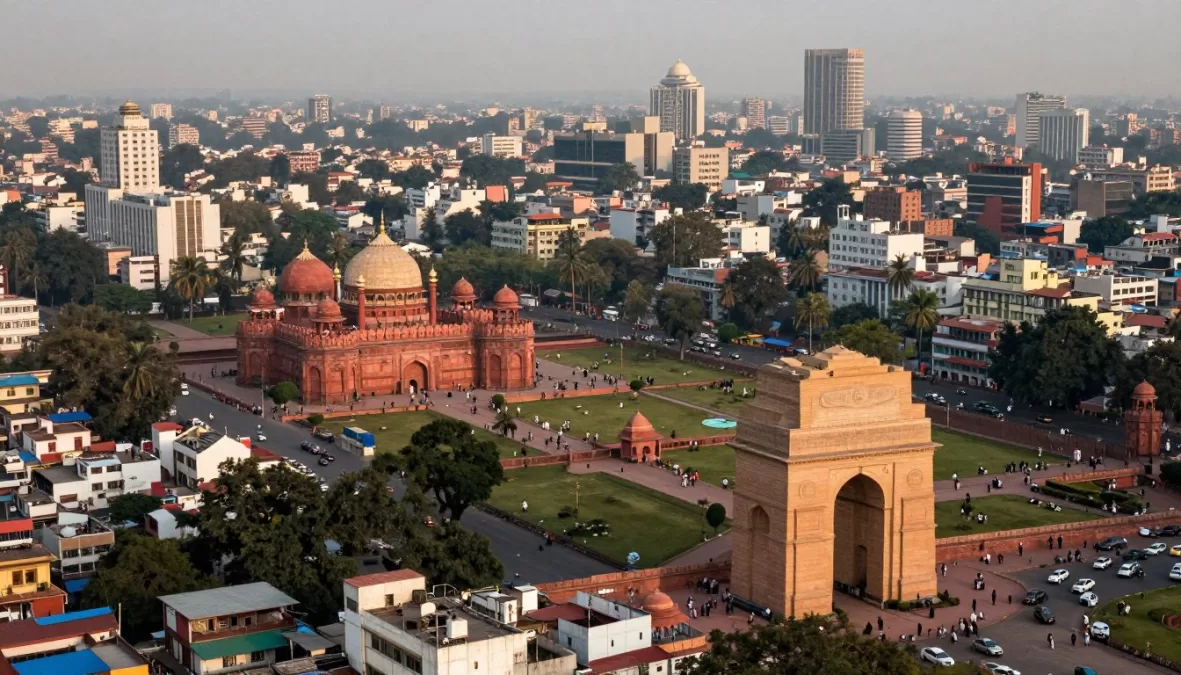
Delhi continues its rapid ascent, growing at 2.46% annually and positioning itself to overtake Tokyo as the world’s most populated city shortly after 2026. The National Capital Territory of Delhi, along with its satellite cities of Gurgaon, Noida, Faridabad, and Ghaziabad, forms an enormous urban conglomeration that serves as India’s political, cultural, and increasingly, economic center.
Growth Factors
Challenges
Delhi exemplifies the challenges and opportunities of rapid urbanization in developing economies. Its growth reflects India’s economic dynamism but also highlights the immense infrastructure and environmental challenges that come with such explosive urban expansion. The city’s ability to address these challenges while continuing to serve as an engine of economic opportunity will determine its long-term sustainability.
3. Shanghai, China – 31,049,800
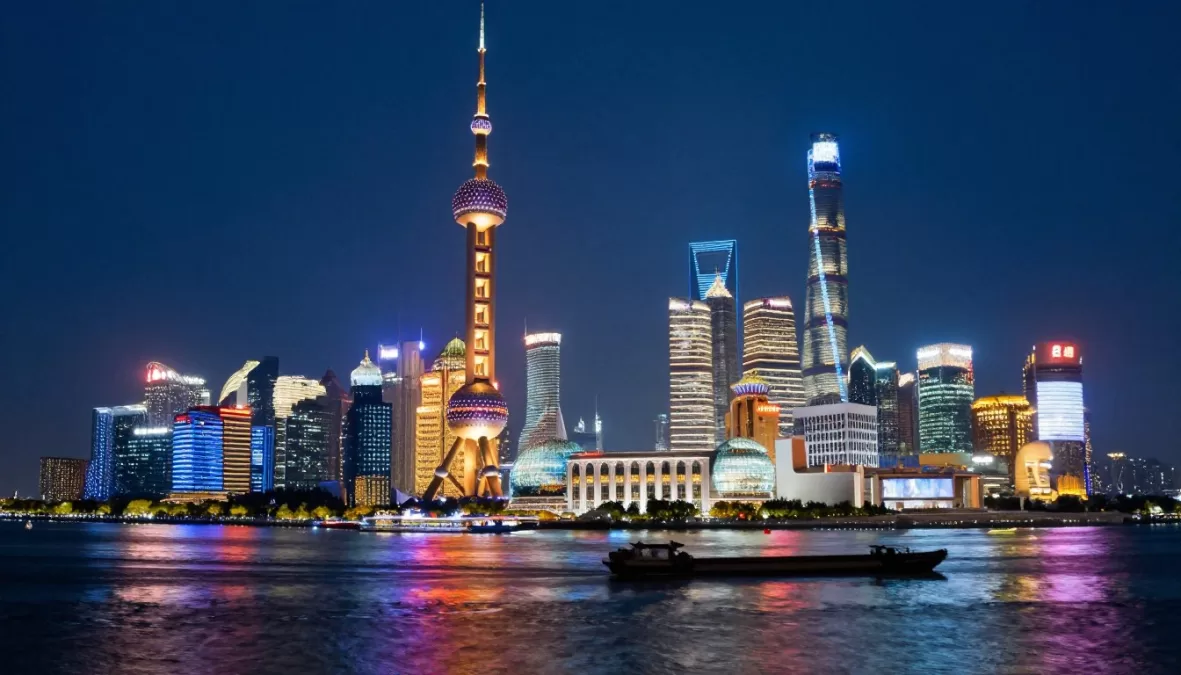
Shanghai maintains its position as China’s largest city and the world’s third most populated urban center in 2026, growing at a steady 1.86% annually. As China’s financial capital and most cosmopolitan city, Shanghai represents the country’s remarkable urban transformation over the past three decades.
Growth Factors
Challenges
Shanghai’s development model differs from many other megacities due to China’s strong central planning approach. The city has avoided many of the uncontrolled growth problems seen in other rapidly expanding urban centers, though at the cost of some spontaneity and organic development. Its continued rise reflects China’s economic strength and urbanization policies, though demographic headwinds may eventually slow its growth.
4. Dhaka, Bangladesh – 25,359,100
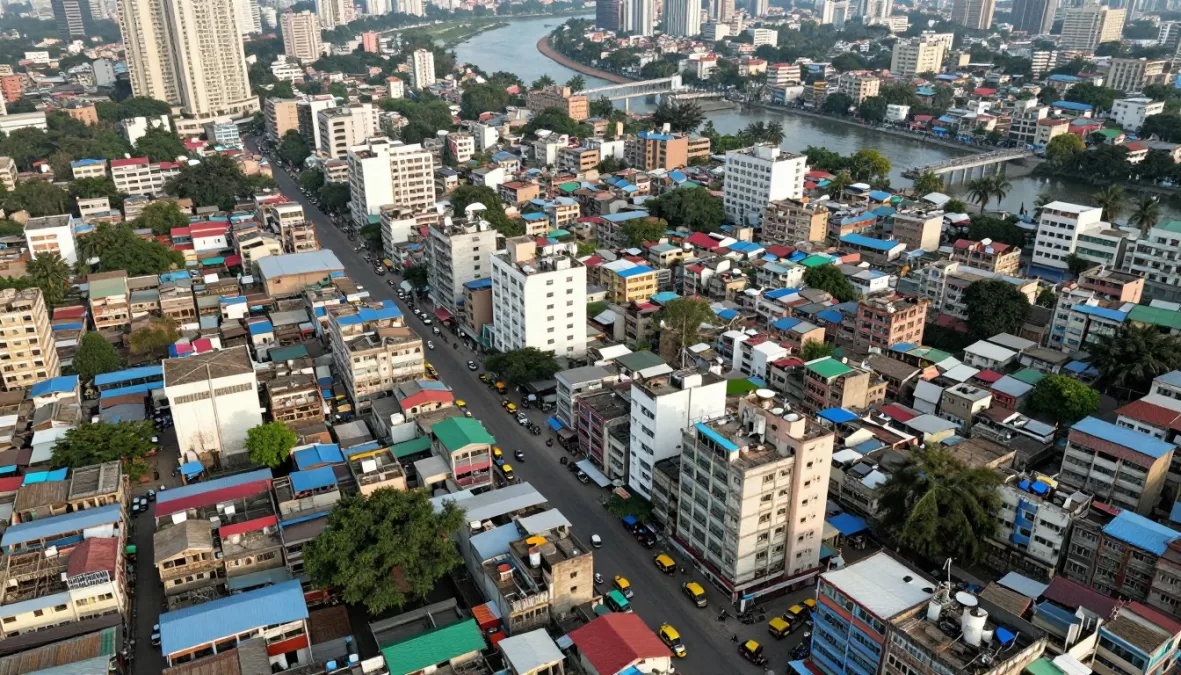
Dhaka continues its remarkable ascent, growing at 2.86% annually to become the world’s fourth most populated city by 2026. Bangladesh’s capital exemplifies the rapid urbanization occurring across South Asia, driven by both economic necessity and opportunity.
Growth Factors
Challenges
Dhaka represents both the promise and challenges of rapid urbanization in developing economies. While the city has helped lift millions out of poverty through economic opportunities, its growth has outpaced infrastructure development, creating significant quality of life challenges. Bangladesh’s improving economic situation provides resources to address these issues, but the scale and pace of growth make this an enormous challenge.
5. Cairo, Egypt – 23,534,600
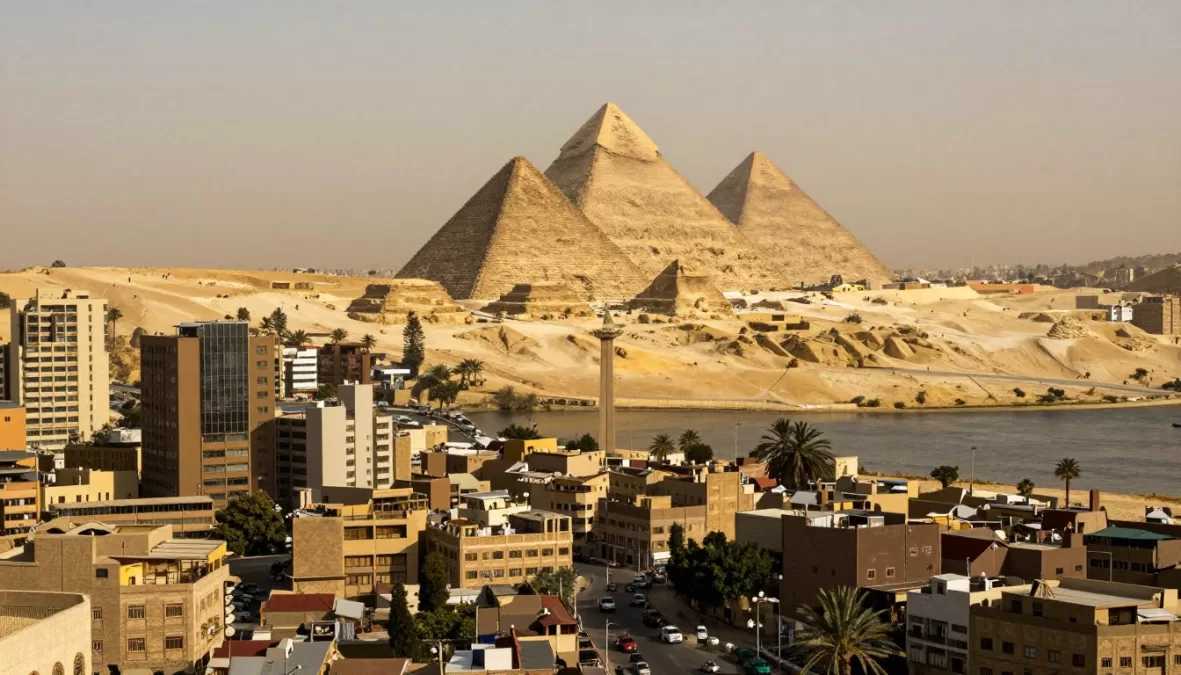
Cairo rises to fifth place globally with a steady growth rate of 1.99% annually. The Greater Cairo metropolitan area, spanning both banks of the Nile River, serves as Egypt’s political, economic, and cultural center, as it has for over a thousand years.
Growth Factors
Challenges
Cairo represents Africa’s urban future, though the continent’s fastest-growing cities are elsewhere. As Africa’s largest city and one of its oldest continuously inhabited urban centers, Cairo blends ancient heritage with modern challenges. The government’s ambitious New Administrative Capital project, located 45km east of Cairo, aims to relieve pressure on the historic core, though its long-term impact on population distribution remains uncertain.
6. São Paulo, Brazil – 23,168,700
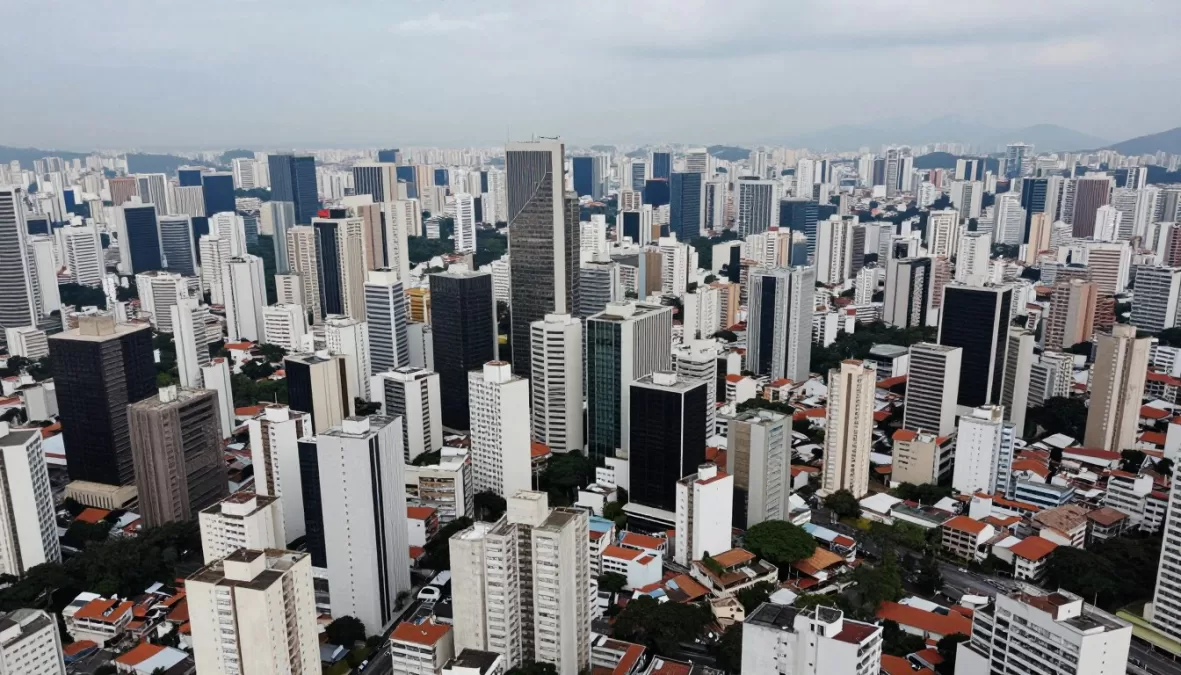
São Paulo maintains its position as the largest city in the Americas, growing modestly at 0.78% annually. This massive urban agglomeration serves as Brazil’s economic powerhouse and one of Latin America’s most important financial and cultural centers.
Growth Factors
Challenges
São Paulo exemplifies the mature phase of Latin American urbanization, with slower growth than in previous decades but continued economic significance. The city’s evolution from an industrial powerhouse to a diverse service economy mirrors broader economic shifts across Brazil and Latin America. Its relatively modest growth rate compared to Asian megacities reflects Brazil’s more advanced stage of urbanization, with over 87% of the population already living in urban areas.
7. Mexico City, Mexico – 23,016,800
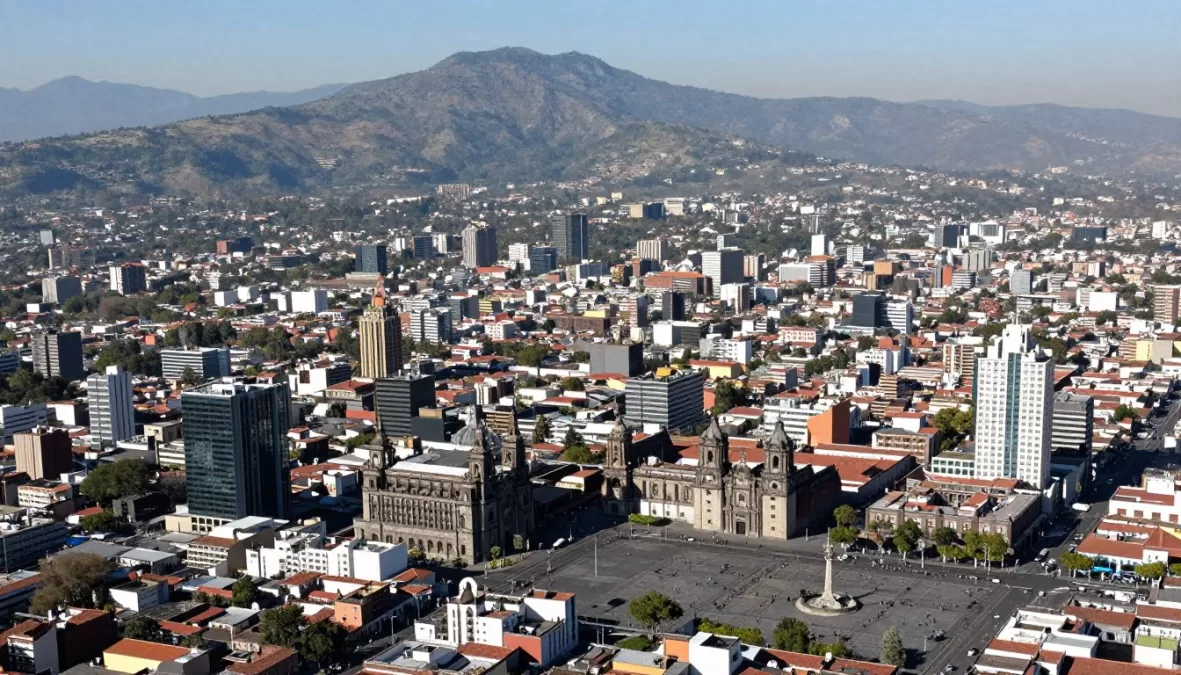
Mexico City continues to grow at a moderate pace of 1.16% annually, maintaining its position as North America’s largest urban area. The Mexico City Metropolitan Area spans multiple states and municipalities, creating a complex urban region with deep historical roots and modern economic significance.
Growth Factors
Challenges
Mexico City’s growth has moderated from its explosive expansion in the mid-20th century, reflecting Mexico’s demographic transition toward lower birth rates and more distributed urban development. The city’s rich cultural heritage, dating back to the Aztec capital of Tenochtitlan, continues to blend with its role as a modern economic center. Recent urban revitalization efforts in the historic center and investments in public transportation reflect a focus on quality over quantity in urban development.
8. Beijing, China – 22,983,400
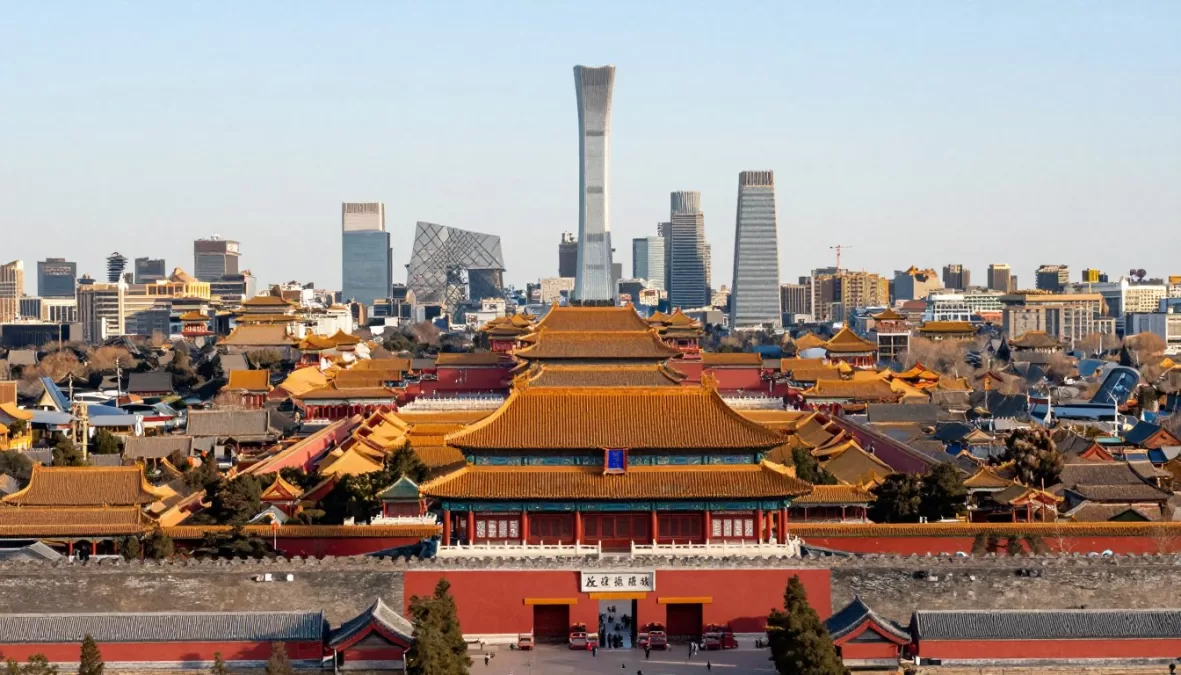
Beijing continues its steady growth at 1.71% annually, maintaining its position as China’s capital and second-largest city. The Beijing-Tianjin-Hebei metropolitan region forms one of the world’s largest urban clusters, though our figures focus on the Beijing municipality itself.
Growth Factors
Challenges
Beijing’s development reflects China’s unique approach to urbanization, with strong central planning and deliberate growth management. The city has undergone remarkable transformation since the early 2000s, with massive infrastructure investments including subway expansion, airport development, and Olympic facilities. Unlike many developing world megacities, Beijing’s growth is actively managed and sometimes restricted by policy, creating a different urban development pattern than seen in more market-driven environments.
9. Mumbai, India – 22,539,300
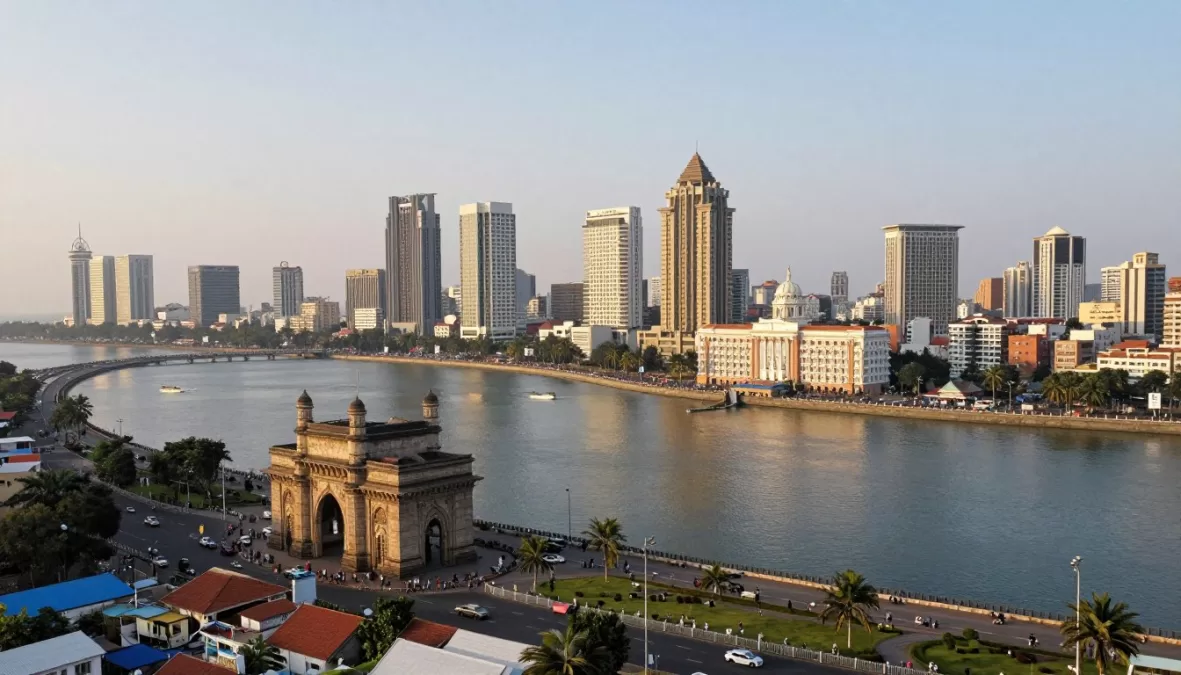
Mumbai continues its rapid expansion at 2.04% annually, solidifying its position as India’s financial capital and second-largest city. The Mumbai Metropolitan Region spans multiple municipalities across a narrow peninsula, creating unique development challenges and opportunities.
Growth Factors
Challenges
Mumbai exemplifies both the opportunities and challenges of rapid urbanization in India. The city’s economic dynamism has created pathways to prosperity for millions, yet its geographic constraints and infrastructure deficits create significant quality of life challenges. Major infrastructure projects, including new metro lines, coastal roads, and the trans-harbor link, aim to address mobility challenges, while ambitious redevelopment schemes target informal settlements. The city’s future depends on balancing economic growth with inclusive development and environmental resilience.
10. Osaka, Japan – 18,873,900
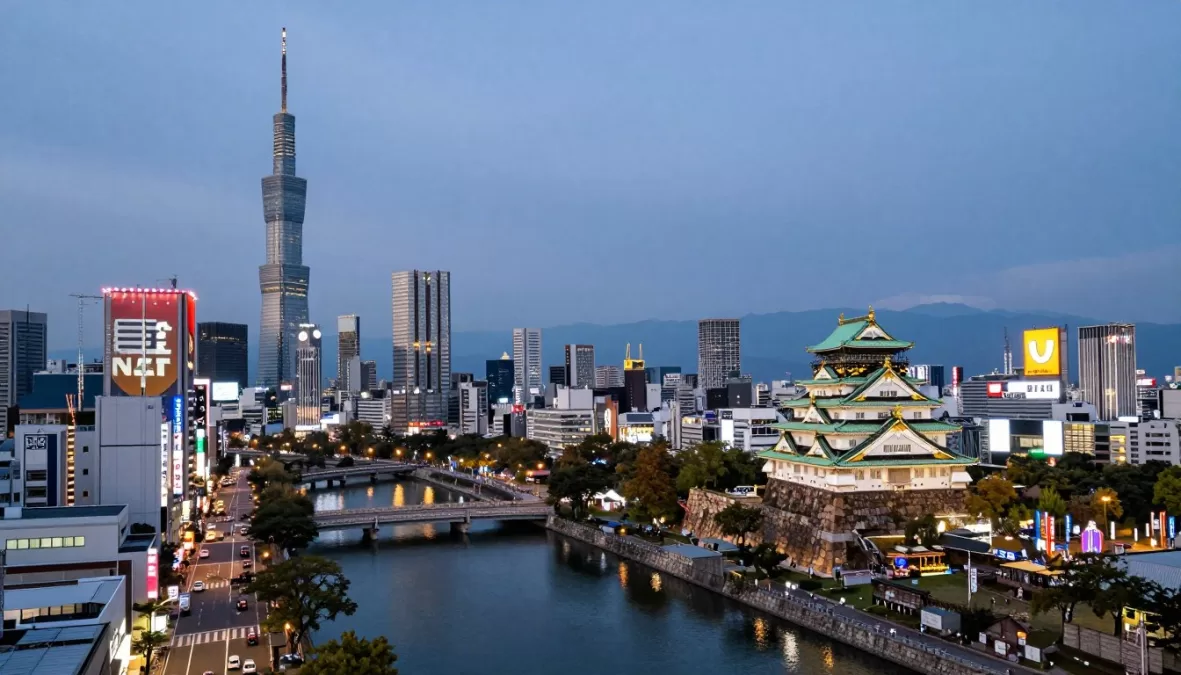
Osaka rounds out our top 10 with a slight population decline of -0.25% annually, reflecting Japan’s broader demographic challenges. The Osaka-Kobe-Kyoto metropolitan area, often called Keihanshin, forms Japan’s second-largest urban region and a historical economic powerhouse.
Growth Factors
Challenges
Osaka represents an important case study in post-growth urbanism. Like Tokyo but more pronounced, Osaka is experiencing population decline not from economic failure but from demographic shifts including low birth rates and an aging population. The region’s response to these challenges, including automation, selective immigration, and quality of life improvements, may provide important lessons for other cities that will eventually face similar demographic transitions.
Comparative Analysis: Population Growth Rates
| Rank | City | Country | 2026 Population | Annual Growth Rate | Growth Drivers |
| 1 | Tokyo | Japan | 36,953,600 | -0.22% | Economic centralization, infrastructure efficiency |
| 2 | Delhi | India | 35,518,400 | 2.46% | Rural migration, natural increase, economic opportunities |
| 3 | Shanghai | China | 31,049,800 | 1.86% | Economic magnetism, strategic planning |
| 4 | Dhaka | Bangladesh | 25,359,100 | 2.86% | Rural exodus, industrial growth, natural increase |
| 5 | Cairo | Egypt | 23,534,600 | 1.99% | Centralization, regional migration, natural growth |
| 6 | São Paulo | Brazil | 23,168,700 | 0.78% | Economic concentration, service economy |
| 7 | Mexico City | Mexico | 23,016,800 | 1.16% | Economic centralization, educational hub |
| 8 | Beijing | China | 22,983,400 | 1.71% | Political centralization, educational excellence |
| 9 | Mumbai | India | 22,539,300 | 2.04% | Economic opportunity, entertainment industry |
| 10 | Osaka | Japan | 18,873,900 | -0.25% | Industrial base, regional hub status |
This comparative analysis reveals several important patterns. The fastest-growing cities in our top 10 are all in South Asia (Dhaka, Delhi, and Mumbai), reflecting the region’s demographic momentum and ongoing urbanization. Conversely, both Japanese cities (Tokyo and Osaka) show slight population declines, highlighting East Asia’s demographic transition toward aging societies with low birth rates. The Chinese cities (Shanghai and Beijing) maintain steady growth, though at rates that have moderated from their peak periods in the early 2000s.
Emerging Trends and Future Projections
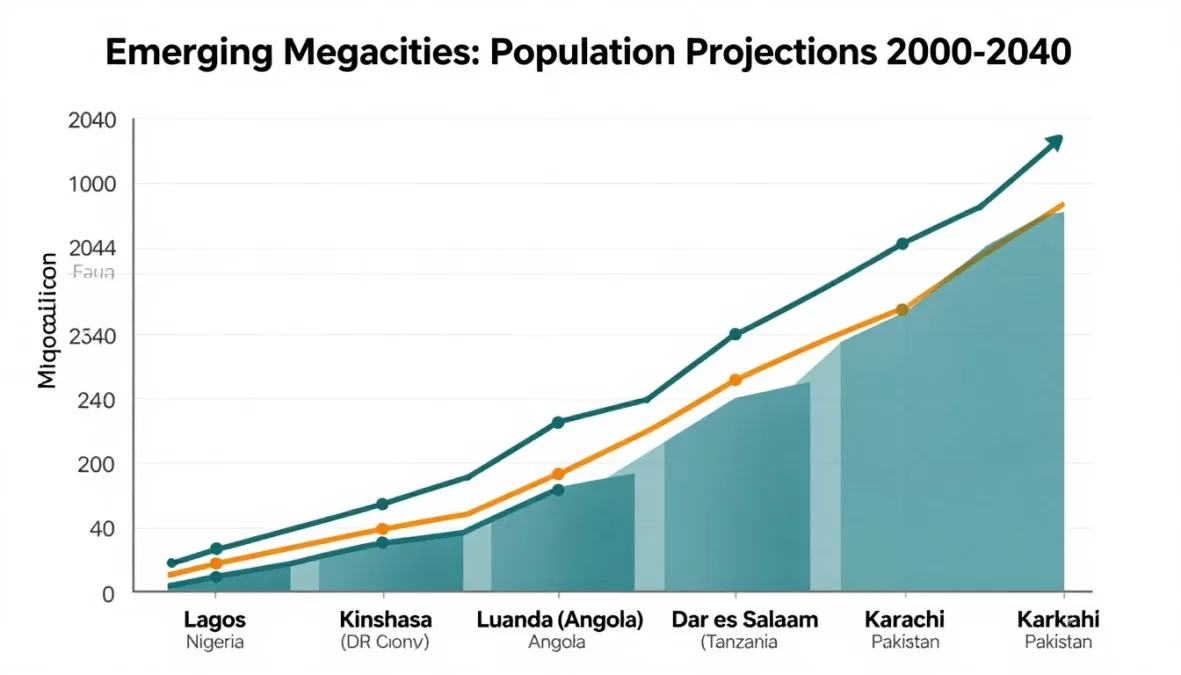
Looking beyond our top 10 list, several important trends emerge that will shape the future of global urbanization:
African Ascendance
While no African city appears in our 2026 top 10, cities like Lagos (Nigeria), Kinshasa (DR Congo), and Luanda (Angola) are among the world’s fastest-growing urban areas. By 2050, Lagos is projected to become the world’s largest city with over 88 million residents if current growth rates continue.
Asian Maturation
Several East Asian cities are following Japan’s pattern of slowing or negative growth. Seoul, Taipei, and even some Chinese cities are experiencing demographic transitions that will eventually lead to population stabilization or decline despite economic strength.
Climate Migration
Climate vulnerability is increasingly shaping urban migration patterns. Cities in coastal or drought-prone regions may face new challenges, while more climate-resilient urban areas could see increased migration from affected regions.
These trends suggest that by 2040, our list of the world’s largest cities may look substantially different, with African cities likely gaining prominence and some current top 10 cities potentially falling in the rankings despite their continued economic importance.
Common Challenges Facing the World’s Largest Cities
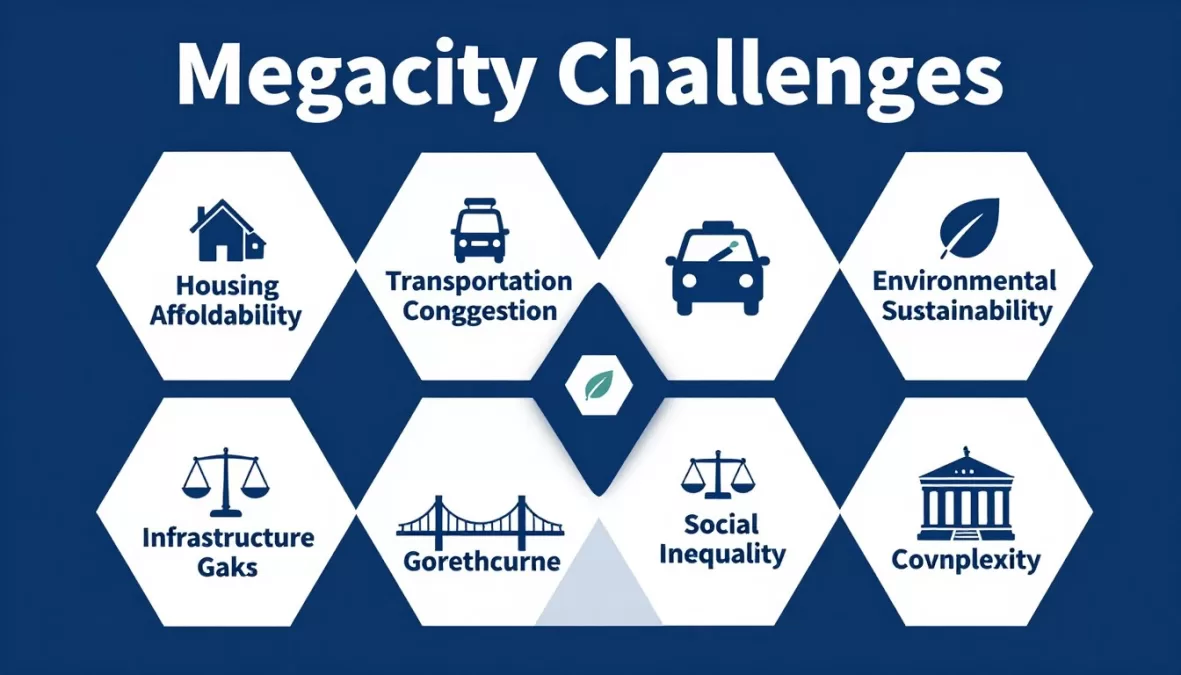
Despite their diverse geographies, economies, and cultures, the world’s largest cities face several common challenges that will define urban development in the coming decades:
- Nearly all top 10 cities face severe housing affordability challenges, with median home prices often exceeding 10-15 times median annual incomes.
- Informal settlements house significant populations in developing world megacities, creating service delivery and quality of life challenges.
- Even wealthy cities struggle with housing supply, with Tokyo’s relatively successful housing policies providing potential lessons for others.
Housing Affordability and Supply
- Traffic congestion costs megacities billions annually in lost productivity and environmental impacts.
- Public transportation capacity struggles to keep pace with population growth in many rapidly expanding cities.
- Last-mile connectivity remains challenging even in cities with extensive transit networks.
Transportation and Mobility
- Air quality challenges affect most megacities, with particularly acute issues in Delhi, Cairo, and Beijing.
- Water security concerns span from scarcity (Cairo, Delhi) to flood vulnerability (Dhaka, Mumbai).
- Energy demands create both infrastructure and climate challenges as cities grow.
Environmental Sustainability
- Administrative fragmentation complicates coordinated planning in many metropolitan regions.
- Revenue generation often fails to match service delivery needs, particularly in rapidly growing cities.
- Balancing local autonomy with metropolitan coordination remains a persistent governance challenge.
Governance and Service Delivery
How cities address these challenges will determine not just quality of life for billions of urban residents but also global environmental sustainability and economic development patterns. The most successful cities are developing integrated approaches that recognize the interconnections between housing, transportation, environmental, and governance challenges.
Opportunities in Urban Growth
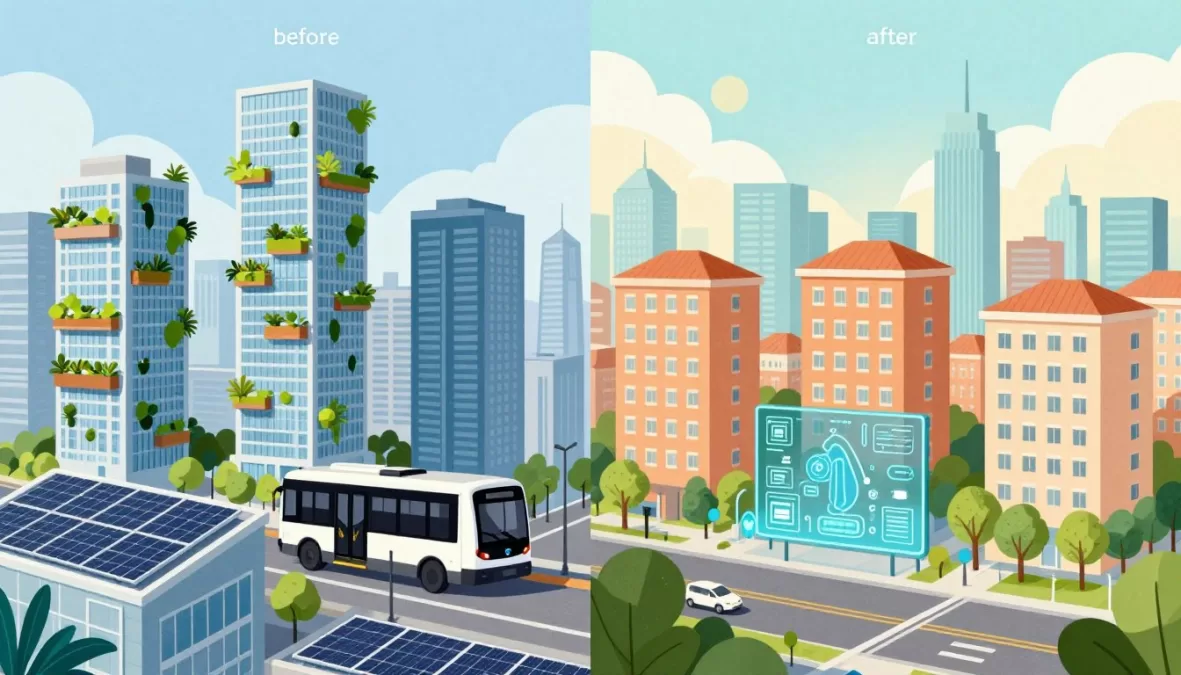
While the challenges facing megacities are substantial, they also present remarkable opportunities for innovation and improved quality of life:
The most successful megacities are those that harness these opportunities while addressing the inevitable challenges of large-scale urbanization. Cities like Tokyo demonstrate that even at unprecedented scale, urban areas can provide high quality of life through thoughtful planning, infrastructure investment, and governance innovation.
Conclusion: The Future of Urban Giants
As we look toward 2026 and beyond, the world’s most populated cities will continue to shape global development patterns, economic opportunities, and environmental outcomes. The top 10 cities examined in this article—Tokyo, Delhi, Shanghai, Dhaka, Cairo, São Paulo, Mexico City, Beijing, Mumbai, and Osaka—represent diverse stages of urban development and face varying challenges.
Several key conclusions emerge from our analysis:
The future of these urban giants—and the billions who call them home—depends on how effectively they can address challenges while capitalizing on the inherent efficiencies and opportunities of urban concentration. As we move toward a world where over two-thirds of humanity will live in urban areas by mid-century, the experiences of today’s largest cities provide critical lessons for sustainable, inclusive, and resilient urban development.
Download Our Complete Global Urban Population Report
Want more comprehensive data on global urbanization trends? Our complete report includes detailed population projections for the top 100 cities through 2050, historical growth patterns since 2000, and in-depth analysis of regional urbanization trends.
Frequently Asked Questions
How are city populations measured for these rankings?
These rankings use metropolitan area populations rather than city proper boundaries, providing a more accurate representation of urban agglomerations. We follow the UN’s methodology that defines urban areas as continuous urban zones with at least 50,000 people and a population density of 1,500 or more people per square kilometer. This approach allows for meaningful comparisons between cities with different administrative structures.
Why are some cities growing while others are shrinking?
Urban growth or decline is influenced by multiple factors. Rapidly growing cities typically benefit from some combination of rural-to-urban migration, natural population increase (higher birth rates), and economic opportunity. Shrinking cities often face demographic challenges like aging populations and low birth rates, as seen in Tokyo and Osaka. Economic factors, governance, and quality of life also influence migration patterns between cities.
Will African cities enter the top 10 most populated cities soon?
Based on current growth trends, Lagos (Nigeria) is projected to enter the top 10 by 2030 and could become the world’s largest city by mid-century if current growth rates continue. Kinshasa (DR Congo) is also growing rapidly and may enter the top 10 by the 2030s. However, growth projections over long periods are subject to significant uncertainty due to potential changes in economic conditions, governance, and demographic patterns.
How reliable are these population projections for 2026?
Short-term population projections (3-5 years) are generally reliable as they build on established trends and known demographic factors. Our 2026 projections incorporate data from the UN World Urbanization Prospects, national census bureaus, and recent growth patterns. However, unexpected events like economic shocks, policy changes, or natural disasters can affect growth trajectories. The rankings should be understood as well-informed estimates rather than precise predictions.
What defines a “megacity” and how many exist globally?
A megacity is traditionally defined as an urban agglomeration with more than 10 million inhabitants. As of 2025, there are 34 megacities globally, with the number projected to reach 43 by 2030. All cities in our top 10 list qualify as megacities, with populations ranging from 18.8 million (Osaka) to 36.9 million (Tokyo).

Priyanka Pandey
Senior Research Editor · Top10Sense
Priyanka specializes in tech, consumer products, and digital trends. She combines hands-on testing, vendor interviews, and database research to create trustworthy “Top 10” rankings. Her work has been referenced by industry blogs and brand report pages.