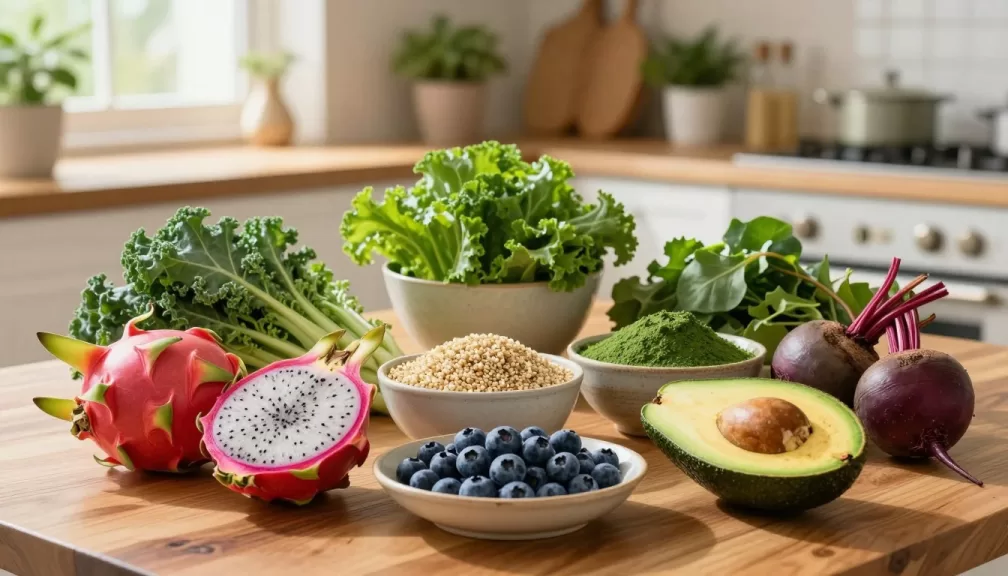

In a world of processed convenience foods, focusing on nutrient density has never been more important. Nutrient-dense foods provide substantial amounts of vitamins, minerals, healthy fats, and antioxidants relative to their calorie content. These powerhouse foods, often called “superfoods,” can help reduce inflammation, support organ function, and lower your risk of chronic diseases like heart disease and diabetes.
While no single food can provide all the nutrients your body needs, incorporating these top 10 most nutritious foods in the world into your diet can significantly improve your overall health and wellbeing. Let’s explore these nutritional champions and discover how they can transform your health from the inside out.
1. Salmon
Salmon tops our list as one of the most nutritionally complete foods available. This fatty fish is not only delicious but also packed with essential nutrients that support multiple body systems.
Key Nutrients
- Omega-3 fatty acids (EPA and DHA)
- High-quality protein (25g per 100g serving)
- Vitamin B12, B6, and niacin
- Selenium and potassium
- Vitamin D (one of few natural food sources)
Health Benefits
The omega-3 fatty acids in salmon are essential nutrients that your body cannot produce on its own. These powerful fats help reduce inflammation and are necessary for proper brain function, eye health, and cardiovascular support. Studies show that regular consumption of salmon may help reduce risk of heart disease, improve cognitive function, and even help manage depression.
How to Include It in Your Diet
Aim to eat salmon 2-3 times per week. Bake it with a squeeze of lemon and herbs for a simple dinner, add smoked salmon to breakfast eggs, or flake leftover cooked salmon into salads. When purchasing, opt for wild-caught salmon when possible, as it typically contains more omega-3s and fewer contaminants than farmed varieties.
2. Kale
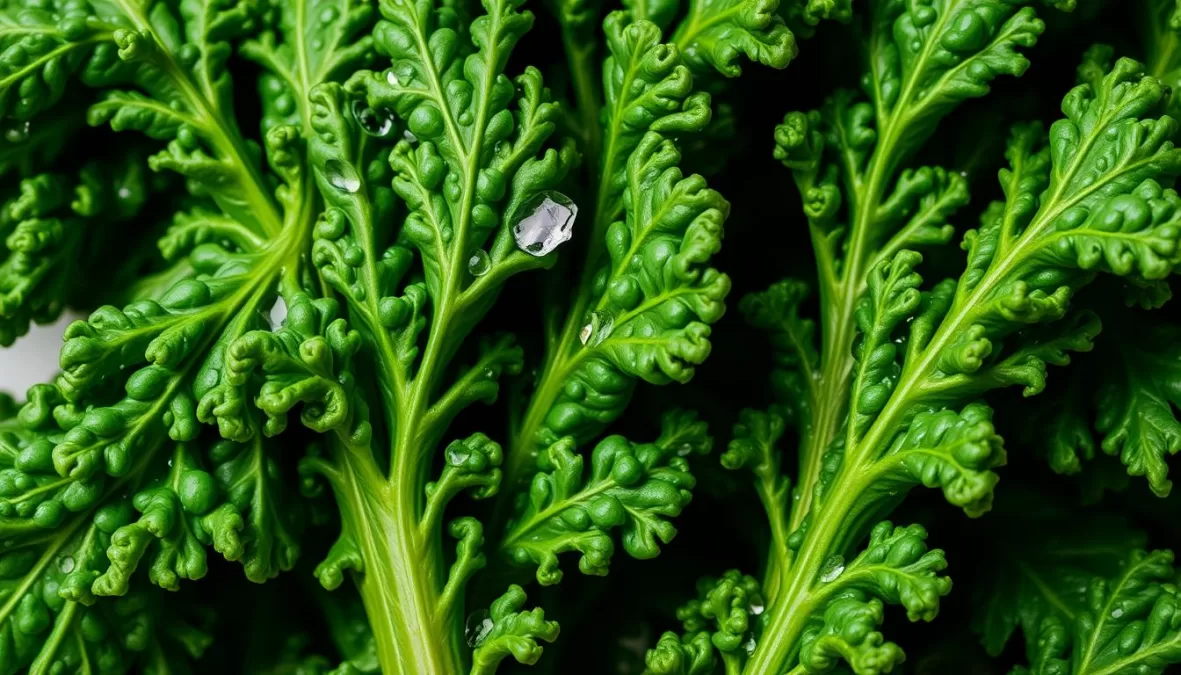
Kale has earned its reputation as a nutritional powerhouse. This leafy green vegetable belongs to the cruciferous family and packs an impressive nutrient profile with minimal calories.
Key Nutrients
- Vitamins A, C, and K (1,000% of daily vitamin K needs in one cup)
- Manganese and copper
- Calcium and potassium
- Powerful antioxidants (quercetin and kaempferol)
- Fiber (2.6g per cup)
Health Benefits
The high concentration of antioxidants in kale helps combat oxidative damage and inflammation, potentially reducing the risk of chronic diseases. Its impressive vitamin K content supports bone health and blood clotting, while its fiber content aids digestion. Research suggests that the compounds in kale may have cancer-fighting properties, particularly against colon, breast, and prostate cancers.
How to Include It in Your Diet
Massage raw kale with olive oil and lemon juice for a nutritious salad base, blend it into smoothies with fruit to balance its bitter flavor, or lightly sauté it with garlic as a side dish. Remove the tough stems before eating, and choose organic when possible as kale is on the “dirty dozen” list of pesticide-heavy produce.
3. Liver

While it may not be everyone’s favorite food, liver—particularly beef liver—is arguably the most nutrient-dense food on the planet. As an organ that stores nutrients for the animal, it becomes a concentrated source of nutrition for us.
Key Nutrients
- Vitamin A (over 500% of daily needs in a 3-ounce serving)
- All B vitamins, especially B12 (over 1,000% of daily needs)
- Iron, zinc, copper, and selenium
- CoQ10 and choline
- High-quality protein
Health Benefits
The nutrient profile of liver makes it exceptional for supporting energy production, brain function, and immune health. Its high vitamin A content supports vision and skin health, while its unparalleled B12 content helps prevent anemia and supports nerve function. The high-quality protein and minerals in liver support muscle growth and oxygen transport throughout the body.
How to Include It in Your Diet
If you’re new to liver, start with milder varieties like chicken liver or try liver pâté as an introduction. Soak liver in milk for 30 minutes before cooking to reduce its strong flavor. Cook it with plenty of onions and herbs, or blend a small amount of ground liver into ground beef for burgers or meatballs to mask the flavor while gaining the nutritional benefits.
4. Blueberries

Often referred to as a “brain berry,” blueberries pack more antioxidants than almost any other commonly consumed fruit. Despite their small size, they deliver an impressive array of health benefits.
Key Nutrients
- Anthocyanins and other polyphenols
- Vitamin C and vitamin K
- Manganese
- Fiber (3.6g per cup)
- Low in calories (84 calories per cup)
Health Benefits
The anthocyanins that give blueberries their deep color are powerful antioxidants that can cross the blood-brain barrier, potentially improving brain function and delaying brain aging. Research suggests regular blueberry consumption may improve memory, reduce blood pressure, and help manage blood sugar levels. Their anti-inflammatory properties may also help reduce the risk of heart disease and certain cancers.
How to Include It in Your Diet
Add fresh blueberries to morning oatmeal or yogurt, blend them into smoothies, or enjoy them as a simple snack. When fresh berries aren’t in season, frozen blueberries retain most of their nutritional value and can be used in the same ways. Try adding them to salads for a sweet contrast or bake them into whole-grain muffins for a nutritious treat.
5. Eggs

Often called “nature’s multivitamin,” eggs are one of the most nutritionally complete foods available. The yolk contains most of the nutrients, while the white provides high-quality protein.
Key Nutrients
- Complete protein with all essential amino acids
- Choline (essential for brain health)
- Lutein and zeaxanthin (for eye health)
- Vitamins A, D, E, K, and B-complex
- Selenium, zinc, and iron
Health Benefits
Eggs provide nutrients that support brain development, eye health, and muscle recovery. The choline in egg yolks is crucial for brain function and development, especially during pregnancy. Lutein and zeaxanthin help protect against age-related macular degeneration. Contrary to past concerns, research now shows that moderate egg consumption doesn’t increase heart disease risk for most people and may actually improve cholesterol profiles.
How to Include It in Your Diet
Enjoy eggs boiled, poached, or scrambled for breakfast, add hard-boiled eggs to salads for extra protein, or use them as a binding ingredient in baking. For maximum nutrition, consume the whole egg—not just the whites. If possible, choose eggs from pasture-raised hens, which typically contain more omega-3 fatty acids and vitamins than conventional eggs.
6. Seaweed

Seaweed is a vastly underappreciated superfood in Western diets. These marine algae come in many varieties—nori, kelp, wakame, dulse, and more—each offering an impressive array of nutrients rarely found in land vegetables.
Key Nutrients
- Iodine (essential for thyroid function)
- Unique fibers and polysaccharides
- Calcium, iron, and magnesium
- Vitamins A, C, E, and K
- Omega-3 fatty acids (in some varieties)
Health Benefits
Seaweed is one of the best natural sources of iodine, which is essential for proper thyroid function and metabolism regulation. The unique fibers in seaweed act as prebiotics, feeding beneficial gut bacteria and supporting digestive health. Studies suggest that certain compounds in seaweed may have anti-inflammatory, antiviral, and even anti-cancer properties. Its high antioxidant content helps protect cells from oxidative damage.
How to Include It in Your Diet
Use nori sheets to make sushi rolls or as a snack, add wakame to miso soup, sprinkle dulse flakes on salads or eggs, or use kelp granules as a salt substitute. If you’re new to seaweed, start with small amounts as the flavor can be strong. Because of its high iodine content, consume seaweed in moderation—a few times per week rather than daily.
7. Garlic
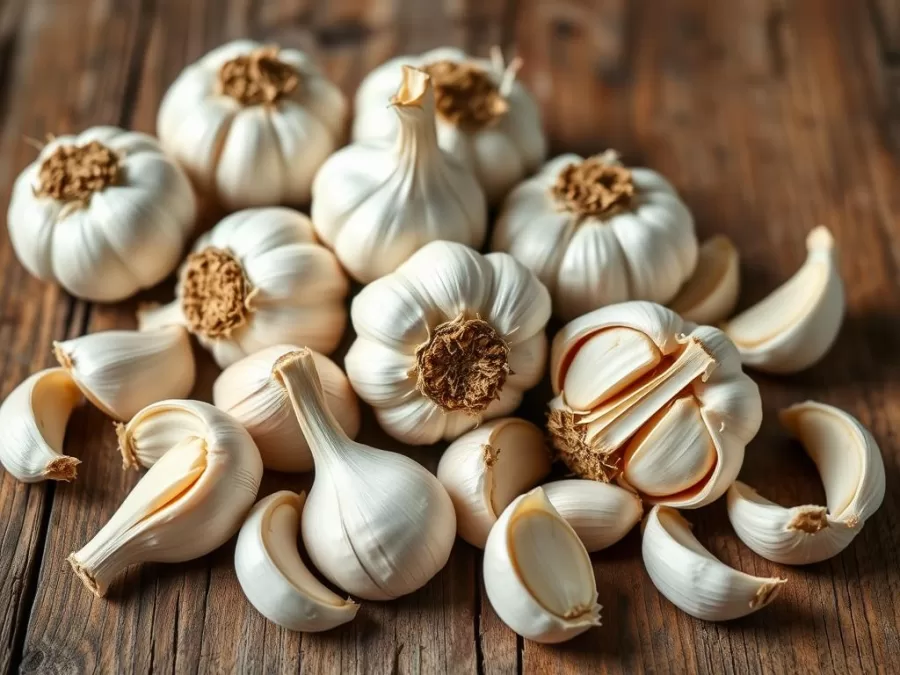
Garlic has been used for thousands of years as both food and medicine. This pungent bulb contains powerful bioactive compounds that give it impressive health-promoting properties beyond its culinary uses.
Key Nutrients
- Allicin (sulfur compound with medicinal properties)
- Manganese and vitamin B6
- Vitamin C
- Selenium
- Fiber
Health Benefits
Garlic’s most impressive health benefits come from allicin, which is formed when garlic is crushed or chopped. Research suggests garlic supplementation may help reduce blood pressure in people with hypertension and improve cholesterol levels, potentially lowering the risk of heart disease. It also has potent antimicrobial properties that may help fight infections. Some studies indicate regular garlic consumption may reduce the risk of certain cancers, particularly those of the digestive system.
How to Include It in Your Diet
For maximum health benefits, crush or chop garlic and let it sit for 10 minutes before cooking to allow the allicin to form. Add it to savory dishes near the end of cooking to preserve more of its beneficial compounds. Roast whole garlic bulbs for a milder, sweeter flavor that’s delicious spread on whole-grain bread. If you find fresh garlic too strong, start with smaller amounts and gradually increase as your palate adjusts.
8. Shellfish

Shellfish—including clams, oysters, mussels, and scallops—are among the most nutrient-dense foods from the sea. These filter-feeding mollusks concentrate nutrients from their marine environment, making them nutritional powerhouses.
Key Nutrients
- Vitamin B12 (clams contain over 1,600% of daily needs per 3 oz)
- Zinc (particularly high in oysters)
- Iron and copper
- Selenium and iodine
- High-quality protein
Health Benefits
The exceptional vitamin B12 content in shellfish supports nerve function, DNA production, and energy metabolism. Their high zinc content is crucial for immune function, DNA synthesis, and growth and development. The iron in shellfish is highly bioavailable, making them excellent for preventing iron-deficiency anemia. Research suggests the unique combination of nutrients in shellfish may support brain health, fertility, and immune function.
How to Include It in Your Diet
Steam mussels or clams in broth with herbs for a simple meal, enjoy fresh oysters with just a squeeze of lemon, or sauté scallops briefly for a delicate texture. If you’re concerned about contaminants, choose shellfish from clean, monitored waters and reputable sources. Canned clams and oysters are convenient alternatives that retain most of their nutritional value.
9. Sardines

Sardines are small, oily fish that are typically consumed whole, including the bones and organs. This makes them one of the most nutrient-complete foods available, providing nutrients that are difficult to obtain from other sources.
Key Nutrients
- Omega-3 fatty acids (EPA and DHA)
- Vitamin D (one of the highest natural sources)
- Calcium (from the edible bones)
- Vitamin B12
- Selenium and phosphorus
Health Benefits
The combination of omega-3 fatty acids and vitamin D in sardines makes them exceptional for bone and heart health. Their calcium content (from the soft, edible bones) supports bone density, while their omega-3s help reduce inflammation and support cardiovascular health. Unlike larger predatory fish, sardines are low on the food chain and contain minimal mercury, making them a safer choice for regular consumption.
How to Include It in Your Diet
Canned sardines packed in olive oil or water make for a convenient, shelf-stable protein source. Try them on whole-grain toast with avocado and lemon, add them to pasta dishes with garlic and herbs, or mix them into salads. If you’re new to sardines, start with skinless, boneless varieties packed in olive oil, which have a milder flavor than those packed in water.
10. Dark Chocolate

While it might seem surprising to find chocolate on a list of the world’s most nutritious foods, high-quality dark chocolate with a high cocoa content (70% or higher) is legitimately nutritious. It’s one of the richest sources of antioxidants available and contains numerous beneficial compounds.
Key Nutrients
- Flavanols and other polyphenols
- Magnesium, copper, and iron
- Manganese
- Fiber
- Small amounts of zinc, phosphorus, and selenium
Health Benefits
The flavanols in dark chocolate have been shown to support cardiovascular health by improving blood flow, reducing blood pressure, and increasing HDL (good) cholesterol. These compounds also have antioxidant properties that help neutralize free radicals and may protect against certain types of cancer. Some research suggests dark chocolate may improve brain function by increasing blood flow to the brain and may even help improve insulin sensitivity.
How to Include It in Your Diet
Enjoy a small square (about 1 ounce) of high-quality dark chocolate with at least 70% cocoa content as an occasional treat. Look for chocolate with minimal added sugar and ingredients. Grate dark chocolate over oatmeal or fresh fruit for a nutrient boost, or add a small amount of unsweetened cocoa powder to smoothies, coffee, or chili for antioxidant benefits without the sugar.
Incorporating These Superfoods Into Your Diet
While these top 10 most nutritious foods in the world offer exceptional health benefits, the key to optimal nutrition lies in variety and balance. No single food—not even a superfood—can provide all the nutrients your body needs to thrive. Instead, aim to incorporate several of these nutritional powerhouses into a diet that includes a wide range of whole, minimally processed foods.
Start by adding one or two of these foods to your weekly meal plan, then gradually incorporate more as you become comfortable preparing and enjoying them. Remember that consistency matters more than perfection—even small dietary improvements can lead to significant health benefits over time.
By prioritizing nutrient-dense foods like those on this list, you’re making a powerful investment in your long-term health and wellbeing.
Want More Nutrition Tips?
Subscribe to our free newsletter and receive weekly updates on nutrition science, healthy recipes featuring these superfoods, and exclusive guides to help you optimize your diet.
Frequently Asked Questions About Nutritious Foods
Can I get all the nutrients I need from these 10 foods alone?
While these foods are exceptionally nutrient-dense, no single food or small group of foods can provide all the nutrients your body needs. The key to optimal nutrition is variety. These superfoods should be part of a diverse diet that includes a wide range of fruits, vegetables, whole grains, lean proteins, and healthy fats.
Are there plant-based alternatives to the animal products on this list?
Yes! If you follow a plant-based diet, focus on the plant foods in this list (kale, blueberries, seaweed, garlic, dark chocolate) and add other nutrient-dense plant foods like chia seeds, hemp seeds, spirulina, nutritional yeast (for B12), and legumes. For omega-3s, include walnuts, flaxseeds, and algae oil supplements as alternatives to fish.
How can I make liver more palatable if I don’t enjoy the taste?
If you find liver’s flavor challenging, try these strategies: soak it in milk for 30 minutes before cooking to reduce the strong taste, use chicken liver which is milder than beef liver, incorporate small amounts of ground liver into ground meat dishes like meatballs or burgers, or try liver pâté which often has herbs and spices that complement the flavor.

Priyanka Pandey
Senior Research Editor · Top10Sense
Priyanka specializes in tech, consumer products, and digital trends. She combines hands-on testing, vendor interviews, and database research to create trustworthy “Top 10” rankings. Her work has been referenced by industry blogs and brand report pages.