
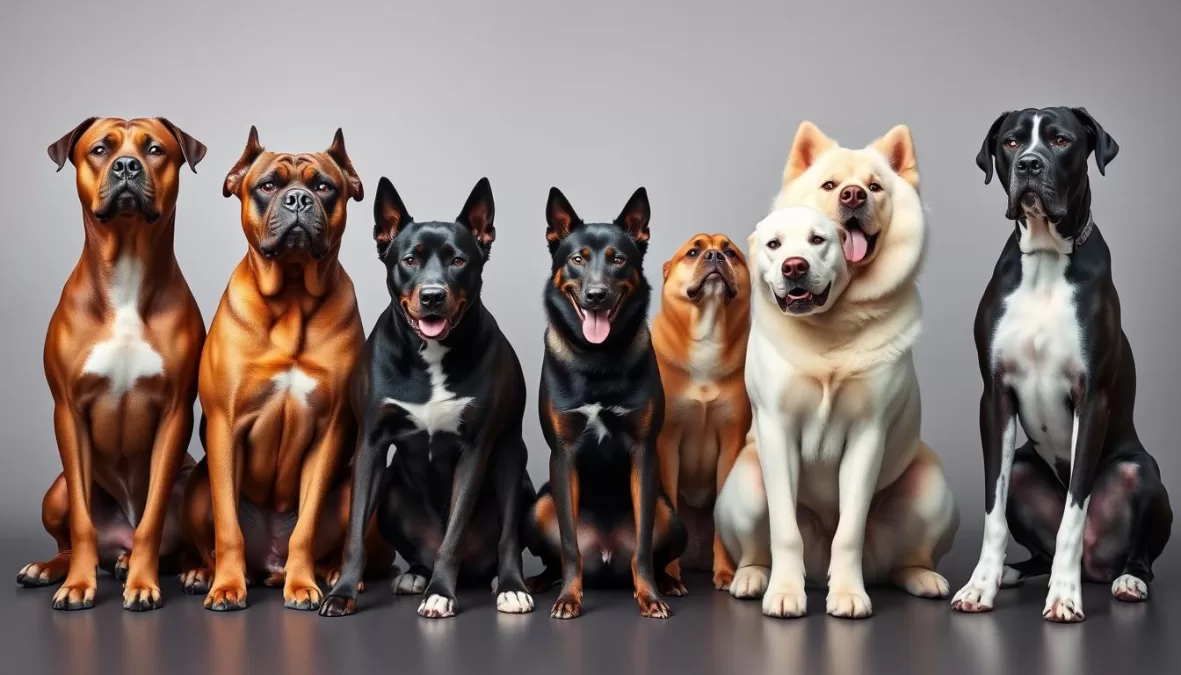
When we talk about dangerous dog breeds, it’s important to understand that a dog’s behavior is influenced by many factors beyond genetics. Training, socialization, and how they’re raised play crucial roles in determining whether any dog becomes a threat. However, certain breeds have physical characteristics and historical backgrounds that can make them potentially more dangerous when not properly handled.
This article explores the top 10 dangerous dogs in the world based on statistics from reported incidents, bite force, and historical data. We’ll examine each breed’s origin, physical traits, temperament, and the factors that contribute to their reputation. Remember, responsible ownership is key to ensuring any dog becomes a safe and loving companion.
Stay Informed About Dog Safety
Subscribe to our newsletter for the latest information on dog behavior, training techniques, and safety tips to help you understand and interact safely with all dog breeds.
Understanding What Makes a Dog “Dangerous”
Before diving into our list, it’s crucial to understand what factors contribute to a dog being labeled as “dangerous.” While bite statistics play a role, several other elements influence a breed’s potential risk:
Physical Factors
- Size and weight – larger dogs can cause more damage
- Bite force – measured in pounds per square inch (PSI)
- Muscle mass and strength
- Speed and agility
Behavioral Factors
- Protective instincts and territorial behavior
- Prey drive and hunting background
- Tolerance threshold and trigger sensitivity
- Historical breeding for guarding or fighting
It’s important to note that fatal dog attacks are rare, and any dog can bite under certain circumstances. The breeds on this list have been involved in more serious incidents, but individual temperament varies widely within each breed.
1. Pit Bull

Breed Origin and History
The term “Pit Bull” often refers to several breeds including the American Pit Bull Terrier, American Staffordshire Terrier, and Staffordshire Bull Terrier. Originally bred in England for bull-baiting and later dog fighting, these breeds were developed for strength and tenacity. When brought to America, they were also used as farm dogs and family companions.
Key Traits and Characteristics
Pit Bulls are muscular, athletic dogs with tremendous strength for their size. They typically weigh between 35-65 pounds and have a distinctive broad head and powerful jaw. These dogs are known for their loyalty and affection toward their owners, but they can also display strong territorial instincts.
Why They’re Considered Dangerous
Statistics show that Pit Bulls are responsible for approximately 65% of fatal dog attacks in the United States. Their powerful jaws and tenacity mean that when they do bite, they often cause severe damage. Once they engage, they may be difficult to disengage. Their history of being bred for fighting has contributed to their reputation, though many are gentle family pets.
Notable Incidents
Numerous fatal attacks have been attributed to Pit Bulls over the years. Between 2005 and 2017, they were responsible for approximately 284 deaths in the United States alone. However, it’s worth noting that breed misidentification is common, and many dogs labeled as “Pit Bulls” may be mixed breeds or other bull-type dogs.
2. Rottweiler

Breed Origin and History
Rottweilers descend from Roman drover dogs and were developed in Rottweil, Germany. They were used to drive cattle to market and pull carts for butchers. Later, they became popular as police, military, and guard dogs due to their strength, intelligence, and protective nature.
Key Traits and Characteristics
Rottweilers are large, powerful dogs weighing between 80-120 pounds. They have a distinctive black coat with tan markings and a robust, muscular build. These dogs are known for their confidence, intelligence, and loyalty to their families. They tend to be aloof with strangers and have strong protective instincts.
Why They’re Considered Dangerous
Rottweilers account for approximately 10% of fatal dog attacks, making them the second most dangerous breed statistically. Their size, strength, and powerful bite (328 PSI) mean they can cause serious injuries. Their protective nature can lead to aggression if they perceive a threat to their family or territory.
Notable Incidents
Between 2005 and 2017, Rottweilers were responsible for approximately 45 fatal attacks in the United States. They are particularly known for being protective of their territory, which can lead to incidents with visitors or strangers approaching their home.
3. German Shepherd
Breed Origin and History
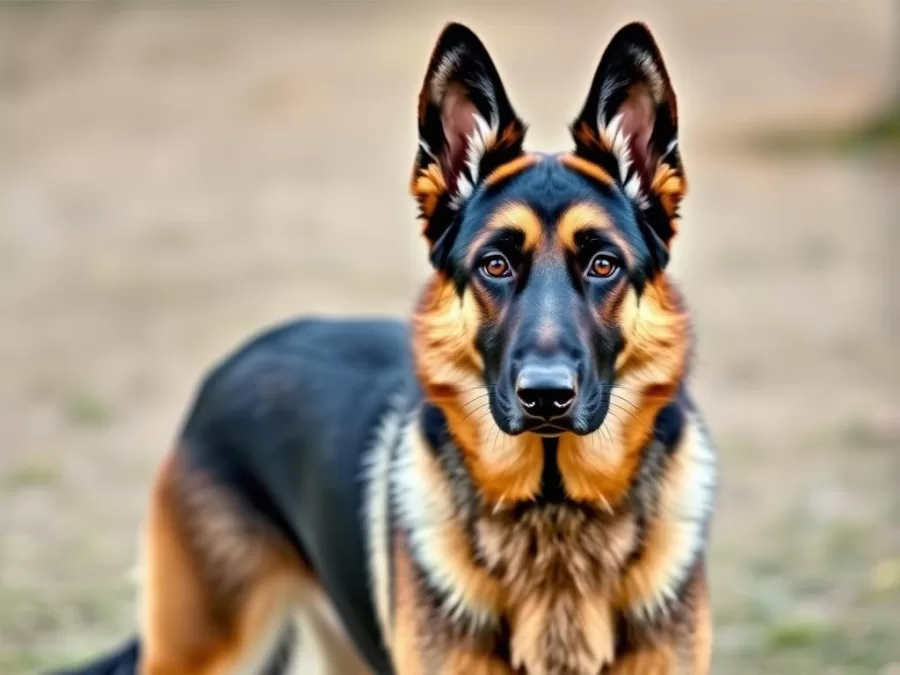
German Shepherds were developed in Germany in the late 19th century by Captain Max von Stephanitz, who aimed to create the perfect working dog. Originally bred for herding sheep, they quickly became valued as police, military, and service dogs due to their intelligence, trainability, and versatility.
Key Traits and Characteristics
German Shepherds are medium to large dogs weighing between 50-90 pounds. They have a distinctive appearance with pointed ears, an intelligent expression, and a black and tan coat (though other colors exist). These dogs are known for their courage, loyalty, and high intelligence, making them excellent working dogs.
Why They’re Considered Dangerous
German Shepherds account for approximately 4.6% of fatal dog attacks. Their intelligence, strength, and protective nature make them excellent guard dogs but can lead to aggression if not properly trained and socialized. They have a strong prey drive and can be territorial, which requires careful management.
Notable Incidents
Between 2005 and 2017, German Shepherds were responsible for approximately 20 fatal attacks. Many incidents occur when these dogs are protecting their territory or family, as they have been bred to be vigilant and protective.
Download Our Free Guide
Get our comprehensive guide to understanding dog behavior and safely interacting with powerful breeds. Learn training techniques, warning signs, and prevention strategies.
4-7: More Dangerous Dog Breeds
4. American Bulldog
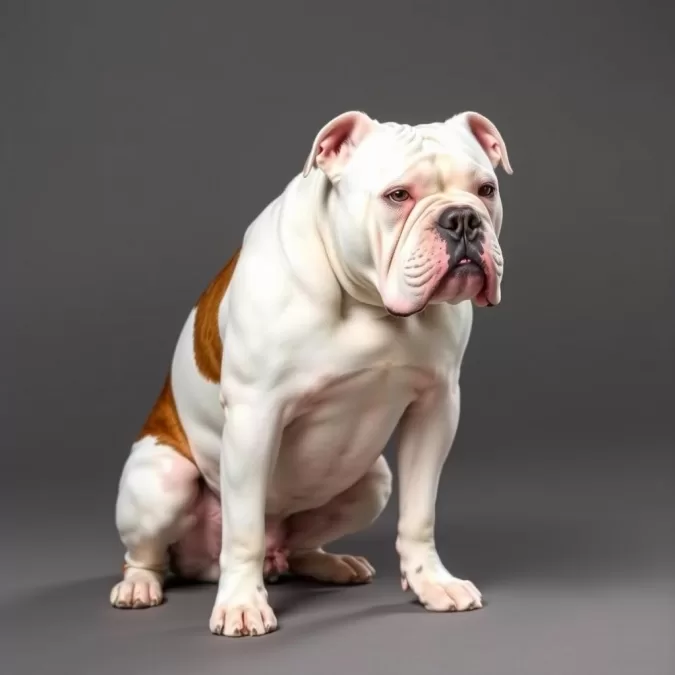
American Bulldogs are powerful working dogs weighing up to 100 pounds. Originally bred for farm work and hunting, they have a strong protective instinct and considerable strength. With a bite force of approximately 305 PSI, they can cause significant injuries when provoked. Between 2005 and 2017, they were responsible for about 15 fatal attacks.
5. Bullmastiff

Bullmastiffs were bred to guard estates by tracking down and holding poachers. These powerful dogs weigh between 100-130 pounds and have an imposing presence. With a bite force reaching 552 PSI, they have one of the strongest bites of any dog. Despite their gentle nature with family, they were involved in approximately 14 fatal attacks over a 12-year period.
6. Siberian Husky

Siberian Huskies were bred as sled dogs in northeastern Asia. Weighing between 35-60 pounds, they’re known for their wolf-like appearance and striking blue eyes. Despite their friendly reputation, they have a strong prey drive and can be stubborn. With a bite force of 320 PSI, they were responsible for approximately 13 fatal attacks between 2005 and 2017.
7. Doberman Pinscher
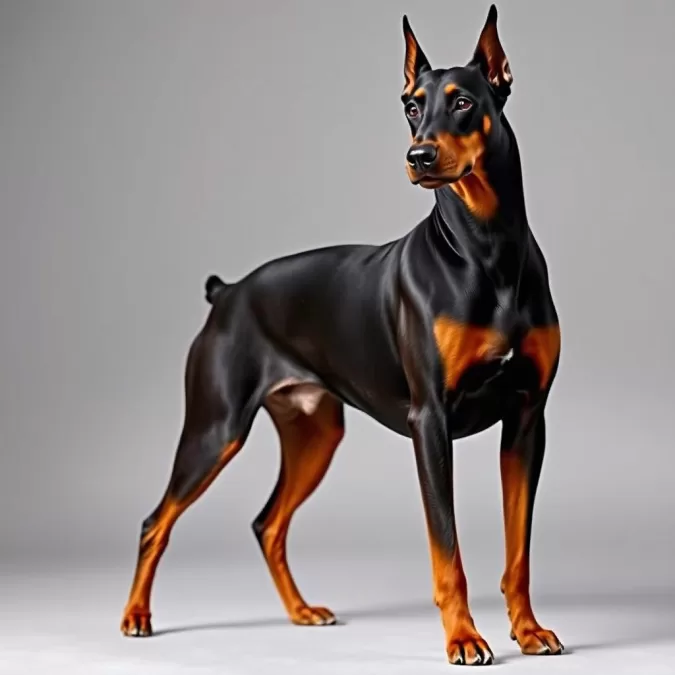
Doberman Pinschers were developed in Germany as guard dogs. These athletic, intelligent dogs weigh between 60-100 pounds and are known for their loyalty and alertness. With a bite force of approximately 305 PSI, they can cause serious injuries. They were responsible for about 6 fatal attacks over a 12-year period, though they’re generally devoted to their families.
8-10: Completing the List
8. Alaskan Malamute

Alaskan Malamutes are powerful sled dogs weighing up to 90 pounds. With their thick coats and wolf-like appearance, they’re built for endurance in cold climates. They have a bite force of approximately 400 PSI and were responsible for 4 fatal attacks in the study period. Their independent nature can make training challenging.
9. Chow Chow

Chow Chows originated in China and are known for their distinctive blue-black tongues and lion-like appearance. Weighing between 45-70 pounds, they’re independent and can be aloof with strangers. Despite their teddy bear appearance, they have a territorial nature and were involved in several serious attacks over the years.
10. Great Dane
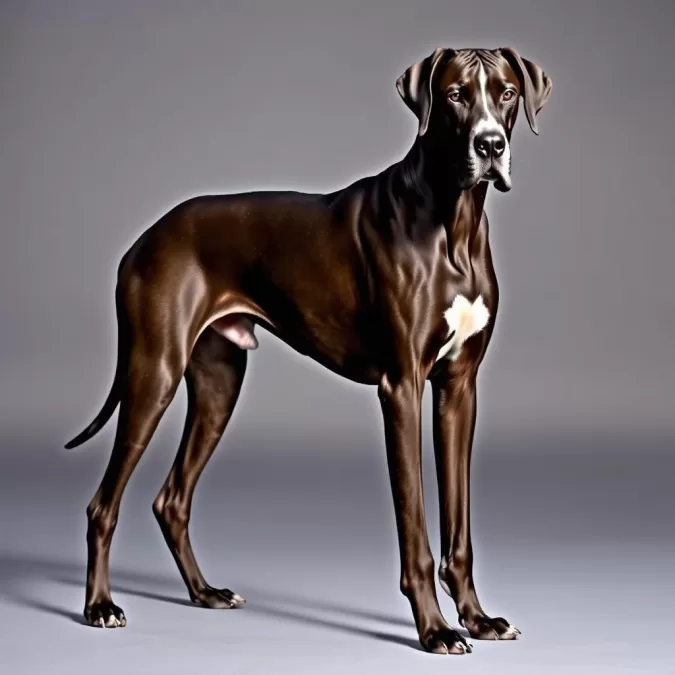
Great Danes are often called “gentle giants,” but their sheer size (up to 175 pounds) makes them potentially dangerous. Originally bred for hunting wild boar, they have considerable strength. While they’re typically gentle with family, their size means even accidental injuries can be serious. They have been involved in several fatal incidents over the years.
Misconceptions About Dangerous Dog Breeds

Facts About Breed Behavior
- No breed is inherently vicious or aggressive toward humans
- Individual temperament varies widely within any breed
- Proper training and socialization significantly reduce risk
- Most dogs from “dangerous” breeds never harm anyone
- Environment and handling have greater impact than genetics
Common Misconceptions
- All dogs of certain breeds are dangerous
- Breed alone determines aggression
- Physical traits (like head shape) predict behavior
- Dogs from “dangerous” breeds can’t be good family pets
- Breed-specific legislation effectively prevents dog bites
It’s important to understand that while statistics show certain breeds are involved in more serious incidents, this doesn’t mean every dog of that breed is dangerous. Factors like poor breeding practices, inadequate training, abuse, neglect, and irresponsible ownership play significant roles in dog aggression.
Studies have shown that breed-specific legislation has not been effective in reducing dog bite incidents. Instead, focusing on responsible ownership, proper training, and understanding dog behavior has proven more successful in preventing attacks.
Safety Tips for Interacting with Powerful Dog Breeds

For Dog Owners
- Invest in proper training and socialization from an early age
- Understand your breed’s specific needs and exercise requirements
- Never leave powerful dogs unsupervised with small children
- Use secure fencing and leashes in public spaces
- Spay or neuter your dog to reduce aggression
- Learn to recognize signs of stress or discomfort in your dog
For the General Public
- Always ask permission before approaching someone’s dog
- Avoid direct eye contact, which dogs may perceive as a threat
- Don’t approach unfamiliar dogs when they’re eating or sleeping
- If a dog appears aggressive, remain calm and avoid running
- Teach children proper ways to interact with dogs
- Be aware of body language that indicates a dog is uncomfortable
If a dog attacks: Protect your neck and face, avoid screaming or running, and try to put something between you and the dog (jacket, bag, etc.). If knocked down, curl into a ball and protect your head and neck with your arms.
Stay Updated on Dog Safety
Join our community to receive regular updates on dog behavior, training techniques, and safety information. Our experts provide valuable insights to help you understand and safely interact with all dog breeds.
Conclusion: Responsible Ownership Makes the Difference
While the breeds listed in this article have been statistically linked to more serious or fatal attacks, it’s crucial to remember that any dog can become dangerous without proper care, training, and socialization. The vast majority of dogs from these breeds live their entire lives without incident, serving as loving and loyal companions to their families.
The key factors in preventing dog attacks are responsible ownership, understanding canine behavior, and proper training—not breed elimination. By recognizing the special needs and characteristics of powerful breeds, owners can ensure their dogs become well-adjusted members of society.
If you’re considering adopting one of these breeds, do thorough research, be honest about your experience level and lifestyle, and commit to proper training and socialization. With the right approach, even the most powerful dogs can be safe, loving companions.
Frequently Asked Questions
Are these breeds illegal to own in some places?
Yes, some jurisdictions have breed-specific legislation (BSL) that restricts or bans ownership of certain breeds, particularly Pit Bulls, Rottweilers, and other breeds perceived as dangerous. These laws vary widely by country, state, and even city. Before adopting, check local regulations to ensure the breed is legal in your area.
Can dangerous dog breeds be good family pets?
Absolutely. Many dogs from breeds on this list are excellent family companions when properly trained, socialized, and responsibly owned. Individual temperament varies widely within any breed. Proper research, training, and understanding of the breed’s needs are essential for success.
Are mixed breeds with “dangerous” breed ancestry also dangerous?
Mixed breeds inherit a combination of traits from their ancestors, both physical and behavioral. A dog with some “dangerous” breed ancestry isn’t necessarily dangerous itself. Individual temperament, socialization, and training play much larger roles in determining behavior than genetic background alone.

Priyanka Pandey
Senior Research Editor · Top10Sense
Priyanka specializes in tech, consumer products, and digital trends. She combines hands-on testing, vendor interviews, and database research to create trustworthy “Top 10” rankings. Her work has been referenced by industry blogs and brand report pages.