Urban danger takes many forms—from violent crime and terrorism to political instability and economic collapse. As we look toward 2026, certain global hotspots are projected to remain or become increasingly hazardous. This analysis examines cities where crime rates, social unrest, and other risk factors are expected to create the most dangerous urban environments in the coming years. Whether you’re a traveler, business professional, or simply concerned about global safety trends, understanding these high-risk locations is essential for informed decision-making.
Our projections for the most dangerous cities in the world 2026 are based on current crime trajectories, socioeconomic forecasts, political stability assessments, and expert security analysis. While predicting future danger levels involves some uncertainty, these cities show clear warning signs that warrant caution and preparation.
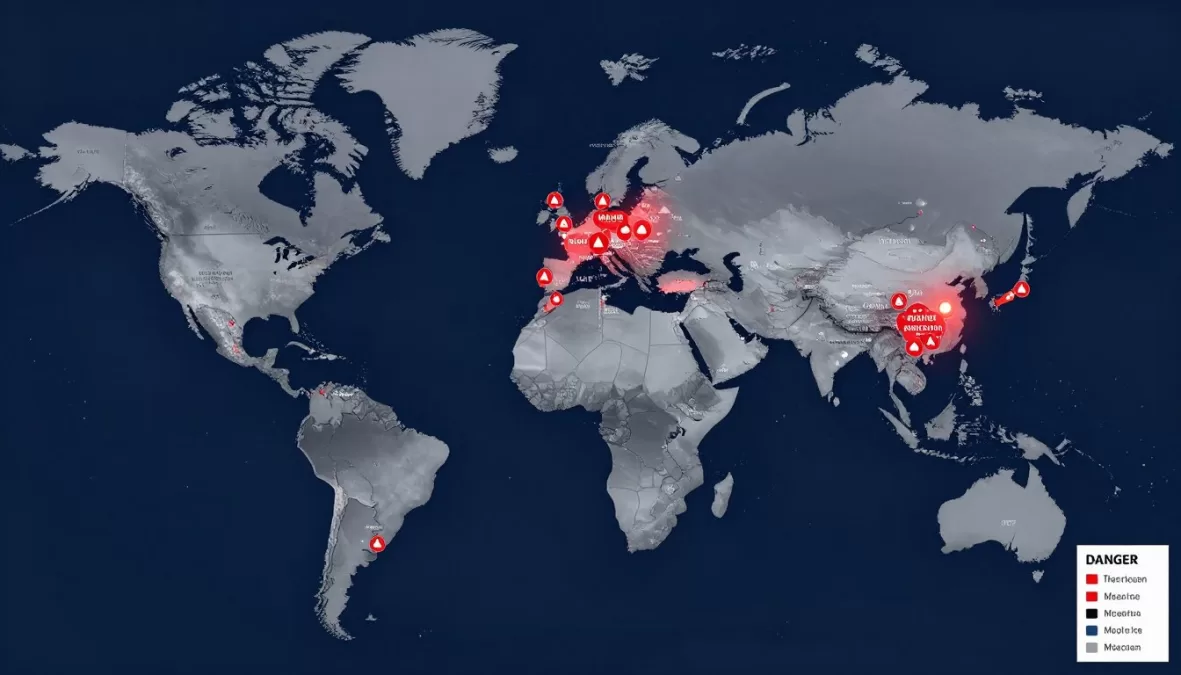
Global distribution of the most dangerous cities projected for 2026 based on current crime trends and security forecasts
How We Identified the Most Dangerous Cities in the World 2026
Our methodology combines current data with expert projections to identify cities likely to be the most dangerous in 2026. We’ve analyzed several key factors:
- Homicide rates: Current murder statistics per 100,000 inhabitants and their trajectory
- Violent crime trends: Patterns in assault, armed robbery, kidnapping, and carjacking
- Organized crime presence: Cartel activity, gang violence, and human trafficking operations
- Political stability: Projected governance issues, corruption levels, and civil unrest potential
- Economic forecasts: Poverty projections, unemployment trends, and economic inequality
- Law enforcement capacity: Police effectiveness, corruption, and resource allocation
- Terrorism risk: Historical patterns and intelligence assessments of future threats
Cities are ranked based on a composite danger score that weighs these factors according to their impact on overall safety. While some cities may improve their security situation by 2026, our analysis indicates that structural issues and entrenched criminal elements will likely maintain or worsen conditions in the locations featured below.
Stay Informed About Global Safety
Get our comprehensive 2026 Global Safety Guide with detailed risk assessments, safety protocols, and emergency resources for high-risk urban areas worldwide.
The 10 Most Dangerous Cities in the World 2026
Based on our analysis of current trends and future projections, these cities are expected to be the most dangerous in the world by 2026. Each faces unique challenges that contribute to their high risk profiles.
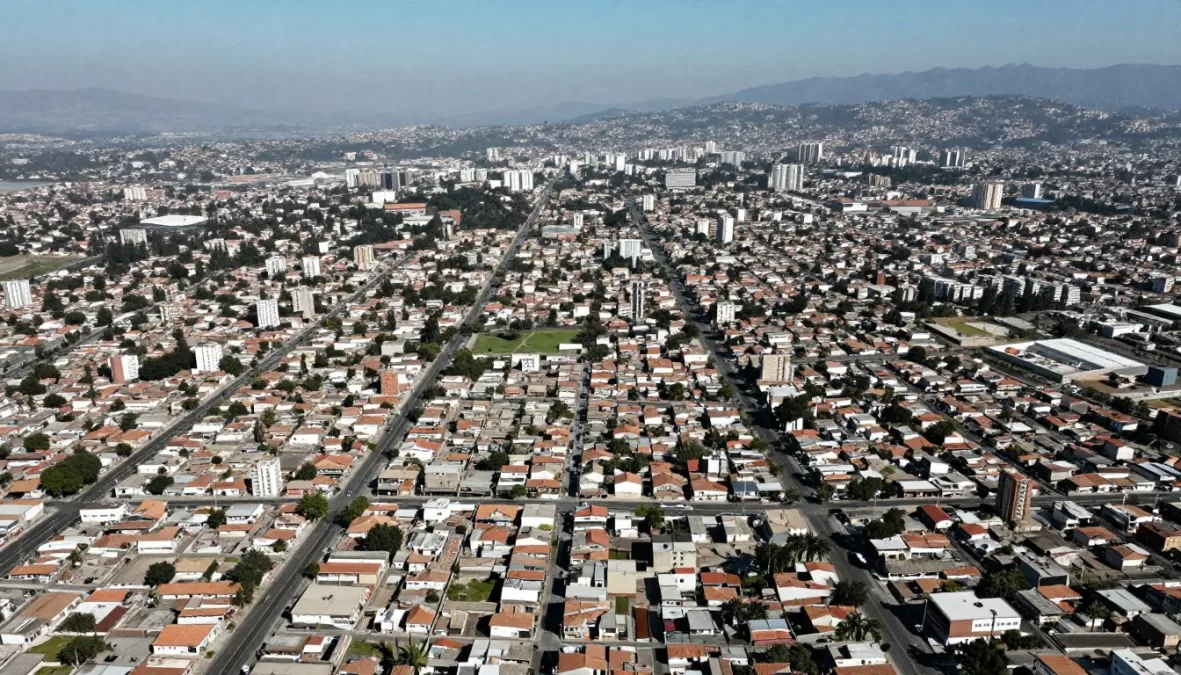
Tijuana, Mexico – Border dynamics and cartel conflicts contribute to persistent violence
1. Tijuana, Mexico
Tijuana is projected to remain one of the most dangerous cities in the world 2026, with homicide rates expected to hover around 138 per 100,000 inhabitants. The ongoing conflict between the Sinaloa and Jalisco New Generation cartels shows no signs of abating, with territorial disputes fueling extreme violence.
Primary Danger Factors:
- Cartel warfare and territorial disputes
- Drug trafficking and associated violence
- Kidnapping and extortion operations
- Corrupt law enforcement elements
Most Dangerous Areas:
- Zona Norte (particularly after dark)
- Sánchez Taboada
- Camino Verde
- El Florido
Traveler Risk Level: Extreme – Tourists face significant risks from crossfire violence, express kidnappings, and armed robbery. The U.S. State Department advises reconsidering travel to this region.
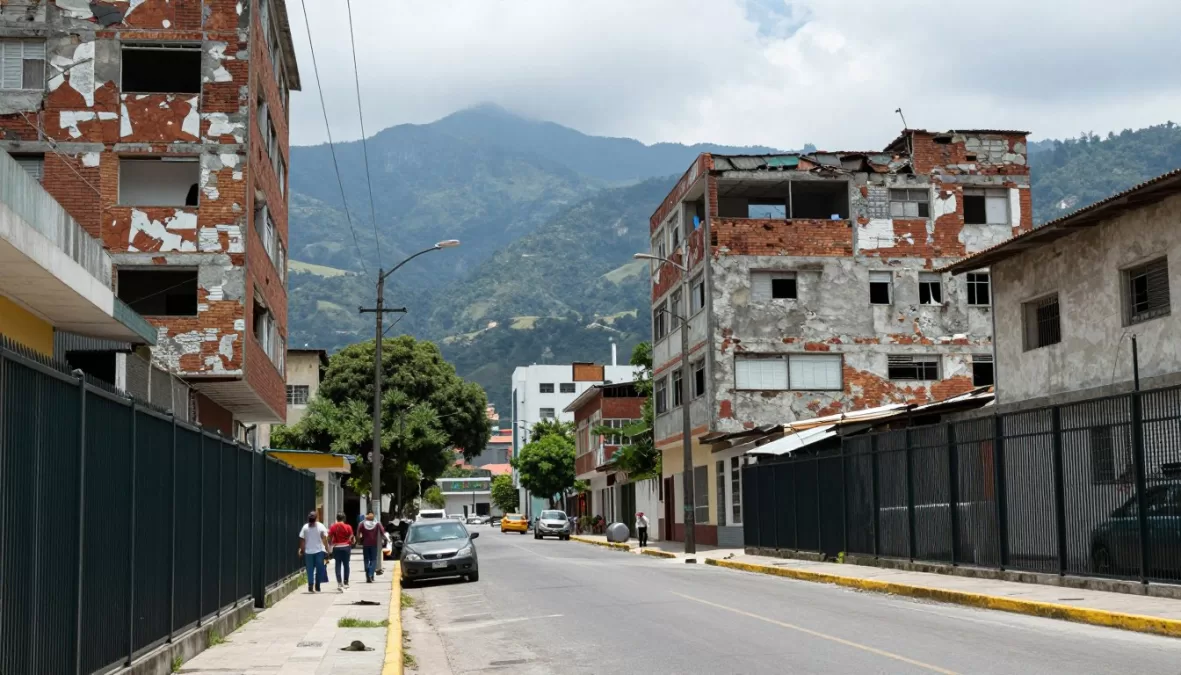
Caracas, Venezuela – Economic collapse and political instability continue to fuel crime
2. Caracas, Venezuela
Venezuela’s capital is expected to maintain its position among the most dangerous cities in the world 2026, with projected homicide rates exceeding 100 per 100,000 residents. The ongoing economic crisis, political instability, and collapse of public services create perfect conditions for criminal activity.
Primary Danger Factors:
- Hyperinflation and economic collapse
- Armed robbery and express kidnappings
- Police corruption and ineffectiveness
- Food and medicine shortages driving desperation
Most Dangerous Areas:
- Petare (largest slum in Venezuela)
- Cota 905
- El Valle
- Antímano
Traveler Risk Level: Extreme – Foreign visitors face high risks of violent crime, kidnapping, and limited access to emergency services. Most governments advise against all travel to Venezuela.
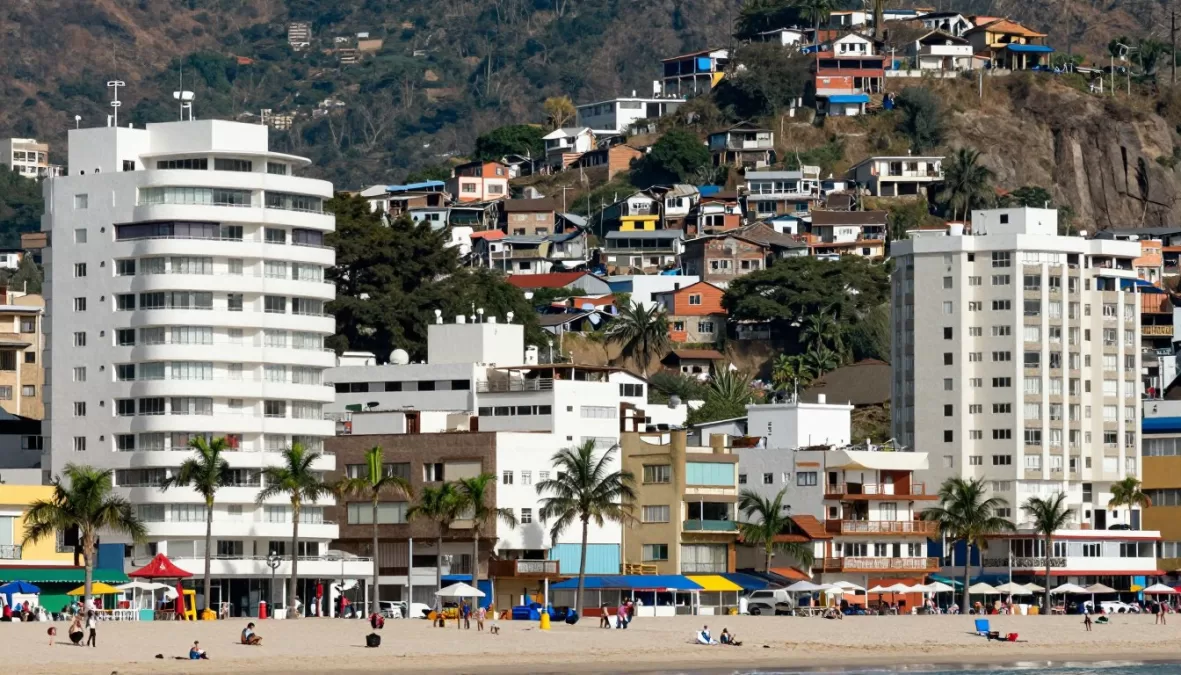
Acapulco, Mexico – Once a tourist paradise now plagued by gang violence
3. Acapulco, Mexico
Once a glamorous resort destination, Acapulco is projected to remain among the most dangerous cities in the world 2026 with homicide rates around 111 per 100,000 inhabitants. The city’s tourism industry continues to suffer as violent gangs like Los Locos and 221 battle for control of drug trafficking routes and extortion rackets.
Primary Danger Factors:
- Rival gang warfare in tourist areas
- Extortion of local businesses
- Kidnappings and assassinations
- Beach area violence
Most Dangerous Areas:
- Ciudad Renacimiento
- La Zapata
- Colonia Jardín
- Hillside neighborhoods
Traveler Risk Level: High – Tourist zones have heightened security but remain vulnerable to violence. Travelers should exercise extreme caution, especially after dark.
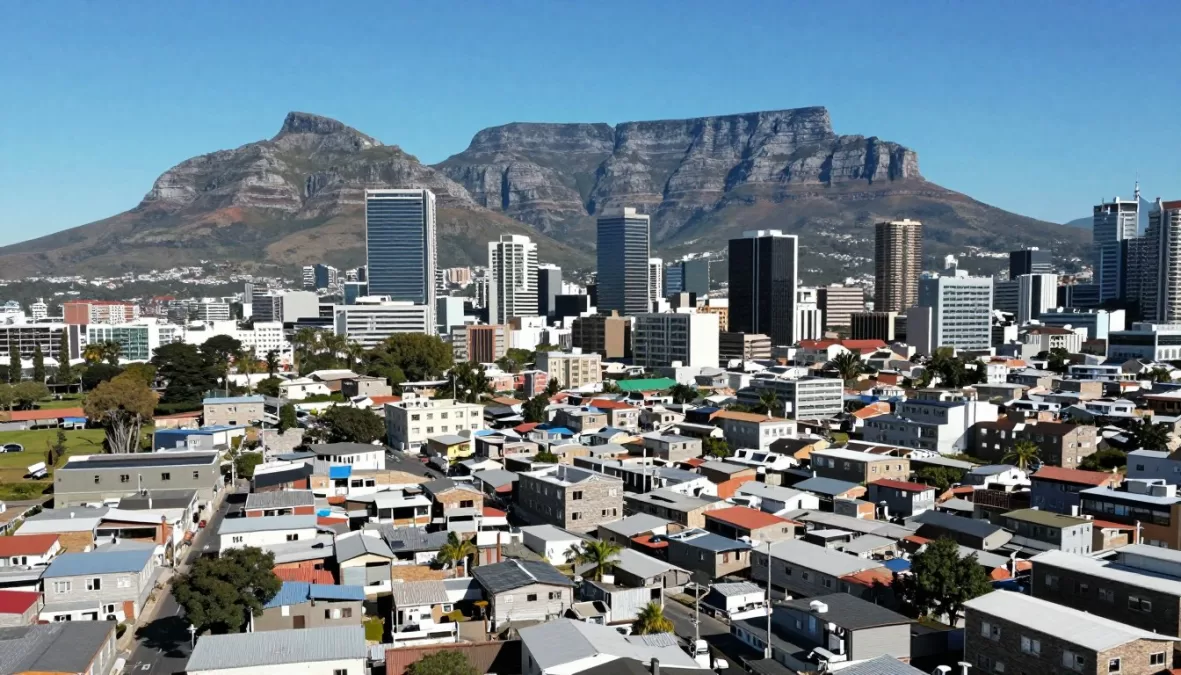
Cape Town, South Africa – Extreme inequality fuels persistent crime issues
4. Cape Town, South Africa
Cape Town is expected to remain one of the most dangerous cities in the world 2026, with homicide rates projected to stay above 60 per 100,000 residents. Despite its stunning natural beauty and tourist appeal, the city struggles with extreme inequality, gang violence, and organized crime.
Primary Danger Factors:
- Gang warfare in Cape Flats townships
- Armed robbery and carjackings
- Home invasions in wealthy areas
- Drug trafficking and associated violence
Most Dangerous Areas:
- Nyanga
- Khayelitsha
- Gugulethu
- Mitchells Plain
Traveler Risk Level: High – Tourist areas have significant security presence but remain vulnerable to opportunistic crime. Visitors should avoid township areas without local guides.
Stay Updated on Global Safety Conditions
Receive timely alerts about changing safety conditions in high-risk cities worldwide. Our expert team monitors situations 24/7 to keep you informed.
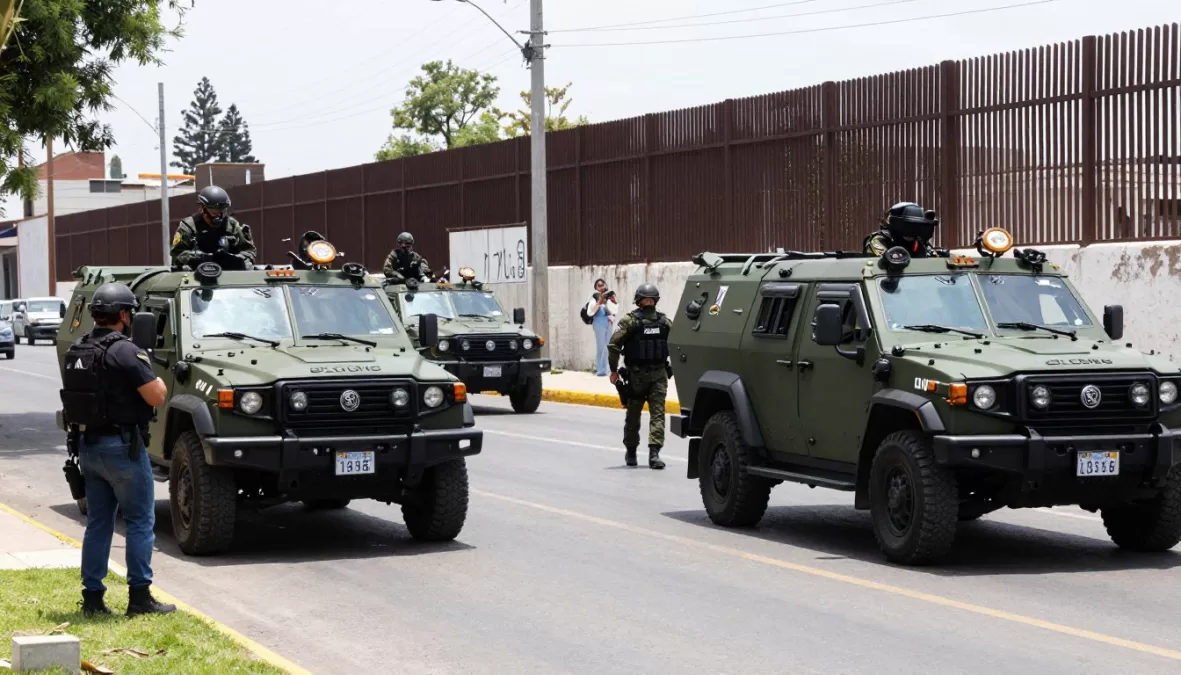
Ciudad Juárez, Mexico – Border city continues to struggle with cartel violence
5. Ciudad Juárez, Mexico
Located on the US-Mexico border, Ciudad Juárez is projected to remain among the most dangerous cities in the world 2026 with homicide rates around 86 per 100,000 inhabitants. The city’s strategic location makes it a critical trafficking hub and battleground for cartels competing for control of lucrative smuggling routes.
Primary Danger Factors:
- Cartel warfare and territorial disputes
- Human trafficking operations
- Kidnapping and extortion
- Femicide (targeted killing of women)
Most Dangerous Areas:
- Anapra
- Centro
- Altavista
- Riveras del Bravo
Traveler Risk Level: High – While violence typically targets those involved in criminal activities, bystanders can be caught in crossfire. Extreme caution is advised.
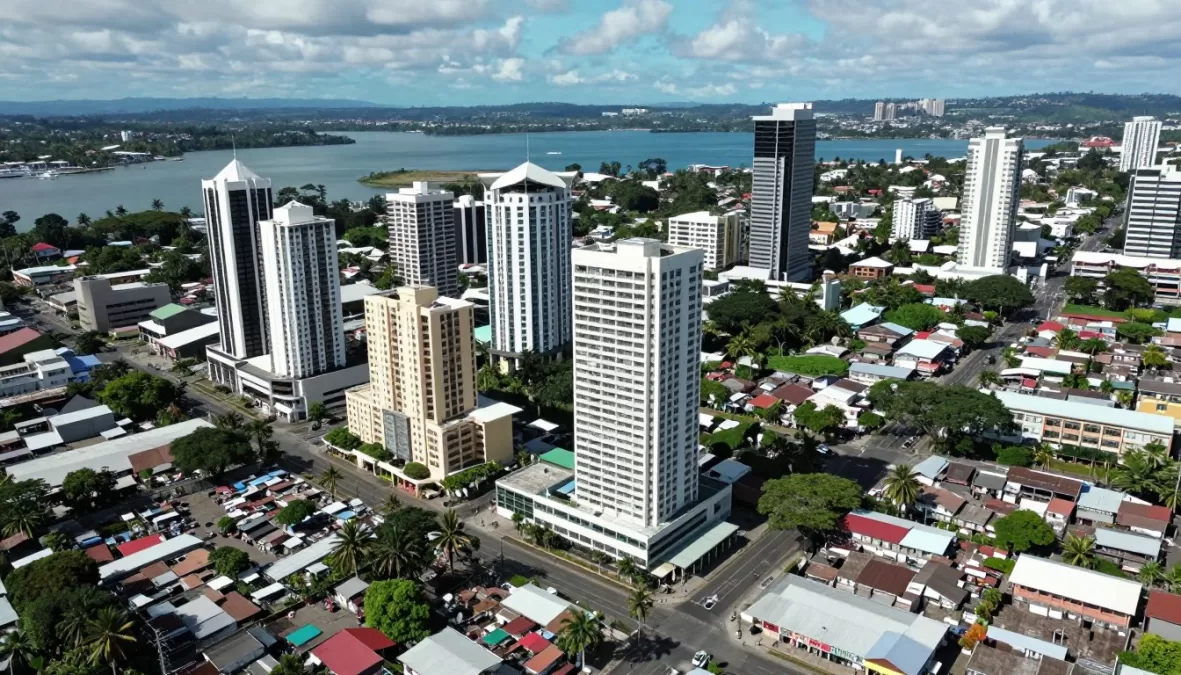
Port Moresby, Papua New Guinea – Lawlessness and tribal conflicts persist
6. Port Moresby, Papua New Guinea
Port Moresby is expected to remain one of the most dangerous cities in the world 2026, with continued high rates of violent crime. The city struggles with “raskol” gang activity, tribal conflicts, and limited police capacity to maintain order.
Primary Danger Factors:
- Armed robbery and carjackings
- Sexual assault against women
- Home invasions and burglaries
- Tribal and gang violence
Most Dangerous Areas:
- Koki Market area
- Boroko
- Gordons Market
- Settlement areas
Traveler Risk Level: High – Visitors face significant risks from violent crime. Travel with security escorts is recommended, and nighttime movement should be avoided.
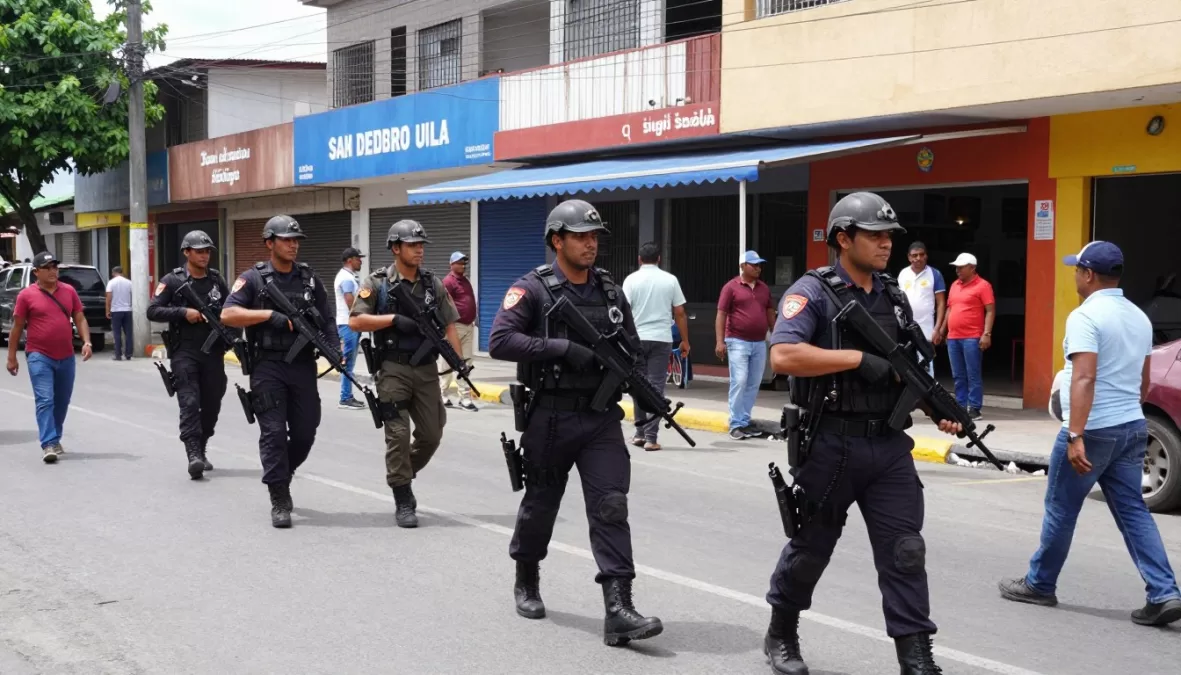
San Pedro Sula, Honduras – Gang activity and poverty drive persistent violence
7. San Pedro Sula, Honduras
Once the murder capital of the world, San Pedro Sula is projected to remain among the most dangerous cities in the world 2026 despite some improvement efforts. Gang activity, drug trafficking, and extreme poverty continue to fuel violence, with homicide rates expected to remain above 40 per 100,000 inhabitants.
Primary Danger Factors:
- MS-13 and Barrio 18 gang activity
- Extortion of businesses and residents
- Drug trafficking violence
- Kidnapping and express kidnapping
Most Dangerous Areas:
- Chamelecón
- Rivera Hernández
- Cofradía
- Choloma (outskirts)
Traveler Risk Level: High – Visitors face risks from armed robbery, carjacking, and kidnapping. Travel with trusted local guides and avoid displaying wealth.
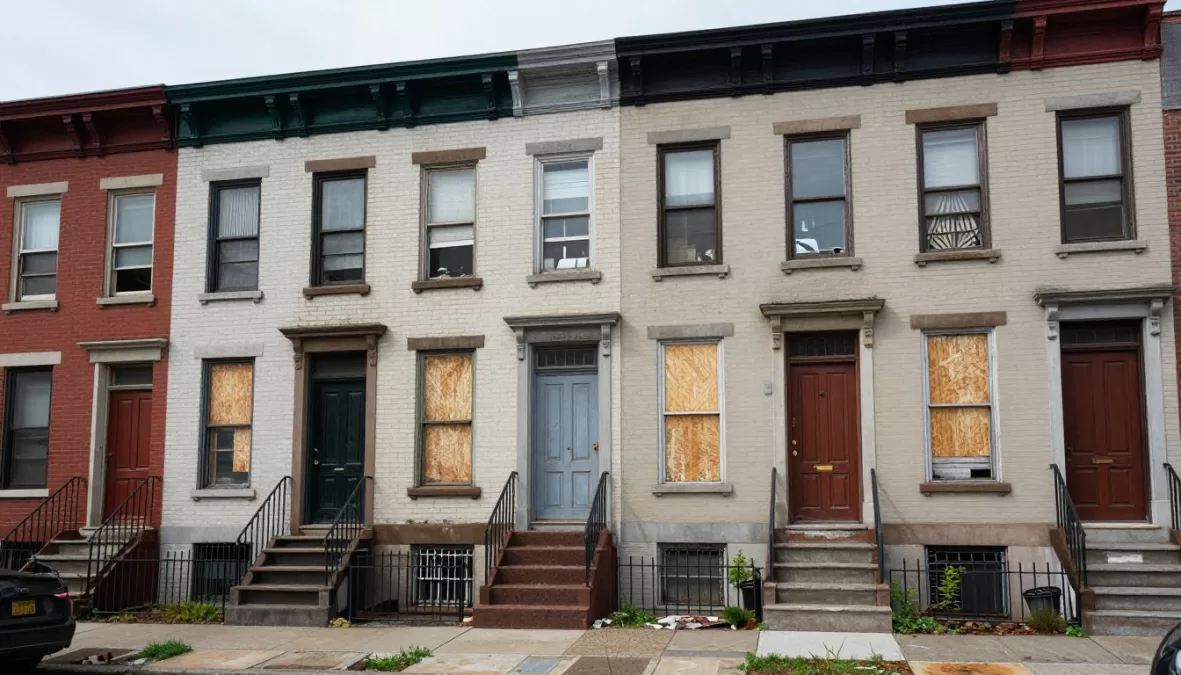
Baltimore, USA – Persistent violence in specific neighborhoods drives high homicide rates
8. Baltimore, USA
Baltimore is projected to remain the most dangerous major city in the United States through 2026, with homicide rates expected to stay above 50 per 100,000 residents. The city continues to struggle with concentrated poverty, drug trafficking, and gang activity in specific neighborhoods despite revitalization efforts in other areas.
Primary Danger Factors:
- Gang-related violence
- Drug trade disputes
- Illegal firearms proliferation
- Targeted shootings
Most Dangerous Areas:
- Sandtown-Winchester
- West Baltimore
- Cherry Hill
- Park Heights
Traveler Risk Level: Moderate – Tourist and business areas generally have adequate security, but visitors should avoid certain neighborhoods, especially after dark.
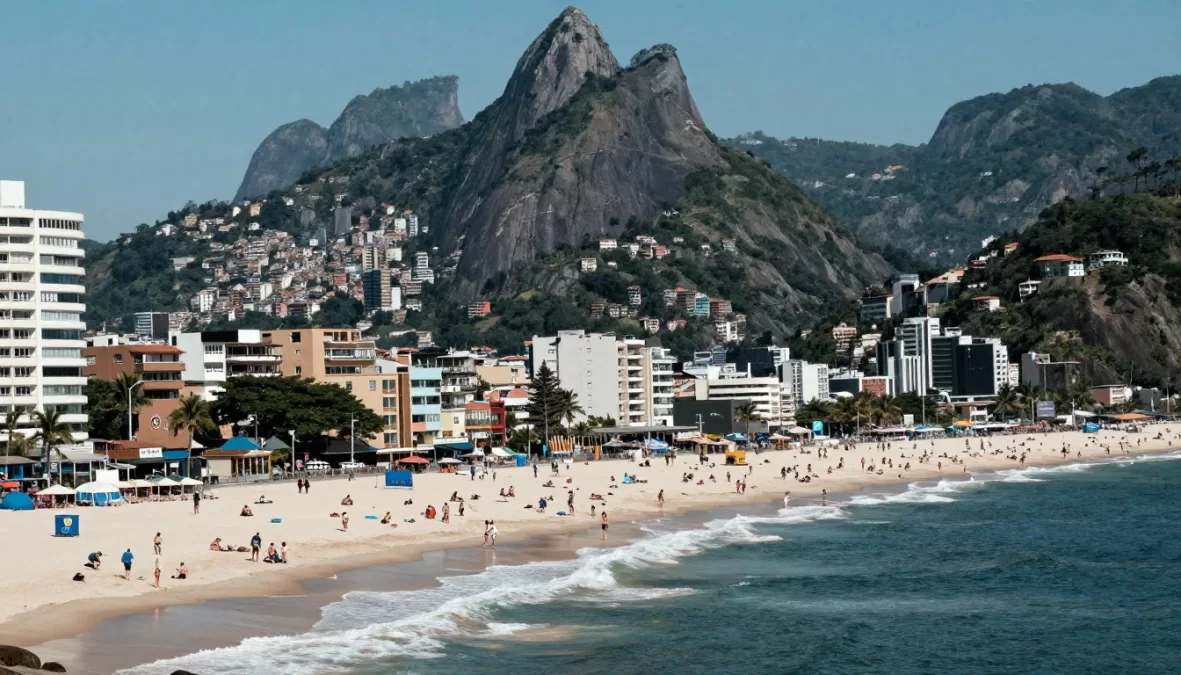
Natal, Brazil – Tourist destination struggles with high crime rates in specific areas
9. Natal, Brazil
Despite its popularity as a tourist destination, Natal is projected to remain among the most dangerous cities in the world 2026 with homicide rates expected to stay above 70 per 100,000 inhabitants. Gang conflicts, prison-based crime organizations, and poverty in favelas drive the violence.
Primary Danger Factors:
- Gang warfare between rival factions
- Armed robbery and express kidnapping
- Theft targeting tourists
- Prison-based organized crime
Most Dangerous Areas:
- Mãe Luíza
- Felipe Camarão
- Quintas
- Planalto
Traveler Risk Level: Moderate to High – Tourist zones have increased security but remain vulnerable to opportunistic crime. Avoid favelas and isolated areas.
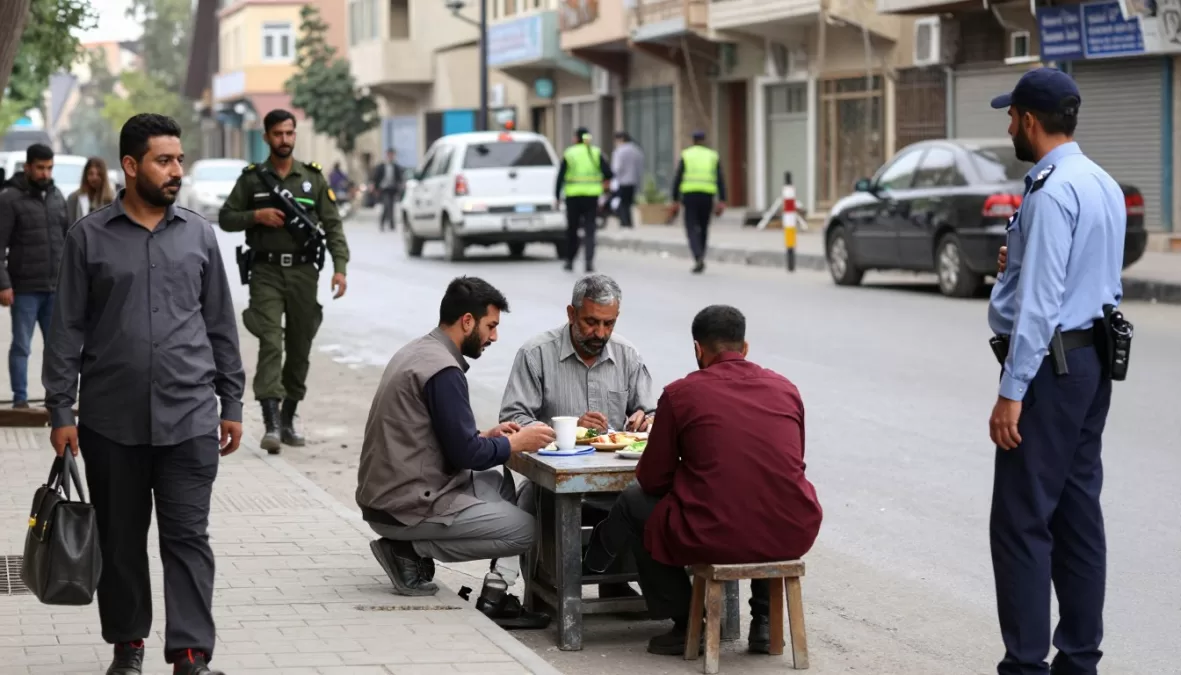
Kabul, Afghanistan – Political instability and terrorism threats continue
10. Kabul, Afghanistan
Kabul is projected to remain one of the most dangerous cities in the world 2026 due to ongoing political instability, terrorism threats, and economic challenges. While official homicide statistics are unreliable, the city faces significant security challenges from various armed groups.
Primary Danger Factors:
- Terrorist attacks in public areas
- Political violence and targeted killings
- Kidnapping of foreigners
- IED and suicide bombings
Most Dangerous Areas:
- All areas face significant risk
- Government and international zones
- Markets and public gatherings
- Roads connecting to other provinces
Traveler Risk Level: Extreme – Most governments advise against all travel to Afghanistan. Those who must visit should employ professional security services.
Trends and Patterns in the Most Dangerous Cities in the World 2026
Our analysis of the most dangerous cities in the world 2026 reveals several important patterns and common factors that contribute to urban violence:
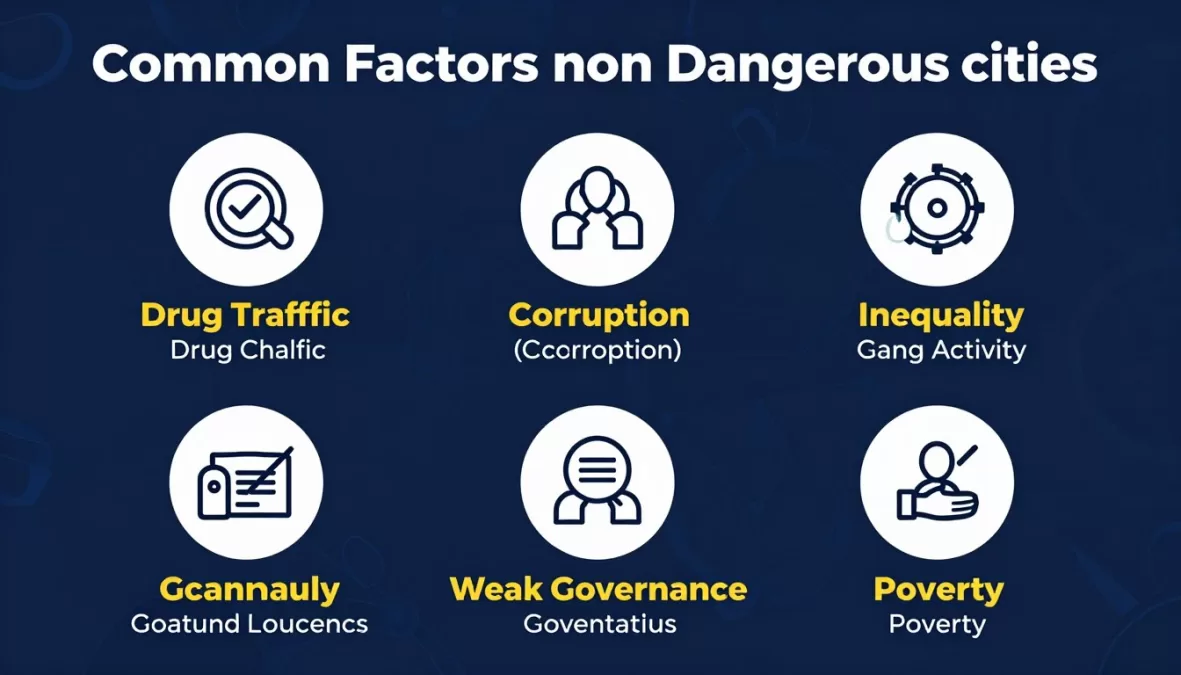
Common factors contributing to urban violence in the most dangerous cities
Drug Trafficking
Eight of the ten cities serve as major transit points or markets for illegal drugs, creating violent competition between criminal organizations for control of lucrative routes and territories.
Inequality
Extreme economic inequality appears in all ten cities, creating desperate conditions in impoverished neighborhoods while affluent areas remain relatively secure behind private security.
Weak Governance
Ineffective or corrupt law enforcement, judicial systems, and local governance allow criminal organizations to operate with relative impunity in most of these urban areas.
Regional Distribution
The geographic distribution of the most dangerous cities in the world 2026 shows clear patterns:
| Region | Number of Cities | Primary Drivers of Violence |
| Latin America | 6 | Drug trafficking, gang warfare, corruption |
| Africa | 1 | Inequality, gang activity, poverty |
| North America | 1 | Gang violence, drug trade, illegal firearms |
| Asia/Middle East | 1 | Political instability, terrorism, economic collapse |
| Oceania | 1 | Tribal conflicts, gang activity, weak governance |
Latin America’s disproportionate representation highlights the region’s ongoing challenges with organized crime, corruption, and inequality. While some cities have implemented security initiatives with temporary success, sustainable improvements require addressing underlying socioeconomic factors and strengthening institutions.
Essential Travel Safety Resources
Access our complete library of safety guides, risk assessments, and emergency protocols for high-risk urban areas worldwide.
Safety Advice for High-Risk Urban Areas
If you must travel to or near any of the most dangerous cities in the world 2026, these safety practices can significantly reduce your risk:
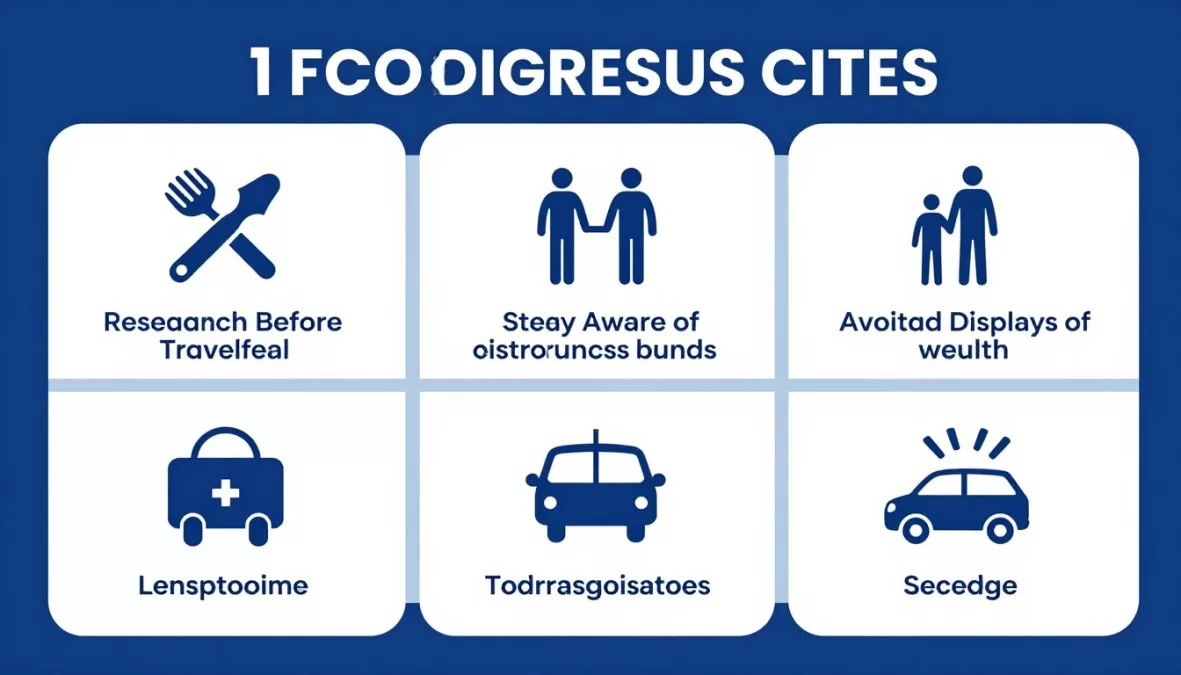
Essential safety precautions for travelers in high-risk urban environments
Before You Travel
- Research thoroughly: Understand specific neighborhood risks, safe zones, and current security situations
- Register with your embassy: Ensure your government knows your travel plans and can assist in emergencies
- Arrange secure transportation: Pre-book trusted drivers or official taxis rather than hailing vehicles on the street
- Secure comprehensive insurance: Ensure your policy covers medical evacuation and treatment in high-risk locations
- Share your itinerary: Make sure someone trustworthy knows your daily plans and expected movements
During Your Stay
- Maintain low visibility: Avoid displaying wealth through jewelry, electronics, or expensive clothing
- Stay vigilant: Remain aware of your surroundings and trust your instincts if a situation feels unsafe
- Avoid nighttime travel: Most violent crime occurs after dark; schedule movements during daylight hours
- Use hotel safes: Secure valuables, passports, and excess cash rather than carrying them
- Stick to populated areas: Remain in well-lit, busy locations with visible security presence
Digital Security
In high-risk cities, digital security is increasingly important:
- Use secure communications: Encrypted messaging apps provide more security for sensitive conversations
- Enable location sharing: Allow trusted contacts to track your movements in case of emergency
- Avoid public Wi-Fi: Use cellular data or a VPN to prevent digital eavesdropping
- Be cautious with social media: Avoid real-time posts that reveal your location to potential criminals
Emergency Preparedness: Save local emergency numbers, identify the nearest hospital with international standards, and know the quickest route to your country’s embassy or consulate.
Understanding the Future of Urban Safety
The most dangerous cities in the world 2026 face complex challenges that resist simple solutions. While security forces can temporarily reduce violence in specific areas, sustainable improvements require addressing root causes: poverty, inequality, corruption, and weak governance.
It’s important to note that danger is rarely uniform across an entire city. Even in the most dangerous urban areas, certain neighborhoods maintain relative safety while others experience extreme violence. Travelers and residents alike must understand these micro-geographies of risk to navigate these cities safely.
As we look toward 2026, monitoring these urban hotspots provides valuable insights into global security trends and the effectiveness of various intervention strategies. While this analysis presents our best projections based on current data and trends, security situations can change rapidly due to political developments, law enforcement initiatives, or shifts in criminal dynamics.
Safety is never absolute but rather a spectrum influenced by knowledge, preparation, and situational awareness. Understanding which cities pose the greatest risks—and why—is the first step toward making informed decisions about global travel and security.
Prepare for Safe Travel in 2026
Get our comprehensive safety resources, city-specific risk assessments, and regular updates on changing security conditions worldwide.

Priyanka Pandey
Senior Research Editor · Top10Sense
Priyanka specializes in tech, consumer products, and digital trends. She combines hands-on testing, vendor interviews, and database research to create trustworthy “Top 10” rankings. Her work has been referenced by industry blogs and brand report pages.