

Every year, millions of lives are affected by preventable diseases. Understanding the most common diseases worldwide and their prevention strategies is crucial for maintaining good health and reducing global disease burden. While some risk factors are beyond our control, many diseases can be prevented or managed through lifestyle changes, early detection, and proper medical care. This comprehensive guide explores the top 10 most common diseases worldwide and provides actionable prevention strategies to help you protect your health.
The Global Burden of Disease
Global distribution of disease burden across different regions
According to the World Health Organization (WHO), approximately 68 million deaths occurred worldwide in 2021, with noncommunicable diseases accounting for 38% of these deaths. The top 10 causes of death represent 57% of all global mortality. Understanding these diseases, their risk factors, and prevention strategies is essential for public health initiatives and personal wellbeing.
Disease patterns vary significantly across different regions and income levels. High-income countries face different health challenges compared to low and middle-income nations. However, certain diseases remain consistently prevalent worldwide, causing significant mortality and morbidity regardless of geographic location.
1. Ischemic Heart Disease
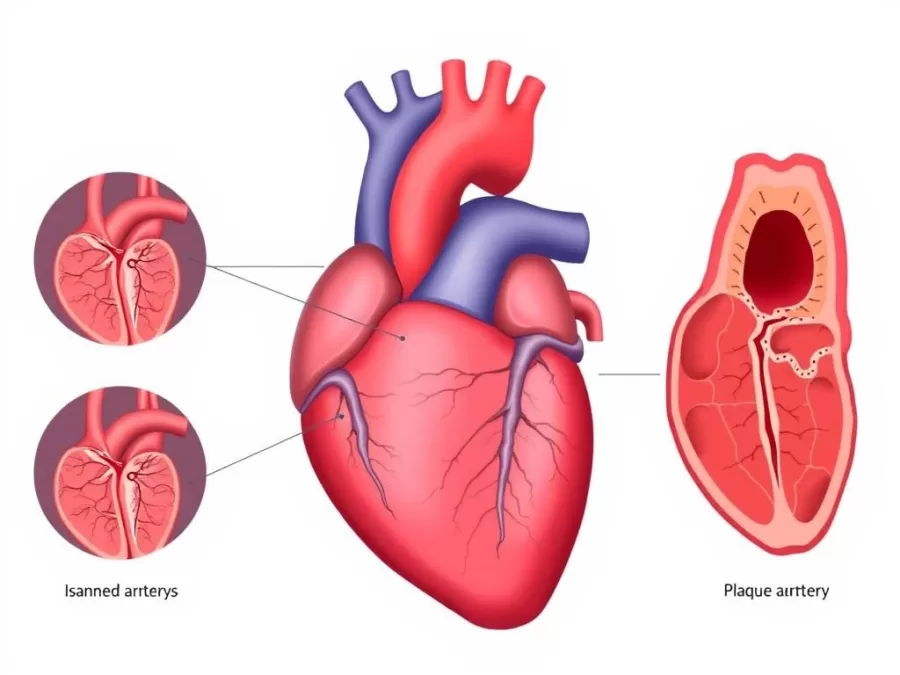
What is Ischemic Heart Disease?
Ischemic heart disease, also known as coronary artery disease (CAD), occurs when the blood vessels that supply blood to the heart become narrowed or blocked due to plaque buildup. This restriction reduces blood flow to the heart muscle, potentially leading to chest pain (angina), heart attack, heart failure, and arrhythmias.
Global Impact
As the leading cause of death worldwide, ischemic heart disease was responsible for approximately 9.1 million deaths in 2021, accounting for 13% of all global deaths. While mortality rates have declined in many European countries and the United States due to improved prevention and treatment, rates continue to rise in many developing nations.
Prevention Strategies
Taking proactive steps to protect your heart health can significantly reduce your risk of developing ischemic heart disease. Start by scheduling a cardiovascular health check with your healthcare provider.
2. COVID-19
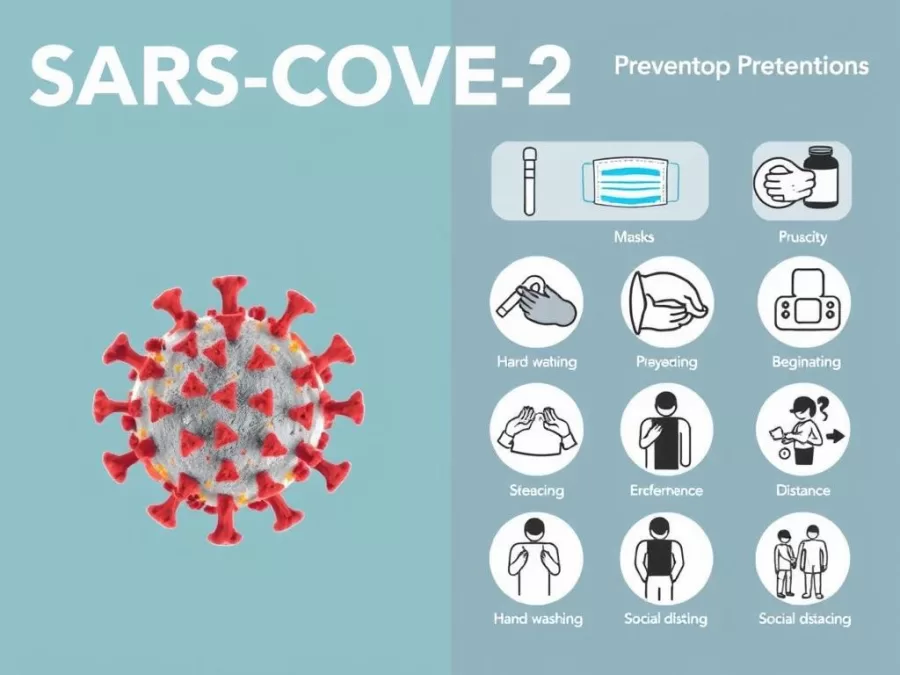
Understanding COVID-19
COVID-19 is a respiratory illness caused by the SARS-CoV-2 virus. First identified in late 2019, it quickly spread worldwide, becoming a global pandemic. The disease can range from mild respiratory symptoms to severe illness and death, particularly in vulnerable populations.
Global Impact
In 2021, COVID-19 became the second leading cause of death globally, responsible for approximately 8.8 million deaths. The pandemic significantly impacted healthcare systems worldwide and continues to evolve with new variants.
Prevention Strategies
Protecting yourself and others from COVID-19 requires staying informed about current recommendations. Check with your local health department for the latest guidance on vaccines and prevention measures.
3. Stroke
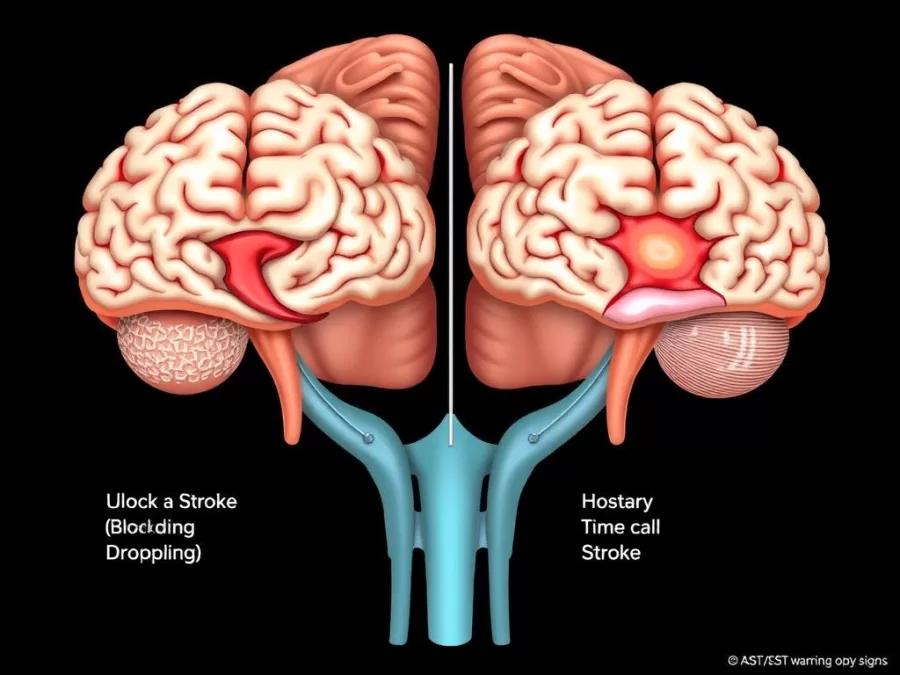
What is a Stroke?
A stroke occurs when blood flow to part of the brain is interrupted or reduced, preventing brain tissue from receiving oxygen and nutrients. Brain cells begin to die within minutes, making immediate medical attention crucial. There are two main types: ischemic strokes (caused by blockages) and hemorrhagic strokes (caused by bleeding).
Global Impact
Stroke ranks as the third leading cause of death globally, responsible for approximately 10% of all deaths worldwide. It is also a leading cause of long-term disability, with many survivors requiring ongoing care and rehabilitation.
Prevention Strategies
Remember that time is critical when it comes to stroke. Learn to recognize the warning signs and act quickly by calling emergency services immediately if you suspect someone is having a stroke.
4. Chronic Obstructive Pulmonary Disease (COPD)
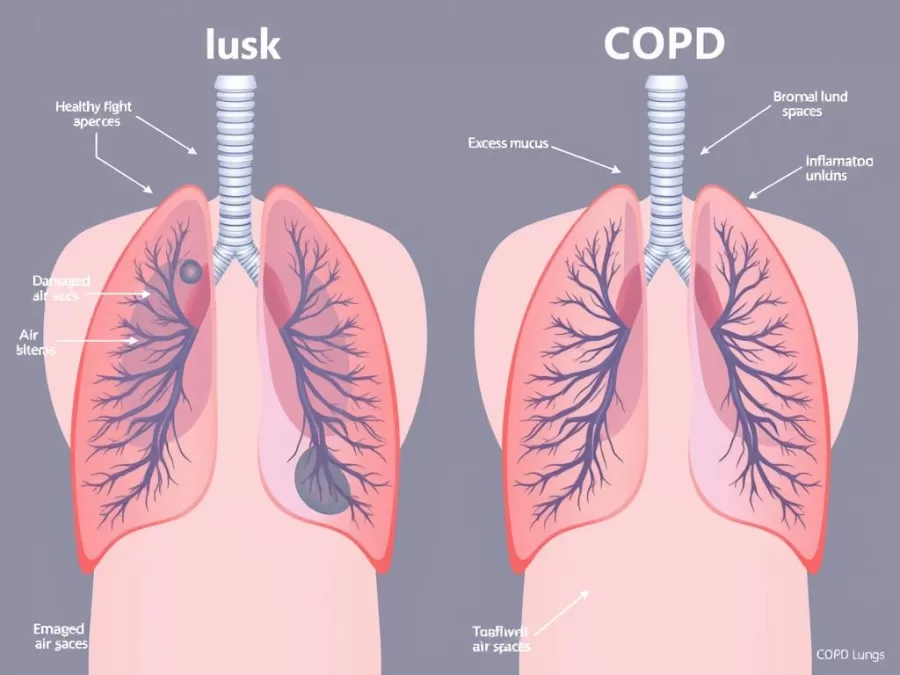
Understanding COPD
Chronic obstructive pulmonary disease (COPD) is a progressive lung disease that makes breathing difficult. It includes conditions like chronic bronchitis and emphysema, which cause airflow blockage and breathing-related problems. COPD develops slowly over years, often without noticeable symptoms until significant lung damage has occurred.
Global Impact
COPD is the fourth leading cause of death worldwide, accounting for approximately 5% of global deaths. In 2022, about 11.7 million people in the United States alone reported a diagnosis of COPD, with millions more likely undiagnosed.
Prevention Strategies
If you experience persistent coughing, shortness of breath, or wheezing, consult with a healthcare provider. Early detection and management of COPD can significantly improve quality of life and slow disease progression.
5. Lower Respiratory Infections
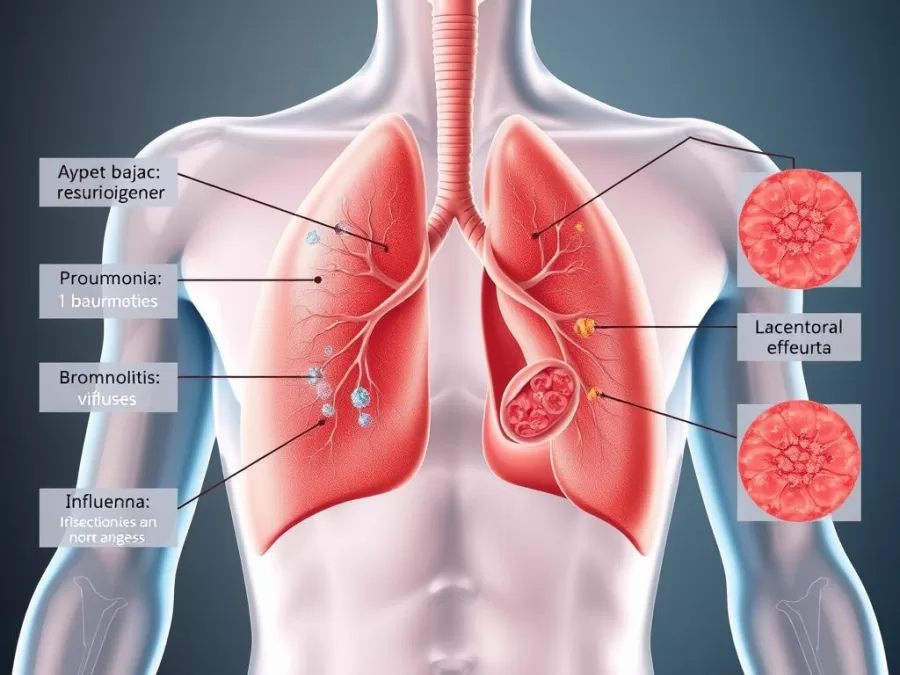
What are Lower Respiratory Infections?
Lower respiratory infections affect the airways and lungs below the voice box, including the trachea, bronchi, and lungs. These infections can be caused by viruses, bacteria, or fungi and include conditions such as pneumonia, bronchitis, and tuberculosis. Symptoms typically include coughing, fever, fatigue, and breathing difficulties.
Global Impact
Lower respiratory infections remain the fifth leading cause of death globally and the most deadly communicable disease other than COVID-19. In 2021, these infections claimed approximately 2.5 million lives worldwide, with higher mortality rates in low-income countries and among vulnerable populations.
Prevention Strategies
Protecting yourself from respiratory infections is especially important during flu season and disease outbreaks. Stay up to date with recommended vaccinations and maintain good respiratory hygiene practices.
6. Trachea, Bronchus, and Lung Cancers
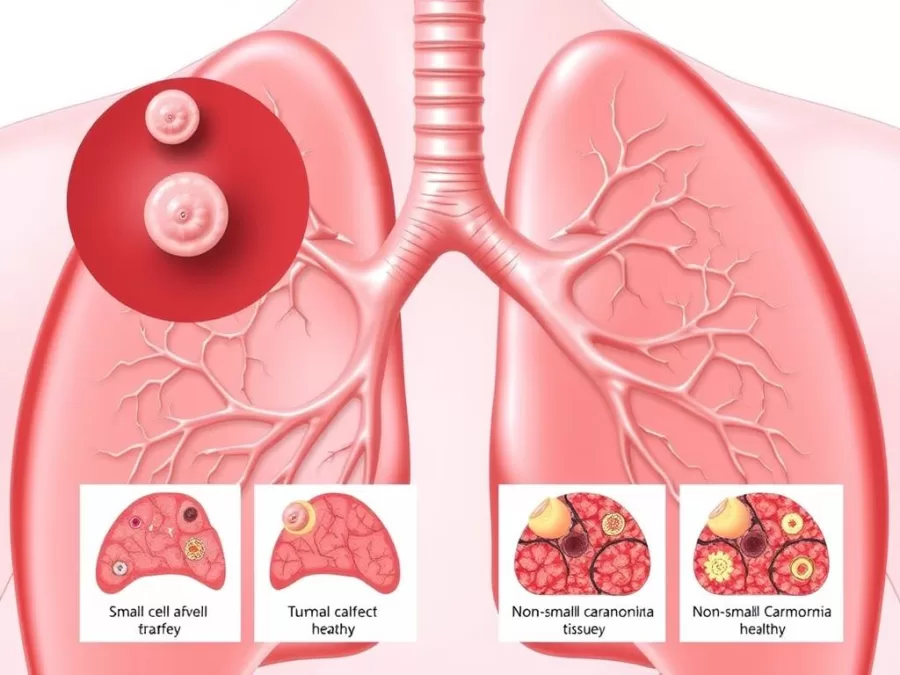
Understanding Respiratory Cancers
Respiratory cancers include malignancies of the trachea, bronchi, and lungs. These cancers develop when cells in these areas grow uncontrollably, forming tumors that interfere with normal respiratory function. Lung cancer is the most common form, with two main types: small cell and non-small cell lung cancer.
Global Impact
Respiratory cancers rank as the sixth leading cause of death globally, with deaths rising from 1.2 million in 2000 to 1.9 million in 2021. The American Cancer Society estimates 226,650 new cases of lung cancer will be diagnosed in the United States in 2025 alone.
Prevention Strategies
If you have a history of smoking or occupational exposure to carcinogens, discuss lung cancer screening options with your healthcare provider. Early detection significantly improves treatment outcomes.
7. Alzheimer’s Disease and Other Dementias
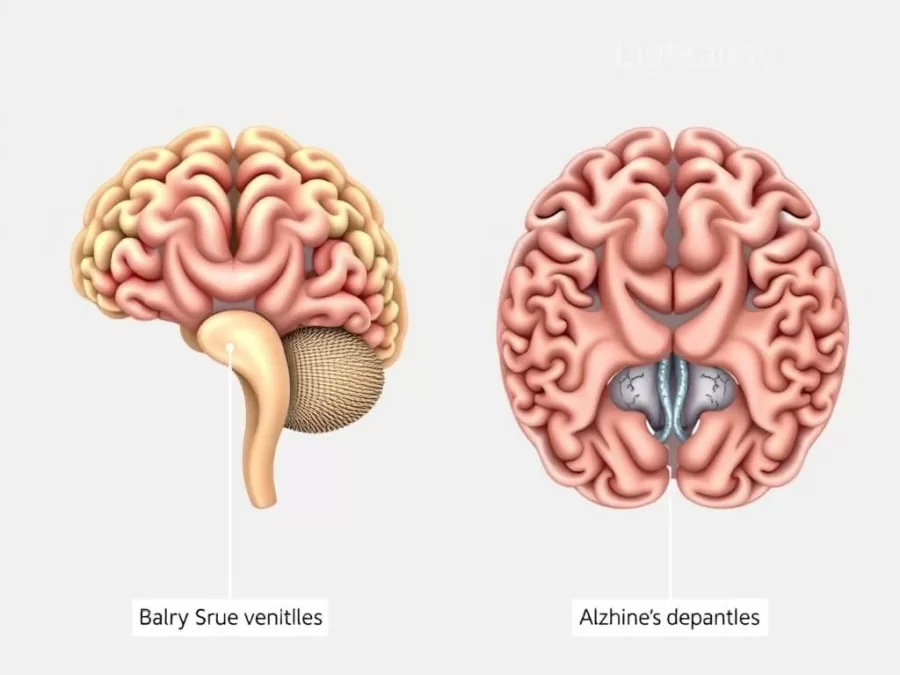
Understanding Alzheimer’s and Dementia
Alzheimer’s disease is a progressive neurodegenerative disorder that destroys memory and cognitive function. It’s the most common form of dementia, accounting for 60-70% of cases. The disease begins with mild memory problems and gradually progresses to severe cognitive impairment, affecting daily functioning and independence.
Global Impact
Alzheimer’s disease and other forms of dementia rank as the seventh leading cause of death globally, claiming approximately 1.8 million lives in 2021. Women are disproportionately affected, accounting for 68% of Alzheimer’s deaths worldwide. As global populations age, the prevalence of dementia is expected to increase significantly.
Prevention Strategies
While there’s no guaranteed way to prevent Alzheimer’s disease, adopting brain-healthy habits early in life may help reduce your risk. Consult with healthcare providers about cognitive concerns as early intervention is beneficial.
8. Diabetes Mellitus
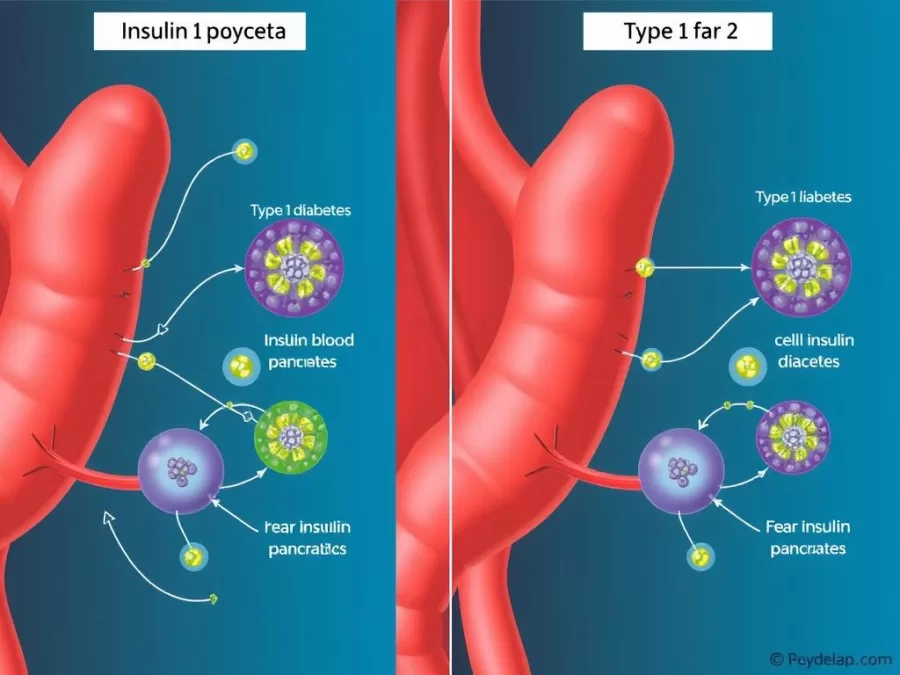
Understanding Diabetes
Diabetes mellitus is a group of metabolic disorders characterized by high blood sugar levels over a prolonged period. The two main types are Type 1 diabetes (where the pancreas produces little or no insulin) and Type 2 diabetes (where cells become resistant to insulin or the pancreas doesn’t produce enough insulin). Gestational diabetes occurs during pregnancy.
Global Impact
Diabetes ranks as the eighth leading cause of death globally, with a significant 95% increase in deaths since 2000. People in low- and middle-income countries are more likely to die from diabetes complications due to limited access to medications and blood sugar management technologies.
Prevention Strategies
If you have risk factors for diabetes, such as family history or excess weight, talk to your healthcare provider about screening and prevention strategies. Early intervention can prevent or delay the onset of Type 2 diabetes.
9. Kidney Diseases

Understanding Kidney Diseases
Kidney diseases encompass various conditions that affect kidney structure and function. Chronic kidney disease (CKD) involves progressive and irreversible damage that develops gradually, often without symptoms until advanced stages. Acute kidney injury develops suddenly, usually from infection or injury. Both can lead to kidney failure requiring dialysis or transplantation.
Global Impact
Kidney diseases have risen from the world’s nineteenth leading cause of death in 2000 to the ninth in 2021, with deaths increasing by 95% during this period. Most cases of CKD worldwide occur in low- to middle-income countries where access to treatment is limited. Experts predict that cases and deaths due to kidney disease will continue to rise through 2040.
Prevention Strategies
Protecting your kidneys is essential for overall health. If you have diabetes, high blood pressure, or a family history of kidney disease, work with your healthcare provider to monitor kidney function and implement prevention strategies.
10. Tuberculosis
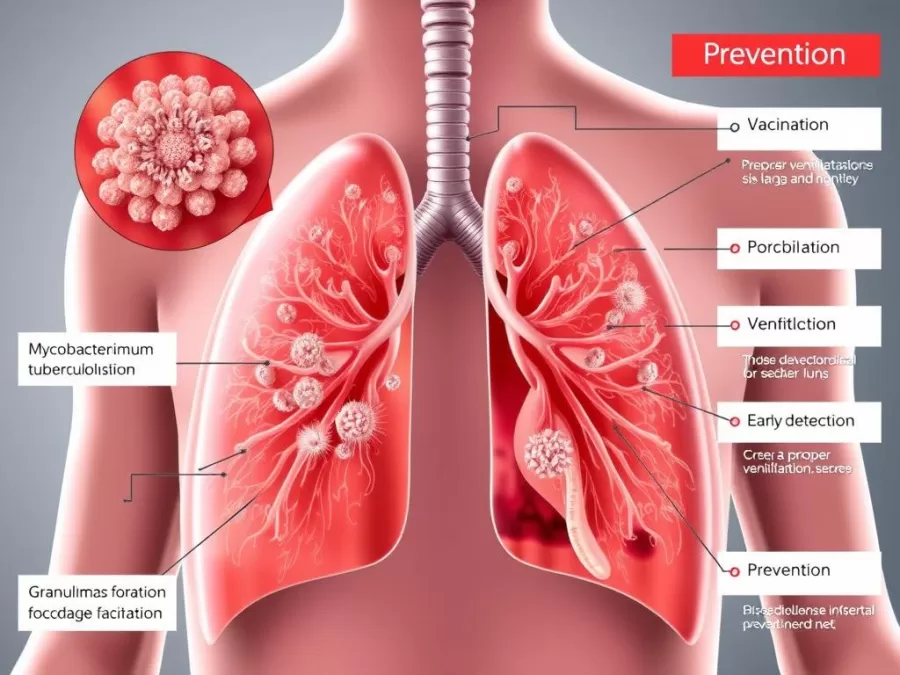
Understanding Tuberculosis
Tuberculosis (TB) is an infectious disease caused by Mycobacterium tuberculosis bacteria that primarily affects the lungs. TB spreads through the air when infected people cough, sneeze, or talk. While TB is treatable with antibiotics, some strains have developed resistance to conventional treatments, making them more difficult to manage.
Global Impact
TB remains one of the top 10 causes of death worldwide, particularly in low-income countries. It’s also one of the leading causes of death in people with HIV, who are 16 times more likely to develop active TB. Cases of TB have fallen by approximately 2% each year between 2015 and 2020, with global efforts aimed at ending the TB epidemic by 2030.
Prevention Strategies
If you’ve been exposed to someone with active TB or have symptoms like persistent cough, weight loss, night sweats, or fever, seek medical attention promptly. Early detection and treatment are crucial for preventing TB spread.
Comprehensive Disease Prevention Strategies
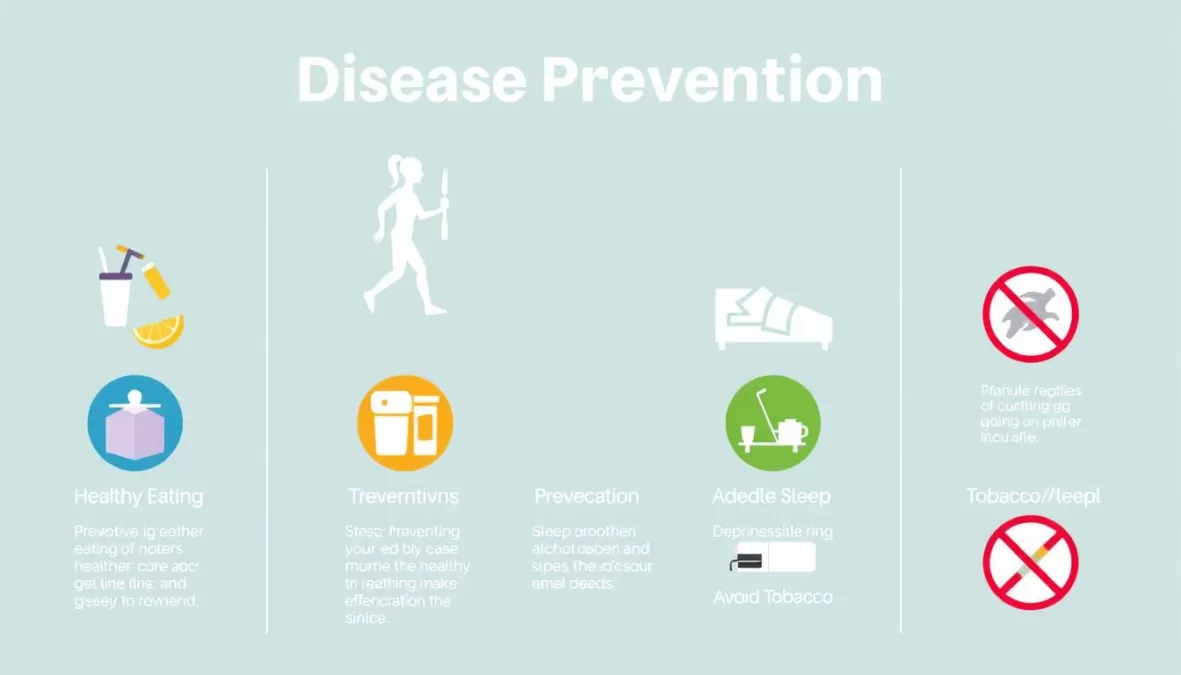
Key lifestyle factors for comprehensive disease prevention
While each disease has specific prevention strategies, several common approaches can reduce your risk across multiple conditions. Implementing these lifestyle changes can significantly improve your overall health and reduce your risk of developing many of the world’s most common diseases.
Healthy Diet
Regular Physical Activity
Avoid Harmful Substances
Regular Health Screenings
Mental Wellbeing
Infection Prevention
Take Control of Your Health Today
Prevention is always better than cure. By implementing these strategies, you can significantly reduce your risk of developing many common diseases. Start with small, sustainable changes and gradually build healthier habits over time.
Conclusion
Understanding the top 10 most common diseases worldwide and their prevention strategies empowers you to take control of your health. While some risk factors like genetics and age cannot be modified, many diseases can be prevented or their progression slowed through lifestyle changes, early detection, and proper medical care.
The global burden of disease continues to evolve, with noncommunicable diseases accounting for an increasing proportion of deaths worldwide. By staying informed about these conditions and implementing prevention strategies, you can protect not only your own health but also contribute to broader public health efforts.
Remember that prevention is a lifelong journey, not a one-time effort. Small, consistent actions taken today can lead to significant health benefits in the future. Consult with healthcare professionals to develop a personalized prevention plan based on your specific risk factors and health needs.

Priyanka Pandey
Senior Research Editor · Top10Sense
Priyanka specializes in tech, consumer products, and digital trends. She combines hands-on testing, vendor interviews, and database research to create trustworthy “Top 10” rankings. Her work has been referenced by industry blogs and brand report pages.