

The traditional path of earning a four-year college degree is no longer the only route to a successful, high-paying career. As we look toward 2026, the job market continues to evolve, placing greater emphasis on practical skills, specialized certifications, and real-world experience over formal education. For many industries facing talent shortages, employers are increasingly focused on what you can do rather than where you studied. This shift opens exciting opportunities for those seeking financial success without the burden of student debt.
The Changing Landscape of Work: Skills Over Degrees
The employment landscape is undergoing a fundamental transformation. Major companies like Google, Apple, and IBM have dropped degree requirements for many positions, recognizing that skills and competencies often matter more than formal education. This trend is expected to accelerate through 2026 as employers struggle to fill critical roles in a competitive job market.
According to labor market projections, several factors are driving this shift:
- Rapid technological advancement requiring continuous skill development
- Growing skills gaps in specialized technical and trade fields
- Rising costs of traditional higher education
- Increased availability of alternative credentials and training programs
- Employer focus on demonstrated abilities over academic credentials
This article examines the top 10 highest-paying jobs that don’t require a bachelor’s degree, based on current trends and projections for 2026. Each career offers substantial earning potential, clear advancement paths, and strong growth prospects in the coming years.
1. Commercial Pilot

Job Description
Commercial pilots operate aircraft for charter flights, aerial photography, rescue operations, crop dusting, and other non-airline aviation services. Their responsibilities include conducting pre-flight inspections, monitoring weather conditions, planning flight paths, communicating with air traffic control, and ensuring passenger safety. Unlike airline pilots, commercial pilots often fly smaller aircraft and may have more varied schedules and destinations.
Projected Salary Range (2026)
The projected median annual salary for commercial pilots in 2026 is expected to reach $135,000-$150,000, with top earners exceeding $180,000. This represents a significant increase from the current median of $122,670, driven by ongoing pilot shortages and increased demand for aviation services.
Required Pathway
Becoming a commercial pilot requires:
- Commercial Pilot’s License from the Federal Aviation Administration (FAA)
- Flight training from an FAA-certified flight school (typically 250+ flight hours)
- Medical certification
- Instrument rating for flying in various weather conditions
- High school diploma or equivalent
Key Industries
Commercial pilots are in high demand across multiple sectors:
- Charter flight companies
- Emergency medical services
- Aerial photography and surveying
- Agricultural services
- Firefighting operations
Growth Potential
The commercial pilot field is projected to grow 8-10% by 2026, significantly faster than average. This growth is fueled by increasing demand for charter services, expanding emergency medical transport needs, and the ongoing pilot shortage affecting the entire aviation industry. As many current pilots approach retirement age, opportunities for new entrants will continue to expand.
2. Elevator and Escalator Installer/Repairer

Job Description
Elevator and escalator installers and repairers assemble, install, maintain, and fix elevators, escalators, moving walkways, and other lifts. This highly specialized role requires mechanical expertise, electrical knowledge, and the ability to read technical diagrams and blueprints. These professionals ensure the safety and reliability of vertical transportation systems in buildings of all types.
Projected Salary Range (2026)
By 2026, elevator and escalator technicians are projected to earn a median annual salary of $115,000-$125,000, with top performers reaching $140,000+. This represents a substantial increase from the current median of $106,580, driven by growing urbanization and construction of high-rise buildings.
Required Pathway
This career typically requires:
- Four-year paid apprenticeship program combining on-the-job training with classroom instruction
- High school diploma or equivalent
- Strong mechanical and electrical aptitude
- State licensure (required in many states)
- Certification from the National Association of Elevator Contractors (optional but beneficial)
Key Industries
These specialists work primarily in:
- Construction companies
- Elevator installation and maintenance firms
- Building management companies
- Government facilities
- Manufacturing plants
Growth Potential
The field is projected to grow 7-9% through 2026, faster than average. This growth is driven by new building construction, particularly in urban centers, and the need to modernize and maintain aging elevator systems in existing structures. The specialized nature of this work and limited number of qualified professionals keeps demand high and competition for talent fierce.
Not Sure Which Career Path Is Right For You?
Take our free career assessment to discover which high-paying, no-degree career matches your skills and interests. Get personalized recommendations and training resources tailored to your strengths.
3. Transportation, Storage, and Distribution Manager

Job Description
Transportation, storage, and distribution managers oversee the movement, storage, and distribution of goods through the supply chain. They coordinate logistics operations, manage transportation fleets, optimize warehouse space, ensure regulatory compliance, and implement efficiency improvements. These professionals play a critical role in keeping global commerce flowing smoothly.
Projected Salary Range (2026)
By 2026, these logistics leaders are expected to earn a median annual salary of $110,000-$120,000, with experienced managers in major corporations earning up to $170,000. This represents an increase from the current median of $102,010, driven by the growing complexity of global supply chains.
Required Pathway
This career typically requires:
- High school diploma or equivalent
- 5+ years of experience in transportation, logistics, or supply chain operations
- Industry certifications such as Certified in Transportation and Logistics (CTL) or Certified Supply Chain Professional (CSCP)
- Proficiency with logistics management software and technologies
- Strong analytical and leadership skills
Key Industries
These managers are essential across numerous sectors:
- E-commerce and retail distribution
- Manufacturing and production
- Wholesale trade
- Transportation companies
- Third-party logistics providers
Growth Potential
Employment in this field is projected to grow 10-12% through 2026, significantly faster than average. This growth is driven by the continued expansion of e-commerce, increasing complexity of global supply chains, and the need for greater efficiency in distribution networks. The COVID-19 pandemic highlighted the critical importance of supply chain management, further accelerating demand for skilled professionals in this area.
4. Electrical Power-Line Installer and Repairer

Job Description
Electrical power-line installers and repairers construct, maintain, and repair the power grid that delivers electricity to homes and businesses. They install and replace poles, towers, and cables; identify and fix outages; and work with high-voltage electrical systems. This physically demanding role requires working at heights and sometimes in adverse weather conditions to ensure reliable power delivery.
Projected Salary Range (2026)
By 2026, power-line workers are projected to earn a median annual salary of $95,000-$105,000, with experienced professionals in certain regions earning up to $130,000. This represents a significant increase from the current median of $85,420, driven by infrastructure modernization efforts and the expansion of renewable energy.
Required Pathway
Becoming a power-line installer typically requires:
- High school diploma or equivalent
- Completion of a 3-4 year apprenticeship program
- Technical training in electrical systems
- Commercial driver’s license (CDL)
- Physical fitness and comfort working at heights
Key Industries
Power-line workers are employed primarily by:
- Electric power generation and distribution companies
- Utility contractors
- Telecommunications companies
- Government agencies
- Renewable energy developers
Growth Potential
Employment for power-line workers is projected to grow 6-8% through 2026, faster than average. This growth is driven by the need to upgrade aging infrastructure, expand the grid to accommodate renewable energy sources, and improve system resilience against extreme weather events. The push toward electrification across multiple sectors further increases demand for these skilled professionals.
5. Air Traffic Controller

Job Description
Air traffic controllers coordinate the movement of aircraft to maintain safe distances between planes and prevent collisions. They monitor and direct aircraft during takeoff, landing, and while in flight using radar, computers, and visual references. This high-pressure role requires exceptional concentration, multitasking abilities, and clear communication skills to ensure aviation safety.
Projected Salary Range (2026)
By 2026, air traffic controllers are expected to earn a median annual salary of $135,000-$145,000, with experienced controllers at major facilities earning up to $180,000. This represents an increase from the current median of approximately $130,000, driven by the specialized nature of the work and its critical safety importance.
Required Pathway
Becoming an air traffic controller typically requires:
- U.S. citizenship (for FAA positions)
- High school diploma or equivalent
- Completion of an FAA-approved education program or prior military air traffic control experience
- Passing the FAA pre-employment test
- Completion of training at the FAA Academy in Oklahoma City
- Being under 31 years of age when hired (for most positions)
- Passing medical exams, security clearance, and drug tests
Key Industries
Air traffic controllers work primarily for:
- Federal Aviation Administration (FAA)
- Department of Defense
- Private contract towers
Growth Potential
Employment for air traffic controllers is projected to grow 3-5% through 2026, about as fast as average. While the total number of positions is relatively stable, retirement eligibility for many current controllers will create steady openings. The implementation of NextGen air traffic control systems will require controllers with strong technical aptitude and adaptability to new technologies.
6. Web Developer

Job Description
Web developers design, create, and maintain websites and web applications. They write code using programming languages like HTML, CSS, JavaScript, and various frameworks; ensure website functionality and performance; optimize for mobile devices; and collaborate with designers and content creators. This creative yet technical role bridges visual design with practical functionality.
Projected Salary Range (2026)
By 2026, web developers are projected to earn a median annual salary of $100,000-$110,000, with senior developers and specialists earning up to $140,000. This represents a significant increase from the current median of $90,930, driven by the continued digitalization of business and the growing complexity of web applications.
Required Pathway
Becoming a web developer typically requires:
- Proficiency in programming languages (HTML, CSS, JavaScript, etc.)
- Completion of coding bootcamps or self-directed learning
- Portfolio of completed projects demonstrating skills
- Technical certifications (optional but beneficial)
- Continuous learning to keep up with evolving technologies
Key Industries
Web developers work across numerous sectors:
- Technology companies
- Digital agencies and design firms
- E-commerce businesses
- Media and entertainment companies
- Freelance and contract work
Growth Potential
Employment for web developers is projected to grow 12-15% through 2026, much faster than average. This growth is driven by the continued expansion of e-commerce, mobile device usage, and the need for responsive, accessible websites across all industries. The rise of progressive web applications and increasing focus on user experience further fuels demand for skilled developers.
7. Detective or Criminal Investigator

Job Description
Detectives and criminal investigators gather facts and collect evidence to solve crimes. They interview witnesses and suspects, examine records, observe suspicious activities, participate in raids and arrests, and prepare cases for court proceedings. This challenging role requires analytical thinking, attention to detail, and strong interpersonal skills to navigate complex investigations.
Projected Salary Range (2026)
By 2026, detectives and criminal investigators are projected to earn a median annual salary of $95,000-$105,000, with experienced professionals in specialized units or major metropolitan areas earning up to $130,000. This represents an increase from the current median of $91,100, driven by increased specialization and technological advancement in investigative techniques.
Required Pathway
Becoming a detective typically requires:
- High school diploma or equivalent
- Completion of police academy training
- Several years of experience as a police officer
- Specialized training in criminal investigation techniques
- Passing physical, psychological, and background examinations
Key Industries
Detectives and investigators work primarily for:
- Local police departments
- State law enforcement agencies
- Federal agencies (FBI, DEA, ATF)
- Private investigation firms
- Corporate security departments
Growth Potential
Employment for detectives and criminal investigators is projected to grow 3-5% through 2026, about as fast as average. While overall growth is moderate, specialization in areas like cybercrime, financial fraud, and digital forensics offers enhanced career opportunities. Public safety concerns and the increasing complexity of criminal activities ensure steady demand for skilled investigators.
8. Radiation Therapist

Job Description
Radiation therapists administer radiation treatments to patients with cancer and other diseases. They operate specialized equipment to deliver precise radiation doses, explain procedures to patients, monitor patients during treatment, and maintain detailed records. This healthcare role combines technical expertise with compassionate patient care in a critical treatment area.
Projected Salary Range (2026)
By 2026, radiation therapists are projected to earn a median annual salary of $95,000-$105,000, with experienced professionals in specialized facilities earning up to $125,000. This represents a significant increase from the current median of approximately $86,000, driven by advancements in radiation technology and the growing prevalence of cancer treatments.
Required Pathway
Becoming a radiation therapist typically requires:
- Associate’s degree in radiation therapy (most common pathway)
- Certification from the American Registry of Radiologic Technologists (ARRT)
- State licensure (requirements vary by state)
- Clinical experience through educational programs
- Continuing education to maintain certification
Key Industries
Radiation therapists work primarily in:
- Hospitals
- Cancer treatment centers
- Outpatient care facilities
- Physicians’ offices specializing in oncology
Growth Potential
Employment for radiation therapists is projected to grow 8-10% through 2026, faster than average. This growth is driven by the aging population, advances in radiation treatment technology, and the increasing use of radiation therapy in cancer treatment. The specialized nature of this work and limited number of training programs helps maintain strong demand for qualified professionals.
9. Aircraft Mechanic and Service Technician
Job Description
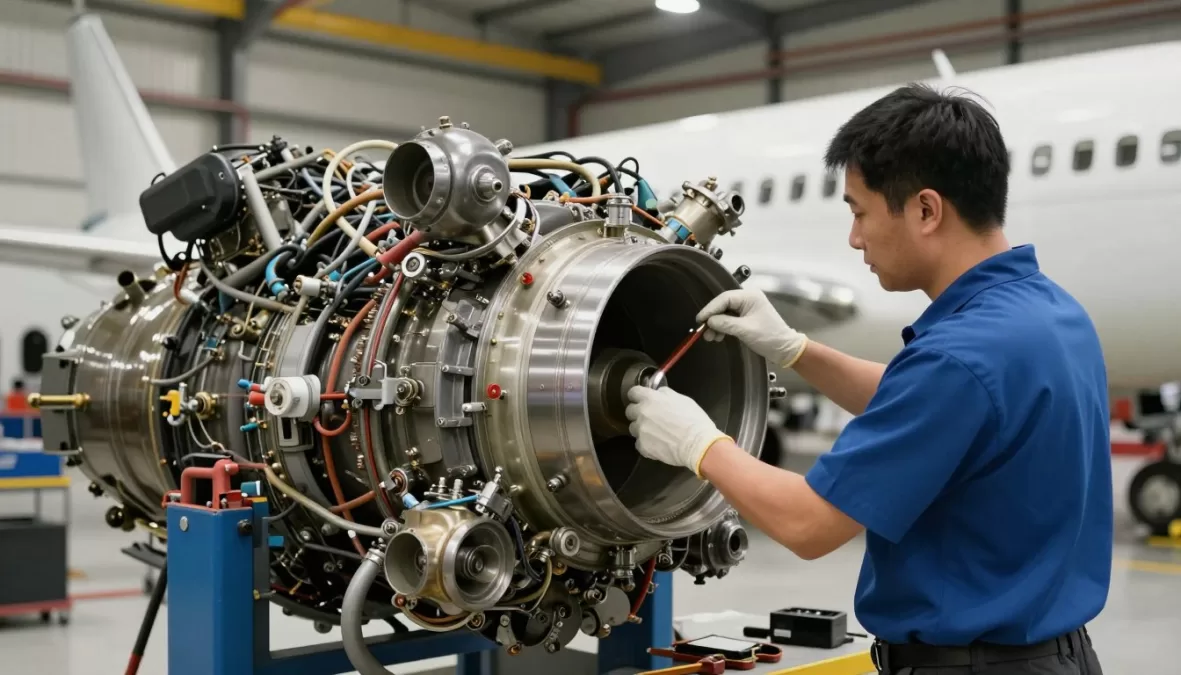
Aircraft mechanics and service technicians inspect, maintain, and repair aircraft engines, systems, and components. They diagnose mechanical and electrical problems, repair or replace defective parts, test aircraft systems, and maintain detailed service records. This highly specialized role ensures the safety and airworthiness of commercial and private aircraft.
Projected Salary Range (2026)
By 2026, aircraft mechanics and service technicians are projected to earn a median annual salary of $85,000-$95,000, with experienced specialists at major airlines or in specialized areas earning up to $120,000. This represents a significant increase from the current median of $78,680, driven by the technical complexity of modern aircraft and industry growth.
Required Pathway
Becoming an aircraft mechanic typically requires:
- FAA certification as an Airframe and Powerplant (A&P) mechanic
- Completion of an FAA-approved aviation maintenance technician school (18-24 months)
- Alternatively, 30 months of supervised work experience
- Passing written, oral, and practical FAA exams
- Continuing education to keep up with new technologies
Key Industries
Aircraft mechanics work primarily for:
- Commercial airlines
- Aircraft maintenance and repair facilities
- Aviation manufacturing companies
- Government agencies (FAA, military)
- Private aviation companies
Growth Potential
Employment for aircraft mechanics is projected to grow 6-8% through 2026, faster than average. This growth is driven by the need to maintain an expanding global aircraft fleet, replace retiring mechanics, and service increasingly complex aircraft systems. The FAA certification requirement creates a barrier to entry that helps maintain strong demand for qualified professionals.
10. Nuclear Technician

Job Description
Nuclear technicians assist physicists, engineers, and other professionals in nuclear research and energy production. They operate specialized equipment, monitor radiation levels, collect samples, implement safety procedures, and maintain detailed records. This highly specialized role requires precision, attention to detail, and strict adherence to safety protocols in a controlled environment.
Projected Salary Range (2026)
By 2026, nuclear technicians are projected to earn a median annual salary of $85,000-$95,000, with experienced technicians in certain facilities earning up to $110,000. This represents an increase from the current median of approximately $82,000, driven by the specialized nature of the work and the critical safety role these technicians play.
Required Pathway
Becoming a nuclear technician typically requires:
- Associate’s degree in nuclear science, nuclear technology, or related field
- Extensive on-the-job training (up to two years)
- Security clearance and background checks
- Certification from the Nuclear Regulatory Commission for certain positions
- Continuing education to maintain skills and certifications
Key Industries
Nuclear technicians work primarily in:
- Nuclear power plants
- Research laboratories
- Medical facilities using radiation technology
- Government agencies (Department of Energy, Nuclear Regulatory Commission)
- Waste management and environmental monitoring
Growth Potential
While overall employment for nuclear technicians is projected to grow only 1-3% through 2026, retirement rates in the field create steady openings for new entrants. Additionally, specialized areas like medical applications, nuclear medicine, and advanced research facilities offer stronger growth potential. The renewed interest in nuclear energy as a carbon-free power source may also create additional opportunities in the coming years.
Start Your Journey to a High-Paying Career Today
Get our comprehensive guide to training programs, certification paths, and networking opportunities for all 10 of these high-paying careers. Plus, receive regular updates on emerging opportunities in the no-degree job market.
Conclusion: Your Path to Success Without a Degree

The landscape of work is evolving rapidly, creating unprecedented opportunities for those seeking high-paying careers without a four-year degree. As we look toward 2026, employers across industries are increasingly valuing skills, certifications, and practical experience over traditional academic credentials.
To position yourself for success in these lucrative fields:
- Research thoroughly: Investigate specific requirements for your chosen field, including certifications, licenses, and training programs.
- Invest in targeted education: Focus on specialized training programs, bootcamps, or associate’s degrees that directly prepare you for your desired role.
- Build a professional network: Connect with industry professionals through trade associations, online forums, and local meetups.
- Gain hands-on experience: Seek apprenticeships, internships, or entry-level positions that provide practical skills and industry exposure.
- Develop soft skills: Cultivate communication, problem-solving, and teamwork abilities that complement your technical expertise.
Remember that while these careers don’t require a bachelor’s degree, they do demand dedication, continuous learning, and professional development. By focusing on building in-demand skills and obtaining the right certifications, you can create a rewarding career path with excellent compensation and long-term growth potential.
The future of work belongs to those who can demonstrate valuable skills and adapt to changing industry needs—regardless of their educational background. With determination and strategic planning, you can join the ranks of well-compensated professionals who have built successful careers without a traditional four-year degree.

Priyanka Pandey
Senior Research Editor · Top10Sense
Priyanka specializes in tech, consumer products, and digital trends. She combines hands-on testing, vendor interviews, and database research to create trustworthy “Top 10” rankings. Her work has been referenced by industry blogs and brand report pages.