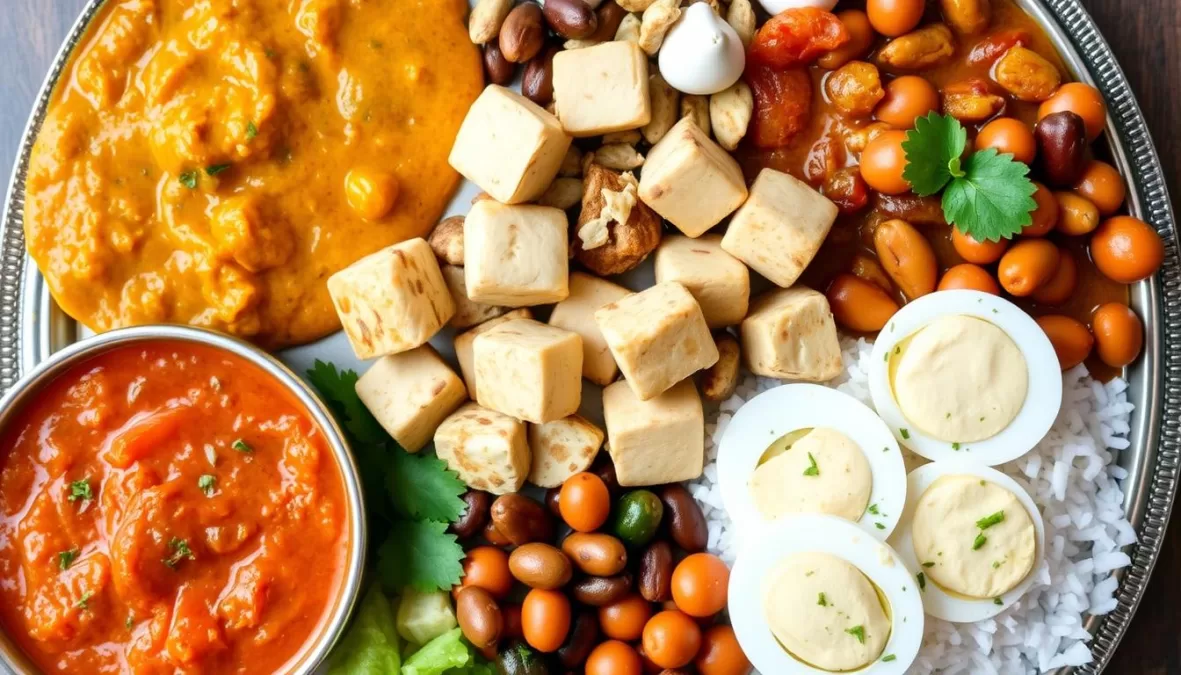
Protein is the building block of life, essential for muscle growth, immunity, and overall health. In Indian cuisine, we’re blessed with a diverse range of protein-rich foods that cater to both vegetarians and non-vegetarians. Whether you’re looking to build muscle, lose weight, or simply maintain good health, these top 10 high-protein Indian foods for 2025 will help you meet your daily protein requirements without compromising on taste or tradition.
Why Protein Matters in Your Daily Diet
Protein plays a crucial role in nearly every function of your body. It helps build and repair tissues, supports immune function, produces essential hormones and enzymes, and keeps you feeling full longer. For Indians following traditional diets, getting enough protein can sometimes be challenging, especially for vegetarians.
The recommended daily protein intake is approximately 0.8-1.0 grams per kilogram of body weight. This means a person weighing 70kg needs about 56-70 grams of protein daily. Athletes, pregnant women, and those recovering from illness may need more.
Did you know? Indian diets can easily meet protein requirements when properly planned. The key is knowing which foods pack the most protein punch and how to combine them effectively in your meals.
Top 5 Vegetarian High-Protein Indian Foods
Contrary to popular belief, vegetarian diets can provide ample protein when planned correctly. Here are the top vegetarian protein powerhouses in Indian cuisine:
1. Paneer (Cottage Cheese)
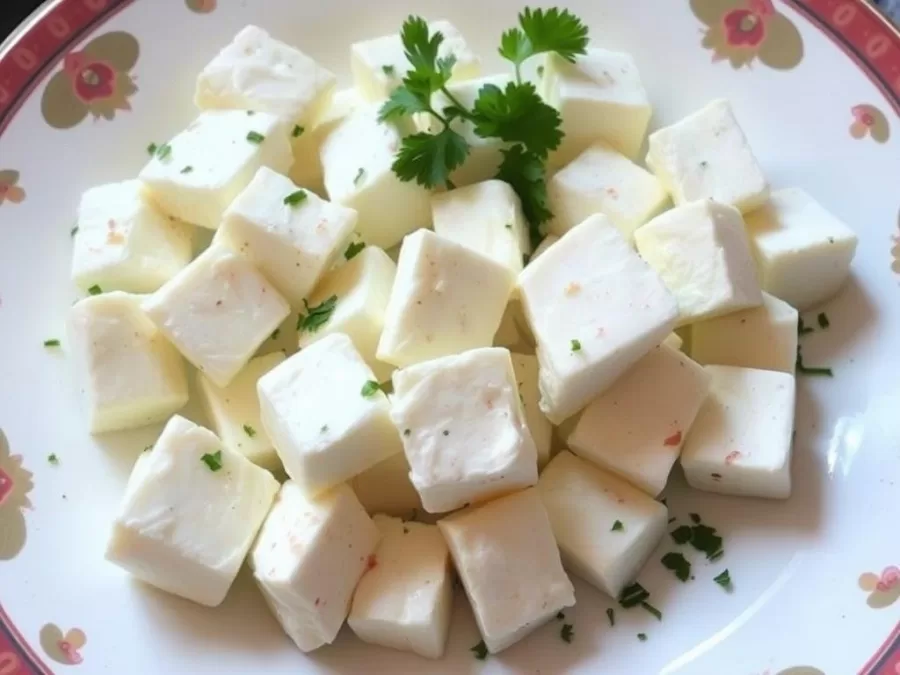
Protein Content: 18-20g per 100g
Common Indian Names: Paneer, Chhena (Eastern India)
Paneer is a versatile dairy product that’s a staple in North Indian cuisine. It’s a complete protein source containing all essential amino acids your body needs. Unlike many other cheeses, paneer doesn’t melt when heated, making it perfect for curries, grills, and stir-fries.
Popular Preparations: Palak Paneer (with spinach), Paneer Tikka (grilled), Paneer Bhurji (scrambled), Kadai Paneer (with bell peppers)
Regional Variations: In Bengal, it’s known as “chhena” and used in sweets like Rasgulla and Sandesh.
Try adding paneer to your breakfast by making a protein-rich paneer paratha or a quick paneer bhurji to kickstart your day with a protein boost.
2. Dal (Lentils)
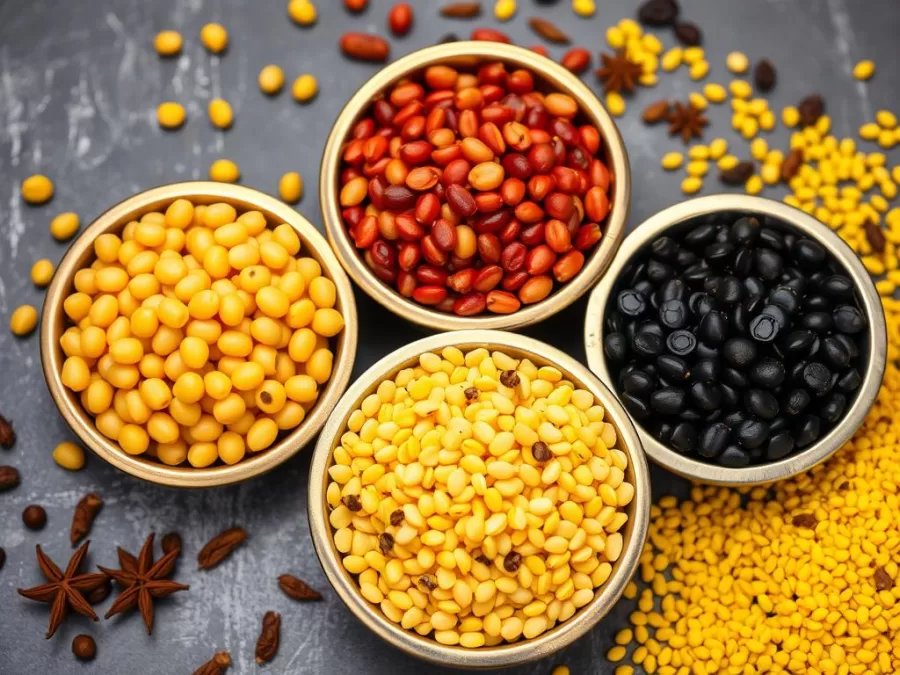
Protein Content: 7-9g per 100g (cooked)
Common Indian Names: Moong Dal, Masoor Dal, Toor Dal, Urad Dal, Chana Dal
Lentils are the backbone of Indian protein nutrition, especially for vegetarians. They’re not only rich in protein but also packed with fiber, iron, and B vitamins. Different types of dal have slightly different nutritional profiles, with urad and moong containing the highest protein content.
Popular Preparations: Dal Tadka, Sambar, Dal Makhani, Khichdi, Panchmel Dal
Regional Variations: South India favors toor dal for sambar, while North India prefers urad for dal makhani and moong for everyday meals.
Combine different dals in a single preparation to create a more complete amino acid profile. Try a mixed dal tadka with three different lentils for your next meal.
3. Chickpeas (Chana)
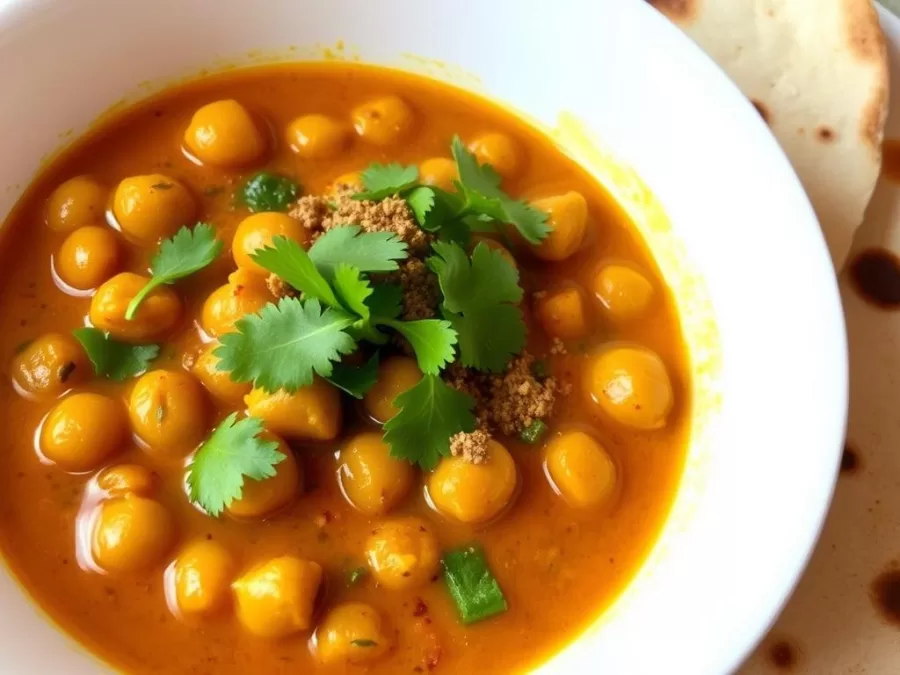
Protein Content: 8-10g per 100g (cooked)
Common Indian Names: Kala Chana (black), Kabuli Chana (white), Chhole
Chickpeas are versatile legumes that form the base of many popular Indian dishes. They’re rich in protein, fiber, and complex carbohydrates, making them excellent for sustained energy release. Chickpeas also contain significant amounts of iron, phosphorus, and B vitamins.
Popular Preparations: Chana Masala, Chole Bhature, Hummus, Chana Chaat
Regional Variations: Punjab is famous for Chole Bhature, while South India incorporates chickpea flour (besan) in various dishes.
Keep boiled chickpeas in your refrigerator for a quick protein-rich snack. Toss them with lemon juice, chaat masala, and chopped onions for an instant energy booster.
4. Soy Products
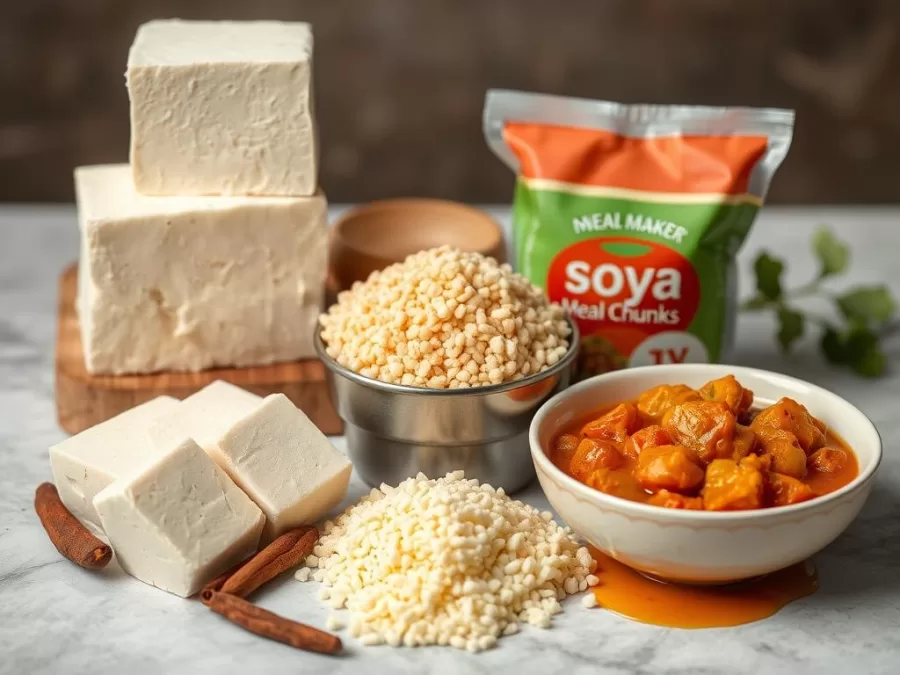
Protein Content: Tofu (10-15g per 100g), Soya Chunks (52g per 100g dry)
Common Indian Names: Soya Chunks, Meal Maker, Tofu, Soy Granules
Soy products have gained immense popularity in Indian kitchens as they provide complete protein with all essential amino acids. Soya chunks (also called meal maker) are particularly popular due to their meat-like texture and ability to absorb flavors well.
Popular Preparations: Soya Curry, Tofu Bhurji, Soya Biryani, Tofu Tikka
Regional Variations: While not traditional to any specific region, soy products have been widely adopted across India, with South Indian cuisine incorporating tofu in traditional recipes.
Replace paneer with tofu or add soya chunks to your pulao for a protein boost. Soak soya chunks in hot water for 10 minutes before cooking to improve their texture and flavor absorption.
5. Rajma (Kidney Beans)
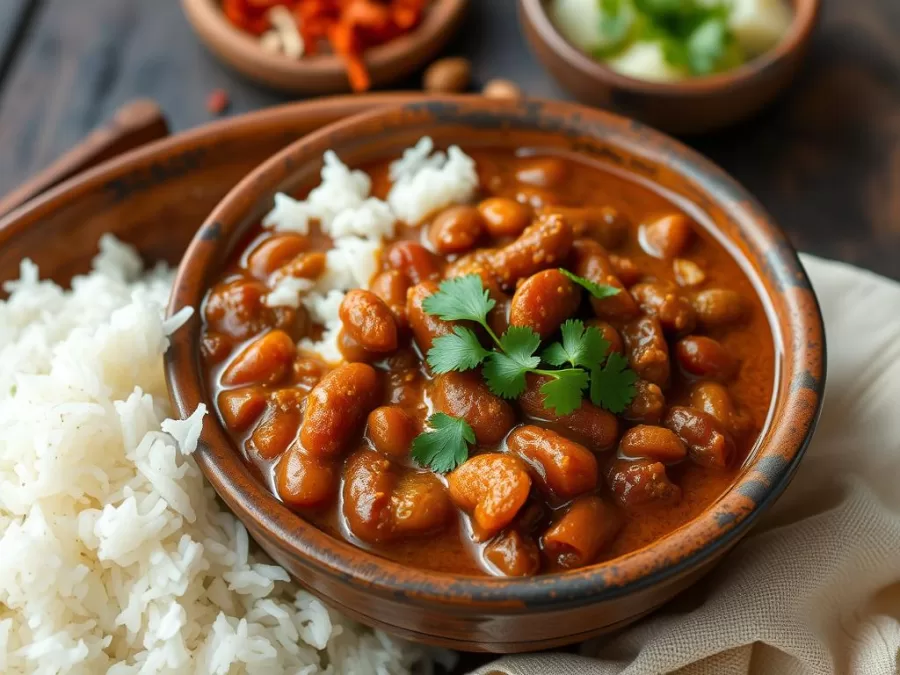
Protein Content: 8.5g per 100g (cooked)
Common Indian Names: Rajma, Kidney Beans
Rajma is a North Indian favorite that’s packed with protein, fiber, and antioxidants. These red kidney beans are not only nutritious but also incredibly filling, making them perfect for weight management. They’re also rich in iron, folate, and magnesium.
Popular Preparations: Rajma Chawal (with rice), Rajma Curry, Rajma Salad
Regional Variations: Rajma is particularly popular in Punjab and throughout North India, often served with rice as a complete meal.
Prepare a large batch of rajma on weekends and refrigerate for quick meals during busy weekdays. Pair with brown rice for a complete protein meal that’s both satisfying and nutritious.
Top 5 Non-Vegetarian High-Protein Indian Foods
For non-vegetarians, Indian cuisine offers several delicious and protein-rich options that have been part of traditional diets for centuries:
1. Chicken
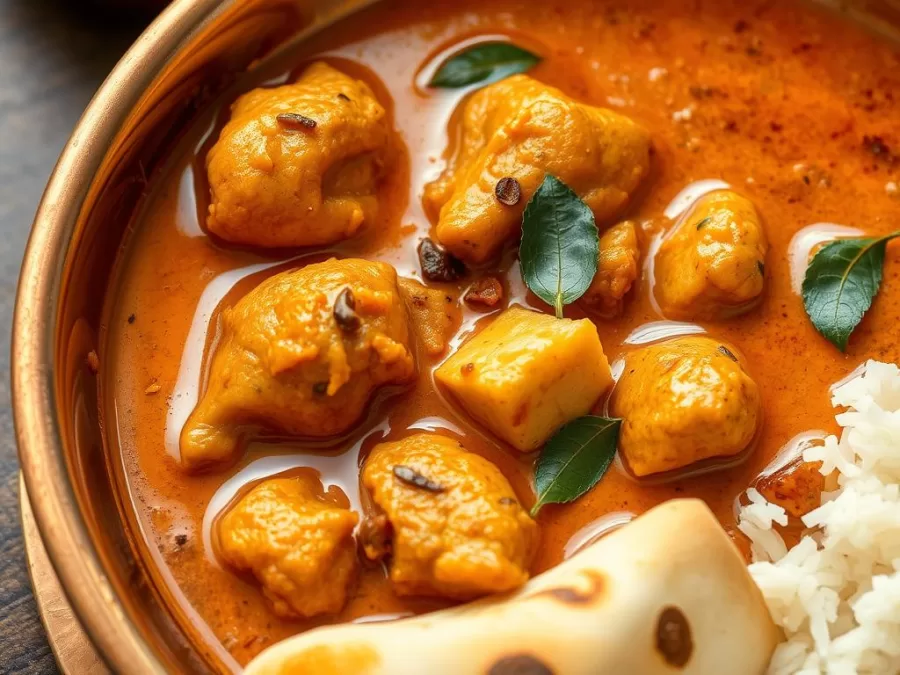
Protein Content: 25-30g per 100g
Common Indian Names: Murgh, Kukda, Kozhi
Chicken is the most widely consumed meat in India and an excellent source of lean protein. It’s particularly rich in B vitamins and minerals like selenium and phosphorus. Chicken breast contains the highest protein content with minimal fat.
Popular Preparations: Butter Chicken, Tandoori Chicken, Chicken Biryani, Chicken Chettinad
Regional Variations: North India is known for creamy curries like Butter Chicken, while South India offers spicier preparations like Chettinad and Kerala-style curries.
Opt for skinless chicken breast for maximum protein with minimal fat. Marinate it in yogurt and spices before cooking to tenderize the meat and enhance flavor.
2. Fish
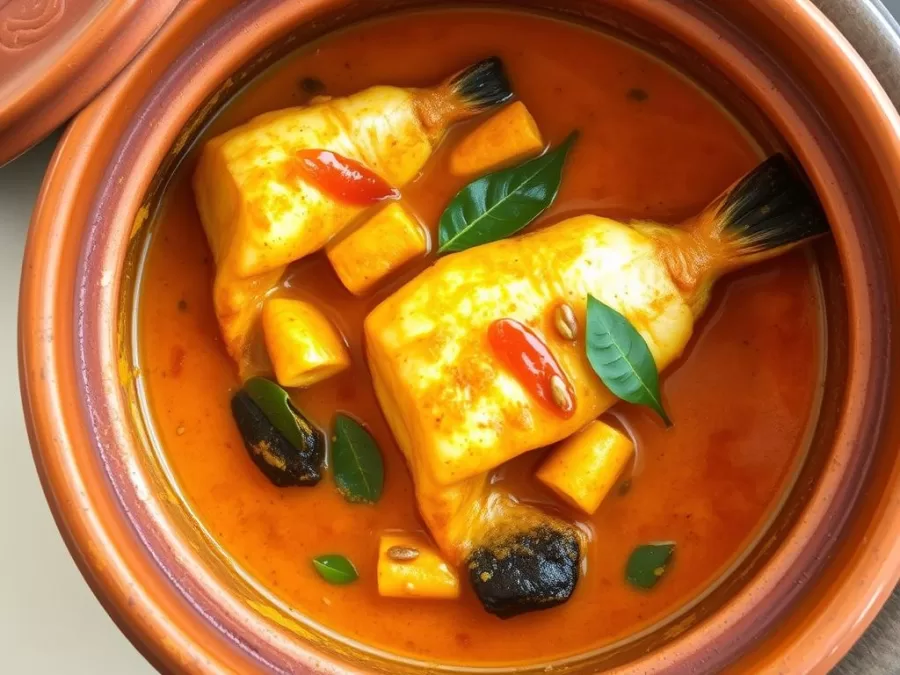
Protein Content: 20-25g per 100g
Common Indian Names: Machli, Meen, Maach
Fish is a staple in coastal Indian regions and provides high-quality protein along with omega-3 fatty acids that support heart and brain health. Different varieties like Hilsa, Pomfret, and Rohu are popular across various regions.
Popular Preparations: Bengali Fish Curry, Kerala Fish Molee, Goan Fish Curry, Amritsari Fish
Regional Variations: Bengal specializes in mustard-based fish curries, Kerala offers coconut-based preparations, and coastal Maharashtra and Goa have their unique tangy fish curries.
Include fatty fish like salmon or mackerel in your diet at least twice a week for both protein and essential omega-3 fatty acids. Try a simple Bengali-style mustard fish curry for your next meal.
3. Eggs
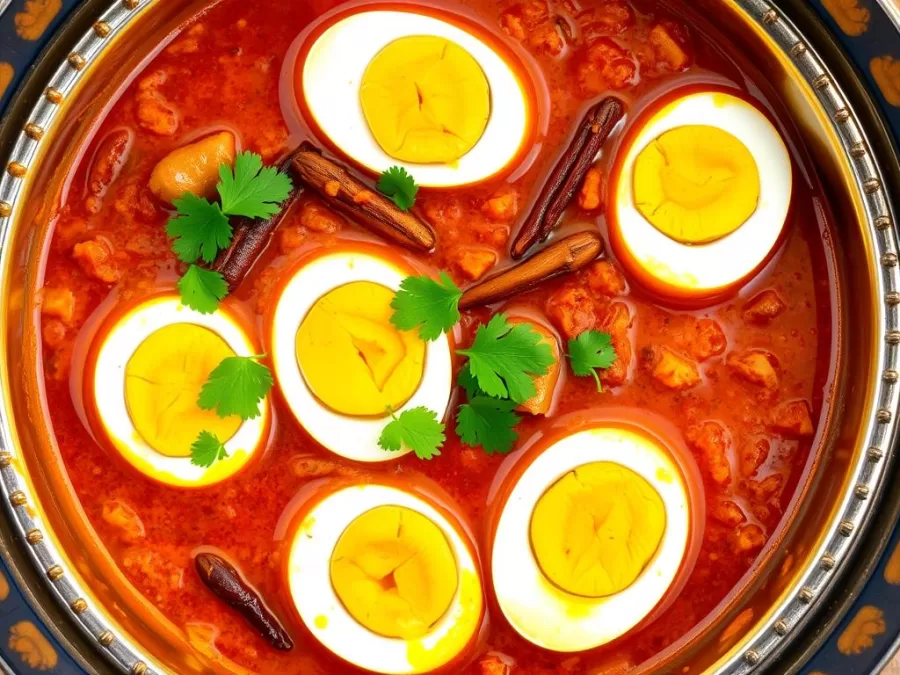
Protein Content: 13g per 100g (about 6-7g per egg)
Common Indian Names: Anda, Muttai, Deem
Eggs are often called nature’s perfect protein package, containing all essential amino acids in the right proportions. They’re also rich in vitamins D, B12, and minerals like selenium and zinc. Eggs are particularly popular among vegetarians who include animal products in their diet.
Popular Preparations: Egg Curry, Egg Bhurji (scrambled), Egg Biryani, Egg Paratha
Regional Variations: Kerala’s Muttai Roast, Bengali Dimer Dalna, and North Indian Anda Curry each offer unique flavor profiles.
Start your day with a protein-rich egg breakfast like egg bhurji or a masala omelette. For a quick protein boost, keep boiled eggs in your refrigerator for easy snacking.
4. Lamb/Mutton
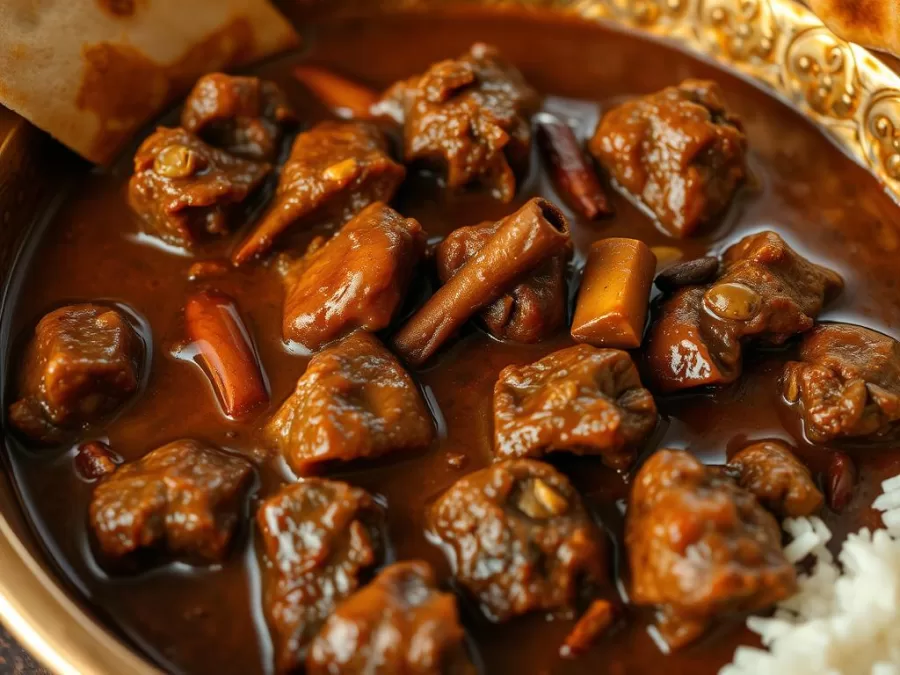
Protein Content: 25-30g per 100g
Common Indian Names: Bakra, Gosht, Aadu
Lamb and goat meat (commonly called mutton in India) are protein-rich meats that have been part of Indian cuisine for centuries. They’re particularly rich in iron, zinc, and B vitamins. While higher in fat than chicken, they offer a more robust flavor profile.
Popular Preparations: Rogan Josh, Mutton Biryani, Keema Matar, Laal Maas
Regional Variations: Kashmiri Rogan Josh, Rajasthani Laal Maas, and Hyderabadi Haleem showcase regional spice profiles and cooking techniques.
Choose leaner cuts of mutton like leg or loin for higher protein with less fat. Slow cooking methods like pressure cooking or simmering help tenderize the meat while preserving its nutritional value.
5. Prawns
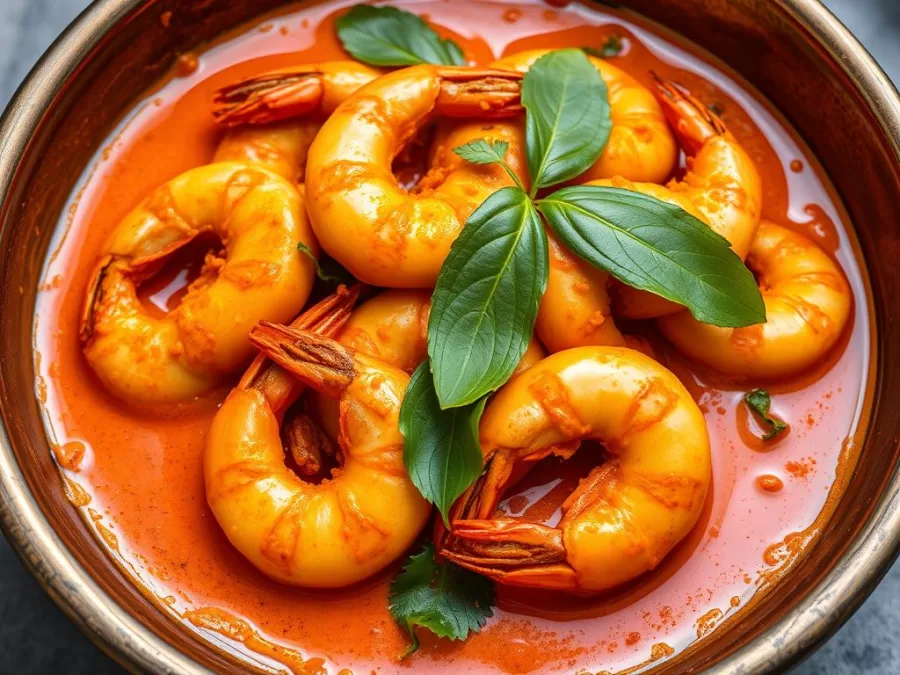
Protein Content: 24g per 100g
Common Indian Names: Jhinga, Chemmeen, Chingri
Prawns are a seafood delicacy that’s particularly popular in coastal regions of India. They’re low in fat but high in protein, making them ideal for those watching their calorie intake. Prawns also contain significant amounts of selenium, vitamin B12, and phosphorus.
Popular Preparations: Prawn Curry, Prawn Masala, Prawn Biryani, Prawn Koliwada
Regional Variations: Bengali Chingri Malai Curry (with coconut), Goan Prawn Curry (with kokum), and Maharashtra’s Koliwada (fried) showcase regional preferences.
Prawns cook quickly, making them perfect for weeknight meals. Try a simple garlic prawn stir-fry or a traditional coconut-based curry for a protein-rich dinner option.
Combining Protein Sources for Complete Nutrition
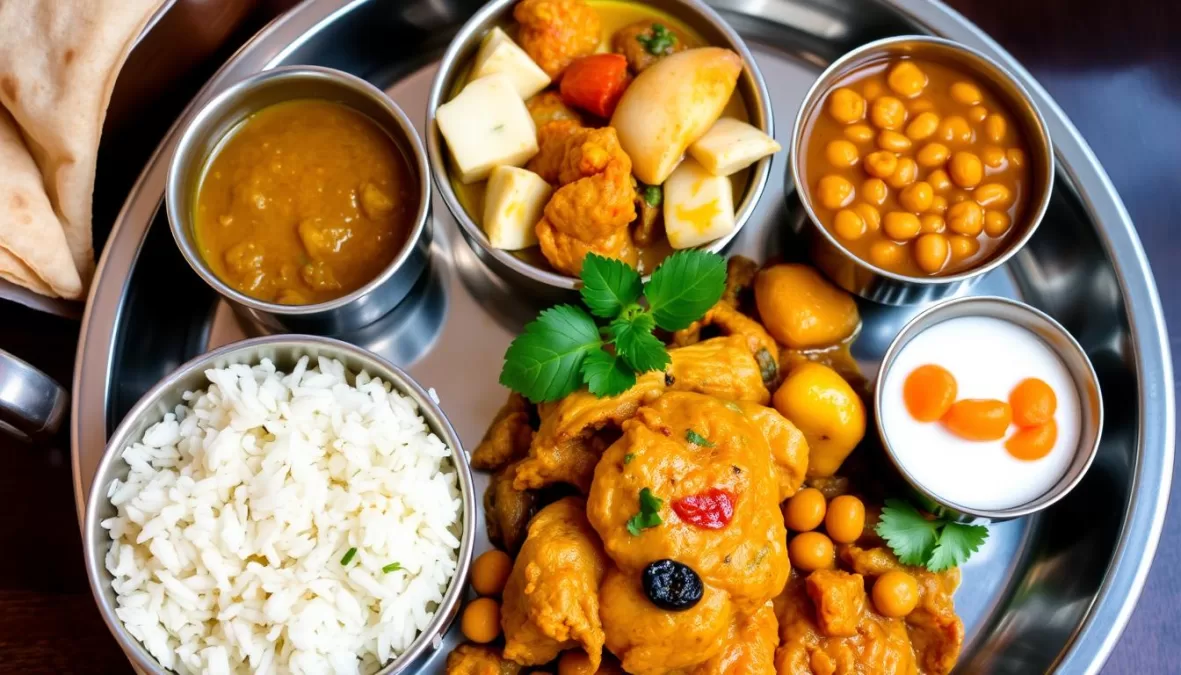
While individual protein sources are important, the magic happens when you combine them strategically. Plant proteins often lack one or more essential amino acids, but combining different sources creates a complete protein profile. Here are some traditional Indian combinations that maximize protein quality:
Vegetarian Combinations
- Dal + Rice (the classic complete protein pair)
- Chickpeas + Whole Wheat Roti
- Rajma + Rice
- Paneer + Nuts in a salad
- Soya + Vegetables in a curry
Non-Vegetarian Combinations
- Egg + Whole Wheat Toast
- Chicken + Lentil Soup
- Fish Curry + Brown Rice
- Mutton Keema + Peas
- Prawn Curry + Quinoa
Create your own protein-rich thali by including at least three different protein sources in smaller portions. This approach ensures amino acid diversity and makes meals more interesting.
Practical Tips for Incorporating High-Protein Indian Foods
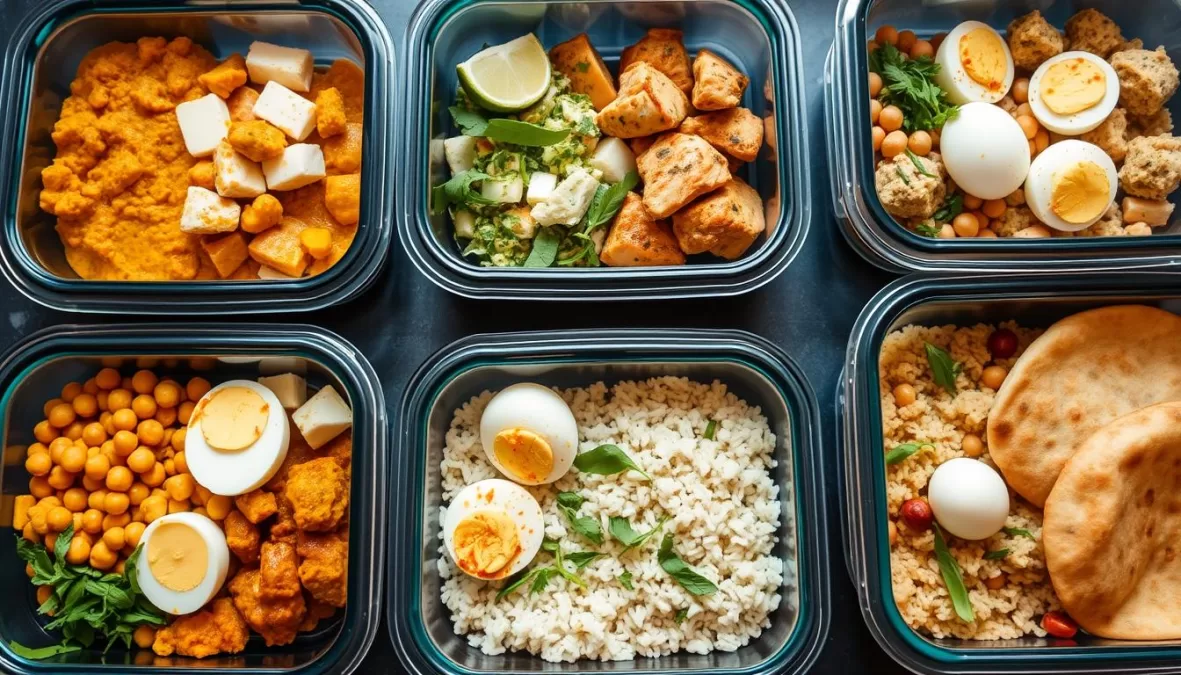
Knowing about protein-rich foods is one thing, but incorporating them into your daily routine requires practical strategies. Here are some tips to help you boost your protein intake with Indian foods:
Breakfast Ideas
- Paneer paratha with yogurt
- Moong dal chilla with vegetable stuffing
- Egg bhurji with whole wheat toast
- Oats porridge with nuts and seeds
- Sprouts chaat with lemon dressing
Lunch & Dinner Ideas
- Dal-rice with a side of yogurt
- Rajma chawal with salad
- Chicken curry with multigrain roti
- Fish curry with brown rice
- Paneer tikka with quinoa pulao
Snack Ideas
- Roasted chana with spices
- Boiled eggs with black pepper
- Paneer cubes with chat masala
- Mixed nut and seed trail mix
- Greek yogurt with berries
Start by adding just one high-protein food to each meal. Over time, this simple habit can significantly increase your overall protein intake without overwhelming changes to your diet.
Common Myths About Protein in Indian Diets
This is perhaps the most persistent myth. In reality, Indian vegetarian cuisine offers numerous protein-rich options like lentils, dairy, soy products, and legumes that can easily meet daily requirements when consumed in adequate quantities and combinations.
While meat is a complete protein source, it’s not necessary to consume it daily. Many Indians follow flexitarian diets with occasional meat consumption while relying on plant proteins most days, maintaining excellent health and meeting protein needs.
While many plant proteins lack one or more essential amino acids, some plant sources like soy and quinoa contain all essential amino acids. Additionally, combining different plant proteins (like rice and dal) creates complete protein profiles.
Excessive protein intake without proper hydration can strain kidneys and liver. The key is balanced consumption based on your body weight, activity level, and health goals rather than maximizing protein at all costs.
Embracing Protein-Rich Indian Foods in 2025
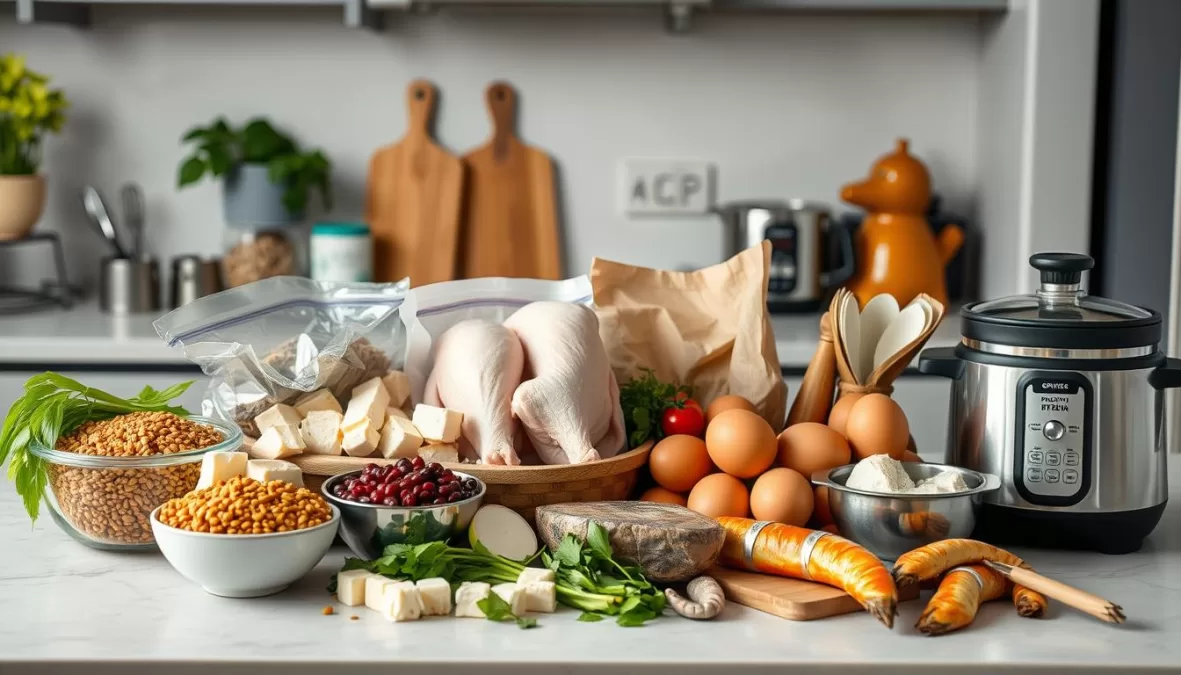
As we move through 2025, the focus on protein-rich diets continues to grow in India. The beauty of Indian cuisine lies in its diversity and adaptability, offering protein options for every dietary preference and restriction. Whether you’re vegetarian, non-vegetarian, or somewhere in between, traditional Indian foods provide ample opportunities to meet your protein needs while enjoying delicious meals.
Remember that consistency is key. Rather than making dramatic changes to your diet, gradually incorporate these protein-rich foods into your existing meal patterns. Pay attention to how different combinations make you feel, and adjust according to your body’s responses and needs.
By embracing the protein wisdom of traditional Indian cuisine while incorporating modern nutritional knowledge, you can create a sustainable, enjoyable eating pattern that supports your health and fitness goals for years to come.
Ready to boost your protein intake?
Start with just one new high-protein food this week. Experiment with different preparations and combinations to find what works best for your taste preferences and lifestyle. Your body will thank you for the nutritional upgrade!

Priyanka Pandey
Senior Research Editor · Top10Sense
Priyanka specializes in tech, consumer products, and digital trends. She combines hands-on testing, vendor interviews, and database research to create trustworthy “Top 10” rankings. Her work has been referenced by industry blogs and brand report pages.