
The world is racing toward a future shaped by artificial intelligence, automation, and unprecedented digital transformation. By 2030, today’s students will enter a job market barely recognizable from our current landscape. According to the World Economic Forum, nearly 85 million jobs may be displaced by automation, while 97 million new roles better adapted to the new division of labor between humans and machines may emerge. Are students prepared for this shift? The answer lies in mastering the future skills every student must learn by 2030 – abilities that go beyond traditional academics and prepare them to thrive in an unpredictable world.
The 10 Essential Future Skills Every Student Must Learn by 2030
Success in the next decade won’t depend solely on degrees or memorizing facts. Instead, it will come from mastering a set of adaptable, human-centric skills that complement rather than compete with artificial intelligence. These skills represent the intersection of technological proficiency and uniquely human capabilities – the sweet spot where students can develop career resilience in an automated world.
Future-Proof Your Education
Download our free Future Skills Checklist to track your progress and get practical exercises for developing each essential skill.
1. Digital Literacy
Digital literacy has evolved far beyond basic computer skills. By 2030, it will encompass the ability to navigate, evaluate, and create across multiple digital platforms while understanding the underlying systems that power them.
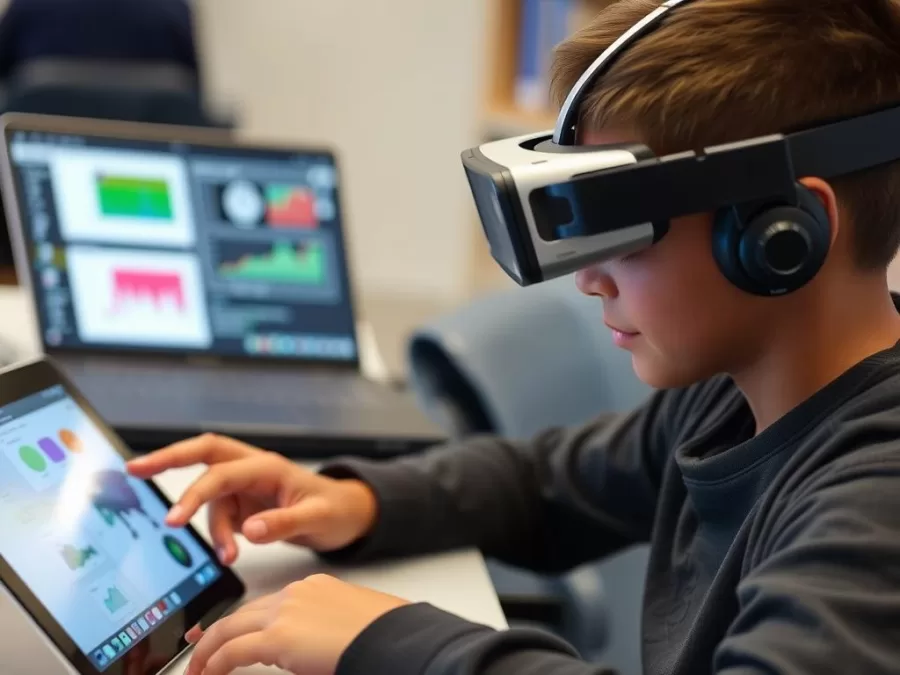
Why it matters: As AI and automation integrate into every industry, digital literacy becomes the foundation for all other skills. Students who understand not just how to use technology but how it works will have a significant advantage in problem-solving and innovation.
How to develop it: Go beyond passive consumption of digital content. Learn basic coding principles, practice data analysis with real datasets, and experiment with creating digital content across multiple platforms. Understand how algorithms influence the information you see online and develop a critical approach to digital information.
“Digital literacy in 2030 won’t be about knowing specific software – it will be about understanding systems, recognizing patterns, and adapting quickly to new digital environments.”
2. Data Literacy
Data literacy is the ability to read, understand, analyze, and communicate with data. In a world generating unprecedented amounts of information, making sense of data will be crucial for informed decision-making.

Why it matters: By 2030, data-driven decision making will be standard across industries. Students who can interpret data, identify patterns, and communicate insights will be valuable in virtually any career path.
How to develop it: Practice working with datasets using free tools like Google Data Studio or Tableau Public. Learn to create meaningful visualizations that tell a story. Develop critical thinking about data by questioning sources, methodologies, and potential biases in the data you encounter.
Data Literacy in Action: When presented with statistics, ask questions like “What’s the source?”, “What’s missing from this data?”, and “What assumptions are being made?” This critical approach transforms passive data consumption into active data literacy.
3. Critical Thinking
Critical thinking is the ability to analyze information objectively, evaluate evidence, and form reasoned judgments. In an era of information overload and AI-generated content, this skill becomes increasingly valuable.

Why it matters: As AI systems generate increasingly convincing content, the ability to think critically, verify information, and identify misinformation becomes essential. Critical thinking is what separates informed citizens from passive consumers of information.
How to develop it: Practice evaluating claims by identifying assumptions, checking sources, and considering alternative explanations. Engage with diverse perspectives on complex issues. Learn about common logical fallacies and cognitive biases that can distort reasoning.
Critical Thinking Questions:
- What evidence supports this claim?
- What might be an alternative explanation?
- What biases might be influencing this perspective?
- How reliable is the source of this information?
Benefits in 2030 Workplace:
- Ability to evaluate AI-generated recommendations
- Skill in identifying misinformation
- Capacity to solve complex problems with incomplete data
- Talent for making sound judgments in ambiguous situations
4. Emotional Intelligence (EQ)
Emotional intelligence encompasses the ability to recognize, understand, and manage our own emotions while skillfully navigating social interactions and empathizing with others.

Why it matters: As automation handles more technical tasks, uniquely human skills like empathy, social awareness, and relationship management become increasingly valuable. Emotional intelligence will be a key differentiator in leadership, teamwork, and customer-facing roles.
How to develop it: Practice self-awareness by reflecting on your emotional responses. Develop active listening skills. Seek feedback on how your communication affects others. Read literature that explores complex characters and emotional situations to build empathy.
EQ vs. IQ in 2030: While AI systems continue to surpass humans in computational intelligence (IQ), emotional intelligence (EQ) remains distinctly human. The most successful professionals will combine technical knowledge with high emotional intelligence to work effectively with both people and AI systems.
5. Creativity and Innovation
Creativity is the ability to generate novel ideas, make unexpected connections, and develop original solutions to problems. Innovation extends creativity by implementing these ideas in practical ways.
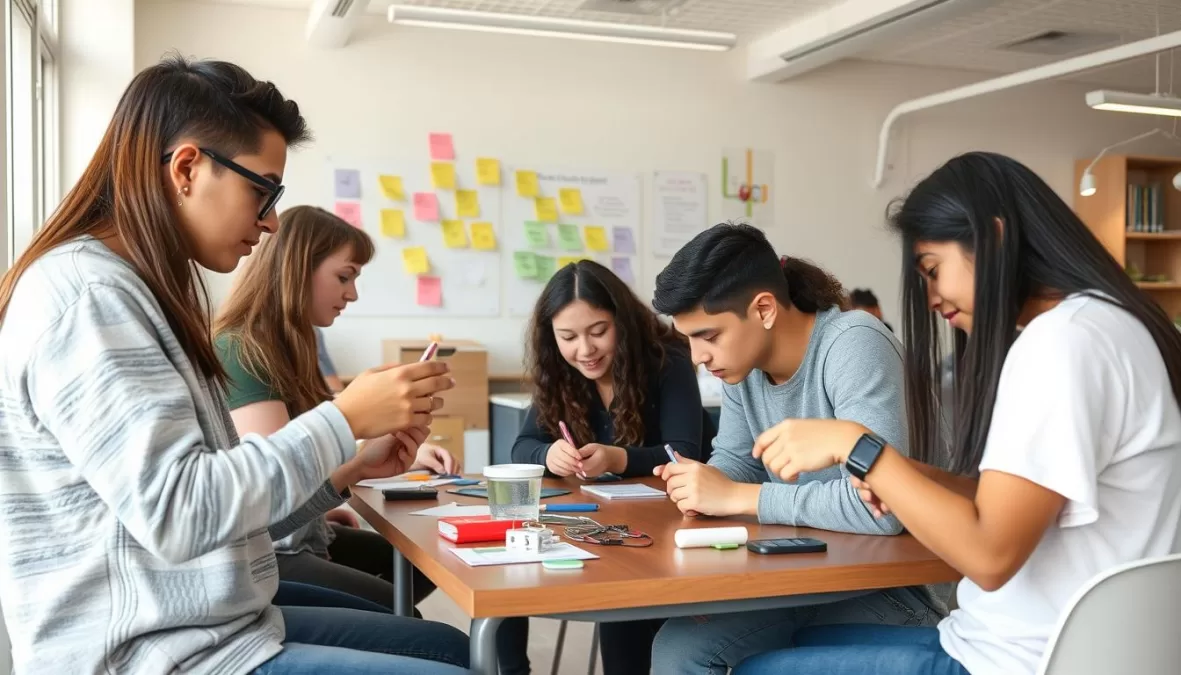
Why it matters: As routine tasks become automated, creative problem-solving becomes more valuable. The jobs least likely to be automated are those requiring creative intelligence, novel thinking, and innovative approaches.
How to develop it: Practice divergent thinking by generating multiple solutions to problems. Expose yourself to diverse influences across disciplines. Embrace constraints as catalysts for creativity. Develop a habit of questioning assumptions and exploring “what if” scenarios.
“Creativity is intelligence having fun. In a world where AI can replicate knowledge, the ability to think differently becomes the ultimate competitive advantage.”
6. Adaptability and Resilience
Adaptability is the ability to adjust quickly to changing circumstances, while resilience is the capacity to recover from setbacks and continue moving forward despite challenges.
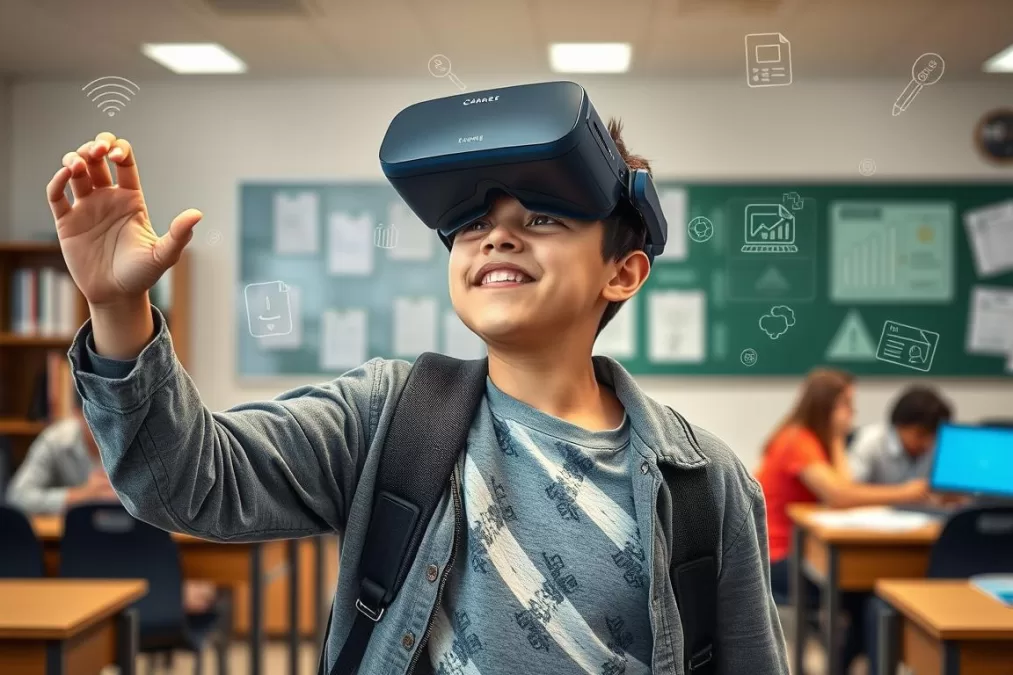
Why it matters: The accelerating pace of technological change means that specific technical skills have shorter lifespans. The ability to adapt, learn continuously, and remain resilient through disruption will be essential for long-term career success.
How to develop it: Deliberately seek new experiences that push you outside your comfort zone. Develop a growth mindset that views challenges as opportunities to learn. Practice reframing setbacks as valuable feedback rather than failures.
Adaptable Mindset
- Views change as opportunity
- Embraces continuous learning
- Remains flexible in approach
- Seeks diverse perspectives
Fixed Mindset
- Resists change
- Relies on existing knowledge
- Sticks to familiar methods
- Avoids challenging situations
7. Collaboration and Cross-Cultural Competence
Collaboration skills involve working effectively with others to achieve shared goals, while cross-cultural competence enables productive interaction with people from diverse backgrounds and perspectives.

Why it matters: The future workplace will be increasingly global, diverse, and team-oriented. The ability to collaborate across differences – whether cultural, disciplinary, or geographic – will be crucial for solving complex problems.
How to develop it: Seek opportunities to work in diverse teams. Practice active listening and perspective-taking. Learn about different cultural communication styles and norms. Develop skills in digital collaboration tools that enable remote teamwork.
Collaboration in 2030: Future collaboration will increasingly involve human-AI partnerships alongside human-human teamwork. Students who can effectively collaborate with both people and intelligent systems will have a significant advantage.
8. Lifelong Learning and Curiosity
Lifelong learning is the continuous pursuit of knowledge and skill development throughout one’s life, driven by curiosity and a desire to grow rather than external requirements.

Why it matters: The half-life of skills is shrinking, with technical skills becoming outdated more quickly than ever before. By 2030, the ability to continuously learn, unlearn, and relearn will be fundamental to career longevity.
How to develop it: Cultivate curiosity by asking questions and exploring topics outside your main field. Develop metacognitive skills to understand how you learn best. Create personal learning networks that expose you to new ideas and perspectives.
The Lifelong Learning Toolkit
Develop these habits to become an effective lifelong learner:
- Set personal learning goals beyond formal education
- Develop a system for capturing and organizing new knowledge
- Practice teaching others what you learn
- Reflect regularly on what you’ve learned and how to apply it
- Seek feedback and adjust your learning strategies accordingly
9. Ethical Awareness and Responsibility
Ethical awareness involves recognizing the moral dimensions of decisions and technologies, while responsibility means taking ownership of the consequences of one’s actions and choices.
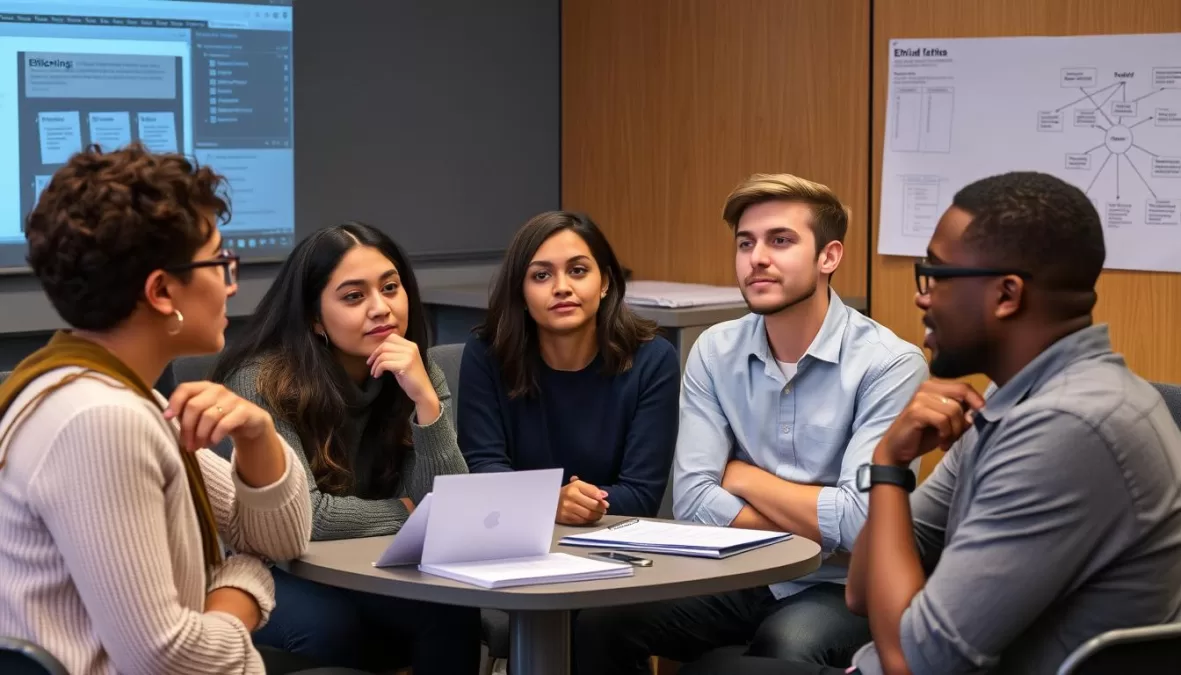
Why it matters: As technology becomes more powerful, the ethical stakes of its development and use increase. Students who can navigate complex ethical questions around AI, data privacy, sustainability, and technological impact will be valuable in shaping a responsible future.
How to develop it: Study ethical frameworks and apply them to real-world scenarios. Consider the potential consequences of technologies from multiple perspectives. Develop a personal ethical framework that guides your decisions and actions.
What ethical questions should students consider about emerging technologies?
When evaluating new technologies, consider questions like: Who benefits and who might be harmed? What values are embedded in this technology’s design? What data is being collected and how is it used? What are the potential unintended consequences? How might this technology affect different communities? These questions help develop ethical awareness that will be crucial in 2030 and beyond.
10. Entrepreneurial Mindset
An entrepreneurial mindset combines initiative, opportunity recognition, risk tolerance, and resourcefulness – whether starting a business or innovating within an organization.

Why it matters: By 2030, traditional career paths will continue to fragment, with more people working as independent contractors, starting businesses, or creating their own roles within organizations. An entrepreneurial mindset enables students to create opportunities rather than just respond to them.
How to develop it: Start small projects that solve real problems. Practice identifying needs and opportunities in your community. Learn basic business concepts like value proposition and minimum viable product. Develop comfort with calculated risk-taking and learning from failure.
Building Your E-E-A-T Profile Through Future Skills
Google’s E-E-A-T guidelines (Experience, Expertise, Authoritativeness, and Trustworthiness) provide a framework not just for content quality but for personal development. By cultivating the future skills outlined above, students can build their own E-E-A-T profile that will be valuable in any career path.
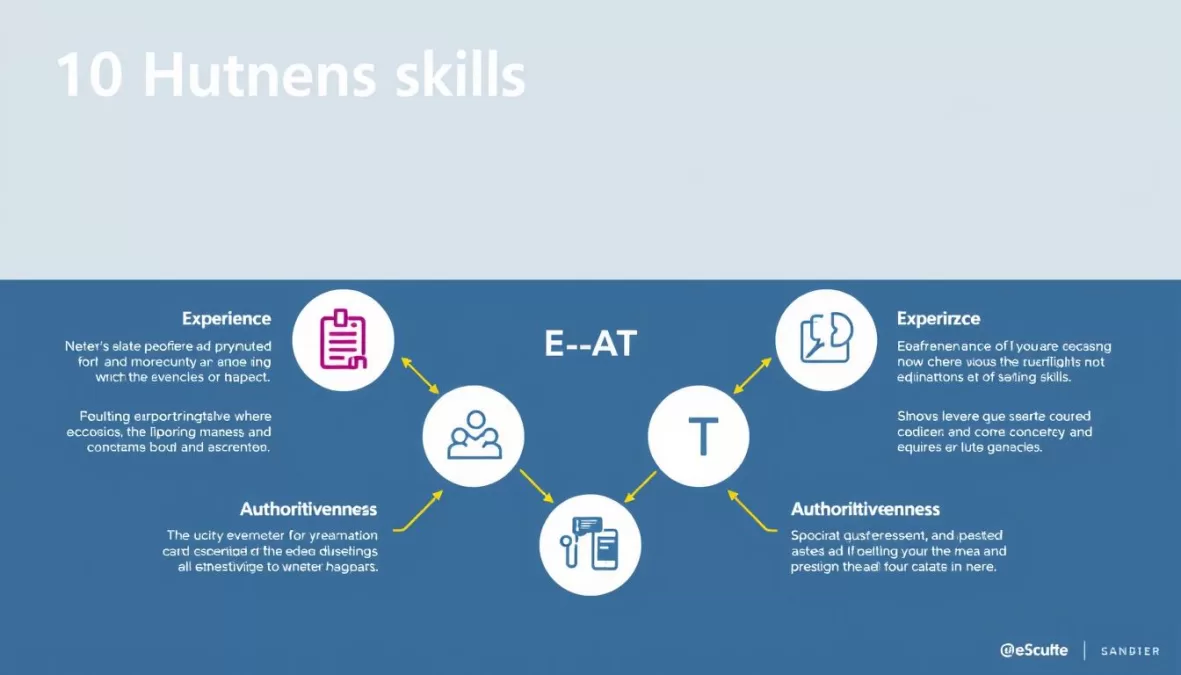
Experience
Develop hands-on experience through internships, projects, and volunteering. Document your learning journey through portfolios that showcase real-world application of your skills.
- Participate in hackathons and competitions
- Contribute to open-source projects
- Create a digital portfolio of your work
Expertise
Build depth in specific areas while maintaining breadth across disciplines. Pursue certifications and specialized training in emerging fields.
- Complete online courses in high-demand skills
- Earn micro-credentials from recognized platforms
- Develop T-shaped knowledge (depth + breadth)
Authoritativeness & Trustworthiness
Establish credibility through consistent demonstration of your skills, ethical behavior, and contribution to your community.
- Share your knowledge through teaching others
- Build a professional online presence
- Practice transparent and ethical communication
Start Building Your Future Skills Portfolio
Download our comprehensive guide with practical exercises, resources, and tracking tools for developing all 10 essential future skills.
Preparing for 2030: The Path Forward
The future of work is being shaped by forces of technological change, globalization, and sustainability challenges. By developing the ten essential skills outlined in this article, students can prepare not just for the jobs of 2030, but for a lifetime of meaningful work and contribution in a rapidly changing world.
Remember that these skills are not developed overnight – they require intentional practice, reflection, and application in real-world contexts. Start small, focus on consistent growth, and seek opportunities to apply these skills in authentic situations. The journey toward mastering these future skills is itself an exercise in lifelong learning, adaptability, and resilience.
As we approach 2030, the students who thrive will be those who combine technical knowledge with these essential human capabilities – creating a foundation for success regardless of how technology and society evolve.

Priyanka Pandey
Senior Research Editor · Top10Sense
Priyanka specializes in tech, consumer products, and digital trends. She combines hands-on testing, vendor interviews, and database research to create trustworthy “Top 10” rankings. Her work has been referenced by industry blogs and brand report pages.