
Franchising has revolutionized the global business landscape, creating some of the most recognizable brands on the planet. These business titans have mastered the art of replication, allowing entrepreneurs worldwide to operate under established systems while maintaining consistent quality and customer experience. The most successful franchises have transformed not just industries but entire cultures, becoming integral parts of our daily lives and economic systems.
In this comprehensive ranking, we explore the top 10 franchises in the world of all time based on their revenue generation, global footprint, cultural impact, and long-term sustainability. From fast food giants to hospitality leaders, these franchises have demonstrated extraordinary business models that continue to thrive decade after decade.
The world’s most successful franchises have transformed global business landscapes and consumer habits
What Makes a Truly Great Franchise?
Before diving into our list, it’s important to understand what elevates a franchise from merely successful to truly legendary. The world’s top franchises share several key characteristics that have enabled their extraordinary growth and staying power.
Scalable Business Model
Elite franchises develop systems that can be replicated across diverse markets while maintaining consistent quality. This scalability allows for rapid expansion without sacrificing the core customer experience that built their reputation.
Brand Recognition
The most successful franchises invest heavily in creating instantly recognizable brands. Their logos, color schemes, and marketing messages become so embedded in popular culture that they achieve near-universal recognition.
Operational Excellence
Top franchises perfect their operational systems, creating detailed playbooks that enable franchisees to succeed even without prior industry experience. This standardization ensures customers receive consistent experiences worldwide.
Adaptability
While consistency is crucial, the greatest franchises also demonstrate remarkable adaptability. They evolve their offerings to meet changing consumer preferences while maintaining their core identity and values.

Interested in Franchise Opportunities?
Discover how today’s top franchises built their global empires and what makes their business models so successful. Our comprehensive guide provides insights into franchise investment strategies.
Our Ranking Methodology
This definitive ranking of the top 10 franchises in the world of all time considers multiple factors that truly measure franchise success:
- Total Revenue: Annual system-wide sales across all franchise locations
- Global Reach: Number of units operating worldwide and geographic diversity
- Longevity: Years in operation and demonstrated sustainability
- Growth Rate: Historical and current expansion trajectory
- Brand Value: Recognition and reputation in the marketplace
- Cultural Impact: Influence beyond business metrics
- Franchisee Success: Profitability and satisfaction rates among franchise owners
Now, let’s explore the franchises that have truly changed the world of business forever.
10. Subway
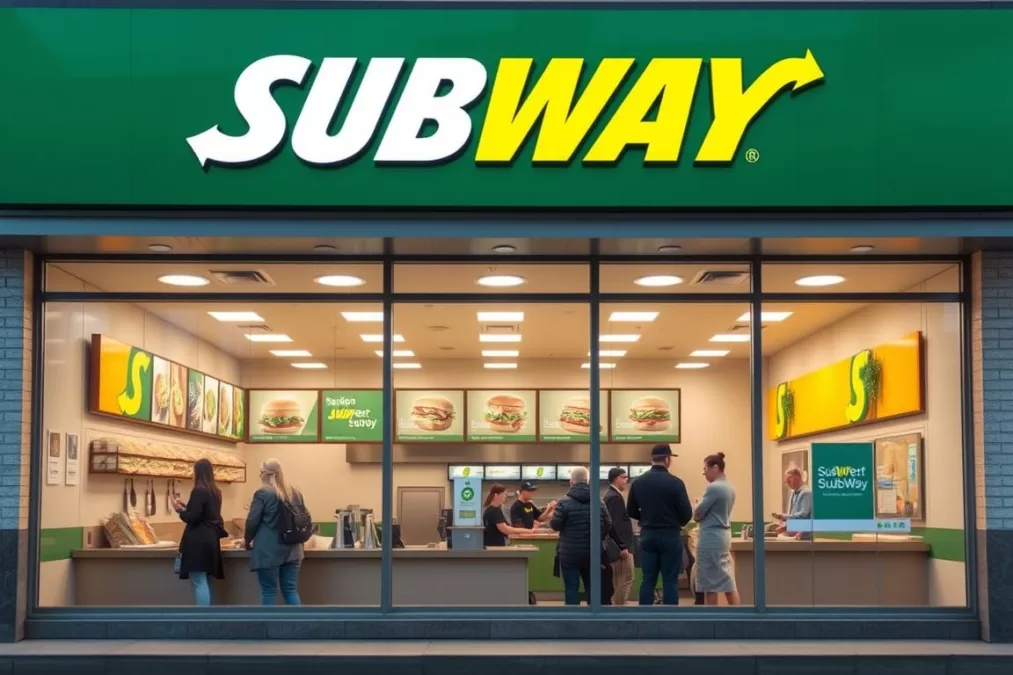
Founded in 1965 by Fred DeLuca and Peter Buck in Bridgeport, Connecticut, Subway revolutionized the quick-service restaurant industry with its made-to-order sandwiches and focus on fresher, healthier fast food alternatives. What began as a single submarine sandwich shop has grown into the world’s largest restaurant chain by number of locations.
With over 37,000 restaurants across more than 100 countries, Subway’s ubiquity is a testament to its highly accessible franchise model. The relatively low startup costs (compared to other food franchises) and flexible location requirements have made it possible for entrepreneurs with modest capital to join the Subway system.
9. Kumon

Originating in Japan in 1958, Kumon was founded by Toru Kumon, a mathematics teacher seeking to help his son excel in math. What began as a father’s dedication to his child’s education has transformed into the world’s largest after-school math and reading program with over 25,000 centers across more than 50 countries.
Kumon’s success stems from its unique self-learning methodology that helps students develop strong academic skills, concentration, and self-confidence. The franchise has maintained remarkable consistency in its educational approach while adapting to different cultural contexts worldwide, making it a truly global educational powerhouse.
8. Marriott International
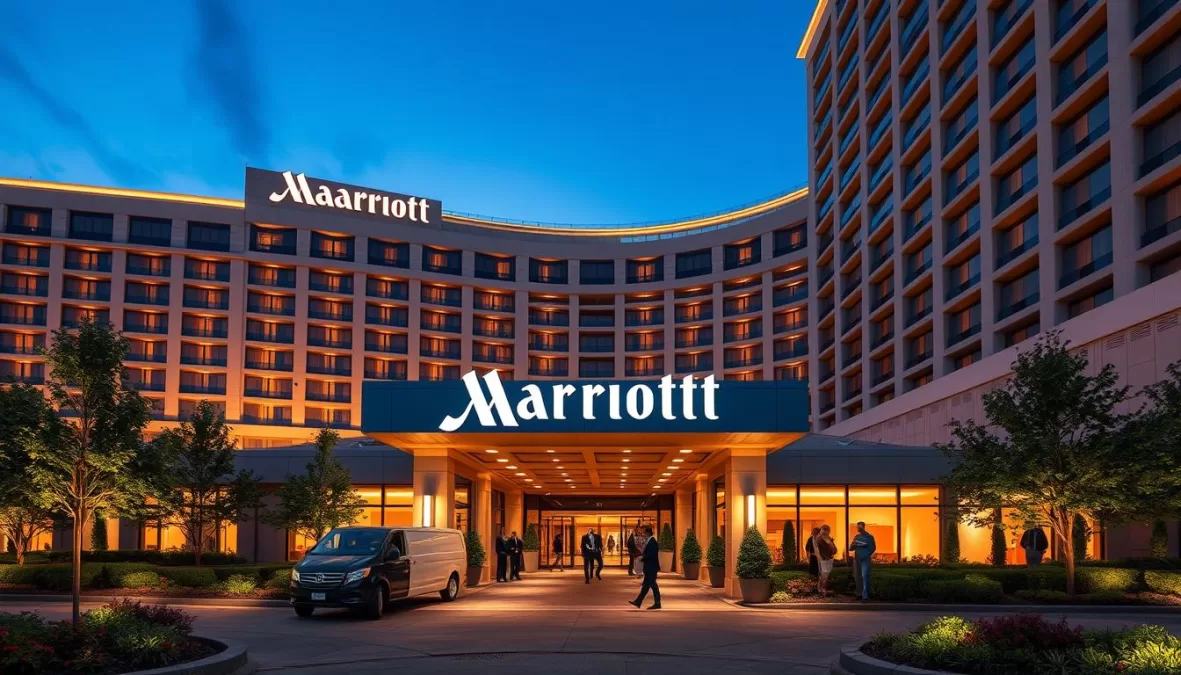
From its humble beginnings as a root beer stand in Washington, D.C. in 1927, Marriott has grown into one of the world’s premier hospitality companies. Founder J. Willard Marriott’s commitment to customer service has remained the cornerstone of the brand through its evolution into a global hotel empire.
Today, Marriott International encompasses 30 brands across more than 7,000 properties in 131 countries and territories. The company’s strategic acquisitions, including Starwood Hotels in 2016, have further cemented its position as a hospitality leader. Marriott’s franchise model has allowed rapid expansion while maintaining the quality standards that built its reputation.
7. 7-Eleven
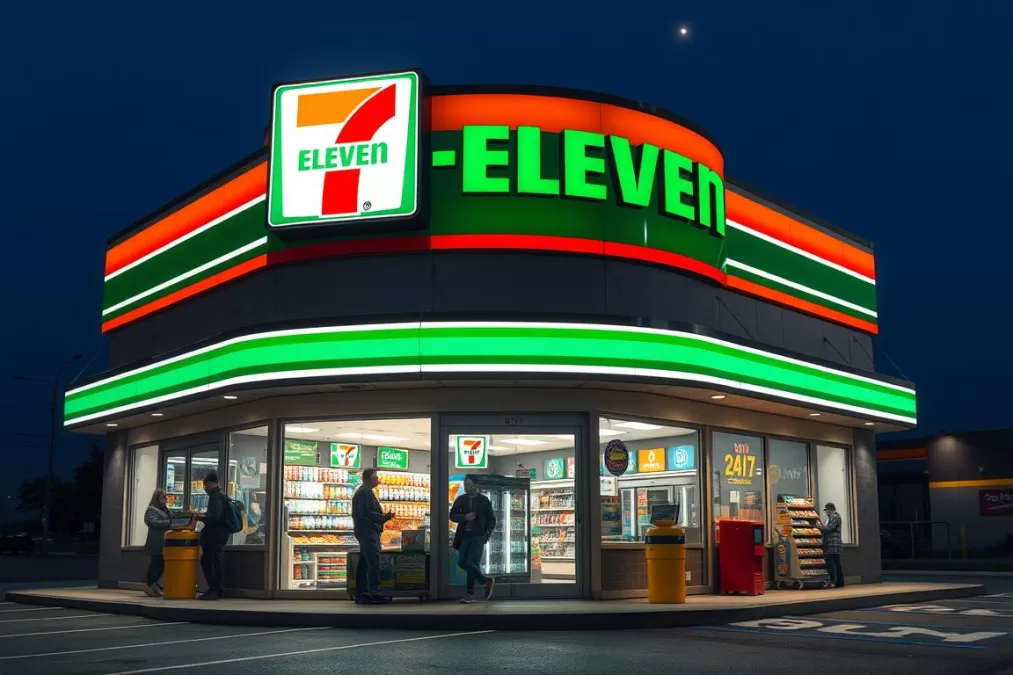
The convenience store concept was revolutionized in 1927 when Southland Ice Company in Dallas, Texas began selling milk, bread, and eggs from its ice houses. Rebranded as 7-Eleven to reflect its operating hours (7am to 11pm), the company pioneered the convenience store model that would transform retail worldwide.
Now operating over 71,000 stores in 17 countries, 7-Eleven has mastered the art of adapting to local markets while maintaining core operational excellence. In Japan, where it has its largest presence, 7-Eleven stores have evolved into sophisticated retail hubs offering banking services, high-quality prepared meals, and even dry cleaning.
Ready to Explore Franchise Investment?
Learn how these world-class franchises built their empires and how you can apply their success principles to your own business ventures.
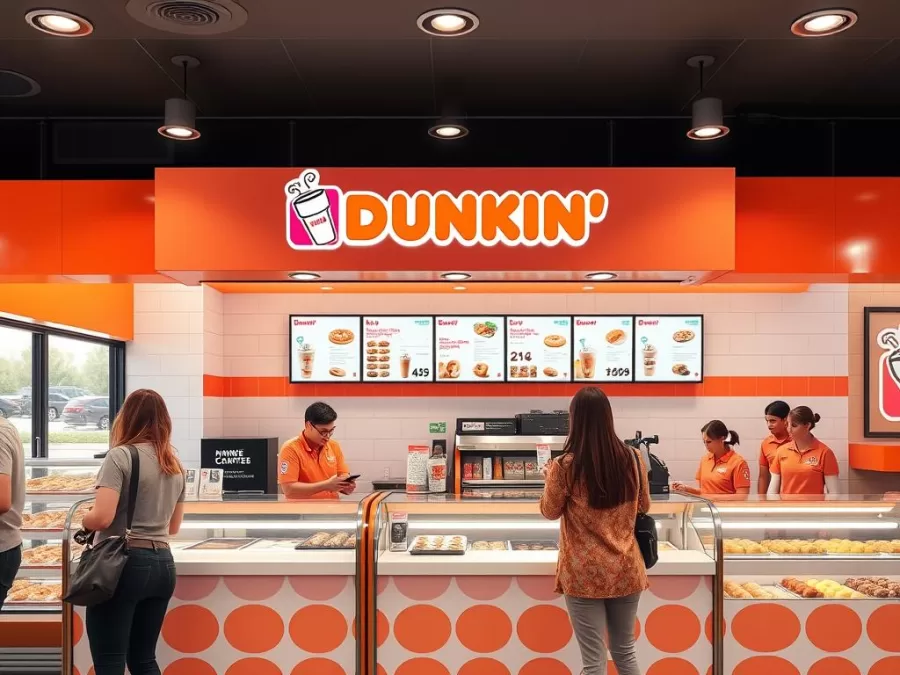
6. Dunkin’
When Bill Rosenberg opened the first Dunkin’ Donuts in Quincy, Massachusetts in 1950, he could hardly have imagined that his coffee and donut shop would evolve into a global phenomenon. Rebranded simply as “Dunkin'” in 2019 to reflect its broader beverage focus, the chain has maintained remarkable growth throughout its history.
With more than 12,900 locations in 42 countries, Dunkin’ has successfully positioned itself as an affordable everyday luxury. Its franchise model has been particularly successful in creating multi-unit operators who own dozens or even hundreds of locations, demonstrating the scalability and profitability of its business system.
5. Pizza Hut
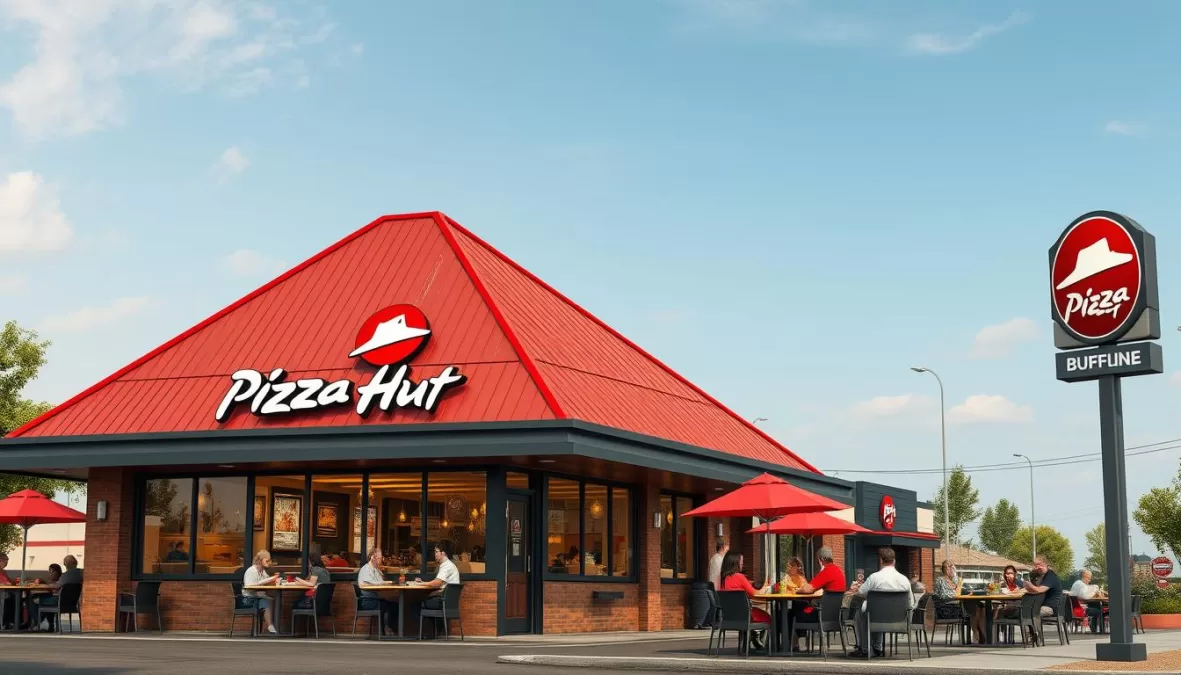
In 1958, brothers Dan and Frank Carney borrowed $600 from their mother to open a small pizza restaurant in Wichita, Kansas. That humble beginning launched what would become the world’s largest pizza chain. Pizza Hut’s iconic red roof design became a familiar sight across America before expanding globally.
Now with over 18,000 restaurants in more than 100 countries, Pizza Hut has demonstrated remarkable adaptability. The brand has evolved from a sit-down restaurant concept to embrace delivery and carryout models while continuously innovating its menu to meet changing consumer preferences. Its parent company, Yum! Brands, has leveraged the Pizza Hut system to create one of the world’s largest restaurant companies.
4. KFC
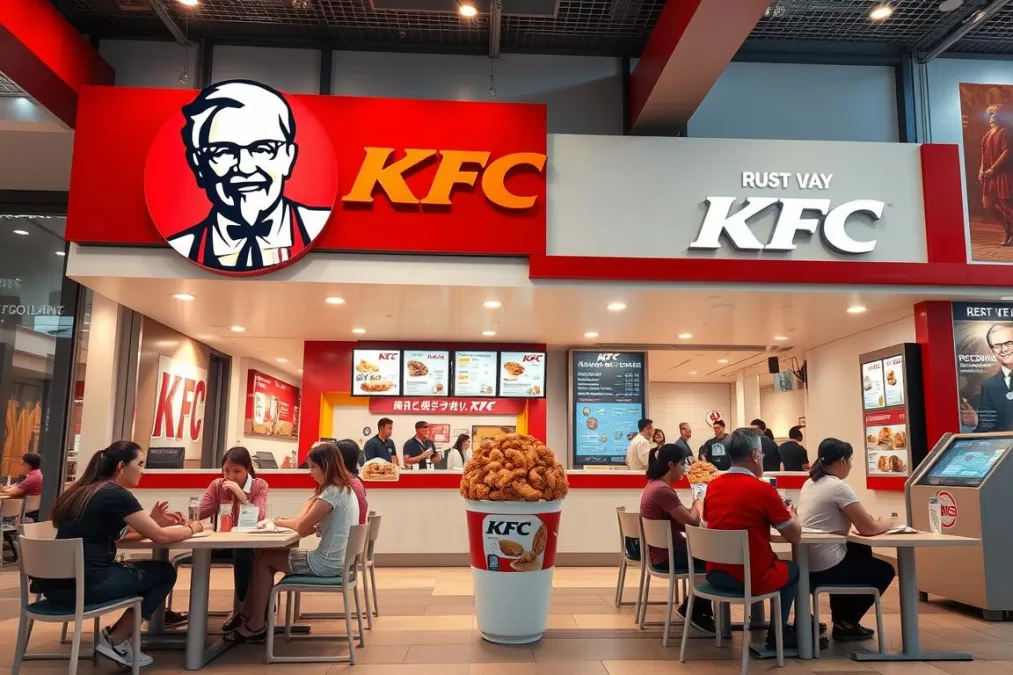
Colonel Harland Sanders began selling his secret recipe fried chicken from a roadside restaurant in Corbin, Kentucky during the Great Depression. At age 65, when most people are retiring, Sanders began franchising his chicken recipe to restaurants across the United States, collecting a nickel for each chicken sold.
Today, KFC operates over 25,000 restaurants in more than 145 countries and territories. The brand has shown remarkable cultural adaptability, becoming particularly successful in Asian markets. In China alone, KFC has over 8,000 locations and has become a dominant fast-food brand by adapting its menu to local tastes while maintaining its core fried chicken offering.
3. Starbucks
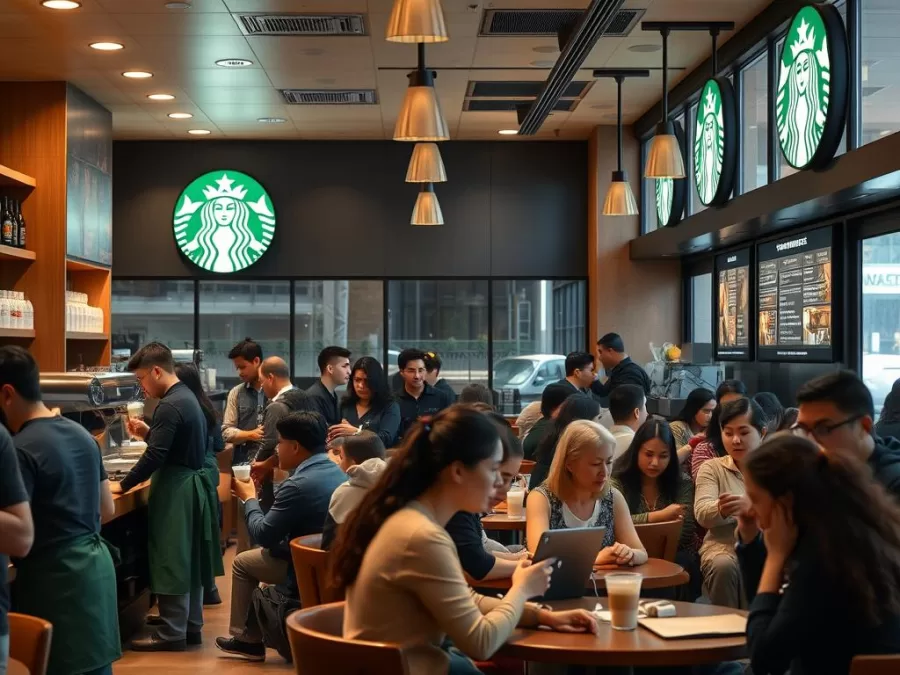
When Howard Schultz joined a small Seattle coffee bean retailer called Starbucks in 1982, he envisioned transforming American coffee culture. Inspired by Italian espresso bars, Schultz purchased the company in 1987 and began expanding with a vision to create a “third place” between home and work where people could gather and connect.
That vision has resulted in over 33,000 stores in 80 countries. While Starbucks operates through a mix of company-owned and licensed stores rather than a traditional franchise model, its system for replication and standardization has created one of the world’s most valuable brands. The company’s ability to create premium pricing for a commodity product represents one of the greatest brand value propositions in business history.
2. McDonald’s
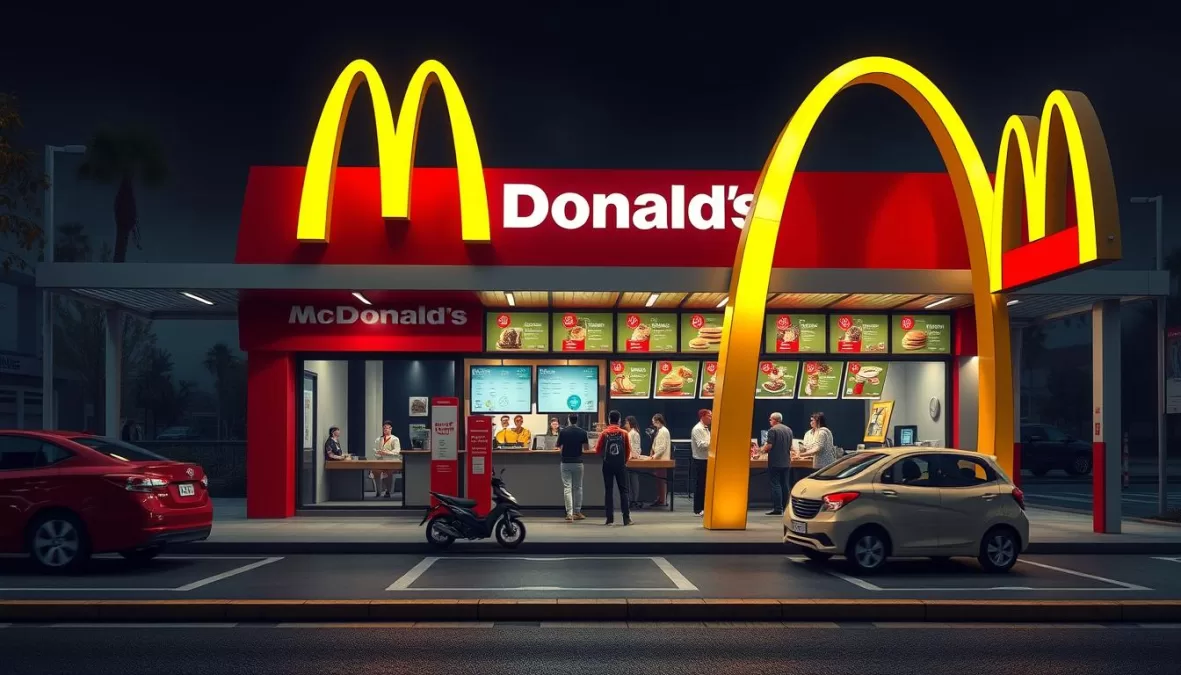
The golden arches of McDonald’s represent perhaps the most recognized brand symbol in the world. What began as a single restaurant opened by brothers Richard and Maurice McDonald in San Bernardino, California in 1940 was transformed by Ray Kroc, who joined as a franchise agent in 1955 and eventually purchased the company, creating the foundation for global expansion.
Today, McDonald’s serves over 69 million customers daily across more than 38,000 locations in over 100 countries. The company’s real estate strategy—owning the land beneath its restaurants—has created one of the largest real estate portfolios in the world. McDonald’s has mastered the science of consistency, ensuring that a Big Mac tastes the same whether purchased in Moscow, Mumbai, or Miami.
1. 7-Eleven
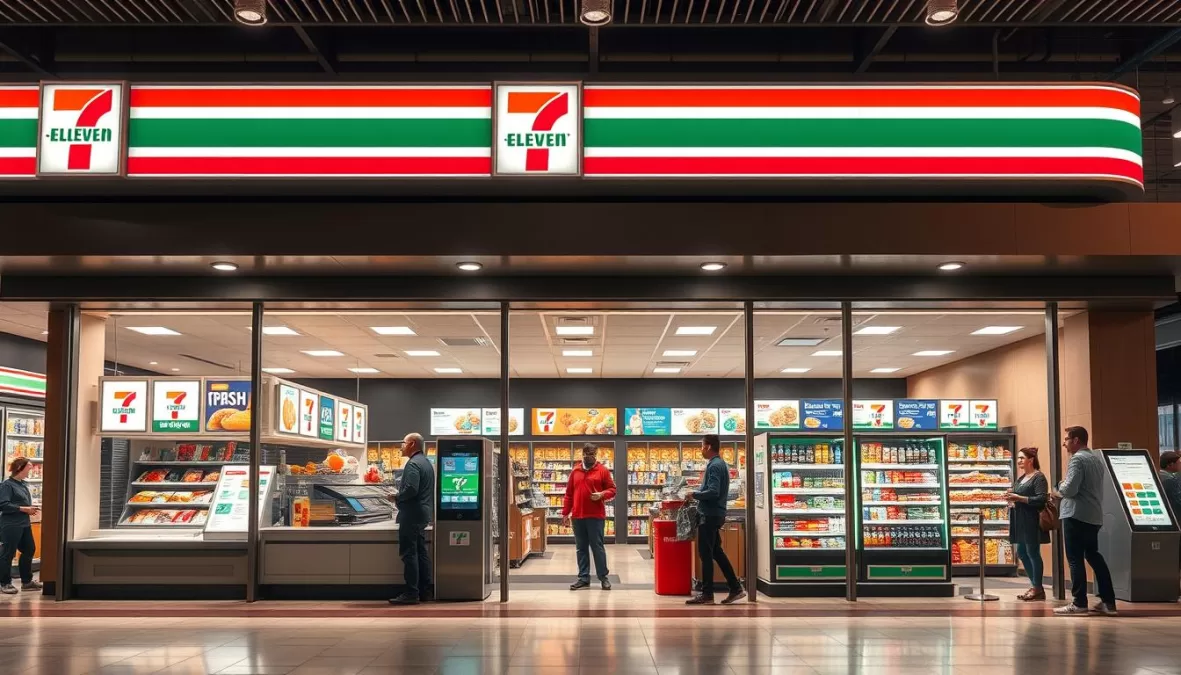
Claiming the top spot as the world’s greatest franchise of all time is 7-Eleven, the convenience store giant that has revolutionized retail across the globe. From its origins as an ice house in Dallas, Texas in 1927, 7-Eleven has grown into an unparalleled retail powerhouse with over 71,100 stores worldwide—more than any other retailer on the planet.
What sets 7-Eleven apart is its remarkable ability to adapt to local markets while maintaining operational excellence. In Japan, where the company has its largest presence, 7-Eleven stores have evolved into sophisticated retail hubs offering banking services, high-quality prepared meals, and even dry cleaning. In North America, the brand continues to innovate with digital payment systems, delivery services, and expanded fresh food offerings.
The company’s franchise system has created thousands of successful entrepreneurs worldwide, with a proven business model that continues to thrive despite changing retail landscapes and the rise of e-commerce. 7-Eleven’s global annual sales exceed $91 billion, making it not just the largest franchise in store count but one of the most financially successful as well.
Common Traits of the World’s Top Franchises
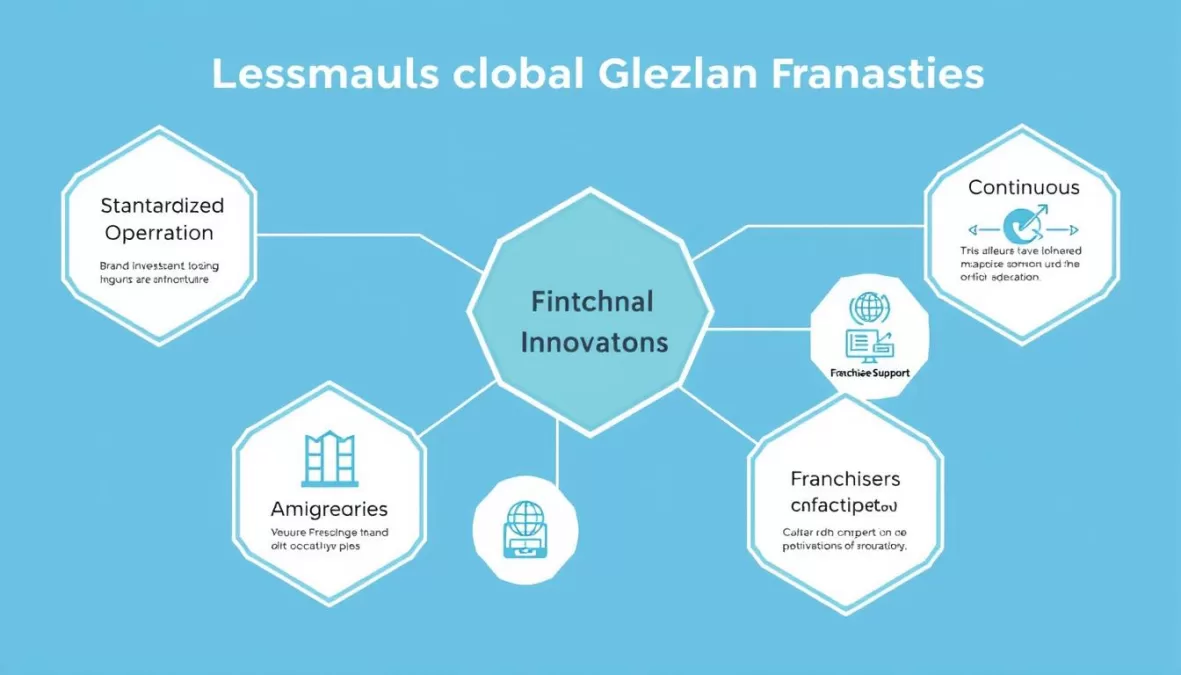
Analyzing these extraordinary business success stories reveals several common characteristics that have enabled these franchises to achieve unprecedented global success:
Standardized Operations
Each top franchise has developed comprehensive systems that can be replicated consistently across markets. These standardized operations ensure quality control while allowing for efficient scaling.
Brand Investment
The world’s greatest franchises have invested heavily in building recognizable brands that communicate clear value propositions to consumers. This brand equity becomes a powerful competitive advantage.
Continuous Innovation
Despite their size, these franchises maintain a commitment to innovation, regularly refreshing their offerings to meet evolving consumer preferences while maintaining their core identity.
Location Strategy
Strategic real estate selection has been crucial to these franchises’ success. Their sophisticated site selection processes ensure maximum visibility and customer convenience.
Franchisee Support
The top franchises provide comprehensive training and ongoing support to their franchisees, creating a network of successful operators who maintain brand standards.
Cultural Adaptability
While maintaining core brand elements, these franchises skillfully adapt to local cultures and preferences, allowing them to succeed across diverse global markets.
The Lasting Impact of the World’s Greatest Franchises
The top 10 franchises in the world of all time have fundamentally transformed how business operates globally. They’ve created systems that enable rapid expansion while maintaining quality, developed brands that transcend cultural boundaries, and provided entrepreneurial opportunities for millions of people worldwide.
These franchise giants have not only achieved extraordinary commercial success but have also shaped consumer behaviors and expectations across the globe. From how we eat and shop to how we learn and travel, these franchises have left an indelible mark on modern society.
What truly distinguishes these elite franchises is their ability to evolve while maintaining their core identity. As markets change and consumer preferences shift, these organizations continue to adapt and thrive, suggesting their influence will endure for generations to come.
Interested in Franchise Opportunities?
Discover how you can apply the success principles of the world’s top franchises to your own business ventures. Our comprehensive guide provides insights into franchise investment strategies and opportunities.
Frequently Asked Questions About Top Global Franchises
What makes a franchise truly successful on a global scale?
Global franchise success requires several key elements: a universally appealing product or service, standardized operations that can be replicated consistently, strong brand recognition, cultural adaptability, comprehensive franchisee support systems, and continuous innovation to stay relevant in changing markets.
How much does it typically cost to invest in one of the world’s top franchises?
Investment requirements for top global franchises vary widely. Quick-service restaurants like McDonald’s typically require
Frequently Asked Questions About Top Global Franchises
What makes a franchise truly successful on a global scale?
Global franchise success requires several key elements: a universally appealing product or service, standardized operations that can be replicated consistently, strong brand recognition, cultural adaptability, comprehensive franchisee support systems, and continuous innovation to stay relevant in changing markets.
How much does it typically cost to invest in one of the world’s top franchises?
Investment requirements for top global franchises vary widely. Quick-service restaurants like McDonald’s typically require $1-2.2 million in initial investment. Retail concepts like 7-Eleven range from $50,000-$1.5 million depending on location and market. Educational franchises like Kumon typically require $70,000-$150,000. These figures generally include franchise fees, equipment, initial inventory, and location setup.
What is the difference between a franchise and a chain?
The primary difference is ownership structure. In a franchise system, individual franchisees own and operate their locations while paying fees to use the brand name, systems, and support. In a chain, all locations are typically owned by the parent company. Some organizations use a hybrid model—Starbucks, for example, operates both company-owned stores and licensed locations rather than traditional franchises.
-2.2 million in initial investment. Retail concepts like 7-Eleven range from ,000-
Frequently Asked Questions About Top Global Franchises
What makes a franchise truly successful on a global scale?
Global franchise success requires several key elements: a universally appealing product or service, standardized operations that can be replicated consistently, strong brand recognition, cultural adaptability, comprehensive franchisee support systems, and continuous innovation to stay relevant in changing markets.
How much does it typically cost to invest in one of the world’s top franchises?
Investment requirements for top global franchises vary widely. Quick-service restaurants like McDonald’s typically require $1-2.2 million in initial investment. Retail concepts like 7-Eleven range from $50,000-$1.5 million depending on location and market. Educational franchises like Kumon typically require $70,000-$150,000. These figures generally include franchise fees, equipment, initial inventory, and location setup.
What is the difference between a franchise and a chain?
The primary difference is ownership structure. In a franchise system, individual franchisees own and operate their locations while paying fees to use the brand name, systems, and support. In a chain, all locations are typically owned by the parent company. Some organizations use a hybrid model—Starbucks, for example, operates both company-owned stores and licensed locations rather than traditional franchises.
.5 million depending on location and market. Educational franchises like Kumon typically require ,000-0,000. These figures generally include franchise fees, equipment, initial inventory, and location setup.
What is the difference between a franchise and a chain?
The primary difference is ownership structure. In a franchise system, individual franchisees own and operate their locations while paying fees to use the brand name, systems, and support. In a chain, all locations are typically owned by the parent company. Some organizations use a hybrid model—Starbucks, for example, operates both company-owned stores and licensed locations rather than traditional franchises.

Priyanka Pandey
Senior Research Editor · Top10Sense
Priyanka specializes in tech, consumer products, and digital trends. She combines hands-on testing, vendor interviews, and database research to create trustworthy “Top 10” rankings. Her work has been referenced by industry blogs and brand report pages.