When we think of deadly animals, our minds often jump to fearsome predators with razor-sharp teeth or venomous creatures lurking in the shadows. However, the reality of which animals pose the greatest threat to human life might surprise you. The deadliest animals in the world kill through various means – venom, physical attacks, disease transmission, and even parasitic infection. In this ranking, we’ll explore the creatures responsible for the most human deaths annually and provide essential safety information to help you avoid becoming part of these grim statistics.
1. Mosquitoes (Culicidae) – 725,000 deaths per year
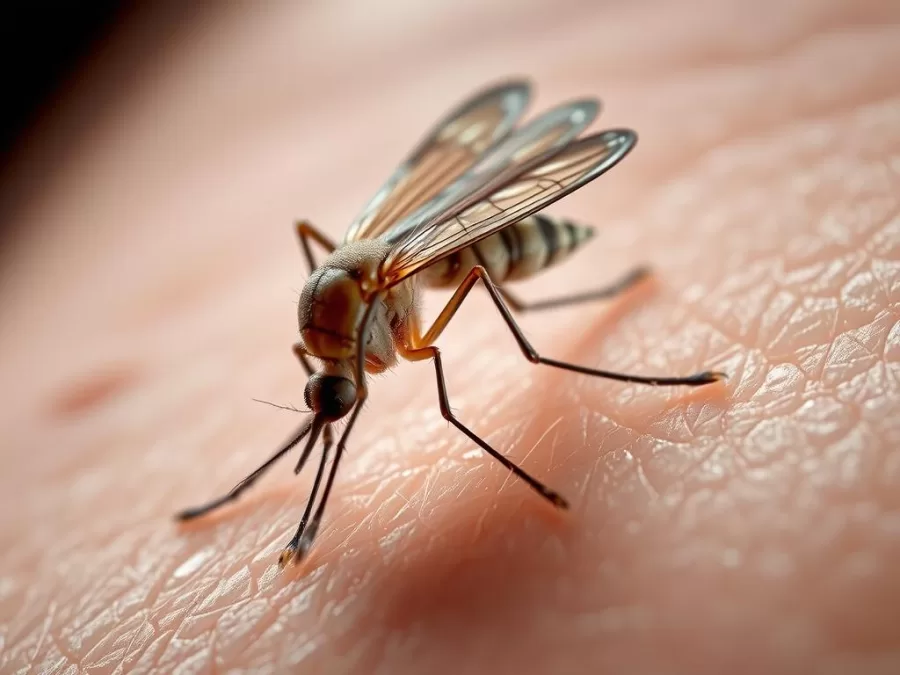
The female Anopheles mosquito is responsible for transmitting deadly diseases like malaria
Despite their tiny size, mosquitoes reign supreme as the deadliest animals in the world. These small insects are responsible for more human deaths than any other creature on Earth. The female mosquito (males don’t bite) requires blood to produce eggs, and in the process of feeding, can transmit deadly diseases including malaria, dengue fever, Zika virus, yellow fever, and West Nile virus.
Malaria alone accounts for over 600,000 deaths annually, with Africa bearing 95% of global malaria cases and 96% of related deaths. These statistics make this seemingly insignificant insect more deadly than sharks, lions, and crocodiles combined.
Safety Tips
- Use EPA-registered insect repellents containing DEET, picaridin, or oil of lemon eucalyptus
- Sleep under insecticide-treated bed nets in high-risk areas
- Wear long-sleeved shirts and pants, especially during dawn and dusk
- Eliminate standing water around your home where mosquitoes breed
- Take appropriate antimalarial medication when traveling to high-risk regions
2. Humans (Homo sapiens) – 475,000 deaths per year

In a sobering reflection on our own species, humans rank as the second deadliest animal on the planet. Homicide accounts for approximately 475,000 deaths annually worldwide. This figure includes deaths from armed conflicts, individual acts of violence, and other forms of human-caused fatalities.
The distribution of human-caused deaths varies significantly by region. According to global data, Latin America experiences higher homicide rates than other parts of the world, with countries like El Salvador seeing homicide account for more than 7% of all deaths.
While humans aren’t alone in killing their own kind (many animal species exhibit intraspecies aggression), the scale and methods of human violence make us uniquely dangerous among Earth’s creatures.
3. Snakes (Serpentes) – 138,000 deaths per year

Snakes claim the third position among the world’s deadliest animals, responsible for approximately 138,000 human deaths annually. While the chance of dying from a snake bite in the United States is nearly zero thanks to rapid access to antivenom and medical care, the story is dramatically different in parts of Asia and Africa.
The most lethal snakes include the black mamba, which can kill a human with just two drops of venom, the inland taipan (considered to have the most toxic venom of any land snake), and various species of cobras, vipers, and kraits. Death from venomous snakebite typically results from respiratory failure, cardiovascular collapse, or uncontrollable bleeding.
Safety Tips
- Wear closed-toe shoes and long pants when walking in snake habitats
- Watch where you step and place your hands, especially in tall grass or rocky areas
- Use a flashlight when walking at night in snake-prone areas
- Learn to identify venomous snakes in your region
- If bitten, keep the affected area below heart level and seek immediate medical attention
4. Dogs (Canis familiaris) – 59,000 deaths per year

Man’s best friend holds the surprising position of fourth deadliest animal in the world. Dogs are responsible for approximately 59,000 human deaths annually, primarily through rabies transmission rather than direct attacks. Rabies, a viral disease that attacks the central nervous system, is nearly 100% fatal once symptoms appear.
The vast majority of rabies deaths occur in Africa and Asia, where dog vaccination programs are less comprehensive and access to post-exposure prophylaxis is limited. According to the World Health Organization, dogs contribute to 99% of all rabies transmissions to humans worldwide.
While fatal dog attacks through mauling do occur, they represent a much smaller percentage of dog-related deaths compared to rabies transmission.
Safety Tips
- Vaccinate pets against rabies
- Avoid approaching unfamiliar dogs, especially in regions with high rabies rates
- Teach children proper behavior around dogs
- Seek immediate medical attention for any dog bite, especially in countries with endemic rabies
- Support local animal control and vaccination programs
5. Assassin Bugs (Triatominae) – 10,000 deaths per year
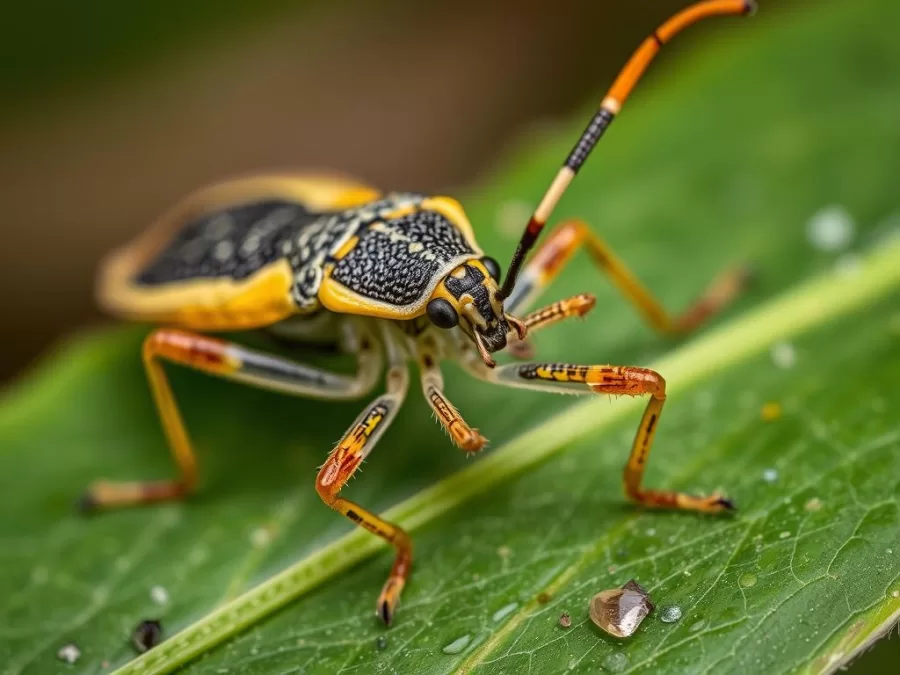
Assassin bugs, also known as kissing bugs, are responsible for approximately 10,000 human deaths annually. These insects don’t kill through their bite directly, but rather through the transmission of the parasite Trypanosoma cruzi, which causes Chagas disease.
Found primarily in Latin America, these nocturnal insects feed on blood and often bite humans around the mouth or eyes while they sleep (hence the name “kissing bugs”). The parasite is transmitted not through the bite itself, but when the bug defecates near the bite wound and the feces are accidentally rubbed into the wound or mucous membranes.
Chagas disease can cause acute symptoms including severe swelling of the heart or brain, but can also become chronic, leading to heart failure and digestive complications decades after the initial infection.
Safety Tips
- Seal cracks and gaps in housing, especially around doors, windows, and roofs
- Use bed nets treated with insecticides in endemic areas
- Keep living areas clean and free of clutter where bugs might hide
- Have pets sleep indoors, preferably in screened areas
- Use insecticides around the home in high-risk areas
6. Tsetse Flies (Glossina) – 10,000 deaths per year
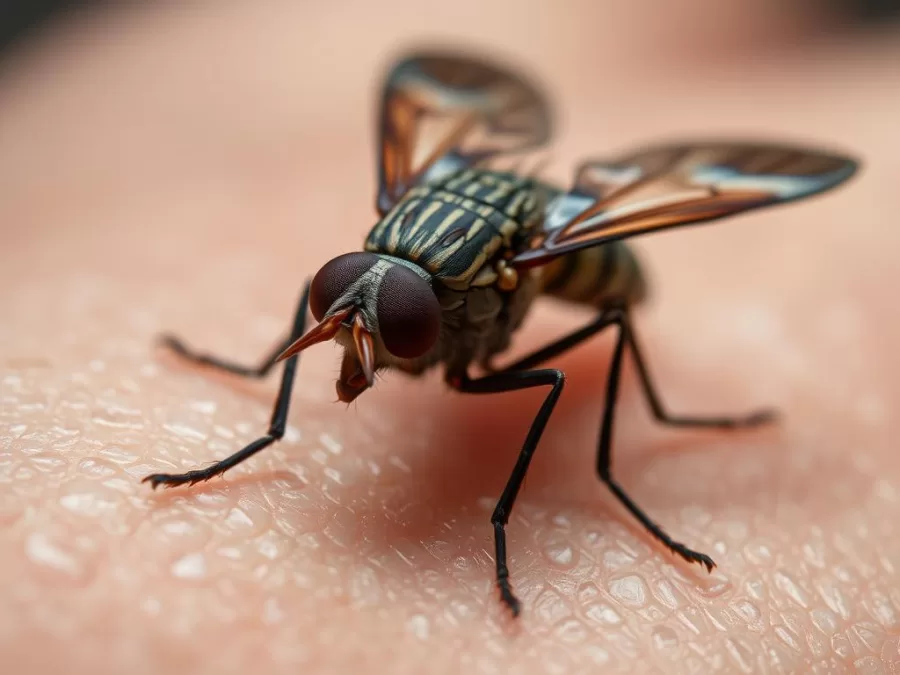
Tsetse flies are responsible for approximately 10,000 human deaths annually through the transmission of parasites that cause African trypanosomiasis, commonly known as sleeping sickness. These flies are found exclusively in sub-Saharan Africa, particularly in rural areas with dense vegetation.
When a tsetse fly bites an infected person or animal and then bites another human, it can transmit the parasite Trypanosoma brucei. The disease progresses in two stages: the first involves fever, headaches, and joint pain, while the second stage occurs when the parasite crosses the blood-brain barrier, causing confusion, poor coordination, and disturbances in the sleep cycle (hence the name “sleeping sickness”).
Without treatment, the disease is invariably fatal, with death occurring after several years of infection. The remoteness of affected areas often means proper treatment is difficult to access.
Safety Tips
- Wear long-sleeved shirts and pants in neutral colors (tsetse flies are attracted to bright and dark colors)
- Apply insect repellent to exposed skin and clothing
- Avoid bushes and thickets in endemic areas, especially during the day when flies are most active
- Travel in closed vehicles when possible
- Check vehicles before entering, as tsetse flies are attracted to vehicle movement and dust
7. Freshwater Snails (Bulinus) – 10,000 deaths per year
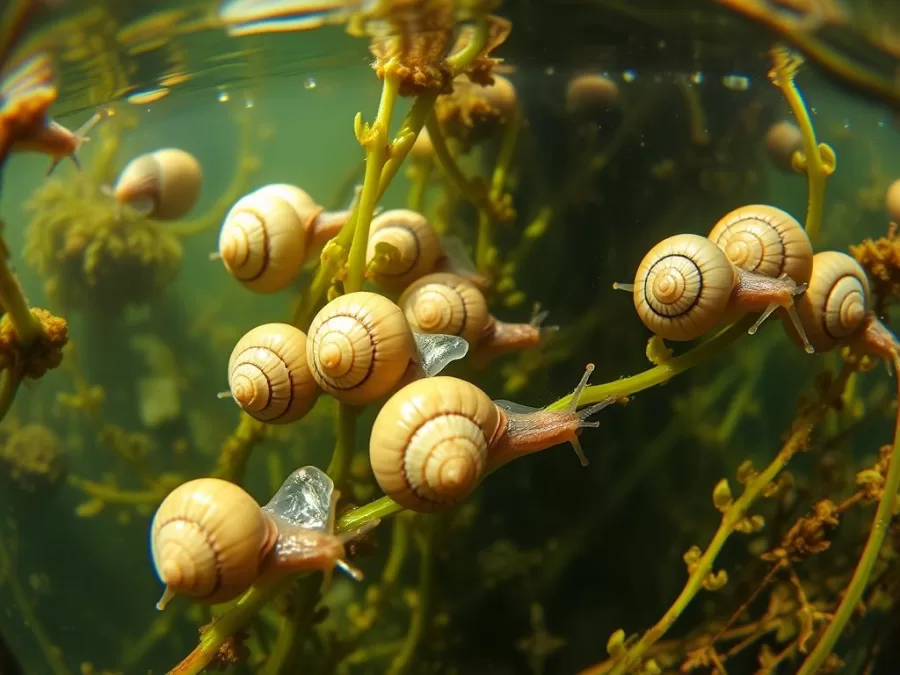
Perhaps the most surprising entry on our list of deadliest animals in the world is the humble freshwater snail, responsible for approximately 10,000 human deaths annually. These aquatic mollusks serve as intermediate hosts for parasitic flatworms that cause schistosomiasis (also known as bilharzia).
The disease transmission cycle begins when infected humans contaminate freshwater sources with their waste. The parasite eggs hatch in water and infect snails, which then release free-swimming microscopic larvae. These larvae can penetrate human skin when people wade, swim, or wash in contaminated water.
Schistosomiasis causes a range of symptoms from rashes and digestive problems to bladder cancer, infertility, and liver damage. The disease is particularly prevalent in tropical and subtropical regions of Africa, South America, the Caribbean, the Middle East, and Asia.
Safety Tips
- Avoid swimming or wading in freshwater in endemic areas
- Drink only filtered, boiled, or bottled water
- Heat bathing water to 122°F (50°C) for at least 5 minutes before use
- Filter water with fine-mesh filters if other options aren’t available
- Dry yourself vigorously with a towel after accidental exposure to potentially contaminated water
8. Scorpions (Scorpiones) – 3,250 deaths per year
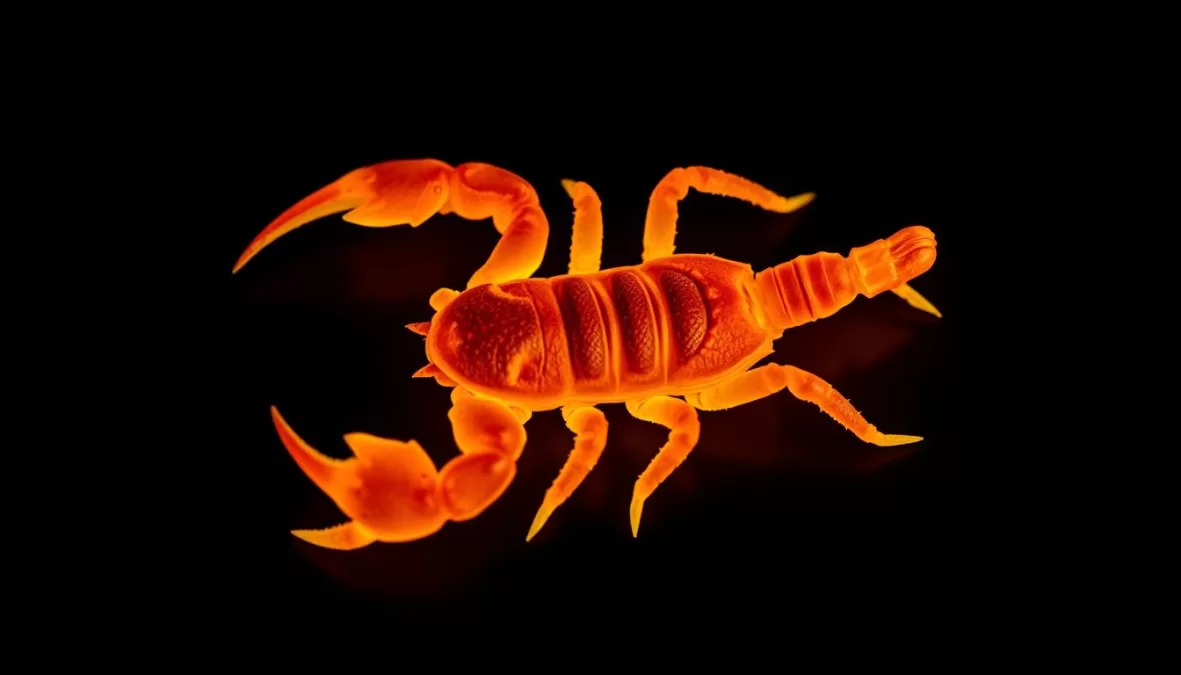
Scorpions claim approximately 3,250 human lives annually, earning them the eighth spot among the deadliest animals in the world. While there are over 2,000 scorpion species, only about 25 possess venom potent enough to be lethal to humans.
The most dangerous scorpions include the deathstalker (found in North Africa and the Middle East) and the Brazilian yellow scorpion. Their venom contains powerful neurotoxins that can cause intense pain, respiratory failure, muscle twitching, and in severe cases, death.
Children, the elderly, and individuals with compromised immune systems are particularly vulnerable to scorpion venom. Most fatalities occur in remote areas where access to antivenom and medical care is limited.
Safety Tips
- Shake out shoes, clothing, and bedding before use in scorpion-prone areas
- Wear thick-soled shoes and gloves when working outdoors
- Keep beds away from walls and ensure bedding doesn’t touch the floor
- Seal cracks and crevices in buildings where scorpions might enter
- Use a UV flashlight at night to spot scorpions (most species fluoresce under UV light)
9. Crocodiles (Crocodylidae) – 1,000 deaths per year
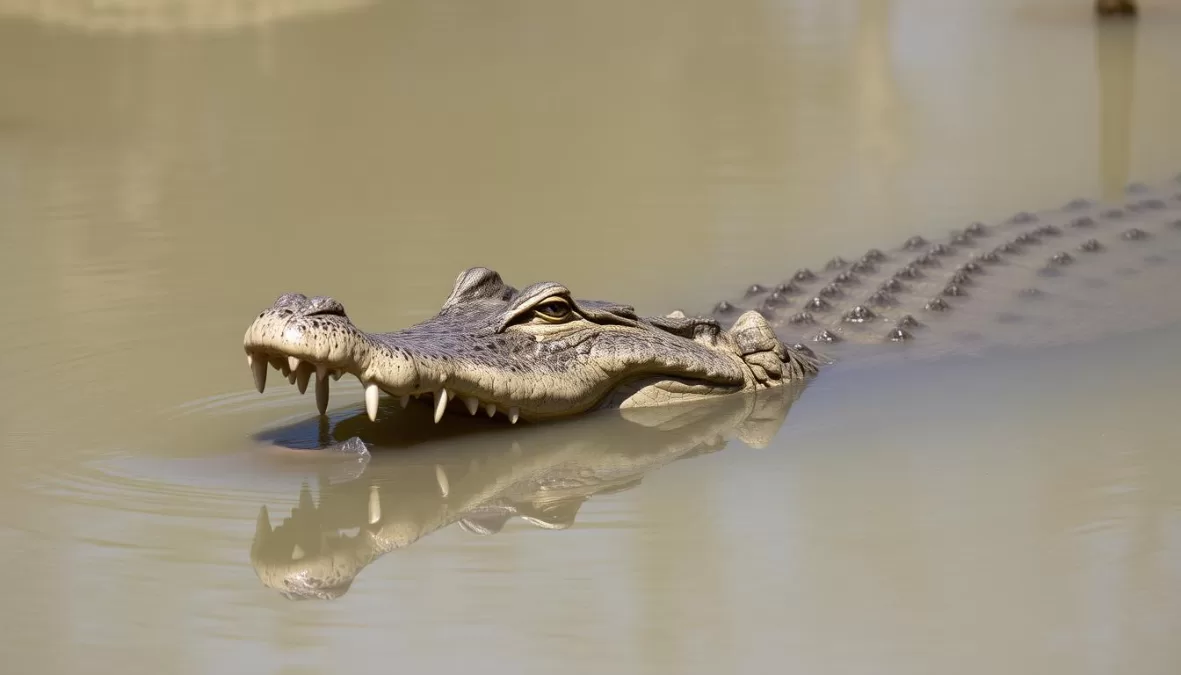
Crocodiles are responsible for approximately 1,000 human deaths annually, making them the ninth deadliest animal in the world. The saltwater crocodile (Crocodylus porosus) and Nile crocodile (Crocodylus niloticus) are particularly dangerous to humans.
Saltwater crocodiles, which can grow up to 20 feet (6 meters) in length, have the strongest bite force of any animal on Earth—up to 3,700 pounds per square inch. Nile crocodiles, with a bite force of up to 5,000 psi, are equally formidable predators. Both species are capable of taking down large prey, including humans.
Crocodiles are ambush predators that attack by lunging from the water and dragging victims underwater to drown them. Their attacks often occur in remote regions with limited media coverage, which is why their deadly impact receives less attention than other, less lethal animals.
Safety Tips
- Stay at least 15 feet (5 meters) away from the water’s edge in crocodile habitat
- Avoid swimming, wading, or cleaning fish in waters known to have crocodiles
- Camp at least 50 meters from the water’s edge and away from animal trails
- Be especially cautious at dawn, dusk, and night when crocodiles are most active
- Never provoke, feed, or approach crocodiles, even small ones
10. Hippopotamuses (Hippopotamus amphibius) – 500 deaths per year
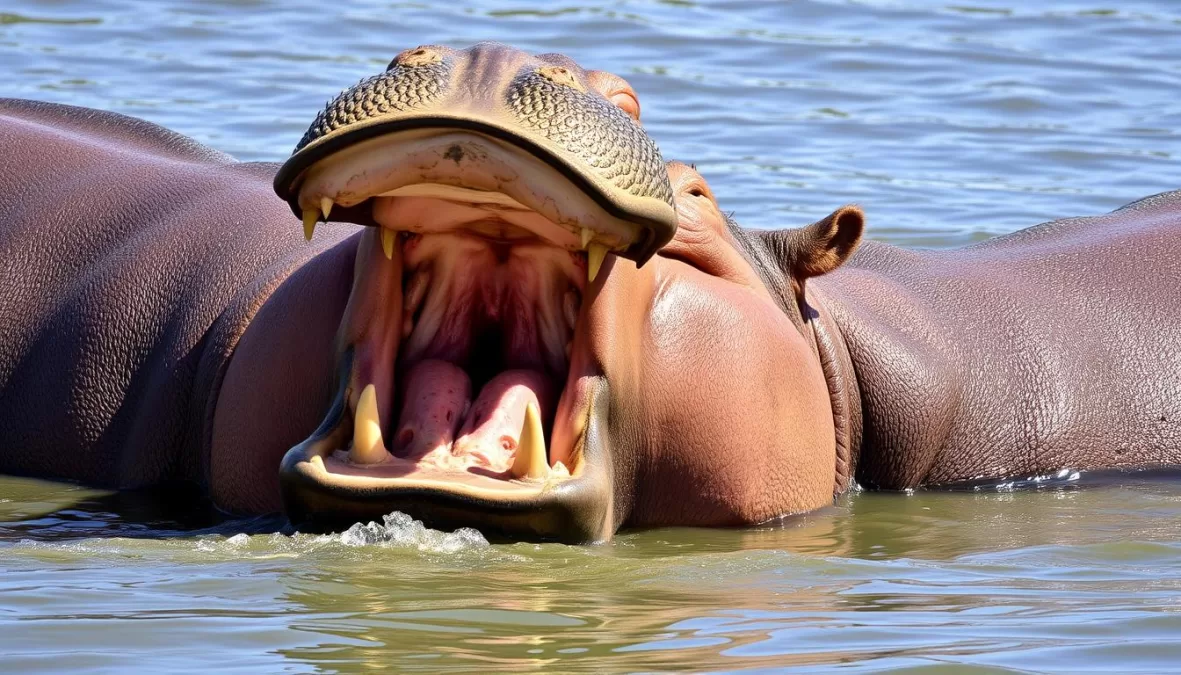
Completing our list of the deadliest animals in the world is the hippopotamus, responsible for approximately 500 human deaths annually. Despite their herbivorous diet and seemingly docile appearance, hippos are extremely territorial and aggressive, particularly when they feel threatened or when protecting their young.
Weighing up to 4,500 pounds (2,000 kg) and capable of running at speeds of up to 30 miles per hour (48 km/h) on land, hippos combine massive size with surprising agility. Their enormous jaws can open to 180 degrees, and their canine teeth can grow up to 20 inches (50 cm) long.
Hippos typically attack by charging and either trampling their victims or inflicting devastating bites. Most attacks occur when humans get between a hippo and the water or between a mother and her calf. In Africa, hippos are widely considered more dangerous than lions or crocodiles.
Safety Tips
- Maintain a safe distance of at least 100 feet (30 meters) from hippos
- Never position yourself between a hippo and water
- Be especially cautious at night when hippos leave the water to graze
- If on water, avoid areas with hippo pods and maintain a quiet presence
- If a hippo charges, seek substantial cover or climb a sturdy tree if possible
Honorable Mentions: Other Deadly Animals
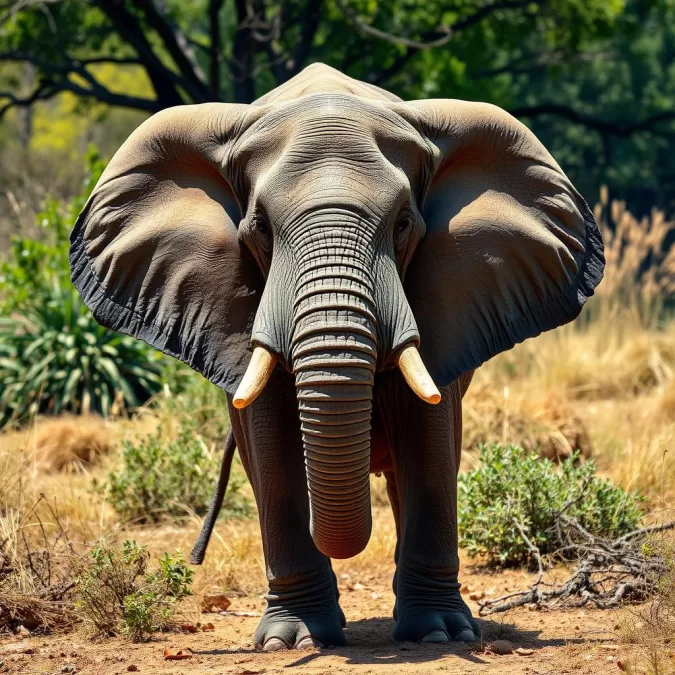
Elephants
Responsible for approximately 500 deaths annually, primarily through trampling when threatened or protecting their young.
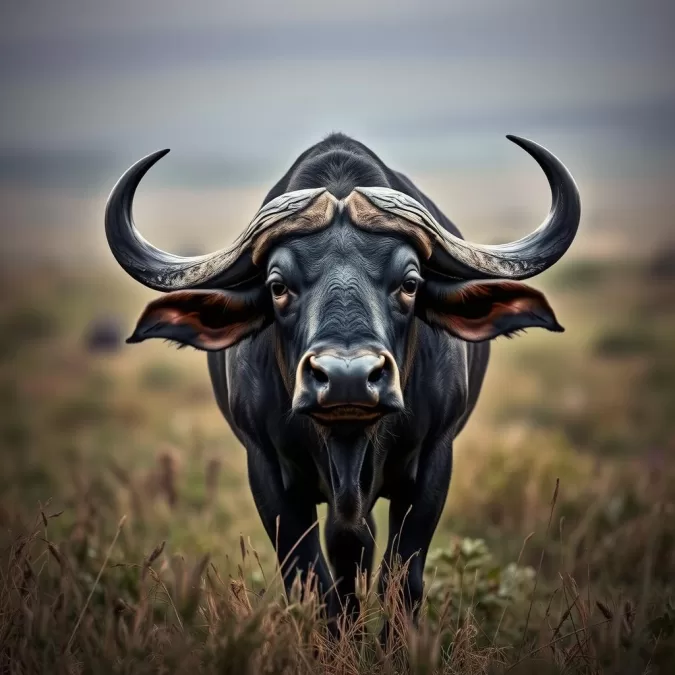
Cape Buffalo
Known as “the black death,” these unpredictable bovines cause approximately 200 deaths per year through charging and goring.
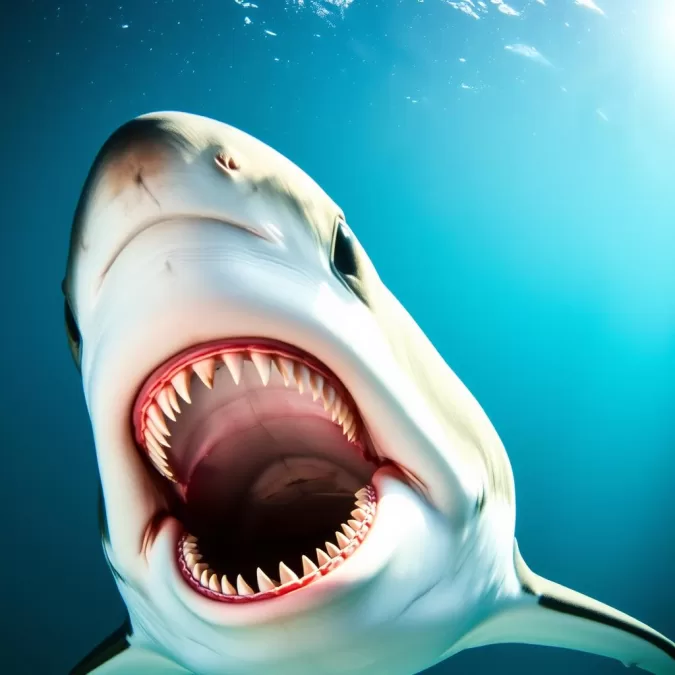
Sharks
Despite their fearsome reputation, sharks cause only about 10 deaths annually worldwide.
Understanding the Deadliest Animals in the World
The ranking of the world’s deadliest animals reveals some surprising truths about which creatures pose the greatest threat to human life. While fearsome predators like sharks and wolves capture our imagination and feature prominently in our nightmares, it’s often the smallest creatures—mosquitoes, flies, and snails—that pose the greatest danger through disease transmission.
This understanding can help us better allocate resources for public health initiatives and take appropriate precautions when traveling or living in regions where these animals are prevalent. By respecting wildlife, following safety guidelines, and supporting global health efforts to combat vector-borne diseases, we can reduce the annual death toll from these deadly encounters.
Share Your Thoughts
Which animal on this list surprised you the most? Did you expect mosquitoes to be the deadliest animal in the world? Share your thoughts in the comments below and let us know if you’ve had any close encounters with any of these dangerous creatures!

Priyanka Pandey
Senior Research Editor · Top10Sense
Priyanka specializes in tech, consumer products, and digital trends. She combines hands-on testing, vendor interviews, and database research to create trustworthy “Top 10” rankings. Her work has been referenced by industry blogs and brand report pages.