Our planet’s biodiversity is a testament to the incredible variety of life that has evolved over billions of years. From dense rainforests teeming with countless species to vibrant coral reefs hosting intricate marine ecosystems, certain countries stand out as extraordinary havens for wildlife. These megadiverse countries not only harbor an astonishing number of plant and animal species but also play crucial roles in maintaining Earth’s ecological balance.
In this exploration of the world’s biodiversity champions, we’ll journey through ten nations that have become nature’s greatest showcases. We’ll discover what makes these regions so exceptionally rich in wildlife, meet their most remarkable endemic species, and learn about conservation efforts protecting these irreplaceable natural treasures.
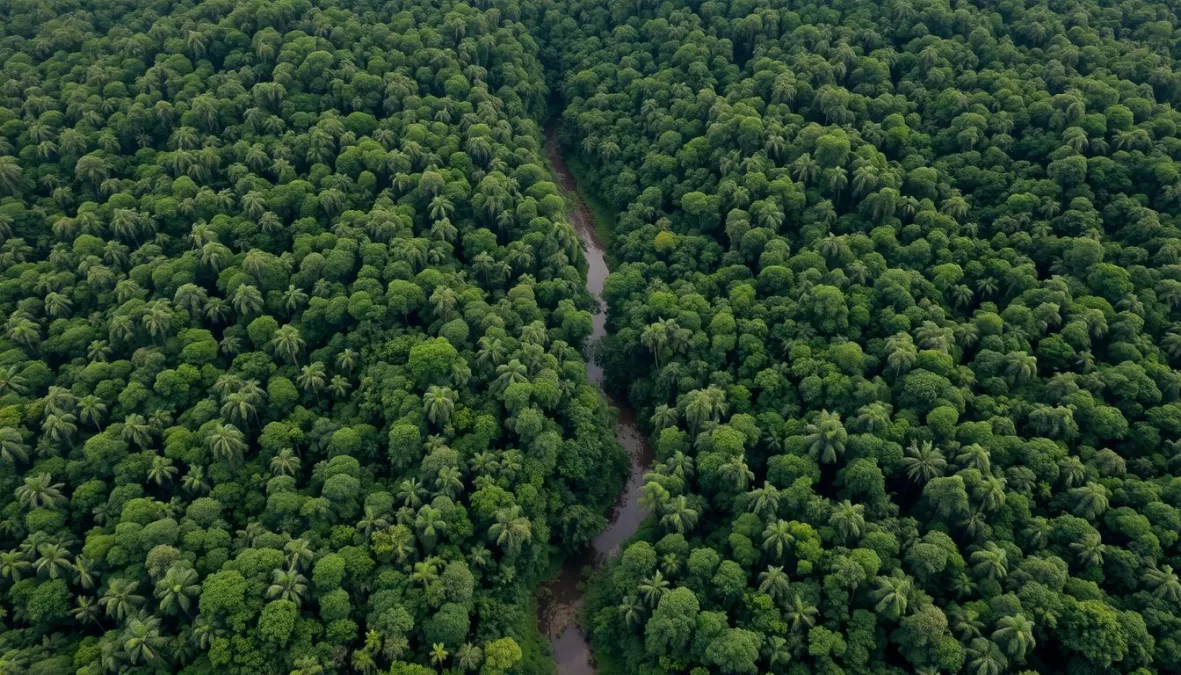
The Amazon rainforest spans multiple South American countries and hosts the highest concentration of plant and animal species on Earth
Understanding Biodiversity Metrics
Before diving into our ranking, it’s important to understand how biodiversity is measured. Scientists evaluate a country’s biodiversity based on several key metrics:
- Species richness – The total number of different species found within a region
- Endemism – The number of species that exist only in that specific area and nowhere else
- Ecosystem diversity – The variety of different habitats and ecological communities
- Genetic diversity – The variation of genes within species populations
- Functional diversity – The range of ecological roles performed by organisms
Our ranking focuses primarily on species richness across major taxonomic groups (mammals, birds, reptiles, amphibians, fish, and plants) while also considering levels of endemism and ecosystem diversity. Let’s explore the world’s biodiversity champions!
1. The Amazon Guardian: Brazil
Brazil stands uncontested as Earth’s biodiversity champion. This South American giant hosts an estimated 20% of the planet’s species, with numbers that overwhelm: over 56,000 described plant species, 1,800 bird species, 700+ mammals, 800+ amphibians, and countless insects. Brazil’s biodiversity supremacy stems from its vast Amazon rainforest, Atlantic Forest, Cerrado savannah, Pantanal wetlands, and diverse marine ecosystems.
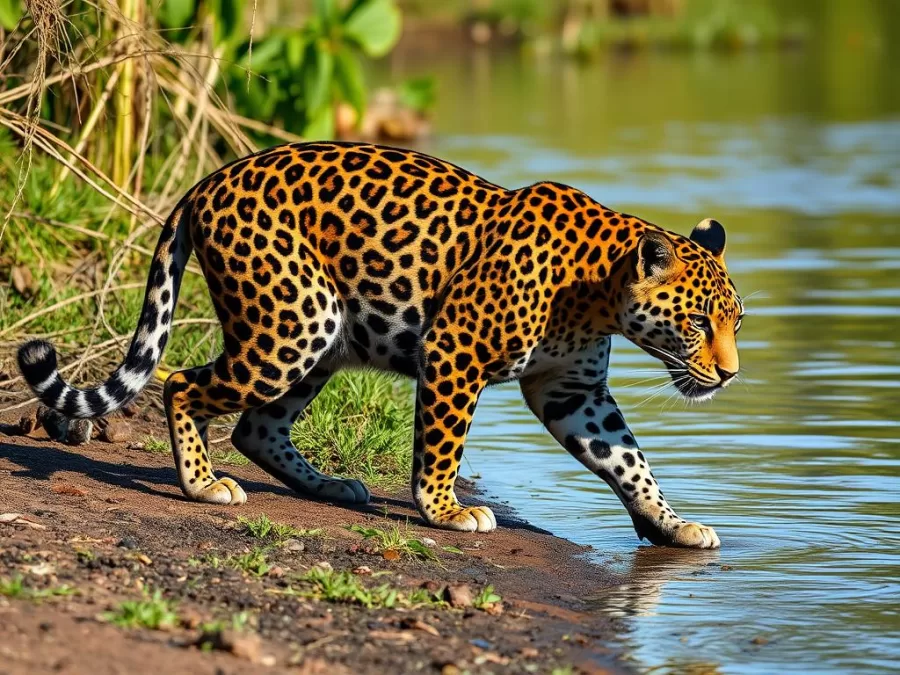
The jaguar, South America’s largest cat, thrives in Brazil’s diverse ecosystems
Standout Species
Jaguar (Panthera onca): The largest cat in the Americas, jaguars roam Brazil’s diverse landscapes from the Amazon to the Pantanal, where the world’s highest density of these magnificent predators can be found.
Golden Lion Tamarin (Leontopithecus rosalia): This small, vibrant orange monkey is endemic to Brazil’s Atlantic Forest and has become an icon of conservation success after nearly going extinct.
Amazon River Dolphin (Inia geoffrensis): Also known as the pink river dolphin, this unique freshwater mammal navigates the complex Amazon river system and holds cultural significance in local folklore.
Endangered Spotlight & Conservation
Brazil faces critical conservation challenges with species like the Brazilian Merganser (one of the world’s most threatened waterfowl), the Lear’s Macaw, and the Brazilian Three-banded Armadillo facing habitat loss and fragmentation.
Conservation initiatives include the Amazon Region Protected Areas Program (ARPA), which aims to protect 60 million hectares of Amazon rainforest, and the Atlantic Forest Restoration Pact working to restore 15 million hectares by 2050.
Ethical Wildlife Tourism Tips
- Visit the Pantanal during dry season (July-October) for optimal wildlife viewing with minimal environmental impact
- Choose eco-lodges certified by sustainable tourism programs like Brazil’s PCTS (Sustainable Tourism Certification Program)
Support Amazon Conservation
Help protect Brazil’s incredible biodiversity through organizations working directly with local communities and conservation projects.
2. Archipelago of Life: Indonesia
Spanning over 17,000 islands, Indonesia’s fragmented geography has created the perfect conditions for speciation and endemism. This Southeast Asian archipelago ranks first globally for mammal diversity with over 670 species and boasts extraordinary marine biodiversity within the Coral Triangle, often called “the Amazon of the seas.”
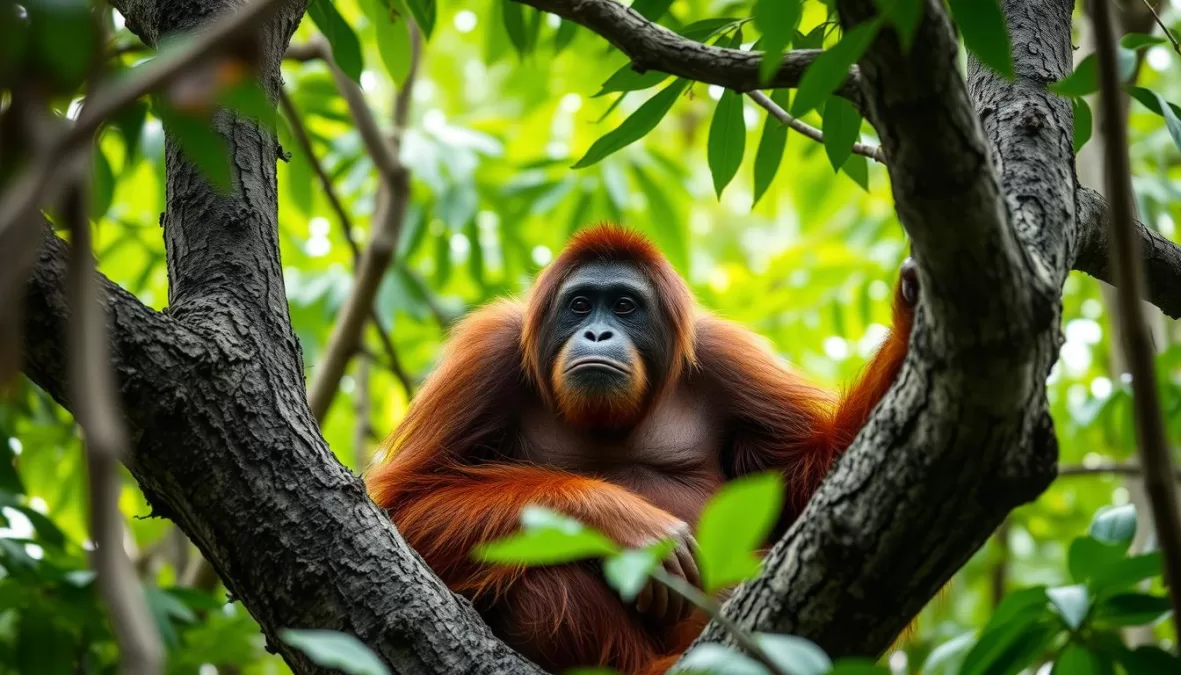
Orangutans are found only on the islands of Borneo and Sumatra in Indonesia
Standout Species
Komodo Dragon (Varanus komodoensis): The world’s largest lizard is found only on a handful of Indonesian islands and can grow up to 10 feet long.
Orangutan (Pongo spp.): These critically endangered great apes share 97% of their DNA with humans and are found only in the rainforests of Borneo and Sumatra.
Bird of Paradise (Paradisaeidae family): Indonesia’s portion of New Guinea hosts many of these spectacularly plumed birds known for their elaborate mating displays.
Endangered Spotlight & Conservation
Indonesia’s biodiversity faces severe threats, with the Sumatran Rhino (fewer than 80 remain), Javan Rhino (about 75 individuals), and Sumatran Tiger (fewer than 400) all critically endangered.
Conservation efforts include the Tropical Forest Conservation Action program, marine protected areas covering 23 million hectares, and the Orangutan Conservation Plan aiming to stabilize all remaining wild populations by 2030.
Ethical Wildlife Tourism Tips
- Visit Komodo National Park with certified guides who follow strict protocols to minimize impact on the dragons and their habitat
- Choose responsible orangutan viewing experiences that maintain appropriate distances and don’t disrupt natural behaviors
3. Biodiversity Crossroads: Colombia
Colombia’s strategic location bridging North and South America, combined with its varied topography from Andean mountains to Amazon rainforest, has created extraordinary biodiversity. Colombia ranks first globally for bird diversity with over 1,900 species—nearly 20% of all bird species on Earth—and ranks second for plants, amphibians, and butterflies.
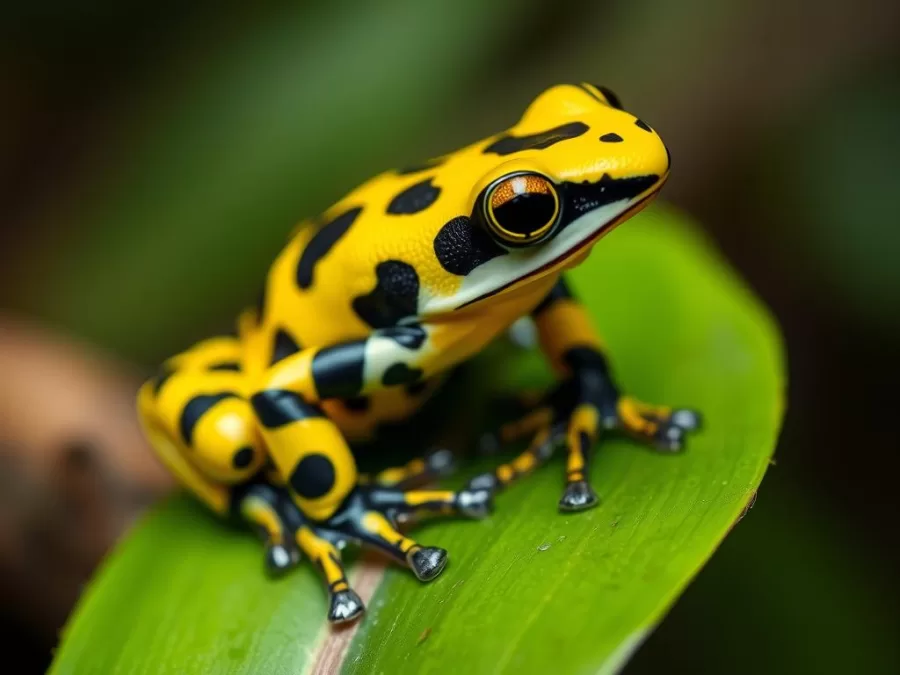
Colombia hosts numerous species of poison dart frogs, many with striking colorations
Standout Species
Spectacled Bear (Tremarctos ornatus): South America’s only bear species roams Colombia’s Andean forests and páramo ecosystems.
Pink River Dolphin (Inia geoffrensis): These intelligent freshwater dolphins navigate Colombia’s Amazon river systems and feature prominently in local mythology.
Andean Condor (Vultur gryphus): With a wingspan reaching 10 feet, this massive bird is a national symbol and plays a crucial ecological role as a scavenger.
Endangered Spotlight & Conservation
Colombia’s threatened species include the Cotton-top Tamarin (critically endangered with fewer than 6,000 individuals), Blue-billed Curassow, and Colombian Weasel.
Conservation initiatives include Colombia’s National System of Protected Areas covering over 31 million hectares, the Colombia Bio program documenting biodiversity, and community-based conservation efforts like ProAves’ network of private reserves.
Ethical Wildlife Tourism Tips
- Visit the Cocora Valley to spot the endangered Yellow-eared Parrot while supporting local conservation efforts
- Explore Los Llanos wetlands with guides from local communities who are invested in sustainable tourism
4. Diverse Landscapes: China
China’s vast territory encompasses nearly every type of terrestrial ecosystem, from the Himalayan plateau to tropical forests in Yunnan. This geographic diversity has fostered extraordinary biodiversity with over 34,000 plant species (more than 10% of the world’s total), 1,300+ bird species, and 500+ mammal species. China’s biodiversity significance is amplified by its high levels of endemism, particularly in southwest regions.
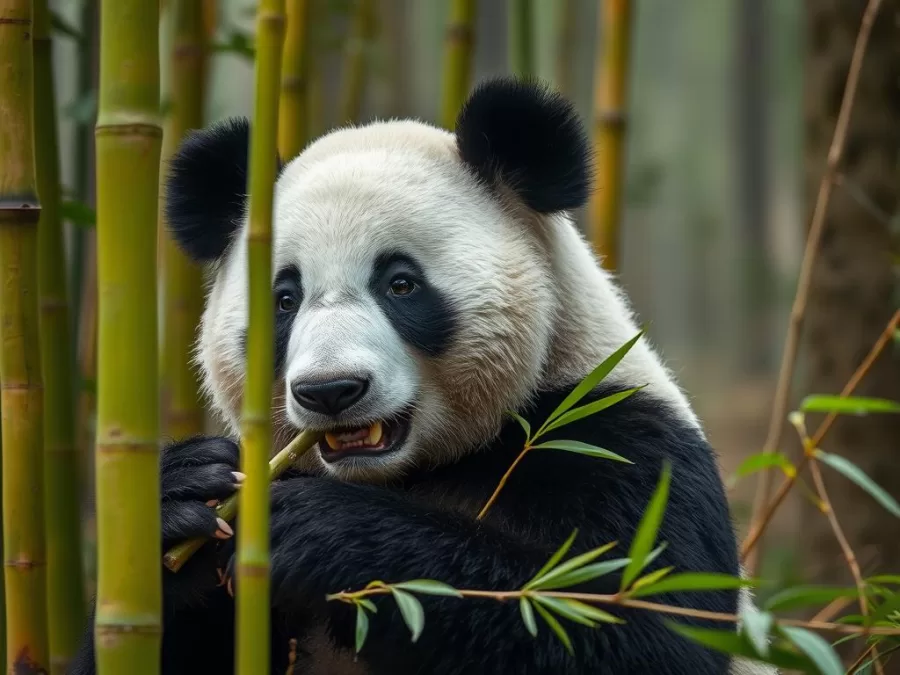
The giant panda is China’s national treasure and a global conservation icon
Standout Species
Giant Panda (Ailuropoda melanoleuca): Perhaps the world’s most recognizable conservation symbol, these bamboo specialists are found only in China’s mountain forests.
Chinese Alligator (Alligator sinensis): One of only two alligator species worldwide, this critically endangered reptile is endemic to eastern China.
Golden Snub-nosed Monkey (Rhinopithecus roxellana): These distinctive primates have adapted to live in cold mountain forests at elevations up to 4,500 meters.
Endangered Spotlight & Conservation
China’s conservation priorities include the Yangtze Finless Porpoise (critically endangered with around 1,000 individuals), South China Tiger (possibly extinct in the wild), and Chinese Giant Salamander (the world’s largest amphibian).
Conservation efforts include China’s National Biodiversity Conservation Strategy and Action Plan, the Natural Forest Conservation Program, and the Giant Panda National Park covering 27,000 square kilometers across three provinces.
Ethical Wildlife Tourism Tips
- Visit the Chengdu Research Base of Giant Panda Breeding to learn about conservation while observing pandas in a responsible setting
- Explore Yunnan’s biodiversity hotspots with certified eco-tourism operators who support local conservation initiatives
5. Biological Bridge: Mexico
Mexico’s position as a transition zone between North and South America has created extraordinary biodiversity. With ecosystems ranging from deserts to tropical rainforests, Mexico hosts 12% of the world’s biodiversity in just 1.5% of Earth’s land area. The country ranks first globally for reptile diversity with over 800 species and boasts exceptional plant diversity with 26,000+ species, nearly half of which are endemic.
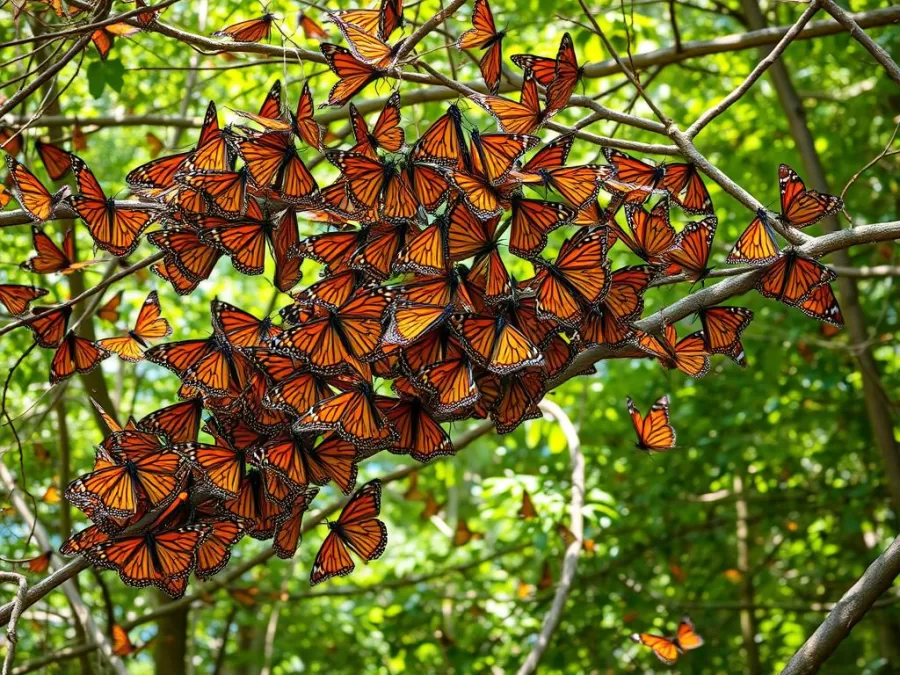
Millions of monarch butterflies migrate to Mexico’s forests each winter
Standout Species
Monarch Butterfly (Danaus plexippus): Millions of these iconic insects migrate thousands of miles to overwinter in Mexico’s oyamel fir forests.
Axolotl (Ambystoma mexicanum): This remarkable salamander that retains its juvenile features throughout life is endemic to Mexico City’s lake complex.
Mexican Gray Wolf (Canis lupus baileyi): The rarest and most genetically distinct subspecies of gray wolf is native to Mexico and the southwestern United States.
Endangered Spotlight & Conservation
Mexico’s conservation challenges include the Vaquita Porpoise (the world’s most endangered marine mammal with fewer than 10 individuals), Mexican Prairie Dog, and Hawksbill Sea Turtle.
Conservation initiatives include Mexico’s System of Natural Protected Areas covering over 90 million hectares, the Mesoamerican Biological Corridor project, and community-based conservation models like those in Oaxaca’s community-managed forests.
Ethical Wildlife Tourism Tips
- Visit the Monarch Butterfly Biosphere Reserve between November and March with certified guides who enforce visitor regulations
- Explore the Sian Ka’an Biosphere Reserve with operators who follow strict wildlife viewing protocols
6. Coral Kingdom: Australia
Australia’s isolation as an island continent has created a living laboratory for evolution, resulting in extraordinary levels of endemism—over 80% of its mammals, reptiles, and flowering plants are found nowhere else. From the Great Barrier Reef (the world’s largest coral reef system) to the ancient Daintree Rainforest and vast outback, Australia’s diverse ecosystems support unique wildlife adapted to its varied landscapes.
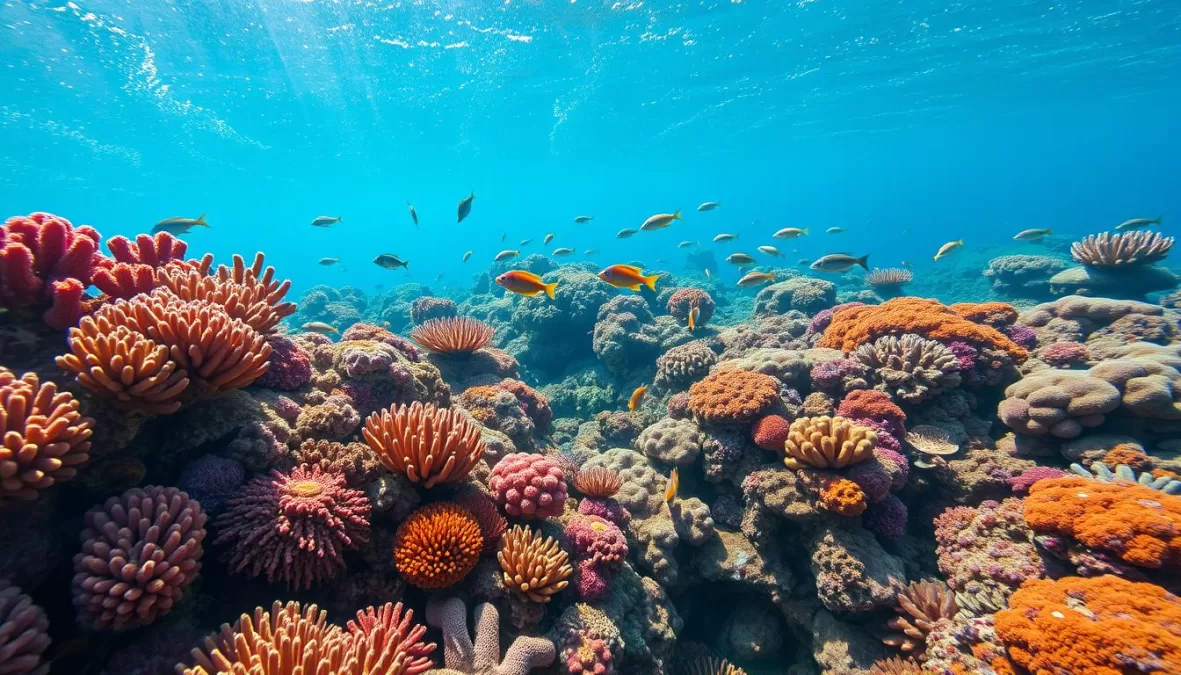
Australia’s Great Barrier Reef hosts over 1,500 fish species and 400 types of coral
Standout Species
Platypus (Ornithorhynchus anatinus): This egg-laying mammal with a duck-like bill, beaver-like tail, and venomous spurs represents one of evolution’s most unusual creations.
Koala (Phascolarctos cinereus): These iconic marsupials have specialized adaptations to survive on a diet of eucalyptus leaves that would be toxic to most other mammals.
Saltwater Crocodile (Crocodylus porosus): The world’s largest reptile can be found in Australia’s northern coastal areas and river systems.
Endangered Spotlight & Conservation
Australia faces urgent conservation challenges with the Northern Hairy-nosed Wombat (fewer than 300 remain), Regent Honeyeater, and Western Swamp Tortoise (Australia’s rarest reptile).
Conservation efforts include Australia’s National Reserve System covering over 19% of the country, the Threatened Species Strategy, and innovative approaches like the Great Barrier Reef Marine Park’s zoning system that balances protection with sustainable use.
Ethical Wildlife Tourism Tips
- Choose Great Barrier Reef tour operators certified by Ecotourism Australia’s ECO Certification program
- Visit wildlife sanctuaries that focus on conservation and education rather than handling wildlife
7. Andean Amazon Mosaic: Peru
Peru’s extraordinary biodiversity stems from its dramatic ecological gradients, from the Pacific coast through the Andes Mountains and into the Amazon Basin. This topographical diversity creates numerous microhabitats and ecological niches, supporting over 20,000 plant species, 1,800+ bird species (second only to Colombia), and 500+ mammals. Peru’s portion of the Amazon is considered one of the most biodiverse regions on Earth.

The Andean cock-of-the-rock, Peru’s national bird, is known for its elaborate mating displays
Standout Species
Andean Cock-of-the-rock (Rupicola peruvianus): Peru’s national bird is known for its vibrant plumage and elaborate courtship displays in cloud forest leks.
Spectacled Bear (Tremarctos ornatus): The only bear species in South America roams Peru’s Andean forests and inspired the character Paddington Bear.
Giant Otter (Pteronura brasiliensis): The world’s largest otter species can be found in Peru’s Amazonian waterways, where family groups communicate with complex vocalizations.
Endangered Spotlight & Conservation
Peru’s threatened wildlife includes the Yellow-tailed Woolly Monkey (endemic to Peru’s northern cloud forests), Titicaca Water Frog (the world’s largest fully aquatic frog), and Andean Cat (one of the world’s rarest felines).
Conservation initiatives include Peru’s National System of Protected Areas covering over 22 million hectares, the Alto Mayo Protected Forest carbon project, and community-based conservation efforts in the Tambopata region.
Ethical Wildlife Tourism Tips
- Visit Manu National Park with operators who follow strict guidelines for wildlife viewing and support local communities
- Choose Amazon lodges that employ local guides and invest in conservation projects
8. Subcontinent of Life: India
India’s position at the intersection of three biogeographic realms—Indomalayan, Eurasian, and Ethiopian—has created extraordinary biodiversity across its varied landscapes. From the Himalayan mountains to Western Ghats rainforests and Sundarbans mangroves, India hosts over 45,000 plant species, 1,300+ bird species, and iconic megafauna including tigers, elephants, and rhinos.
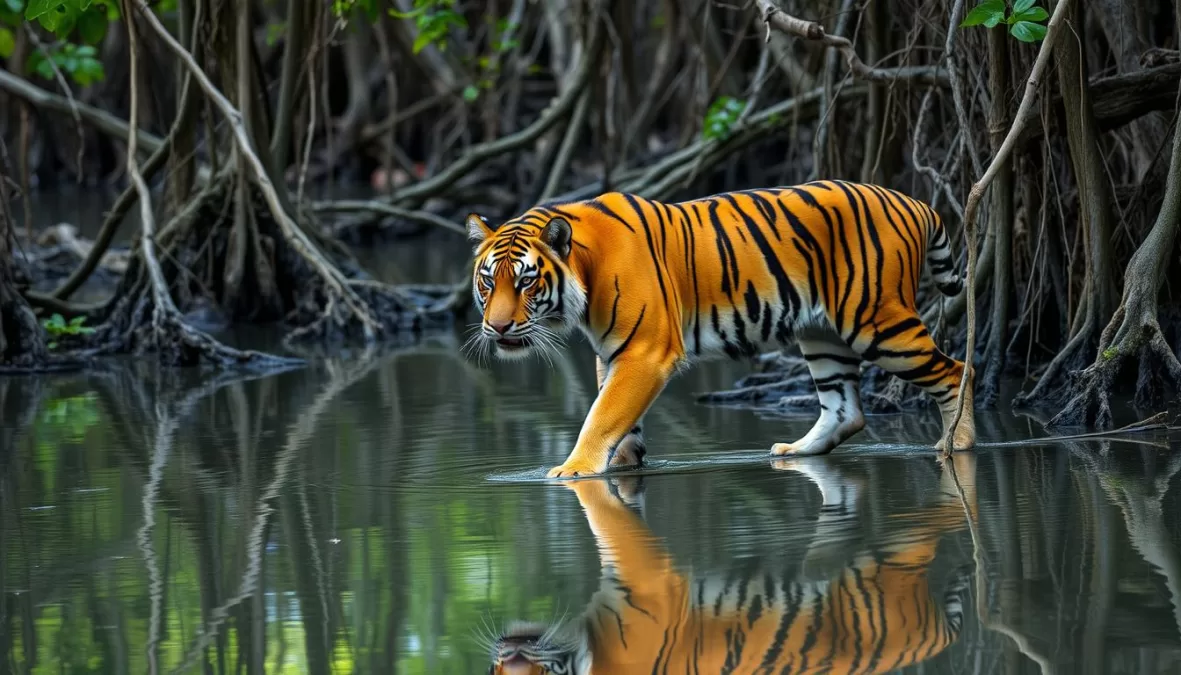
The Bengal tiger is India’s national animal and a symbol of conservation efforts
Standout Species
Bengal Tiger (Panthera tigris tigris): India is home to over 70% of the world’s wild tigers, with the largest population found in its central and eastern forests.
Greater One-horned Rhinoceros (Rhinoceros unicornis): Once widespread across the Indian subcontinent, these massive herbivores are now primarily found in Kaziranga National Park.
Lion-tailed Macaque (Macaca silenus): This distinctive primate with a lion-like mane is endemic to the Western Ghats’ rainforests and is among the world’s rarest monkeys.
Endangered Spotlight & Conservation
India’s conservation priorities include the Gharial (a critically endangered crocodilian with fewer than 235 breeding adults), Great Indian Bustard (fewer than 150 remain), and Ganges River Dolphin (India’s national aquatic animal).
Conservation efforts include India’s Protected Area Network covering about 5% of the country, Project Tiger (which has helped tiger numbers recover from 1,411 in 2006 to 2,967 in 2018), and community conservation reserves that involve local stakeholders.
Ethical Wildlife Tourism Tips
- Visit tiger reserves that follow strict vehicle limits and maintain appropriate distances from wildlife
- Support community-based ecotourism initiatives in the Western Ghats that provide alternatives to forest exploitation
9. Compact Diversity: Ecuador
Despite its small size (about the area of Colorado), Ecuador packs extraordinary biodiversity into four distinct regions: the Amazon Basin, Andean highlands, Pacific coastal plains, and the Galápagos Islands. This compact country hosts over 16,000 plant species, 1,600+ bird species (the highest bird diversity per area worldwide), and remarkable endemism, particularly in the Galápagos where evolution’s laboratory continues to operate.
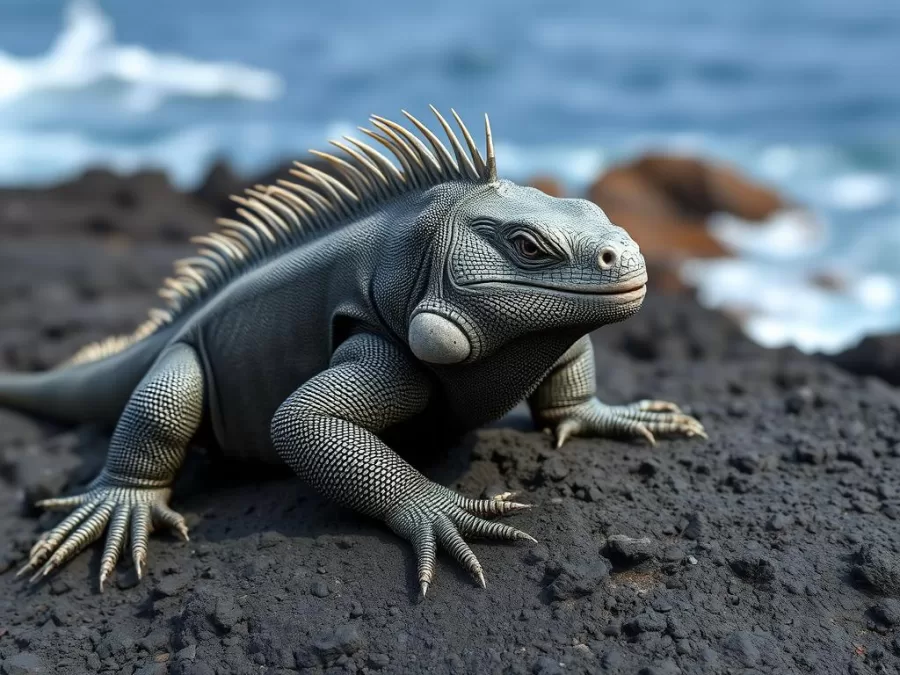
Marine iguanas are the world’s only sea-going lizards and are endemic to the Galápagos
Standout Species
Marine Iguana (Amblyrhynchus cristatus): The world’s only marine lizard is endemic to the Galápagos Islands and can dive up to 30 feet deep to graze on algae.
Andean Condor (Vultur gryphus): With a wingspan of up to 10 feet, this massive vulture is Ecuador’s national bird and a symbol of the Andes.
Giant Otter (Pteronura brasiliensis): These highly social, vocal mammals can reach up to 6 feet long and hunt in family groups in Ecuador’s Amazon waterways.
Endangered Spotlight & Conservation
Ecuador’s threatened wildlife includes the Galápagos Penguin (the only penguin species that lives at the equator), Black-breasted Puffleg (a critically endangered hummingbird endemic to the slopes of the Pichincha volcano), and Ecuadorian White-fronted Capuchin (a critically endangered monkey).
Conservation initiatives include Ecuador’s National System of Protected Areas covering about 20% of the country, the Socio Bosque Program that incentivizes forest conservation, and strict regulations in the Galápagos Marine Reserve.
Ethical Wildlife Tourism Tips
- Visit the Galápagos with certified naturalist guides who enforce strict wildlife viewing protocols
- Explore cloud forest reserves like Mindo that support bird conservation while providing sustainable livelihoods
10. Continental Diversity: United States
The United States’ vast territory encompasses nearly every type of ecosystem, from Arctic tundra to tropical forests and from deserts to temperate rainforests. This geographic diversity supports over 18,000 plant species, 800+ bird species, and 400+ mammals. The country’s biodiversity hotspots include Hawaii (with extraordinary endemism), the California Floristic Province, and the Appalachian Mountains.
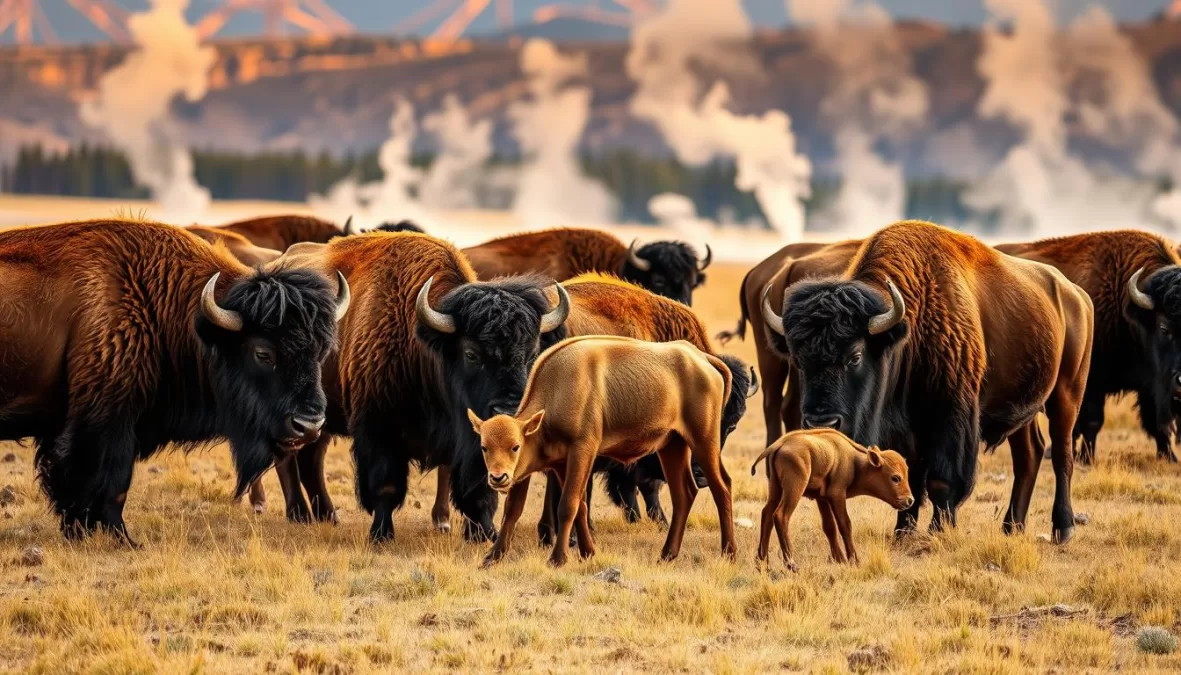
American bison once numbered in the tens of millions across North America
Standout Species
American Bison (Bison bison): Once numbering in the tens of millions, these massive grazers were brought back from the brink of extinction and now symbolize wildlife conservation in North America.
Grizzly Bear (Ursus arctos horribilis): These powerful omnivores are a keystone species in western ecosystems, particularly in the Greater Yellowstone Ecosystem.
Hawaiian Honeycreepers (Drepanidinae): These birds represent one of the most spectacular examples of adaptive radiation, evolving from a single ancestor into numerous species with specialized bills.
Endangered Spotlight & Conservation
The United States faces conservation challenges with the Florida Panther (fewer than 230 remain), ‘Akikiki (Kaua’i Creeper) (a critically endangered Hawaiian honeycreeper with fewer than 50 individuals), and Red Wolf (one of the world’s most endangered canids).
Conservation efforts include the National Wildlife Refuge System (the world’s largest network of lands set aside for wildlife), the Endangered Species Act which has prevented the extinction of 99% of listed species, and innovative public-private partnerships like the America the Beautiful initiative.
Ethical Wildlife Tourism Tips
- Visit national parks during shoulder seasons to reduce impact and increase wildlife viewing opportunities
- Support wildlife viewing tours that maintain appropriate distances and prioritize animal welfare over photo opportunities
Key Threats to Global Biodiversity
Despite their extraordinary natural wealth, all ten countries face significant challenges in preserving their biodiversity. The primary threats include:
Habitat Loss
Deforestation, agricultural expansion, and urbanization continue to fragment and destroy critical habitats. The Amazon rainforest alone loses thousands of square kilometers annually to clearing for cattle ranching and soy production.
Climate Change
Rising temperatures, changing precipitation patterns, and extreme weather events are disrupting ecosystems worldwide. Coral reefs are particularly vulnerable, with mass bleaching events becoming more frequent and severe.
Overexploitation
Unsustainable hunting, fishing, and wildlife trafficking threaten countless species. The illegal wildlife trade is estimated to be worth up to $23 billion annually, driving many species toward extinction.
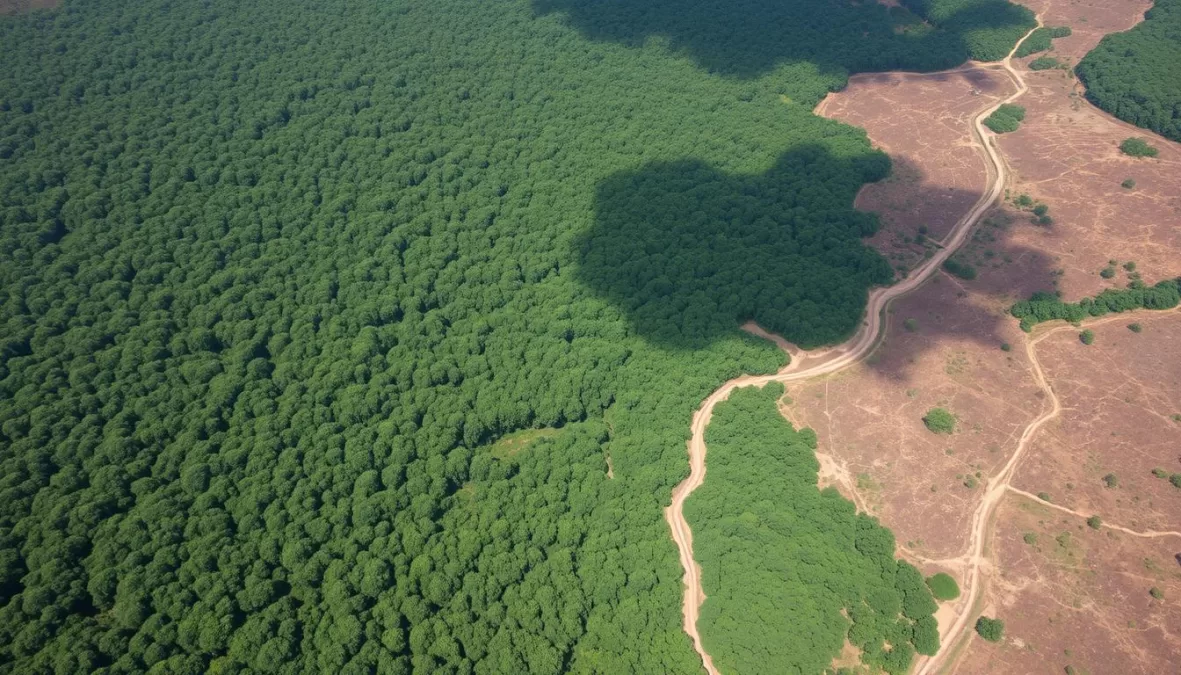
Deforestation remains one of the greatest threats to biodiversity in tropical regions
Support Global Conservation
Your actions can help protect the world’s most biodiverse regions. Learn how to support conservation efforts through sustainable choices and direct contributions.
Frequently Asked Questions
What defines a biodiversity hotspot?
A biodiversity hotspot is a biogeographic region characterized by exceptional levels of plant endemism (at least 1,500 endemic plant species) and significant habitat loss (at least 70% of original vegetation lost). Currently, 36 regions worldwide qualify as biodiversity hotspots, covering just 2.4% of Earth’s land surface but containing over 50% of the world’s endemic plant species.
How does climate change threaten these ecosystems?
Climate change impacts biodiversity through multiple mechanisms: shifting temperature and precipitation patterns disrupt seasonal cycles and species interactions; rising sea levels threaten coastal habitats; ocean acidification damages coral reefs and marine food webs; and increased frequency of extreme weather events like droughts, floods, and wildfires directly destroy habitats and wildlife. Many species cannot adapt or migrate quickly enough to keep pace with these rapid changes, particularly in fragmented landscapes where natural corridors have been lost.
What are best practices for eco-conscious travel?
Responsible wildlife tourism starts with choosing certified eco-friendly operators who follow strict wildlife viewing protocols. Maintain appropriate distances from animals, never feed wildlife, and follow all park regulations. Support accommodations that invest in local conservation and communities. Minimize your carbon footprint by offsetting travel emissions and reducing plastic waste. Finally, educate yourself about the places you visit and share conservation messages with others upon your return.
Preserving Earth’s Biodiversity Heritage
The ten countries we’ve explored represent Earth’s greatest biodiversity treasures, hosting an astonishing variety of life forms that have evolved over millions of years. From Brazil’s vast Amazon to Australia’s unique island evolution, these megadiverse nations bear both the privilege and responsibility of safeguarding irreplaceable ecological wealth.
As we face unprecedented global challenges from climate change, habitat loss, and species extinction, the conservation of these biodiversity hotspots becomes increasingly urgent. By understanding what makes these regions so exceptional and the threats they face, we can all contribute to their protection through informed choices, sustainable tourism, and support for conservation initiatives.
Download Our Free Guide
Get our comprehensive guide to ethical wildlife tourism in the world’s most biodiverse countries. Learn how to experience incredible wildlife while supporting conservation.

Priyanka Pandey
Senior Research Editor · Top10Sense
Priyanka specializes in tech, consumer products, and digital trends. She combines hands-on testing, vendor interviews, and database research to create trustworthy “Top 10” rankings. Her work has been referenced by industry blogs and brand report pages.