Messaging apps have transformed from simple text platforms into powerful communication ecosystems that shape how billions of people connect, work, and transact daily. In 2026, the messaging landscape continues its rapid evolution, driven by artificial intelligence integration, enhanced privacy features, and super-app functionality that extends far beyond basic chat.
Today’s leading messaging platforms serve over 7 billion active users worldwide, processing trillions of messages annually. These apps have become essential infrastructure for personal relationships, business communications, and even government services in many countries.
This comprehensive guide examines the top 10 chat apps dominating the world in 2026, analyzing their unique strengths, technological innovations, and strategic positioning. Whether you prioritize end-to-end encryption, AI-powered features, or seamless cross-platform functionality, understanding these platforms will help you navigate the future of digital communication.
The Evolution of Messaging Apps: What Defines Success in 2026
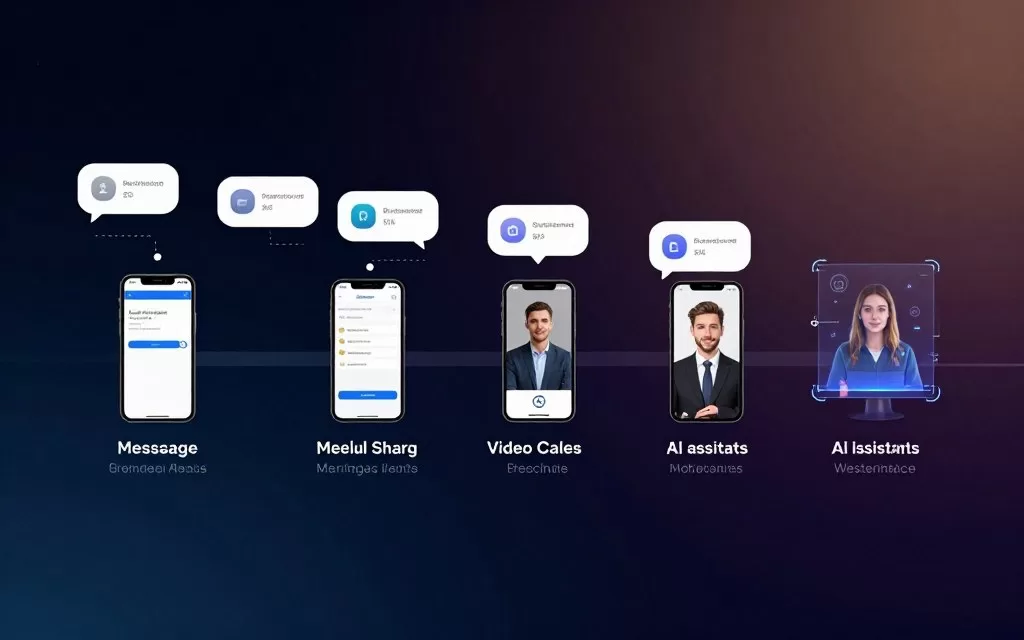
The messaging app landscape of 2026 looks dramatically different from just five years ago. Several key factors now determine which platforms thrive and which fade into obscurity.
AI Integration and Personalization
Artificial intelligence has become the cornerstone of modern messaging experiences. Leading apps now deploy generative AI for real-time translation, smart reply suggestions, content summarization, and even voice cloning for accessibility. These features don’t just enhance convenience—they fundamentally change how people communicate across language barriers and time zones.
The most successful messaging platforms have embedded AI assistants directly into chat interfaces. Users can now draft messages, search conversation history semantically, and receive contextual recommendations without leaving their messaging app.
Privacy as a Competitive Advantage
End-to-end encryption has evolved from a niche feature to a baseline expectation. In 2026, users demand not just encrypted messages but also metadata protection, disappearing messages, and transparent data policies. Apps that fail to prioritize privacy face significant user exodus, particularly in privacy-conscious markets.
The rise of quantum computing threats has pushed leading platforms to implement post-quantum cryptography, future-proofing their security infrastructure against emerging technological risks.
Super-App Functionality
The line between messaging app and digital platform has virtually disappeared. Today’s dominant apps offer integrated payment systems, business directories, mini-programs, content streaming, and even financial services. This super-app model, pioneered in Asian markets, has now expanded globally as users expect comprehensive functionality from their primary communication platform.
Interoperability and Cross-Platform Support
Regulatory pressure and user demand have forced major messaging platforms toward greater interoperability. The ability to message across different services, while maintaining security and feature parity, has become a critical differentiator. Apps that seamlessly sync across smartphones, tablets, desktops, and emerging wearable devices command user loyalty.
How We Ranked the Top 10 Chat Apps in the World 2026
Our ranking methodology considers multiple factors: monthly active users, feature innovation, privacy standards, platform availability, business ecosystem integration, AI capabilities, and market growth trajectory. We’ve analyzed both quantitative data and qualitative user experience factors to create this comprehensive list.
Each app featured below represents a distinct approach to messaging, serving different user needs and regional preferences. While some prioritize privacy above all else, others focus on feature richness or business integration. Understanding these distinctions helps you identify which platform best matches your communication priorities.
The Top 10 Chat Apps Dominating 2026
1. WhatsApp – The Global Messaging Giant
Parent Company: Meta Platforms
Monthly Active Users: 3+ billion
WhatsApp maintains its position as the world’s most widely used messaging app in 2026, continuing its dominance across Europe, Latin America, India, and emerging markets. The platform’s strength lies in its universal appeal—simple enough for any demographic yet powerful enough for business communications.
In 2026, WhatsApp has significantly enhanced its AI capabilities, introducing smart reply suggestions in over 100 languages and real-time voice translation for calls. The app’s end-to-end encryption remains active by default for all messages, calls, and media sharing, addressing privacy concerns while maintaining ease of use.
The platform’s business features have expanded dramatically, with WhatsApp Business now supporting advanced customer service automation, integrated payment processing in 50+ countries, and seamless catalog management for small enterprises. These commercial tools have transformed WhatsApp from a personal messaging app into a critical business infrastructure, particularly in developing economies.
WhatsApp’s 2026 innovations include enhanced group video calls supporting up to 32 participants with AI-powered background replacement, cross-platform message synchronization that works flawlessly across devices, and improved media compression that maintains quality while reducing data consumption.
2. WeChat – The Ultimate Super-App
Parent Company: Tencent
Monthly Active Users: 1.4 billion
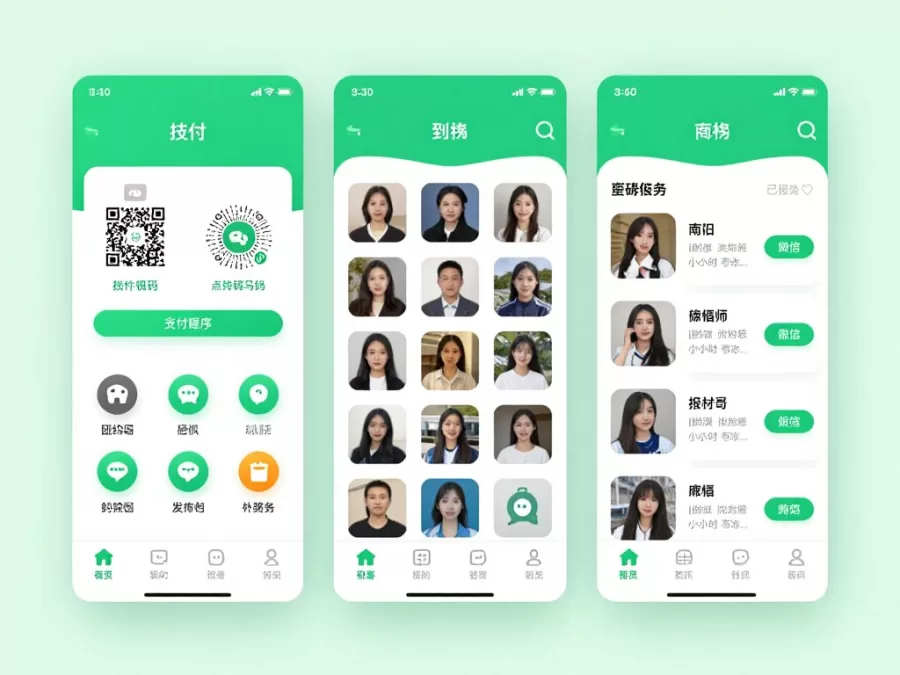
WeChat represents the pinnacle of super-app evolution, offering functionality that extends far beyond traditional messaging. In 2026, the platform serves as China’s primary digital ecosystem, integrating social media, mobile payments, government services, healthcare appointments, transportation booking, and e-commerce into a single unified experience.
The app’s mini-programs ecosystem hosts over 4 million lightweight applications, allowing users to access services without downloading separate apps. From ordering food delivery to filing taxes, WeChat enables nearly every digital interaction through its platform.
WeChat Pay processes billions of transactions daily, making it more than a messaging service—it’s the financial backbone of Chinese digital life. The platform’s AI-powered features include sophisticated content recommendations, automated customer service for businesses, and advanced facial recognition for payment authentication.
While primarily dominant in Chinese markets, WeChat maintains significant user bases across Southeast Asia and among Chinese diaspora communities worldwide. Its 2026 updates focus on enhanced international features, including improved translation services and expanded global payment partnerships.
3. Telegram – Privacy Meets Power
Parent Company: Telegram Messenger Inc.
Monthly Active Users: 1+ billion
Telegram has carved out a unique position by combining robust privacy features with powerful group communication tools. In 2026, the platform continues attracting users who seek alternatives to mainstream messaging apps, particularly those concerned about data privacy and corporate control.
The app’s signature features include channels that support unlimited subscribers, making it the platform of choice for content creators, news organizations, and community builders. Telegram’s group chats accommodate up to 200,000 members, far exceeding competitors’ limits and enabling massive community discussions.
Telegram’s optional end-to-end encryption for secret chats, combined with self-destructing messages and screenshot prevention, appeals to privacy-conscious users. The platform’s open API has fostered a rich ecosystem of third-party clients and bots, extending functionality beyond the official app.
In 2026, Telegram has introduced premium tiers offering enhanced features like larger file transfers (up to 4GB per file), faster download speeds, and exclusive animated stickers. The platform’s commitment to remaining ad-free for most users, funded by optional premium subscriptions, distinguishes it from ad-supported competitors.
4. Facebook Messenger – Social Integration Leader
Parent Company: Meta Platforms
Monthly Active Users: 1 billion+
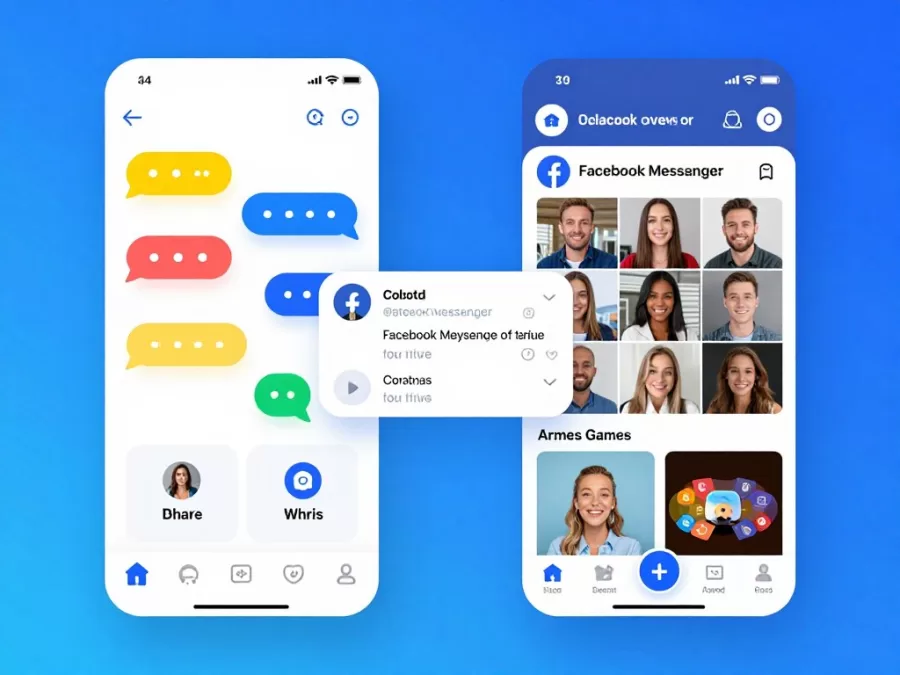
Facebook Messenger remains a dominant force in 2026, particularly in North America and markets with high Facebook penetration. The app’s deep integration with Facebook’s social network creates a seamless experience for users who want their social media and messaging unified.
Messenger’s 2026 evolution focuses heavily on business communications and customer service. The platform now supports sophisticated AI chatbots that handle customer inquiries, appointment scheduling, and even transactional commerce entirely within message threads. Small businesses particularly benefit from Messenger’s free business tools and massive potential customer reach.
The app’s video calling capabilities have been significantly enhanced, supporting HD video for up to 50 participants with AI-powered background noise cancellation and real-time captions. Messenger Rooms, the platform’s group video feature, competes directly with dedicated video conferencing services.
Privacy improvements in 2026 include optional end-to-end encryption for all chats, addressing previous criticisms about data sharing within Meta’s ecosystem. Users can now control which conversations are encrypted and manage metadata collection preferences more granularly.
5. Snapchat – Visual Communication Pioneer
Parent Company: Snap Inc.
Monthly Active Users: 850 million+
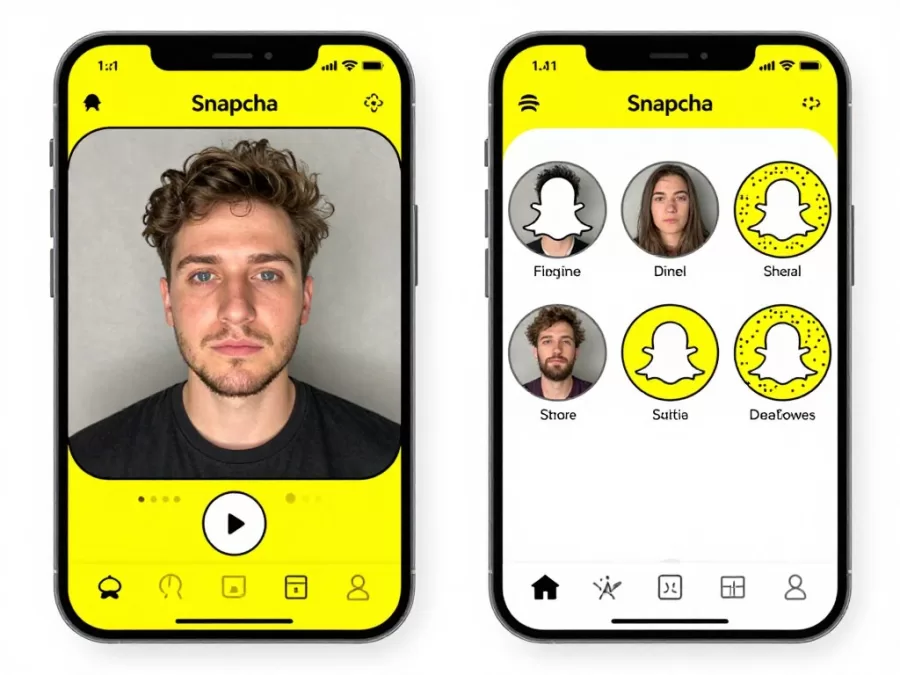
Snapchat continues to dominate among younger demographics in 2026, maintaining its position as the preferred messaging platform for Gen Z and younger millennials. The app’s emphasis on visual communication, ephemeral content, and augmented reality experiences sets it apart from text-focused competitors.
The platform’s AR lenses have evolved into sophisticated experiences, powered by advanced AI and machine learning. Users can apply real-time filters, try on virtual clothing, visualize furniture in their homes, and even translate text captured through their camera lens. These features blur the line between messaging app and utility platform.
Snapchat’s 2026 innovations include enhanced AI-powered content creation tools that help users generate custom stickers, animations, and even short videos based on text prompts. The platform’s Spotlight feature, which showcases user-generated content similar to TikTok, continues growing as a discovery and entertainment hub within the messaging ecosystem.
The app’s privacy-first approach, with messages that disappear by default and screenshot notifications, appeals to users concerned about permanent digital records. Snapchat’s Snap Map feature offers location sharing with granular privacy controls, enabling friend coordination while maintaining security.
6. Signal – Maximum Privacy Standard
Parent Company: Signal Foundation (Non-profit)
Monthly Active Users: 70 million+
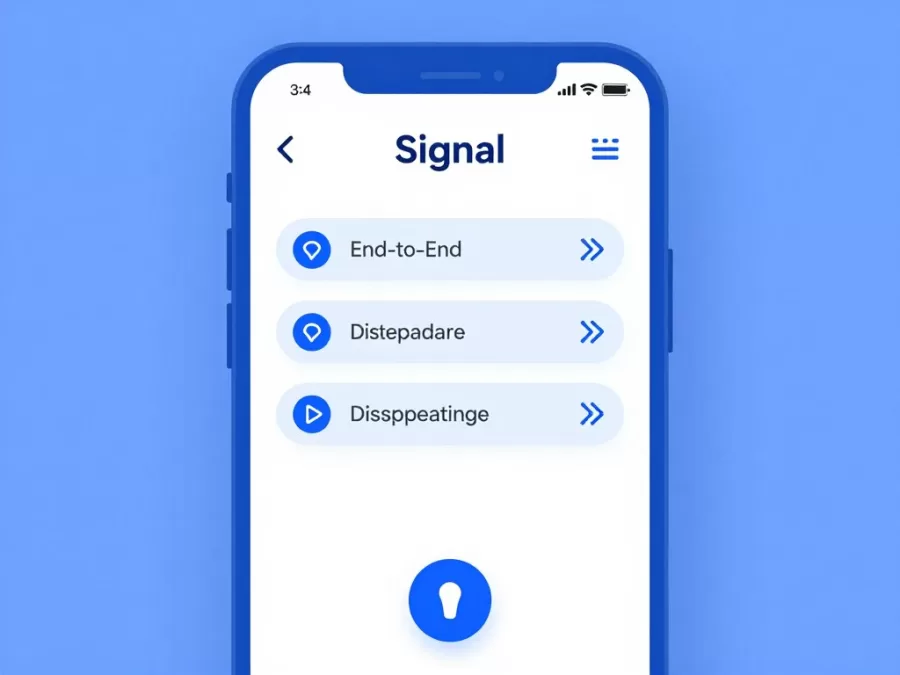
Signal has established itself as the gold standard for private messaging in 2026. Recommended by security experts, journalists, and privacy advocates worldwide, the app prioritizes user security above all other considerations. Its open-source code and non-profit governance model inspire trust among privacy-conscious users.
Every message, call, and media file shared through Signal benefits from end-to-end encryption by default, with no exceptions. The platform collects virtually no user data—not even contact lists or metadata about who communicates with whom. This radical privacy approach distinguishes Signal from commercial messaging services.
Signal’s 2026 features include post-quantum cryptography protecting messages against future quantum computing threats, sealed sender technology that prevents even Signal from knowing message recipients, and enhanced disappearing messages with customizable timers. The platform’s voice and video calling capabilities match commercial competitors while maintaining ironclad encryption.
While Signal’s user base remains smaller than mainstream apps, its influence extends far beyond its numbers. The Signal Protocol, developed by the foundation, powers encryption in WhatsApp, Facebook Messenger, and other major platforms, making Signal’s technology the backbone of secure messaging worldwide.
7. Discord – Community Communication Hub
Parent Company: Discord Inc.
Monthly Active Users: 200 million+
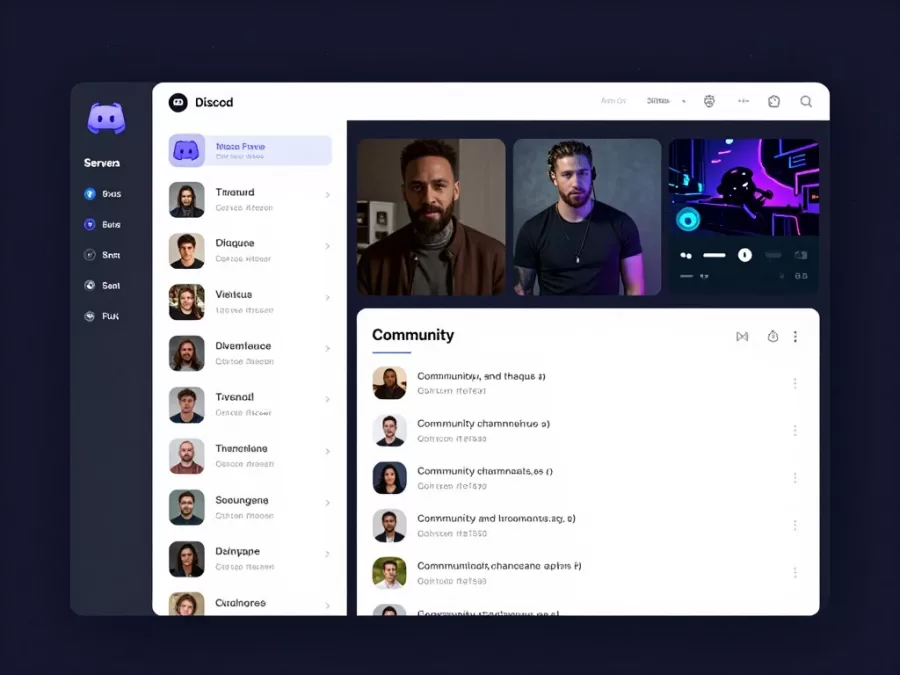
Discord has evolved far beyond its gaming origins to become one of the most versatile community platforms in 2026. The app’s unique server-based architecture, combining persistent text channels with high-quality voice chat, creates spaces where communities can thrive around shared interests.
The platform’s 2026 expansion includes enhanced AI moderation tools that help community managers maintain safe spaces, automated content recommendations based on user interests, and integrated streaming capabilities that rival dedicated broadcasting platforms. Discord’s screen sharing and video features support collaborative work, making it increasingly popular among remote teams and educational institutions.
Discord’s business model, primarily funded through optional Nitro subscriptions rather than advertising, allows it to focus on user experience over data monetization. Premium features include higher quality streaming, larger file uploads, and custom emoji across all servers, but the core functionality remains completely free.
The app’s customization options, extensive bot ecosystem, and role-based permission systems make it ideal for communities ranging from small friend groups to massive fan communities with hundreds of thousands of members. Discord’s voice quality and low-latency communication make it particularly strong for real-time coordination, whether for gaming, creative collaboration, or social hangouts.
8. iMessage – Apple Ecosystem Excellence
Parent Company: Apple Inc.
Monthly Active Users: 1 billion+ (Apple device users)
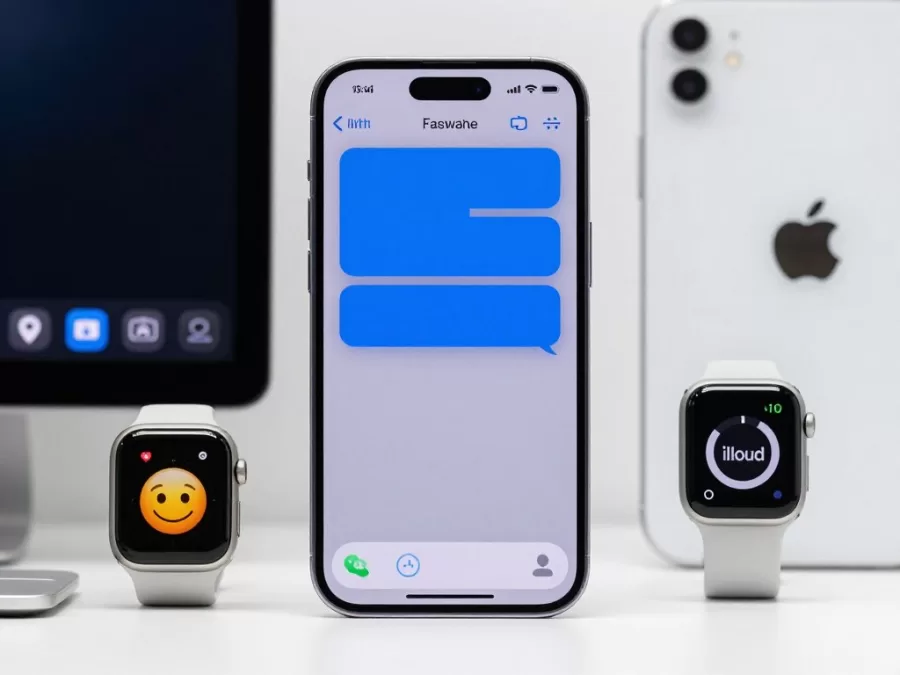
iMessage remains the dominant messaging platform within Apple’s ecosystem in 2026, offering seamless integration across iPhones, iPads, Macs, and Apple Watches. The platform’s strength lies not in cross-platform compatibility but in providing an unmatched experience for users invested in Apple hardware.
The app’s end-to-end encryption applies automatically to all iMessage conversations between Apple devices, with no setup required. In 2026, Apple has enhanced privacy features with Advanced Data Protection extending encryption to iCloud backups and Contact Key Verification helping users confirm they’re communicating with intended recipients without surveillance interference.
iMessage’s 2026 AI features include intelligent message scheduling, context-aware smart replies, and automated organization of photos and videos shared in conversations. The platform’s integration with iOS features like Live Text, Visual Look Up, and Shortcuts creates powerful workflows unavailable to cross-platform apps.
While iMessage faces criticism for its limited interoperability with Android devices, its dominance in markets like the United States—where iPhone market share exceeds 50%—makes it an unavoidable player in the messaging landscape. The platform’s social influence, particularly among younger users who perceive green SMS bubbles as inferior to blue iMessage bubbles, demonstrates how platform choice becomes cultural signaling.
9. Viber – International Connection Specialist
Parent Company: Rakuten
Monthly Active Users: 260 million+
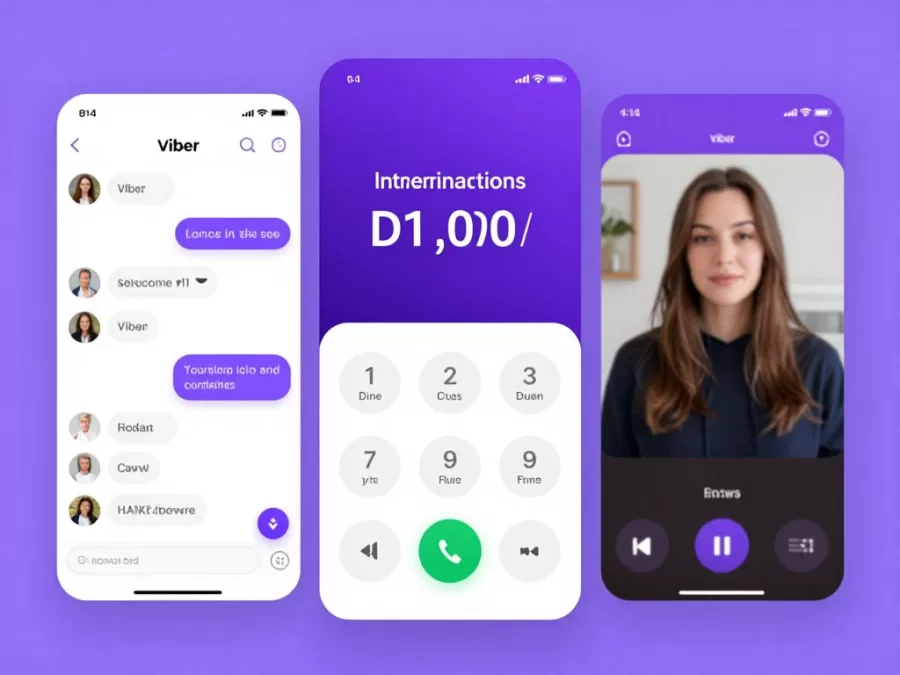
Viber maintains strong regional presence in Eastern Europe, Middle East, and specific Asian markets in 2026. The platform’s competitive advantage lies in its robust international calling features, offering high-quality VoIP calls and affordable rates for calling non-Viber users on traditional phone networks.
The app provides end-to-end encryption for all one-on-one and group chats by default, alongside voice and video calls. Viber’s 2026 enhancements include AI-powered spam filtering that blocks fraudulent messages and calls, automated translation for international conversations, and enhanced group video calls supporting up to 30 participants.
Viber’s business features have expanded significantly, with brands and companies using Viber Business Messaging to reach customers through verified business accounts. The platform’s chatbot capabilities enable automated customer service, appointment scheduling, and product recommendations, making it a valuable channel for customer engagement in its core markets.
The app’s sticker marketplace, featuring content from popular artists and brands, generates revenue while enhancing user expression. Viber Communities allow public group discussions around topics, brands, or celebrities, creating social networking features within the messaging framework.
10. Google Messages – Android’s Unified Platform
Parent Company: Google (Alphabet Inc.)
Monthly Active Users: 1 billion+ (Android users)
Google Messages has emerged as the default messaging solution for Android devices in 2026, leveraging Rich Communication Services (RCS) to bring modern messaging features to a fragmented ecosystem. The platform’s universal availability on Android devices gives it massive reach despite limited brand recognition compared to dedicated messaging apps.
RCS technology enables features previously exclusive to proprietary messaging apps—read receipts, typing indicators, high-resolution media sharing, and group chats—all working across carriers and devices. Google’s aggressive push for RCS adoption, including recent interoperability with iOS devices for basic RCS features, positions Google Messages as a universal standard for next-generation text messaging.
The app’s 2026 AI capabilities include Magic Compose, which uses generative AI to help users rewrite messages in different tones, Smart Reply suggestions that understand context and conversation history, and automated spam protection that filters fraudulent messages before they reach users.
Google Messages’ integration with other Google services creates seamless experiences—users can share Google Maps locations, Calendar events, and YouTube videos with enhanced previews, all within message threads. The platform’s web interface allows messaging from any device with a browser, matching the multi-device accessibility of dedicated messaging apps.
Quick Comparison: Top 10 Chat Apps at a Glance
| App | Monthly Active Users | End-to-End Encryption | Primary Strength | Best For |
| 3 billion+ | Yes (default) | Global reach, business tools | Universal messaging | |
| 1.4 billion | Limited | Super-app functionality | Chinese market, payments | |
| Telegram | 1 billion+ | Optional (secret chats) | Large groups, channels | Communities, privacy |
| Facebook Messenger | 1 billion+ | Optional | Social media integration | Facebook users |
| Snapchat | 850 million | Yes | Visual communication, AR | Younger demographics |
| Signal | 70 million | Yes (always) | Maximum privacy | Privacy-conscious users |
| Discord | 200 million | Yes | Community servers | Gaming, communities |
| iMessage | 1 billion+ | Yes (Apple devices) | Ecosystem integration | Apple users |
| Viber | 260 million | Yes | International calling | Specific regions |
| Google Messages | 1 billion+ | Yes (RCS) | Android default, RCS | Android users |
Common Trends Shaping Top Messaging Apps in 2026
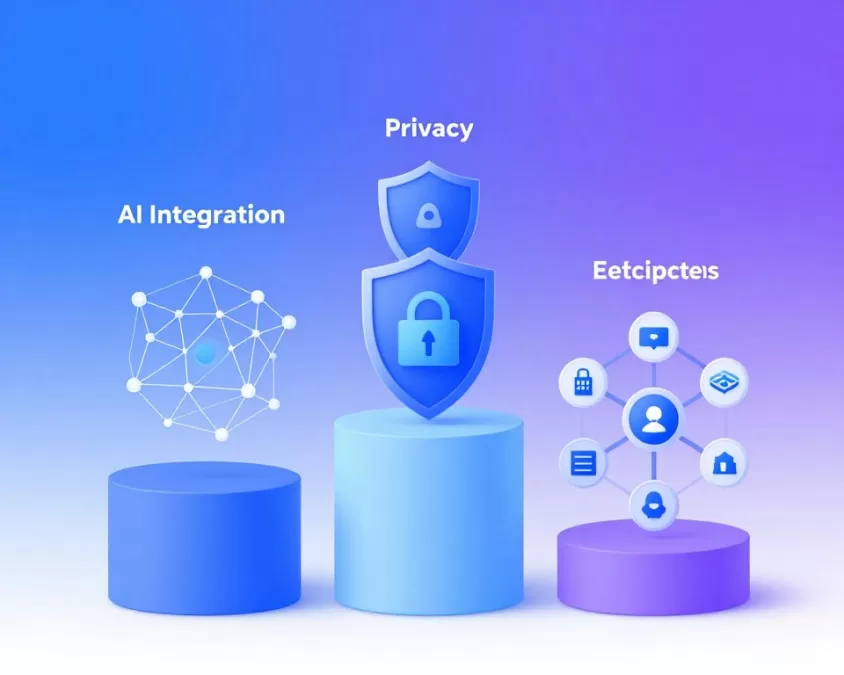
Analyzing the top 10 chat apps reveals several dominant trends that define success in the 2026 messaging landscape. Understanding these patterns helps predict which features and strategies will drive the next generation of communication platforms.
AI Integration Across All Platforms
Every major messaging app now leverages artificial intelligence to enhance user experience. From smart reply suggestions to real-time translation, generative content creation, and automated moderation, AI has become the invisible force powering modern messaging. The most successful platforms seamlessly integrate these capabilities without overwhelming users with complexity.
AI-powered personalization extends beyond message composition. Platforms now predict user needs, suggest relevant content, automate routine communications, and even analyze conversation sentiment to improve emotional intelligence in digital interactions.
Privacy as Non-Negotiable Baseline
End-to-end encryption has evolved from competitive advantage to basic requirement. Users in 2026 simply expect their private conversations to remain private, with platforms facing significant backlash when they fail to prioritize data protection. The most trusted apps implement encryption by default, minimize metadata collection, and provide transparent reporting about government data requests.
Privacy features now extend to preventing screenshots, offering disappearing messages, enabling anonymous usage, and implementing advanced authentication methods. Platforms that treat privacy as an afterthought risk irrelevance as privacy-conscious alternatives gain market share.
Super-App Ambitions
The boundary between messaging app and digital platform continues blurring. Leading apps increasingly integrate payment systems, e-commerce, content discovery, business tools, and third-party services into unified experiences. This super-app model, proven successful in Asian markets, is gradually expanding to Western audiences as users appreciate consolidated functionality.
However, super-app adoption varies significantly by region and regulatory environment. While WeChat dominates in China through comprehensive service integration, Western markets show more fragmented adoption with users spreading functionality across multiple specialized apps.
Cross-Platform Interoperability
Regulatory pressure and user expectations are pushing platforms toward greater interoperability. The ability to message across different services while maintaining security and feature parity represents a significant technical and business challenge that will define the next phase of messaging evolution.
RCS adoption, particularly its integration between Android and iOS platforms, signals an industry shift toward universal standards that work regardless of which app or device people use. This trend threatens proprietary platforms that rely on ecosystem lock-in but benefits users who gain freedom to choose based on features rather than network effects.
Regional Messaging Preferences: A Global Map
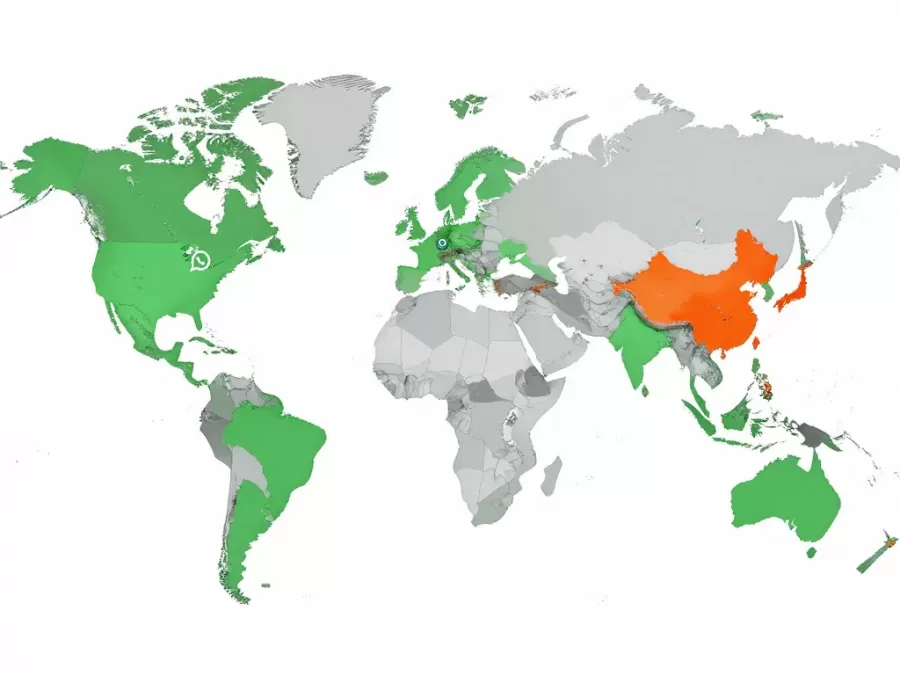
Messaging app preferences vary dramatically across regions, shaped by cultural factors, regulatory environments, infrastructure limitations, and historical platform adoption. Understanding these regional dynamics explains why certain apps dominate specific markets while struggling in others.
WhatsApp commands overwhelming market share across Europe, Latin America, India, and much of Africa, benefiting from early adoption and network effects. WeChat’s dominance in China remains unchallenged due to its super-app integration with daily life. Telegram finds strength in privacy-conscious markets and regions with government censorship concerns.
North America presents a fragmented landscape with iMessage dominating among iPhone users, Facebook Messenger maintaining strong presence, and growing adoption of privacy-focused alternatives. This regional diversity ensures that no single platform can claim universal dominance, with different apps optimizing for specific geographic and demographic niches.
How Messaging Apps Are Reshaping Business Communication
The evolution of messaging apps extends far beyond personal communication—these platforms have become critical business infrastructure. In 2026, businesses across all sectors leverage messaging for customer service, marketing, sales, and internal collaboration.
Customer Service Revolution
Traditional email and phone support are rapidly being replaced by messaging-based customer service. Consumers prefer the convenience of asynchronous text conversations, while businesses benefit from AI-powered chatbots that handle routine inquiries and seamlessly escalate complex issues to human agents. This shift has reduced support costs while improving customer satisfaction.
Conversational Commerce
Purchasing products directly within messaging apps has become mainstream in 2026. From browsing catalogs to completing transactions, entire shopping journeys now occur in message threads. This conversational commerce model particularly benefits small businesses that lack resources to build dedicated e-commerce platforms, democratizing digital retail.
Business Communication Platforms
Apps like Discord, Telegram, and dedicated business messaging services have displaced traditional enterprise communication tools for many teams. The line between consumer messaging apps and business collaboration platforms continues to blur as features converge and employees demand familiar, user-friendly interfaces in professional contexts.
Beyond 2026: The Next Evolution of Digital Communication

As we look beyond 2026, several emerging technologies promise to transform messaging yet again. Virtual and augmented reality integration will enable immersive communication experiences, moving beyond text and video to shared virtual spaces. Brain-computer interfaces, though still in early stages, may eventually allow thought-based messaging.
Quantum communication technologies could provide unbreakable encryption, revolutionizing privacy and security. Decentralized messaging protocols may challenge today’s centralized platforms, giving users greater control over their data and communications infrastructure.
The integration of messaging with ambient computing—where digital services anticipate needs and respond proactively—will make explicit message composition less necessary for routine communications. AI assistants may increasingly intermediate human conversations, managing scheduling, translations, and routine interactions automatically.
However, the human desire for authentic connection ensures that regardless of technological advances, the core purpose of messaging—connecting people meaningfully—will remain unchanged. The platforms that balance innovation with simplicity, privacy with functionality, and automation with human control will continue thriving in whatever form future communication takes.
Choosing Your Messaging Platform for 2026 and Beyond
The top 10 chat apps in the world 2026 represent diverse approaches to digital communication, each optimizing for different user priorities. Whether you value WhatsApp’s universal reach, Signal’s uncompromising privacy, WeChat’s comprehensive functionality, or Discord’s community features, today’s messaging landscape offers options for every need.
The most successful users don’t limit themselves to a single platform. Instead, they strategically use different apps for different contexts—professional messaging through one service, personal chats through another, community participation through a third. This multi-platform approach maximizes the strengths of each app while minimizing their individual limitations.
As messaging continues evolving, the platforms that prioritize user needs over growth metrics, privacy over data monetization, and innovation over stagnation will earn lasting loyalty. The future of digital communication belongs to services that empower rather than exploit, connect rather than isolate, and enhance rather than replace human connection.
Your choice of messaging platform shapes not just how you communicate, but who you can reach and how effectively you can express yourself. By understanding the strengths and trade-offs of today’s leading apps, you’re better equipped to navigate the digital communication landscape now and adapt as it continues transforming in the years ahead.
Ready to Explore the Best Messaging Apps of 2026?
Each of these top 10 platforms offers unique features designed for different communication needs. Whether you prioritize privacy, global reach, business tools, or community features, there’s a messaging app perfectly suited to your requirements. Take the time to explore their capabilities and find your ideal communication platform.

Priyanka Pandey
Senior Research Editor · Top10Sense
Priyanka specializes in tech, consumer products, and digital trends. She combines hands-on testing, vendor interviews, and database research to create trustworthy “Top 10” rankings. Her work has been referenced by industry blogs and brand report pages.