As we look toward 2026, the global brand landscape continues to evolve at an unprecedented pace. The intersection of artificial intelligence, sustainability initiatives, and shifting consumer values is reshaping what it means to be a leading global brand. Our forward-looking analysis examines how these forces will likely determine which brands rise to dominate the global stage in the coming years.
Stay Ahead of Global Brand Trends
Subscribe to our newsletter for exclusive insights on future brand valuations, emerging market trends, and strategic analysis delivered monthly to your inbox.
Methodology: Projecting Brand Leadership for 2026
Our forecast of the top 10 brands in the world 2026 employs a multifaceted analytical approach that considers historical brand valuation trends, current growth trajectories, and forward-looking indicators. This projection draws on methodologies similar to those used by leading brand valuation firms like Interbrand, Brand Finance, and Kantar, while incorporating additional predictive elements.
Quantitative Factors
- Historical brand value growth rates (2016-2023)
- Current market capitalization and revenue trends
- R&D investment as percentage of revenue
- Digital transformation maturity scores
- AI integration and automation capabilities
Qualitative Factors
- Sustainability commitment and ESG performance
- Innovation pipeline strength and patent portfolios
- Brand loyalty metrics and consumer sentiment analysis
- Global expansion potential and emerging market penetration
- Adaptability to regulatory changes and market disruptions
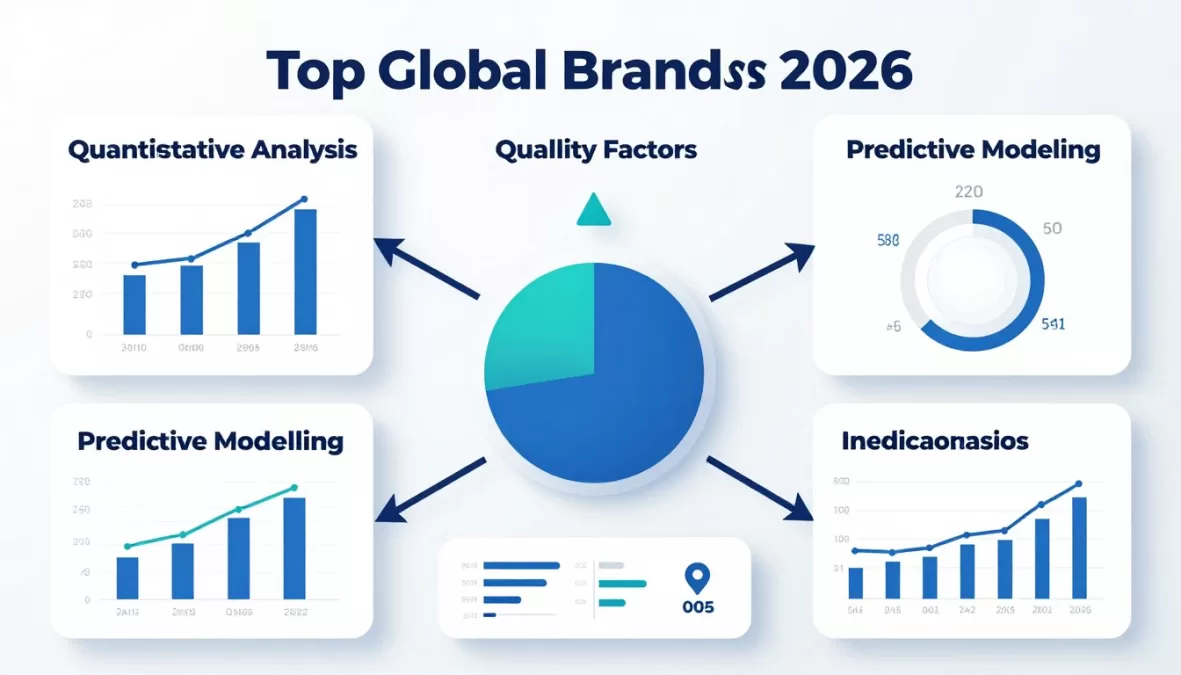
This methodology acknowledges the fluid nature of brand valuation and the unpredictability of global markets. While our projections are grounded in rigorous analysis, they represent a forecast rather than a certainty, offering a strategic perspective on how the brand landscape may evolve by 2026.
The Projected Top 10 Brands in the World 2026
1. Apple Inc.
Sector: Technology & Consumer Electronics
Projected Brand Value: $580-600 billion
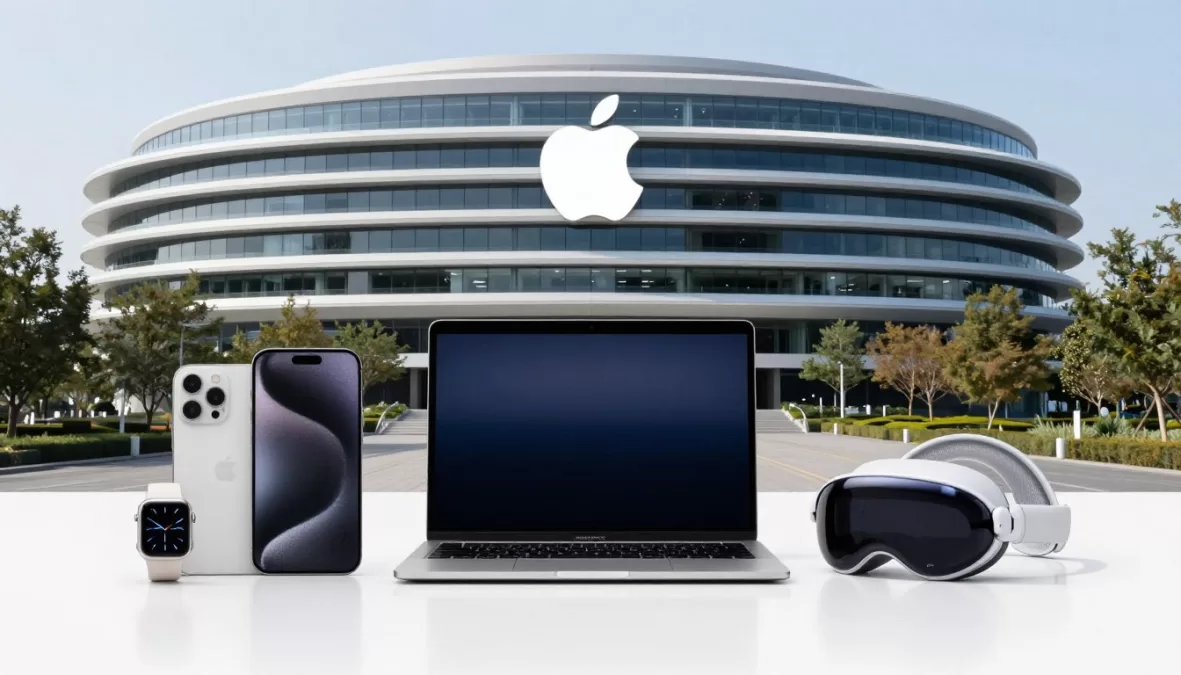
Apple is forecast to maintain its position as the world’s most valuable brand through 2026, driven by its ecosystem integration strategy and expansion into new product categories. The company’s push into augmented reality with its Vision Pro platform, continued services growth, and leadership in privacy-focused technology are expected to strengthen its premium positioning. Apple’s ability to maintain high margins while expanding its user base in emerging markets will likely contribute to sustained brand value growth.
2. Microsoft Corporation
Sector: Technology & Cloud Computing
Projected Brand Value: $490-510 billion
Microsoft’s brand value is projected to continue its strong upward trajectory, narrowing the gap with Apple by 2026. The company’s leadership in enterprise AI solutions, cloud infrastructure through Azure, and strategic acquisitions in gaming and productivity software position it for sustained growth. Microsoft’s successful transition to subscription-based models and its deep integration across business and consumer segments create a resilient revenue base that supports brand value appreciation.

3. Amazon
Sector: E-commerce, Cloud Computing & AI
Projected Brand Value: $450-470 billion
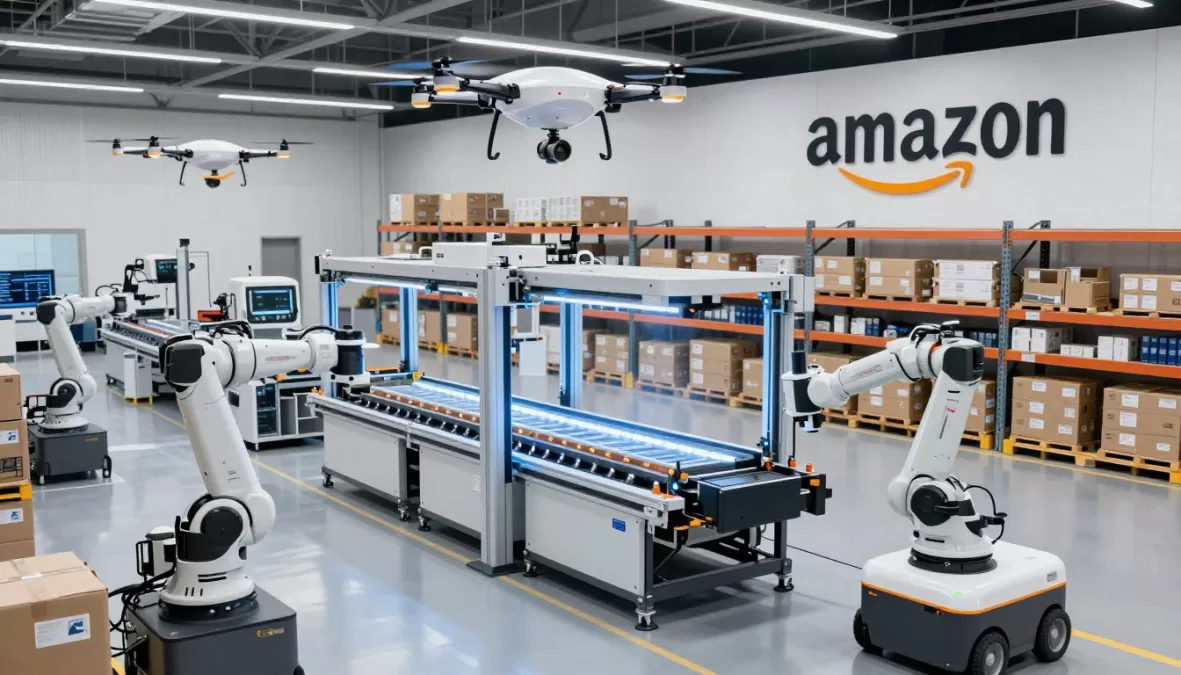
Amazon is expected to maintain its position among the top three global brands by 2026, powered by continued e-commerce dominance and AWS cloud services growth. The company’s investments in logistics automation, healthcare expansion, and ambient computing are anticipated to create new revenue streams. Amazon’s ability to leverage its vast data ecosystem for personalized experiences while expanding its physical retail presence creates a uniquely positioned omnichannel brand with global reach.
4. Google (Alphabet Inc.)
Sector: Technology, Search & AI
Projected Brand Value: $420-440 billion
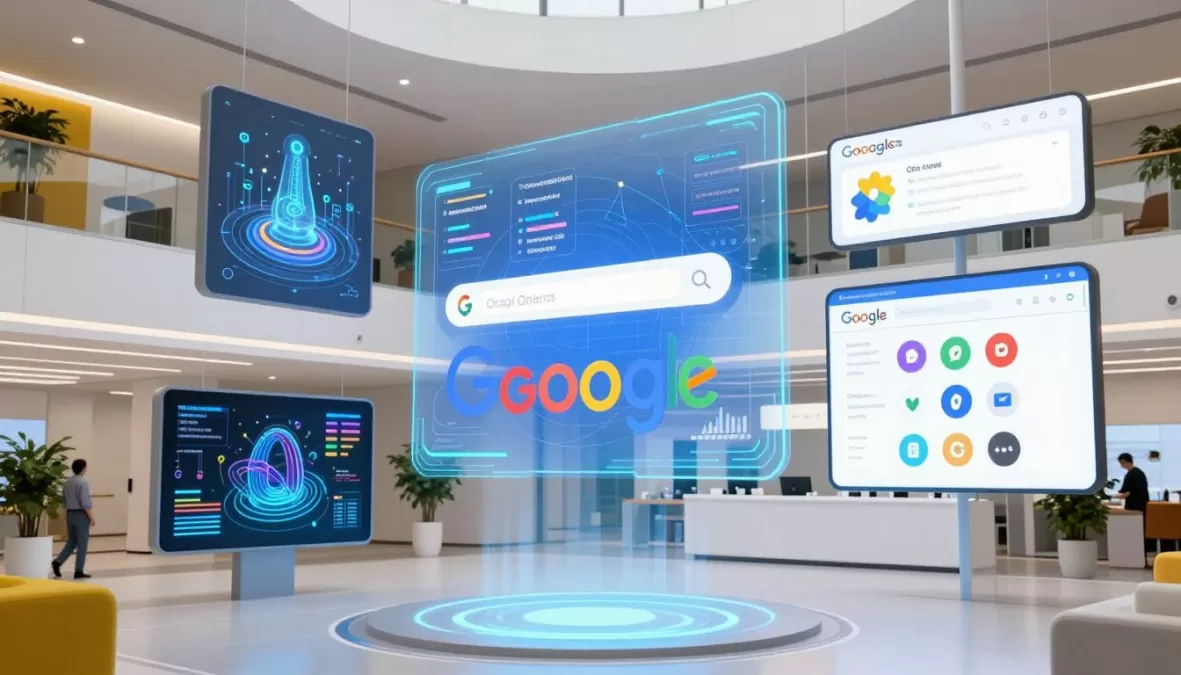
Google is projected to maintain its position as a top global brand through 2026, though facing increased competitive pressure in its core search business. The company’s leadership in AI research, particularly through DeepMind and Google Research, positions it to monetize next-generation AI applications. Google’s diversification through YouTube, Android, and hardware products provides multiple growth vectors, while its investments in quantum computing and health technology offer long-term brand value potential.
5. NVIDIA
Sector: Semiconductor, AI & Computing Infrastructure
Projected Brand Value: $200-220 billion
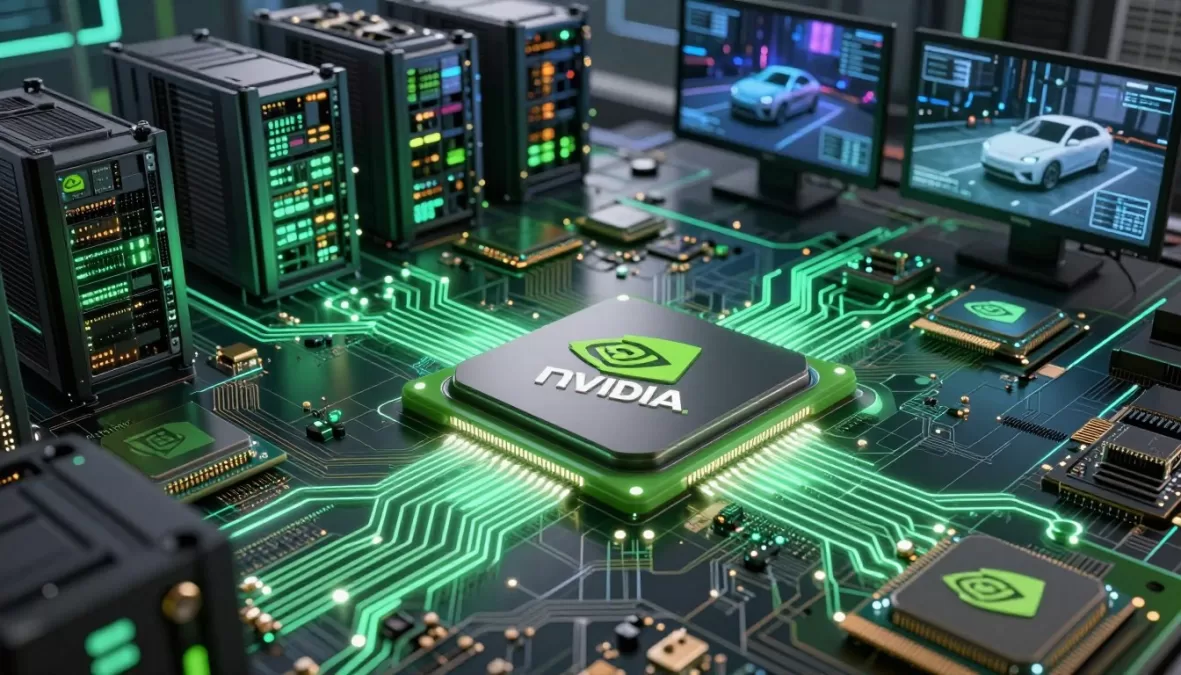
NVIDIA is forecast to make the most dramatic rise into the top five global brands by 2026, driven by its central position in the AI computing revolution. As the primary provider of the computational infrastructure powering generative AI, autonomous systems, and the metaverse, NVIDIA’s brand has transformed from a gaming hardware company to essential digital infrastructure. Its expansion into specialized AI chips, enterprise software, and automotive systems creates multiple high-growth vectors supporting this projection.
6. Tesla, Inc.
Sector: Automotive, Energy & AI
Projected Brand Value: $180-200 billion
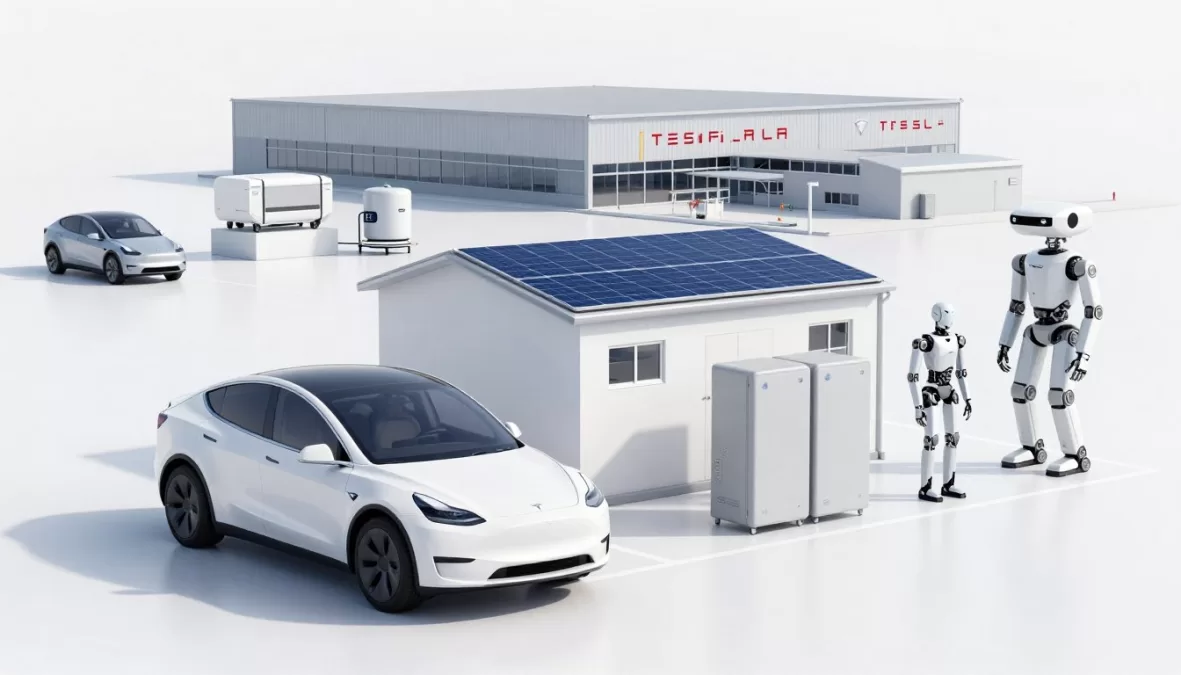
Tesla is projected to continue its rise among global brand leaders, reaching sixth position by 2026. Beyond its electric vehicle business, Tesla’s expansion into energy storage, AI development through its Dojo supercomputer, and robotics position it as a multi-category technology brand. The company’s vertical integration strategy and direct-to-consumer model create brand consistency and margin advantages that support sustained brand value growth despite increasing competition in the EV market.
7. Samsung Group
Sector: Consumer Electronics, Components & Technology
Projected Brand Value: $140-160 billion
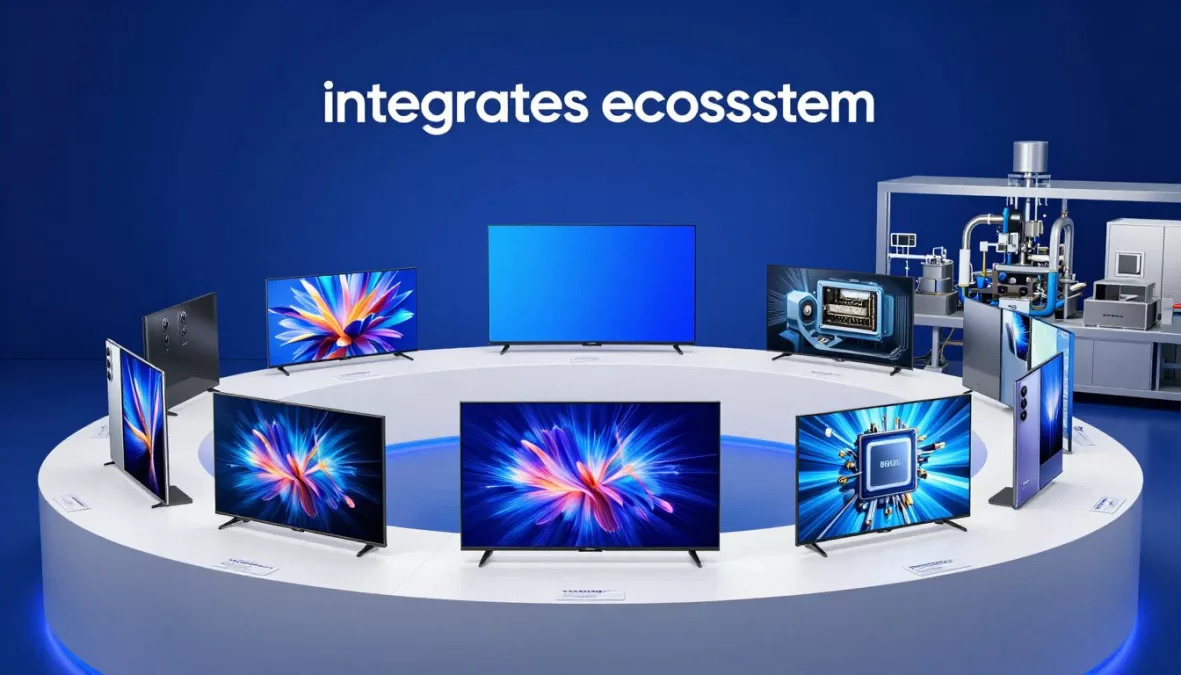
Samsung is expected to maintain its position as a top global brand through 2026, leveraging its vertical integration in components manufacturing and consumer electronics. The company’s leadership in display technology, memory chips, and foldable devices provides competitive advantages in multiple categories. Samsung’s expansion into AI-powered home ecosystems and B2B solutions, combined with its strong position in emerging markets, supports continued brand value growth despite intense competition.
8. TikTok/ByteDance
Sector: Social Media, Entertainment & AI
Projected Brand Value: $120-140 billion
TikTok (ByteDance) is forecast to continue its meteoric rise, entering the top global brands by 2026. The platform’s algorithm-driven content discovery and creator economy have fundamentally changed digital entertainment and marketing. ByteDance’s expansion into e-commerce, education technology, and enterprise tools leverages its AI capabilities beyond social media. Despite regulatory challenges in some markets, TikTok’s cultural influence and engagement metrics support this ambitious brand value projection.
9. Meta Platforms
Sector: Social Media, Metaverse & AI
Projected Brand Value: $110-130 billion
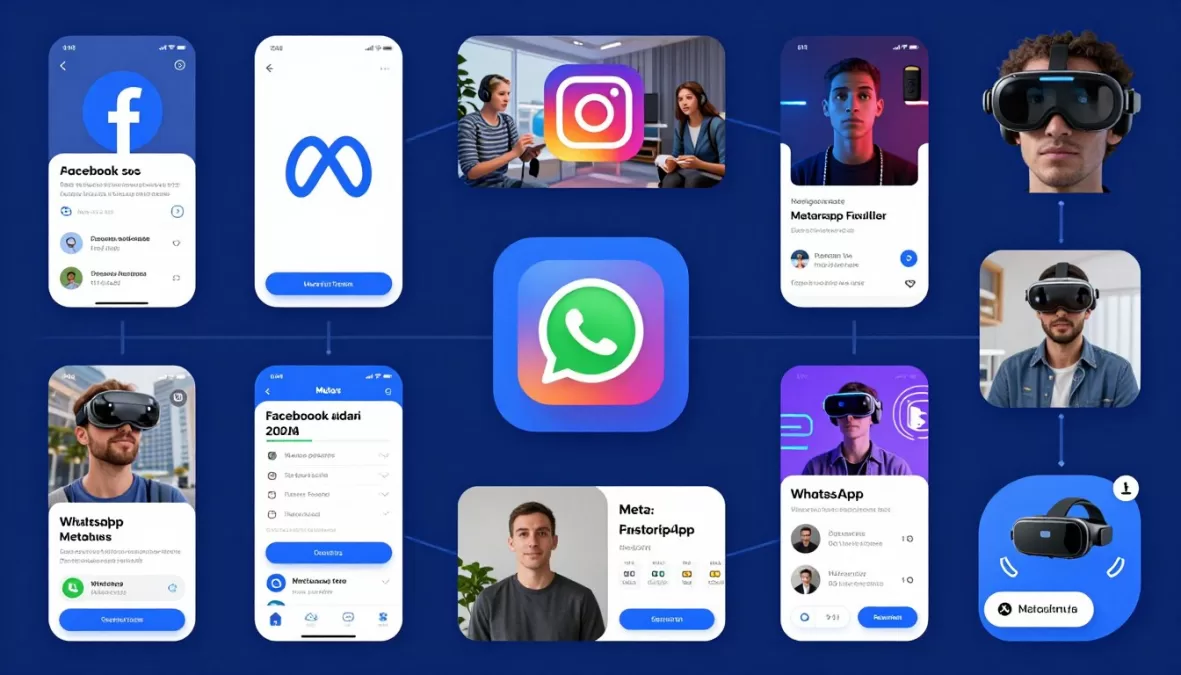
Meta Platforms is projected to maintain a position among the top global brands by 2026, though facing significant competitive and regulatory challenges. The company’s massive user base across Facebook, Instagram, and WhatsApp provides a foundation for continued relevance, while its substantial investments in metaverse technologies and AI position it for future growth vectors. Meta’s ability to monetize its platforms while navigating privacy concerns and competition for user attention will determine its exact ranking.
10. Toyota Motor Corporation
Sector: Automotive & Mobility
Projected Brand Value: $90-110 billion
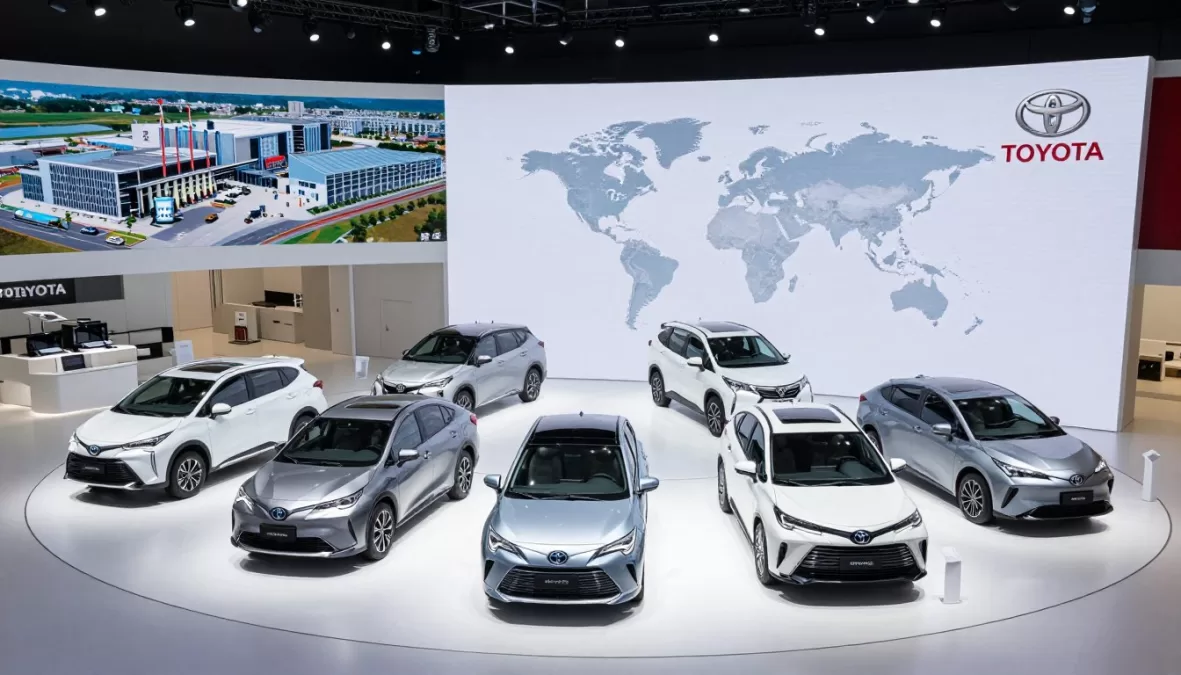
Toyota is forecast to remain the only traditional automotive brand in the global top 10 by 2026, driven by its balanced approach to electrification and hybrid technology. The company’s investments in solid-state batteries, hydrogen fuel cells, and software-defined vehicles position it for the transition to sustainable mobility. Toyota’s global manufacturing footprint, reputation for reliability, and strong position in emerging markets provide resilience that supports its projected brand value despite the automotive industry’s transformation.
Analysis: Key Trends Shaping Global Brand Leadership Through 2026
Technology Dominance Continues
Our projection shows technology companies maintaining their grip on the top brand positions, with 7 of the top 10 brands coming from the tech sector. This reflects the growing integration of digital services into all aspects of business and consumer life. The ability to leverage data, AI, and platform economics creates powerful network effects that accelerate brand value growth.

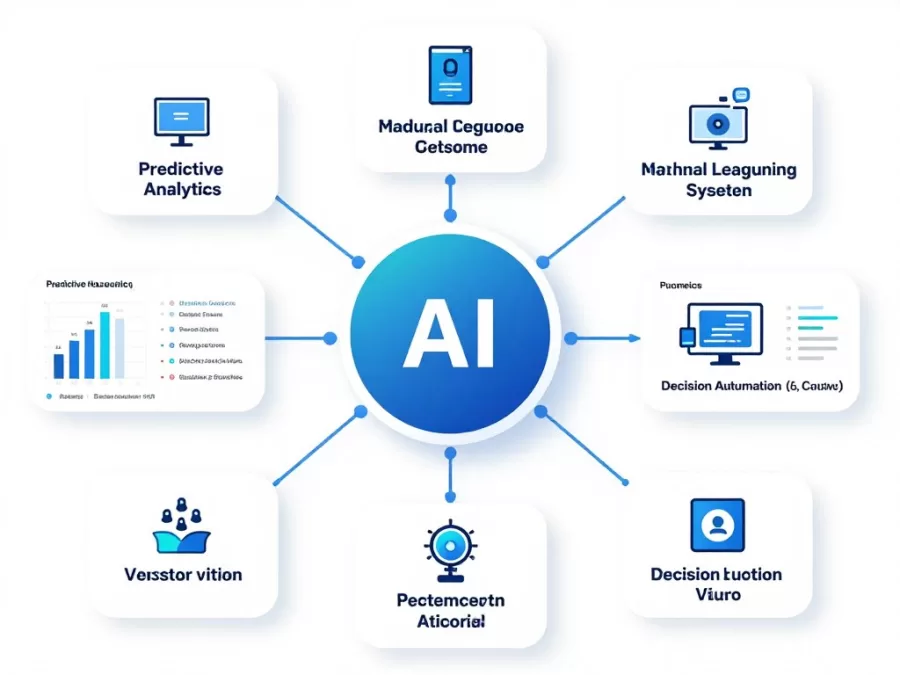
AI as Value Multiplier
Artificial intelligence has emerged as the single most important brand value multiplier, with companies leading in AI development and integration seeing accelerated growth. This explains NVIDIA’s dramatic rise and the sustained strength of Microsoft and Google. Brands that successfully embed AI into their products, services, and operations are projected to outperform their sectors significantly.
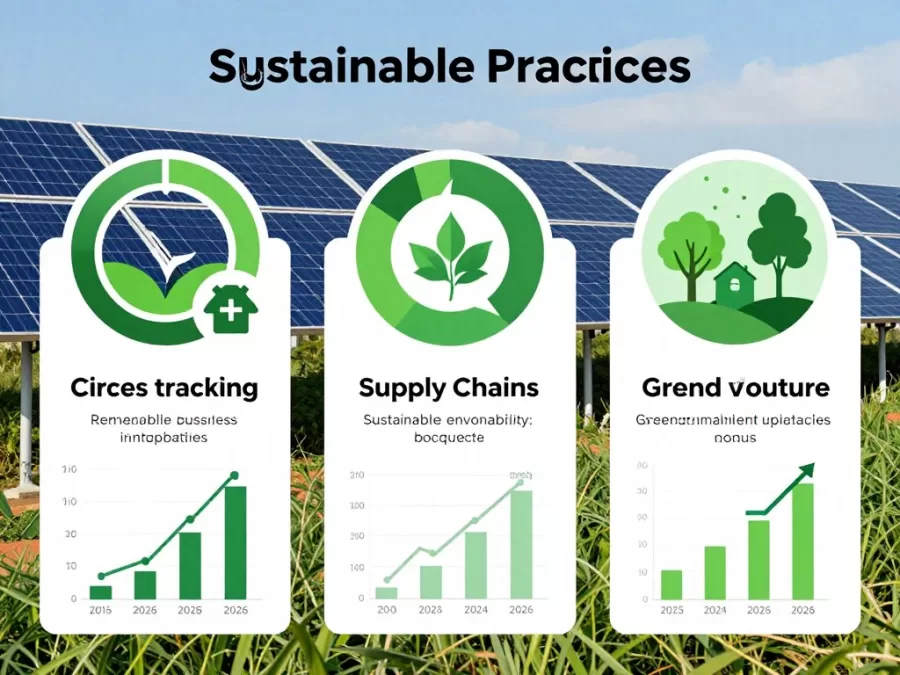
Sustainability as Brand Imperative
Environmental sustainability has transitioned from a marketing consideration to a core brand value driver. Companies with credible climate strategies and circular economy initiatives are projected to outperform peers in brand value growth. This factor particularly benefits Tesla and explains Toyota’s resilience compared to other traditional automotive brands that have been slower to adapt.
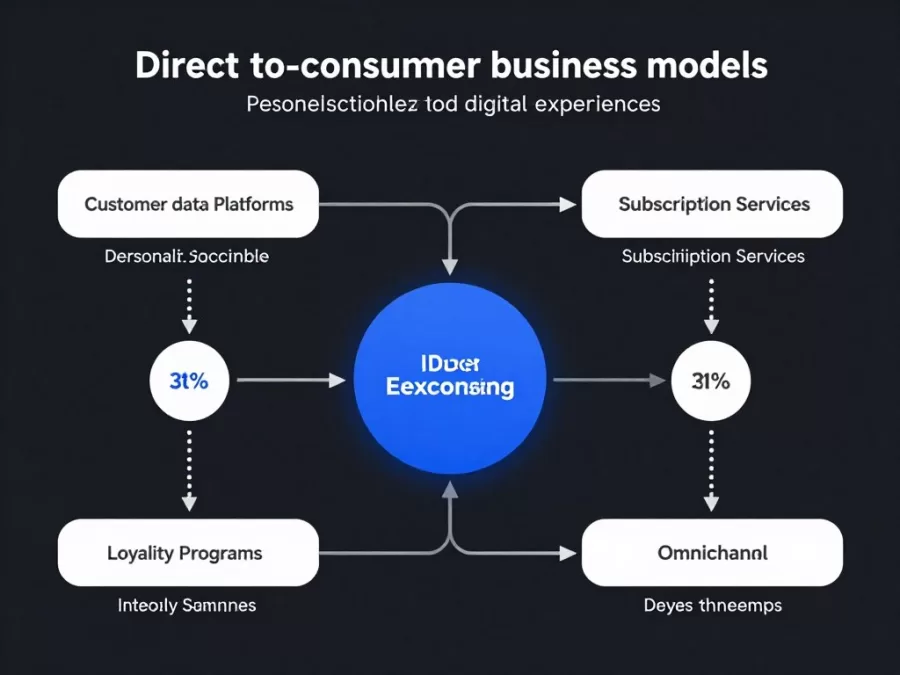
Direct Consumer Relationships
Brands that own direct relationships with consumers through digital platforms, subscriptions, and loyalty programs are projected to outperform intermediated businesses. This explains the continued strength of Apple, Amazon, and Microsoft, whose ecosystem strategies create ongoing consumer touchpoints and recurring revenue streams that enhance brand stability.
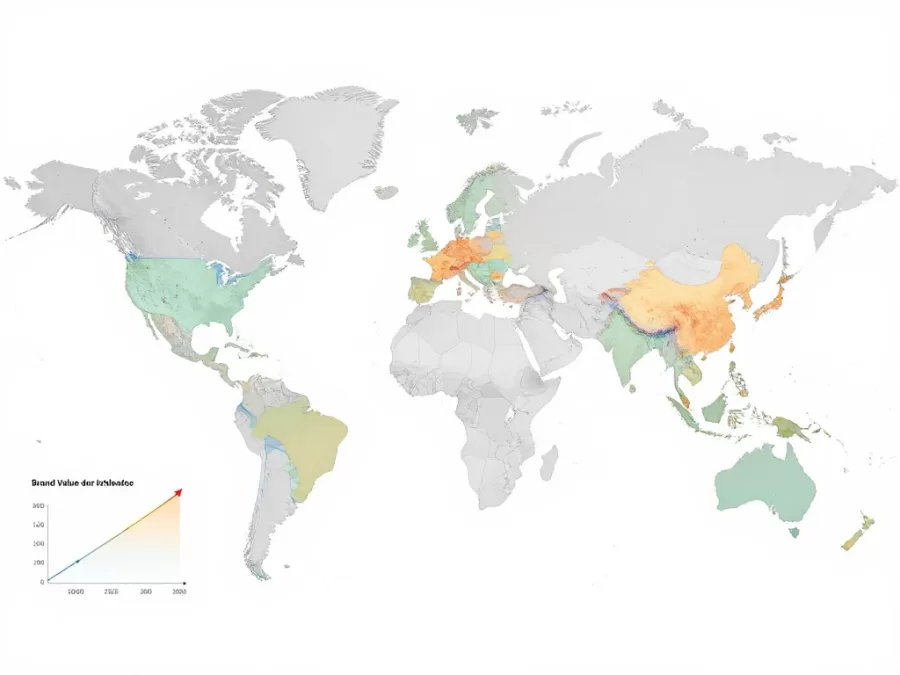
Regional Brand Power Shifts
While North American brands continue to dominate the top 10, our analysis indicates a gradual shift in global brand power. Asian brands are gaining momentum, with Samsung maintaining strength and TikTok/ByteDance entering the top ranks. By 2030, we project further diversification with potential entries from India and Latin America challenging the current geographic distribution.
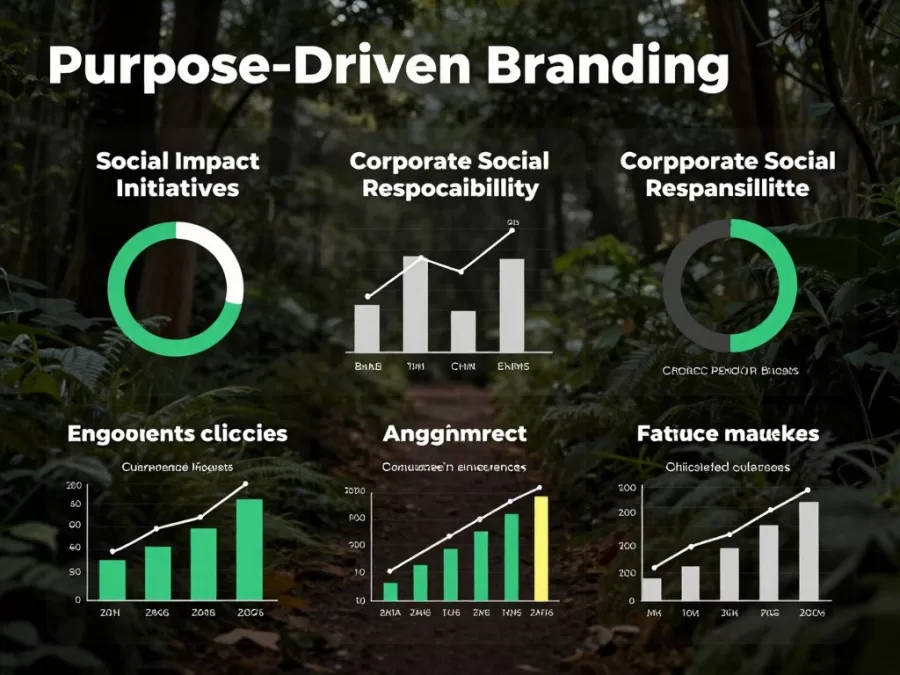
Purpose-Driven Premium
Brands that authentically align with larger societal purpose are projected to command increasing value premiums. This factor benefits companies like Microsoft and Apple that have made significant commitments to privacy, accessibility, and education. The ability to connect brand actions to meaningful impact is becoming a key differentiator in consumer and talent markets alike.
Emerging Contenders: Brands That Could Enter the Top 10 by 2030
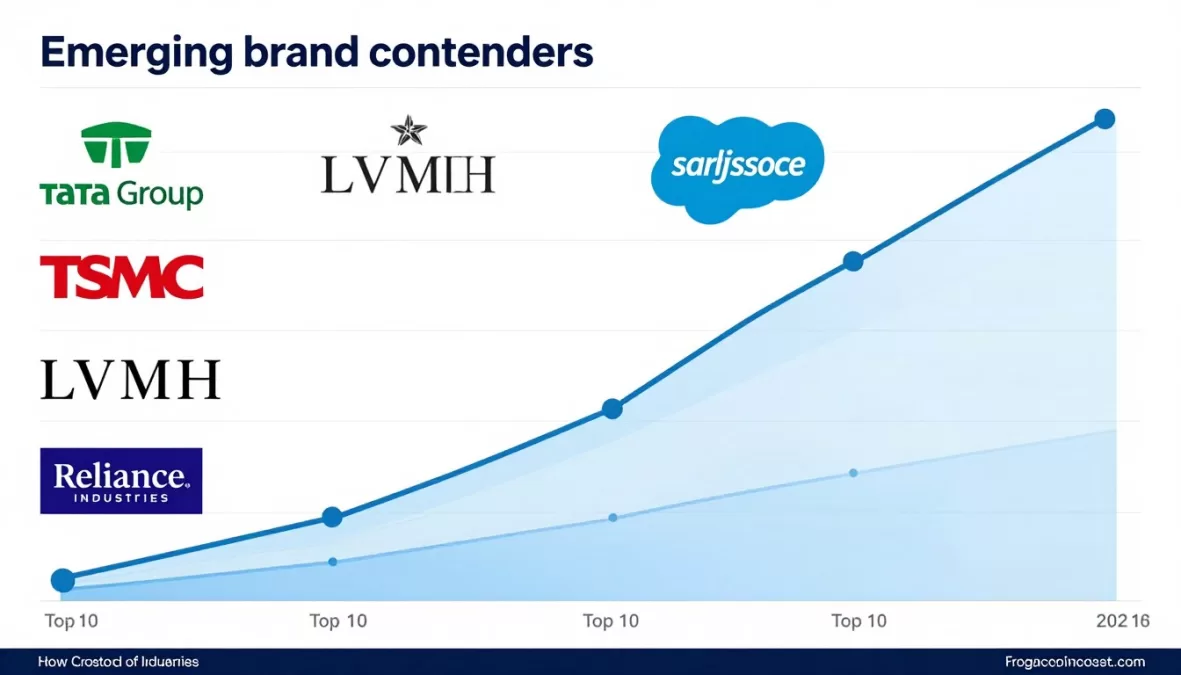
While our 2026 forecast represents the most likely scenario based on current trajectories, several brands show potential to enter the global top 10 by the end of the decade. These emerging contenders demonstrate the innovation, growth, and strategic positioning that could elevate them to the highest ranks of global brand value.
| Brand | Current Rank Range | Sector | Key Growth Drivers |
| Tata Group | 15-20 | Conglomerate | Digital transformation, sustainability leadership, emerging market growth |
| TSMC | 20-25 | Semiconductor | Advanced chip manufacturing, AI infrastructure, geopolitical positioning |
| LVMH | 15-20 | Luxury | Digital luxury experiences, emerging market expansion, sustainability premium |
| Salesforce | 25-30 | Enterprise Software | AI integration, industry cloud solutions, ecosystem expansion |
| Reliance Industries | 30-35 | Conglomerate | Digital services growth, retail expansion, energy transition |
Conclusion: The Fluid Nature of Brand Leadership
Our forecast of the top 10 brands in the world 2026 reflects both continuity and transformation in the global brand landscape. While technology giants continue to dominate, the specific capabilities driving their value are evolving rapidly toward AI integration, direct consumer relationships, and purpose-driven positioning.
The projected rankings highlight how brand value increasingly correlates with a company’s ability to navigate complex transitions: from products to platforms, from ownership to access, from consumption to sustainability, and from regional to truly global relevance. Brands that successfully manage these transitions while maintaining authentic connections with their stakeholders are positioned to thrive.
As we look toward 2026 and beyond, the most valuable lesson may be that brand leadership is never permanent. Today’s market leaders face constant pressure from emerging competitors, changing consumer expectations, and technological disruption. The brands that maintain leadership will be those that embrace continuous reinvention while staying true to their core purpose and values.
Get Regular Updates on Global Brand Trends
Subscribe to our newsletter for quarterly forecasts, in-depth analysis, and exclusive insights on the factors shaping the future of global brand leadership.

Priyanka Pandey
Senior Research Editor · Top10Sense
Priyanka specializes in tech, consumer products, and digital trends. She combines hands-on testing, vendor interviews, and database research to create trustworthy “Top 10” rankings. Her work has been referenced by industry blogs and brand report pages.