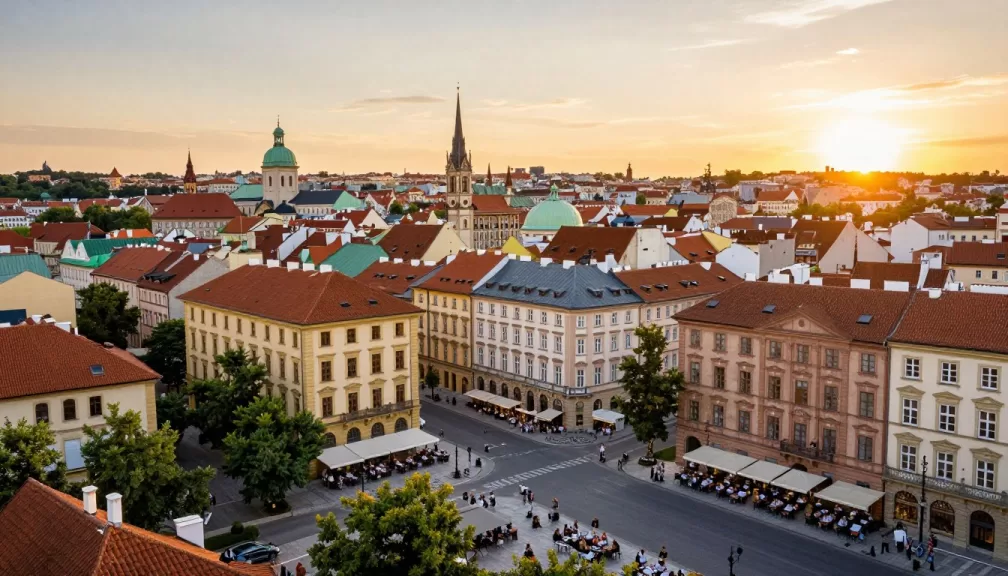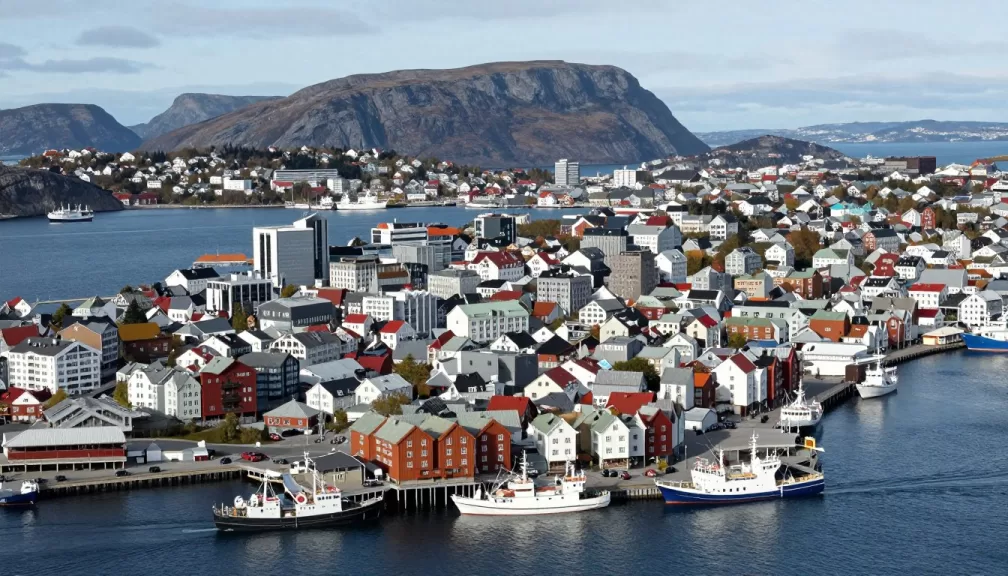
Easter in Europe transforms the continent into a tapestry of ancient traditions, vibrant celebrations, and the first blush of spring. As winter retreats and flowers bloom, cities and villages across Europe awaken with religious processions, folk festivals, and seasonal delicacies that have been celebrated for centuries. Easter 2026 (falling on April 5th) promises to be an exceptional time to experience these traditions, with many destinations planning special commemorations and events as they fully embrace post-pandemic tourism.
What makes Easter travel in Europe so magical is the perfect blend of solemn religious observances, joyful spring festivities, and the natural beauty of a continent in bloom. From the dramatic Holy Week processions in Spain to the Easter markets of Central Europe and the flower-filled landscapes of the Netherlands, there’s something for every traveler. Our carefully curated list for 2026 balances iconic destinations with emerging gems, ensuring authentic experiences without overwhelming crowds.
1. Seville, Spain: The Spectacular Semana Santa
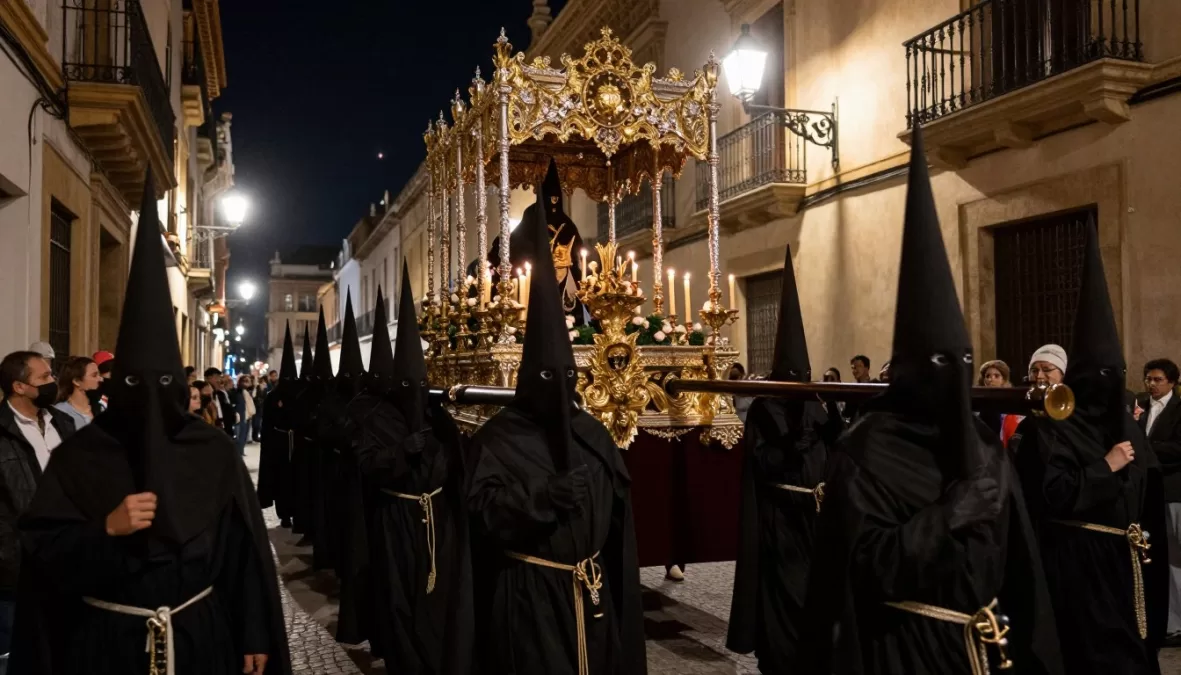
Seville’s Semana Santa (Holy Week) is widely regarded as the most spectacular Easter celebration in Europe, and 2026 will mark a special anniversary year for several of the city’s most prominent brotherhoods. Dating back to the 16th century, this profound religious event transforms Seville’s historic center into an open-air cathedral as more than 50 brotherhoods (hermandades) process through the streets carrying elaborate floats (pasos) depicting scenes from the Passion of Christ.
For Easter 2026, Seville is planning expanded procession routes to accommodate growing visitor numbers while preserving the authentic experience. The city’s tourism board has announced that several brotherhoods will unveil newly restored floats and religious artifacts specifically for the 2026 celebrations.
Easter 2026 Highlights in Seville
The most powerful processions occur from Holy Thursday to Good Friday (April 2-3, 2026), when the atmosphere becomes increasingly solemn. La Madrugá, the night between these two days, features the most emotional processions continuing until dawn. Don’t miss the procession of El Silencio, where all street lights are extinguished and participants march in complete silence, or La Esperanza de Triana, known for its passionate saetas (spontaneous flamenco songs) performed from balconies.
Following Holy Week, Seville erupts into the colorful Feria de Abril (April Fair) starting two weeks after Easter. In 2026, this means vibrant celebrations from April 21-26, with locals in traditional flamenco dress, dancing, horseback parades, and festive casetas (tents) filled with food, drink, and music.
Beyond Easter Celebrations
Between religious events, explore Seville’s magnificent architecture including the largest Gothic cathedral in the world, the stunning Real Alcázar palace, and the iconic Plaza de España. Spring temperatures averaging 20-22°C (68-72°F) make April perfect for wandering the charming Santa Cruz quarter or enjoying tapas at outdoor cafés.
Practical Tip for 2026: Book accommodations at least 12 months in advance, as Seville hotels reach full capacity during Holy Week. For the best viewing spots along procession routes, consider reserving a balcony through specialized agencies or hotels – these are expected to be available for booking from June 2025.
2. Rome & Vatican City: Easter at the Heart of Christianity
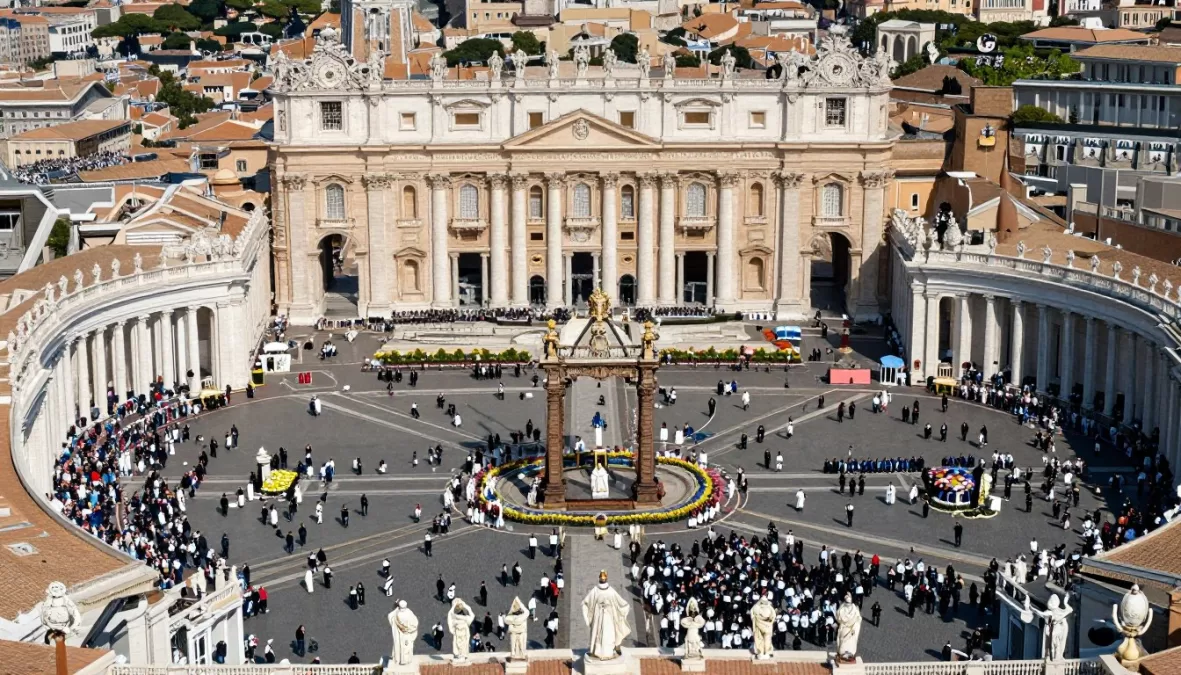
Experiencing Easter in Rome and Vatican City places you at the epicenter of Christian celebration. Easter 2026 will be particularly significant as it coincides with preparations for the 2025 Jubilee Year extension, meaning enhanced infrastructure, restored monuments, and special religious programming continuing into 2026.
The Vatican has announced that Easter 2026 will feature expanded public access to papal events, with additional viewing areas and improved crowd management systems implemented during the Jubilee Year. This means better opportunities to witness Pope Francis (or his successor) lead the most important ceremonies of the Christian calendar.
Easter 2026 Highlights in Rome
Holy Week begins with Palm Sunday Mass in St. Peter’s Square (March 29, 2026), followed by the moving Way of the Cross (Via Crucis) at the Colosseum on Good Friday (April 3), where the Pope leads a torchlit procession. The Easter Vigil at St. Peter’s Basilica (April 4) features the dramatic lighting of the Easter candle in a darkened church. Everything culminates with Easter Sunday Mass (April 5), after which the Pope delivers his “Urbi et Orbi” blessing to the city and the world.
For 2026, the Vatican Museums have announced extended evening hours during Holy Week, offering a rare opportunity to view the Sistine Chapel and other treasures without the usual crowds. Additionally, several Roman churches will host special concerts of sacred music featuring renowned choirs and orchestras.
Beyond Easter Celebrations
Spring in Rome brings comfortable temperatures (16-20°C/61-68°F) perfect for exploring ancient ruins, Renaissance masterpieces, and vibrant neighborhoods. Don’t miss the Spanish Steps adorned with azaleas, the blooming rose gardens on the Aventine Hill, or the culinary delights of traditional Easter foods like colomba (dove-shaped cake) and abbacchio (roast lamb).
Practical Tip for 2026: Free tickets for Easter events with the Pope must be reserved 6-8 months in advance through the Prefecture of the Papal Household. For 2026, online applications are expected to open in September 2025. Consider staying in neighborhoods like Prati or Monti rather than directly near the Vatican for better value and less crowding.
3. Corfu, Greece: Unique Orthodox Easter Traditions
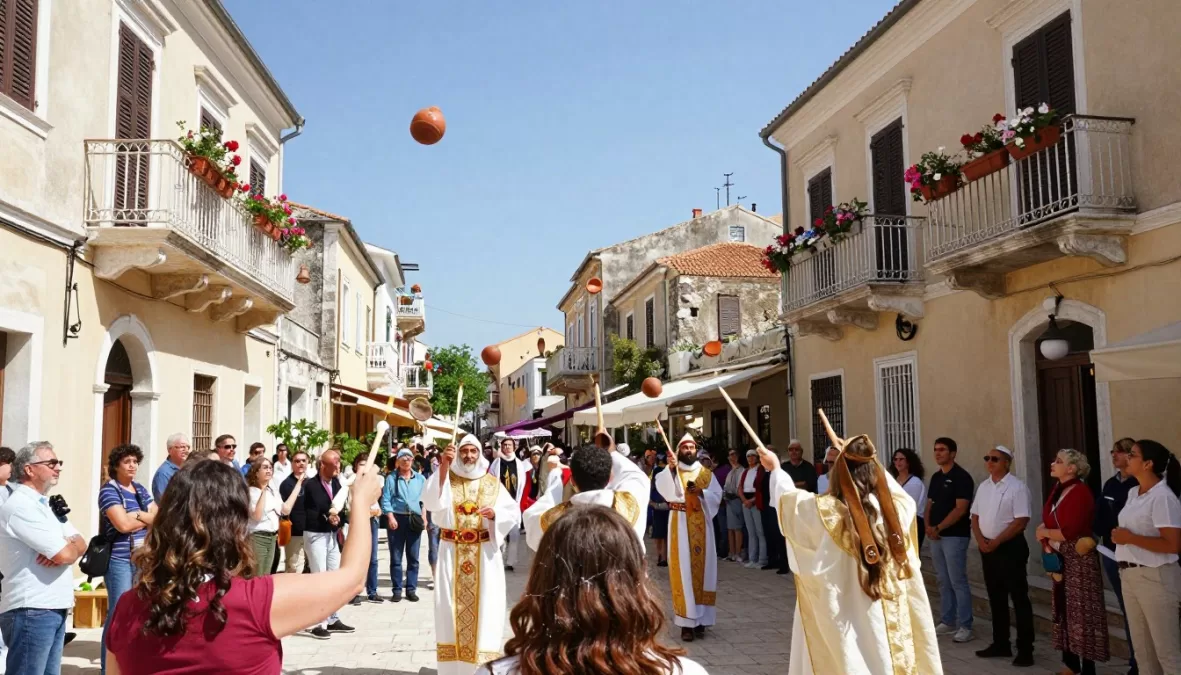
For a truly distinctive Easter experience in 2026, head to the Greek island of Corfu, where Orthodox Easter (celebrated on April 19, 2026) features some of Europe’s most unusual and spectacular traditions. Corfu’s Easter celebrations blend Byzantine traditions, Venetian influences, and unique local customs not found anywhere else in Greece.
The Corfu Municipality has announced expanded programming for 2026, marking the 180th anniversary of the island’s most famous Easter custom—the pot throwing. Local authorities are planning enhanced visitor facilities and viewing areas to accommodate growing international interest while preserving the authentic character of these ancient traditions.
Easter 2026 Highlights in Corfu
Holy Week in Corfu begins with palm-waving processions and the veneration of the mummified remains of the island’s patron saint, St. Spyridon. On Holy Saturday morning, witness the extraordinary “pot throwing” (botides) ceremony, where residents hurl clay pots filled with water from balconies and windows, smashing them on the streets below to symbolize the earthquake that followed Christ’s resurrection.
At midnight between Saturday and Easter Sunday, join thousands in Spianada Square for the Resurrection service, where the island erupts in celebration as church bells ring, fireworks explode, and the dark square is suddenly illuminated by thousands of candles. Easter Sunday brings festive family gatherings with whole lambs roasted on spits, red-dyed eggs, and traditional music.
For 2026, Corfu is planning an expanded cultural program featuring traditional music ensembles from across Greece and neighboring countries, creating a pan-Orthodox celebration of Easter traditions.
Beyond Easter Celebrations
April in Corfu offers pleasant temperatures (15-20°C/59-68°F) perfect for exploring the UNESCO-listed Old Town with its Venetian fortresses, elegant esplanades, and narrow alleyways. The island blooms with wildflowers, making it ideal for hiking coastal paths or visiting traditional villages in the verdant interior.
Practical Tip for 2026: Book accommodations in Corfu Town at least 10 months in advance for Orthodox Easter. For the best views of the pot-throwing ceremony, reserve a room with a balcony on Liston or near Spianada Square—these premium locations are expected to be available for booking from summer 2025.
4. Florence, Italy: Renaissance Easter Spectacle
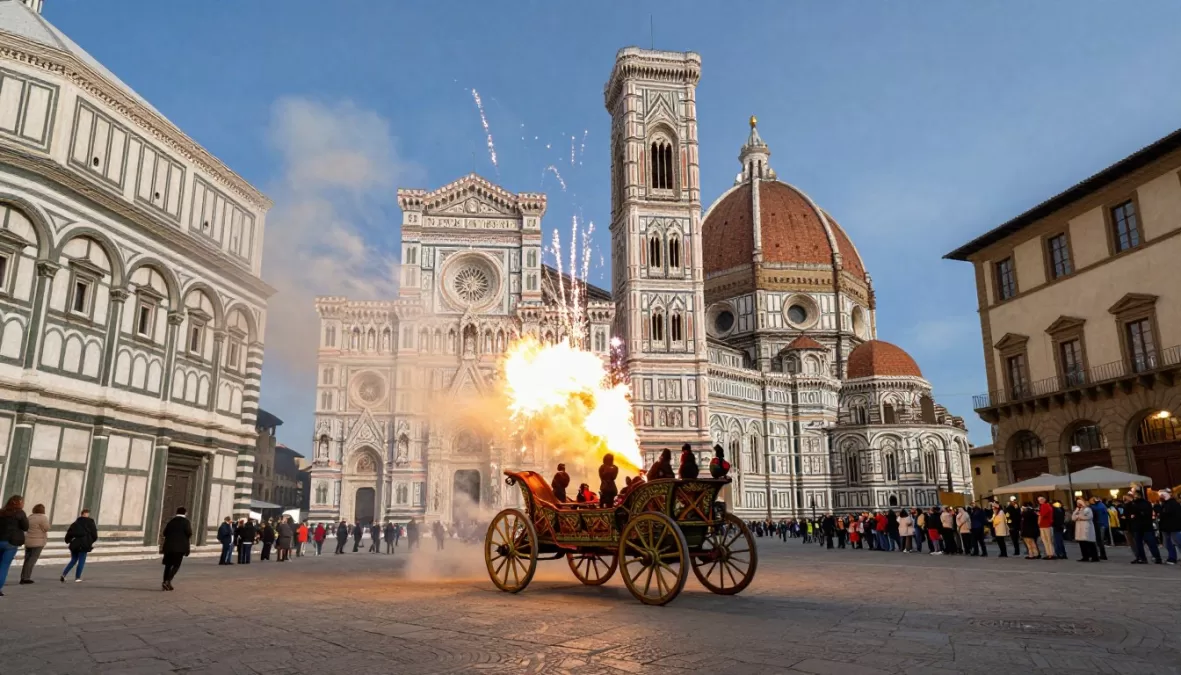
Florence celebrates Easter with a 350-year-old tradition that perfectly blends religious devotion with Renaissance spectacle. The Scoppio del Carro (Explosion of the Cart) is a uniquely Florentine ceremony that promises to be especially magnificent in 2026, as city officials have announced a complete restoration of the historic cart for the occasion.
For Easter 2026, Florence is planning enhanced viewing areas around the Duomo and a special exhibition at the Palazzo Vecchio showcasing the history of this tradition, including rare historical documents and artifacts never before displayed publicly.
Easter 2026 Highlights in Florence
On Easter Sunday morning (April 5, 2026), a towering antique cart (constructed in 1622) is pulled by white oxen adorned with spring flowers through Florence’s historic center to the Duomo. During Easter Mass, the Archbishop lights a dove-shaped rocket (the “Colombina”) that flies along a wire to the cart packed with fireworks, creating a spectacular pyrotechnic display. According to tradition, a successful explosion ensures a good harvest and prosperity for the city.
The 2026 celebration will feature an expanded procession with historical costumes representing different eras of Florentine history, from the Medieval period through the Renaissance to modern times. Local officials have also announced special access to normally closed church bell towers, offering visitors unique vantage points to witness the ceremony.
Beyond Easter Celebrations
Spring in Florence brings comfortable temperatures (15-20°C/59-68°F) perfect for exploring Renaissance masterpieces at the Uffizi Gallery and Accademia (home to Michelangelo’s David). Easter coincides with blooming gardens, making it an ideal time to visit the Boboli Gardens or take day trips to the Tuscan countryside where vineyards and olive groves begin their growing season.
Don’t miss traditional Easter foods like schiacciata alla fiorentina (a sweet flatbread) and the colomba pascuale (dove-shaped Easter cake), available at historic pasticcerias throughout the city.
Practical Tip for 2026: For the best views of the Scoppio del Carro, arrive at the Duomo by 8:00 AM to secure a spot, or book a room with a view of the square at least 9 months in advance. The city has announced plans for a new ticketing system for prime viewing areas, expected to launch in late 2025.
5. Amsterdam, Netherlands: Easter Among the Tulips
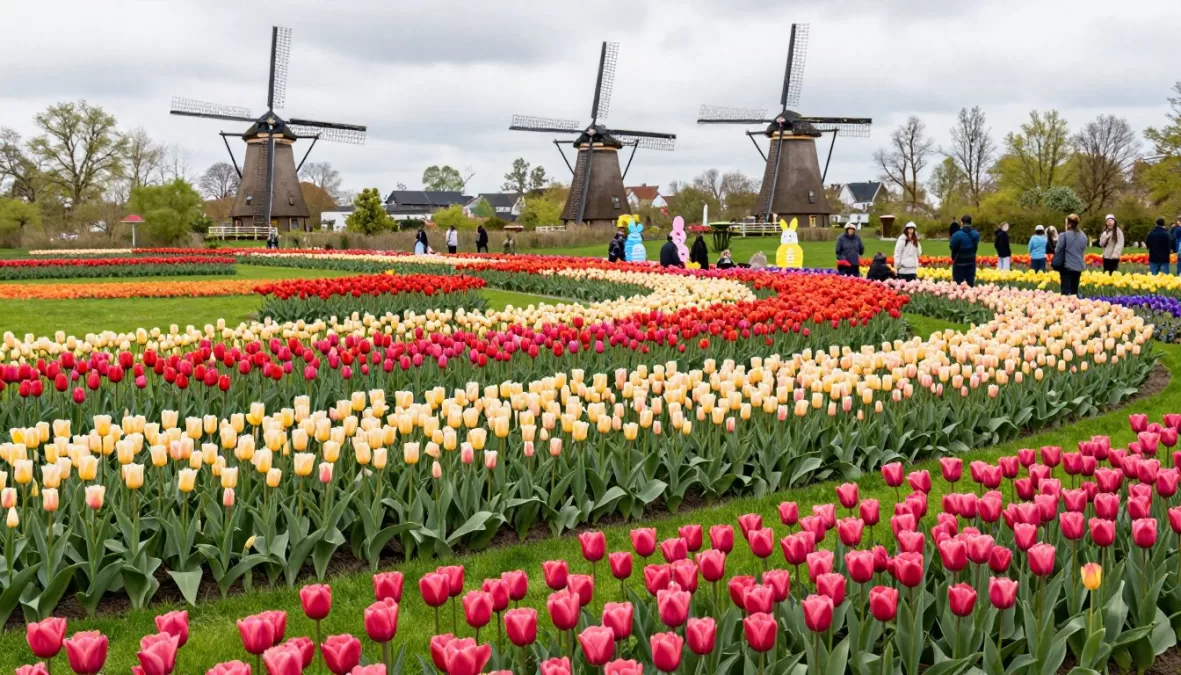
Easter 2026 in Amsterdam coincides perfectly with the peak of tulip season, creating one of Europe’s most visually stunning spring destinations. The Netherlands bursts into color in April as millions of tulips, daffodils, and hyacinths transform the landscape into a living painting.
For 2026, Keukenhof Gardens has announced a special “Easter Jubilee” theme celebrating the garden’s 80th anniversary with unprecedented floral displays and extended evening openings featuring special lighting installations during the Easter weekend.
Easter 2026 Highlights in Amsterdam
Keukenhof Gardens, located just outside Amsterdam, will host special Easter events from April 3-6, 2026, including egg hunts, flower arranging workshops, and traditional Dutch Easter brunch options. The gardens will feature over 7 million spring-flowering bulbs in spectacular designs, with 2026 showcasing several new tulip varieties developed specifically for the anniversary year.
In Amsterdam itself, the Rijksmuseum and Van Gogh Museum will host special exhibitions focusing on spring themes and floral motifs in Dutch art. The city’s famous floating flower market (Bloemenmarkt) becomes especially vibrant during Easter, offering bulbs, fresh flowers, and Easter decorations.
For families, Artis Royal Zoo will host its annual Easter event with special activities focused on spring animals and newborn creatures. Several city parks, including Vondelpark, will feature Easter egg hunts and spring concerts over the holiday weekend.
Beyond Easter Celebrations
April temperatures in Amsterdam (10-15°C/50-59°F) are perfect for cycling along canals lined with trees in fresh bloom or taking boat tours to see the city from the water. Beyond the tulips, don’t miss the chance to explore picturesque Dutch villages like Zaanse Schans with its working windmills or Giethoorn, known as the “Venice of the North.”
Traditional Dutch Easter foods include special breads like paasstol (fruit bread with almond paste) and chocolade-eieren (chocolate eggs), available at bakeries throughout the city.
Practical Tip for 2026: Purchase Keukenhof tickets online at least 2-3 months in advance for Easter weekend visits, as this coincides with peak tulip season. For 2026, the garden is introducing timed entry slots to manage crowds. Consider staying in Haarlem rather than Amsterdam for easier access to the tulip fields and more reasonable accommodation prices.
6. Krakow, Poland: Traditional Easter Markets and Folklore
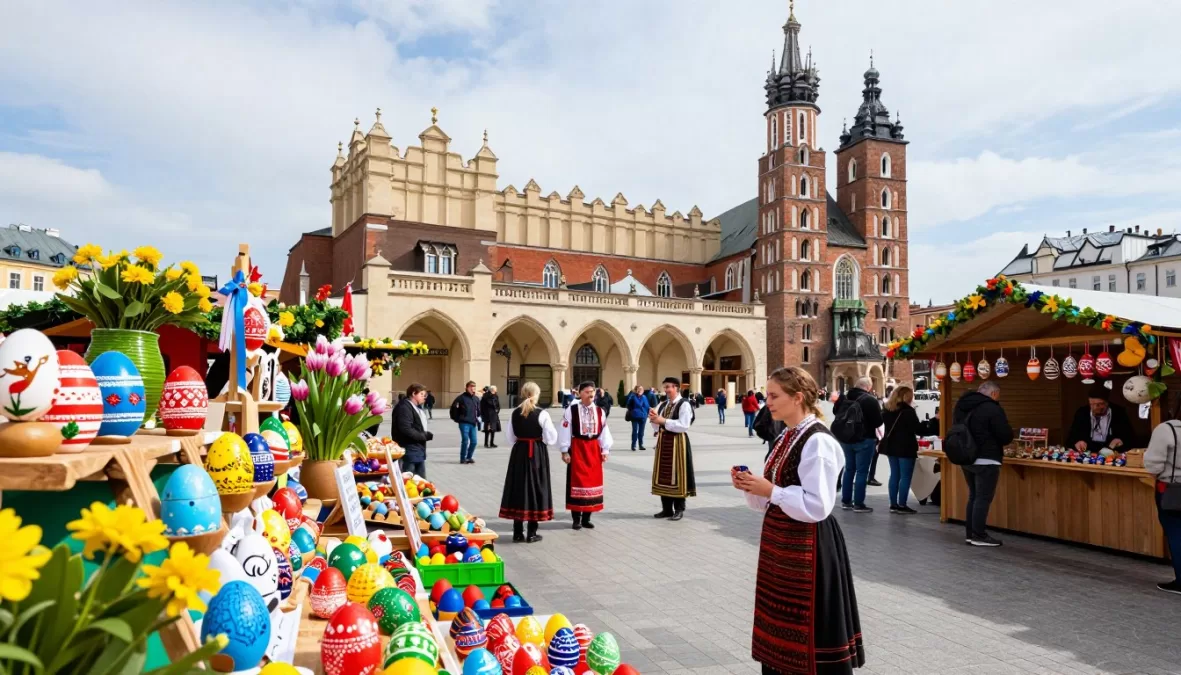
Krakow preserves some of Europe’s most authentic Easter traditions, making it a cultural treasure for travelers seeking genuine folk customs. For Easter 2026, the city has announced an expanded Easter market program as part of its designation as a European Capital of Traditional Celebrations.
The 2026 Easter season will feature a new “Living Heritage” program showcasing endangered Easter traditions from across Eastern Europe, with demonstrations by master craftspeople and opportunities for visitors to learn traditional skills.
Easter 2026 Highlights in Krakow
The Easter Market in Krakow’s magnificent Main Square (Rynek Główy) will run from March 27 to April 12, 2026, featuring wooden stalls selling intricately hand-painted eggs (pisanki), traditional foods, and folk crafts. Throughout Easter week, folk ensembles perform traditional dances and music in the square, often in colorful regional costumes.
On Easter Saturday (April 4), visit local churches to witness the blessing of Easter baskets (święconka), where families bring decorated baskets containing symbolic foods to be blessed. Easter Sunday features morning resurrection processions, followed by festive family meals featuring white borscht, stuffed eggs, and babka cake.
The day after Easter Monday brings the unique Emaus Fair, a centuries-old folk festival with carousel rides, traditional toys, and regional foods. For 2026, this fair will expand to include craftspeople from neighboring countries demonstrating their Easter traditions.
Beyond Easter Celebrations
Spring in Krakow (10-15°C/50-59°F) is perfect for exploring the medieval Old Town, Wawel Castle, and the historic Jewish quarter of Kazimierz. The city’s café culture thrives as outdoor seating appears, and the Planty park encircling the Old Town bursts into bloom.
Consider day trips to the Wieliczka Salt Mine with its underground chapels, or to Zakopane in the Tatra Mountains, where unique highland Easter traditions continue in picturesque wooden villages.
Practical Tip for 2026: Book accommodations within walking distance of the Main Square at least 6 months in advance. For 2026, the city is introducing a special “Easter Traditions Pass” providing priority access to popular sites and special events during the holiday period – these will be available online from January 2026.
7. Salzburg, Austria: Easter Festival of Sacred Music
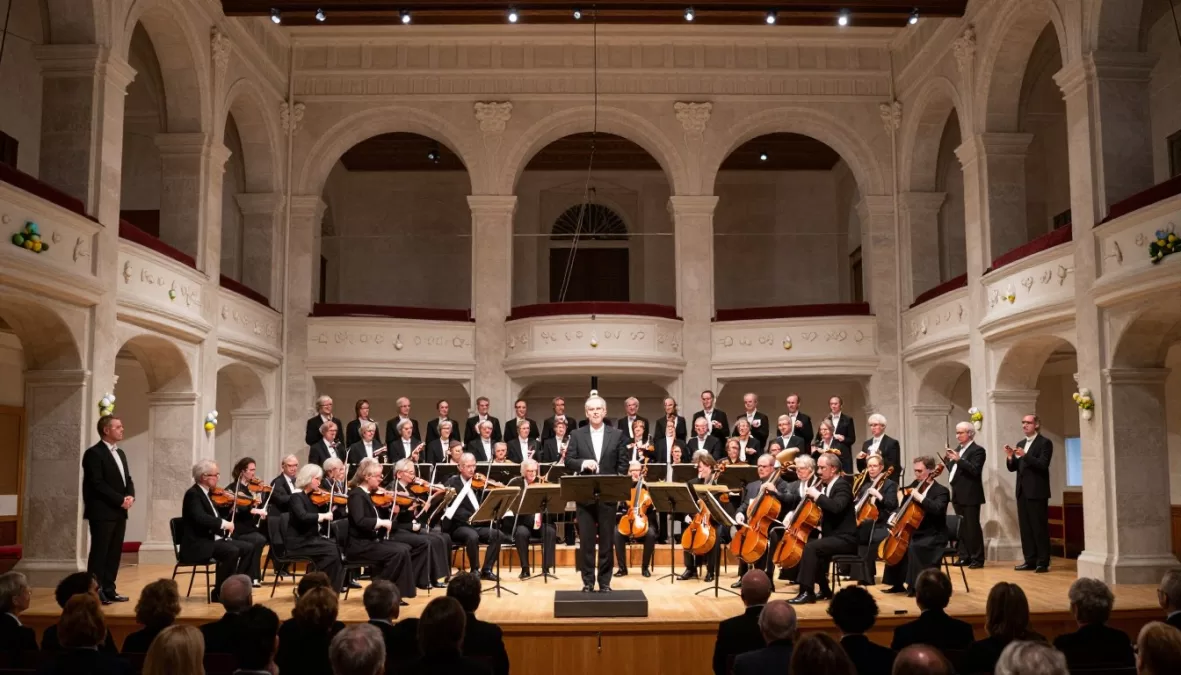
Salzburg, the birthplace of Mozart and a UNESCO World Heritage site, elevates Easter to an artistic pinnacle with its internationally renowned Easter Festival. For 2026, the festival will celebrate its 60th anniversary with an exceptional program featuring world-class orchestras, conductors, and soloists.
The Salzburg Easter Festival Foundation has announced that 2026 will feature a special commemorative program including newly commissioned works and the return of legendary performers who have shaped the festival’s history.
Easter 2026 Highlights in Salzburg
The Salzburg Easter Festival (March 28 – April 6, 2026) centers around outstanding opera productions and orchestral concerts in historic venues. The 2026 program will feature a new production of Wagner’s “Parsifal” – particularly appropriate for Easter with its themes of redemption – performed by the Berlin Philharmonic Orchestra.
Beyond the main festival, Salzburg’s magnificent baroque churches host sacred music concerts throughout Holy Week. The Cathedral Square and Old Town transform with Easter markets selling traditional crafts, painted eggs, and regional specialties like Osterpinze (sweet Easter bread).
For 2026, Salzburg is introducing a new “Sacred Spaces” program featuring special access to normally closed monastery gardens, chapels, and religious sites, with guided tours exploring the city’s spiritual heritage.
Beyond Easter Celebrations
Spring in Salzburg (10-15°C/50-59°F) is perfect for exploring the baroque Old Town, visiting Mozart’s birthplace, or touring the imposing Hohensalzburg Fortress with panoramic Alpine views. The Mirabell Gardens begin their spectacular spring blooming, creating perfect photo opportunities with the fortress in the background.
Consider day trips to the stunning Lake District (Salzkammergut) where traditional Easter bonfires are lit on mountaintops, or visit nearby Hallein for its authentic salt mine tours and folk Easter celebrations.
Practical Tip for 2026: Easter Festival tickets go on sale in September 2025 and sell out quickly. Book accommodations at least 10 months in advance. For 2026, the festival is introducing a digital ticket lottery system for last-minute availability – register through their website from January 2026.
8. Dubrovnik, Croatia: Easter on the Adriatic
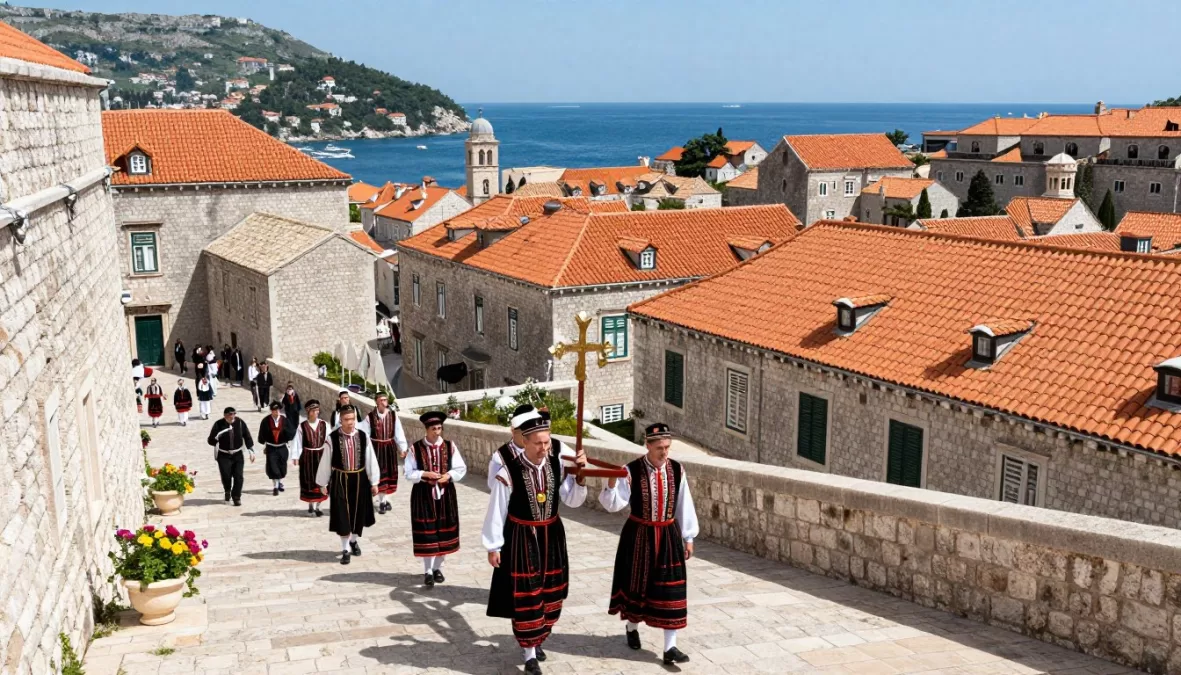
Dubrovnik, the “Pearl of the Adriatic,” offers a unique Easter experience combining Catholic traditions with Mediterranean culture against the backdrop of one of Europe’s most beautiful walled cities. Easter 2026 will be particularly significant as it coincides with the 50th anniversary of Dubrovnik’s UNESCO World Heritage status.
For this special anniversary, city authorities have announced enhanced Easter programming including illumination of the city walls with special lighting displays during Holy Week and the restoration of several historic churches specifically for the 2026 Easter celebrations.
Easter 2026 Highlights in Dubrovnik
Holy Week in Dubrovnik features solemn processions through the marble streets of the Old Town, with the most important occurring on Good Friday (April 3, 2026). Locals in traditional costumes carry crosses and religious relics, including a fragment of the True Cross housed in the Cathedral Treasury.
Easter Sunday brings joyful celebrations with church bells ringing throughout the city and families gathering for festive meals featuring pinca (sweet Easter bread), colored eggs, and roast lamb. The main square hosts folk performances and traditional games.
For 2026, Dubrovnik is reviving several ancient Easter customs not practiced for generations, including the “Egg Battle” competition on Easter Monday and special boat processions in the harbor carrying blessed Easter candles.
Beyond Easter Celebrations
April in Dubrovnik brings pleasant temperatures (15-18°C/59-64°F) ideal for walking the city walls, exploring hidden courtyards, and enjoying the first outdoor café culture of the season without summer crowds. The surrounding hillsides and islands burst with spring wildflowers, making it perfect for hiking or boat excursions.
Consider day trips to the Pelješac Peninsula for wine tasting, the island of Lokrum with its botanical gardens, or the nearby Bay of Kotor in Montenegro with its own distinctive Easter traditions.
Practical Tip for 2026: Book accommodations within the Old Town at least 8 months in advance for the Easter period. For 2026, the city is introducing a special “Holy Week Pass” providing access to religious sites and ceremonies – these will be available through the Tourist Office from January 2026.
9. Stockholm, Sweden: Easter Witches and Nordic Traditions
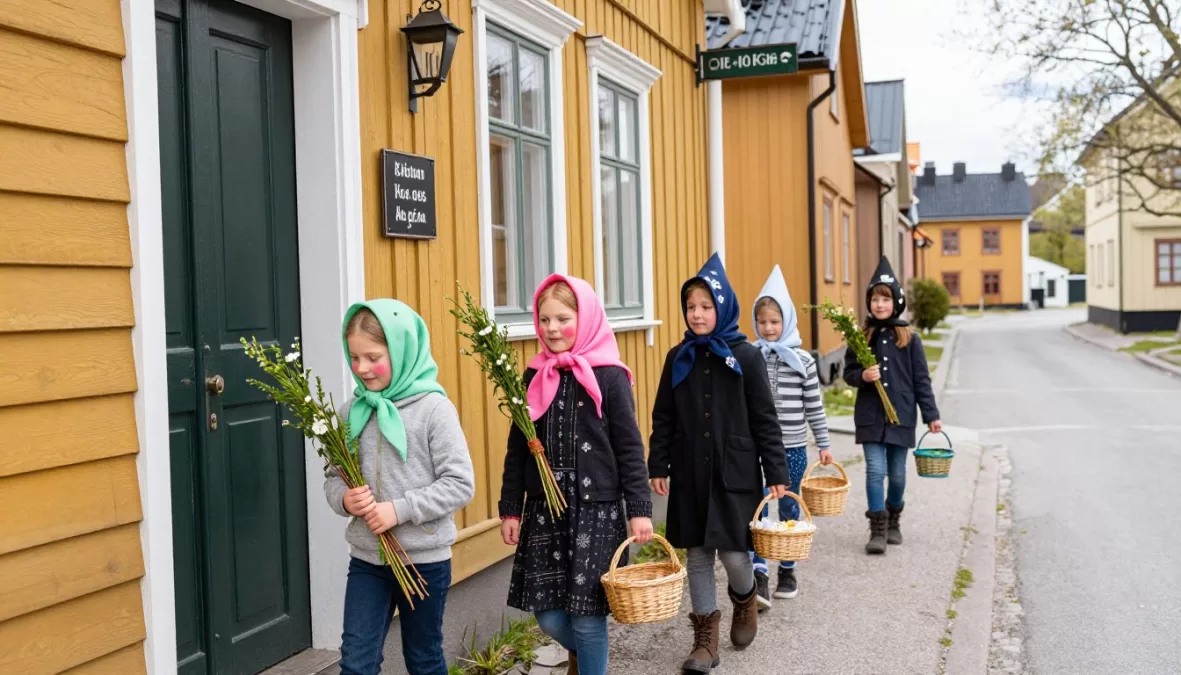
Stockholm offers one of Europe’s most distinctive Easter experiences, blending Christian traditions with ancient Nordic customs and folklore. Easter in Sweden features unique traditions found nowhere else, including children dressing as Easter witches (påskkärringar) – a charming custom that surprises many visitors.
For Easter 2026, Stockholm’s Skansen Open-Air Museum has announced a special “Nordic Easter Heritage” program showcasing Easter traditions from across Scandinavia, with particular emphasis on endangered customs being preserved for future generations.
Easter 2026 Highlights in Stockholm
The Easter season in Stockholm begins with homes and businesses decorated with birch twigs adorned with colorful feathers and small ornaments (påskris). On Maundy Thursday (April 2, 2026), children dress as Easter witches with painted rosy cheeks and colorful headscarves, going door-to-door exchanging hand-drawn Easter cards for sweets – a tradition stemming from old beliefs that witches flew to meet the devil during Holy Week.
Skansen Open-Air Museum hosts Stockholm’s largest Easter market (April 3-6, 2026), featuring traditional crafts, folk music, and demonstrations of egg decorating and other Easter crafts. Costumed interpreters showcase Easter customs from different historical periods in Sweden.
For 2026, Stockholm is introducing a new “Easter Light Festival” in Gamla Stan (Old Town), with artistic light installations inspired by both Christian symbolism and Nordic folklore illuminating historic buildings throughout Easter week.
Beyond Easter Celebrations
April in Stockholm (5-10°C/41-50°F) brings the first real warmth after winter, with locals enthusiastically embracing outdoor activities. The archipelago awakens with boat services resuming to many islands, offering unique day trips. The Royal Palace and museums are less crowded than in summer, and the first outdoor seating appears at cafés along the waterfront.
Don’t miss traditional Swedish Easter foods like pickled herring, Jansson’s temptation (potato casserole with anchovies), and påskmust (a special Easter soft drink similar to root beer).
Practical Tip for 2026: Book tickets for Skansen’s Easter program at least 1 month in advance. For 2026, the museum is introducing special evening programs with limited capacity. Consider staying in the Södermalm district for a more authentic local experience with excellent restaurant options.
10. Valletta, Malta: Mediterranean Easter Pageantry
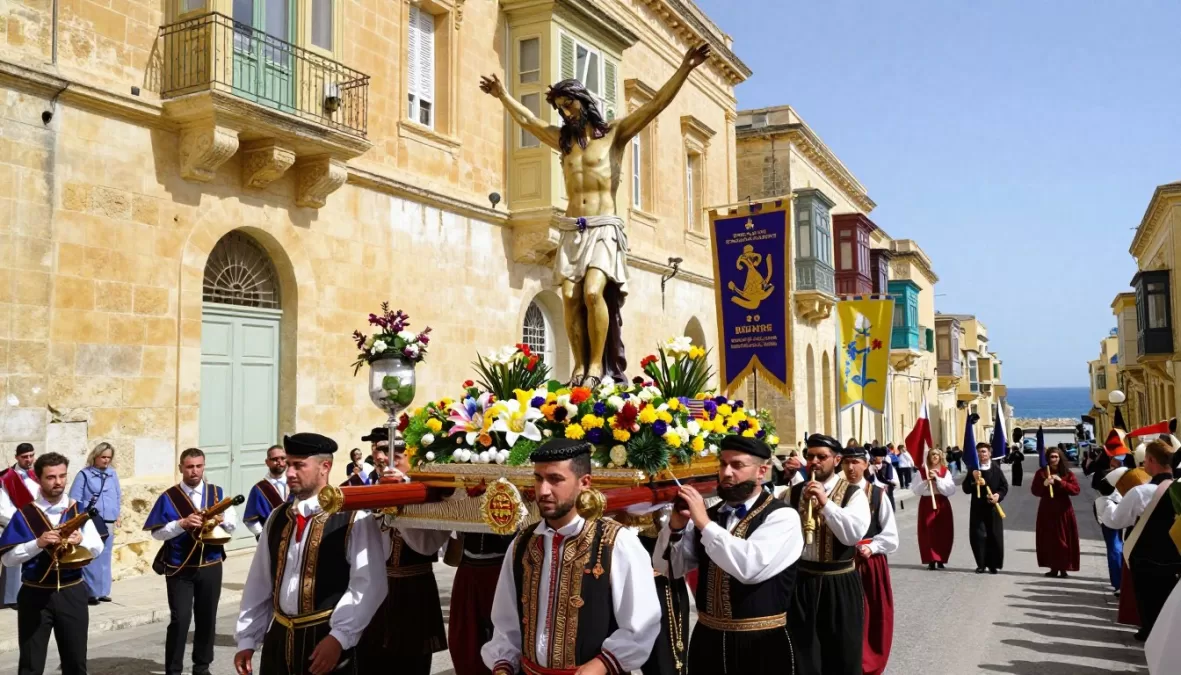
Malta, with its 365 churches packed into a tiny Mediterranean archipelago, celebrates Easter with extraordinary fervor and pageantry. The island nation’s Easter traditions reflect its unique history at the crossroads of civilizations, blending influences from across the Mediterranean.
For Easter 2026, Malta is planning enhanced celebrations as part of its “Living Faith Heritage” program, with special emphasis on preserving and showcasing traditions that date back to the Knights of St. John who ruled the island for centuries.
Easter 2026 Highlights in Malta
Holy Week in Malta features some of the Mediterranean’s most elaborate processions. On Good Friday (April 3, 2026), solemn processions with biblical characters and participants carrying heavy statues depicting the Passion wind through narrow streets in towns across the island. The most spectacular occur in Valletta, Vittoriosa, and Qormi, where some participants drag chains or carry crosses as acts of penance.
The mood transforms dramatically on Easter Sunday with joyful processions featuring the statue of the Risen Christ. Participants run with the statue through the streets while church bells ring and band clubs play festive music. Confetti rains down from balconies in a scene of jubilation.
For 2026, Malta is introducing special night tours of illuminated churches during Holy Week, with access to normally restricted areas and explanations of the island’s unique religious art and traditions.
Beyond Easter Celebrations
April in Malta brings pleasant temperatures (16-20°C/61-68°F) perfect for exploring the UNESCO-listed capital of Valletta, the medieval silent city of Mdina, or the prehistoric temples that predate the Egyptian pyramids. The countryside explodes with wildflowers, making it an excellent time for hiking along coastal paths.
Don’t miss traditional Maltese Easter foods like figolli (almond-filled pastries in festive shapes), kwarezimal (spiced honey cookies), and roast lamb with potatoes.
Practical Tip for 2026: For the best Good Friday procession views, arrive at least 2 hours early or book accommodations with balconies overlooking procession routes. For 2026, Heritage Malta is introducing a special “Holy Week Passport” providing access to multiple religious sites and events – available for purchase online from December 2025.
Planning Your Easter 2026 European Journey

When to Book for Easter 2026
- Flights: Book 6-8 months in advance (September-November 2025) for the best combination of availability and pricing
- Accommodations: Reserve 8-12 months ahead for popular destinations like Seville, Rome, and Florence
- Special Events: Mark your calendar for September-October 2025 when most Easter 2026 event tickets become available
- Restaurant Reservations: For special Easter meals, book 2-3 months in advance
Easter 2026 Travel Essentials
- Weather Preparation: Pack layers for spring’s variable temperatures (10-20°C/50-68°F)
- Modest Attire: Bring appropriate clothing for religious sites (covered shoulders, knees)
- Comfortable Footwear: Essential for processions and cobblestone streets
- Camera Equipment: Extra memory cards for spectacular processions and spring landscapes
Multi-Destination Itinerary Ideas
Mediterranean Easter Circuit
Combine Malta, Sicily, and Rome for a comprehensive Mediterranean Easter experience. Start in Malta for Good Friday, travel to Sicily for Saturday traditions, and finish in Rome for Easter Sunday with the Pope.
Central European Heritage Tour
Link Krakow, Salzburg, and Vienna for diverse Central European traditions. Experience Polish folk customs, Austrian sacred music, and Habsburg imperial Easter celebrations.
Iberian Peninsula & Islands
Pair Seville’s Semana Santa with Portugal’s Easter celebrations, then fly to Corfu for Orthodox Easter the following weekend for a two-week immersion in contrasting traditions.
Start Planning Your Easter 2026 European Adventure
Easter 2026 will be here sooner than you think! With many accommodations and special events booking up 8-12 months in advance, now is the perfect time to start planning your European Easter experience. Sign up for our newsletter to receive exclusive early booking opportunities and insider tips for experiencing authentic Easter traditions across Europe.
Conclusion: Embracing Europe’s Easter Heritage in 2026
Easter 2026 presents a perfect opportunity to experience Europe’s rich tapestry of spring traditions, religious ceremonies, and cultural celebrations. From the solemn processions of Seville and the spectacular fireworks of Florence to the tulip fields of Amsterdam and the unique Easter witches of Stockholm, each destination offers its own distinctive way of marking this important holiday.
What makes Easter travel in Europe so rewarding is the perfect balance it strikes: religious traditions maintain their authenticity while being accessible to respectful visitors; spring weather is pleasant without summer’s crowds and heat; and natural beauty abounds as the continent awakens from winter. Easter 2026, falling on April 5 (with Orthodox Easter following on April 19), provides an ideal timeframe for experiencing Europe at its springtime best.
Whether you’re drawn to the grand religious spectacles of Southern Europe, the artistic celebrations of Central Europe, or the unique folk traditions of Northern Europe, planning ahead is essential. Many of the most authentic experiences require advance arrangements, especially as interest in cultural tourism continues to grow.
By beginning your planning now for Easter 2026, you’ll secure not just the practical elements of your journey but also the opportunity to participate in some of Europe’s most meaningful and visually stunning traditions – creating memories that will last a lifetime.
Frequently Asked Questions About Easter Travel in Europe 2026
When exactly is Easter in 2026?
Western Christian Easter (Catholic and Protestant) falls on Sunday, April 5, 2026. Orthodox Easter (celebrated in countries like Greece, Cyprus, Romania, Bulgaria, and Russia) falls two weeks later on Sunday, April 19, 2026. This means you could potentially experience both Easter celebrations in a single extended trip.
Which European destinations are best for families during Easter 2026?
Amsterdam and the Netherlands are excellent for families, with tulip displays, Easter egg hunts, and family-friendly attractions. Stockholm is also wonderful with its Easter witch tradition that children can participate in. For warmer weather, Malta offers family-friendly Easter events and pleasant temperatures for outdoor activities.
Are most attractions and restaurants open during Easter weekend in Europe?
This varies by country. In predominantly Catholic countries like Spain, Italy, and Malta, many museums and attractions may have limited hours on Good Friday and Easter Sunday, while restaurants often offer special Easter menus but require reservations. In more secular countries like the Netherlands and Sweden, most attractions remain open with normal or extended holiday hours. Always check specific opening times when planning your itinerary.
How far in advance should I book for Easter 2026 travel in Europe?
For popular destinations like Seville, Rome, and Florence, book accommodations 8-12 months in advance (April-August 2025). Flights typically become available 11 months before travel, with the best prices often found 6-8 months ahead. For special events like papal audiences or festival performances, mark your calendar for when bookings open (typically 6-9 months in advance).
What’s the weather like across Europe during Easter 2026?
Weather varies significantly by region. Southern destinations like Malta, southern Spain, and Greece typically enjoy temperatures of 16-20°C (61-68°F). Central European cities like Krakow and Salzburg average 10-15°C (50-59°F). Northern destinations like Stockholm might still be quite cool at 5-10°C (41-50°F). Spring weather can be unpredictable everywhere, so packing layers is essential.

Priyanka Pandey
Senior Research Editor · Top10Sense
Priyanka specializes in tech, consumer products, and digital trends. She combines hands-on testing, vendor interviews, and database research to create trustworthy “Top 10” rankings. Her work has been referenced by industry blogs and brand report pages.