
Choosing the right place to raise a family is one of life’s most significant decisions. As we look ahead to 2026, families are increasingly considering international relocation for better quality of life, education opportunities, healthcare access, and work-life balance. The global landscape continues to evolve, with some countries making remarkable strides in creating family-friendly environments through progressive policies, sustainable urban planning, and robust social support systems.
This comprehensive guide explores the top 10 destinations that stand out for families seeking a fresh start or a better quality of life in 2026. We’ve analyzed data on safety, education systems, healthcare accessibility, environmental quality, and family support policies to bring you a forward-looking perspective on the best places to call home.
Key Factors Families Consider When Relocating
When evaluating potential places to live, families typically weigh several crucial factors that directly impact their quality of life and children’s future prospects. Understanding these key considerations can help you make a more informed decision about where your family might thrive.
Safety & Security
Low crime rates, political stability, and natural disaster resilience are paramount concerns for families. Countries with strong safety records provide peace of mind and freedom for children to grow in secure environments.
Education Quality
Access to high-quality public and private schools, international curricula options, and higher education opportunities significantly influence family relocation decisions. Future-focused education systems prepare children for tomorrow’s challenges.
Healthcare Access
Comprehensive, affordable healthcare systems with strong preventive care programs, pediatric specialties, and family medicine resources ensure families can maintain optimal health and receive care when needed.
Cost of Living
Housing affordability, everyday expenses, childcare costs, and tax implications vary dramatically between countries. Finding the right balance between quality of life and financial sustainability is essential.
Work-Life Balance
Parental leave policies, flexible work arrangements, and cultural attitudes toward family time significantly impact parents’ ability to balance careers with quality family life.
Community & Culture
Family-friendly infrastructure, recreational opportunities, cultural inclusivity, and social integration possibilities help families build meaningful connections in their new home.
Not Sure Which Factors Matter Most for Your Family?
Our Family Relocation Priority Assessment helps you identify your most important considerations based on your unique family situation, values, and long-term goals.
Our Ranking Methodology
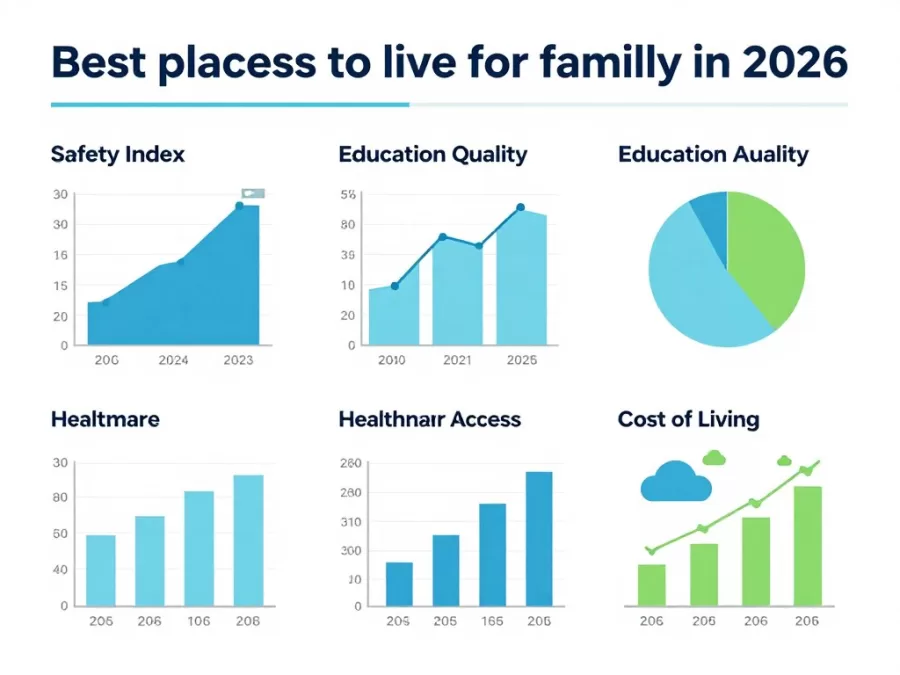
To determine the best places for families in 2026, we’ve analyzed comprehensive data from multiple sources, including the Global Peace Index, OECD Better Life Index, WHO healthcare rankings, and education performance metrics. We’ve also considered forward-looking factors such as planned infrastructure investments, policy changes, and sustainability initiatives that will impact family life in the coming years.
Top 10 Best Places to Live in the World for Families in 2026
Based on our comprehensive analysis, these destinations offer the most promising environments for families looking to relocate in 2026. Each location provides a unique blend of advantages while maintaining excellence in the core factors that matter most to families.
1. The Netherlands
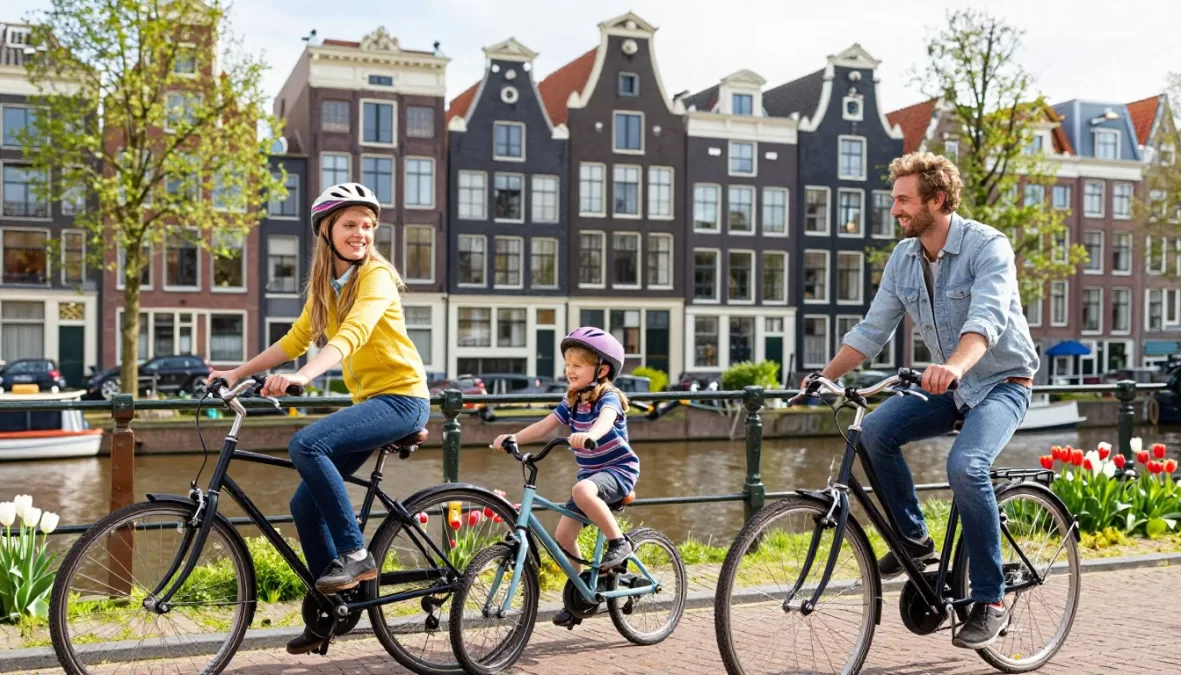
The Netherlands consistently ranks as the top destination for families seeking an exceptional quality of life, outstanding education, and a child-centered society. Dutch culture embraces the concept of “gezinsleven” (family life), creating an environment where children’s well-being and development are societal priorities.
Key Strengths
- World-class education system with bilingual options and strong STEM focus
- Universal healthcare with exceptional pediatric services
- Extensive family support policies including generous parental leave
- Bike-friendly infrastructure making family transportation safe and sustainable
- High English proficiency nationwide (over 90% in urban areas)
- Strong work-life balance culture with flexible working arrangements
Cost of Living: A family of four can expect monthly expenses of approximately €3,400 without rent. While housing in Amsterdam can be expensive, other cities like Utrecht, Rotterdam, and Eindhoven offer more affordable options while maintaining excellent quality of life.
By 2026, the Netherlands is projected to implement additional family-friendly policies, including expanded childcare subsidies and enhanced work flexibility legislation, further cementing its position as the premier destination for families.
2. Denmark
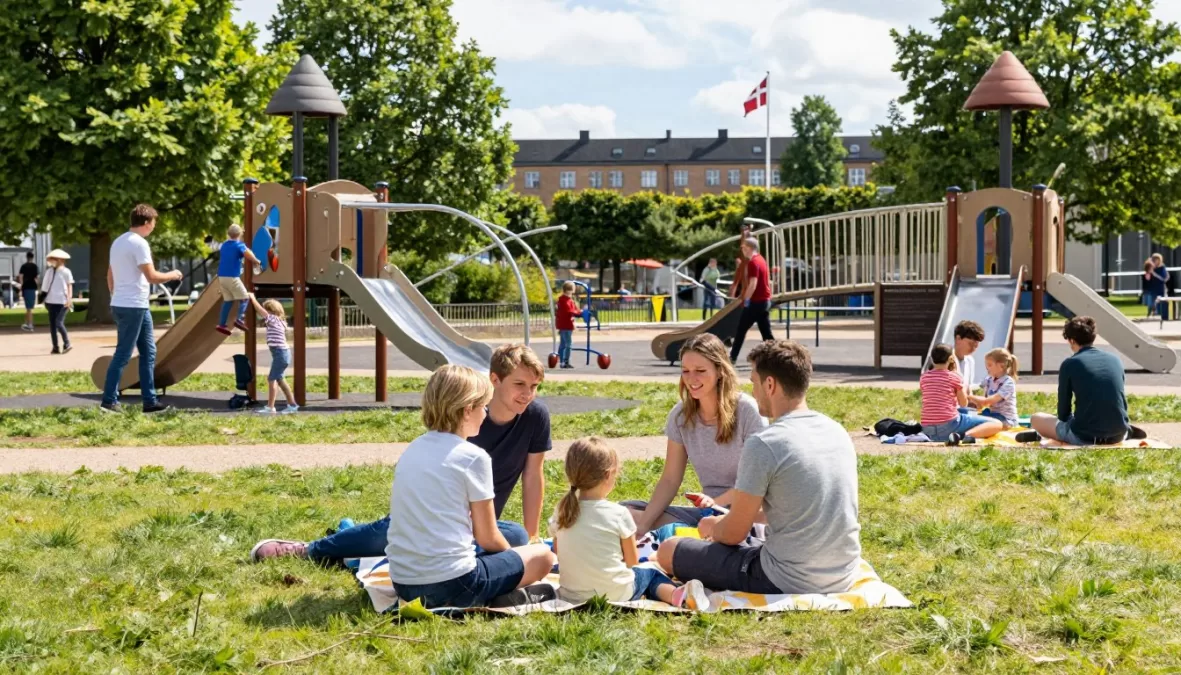
Denmark offers families a progressive society with exceptional work-life balance, comprehensive social welfare, and a deeply ingrained happiness culture. The Danish concept of “hygge” (coziness and comfortable conviviality) creates warm, supportive environments for raising children.
Key Strengths
- Exceptional early childhood education with play-based learning approach
- Free healthcare and education from preschool through university
- Standard 37-hour work week with flexible arrangements for parents
- Extensive parental leave (52 weeks shared between parents)
- Low income inequality and strong social safety net
- Clean environment with excellent urban planning
Cost of Living: Monthly expenses for a family of four average around €3,900 excluding rent. While Denmark has high taxation, families benefit from extensive free services and social benefits that offset these costs.
By 2026, Denmark plans to further expand its green urban spaces and implement additional mental health support programs for families, enhancing its already exceptional quality of life.
3. New Zealand
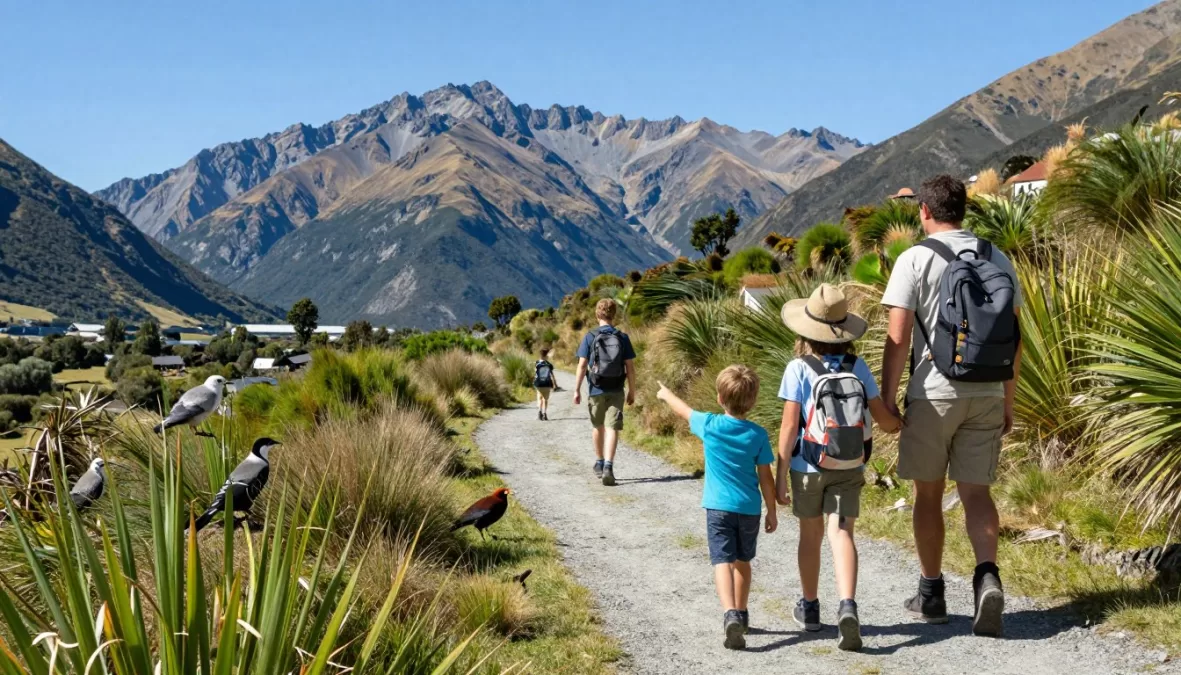
New Zealand offers families a unique blend of stunning natural environments, excellent education, and a relaxed, outdoor-oriented lifestyle. Ranking 4th on the Global Peace Index, it provides a safe haven for families seeking space, nature connection, and work-life balance.
Key Strengths
- Outstanding natural environment with abundant outdoor recreation
- Strong education system with both public and international options
- Universal healthcare with excellent maternal and child services
- Progressive family policies including 26 weeks paid parental leave
- Low population density with access to both urban amenities and nature
- Strong emphasis on environmental education and sustainability
Cost of Living: A family of four needs approximately NZ$7,200 (€3,400) monthly excluding housing. While housing in Auckland and Wellington can be expensive, regional cities offer more affordable options with excellent quality of life.
By 2026, New Zealand is expected to expand its digital infrastructure nationwide, making remote work more accessible for families seeking to balance careers with the country’s exceptional lifestyle.
Planning Your Family’s International Move?
Download our comprehensive Family Relocation Checklist covering everything from school enrollment and healthcare registration to housing considerations and cultural adaptation strategies.
4. Switzerland
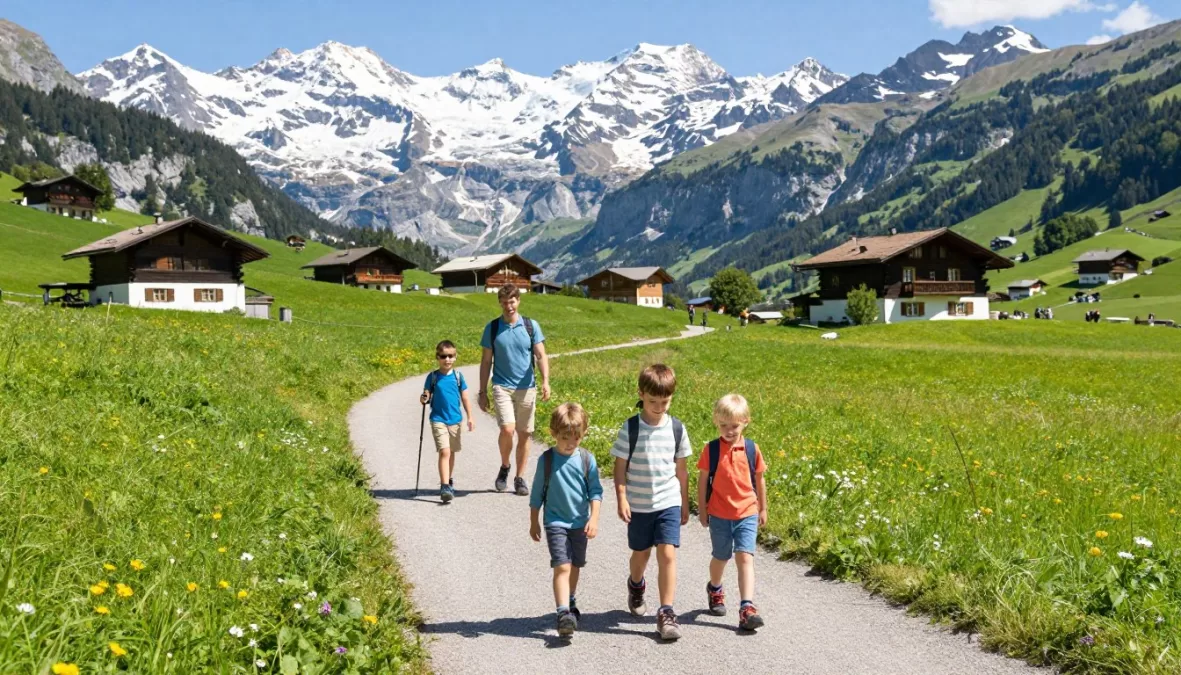
Switzerland combines exceptional quality of life, world-class education, and economic stability in a breathtaking Alpine setting. Its multilingual environment, efficient public services, and strong emphasis on vocational training make it ideal for families seeking long-term prosperity.
Key Strengths
- Exceptional education system with strong vocational pathways
- High-quality healthcare with excellent preventive services
- Multilingual environment (German, French, Italian, English)
- Outstanding public transportation and infrastructure
- Very low crime rates and high political stability
- Clean environment with strict environmental regulations
Cost of Living: Switzerland has one of the highest costs of living globally, with a family of four requiring approximately CHF 8,000-10,000 (€5,600) monthly excluding rent. However, salaries are correspondingly high, with the average household income around CHF 7,100 monthly.
By 2026, Switzerland is expected to implement enhanced family support policies, including expanded childcare subsidies and additional parental leave options, addressing one of its few weak points for families.
5. Canada

Canada offers families exceptional diversity, inclusive communities, and strong social services in a country known for its natural beauty and progressive values. Its clear immigration pathways and multicultural environment make it particularly welcoming for international families.
Key Strengths
- Excellent public education with strong multicultural programs
- Universal healthcare system with comprehensive family coverage
- Generous parental leave (up to 18 months in some provinces)
- Strong emphasis on diversity, inclusion, and multiculturalism
- Clear immigration pathways for skilled workers with families
- Strong social safety net including child benefits
Cost of Living: A family of four requires approximately CAD 6,000-7,000 (€3,400) monthly excluding housing. While Vancouver and Toronto have high housing costs, cities like Calgary, Ottawa, and Halifax offer more affordable options with excellent family amenities.
By 2026, Canada plans to expand its family-friendly infrastructure with additional investment in affordable housing and childcare, addressing key cost concerns for families.
6. Portugal
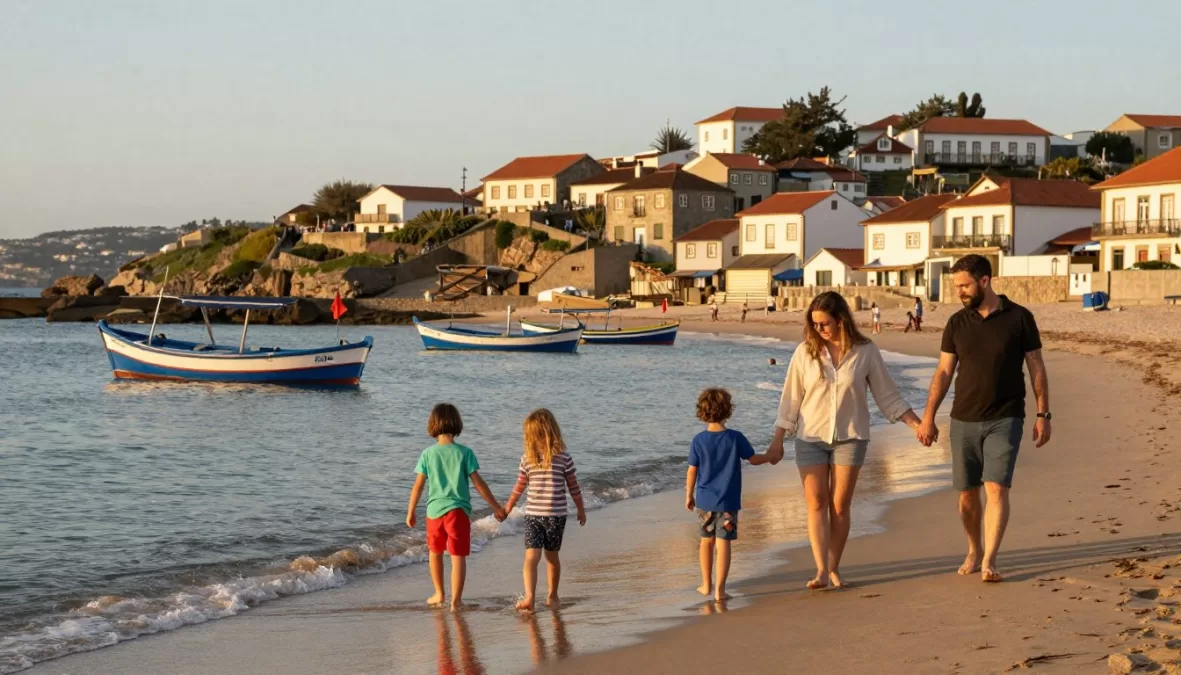
Portugal has emerged as a top destination for families seeking Mediterranean lifestyle with affordable living costs, excellent safety, and a welcoming culture. Its Golden Visa program and D7 visa make it particularly accessible for international families looking to relocate.
Key Strengths
- Excellent safety record (7th on Global Peace Index)
- Affordable cost of living compared to other Western European countries
- High-quality healthcare system with universal coverage
- Pleasant climate with 300+ days of sunshine annually
- Strong international school options in major cities
- Accessible residency pathways including Golden Visa program
Cost of Living: A family of four can live comfortably on €2,300-3,000 monthly excluding rent, making Portugal one of the most affordable Western European options. The Portugal Golden Visa program requires a minimum investment of €250,000, providing a pathway to residency and eventual citizenship.
By 2026, Portugal is projected to further enhance its digital infrastructure and international education options, making it even more attractive for remote-working families.
Compare Living Costs Across Top Family Destinations
Our interactive calculator helps you compare housing, education, healthcare, and everyday expenses across all top family destinations based on your specific family size and lifestyle needs.
7. Australia

Australia combines exceptional outdoor lifestyle, strong education, and robust healthcare in a country known for its laid-back culture and economic opportunities. Its emphasis on sports, outdoor education, and work-life balance makes it particularly appealing for active families.
Key Strengths
- Excellent public education with strong emphasis on outdoor learning
- Universal healthcare (Medicare) with comprehensive family coverage
- Outstanding climate and outdoor lifestyle opportunities
- Strong economy with diverse employment opportunities
- Family-friendly urban planning with abundant parks and recreation
- Multicultural society with inclusive communities
Cost of Living: A family of four requires approximately AUD 6,000-7,000 (€3,400) monthly excluding housing. While Sydney and Melbourne have high housing costs, cities like Adelaide, Brisbane, and Perth offer more affordable options with excellent family amenities.
By 2026, Australia plans to implement enhanced climate resilience measures and expand its renewable energy infrastructure, addressing environmental concerns for future generations.
8. Spain

Spain offers families a vibrant Mediterranean lifestyle with strong family values, excellent healthcare, and a culture that genuinely embraces children. Its new Digital Nomad visa makes it increasingly accessible for remote-working families seeking work-life balance.
Key Strengths
- Excellent public healthcare system ranked among Europe’s best
- Strong family-centered culture where children are welcomed everywhere
- Pleasant climate with abundant outdoor lifestyle opportunities
- Affordable cost of living compared to Northern Europe
- Growing international school options in major cities
- New Digital Nomad visa offering accessible residency pathway
Cost of Living: A family of four can live comfortably on €2,500-3,000 monthly excluding rent. Spain’s Digital Nomad visa requires proof of stable income (minimum €2,646 monthly) and allows families to live and work remotely in Spain.
By 2026, Spain is expected to further expand its international education options and digital infrastructure, making it even more attractive for global families.
9. Germany
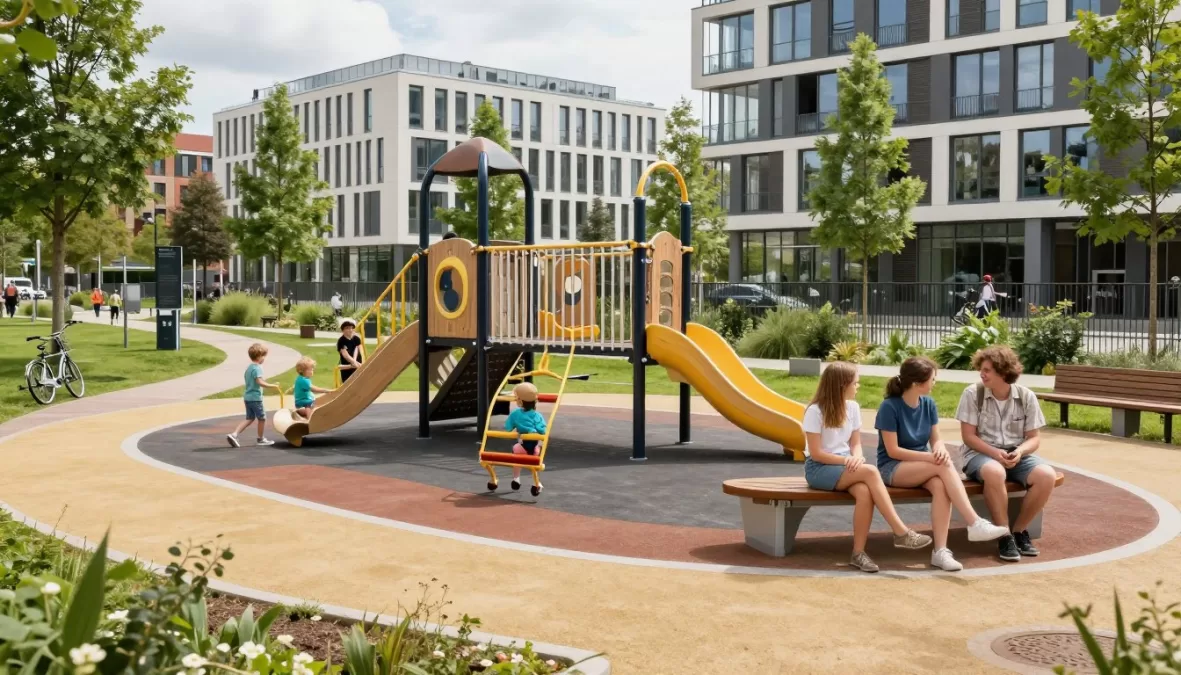
Germany combines economic strength, excellent public services, and family-friendly policies in a central European location. Its strong emphasis on work-life balance, environmental sustainability, and practical education makes it ideal for forward-thinking families.
Key Strengths
- Excellent public education with strong vocational options
- Universal healthcare with comprehensive family coverage
- Strong parental leave policies (up to 14 months paid)
- Excellent public transportation and infrastructure
- Strong environmental policies and green urban planning
- Stable economy with diverse employment opportunities
Cost of Living: A family of four requires approximately €3,000-3,500 monthly excluding rent. While Munich and Frankfurt have higher costs, cities like Leipzig, Dresden, and Nuremberg offer excellent quality of life at more affordable prices.
By 2026, Germany plans to further expand its childcare infrastructure and implement additional work flexibility policies, addressing key concerns for working parents.
10. Japan

Japan offers families exceptional safety, educational excellence, and a unique cultural experience in a country known for its technological innovation and respect for tradition. Its emphasis on community responsibility, environmental consciousness, and healthy living creates a nurturing environment for children.
Key Strengths
- Exceptional safety with very low crime rates
- Outstanding education system with strong STEM focus
- Excellent healthcare with focus on preventive care
- Clean, efficient public transportation and infrastructure
- Rich cultural experiences and traditions
- Strong emphasis on healthy lifestyle and nutrition
Cost of Living: A family of four requires approximately ¥400,000-500,000 (€2,900) monthly excluding rent. While Tokyo is expensive, cities like Fukuoka, Kobe, and Sapporo offer more affordable living with excellent amenities.
By 2026, Japan plans to implement additional support for working parents and expand international education options, addressing key concerns for expatriate families.
Quick Comparison: Top 10 Family Destinations for 2026
| Country | Safety Rank | Education Quality | Healthcare | Monthly Cost (Family of 4) | Residency Pathway |
| Netherlands | 9th | Excellent | Universal | €3,400 | Work, Investment (€1.25M) |
| Denmark | 8th | Excellent | Universal | €3,900 | Work, Study |
| New Zealand | 4th | Very Good | Universal | €3,400 | Skilled Migrant, Investment |
| Switzerland | 6th | Excellent | Insurance-based | €5,600 | Work, Lump-sum Tax |
| Canada | 11th | Very Good | Universal | €3,400 | Express Entry, Family |
| Portugal | 7th | Good | Universal | €2,300 | Golden Visa, D7 Visa |
| Australia | 19th | Very Good | Universal | €3,400 | Skilled, Family |
| Spain | 23rd | Good | Universal | €2,500 | Digital Nomad, Non-Lucrative |
| Germany | 17th | Very Good | Universal | €3,300 | Work, Self-Employment |
| Japan | 17th | Excellent | Insurance-based | €2,900 | Work, Business |
Essential Tips for Family Relocation

Relocating your family internationally requires careful planning and consideration. Here are some essential tips to help make your transition smoother:
Research Education Options Early
Begin researching schools at least 6-12 months before your move. Many international and top public schools have waiting lists, especially in popular expat destinations. Consider visiting schools during a pre-relocation trip if possible.
Understand Healthcare Systems
Research how to access healthcare in your new country, including registration requirements, insurance options, and finding family doctors. Ensure you have appropriate international health coverage during the transition period.
Plan for Language Adaptation
Even in countries with high English proficiency, learning the local language will significantly improve your family’s integration. Consider language classes before moving and continue after arrival.
Connect with Expat Communities
Reach out to existing expat groups online before your move. These communities can provide invaluable advice, support, and social connections during your transition and beyond.
Prepare Children Emotionally
Involve children in the planning process, address their concerns, and help them maintain connections with friends back home while encouraging them to build new relationships.
Understand Visa Requirements
Thoroughly research visa requirements and timelines for your destination country. Some residency pathways require applications from outside the country, while others allow in-country processing.
Frequently Asked Questions
Which countries offer the fastest path to citizenship for families?
Portugal offers one of the fastest and most straightforward paths to citizenship, requiring just 5 years of legal residency plus basic language proficiency. Canada allows citizenship application after 3 years of permanent residency. Most European countries require 5-10 years of residency before citizenship eligibility.
How do international schools compare to local public schools?
International schools typically offer familiar curricula (IB, American, British) in English, making the transition easier but potentially limiting local integration. They’re generally more expensive than public options. Public schools in countries like the Netherlands, Denmark, and Finland offer world-class education and better integration opportunities but may present initial language challenges.
What are the most affordable countries with good quality of life for families?
Portugal and Spain offer the best value in Western Europe, with excellent quality of life at significantly lower costs than Northern European countries. Outside Europe, parts of Canada (excluding Vancouver and Toronto) and regional Australia offer good quality-to-cost ratios with strong public services.
How can we maintain cultural connections after relocating?
Many cities have cultural associations, language schools, and community groups for various nationalities. Digital platforms make it easier to access media, educational resources, and social connections from your home country. Consider establishing family traditions that incorporate both your original culture and new experiences.
What are the tax implications of moving abroad with a family?
Tax implications vary significantly depending on your citizenship, destination country, and income sources. Some countries (like the US) tax citizens on worldwide income regardless of residence, while others have territorial tax systems. Many countries offer special tax regimes for new residents. Consult with an international tax specialist before relocating to understand your specific situation.
Ready to Find Your Family’s Perfect Destination?
Get a personalized assessment of the best locations for your family based on your priorities, budget, and long-term goals. Our relocation specialists will help you navigate the process from research to arrival.
Finding Your Family’s Perfect Home Abroad
The “best” place to live is ultimately a personal decision that depends on your family’s unique needs, values, and circumstances. While our rankings provide a data-driven starting point, we encourage you to consider what factors matter most to your family—whether that’s education quality, outdoor lifestyle, cultural experiences, or affordability.
As you research potential destinations, consider arranging exploratory visits during different seasons to experience daily life beyond tourist attractions. Connect with expat families already living in your target destinations to gain practical insights about the transition process and everyday realities.
Remember that successful international relocation requires flexibility, patience, and a sense of adventure. The challenges of adapting to a new country are balanced by the incredible growth opportunities, expanded worldview, and rich experiences your family will gain. Wherever you choose to call home, the journey of international living will provide your family with invaluable perspectives and memories that last a lifetime.

Priyanka Pandey
Senior Research Editor · Top10Sense
Priyanka specializes in tech, consumer products, and digital trends. She combines hands-on testing, vendor interviews, and database research to create trustworthy “Top 10” rankings. Her work has been referenced by industry blogs and brand report pages.