The flow of skilled professionals between India and the United States represents one of the most significant talent exchanges in the global economy. With over 207,000 Indians receiving H-1B visas in FY 2024 alone, this pipeline has become crucial for innovation, economic growth, and cultural exchange between the world’s largest and oldest democracies. However, recent policy shifts, including the controversial $100,000 H-1B fee proposal, have created new challenges for families and employers navigating this cross-border journey.
Whether you’re a professional considering opportunities in the U.S., a family preparing for relocation, or an employer seeking to attract Indian talent, understanding how to effectively prepare for this transition has never been more important. This guide provides actionable insights to help you navigate the complexities of the India-U.S. talent pipeline in today’s evolving landscape.
The Current Landscape of the India-U.S. Talent Pipeline
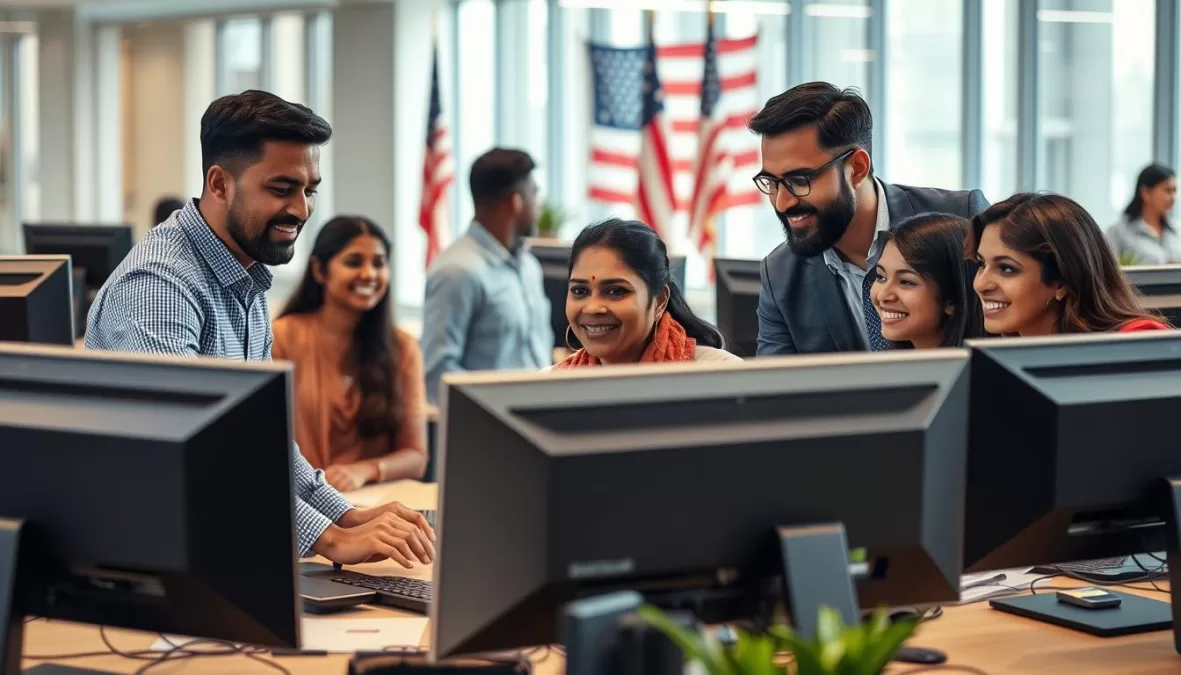
Indian professionals have become integral to America’s innovation economy, particularly in tech hubs like Silicon Valley.
The India-U.S. talent pipeline has evolved significantly over the past decade. According to USCIS data, Indians account for approximately 71% of all H-1B visa approvals, with computer-related occupations making up 65% of these approvals. The median annual compensation for these professionals stands at $118,000 (₹98 lakh), highlighting the economic value this talent brings to the U.S. economy.
However, the landscape is changing rapidly. Policy shifts under different administrations have created uncertainty, with the most recent being the proposed $100,000 annual fee for H-1B visas. Additionally, the green card backlog for Indians now exceeds 1.1 million people, with wait times often measured in decades for EB-2 and EB-3 categories.
Despite these challenges, the demand for skilled Indian professionals remains strong, particularly in STEM fields where talent shortages persist in the U.S. market. This creates both opportunities and obstacles for families and employers looking to navigate this complex ecosystem.
“To maintain the momentum of growth, a pipeline of talent is needed for India and the U.S.” – Prime Minister Narendra Modi during his visit to the National Science Foundation
Essential Preparation for Families Entering the Talent Pipeline
Navigating the Visa Maze
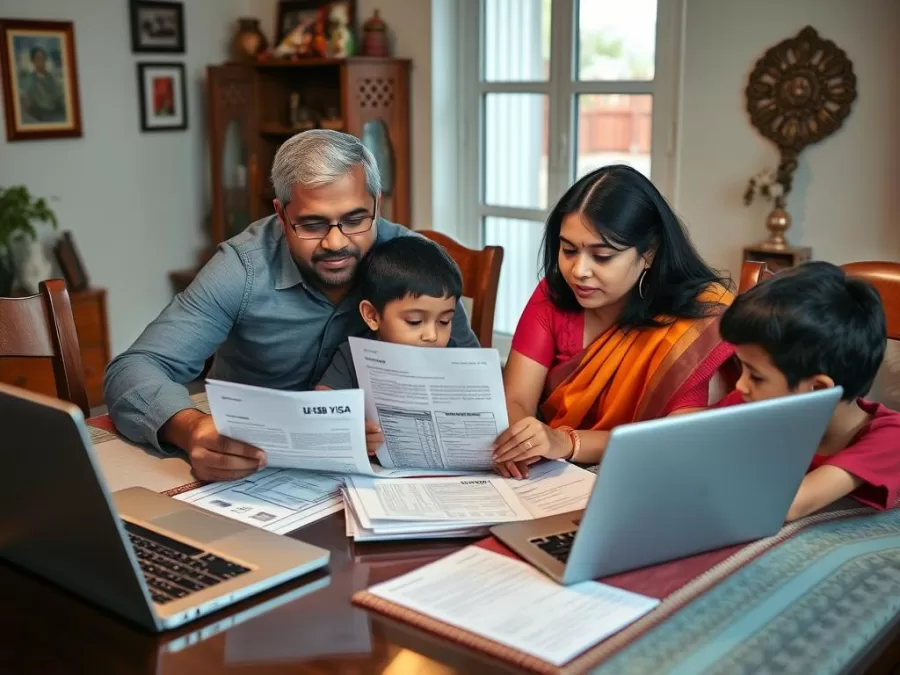
Understanding visa options and requirements is the first critical step for families considering the move to the U.S.
For families considering the move to the United States, understanding the visa landscape is crucial. The H-1B remains the primary pathway, but alternatives exist:
| Visa Type | Best For | Duration | Key Considerations |
| H-1B | Professionals in specialty occupations | 3 years, renewable once | Annual lottery with ~1:3 odds; employer-dependent |
| L-1 | Intra-company transfers | Up to 7 years | Requires 1+ year at foreign affiliate |
| F-1 with OPT | Students transitioning to work | 12-36 months post-graduation | STEM extension available; bridge to H-1B |
| O-1 | Individuals with extraordinary ability | Up to 3 years, renewable | High qualification threshold |
Families should begin preparation at least 12-18 months before their intended move. This includes gathering documentation, ensuring educational credentials are properly evaluated, and understanding dependent visa options for spouses and children.
Free Visa Preparation Checklist
Download our comprehensive checklist covering all documentation and steps needed for your visa journey, including timelines and common pitfalls to avoid.
Cultural Adaptation Strategies
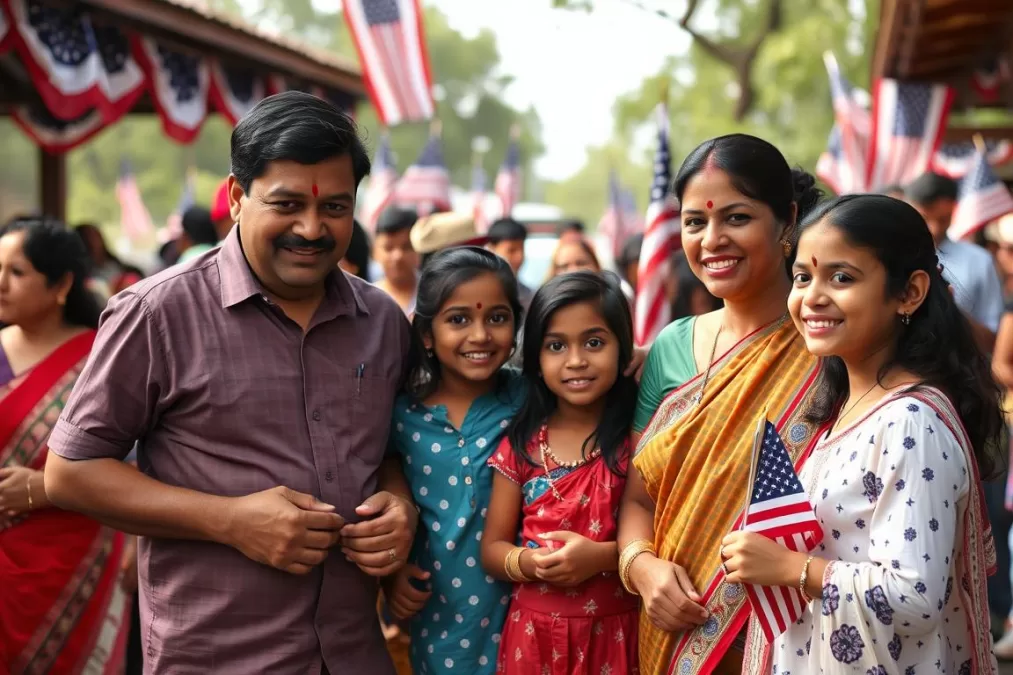
Cultural adaptation remains one of the biggest challenges for Indian families relocating to the U.S. Beyond the obvious differences in social norms, families must navigate educational systems, healthcare, housing markets, and financial structures that operate differently from those in India.
Pre-Departure Preparation
- Research your specific destination city’s culture and climate
- Connect with Indian diaspora networks in your target location
- Understand U.S. workplace communication styles and expectations
- Prepare children by introducing American educational concepts
- Research healthcare options and insurance requirements
Post-Arrival Integration
- Join community groups and cultural organizations
- Participate in school parent associations
- Establish credit history immediately upon arrival
- Learn local transportation systems and driving regulations
- Find balance between maintaining Indian traditions and embracing new experiences
“The most successful transitions happen when families prepare not just logistically but emotionally for the cultural shift. Understanding both what you’re gaining and what you’re leaving behind creates realistic expectations.”
Educational Pathways for Children

For families with children, navigating the U.S. education system presents unique challenges. Understanding the differences between Indian and American educational approaches is crucial for a smooth transition:
U.S. Education Advantages
- Emphasis on critical thinking and creativity
- Flexible curriculum with elective options
- Strong extracurricular opportunities
- Project-based learning approaches
- Technology integration in classrooms
Adjustment Challenges
- Different testing and evaluation methods
- Less emphasis on rote memorization
- Varying academic calendar and grade structures
- Cultural references in literature and history
- Different parent-teacher interaction expectations
Parents should research school districts before selecting housing, as public school quality varies significantly by location. Many families also consider private or international schools that may offer curricula more aligned with what children experienced in India.
Strategic Approaches for Employers Tapping the India-U.S. Talent Pipeline
Navigating Immigration Policies and Compliance

For employers, navigating the complex and ever-changing landscape of U.S. immigration policies requires strategic planning and expert guidance. The process typically involves:
With recent policy shifts potentially increasing costs dramatically, employers must carefully evaluate their talent acquisition strategies. Companies should consider working with specialized immigration counsel to navigate these complexities effectively.
Immigration Compliance Assessment
Request a comprehensive review of your current immigration processes and identify opportunities to optimize your approach to the India-U.S. talent pipeline.
Effective Onboarding and Cultural Integration

Successfully integrating Indian talent requires more than just completing paperwork. Companies that excel in this area implement comprehensive onboarding programs that address both practical and cultural elements:
Pre-Arrival Support
- Housing assistance and location guidance
- Family transition support
- Documentation preparation
- Clear communication about expectations
Cultural Integration
- Cross-cultural communication training
- Mentorship programs with experienced employees
- Team-building activities that bridge cultural differences
- Recognition of Indian holidays and traditions
Professional Development
- Clear career pathways
- U.S. business communication coaching
- Industry-specific training
- Leadership development opportunities
“Companies that invest in comprehensive cultural integration see 60% higher retention rates among international talent compared to those that focus solely on technical onboarding.”
Retention Strategies for Indian Talent
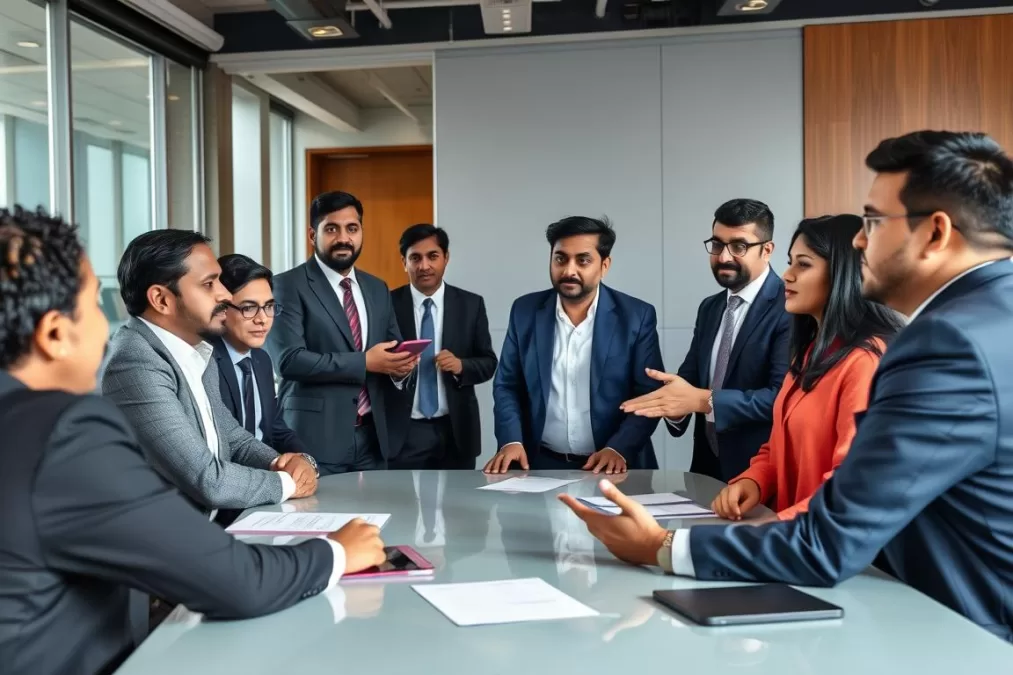
With the significant investment required to recruit and relocate Indian talent, retention becomes a critical priority. Successful retention strategies address both professional growth and personal integration:
Companies like Google, Microsoft, and Adobe have implemented comprehensive retention programs that include transparent immigration support, career development pathways specifically designed for international talent, and family integration assistance. These organizations typically see retention rates 40-50% higher than industry averages for their Indian talent.
Case Studies: Success Stories in the India-U.S. Talent Pipeline
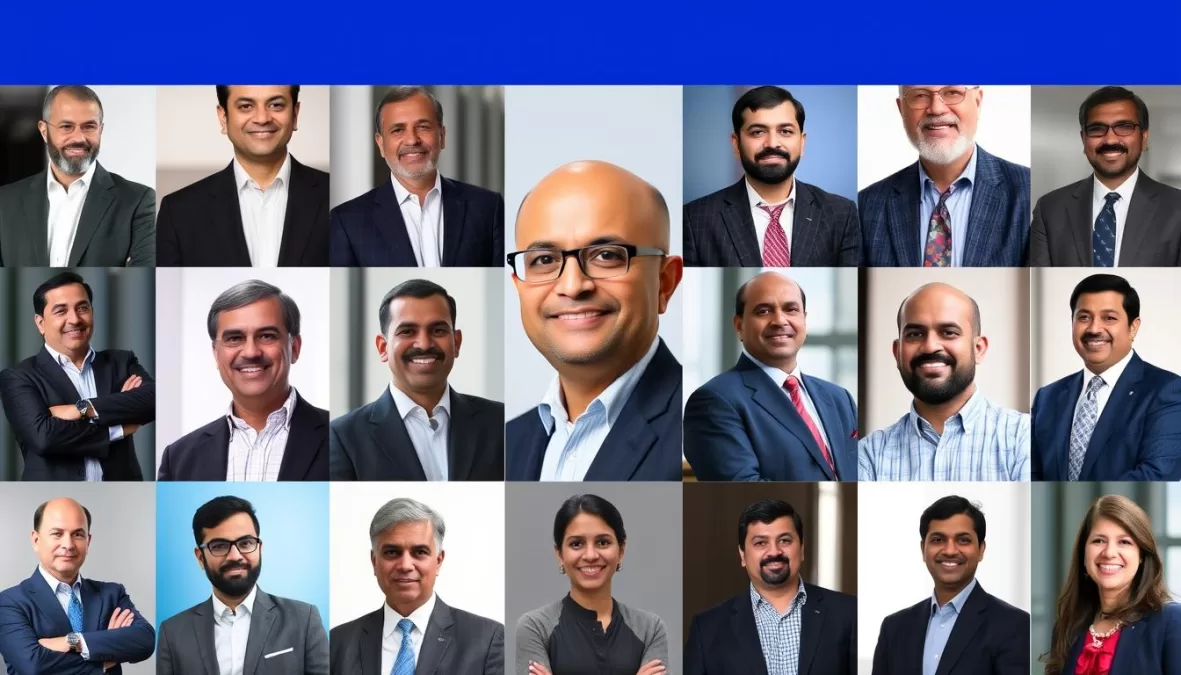
Indian-origin leaders have risen to top positions at numerous U.S. companies, demonstrating the potential of the talent pipeline.
Microsoft’s Integrated Approach
Microsoft has developed one of the most comprehensive programs for integrating Indian talent into its U.S. operations. The company’s approach includes:
- Dedicated immigration team with transparent green card sponsorship timelines
- Cultural integration workshops for both Indian employees and their American colleagues
- Family transition support including spouse career assistance
- Leadership development programs specifically designed for international talent
- Regular “culture days” celebrating diversity within the organization
This approach has resulted in a 78% five-year retention rate for Indian talent, significantly above the industry average of 52%.
Startup Success: Stripe’s Approach
Even with more limited resources, fintech company Stripe has created an effective model for smaller organizations:
- Partnership with specialized immigration counsel to navigate complex visa processes
- Remote work options during visa processing periods
- Peer mentorship pairing new Indian hires with experienced employees
- Housing and relocation stipends with personalized location guidance
- Regular check-ins during the first year of transition
This approach has allowed Stripe to compete effectively with larger organizations for top Indian talent despite having fewer resources dedicated to immigration support.
Learn From Industry Leaders
Access our detailed case study collection featuring best practices from companies that have mastered the India-U.S. talent pipeline.
Future Trends Shaping the India-U.S. Talent Pipeline

The landscape of professional migration between India and the United States continues to evolve rapidly. Several key trends are likely to shape the future of this talent pipeline:
Remote-First Approaches
The rise of distributed work models is creating new opportunities for Indian talent to contribute to U.S. companies without physical relocation. This trend may reduce dependency on traditional visa pathways while still enabling talent exchange.
Policy Shifts
Immigration policies remain in flux, with potential for both restrictive measures and reforms aimed at addressing talent shortages. Companies and professionals must stay informed and adaptable to these changing conditions.
Skill Evolution
The specific skills in demand continue to evolve, with growing emphasis on AI, machine learning, cybersecurity, and other emerging technologies where both countries face talent gaps.
Alternative Destinations: As U.S. immigration becomes more challenging, countries like Canada, Australia, and Singapore are increasingly attracting Indian talent with more streamlined immigration pathways and comparable professional opportunities.
Organizations and professionals who can anticipate these trends and adapt accordingly will be best positioned to benefit from the continued exchange of talent between these two innovation powerhouses.
How might the proposed $100,000 H-1B fee impact the talent pipeline?
If implemented, this fee would likely shift the dynamics significantly. Large tech companies may absorb the costs for critical roles, while smaller companies and startups would likely reduce their international hiring. This could accelerate the trend toward remote work arrangements and the development of more Global Capability Centers (GCCs) in India itself, where talent can contribute to U.S. companies without relocation.
What alternatives exist for professionals if traditional visa pathways become more restricted?
Several alternatives are emerging, including remote work arrangements with U.S. companies while remaining in India, relocation to countries with more favorable immigration policies that have strong U.S. business connections, pursuing advanced education in the U.S. to access OPT and other pathways, and exploring entrepreneurial visa options for those looking to start ventures.
Navigating the Future of the India-U.S. Talent Pipeline
The India-U.S. talent pipeline remains one of the most significant channels for global talent mobility, despite evolving challenges and opportunities. For families considering this journey, thorough preparation across visa requirements, cultural adaptation, and educational planning can significantly improve outcomes. For employers, strategic approaches to immigration compliance, onboarding, and retention are essential for realizing the full potential of Indian talent.
As Prime Minister Modi noted, “To maintain the momentum of growth, a pipeline of talent is needed for India and the U.S.” This pipeline will continue to evolve, but its fundamental importance to innovation and economic growth in both countries ensures it will remain a critical pathway for professional development and organizational success.
By staying informed about policy changes, embracing flexible work models, and investing in comprehensive support systems, both professionals and organizations can successfully navigate the complexities of the India-U.S. talent pipeline in the years ahead.
Stay Updated on India-U.S. Talent Pipeline Developments
Subscribe to our quarterly briefing on policy changes, best practices, and emerging opportunities in the India-U.S. talent ecosystem.

Priyanka Pandey
Senior Research Editor · Top10Sense
Priyanka specializes in tech, consumer products, and digital trends. She combines hands-on testing, vendor interviews, and database research to create trustworthy “Top 10” rankings. Her work has been referenced by industry blogs and brand report pages.