
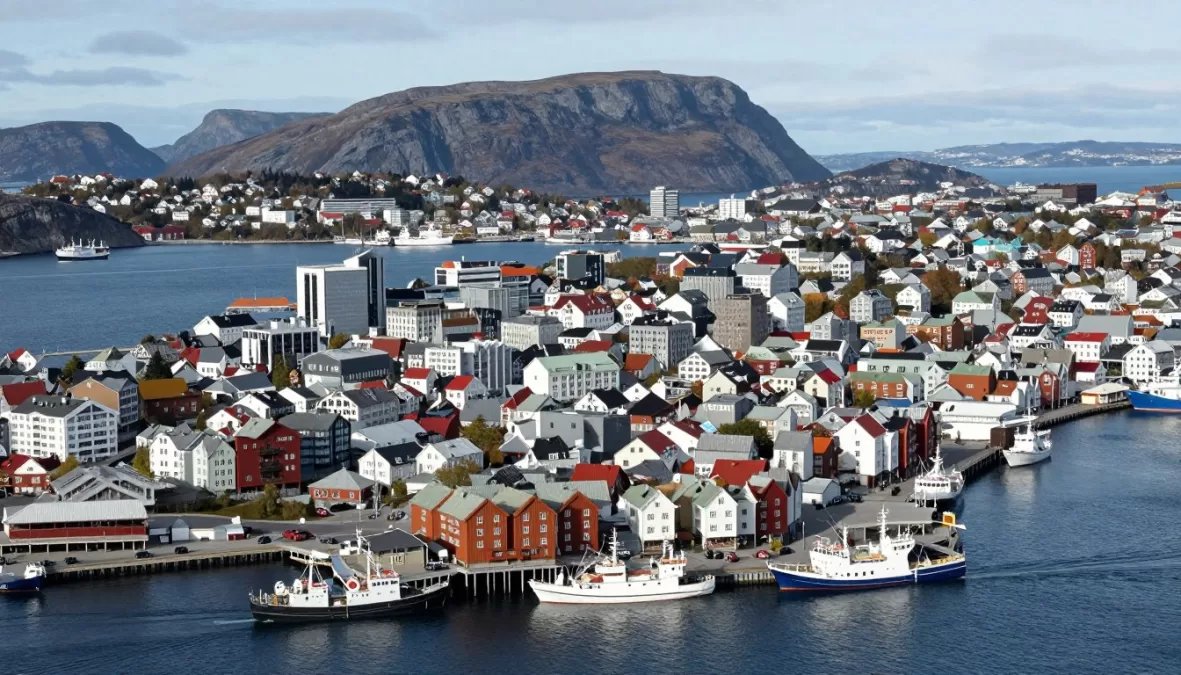
Greenland, the world’s largest island and an autonomous territory within the Kingdom of Denmark, has experienced significant economic evolution in recent years. With a GDP of approximately $3.5 billion as of 2025, Greenland’s economy remains heavily dependent on international trade, particularly exports of marine resources and growing mineral extraction. This comprehensive analysis examines Greenland’s top 10 exports and imports in 2025, providing insights into trade patterns, key partners, and future economic trajectories in this strategically important Arctic region.
As climate change continues to reshape the Arctic landscape, Greenland’s economic profile is undergoing transformation. Traditional fishing industries remain dominant, but emerging sectors—particularly rare earth elements and other minerals—are gaining prominence in the export portfolio. Meanwhile, Greenland’s limited domestic manufacturing capacity necessitates substantial imports across various categories. Understanding these trade dynamics offers valuable perspective on Greenland’s economic development and its growing significance in global markets.
Greenland’s Economic Overview in 2025
Greenland’s economy in 2025 continues to be characterized by a strong public sector, with government employment accounting for approximately 40% of the workforce. The island’s economic foundation rests primarily on fishing, which contributes roughly 20% to GDP and represents over 85% of export revenues. However, recent years have seen growing diversification efforts, particularly in mining and tourism sectors.
With a population of approximately 57,000 people, Greenland maintains close economic ties with Denmark, which provides an annual subsidy of around $650 million (equivalent to about 20% of Greenland’s GDP). This financial support remains crucial for public services and infrastructure development, though the government continues to pursue greater economic self-sufficiency through expanded international trade relationships.
The territory’s unique position in the Arctic region has attracted increased international attention, particularly from the United States, China, and European nations, due to its strategic location and abundant natural resources. Climate change has accelerated the accessibility of previously inaccessible mineral deposits, creating new export opportunities while simultaneously challenging traditional industries dependent on ice conditions.
Top 10 Exports from Greenland in 2025
Greenland’s export economy remains heavily concentrated in a few key sectors, with marine products dominating the trade landscape. However, emerging mineral exports are beginning to diversify the export portfolio. The following analysis details the top 10 export categories by value, their primary destination markets, and their significance to Greenland’s economy.
1. Fish and Seafood Products
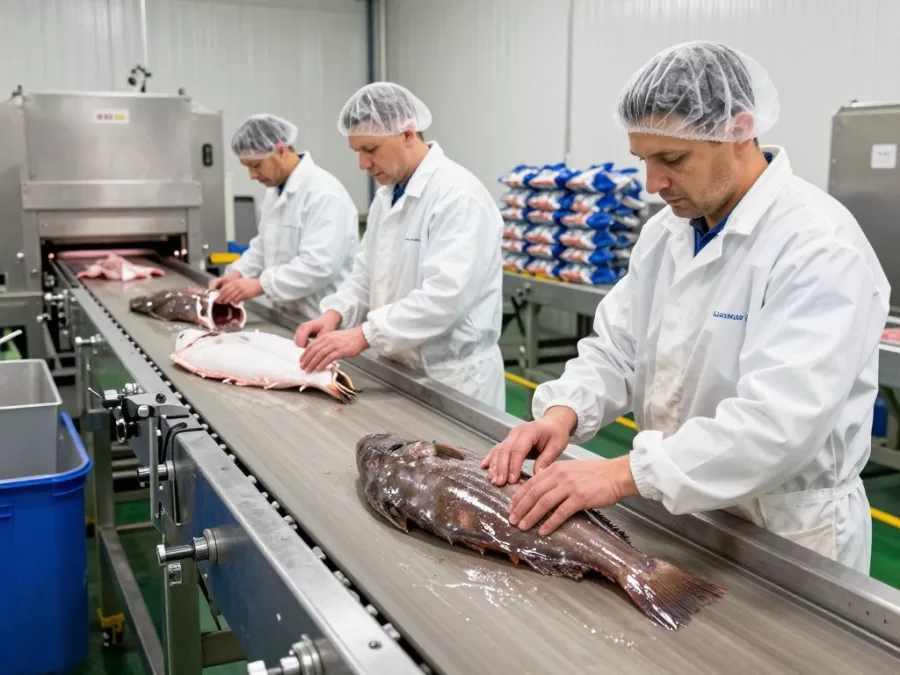
Fish and seafood products remain Greenland’s dominant export category, accounting for approximately 87% of total export value in 2025. Cold-water shrimp and Greenland halibut are the primary species, with processing largely handled by Royal Greenland, the state-owned enterprise that stands as the world’s largest retailer of cold-water shrimp.
| Product | Export Value (USD) | % of Total Exports | Primary Destinations |
| Cold-water Shrimp | $825 million | 49.7% | Denmark, China, Japan |
| Greenland Halibut | $412 million | 24.8% | China, Japan, UK |
| Cod | $168 million | 10.1% | Denmark, Germany, UK |
| Other Fish Species | $41 million | 2.5% | Various EU countries |
Denmark continues to serve as both a direct market and a transit hub for Greenland’s seafood exports to wider European markets. China’s importance as a destination has grown significantly, with direct shipping routes established to accommodate the increasing trade volume. The fishing industry employs approximately 5,000 people in Greenland, making it the largest private-sector employer.
2. Rare Earth Elements (REEs)
The Tanbreez mine in southern Greenland began commercial production of rare earth elements in late 2024, marking a significant milestone in Greenland’s economic diversification. In 2025, REE exports reached $85 million, representing 5.1% of total exports. The deposit is particularly valuable for its high concentration of heavy rare earths, which are essential components in high-tech applications and renewable energy technologies.

The United States has emerged as the primary destination for Greenland’s rare earth exports, following strategic investments by American companies and government agencies. The Critical Metals Corporation, backed by U.S. investment, has established processing capabilities that reduce dependence on Chinese refinement facilities. The European Union also represents a significant market, particularly for elements used in electric vehicle production and wind turbines.
3. Anorthosite
Anorthosite exports from the White Mountain mine reached $42 million in 2025, accounting for 2.5% of total exports. This calcium-rich feldspar is primarily used in fiberglass production and as an aluminum substitute in certain applications. The mine, operated by Hudson Resources, has established steady production after initial operational challenges.
Primary export destinations include the United States and Canada, with growing markets in Europe. The relatively low transportation costs to North American markets have provided a competitive advantage for this mineral export category.
4. Gold
Gold exports from the Nalunaq mine totaled $28 million in 2025, representing 1.7% of total exports. The high-grade deposit, which resumed production in 2023 after several years of inactivity, produces gold with minimal environmental impact due to its concentrated ore quality.
The primary destinations for Greenland’s gold exports are Switzerland and the United Kingdom, where refining and trading infrastructure is well-established. The mine employs approximately 90 people, with a significant portion being local Greenlandic workers.
5. Graphite
The Amitsoq graphite project, which received its exploitation license in late 2025, began initial exports valued at $18 million, representing 1.1% of total exports. The high-crystallinity flake graphite is particularly suitable for lithium-ion battery anodes, positioning it well within the growing electric vehicle supply chain.
The European Union is the primary destination, following the project’s designation as a Strategic Project under the EU’s Critical Raw Materials Act. The United States represents a secondary market, particularly as battery manufacturing capacity expands in North America.
6. Seal Skins and Products
Despite international controversies surrounding seal hunting, Greenland maintains a sustainable harvest that supports traditional livelihoods. Exports of seal skins and derived products reached $12 million in 2025, representing 0.7% of total exports. The Great Greenland tannery in Qaqortoq processes most of these products, with government subsidies supporting the operation due to its cultural and economic importance to smaller communities.
Denmark, Canada, and Norway are the primary export destinations, with specialized markets that recognize the sustainable and cultural aspects of Greenlandic seal products.
7. Tourism Services
While not a physical export, tourism services generated approximately $10 million in foreign exchange earnings in 2025, equivalent to 0.6% of export value. The sector has rebounded from pandemic-era disruptions, with cruise ship arrivals and specialized adventure tourism driving growth.
Visitors primarily originate from Denmark, Iceland, the United States, and Germany. The tourism sector employs approximately 450 people directly, with significant seasonal variation.
8. Copper
Initial copper exports from exploratory mining operations totaled $8 million in 2025, representing 0.5% of exports. These operations are primarily focused on assessing deposit viability rather than full commercial production, which is anticipated to expand significantly in coming years.
Primary destinations include Germany and Sweden, where processing facilities can handle the specific mineral composition of Greenland’s copper ore.
9. Agricultural Products
Greenland’s warming climate has enabled expanded agricultural production, particularly in the southern regions. Exports of agricultural products, primarily potatoes, vegetables, and sheep products, reached $6 million in 2025, representing 0.4% of total exports.
Denmark is the primary destination, with specialized markets for Greenlandic agricultural products that command premium prices due to their Arctic origin and organic production methods.
10. Handicrafts and Cultural Products
Traditional Inuit handicrafts, including tupilak carvings, jewelry, and textiles, generated export revenue of approximately $5 million in 2025, representing 0.3% of total exports. These products hold cultural significance and provide income for artisans throughout Greenland.
Primary export destinations include Denmark, Canada, and the United States, with growing online sales channels expanding the global reach of these cultural products.
Access Detailed Export Projections
Download our comprehensive “Greenland Trade Forecast 2025-2030” report for in-depth analysis of export trends, market opportunities, and strategic insights for businesses interested in Greenland’s evolving export sectors.
Top 10 Imports to Greenland in 2025
Greenland’s limited domestic manufacturing capacity necessitates substantial imports across numerous categories. The following analysis details the top 10 import categories by value, their primary source countries, and their significance to Greenland’s economy.
1. Machinery and Equipment
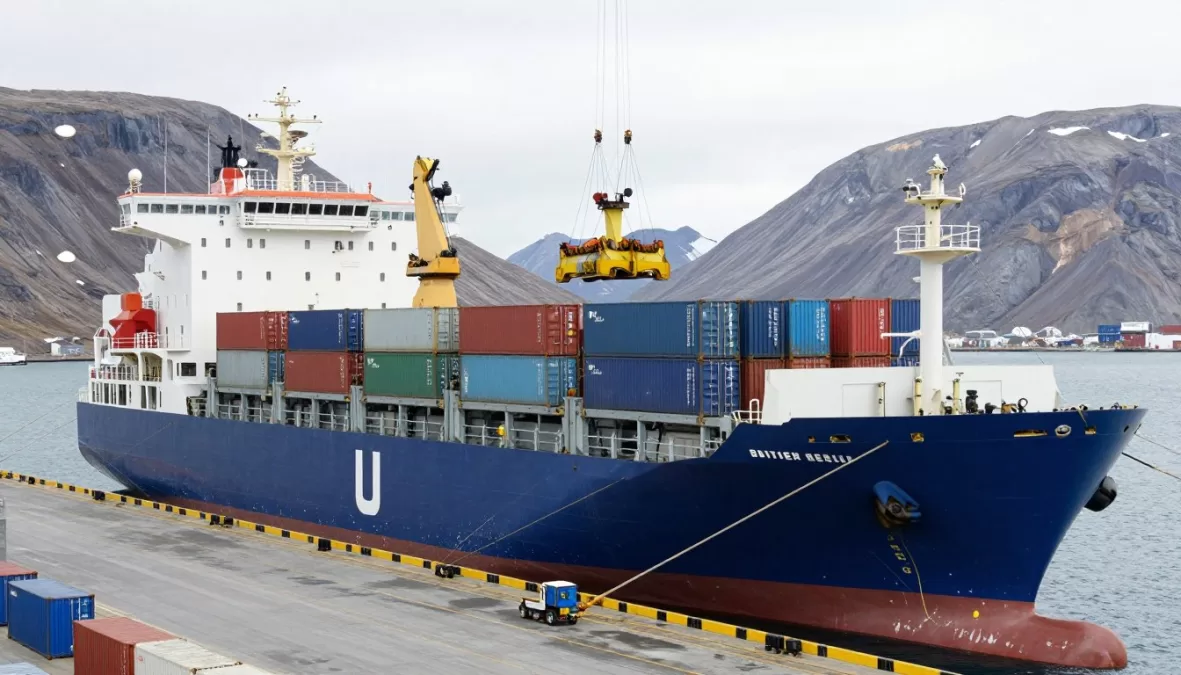
Machinery and equipment represent Greenland’s largest import category, valued at $285 million in 2025 and accounting for 25.7% of total imports. This category encompasses a wide range of products, from mining and construction equipment to fishing vessels and processing machinery.
| Product | Import Value (USD) | % of Total Imports | Primary Sources |
| Mining Equipment | $98 million | 8.8% | Sweden, Germany, Canada |
| Fishing Vessels & Equipment | $76 million | 6.8% | Denmark, Norway, Iceland |
| Construction Equipment | $62 million | 5.6% | Denmark, Sweden, USA |
| Other Machinery | $49 million | 4.4% | Various EU countries |
The growth in mining equipment imports reflects Greenland’s expanding mineral sector, while fishing equipment remains essential to supporting the dominant export industry. Denmark serves as both a direct supplier and a transit point for machinery originating elsewhere in Europe.
2. Petroleum Products
Petroleum products, including diesel fuel, gasoline, and heating oil, represent Greenland’s second-largest import category, valued at $198 million in 2025 and accounting for 17.8% of total imports. These fuels are essential for transportation, electricity generation in communities not connected to hydropower, and heating during the long Arctic winter.
Primary sources include Denmark, Norway, and Canada. The government-owned Polaroil manages most fuel imports and distribution throughout Greenland’s communities. Efforts to transition to renewable energy sources have begun to reduce petroleum dependence in some regions, but the remote nature of many settlements continues to necessitate substantial fuel imports.
3. Manufactured Goods
Manufactured goods, including construction materials, metal products, and various finished items, totaled $145 million in 2025, representing 13.1% of total imports. This diverse category encompasses products ranging from steel beams for construction to prefabricated building components designed for Arctic conditions.
Denmark supplies approximately 60% of these goods, with Sweden, Germany, and Canada providing most of the remainder. The seasonal nature of construction in Greenland creates significant variation in import volumes throughout the year.
4. Food Products
Despite growing domestic agricultural production, Greenland remains heavily dependent on imported food products, which totaled $132 million in 2025, representing 11.9% of total imports. This category includes processed foods, grains, fruits, vegetables, and other items not produced locally in sufficient quantities.
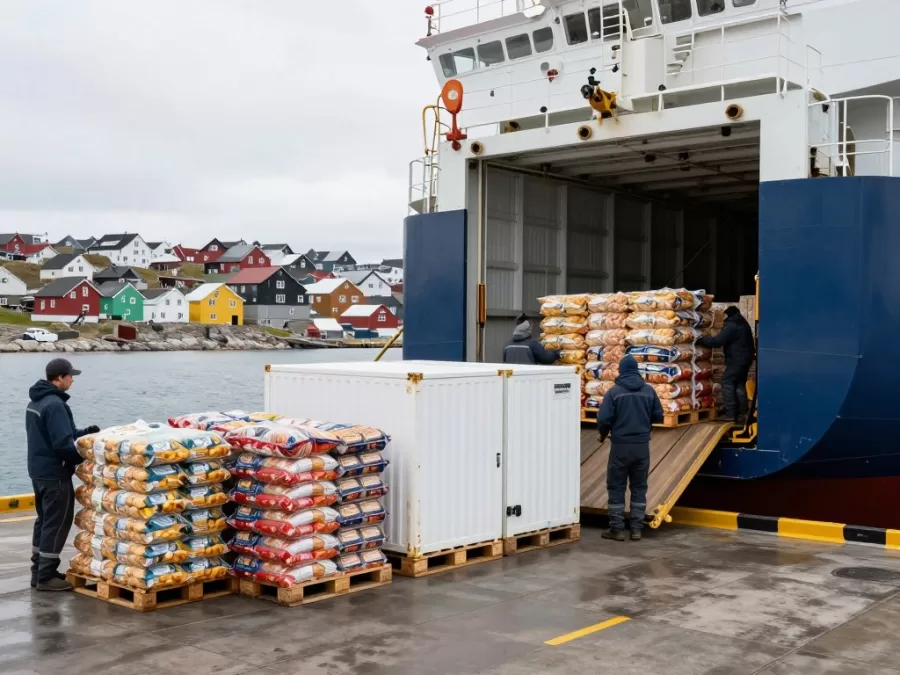
Denmark provides approximately 70% of food imports, with significant volumes also coming from other EU countries. The state-owned KNI (Kalaallit Niuerfiat) handles distribution to many remote communities, with food security remaining a priority for the Greenlandic government.
5. Information and Communication Technology (ICT) Products
Imports of ICT products, including computers, telecommunications equipment, and electronic components, reached $85 million in 2025, representing 7.7% of total imports. This category has shown consistent growth as digital infrastructure expands throughout Greenland.
Primary sources include Denmark, Sweden, and the United States. The government’s digital connectivity initiative has driven significant investments in telecommunications infrastructure, supporting both administrative functions and emerging tech-based industries.
6. Vehicles and Transport Equipment
Imports of vehicles and transport equipment totaled $72 million in 2025, accounting for 6.5% of total imports. This category includes passenger vehicles, specialized transport equipment for mining and construction, and parts for existing vehicle fleets.
Primary sources include Denmark, Sweden, Japan, and the United States. The harsh Arctic conditions necessitate specialized vehicles designed for extreme cold and rugged terrain, with a growing market for electric vehicles in the larger towns connected to hydroelectric power.
7. Textiles and Clothing
Textiles and clothing imports reached $58 million in 2025, representing 5.2% of total imports. This category includes both everyday clothing and specialized cold-weather gear essential for Arctic conditions.
Denmark, Sweden, and Canada are the primary sources, with specialized Arctic clothing often commanding premium prices due to its technical requirements. Some traditional clothing items continue to be produced locally, but mass-market apparel is predominantly imported.
8. Chemicals and Related Products
Imports of chemicals and related products totaled $52 million in 2025, accounting for 4.7% of total imports. This category includes industrial chemicals for mining operations, agricultural inputs, pharmaceuticals, and various consumer chemical products.
Primary sources include Denmark, Germany, and the United States. The growth in mining activities has driven increased demand for specialized industrial chemicals, while pharmaceutical imports remain essential for Greenland’s healthcare system.
9. Furniture and Household Items
Furniture and household items imports reached $45 million in 2025, representing 4.1% of total imports. This category includes both residential and commercial furnishings, with specialized designs adapted to Greenland’s spatial constraints and aesthetic preferences.
Denmark provides approximately 65% of these imports, with significant volumes also coming from Sweden and Norway. The expansion of tourism facilities has driven increased demand for commercial furnishings in recent years.
10. Medical and Scientific Equipment
Imports of medical and scientific equipment totaled $38 million in 2025, accounting for 3.4% of total imports. This category includes healthcare equipment for Greenland’s medical facilities, research instruments for scientific stations, and monitoring equipment for environmental programs.
Primary sources include Denmark, Germany, and the United States. The establishment of new research facilities focused on climate change and Arctic ecosystems has driven growth in scientific equipment imports, while healthcare modernization continues to require specialized medical technology.
Trade Balance and Partner Analysis
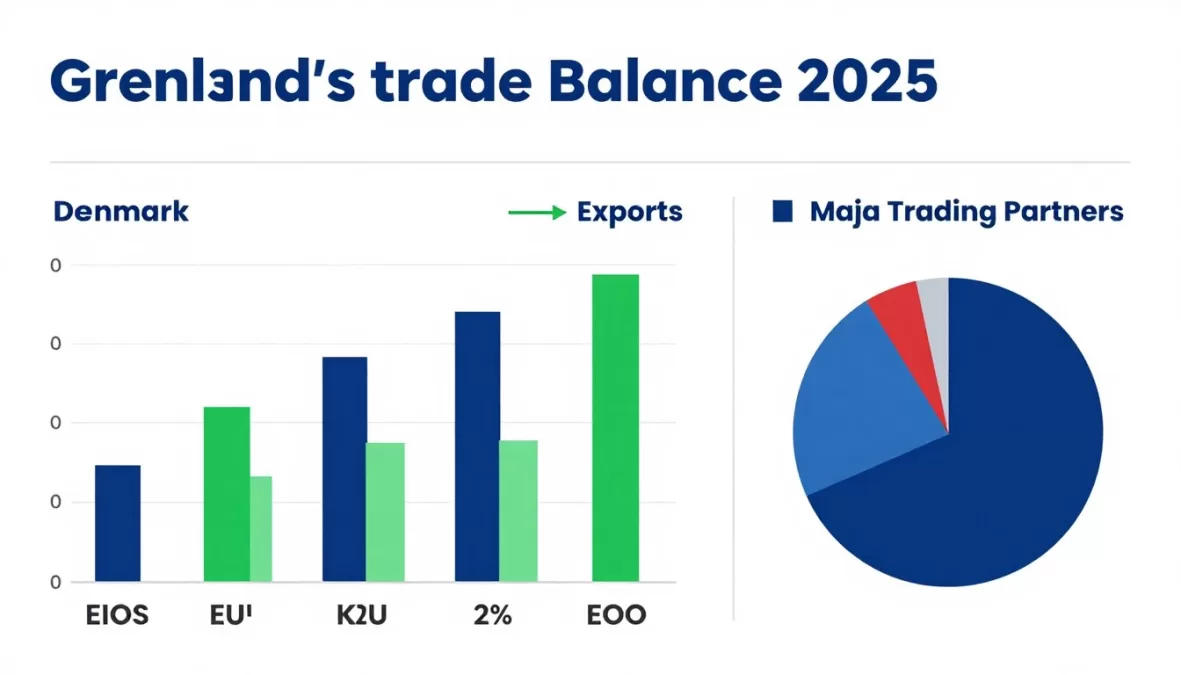
In 2025, Greenland maintained a trade surplus of approximately $550 million, with exports of $1.66 billion exceeding imports of $1.11 billion. This positive trade balance represents a significant contribution to Greenland’s economy, though it remains heavily dependent on the performance of the fishing sector, which continues to dominate export values.
Major Trading Partners
Export Partners
- Denmark (50% of exports): Remains Greenland’s dominant export destination, serving both as a direct market and a transit hub for products destined for wider European markets.
- China (23% of exports): Has significantly increased its importance as a destination for Greenland’s seafood and mineral exports, with direct shipping routes established in recent years.
- United Kingdom (5.4% of exports): Primarily imports seafood products and gold from Greenland.
- Japan (4.8% of exports): A significant market for premium seafood products, particularly Greenland halibut.
- Germany (3% of exports): Imports seafood and growing volumes of mineral products.
Import Partners
- Denmark (60% of imports): Dominates as Greenland’s primary source of imports across nearly all categories, reflecting historical ties and logistical arrangements.
- Sweden (19.6% of imports): A significant source of machinery, vehicles, and manufactured goods.
- Spain (8.4% of imports): Has emerged as an important supplier of specialized equipment for the fishing industry.
- Iceland (6.7% of imports): Provides food products, fishing equipment, and specialized Arctic technologies.
- Canada (1.7% of imports): Supplies mining equipment, vehicles designed for Arctic conditions, and specialized food products.
Emerging Trade Relationships
While traditional Nordic partners continue to dominate Greenland’s trade landscape, several emerging relationships are worth noting:
- United States: American investment in Greenland’s rare earth sector has established a new trade corridor, with the U.S. becoming the primary destination for REE exports. Strategic interests in the Arctic region have prompted increased economic engagement.
- European Union: Beyond traditional relationships with Denmark and other Nordic countries, broader EU engagement has increased through the Critical Raw Materials Act, which has designated Greenlandic projects as strategically important.
- South Korea: Has shown growing interest in Greenland’s mineral resources, particularly those relevant to battery and electronics manufacturing.
- Australia: Australian mining expertise has created bidirectional trade flows, with Australian companies providing technical services while sourcing certain mineral products.
Future Trade Trends and Challenges
Greenland’s trade patterns are likely to evolve significantly in the coming years, influenced by several key factors:
Climate Change Impacts
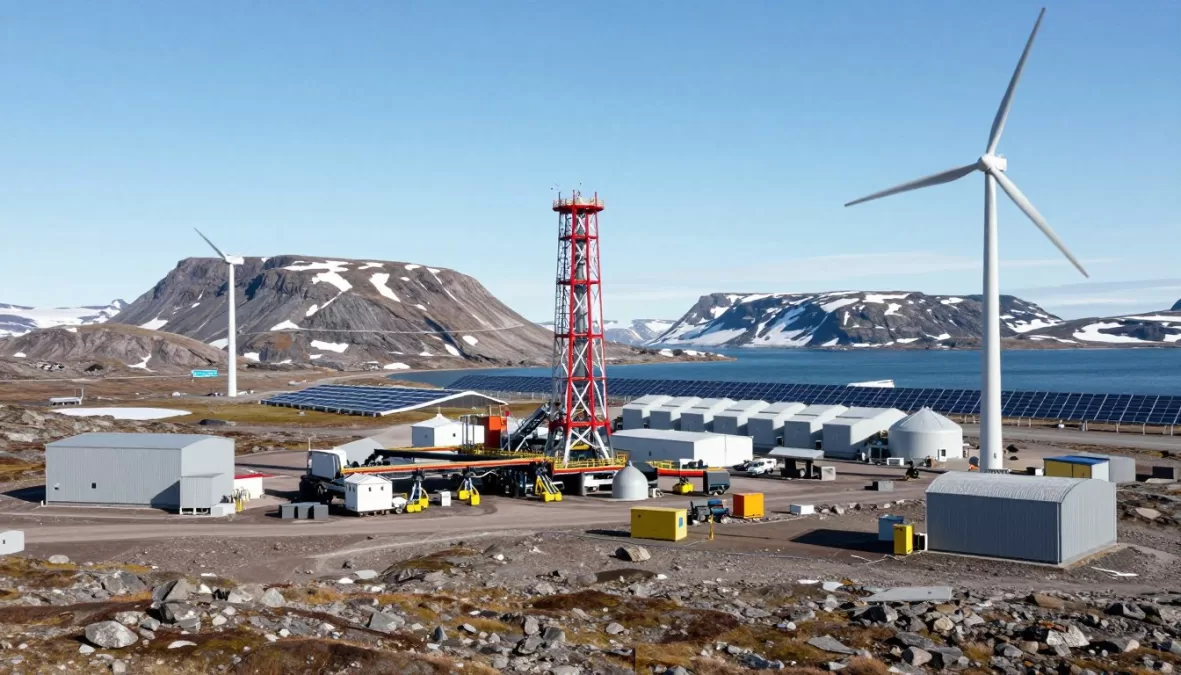
Climate change continues to transform Greenland’s economic landscape in contradictory ways. Melting ice sheets are increasing access to mineral deposits, potentially expanding mining exports. However, changing ocean temperatures and currents are affecting fish migration patterns, creating uncertainty for the dominant fishing industry. Extended ice-free periods are also opening new shipping routes, potentially reducing transportation costs for both exports and imports.
Infrastructure Development
Greenland’s limited infrastructure remains a significant constraint on trade expansion. With only 93 miles of roads and 16 ports with limited capacity, transportation bottlenecks restrict export volumes and increase import costs. Planned investments in port facilities at Nuuk and Qaqortoq, along with airport expansions, may alleviate some constraints. However, the scale of investment required exceeds Greenland’s current fiscal capacity, necessitating foreign investment or increased Danish support.
Geopolitical Considerations
Greenland’s strategic location and natural resources have attracted increased international attention, creating both opportunities and challenges for trade development. U.S. interest in securing rare earth supplies competes with Chinese investment ambitions, while the European Union seeks to maintain influence through Denmark. These competing interests may accelerate infrastructure development but could also complicate trade relationships if geopolitical tensions increase.
Energy Transition
Greenland’s abundant hydropower potential offers opportunities to reduce petroleum imports while potentially supporting energy-intensive industries. Current renewable energy capacity meets approximately 70% of electricity needs, but expansion to more remote communities could significantly reduce fuel imports. Additionally, green hydrogen production for export is being explored as a potential future industry, leveraging Greenland’s renewable energy resources.
Access Complete Greenland Trade Data
Download our comprehensive dataset of Greenland’s historical trade figures (2015-2025) to conduct your own analysis and identify emerging opportunities in this evolving market.
Conclusion: Greenland’s Economic Outlook
Greenland’s trade profile in 2025 reflects an economy in transition—still heavily dependent on traditional fishing exports but gradually diversifying through mineral resource development. The positive trade balance provides economic stability, though the concentration of exports in a few key categories creates vulnerability to market fluctuations and climate impacts.
The development of rare earth exports represents the most significant shift in Greenland’s export profile, with potential for substantial growth as global demand for these critical minerals increases. However, realizing this potential will require overcoming significant infrastructure constraints and navigating complex environmental and social considerations.
Denmark remains Greenland’s dominant trading partner, but the gradual diversification of both export destinations and import sources reflects Greenland’s increasing international engagement. As the territory continues to pursue greater economic self-sufficiency, these evolving trade relationships will play a crucial role in shaping Greenland’s economic future.
Looking ahead, Greenland’s trade development will be shaped by the interplay of climate change impacts, infrastructure investments, geopolitical dynamics, and the territory’s own policy choices regarding resource development and environmental protection. The balance struck between these factors will determine whether Greenland can leverage its natural resources and strategic position to build a more diverse and resilient economy while maintaining its unique cultural and environmental heritage.

Priyanka Pandey
Senior Research Editor · Top10Sense
Priyanka specializes in tech, consumer products, and digital trends. She combines hands-on testing, vendor interviews, and database research to create trustworthy “Top 10” rankings. Her work has been referenced by industry blogs and brand report pages.