1. Kotor, Montenegro: Adriatic Coastal Treasure
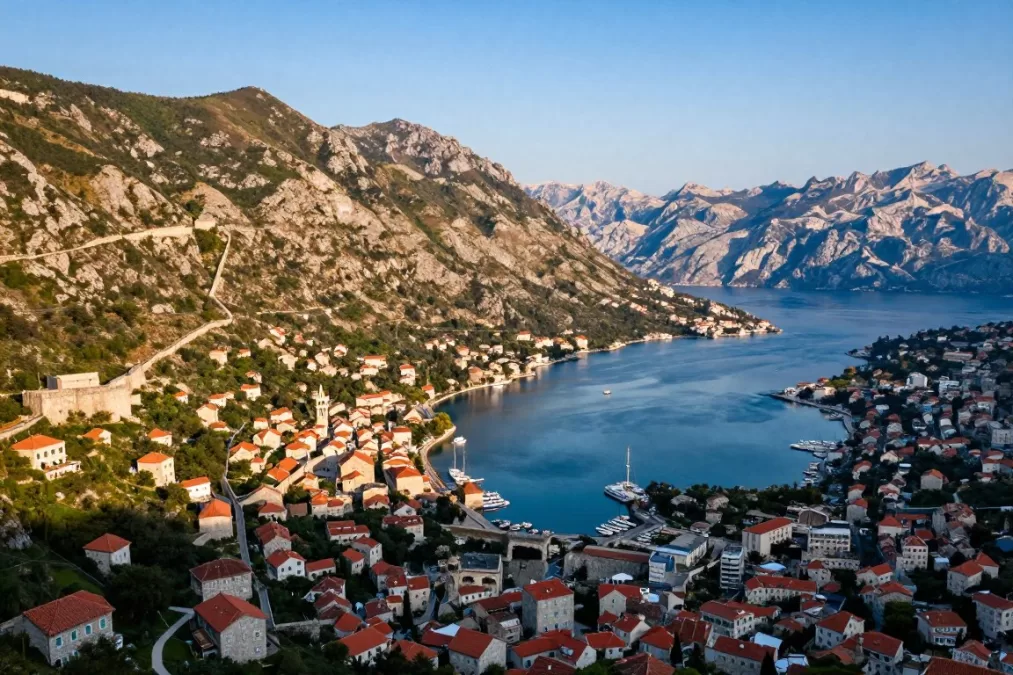
Montenegro’s Bay of Kotor remains one of Europe’s most spectacular hidden gems. This medieval city nestles between dramatic mountains and the sparkling Adriatic Sea. The old town features narrow cobblestone streets and Venetian architecture from centuries past.
Kotor stays under the radar compared to Croatia’s Dubrovnik next door. The city offers similar beauty without overwhelming crowds. Authentic restaurants serve local seafood caught that morning. Small family-run hotels provide genuine hospitality you won’t find in chain establishments.
What Makes Kotor Special
The ancient city walls snake up the mountainside for over 4 kilometers. Climbing these fortifications rewards visitors with breathtaking views of the bay. The effort takes about two hours, but every step proves worthwhile.
Local culture thrives in this area. Traditional konoba restaurants fill with locals enjoying fresh fish and regional wines. The summer months bring music festivals celebrating Montenegrin heritage. Maritime museums showcase the region’s seafaring history spanning centuries.
Hidden Gem Status
Kotor receives far fewer visitors than similar coastal cities. Most tourists rush through on cruise ship day trips. Staying overnight reveals the real charm when day-trippers depart. Early mornings and evenings belong to those who linger.
Infrastructure remains pleasantly underdeveloped. No massive hotel chains dominate the skyline. Family businesses still operate most restaurants and shops. This authenticity won’t last forever as word spreads about this gem.
Visitor Experience
Summer brings warm weather perfect for swimming in the bay. Spring and fall offer ideal temperatures for hiking mountain trails. Winter sees fewer crowds but many businesses close seasonally. The shoulder seasons provide the best balance.
Getting around requires some planning. The old town bans cars, making exploration wonderfully walkable. Day trips to nearby Perast and Our Lady of the Rocks island take just minutes. Local buses connect to other Montenegrin destinations affordably.
Best Experiences
- Climb the fortress walls for sunrise views
- Explore hidden churches in the old town
- Take a boat tour of the bay
- Visit the cat museum (yes, really)
- Dine at family-run konoba restaurants
Travel Tips
- Stay 2-3 nights to avoid day-trip crowds
- Book accommodations inside old town walls
- Visit in May or September for best weather
- Learn a few Montenegrin phrases
- Bring cash for smaller establishments
2. Faroe Islands, Denmark: Dramatic Nordic Wilderness
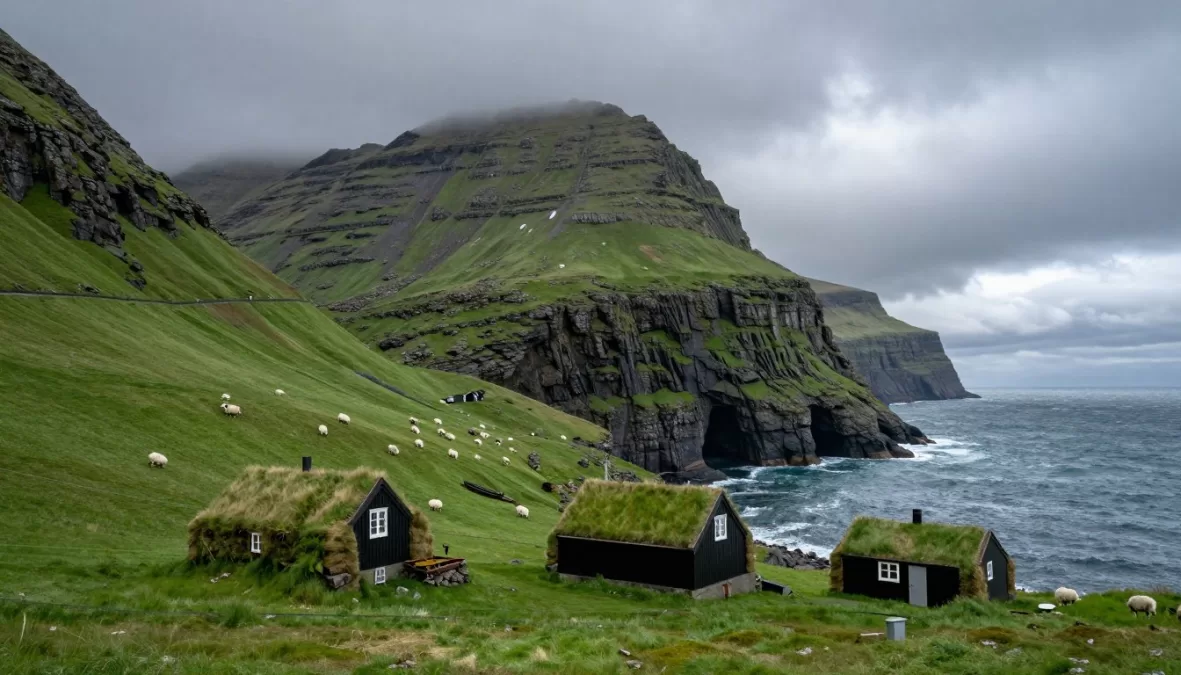
The Faroe Islands sit halfway between Iceland and Norway in the North Atlantic. These eighteen volcanic islands showcase nature at its most dramatic. Towering cliffs plunge into churning seas while waterfalls cascade down mountainsides.
This hidden gem europe destination remains blissfully unknown to most travelers. The islands receive fewer visitors annually than Venice gets in a week. Residents outnumber tourists for most of the year. Traditional culture survives intact here.
Unique Island Character
The Faroe Islands feel otherworldly. Grass-roofed houses dot landscapes straight from fantasy novels. Sheep outnumber people three to one across the islands. Villages with populations under 100 cling to cliffsides above the sea.
Weather patterns create constantly changing scenery. Four seasons can pass in a single day on the islands. Dramatic clouds sweep across peaks while rainbows arch over valleys. The light quality attracts photographers from around the world.
Why Still Hidden
Geographic isolation keeps the Faroe Islands off most tourist maps. Getting here requires flights from Copenhagen or seasonal ferry connections. The journey itself filters out casual travelers. Those who make the trip find authentic experiences.
Limited tourist infrastructure maintains the islands’ character. No chain hotels or mega-resorts exist here. Accommodation options include small guesthouses and Airbnb rentals. This keeps visitor numbers manageable and experiences genuine.
Island Adventures
Hiking trails connect villages across dramatic terrain. The coastline offers some of Europe’s most spectacular cliff walks. Birdwatchers spot puffins and other seabirds nesting on rock faces. Photography opportunities appear around every corner.
The local culture emphasizes sustainability and tradition. Faroese people maintain strong connections to their Viking heritage. Traditional chain dancing happens at festivals throughout summer. Local cuisine features seafood and lamb prepared with ancient techniques.
Important Note: The Faroe Islands experience extreme weather conditions. Pack layers and waterproof clothing regardless of season. Weather can change dramatically within hours, making preparation essential for outdoor activities.
Planning Your Visit
Summer provides the most accessible travel window. June through August offers the longest daylight hours and mildest temperatures. However, summer also brings the most visitors. Spring and fall deliver fewer crowds with acceptable weather conditions.
Renting a car proves essential for exploring the islands. Tunnels connect major islands through mountains and beneath the sea. Public buses exist but run infrequently. Plan your itinerary carefully to maximize your time.
3. Matera, Italy: Ancient Cave City
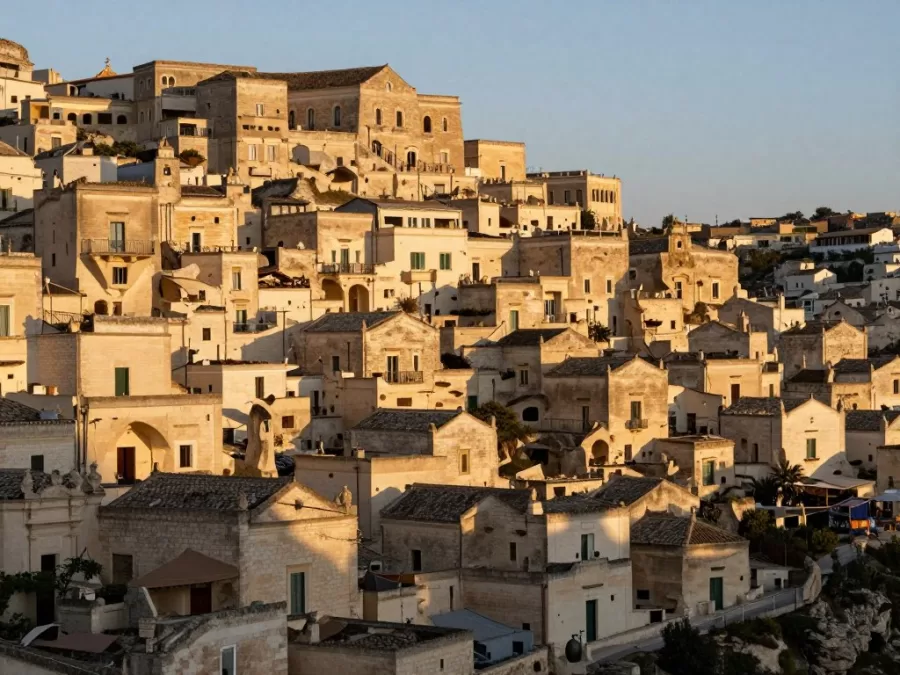
Matera rises from the rocks of southern Italy’s Basilicata region. This ancient city features cave dwellings carved into limestone cliffs over 9,000 years ago. The Sassi districts showcase humanity’s oldest continuously inhabited settlements.
Despite its historical significance, Matera remains relatively unknown. Most tourists rush past on their way to more famous Italian cities. This hidden gem offers authentic Italian culture without the overwhelming crowds plaguing Rome or Florence.
Architectural Wonder
The cave houses create a unique urban landscape. Stone structures cascade down cliffsides in seemingly impossible arrangements. Ancient churches hide inside rock faces decorated with Byzantine frescoes. The entire old town feels like an open-air museum.
Modern restoration transformed former slums into boutique hotels. Cave dwellings now house restaurants serving traditional Lucanian cuisine. Artisan shops occupy spaces where families once struggled. The transformation respects history while embracing contemporary comfort.
Cultural Significance
UNESCO recognized Matera as a World Heritage Site in 1993. The designation highlighted the city’s extraordinary historical value. Ancient residents carved entire neighborhoods from solid rock using primitive tools. Their ingenuity created a city that still functions today.
Local traditions remain strong in this part of Italy. Festivals celebrate patron saints with processions through narrow streets. Family-run trattorias serve recipes passed down through generations. The pace of life moves slower here than in northern Italian cities.
Movie directors discovered Matera’s photogenic qualities. Films including “The Passion of the Christ” used the city as a backdrop. Its timeless appearance makes it perfect for historical settings. Each new production introduces the hidden gem to wider audiences.
Visitor Information
Spring and fall provide ideal visiting conditions. Summer heat can be intense in the exposed rock city. Winter brings cooler temperatures and occasional rain. The shoulder seasons offer comfortable weather and fewer visitors than peak summer months.
Exploring requires good walking shoes and stamina. The terrain features steep staircases and uneven stone paths. Many attractions sit far apart across the hillside. Allow several days to properly appreciate the city’s complexity.
- Stay in a converted cave hotel for authentic experience
- Take a guided tour to understand the complex history
- Visit the rock churches with preserved frescoes
- Enjoy aperitivo with views of the Sassi at sunset
- Try local specialties like crusco peppers and caciocavallo cheese
4. Tallinn, Estonia: Medieval Digital Fusion
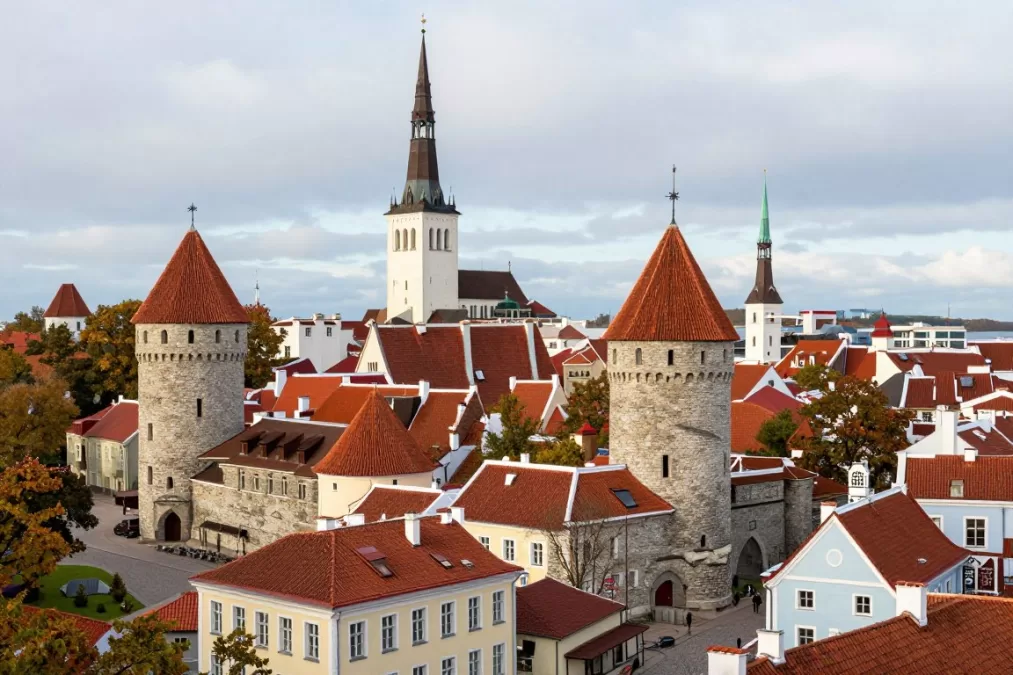
Estonia’s capital city blends medieval architecture with cutting-edge technology. Tallinn’s old town transports visitors back centuries while the surrounding city embraces digital innovation. This unique combination creates a destination unlike any other in Europe.
As one of the hidden gems europe offers, Tallinn sees far fewer tourists than Western European capitals. The city provides exceptional value compared to expensive destinations further west. Quality experiences cost a fraction of what you’d pay in Paris or London.
Old Meets New
The UNESCO-protected old town features towers and fortifications from the 13th century. Cobblestone streets wind between merchant houses and guild halls. Medieval restaurants serve traditional Estonian dishes in atmospheric settings. The entire area feels frozen in time.
Step outside the old town walls and modernity takes over. Estonia leads Europe in digital services and innovation. Free WiFi blankets the entire city. Digital nomads flock here for the tech-friendly environment. The contrast between old and new fascinates visitors.
Undiscovered Treasure
Most travelers overlook the Baltic states entirely. Those who visit typically spend just one day in Tallinn. Extended stays reveal layers of culture and history worth exploring. The city rewards those who dig deeper than surface attractions.
Local life continues undisturbed by tourism in most neighborhoods. Estonian traditions thrive in markets and cultural centers. Residents maintain a reserved but friendly demeanor. Learning basic Estonian phrases opens doors to genuine interactions.
Seasonal Attractions
Christmas markets transform Tallinn into a winter wonderland. The old town square hosts one of Europe’s most charming holiday celebrations. Summer brings white nights with extended daylight hours. Each season offers distinct advantages for visitors.
The nearby coast provides beach escapes during warm months. Forests surrounding the city offer hiking and nature activities. Day trips reach manor houses and national parks within an hour. Tallinn serves as a base for exploring Estonia’s diverse landscapes.
City Highlights
Toompea Hill offers panoramic views across the entire city. Alexander Nevsky Cathedral’s onion domes dominate the skyline. The Town Hall Square serves as the heart of old town activity. Kadriorg Palace and Park showcase baroque elegance.
Modern attractions include the Seaplane Harbour maritime museum. Telliskivi Creative City brings together artists and entrepreneurs. The Rotermann Quarter blends industrial heritage with contemporary design. Each neighborhood reveals different aspects of Estonian culture.
Practical Details
Public transportation connects all areas efficiently. Trams and buses accept contactless payment. Walking covers most tourist areas easily. Bike rentals offer another convenient option for getting around the city.
Accommodation ranges from hostels to luxury hotels. Prices remain reasonable compared to Western Europe. Book ahead during peak summer months and holidays. Winter rates drop significantly, offering excellent value for budget travelers.
5. Rila, Bulgaria: Mountain Monastery Majesty
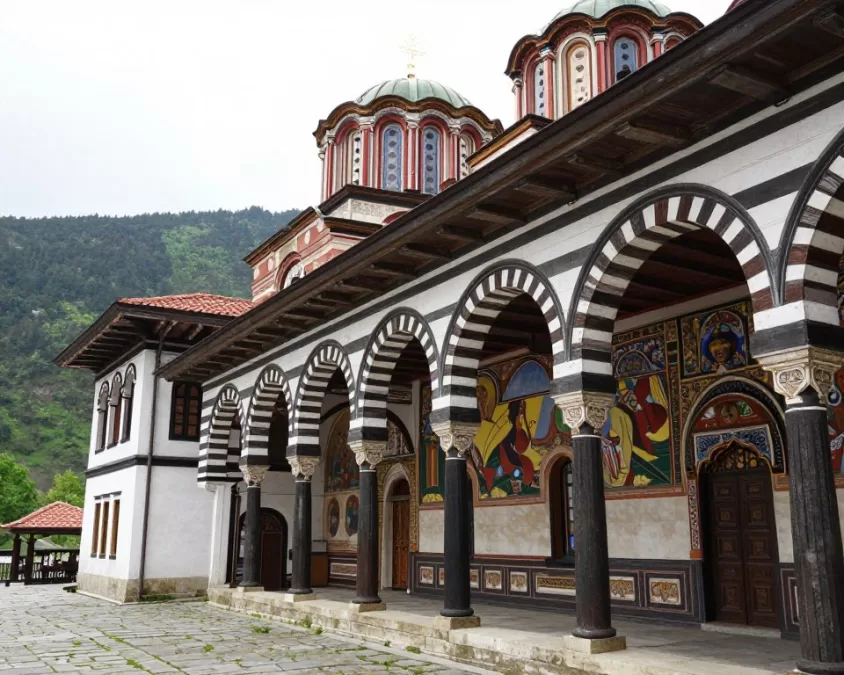
The Rila Monastery sits deep in Bulgaria’s highest mountains. This Eastern Orthodox complex showcases some of Europe’s most stunning religious architecture. Vibrant frescoes cover every surface while mountain peaks tower overhead. The site holds profound spiritual and cultural significance.
Bulgaria itself remains one of Europe’s most overlooked countries. Visitors who venture here find incredible value and authentic experiences. The Rila region exemplifies everything that makes Bulgaria a hidden gem worth discovering now.
Architectural Masterpiece
Founded in the 10th century, the monastery complex rebuilt several times throughout history. The current structures date from the 19th century. Distinctive black and white stripes cover the exterior walls. Inside, every inch displays intricate frescoes depicting biblical scenes.
The main church features five domes and an elaborate iconostasis. Gold leaf and precious materials decorate the interior. Monks still worship here daily, maintaining centuries-old traditions. The spiritual atmosphere remains palpable despite tourist visits.
Why It’s Hidden
Bulgaria’s tourism industry develops slowly compared to Western neighbors. Language barriers and misconceptions keep many travelers away. Those who visit discover warm hospitality and fascinating culture. The country offers exceptional value for money across all services.
Rila National Park surrounds the monastery with pristine wilderness. Seven lakes dot the mountain peaks above the complex. Hiking trails lead through forests filled with rare plants and animals. The natural beauty rivals the architectural wonders.
Ready to Experience These Hidden Gems?
Let our Europe travel experts craft your perfect off-the-beaten-path itinerary. We specialize in authentic experiences away from tourist crowds.
Visiting Rila
Day trips from Sofia reach the monastery in about two hours. Tour buses arrive mid-morning and depart by afternoon. Staying overnight in nearby villages provides a more peaceful experience. Early morning visits before crowds arrive offer the best photography.
The surrounding area offers additional attractions worth exploring. Rila town features traditional Bulgarian architecture and local restaurants. The Seven Rila Lakes hike challenges fit visitors with spectacular rewards. Natural hot springs provide relaxation after mountain adventures.
Essential Information
- Dress modestly when visiting the monastery – covered shoulders and knees required
- Photography allowed in courtyards but restricted inside the main church
- Free entry to the monastery complex; donations appreciated
- Peak season runs from June through September with largest crowds
- Winter visits possible but mountain roads may close during heavy snow
- Local guesthouses offer affordable accommodation with home-cooked meals
- Combine with Sofia visit for a complete Bulgarian experience
6. Azores, Portugal: Volcanic Island Paradise
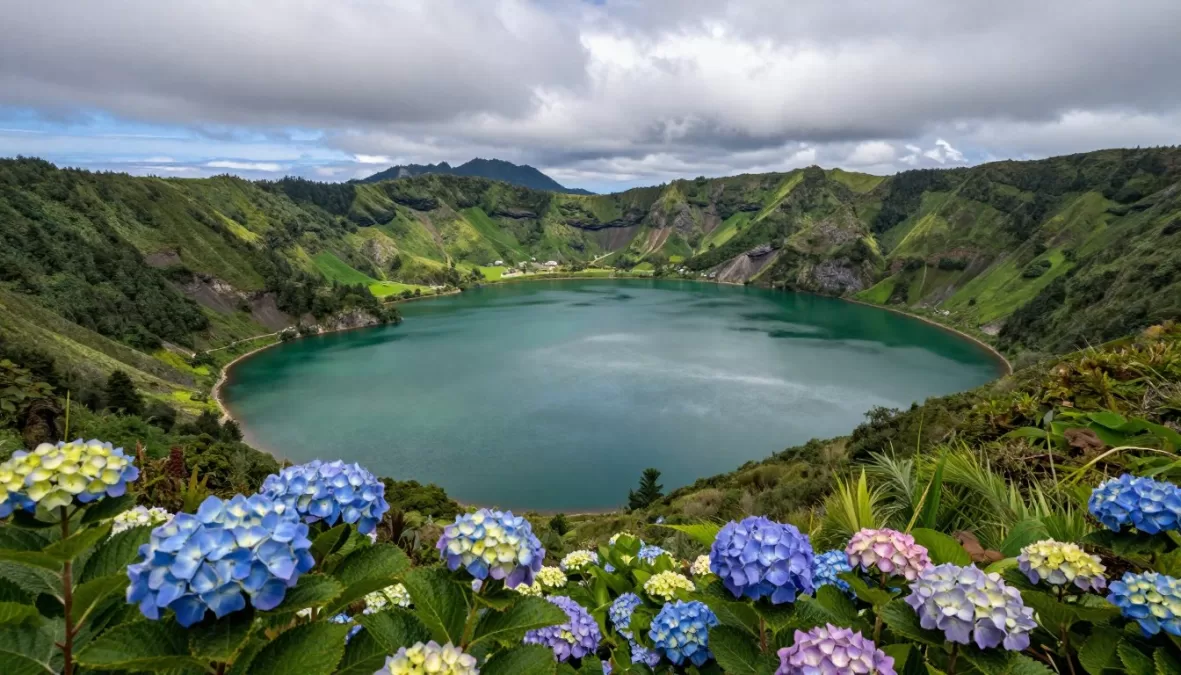
Nine volcanic islands float in the Atlantic Ocean 1,500 kilometers from mainland Portugal. The Azores archipelago offers dramatic landscapes ranging from crater lakes to hot springs. These Portuguese islands remain remarkably undiscovered despite their extraordinary natural beauty.
Unlike crowded Mediterranean destinations, the Azores maintain their authentic character. Small villages dot coastlines where locals still fish and farm traditionally. The pace of life moves slowly across these remote islands. Nature dominates everything here.
Island Diversity
Each island possesses distinct characteristics worth exploring. São Miguel, the largest island, features volcanic hot springs and crater lakes. Pico boasts Portugal’s highest mountain rising from the sea. Flores showcases countless waterfalls cascading down green cliffs.
The volcanic origins create unique geological features. Geothermal springs bubble up throughout the islands. Lava caves tunnel through mountainsides. Black sand beaches contrast with turquoise waters. The landscape constantly surprises visitors with new wonders.
Adventure Activities
Whale watching ranks among the world’s best here. Multiple species swim through Azorean waters year-round. Dolphins frequently accompany boats touring the coastline. The experience connects visitors with marine life in their natural habitat.
Hiking trails crisscross every island with varying difficulty levels. Coastal paths offer spectacular ocean views. Mountain routes challenge experienced trekkers with steep climbs. The islands reward physical effort with incredible scenery and solitude.
Water sports thrive in the Atlantic swells. Surfing attracts wave riders to remote breaks. Diving reveals underwater volcanic formations and marine biodiversity. Kayaking lets you explore hidden coves and sea caves. The islands cater to active travelers.
Culinary Traditions
Azorean cuisine reflects the islands’ isolation and resources. Fresh seafood dominates menus at local restaurants. Cozido das Furnas cooks underground using volcanic heat. Local cheeses and beef gain recognition across Portugal. Simple preparations let quality ingredients shine.
Tea plantations on São Miguel produce Europe’s only tea. Pineapple greenhouses cultivate fruit in volcanic soil. Wine grapes grow in lava rock fields on Pico. The agricultural traditions fascinate food-focused travelers seeking authentic flavors.
Best Time to Visit
May through October provides the warmest weather and calmest seas. Whale watching peaks from April to June. Summer brings the most visitors but crowds remain manageable. Spring offers wildflowers and green landscapes. Fall delivers pleasant temperatures with fewer tourists.
Getting There
Direct flights connect the Azores to major European cities. SATA Air Azores and several international carriers serve the islands. Flight times from Lisbon take about two hours. Inter-island flights and ferries connect the archipelago’s different islands.
Renting a car proves essential for exploring properly. Public transportation exists but runs infrequently. Roads wind through dramatic coastal and mountain scenery. Driving lets you discover hidden viewpoints and remote beaches at your own pace.
7. Georgian Wine Region: Caucasus Crossroads
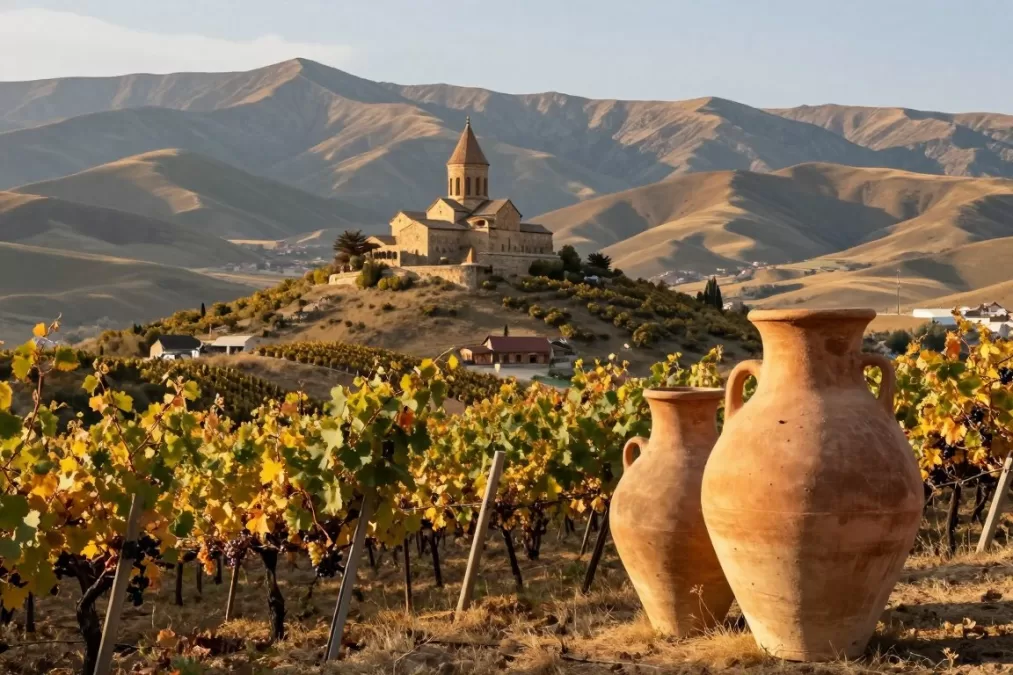
Georgia’s wine regions produce some of the world’s oldest vintages. The country has made wine continuously for over 8,000 years using traditional methods. Vineyards stretch across valleys with the Caucasus Mountains rising dramatically behind them. This hidden gem combines wine culture with stunning natural beauty.
Most travelers associate European wine with France or Italy. Georgia remains off the radar despite its historical significance. The country bridges Europe and Asia with a unique culture all its own. Visiting now means experiencing authentic traditions before mass tourism arrives.
Wine Heritage
Georgian winemaking uses clay vessels called qvevri buried underground. This ancient technique creates distinctive flavors unlike anything else in the world. UNESCO recognized the method as intangible cultural heritage. Over 500 native grape varieties grow nowhere else on earth.
The Kakheti region east of Tbilisi produces most Georgian wine. Family-run wineries welcome visitors for tastings and meals. Hosts share stories passed down through generations. The hospitality culture makes every visitor feel like family.
Cultural Richness
Georgia sits at the crossroads of civilizations. The country absorbed influences from Persia, Turkey, Russia and beyond. Yet Georgian culture remains distinctly unique. Traditional polyphonic singing creates harmonies heard nowhere else. Ancient churches dot mountainsides and valleys.
Tbilisi blends old and new in fascinating ways. The capital features sulfur baths dating back centuries. Colorful balconies overhang narrow streets in the old town. Modern cafes and art galleries bring contemporary energy. The city rewards extended exploration.
Culinary Delights
Georgian food deserves destination status itself. Khachapuri cheese bread appears at every meal. Khinkali dumplings burst with flavorful juices. Fresh herbs season nearly every dish abundantly. The cuisine satisfies vegetarians and meat lovers equally.
Supra feasts showcase Georgian hospitality at its finest. These traditional dinners last hours with endless courses. A tamada toastmaster guides philosophical drinking toasts. The experience connects strangers through shared food and wine. Participating in a supra creates lifelong memories.
Natural Wonders
Beyond the wine regions, Georgia offers diverse landscapes. The Caucasus Mountains provide world-class hiking and skiing. Ancient cave cities carved into cliffsides await exploration. Beaches line the Black Sea coast. National parks protect rare ecosystems and wildlife.
The mountain village of Kazbegi sits beneath one of the Caucasus’s highest peaks. The Gergeti Trinity Church perches dramatically on a hilltop. Svaneti region features medieval defensive towers dotting valleys. Each area presents unique attractions worth discovering.
8. Bruges, Belgium: Medieval Fairytale Town
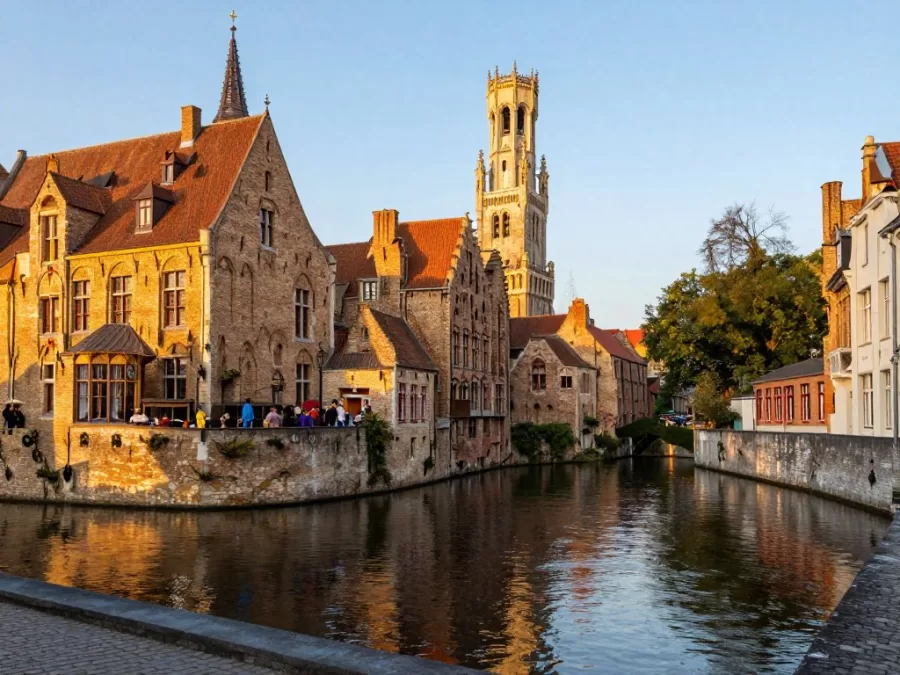
Bruges preserves medieval architecture better than perhaps any city in Europe. Canals wind between Gothic buildings and church spires. The entire old town functions as a living museum of medieval life. Chocolate shops and lace boutiques line cobblestone streets adding to the fairytale atmosphere.
While not completely unknown, Bruges remains significantly less crowded than similar cities. Day-trippers rush through quickly between Brussels and Amsterdam. Those who stay overnight discover the city’s true magic. Early mornings and evenings reveal peaceful streets and authentic local life.
Architectural Treasure
The Belfry tower dominates the central square since the 13th century. Climbing its 366 steps rewards visitors with panoramic city views. The Basilica of the Holy Blood houses a venerated relic. Countless churches and guild halls showcase Gothic and Renaissance styles.
Canal tours provide the classic Bruges experience. Boats glide past medieval buildings reflected in the water. Guides share history and point out architectural details. The perspective from water level reveals aspects missed when walking streets.
Cultural Authenticity
Bruges maintains strong Flemish traditions despite tourist presence. Local festivals celebrate religious holidays with elaborate processions. The Heilig Bloedprocessie attracts residents from across Belgium. Traditional crafts including lace-making continue through dedicated artisans.
Belgian beer culture thrives throughout the city. Historic breweries produce ales using centuries-old recipes. Cozy pubs serve hundreds of beer varieties in proper glassware. Beer paired with local cuisine creates memorable dining experiences.
Chocolate and Lace
Bruges earned fame for exceptional Belgian chocolate. Artisan chocolatiers craft pralines using traditional methods. Shop windows display chocolate creations as art pieces. Tasting tours let visitors sample various styles and flavors.
Lace-making represents another Bruges specialty. The craft requires years to master properly. Museums display historical pieces showcasing incredible skill. Contemporary lace-makers keep the tradition alive in workshops. Authentic Bruges lace makes a special souvenir.
Advantages
- Exceptionally well-preserved medieval architecture
- Compact size makes walking tours easy
- Outstanding Belgian food and beer scene
- Excellent chocolates and artisan crafts
- Easy access from major European cities
- Romantic atmosphere perfect for couples
Considerations
- Can get crowded during peak day-trip hours
- Higher prices in main tourist areas
- Limited nightlife compared to bigger cities
- Weather often gray and rainy
- Some areas very touristy with repetitive shops
Planning Tips
Stay within the old town for convenient access to attractions. Many hotels occupy historic buildings adding to the atmosphere. Book accommodations well in advance during peak summer months. Winter visits offer lower prices and festive Christmas markets.
Bruges works perfectly as a weekend getaway. Two to three days allows thorough exploration without rushing. Combine with nearby Ghent for an extended Belgian experience. Train connections make multi-city trips easy and affordable.
9. Albanian Riviera: Adriatic’s Last Frontier
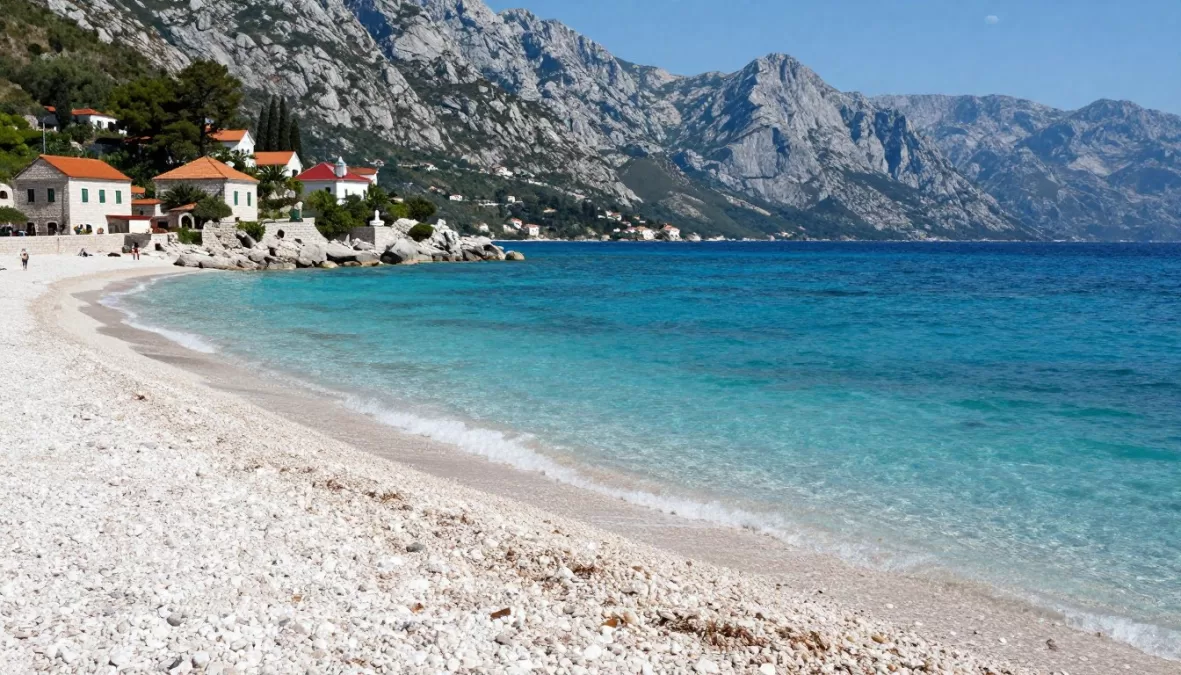
Albania’s southern coast remains the Mediterranean’s best-kept secret. The Albanian Riviera stretches along the Ionian Sea with crystal-clear waters and traditional villages. Prices stay remarkably low compared to neighboring Greece and Croatia. This hidden gem won’t stay undiscovered much longer.
The coastline features diverse landscapes from sandy beaches to dramatic cliffs. Ancient ruins dot hillsides overlooking the sea. Traditional stone houses cling to mountainsides. The scenery rivals famous Mediterranean destinations without the crowds or costs.
Beach Paradise
Pristine beaches line the coast from Dhërmi to Ksamil. Many remain accessible only by boat or hiking trail. The water clarity rivals the Caribbean with visibility extending dozens of meters. Beach clubs provide amenities while more remote spots offer complete solitude.
Ksamil’s islands create a tropical-looking bay despite the European location. Four small islands sit just offshore from white sand beaches. The area sees increasing popularity but remains manageable. Nearby Butrint National Park adds historical interest to beach relaxation.
Mountain Meets Sea
The Llogara Pass road winds through mountains with spectacular coastal views. Pull-offs let drivers stop and photograph the panoramas. The journey between towns becomes an attraction itself. Paragliding from the pass offers an unforgettable perspective.
Traditional mountain villages maintain authentic Albanian culture. Locals welcome visitors with genuine hospitality and curiosity. Family restaurants serve home-cooked meals using local ingredients. The warmth and friendliness stand out even in welcoming Southern Europe.
Historical Layers
Albanian history spans millennia from Illyrian tribes to Ottoman rule. Archaeological sites reveal Greek, Roman and Byzantine civilizations. Coastal fortresses built by Venetians still stand guard. Each era left architectural and cultural marks visible today.
The communist period isolated Albania for decades. This created a time capsule of sorts preserving traditions. Recent opening to tourism brings development while maintaining character. Visiting now captures a transitional moment before significant change.
Value Destination
Albania offers incredible value compared to Western European costs. Beachfront hotels charge a fraction of Croatian or Greek prices. Restaurant meals and drinks remain remarkably affordable. Your money goes much further here than elsewhere on the continent.
Infrastructure improves rapidly with new roads and accommodations. Quality establishments now rival neighboring countries in comfort. The combination of low prices and improving standards creates exceptional value. This cost advantage won’t last as tourism grows.
Travel Advisory: While Albania is generally safe, infrastructure in remote coastal areas may be limited. Bring cash as card acceptance remains inconsistent. Learn basic Albanian phrases as English speakers are less common than in other European destinations.
10. Lviv, Ukraine: Cultural Crossroads
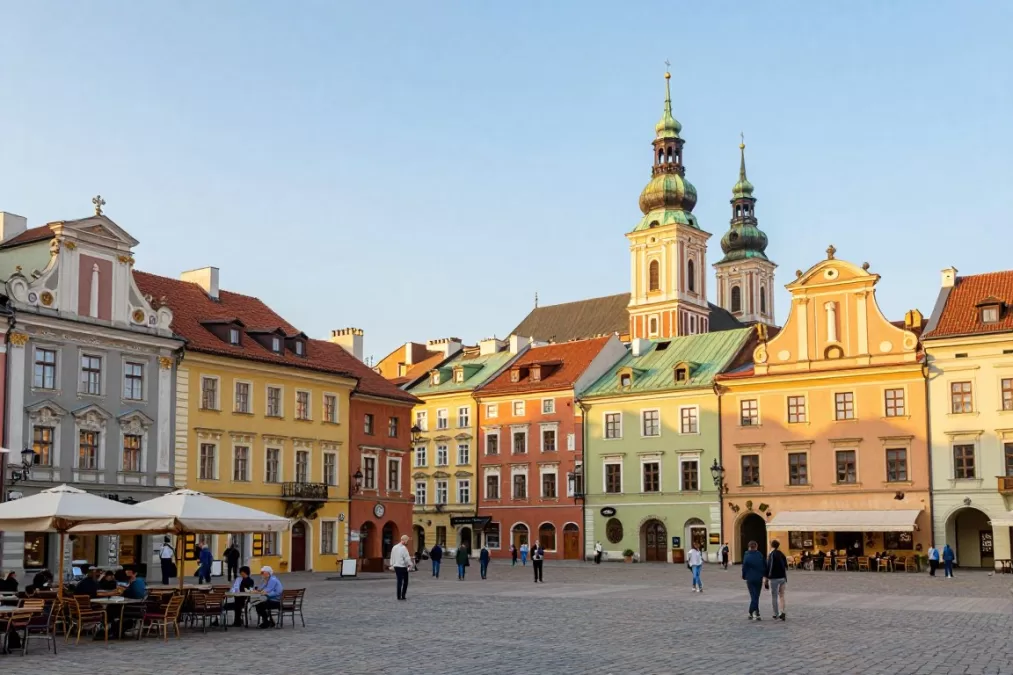
Lviv embodies Central European culture at its finest. This western Ukrainian city blends Polish, Austrian and Ukrainian influences. Baroque architecture fills the UNESCO-protected old town. Coffee culture thrives in countless cafes serving local roasts. Lviv feels like stepping into a living history book.
Despite its cultural richness, Lviv remains largely unknown to Western tourists. The city offers sophisticated culture, excellent food, and fascinating history. Prices stay incredibly low by European standards. Discovering Lviv now means experiencing an authentic European gem before wider recognition arrives.
Architectural Heritage
The old town showcases various European architectural styles. Renaissance townhouses surround the central market square. Baroque churches feature elaborate facades and interiors. Art Nouveau buildings add early 20th-century elegance. Each street reveals new architectural details worth examining.
Climbing Lviv’s numerous church towers provides varied city perspectives. The High Castle hill offers panoramic views across the entire area. Medieval defensive structures still stand along former city walls. Walking tours reveal hidden courtyards and passages throughout the old town.
Coffee Culture
Lviv claims to have introduced coffee to Vienna historically. Today the city boasts incredible coffee culture with unique cafes. Themed establishments offer creative experiences beyond simple drinks. Local roasters produce beans rivaling anywhere in Europe. Coffee appreciation runs deep here.
The Masonic restaurant recreates lodge atmosphere with symbolism and puzzles. Kryjivka bunker-style eatery celebrates Ukrainian partisan history. Each themed venue tells stories while serving excellent food and drinks. The creativity and commitment to concept impresses visitors.
Cultural Vibrancy
Lviv supports a thriving arts scene with theaters, galleries and music venues. Opera performances happen in a gorgeous 19th-century theater. Street musicians fill squares with classical and folk music. The city celebrates culture in everyday life, not just for tourists.
Numerous festivals happen throughout the year in this city. Lviv Coffee Festival attracts baristas and enthusiasts from across Europe. The Chocolate Festival celebrates local confectioners. Christmas markets transform the old town into winter wonderland. Cultural events provide excellent reasons to time your visit.
Food Scene
Ukrainian cuisine gets sophisticated treatment in Lviv restaurants. Traditional dishes use local ingredients and family recipes. The restaurant scene ranges from casual to fine dining. Prices remain incredibly low compared to Western European cities. Quality and value combine perfectly here.
Local specialties include varenyky dumplings and borscht soup. Salo (cured pork fat) appears on menus as Ukrainian delicacy. Craft beer breweries produce excellent ales. Chocolate factories offer tours and tastings. The food culture alone justifies a trip to this place.
Must-Visit Attractions
- Rynok Square and town hall tower
- Latin Cathedral and Armenian Cathedral
- Lychakiv Cemetery historic graves
- Opera House for evening performance
- Museum of Folk Architecture open-air village
- Potocki Palace and art collection
Local Experiences
- Coffee tasting at specialty roasters
- Traditional Ukrainian cooking class
- Evening opera or ballet performance
- Walking food tour of old town
- Day trip to Olesko Castle
- Shopping at local craft markets
Practical Information
- Extremely affordable for all budgets
- Safe city with low crime rates
- English speakers common in tourist areas
- Easy access by train or plane
- Best visited May through September
- Walkable old town, no car needed
Essential Packing for Hidden Gem Travel
Traveling to lesser-known destinations requires thoughtful packing. These places often lack convenience stores stocked with forgotten items. Medical facilities and specialized services may sit hours away. Preparation prevents problems and enhances enjoyment of remote locations.
Clothing Considerations
Pack versatile clothing suitable for varying conditions. Weather changes rapidly in mountain and coastal areas. Layers work better than bulky single items for temperature regulation. Neutral colors mix easily and hide travel dirt better than bright shades.
Comfortable walking shoes prove essential for exploring hidden gems. Cobblestone streets, hiking trails, and uneven terrain challenge inappropriate footwear. Break in shoes before traveling to avoid blisters. Pack a second pair for backup in case of problems.
- Comfortable broken-in walking shoes
- Weather-appropriate layered clothing
- Universal power adapter and converters
- Portable battery bank for devices
- Basic first aid supplies and medications
- Reusable water bottle with filter
- Quick-dry towel for various uses
- Small flashlight or headlamp
Must-Pack Items
- Packable daypack for excursions
- Travel-size laundry detergent
- Collapsible shopping bag
- Portable water purification tablets
- Multi-tool or Swiss Army knife
- Clothesline and clips for drying
- Waterproof phone case
- Compression bags for packing
Nice to Have
- Excessive electronics and gadgets
- Valuable jewelry or accessories
- More than one week’s clothing
- Hair dryers and styling tools
- Multiple pairs of shoes
- Hardcover books or guides
- Bulky camera equipment
- Unnecessary paperwork
Leave at Home
Technology and Documentation
Download offline maps before arriving in remote areas. Cell service may prove unreliable in mountain regions and islands. Translation apps work offline with proper setup. Backup important documents in cloud storage accessible without internet connection.
Bring physical copies of essential documents too. Print reservations, insurance information, and emergency contacts. Store copies separately from originals in different bags. This redundancy prevents disasters if devices fail or get stolen during travel.
Traveling Responsibly to Hidden Gems
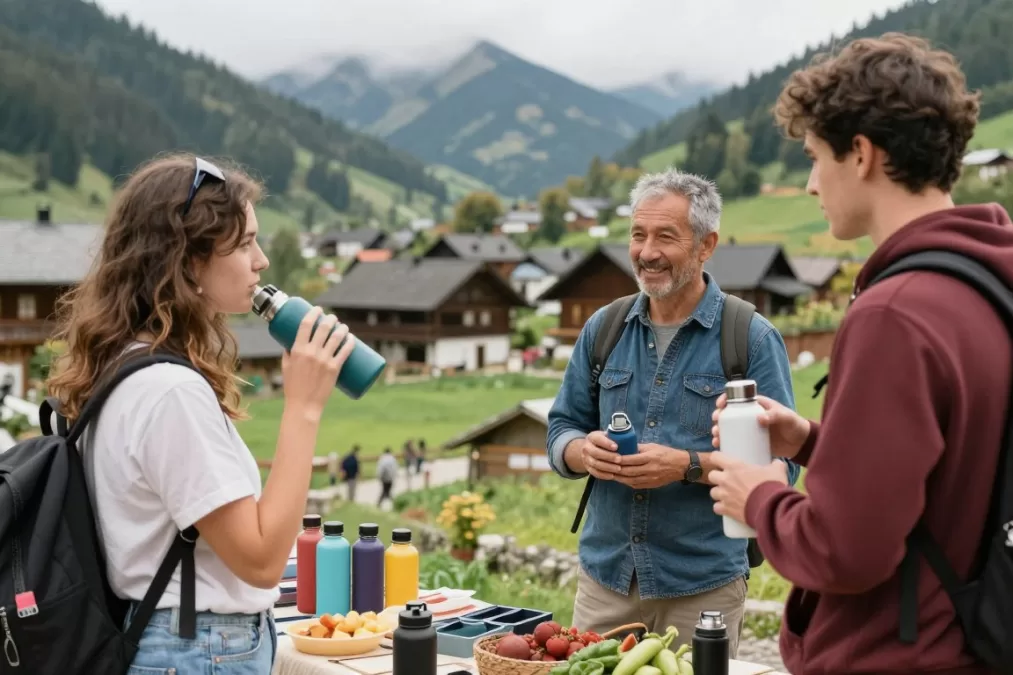
Hidden gems require conscious care from visitors. These destinations lack resources to manage tourism impacts. Thoughtful travel preserves their character for future visitors. Small individual actions collectively make significant differences in vulnerable communities.
Supporting Local Economies
Spend money with local businesses rather than international corporations. Family-run hotels and restaurants put income directly into communities. Local guides share authentic knowledge and benefit personally from tourism. Your spending choices determine who profits from your visit.
Shop at local markets for food and souvenirs when possible. Artisan crafts support traditional skills and cultural preservation. Avoid mass-produced items imported from elsewhere. Authentic local products create better memories while supporting community economies sustainably.
Environmental Responsibility
Minimize plastic waste by carrying reusable bottles and bags. Many hidden gems lack recycling infrastructure. Avoid single-use plastics even when convenient. Small efforts multiply across thousands of visitors into significant impact reduction.
Stay on marked trails when hiking to prevent erosion. Respect wildlife by observing from appropriate distances. Never remove natural items like rocks or plants. Leave each place exactly as you found it for others to enjoy.
Cultural Sensitivity
Dress appropriately for local customs and religious sites. Ask permission before photographing people or private property. Learn basic greetings and thank-yous in local languages. These courtesies show respect and foster positive interactions with residents.
Observe local etiquette around dining and social interaction. Research customs before visiting to avoid unintentional offenses. Patience and humility go far in cross-cultural situations. Remember you’re a guest in someone else’s home community.
Sustainable Tourism Principles
Travel slowly to reduce carbon footprint and deepen experiences. Use public transportation when available. Conserve water and electricity in accommodations. Support conservation projects through donations or volunteer work. Share destinations responsibly without over-promotion. Leave detailed positive reviews for excellent local businesses.

Priyanka Pandey
Senior Research Editor · Top10Sense
Priyanka specializes in tech, consumer products, and digital trends. She combines hands-on testing, vendor interviews, and database research to create trustworthy “Top 10” rankings. Her work has been referenced by industry blogs and brand report pages.