
Hollywood has always pushed boundaries when it comes to production budgets. The most expensive movies ever made represent the pinnacle of cinematic ambition.
These films combine cutting-edge visual effects, A-list actors, and elaborate production designs. Their budgets often exceed the GDP of small nations.
From superhero blockbusters to epic adventures, this list reveals which films cost the most to create. Let’s explore the top 10 most expensive movies in cinema history.
Understanding Movie Production Costs
Production budgets for expensive films include much more than just filming. The total cost encompasses pre-production, principal photography, and post-production phases.
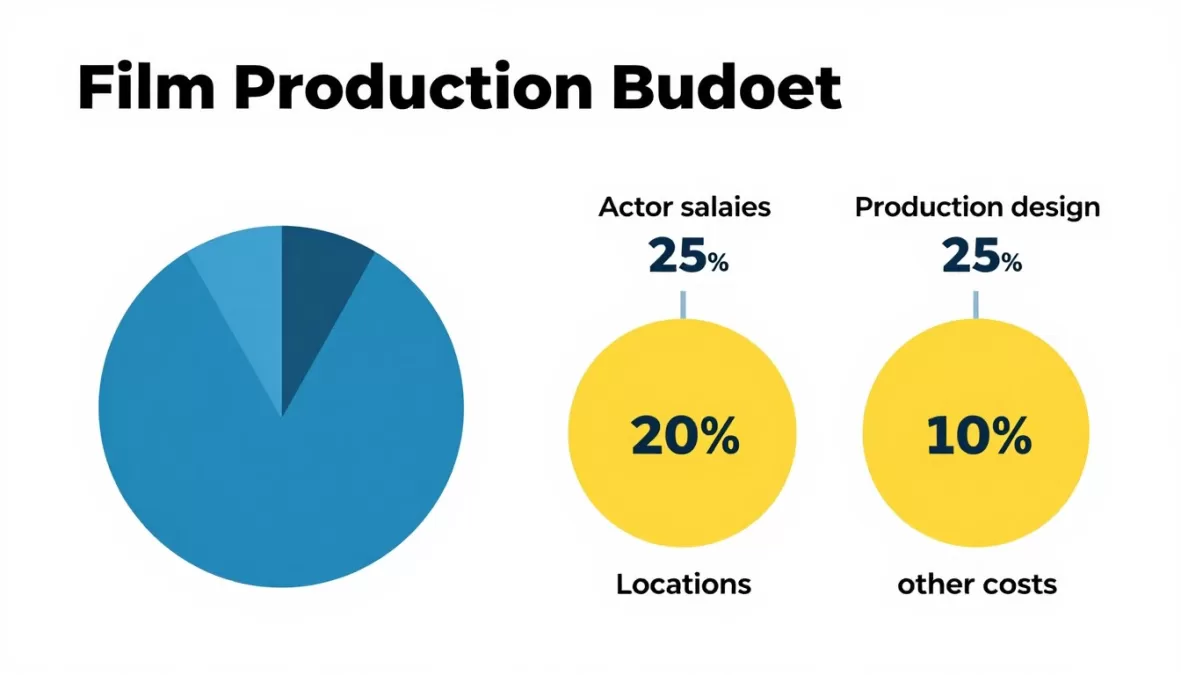
Visual effects have become one of the biggest budget items. Modern blockbusters dedicate up to 30% of their budget to special effects alone.
Major Budget Components
Actor salaries represent another massive expense. Robert Downey Jr. commanded over $75 million for some Marvel films, making him one of the highest-paid actors in history.
- Visual effects and CGI rendering
- A-list actor salaries and backend deals
- Location scouting and shooting permits
- Production design and set construction
- Marketing and distribution costs
- Insurance and contingency funds
Marketing budgets often match or exceed production costs. A film with a $200 million budget might spend another $150 million on marketing.
Box office returns must cover both production and marketing expenses. This makes profitability challenging even for expensive movies with strong ticket sales.
Inflation and Budget Adjustments
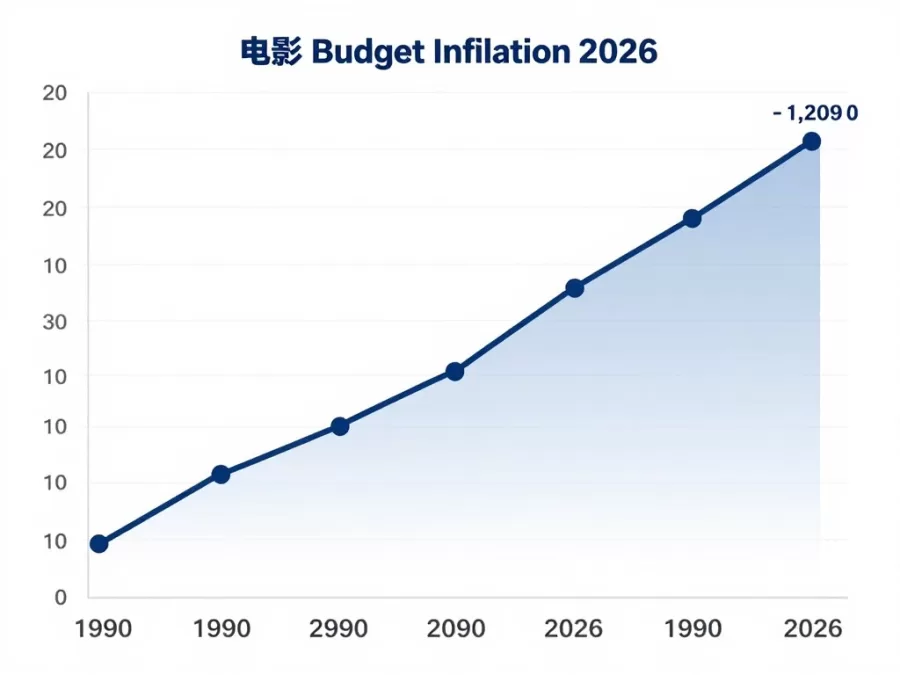
Comparing budgets across different years requires inflation adjustments. A $100 million film from 2000 would cost approximately $165 million in 2026 dollars.
This list uses reported production budgets without inflation adjustments. The figures represent what studios actually spent at the time of production.
10. Tangled (2010) – $260 Million

Production Details
Disney’s Tangled holds the distinction of being one of the most expensive animated films ever made. The production budget reached $260 million over six years of development.
The film required extensive technological innovation. Disney developed new animation software specifically for rendering Rapunzel’s hair, which contains approximately 100,000 individual strands.
The story went through multiple revisions during production. Directors changed twice, and the entire creative direction shifted from a traditional fairy tale to a modern comedy adventure.
Budget Breakdown
- Animation technology development
- Extended production timeline
- Voice actor salaries
- Multiple script revisions
Box Office Performance
- Worldwide gross: $592 million
- Domestic: $200 million
- Strong merchandise sales
- Successful franchise launch
9. Justice League (2017) – $300 Million
A Troubled Production
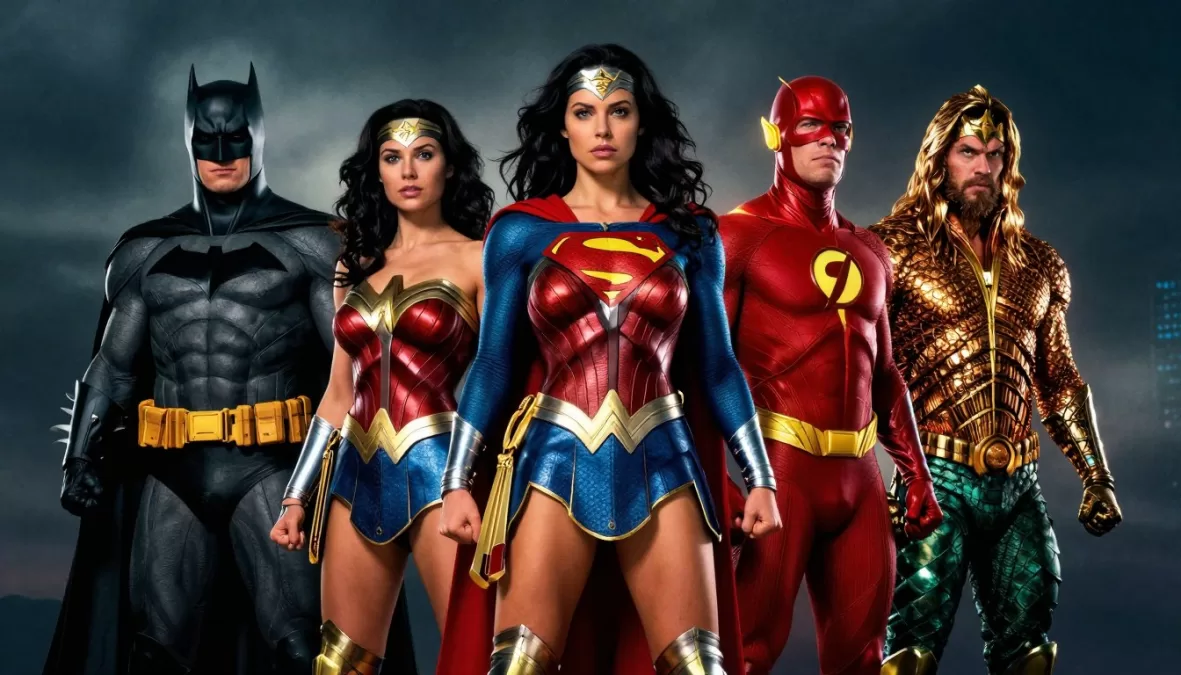
Justice League’s production budget ballooned to $300 million due to extensive reshoots. Director Zack Snyder departed the project, and Joss Whedon took over to complete the film.
The reshoots alone cost an estimated $25 million. Studios mandated a shorter runtime, requiring significant story changes and new scenes.
Visual effects costs escalated when the film required CGI removal of Henry Cavill’s mustache. He had grown facial hair for another role and couldn’t shave it for the Superman scenes.
Financial Impact
The box office performance disappointed expectations. With a worldwide gross of $657 million, the film barely broke even after marketing costs.
Warner Bros. reportedly lost between $50-100 million on the project. This led to a complete restructuring of DC’s film strategy going forward.
8. Batman v Superman: Dawn of Justice (2016) – $300 Million
Superhero Showdown Budget
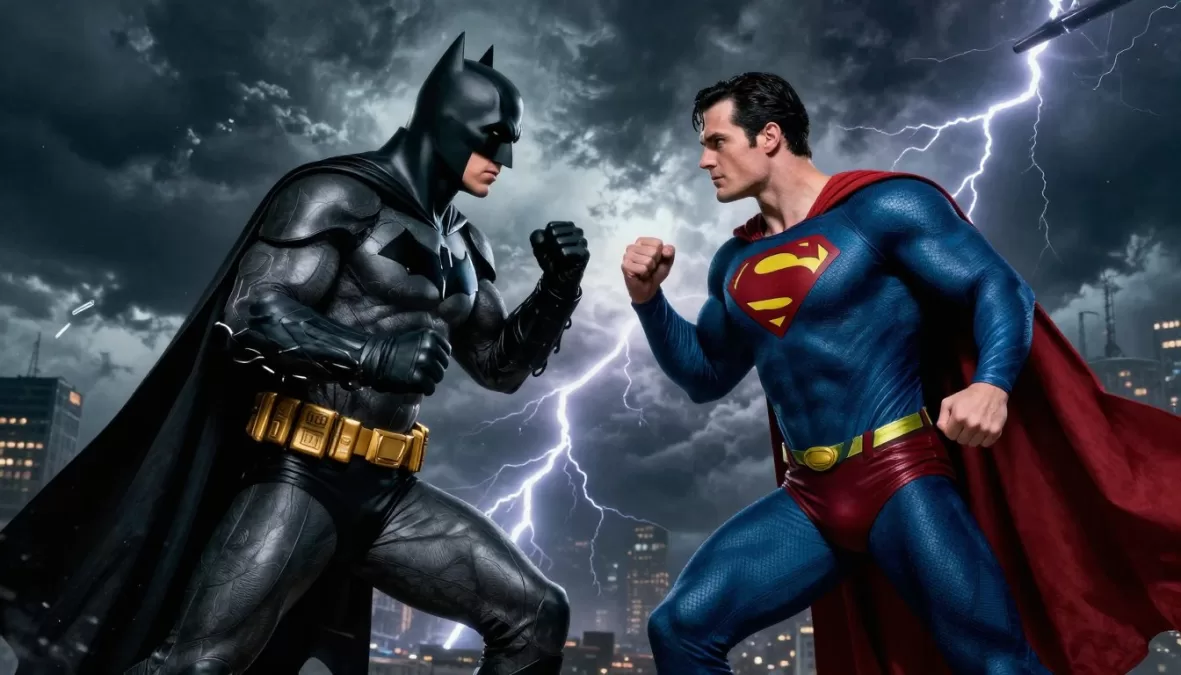
Batman v Superman brought together two iconic characters for the first time on screen. The $300 million budget covered extensive action sequences and world-building for the DC Extended Universe.
The film featured large-scale destruction scenes requiring complex visual effects. The final battle with Doomsday alone consumed a significant portion of the effects budget.
Production Scale
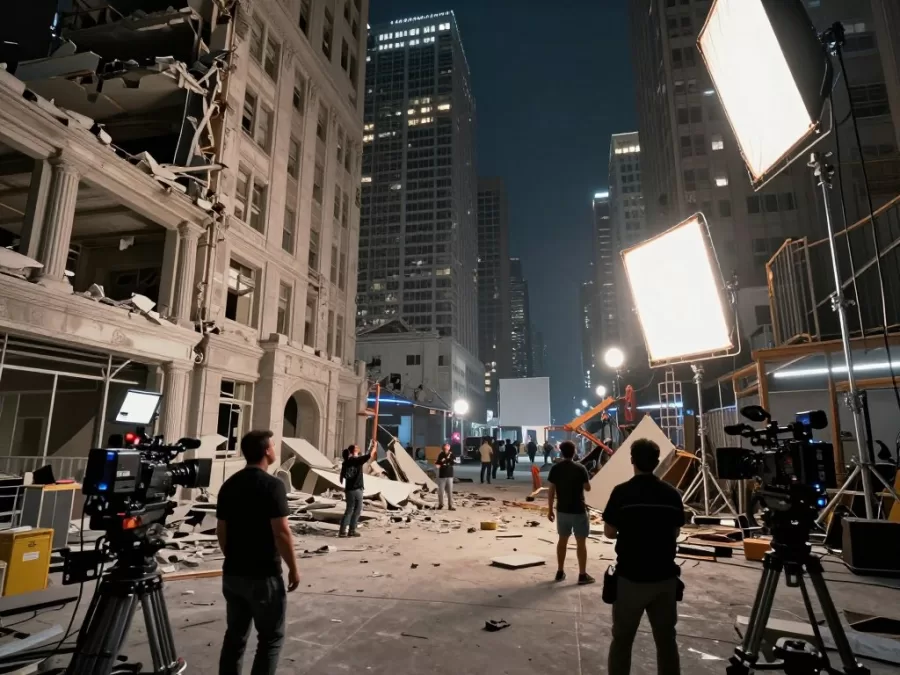
Director Zack Snyder employed both practical and digital effects. The production built massive sets while also using green screen technology for enhancement.
The film shot in multiple locations including Detroit and Chicago. These cities stood in for Gotham and Metropolis, requiring substantial location fees and permits.
7. The Hobbit: The Battle of the Five Armies (2014) – $315 Million
Middle-earth Returns
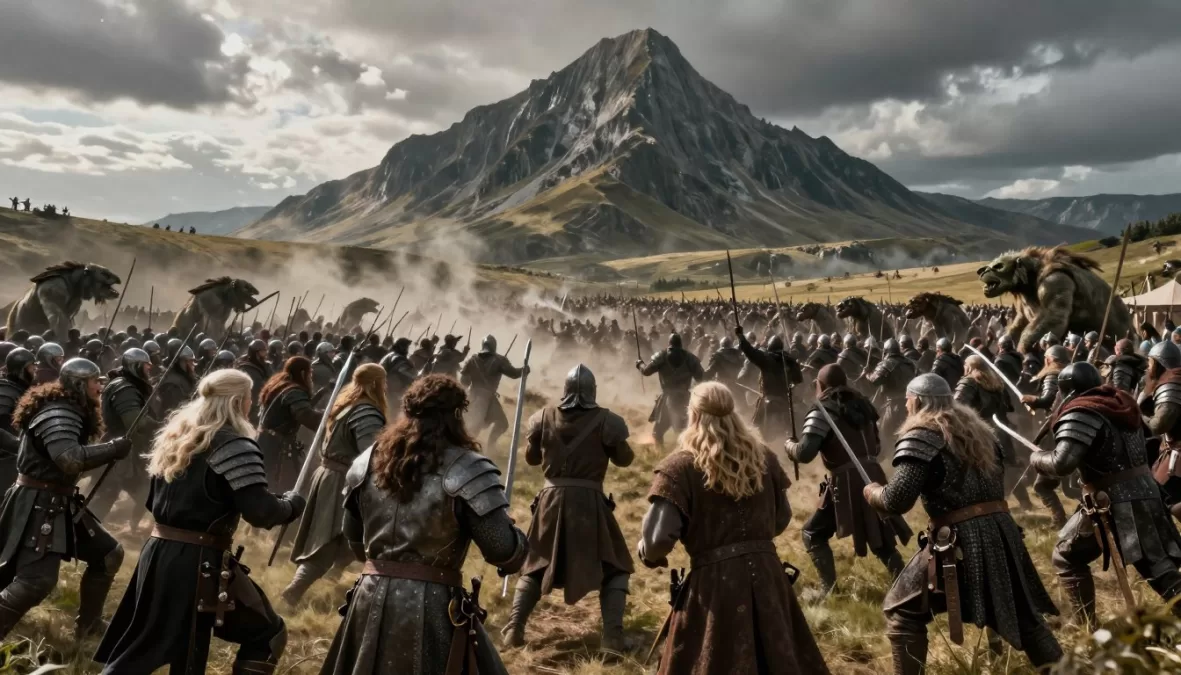
The final installment of The Hobbit trilogy carried a production budget of $315 million. This made it one of the most expensive films ever made at the time of release.
Peter Jackson’s production utilized cutting-edge motion capture technology. The film featured extensive CGI characters and environments throughout its runtime.
Production Challenges
The trilogy filmed simultaneously in New Zealand over 266 days. This approach created cost efficiencies but still resulted in massive total budgets across all three films.
The entire Hobbit trilogy cost approximately $745 million to produce, making it one of the most expensive film series in history.
Visual effects teams created entire digital armies for the climactic battle scenes. These sequences required years of post-production work to complete.
6. Avengers: Age of Ultron (2015) – $365 Million
Marvel’s Massive Sequel
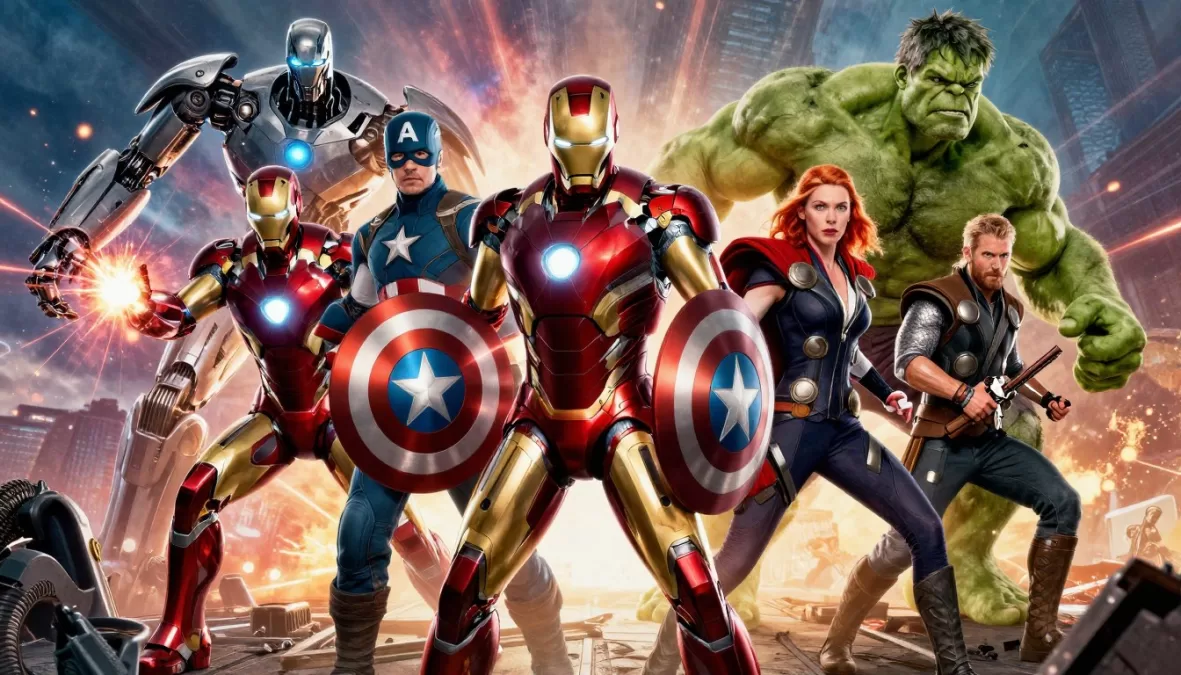
Avengers: Age of Ultron pushed Marvel’s production costs to new heights with a $365 million budget. The sequel expanded the Marvel Cinematic Universe with new characters and global locations.
Robert Downey Jr.’s salary alone accounted for a significant portion of the budget. His backend deal and upfront payment reflected his status as the franchise anchor.
Global Production Scale

The film shot in multiple countries including South Korea, Italy, and South Africa. These international locations added authenticity but significantly increased production costs.
The action sequences required months of visual effects work. Marvel employed multiple VFX studios simultaneously to meet the aggressive post-production timeline.
Box Office Success
Despite the massive budget, Age of Ultron earned $1.4 billion worldwide. This box office performance made it one of the most profitable expensive movies ever made.
Get Exclusive Film Industry Insights
Join over 50,000 movie enthusiasts who receive weekly updates on Hollywood production secrets, box office analysis, and behind-the-scenes stories.
5. Star Wars: The Force Awakens (2015) – $447 Million

Return to a Galaxy Far, Far Away
Star Wars: The Force Awakens marked the franchise’s return with a staggering $447 million production budget. Disney spared no expense bringing the beloved series back to theaters.
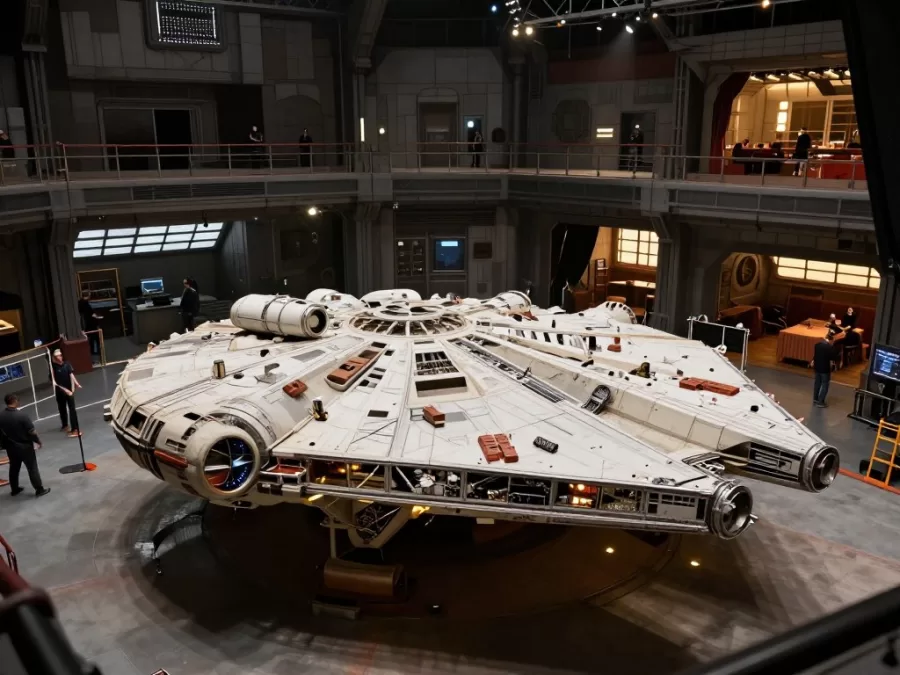
The budget included extensive practical effects alongside digital work. Director J.J. Abrams insisted on building real sets and using physical models whenever possible.
Production Investments
Practical Effects
- Full-scale Millennium Falcon set
- Real desert location filming
- Practical creature effects
- Physical stunt work
Digital Elements
- Space battle sequences
- Enhanced alien creatures
- Planet environments
- Lightsaber effects
Record-Breaking Performance
The film’s box office performance justified the massive investment. The Force Awakens grossed over $2 billion worldwide, becoming one of the highest-grossing films of all time.
This success proved that audiences still craved Star Wars stories. The strong return on investment encouraged Disney to greenlight multiple additional films in the series.
4. Star Wars: The Rise of Skywalker (2019) – $416 Million

Skywalker Saga Conclusion
The Rise of Skywalker concluded the nine-film Skywalker saga with a $416 million budget. This made it one of the most expensive movies in the Star Wars franchise.
The production faced significant challenges including director changes and script rewrites. These issues added costs while extending the production timeline.
Visual Spectacle
The film featured some of the largest space battle scenes in series history. Thousands of ships required individual digital creation and animation.

Location shooting spanned multiple countries including Jordan and England. The Jordanian desert scenes alone required extensive logistics and local crew support.
Box Office Reception
Despite mixed critical reception, the film earned $1.074 billion at the box office worldwide. However, this fell short of expectations for a concluding Star Wars film.
3. Avengers: Infinity War (2018) – $400 Million
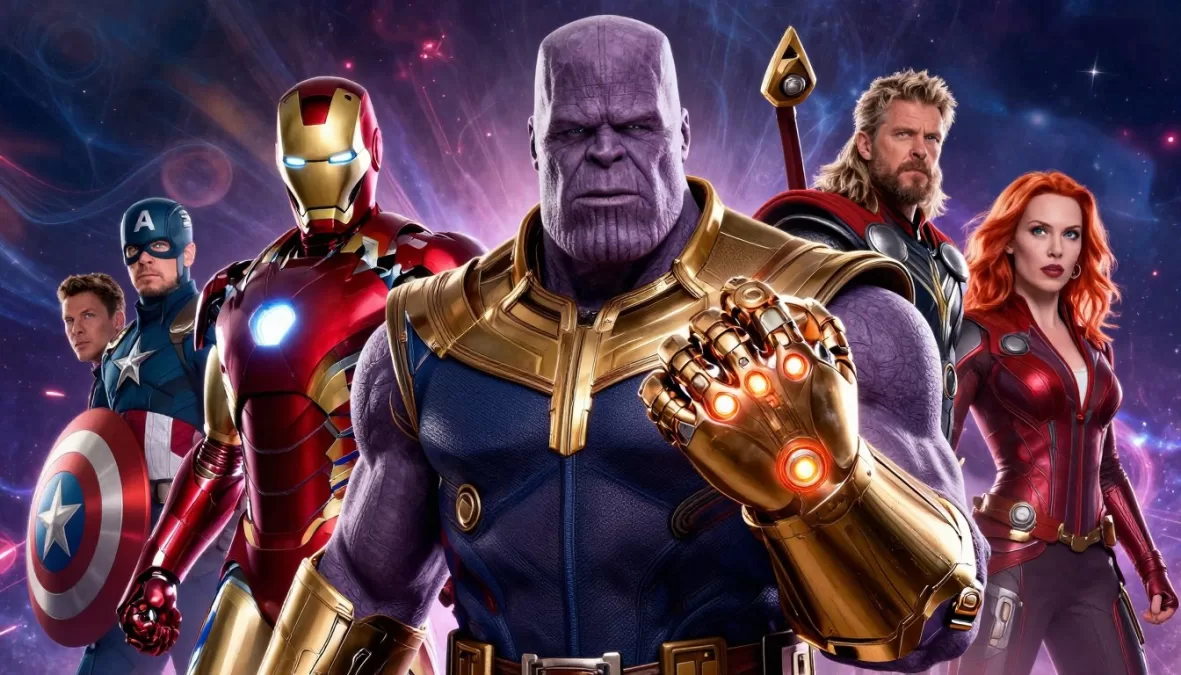
The Mad Titan’s Arrival
Avengers: Infinity War brought together the largest ensemble cast in Marvel history with a $400 million production budget. The film required coordinating schedules for over 30 major actors.
The production filmed back-to-back with Avengers: Endgame. This approach created efficiencies but still resulted in one of the most expensive film productions ever undertaken.
Technical Achievements
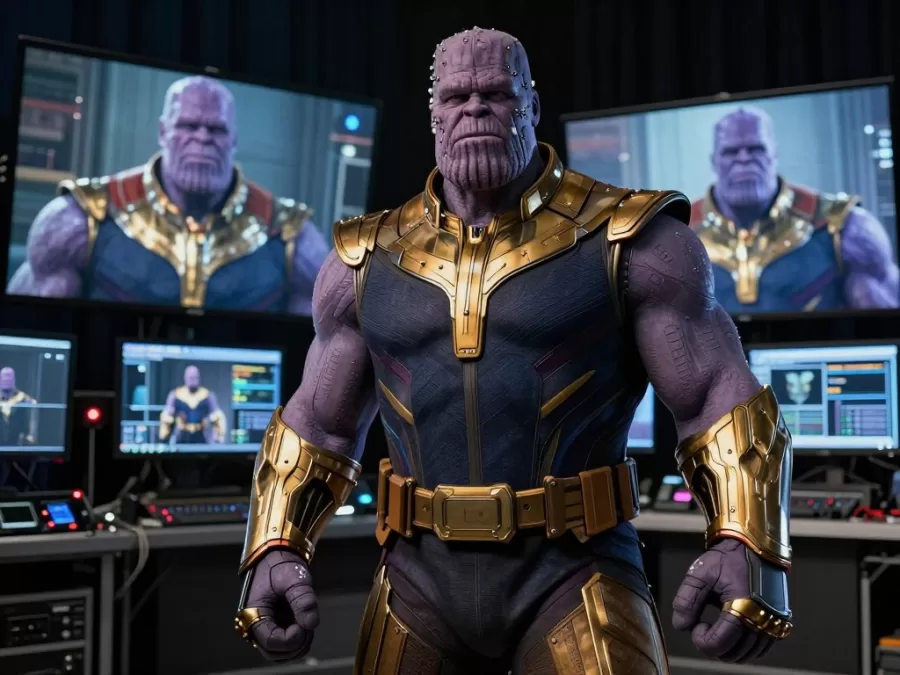
Josh Brolin’s performance as Thanos required extensive motion capture work. The character appears in nearly every scene, demanding meticulous digital creation.
Visual effects teams spent months perfecting Thanos’s facial expressions. The goal was creating a fully digital character with genuine emotional resonance.
Multiple Locations
The story spans multiple planets and dimensions. Each location required unique design work, from the lush forests of Wakanda to the desolate ruins of Titan.
Infinity War and Endgame together cost approximately $900 million to produce, making them the most expensive back-to-back film production in cinema history.
Cultural Phenomenon
The film grossed $2.048 billion worldwide. Its shocking ending generated unprecedented social media discussion and anticipation for the sequel.
2. Avengers: Endgame (2019) – $400 Million
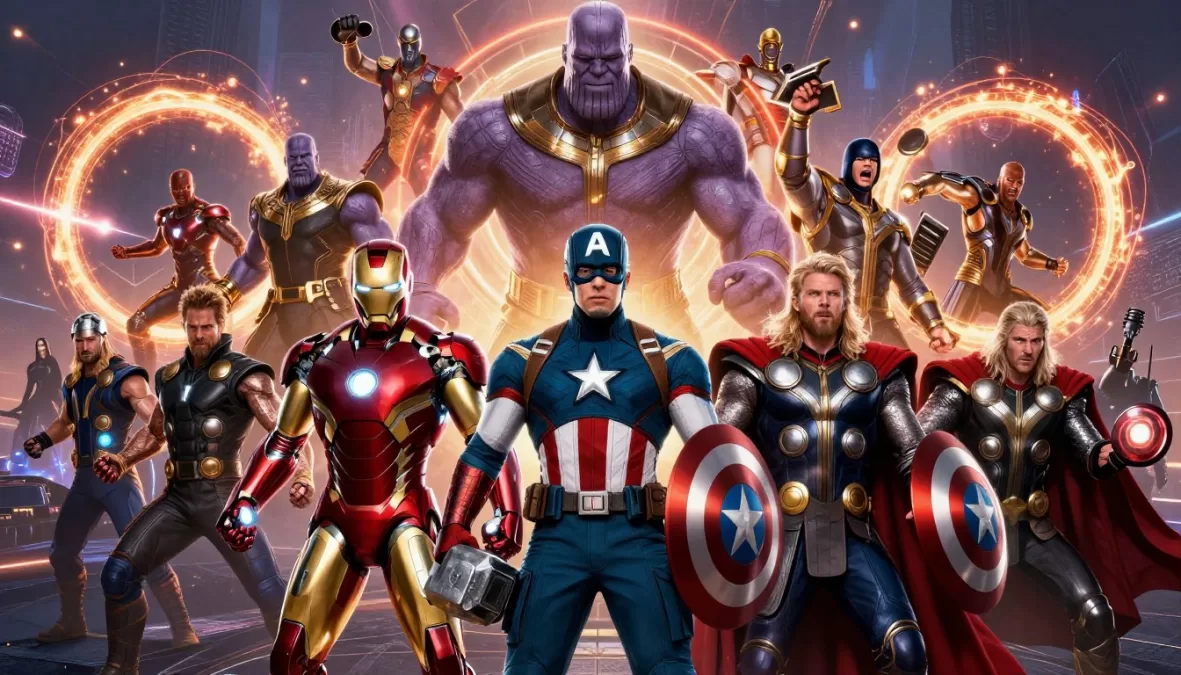
The Epic Conclusion
Avengers: Endgame matched Infinity War’s $400 million budget while delivering the conclusion to the Infinity Saga. The film provided closure for over a decade of Marvel storytelling.
The production required bringing back nearly every actor who had appeared in previous Marvel films. Coordinating these schedules alone presented massive logistical challenges.
Time Travel Complexity
The time travel storyline meant revisiting locations from earlier films. Production designers recreated sets from movies spanning 11 years of the franchise.
Visual effects work proved especially demanding for the final battle. The scene features hundreds of characters fighting simultaneously, each requiring individual animation.
Actor Compensation
Robert Downey Jr. reportedly earned $75 million for Endgame. Other lead actors also commanded significant salaries reflecting their years with the franchise.
These backend deals meant actors shared in the film’s profits. This structure motivated strong performances but added substantially to the total budget.
Box Office Dominance
Endgame became the highest-grossing film of all time with $2.798 billion worldwide. This record stood until Avatar’s re-release briefly surpassed it.
1. Pirates of the Caribbean: On Stranger Tides (2011) – $422 Million
The Most Expensive Film Ever Made
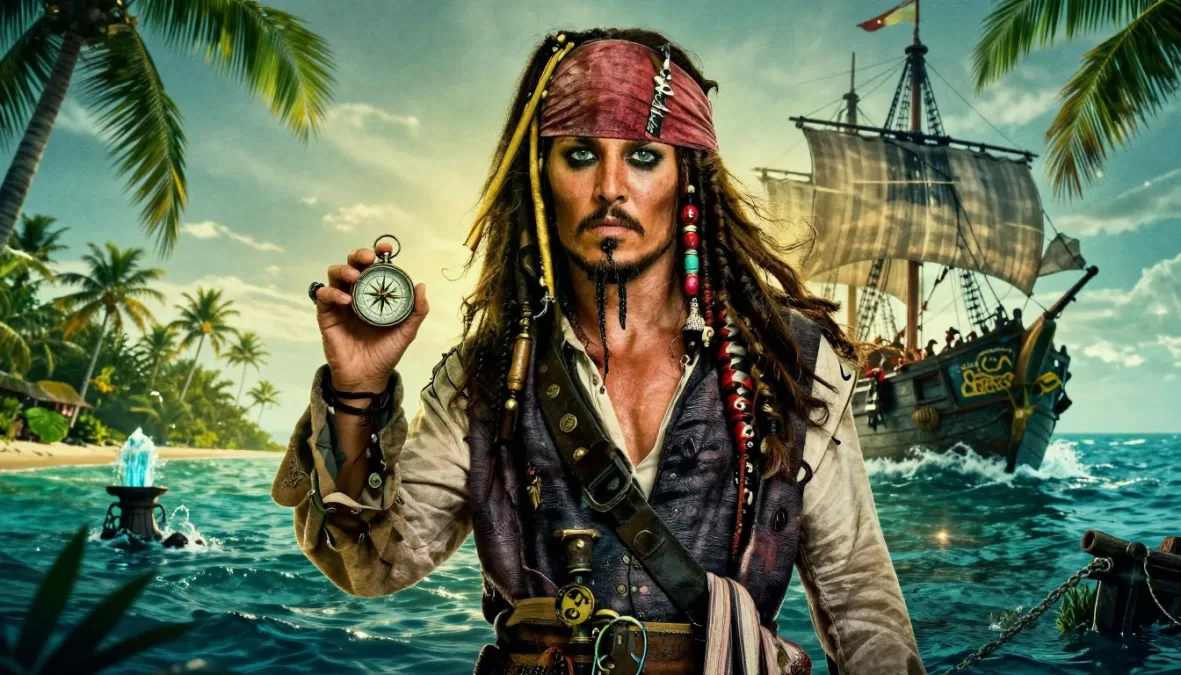
Pirates of the Caribbean: On Stranger Tides holds the record as the most expensive film ever made with a production budget of $422 million. This fourth installment in the Pirates series pushed costs to unprecedented levels.
The budget escalated due to several factors working against the production. Location changes, extensive reshoots, and production delays all contributed to the final price tag.
Production Challenges
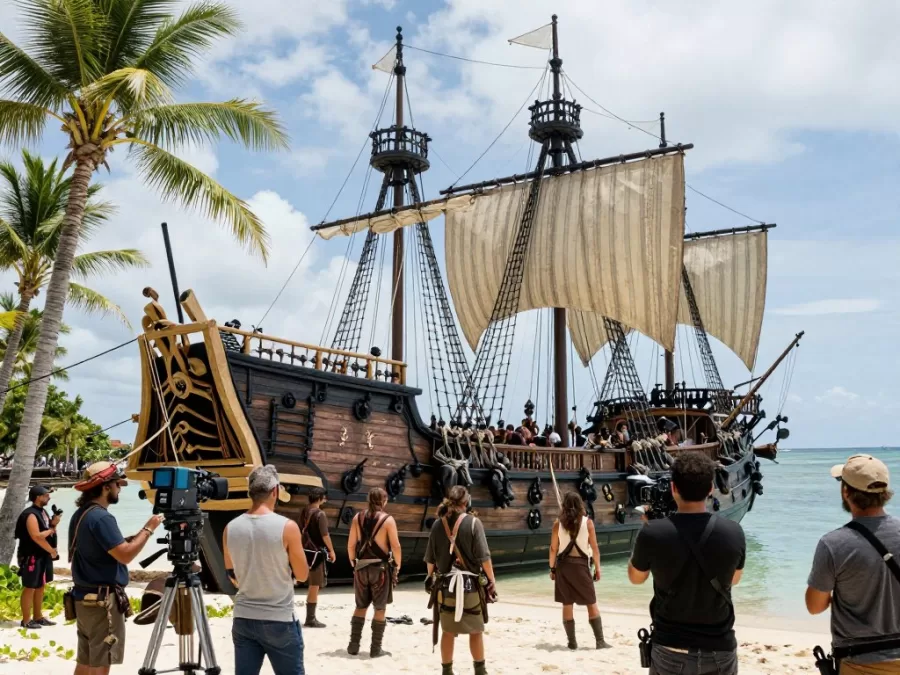
The film originally planned to shoot in multiple exotic locations worldwide. When these plans changed, the production had already incurred substantial pre-production costs.
Johnny Depp’s salary and backend deal consumed a significant portion of the budget. His iconic portrayal of Jack Sparrow made him indispensable but expensive.
Visual Effects and Action
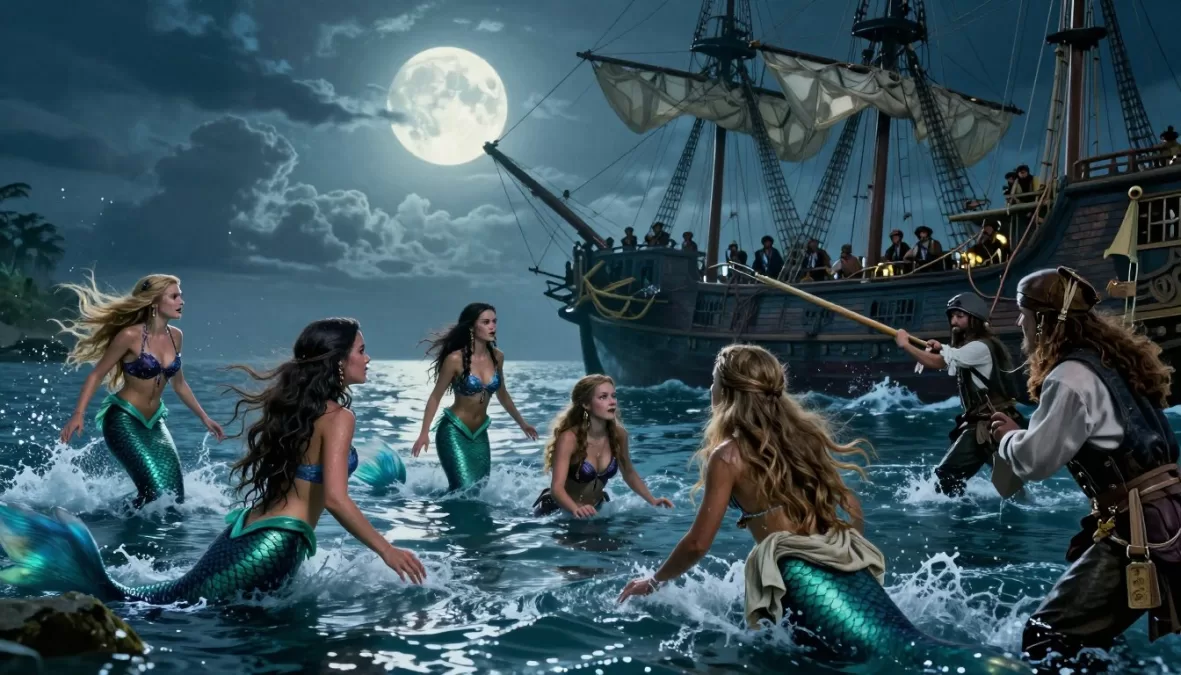
The film features elaborate action sequences including a mermaid attack and battles with zombie pirates. These scenes required extensive visual effects work and coordination.
Cost Drivers
- Johnny Depp’s $55 million salary
- Expensive location shooting
- Extensive visual effects scenes
- Production delays and reshoots
- Large ensemble cast
Return on Investment
- Worldwide gross: $1.046 billion
- Fourth highest-grossing 2011 film
- Franchise remains popular
- Strong international performance
Box Office Performance
Despite the massive budget, On Stranger Tides earned over $1 billion at the box office. The film’s international appeal, particularly in markets like China and Russia, drove strong returns.
The production costs raised questions about the sustainability of such expensive movies. However, the box office success proved audiences still craved big-budget spectacle.
Legacy and Impact
On Stranger Tides set a benchmark for expensive film production. Studios became more cautious about approving budgets exceeding $300 million without proven franchise potential.
The film demonstrated that even the most expensive movies could be profitable. However, it also showed that spiraling costs present significant financial risks for studios.
Honorable Mentions
Several other films nearly made this list of the most expensive movies ever produced. These productions also pushed budget boundaries in significant ways.
Avatar: The Way of Water (2022)
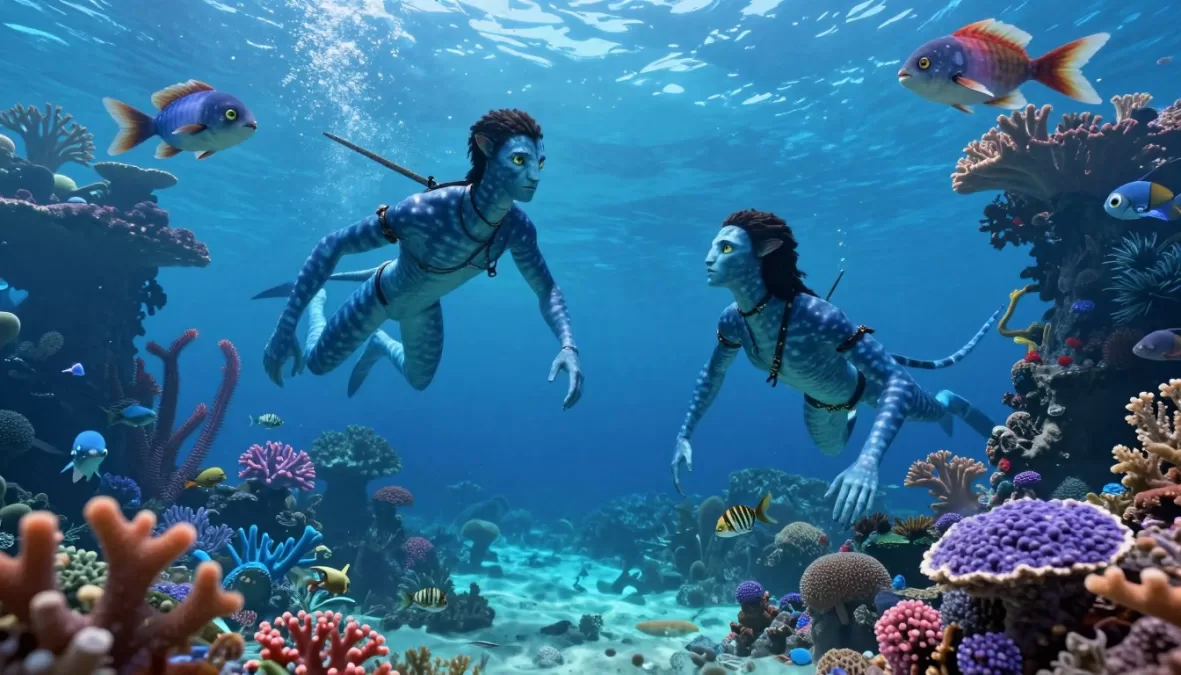
James Cameron’s sequel to Avatar reportedly cost between $350-400 million. The exact budget remains disputed, but production certainly ranked among the most expensive in film history.
The film pioneered underwater motion capture technology. These innovations required years of research and development before filming could begin.
Harry Potter and the Half-Blood Prince (2009)
The sixth Harry Potter film carried a $250 million budget. The production featured elaborate magical effects sequences and expansive set designs.
The series maintained consistently high production values across all eight films. Warner Bros. invested heavily to ensure each installment met audience expectations.
Spider-Man 3 (2007)
Sam Raimi’s Spider-Man 3 cost $258 million to produce. Multiple villains and complex action scenes drove the budget higher than previous franchise entries.
The film demonstrates how sequels often cost more than original films. Studios increase budgets expecting higher returns from established franchises.
Why Do Movies Cost So Much?
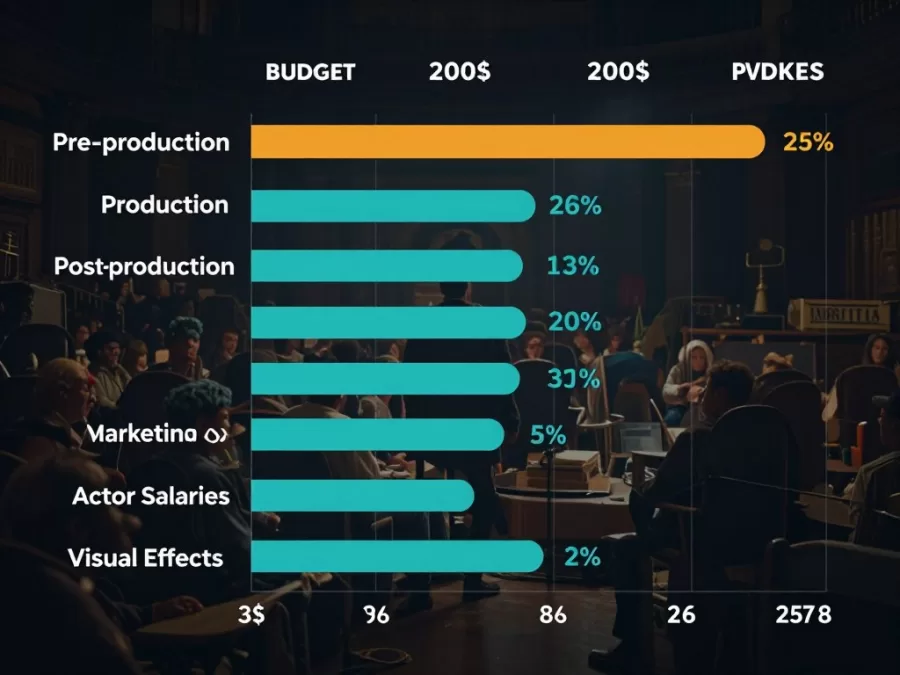
Understanding why the most expensive movies ever made cost so much requires examining multiple factors. Modern blockbusters face unique financial pressures that didn’t exist decades ago.
Visual Effects Escalation
Visual effects costs have increased exponentially over the past two decades. What once cost $10 million now routinely exceeds $100 million for major productions.
Marvel films employ multiple VFX studios working simultaneously. This parallel workflow accelerates delivery but multiplies costs significantly.
- Complex CGI characters require months of rendering time
- Photorealistic environments demand extensive digital creation
- Action sequences need frame-by-frame animation
- Quality control and revision cycles add expenses
- Specialized software and hardware investments
Star Power Salaries
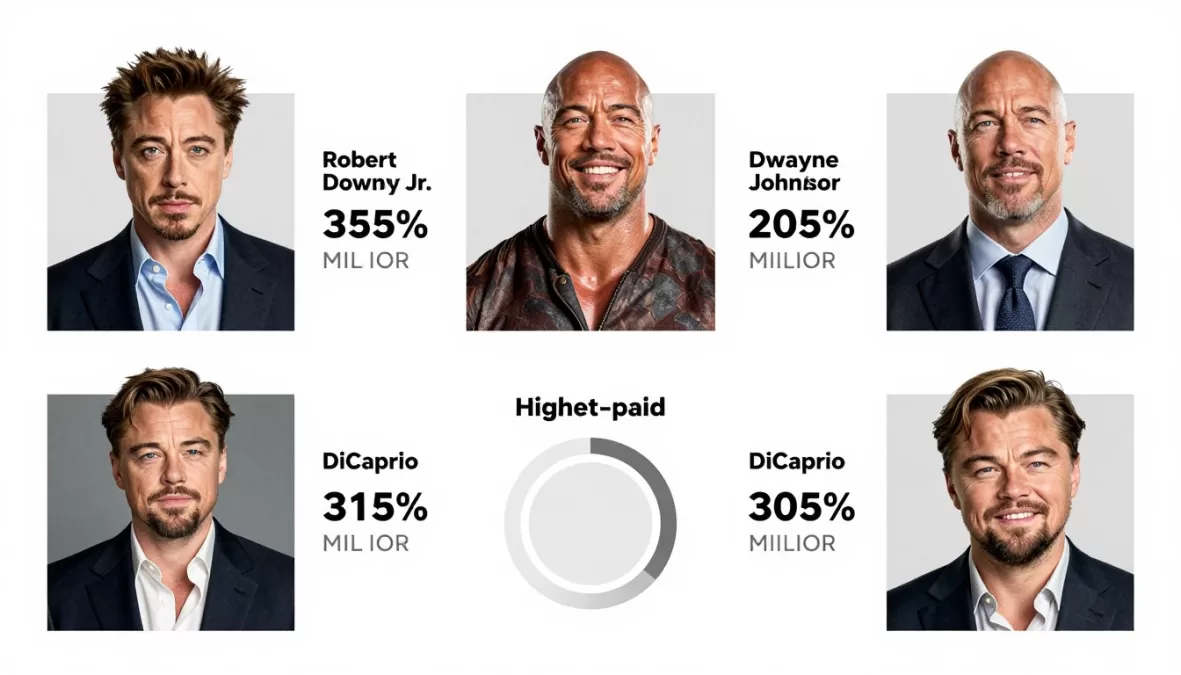
A-list actors command salaries between $20-75 million per film. Robert Downey Jr.’s deals with Marvel set new benchmarks for actor compensation.
Backend deals allow actors to share in profits. This structure motivates performance but increases total costs when films succeed at the box office.
Location Filming Expenses
International location shooting adds millions to budgets. Films must pay for crew travel, lodging, local permits, and security.
Some productions choose locations for tax incentives. However, these savings often get offset by increased logistical costs and complications.
Marketing and Distribution
Marketing budgets frequently match production costs. A $300 million film might spend another $200 million on worldwide marketing campaigns.
Total movie costs include both production and marketing budgets. A film must earn 2.5 times its production budget to break even after all expenses.
Are Expensive Movies Worth the Investment?
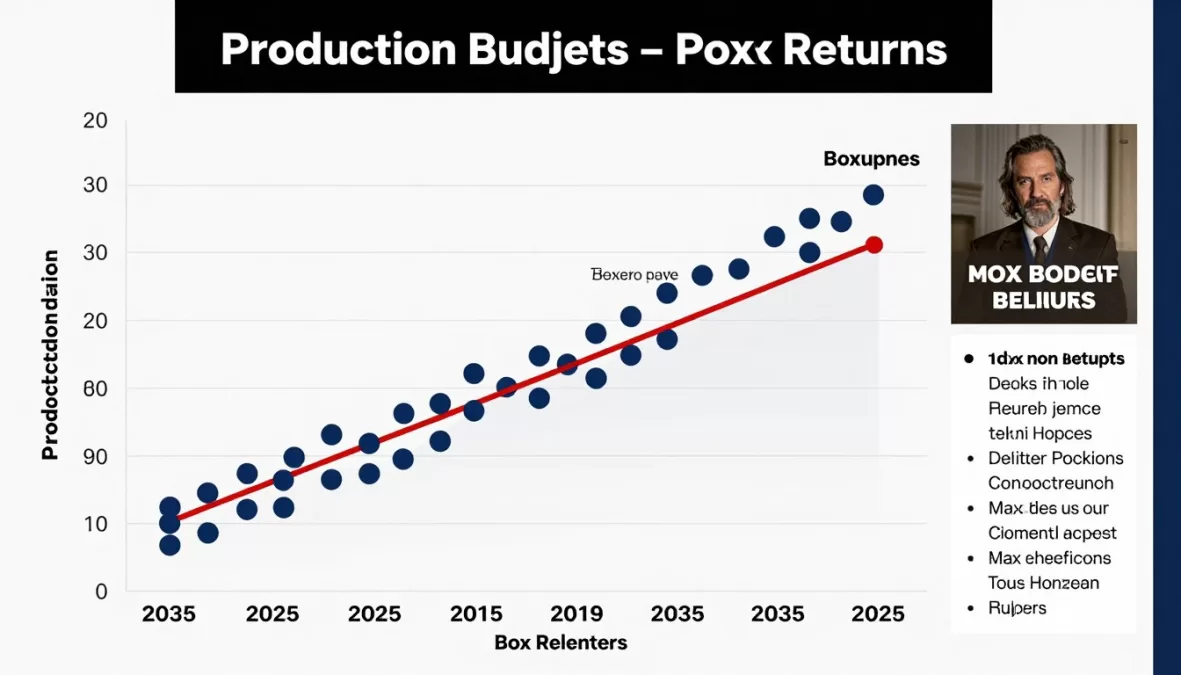
The financial success of expensive films varies dramatically. Some recover costs and generate substantial profits, while others become costly failures.
Success Stories
Avengers: Endgame’s $400 million budget generated nearly $2.8 billion in box office returns. This represents a return on investment that justified every dollar spent.
The film also drove merchandise sales, streaming subscriptions, and theme park attendance. These secondary revenue streams multiply the total return significantly.
Financial Winners
- Avengers: Endgame ($2.798B return)
- Infinity War ($2.048B return)
- The Force Awakens ($2.068B return)
- Avatar sequels (projected high returns)
Disappointing Returns
- Justice League (estimated $50-100M loss)
- John Carter (estimated $200M loss)
- The Lone Ranger (estimated $190M loss)
- King Arthur (estimated $150M loss)
Risk vs. Reward
Studios weigh massive budgets against franchise potential. An expensive film that launches a successful series justifies its cost through sequels and spin-offs.
However, expensive failures can devastate studio finances. Several high-profile flops have led to executive departures and strategic shifts.
Changing Industry Dynamics
Streaming services have altered the economics of expensive movies. Films now generate revenue through theatrical release, digital sales, and streaming platform value.
This multi-platform approach changes how studios calculate return on investment. A film might lose money theatrically but drive streaming subscriptions worth billions.
The Future of Expensive Movies
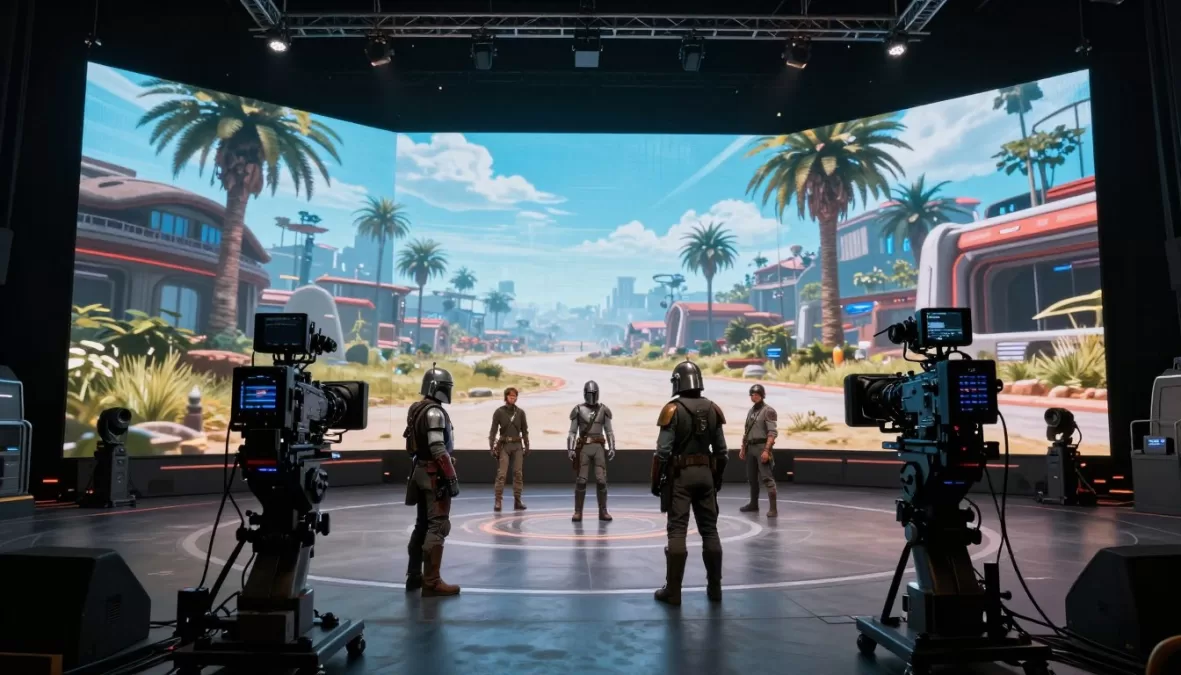
The film industry continues pushing budget boundaries while exploring cost-saving technologies. The most expensive movies of the future may look different from today’s blockbusters.
Virtual Production Technology
LED volume stages like those used in The Mandalorian reduce location costs. These virtual sets create photorealistic environments without traveling to exotic locations.
This technology could lower budgets for expensive films while maintaining visual quality. Early adopters report savings of 20-30% on location-heavy productions.
AI and Automation
Artificial intelligence tools are beginning to assist with visual effects work. These systems can generate backgrounds, perform rotoscoping, and even create basic animations.
Industry experts predict that AI could reduce visual effects costs by 40% within the next five years, potentially lowering budgets for the most expensive movies.
Streaming Service Investments
Netflix, Apple, and Amazon continue investing hundreds of millions in original films. These platforms compete with traditional studios for expensive movie production.
Streaming economics differ from theatrical releases. Platforms measure success through subscriber retention rather than box office receipts alone.
Franchise Fatigue Concerns
Some analysts worry that audiences grow tired of expensive franchise films. Original stories struggle to justify massive budgets without proven brand recognition.
Studios balance franchise investment with developing new intellectual property. The most successful companies maintain diverse portfolios mixing sequels with original concepts.
Final Thoughts on Cinema’s Most Expensive Movies
The most expensive movies ever made represent Hollywood’s biggest gambles and greatest spectacles. These films push technological boundaries while entertaining millions worldwide.
Production budgets will likely continue rising as studios compete for audience attention. Visual effects innovations and actor salaries show no signs of decreasing anytime soon.
Pirates of the Caribbean: On Stranger Tides currently holds the record at $422 million. However, future productions will almost certainly surpass this benchmark as costs continue escalating.
The key question remains whether these massive investments generate sufficient returns. Successful expensive films create franchises worth billions, while failures can reshape entire studios.
As streaming services invest more heavily in original content, the definition of success for expensive movies continues evolving. Box office performance no longer tells the complete financial story.
These ten films demonstrate that audiences still crave large-scale cinematic experiences. The most expensive movies ever made will continue pushing boundaries as long as viewers reward ambitious storytelling with their attention and dollars.

Priyanka Pandey
Senior Research Editor · Top10Sense
Priyanka specializes in tech, consumer products, and digital trends. She combines hands-on testing, vendor interviews, and database research to create trustworthy “Top 10” rankings. Her work has been referenced by industry blogs and brand report pages.