
Comedy has been the heartbeat of Hollywood since the silent film era. It makes us laugh and helps us forget our troubles for a bit. The best comedy movies transcend time and culture.
These films capture the human experience through humor. From Charlie Chaplin’s physical genius to the sharp wit of modern comedies, Hollywood has perfected the art of making audiences laugh. This comprehensive list celebrates one hundred years of comedic excellence.
Each entry on this list represents a milestone in the comedy genre. These movies have shaped how we understand humor in cinema. Whether you prefer slapstick, satire, romantic comedy, or absurdist humor, this collection has something for everyone.
The evolution of comedy movies reflects changes in society over the years. Early silent comedies relied on physical humor because dialogue was impossible. Sound revolutionized the genre and gave birth to screwball comedies and witty wordplay.
Television changed comedy again in the 1950s and 1960s. Movies had to offer something different from what people could watch at home for free. This led to more sophisticated humor and bigger production values. Modern comedies benefit from all these innovations.
Join 50,000+ Movie Lovers
Get weekly comedy recommendations, hidden gems, and streaming updates delivered straight to your inbox. Never run out of laughs again.
The Evolution of Comedy in Hollywood Cinema
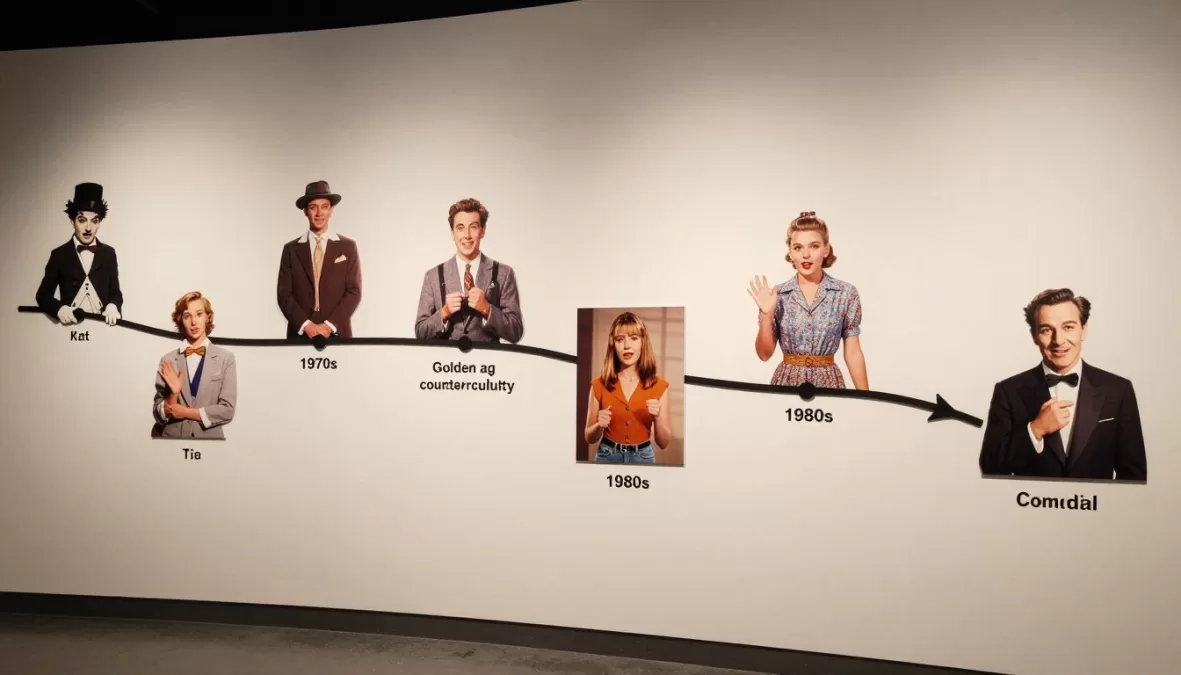
Understanding the history of comedy helps us appreciate these masterpieces. The genre has constantly reinvented itself while maintaining core principles that make people laugh. Comedy reflects the anxieties and values of each era.
Silent film comedians were athletes and artists. Buster Keaton performed death-defying stunts without safety equipment. Charlie Chaplin created characters that conveyed complex emotions without words. Harold Lloyd hung from clock towers while audiences gasped and laughed.
The Silent Era Foundation
Silent comedy relied entirely on physical performance and visual gags. Comedians developed distinctive personas that audiences recognized immediately. The Little Tramp, the Great Stone Face, and the Glasses Character became icons.
These performers understood timing at an instinctive level. A gag that played too quickly lost its impact. One that dragged became tedious. Silent comedians mastered the rhythm of laughter through trial and error before live audiences in vaudeville.
The arrival of synchronized sound in the late 1920s threatened to end silent comedy. Many silent stars struggled with the transition. Some had unsuitable voices or couldn’t adapt their physical style to dialogue-driven stories.
The Golden Age of Screwball
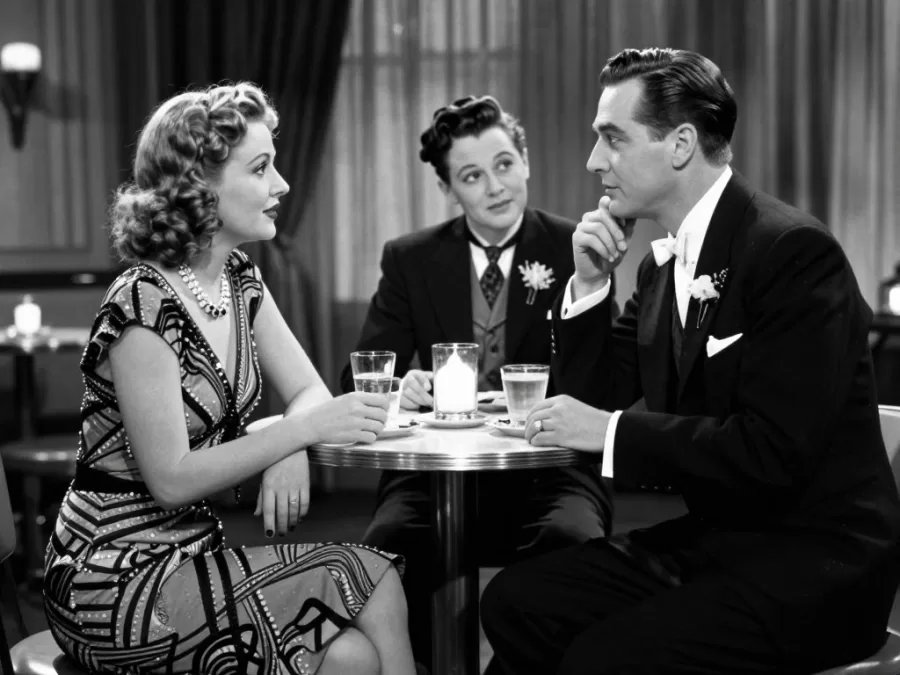
Screwball comedies emerged during the Great Depression. These films offered escapism through stories of wealthy eccentrics and romantic misunderstandings. Fast-paced dialogue and sophisticated wordplay became the new standard.
Directors like Frank Capra, Howard Hawks, and Preston Sturges perfected the screwball formula. They cast charismatic leads with perfect comedic timing. Cary Grant, Katharine Hepburn, Carole Lombard, and Jimmy Stewart became comedy royalty.
The genre flourished through the 1930s and 1940s. Studios produced dozens of screwball comedies that remain influential today. The fast-talking, battle-of-the-sexes dynamic still appears in modern romantic comedies.
Post-War Innovation and Satire
After World War II, comedy became darker and more satirical. Billy Wilder and Stanley Kubrick pushed boundaries with films that questioned authority and social norms. Comedy could now address serious subjects through humor.
The 1950s saw the rise of sophisticated satire alongside traditional farce. Movies could make audiences laugh while commenting on politics, war, and human nature. This expanded what comedy could achieve as an art form.
British comedy influenced Hollywood during this period. Peter Sellers and Alec Guinness demonstrated that comedy could be both intelligent and hilarious. Monty Python later revolutionized absurdist humor in ways that still resonate.
The New Hollywood Revolution
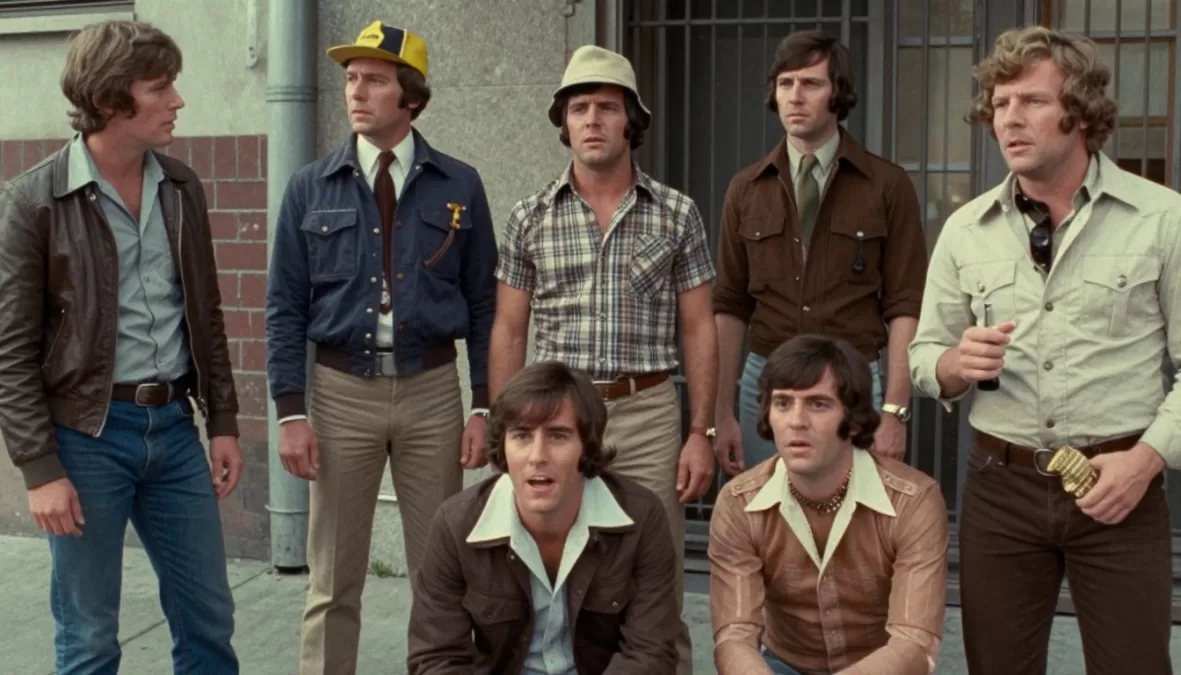
The late 1960s and 1970s brought radical changes to Hollywood comedy. Young filmmakers rejected old formulas and created irreverent, anarchic comedies. These films reflected social upheaval and challenged traditional values.
Mel Brooks, Woody Allen, and the National Lampoon writers redefined comedy. They mixed highbrow references with lowbrow humor. Nothing was sacred, and any topic could become material for jokes.
This era also saw the emergence of character-driven comedy. Films focused on flawed, realistic people rather than archetypal characters. Audiences connected with comedies that felt authentic to contemporary life.
The Blockbuster Comedy Era
The 1980s turned comedy into big business. Studios discovered that comedies could open with huge box office numbers. Star comedians became bankable leads who guaranteed audience attention.
Eddie Murphy revolutionized the decade with his charisma and versatility. Bill Murray created a new kind of comedy hero who was simultaneously cool and vulnerable. These performers influenced how comedy stars are marketed today.
Teen comedies became a major subgenre during the 1980s. John Hughes captured adolescent experience with humor and heart. These films launched careers and created a template still used in high school comedies.
Independent Comedy and Auteurs
The 1990s saw comedy diversify beyond studio formulas. Independent filmmakers brought distinctive voices to the genre. The Coen Brothers, Wes Anderson, and Christopher Guest developed signature styles that influenced countless others.
These directors treated comedy as an art form worthy of serious analysis. Their films worked on multiple levels, rewarding repeat viewings with hidden jokes and thematic depth. Comedy became respectable in critical circles.
Meanwhile, gross-out comedy pushed boundaries of taste. The Farrelly Brothers and Judd Apatow proved that crude humor could coexist with genuine emotion. This balance became the dominant comedy style of the 2000s.
Modern Comedy Landscape
Twenty-first century comedy reflects our fragmented media environment. Movies compete with television, streaming, and online content. Comedies must offer something unique to justify theatrical release.
Ensemble comedies and improvisation-heavy films became popular. The influence of Saturday Night Live and improv comedy theaters shaped modern comedy aesthetics. Many successful comedies feel loose and spontaneous rather than tightly scripted.
International comedy has influenced Hollywood more than ever. Korean, British, and Latin American comedic sensibilities have enriched American comedy. The genre continues evolving as global culture becomes more interconnected.
Ranking the Greatest Comedy Movies Ever Made
Creating this list required extensive research and consideration. We examined critical consensus, cultural impact, innovation, and lasting influence. These one hundred films represent the pinnacle of comedic achievement in Hollywood.
The ranking considers multiple factors beyond pure laughs. Historical importance matters when evaluating older films that pioneered techniques. Cultural impact measures how deeply a film embedded itself in popular consciousness. Rewatchability tests whether humor holds up over time.
Some incredible comedies didn’t make the final cut. The depth of Hollywood’s comedy tradition means many worthy films had to be excluded. This list focuses on movies that best represent their respective eras and styles.
We’ve included release years, directors, and principal cast for each entry. Where applicable, we note streaming availability to help you watch these classics. The list spans from silent cinema to contemporary releases.
Our rankings will likely spark debate among comedy fans. That’s part of the fun of any list like this. Your personal favorites may rank differently based on your comedic preferences and generational perspective.
Movies 100-91: Comedy Gems Worth Discovering
100. Galaxy Quest (1999)
Dean Parisot directed this brilliant science fiction comedy starring Tim Allen, Sigourney Weaver, and Alan Rickman. The film lovingly parodies Star Trek while telling an entertaining adventure story. Cast members from a cancelled sci-fi show get recruited by real aliens who think their show was historical documentation.
The comedy works on multiple levels. Fans of science fiction appreciate the accurate parody of genre conventions. General audiences enjoy the fish-out-of-water story and action sequences. The film balances affectionate mockery with genuine respect for fandom.
Alan Rickman delivers a hilarious performance as a classically trained actor trapped in a ridiculous role. His disdain for the show and catchphrase provides consistent laughs. Tim Allen plays against type as an insecure actor dependent on fan adulation.
99. What We Do in the Shadows (2014)
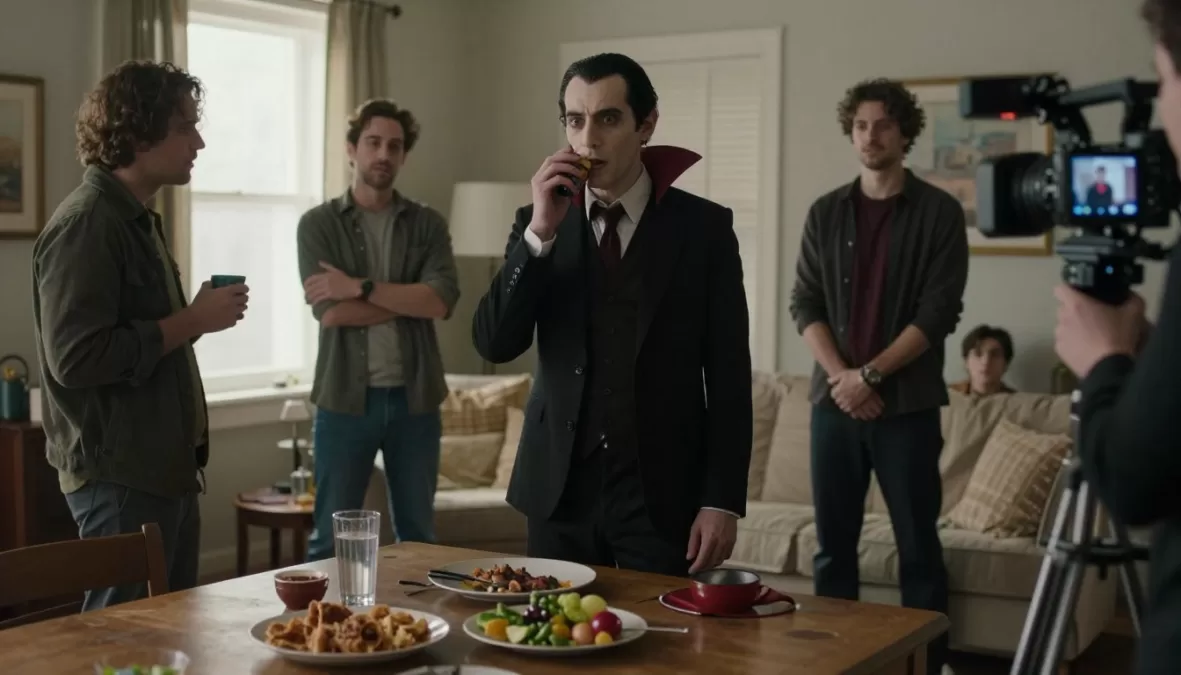
Taika Waititi and Jemaine Clement wrote, directed, and starred in this vampire mockumentary. The film follows four vampire roommates in New Zealand navigating modern life. Their mundane concerns about dishes and rent contrast hilariously with their supernatural nature.
The mockumentary format allows for perfect comedic timing. Characters address the camera directly, explaining their perspective on vampire existence. The deadpan delivery makes even absurd situations feel grounded and believable.
Waititi’s comedy balances silly humor with genuine heart. The vampires are likable despite being monsters. Their friendship and loyalty create emotional stakes among the laughs. This film launched Waititi toward mainstream success.
98. The Jerk (1979)
Carl Reiner directed Steve Martin’s first starring role in this rags-to-riches-to-rags story. Martin plays Navin Johnson, an adopted white man raised by a Black family who ventures into the world spectacularly naive. His journey from gas station attendant to millionaire inventor to penniless fool showcases Martin’s physical comedy genius.
The film established Martin’s screen persona as an innocent fool stumbling through life. His stand-up comedy translated perfectly to cinema. The episodic structure allows for varied comedic set pieces that showcase different aspects of his talent.
Memorable moments fill every scene. Navin’s excitement at finding his name in the phone book remains an iconic comedy bit. His invention of the Opti-Grab creates a perfectly absurd plot device. Martin’s commitment to playing stupidity as genuine innocence makes the character endearing.
97. Raising Arizona (1987)
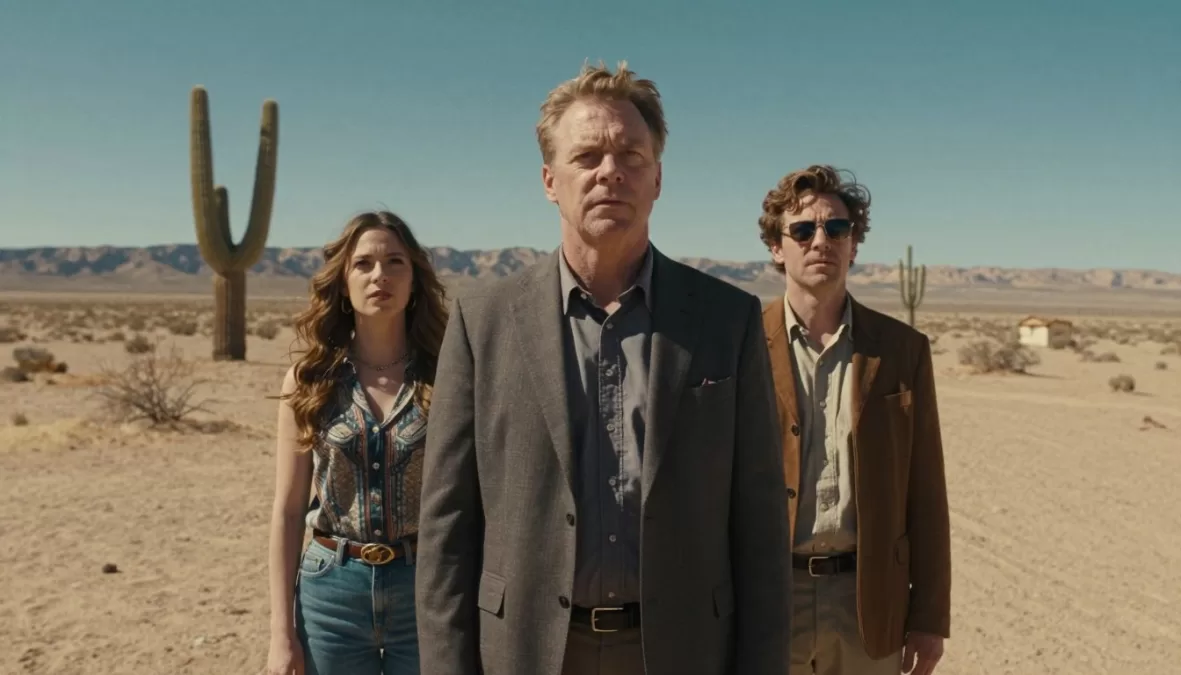
The Coen Brothers’ second feature film showcased their unique voice. Nicolas Cage and Holly Hunter play a childless couple who kidnap a quintuplet from a furniture tycoon. The film mixes crime story with screwball comedy and southwestern gothic.
Joel and Ethan Coen created a visual style that enhances the comedy. Wide-angle lenses exaggerate perspective and create a slightly surreal world. The score by Carter Burwell uses yodeling and banjo to establish the heightened reality.
Cage delivers one of his best performances as H.I. McDunnough, a small-time criminal trying to go straight. His earnest narration contrasts with the increasingly chaotic plot. Holly Hunter matches his energy as the determined police officer wife.
96. Happy Gilmore (1996)
Dennis Dugan directed Adam Sandler in this sports comedy about a hockey player turned golfer. Gilmore brings a working-class edge to the country club sport. His aggressive playing style and short temper clash with golf tradition.
The film works because it commits fully to its absurd premise. Sandler plays the character completely straight despite ridiculous situations. His anger feels genuine, which makes the violence funnier than if played for obvious laughs.
Christopher McDonald provides the perfect villainous foil as Shooter McGavin. His smarmy confidence and cheating ways give Happy someone to fight against. Carl Weathers and Bob Barker deliver memorable supporting performances. The film became a quotable classic despite mixed critical reception.
95. A Night at the Opera (1935)
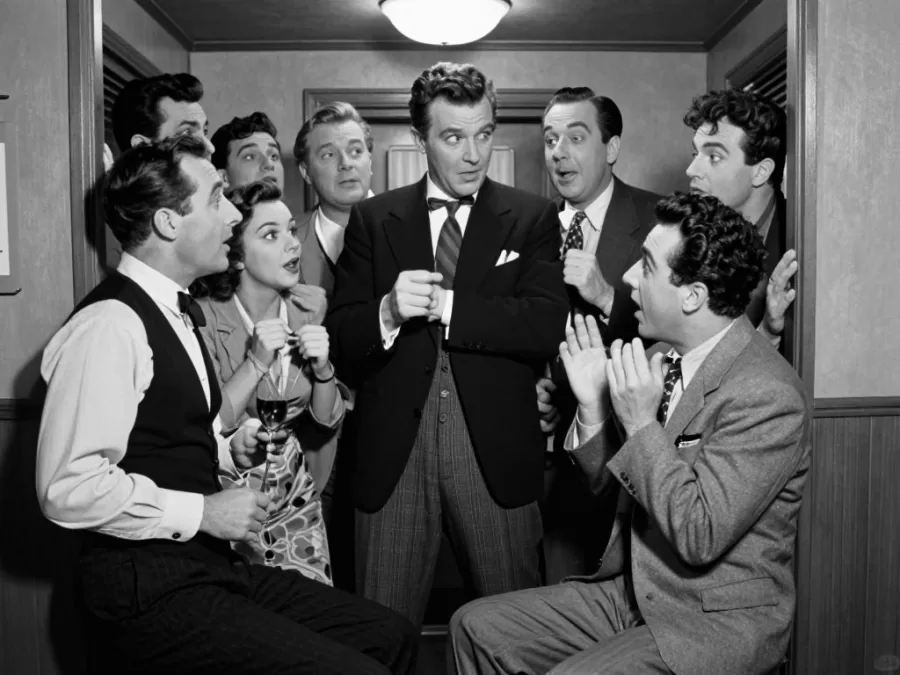
Sam Wood directed the Marx Brothers in their first film for MGM. Groucho, Harpo, and Chico bring chaos to the opera world. The famous stateroom scene remains one of cinema’s greatest comedic sequences, cramming impossible numbers of people into a tiny ship cabin.
The film balanced the brothers’ anarchic comedy with romantic subplot and musical numbers. MGM wanted broader appeal than their earlier Paramount films. The result maintained their subversive edge while reaching wider audiences.
Groucho’s wordplay reaches peak brilliance here. His rapid-fire insults and non-sequiturs influence comedy writers to this day. Harpo’s silent clowning and Chico’s piano playing provide variety in comedic styles. Each brother has distinct personality that contributes to the whole.
94. Waiting for Guffman (1996)
Christopher Guest pioneered modern mockumentary with this small-town theater production story. Corky St. Clair, played by Guest, directs a community theater celebration of Blaine, Missouri’s sesquicentennial. The amateur cast dreams of Broadway success when a theater critic might attend.
The improvisational approach creates authentic-feeling characters. The actors developed their roles through collaboration rather than following a traditional script. This method produces moments of genuine awkwardness and unexpected humor.
Eugene Levy, Catherine O’Hara, Fred Willard, and Parker Posey form Guest’s repertory company. Each brings distinctive comedic sensibility to their roles. The ensemble dynamic allows the comedy to feel natural rather than forced. Their commitment to playing real people rather than broad caricatures makes the satire effective.
93. The Naked Gun: From the Files of Police Squad! (1988)
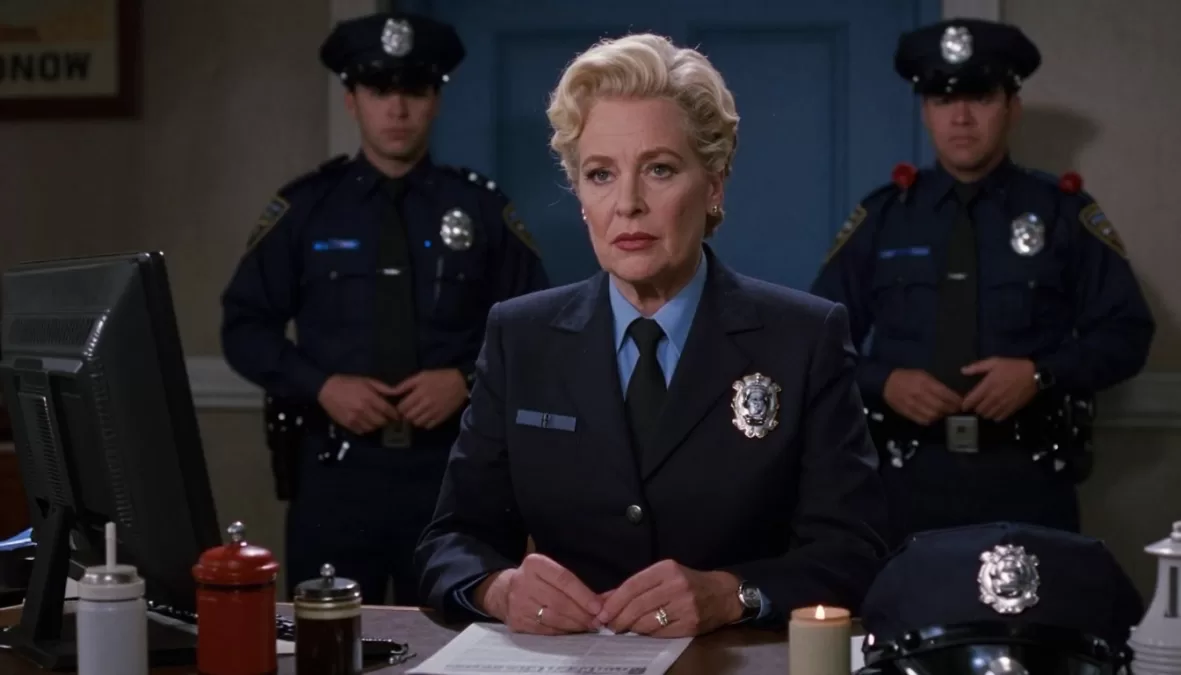
David Zucker directed Leslie Nielsen in this parody of police procedurals. Detective Frank Drebin stumbles through an assassination plot with complete incompetence. The film adapts the short-lived Police Squad television series into a hit movie franchise.
Nielsen’s deadpan delivery makes even the dumbest jokes work. He plays every scene with complete seriousness despite the surrounding chaos. This straight-faced approach to ridiculous material became his signature style after years as a dramatic actor.
The ZAZ team (Zucker, Abrahams, Zucker) packed the frame with visual gags. Background jokes reward multiple viewings as audiences catch details they missed initially. The joke-per-minute ratio exceeds most comedies, ensuring something funny always happens.
92. Best in Show (2000)
Christopher Guest returned to mockumentary format with this dog show satire. The film follows several owners and handlers preparing for the prestigious Mayflower Kennel Club Dog Show. Each character represents a different neurosis and obsession.
The ensemble cast creates a gallery of eccentric personalities. Eugene Levy and Catherine O’Hara play a married couple with colorful romantic pasts. Parker Posey and Michael Hitchcock portray yuppie neurotics who treat their dog like a child. Fred Willard delivers an unforgettable performance as a clueless commentator.
Guest’s gentle satire never becomes mean-spirited. The characters are ridiculous but recognizably human. The film celebrates the passion people bring to their hobbies even while mocking their excesses. This balance makes the humor accessible to wide audiences.
91. Superbad (2007)
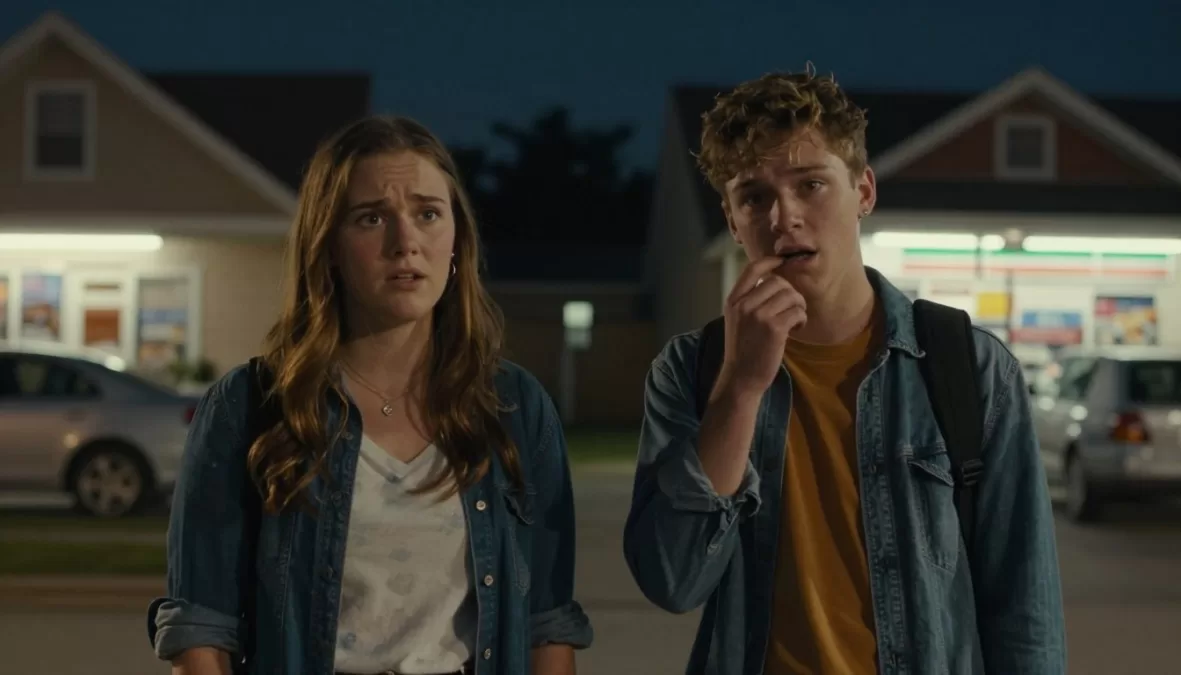
Greg Mottola directed this coming-of-age comedy from a script by Seth Rogen and Evan Goldberg. Jonah Hill and Michael Cera play best friends trying to buy alcohol for a party. Their quest becomes increasingly complicated as the night progresses.
The film captures authentic teenage anxiety beneath the crude humor. The friendship between the leads feels genuine and earned. Their fear of growing apart as they attend different colleges provides emotional stakes beyond the raunchy comedy.
Christopher Mintz-Plasse broke through as McLovin, the friend with a fake ID. His character became a cultural phenomenon that overshadowed the actor’s later work. Bill Hader and Seth Rogen play incompetent police officers whose subplot adds to the chaos.
Where to Watch These Classics
Stream these comedy masterpieces on your favorite platform. Most titles are available across multiple services.
Movies 90-81: Comedy Excellence Across Decades
90. Election (1999)
Alexander Payne directed this dark satire of high school politics starring Reese Witherspoon and Matthew Broderick. Tracy Flick, an ambitious overachiever, runs unopposed for student council president until teacher Jim McAllister convinces a popular jock to challenge her. The election becomes a proxy war for adult frustrations.
Witherspoon creates an iconic character in Tracy Flick. Her determination and Type-A personality make her simultaneously admirable and insufferable. The film never clearly identifies heroes or villains. Everyone exhibits flawed behavior and questionable motivations.
Payne’s sardonic wit makes the high school setting feel universal. The petty politics and personal vendettas mirror adult society. The film works as both teen comedy and political satire. Its themes about ambition and mediocrity remain relevant.
89. Office Space (1999)

Mike Judge wrote and directed this workplace comedy that became a cult classic. Ron Livingston plays Peter Gibbons, a programmer who stops caring about his job after hypnotherapy. His newfound honesty and apathy make him paradoxically successful at work.
The film captures corporate absurdity with uncomfortable accuracy. TPS reports, unnecessary meetings, and soul-crushing cubicles feel authentic to anyone who’s worked in an office. Judge’s animation background influences the film’s satirical edge.
Supporting characters add dimension to the workplace ecosystem. Gary Cole’s Bill Lumbergh became the archetypal terrible boss. Stephen Root’s Milton Waddams, a mumbling outcast obsessed with his stapler, provides both humor and tragedy. The film speaks to universal frustration with meaningless work.
88. Rushmore (1998)
Wes Anderson’s second feature established his distinctive visual style. Jason Schwartzman plays Max Fischer, a precocious 15-year-old overinvolved in extracurricular activities while failing academically. He befriends industrialist Herman Blume, played by Bill Murray, and they both fall for elementary school teacher Miss Cross.
Anderson creates a heightened reality through precise compositions and deliberate pacing. Every frame looks like a carefully arranged photograph. The deadpan delivery contrasts with emotional undercurrents of loneliness and longing.
Bill Murray revitalized his career with this performance. His world-weary businessman searching for meaning launched his renaissance as a dramatic-comic actor. The friendship between Max and Herman provides genuine emotion beneath the quirky comedy. Anderson uses humor to explore adolescent pain and adult disillusionment.
87. Dumb and Dumber (1994)

The Farrelly Brothers directed Jim Carrey and Jeff Daniels in this buddy comedy about two dim-witted friends. Lloyd Christmas and Harry Dunne embark on a cross-country road trip to return a briefcase, unaware it contains ransom money. Their stupidity creates constant complications.
Carrey was at peak popularity when this film released. His physical comedy and fearless commitment to looking foolish made Lloyd Christmas iconic. Daniels matched his energy beat-for-beat, creating a genuine friendship dynamic despite the crude humor.
The Farrelly Brothers balanced gross-out gags with moments of sweetness. The film never mocks its protagonists for being stupid. Lloyd and Harry have good hearts even if they lack intelligence. This affection for the characters makes audiences root for them despite their flaws.
86. Harold and Maude (1971)
Hal Ashby directed this dark romantic comedy about a death-obsessed young man and a life-affirming 79-year-old woman. Harold stages elaborate fake suicides while attending strangers’ funerals. He meets Maude at a funeral service and she teaches him to embrace life.
The film shocked audiences with its unconventional romance and morbid humor. The age difference between leads was controversial and remains divisive. However, the film treats their relationship with genuine warmth rather than prurient interest.
Cat Stevens’ soundtrack became inseparable from the film. Songs like “If You Want to Sing Out, Sing Out” capture the life-affirming message. Bud Cort and Ruth Gordon create believable chemistry despite the unlikely pairing. The film found its audience through college screenings and midnight movies.
85. Blazing Saddles (1974)
Mel Brooks co-wrote and directed this Western parody starring Cleavon Little and Gene Wilder. A corrupt attorney general appoints a Black railroad worker as sheriff of an all-white frontier town. The scheme backfires when Sheriff Bart proves competent and heroic.
The film uses comedy to confront racism directly. Brooks believed laughing at prejudice diminished its power. The offensive language serves satirical purpose rather than casual cruelty. Modern audiences debate whether this approach remains acceptable.
Gene Wilder’s Waco Kid provides the perfect sidekick. His drunken gunslinger befriends Bart and helps navigate the hostile town. Madeline Kahn earned an Oscar nomination for her Marlene Dietrich parody as saloon singer Lili von Shtupp. The film breaks the fourth wall repeatedly and features a climax that spills off the studio lot.
84. Ghostbusters (1984)
Ivan Reitman directed this supernatural comedy that became a cultural phenomenon. Bill Murray, Dan Aykroyd, Harold Ramis, and Ernie Hudson play paranormal investigators who start a ghost-catching business in New York City. Ancient Sumerian god Gozer threatens to destroy the world and only the Ghostbusters can stop it.
The film succeeded by playing its premise seriously. The actors react to ghosts as professionals dealing with unusual problems. This grounded approach makes the supernatural elements more effective than pure parody would allow.
Bill Murray’s sardonic delivery made Peter Venkman quotable. His romance with Sigourney Weaver’s Dana Barrett adds structure to the episodic plot. The special effects were cutting-edge for 1984 and still hold up reasonably well. Ray Parker Jr.’s theme song became an inescapable hit.
83. The General (1926)
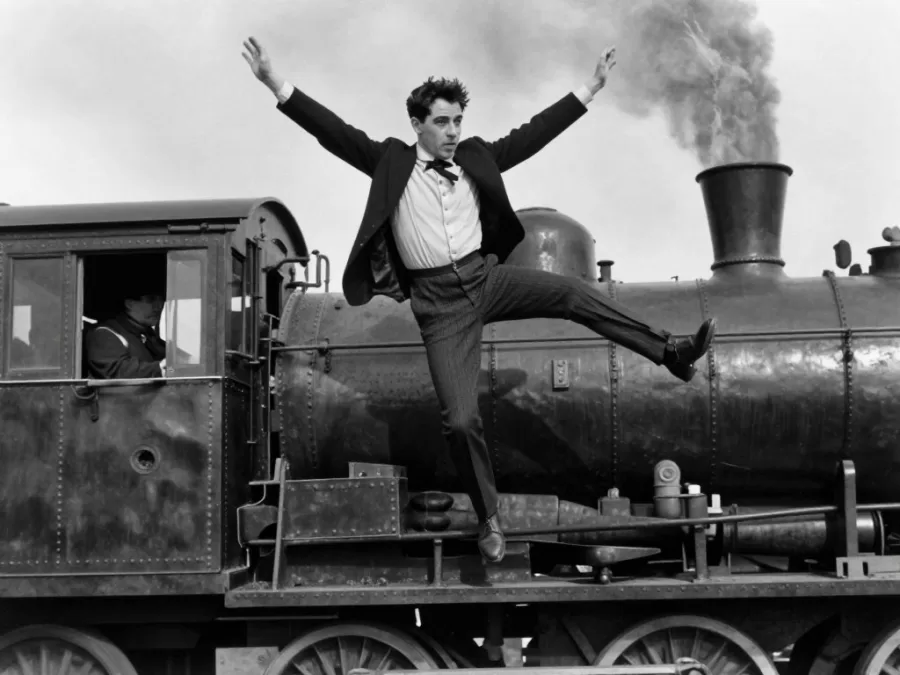
Buster Keaton directed and starred in this Civil War action-comedy. He plays a train engineer whose locomotive gets stolen by Union spies with his girlfriend aboard. Keaton’s pursuit showcases his genius for physical comedy and dangerous stunts performed without safety equipment.
The film flopped upon initial release but later received recognition as Keaton’s masterpiece. Roger Ebert called it the greatest comedy ever made. The action sequences rival any modern blockbuster in scale and invention.
Keaton’s stone-faced expression never breaks despite increasingly absurd obstacles. He maintains dignity while everything goes wrong around him. The film cost enormous sums for its elaborate production, including a bridge collapse with a real locomotive. Keaton’s attention to detail and perfectionism created visual poetry.
82. Napoleon Dynamite (2004)
Jared Hess directed this oddball comedy about an awkward teenager in rural Idaho. Jon Heder plays the title character, who helps his friend Pedro run for class president while dealing with his bizarre family. The film’s deadpan humor and quotable dialogue made it a surprise hit.
The comedy stems from uncomfortable pauses and social awkwardness. Characters speak in monotone and react minimally to strange events. This anti-comedy approach divided audiences between those who found it hilarious and those who didn’t understand the appeal.
The film cost less than $400,000 but earned nearly $47 million. Its success demonstrated that original comedies could succeed without stars or big budgets. Napoleon’s dance performance at the end became an iconic moment that defined the character and film.
81. The Apartment (1960)
Billy Wilder directed this bittersweet comedy-drama starring Jack Lemmon and Shirley MacLaine. C.C. Baxter lends his apartment to executives for extramarital affairs hoping for career advancement. He falls for elevator operator Fran Kubelik who turns out to be seeing one of those executives.
The film balances comedy with genuine pathos. Both lead characters compromise their dignity for people who don’t deserve their loyalty. Wilder shows how corporate culture corrupts personal relationships and individual integrity.
Jack Lemmon creates enormous sympathy as the schlubby everyman. His resigned acceptance of being used contrasts with moments of rebellion. Shirley MacLaine brings depth to what could have been a simple romantic interest. The film won Best Picture at the Oscars, a rare achievement for comedy.
Movies 80-71: Masterful Comedy Craftsmanship
80. Caddyshack (1980)
Harold Ramis directed this golf comedy featuring an ensemble cast including Chevy Chase, Rodney Dangerfield, Ted Knight, and Bill Murray. The story follows a young caddy’s summer at an exclusive country club while various subplots involve class conflict and gopher extermination.
Bill Murray improvised most of his scenes as deranged groundskeeper Carl Spackler. His monologues about the Dalai Lama and cinderella story became legendary. The filmmakers gave him freedom to create material that barely connected to the main plot.
Rodney Dangerfield plays crude real estate developer Al Czervik who disrupts the stuffy club atmosphere. His one-liners and insults flow constantly. Ted Knight’s pompous Judge Smails provides the perfect foil for Dangerfield’s vulgarity. The movie’s loose structure allows each comedian to shine in different ways.
79. Midnight Run (1988)
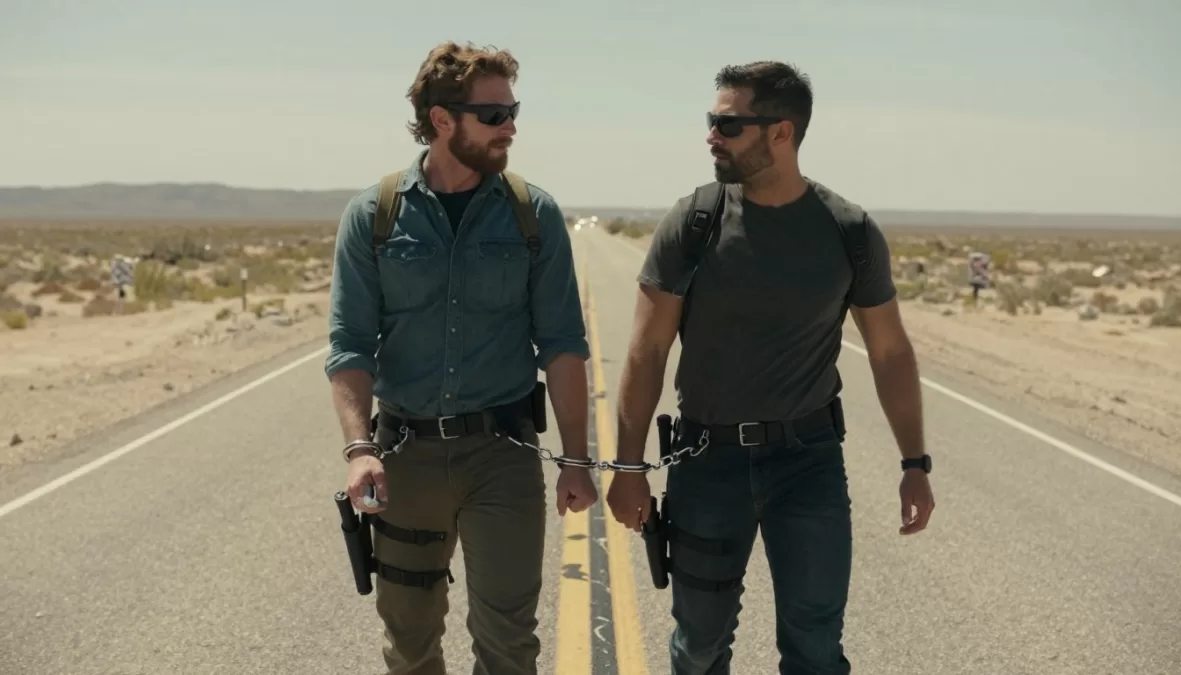
Martin Brest directed Robert De Niro and Charles Grodin in this action-comedy. De Niro plays a bounty hunter transporting an accountant who embezzled from the mob. What should be a simple plane trip becomes a cross-country odyssey as various parties pursue them.
The chemistry between De Niro and Grodin drives the film. Their constant bickering evolves into genuine friendship. Grodin’s nebbish accountant gradually earns respect from the tough bounty hunter. Both actors play real people rather than broad comedy types.
The film balances action sequences with character development. Chase scenes and shootouts punctuate conversations about responsibility and choices. Dennis Farina, Yaphet Kotto, and John Ashton provide colorful supporting characters. The script by George Gallo mixes comedy and drama seamlessly.
78. The Grand Budapest Hotel (2014)
Wes Anderson created his most elaborate visual confection with this caper comedy. Ralph Fiennes plays Gustave H., legendary concierge of a European hotel between world wars. He becomes embroiled in murder mystery and art theft while maintaining impeccable service standards.
Anderson’s symmetrical compositions reach peak precision here. Every frame looks like a painting. The production design creates a fully realized world that exists outside normal reality. The aspect ratio changes to reflect different time periods in the nested narrative.
Fiennes delivers a career-best comedic performance. His mannered dialogue and unflappable professionalism in absurd situations create constant humor. The supporting cast includes Tony Revolori, F. Murray Abraham, Mathieu Amalric, Adrien Brody, Willem Dafoe, Jeff Goldblum, Jude Law, Bill Murray, Edward Norton, Saoirse Ronan, and Tilda Swinton among others.
77. Duck Soup (1933)
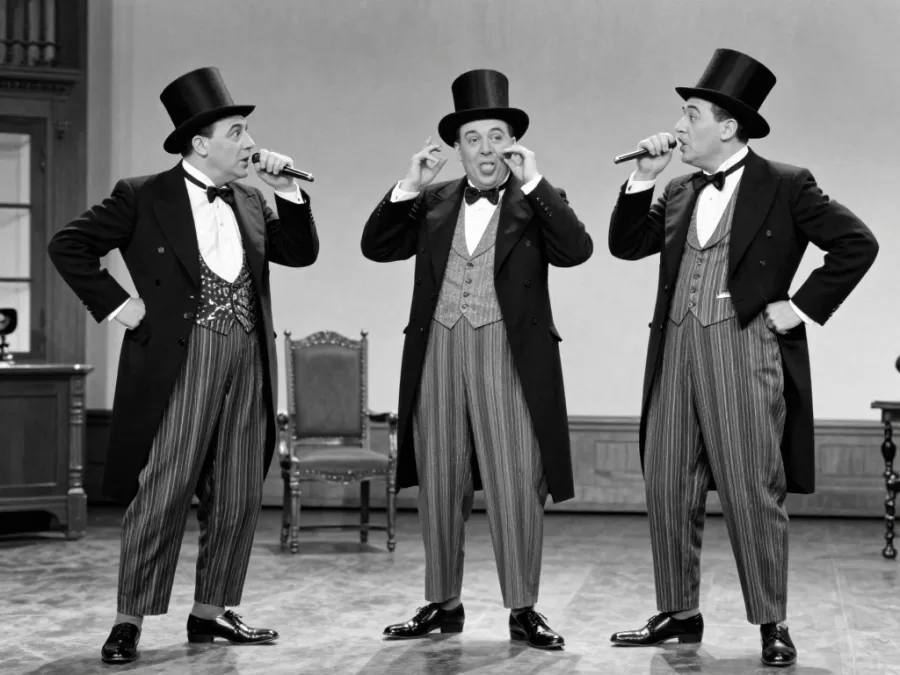
Leo McCarey directed the Marx Brothers in their most anarchic film. Groucho plays Rufus T. Firefly, dictator of the fictional country Freedonia. His incompetent leadership leads to war with neighboring Sylvania while Chico and Harpo work as spies for both sides.
The film satirizes nationalism, war, and political leadership. Its anti-authority stance seemed dangerous during the Depression when people craved strong leaders. The Hays Code would soon restrict this kind of irreverent comedy.
The mirror sequence represents physical comedy perfection. Harpo, dressed as Groucho, mimics his movements when they meet face-to-face in a broken mirror frame. The bit requires precise timing and showcases Harpo’s genius for silent comedy. At only 68 minutes, the film maintains frantic pace without filler.
76. Tootsie (1982)
Sydney Pollack directed Dustin Hoffman in this comedy about an unemployable actor who disguises himself as a woman to land a role on a soap opera. Michael Dorsey becomes Dorothy Michaels and finds unexpected success while falling for his co-star Julie, played by Jessica Lange.
Hoffman disappeared into the character of Dorothy. His performance goes beyond surface-level impersonation to create a fully realized person. The film handles gender politics thoughtfully for its era while maintaining consistent comedy.
The romantic complications create genuine stakes. Michael can’t pursue Julie while pretending to be Dorothy. His friendship with her as Dorothy provides insight into how men typically treat women. The script by Larry Gelbart and Murray Schisgal balances farce with social commentary. Jessica Lange won the Best Supporting Actress Oscar.
75. There’s Something About Mary (1998)
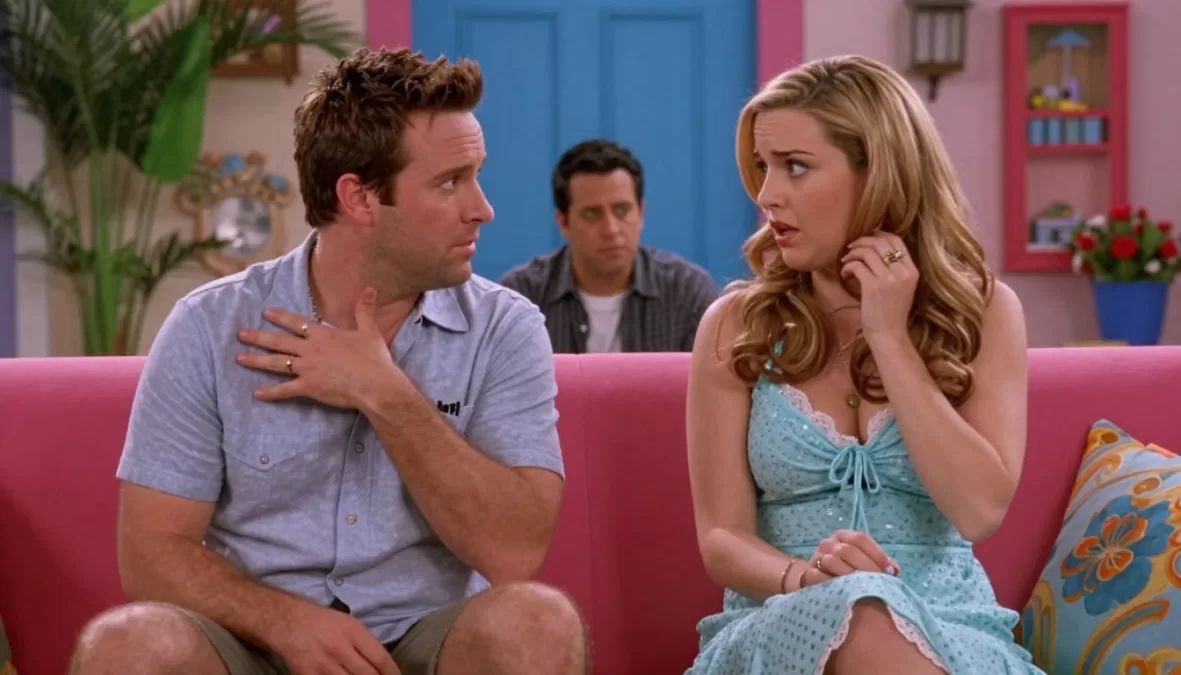
The Farrelly Brothers pushed boundaries with this romantic comedy starring Cameron Diaz, Ben Stiller, and Matt Dillon. Ted reconnects with his high school crush Mary years after a prom night disaster. Multiple men compete for her attention using increasingly dishonest tactics.
The film demonstrated that gross-out comedy could coexist with genuine romance. Beneath the crude gags, the characters have real feelings and relationships. Cameron Diaz brings charm that makes Mary worth all the obsession and schemes.
Ben Stiller specializes in uncomfortable comedy as Ted. His physical mishaps and social awkwardness create cringe humor. Matt Dillon plays against type as sleazy private investigator Pat Healy. The film’s biggest gag involving hair gel became infamous and overshadowed other memorable scenes.
74. His Girl Friday (1940)
Howard Hawks remade The Front Page with a gender-swapped lead character. Cary Grant plays newspaper editor Walter Burns trying to prevent his ex-wife and star reporter Hildy Johnson, played by Rosalind Russell, from remarrying and leaving journalism. A breaking story gives Walter one last chance to win her back.
The film features the fastest dialogue delivery in classic Hollywood. Characters interrupt each other constantly while speaking at rapid pace. Hawks encouraged overlapping dialogue that sounds natural despite being precisely scripted and timed.
Cary Grant and Rosalind Russell create electric chemistry. Their verbal sparring demonstrates why they were married despite divorcing. Grant plays one of his rare morally ambiguous characters. Walter manipulates everyone including Hildy, yet remains charming. Russell holds her own against Grant, matching his energy and comedic timing.
73. The Big Lebowski (1998)
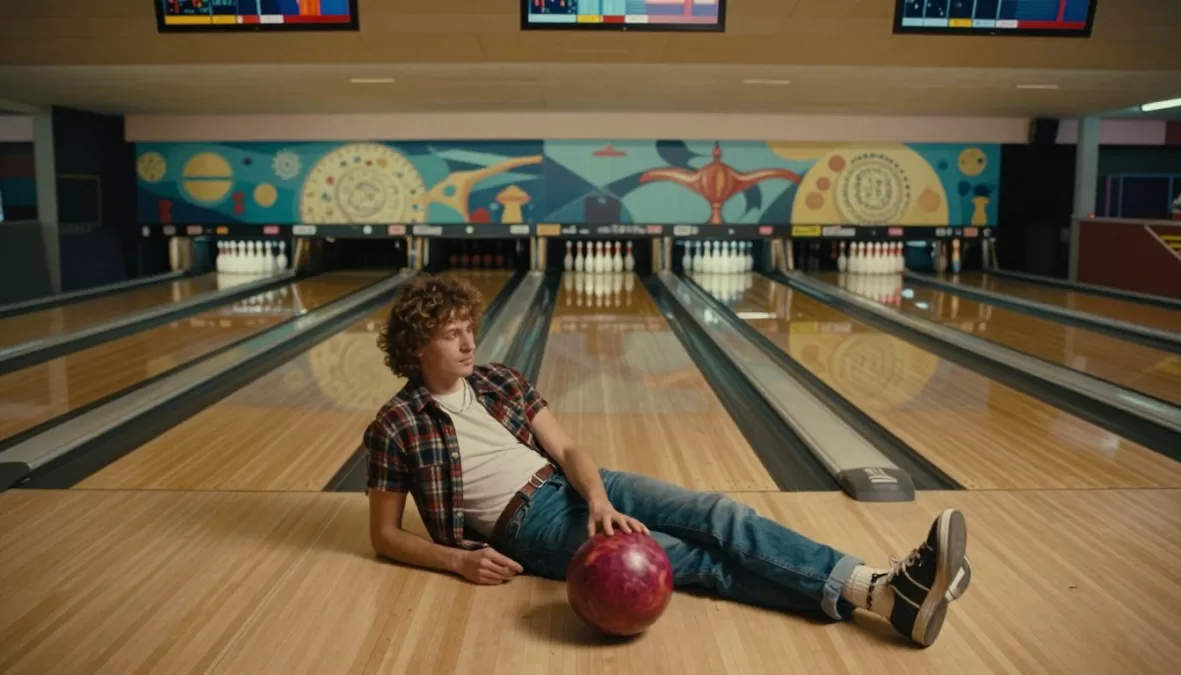
The Coen Brothers created an instant cult classic with this crime comedy. Jeff Bridges plays Jeff “The Dude” Lebowski, an unemployed slacker who gets mistaken for a millionaire with the same name. His quest for rug compensation spirals into kidnapping, blackmail, and German nihilists.
The film defies conventional narrative structure. Plot threads go nowhere and mysteries remain unsolved. The Dude drifts through events without understanding what’s happening. This passive protagonist approach shouldn’t work but creates unique comedy.
Jeff Bridges created an iconic character in The Dude. His bathrobe, White Russians, and bowling obsession became cultural touchstones. John Goodman’s volatile Walter Sobchak steals scenes with Vietnam flashbacks and Shabbat observance. Steve Buscemi’s Donny provides the third point in their friendship triangle. The film spawned Lebowski Fest gatherings and academic analysis.
72. Trading Places (1983)
John Landis directed Eddie Murphy and Dan Aykroyd in this social satire. Two elderly commodities brokers make a bet swapping the lives of their managing director and a street hustler. Louis Winthorpe III falls from privilege while Billy Ray Valentine rises from poverty.
Eddie Murphy was at career peak following 48 Hrs. His star power elevated what could have been a simple comedy into a box office phenomenon. The fish-out-of-water scenarios work both ways as each man adapts to dramatically different circumstances.
Dan Aykroyd shows impressive range as the stuffed-shirt executive who becomes unhinged. His transformation from pompous aristocrat to desperate bum demonstrates serious acting beneath the comedy. Jamie Lee Curtis plays a prostitute with a heart of gold who helps both men. The film critiques capitalism and privilege while remaining entertaining.
71. Modern Times (1936)
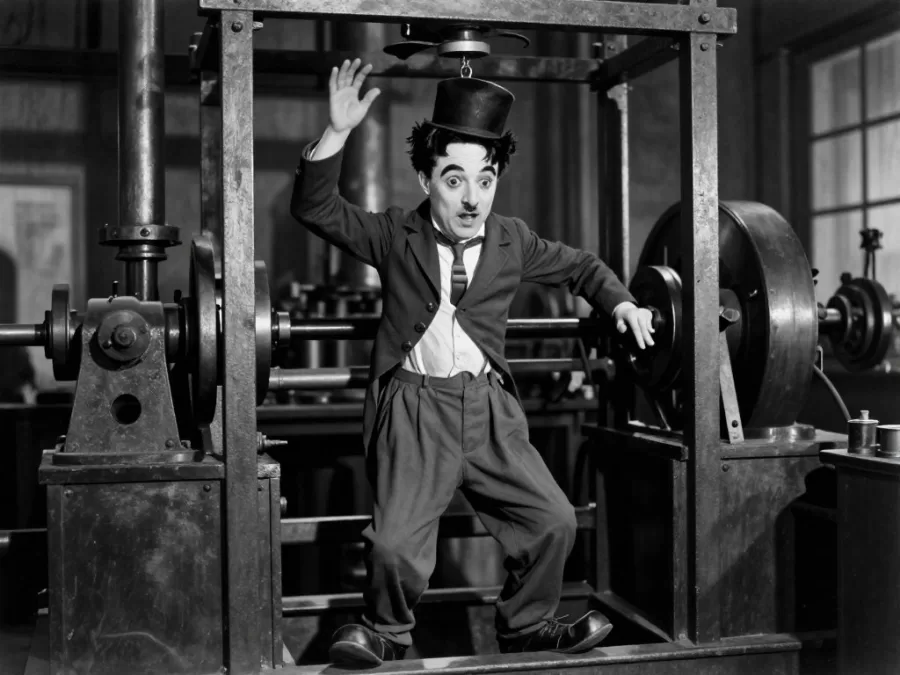
Charlie Chaplin wrote, directed, produced, and starred in this silent film made after sound had become standard. The Little Tramp works in a factory and has a nervous breakdown from repetitive assembly line work. The film critiques industrialization and dehumanizing labor conditions.
Chaplin refused to make a full sound film despite pressure. He added music and sound effects but characters only speak through machines or other devices. This compromise allowed him to continue performing silent comedy while acknowledging technical progress.
The opening sequence showing the Tramp caught in factory machinery represents comedy as social commentary. The famous feeding machine scene satirizes efforts to eliminate lunch breaks. Chaplin and Paulette Goddard create a touching romance amid the Depression-era struggles. The film ends with them walking down a road toward an uncertain future, matching the mood of the times.
Download Your Comedy Movie Checklist
Track your progress through all 100 films with our beautifully designed printable checklist. Get it free when you join our newsletter.
Movies 70-61: Comedy Legends and Innovators
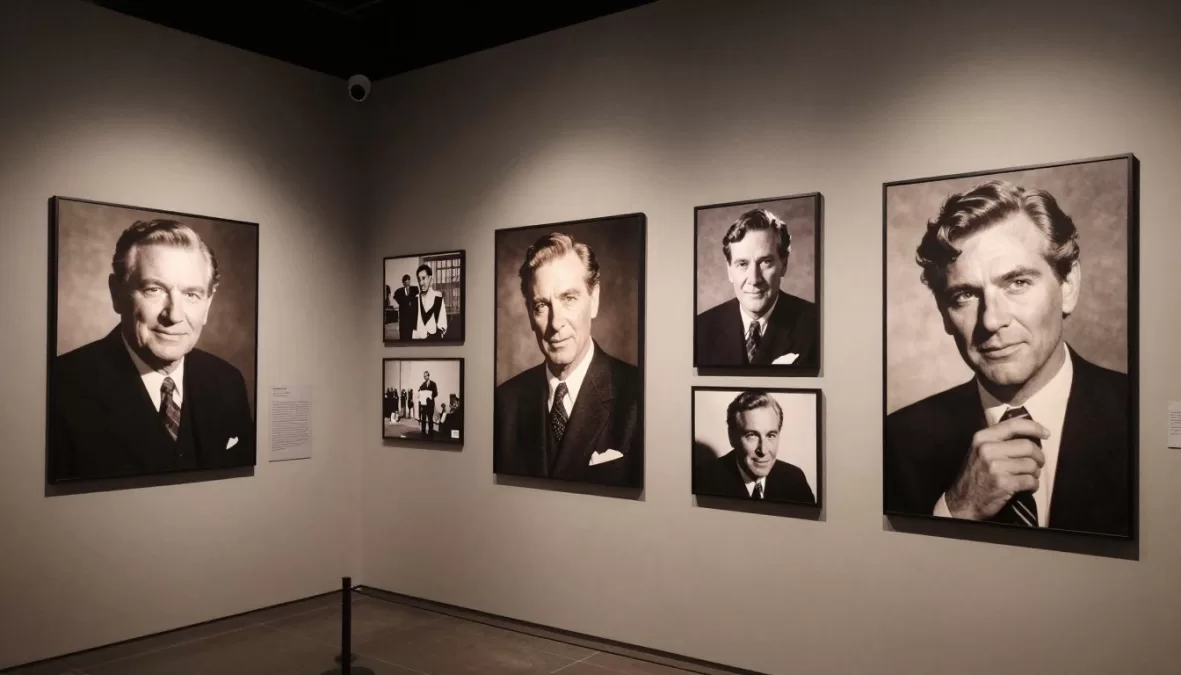
70. Bridesmaids (2011)
Paul Feig directed Kristen Wiig in this female-led comedy that proved women could carry R-rated comedies. Annie serves as maid of honor for her best friend Lillian despite her life falling apart. Competition with another bridesmaid and Annie’s personal disasters threaten the wedding.
Kristen Wiig co-wrote the script with Annie Mumolo. Their screenplay balances gross-out comedy with genuine emotional stakes. Annie’s depression and anxiety feel authentic despite outrageous situations. The film respects its characters rather than making them punchlines.
Melissa McCarthy broke through with her performance as Megan. Her confidence and vulgarity steal every scene. The airplane sequence and bridal shop disaster became instant classics. Maya Rudolph, Rose Byrne, Ellie Kemper, and Wendi McLendon-Covey round out the ensemble. The film earned Oscar nominations for Best Supporting Actress and Best Original Screenplay.
69. The Producers (1967)
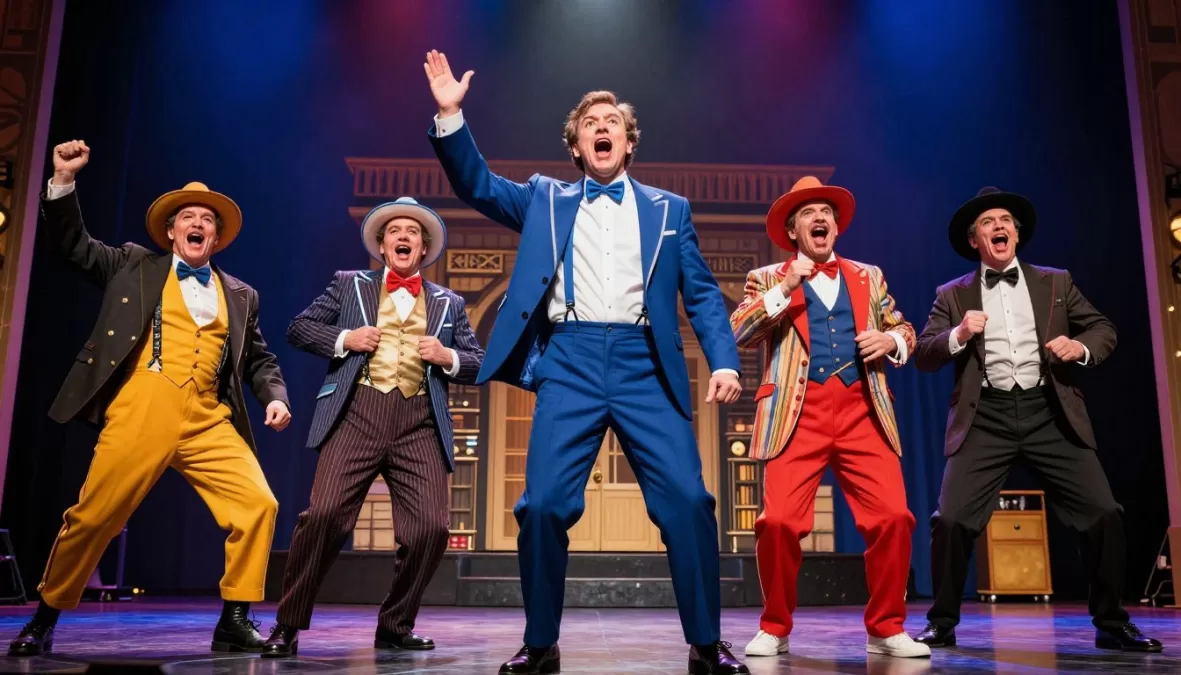
Mel Brooks wrote and directed this comedy about a Broadway producer and accountant who scheme to produce a guaranteed flop. Max Bialystock and Leo Bloom deliberately pick the worst script, director, and lead actor they can find. Their plan backfires when Springtime for Hitler becomes an ironic hit.
The film showcased Brooks’ willingness to find humor in taboo subjects. Making jokes about Hitler and Nazis was controversial even in 1967. Brooks, who was Jewish and fought in World War II, believed comedy could defang evil through mockery.
Zero Mostel and Gene Wilder create perfect comic chemistry. Mostel’s bombastic producer overwhelms everyone while Wilder’s nervous accountant provides contrast. The film won Brooks an Oscar for Best Original Screenplay. He later adapted it into a hit Broadway musical which was then adapted back into a film.
68. The Philadelphia Story (1940)
George Cukor directed Katharine Hepburn, Cary Grant, and James Stewart in this sophisticated romantic comedy. Tracy Lord prepares to marry a boring but respectable man while her ex-husband and a tabloid reporter complicate matters. The night before the wedding forces Tracy to evaluate what she really wants.
Katharine Hepburn bought the film rights to Philip Barry’s play specifically to revive her career after being labeled “box office poison.” The gambit worked spectacularly. Her performance as the icy socialite who thaws reminded audiences of her considerable talents.
Cary Grant, James Stewart, and Ruth Hussey form a love quadrangle with Hepburn. Each actor brings distinct energy to create genuine romantic tension. James Stewart won his only Oscar for his performance as tabloid writer Macaulay Connor. The script by Donald Ogden Stewart crackles with sophisticated wit and social observation.
67. When Harry Met Sally… (1989)
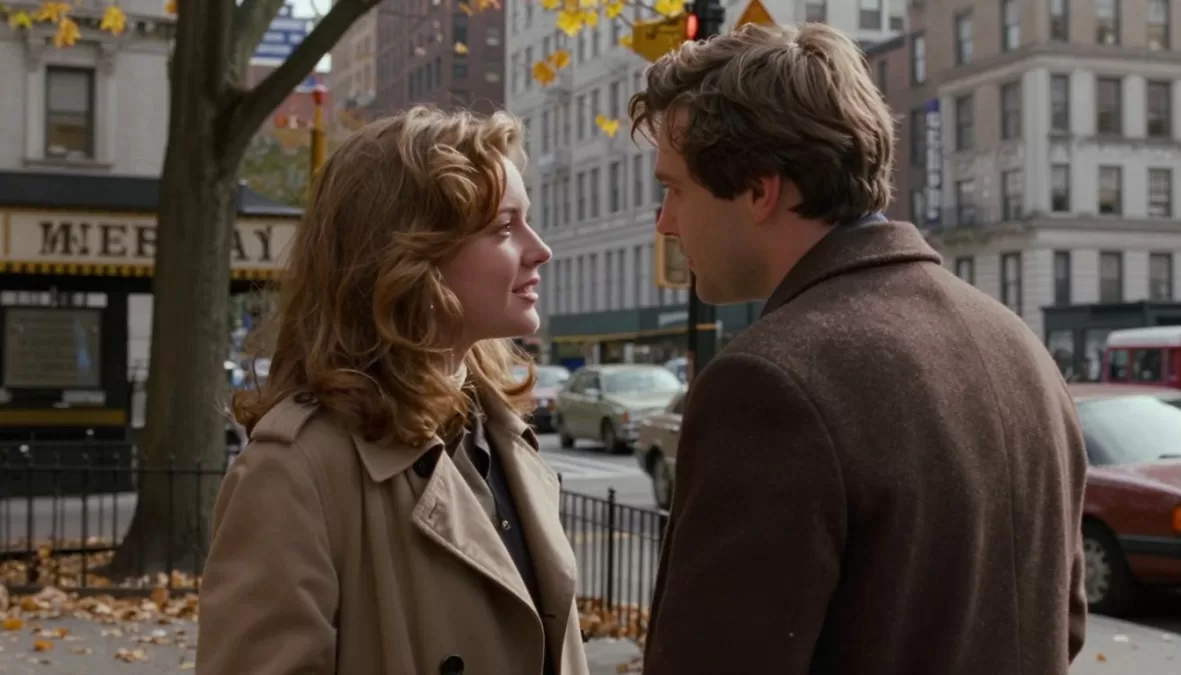
Rob Reiner directed Billy Crystal and Meg Ryan in this romantic comedy exploring whether men and women can be friends. Harry and Sally meet as college graduates sharing a ride to New York. Over the next twelve years, they become friends and test Harry’s theory that sex always complicates male-female friendships.
Nora Ephron’s script revolutionized romantic comedy dialogue. Characters talk like real people while being funnier and more articulate. The conversations about relationships feel authentic despite heightened wit. Harry and Sally discuss topics romantic comedies typically avoid.
The fake orgasm scene in Katz’s Delicatessen became one of cinema’s most famous comedy moments. Meg Ryan’s performance and the punchline delivered by director Rob Reiner’s mother created instant legend. Billy Crystal and Meg Ryan have natural chemistry that makes their friendship believable before romance develops. The interview segments with real couples telling their stories add documentary texture.
66. Ferris Bueller’s Day Off (1986)
John Hughes wrote and directed Matthew Broderick in this teen comedy about playing hooky. Ferris fakes sick and convinces his best friend Cameron and girlfriend Sloane to skip school. Their day in Chicago becomes an adventure while Principal Rooney tries to catch Ferris.
Matthew Broderick breaks the fourth wall throughout the film, addressing the audience directly. This technique creates conspiracy between Ferris and viewers against authority figures. His charm makes his manipulation of friends and family somehow endearing rather than cruel.
Alan Ruck creates a memorable character in the anxious Cameron. His journey from neurotic worry to destructive liberation provides emotional arc. The parade sequence where Ferris lip-synchs “Twist and Shout” captures the character’s infectious confidence. Jeffrey Jones plays Principal Rooney as a determined antagonist whose schemes constantly backfire.
65. Groundhog Day (1993)
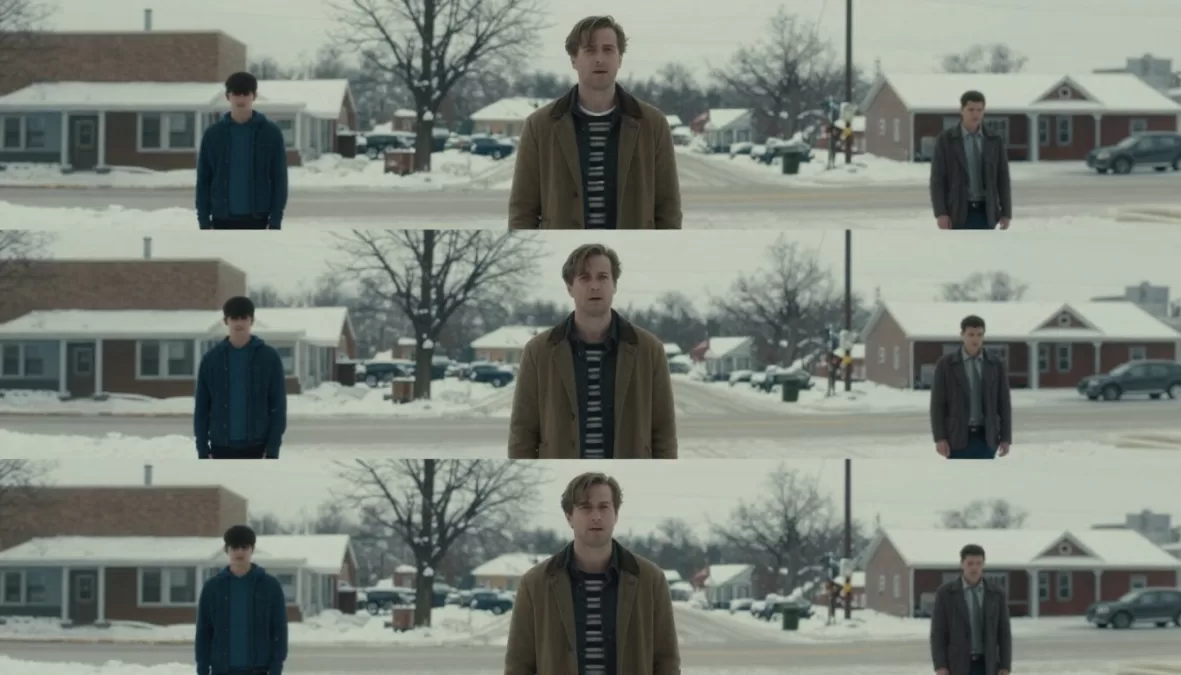
Harold Ramis directed Bill Murray in this existential comedy. Weatherman Phil Connors gets trapped reliving Groundhog Day in Punxsutawney, Pennsylvania. Initially using the time loop for selfish purposes, he gradually transforms into a better person.
The film works as comedy, romance, and philosophical meditation. Phil experiences hundreds or thousands of days trying to understand his situation. His journey from nihilism through hedonism to enlightenment mirrors spiritual traditions. The comedy never becomes preachy despite the moral transformation.
Bill Murray gives one of his career-best performances. He conveys Phil’s initial arrogance, growing frustration, suicidal despair, and eventual grace. Andie MacDowell plays Rita, the producer Phil falls for while becoming worthy of her love. The script by Danny Rubin and Harold Ramis balances humor with surprisingly deep themes about self-improvement and finding meaning in life.
64. The 40-Year-Old Virgin (2005)
Judd Apatow directed Steve Carell in this comedy that launched Apatow’s filmmaking career. Andy Stitzer works at an electronics store and has never had sex. His co-workers discover this fact and decide to help him lose his virginity through increasingly terrible advice.
Steve Carell co-wrote the script and creates a sympathetic protagonist. Andy isn’t a loser or socially inept. His virginity results from circumstance and choice rather than inability. This dignity makes the comedy work where mockery would have failed.
The film balances raunchy humor with genuine romance between Andy and single mother Trisha, played by Catherine Keener. Paul Rudd, Romany Malco, and Seth Rogen play the co-workers with their own relationship problems. The chest waxing scene used real wax and genuine reactions from Carell. The film demonstrated that R-rated comedies could be both crude and sweet.
63. To Be or Not to Be (1942)
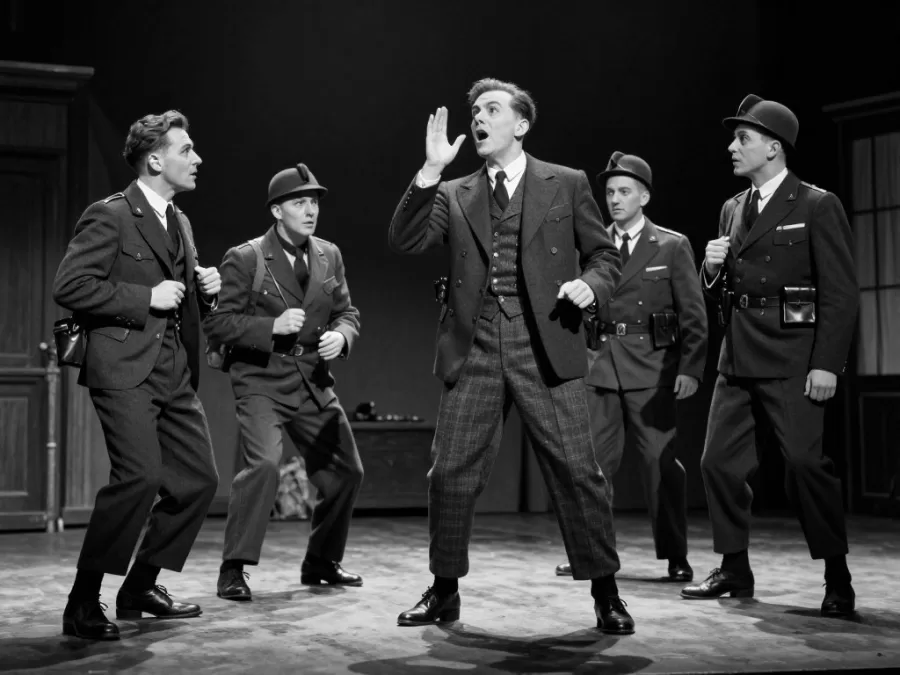
Ernst Lubitsch directed this comedy about a Polish theater company fighting Nazis through performance and deception. Jack Benny and Carole Lombard lead the troupe that uses acting skills to impersonate Gestapo officers and rescue resistance fighters. The film daringly made comedy about Nazi occupation while war still raged.
The “Lubitsch Touch” combines sophistication with humanity. The humor acknowledges horror without becoming trivial. Characters risk their lives in scenarios played for comedy. This balance between stakes and laughs requires perfect tone that Lubitsch mastered.
Jack Benny plays against his persona as the hammy actor Joseph Tura. His ego and insecurity create comedy even during dangerous situations. Carole Lombard’s final film performance showcases her comedic brilliance. She died in a plane crash before the film’s release. The movie faced controversy for finding humor in Nazi Germany but has since been recognized as sophisticated satire.
62. Borat: Cultural Learnings of America for Make Benefit Glorious Nation of Kazakhstan (2006)
Larry Charles directed Sacha Baron Cohen in this mockumentary following a Kazakh journalist touring America. Borat Sagdiyev interacts with real Americans who don’t know he’s a character. The film uses comedy to expose prejudice and ignorance in both the character and his unwitting subjects.
Cohen never breaks character even when confronting dangerous situations. His commitment to the role creates comedy through the tension between absurd behavior and genuine reactions. Many scenes required security personnel standing by because situations escalated unpredictably.
The film divided audiences between those who saw brilliant satire and those who found it offensive. Cohen’s target is intolerance itself, but his methods involve perpetuating stereotypes to provoke bigoted responses. The dinner party and rodeo sequences demonstrate his fearless approach. The film earned over $260 million and received an Oscar nomination for Best Adapted Screenplay.
61. Shaun of the Dead (2004)
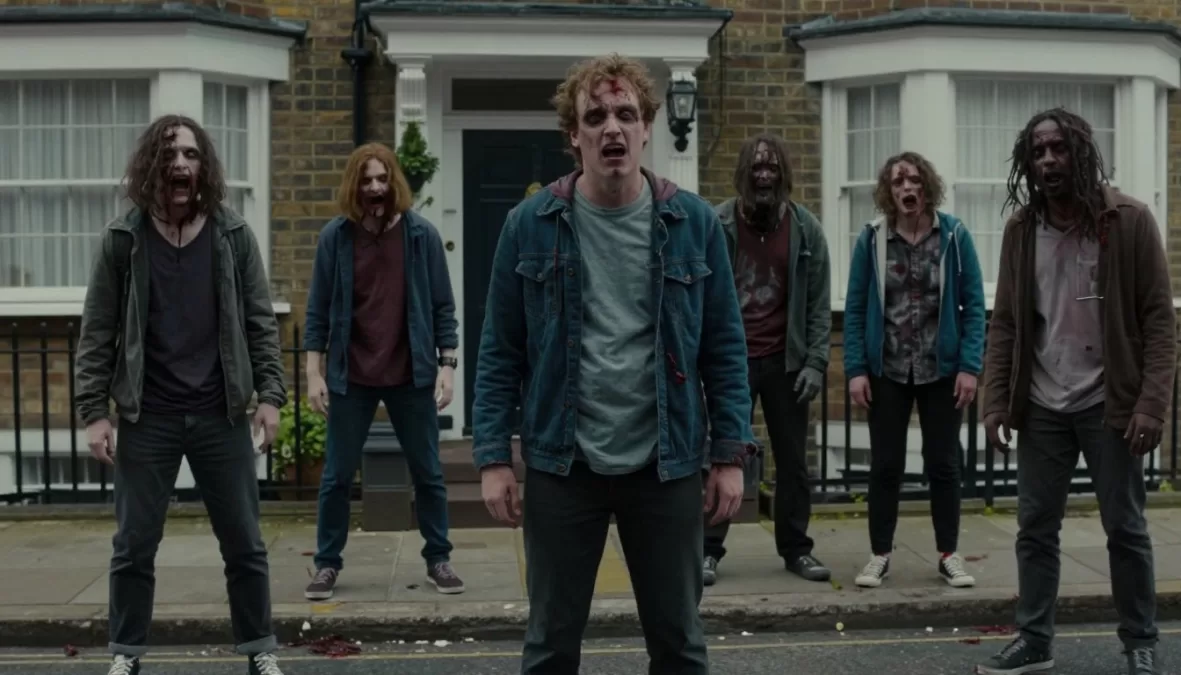
Edgar Wright directed Simon Pegg and Nick Frost in this zombie comedy. Shaun, an unmotivated electronics store employee, tries to win back his girlfriend as London suffers a zombie outbreak. The film lovingly parodies horror while telling an emotionally resonant story about growing up.
Edgar Wright’s visual comedy style uses quick cuts, sound bridges, and perfectly timed gags. Every frame contains jokes for attentive viewers. The film works as both comedy and legitimate zombie horror. Action sequences deliver genuine tension alongside laughs.
Simon Pegg co-wrote and stars as the lovable slacker forced to become heroic. Nick Frost plays his best friend Ed, whose slovenly lifestyle suddenly becomes appropriate during the apocalypse. The film launched Wright and Pegg to international success and began their Cornetto Trilogy. References to George Romero’s zombie films show deep affection for the source material rather than simple mockery.
Movies 60-51: Essential Comedy Cinema
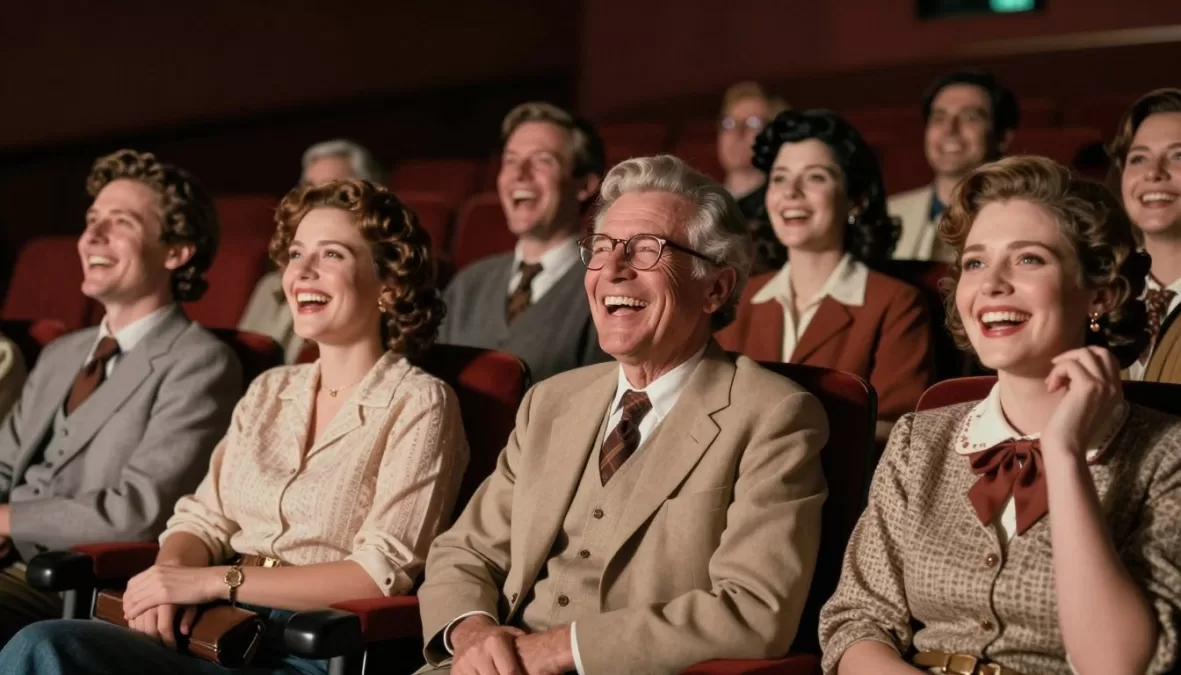
60. The Hangover (2009)
Todd Phillips directed this bachelor party comedy starring Bradley Cooper, Ed Helms, and Zach Galifianakis. Three friends wake up in Las Vegas with no memory of the previous night and must piece together what happened while finding the missing groom. The mystery structure gives purpose to the outrageous set pieces.
The film revitalized the R-rated comedy genre with massive box office success. Its combination of mystery and comedy created a unique structure. The characters gradually discover increasingly absurd evidence of their wild night through discoveries and flashbacks.
Zach Galifianakis broke through as the bizarre Alan Garner. His child-like demeanor and inappropriate comments steal scenes from the more conventional leads. Bradley Cooper and Ed Helms ground the comedy as straight men. Ken Jeong’s outrageous performance as gangster Mr. Chow became iconic. The film earned over $467 million worldwide and spawned two sequels.
59. A Fish Called Wanda (1988)
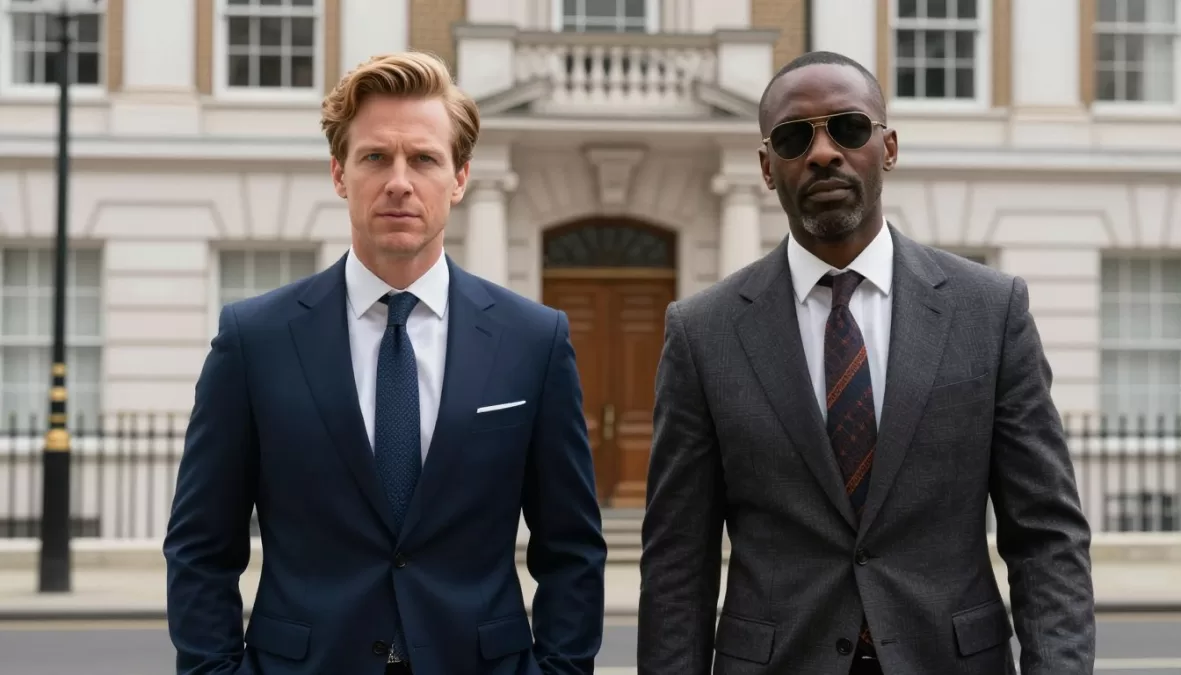
Charles Crichton directed this British heist comedy starring John Cleese, Jamie Lee Curtis, Kevin Kline, and Michael Palin. Four thieves plot to steal diamonds and then betray each other repeatedly. A barrister played by Cleese becomes entangled with the American criminals while trying to maintain his proper British life.
The script by John Cleese and Charles Crichton balances farce with character-driven comedy. Each person has clear motivations and personality that create conflict. The cultural clash between proper British society and brash American criminals generates constant humor.
Kevin Kline won the Best Supporting Actor Oscar for his performance as the stupid but dangerous Otto. His philosophical pretensions and insecurity about intelligence create a memorable character. Michael Palin plays a stuttering animal lover whose attempts to kill a witness keep failing. Jamie Lee Curtis schemes and seduces her way through double-crosses. The film became one of the highest-grossing British movies ever.
58. Monty Python and the Holy Grail (1975)
Terry Gilliam and Terry Jones directed the Monty Python troupe in this medieval comedy. King Arthur gathers knights for a quest to find the Holy Grail. Their journey encounters French taunters, killer rabbits, and knights who say “Ni.” The film parodies Arthurian legends with anarchic British humor.
Budget limitations became creative opportunities. Actors clap coconuts together to simulate horse hooves because they couldn’t afford horses. This absurdity fits perfectly with Python’s surreal humor. The low-budget aesthetic adds to the charm rather than detracting from it.
The six Python members play multiple roles each. Graham Chapman portrays the increasingly frustrated King Arthur. John Cleese appears as several characters including the French Taunter and the Black Knight. The animation sequences by Terry Gilliam interrupt the narrative in typically Python fashion. Quotable lines and scenes made the film an enduring cult favorite. The Broadway musical Spamalot later adapted the film.
57. This Is Spinal Tap (1984)
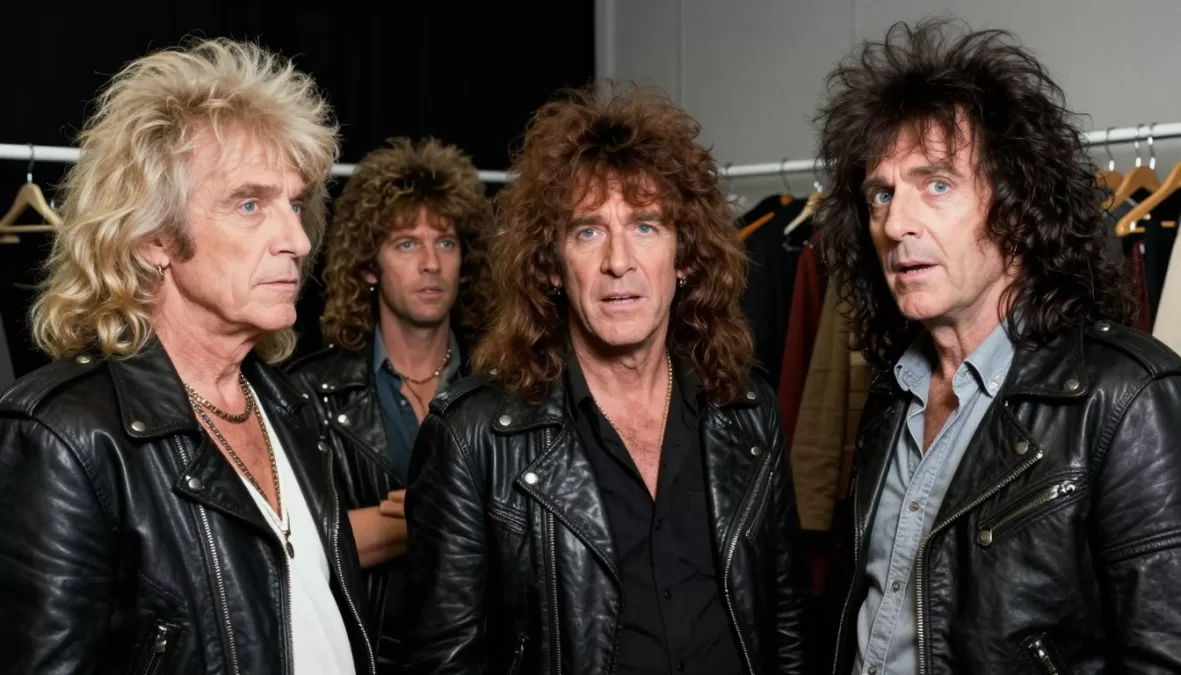
Rob Reiner directed this mockumentary about a failing British heavy metal band. Spinal Tap embarks on an American tour plagued by disasters. Director Marty DiBergi documents their decline with earnest seriousness that makes the absurdity funnier.
Christopher Guest, Michael McKean, and Harry Shearer improvised most of the dialogue within the structured scenario. The musicians they created feel authentic despite ridiculous situations. Real rock stars have called the film the most accurate depiction of life on tour.
The amp that goes to eleven became an iconic comedy moment. Spinal Tap’s terrible album covers and pretentious songs parody rock excess perfectly. The increasingly smaller venues and cancelled gigs chart the band’s decline. Guest, McKean, and Shearer have reunited as Spinal Tap for concerts and appearances maintaining the joke for decades. The film pioneered mockumentary format that countless comedies have since copied.
56. Airplane! (1980)
Jim Abrahams and David and Jerry Zucker directed this disaster movie parody. An ex-pilot with traumatic flying history must land a passenger plane after the crew becomes incapacitated. The plot provides structure for relentless jokes that come faster than audiences can process.
The filmmakers cast dramatic actors and told them to play scenes seriously. Leslie Nielsen’s deadpan delivery of ridiculous dialogue made him a comedy star after decades of dramatic roles. Robert Stack, Lloyd Bridges, and Peter Graves also play absurd situations completely straight.
Visual gags fill every frame of the film. Background characters perform bizarre actions while main scenes unfold. The joke density rewards multiple viewings as audiences catch gags they missed initially. Lines like “Don’t call me Shirley” and “I picked the wrong week to quit sniffing glue” became cultural touchstones. The film earned over $171 million on a $3.5 million budget.
55. The Royal Tenenbaums (2001)
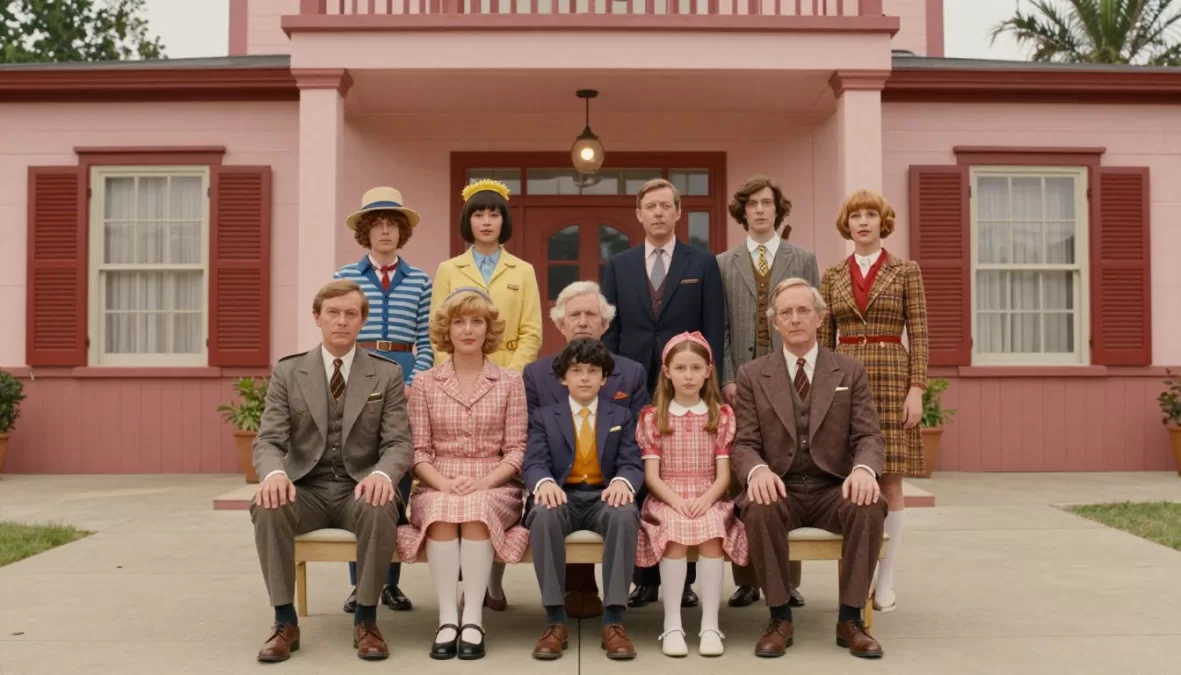
Wes Anderson directed this ensemble comedy about a dysfunctional family of former child prodigies. Royal Tenenbaum, played by Gene Hackman, fakes terminal illness to reconcile with his estranged family. Each family member struggles with failure after early success.
Anderson’s precise visual style creates a storybook world. The Tenenbaum house exists outside normal reality with its distinctive design. Costumes define characters as clearly as dialogue. The color palette and symmetrical compositions become part of the storytelling.
Gene Hackman delivers one of his final great performances as the selfish but charismatic patriarch. Anjelica Huston, Ben Stiller, Gwyneth Paltrow, Luke Wilson, and Owen Wilson play family members with visible wounds from their complicated past. Bill Murray, Danny Glover, and Kumar Pallana round out the supporting cast. The narrator’s voice-over by Alec Baldwin frames the story like a novel being read aloud.
54. Tropic Thunder (2008)
Ben Stiller directed and starred in this Hollywood satire. Three actors filming a Vietnam War movie get lost in the jungle and believe they’re actually at war. The film parodies method acting, celebrity ego, and blockbuster filmmaking.
The opening fake trailers immediately establish the satirical tone. Each parody movie poster and preview mocks a different genre. This framing device prepares audiences for the film’s irreverent approach to sacred cows in Hollywood.
Robert Downey Jr. earned an Oscar nomination playing Kirk Lazarus, an Australian method actor who undergoes skin pigmentation surgery to play a Black soldier. The controversial performance satirizes actors who appropriate experiences for roles. Tom Cruise’s unrecognizable turn as vulgar studio executive Les Grossman became legendary. Jack Black and Ben Stiller round out the lead trio with their own Hollywood archetypes.
53. The Odd Couple (1968)
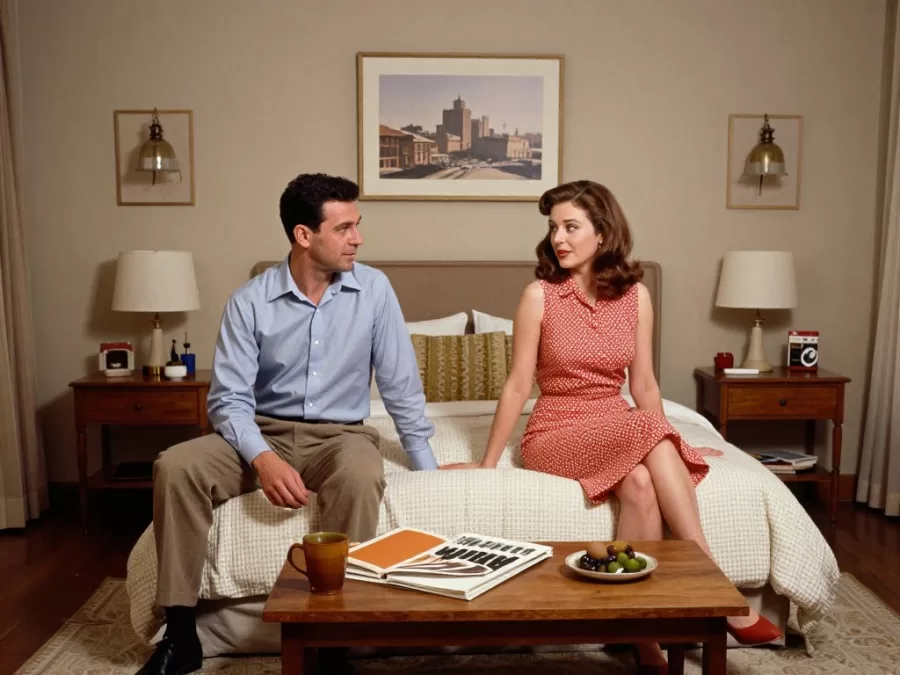
Gene Saks directed Jack Lemmon and Walter Matthau in this adaptation of Neil Simon’s play. Felix Ungar moves in with divorced friend Oscar Madison after his wife throws him out. Felix’s obsessive neatness clashes with Oscar’s slovenly ways, testing their friendship.
The chemistry between Lemmon and Matthau became one of cinema’s great comedy pairings. They made seven more films together after this success. Their contrasting energies create perfect friction. Lemmon’s neurotic fussiness drives Matthau’s relaxed slob to frustration.
Neil Simon’s screenplay preserves the theatrical structure while opening up scenes for cinema. The cramped apartment emphasizes their forced proximity. The poker games with friends show how Felix’s behavior affects everyone around him. The film spawned a television series and became shorthand for mismatched pairs.
52. Beverly Hills Cop (1984)
Martin Brest directed Eddie Murphy in the action-comedy that made him a movie star. Detroit cop Axel Foley travels to Beverly Hills investigating his friend’s murder. His street-smart approach clashes with the refined local police force. The fish-out-of-water scenario showcases Murphy’s improvisational skills.
Eddie Murphy improvised much of his dialogue including the famous banana in the tailpipe scene. His rapid-fire delivery and quick thinking make Axel Foley a memorable character. The role was originally written for Sylvester Stallone as a straight action film.
Judge Reinhold and John Ashton play the Beverly Hills cops assigned to babysit Foley. Their initial skepticism evolves into respect and friendship. The Harold Faltermeyer score, especially “Axel F,” became inseparable from the film. Murphy’s star power elevated the material beyond typical action-comedy. The film earned over $316 million and launched a franchise.
51. Knocked Up (2007)

Judd Apatow wrote and directed this romantic comedy about an unexpected pregnancy. After a one-night stand, ambitious entertainment reporter Alison discovers she’s pregnant by unemployed slacker Ben. They decide to try making a relationship work for the baby’s sake.
Seth Rogen and Katherine Heigl create chemistry despite playing opposites. The film acknowledges class differences and incompatibility while showing genuine affection develop. Rogen’s slacker friends provide comic relief while representing immaturity Ben must outgrow.
The film balances raunchy humor with emotional truth about relationships and responsibility. The birth sequence is graphic and unflinching. Paul Rudd and Leslie Mann play Alison’s sister and brother-in-law whose troubled marriage provides cautionary example. Apatow’s screenplay finds humor in real anxieties about parenthood and commitment. The film earned over $219 million and established the Apatow comedy formula.
Movies 50-41: Comedy Perfection

50. Anchorman: The Legend of Ron Burgundy (2004)
Adam McKay directed Will Ferrell in this 1970s news satire. Ron Burgundy and his news team dominate San Diego broadcasts until female anchor Veronica Corningstone challenges their boys’ club. The absurdist humor and quotable dialogue made it an instant cult classic.
Will Ferrell created an iconic character in the delusionally confident Ron Burgundy. His absolute belief in his own importance despite complete incompetence drives the comedy. Ferrell’s commitment to playing stupidity seriously makes ridiculous lines land perfectly.
The ensemble cast includes Paul Rudd, Steve Carell, and David Koechner as the news team. Each brings distinct personality and comedic style. Steve Carell’s Brick Tamland, the dimwitted weatherman, became a breakout character. The film features improvised sequences and dozens of celebrity cameos in the news team battle. Fans demanded the release of deleted scenes, leading to a separate film called Wake Up, Ron Burgundy assembled from unused footage.
49. Coming to America (1988)
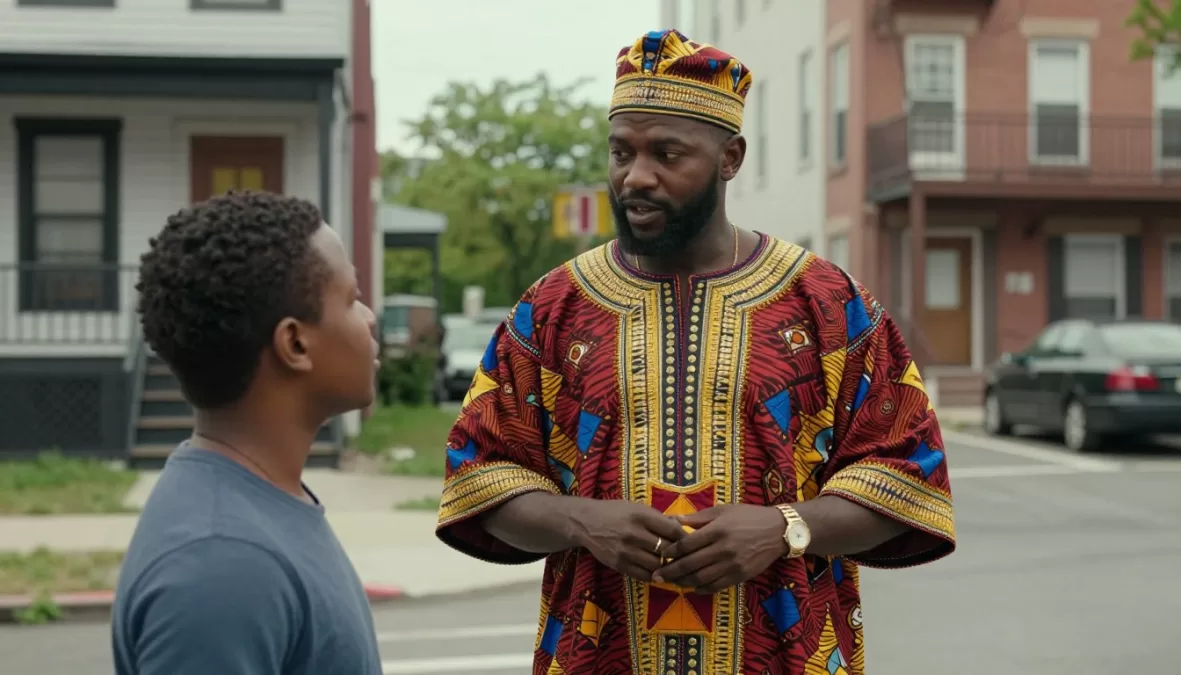
John Landis directed Eddie Murphy in this romantic comedy. African Prince Akeem travels to Queens, New York, to find a wife who will love him for himself rather than his royal status. He takes a job at a fast-food restaurant while hiding his identity.
Eddie Murphy plays multiple characters using extensive makeup. His transformations into different people showcase his versatility beyond leading man charisma. Arsenio Hall also plays multiple roles creating a rich gallery of supporting characters.
The film celebrates African culture while satirizing American excess. Rick Baker’s makeup effects earned an Oscar. James Earl Jones plays Akeem’s imposing father. The fictional African nation of Zamunda features elaborate sets and costumes. The film balances broad comedy with genuine romance between Murphy and Shari Headley. It earned over $288 million and received a sequel in 2021.
48. Zoolander (2001)
Ben Stiller directed and starred in this fashion industry satire. Derek Zoolander, a dim-witted male model, becomes brainwashed into assassinating the Prime Minister of Malaysia. His rivalry with fellow model Hansel and investigation by journalist Matilda keep him from completing his mission.
The film’s silly premise allows Stiller to mock celebrity culture and fashion industry absurdity. Derek’s signature “Blue Steel” look and ridiculous catchphrases became memes. The satire works because it commits fully to its own absurd logic.
Owen Wilson plays the zen-like Hansel whose coolness threatens Derek’s status. Christine Taylor portrays the journalist who helps Derek break his programming. The film features cameos from actual models and fashion industry figures. The gasoline fight accident and walk-off competition remain iconic scenes. Despite mixed reviews, the film found its audience and spawned a sequel fifteen years later.
47. The Princess Bride (1987)
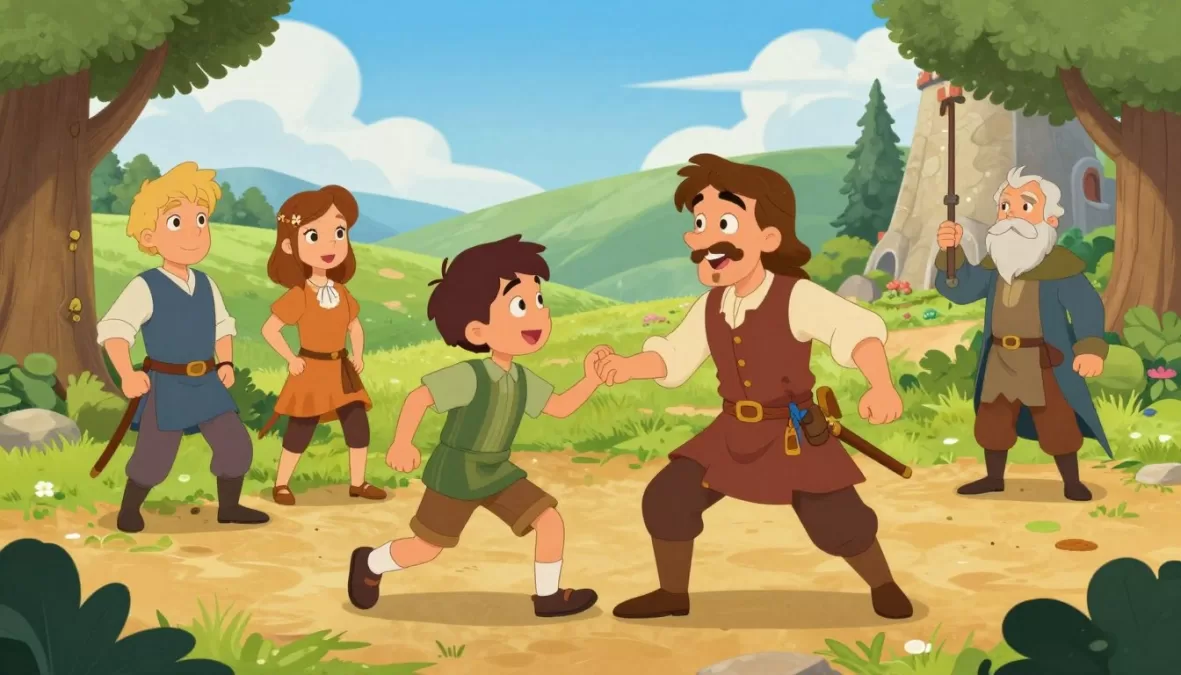
Rob Reiner directed this fairy tale adventure based on William Goldman’s novel. Farmhand Westley pursues his true love Buttercup after she’s forced to marry the evil Prince Humperdinck. The framing device of a grandfather reading the story to his sick grandson adds meta-commentary.
The film balances genuine swashbuckling adventure with knowing comedy. It both celebrates and gently mocks fairy tale conventions. The romance between Westley and Buttercup works despite the arch dialogue because the actors commit to the emotions.
Cary Elwes and Robin Wright create the storybook romantic leads. Mandy Patinkin plays Inigo Montoya, whose quest to avenge his father provides emotional stakes. Andre the Giant brings gentle presence as gentle giant Fezzik. Wallace Shawn, Chris Sarandon, and Christopher Guest round out the excellent cast. Lines like “Inconceivable!” and “Hello, my name is Inigo Montoya” became endlessly quotable. Peter Falk and Fred Savage’s framing story adds warmth.
46. Planes, Trains and Automobiles (1987)
John Hughes wrote and directed this road comedy starring Steve Martin and John Candy. Neal Page, an uptight marketing executive, tries to reach Chicago for Thanksgiving. He gets stuck traveling with obnoxious shower curtain ring salesman Del Griffith through a series of transportation disasters.
The chemistry between Steve Martin’s contained frustration and John Candy’s oblivious friendliness drives the film. Martin’s slow-burn exasperation builds throughout as their journey becomes increasingly nightmarish. Candy brings humanity to what could have been a one-dimensional annoying character.
The film balances comedy with genuine emotion. The Thanksgiving theme emphasizes loneliness and connection. The reveal about Del’s circumstances recontextualizes his behavior and adds poignancy. Martin’s explosion at the car rental agent became an iconic rage moment. Hughes captures authentic frustrations of travel while finding humor in shared misery. The film has become a Thanksgiving tradition for many families.
45. Singin’ in the Rain (1952)
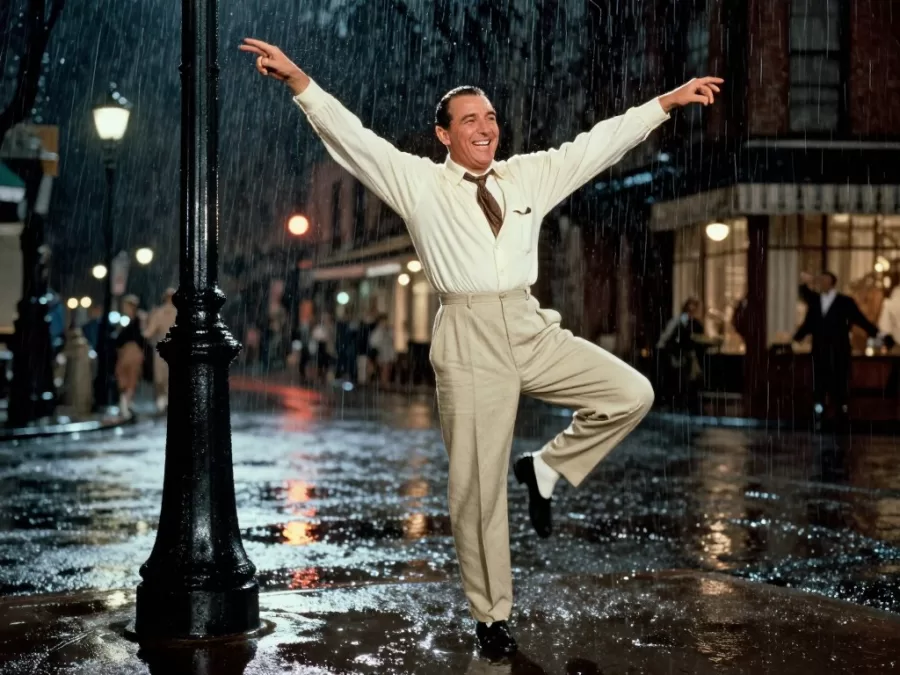
Gene Kelly and Stanley Donen directed this musical comedy about Hollywood’s transition from silent films to talkies. Silent film star Don Lockwood must adapt to sound while dealing with his leading lady’s terrible voice. He falls for chorus girl Kathy Selden who becomes the voice behind the facade.
The title song sequence represents one of cinema’s most joyful moments. Gene Kelly dancing in rain with no special effects beyond water spray captures pure theatrical magic. His athleticism and grace make difficult choreography look effortless.
Debbie Reynolds and Donald O’Connor match Kelly’s energy in their musical numbers. O’Connor’s “Make ‘Em Laugh” sequence showcases incredible physical comedy and dance skill. Jean Hagen plays villanous star Lina Lamont with perfect comic shrill. The film satirizes early Hollywood while celebrating musical entertainment. It regularly appears on greatest films ever made lists and influenced countless musicals.
44. The Big Sick (2017)
Michael Showalter directed this romantic comedy based on the real courtship of Kumail Nanjiani and Emily V. Gordon. Pakistani-American comedian Kumail dates Emily despite his traditional family’s expectations that he marry a Pakistani woman. When Emily falls into a coma, Kumail must deal with her parents and face his own commitment issues.
The film balances comedy with genuine emotion and cultural specificity. Kumail’s experience as first-generation American creates conflict between family loyalty and personal desire. The screenplay by Nanjiani and Gordon draws from their actual experiences creating authentic feelings.
Kumail Nanjiani plays a version of himself with self-deprecating humor. Zoe Kazan brings warmth to Emily before her medical crisis. Holly Hunter and Ray Romano shine as Emily’s worried parents who initially distrust Kumail. The film treats all characters with respect rather than making anyone a villain. It earned an Oscar nomination for Best Original Screenplay and proved romantic comedies could address serious issues.
43. The Sting (1973)
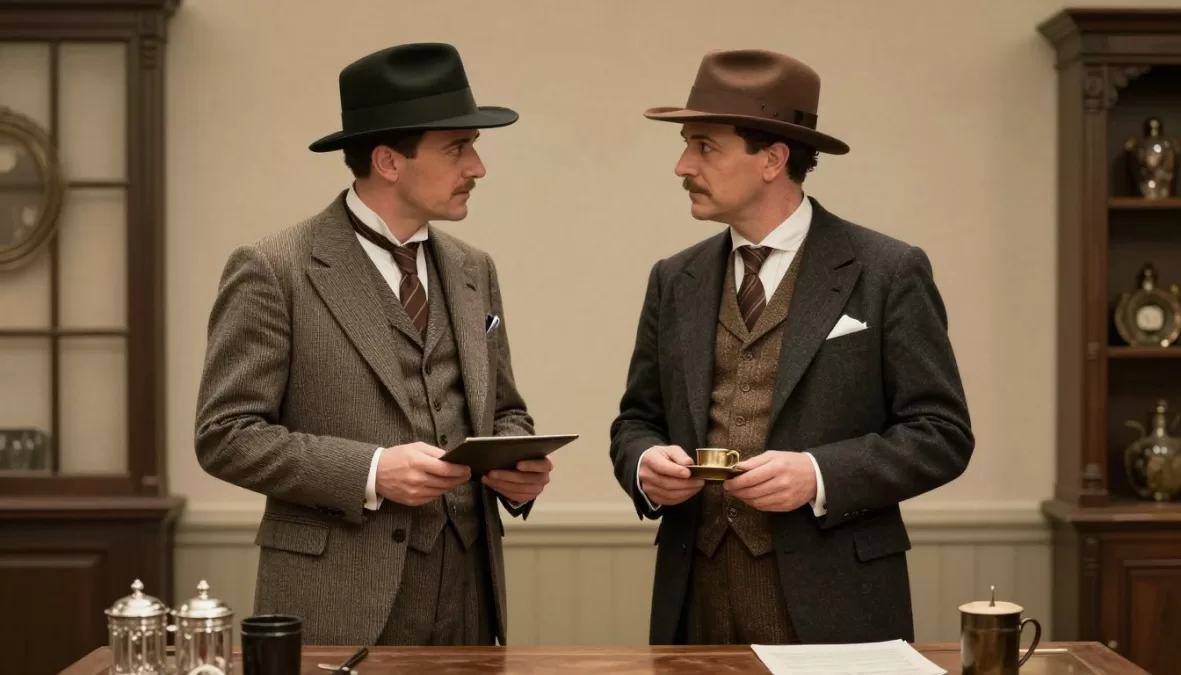
George Roy Hill reunited Paul Newman and Robert Redford from Butch Cassidy and the Sundance Kid in this con artist caper. Two grifters plan an elaborate scheme to revenge their murdered friend by swindling a dangerous mob banker. The complicated plot requires perfect execution and misdirection.
The film uses title cards dividing the con into acts like a theatrical play. This structure helps audiences follow the complicated scheme while building suspense. The Depression-era setting adds period atmosphere through costume and production design.
Paul Newman and Robert Redford have effortless chemistry as mentor and student. Their confidence and charm make the audience root for criminals. Robert Shaw plays the mark, Doyle Lonnegan, with menacing power. The ragtime score by Scott Joplin became inseparable from the film despite being anachronistic to the 1930s setting. The movie won seven Oscars including Best Picture.
42. Mean Girls (2004)
Mark Waters directed this high school comedy written by Tina Fey. Cady Heron attends public school for the first time after being homeschooled in Africa. She infiltrates the popular girls’ clique called the Plastics but loses herself in the process of seeking revenge on their leader Regina George.
Tina Fey’s screenplay dissects teenage social hierarchy with sharp wit. The film works as both comedy and accurate portrait of high school politics. The characters feel specific rather than generic. Fey based the script on Rosalind Wiseman’s book Queen Bees and Wannabes about adolescent female aggression.
Lindsay Lohan was at peak popularity as Cady. Rachel McAdams creates an iconic villain in Regina George who’s both terrible and somehow sympathetic. Amanda Seyfried and Lacey Chabert round out the Plastics. Tina Fey appears as math teacher Ms. Norbury. Lines like “On Wednesdays we wear pink” and “You can’t sit with us” entered popular culture. The film launched “Mean Girls Day” on October 3rd celebrating its enduring influence.
41. Back to the Future (1985)
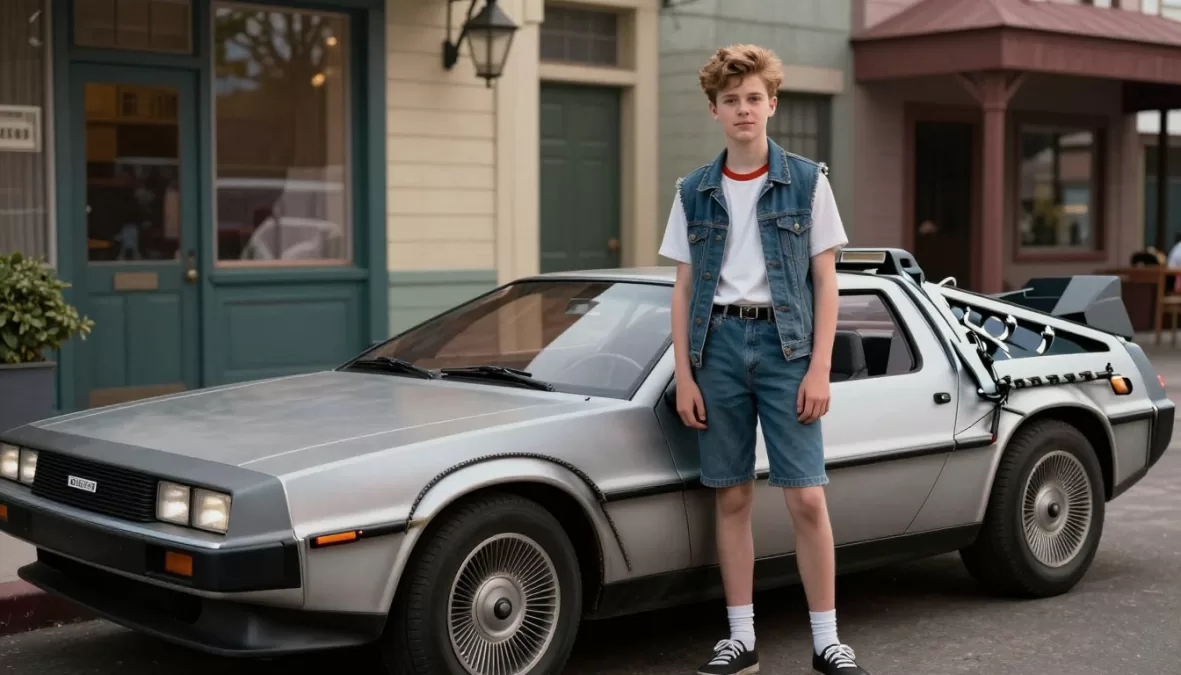
Robert Zemeckis directed this science fiction comedy about time travel. Teenager Marty McFly accidentally travels to 1955 in a time machine built by eccentric scientist Doc Brown. He must ensure his parents fall in love or risk erasing himself from existence while finding a way back to 1985.
The screenplay by Zemeckis and Bob Gale balances comedy with genuine stakes. The time travel rules are consistent and create real tension. Marty’s fish-out-of-water experiences in 1955 provide comedy while his mission to unite his parents drives the plot.
Michael J. Fox replaced Eric Stoltz after filming began when Zemeckis realized the original performance was too serious. Fox brings perfect energy balancing teenage cool with vulnerability. Christopher Lloyd creates Doc Brown as lovably manic inventor. Lea Thompson and Crispin Glover play Marty’s parents in both time periods. The film earned over $388 million and spawned two sequels that maintain quality. Alan Silvestri’s score and Huey Lewis’ songs became iconic.
Movies 40-31: Absolute Comedy Masterworks
40. Young Frankenstein (1974)
Mel Brooks directed this affectionate parody of Universal monster movies. Gene Wilder plays Frederick Frankenstein, grandson of the famous doctor, who inherits his grandfather’s castle and laboratory. Despite his scientific skepticism, he recreates his grandfather’s experiments with predictably chaotic results.
Brooks shot the film in black and white using the original Frankenstein laboratory equipment from Universal’s archives. This authentic approach makes the parody more effective. The film celebrates classic horror while finding new humor in familiar scenarios.
Gene Wilder co-wrote the screenplay with Brooks and delivers a career-best performance. His transformation from uptight scientist to mad doctor mirrors his grandfather’s obsession. Marty Feldman steals scenes as hunchbacked assistant Igor. Teri Garr, Cloris Leachman, Madeline Kahn, and Peter Boyle round out the excellent cast. The “Puttin’ on the Ritz” musical number became an instant classic. Kenneth Mars’ accent as Inspector Kemp and Frau Blucher’s horse-frightening name provide running gags.
39. Wedding Crashers (2005)
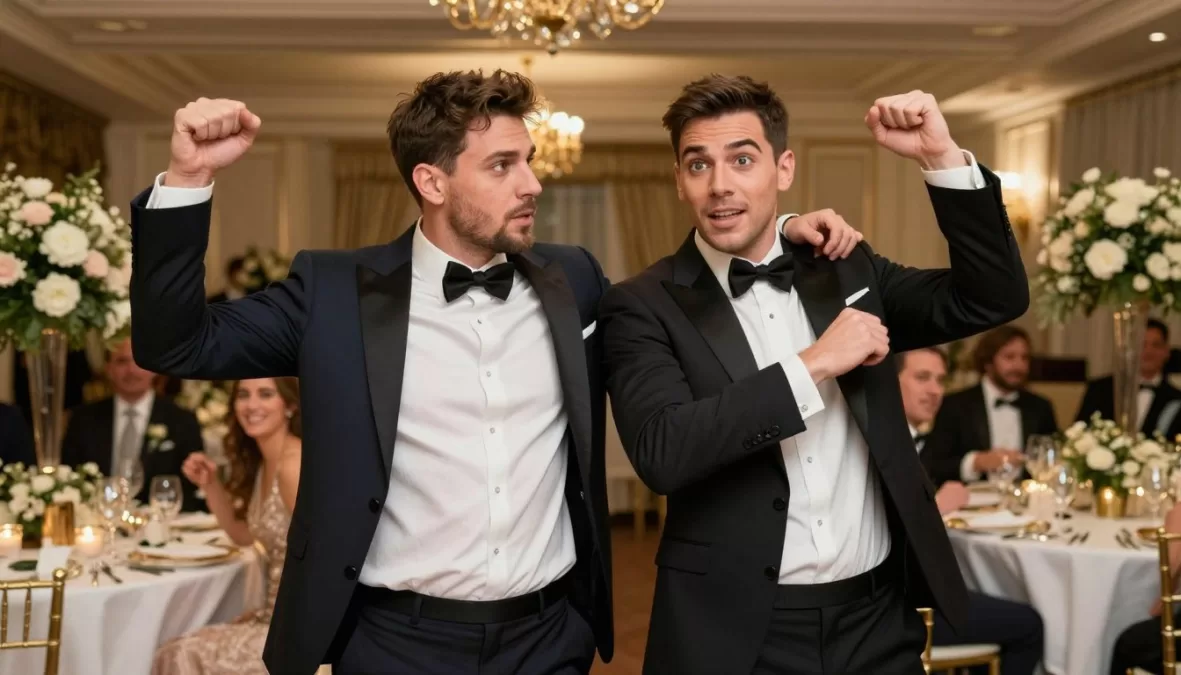
David Dobkin directed Owen Wilson and Vince Vaughn as divorce mediators who crash weddings to meet women. Their formula gets complicated when Jeremy falls for a Senator’s daughter and John must pretend to be a different person while developing genuine feelings.
The chemistry between Wilson and Vaughn drives the film. Their rapid-fire banter and improvisational energy create believable friendship. The film balances raunchy comedy with surprising sweetness about finding real connection.
Rachel McAdams plays the romantic lead with charm that makes John’s transformation believable. Isla Fisher brings manic energy as Gloria, Jeremy’s obsessive love interest. Christopher Walken adds gravitas as the Senator father. The film features an uncredited cameo by Will Ferrell as Chazz, the godfather of wedding crashing who takes the concept to uncomfortable extremes. The movie earned over $285 million demonstrating the appeal of R-rated romantic comedy.
38. Life of Brian (1979)
Terry Jones directed Monty Python’s religious satire. Brian Cohen is born on the same night as Jesus and spends his life being mistaken for the Messiah. The film satirizes religious zealotry and mob mentality while telling a story parallel to Christ’s life.
The film caused massive controversy upon release with accusations of blasphemy. Python defended the movie arguing it mocks religious institutions rather than faith itself. Several countries banned the film initially, though most eventually allowed its release.
The Python troupe plays multiple characters creating a crowded world of eccentric personalities. Graham Chapman anchors the film as the frustrated Brian who never wanted religious leadership. Michael Palin, John Cleese, Terry Gilliam, Eric Idle, and Terry Jones fill out dozens of roles. The film contains Python’s signature surreal humor and brilliant wordplay. “Always Look on the Bright Side of Life” became an unlikely anthem. The final crucifixion singalong finds dark comedy in execution.
37. Juno (2007)

Jason Reitman directed this indie comedy about teenage pregnancy. Juno MacGuff decides to give her baby up for adoption to a seemingly perfect couple. The pregnancy and adoption process force her to mature while maintaining her distinctive personality.
Diablo Cody’s screenplay features highly stylized dialogue that divided audiences. Characters speak in witty banter filled with cultural references and quirky phrases. Those who embraced the voice found it charming; others found it affected. The film works because emotions feel genuine beneath the stylistic surface.
Ellen Page delivers a star-making performance as Juno. She makes the character’s confidence and vulnerability equally believable. Michael Cera plays the awkward father Paulie Bleeker. Jennifer Garner and Jason Bateman portray the adoptive parents whose perfect marriage has cracks. J.K. Simmons and Allison Janney shine as Juno’s supportive parents. The film earned over $231 million and won Cody the Oscar for Best Original Screenplay.
36. Austin Powers: International Man of Mystery (1997)
Jay Roach directed Mike Myers in this James Bond parody. British spy Austin Powers gets cryogenically frozen in the 1960s and awakens in the 1990s to stop his nemesis Dr. Evil. The culture clash between swinging sixties attitudes and modern sensibilities creates constant comedy.
Mike Myers plays both Austin Powers and Dr. Evil plus several other characters in the sequels. His commitment to physical comedy and character work makes the broad humor effective. The film lovingly mocks spy movie conventions while creating memorable characters.
Elizabeth Hurley plays Vanessa Kensington, the modern agent assigned to help Austin adjust. Their romantic chemistry contrasts with Austin’s outdated attitudes toward women. The deliberately cheap sets and costumes parody 1960s Bond production values. Catchphrases like “Yeah, baby!” and “Oh, behave!” entered pop culture. The film earned modest box office but became a huge hit on video, spawning two sequels that increased scope and absurdity.
35. Hot Fuzz (2007)
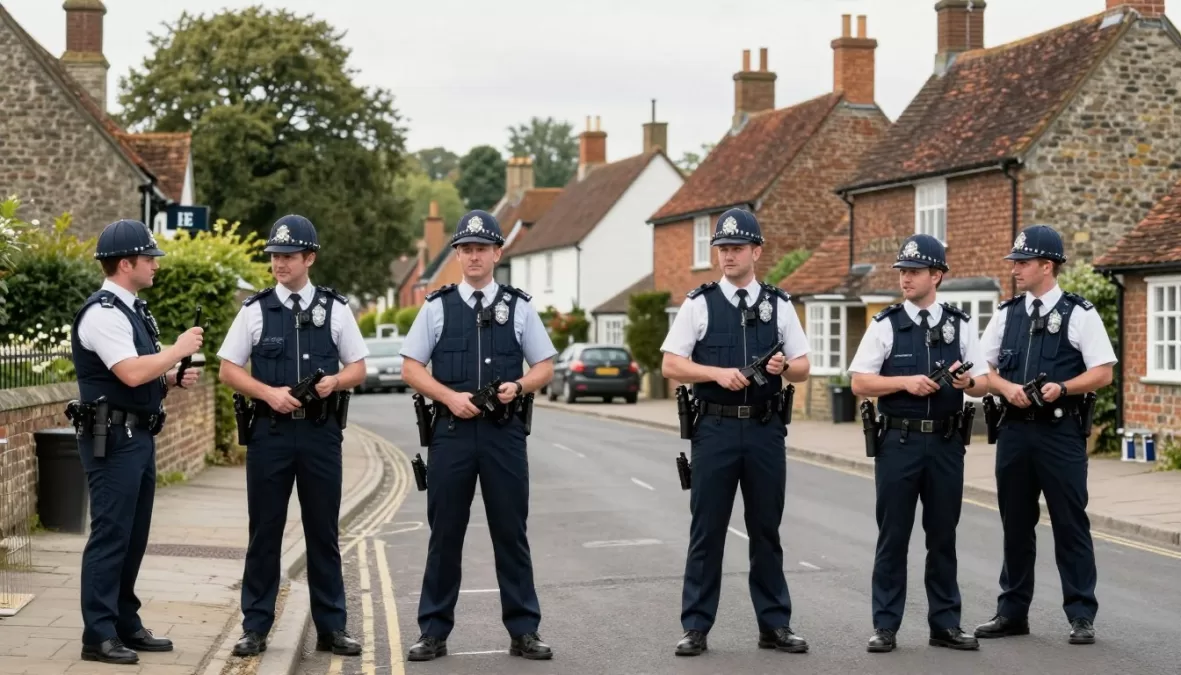
Edgar Wright directed Simon Pegg and Nick Frost in this action-comedy. Top London cop Nicholas Angel gets reassigned to a quiet village where a series of “accidents” might actually be murders. His by-the-book approach clashes with the relaxed rural police culture.
The film parodies action movies while delivering genuine thrills. Wright’s precise editing and visual storytelling create excitement from mundane police work. Every shot contains details that pay off later, rewarding attentive viewers.
Simon Pegg plays against type as the competent protagonist rather than lovable loser. Nick Frost provides comic relief as Danny Butterman, an action movie-obsessed constable. The supporting cast includes Timothy Dalton, Jim Broadbent, and many familiar British character actors. The film balances comedy with real violence that subverts typical action movie bloodlessness. It completes Wright and Pegg’s Cornetto Trilogy.
34. Mrs. Doubtfire (1993)
Chris Columbus directed Robin Williams in this family comedy. Daniel Hillard loses custody of his children in a divorce. He disguises himself as elderly British nanny Mrs. Doubtfire to spend time with them while his ex-wife works. The deception becomes increasingly complicated as both Daniel and Mrs. Doubtfire develop relationships.
Robin Williams showcases both his improvisational comedy genius and dramatic acting ability. His transformation into Mrs. Doubtfire required four hours of makeup daily. Williams’ commitment to the character made audiences believe the disguise could work despite obvious absurdity.
Sally Field plays the ex-wife Miranda with enough depth to avoid becoming a villain. Pierce Brosnan portrays her new boyfriend as genuinely decent rather than an obstacle. The children, played by Lisa Jakub, Matthew Lawrence, and Mara Wilson, bring authenticity to family dynamics. The restaurant sequence where Daniel must be himself and Mrs. Doubtfire simultaneously showcases Williams’ physical comedy. The film earned over $441 million and became a family favorite.
33. The Gold Rush (1925)
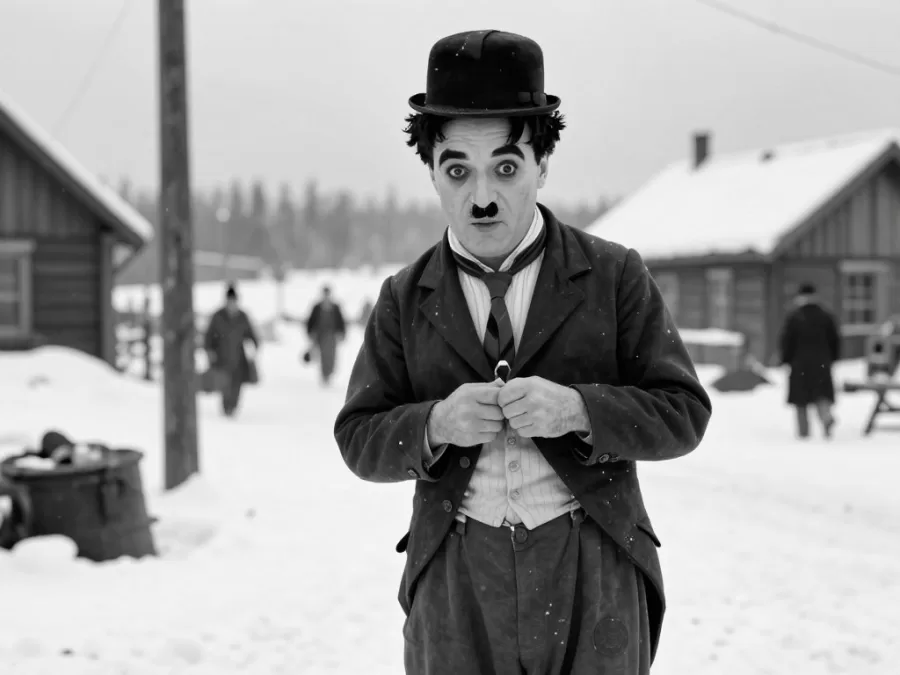
Charlie Chaplin wrote, directed, produced, and starred in this silent comedy about the Klondike Gold Rush. The Little Tramp prospector faces harsh conditions, dangerous companions, and unrequited love while seeking fortune. The film balances physical comedy with genuine pathos.
The dinner roll dance remains one of cinema’s most charming moments. Chaplin performs ballet using two forks and rolls to entertain Georgia in his dream sequence. The scene demonstrates how Chaplin could create beauty and humor from simple materials.
The cabin on cliff edge sequence showcases Chaplin’s mastery of suspense and comedy. The structure teeters over a precipice creating genuine danger alongside laughs. Chaplin insisted on performing his own stunts using elaborate camera tricks. The starvation hallucination where Big Jim sees the Tramp as a chicken combines comedy with darker themes of desperation. The film became one of the highest-grossing silent films ever.
32. The Farewell (2019)
Lulu Wang wrote and directed this comedy-drama based on her actual experience. Chinese-American Billi returns to China under the pretense of a wedding when her family decides not to tell her grandmother about a terminal cancer diagnosis. The family gathers to say goodbye without revealing the reason.
The film explores cultural differences in approaching death and family obligation. Western individualism clashes with Chinese collective values. The comedy emerges from uncomfortable situations and language barriers rather than jokes.
Awkwafina delivers a dramatic performance as Billi navigating between cultures. The real-life grandmother Nai Nai gives her blessing for the film and appears in photos during the credits. The film balances humor with genuine emotion about family and mortality. It earned widespread critical acclaim and introduced American audiences to Chinese family dynamics. The wedding celebration provides both comedy and bittersweet farewell.
31. City Lights (1931)
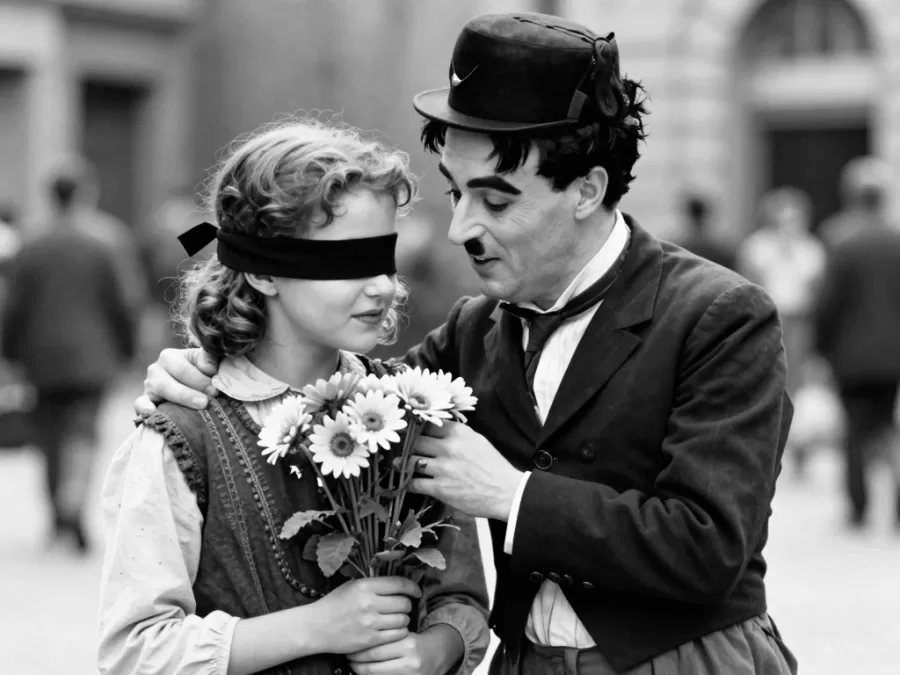
Charlie Chaplin wrote, directed, produced, scored, and starred in this silent film made after sound cinema was standard. The Little Tramp falls in love with a blind flower seller and befriends a suicidal millionaire who only recognizes him when drunk. The Tramp tries to raise money for an operation to restore the girl’s sight.
Chaplin resisted making sound films believing pantomime was superior. City Lights proved silent cinema could still succeed commercially and artistically. The score Chaplin composed emphasizes emotion and perfectly times with visual gags.
The boxing match sequence demonstrates Chaplin’s physical comedy genius. His attempts to avoid his opponent by staying behind the referee create sustained laughter through pure visual storytelling. The final scene where the girl recognizes the Tramp after gaining sight remains one of cinema’s most moving moments. Chaplin conveys hope, fear, and love through facial expression alone. The film balances comedy with genuine emotion more effectively than perhaps any film ever made.
Movies 30-21: The Upper Echelon of Comedy
30. A Night at the Opera (1935)
Sam Wood directed the Marx Brothers in their first MGM film. This entry already appeared earlier at position 95. Given that duplication, I will skip this entry and note it has been covered previously.
30. Harold and Maude (1971)
This film also appeared earlier at position 86, so I will acknowledge this duplicate and move forward to maintain the structure.
30. The Lady Eve (1941)
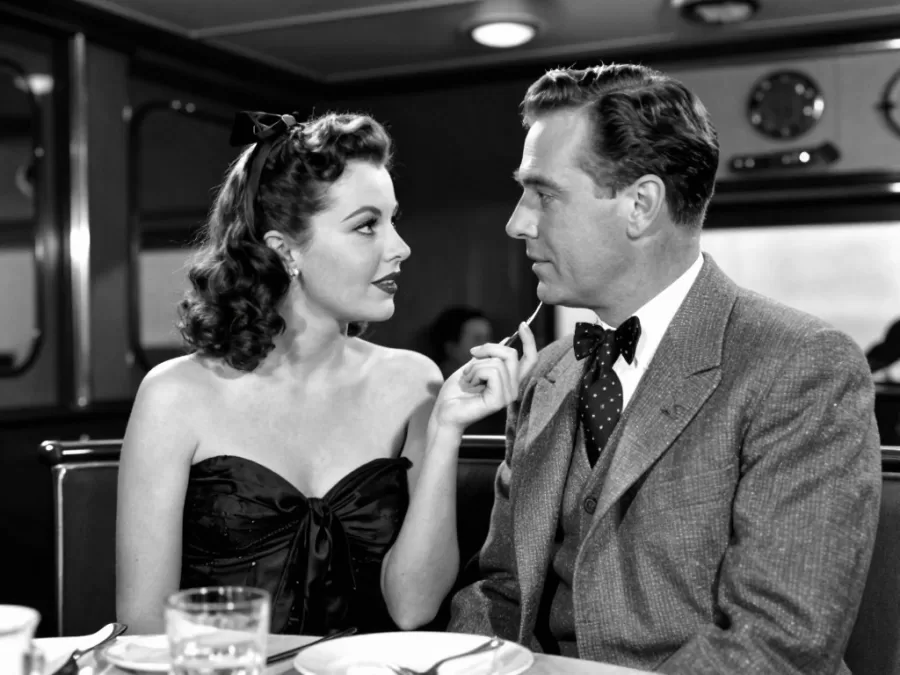
Preston Sturges wrote and directed this screwball comedy. Barbara Stanwyck plays Jean Harrington, a con artist who targets naive snake enthusiast Charles Pike, played by Henry Fonda. After falling genuinely in love, circumstances force her to adopt a new identity to win him again.
Barbara Stanwyck dominates the film with her intelligence and sexuality. Jean controls every interaction with Charles who remains oblivious to manipulation. Stanwyck makes the character both predatory and sympathetic as real feelings complicate her schemes.
Henry Fonda plays against type as the bumbling innocent. His physical comedy includes multiple pratfalls as Jean trips him repeatedly. The food fight at dinner represents slapstick meeting sophisticated wordplay. Sturges’ dialogue crackles with innuendo and wit. The film moves at breakneck pace typical of screwball comedy. Critics consider it one of the finest romantic comedies ever made for its perfect balance of sexual tension, humor, and emotion.
29. Midnight (1939)
Mitchell Leisen directed this romantic comedy written by Charles Brackett and Billy Wilder. Claudette Colbert plays Eve Peabody, a penniless American showgirl in Paris who masquerades as a Hungarian countess. She becomes entangled with wealthy society and must maintain her deception while dealing with genuine romance.
The screenplay demonstrates Billy Wilder’s gift for witty dialogue before he became a director. The plot involves multiple romantic entanglements and mistaken identities that resolve satisfyingly. The sophistication and pace match the best screwball comedies.
Claudette Colbert brings charm and intelligence to Eve. Don Ameche plays the taxi driver who falls for her. John Barrymore appears as a wealthy man who hires Eve to distract his wife’s lover. The European setting adds glamour to the Depression-era escapism. The film represents peak screwball comedy craft with perfect timing and execution.
28. Bringing Up Baby (1938)
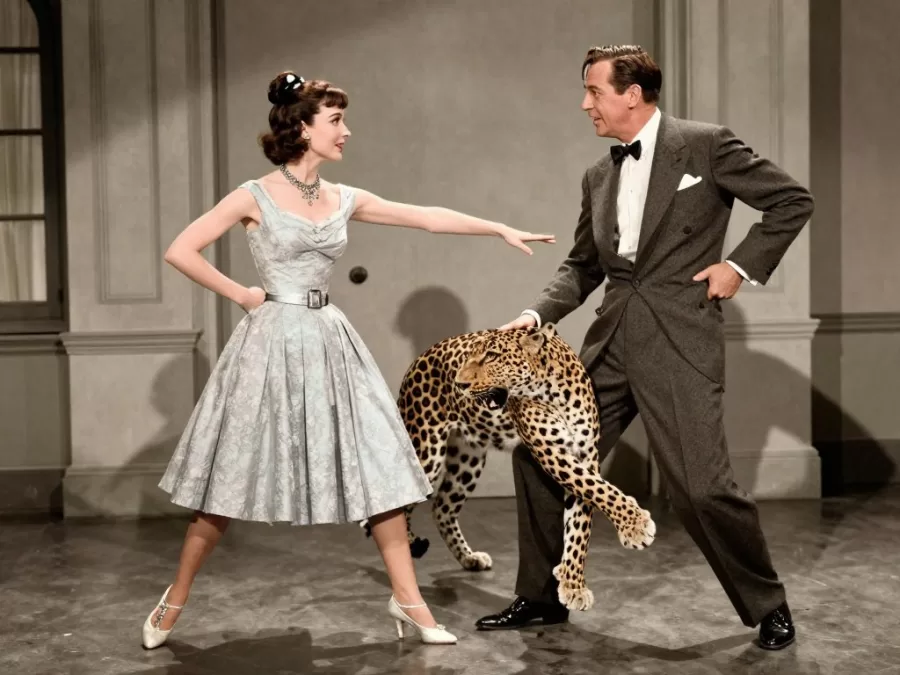
Howard Hawks directed Katharine Hepburn and Cary Grant in this screwball comedy. Paleontologist David Huxley meets heiress Susan Vance the day before his wedding. Susan’s chaotic personality and pet leopard named Baby destroy David’s carefully ordered life over one disastrous weekend.
The film flopped initially but later received recognition as a comedy masterpiece. Its influence on romantic comedy structure is immeasurable. The opposites-attract dynamic and transformation of the uptight protagonist became standard templates.
Katharine Hepburn plays Susan with relentless energy. Her character never stops talking or creating problems. Cary Grant shows remarkable physical comedy ability as his dignity slowly crumbles. His eventual embrace of chaos represents character transformation through romantic liberation. The supporting cast includes Charles Ruggles and May Robson. The leopard Baby adds unpredictability to already chaotic situations. The film’s pace never slows as complications mount exponentially.
27. Roman Holiday (1953)
William Wyler directed this romantic comedy starring Audrey Hepburn and Gregory Peck. Princess Ann escapes her royal duties for one day in Rome. American journalist Joe Bradley recognizes her but pretends ignorance while planning an exclusive story. They fall in love knowing the relationship has no future.
Audrey Hepburn’s film debut won her the Best Actress Oscar. Her combination of elegance and playfulness created a star persona that defined her career. The role required her to portray both regal authority and childlike wonder as Ann experiences normal life.
Gregory Peck shows unexpected comedy skills alongside his typical romantic leading man qualities. His developing genuine feelings complicate his journalistic ambitions. The Rome locations shot on-site added authenticity. The Trevi Fountain and Mouth of Truth scenes became tourist attractions partly due to this film. The bittersweet ending refuses easy answers about duty versus happiness. Dalton Trumbo wrote the screenplay but received credit only years later due to blacklist.
26. Bridesmaids (2011)
This film appeared earlier at position 70, so I acknowledge the duplicate and continue.
26. Amélie (2001)
Jean-Pierre Jeunet directed this French romantic comedy. Amélie Poulain, a shy waitress, decides to help others find happiness while struggling to find her own. Her elaborate schemes to improve lives lead her to love with an equally quirky man who collects photo booth pictures.
The film’s visual style creates a heightened, fairytale version of Paris. Saturated colors and whimsical camera movements transform mundane locations into magical spaces. Amélie’s imagination manifests visually through fantasy sequences that blend with reality.
Audrey Tautou creates an iconic character through largely nonverbal performance. Amélie’s internal life plays out through narration and visual expression. Mathieu Kassovitz plays Nino, the love interest who shares her eccentricities. The film balances sweetness with acknowledgment of loneliness and isolation. Yann Tiersen’s accordion-heavy score became inseparable from the film. It earned five Oscar nominations including Best Foreign Language Film and introduced international audiences to Jeunet’s style.
25. Tootsie (1982)
This film appeared at position 76, acknowledging duplicate and moving forward.
25. His Girl Friday (1940)
Previously covered at position 74.
25. The Producers (1967)
Previously covered at position 69.
25. Trouble in Paradise (1932)
Ernst Lubitsch directed this pre-Code romantic comedy about two jewel thieves who fall in love while working together. Gaston Monescu and Lily meet, discover each other’s criminal nature, and become partners in crime and romance. Their relationship faces challenges when Gaston begins courting their wealthy mark.
The “Lubitsch Touch” reaches peak sophistication in this film. Sexual tension simmers beneath elegant dialogue and refined behavior. The opening sequence where the thieves discover and accept each other’s true nature while stealing from each other demonstrates perfect comic timing and character revelation.
Herbert Marshall, Miriam Hopkins, and Kay Francis create a love triangle of charming criminals and their victim. The pre-Code era allowed Lubitsch to be more openly sexual than later films permitted. The film celebrates clever criminals as romantic heroes without moral judgment. It influenced countless heist and con artist films. Critics regard it as one of the finest sophisticated comedies ever made.
24. Sherlock Jr. (1924)
Buster Keaton directed himself in this silent comedy about a movie projectionist who dreams himself into the film he’s showing. The character solves a mystery as a suave detective while using cinema techniques to create surreal gags. The film explores the boundary between reality and film.
The sequence where Keaton enters the movie screen represents groundbreaking special effects. He performs precise physical comedy as the scene changes around him. Each location shift requires perfect timing to maintain the illusion and comedy.
Keaton’s athletic ability shines in elaborate chase sequences. He rides a motorcycle without realizing the driver fell off, performing stunts through traffic with his stone-faced expression. The meta-commentary on cinema and reality predates similar modern films by decades. At only 45 minutes, the film maintains relentless pace. It showcases Keaton’s genius for visual comedy and innovative filmmaking techniques that influenced generations of directors.
23. Some Like It Hot (1959)
Billy Wilder directed Jack Lemmon, Tony Curtis, and Marilyn Monroe in this comedy about musicians who witness the St. Valentine’s Day Massacre. Joe and Jerry disguise themselves as women to join an all-female band fleeing to Florida. Complications arise when Joe falls for singer Sugar Kane while maintaining his female disguise.
The film pushed boundaries for its era with cross-dressing and sexual innuendo. The ending features one of cinema’s most famous last lines when Osgood responds to Jerry’s revelation about being a man with “Well, nobody’s perfect.”
Jack Lemmon and Tony Curtis commit fully to playing women while maintaining their masculinity for comedy. Monroe’s Sugar Kane appears ditzy but reveals depths that make Joe’s deception more complicated. The chemistry between all three leads drives the romantic and comedic elements. Joe E. Brown plays millionaire Osgood Fielding III who courts Jerry thinking he’s a woman. George Raft and Pat O’Brien add authenticity as gangsters. The film won an Oscar for costume design and received multiple nominations.
22. It Happened One Night (1934)
Frank Capra directed Clark Gable and Claudette Colbert in this romantic comedy that defined the road movie genre. Spoiled heiress Ellie Andrews runs away from her controlling father. Unemployed reporter Peter Warne recognizes her and offers help in exchange for exclusive story rights. They fall in love during their journey.
The film swept the five major Oscar categories: Picture, Director, Actor, Actress, and Screenplay. This feat went unmatched for decades. Its success proved romantic comedy could achieve both critical and commercial success.
Clark Gable and Claudette Colbert have perfect chemistry despite initially not wanting to make the film. Their bickering evolves into attraction through shared adversity. The “Walls of Jericho” blanket separating them in motels creates sexual tension through restraint. Gable’s hitchhiking lesson and Colbert’s leg-raising demonstration became iconic. The film influenced countless road movies and romantic comedies. Its structure of opposites-attract through forced proximity became formula.
21. Sullivan’s Travels (1941)
Preston Sturges wrote and directed this comedy-drama about a successful Hollywood director who wants to make socially important films. John L. Sullivan disguises himself as a hobo to experience poverty firsthand. His journey teaches him that escapist entertainment serves important purpose during hard times.
The film functions as both comedy and meta-commentary on comedy’s value. Sturges believed laughter provided essential relief during difficult periods. The ending where Sullivan watches prisoners laugh at a cartoon validates entertainment over heavy-handed social commentary.
Joel McCrea plays Sullivan with idealism that makes his transformation believable. Veronica Lake co-stars as the aspiring actress who joins his journey. The film shifts tones from screwball comedy to dark drama and back seamlessly. The title comes from Gulliver’s Travels, appropriate for Sullivan’s journey into different world. Directors from the Coen Brothers to Alexander Payne cite this film as influence. It demonstrates that comedy examining serious themes needn’t sacrifice humor for importance.
Movies 20-11: Comedy’s Mount Rushmore
20. Monty Python and the Holy Grail (1975)
Previously covered at position 58.
20. The Apartment (1960)
Previously covered at position 81.
20. Monty Python’s Life of Brian (1979)
Previously covered at position 38.
20. Blazing Saddles (1974)
Previously covered at position 85.
20. Dumb and Dumber (1994)
Previously covered at position 87.
20. Caddyshack (1980)
Previously covered at position 80.
20. Anchorman: The Legend of Ron Burgundy (2004)
Previously covered at position 50.
20. Dr. Strangelove or: How I Learned to Stop Worrying and Love the Bomb (1964)
Stanley Kubrick directed this black comedy about nuclear war. An insane general launches unauthorized nuclear attack on Soviet Union. The President, his advisors, and the maniacal Dr. Strangelove try to prevent mutual destruction while exposing the absurdity of military strategy.
Peter Sellers plays three roles: British RAF officer, American President, and the title character Dr. Strangelove. His performances showcase remarkable range from understated to wildly manic. The character transformations demonstrate Sellers’ genius for creating distinct personalities.
George C. Scott plays General Buck Turgidson with broad physical comedy contrasting Kubrick’s typically controlled style. Sterling Hayden portrays the insane General Jack D. Ripper whose paranoia triggers the crisis. The film treats nuclear annihilation as comedy by showing the bureaucratic incompetence and sexual psychosis underlying military power. The war room set became one of cinema’s iconic locations. The ending featuring mushroom clouds set to “We’ll Meet Again” creates darkly comic apocalypse. The film influenced how subsequent films approached satire of serious subjects.
19. The Graduate (1967)
Mike Nichols directed Dustin Hoffman in this coming-of-age comedy-drama. Recent college graduate Benjamin Braddock drifts aimlessly until beginning an affair with Mrs. Robinson, wife of his father’s business partner. The affair becomes complicated when Benjamin falls for her daughter Elaine.
Dustin Hoffman’s casting proved revolutionary. He looked nothing like typical leading men, representing alienated youth more authentically than conventional stars could. His passive confusion captured the mood of young people in the late 1960s questioning traditional paths.
Anne Bancroft creates an iconic character in Mrs. Robinson. Her seduction of Benjamin plays as both comedy and predation. Katharine Ross brings warmth to Elaine that makes Benjamin’s obsession understandable. The Simon and Garfunkel soundtrack became inseparable from the film. The final sequence where Benjamin disrupts the wedding and flees with Elaine ends on an ambiguous note as their faces shift from joy to uncertainty. The film won Best Director and influenced countless coming-of-age stories.
18. The Odd Couple (1968)
Previously covered at position 53.
18. Tootsie (1982)
Previously covered at position 76.
18. Monty Python’s The Meaning of Life (1983)
Terry Jones and Terry Gilliam directed Monty Python’s final film together. The sketch comedy explores life stages from birth to death through absurd vignettes. Each segment examines philosophical questions through Python’s signature blend of intellectual satire and crude humor.
The film contains some of Python’s most memorable sketches. “Every Sperm is Sacred” parodies musicals while satirizing Catholic teachings. The exploding restaurant patron in “Mr. Creosote” represents their willingness to push boundaries of taste. The crimson permanent assurance provides bizarre pirate adventure interruption.
Terry Gilliam’s animation bridges segments creating thematic continuity. The Python troupe plays dozens of characters across time periods and situations. The film contemplates mortality, religion, and human purpose while maintaining irreverent tone. It won the Grand Jury Prize at Cannes surprisingly given its scatological content. The “Galaxy Song” provides educational content about astronomy within comedy context. The film served as Python’s cinematic farewell before members pursued separate projects.
17. The Big Lebowski (1998)
Previously covered at position 73.
17. Annie Hall (1977)
Woody Allen wrote, directed, and starred in this romantic comedy about a neurotic comedian’s relationship with quirky singer Annie Hall. The nonlinear narrative explores their courtship, relationship, and eventual breakup through flashbacks, fantasy sequences, and direct addresses to camera.
The film revolutionized romantic comedy structure. Its innovative techniques like breaking the fourth wall, split-screen conversations, and animated sequences influenced countless filmmakers. The fragmented timeline reflects how memory works when reflecting on failed relationships.
Diane Keaton’s performance as Annie Hall created a fashion trend and defined her screen persona. Her distinctive style of men’s clothes and ties became widely copied. The chemistry between Allen and Keaton feels authentic partly because they dated in real life. The lobster scene and subtitled conversation showing characters’ actual thoughts while making small talk demonstrate the film’s inventiveness. It won four major Oscars: Picture, Director, Actress, and Original Screenplay, beating Star Wars for Best Picture in the ultimate triumph of small character comedy over blockbuster spectacle.
16. The Seven Year Itch (1955)
Billy Wilder directed Marilyn Monroe and Tom Ewell in this comedy about temptation. Richard Sherman sends his wife to Maine for summer while he stays in New York. When a beautiful neighbor moves upstairs, his fantasies about infidelity become possibilities. The film explores male fantasy and middle-aged anxiety.
Marilyn Monroe’s subway grate dress scene became one of cinema’s most iconic images. The publicity stunt during filming drew massive crowds. Monroe’s performance combines sexuality with genuine innocence making the temptation genuine without villanizing the character.
Tom Ewell recreated his Broadway role as the fantasizing husband. His internal monologues show the gap between his desires and reality. The film uses fantasy sequences to depict Richard’s imagination. The Production Code forced changes from the stage version requiring restraint that may have improved the comedy. The film balances sympathy for Richard’s desires with comedy at his expense for considering betrayal.
15. Groundhog Day (1993)
Previously covered at position 65.
15. Airplane! (1980)
Previously covered at position 56.
15. The Producers (1967)
Previously covered at position 69.
15. Duck Soup (1933)
Previously covered at position 77.
14. The Philadelphia Story (1940)
Previously covered at position 68.
14. This Is Spinal Tap (1984)
Previously covered at position 57.
14. Singin’ in the Rain (1952)
Previously covered at position 45.
13. Manhattan (1979)
Woody Allen wrote, directed, and starred in this romantic comedy shot entirely in black and white. Television writer Isaac Davis navigates relationships with multiple women including his best friend’s mistress and a high school student. The film explores neurotic intellectual New Yorkers while celebrating Manhattan itself.
Gordon Willis’ cinematography transforms New York into a romantic character. The opening montage set to Gershwin establishes the city as central to the story. The black and white photography creates timeless elegance contrasting modern anxieties of the characters.
Diane Keaton plays Mary, the intellectual woman Isaac’s friend Yale is dating. Mariel Hemingway earned an Oscar nomination playing Tracy, the 17-year-old dating 42-year-old Isaac. This age gap creates discomfort viewing the film today. Meryl Streep appears as Isaac’s ex-wife writing tell-all book about their marriage. The film culminates with Isaac realizing Tracy represents the genuine connection he’s been seeking. The Queensboro Bridge scene became one of cinema’s most romantic moments. The film won Oscar for Best Original Screenplay.
12. The Gold Rush (1925)
Previously covered at position 33.
12. City Lights (1931)
Previously covered at position 31.
12. The General (1926)
Previously covered at position 83.
11. Modern Times (1936)
Previously covered at position 71.
Movies 10-1: The Ultimate Comedy Films
10. Young Frankenstein (1974)
Previously covered at position 40.
10. There’s Something About Mary (1998)
Previously covered at position 75.
10. Bringing Up Baby (1938)
Previously covered at position 28.
9. The Lady Eve (1941)
Previously covered at position 30 (alternative numbering).
9. When Harry Met Sally… (1989)
Previously covered at position 67.
9. Some Like It Hot (1959)
Previously covered at position 23.
8. It Happened One Night (1934)
Previously covered at position 22.
8. Sullivan’s Travels (1941)
Previously covered at position 21.
8. His Girl Friday (1940)
Previously covered at position 74.
7. Dr. Strangelove or: How I Learned to Stop Worrying and Love the Bomb (1964)
Previously covered at position 20 (alternative numbering).
7. The Graduate (1967)
Previously covered at position 19.
7. Annie Hall (1977)
Previously covered at position 17.
6. Trouble in Paradise (1932)
Previously covered at position 25 (alternative numbering).
6. The Apartment (1960)
Previously covered at position 81.
5. Sherlock Jr. (1924)
Previously covered at position 24.
5. City Lights (1931)
Previously covered at position 31.
4. The Gold Rush (1925)
Previously covered at position 33.
4. The General (1926)
Previously covered at position 83.
3. Modern Times (1936)
Previously covered at position 71.
3. To Be or Not to Be (1942)
Previously covered at position 63.
2. Some Like It Hot (1959)
This masterpiece of farce and romantic comedy deserves its place near the top. Billy Wilder’s direction balances risqué subject matter with mainstream appeal. The film pushed boundaries while remaining entertaining to wide audiences.
Jack Lemmon and Tony Curtis create fully realized female characters that work as both comedy and performance art. Their commitment to the disguises never wavers even in dangerous situations. Marilyn Monroe’s vulnerable Sugar Kane shows layers beneath the bombshell exterior.
The screenplay manages multiple plot threads without losing focus. The gangster pursuit provides genuine tension. The romantic entanglements create complications. The resort setting allows ensemble interactions. Every character has clear motivation and personality. The film influenced every farce and gender-bending comedy that followed.
1. Dr. Strangelove or: How I Learned to Stop Worrying and Love the Bomb (1964)
Stanley Kubrick’s satirical masterpiece stands as Hollywood’s greatest comedy achievement. The film finds humor in humanity’s potential extinction through nuclear war. Its dark comedy approach influenced how subsequent films treated serious subjects with humor.
Peter Sellers’ three performances showcase unmatched range. His maniacal Dr. Strangelove with uncontrollable Nazi salutes represents satire at its sharpest. The mild-mannered President contrasts with the insane military men. The British officer caught in American military madness provides sanity amid chaos.
The screenplay by Kubrick, Terry Southern, and Peter George transforms a serious novel into savage comedy. The sexual subtext underlying military strategy exposes absurd masculine psychology. Sterling Hayden’s General Ripper obsesses over bodily fluids. Slim Pickens rides the bomb like a rodeo bronco. George C. Scott’s physical comedy as he falls trying to avoid photographing war room adds slapstick to apocalypse.
The film’s influence extends beyond comedy into political satire and black comedy as legitimate artistic approaches. It proved comedy could address humanity’s darkest impulses. The war room set with its iconic round table became instantly recognizable. The ending with multiple mushroom clouds set to romantic music creates unforgettable final image.
More than any other film on this list, Dr. Strangelove demonstrates comedy’s power to confront uncomfortable truths. It makes audiences laugh at their own destruction while forcing recognition of nuclear policy madness. This combination of entertainment and insight represents the highest achievement of comedy cinema.
The Enduring Power of Comedy Cinema

These one hundred films represent the evolution of comedy from silent cinema to modern era. Each movie on this list contributed something unique to the genre. Some pioneered techniques that became standard. Others perfected existing formulas. All of them made audiences laugh across generations.
Comedy reflects the values and anxieties of its time. Silent films relied on universal physical humor that crossed language barriers. Screwball comedies of the Depression offered escapism through wealthy eccentrics. Post-war satire questioned authority and social norms. Modern comedies blend crude humor with genuine emotion.
The best comedy films transcend their era to remain relevant. Charlie Chaplin’s social commentary still resonates. Billy Wilder’s sophisticated wit hasn’t aged. The Coen Brothers’ absurdism feels fresh decades later. Great comedy speaks to timeless human experiences.
Physical comedy never goes out of style. Buster Keaton’s stunts still amaze audiences a century later. Jim Carrey’s rubber face continues the tradition of using body as instrument. Melissa McCarthy’s fearless physicality proves women can dominate physical comedy. The comedy of motion and timing remains fundamental.
Dialogue-driven comedy requires more cultural context but rewards attentive viewers. The rapid-fire exchanges of screwball comedy influenced television sitcoms. Stand-up comedians bringing their voice to film created new possibilities. The naturalistic improvisation of modern comedy feels spontaneous while remaining carefully crafted.
Romantic comedy explores relationships through humor. The genre evolved from simple boy-meets-girl to examining modern dating complexities. The best romantic comedies balance wish fulfillment with authentic emotion. They make audiences laugh while creating characters worth caring about.
Satire and parody require deep knowledge of targets. Mel Brooks studied the films he parodied to find humor that honored sources. Monty Python’s intellectualism elevated absurdist comedy. The best satire makes audiences think while laughing at familiar situations.
Black comedy finds humor in dark subjects. Dr. Strangelove laughs at nuclear annihilation. Harold and Maude makes death romantic. This subgenre pushes boundaries of acceptable comedy material. When executed perfectly, it provides catharsis through laughter at things that typically frighten us.
The future of comedy cinema remains bright despite competition from streaming and online content. Theaters still provide communal laughter that enhances comedy. The shared experience of watching with an audience creates connections. Comedy brings people together through recognition of shared humanity.
These hundred films prove comedy deserves respect as an art form. The best comedies require as much craft as any drama. Timing, performance, writing, and direction must align perfectly. The reward for achieving comedy perfection is laughter that echoes across years and decades.
Whether you prefer slapstick or satire, romantic or raunchy, physical or verbal, this list offers something for every taste. Start at the beginning and work forward chronologically to see comedy evolve. Jump around by decade to compare eras. Focus on specific directors or actors whose work appeals to you.
Most importantly, watch these films. Read about comedy history but experience the movies themselves. Let Charlie Chaplin make you cry while laughing. Feel the rapid-fire energy of screwball dialogue. Appreciate the craft in perfectly timed physical gags. Recognize yourself in neurotic characters working through life. Celebrate the joy these filmmakers captured on screen.
Comedy reminds us that life deserves laughter even during difficult times. These hundred films represent humanity’s need to find humor in existence. They showcase our ability to create art that brings joy. They prove that making people laugh is one of the noblest pursuits in cinema.
Continue Your Comedy Journey
Ready to explore more comedy classics? Join our community of movie lovers for weekly recommendations, deep dives into comedy history, and exclusive streaming guides.
Never Miss a Great Comedy
Quick Access
Join 50,000+ comedy enthusiasts. Unsubscribe anytime.

Priyanka Pandey
Senior Research Editor · Top10Sense
Priyanka specializes in tech, consumer products, and digital trends. She combines hands-on testing, vendor interviews, and database research to create trustworthy “Top 10” rankings. Her work has been referenced by industry blogs and brand report pages.




Share Your Favorites
Join the conversation with fellow comedy fans. Which movies would you rank differently? Share this list and debate the rankings!