

Despite the global push toward renewable energy sources, oil remains a cornerstone of the world economy in 2026. Countries with substantial proven oil reserves continue to wield significant economic and geopolitical influence. This comprehensive analysis examines the top 10 oil reserve countries in the world as of 2026, exploring their strategic importance, production capabilities, and how these vast resources shape global energy markets.
Understanding Proven Oil Reserves in 2026
Proven oil reserves refer to the quantity of crude oil that geological and engineering data demonstrate can be recovered with reasonable certainty under existing economic and operating conditions. As of 2026, global proven oil reserves stand at approximately 1.5 trillion barrels, though estimates vary based on reporting methodologies and technological advancements.
Several factors influence these figures, including new discoveries, enhanced recovery techniques, and shifting economic viability thresholds. While the energy transition accelerates, fossil fuels still account for nearly 70% of global energy demand, underscoring the continued importance of these reserves.
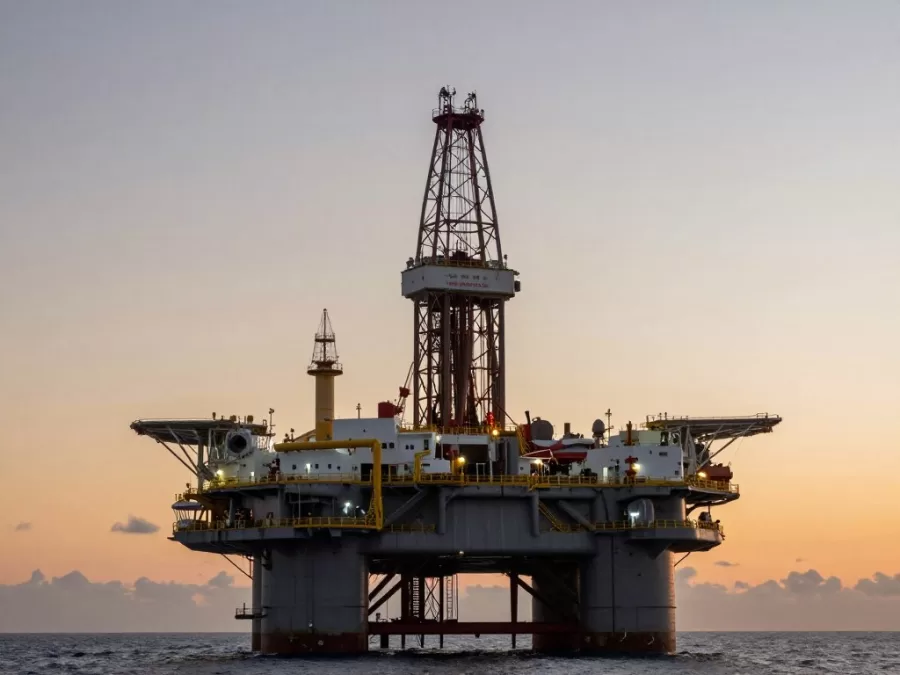
Modern extraction technologies continue to make previously inaccessible reserves commercially viable in 2026
Global Distribution of Oil Reserves
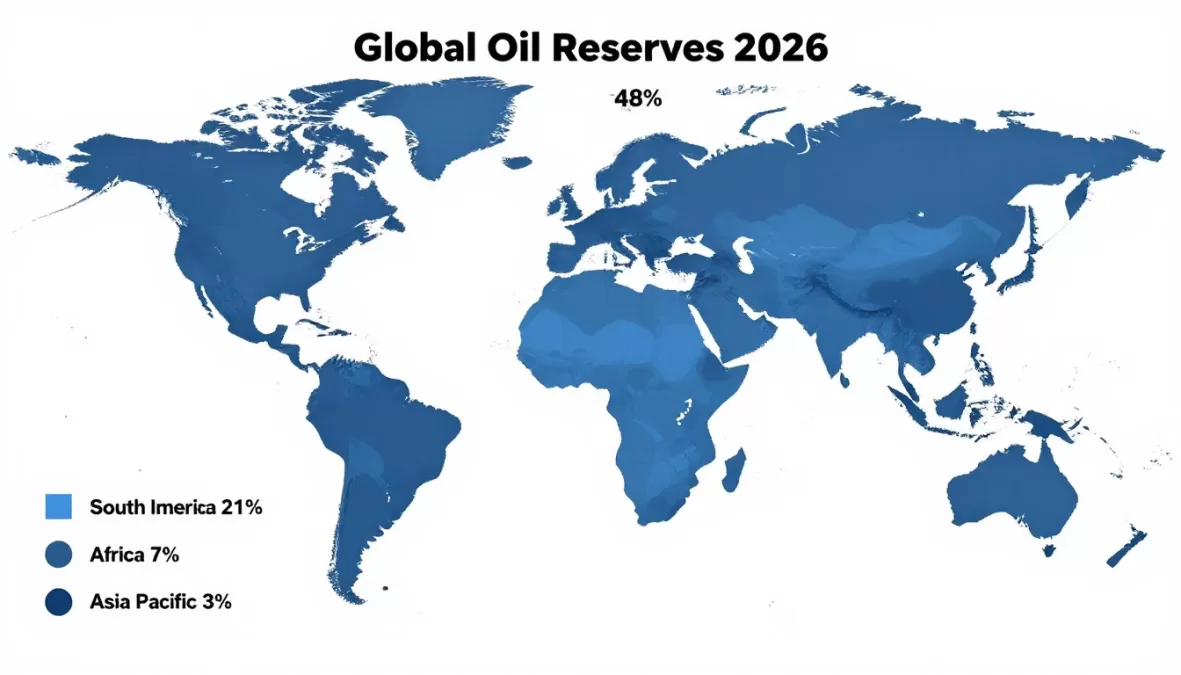
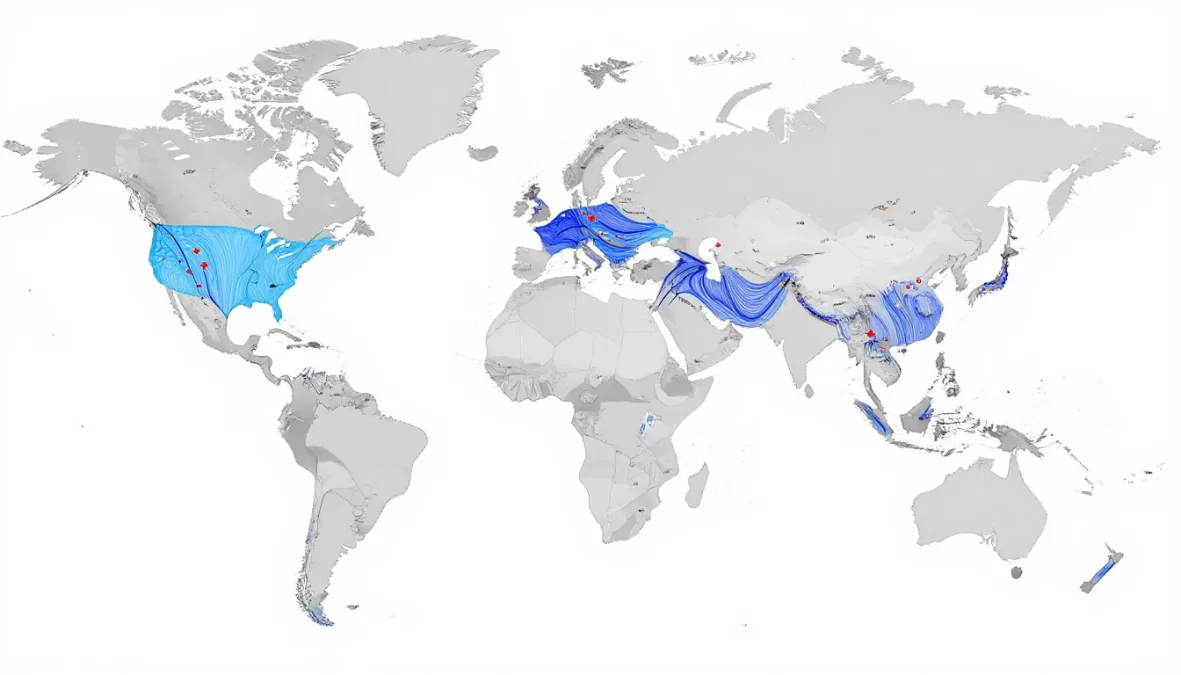
The distribution of the world’s oil reserves remains highly concentrated in 2026. Just four countries control more than half of global proven reserves, with the Middle East continuing to dominate. Regional distribution shows the Middle East holding approximately 48% of global reserves, followed by South America (21%), North America (13%), Europe and Eurasia (8%), Africa (7%), and Asia Pacific (3%).
Stay Updated on Global Energy Markets
Want to track changes in global oil reserves and production capacity? Subscribe to our quarterly Energy Market Insights newsletter for the latest data and analysis.
Top 10 Oil Reserve Countries in the World 2026
The following ranking presents the countries with the largest proven oil reserves as of 2026, based on consolidated data from international energy agencies, government reports, and industry analyses.
| Rank | Country | Proven Reserves (Billion Barrels) | % of Global Reserves | Major Oil Companies |
| 1 | Venezuela | 303.2 | 20.2% | PDVSA, Chevron, CNPC |
| 2 | Saudi Arabia | 267.2 | 17.8% | Saudi Aramco, Total, Lukoil |
| 3 | Iran | 208.6 | 13.9% | NIOC, Sinopec, ONGC |
| 4 | Canada | 163.0 | 10.9% | Suncor, CNRL, Imperial Oil |
| 5 | Iraq | 145.0 | 9.7% | BOC, BP, ExxonMobil |
| 6 | United Arab Emirates | 113.0 | 7.5% | ADNOC, BP, Total |
| 7 | Kuwait | 101.5 | 6.8% | KPC, Shell, Total |
| 8 | Russia | 80.0 | 5.3% | Rosneft, Lukoil, Gazprom |
| 9 | Libya | 48.4 | 3.2% | NOC, Eni, Total |
| 10 | United States | 45.0 | 3.0% | ExxonMobil, Chevron, ConocoPhillips |
1. Venezuela – 303.2 Billion Barrels
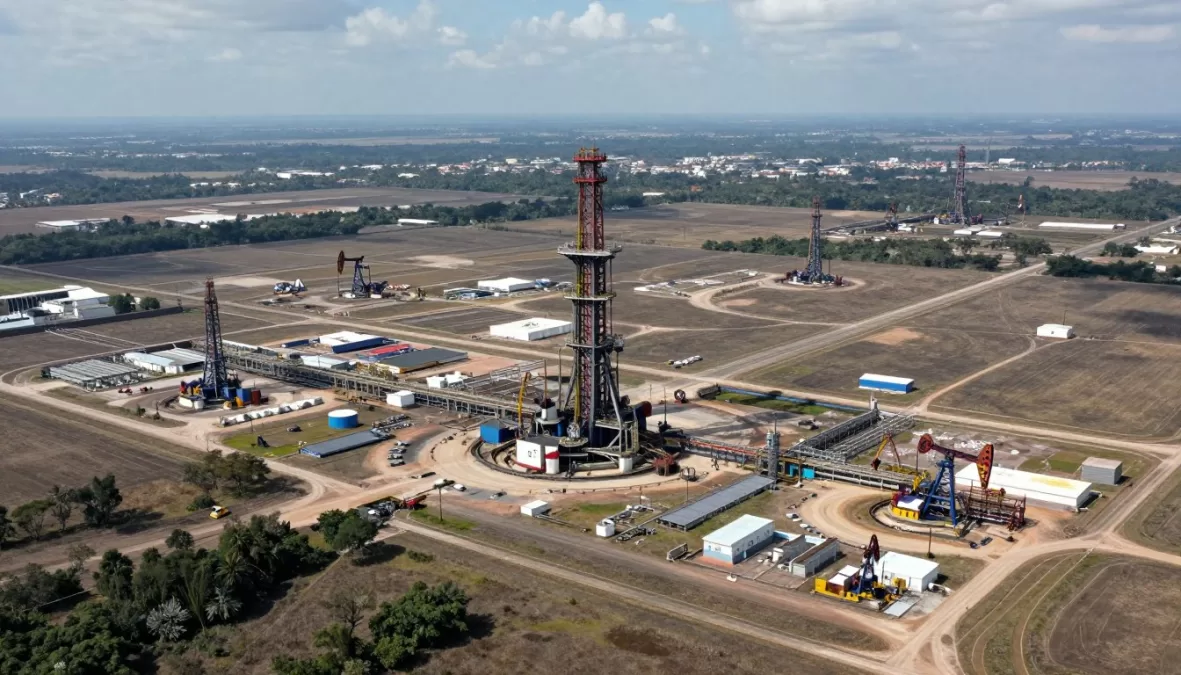
Venezuela maintains its position as the country with the largest proven oil reserves in the world, with 303.2 billion barrels as of 2026. The majority of these reserves are located in the Orinoco Heavy Oil Belt, containing extra-heavy crude that requires specialized extraction and refining techniques.
Despite its vast resources, Venezuela’s production capacity has been severely constrained by political instability, economic challenges, and international sanctions. In January 2026, a significant geopolitical shift occurred when the United States gained control over Venezuela’s oil industry following the capture of President Nicolás Maduro, potentially transforming global oil markets if production increases.
Key oil fields include the Orinoco Belt projects, Maracaibo Basin, and Maturin Basin. The state-owned PDVSA remains the primary operator, with increasing involvement from international partners as political conditions evolve.
2. Saudi Arabia – 267.2 Billion Barrels
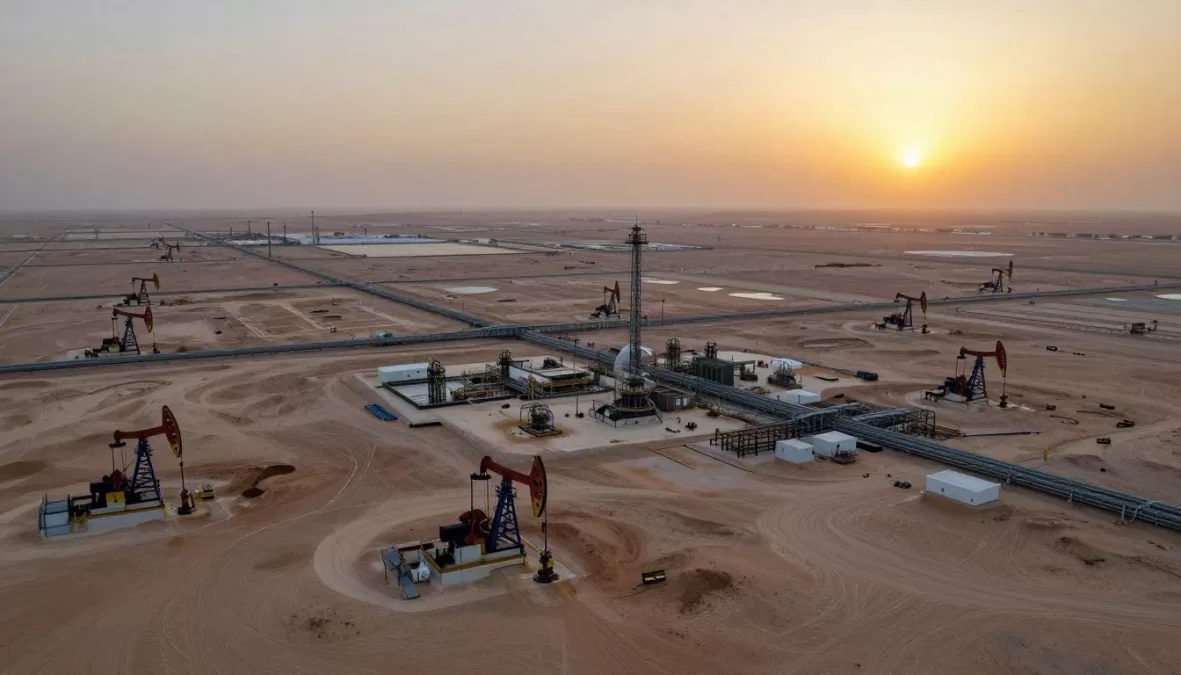
Saudi Arabia holds 267.2 billion barrels of proven oil reserves, maintaining its position as the second-largest reserve holder globally. Unlike Venezuela, Saudi Arabia’s reserves consist primarily of light, sweet crude that is relatively inexpensive to extract and refine, giving the kingdom significant advantages in production economics.
The country’s reserves are concentrated in several supergiant fields, including Ghawar (the world’s largest conventional oil field), Safaniya, Zuluf, and Shaybah. Saudi Aramco, the state-owned oil company and world’s most valuable publicly traded company, manages these resources with increasing technological sophistication.
Saudi Arabia continues to balance its role as a swing producer in global oil markets with its Vision 2030 economic diversification initiative, which aims to reduce the kingdom’s dependence on oil revenues while maintaining its energy leadership position.
3. Iran – 208.6 Billion Barrels
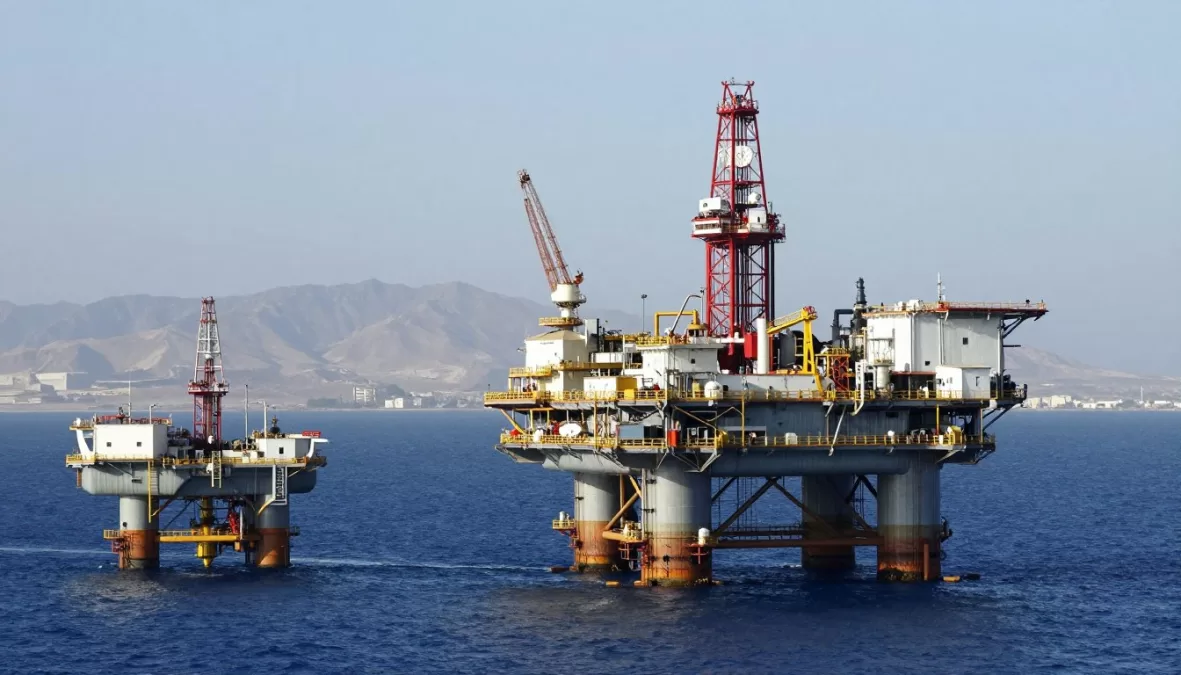
Iran possesses 208.6 billion barrels of proven oil reserves, ranking third globally. The country’s reserves are primarily located in the southwestern Khuzestan region near the Iraqi border and offshore in the Persian Gulf. Major fields include Ahwaz, Marun, Gachsaran, and Azadegan.
Despite its enormous potential, Iran’s ability to fully monetize its reserves continues to be hampered by international sanctions and investment constraints. The National Iranian Oil Company (NIOC) manages these resources, with increasing technical cooperation from Asian partners.
Iran’s production capacity has fluctuated significantly based on geopolitical conditions, with potential for substantial growth if international relations normalize. The country’s reserves are characterized by relatively low production costs but require significant infrastructure investment to reach full potential.
4. Canada – 163.0 Billion Barrels
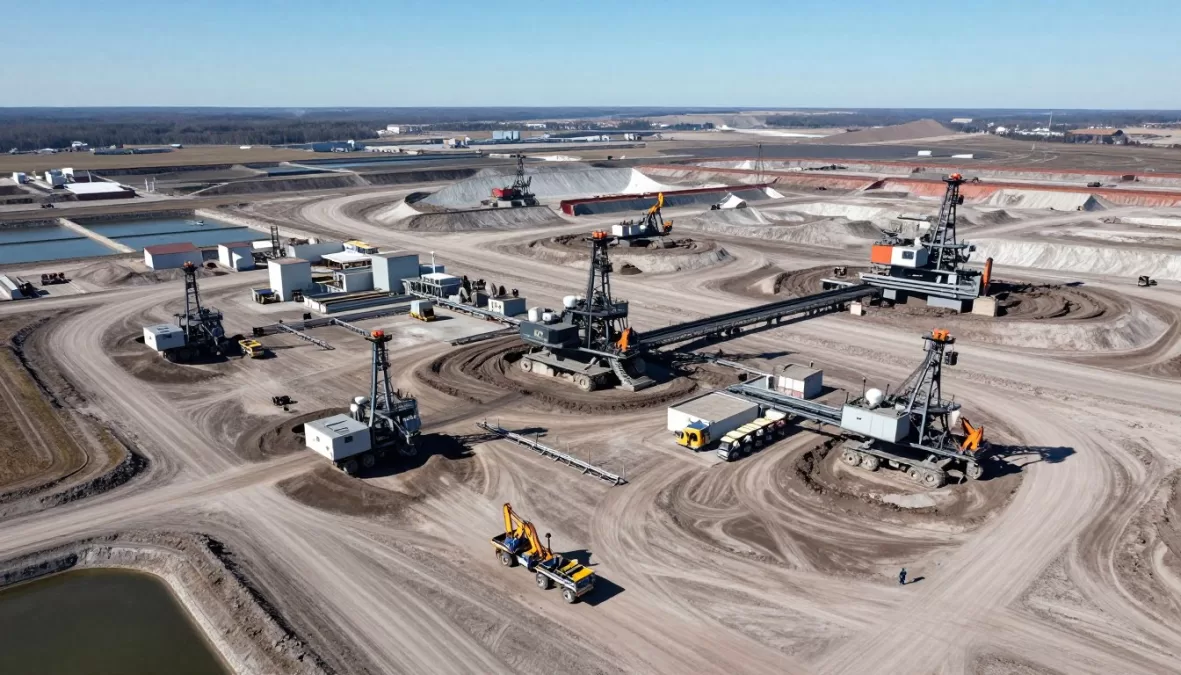
Canada holds 163.0 billion barrels of proven oil reserves, placing it fourth globally. Unlike conventional crude reserves, approximately 97% of Canada’s reserves are in oil sands deposits in Alberta, primarily in the Athabasca, Cold Lake, and Peace River regions.
These unconventional reserves require specialized extraction methods, including surface mining and in-situ techniques like steam-assisted gravity drainage (SAGD). Production costs remain higher than conventional oil, though technological improvements have steadily enhanced efficiency and reduced environmental impacts.
Major operators include Suncor Energy, Canadian Natural Resources Limited, and Imperial Oil. Canada’s stable political environment and proximity to the U.S. market provide strategic advantages, though transportation constraints and environmental concerns continue to influence development.
5. Iraq – 145.0 Billion Barrels
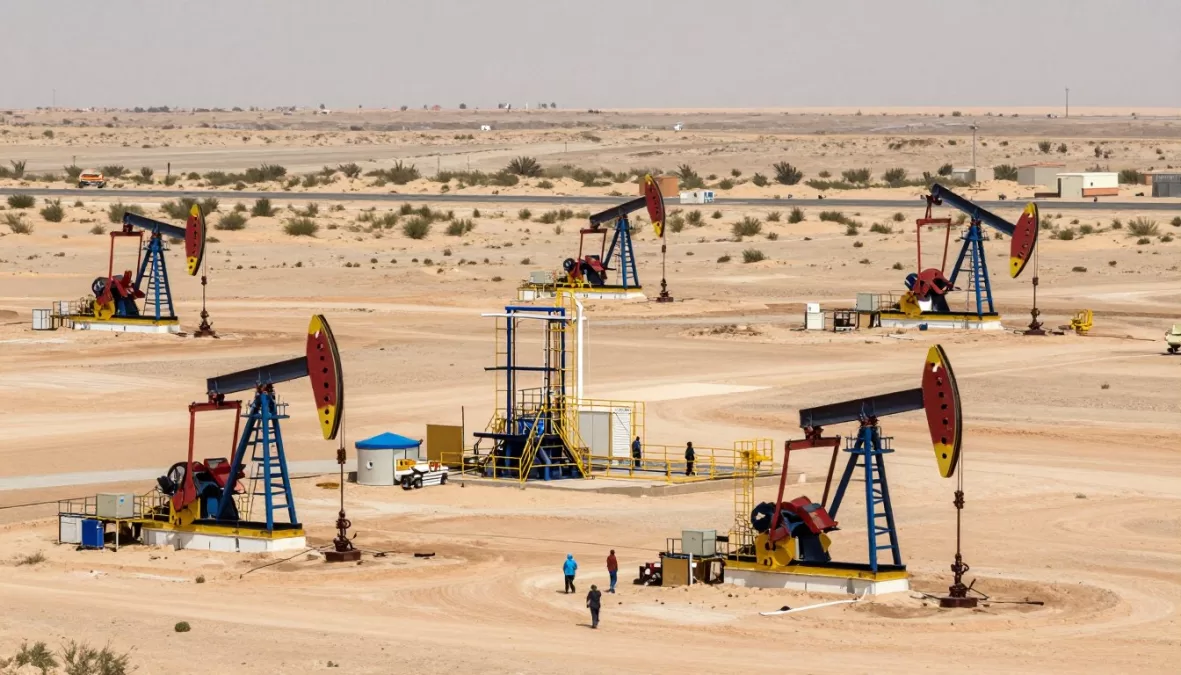
Iraq possesses 145.0 billion barrels of proven oil reserves, ranking fifth globally. The country’s reserves are concentrated in several supergiant fields, including Rumaila, West Qurna, Majnoon, and Kirkuk. Iraqi crude is generally medium to light with low sulfur content, making it relatively inexpensive to refine.
Despite decades of conflict and instability, Iraq has steadily increased its production capacity, though it remains well below potential. The Basra Oil Company (BOC) and other state entities manage these resources, with significant involvement from international oil companies through technical service contracts.
Iraq’s production costs are among the lowest globally, creating substantial economic potential if security and infrastructure challenges can be addressed. The country’s OPEC membership also influences its production decisions and market impact.
Countries Ranked 6-10: Significant Reserve Holders
6. United Arab Emirates
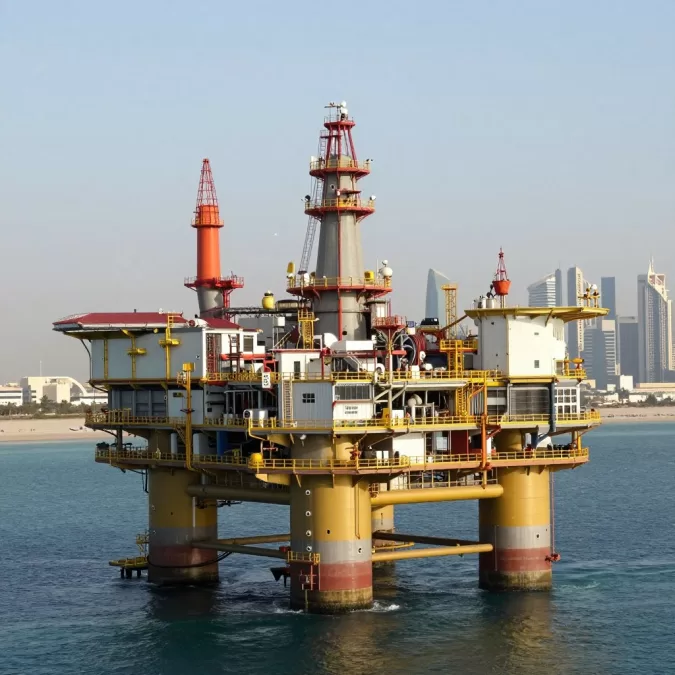
The UAE holds 113.0 billion barrels of proven reserves, primarily in Abu Dhabi. The Abu Dhabi National Oil Company (ADNOC) manages these resources through innovative partnerships and technology investments. Major fields include Upper Zakum, Lower Zakum, and Umm Shaif.
7. Kuwait
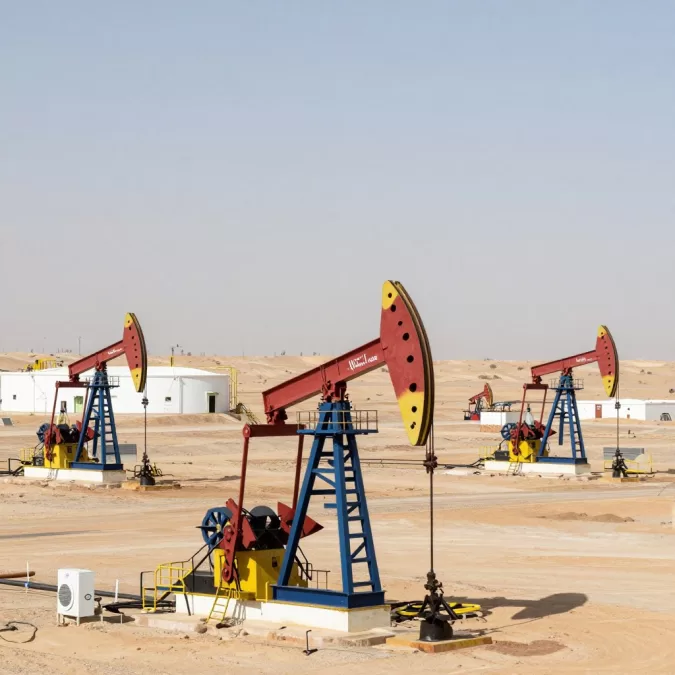
Kuwait possesses 101.5 billion barrels of proven reserves, dominated by the Burgan field, the world’s second-largest conventional oil field. Kuwait Petroleum Corporation (KPC) manages these resources with a focus on maintaining long-term production capacity.
8. Russia
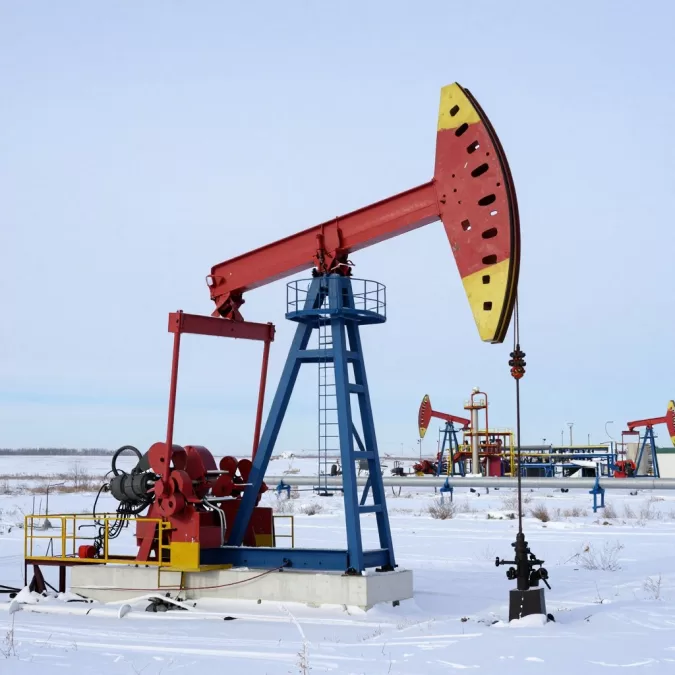
Russia holds 80.0 billion barrels of proven reserves spread across Western Siberia, Urals-Volga, and new Arctic developments. Rosneft, Lukoil, and Gazprom dominate production, with increasing focus on technologically challenging reserves as mature fields decline.
9. Libya
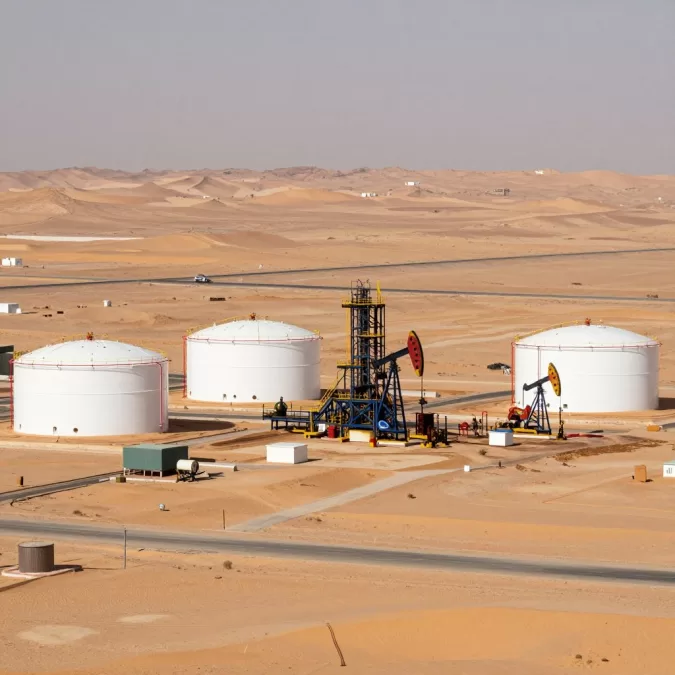
Libya possesses 48.4 billion barrels of proven reserves, primarily in the Sirte Basin. The National Oil Corporation (NOC) oversees these high-quality, low-sulfur reserves, though political instability continues to limit production potential.
10. United States
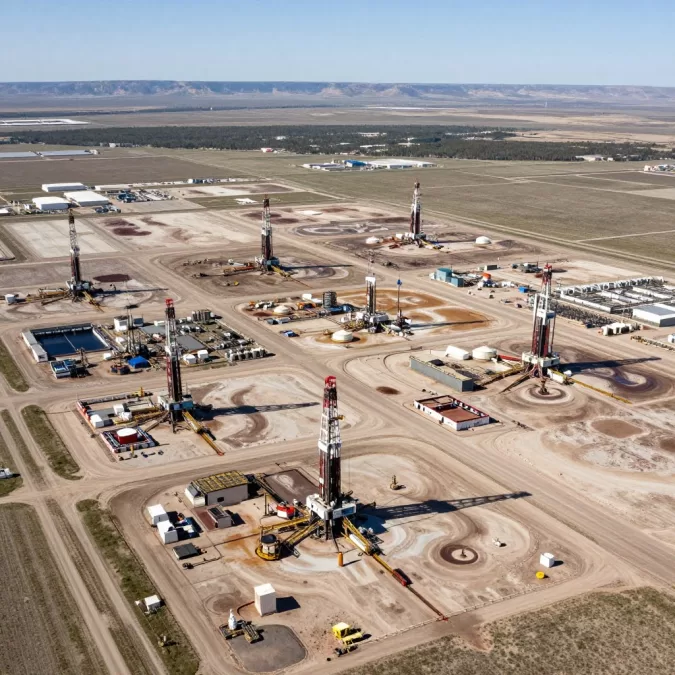
The United States holds 45.0 billion barrels of proven reserves, with significant contributions from shale formations in the Permian Basin, Eagle Ford, and Bakken. Technological innovation in hydraulic fracturing and horizontal drilling continues to unlock previously inaccessible resources.
Other Notable Countries
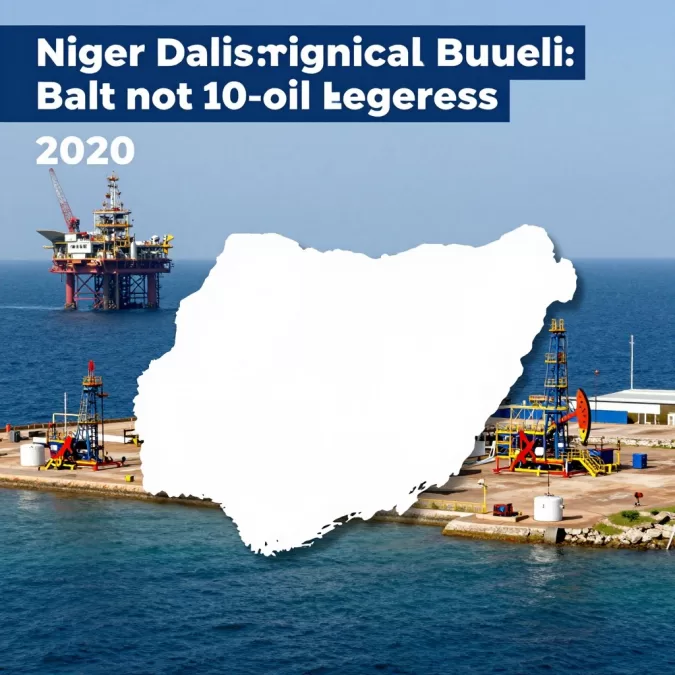
Just outside the top 10, countries like Nigeria (37.3 billion barrels), Kazakhstan (30.0 billion), and China (28.2 billion) maintain significant reserves that contribute substantially to regional energy security and economic development.
Production Capacity vs. Reserve Size
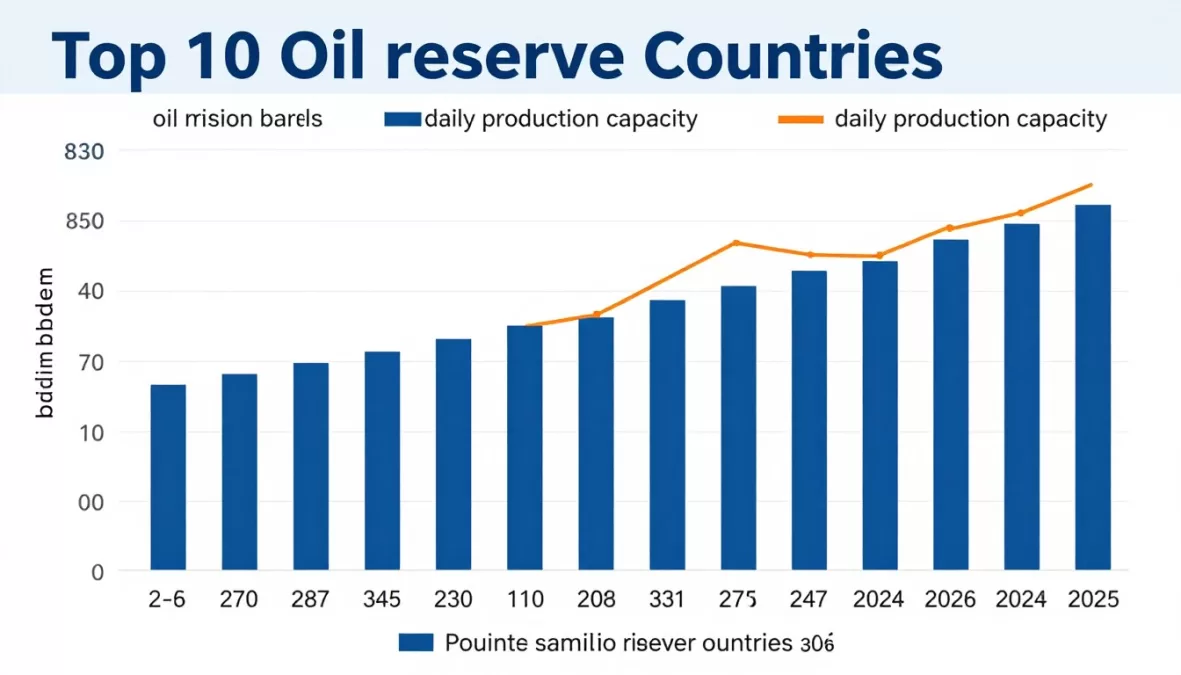
While reserve size indicates long-term potential, production capacity reflects a country’s current ability to extract and market its resources. Saudi Arabia leads in production efficiency, with capacity to produce over 12 million barrels per day from its reserves. The United States, despite ranking 10th in reserves, maintains production of approximately 11.5 million barrels daily through technological efficiency.
Conversely, Venezuela’s massive reserves yield relatively modest production of under 1 million barrels per day due to technical, economic, and political constraints. This disparity between reserves and production highlights the importance of infrastructure, technology, and governance in monetizing oil resources.
Geopolitical Significance of Oil Reserves in 2026
Oil reserves continue to shape international relations and security considerations in 2026. The Middle East, with approximately 48% of global reserves, maintains its strategic importance despite diversification efforts. The U.S. intervention in Venezuela represents a significant shift in Western Hemisphere energy politics, potentially transforming global supply patterns if production increases.
OPEC+ countries control roughly 70% of global reserves, providing continued influence over market stability and pricing. Meanwhile, technological advancements in unconventional extraction have enhanced energy security for countries like the United States and Canada, reducing their vulnerability to supply disruptions.
As climate policies advance globally, countries with low-cost reserves and lower carbon intensity production methods are better positioned for long-term market resilience. This creates strategic incentives for reserve holders to maximize efficiency and minimize emissions intensity.
Future Outlook: Oil Reserves Beyond 2026
Several factors will influence the strategic value of oil reserves in the coming decades. The energy transition continues to accelerate, with renewable energy and electric vehicles gradually reducing oil demand growth rates. However, petrochemicals, aviation, and heavy transport maintain significant oil requirements, ensuring continued relevance for major reserve holders.
Technological developments in enhanced oil recovery could unlock additional reserves from existing fields, potentially increasing recovery rates by 5-15%. Meanwhile, carbon management technologies, including carbon capture and storage, may extend the viability of reserves in a carbon-constrained world.
Countries diversifying their economies while maintaining production efficiency, like Saudi Arabia and the UAE, appear best positioned for the evolving energy landscape. Those heavily dependent on high-cost or carbon-intensive production face increasing challenges as environmental standards tighten globally.
Key Trends Shaping Future Oil Reserve Valuations
- Accelerating energy transition reducing long-term demand growth
- Increasing focus on carbon intensity of production
- Growing importance of production flexibility and cost efficiency
- Rising geopolitical competition for strategic resource control
- Technological advancements enhancing recovery from existing fields
Conclusion
The top 10 oil reserve countries in the world continue to hold significant economic and strategic power in 2026, despite the accelerating energy transition. Venezuela’s massive reserves remain largely untapped, while Saudi Arabia’s combination of substantial reserves and efficient production maintains its energy leadership position. The Middle East collectively dominates global reserves, though the Americas hold substantial resources through Venezuela, Canada, and the United States.
Production capacity, extraction costs, and geopolitical stability remain critical factors determining how effectively countries can monetize their reserves. As the world navigates the complex balance between energy security and climate objectives, these vast oil resources will continue to shape global economics and international relations for decades to come.
Download Our Complete Global Oil Reserves Report
Get in-depth analysis of all major oil-producing regions, production forecasts through 2040, and strategic insights on the future of global energy markets.
Sources and Methodology
Data compiled from BP Statistical Review of World Energy 2025, OPEC Annual Statistical Bulletin 2026, International Energy Agency reports, and national energy ministry publications. Reserve estimates represent proven reserves as defined by industry standards and may vary based on reporting methodologies and classification systems.

Priyanka Pandey
Senior Research Editor · Top10Sense
Priyanka specializes in tech, consumer products, and digital trends. She combines hands-on testing, vendor interviews, and database research to create trustworthy “Top 10” rankings. Her work has been referenced by industry blogs and brand report pages.