
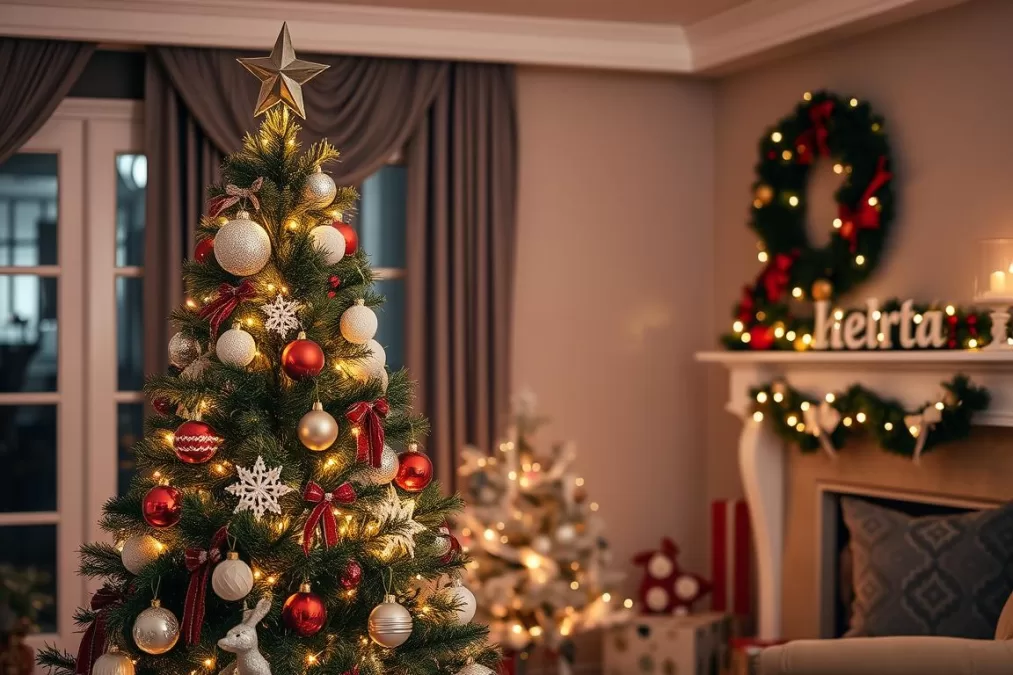
As the holiday season approaches, there’s something deeply comforting about unpacking cherished Christmas decorations that have been part of our celebrations for years. These traditional ornaments and festive pieces do more than just beautify our homes—they connect us to our heritage, evoke childhood memories, and create a sense of continuity across generations. In this guide, we’ll explore the top 10 traditional Christmas decorations that have stood the test of time, their fascinating histories, and how they continue to bring holiday magic into our homes year after year.
1. The Classic Christmas Tree
The Christmas tree stands as perhaps the most iconic of all holiday decorations. This tradition dates back to 16th century Germany, where evergreen trees were brought indoors and decorated to celebrate the season. Christians began adorning these trees with candles to symbolize the star that appeared over Bethlehem at Christ’s birth.
By the 19th century, German settlers had introduced the Christmas tree tradition to the United States, where it quickly gained popularity. The White House displayed its first decorated Christmas tree in 1853, helping to cement this tradition in American culture. Early trees were decorated with natural items like apples, nuts, and homemade ornaments before commercial decorations became widely available.
Today, whether you prefer a fresh-cut pine or a high-quality artificial tree, this centerpiece of Christmas decor creates a magical focal point in your home. For the most traditional look, consider decorating with a combination of meaningful ornaments, warm white lights, and a star or angel topper.
2. Glass Ornaments
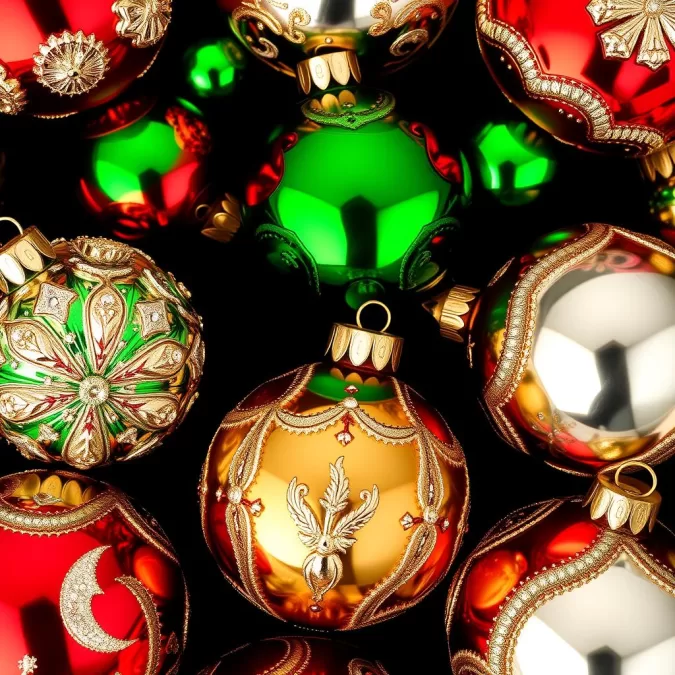
The beautiful glass ornaments that adorn our Christmas trees have a rich history dating back to 16th century Germany. The small German town of Lauscha became famous for its glass-blowing tradition, where artisans first created small glass beads for garlands before evolving their craft to produce the colorful glass ornaments and figurines we recognize today.
These delicate decorations were meticulously hand-blown and hand-painted, requiring considerable skill and artistry. By the mid-20th century, brands like Shiny Brite experienced a surge in popularity in America, solidifying shiny glass baubles as an iconic Christmas tradition that continues to this day.
Vintage-style glass ornaments bring a touch of nostalgia and elegance to any Christmas tree. Many families pass down heirloom ornaments through generations, with each piece telling a story and holding precious memories of holidays past.
3. Traditional Christmas Wreaths
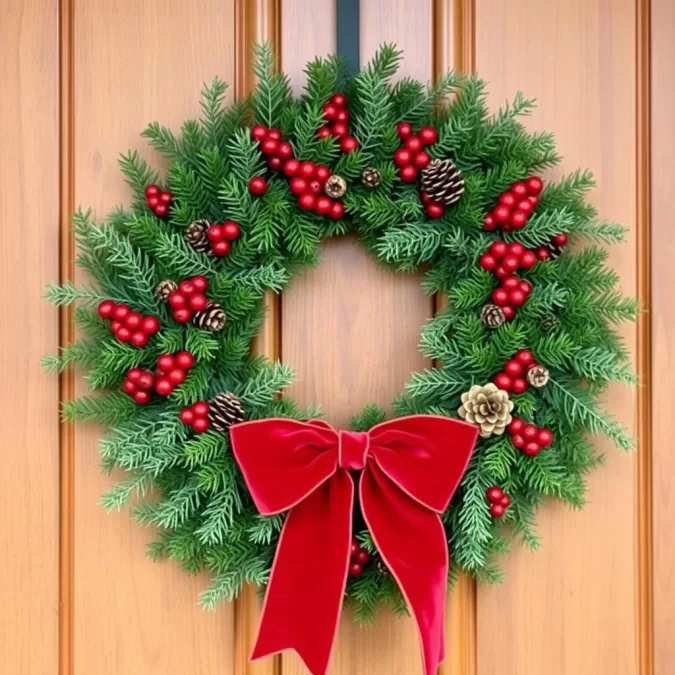
Fresh greenery has been used in Christmas celebrations since the 15th century, but the circular wreath as we know it today emerged in 16th century northern Europe. Originally, wreaths were created from Christmas tree trimmings, with families using every part of the tree to avoid waste. The circular shape came to represent eternal life, a central concept in Christian faith.
These circular arrangements were initially hung on doors or used to hold Advent candles that were lit throughout the four Sundays leading up to Christmas Eve. Today, wreaths remain one of the most popular Christmas decorations, greeting visitors at the front door and setting a festive tone for your home.
For the most traditional look, choose a wreath made from fresh pine or fir branches, adorned with natural elements like pinecones, berries, and a simple red bow. To extend the life of a fresh wreath, soak it for a full day before hanging and mist it regularly to maintain its vibrant appearance.
4. Christmas Stockings
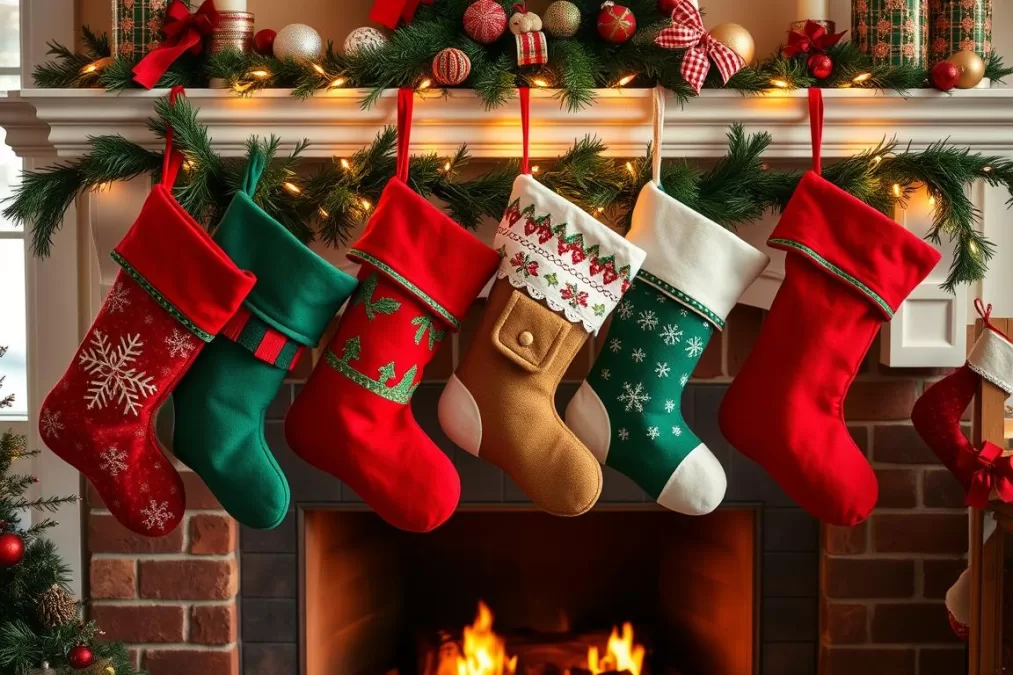
The beloved tradition of hanging Christmas stockings by the chimney dates back to the early 19th century. According to legend, St. Nicholas secretly helped a family suffering from poverty by filling their stockings with bags of gold. Following this tale, children in Europe began hanging stockings or putting out winter boots for St. Nicholas to fill with gifts.
One charming detail of this tradition is that an orange was traditionally placed in the toe of each stocking, representing the gold that St. Nicholas supposedly dropped into the original stockings. This practice continues in many families today, along with small toys, candy, and other trinkets.
Modern Christmas stockings come in countless styles, but the most traditional versions are made from rich fabrics like velvet, wool, or burlap in classic holiday colors. Many families personalize stockings with names or initials, creating heirlooms that can be used year after year.
5. Christmas Lights
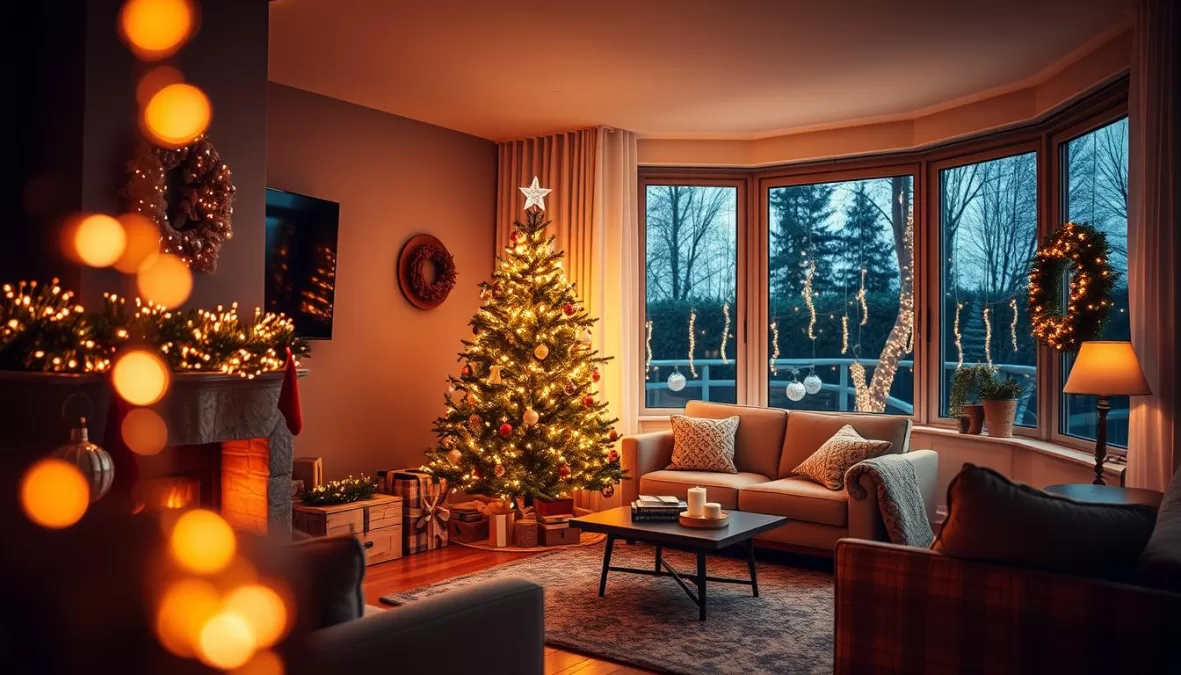
The tradition of illuminating homes during the Christmas season has ancient roots, but electric Christmas lights as we know them today are a relatively modern invention. Before electricity, people used candles to light their Christmas trees, a beautiful but dangerous practice that caused many home fires.
In 1880, Thomas Edison created the first electric light strand as a Christmas decoration for his laboratory. By the 1930s, electric Christmas lights had become more affordable and widely available to the public, transforming holiday decorating forever.
Today, Christmas lights come in countless varieties, from traditional warm white to multicolored strands, from tiny twinkling fairy lights to larger vintage-style bulbs. They’re used to illuminate trees, outline homes, wrap around banisters, and create magical holiday displays both indoors and out.
For a traditional look, opt for warm white lights that create a soft, inviting glow reminiscent of candlelight. LED versions provide the classic appearance while being more energy-efficient and safer than their predecessors.
6. Nativity Scene
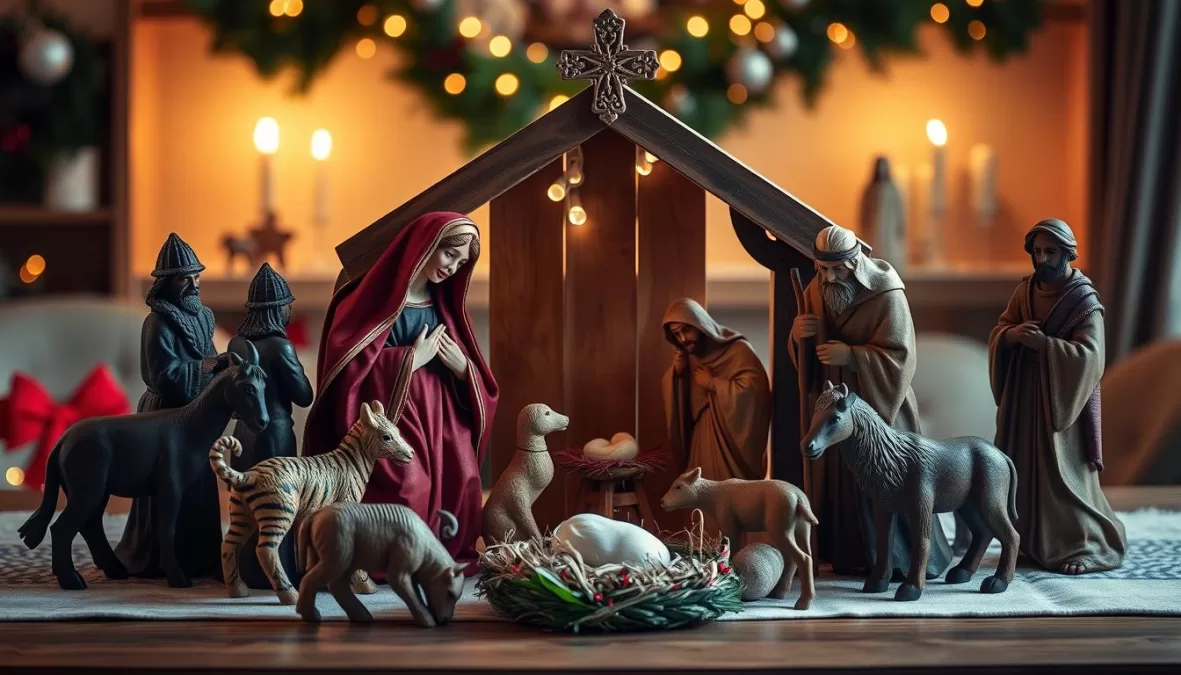
The nativity scene, or crèche, represents the birth of Jesus Christ and is one of the most meaningful Christmas decorations for many families. This tradition began in 1223 when St. Francis of Assisi created the first living nativity scene in Italy to help people connect with the story of Christ’s birth in a more tangible way.
A traditional nativity includes figurines of Mary, Joseph, baby Jesus, the Three Wise Men, shepherds, and various animals present at the manger. Some families display elaborate sets with dozens of pieces, while others prefer simpler interpretations with just the Holy Family.
Many nativity scenes become cherished family heirlooms, passed down through generations and unpacked each year with reverence. Materials range from hand-carved wood to porcelain, ceramic, or olive wood from the Holy Land. Some families follow the tradition of adding the baby Jesus figure to the manger only on Christmas Eve, symbolizing his birth.
7. Christmas Garlands
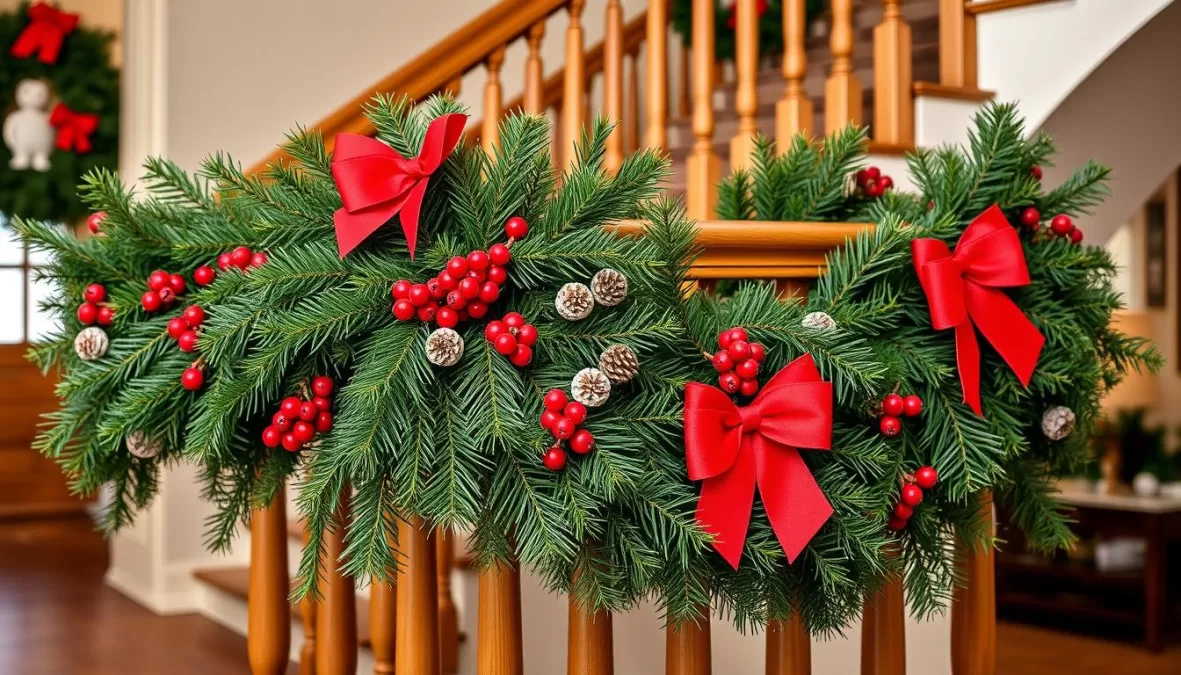
Garlands have practical roots in holiday decorating. In the dark, early days of winter, when fall’s leaves had dropped from the trees, evergreen boughs were one of the few natural ways to bring color and life into the home. These long, flexible decorations have been used for centuries to adorn mantels, doorways, staircases, and tables.
Traditional Christmas garlands are made from evergreen branches like pine, fir, or cedar, often embellished with berries, pinecones, ribbons, or ornaments. Their rich color, full texture, and unmistakable aroma make them a versatile and beloved holiday decoration.
While fresh garlands offer an authentic experience with their natural scent and appearance, high-quality artificial versions have become increasingly popular for their convenience and reusability. Many families combine the two, using artificial garlands as a base and incorporating fresh elements like pine branches or holly for fragrance and authenticity.
8. Christmas Candles
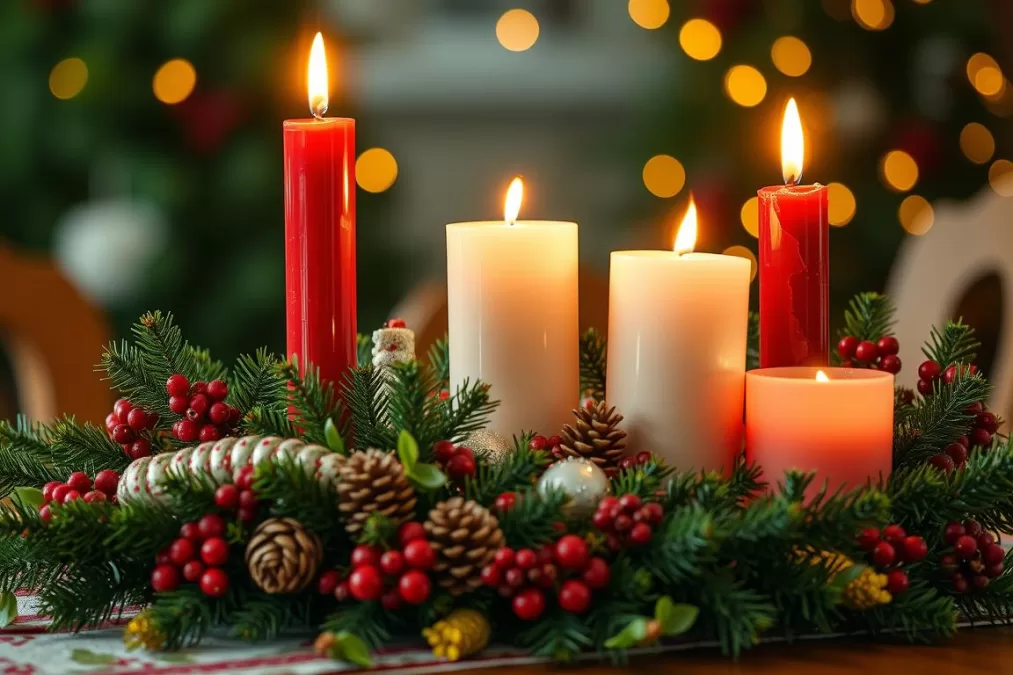
Candles have illuminated Christmas celebrations for centuries, symbolizing the light of Christ coming into the world. Before electric lights, candles were used to decorate Christmas trees, a beautiful but dangerous practice that has thankfully been replaced by safer alternatives.
Today, candles remain an essential part of traditional Christmas decor, creating a warm, inviting atmosphere with their gentle glow. Red and white tapered candles are classic choices, often displayed in brass or silver candlesticks and surrounded by evergreen arrangements.
The Advent wreath, featuring four candles (three purple and one pink, or four red), is another meaningful candle tradition. Each Sunday leading up to Christmas, an additional candle is lit, symbolizing the growing light as Christmas approaches.
Modern interpretations include scented candles in fragrances like pine, cinnamon, cranberry, and vanilla, which help create a multisensory holiday experience throughout the home.
9. Nutcrackers
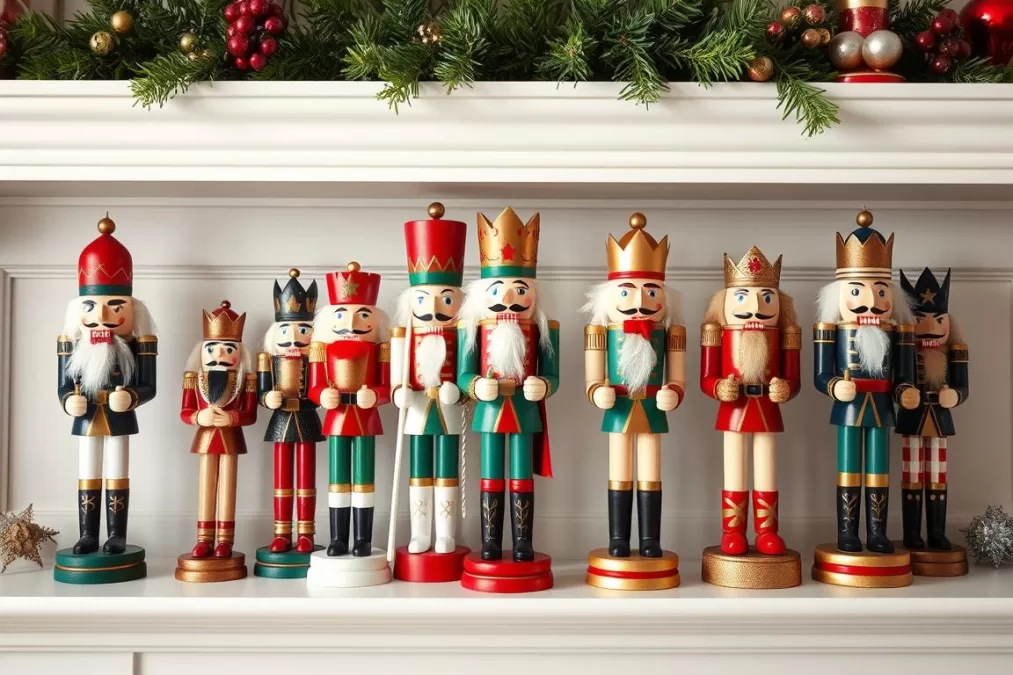
Nutcrackers are wooden dolls originally designed to resemble toy soldiers that served both a decorative and practical purpose—to crack nuts! These iconic figures were first introduced in Germany in the 17th century but gained widespread popularity in the 19th century when they began to be mass-produced in various colors, sizes, and designs.
The nutcracker’s association with Christmas was solidified in 1892 when Tchaikovsky’s ballet “The Nutcracker” premiered in Russia. This beloved holiday performance tells the story of a nutcracker that comes to life on Christmas Eve, further cementing these decorative figures as essential Christmas decor.
Traditional nutcrackers represent soldiers, kings, or knights wearing colorful uniforms and often bearing weapons. While originally made from wood, today’s versions come in various materials and styles. Many families collect nutcrackers, adding a new figure each year to create an impressive holiday display.
10. Christmas Villages
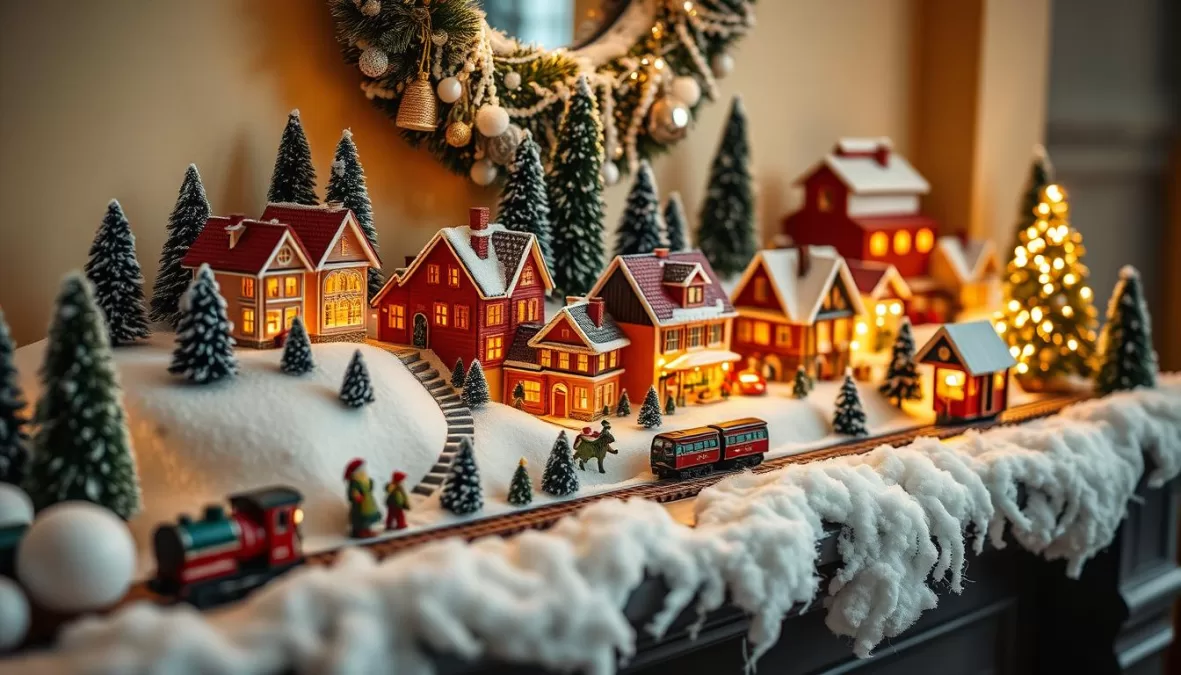
The charming miniature Christmas villages that adorn mantels and windowsills originated in the United States during the late 18th century. These detailed displays typically feature small houses with ornate, colorful decorations and include town staples such as a church, shops, and tiny figurines engaged in winter activities.
Mass production of Christmas villages began in the second half of the 20th century, with early versions made from paper before evolving to porcelain and ceramic materials. As they became collectibles, many families began the tradition of adding new pieces each year, gradually expanding their miniature winter wonderlands.
Modern Christmas villages often include illuminated buildings, moving elements like trains or ice skaters, and carefully crafted details that create a magical miniature world. While some collectors focus on specific themes or time periods, the most traditional villages evoke a nostalgic small-town Christmas from the Victorian era.
Bringing Traditional Christmas Magic Into Your Home
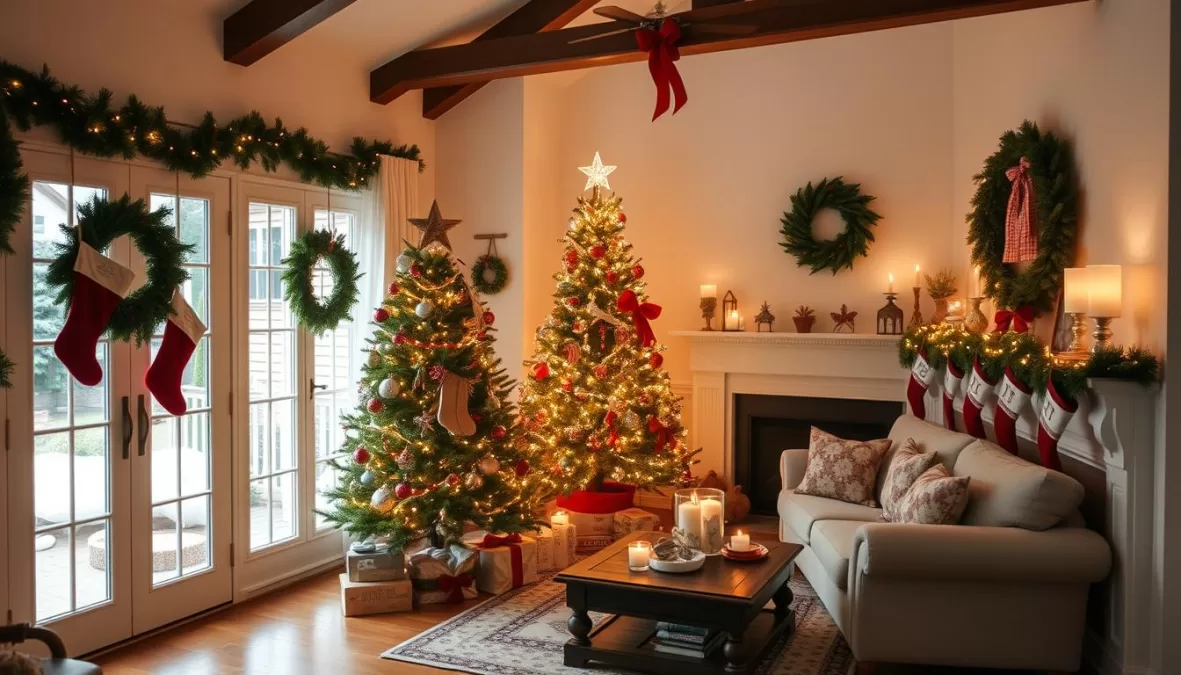
These ten traditional Christmas decorations have stood the test of time for good reason—they connect us to our past while creating new memories for future generations. As you decorate your home this holiday season, consider incorporating these classic elements in ways that reflect your personal style and family traditions.
Remember that traditional doesn’t have to mean outdated. Many of these decorations can be given contemporary updates while still honoring their rich histories. Whether you’re unpacking heirloom ornaments passed down through generations or starting new traditions with your own family, these timeless decorations help create the magical atmosphere that makes Christmas such a special time of year.
Ready to Create Your Traditional Christmas Display?
Start your holiday decorating with quality traditional pieces that will become treasured parts of your family celebrations for years to come.

Priyanka Pandey
Senior Research Editor · Top10Sense
Priyanka specializes in tech, consumer products, and digital trends. She combines hands-on testing, vendor interviews, and database research to create trustworthy “Top 10” rankings. Her work has been referenced by industry blogs and brand report pages.