
Volcanic eruptions stand among nature’s most awe-inspiring and terrifying displays of power. These cataclysmic events have shaped our planet’s geography, altered global climates, and dramatically impacted human civilizations throughout history. From ancient eruptions that plunged regions into darkness to modern explosions captured by satellite imagery, these geological phenomena demonstrate Earth’s raw, unstoppable force.
In this comprehensive exploration, we’ll journey through the ten most massive volcanic eruptions in recorded history, examining their devastating impacts and lasting legacies. We’ll analyze how scientists measure and classify these events, and what they teach us about our planet’s volatile nature.
How Scientists Measure Volcanic Eruptions
The Volcanic Explosivity Index (VEI) scale used by scientists to classify eruption magnitudes
To compare volcanic eruptions across time, scientists use several standardized measurements:
- Volcanic Explosivity Index (VEI): Similar to the Richter scale for earthquakes, the VEI ranks eruptions from 0 (non-explosive) to 8 (mega-colossal). Each increment represents a tenfold increase in explosive power.
- Dense Rock Equivalent (DRE): Measures the volume of magma expelled during an eruption, converted to an equivalent volume of solid rock.
- Tephra Volume: Quantifies all solid material ejected during an eruption, including ash, pumice, and volcanic bombs.
- Sulfur Dioxide Emissions: Critical for understanding climate impacts, as volcanic sulfur dioxide can cause global cooling.
These measurements help volcanologists categorize eruptions and understand their potential impacts on climate, geography, and human populations. The eruptions we’ll explore range from VEI 5 (very large) to VEI 8 (mega-colossal) events that have shaped Earth’s history.
Stay Updated on Earth’s Geological Wonders
Subscribe to our newsletter for fascinating insights into volcanoes, earthquakes, and other natural phenomena. Receive exclusive content about Earth’s most powerful geological events directly to your inbox.
1. Mount Tambora, Indonesia (1815) – VEI 7

Mount Tambora’s eruption stands as the most powerful volcanic event in recorded human history. Located on the island of Sumbawa in Indonesia, this cataclysmic eruption began on April 5, 1815, and reached its peak on April 10-11.
The eruption ejected an estimated 150 cubic kilometers of ash and debris into the atmosphere, reducing the volcano’s height by one-third. The immediate devastation was catastrophic, with pyroclastic flows destroying nearby villages and tsunamis generated by the eruption’s force.
However, Tambora’s most profound impact was global. The massive amount of sulfur dioxide released into the stratosphere created a volcanic winter that lowered global temperatures by 0.4–0.7°C. The year 1816 became known as the “Year Without a Summer,” causing crop failures and famine across North America, Europe, and Asia. This climate disruption led to widespread food shortages, disease outbreaks, and an estimated 100,000 additional deaths worldwide.
2. Krakatoa, Indonesia (1883) – VEI 6

The eruption of Krakatoa (also spelled Krakatau) in Indonesia on August 26-27, 1883, stands as one of history’s most violent volcanic events. Located between Java and Sumatra, this eruption’s final explosion was so powerful that it was heard nearly 3,000 miles away in Australia and the Indian Ocean island of Rodrigues—the loudest sound historically recorded.
The explosion completely destroyed the island, creating a caldera where the peak once stood. The most devastating consequence was a series of tsunamis, with waves reaching heights of up to 40 meters (131 feet), killing approximately 36,000 people in coastal areas.
Krakatoa’s global impact was also significant. The eruption ejected so much ash and aerosols into the atmosphere that it filtered sunlight for years, causing global temperatures to drop by about 1.2°C and creating spectacular, colorful sunsets worldwide. These unusual sunsets were immortalized in artwork of the period, including Edvard Munch’s famous painting “The Scream.”
3. Hunga Tonga-Hunga Ha’apai, Tonga (2022) – VEI 5.7
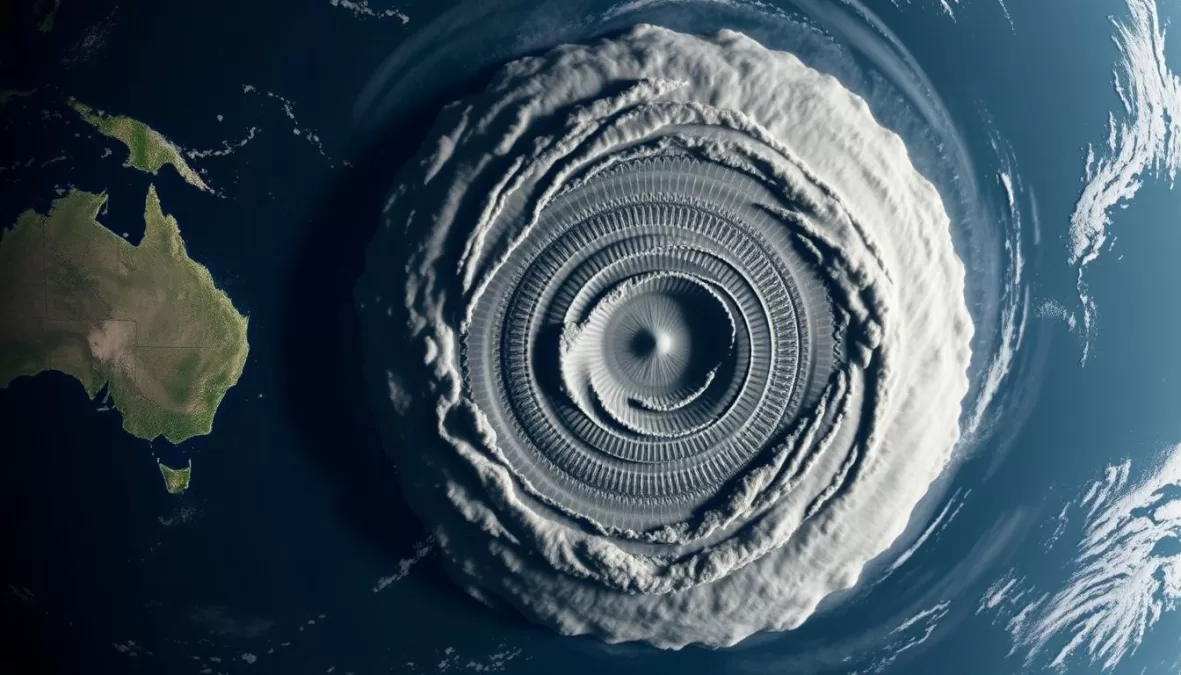
The 2022 eruption of Hunga Tonga-Hunga Ha’apai represents one of the most powerful volcanic events in modern times. This submarine volcano in the South Pacific Kingdom of Tonga began showing activity in December 2021, with the main eruption occurring on January 15, 2022.
What made this eruption extraordinary was its interaction with seawater. The underwater explosion created a massive steam explosion that sent an ash plume 58 kilometers (36 miles) into the atmosphere—the highest in satellite record. The eruption released energy equivalent to hundreds of Hiroshima bombs and generated atmospheric pressure waves that circled the globe multiple times.
The eruption injected an unprecedented 50 million tons of water vapor into the stratosphere, which scientists predict will temporarily warm the planet for several years. It also triggered tsunamis across the Pacific, causing damage as far away as South America. Despite its immense power, modern early warning systems helped limit the death toll to six people.
4. Novarupta, Alaska (1912) – VEI 6
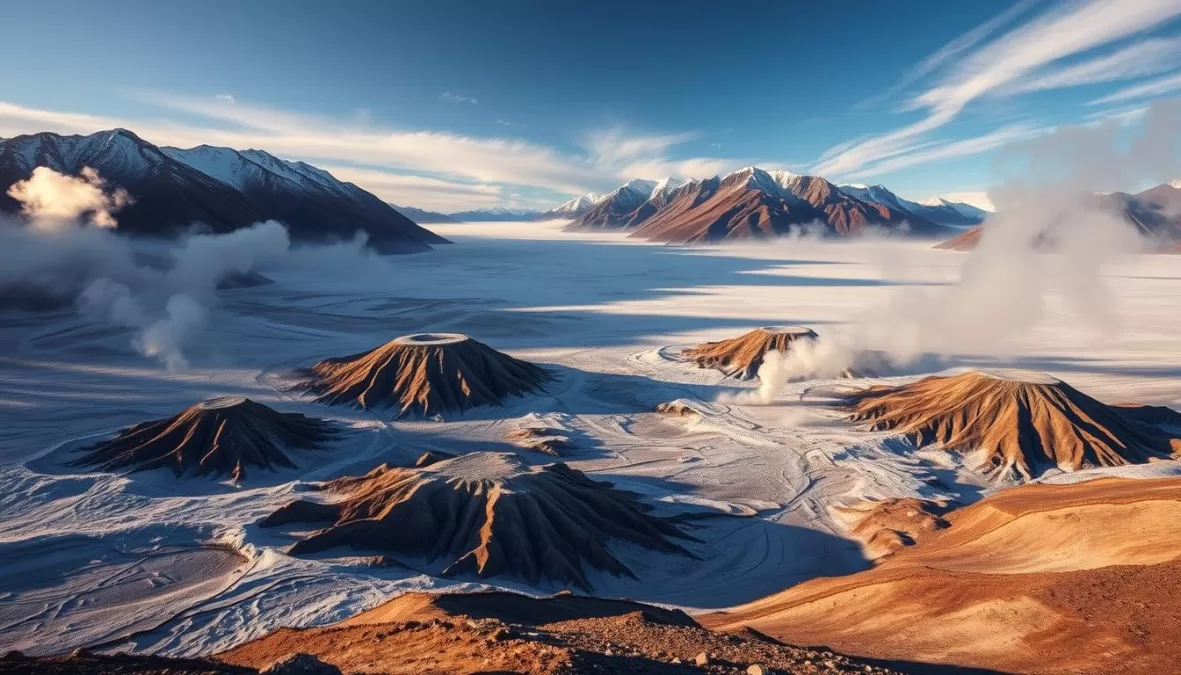
The Novarupta eruption of June 6-8, 1912, in Alaska stands as the largest volcanic eruption of the 20th century. Located on the Alaska Peninsula, this previously unknown volcano erupted with tremendous force, creating a new volcanic vent.
Over 60 hours, Novarupta expelled approximately 13-14 cubic kilometers of magma, creating the spectacular Valley of Ten Thousand Smokes as pyroclastic flows filled the Ukak River valley with up to 200 meters of ash deposits. The eruption column reached 32 kilometers (20 miles) into the atmosphere.
Despite its power, Novarupta’s remote location meant no human casualties were recorded, though wildlife populations, especially birds, were devastated. The ash fall was so heavy that in Kodiak, about 100 miles away, people needed lanterns at midday because ash blocked the sunlight for 60 hours. The eruption provided scientists with valuable insights into pyroclastic flows, as this was the first time such flows had been extensively studied on land.
5. Mount Pinatubo, Philippines (1991) – VEI 6
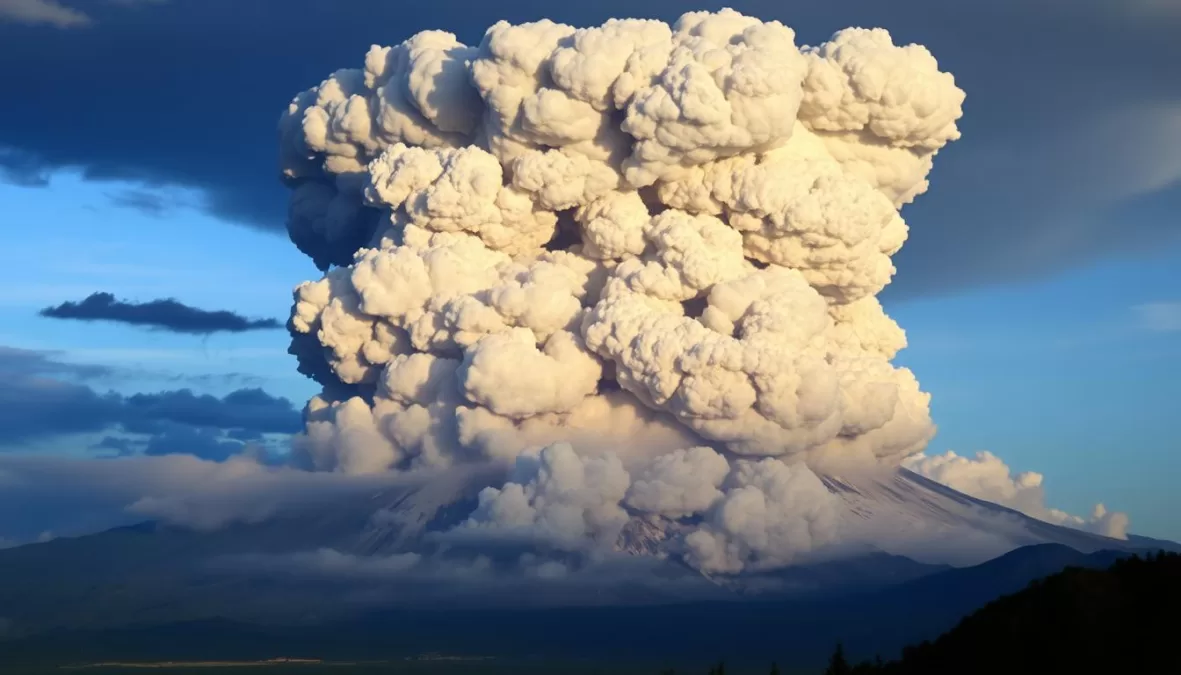
After six centuries of dormancy, Mount Pinatubo in Luzon, Philippines, awakened with a series of eruptions culminating in a climactic explosion on June 15, 1991. This eruption became the second-largest volcanic event of the 20th century.
Pinatubo ejected approximately 10 cubic kilometers of material and created an eruption column 35 kilometers (22 miles) high. The eruption coincided with Typhoon Yunya, which spread ash over a wider area and caused ash-laden roofs to collapse under the added weight of rain.
The eruption’s most significant global impact came from the 20 million tons of sulfur dioxide released into the stratosphere, which formed a global layer of sulfuric acid haze. This aerosol layer reflected solar radiation back to space, cooling the Earth’s surface by approximately 0.5°C for about two years. The successful evacuation of tens of thousands of people before the main eruption, thanks to accurate scientific predictions, prevented what could have been a much higher death toll.
6. Santa María, Guatemala (1902) – VEI 6

After being dormant for at least 500 years, Santa María volcano in Guatemala produced one of the largest eruptions of the 20th century. On October 24, 1902, with little warning, the volcano erupted violently, devastating the surrounding landscape.
The eruption blasted a crater 1 kilometer wide and 300 meters deep on the volcano’s flank. It produced a massive eruption column that reached heights of 28 kilometers (17 miles) and ejected about 6.4 cubic kilometers of material. The ash was so thick that areas up to 160 kilometers away experienced total darkness for up to 53 hours.
Santa María’s eruption was particularly deadly because the local population had no living memory of volcanic activity in the region and thus were unprepared. The eruption killed between 7,000-13,000 people and devastated coffee plantations that were the backbone of Guatemala’s economy. Ash from the eruption traveled as far as San Francisco, over 4,000 kilometers away.
7. Huaynaputina, Peru (1600) – VEI 6
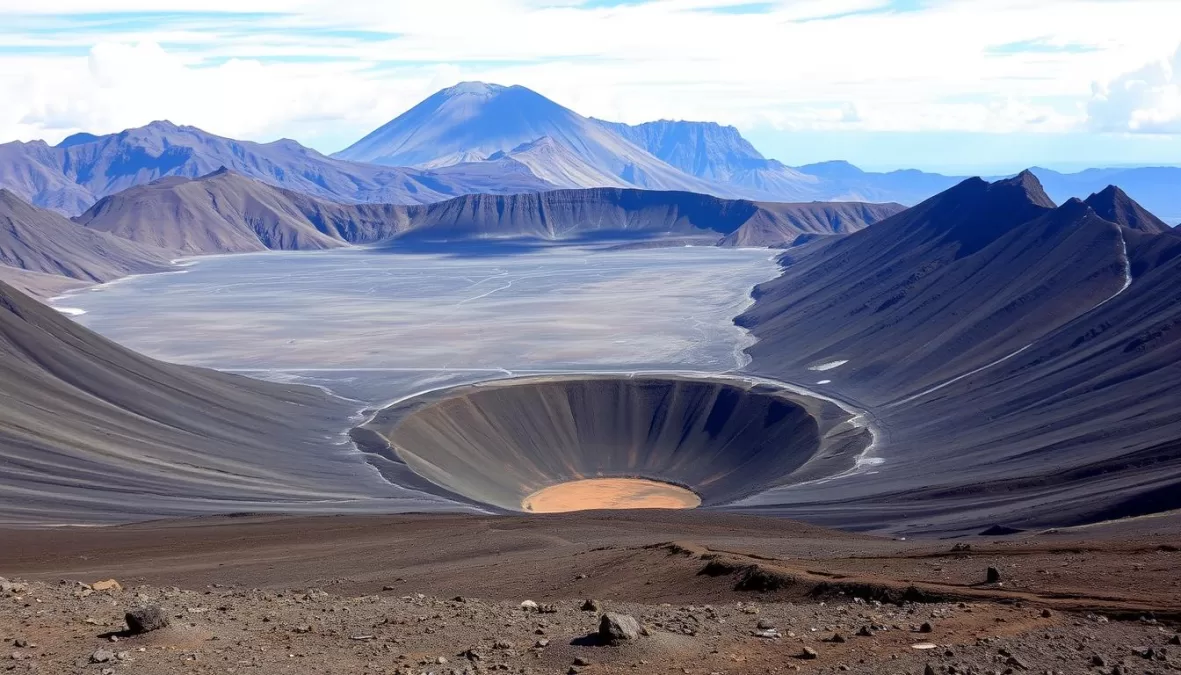
The 1600 eruption of Huaynaputina in southern Peru stands as the largest volcanic explosion in South American recorded history. Unlike typical cone-shaped volcanoes, Huaynaputina is a large volcanic vent on the edge of a canyon, making it less recognizable as a volcano.
Beginning on February 19, 1600, the eruption lasted for about two weeks, ejecting approximately 10 cubic kilometers of tephra. Pyroclastic flows traveled up to 13 kilometers from the vent, and volcanic ash blanketed an area of about 300,000 square kilometers, with ash deposits still visible today.
The global impact of Huaynaputina was significant. The eruption injected large amounts of sulfur into the atmosphere, causing global cooling of approximately 0.5°C. The years 1601 to 1603 were some of the coldest in the Northern Hemisphere in six centuries. Russia experienced its worst famine in history, killing two million people (one-third of the population), while in Europe, late frosts and early winters destroyed harvests. The eruption may have contributed to the collapse of the Inca Empire by disrupting agriculture throughout the region.
8. Mount Thera (Santorini), Greece (1610 BCE) – VEI 7
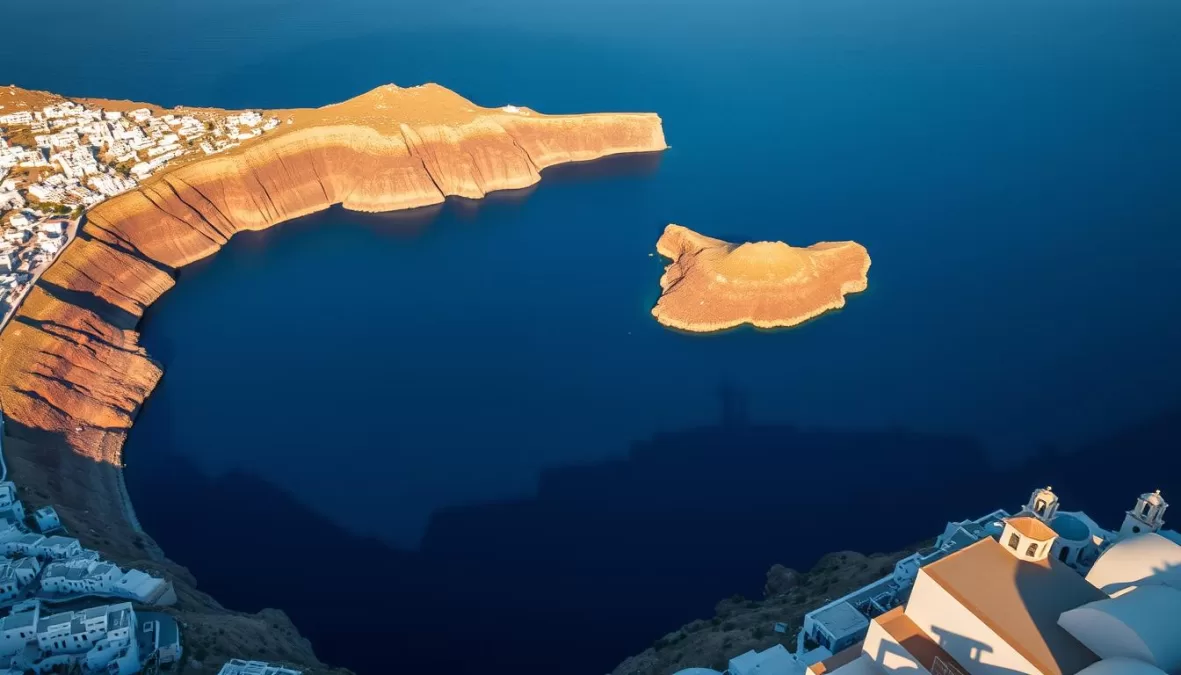
The Minoan eruption of Thera (modern Santorini) around 1610 BCE was one of the largest volcanic events in human civilization. This Mediterranean island volcano exploded with tremendous force, potentially influencing the course of ancient history.
The eruption was four to five times more powerful than Krakatoa, ejecting an estimated 30-60 cubic kilometers of material. It created the current caldera, with the Mediterranean Sea rushing in to fill the void left by the collapsed volcano. The explosion generated massive tsunamis up to 35 meters high that devastated coastal settlements throughout the eastern Mediterranean.
Archaeological evidence suggests the Minoan civilization on nearby Crete may have been severely impacted by the eruption. Some scholars propose that this cataclysm inspired Plato’s story of Atlantis and may be connected to biblical accounts of plagues in Egypt. The eruption’s precise date remains debated, but its impact on Mediterranean civilizations was profound, potentially accelerating the decline of Minoan power and influencing the rise of Mycenaean Greece.
9. Changbaishan Volcano, China/North Korea (946 CE) – VEI 7

The Millennium Eruption of Changbaishan (also known as Paektu Mountain or Baitoushan) around 946 CE was one of the most powerful volcanic events of the last 2,000 years. This stratovolcano located on the border between China and North Korea produced a catastrophic eruption that affected much of Northeast Asia.
The eruption ejected approximately 25-30 cubic kilometers of material, creating a large caldera about 4.5 kilometers across and 0.8 kilometers deep, now filled with the beautiful Tianchi (Heaven Lake). Volcanic ash from the eruption has been found as far away as northern Japan, approximately 1,200 kilometers from the volcano.
Historical records from the Koryo dynasty mention “thunders from heaven, fires and ash-rain,” likely referring to this eruption. The explosion had significant regional climate impacts, with tree ring studies showing evidence of sudden cooling following the event. Today, the volcano remains active with periodic increases in seismic activity, causing concern for both Chinese and North Korean authorities who jointly monitor the mountain.
10. Ethiopia Volcano Eruption (November 2025) – VEI 5
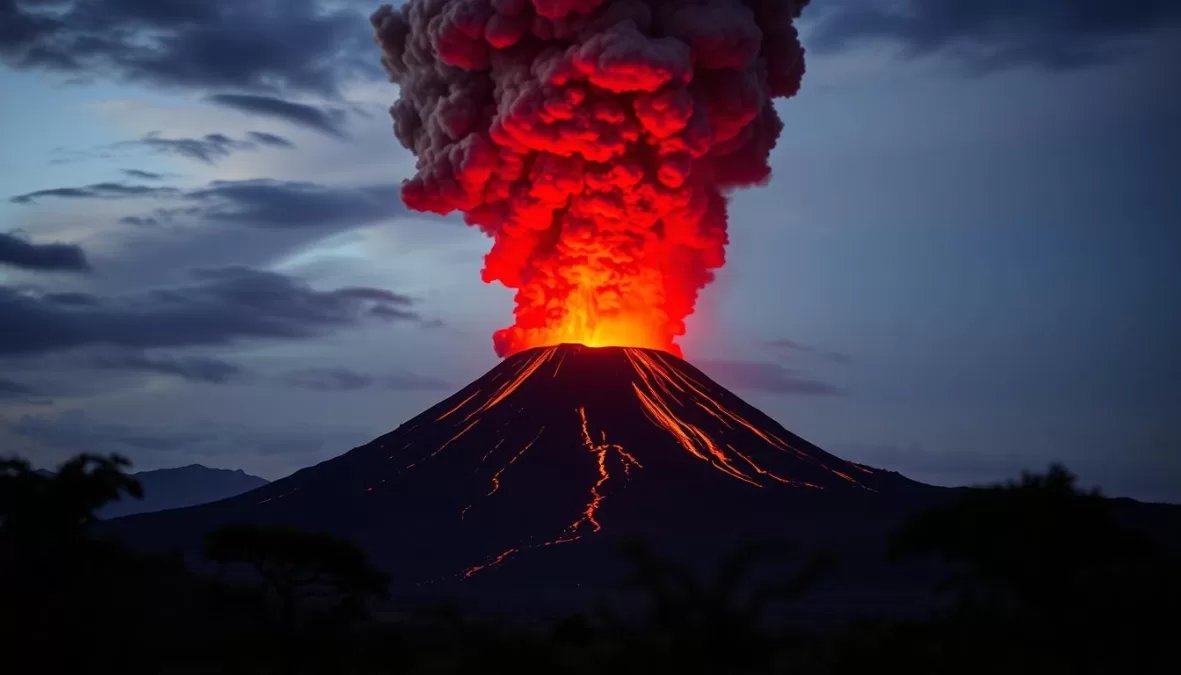
The November 2025 eruption in Ethiopia’s Danakil Depression represents the most significant volcanic event in Africa in recent decades. Located in one of Earth’s most geologically active regions, where three tectonic plates are pulling apart, this eruption has provided scientists with valuable insights into rift valley volcanism.
The eruption began with intense seismic activity followed by a series of fissure eruptions along a 35-kilometer segment of the rift. Unlike explosive eruptions in subduction zones, this event produced massive lava fountains and flows characteristic of divergent boundary volcanism. The eruption ejected approximately 2 cubic kilometers of material and created new land features in this rapidly evolving geological landscape.
Thanks to early warning systems and the remote location, casualties were minimal despite the eruption’s intensity. Scientists are particularly interested in this event because it provides a window into the processes that will eventually split the African continent and create a new ocean basin over geological time. The eruption has also revealed new information about the composition of the mantle beneath East Africa, contributing to our understanding of Earth’s internal structure.
Comparing the Impact of History’s Largest Eruptions
| Volcano | Year | VEI | Erupted Material (km³) | Deaths | Global Climate Impact |
| Mount Tambora | 1815 | 7 | 35-50 | 71,000+ | Severe (Year Without Summer) |
| Krakatoa | 1883 | 6 | 9 | 36,600 | Moderate (0.5°C cooling) |
| Hunga Tonga | 2022 | 5.7 | 7.1 | 6 | Slight warming |
| Novarupta | 1912 | 6 | 13-14 | 0 | Minimal |
| Mount Pinatubo | 1991 | 6 | 4.8 | 1,202 | Moderate (0.5°C cooling) |
| Santa María | 1902 | 6 | 6.4 | 7,000-13,000 | Minimal |
| Huaynaputina | 1600 | 6 | ~10 | ~1,500 | Moderate (0.5°C cooling) |
| Mount Thera | 1610 BCE | 7 | 30-60 | Unknown | Severe |
| Changbaishan | 946 CE | 7 | 25-30 | Unknown | Moderate |
| Ethiopia Volcano | 2025 | 5 | ~2 | Minimal | Minimal |
When comparing these massive eruptions, several patterns emerge. The older eruptions (Tambora, Thera, Changbaishan) tend to have higher VEI ratings and ejected more material than more recent events. However, modern eruptions typically have lower death tolls despite similar explosive power, demonstrating the value of improved monitoring, early warning systems, and evacuation procedures.
Climate impacts correlate strongly with both eruption size and sulfur content. Tambora’s exceptional climate effects resulted from both its massive size and high sulfur content, while some large eruptions like Novarupta had relatively minor climate impacts due to lower sulfur emissions. The recent Ethiopia eruption, while significant, had minimal global climate effects compared to the historical giants like Tambora and Krakatoa.
Deepen Your Understanding of Earth’s Volcanic Forces
Want to learn more about the science behind volcanic eruptions and their impact on our planet? Download our comprehensive guide “Understanding Earth’s Volcanic Systems” for in-depth analysis, stunning visualizations, and expert insights.
The Ongoing Impact of Volcanic Activity on Our Planet
These ten colossal eruptions represent just a fraction of Earth’s volcanic activity throughout history, yet they demonstrate the tremendous power these geological features wield over our planet and civilization. From climate alteration and mass extinction to soil enrichment and land creation, volcanoes are fundamental shapers of Earth’s systems.
Modern volcanology has made remarkable progress in monitoring and predicting eruptions, potentially saving thousands of lives as demonstrated by the successful evacuations before the Pinatubo and Hunga Tonga eruptions. Yet even with our advanced technology, the raw power of a major eruption remains largely beyond human control.
As we look to the future, continued research into volcanic processes is essential for protecting vulnerable populations and understanding our changing planet. The recent Ethiopia eruption reminds us that volcanic activity continues to shape our world, and by studying these powerful events, we gain not only practical knowledge for disaster mitigation but also deeper insights into the dynamic forces that have shaped Earth throughout its 4.5-billion-year history.

Priyanka Pandey
Senior Research Editor · Top10Sense
Priyanka specializes in tech, consumer products, and digital trends. She combines hands-on testing, vendor interviews, and database research to create trustworthy “Top 10” rankings. Her work has been referenced by industry blogs and brand report pages.