

True horror stories have fascinated humanity since the beginning of recorded history. Unlike fictional tales crafted to frighten, these accounts derive their power from one chilling fact: they actually happened. From unexplained phenomena to documented hauntings, these stories transcend cultural boundaries and remind us that sometimes reality is far more terrifying than fiction. Join us as we explore ten of the most disturbing true horror stories from around the world, each backed by historical records, eyewitness accounts, and enduring cultural impact.
1. Aokigahara: Japan’s Suicide Forest
Aokigahara Forest at the base of Mount Fuji, known as the “Sea of Trees”
At the northwestern base of Japan’s iconic Mount Fuji lies Aokigahara, a 14-square-mile forest known locally as “Jukai” (Sea of Trees). What makes this dense woodland truly terrifying isn’t just its disorienting nature, but its grim reputation as one of the world’s most popular suicide destinations.
Key Facts:
- Location: Northwestern slope of Mount Fuji, Japan
- Known locally as “Jukai” (Sea of Trees)
- Historical significance dates back to the 19th century
- Between 50-100 bodies discovered annually
- Signs at forest entrances urge visitors to reconsider suicide
The forest’s association with death predates modern times. In Japanese folklore, Aokigahara was believed to be home to yurei (ghosts of the dead). During times of famine in the 19th century, it was allegedly a site of ubasute, where families would abandon elderly relatives to die when food was scarce.
Modern documentation of suicides began in the 1950s but dramatically increased after the 1960 publication of Seichō Matsumoto’s novel “Kuroi Jukai” (Black Sea of Trees), which featured a romantic suicide in the forest. The association was further cemented by Wataru Tsurumi’s 1993 controversial book “The Complete Manual of Suicide,” which described Aokigahara as “the perfect place to die.”
Why This Terrifies Us
Aokigahara’s horror stems from the collision of natural and human darkness. The forest itself is unnaturally quiet due to its dense foliage and volcanic soil that absorbs sound. Compasses reportedly malfunction because of magnetic iron deposits in the volcanic soil. Visitors report feelings of oppressive isolation and being watched. The knowledge that you might stumble upon personal belongings, makeshift camps, or even human remains creates a psychological terror few other locations can match. It’s a place where natural beauty conceals profound human tragedy, making it a true horror story that continues to unfold.
If you’re fascinated by locations with dark histories, you might want to explore our collection of documented paranormal sites.
2. The Dyatlov Pass Incident: Russia’s Mountain Mystery

The remote, treacherous terrain of the Ural Mountains where the Dyatlov Pass incident occurred
In February 1959, nine experienced Russian hikers died under mysterious circumstances in the northern Ural Mountains. Led by Igor Dyatlov, the group—mostly students and graduates of the Ural Polytechnic Institute—set out on what should have been a challenging but manageable ski trek. What happened next has become one of the most enduring true horror stories in modern history.
Key Facts:
- Date: February 1-2, 1959
- Location: Kholat Syakhl (“Dead Mountain”), Northern Ural Mountains, Soviet Union
- Victims: Nine experienced hikers/skiers
- Temperature: Approximately -30°C (-22°F) on the night of the incident
- Official Soviet investigation concluded “compelling natural force” caused deaths
When the group failed to return, a search party discovered their abandoned tent on February 26. It had been cut open from the inside, and footprints showed the hikers had fled barefoot or in socks into the subzero night. The nine bodies were found scattered up to 1.5 kilometers from the tent over the next two months.
The corpses told a disturbing story: two victims had fractured skulls, two had major chest fractures, and one was missing her tongue. Most bizarrely, no external wounds were present that could explain these injuries, which doctors compared to those sustained in high-speed car crashes. Several victims had traces of radioactive contamination on their clothes, and witnesses reported orange spheres in the sky that night.
Why This Terrifies Us
The Dyatlov Pass incident terrifies us because it combines multiple layers of horror: the terror of the unknown, the vulnerability of humans against nature, and the suggestion of forces beyond our understanding. What could make nine experienced mountaineers cut their way out of their tent and run barefoot into certain death in the freezing darkness? The Soviet government’s secretive handling of the case and the inexplicable physical evidence create a perfect storm of dread. Despite recent attempts to explain the deaths as an avalanche, many questions remain unanswered, leaving us to wonder what horror these nine people faced in their final moments.
3. The Enfield Poltergeist: England’s Most Documented Haunting

The unassuming house at 284 Green Street, Enfield, where one of history’s most documented poltergeist cases occurred
Between 1977 and 1978, an ordinary council house in Enfield, North London became the center of what many consider the most thoroughly documented poltergeist case in history. The disturbances centered around the Hodgson family, particularly 11-year-old Janet and 13-year-old Margaret, and were investigated by the Society for Psychical Research, police officers, and numerous journalists.
Key Facts:
- Duration: August 1977 to September 1978
- Location: 284 Green Street, Enfield, North London
- Over 30 witnesses to the phenomena
- More than 2,000 unexplained incidents documented
- Extensive audio and photographic evidence collected
The phenomena began with furniture moving on its own and knocking sounds in the walls. It quickly escalated to objects flying across rooms, spontaneous fires, pools of water appearing from nowhere, and cold spots throughout the house. Most disturbing were the alleged possessions of Janet, during which witnesses claimed she spoke in a gruff male voice identifying itself as Bill Wilkins, a previous resident who had died in the house.
Maurice Grosse and Guy Lyon Playfair, investigators from the Society for Psychical Research, documented numerous incidents firsthand. One of the most compelling pieces of evidence is a recording of the supposed voice of Bill Wilkins coming from Janet, describing his death from a brain hemorrhage—details later verified as accurate about a man who had indeed died in the house years earlier.
Why This Terrifies Us
The Enfield case terrifies us because it challenges our understanding of reality. Unlike many paranormal claims, this case had multiple credible witnesses, including skeptical police officers who signed statements attesting to seeing furniture move on its own. The extensive documentation, including audio recordings, photographs, and witness testimonies, makes it difficult to dismiss entirely. The idea that an ordinary family in an ordinary house could suddenly be subjected to inexplicable and terrifying phenomena suggests none of us are safe from the unknown. While skeptics argue the girls fabricated much of the activity, the volume of independent witnesses and evidence continues to make this one of the most compelling true horror stories of the modern era.
Want to learn more about documented paranormal cases? Join our community of truth-seekers exploring the unexplained.
4. The Villisca Axe Murder House: America’s Bloodiest Unsolved Crime
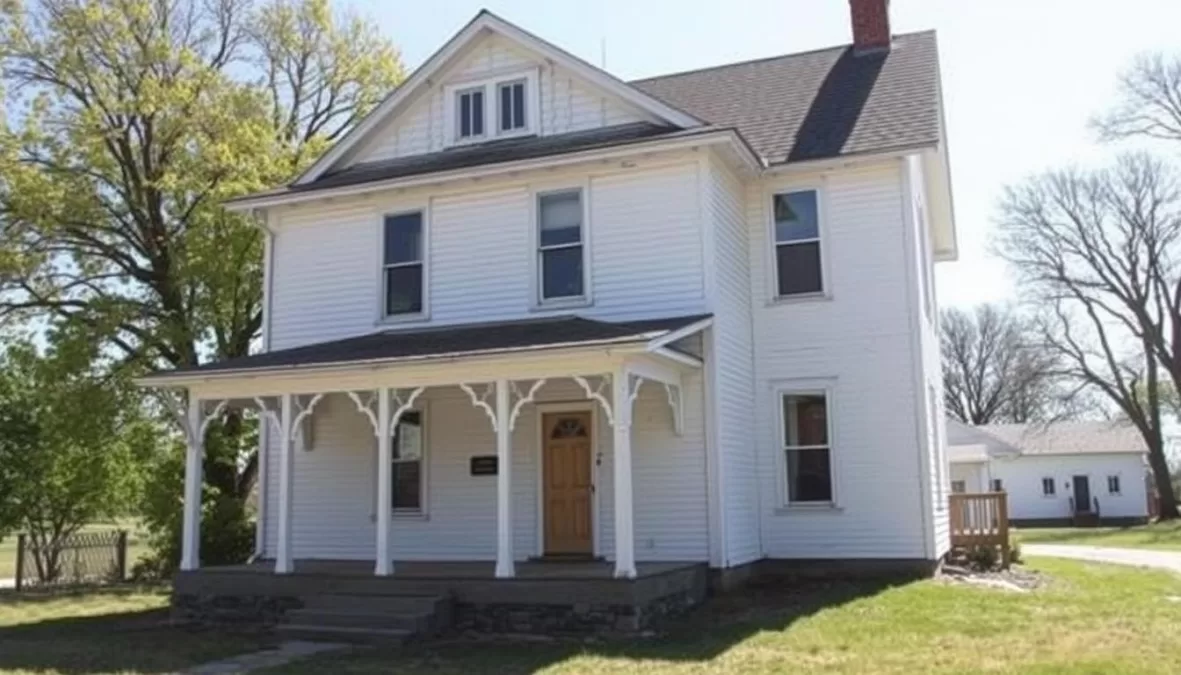
The restored Villisca Axe Murder House in Iowa, site of the infamous 1912 killings
On the night of June 9, 1912, eight people—including six children—were bludgeoned to death in their sleep in the quiet town of Villisca, Iowa. The brutal crime shocked the nation, sparked one of the largest manhunts of the era, and remains unsolved to this day, leaving behind a house that many believe is haunted by the victims’ restless spirits.
Key Facts:
- Date: June 9-10, 1912
- Victims: Josiah and Sarah Moore, their four children, and two visiting children
- Weapon: Household axe belonging to Josiah Moore
- All mirrors in the house were covered with clothing after the murders
- No one was ever convicted despite several suspects and one trial
The killer’s methodical approach adds to the horror. They arrived after midnight, took an axe from the backyard, systematically murdered each victim with the blunt end, covered all the mirrors and windows with clothing, and washed their hands before leaving. There were no signs of forced entry, suggesting the family knew their killer or the doors were unlocked.
The investigation identified several suspects, including a traveling minister, a state senator, and a suspected serial killer who may have committed similar axe murders across the Midwest. Despite a trial, no one was ever convicted. The house, restored to its 1912 condition, is now a tourist attraction where visitors report cold spots, moving objects, and children’s voices.
Why This Terrifies Us
The Villisca Axe Murders terrify us on multiple levels. First is the violation of safety—the victims were killed in their beds, where they should have been most secure. Second is the methodical nature of the crime, suggesting a calculating killer who took their time in a house full of victims. Third is the lack of resolution—the killer was never caught, leaving us to wonder if they continued their spree elsewhere. Finally, there’s the modern-day horror: in 2014, a paranormal investigator staying overnight in the house stabbed himself after claiming to make contact with the spirits, adding a contemporary chapter to this century-old true horror story.
5. The Amityville Horror: America’s Most Famous Haunted House

The infamous house at 112 Ocean Avenue in Amityville, New York, with its distinctive “eye” windows
On November 13, 1974, 23-year-old Ronald DeFeo Jr. murdered his entire family in their sleep at 112 Ocean Avenue in Amityville, New York. Thirteen months later, the Lutz family moved into the house and fled after just 28 days, claiming to have experienced terrifying paranormal phenomena. Their story became the bestselling book “The Amityville Horror” and spawned a media empire of films and literature.
Key Facts:
- Location: 112 Ocean Avenue (now 108 Ocean Ave), Amityville, Long Island, NY
- DeFeo murders: November 13, 1974 (six family members)
- Lutz family residence: December 18, 1975 – January 14, 1976 (28 days)
- House sold at a significant discount ($80,000, down from $120,000)
- Subject of 22+ films and numerous books
The Lutz family reported numerous disturbing phenomena: black ooze seeping from walls and keyholes, a hidden “red room” not in the house plans, swarms of flies in winter, George Lutz waking at 3:15 AM (the estimated time of the DeFeo murders) every morning, levitation, demonic pig-like creature with glowing red eyes, and the strong smell of perfume and excrement throughout the house.
The case gained credibility when renowned paranormal investigators Ed and Lorraine Warren investigated and declared the house genuinely haunted. However, subsequent residents have reported no paranormal activity, and many aspects of the Lutz story have been challenged. Ronald DeFeo’s lawyer later admitted to creating the haunting story with the Lutzes over many bottles of wine.
Why This Terrifies Us
Whether you believe the Lutz family’s account or view it as an elaborate hoax, the Amityville Horror taps into our deepest fears about home and safety. The idea that a dream home could become a nightmare—whether through human violence like the DeFeo murders or supernatural forces—strikes at our core need for security. The distinctive house with its “eye” windows has become an icon of American horror, instantly recognizable and permanently associated with evil. The blurring of fact and fiction in the case makes it particularly unsettling; we know the DeFeo murders were real, leaving us to wonder how much of the subsequent haunting might also be true.
Are you brave enough to explore more infamous haunted locations? Discover our curated collection of the world’s most terrifying places.
6. The Bell Witch: America’s Deadliest Spirit
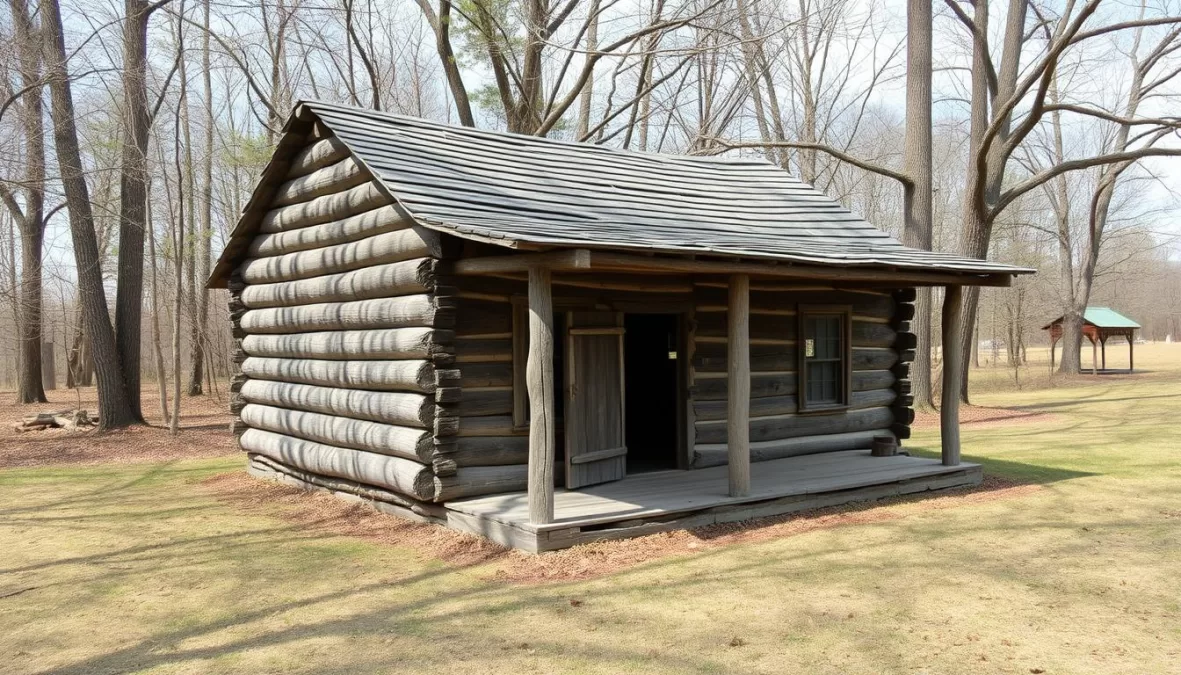
Reconstruction of the Bell family cabin in Adams, Tennessee, where the infamous haunting took place
Between 1817 and 1821, the Bell family of Robertson County, Tennessee experienced what may be America’s most well-documented case of sustained supernatural torment. The entity, known as the “Bell Witch,” allegedly tormented the family for years and is one of the few cases in recorded history where a spirit is credited with causing a human death.
Key Facts:
- Time period: 1817-1821
- Location: Red River community (now Adams), Tennessee
- Primary target: John Bell Sr. and his daughter Betsy
- Witnessed by numerous community members, including future President Andrew Jackson
- Only documented case in U.S. history where a spirit allegedly killed a person
The haunting began with strange animal sightings and unexplained knocking sounds, but quickly escalated. The entity gained the ability to speak and identified itself as “Kate Batts’ witch.” Kate was a neighbor with whom John Bell had a land dispute. The spirit violently attacked Bell and his daughter Betsy, leaving visible bruises, pulling their hair, and sticking them with pins. It disrupted meals by throwing dishes, slapping food from their hands, and removing bed covers in winter.
What makes this case remarkable is the number of credible witnesses. Local citizens, clergy, and even future U.S. President Andrew Jackson visited the Bell home to witness the phenomena. According to local history, Jackson’s wagon wheels mysteriously locked, and a voice told him, “You may proceed, General Jackson, for I will see you again tonight.” After experiencing the haunting firsthand, Jackson reportedly said, “I’d rather fight the entire British Army than deal with the Bell Witch.”
Why This Terrifies Us
The Bell Witch case terrifies us because it represents a perfect storm of horror elements: an invisible tormentor that could not be escaped, public humiliation, physical attacks, and ultimately death. On December 20, 1820, John Bell died after falling into a coma. A mysterious vial of liquid was found nearby, which the “witch” claimed credit for administering. When drops were given to the family cat, it died immediately. The entity’s apparent ability to physically harm and ultimately kill a human being elevates this from mere haunting to something far more sinister. The extensive documentation and multiple witnesses make this true horror story difficult to dismiss as mere folklore.
7. The Hinterkaifeck Murders: Germany’s Most Chilling Unsolved Case
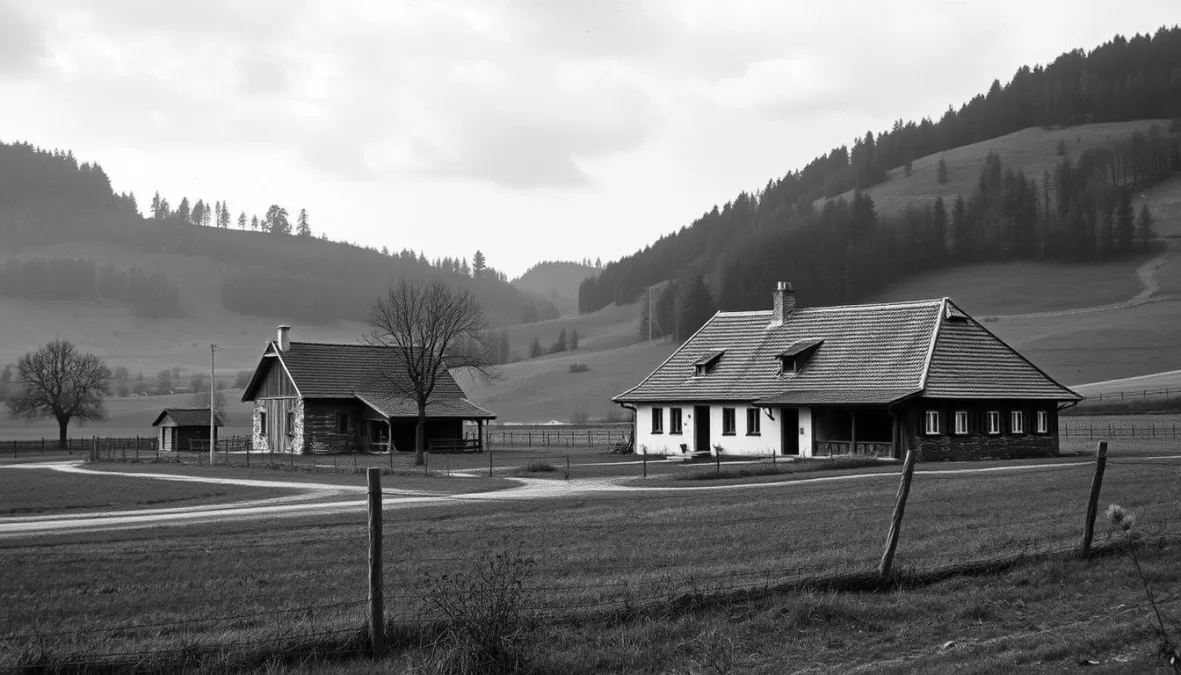
Historical image of the isolated Hinterkaifeck farm where the entire Gruber family was murdered in 1922
On the evening of March 31, 1922, six residents of the isolated Hinterkaifeck farmstead in Bavaria, Germany were methodically murdered with a mattock (similar to a pickaxe). The victims included farmer Andreas Gruber (63), his wife Cäzilia (72), their widowed daughter Viktoria Gabriel (35), her children Cäzilia (7) and Josef (2), and the family’s maid, Maria Baumgartner (44). The case remains one of Germany’s most notorious unsolved murders, made all the more disturbing by evidence that the killer lived in the house with the corpses for several days after the murders.
Key Facts:
- Date: March 31, 1922
- Location: Hinterkaifeck farm, near Groebern, Bavaria, Germany
- Victims: Six people, including a 2-year-old child
- Weapon: Farm tool (mattock)
- More than 100 suspects interviewed, no one ever charged
The horror began days before the murders when Andreas Gruber told neighbors he had discovered footprints in the snow leading from the forest to the farm, but none leading back. He also reported hearing footsteps in the attic and finding an unfamiliar newspaper on the property. Keys went missing, and strange noises were heard around the house.
After the murders, investigators found that someone had fed the cattle, eaten food from the kitchen, and used the chimney. Neighbors only became concerned when young Cäzilia missed several days of school. The new maid, Maria, had only arrived at the farm hours before the murders, after the previous maid had quit because she believed the house was haunted.
Why This Terrifies Us
The Hinterkaifeck case embodies multiple layers of horror. First is the premeditation—the killer apparently hid on the property for days, watching the family and learning their routines. Second is the methodical nature of the killings, with each victim lured to the barn or killed in their bed. Third, and perhaps most disturbing, is the killer’s comfort in remaining in the house with the bodies, sleeping in the beds of those they had murdered and maintaining the farm as if nothing had happened. The case suggests a level of pathology that transcends typical motives of robbery or revenge. A century later, the unsolved case continues to haunt Germany, with the farm itself demolished and the ground plowed under in an attempt to erase the horror that occurred there.
Fascinated by historical mysteries? Subscribe to receive our monthly collection of unsolved true horror stories from around the world.
8. The Death of Elisa Lam: Modern Mystery at the Cecil Hotel

The Cecil Hotel in downtown Los Angeles, site of numerous deaths and strange occurrences
In February 2013, the body of 21-year-old Canadian student Elisa Lam was discovered floating in a water tank on the roof of the Cecil Hotel in Los Angeles. Her death might have been a tragic but unremarkable accident or suicide if not for the disturbing elevator surveillance footage released by police during the search for her. The video, which quickly went viral, shows Lam behaving erratically—hiding in the elevator corner, peering into the hallway, making strange hand gestures, and appearing to speak to someone unseen—creating one of the most unsettling true horror stories of the digital age.
Key Facts:
- Date of disappearance: January 31, 2013
- Body discovered: February 19, 2013
- Location: Cecil Hotel (Stay on Main), Los Angeles
- Hotel guests unknowingly drank and bathed in water contaminated by her decomposing body
- Cecil Hotel has a long history of suicides, murders, and housing serial killers
What makes this case particularly disturbing are the circumstances surrounding her death. The water tank where Lam was found was on the hotel roof, which was supposedly locked and alarmed, with access only through staff keys. The tank itself had a heavy lid that would be difficult to replace from inside. Lam was found naked, with her clothes and personal effects floating in the water beside her.
Adding to the horror, hotel guests had complained for days about low water pressure and strange-tasting, discolored water—unknowingly consuming water contaminated by Lam’s decomposing body. The Cecil Hotel itself has a macabre history, having housed serial killers Richard Ramirez (the “Night Stalker”) and Jack Unterweger, and being the site of numerous suicides and murders since its opening in 1927.
Why This Terrifies Us
The Elisa Lam case terrifies us because it combines modern surveillance technology with ancient fears of contamination and the unknown. The elevator video—with its jerky movements, time code, and silent witness—creates a found-footage horror that feels both authentic and inexplicable. Was Lam experiencing a psychotic episode due to her bipolar disorder? Was she playing a game? Was she being pursued by someone just out of frame? Or was she, as some believe, experiencing something supernatural in a hotel known for death? The fact that her body contaminated the water supply of hundreds of people adds a visceral layer of horror that connects to primal fears of pollution and disease. Despite the coroner ruling her death an accidental drowning, the circumstances remain so bizarre that the case continues to haunt the internet as a real-life horror story with no satisfying explanation.
9. The Keddie Cabin Murders: California’s Cabin 28 Horror
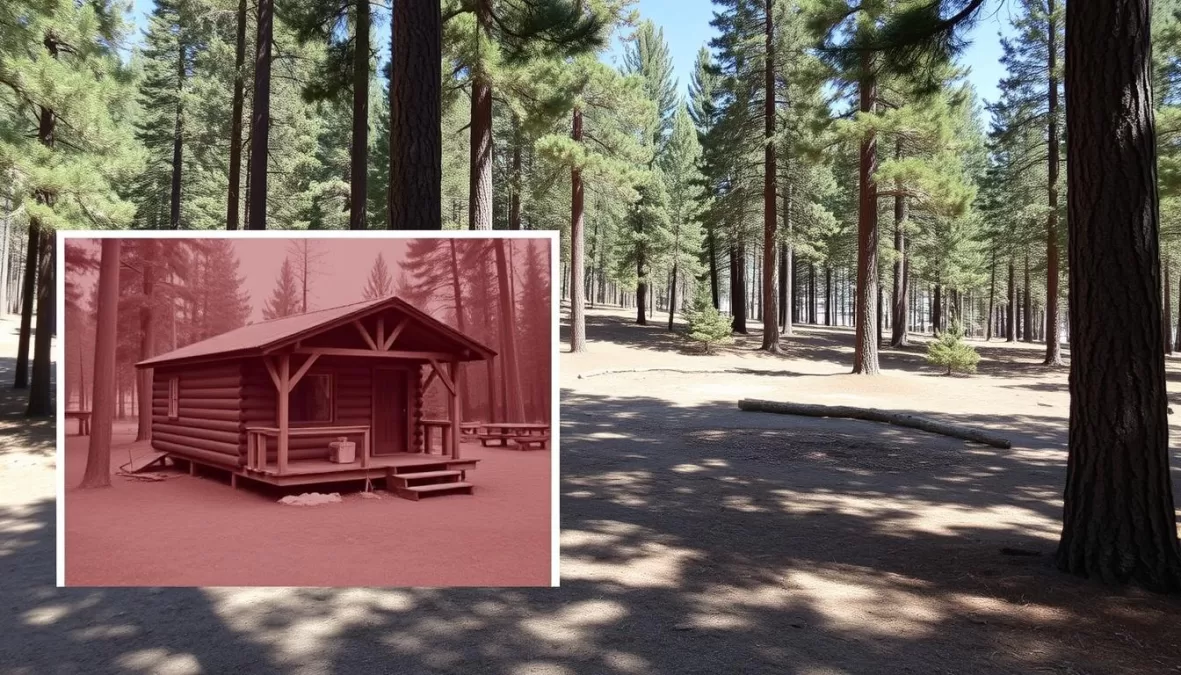
Historical photograph of Cabin 28 at the Keddie Resort before it was demolished in 2004
On the morning of April 12, 1981, in the small resort town of Keddie, California, 14-year-old Sheila Sharp returned from a sleepover to find a scene of unimaginable horror in Cabin 28. Her mother Glenna Sharp (36), brother John (15), and John’s friend Dana Wingate (17) had been brutally murdered—bound with tape and electrical wire, then stabbed and bludgeoned with multiple weapons including a hammer, knife, and a wooden poker. Most disturbing of all, Sheila’s 12-year-old sister Tina was missing from the cabin, only to be found three years later when her skull was discovered 50 miles away.
Key Facts:
- Date: April 11-12, 1981
- Location: Cabin 28, Keddie Resort, Plumas County, California
- Victims: Three killed in cabin, one abducted and killed elsewhere
- Three young boys in the cabin were left unharmed
- Case remained unsolved for decades with recent developments in 2016
The savagery of the attacks shocked investigators. The victims had been bound with such force that the wire cut into their wrists. Multiple weapons were used, suggesting more than one killer, and the crime scene showed evidence of a prolonged, frenzied attack. Mysteriously, three younger children (ages 5, 10, and 12) were asleep in an adjacent room and were left unharmed.
For decades, the case remained unsolved despite strong suspicions about two local men with criminal histories who lived nearby. In 2016, new evidence emerged when a hammer matching the suspected murder weapon was found in a pond near the crime scene. DNA testing and renewed investigation has led authorities to believe they know who committed the murders, though both primary suspects are now deceased.
Why This Terrifies Us
The Keddie murders tap into our primal fear of home invasion and the vulnerability we feel while sleeping. The randomness and excessive brutality of the attack—far beyond what would be necessary to simply kill—suggests a level of sadism that defies rational explanation. The fact that some children were spared while others were targeted adds an element of calculated horror. The remote setting in a vacation cabin—a place meant for relaxation and escape—transforms a symbol of leisure into one of terror. After the murders, Cabin 28 stood empty for years, becoming a macabre tourist attraction until it was finally demolished in 2004. The case inspired the 2008 horror film “The Strangers” and continues to haunt the American consciousness as one of the most disturbing true crime cases in California history.
Want to receive updates on cold cases that have been recently solved? Join our true crime community for the latest developments.
10. The Exorcism of Roland Doe: The Real Story Behind The Exorcist
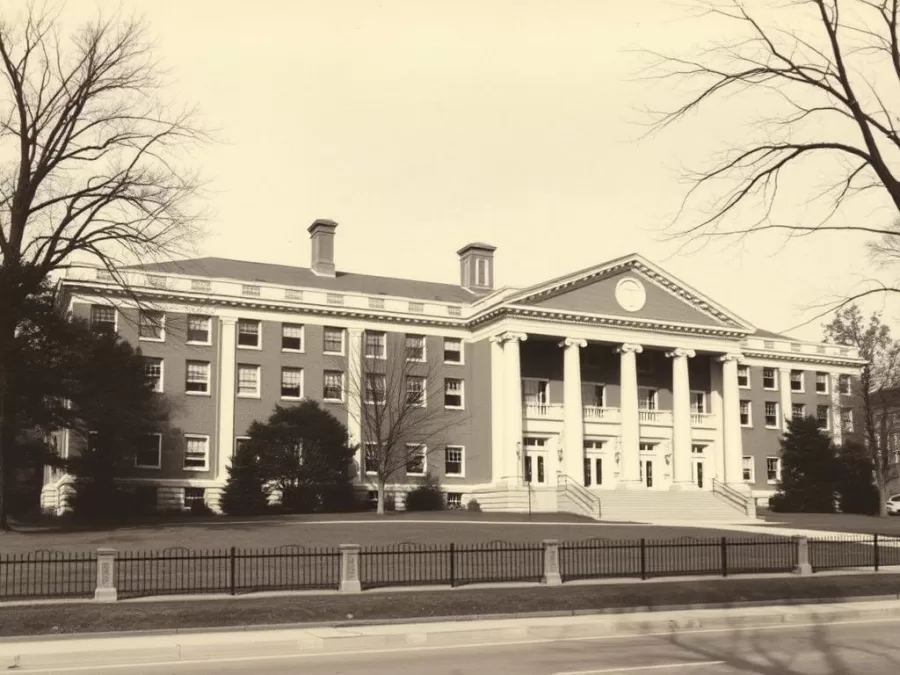
Alexian Brothers Hospital in St. Louis, where the final stages of Roland Doe’s exorcism took place
In 1949, priests from the Catholic Church performed a series of exorcisms on a 14-year-old boy, pseudonymously called “Roland Doe” or “Robbie Mannheim” to protect his identity. The case, which began in Maryland and concluded in St. Louis, Missouri, is one of the most thoroughly documented cases of possession and exorcism in modern history. It would later inspire William Peter Blatty’s novel “The Exorcist” and the iconic film adaptation that terrified audiences worldwide.
Key Facts:
- Time period: January-April 1949
- Locations: Maryland and St. Louis, Missouri
- Subject: 14-year-old boy (real identity still protected)
- Documented by multiple priests, including detailed diaries
- Over 30 people witnessed the phenomena
According to documentation from the priests involved, the boy exhibited classic signs of demonic possession: speaking in languages he had never studied (including Latin and Hebrew), violent aversion to sacred objects, superhuman strength, levitation, and knowledge of events happening at a distance. The most disturbing phenomena were physical—words would allegedly appear carved into the boy’s body, furniture would move on its own, and objects would fly across rooms.
Father William Bowdern, who led the final exorcism with the assistance of Father Walter Halloran and Rev. William Van Roo, kept detailed records of the process. After more than 30 sessions of the ritual, the boy was finally declared free of possession following a violent convulsion and the appearance of the words “Saint Michael” on his body. He reportedly went on to lead a normal life with no memory of the events.
Why This Terrifies Us
The Roland Doe case terrifies us because it suggests forces beyond our scientific understanding that can invade and control the human body and mind. Unlike many paranormal claims, this case was documented by educated, skeptical men who had no apparent motive to fabricate such extreme events. The Catholic Church, typically conservative about declaring genuine cases of possession, officially sanctioned the exorcism. The idea that a normal adolescent could suddenly become a vessel for something inhuman strikes at our deepest fears about loss of control and identity. While skeptics have suggested the boy may have suffered from mental illness or been highly suggestible, the case file contains observations that remain difficult to explain through conventional psychology, making this one of the most enduring true horror stories of the 20th century.
Frequently Asked Questions About True Horror Stories
Are these horror stories proven to be true?
Each story in this collection has documented evidence and multiple witnesses, though the interpretation of events varies. The core events (murders, disappearances, deaths) are historically verified. The supernatural elements depend on your perspective—they’re supported by witness testimony but often lack scientific explanation. What makes these true horror stories compelling is the blend of verified facts with unexplained circumstances that leave room for both rational and supernatural interpretations.
What’s the oldest documented horror story?
While our list focuses on more recent cases with substantial documentation, the oldest well-documented horror stories date back to ancient civilizations. The Ancient Egyptians recorded accounts of hauntings in hieroglyphic texts from around 2500 BCE. Pliny the Younger wrote one of the earliest detailed ghost stories in 1st century Rome, describing a haunted house in Athens with clanking chains and an apparition of an old man. These early accounts show that true horror stories have been part of human experience throughout recorded history.
Why do some locations seem to attract multiple horror stories?
Locations like the Cecil Hotel appear repeatedly in true horror stories for several reasons. First, once a place gains a reputation for the macabre, incidents there receive more attention. Second, certain buildings with troubled histories may attract vulnerable individuals. Third, some locations have physical or environmental factors (poor construction, toxic mold, infrasound) that could contribute to hallucinations or discomfort. Finally, from a psychological perspective, knowing a place’s dark history can prime people to interpret ambiguous experiences as supernatural or sinister.
Can I visit these locations?
Many locations in these true horror stories are accessible to the public, though some have been demolished or repurposed. The Villisca Axe Murder House offers tours and overnight stays. The Cecil Hotel (now rebranded) still operates as a hotel. The Bell Witch Cave and property in Tennessee is open for tours. However, some sites like Hinterkaifeck have been deliberately erased, and others like Aokigahara Forest, while accessible, should be approached with extreme caution and respect. Always research current status and access restrictions before planning a visit.
Experience More True Horror Stories
Join our community of over 50,000 horror enthusiasts who receive our weekly newsletter featuring exclusive true horror stories, historical analyses, and updates on recent paranormal investigations.
The Enduring Power of True Horror Stories
True horror stories captivate us because they blur the line between nightmare and reality. Unlike fictional tales, these accounts remind us that sometimes truth is indeed stranger—and more terrifying—than fiction. The cases we’ve explored span continents and centuries, yet they share common elements that speak to our deepest fears: the unknown, the violation of safety, the loss of control, and the suggestion that reality may be more complex than our rational minds can comprehend.
Whether you approach these stories as a skeptic seeking rational explanations or as someone open to the possibility of the paranormal, they offer a window into the darker corners of human experience. They remind us that despite our technological advances and scientific understanding, there remain events and phenomena that defy easy explanation. Perhaps that’s why true horror stories continue to fascinate us—they humble us by suggesting that the world is still full of mysteries waiting to be understood.

Priyanka Pandey
Senior Research Editor · Top10Sense
Priyanka specializes in tech, consumer products, and digital trends. She combines hands-on testing, vendor interviews, and database research to create trustworthy “Top 10” rankings. Her work has been referenced by industry blogs and brand report pages.